 Image 1 of 4
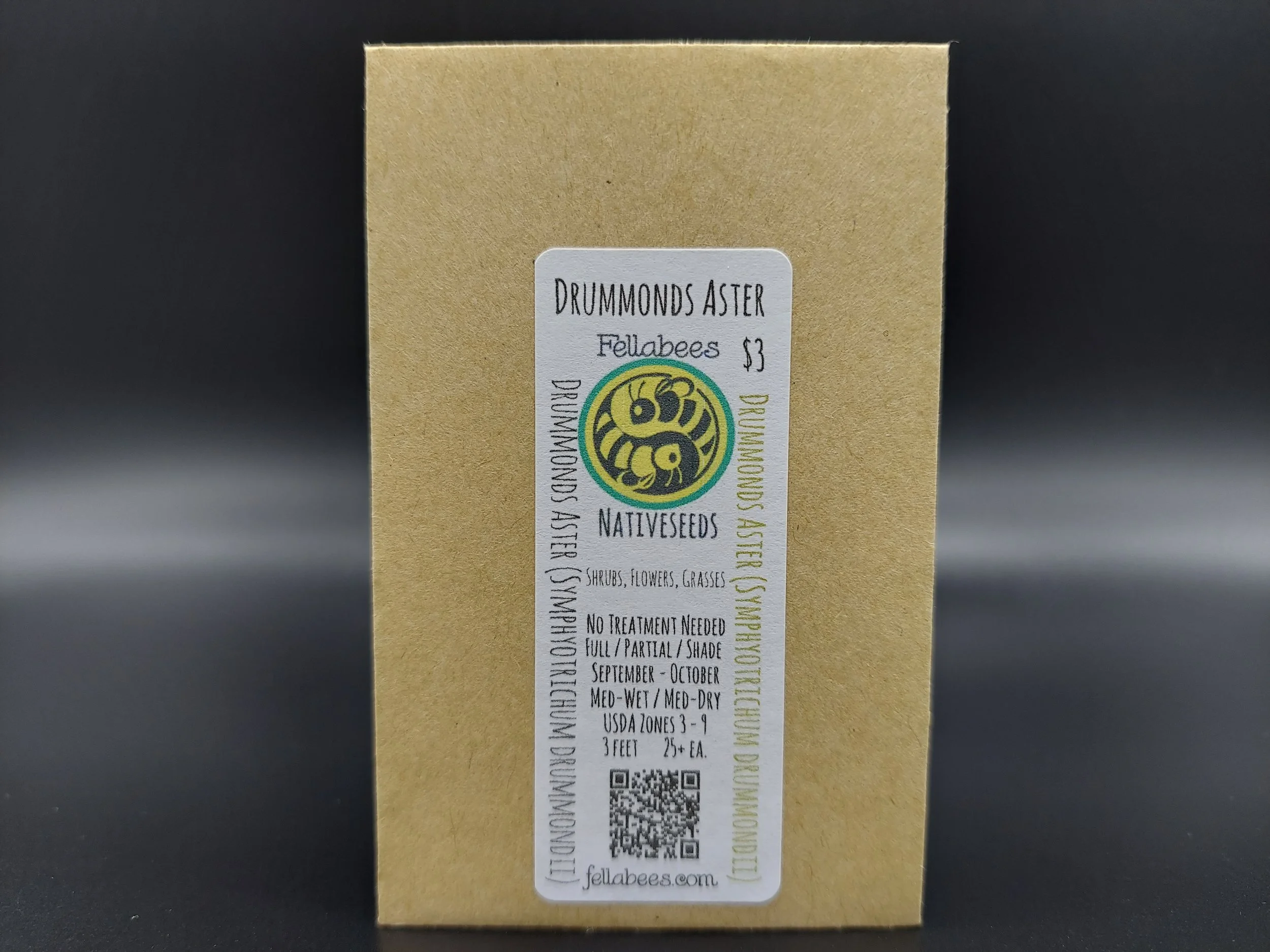 Image 2 of 4
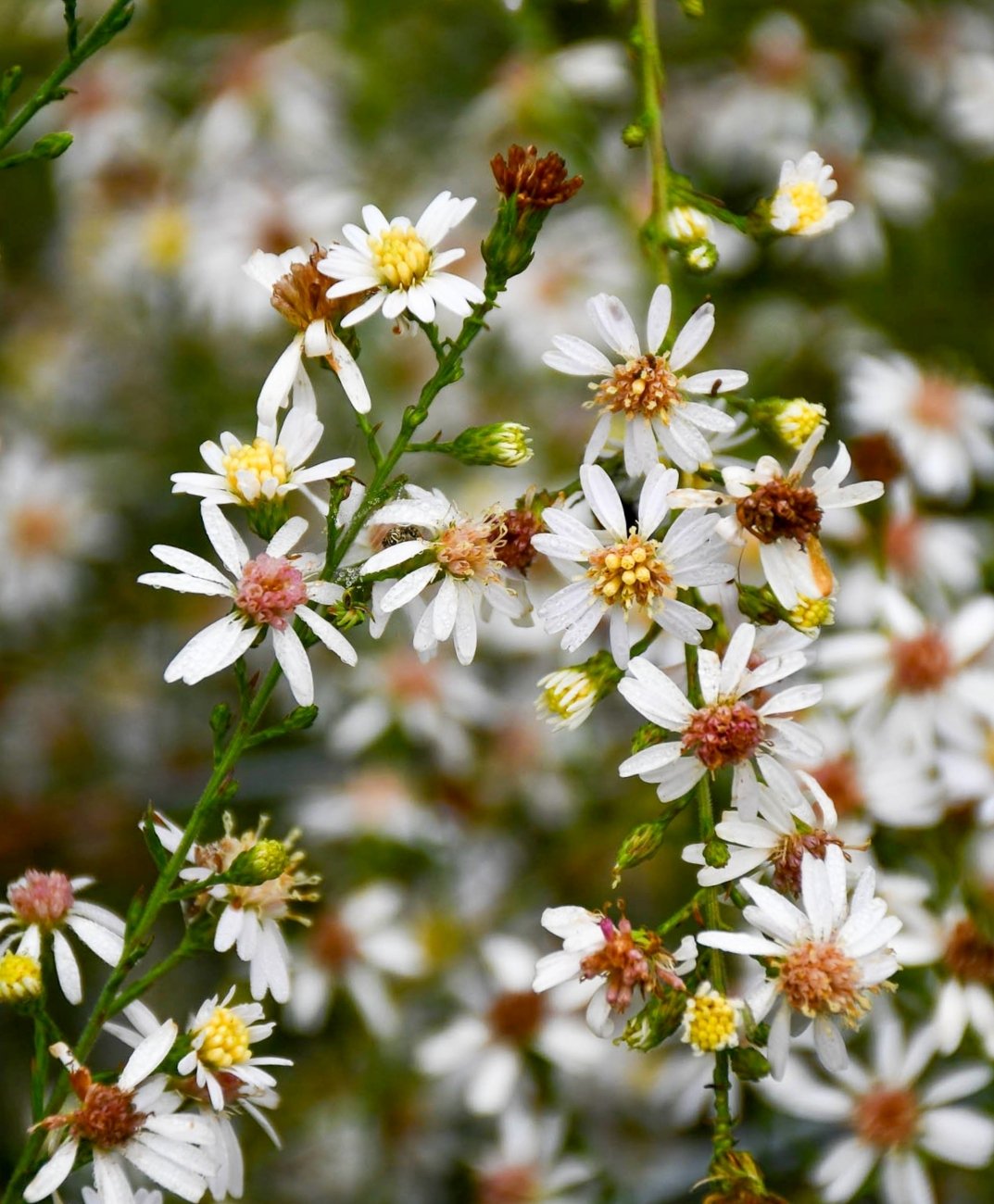 Image 3 of 4
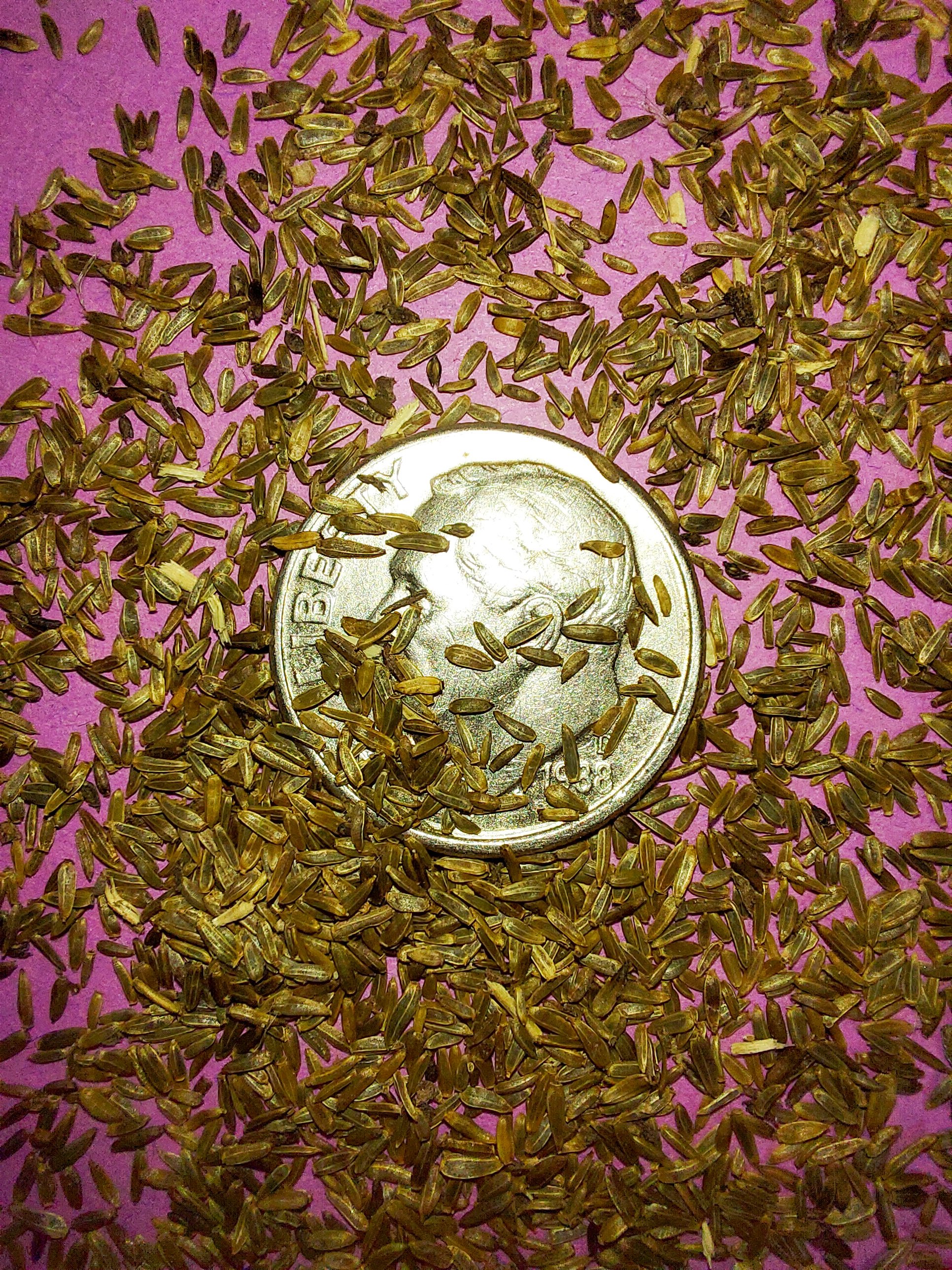 Image 4 of 4
Free Shipping on all orders over $8.00!!! Free Shipping and Sale Prices end at the end of 2026
Winter Sowers Sale is on Right NOW!!! Save up to 66% off! 25+ species packets are just $1.00ea and one pack at $0.75! Whaaat?!
$8 minimum order to open checkout.
Profits beyond costs, go toward building our inventory of managed native prairies to help increase selections!
Thank you for your patronage of this small business! We cannot do this without you!
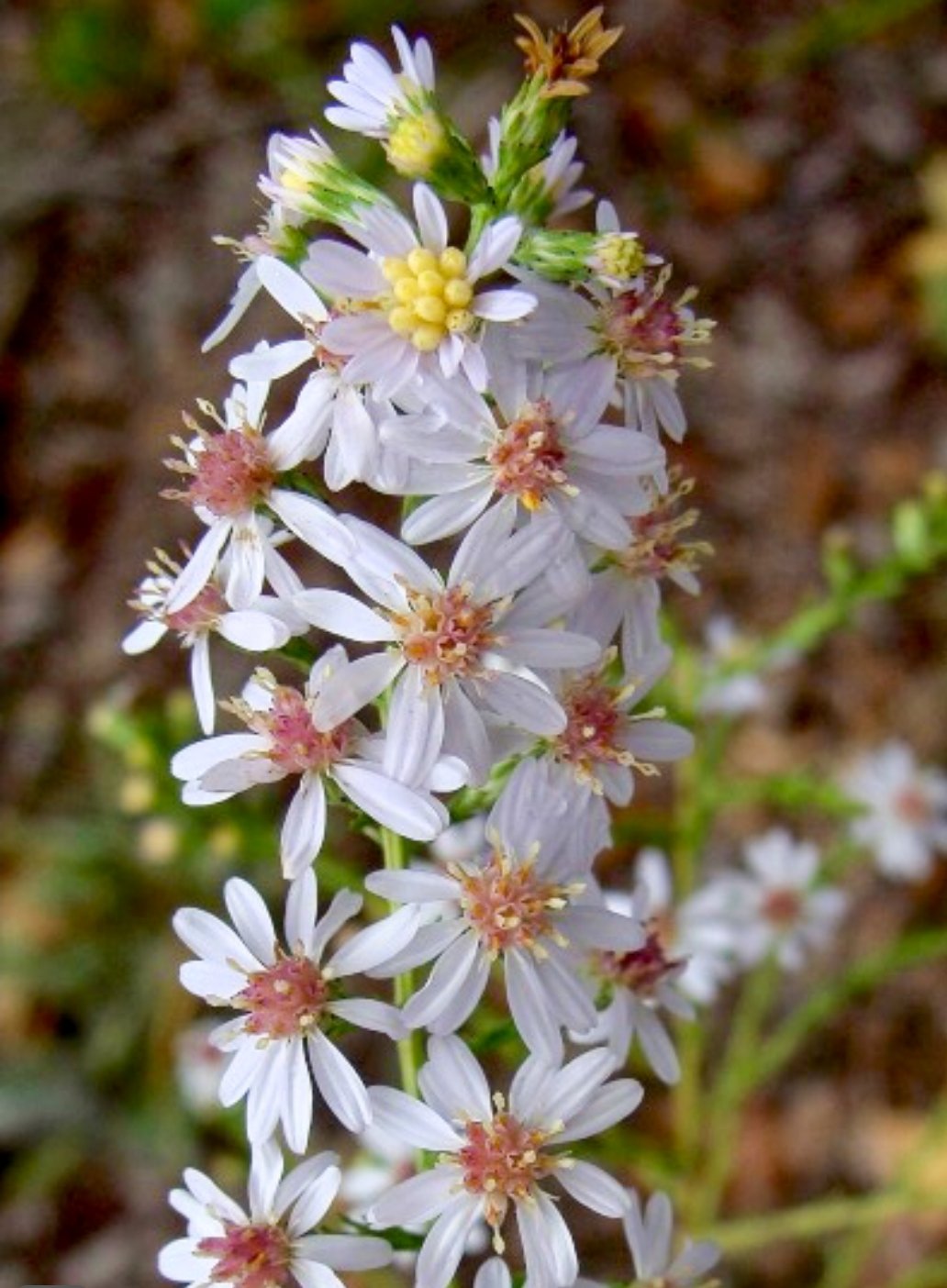
Drummond’s Aster (Symphyotrichum drummondii)
Symphyotrichum drummondii (Drummond’s aster) supports diverse ecological and faunal communities by providing late-season nectar and pollen for bees, butterflies, and other pollinators at a time when floral resources are more scarce. Its abundant small composite flowers attract native solitary bees, bumble bees and a variety of butterflies and moths and plays host to the Pearl Crescent Butterfly
(Phyciodes tharos)
The plant’s foliage and stems offer feeding and shelter for caterpillars and other herbivorous insects, which in turn serve as prey for birds and beneficial predatory insects, bolstering local food webs.
As a native perennial adapted to moist meadow and prairie margins, Drummonds Aster contributes significantly to soil stabilization and water infiltration while promoting habitat heterogeneity in restored prairies and riparian buffers. Its seed heads provide modest fall and winter resources for seed-eating birds, and its presence in diverse native plantings helps sustain pollinator populations and overall ecosystem resilience.
Plant Details
USDA Zones: 3 - 9
Germination Needs: Needs no special treatment
Life Cycle: Perennial
Sun Exposure: Full to Partial
Soil Moisture: Medium-Wet, Medium, Medium-Dry
Plant Spacing: 2-3 feet
Height: 3 feet
Bloom time: September, October
Bloom Color: White
Advantages:
Pollinator Favorite: butterflies, moths, bees, wasps, beetles
Bird Favorite: seeds, insects, fruit, nectar, nesting, perches.
Deer Resistant: Yes
Native to: Wisconsin, Minnesota, Iowa, Illinois, Indiana, Michigan, Ohio, Pennsylvania, Maryland, New Jersey, West Virginia, Virginia, Kentucky, Tennessee, Georgia, Alabama, Mississippi, Louisiana, Arkansas, Missouri, Texas, Oklahoma, Kansas, and Nebraska.
This species is considered present but rare in several counties of Michigan, Ohio, Maryland, and West Virginia.
Seed Count: 25+
.
.
Packet quantities:
We pride ourselves on ethical, hands on, ecological management, using no mechanical or chemical methods whatsoever.
All of our native seed is hand reared, hand picked, and hand packed from native prairies under our exclusive management, never breaking chain of custody from the field until it is sent to you. Each packet is hand prepared for shipment by us, directly.
Small seed species will contain greater than 20-25 seed
Large seed species will contain greater than 10-15 seed
All packets are individually marked at the bottom of the front label with expected count, however most if not all packets will have many more than the minimum count by default.
It is our mission to spread the wealth of native plant and pollinator ecological sustainability, and educate back yard gardeners as well as corporate and government entities in how to germinate, grow, and benefit from native synergies.
Thank you for your support, it is because of you, that we can grow together to do, what we do. 🐛🦋🐝🐞🌾🌱🌼🧡