Foxglove Beardtongue (Penstemon digitalis)
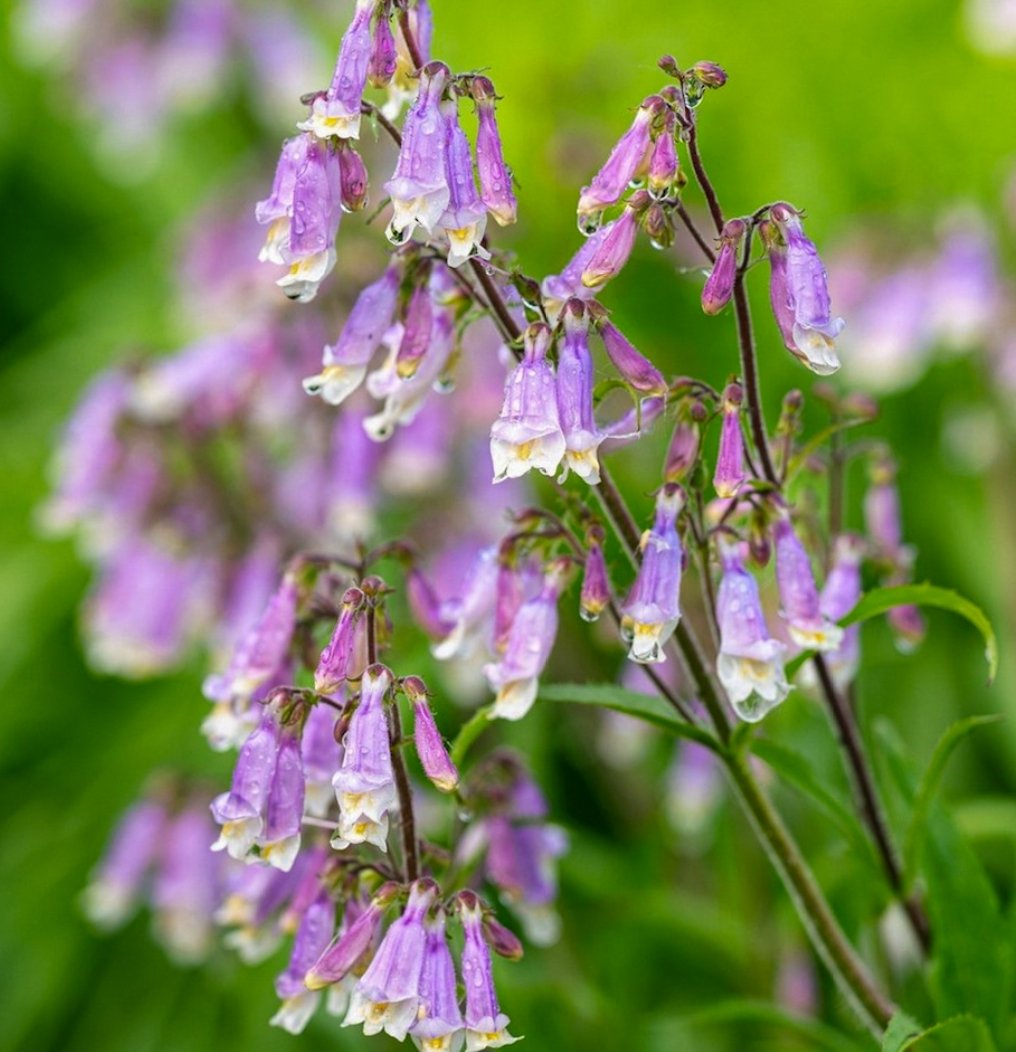
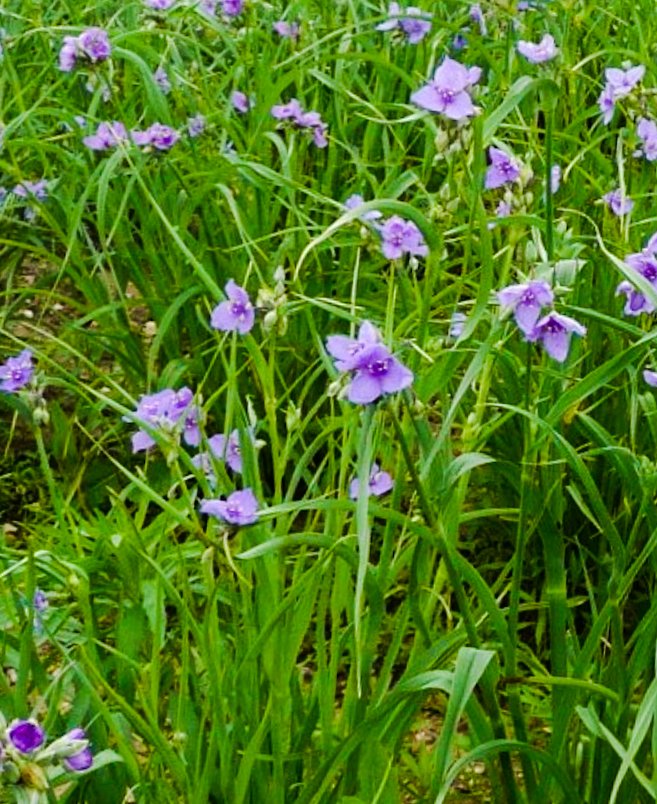
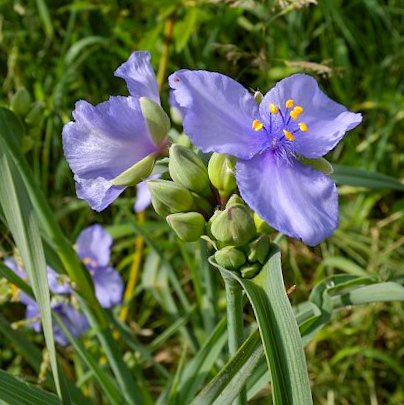
Penstemon digitalis, commonly called foxglove beardtongue, talus slope penstemon, or white beardtongue, is a species of flowering plant in the plantain family, Plantaginaceae, noted for its showy tubular white to pale pink flowers and upright clumps of lance-shaped foliage.
Typically growing to 3 to 4 feet in height, Foxglove Beardtongue is a bold perennial that provides visual interest and vital nectar sources in early Spring.
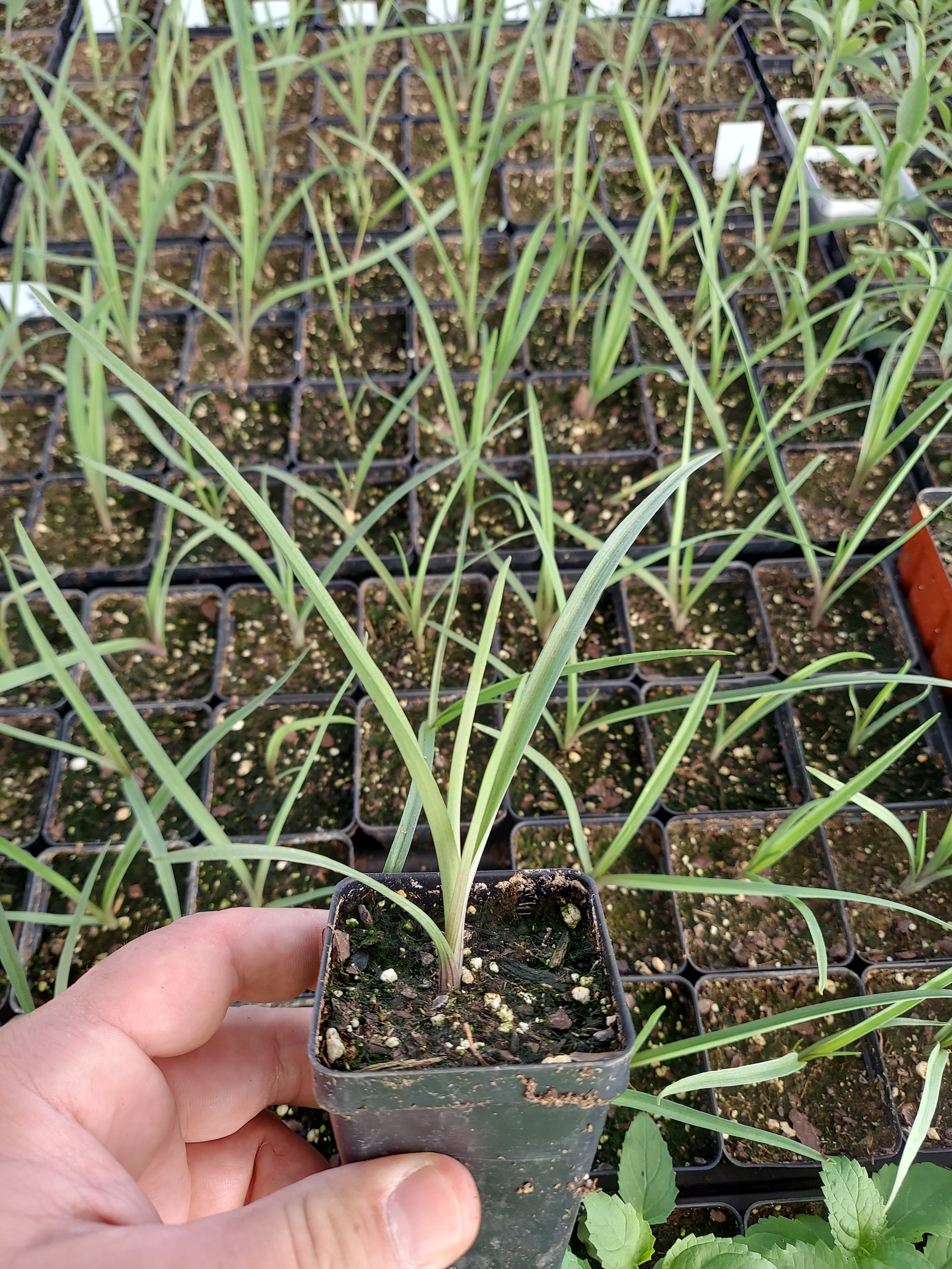
Mature plants produce many seed, of which quite a few fall near the plant which germinate to form shallow rooted rosettes that are easily transplanted!
Foxglove Beardtongue have large and hairy sterile stamens on the lower portion of the flowers tube. This staminode limits access to the flower and assists in how pollen is deposited on the pollinator.
Small to medium sized bees are the most prevalently seen pollinators on Foxglove Beardtongue. Species such as Small Carpenter Bees (Ceratina spp.), Digger Bees (Anthophora spp.) Small Sweat Bees (Lasioglossum spp.), Leafcutter Bees (Megachile spp) and most obviously, Bumble Bees (Bombus spp.).
lt is fairly common to see fly species on the flowers feeding on pollen dropped on the flower tubes floor including Syrphid Flies of the (Toxomerus spp) and (Tropidia spp).
Foxglove Beardtongue flowers are technically self-compatible (meaning they can self-pollinate) but they take many measures to avoid this outcome. When the flowers finally open the anthers device and the sale is horizontally held. The flowers have four fertile stamens and one sterile staminode. The staminode has stiff bristles on its upper side pointing to the center of the flower.
On the flowers second day the style lengthens, curving downward, making the stigma receptive to pollen for two more days. The flowers of Foxglove Beardtongue tend to be temperature dependent often lasting just 3 days but will persist longer in cooler temperatures and shorter on warm days. This appears to be a strategy to better align with needs of pollinator species that are more active in warmer temperatures, therefore being more efficient and effective in achieving pollination.
The flower heads are arranged in panicles with all flowers falling perpendicular to the stalk. Each flower has light pink to purple nectar guides for visiting pollinators to follow. These nectar guides are UV tinted, heightening the ability for many bee species to see them. Under UV light, all parts of the flower tube are highly reflective with the only exception being the guides.
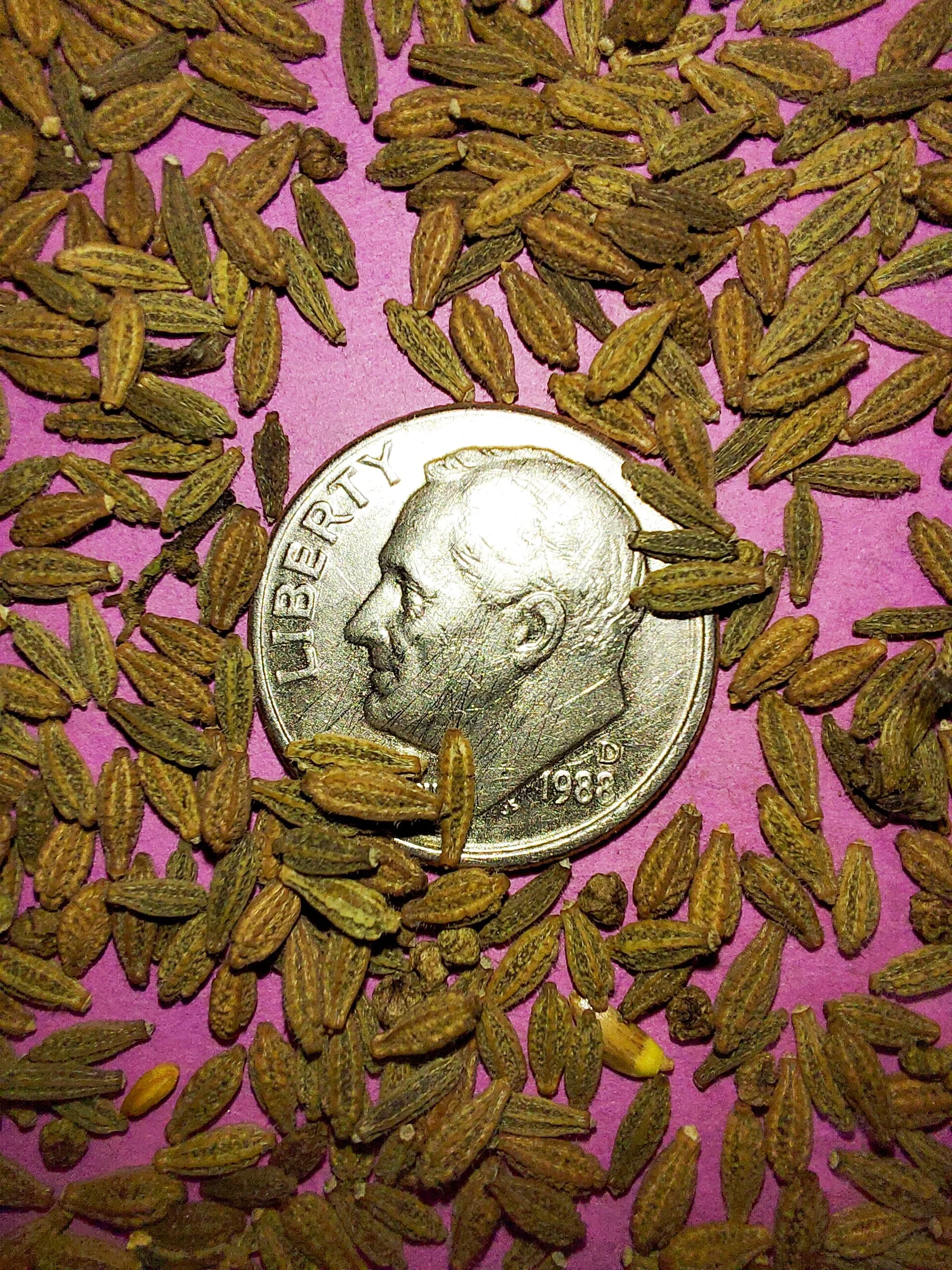
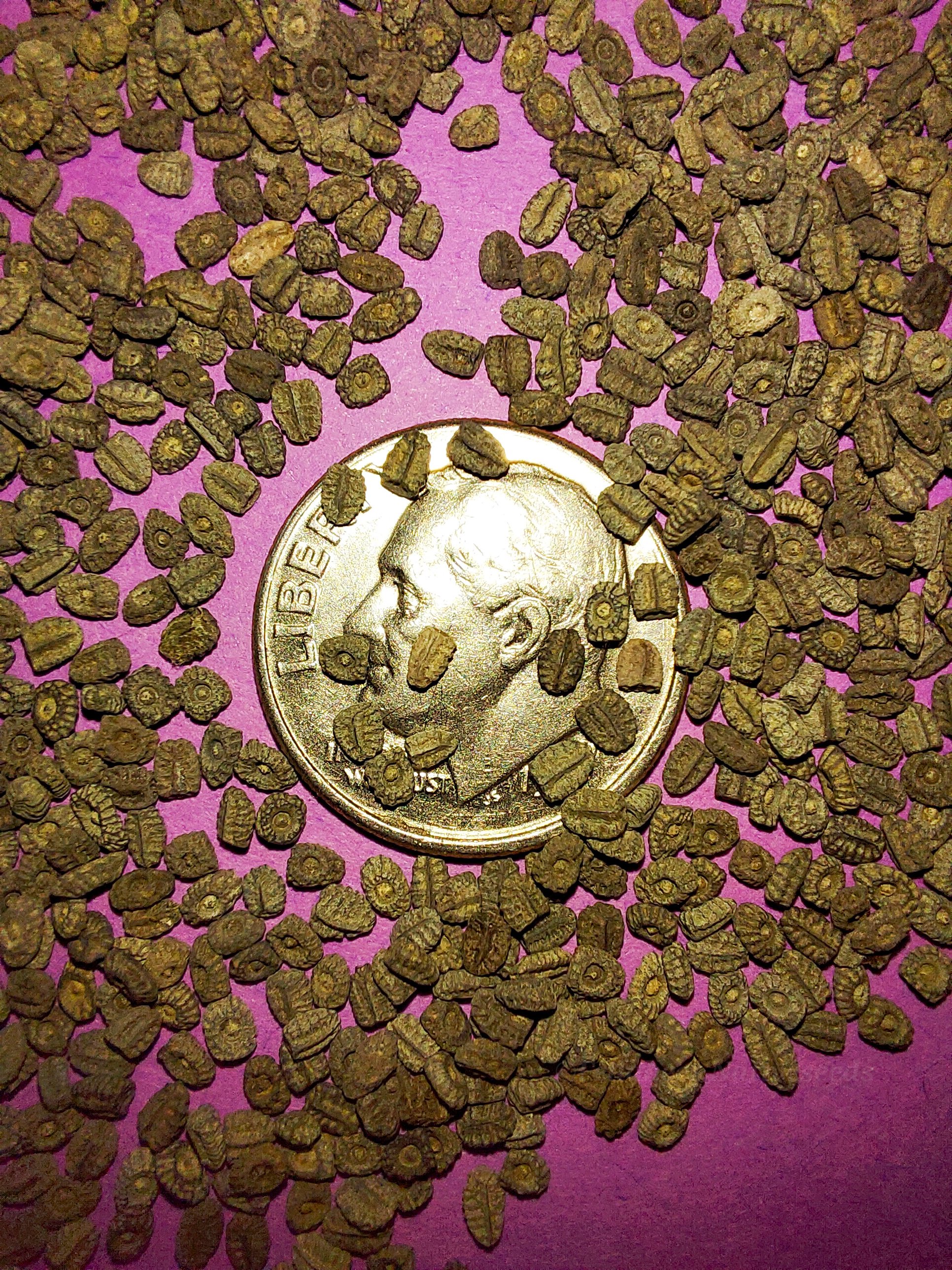
As the season wears into summer all the flowers fade and the plant stays rather mute and glossy green. It produces many hard green seed capsules where the flowers once were, and gradually these seed pods mature but are not ready to harvest yet until late fall when the foliage begins to turn a brilliant red. The seed pods will turn brown and will have very slight opening to allow small amounts of seed to be disbursed slowly by wind or disturbance as though through a saltshaker.
Plant Details
USDA Zones: 4-8
Germination Needs: 30 Days Cold Stratification,
Life Cycle: Perennial
Sun Exposure: Full to Partial
Soil Moisture: Medium, Medium-Dry
Plant Spacing: 1-1½ feet
Height: 4 feet
Bloom time: June, July
Bloom Color: White
Advantages
Pollinator Favorite: butterflies, moths, bees, wasps, beetles
Bird Favorite: seeds, insects, fruit, nectar, nesting, perches.
Deer Resistant: Yes
Excellent in the home landscape!
Native to: Wisconsin, Iowa, Illinois, Indiana, Michigan, Ohio, Pennsylvania, New Jersey, Maryland, Delaware, West Virginia, Virginia, Kentucky, Tennessee, North Carolina, South Carolina, Georgia, Alabama, Mississippi, Louisiana, Arkansas, Missouri, Texas, Oklahoma, Kansas and Nebraska.
This species is considered present but rare in several counties of the states of Georgia and Nebraska.
This species is listed as present but introduced in several counties of the states of North Dakota, South Dakota, Minnesota, New York, Vermont, New Hampshire, Maine, Massachusetts, Rhode Island and Connecticut.
*We feel strongly that Foxglove Beardtongue is historically native to Wisconsin and existed in the state long before Europeans studied native plant ecology and decided ranges for maps in their Era.
The fact that this species has historically established range in both Iowa and the Upper Peninsula of Michigan puts the declaration of “introduced” for Wisconsin at odds with this plants preferred ecosystem. The argument here is that Wisconsin is correctly within this species ecoregion.
.
.
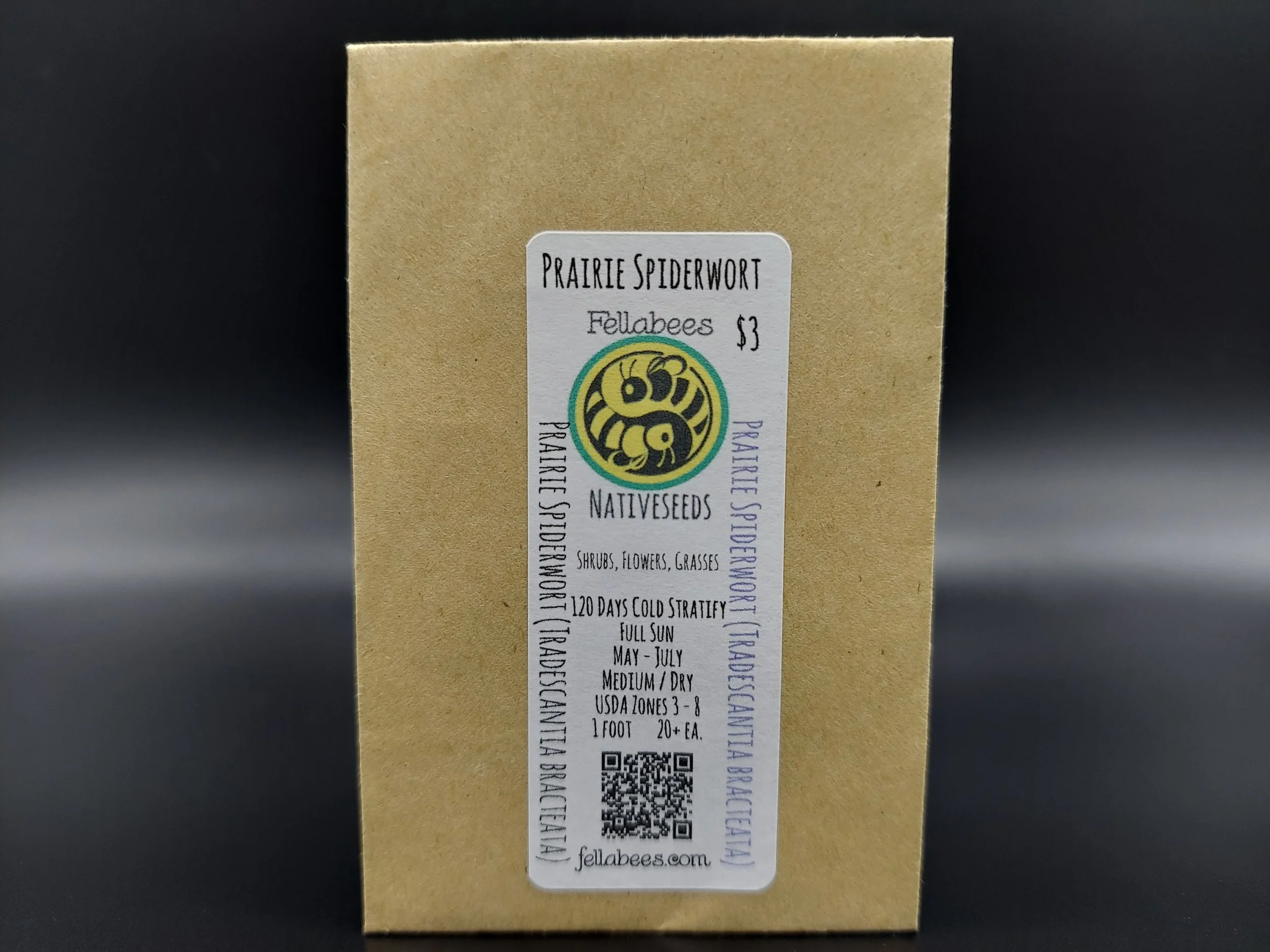
Packet quantities:
We pride ourselves on ethical, hands on, ecological management, using no mechanical or chemical methods whatsoever.
All of our native seed is hand reared, hand picked, and hand packed from native prairies under our exclusive management, never breaking chain of custody from the field until it is sent to you. Each packet is hand prepared for shipment by us, directly.
Small seed species will contain greater than 20-25 seed
Large seed species will contain greater than 10-15 seed
It is our mission to spread the wealth of native plant and pollinator ecological sustainability, and educate back yard gardeners as well as corporate and government entities in how to germinate, grow, and benefit from native synergies.
Thank you for your support, it is because of you, that we can grow together to do, what we do.🐛🦋🐝🐞🌾🌱🌼🧡
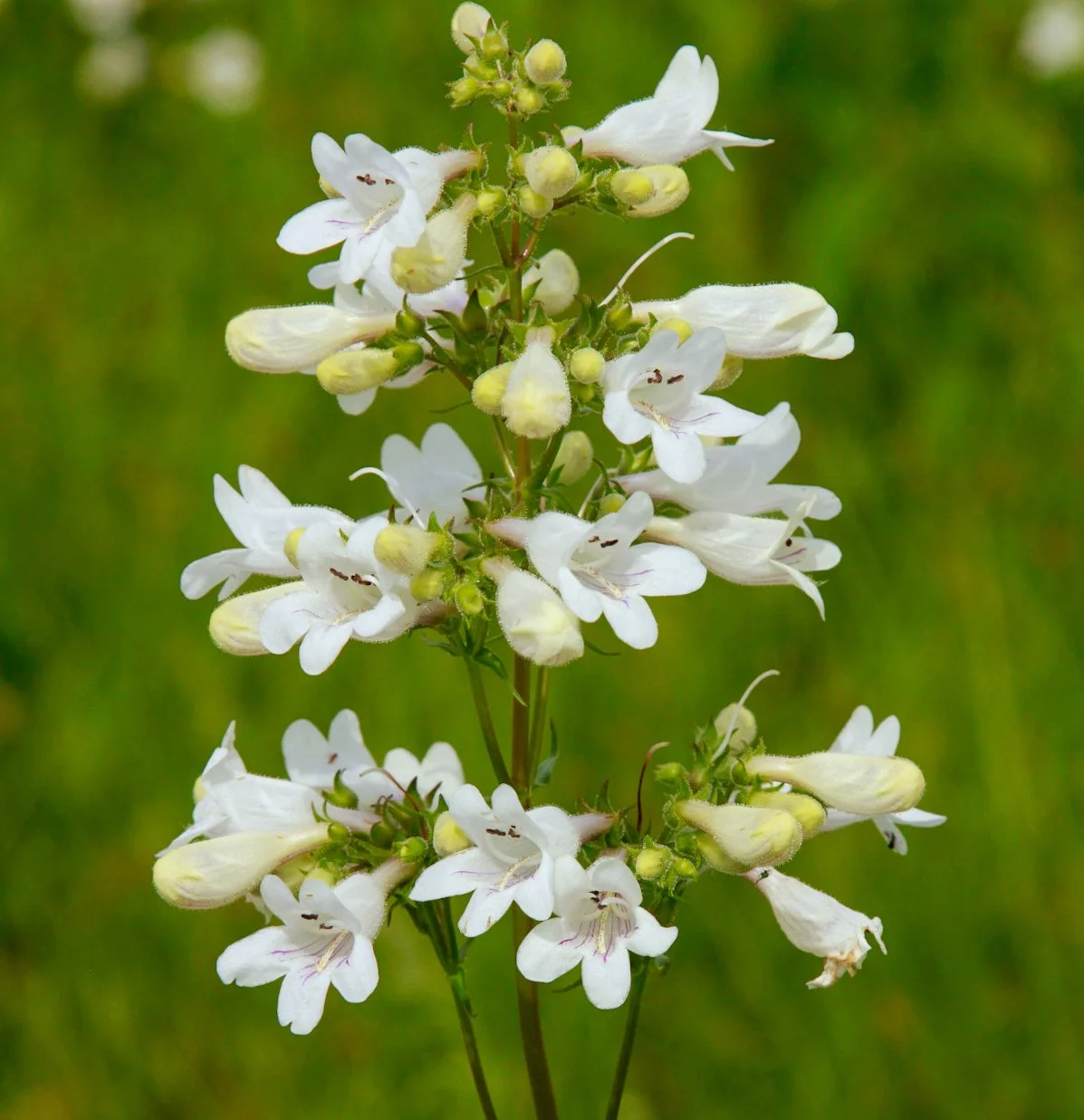 Image 1 of 9
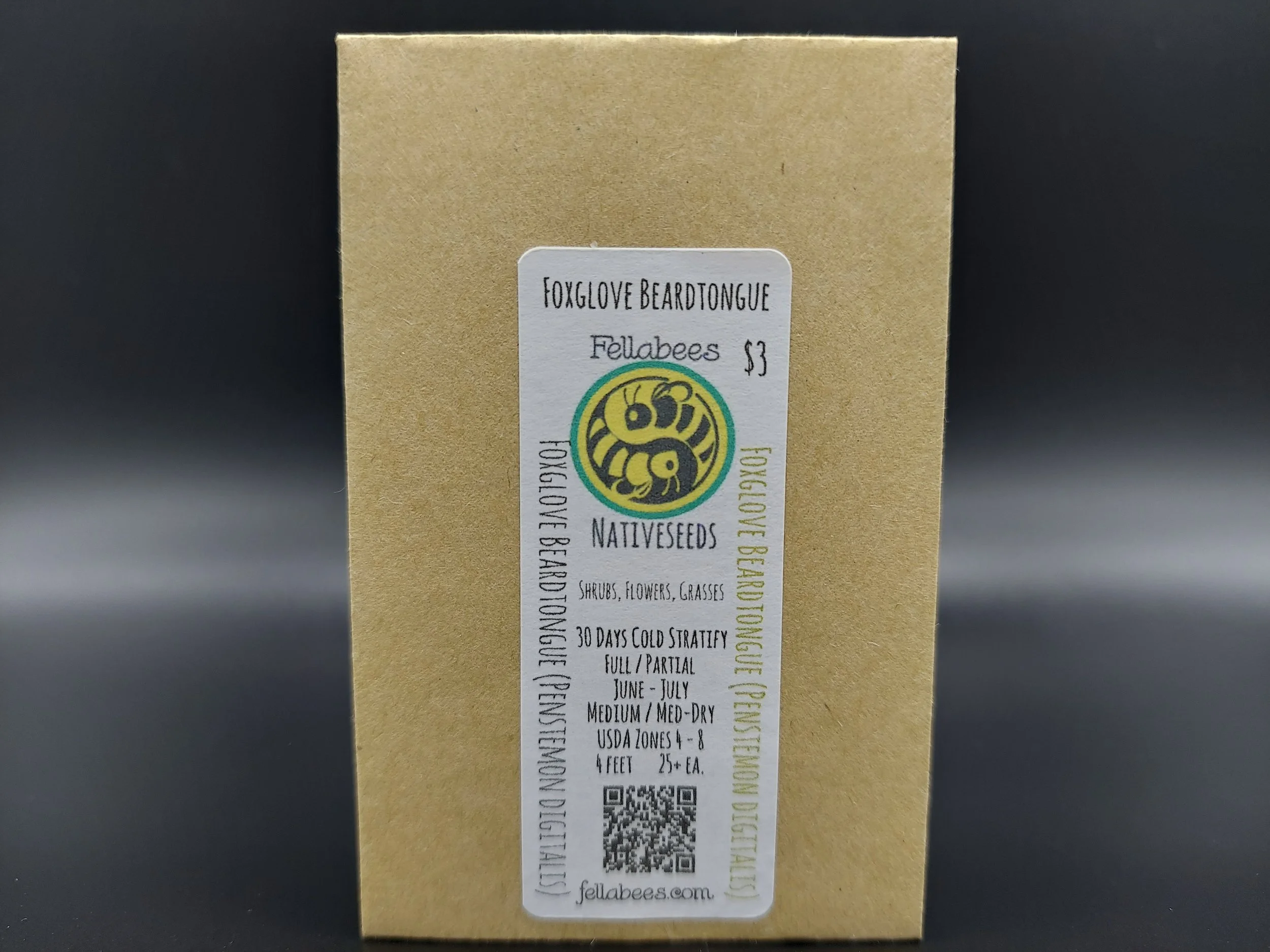 Image 2 of 9
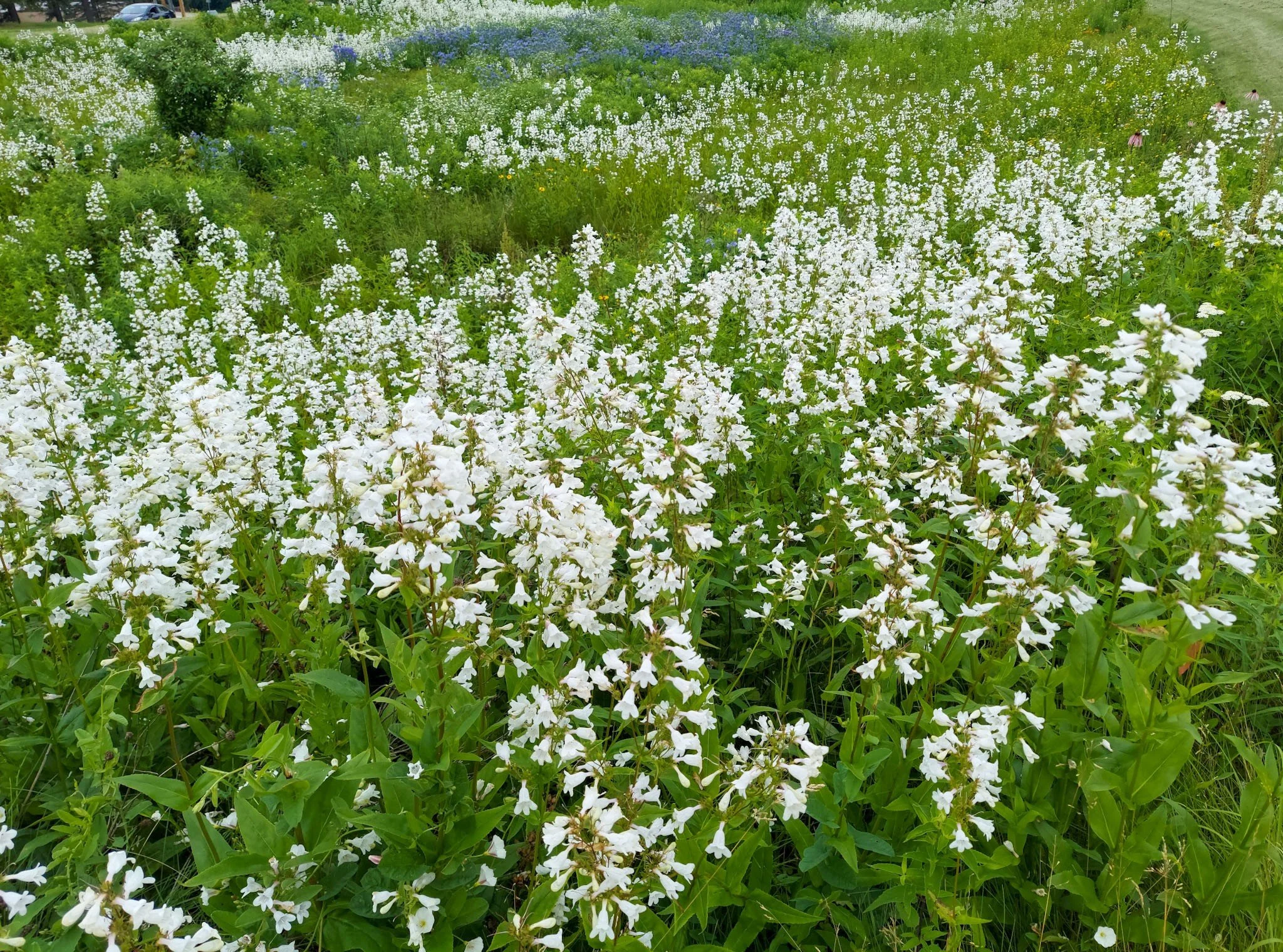 Image 3 of 9
 Image 4 of 9
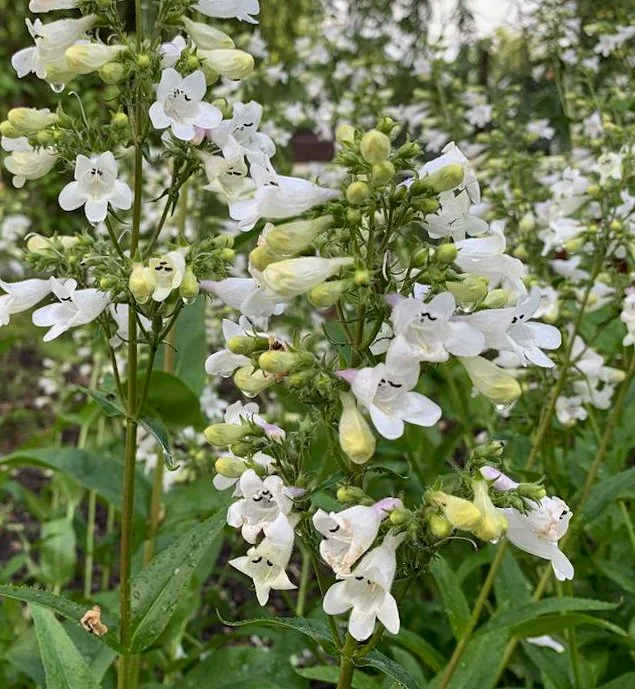 Image 5 of 9
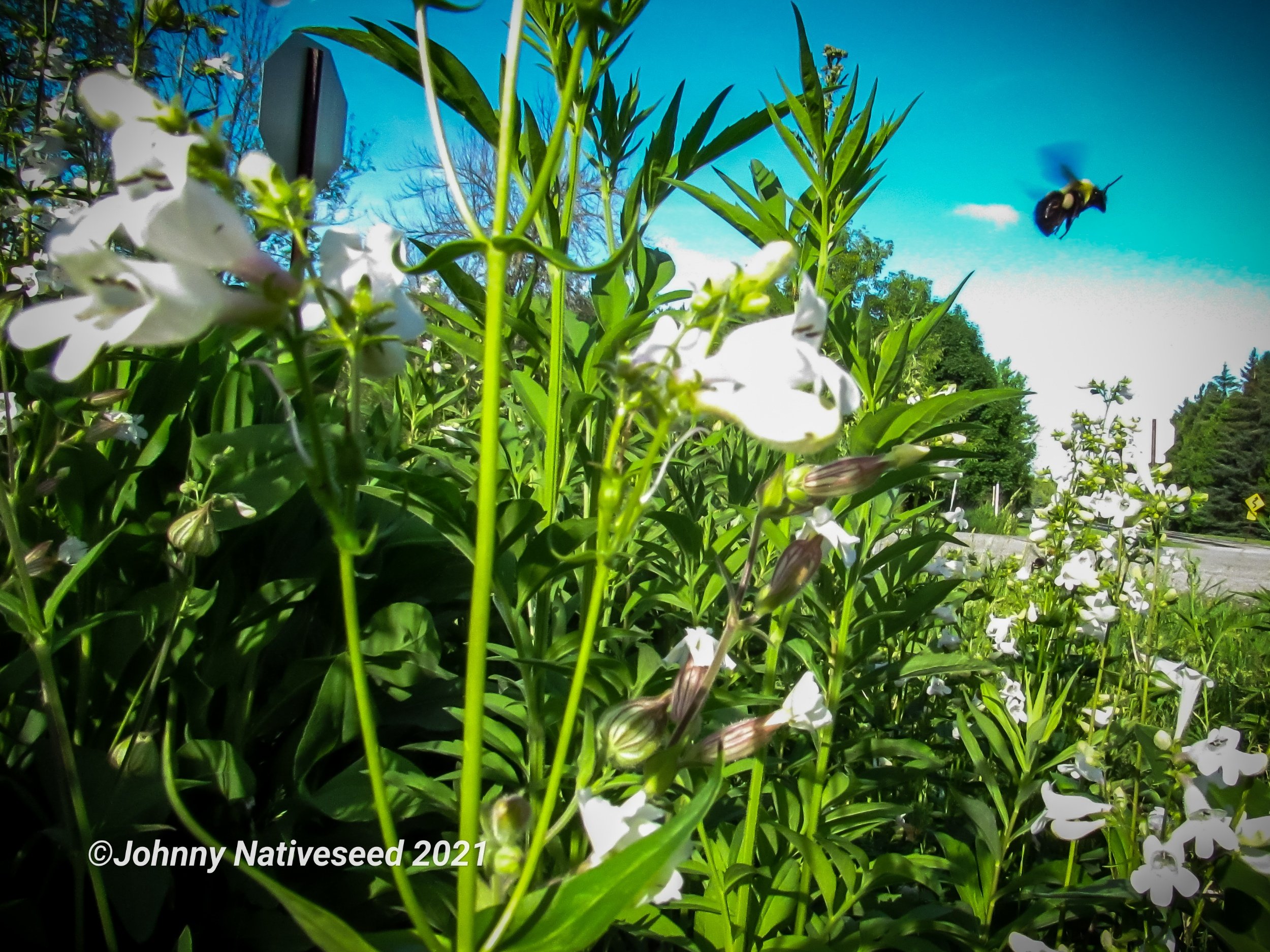 Image 6 of 9
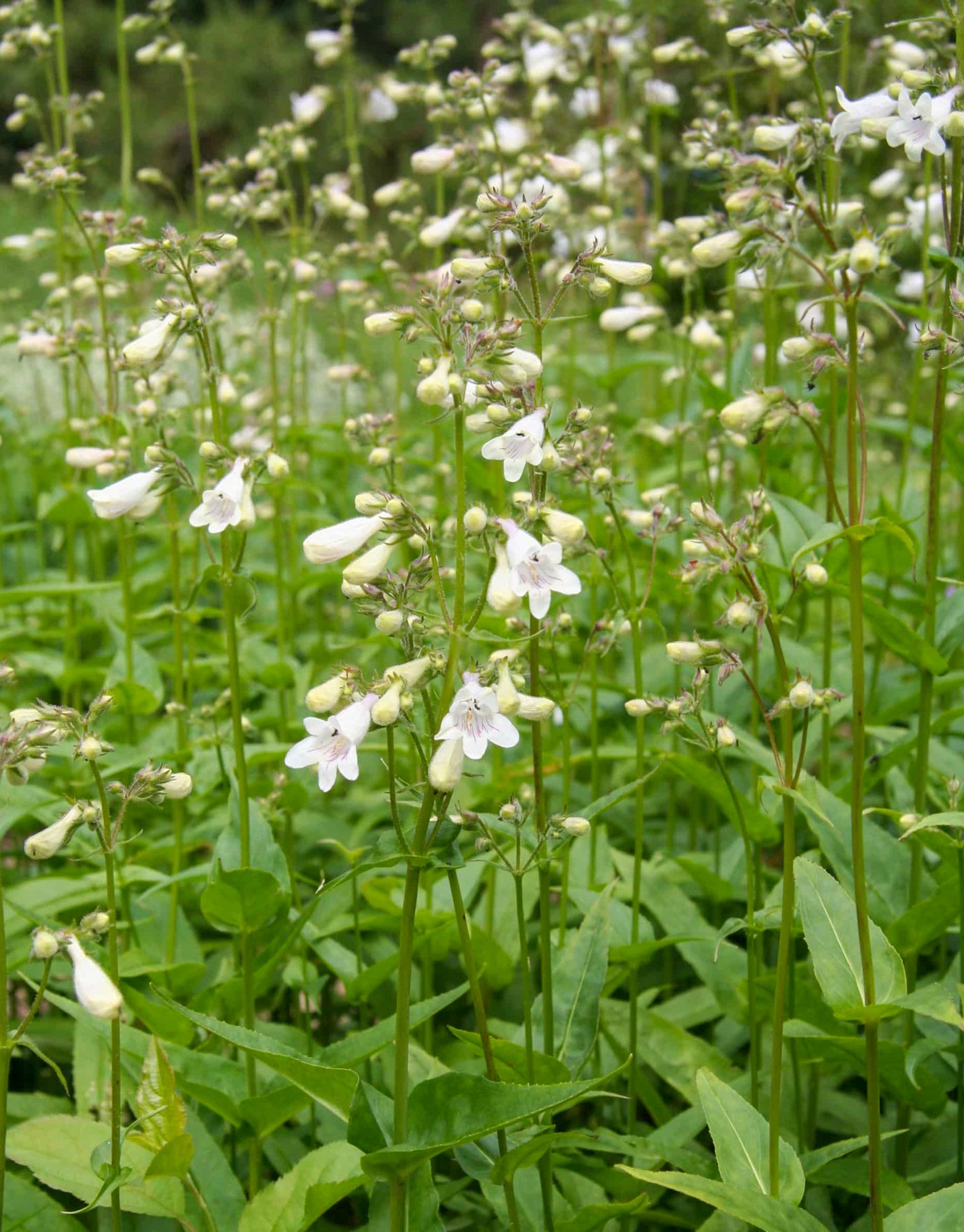 Image 7 of 9
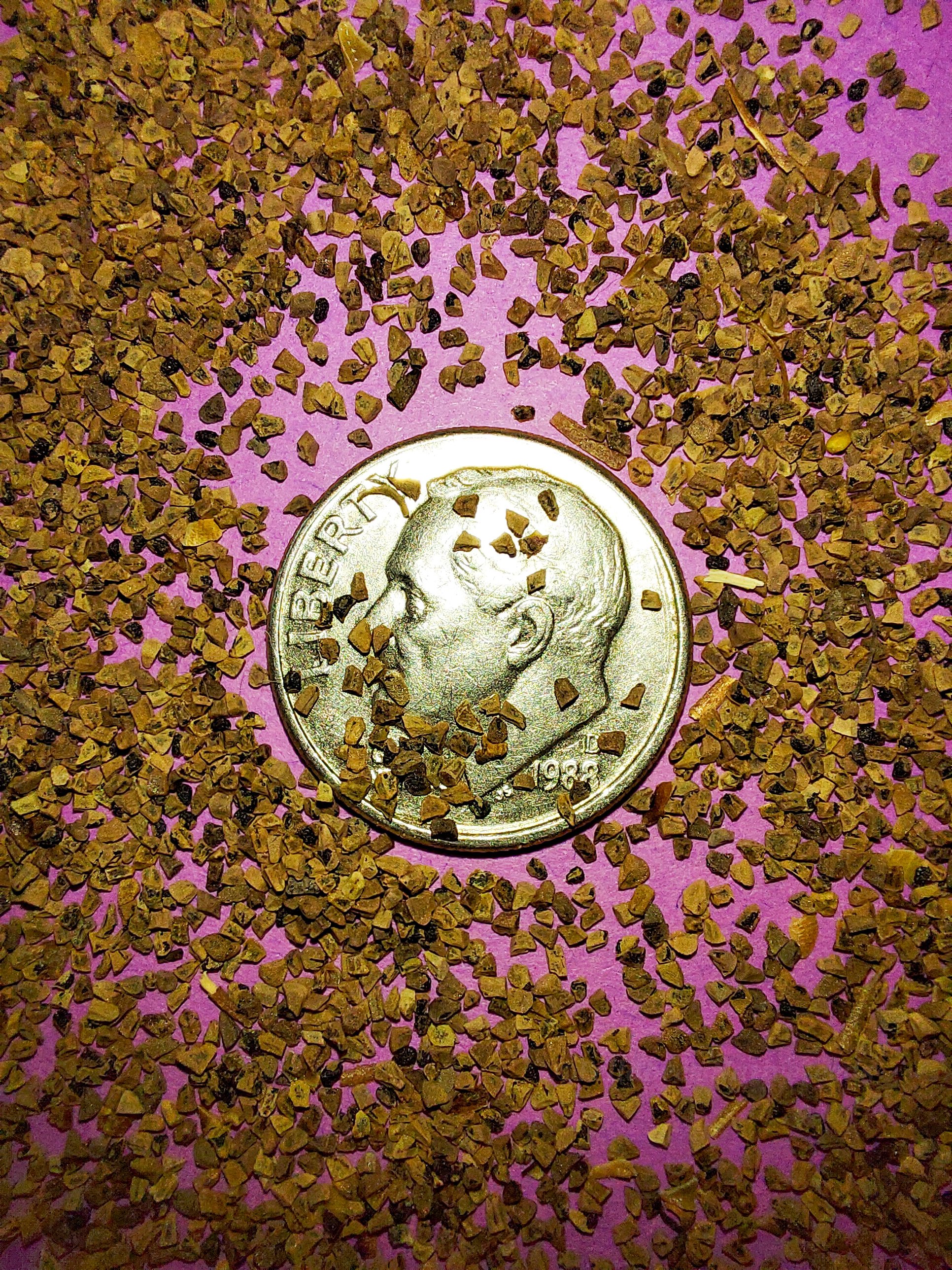 Image 8 of 9
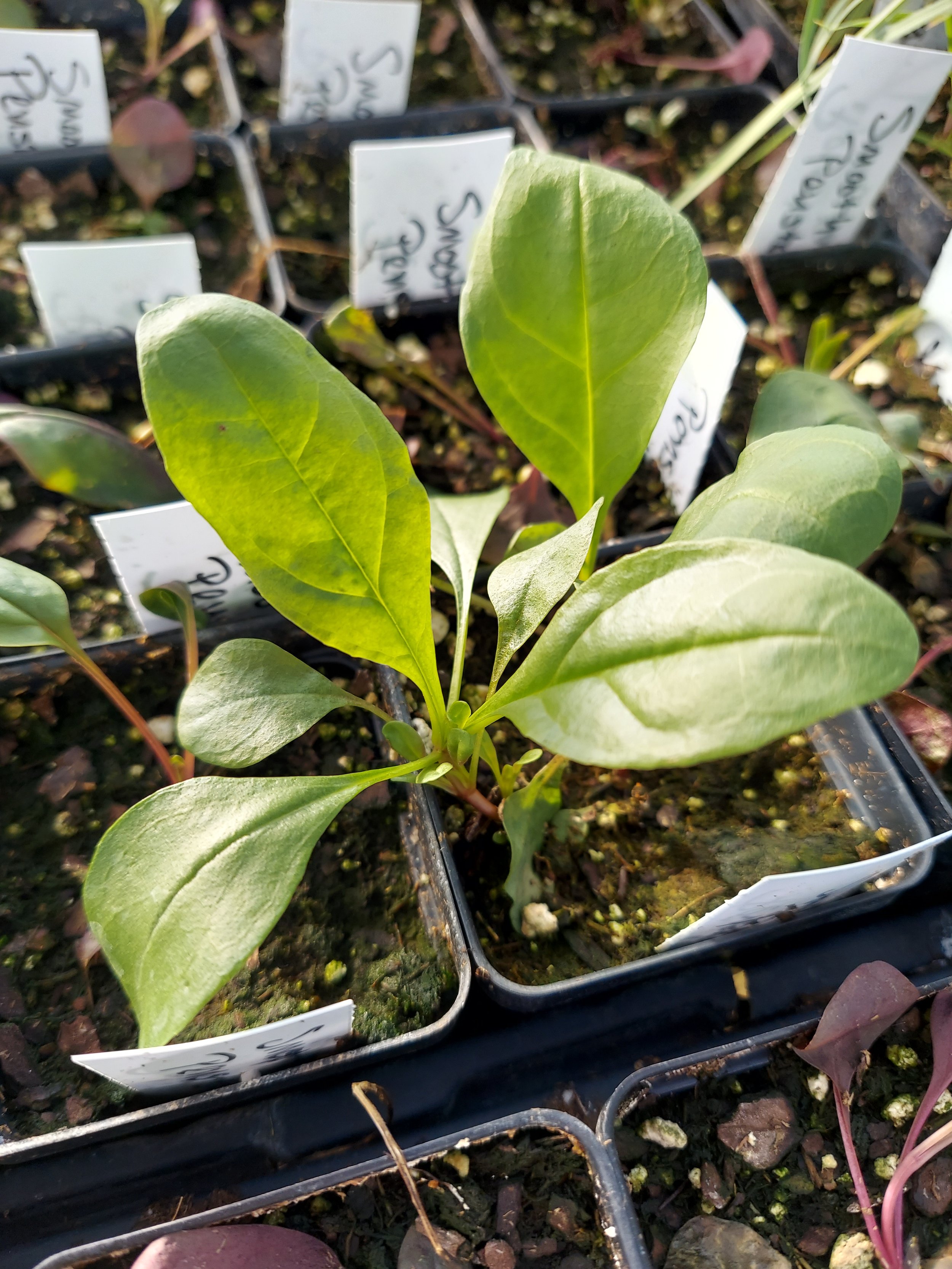 Image 9 of 9