Path Rush (Juncus tenuis)
Juncus tenuis is the scientific name for the native species more commonly known as Path Rush. It is a clump-forming, round-stemmed perennial in the Juncaceae (rush family). Path Rush grows to be about a foot tall. Juncus tenuis also is colloquially called Slender Rush, Field Rush, Slender Yard Rush, Poverty Rush or Wiregrass.
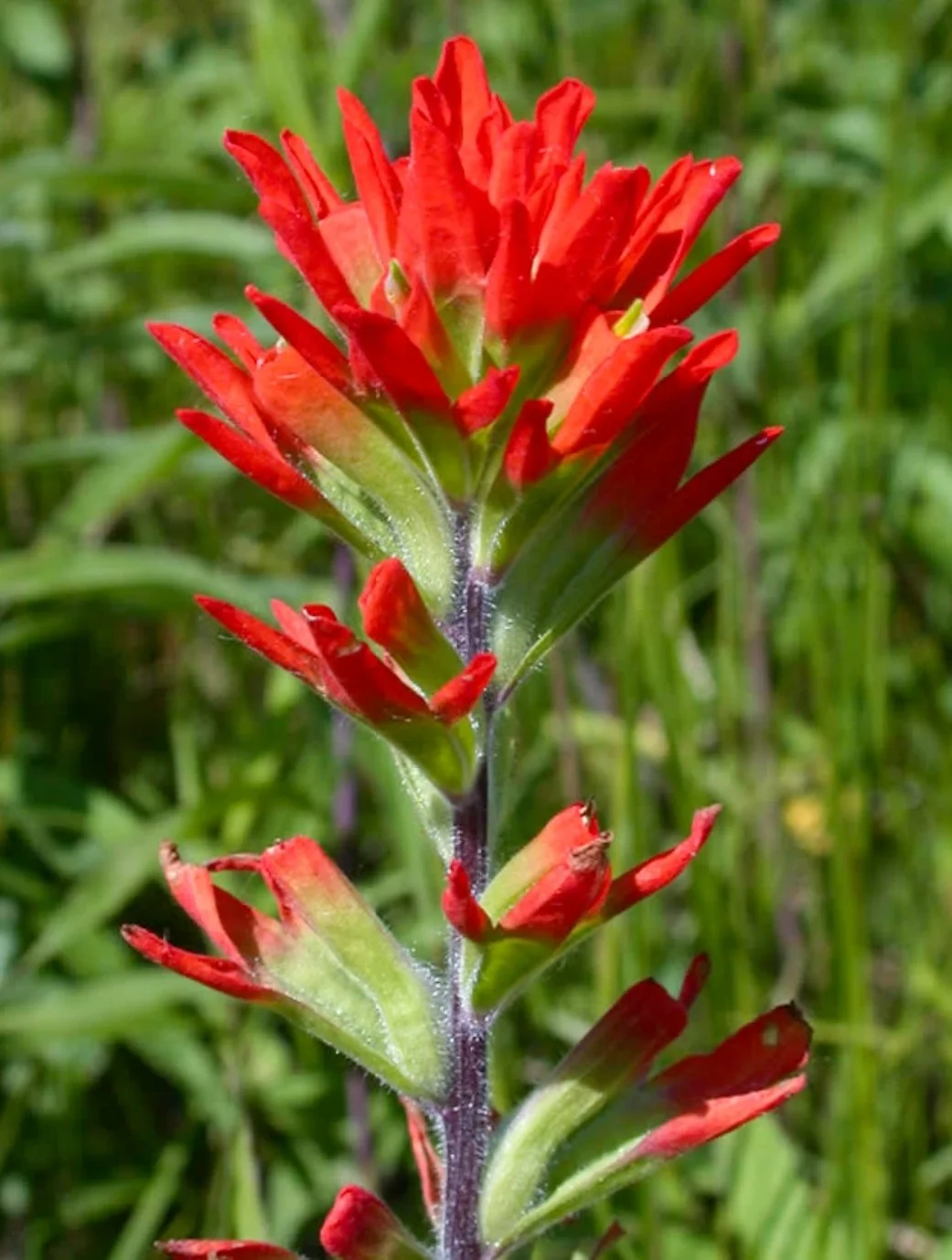
Path Rush can tolerate moderate foot traffic and compacted soils, making it well-suited for growing in or near a "path" where conditions might be less than ideal. This grass is exceptionally adaptable, boasting a vast native range that spans the entirety of the lower 48 states. Its ability to thrive in medium-shade environments as well as in sites ranging from medium-wet to drier conditions makes it nearly universal in its potential uses. Additionally, Path Rush serves as one of the important host plants for Indian Paintbrush, a striking hemiparasitic native wildflower that relies on the nutrient uptake of surrounding plants to flourish.
The fibrous root system of Path Rush plays a crucial role in stabilizing soil, effectively preventing erosion, especially in marshy and wetland areas where soil displacement is common. Additionally, it significantly contributes to nutrient cycling within wetland environments, helping to maintain the natural balance of essential nutrients that support diverse ecosystems. Path Rush also provides vital shelter and a reliable food source for a wide range of animals such as insects, amphibians, and birds, thereby fostering and supporting local wildlife populations. With its lush greenery and distinctive texture, Juncus tenuis not only enhances the visual appeal of gardens and natural landscapes but also adds an element of unique beauty. Furthermore, it improves water quality by filtering out pollutants and excess nutrients, making it an excellent and sustainable choice for natural water management systems. Historically, Juncus tenuis has been valued for its versatility and has been traditionally used in crafts like basket weaving, highlighting its cultural significance and practical applications over time.
By cultivating Juncus tenuis, you not only beautify your space but also contribute to a thriving ecosystem that supports local wildlife and enhances the natural beauty of your surroundings.
Plant Details:
USDA Zones: 2-9
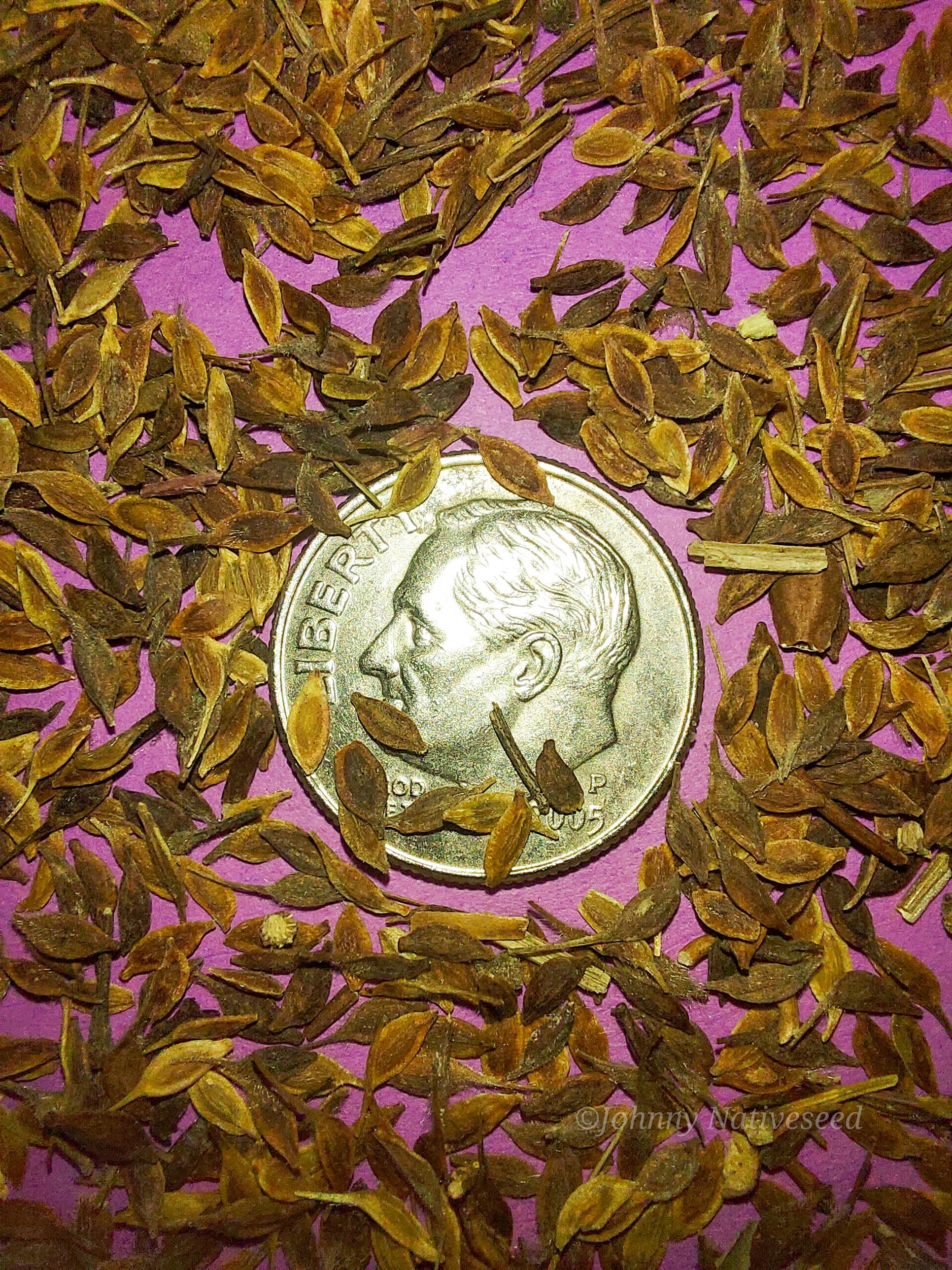
Germination Needs: Needs 60 Days Cold-Moist Stratification. Seed is very small, needing light to germinate. Surface sow and bottom water for best results.
Life Cycle: Perennial
Sun Exposure: Full to Partial
Soil Moisture: Medium-Wet, Medium, Medium-Dry, Dry
Plant Spacing: 6 - 8 inches
Height: 1 foot
Bloom time: June, July, August, September
Bloom Color: Green
Advantages:
Pollinator Favorite: butterflies, moths, bees, wasps, beetles
Bird Favorite: seeds, insects, fruit, nectar, nesting, perches.
Deer Resistant: Yes
Native to: Wisconsin, Minnesota, Iowa, Illinois, Indiana, Michigan, Ohio, Pennsylvania, New York, Vermont, New Hampshire, Maine, Massachusetts, Rhode Island, Connecticut, Delaware, Maryland, New Jersey, West Virginia, Virginia, Kentucky, Tennessee, North Carolina, South Carolina, Georgia, Florida, Alabama, Mississippi, Louisiana, Arkansas, Missouri, Texas, Oklahoma, Kansas, Nebraska, South Dakota, North Dakota, Montana, Wyoming, Colorado, New Mexico, Arizona, Utah, Nevada, Idaho, Washington State, Oregon, and California.
This species is considered present but rare in several counties of the states of Nebraska and North Dakota.
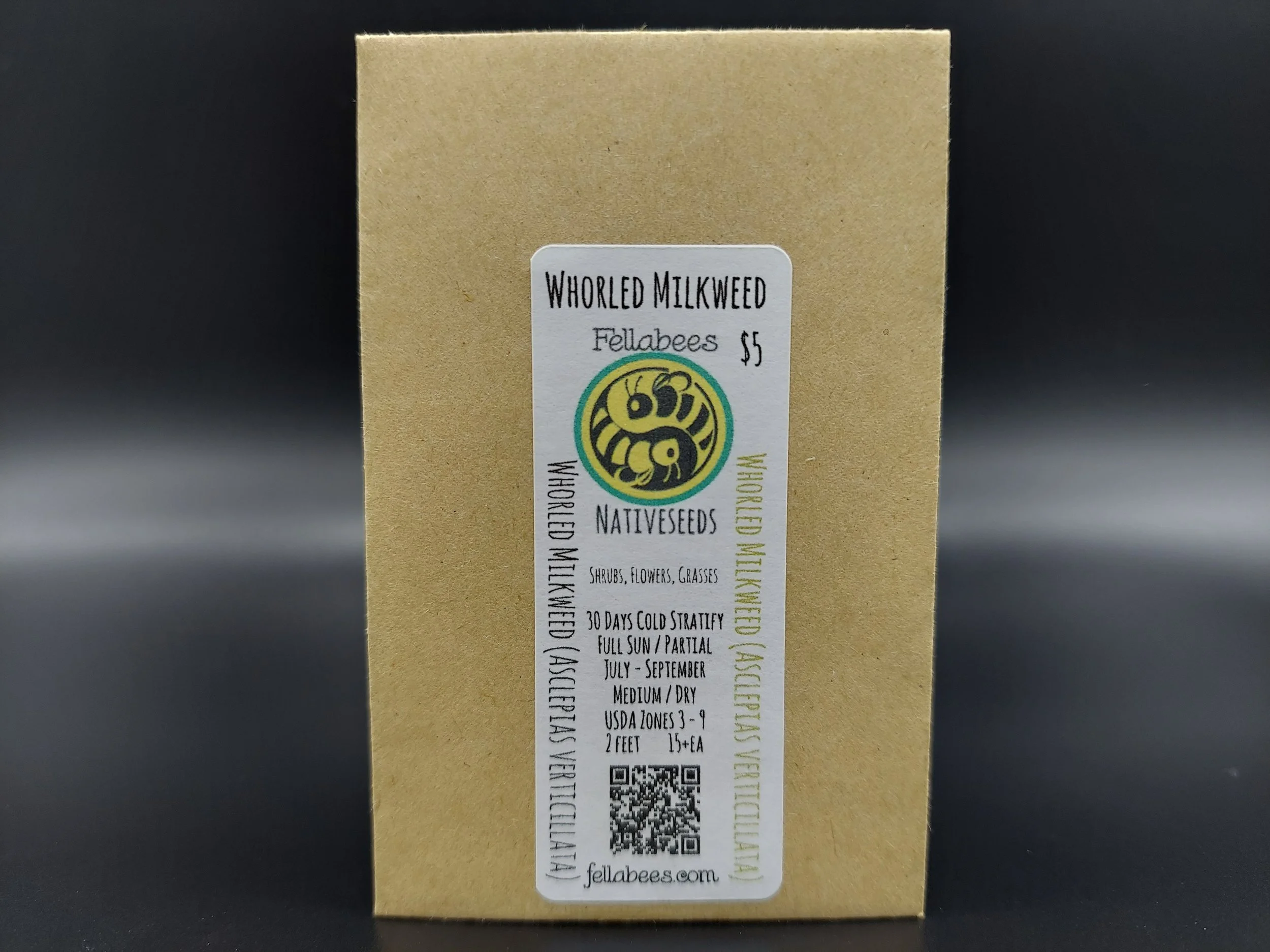
Seed Count: 25+
.
.
Packet quantities:
We pride ourselves on ethical, hands on, ecological management, using no mechanical or chemical methods whatsoever.
All of our native seed is hand reared, hand-picked, and hand packed from native prairies under our exclusive management, never breaking chain of custody from the field until it is sent to you. Each packet is hand prepared for shipment by us, directly.
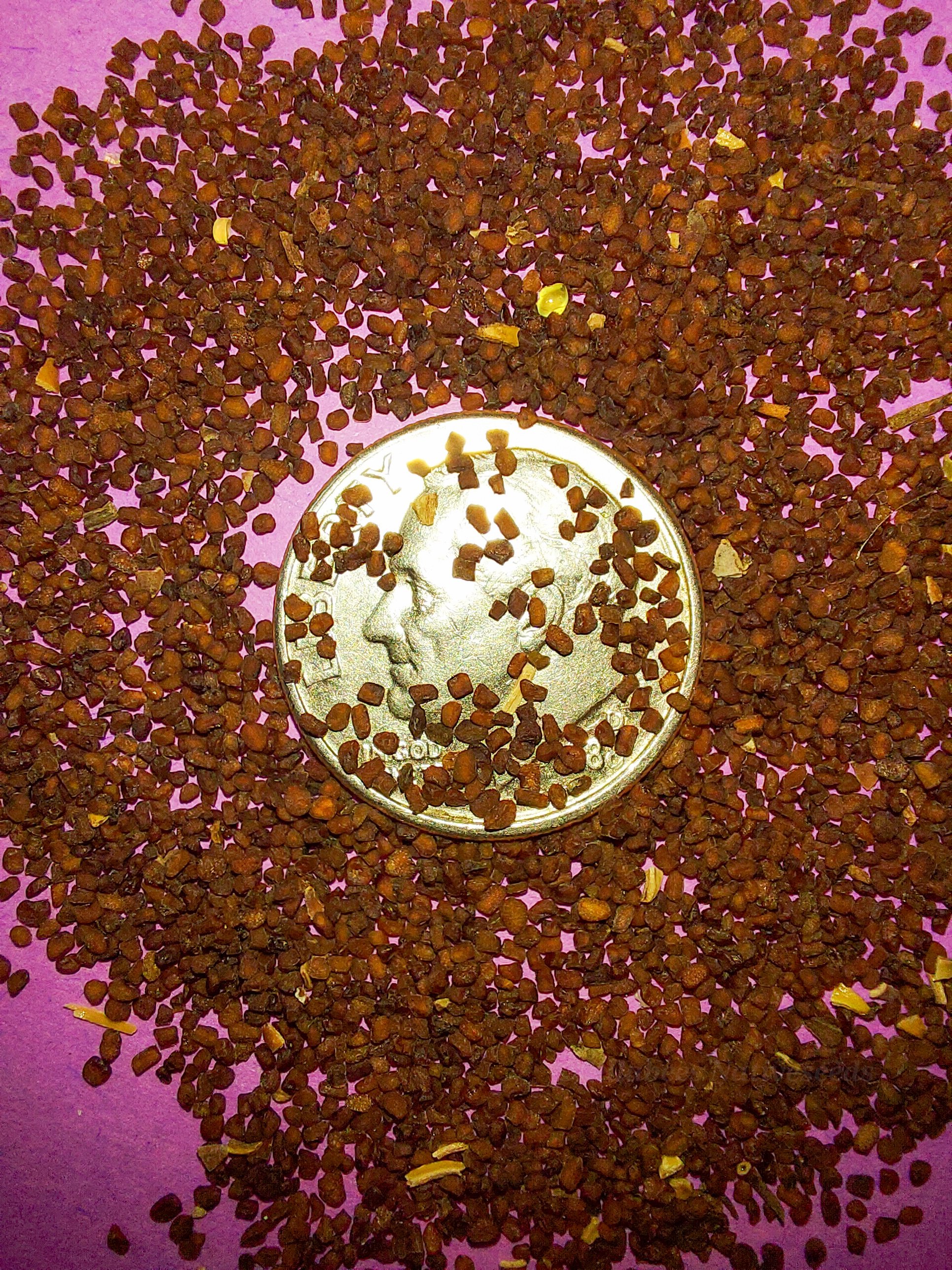
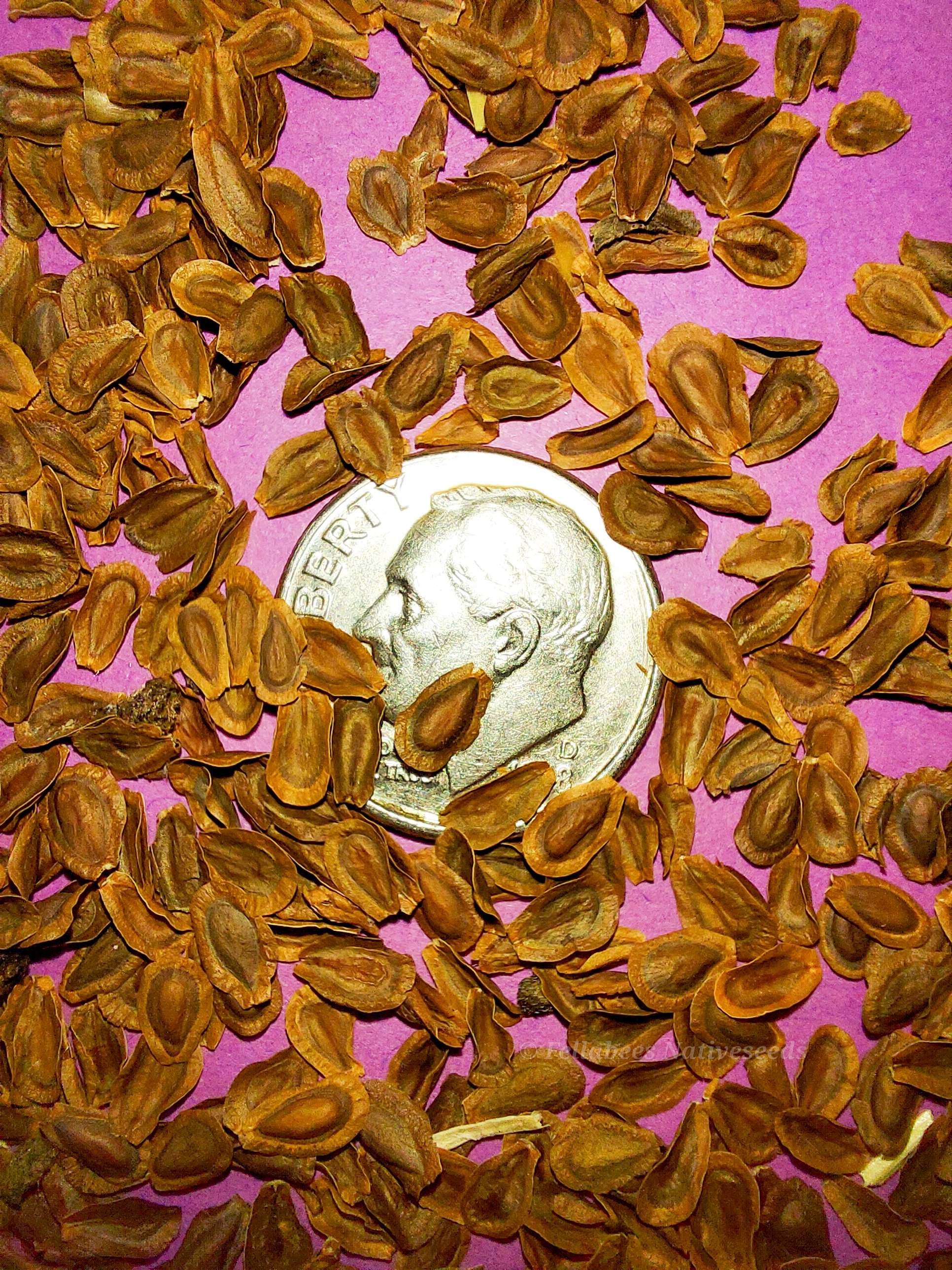
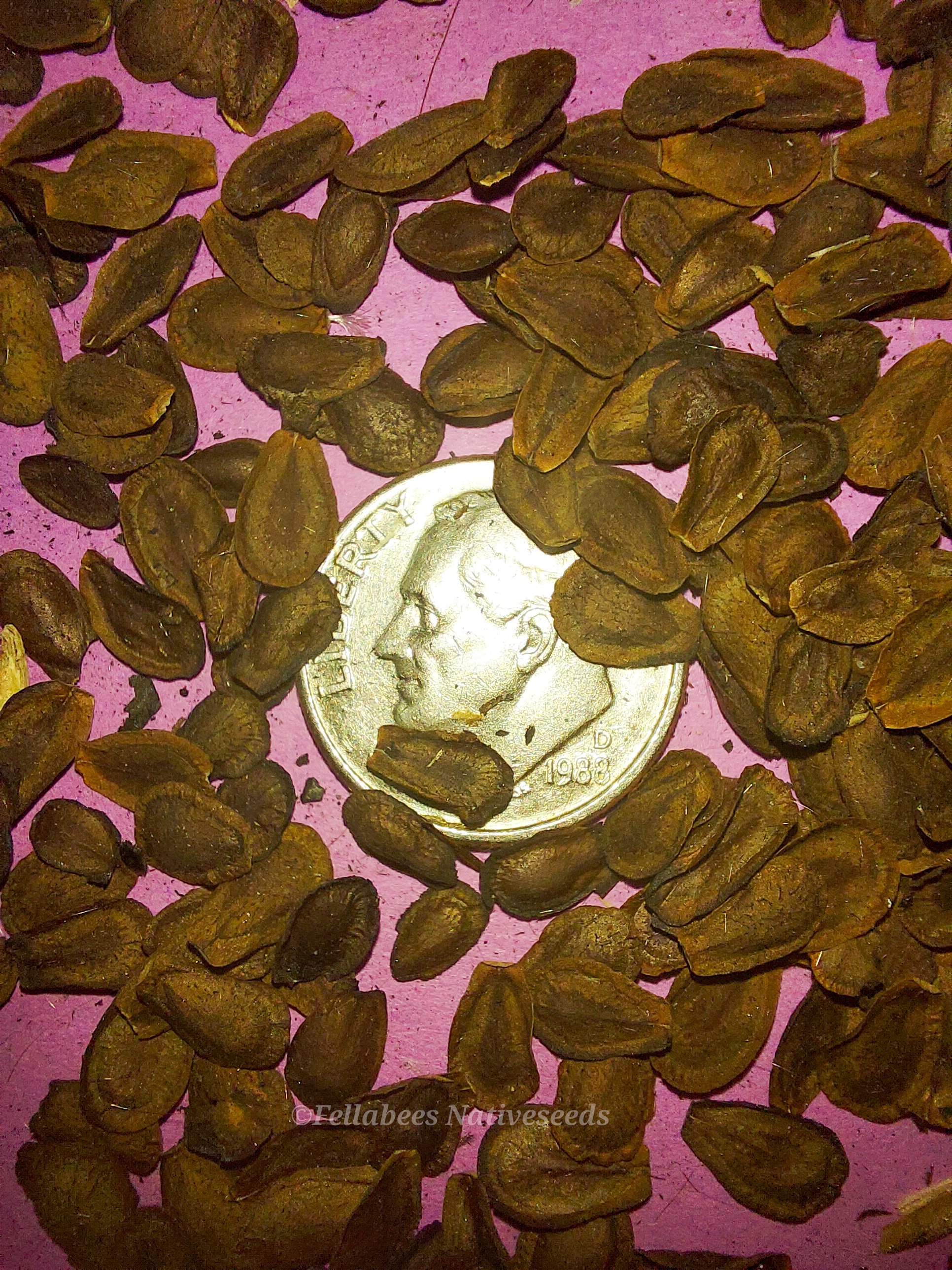
Small seed species will contain greater than 20-25 seed. This species seed is exceptionally tiny, and as such, there are far more than the 25+ listed on the packet.
Large seed species will contain greater than 10-15 seed
All packets are individually marked at the bottom of the front label with expected count, however most if not all packets will have many more than the minimum count by default.
It is our mission to spread the wealth of native plant and pollinator ecological sustainability and educate back yard gardeners as well as corporate and government entities in how to germinate, grow, and benefit from native synergies.
Thank you for your support, it is because of you, that we can grow together to do, what we do. 🐛🦋🐝🐞🌾🌱🌼🧡
Path Rush (Juncus tenuis)
Juncus tenuis is the scientific name for the native species more commonly known as Path Rush. It is a clump-forming, round-stemmed perennial in the Juncaceae (rush family). Path Rush grows to be about a foot tall. Juncus tenuis also is colloquially called Slender Rush, Field Rush, Slender Yard Rush, Poverty Rush or Wiregrass.
Path Rush can tolerate moderate foot traffic and compacted soils, making it well-suited for growing in or near a "path" where conditions might be less than ideal. This grass is exceptionally adaptable, boasting a vast native range that spans the entirety of the lower 48 states. Its ability to thrive in medium-shade environments as well as in sites ranging from medium-wet to drier conditions makes it nearly universal in its potential uses. Additionally, Path Rush serves as one of the important host plants for Indian Paintbrush, a striking hemiparasitic native wildflower that relies on the nutrient uptake of surrounding plants to flourish.
The fibrous root system of Path Rush plays a crucial role in stabilizing soil, effectively preventing erosion, especially in marshy and wetland areas where soil displacement is common. Additionally, it significantly contributes to nutrient cycling within wetland environments, helping to maintain the natural balance of essential nutrients that support diverse ecosystems. Path Rush also provides vital shelter and a reliable food source for a wide range of animals such as insects, amphibians, and birds, thereby fostering and supporting local wildlife populations. With its lush greenery and distinctive texture, Juncus tenuis not only enhances the visual appeal of gardens and natural landscapes but also adds an element of unique beauty. Furthermore, it improves water quality by filtering out pollutants and excess nutrients, making it an excellent and sustainable choice for natural water management systems. Historically, Juncus tenuis has been valued for its versatility and has been traditionally used in crafts like basket weaving, highlighting its cultural significance and practical applications over time.
By cultivating Juncus tenuis, you not only beautify your space but also contribute to a thriving ecosystem that supports local wildlife and enhances the natural beauty of your surroundings.
Plant Details:
USDA Zones: 2-9
Germination Needs: Needs 60 Days Cold-Moist Stratification. Seed is very small, needing light to germinate. Surface sow and bottom water for best results.
Life Cycle: Perennial
Sun Exposure: Full to Partial
Soil Moisture: Medium-Wet, Medium, Medium-Dry, Dry
Plant Spacing: 6 - 8 inches
Height: 1 foot
Bloom time: June, July, August, September
Bloom Color: Green
Advantages:
Pollinator Favorite: butterflies, moths, bees, wasps, beetles
Bird Favorite: seeds, insects, fruit, nectar, nesting, perches.
Deer Resistant: Yes
Native to: Wisconsin, Minnesota, Iowa, Illinois, Indiana, Michigan, Ohio, Pennsylvania, New York, Vermont, New Hampshire, Maine, Massachusetts, Rhode Island, Connecticut, Delaware, Maryland, New Jersey, West Virginia, Virginia, Kentucky, Tennessee, North Carolina, South Carolina, Georgia, Florida, Alabama, Mississippi, Louisiana, Arkansas, Missouri, Texas, Oklahoma, Kansas, Nebraska, South Dakota, North Dakota, Montana, Wyoming, Colorado, New Mexico, Arizona, Utah, Nevada, Idaho, Washington State, Oregon, and California.
This species is considered present but rare in several counties of the states of Nebraska and North Dakota.
Seed Count: 25+
.
.
Packet quantities:
We pride ourselves on ethical, hands on, ecological management, using no mechanical or chemical methods whatsoever.
All of our native seed is hand reared, hand-picked, and hand packed from native prairies under our exclusive management, never breaking chain of custody from the field until it is sent to you. Each packet is hand prepared for shipment by us, directly.
Small seed species will contain greater than 20-25 seed. This species seed is exceptionally tiny, and as such, there are far more than the 25+ listed on the packet.
Large seed species will contain greater than 10-15 seed
All packets are individually marked at the bottom of the front label with expected count, however most if not all packets will have many more than the minimum count by default.
It is our mission to spread the wealth of native plant and pollinator ecological sustainability and educate back yard gardeners as well as corporate and government entities in how to germinate, grow, and benefit from native synergies.
Thank you for your support, it is because of you, that we can grow together to do, what we do. 🐛🦋🐝🐞🌾🌱🌼🧡
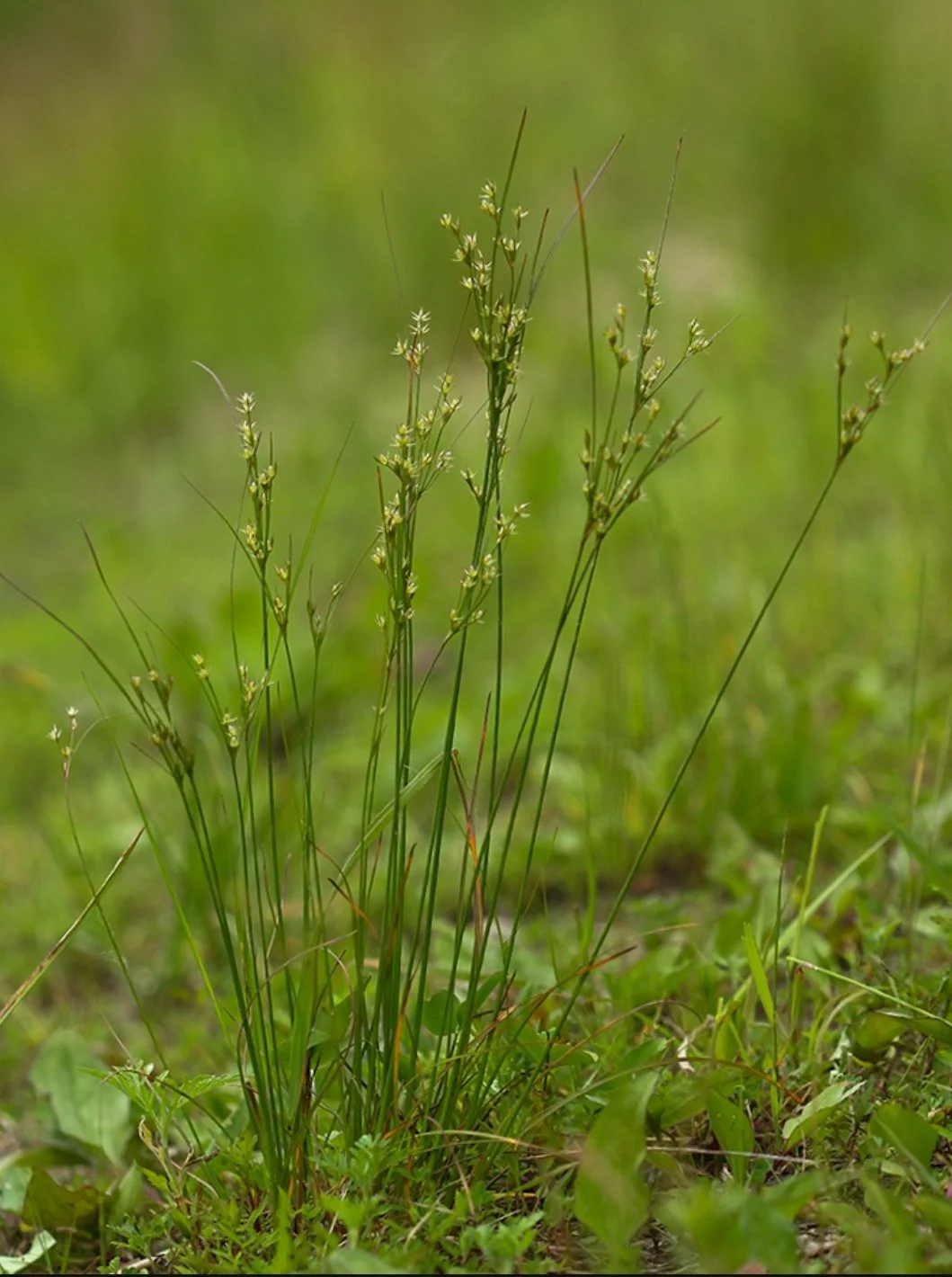 Image 1 of 6
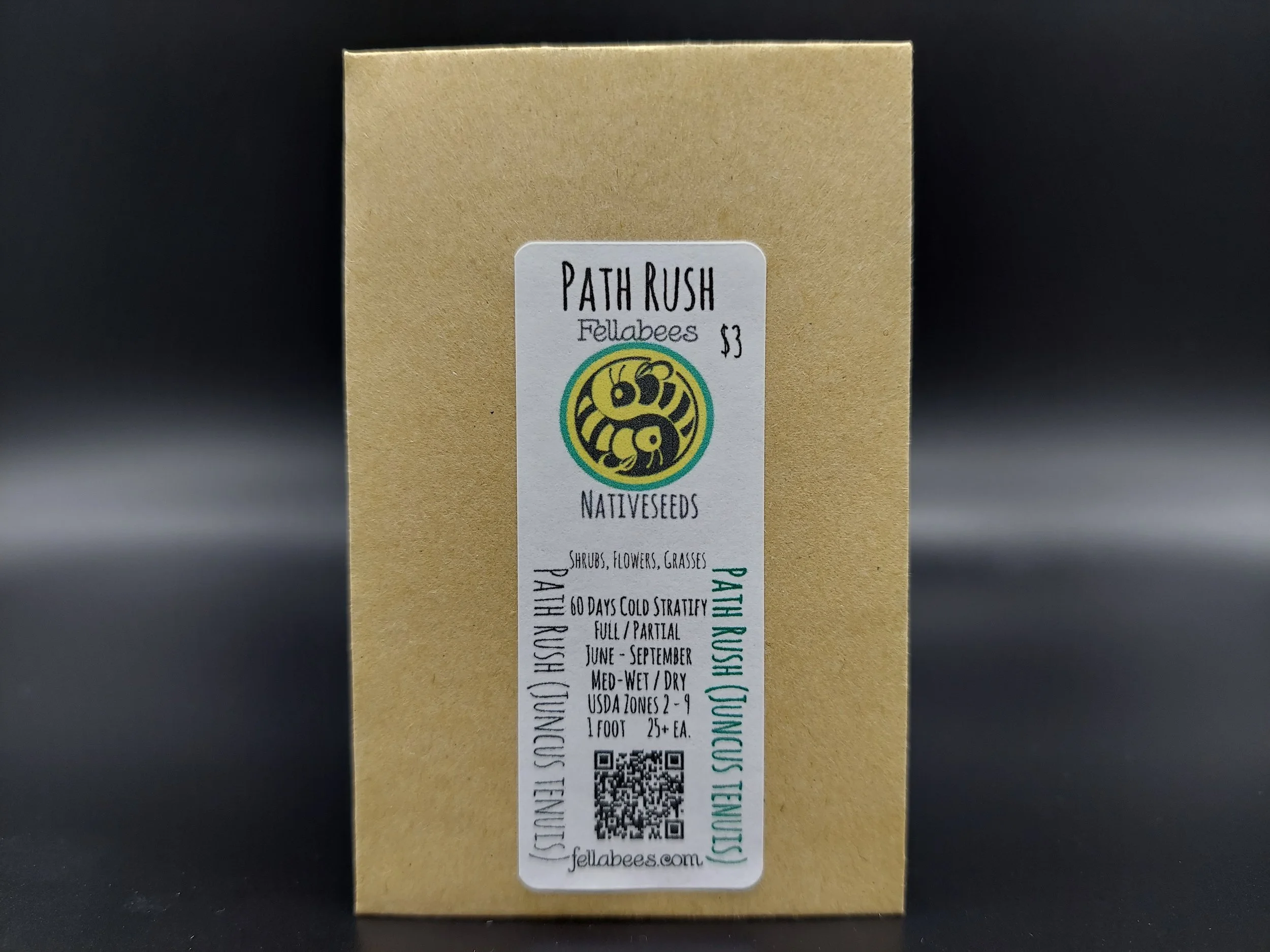 Image 2 of 6
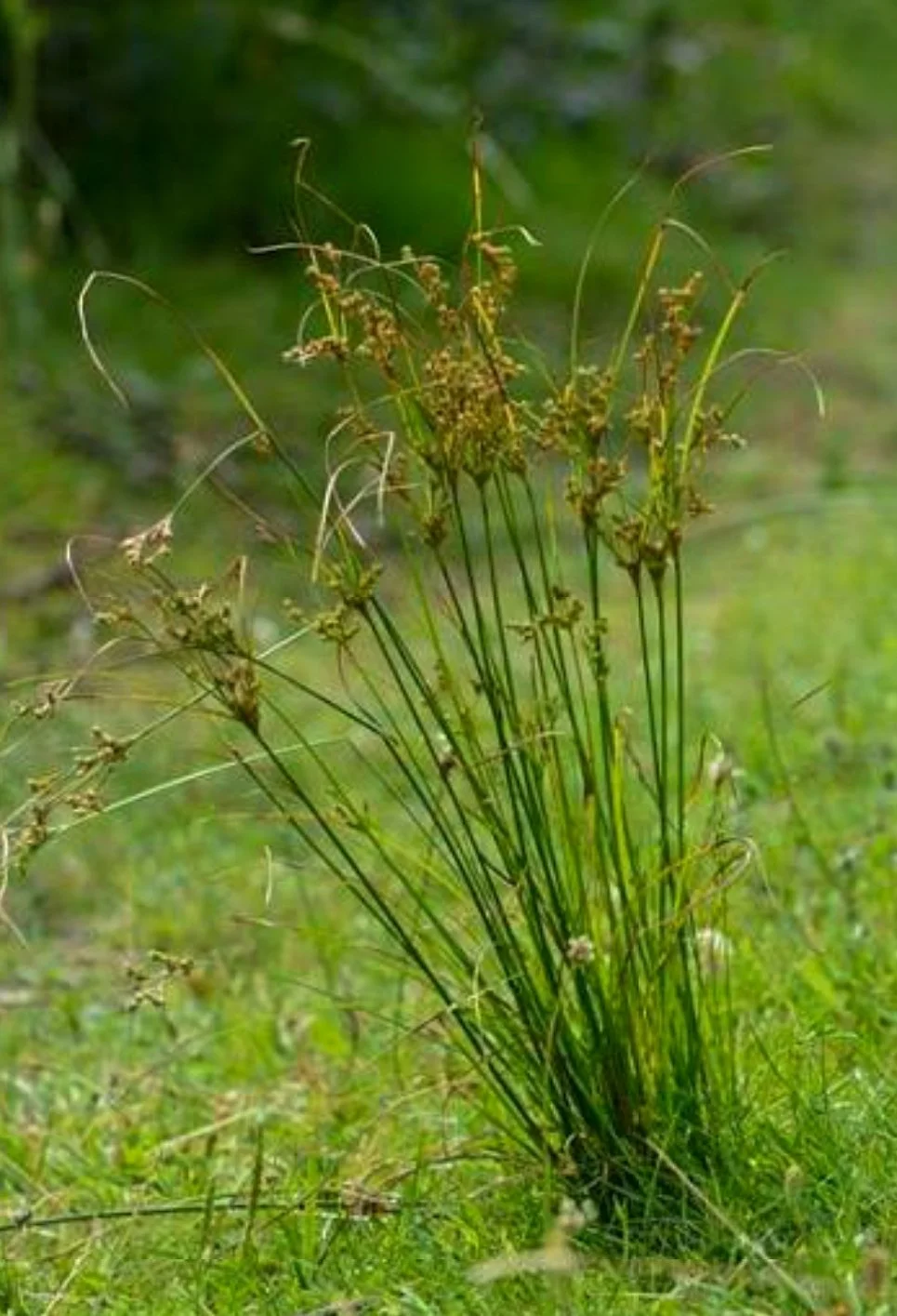 Image 3 of 6
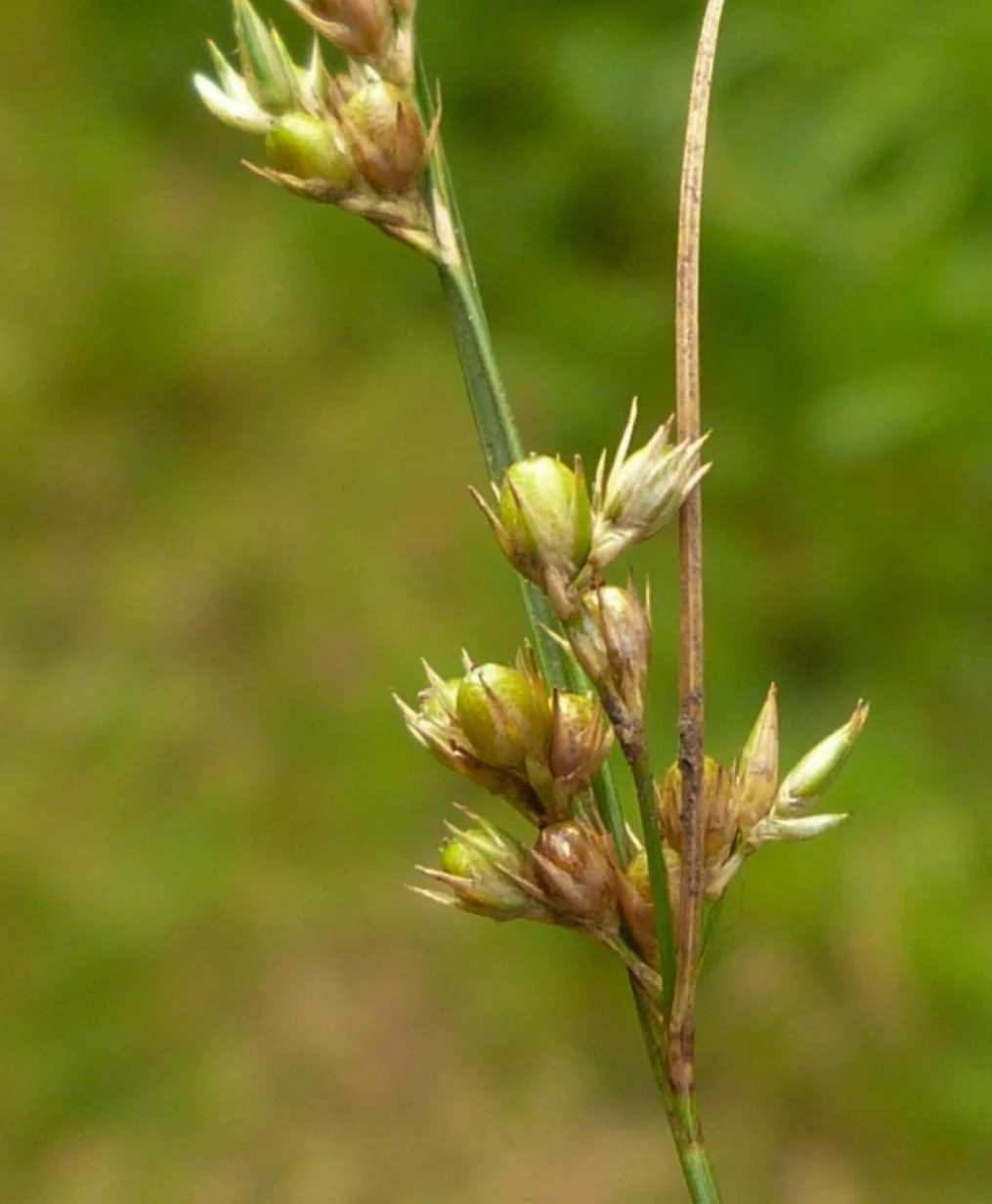 Image 4 of 6
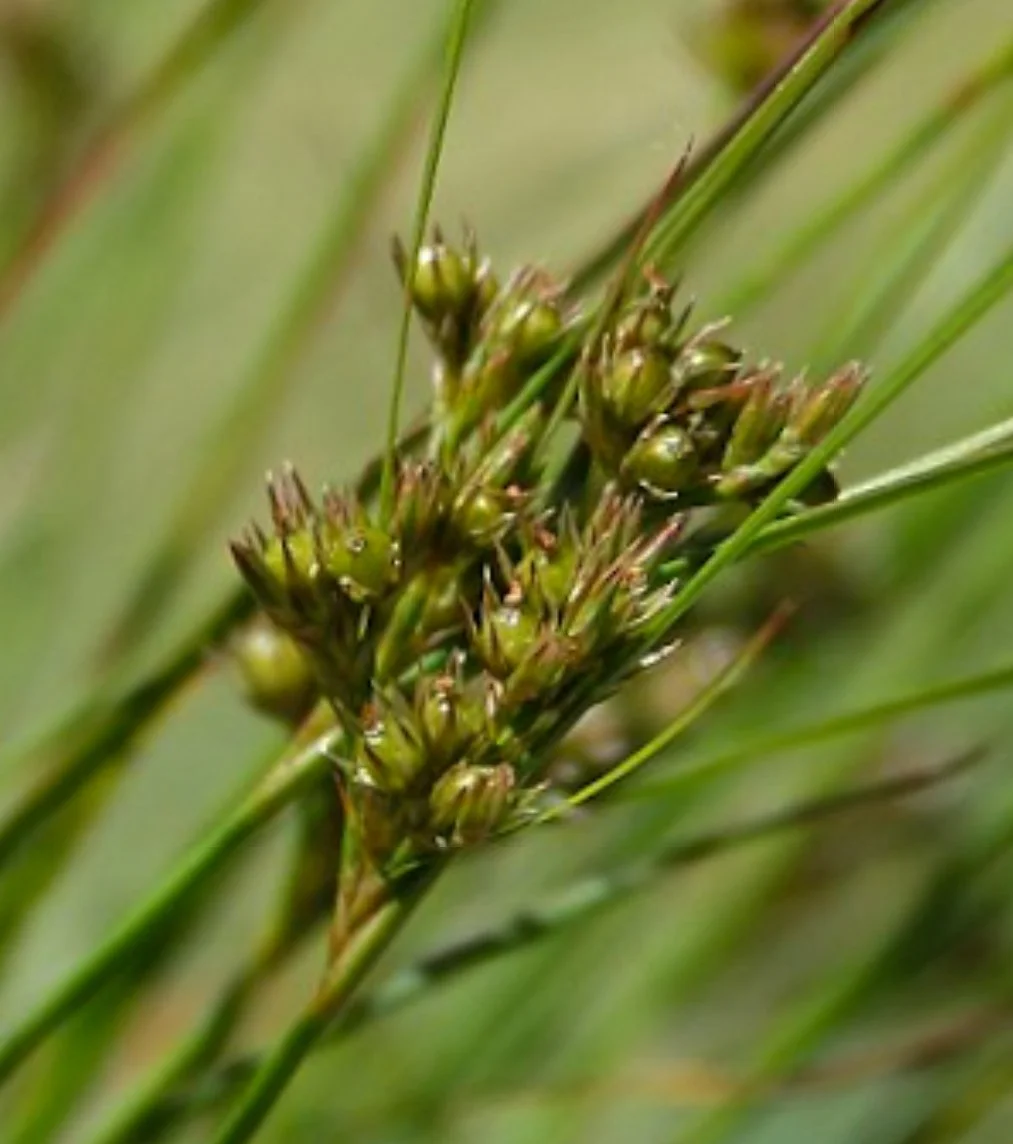 Image 5 of 6
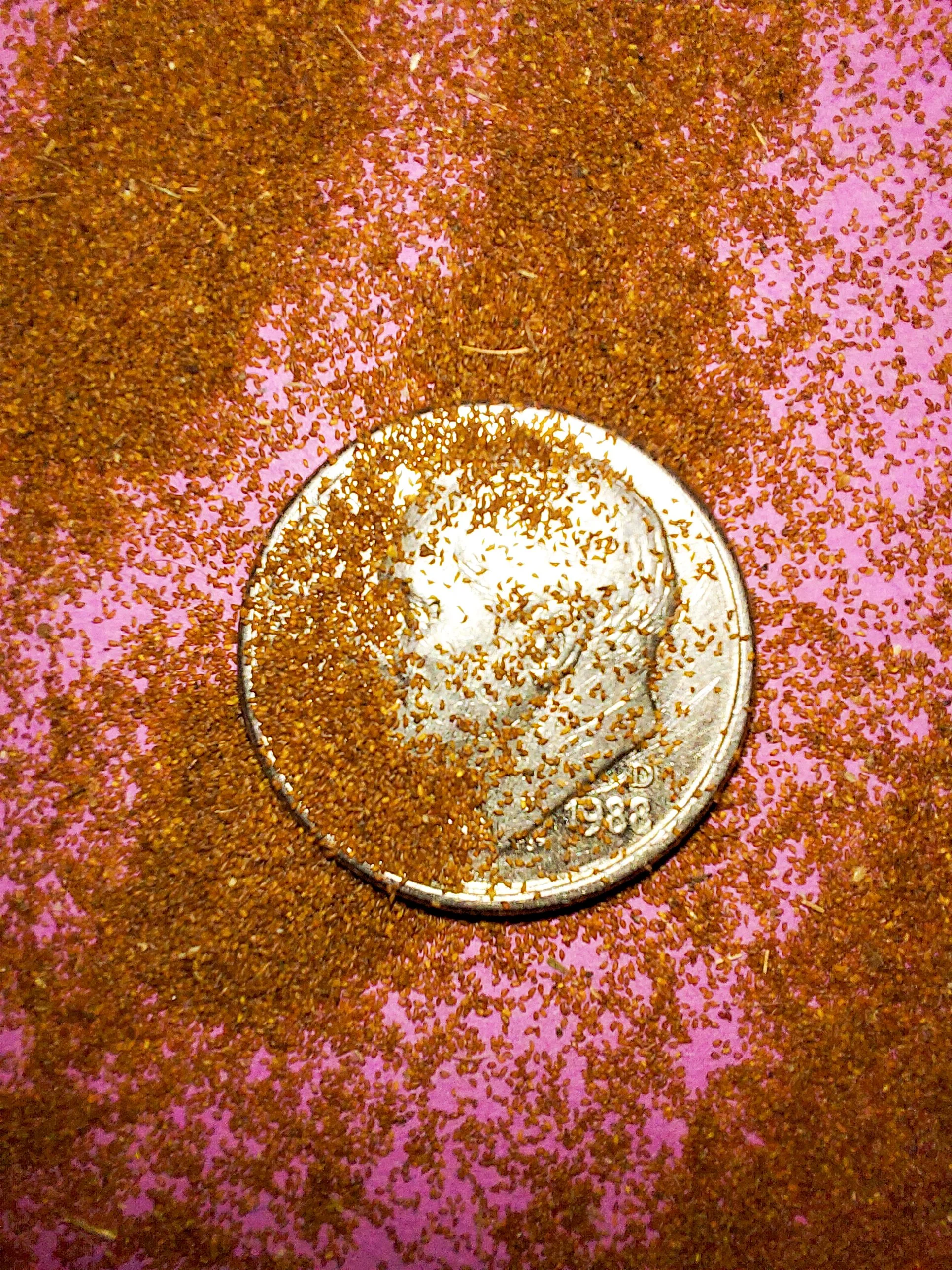 Image 6 of 6