Venus' Looking Glass (Triodanis perfoliata)
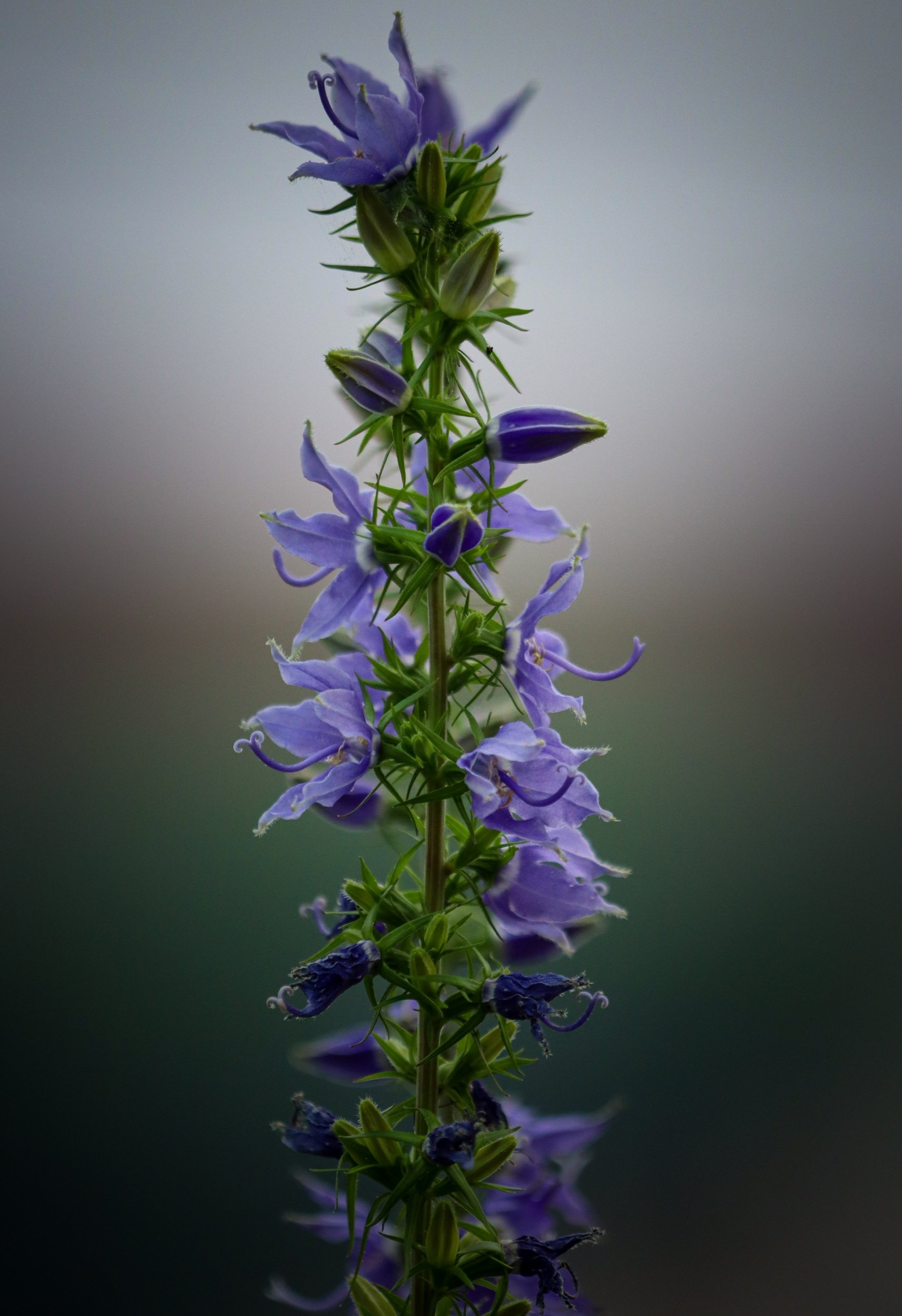
Triodanis perfoliata is the scientific name for the native annual species more commonly called Venus’ Looking Glass, Clasping Venus' Looking-glass, or Clasping Bellflower; it belongs to the Bellflower Family, Campanulaceae. This delicate annual herb is native across much of the Americas, with a natural range that extends from Canada through the United States and Central America, reaching as far south as Argentina.
Venus’ Looking Glass is an annual plant that typically grows to a height of 4–18 inches tall, though it can occasionally reach a bit taller under favorable conditions. It has a central, unbranched stem that is lightly hairy and bears alternate leaves which clasp the stem. The leaves are light green, rounded, up to about 1 inch long, and have a scallop-edged, shell-like shape. Both the stem and the leaves contain a milky sap that can be seen when they are broken.
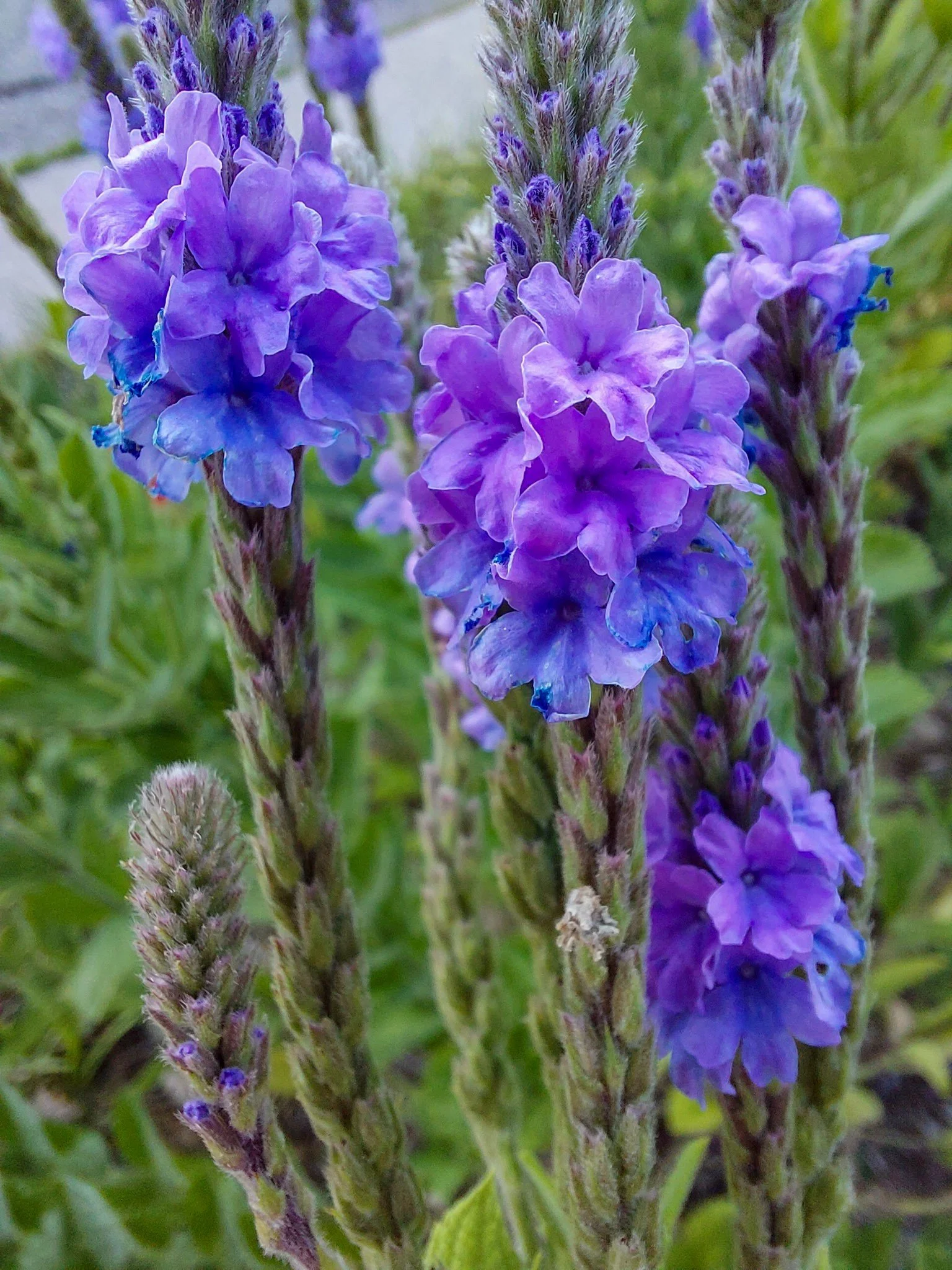
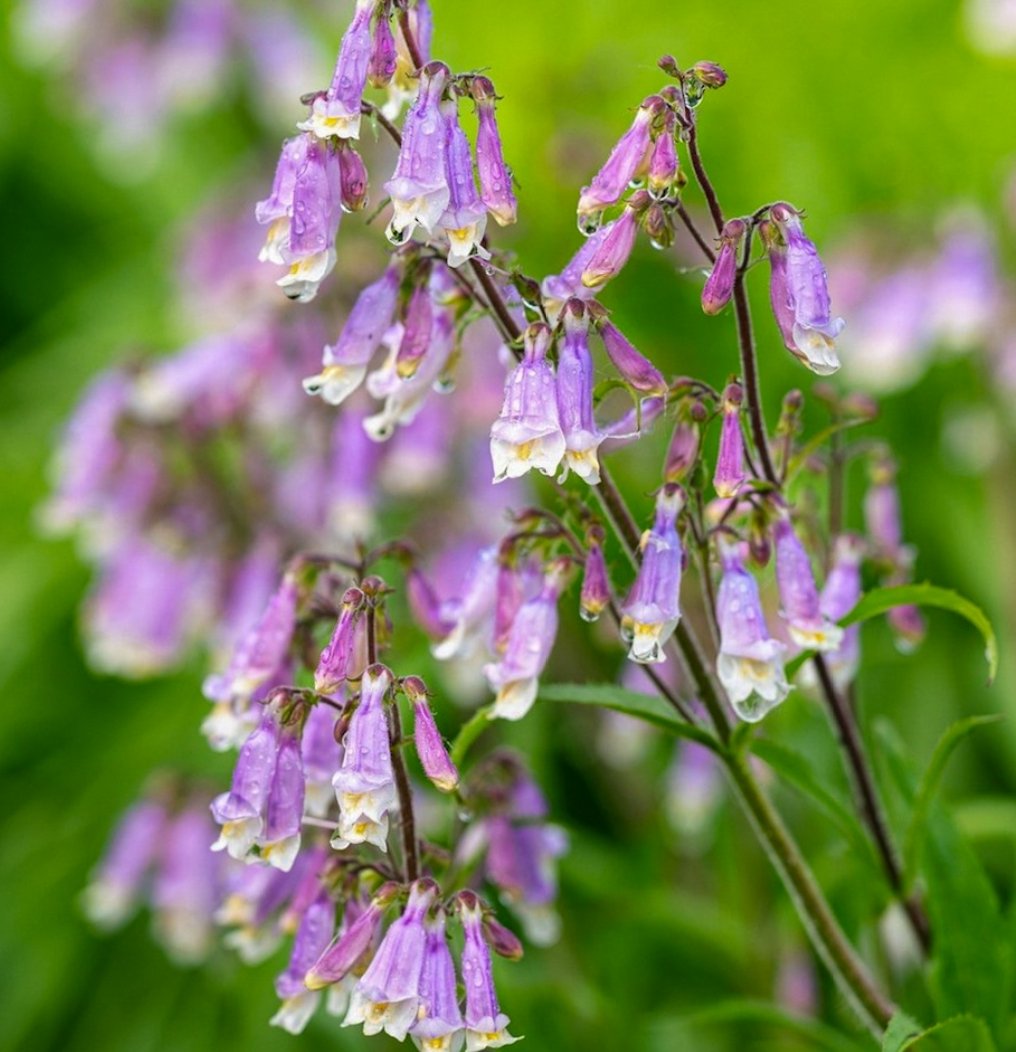
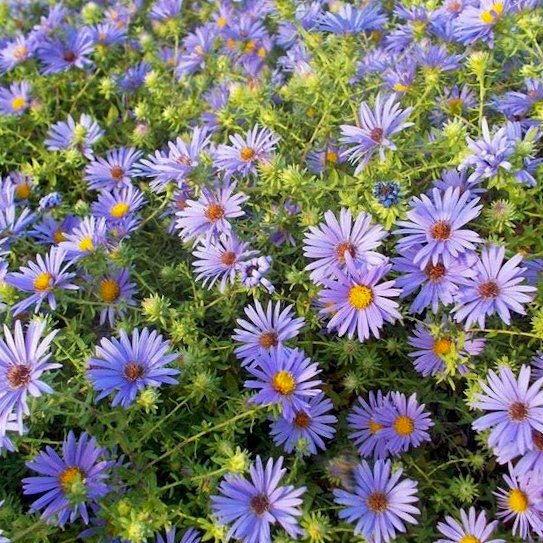
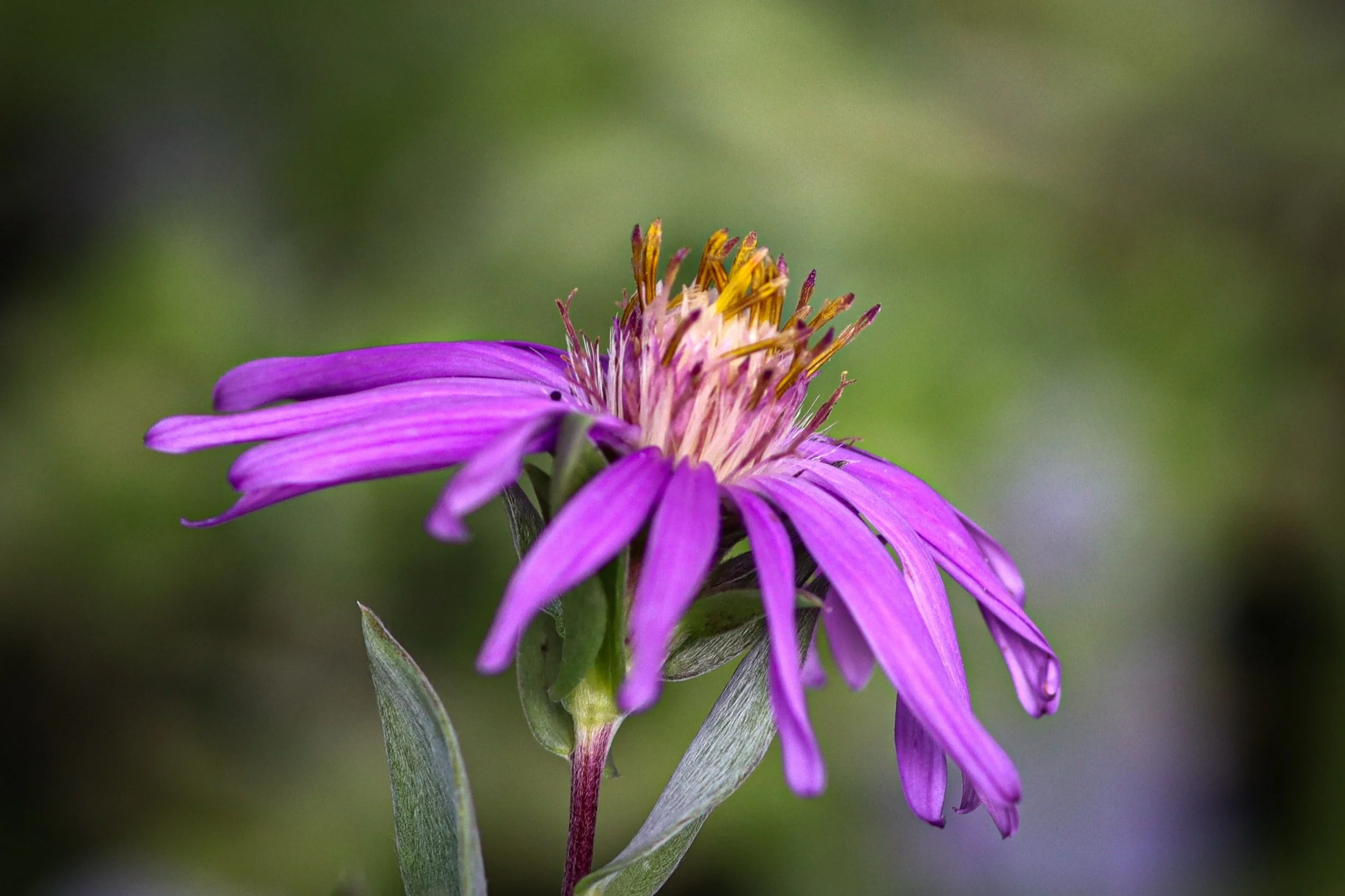
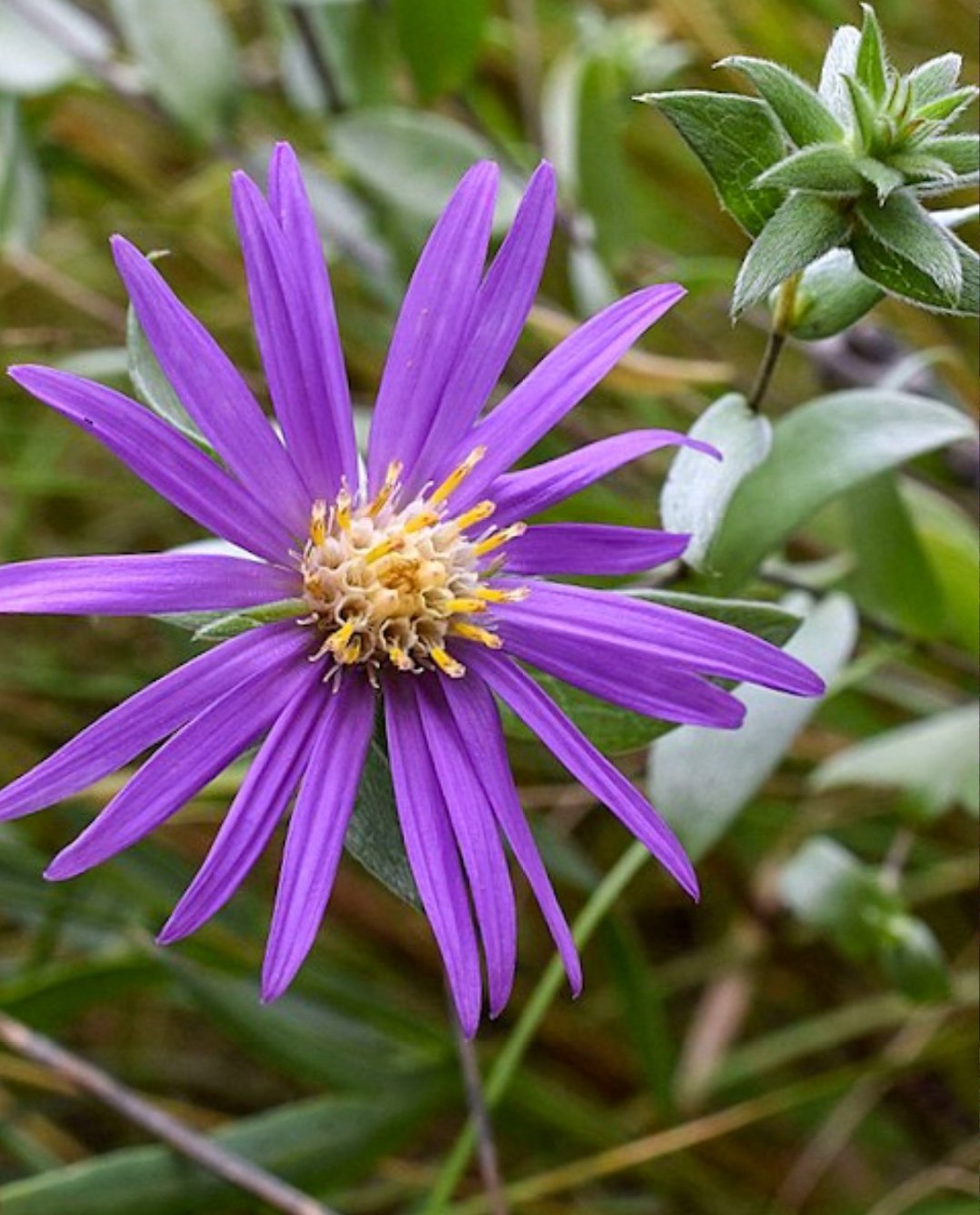
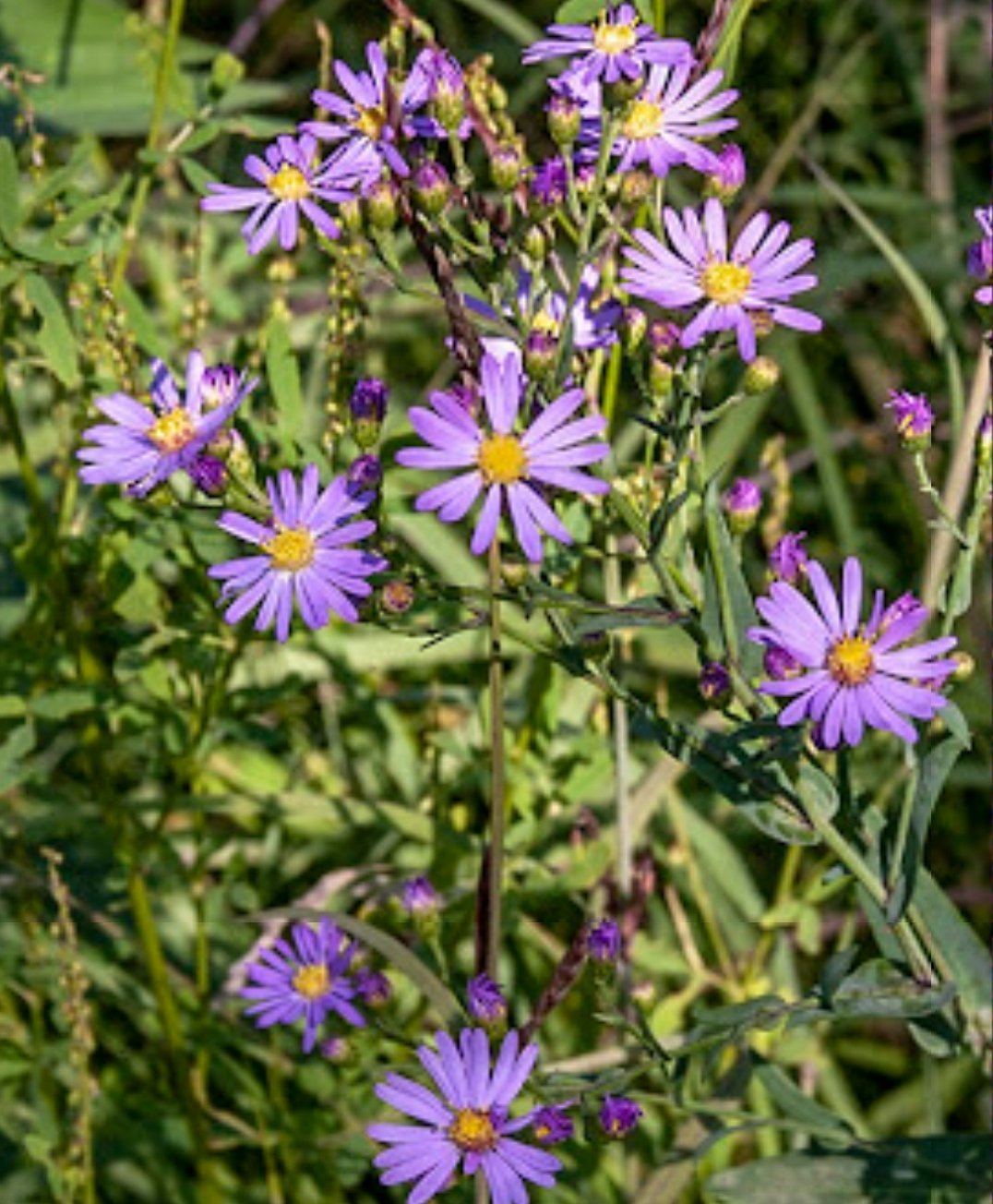
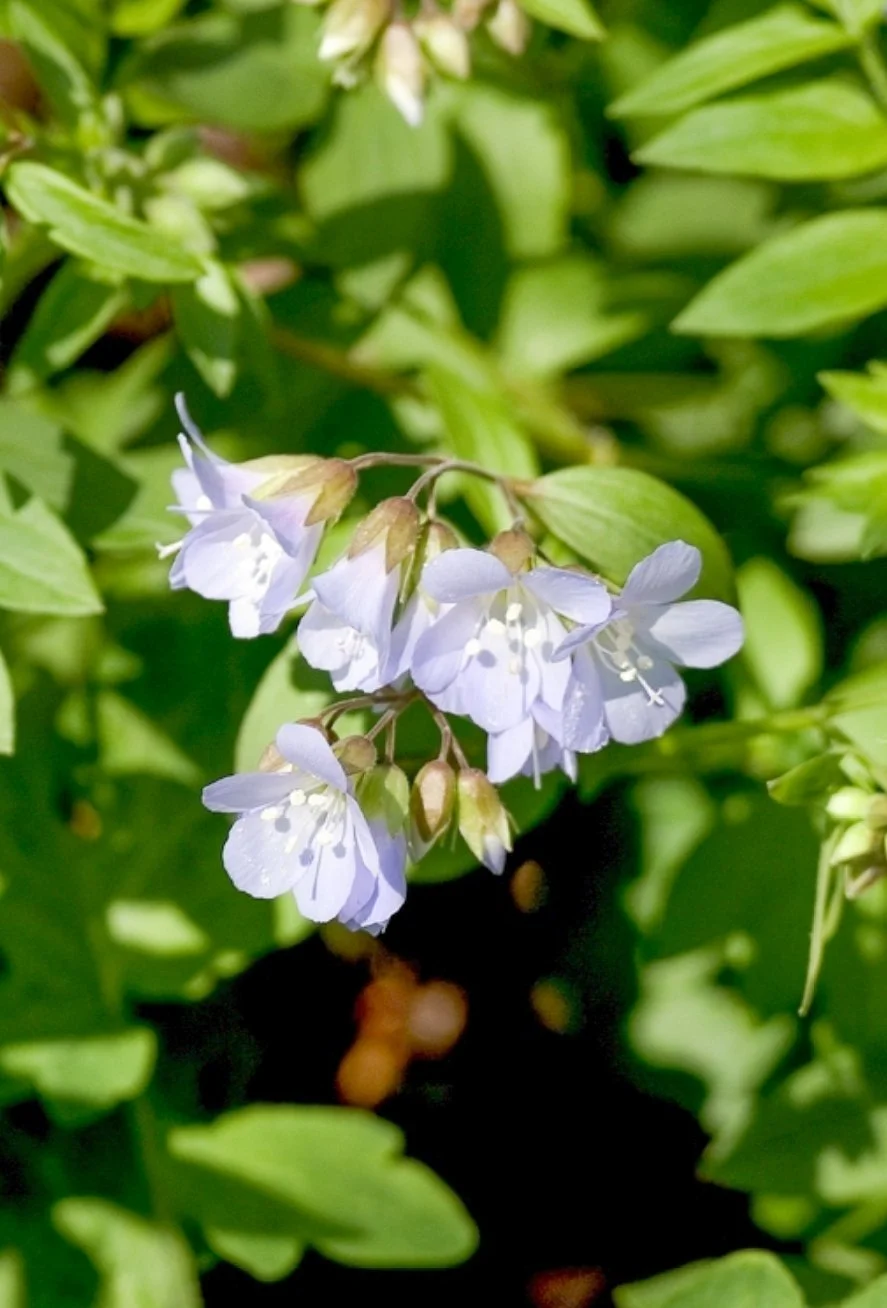
On the upper portion of the stem, 1–3 flowers arise from the leaf axils, but generally only a single flower is open at any given time. These blossoms are wheel-shaped or bell-shaped, most often violet-blue and occasionally white, and measure roughly 0.5 inches across. Each flower has a 5-lobed corolla and displays radial symmetry. Lower on the stem there are additional flowers that remain closed; although they do not open, these closed flowers nonetheless develop into seed. The plant ultimately produces small capsules that are many-seeded and divided into 2 or 3 compartments to hold the developing seeds.
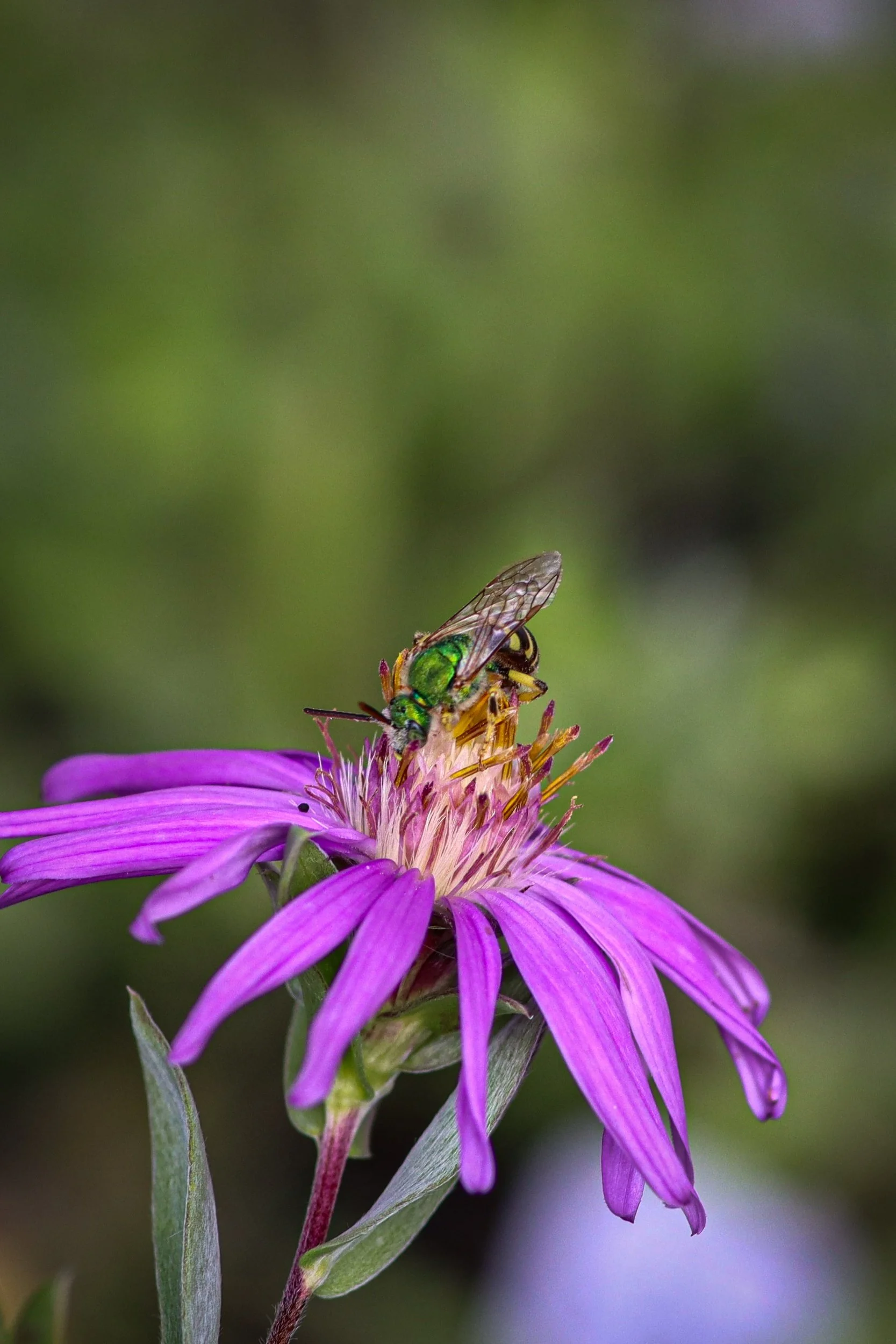
The presence of Venus’ Looking Glass in its native habitats serves as an important food source for numerous pollinators, notably generalist species such as Bumble Bees (Bombus spp.), Sweat Bees (Halictus spp.), Leafcutter Bees (Megachile spp.), Yellow Faced Bees (Hylaeus sp.), Small Sweat Bees (Lasioglossum sp.), Mason Bees (Hoplitis sp.), Metallic Green Sweat Bees of both (Agapostemon spp. and Augochlorella spp.) Venus’s Looking Glass are also favored by hummingbirds, assuring excellent pollination rates and supporting the plant’s reproduction and helping to maintain its continued presence within the ecosystem.
The Cellophane Bee (Colletes brevicornis) and Bellflower Resin Bee (Megachile campanulae) are specialists for this plant as well as American Bellflower (Campanula americana). This close, species-specific relationship between plant and pollinator is referred to in ecology as oligolecty. The term oligolecty is used in pollination ecology to refer to bees that exhibit a narrow, specialized preference for pollen sources, typically to a single family or genus of flowering plants. The preference may occasionally extend broadly to multiple genera within a single plant family or be as narrow as a single plant species.
The plant reproduces primarily through seed dispersal; small, capsule-like seed pods contain numerous seeds that may be carried by wind or water or transported accidentally by animals or on human clothing. As a pioneer seral species, Triodanis perfoliata readily establishes itself in disturbed or opening sites, aiding in the early stages of ecological restoration and providing shelter and resources for small insects. The plant’s tubular flowers are especially attractive to hummingbirds, making it a favored choice for yardeners and landowners aiming to draw a broad array of wildlife. Together, these traits underscore the ecological importance of Triodanis perfoliata in preserving the health, resilience, and balance of its native habitats.
Plant Details:
USDA Zones: 4 - 9
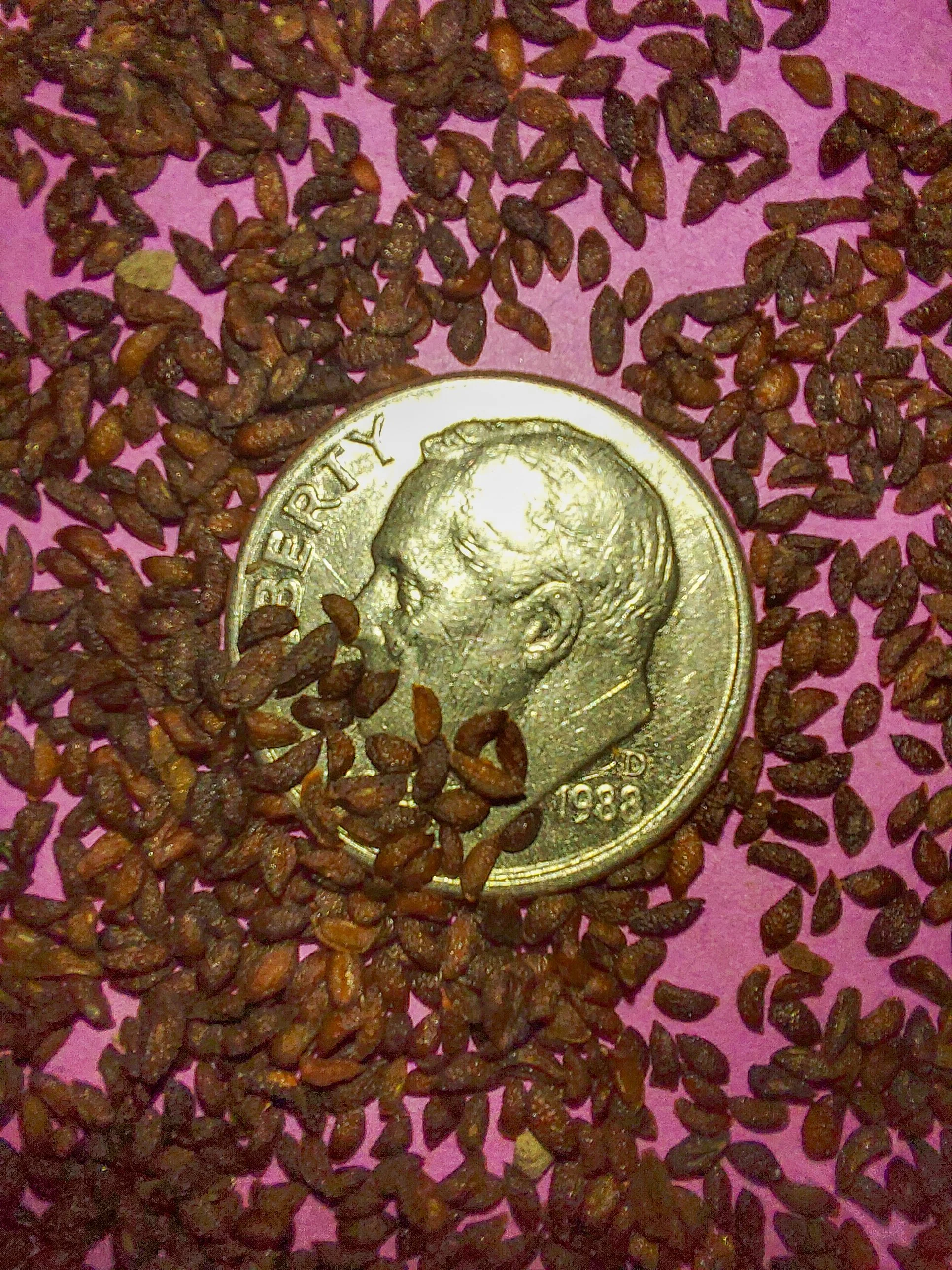
Germination Needs: Needs 60 Days Cold Moist Stratification. Seeds are very small, needing light to germinate, surface sow and bottom water for best results.
Life Cycle: Annual
Sun Exposure: Full to Partial
Soil Moisture: Medium-Dry, Dry
Plant Spacing: 6 - 12 inches
Height: 2 feet
Bloom time: May, June, July, August
Bloom Color: Purple
Advantages:
Pollinator Favorite: butterflies, moths, bees, wasps, beetles
Bird Favorite: seeds, insects, fruit, nectar, nesting, perches.
Deer Resistant: While not browsed by deer often, it is not deer or rabbit proof.
Native to: Wisconsin, Minnesota, Iowa, Illinois, Indiana, Michigan, Ohio, Pennsylvania, New York, Vermont, New Hampshire, Maine, Massachusetts, Rhode Island, Connecticut, Delaware, Maryland, New Jersey, West Virginia, Virginia, Kentucky, Tennessee, North Carolina, South Carolina, Georgia, Florida, Alabama, Mississippi, Louisiana, Arkansas, Missouri, Texas, Oklahoma, Kansas, Nebraska, South Dakota, North Dakota, Montana, Wyoming, Colorado, New Mexico, Arizona, Utah, Idaho, Washington State, Oregon and California.
This species is considered present but rare in several counties of the state of Vermont.
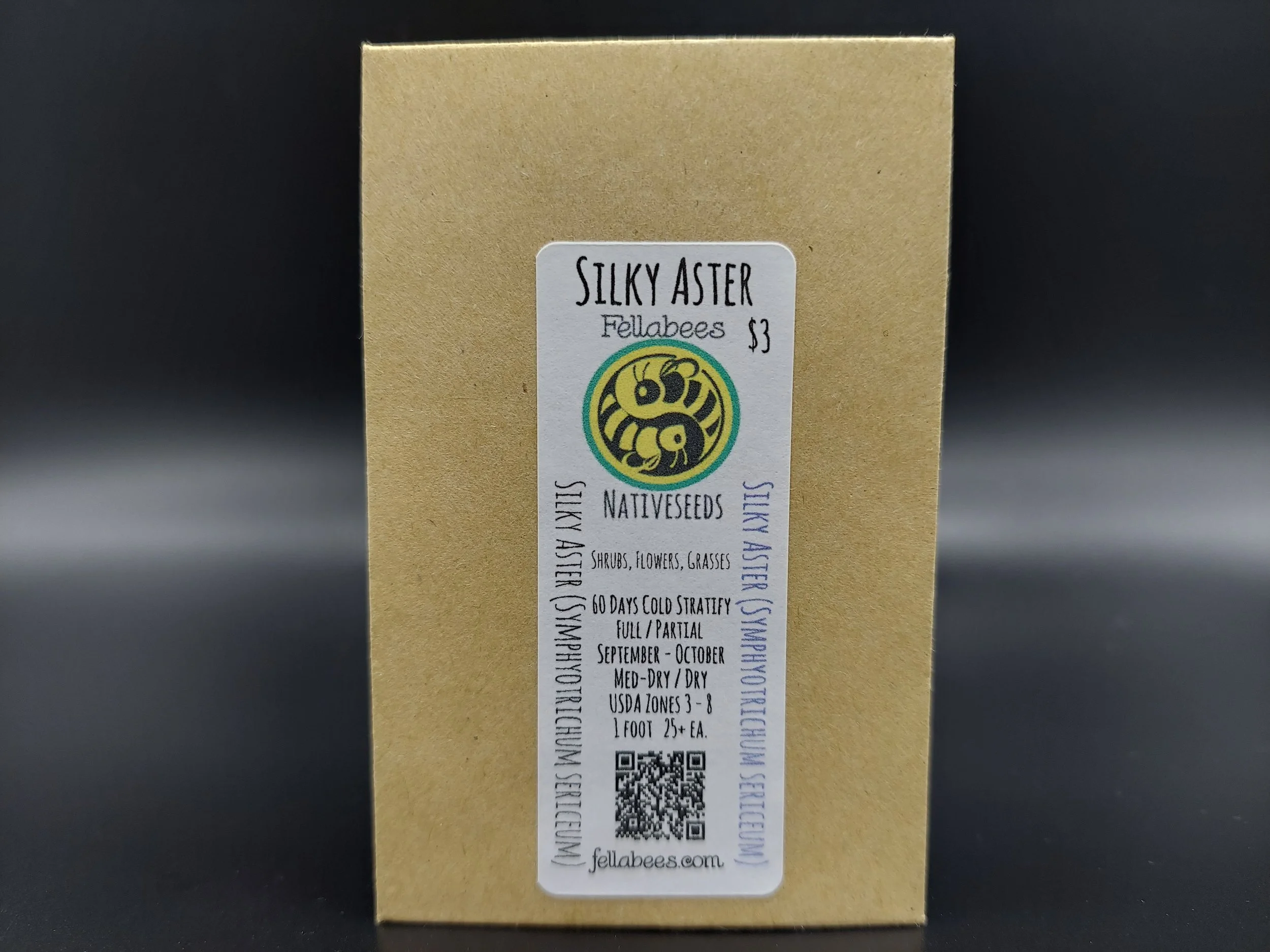
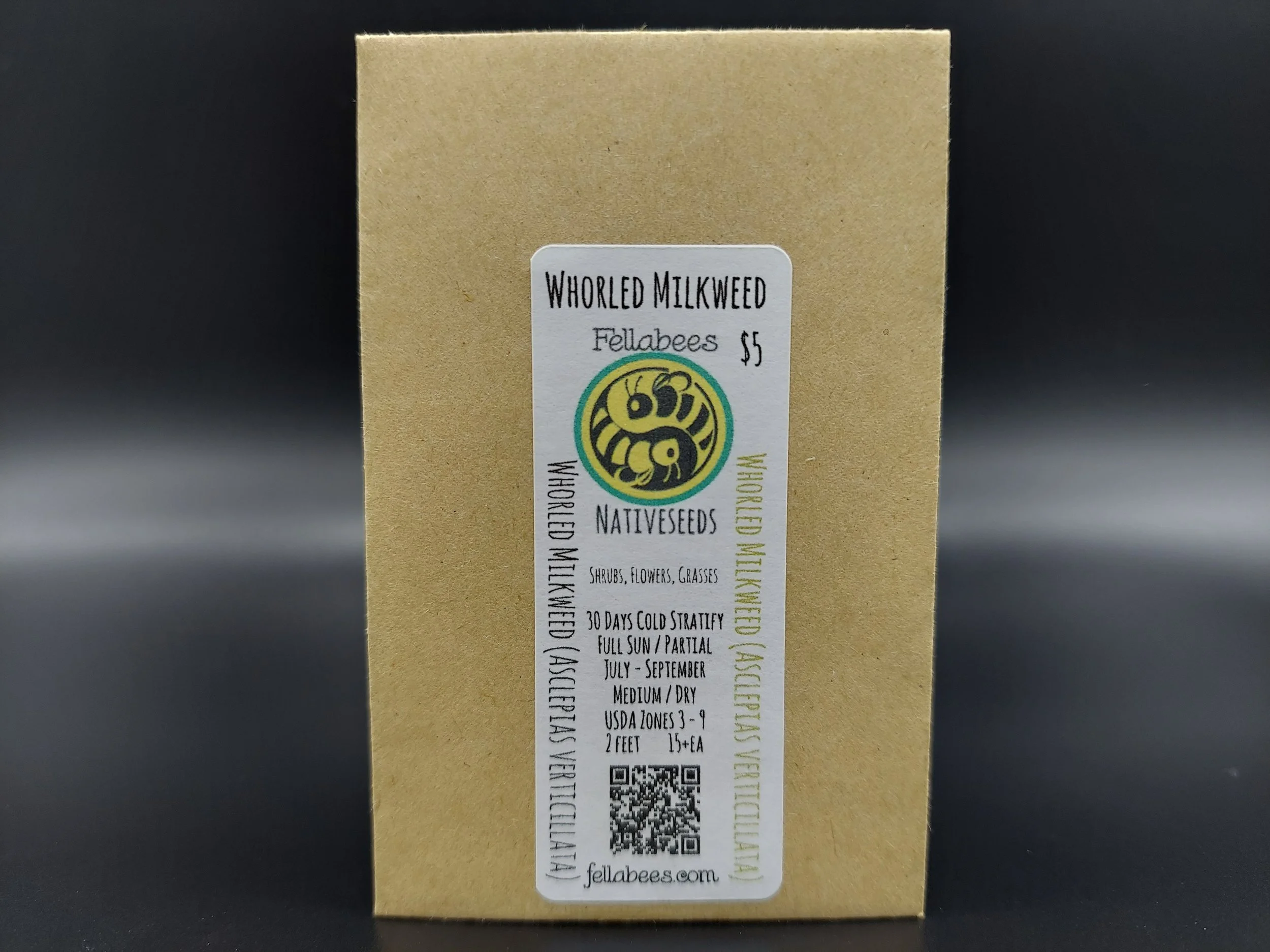
Seed Count: 25+
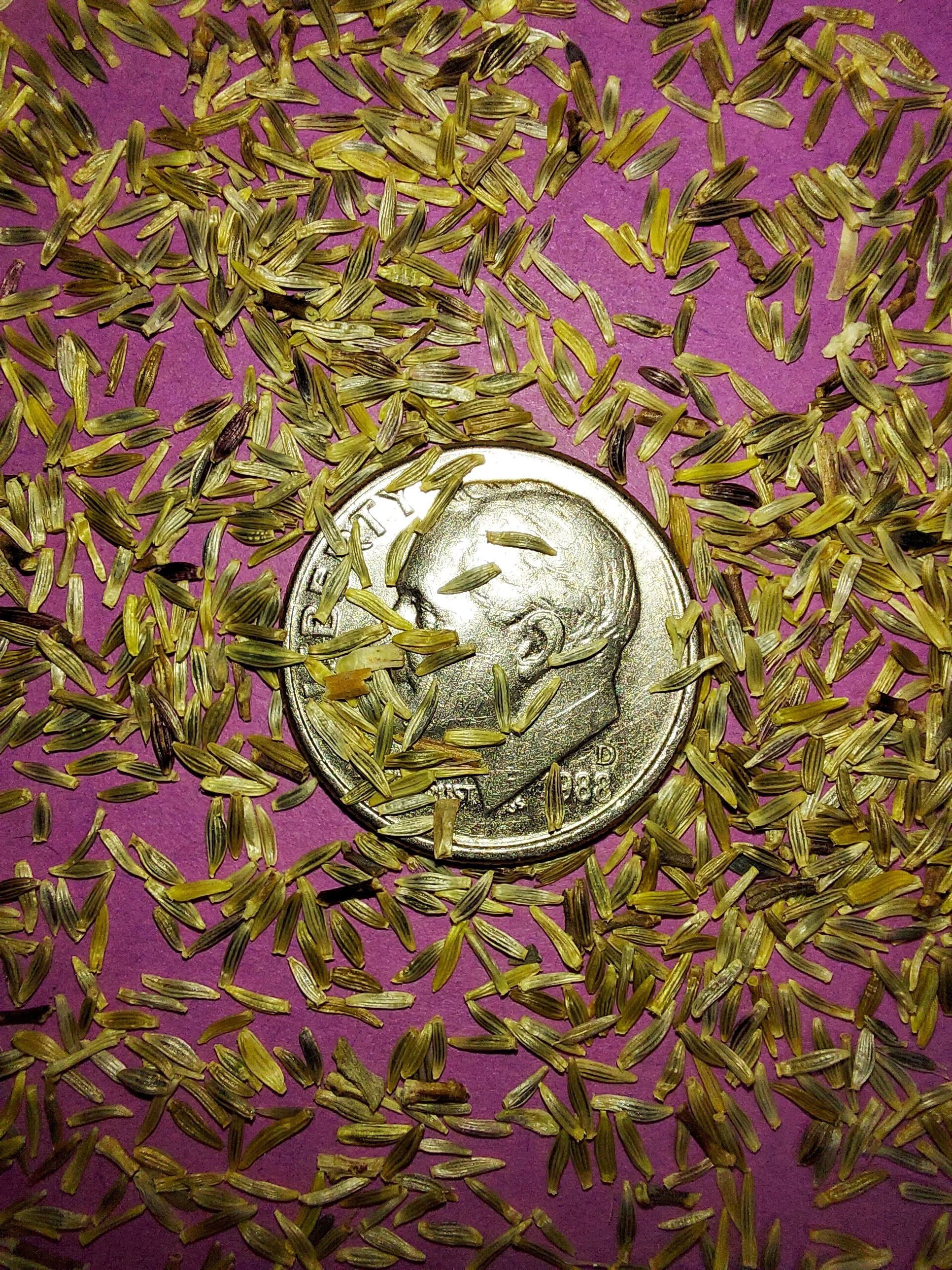
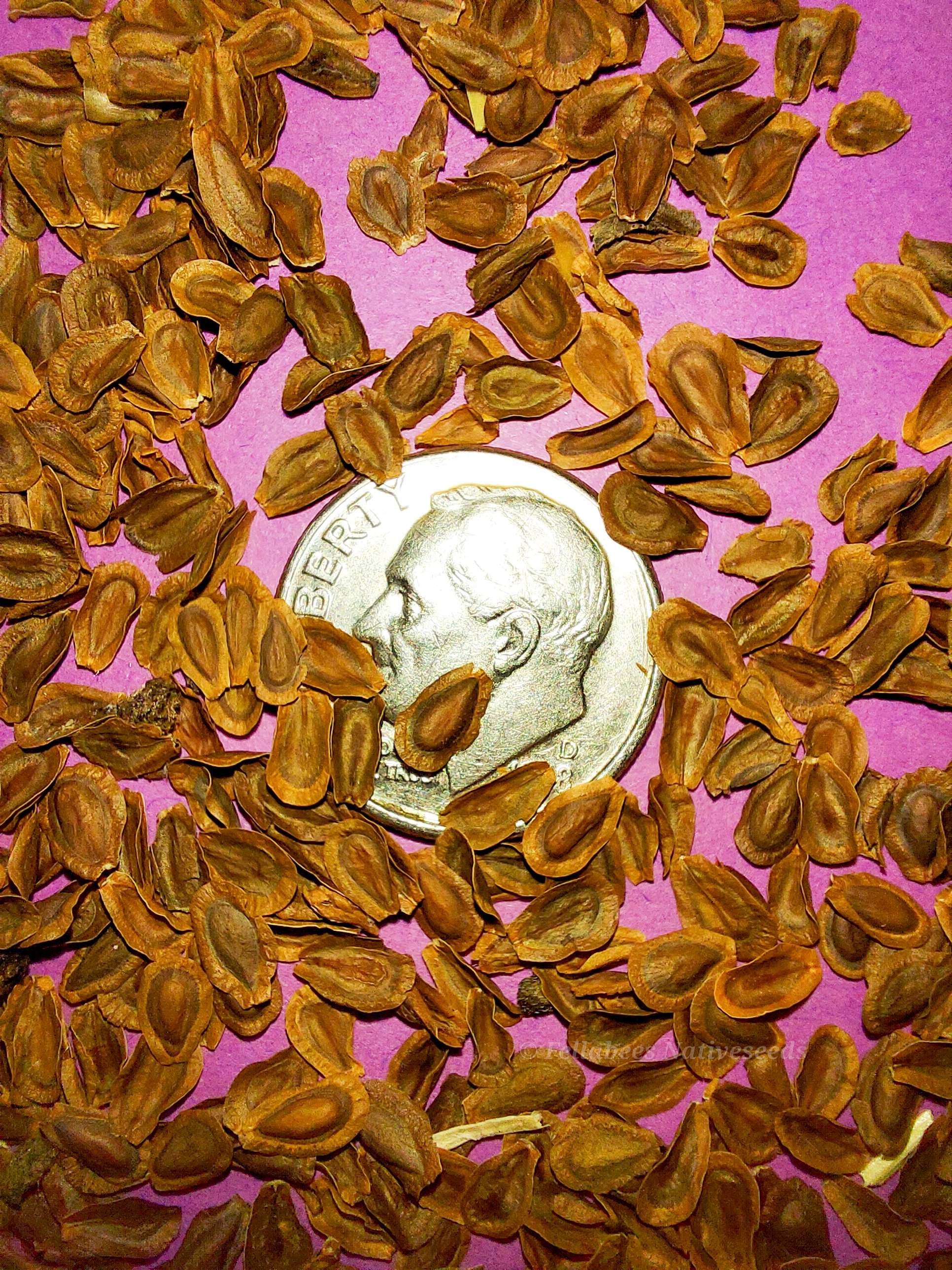
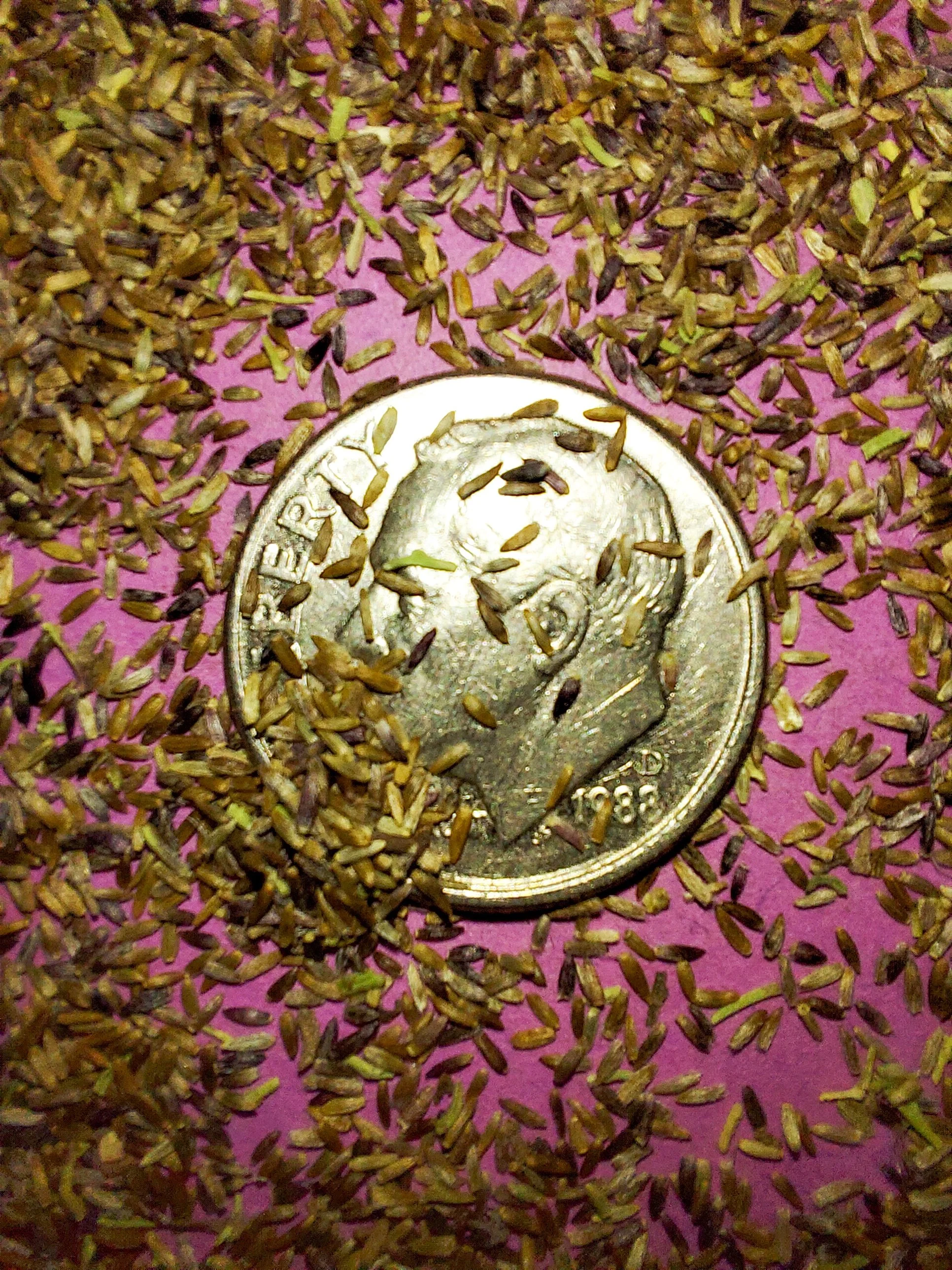
This species seed is EXCEPTIONALLY small! While we do hand count every single packets quantity, we do overfill small seed species packets in the effort of expediency. Despite stating “25+”, random audits of our packets of this species have seed counts well beyond 25 seed, to double or even triple quantity. We will continue to produce packets in this manner in perpetuity.
.
.
Packet quantities:
We pride ourselves on ethical, hands on, ecological management, using no mechanical or chemical methods whatsoever.
All of our native seed is hand reared, hand-picked, and hand packed from native prairies under our exclusive management, never breaking chain of custody from the field until it is sent to you. Each packet is hand prepared for shipment by us, directly.
Small seed species will contain greater than 20-25 seed
Large seed species will contain greater than 10-15 seed
All packets are individually marked at the bottom of the front label with expected count, however most if not all packets will have many more than the minimum count by default.
It is our mission to spread the wealth of native plant and pollinator ecological sustainability and educate back yard gardeners as well as corporate and government entities in how to germinate, grow, and benefit from native synergies.
Thank you for your support, it is because of you, that we can grow together to do, what we do. 🐛🦋🐝🐞🌾🌱🌼🧡
Venus' Looking Glass (Triodanis perfoliata)
Triodanis perfoliata is the scientific name for the native annual species more commonly called Venus’ Looking Glass, Clasping Venus' Looking-glass, or Clasping Bellflower; it belongs to the Bellflower Family, Campanulaceae. This delicate annual herb is native across much of the Americas, with a natural range that extends from Canada through the United States and Central America, reaching as far south as Argentina.
Venus’ Looking Glass is an annual plant that typically grows to a height of 4–18 inches tall, though it can occasionally reach a bit taller under favorable conditions. It has a central, unbranched stem that is lightly hairy and bears alternate leaves which clasp the stem. The leaves are light green, rounded, up to about 1 inch long, and have a scallop-edged, shell-like shape. Both the stem and the leaves contain a milky sap that can be seen when they are broken.
On the upper portion of the stem, 1–3 flowers arise from the leaf axils, but generally only a single flower is open at any given time. These blossoms are wheel-shaped or bell-shaped, most often violet-blue and occasionally white, and measure roughly 0.5 inches across. Each flower has a 5-lobed corolla and displays radial symmetry. Lower on the stem there are additional flowers that remain closed; although they do not open, these closed flowers nonetheless develop into seed. The plant ultimately produces small capsules that are many-seeded and divided into 2 or 3 compartments to hold the developing seeds.
The presence of Venus’ Looking Glass in its native habitats serves as an important food source for numerous pollinators, notably generalist species such as Bumble Bees (Bombus spp.), Sweat Bees (Halictus spp.), Leafcutter Bees (Megachile spp.), Yellow Faced Bees (Hylaeus sp.), Small Sweat Bees (Lasioglossum sp.), Mason Bees (Hoplitis sp.), Metallic Green Sweat Bees of both (Agapostemon spp. and Augochlorella spp.) Venus’s Looking Glass are also favored by hummingbirds, assuring excellent pollination rates and supporting the plant’s reproduction and helping to maintain its continued presence within the ecosystem.
The Cellophane Bee (Colletes brevicornis) and Bellflower Resin Bee (Megachile campanulae) are specialists for this plant as well as American Bellflower (Campanula americana). This close, species-specific relationship between plant and pollinator is referred to in ecology as oligolecty. The term oligolecty is used in pollination ecology to refer to bees that exhibit a narrow, specialized preference for pollen sources, typically to a single family or genus of flowering plants. The preference may occasionally extend broadly to multiple genera within a single plant family or be as narrow as a single plant species.
The plant reproduces primarily through seed dispersal; small, capsule-like seed pods contain numerous seeds that may be carried by wind or water or transported accidentally by animals or on human clothing. As a pioneer seral species, Triodanis perfoliata readily establishes itself in disturbed or opening sites, aiding in the early stages of ecological restoration and providing shelter and resources for small insects. The plant’s tubular flowers are especially attractive to hummingbirds, making it a favored choice for yardeners and landowners aiming to draw a broad array of wildlife. Together, these traits underscore the ecological importance of Triodanis perfoliata in preserving the health, resilience, and balance of its native habitats.
Plant Details:
USDA Zones: 4 - 9
Germination Needs: Needs 60 Days Cold Moist Stratification. Seeds are very small, needing light to germinate, surface sow and bottom water for best results.
Life Cycle: Annual
Sun Exposure: Full to Partial
Soil Moisture: Medium-Dry, Dry
Plant Spacing: 6 - 12 inches
Height: 2 feet
Bloom time: May, June, July, August
Bloom Color: Purple
Advantages:
Pollinator Favorite: butterflies, moths, bees, wasps, beetles
Bird Favorite: seeds, insects, fruit, nectar, nesting, perches.
Deer Resistant: While not browsed by deer often, it is not deer or rabbit proof.
Native to: Wisconsin, Minnesota, Iowa, Illinois, Indiana, Michigan, Ohio, Pennsylvania, New York, Vermont, New Hampshire, Maine, Massachusetts, Rhode Island, Connecticut, Delaware, Maryland, New Jersey, West Virginia, Virginia, Kentucky, Tennessee, North Carolina, South Carolina, Georgia, Florida, Alabama, Mississippi, Louisiana, Arkansas, Missouri, Texas, Oklahoma, Kansas, Nebraska, South Dakota, North Dakota, Montana, Wyoming, Colorado, New Mexico, Arizona, Utah, Idaho, Washington State, Oregon and California.
This species is considered present but rare in several counties of the state of Vermont.
Seed Count: 25+
This species seed is EXCEPTIONALLY small! While we do hand count every single packets quantity, we do overfill small seed species packets in the effort of expediency. Despite stating “25+”, random audits of our packets of this species have seed counts well beyond 25 seed, to double or even triple quantity. We will continue to produce packets in this manner in perpetuity.
.
.
Packet quantities:
We pride ourselves on ethical, hands on, ecological management, using no mechanical or chemical methods whatsoever.
All of our native seed is hand reared, hand-picked, and hand packed from native prairies under our exclusive management, never breaking chain of custody from the field until it is sent to you. Each packet is hand prepared for shipment by us, directly.
Small seed species will contain greater than 20-25 seed
Large seed species will contain greater than 10-15 seed
All packets are individually marked at the bottom of the front label with expected count, however most if not all packets will have many more than the minimum count by default.
It is our mission to spread the wealth of native plant and pollinator ecological sustainability and educate back yard gardeners as well as corporate and government entities in how to germinate, grow, and benefit from native synergies.
Thank you for your support, it is because of you, that we can grow together to do, what we do. 🐛🦋🐝🐞🌾🌱🌼🧡
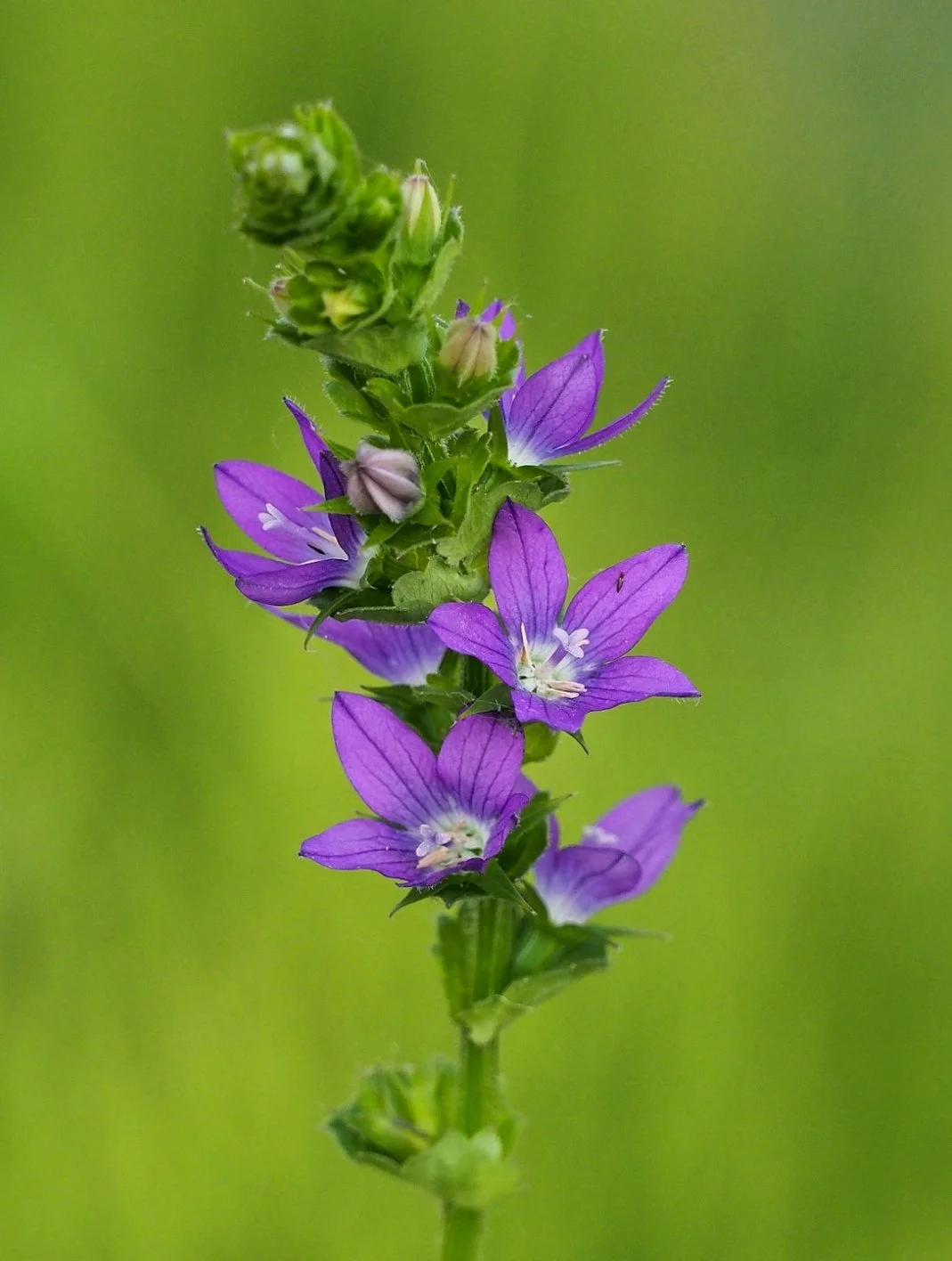 Image 1 of 5
 Image 2 of 5
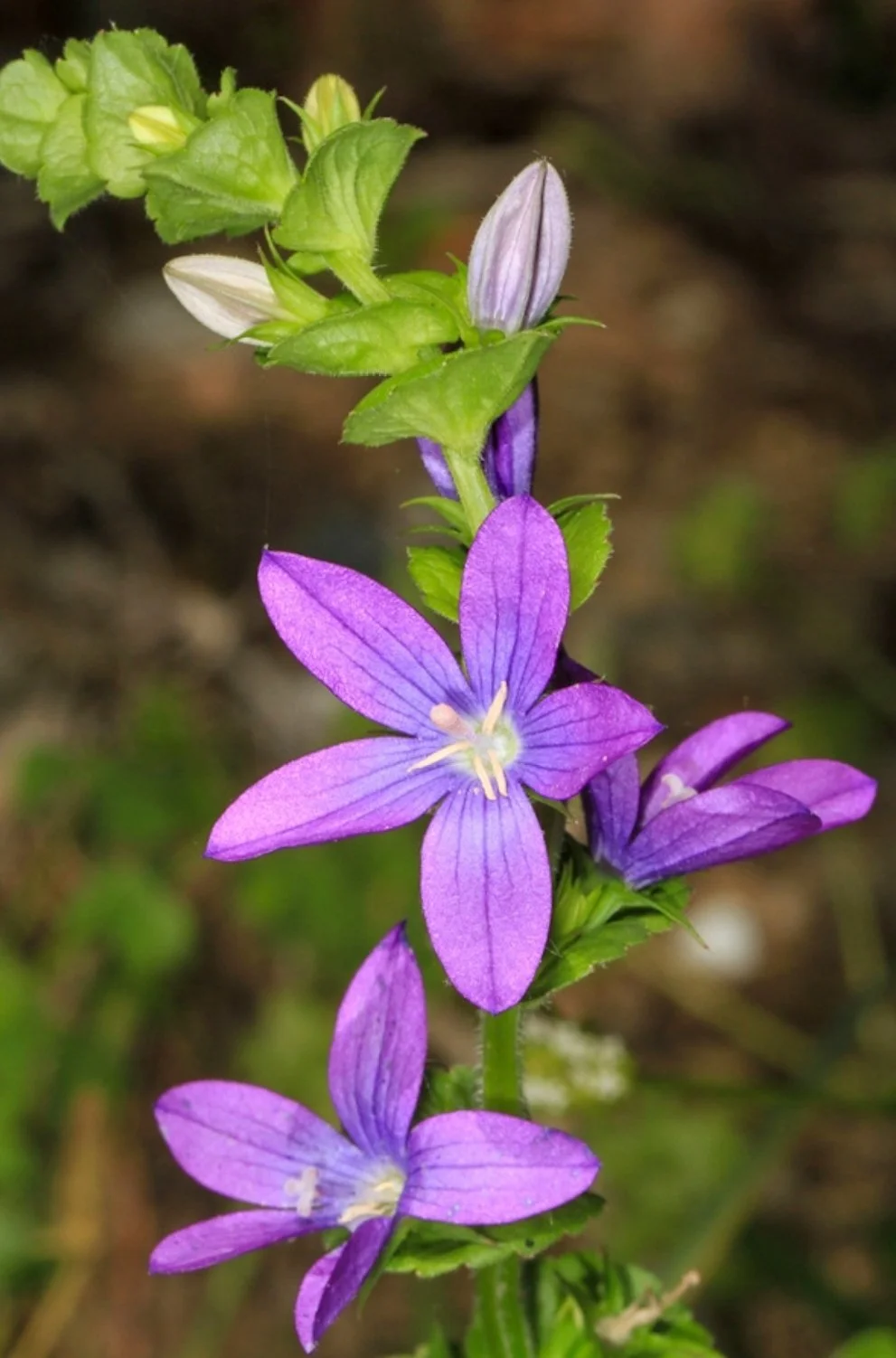 Image 3 of 5
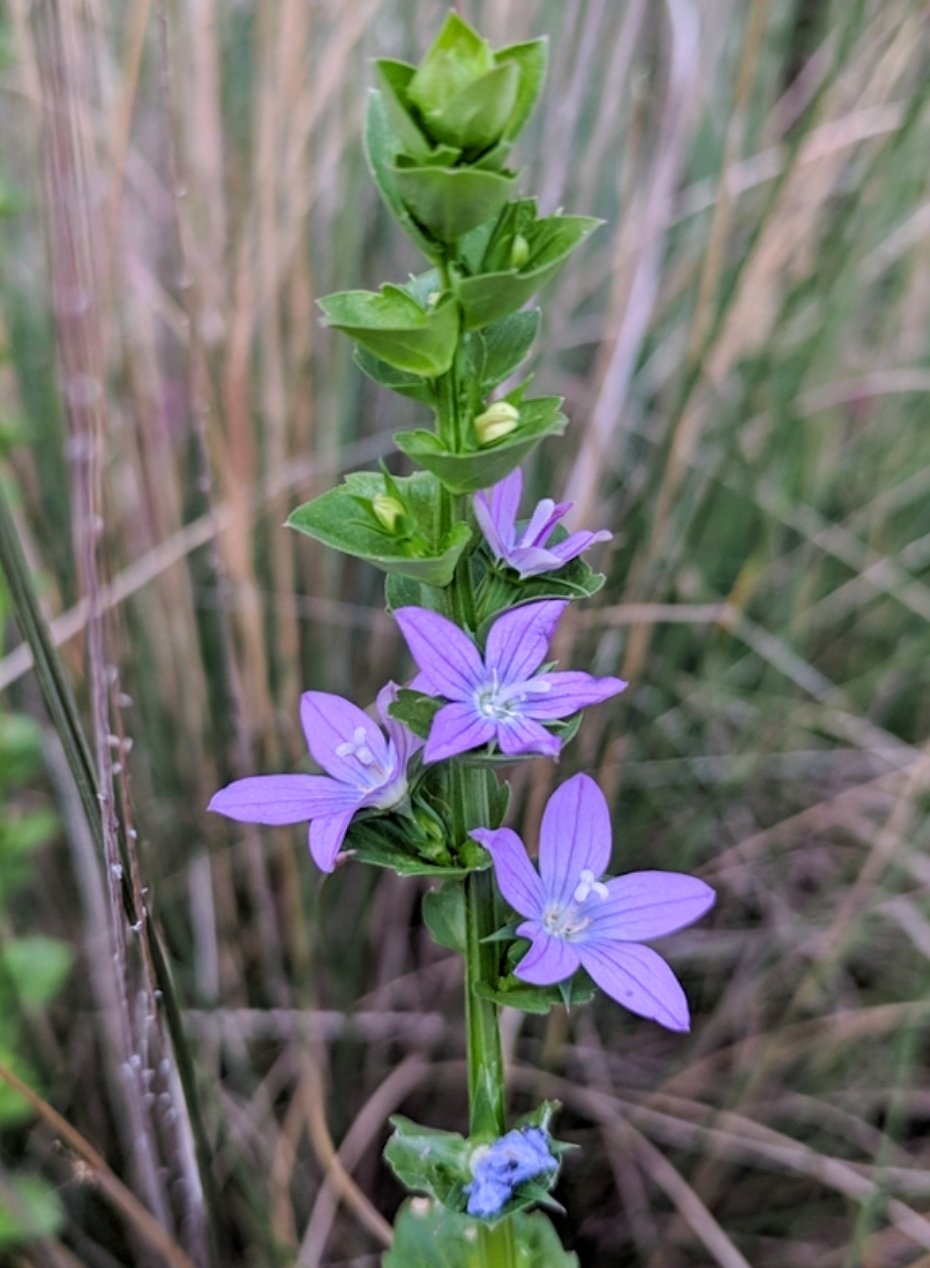 Image 4 of 5
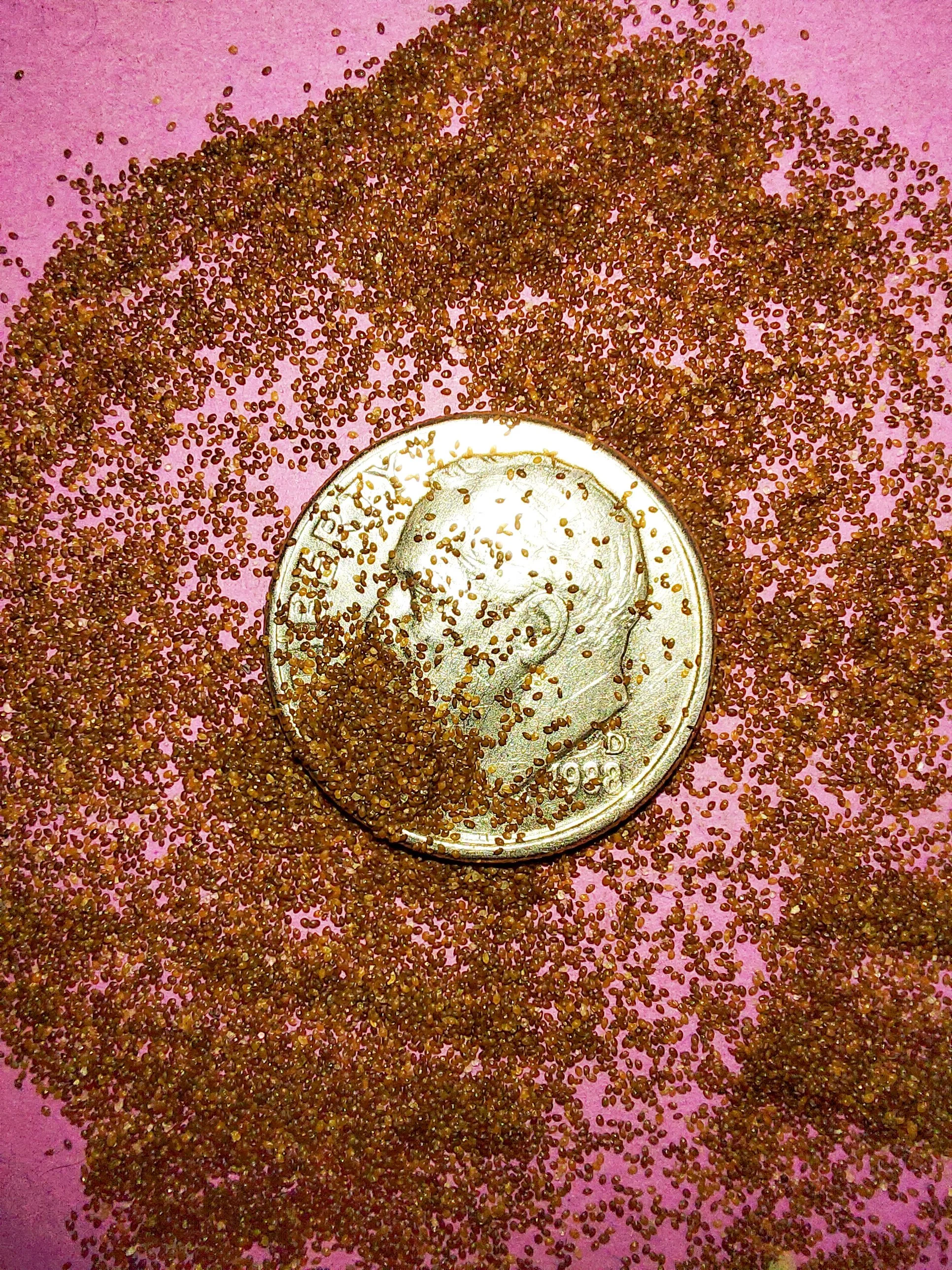 Image 5 of 5