Sale Price:
$2.50
Original Price:
$3.00
White Wild Indigo (Baptisia alba)
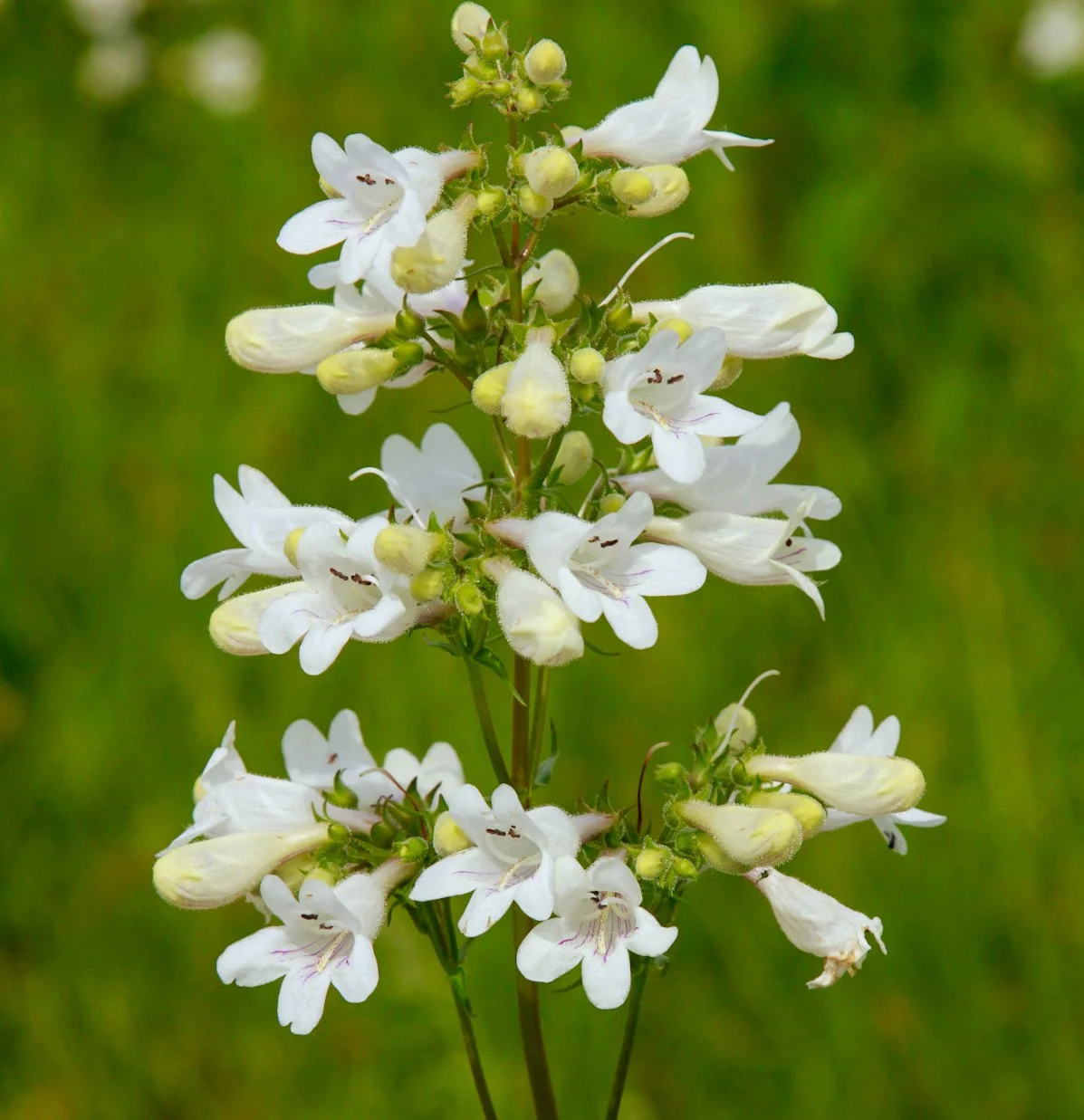
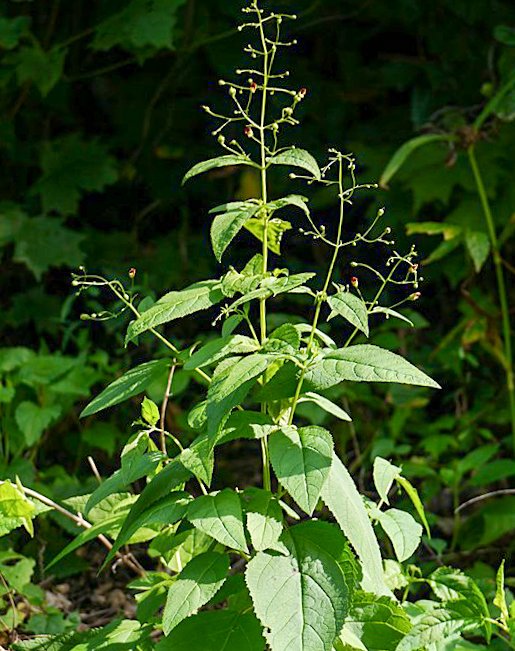
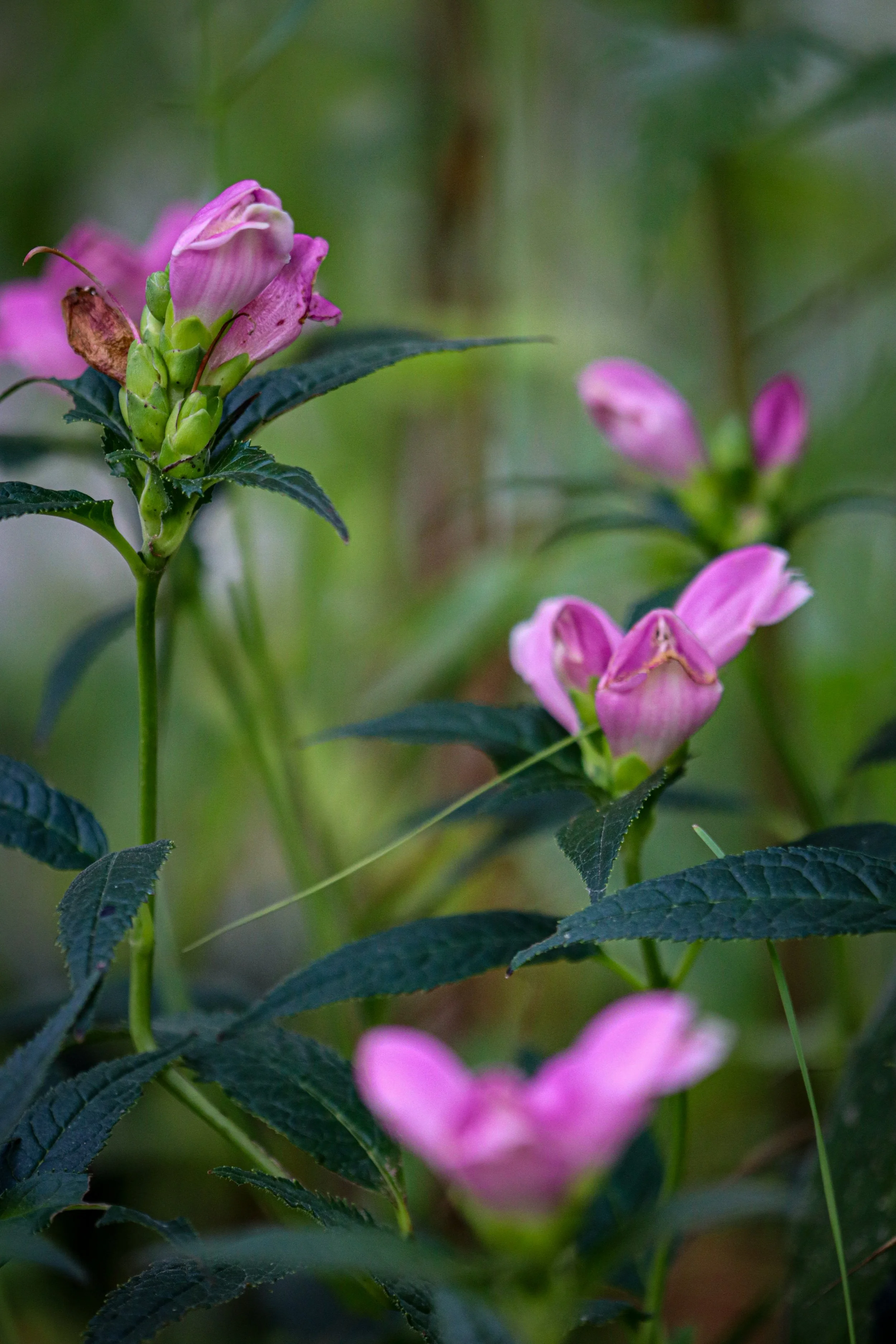
Baptisia alba, more commonly called White Wild Indigo or White False Indigo, is a herbaceous perennial plant in the bean family, Fabaceae. It is an early-season native species found across central and eastern North America. White Wild Indigo typically grows 2 to 3 feet tall, though in particularly favorable sites it can reach greater heights, producing upright spikes of white, pea-like flowers.
White Wild Indigo is a vital prairie plant for many pollinators. Beyond its attractive white blooms and sturdy presence in native plantings, it plays a crucial ecological role as a host and food source for many lepidopterans. Caterpillars of the Duskywing butterfly rely on it for development, and the Indigo Stem Borer Moth depends on it as well, using the plant for feeding and shelter during vulnerable life stages. In addition to these specialists, White Wild Indigo provides nectar and habitat value for a wider community of butterflies, including the Eastern Tailed-Blue, Clouded Sulfur, Southern Dogface, and Orange Sulfur. By supporting both caterpillars and adult butterflies, White Wild Indigo helps sustain local pollinator populations, strengthens prairie biodiversity, and enhances the ecological resilience of native landscapes. Planting it in restorations or pollinator gardens offers tangible benefits for these species throughout their life cycles.
This seed and plant get round and get around! During winter the bases of the plant can shatter and break off of their base. As they do, they form tumbleweeds of themselves and spread seed via a ball blowing in the winter wind.
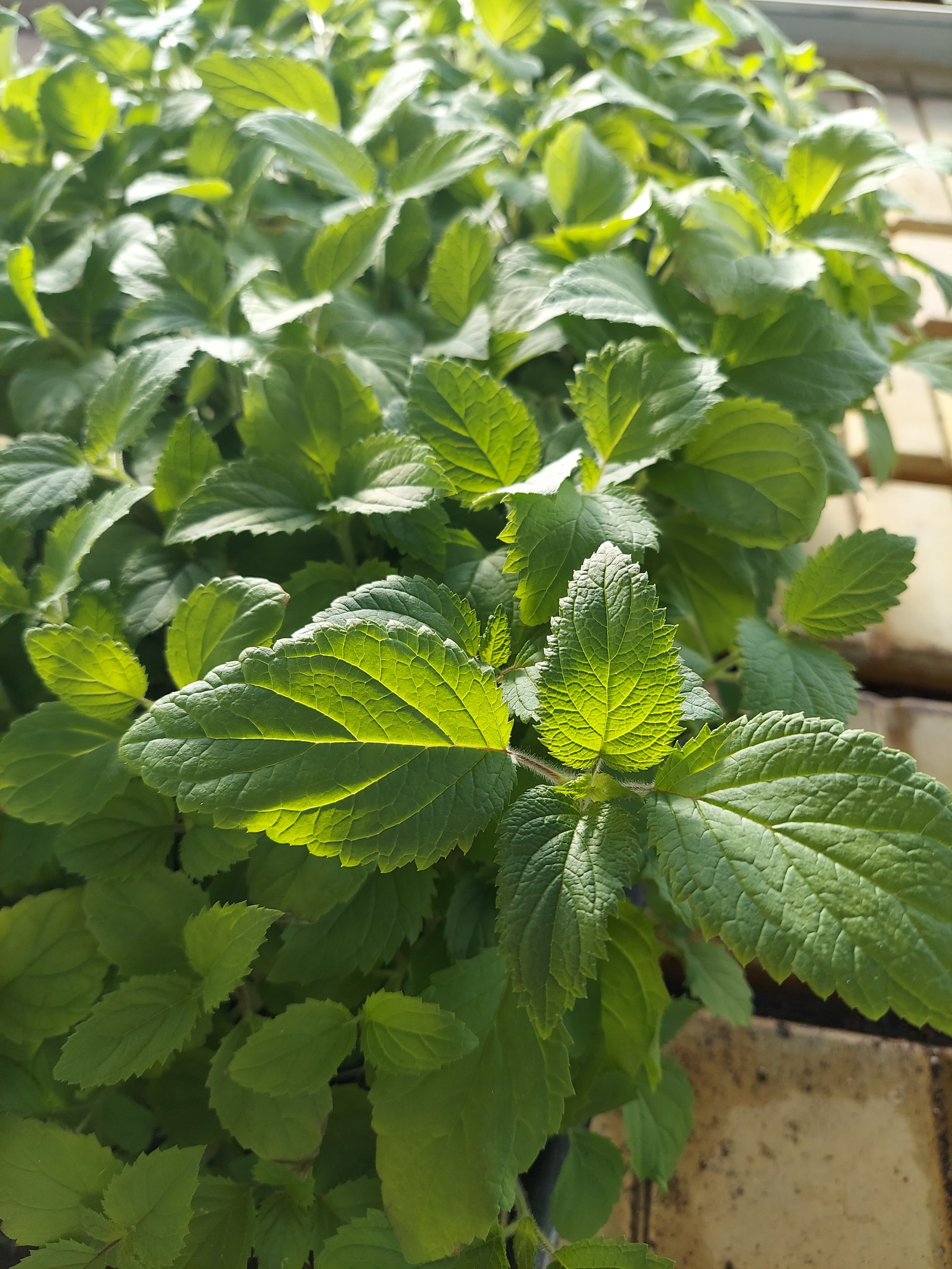
Leaves of Wild White Indigo display an alternate arrangement along the stem, each leaf composed of three narrow, oblong leaflets that give the plant a finely textured, graceful appearance. From the tip of a tall, erect stalk a long spike inflorescence develops; along this spike, clusters of delicate white blossoms open in succession, creating a column of blooms that draws the eye. Depending on location, blooming can begin as early as April and continue through July, with plants in the southern portion of the species’ range typically coming into flower sooner. Though Wild White Indigo is naturally a denizen of native grasslands, it adapts well to cultivated settings and is often grown in gardens where soils remain moderately moist, a condition it favors for best growth and flowering. The species’ combination of slender trifoliate leaves and a striking, white-flowered spike makes it a useful choice for prairie restorations, pollinator-friendly plantings, and garden borders that benefit from a vertical floral accent.
Baptisia alba var. alba differs from its ecotype cousin B. alba var. macrophylla (syn. B. lactea, B. leucantha) by range and fruit position: var. alba is found only in the southeastern US, and its ripe fruits hang downward.
Baptisia alba is usually found in non-wet areas (about 67%–99% of the time) but can sometimes be in wetlands (about 1%–33% of the time).
This plant is considered present but rare in several counties of the states of Minnesota, Nebraska, Michigan, Ohio and North Carolina.
Plant Details
USDA Zones: 4-9
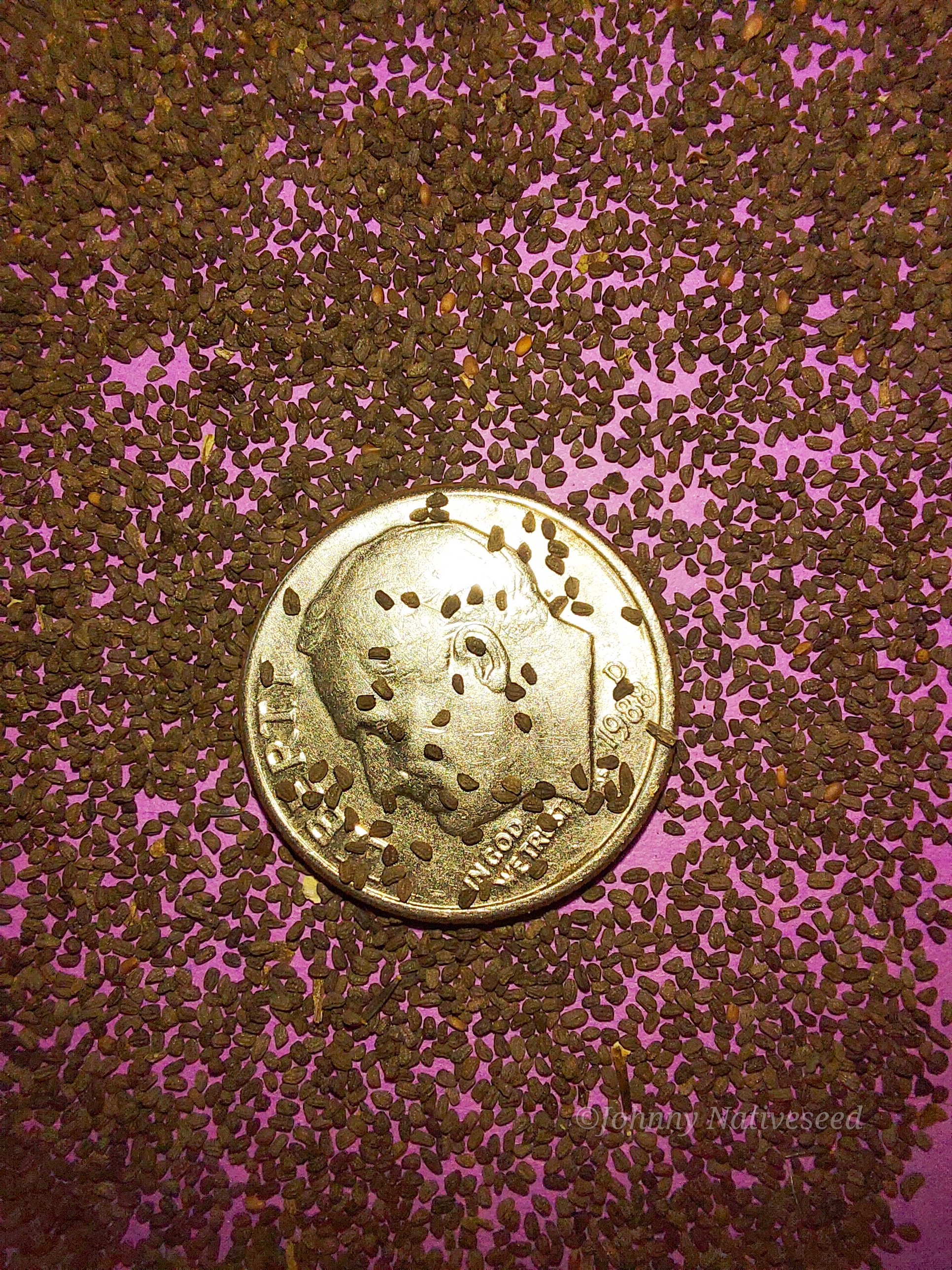
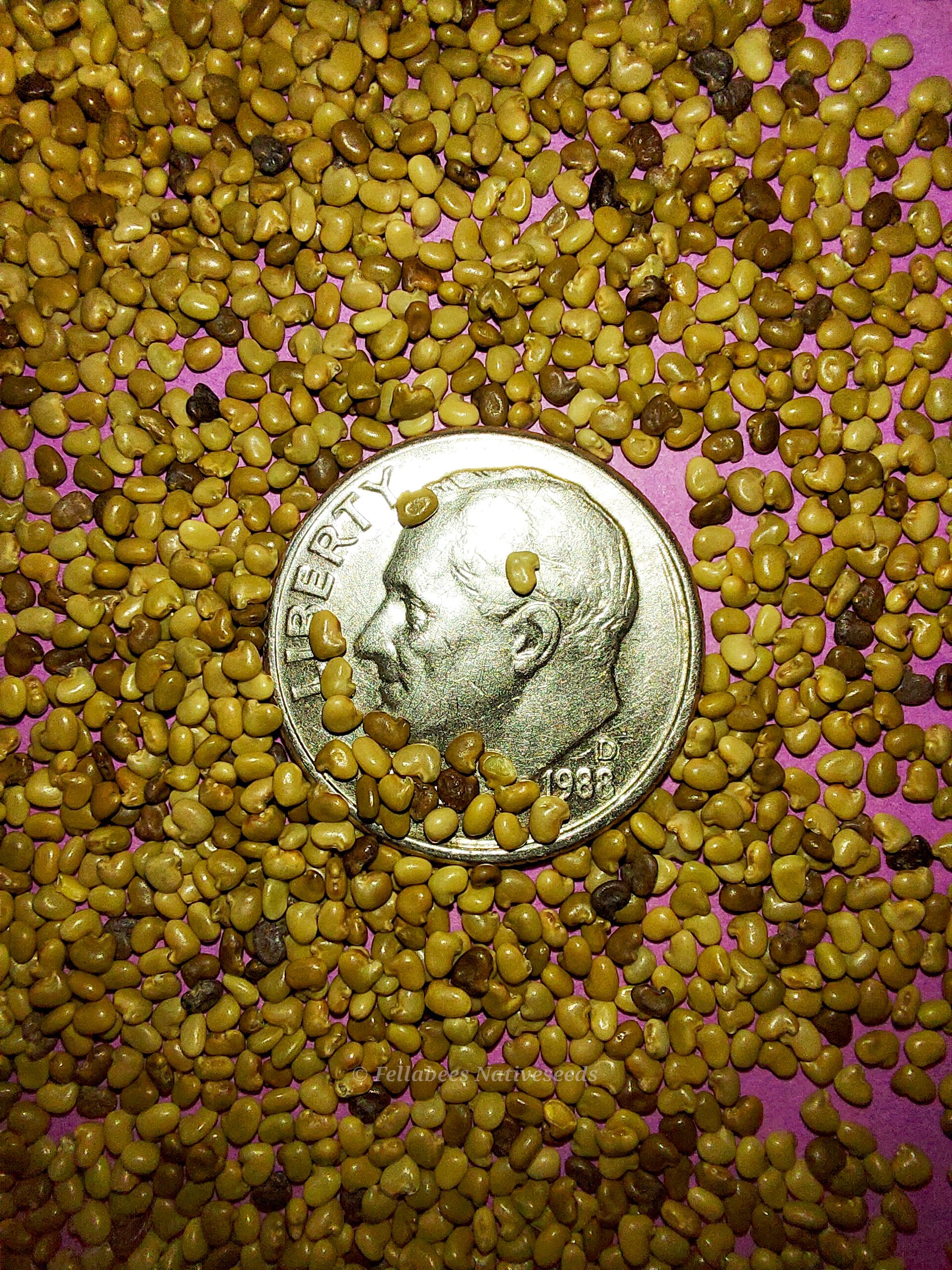
Germination Needs: Seed needs scarification before, (Rub seeds between medium grit sandpaper to aerate the seed surface without crushing or opening the seed) 10 Days Cold Stratification,
Life Cycle: Perennial
Sun Exposure: Full to Partial
Soil Moisture: Medium-Wet, Medium, Medium-Dry, Dry
Plant Spacing: 2½-3½ feet
Height: 4 feet
Bloom time: June, July
Bloom Color: White
Advantages:
Pollinator Favorite: butterflies, moths, bees, wasps, beetles
Bird Favorite: seeds, insects, fruit, nectar, nesting, perches.
Deer Resistant: Yes
Native to: Wisconsin, Minnesota, Iowa, Illinois, Indiana, Michigan, Ohio, Kentucky, Tennessee, Missouri, Arkansas, North Carolina, South Carolina, Georgia, Florida, Alabama, Mississippi, Louisiana, Texas, Oklahoma, Kansas, and Nebraska.
Introduced to: New York and Massachusetts
Seed count: 15+
.
.
Packet quantities:
We pride ourselves on ethical, hands on, ecological management, using no mechanical or chemical methods whatsoever.
All of our native seed is hand reared, hand picked, and hand packed from native prairies under our exclusive management, never breaking chain of custody from the field until it is sent to you. Each packet is hand prepared for shipment by us, directly.
Small seed species will contain greater than 20-25 seed
Large seed species will contain greater than 10-15 seed
It is our mission to spread the wealth of native plant and pollinator ecological sustainability and educate back yard gardeners as well as corporate and government entities in how to germinate, grow, and benefit from native synergies.
Thank you for your support, it is because of you, that we can grow together to do, what we do. 🐛🦋🐝🐞🌾🌱🌼🧡
White Wild Indigo (Baptisia alba)
Baptisia alba, more commonly called White Wild Indigo or White False Indigo, is a herbaceous perennial plant in the bean family, Fabaceae. It is an early-season native species found across central and eastern North America. White Wild Indigo typically grows 2 to 3 feet tall, though in particularly favorable sites it can reach greater heights, producing upright spikes of white, pea-like flowers.
White Wild Indigo is a vital prairie plant for many pollinators. Beyond its attractive white blooms and sturdy presence in native plantings, it plays a crucial ecological role as a host and food source for many lepidopterans. Caterpillars of the Duskywing butterfly rely on it for development, and the Indigo Stem Borer Moth depends on it as well, using the plant for feeding and shelter during vulnerable life stages. In addition to these specialists, White Wild Indigo provides nectar and habitat value for a wider community of butterflies, including the Eastern Tailed-Blue, Clouded Sulfur, Southern Dogface, and Orange Sulfur. By supporting both caterpillars and adult butterflies, White Wild Indigo helps sustain local pollinator populations, strengthens prairie biodiversity, and enhances the ecological resilience of native landscapes. Planting it in restorations or pollinator gardens offers tangible benefits for these species throughout their life cycles.
This seed and plant get round and get around! During winter the bases of the plant can shatter and break off of their base. As they do, they form tumbleweeds of themselves and spread seed via a ball blowing in the winter wind.
Leaves of Wild White Indigo display an alternate arrangement along the stem, each leaf composed of three narrow, oblong leaflets that give the plant a finely textured, graceful appearance. From the tip of a tall, erect stalk a long spike inflorescence develops; along this spike, clusters of delicate white blossoms open in succession, creating a column of blooms that draws the eye. Depending on location, blooming can begin as early as April and continue through July, with plants in the southern portion of the species’ range typically coming into flower sooner. Though Wild White Indigo is naturally a denizen of native grasslands, it adapts well to cultivated settings and is often grown in gardens where soils remain moderately moist, a condition it favors for best growth and flowering. The species’ combination of slender trifoliate leaves and a striking, white-flowered spike makes it a useful choice for prairie restorations, pollinator-friendly plantings, and garden borders that benefit from a vertical floral accent.
Baptisia alba var. alba differs from its ecotype cousin B. alba var. macrophylla (syn. B. lactea, B. leucantha) by range and fruit position: var. alba is found only in the southeastern US, and its ripe fruits hang downward.
Baptisia alba is usually found in non-wet areas (about 67%–99% of the time) but can sometimes be in wetlands (about 1%–33% of the time).
This plant is considered present but rare in several counties of the states of Minnesota, Nebraska, Michigan, Ohio and North Carolina.
Plant Details
USDA Zones: 4-9
Germination Needs: Seed needs scarification before, (Rub seeds between medium grit sandpaper to aerate the seed surface without crushing or opening the seed) 10 Days Cold Stratification,
Life Cycle: Perennial
Sun Exposure: Full to Partial
Soil Moisture: Medium-Wet, Medium, Medium-Dry, Dry
Plant Spacing: 2½-3½ feet
Height: 4 feet
Bloom time: June, July
Bloom Color: White
Advantages:
Pollinator Favorite: butterflies, moths, bees, wasps, beetles
Bird Favorite: seeds, insects, fruit, nectar, nesting, perches.
Deer Resistant: Yes
Native to: Wisconsin, Minnesota, Iowa, Illinois, Indiana, Michigan, Ohio, Kentucky, Tennessee, Missouri, Arkansas, North Carolina, South Carolina, Georgia, Florida, Alabama, Mississippi, Louisiana, Texas, Oklahoma, Kansas, and Nebraska.
Introduced to: New York and Massachusetts
Seed count: 15+
.
.
Packet quantities:
We pride ourselves on ethical, hands on, ecological management, using no mechanical or chemical methods whatsoever.
All of our native seed is hand reared, hand picked, and hand packed from native prairies under our exclusive management, never breaking chain of custody from the field until it is sent to you. Each packet is hand prepared for shipment by us, directly.
Small seed species will contain greater than 20-25 seed
Large seed species will contain greater than 10-15 seed
It is our mission to spread the wealth of native plant and pollinator ecological sustainability and educate back yard gardeners as well as corporate and government entities in how to germinate, grow, and benefit from native synergies.
Thank you for your support, it is because of you, that we can grow together to do, what we do. 🐛🦋🐝🐞🌾🌱🌼🧡
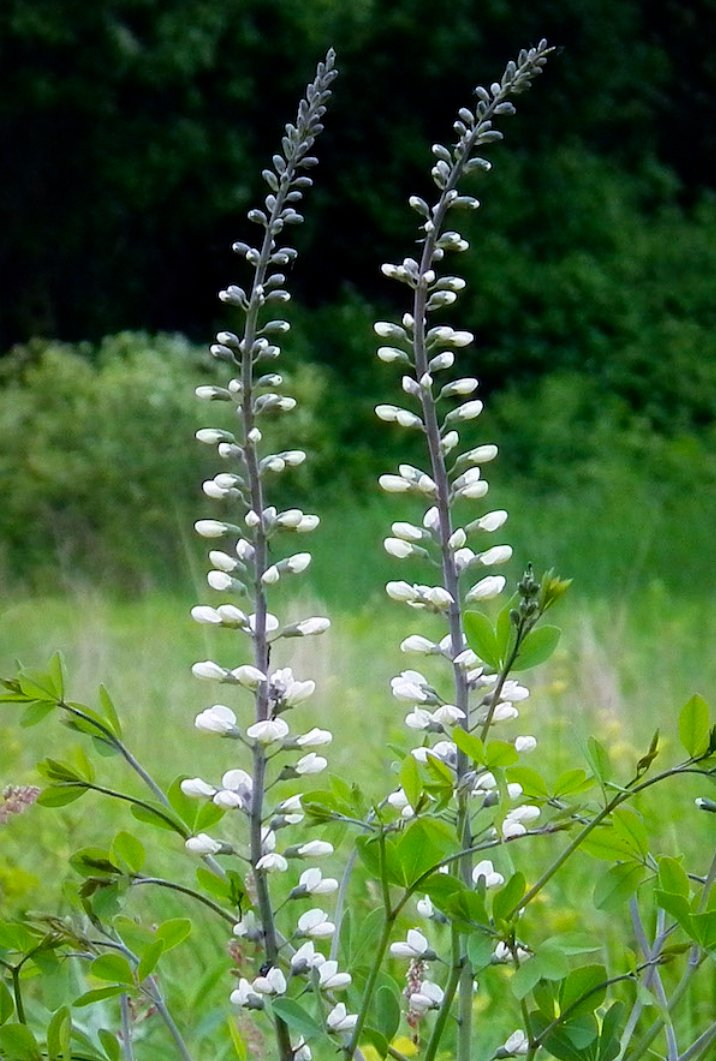 Image 1 of 7
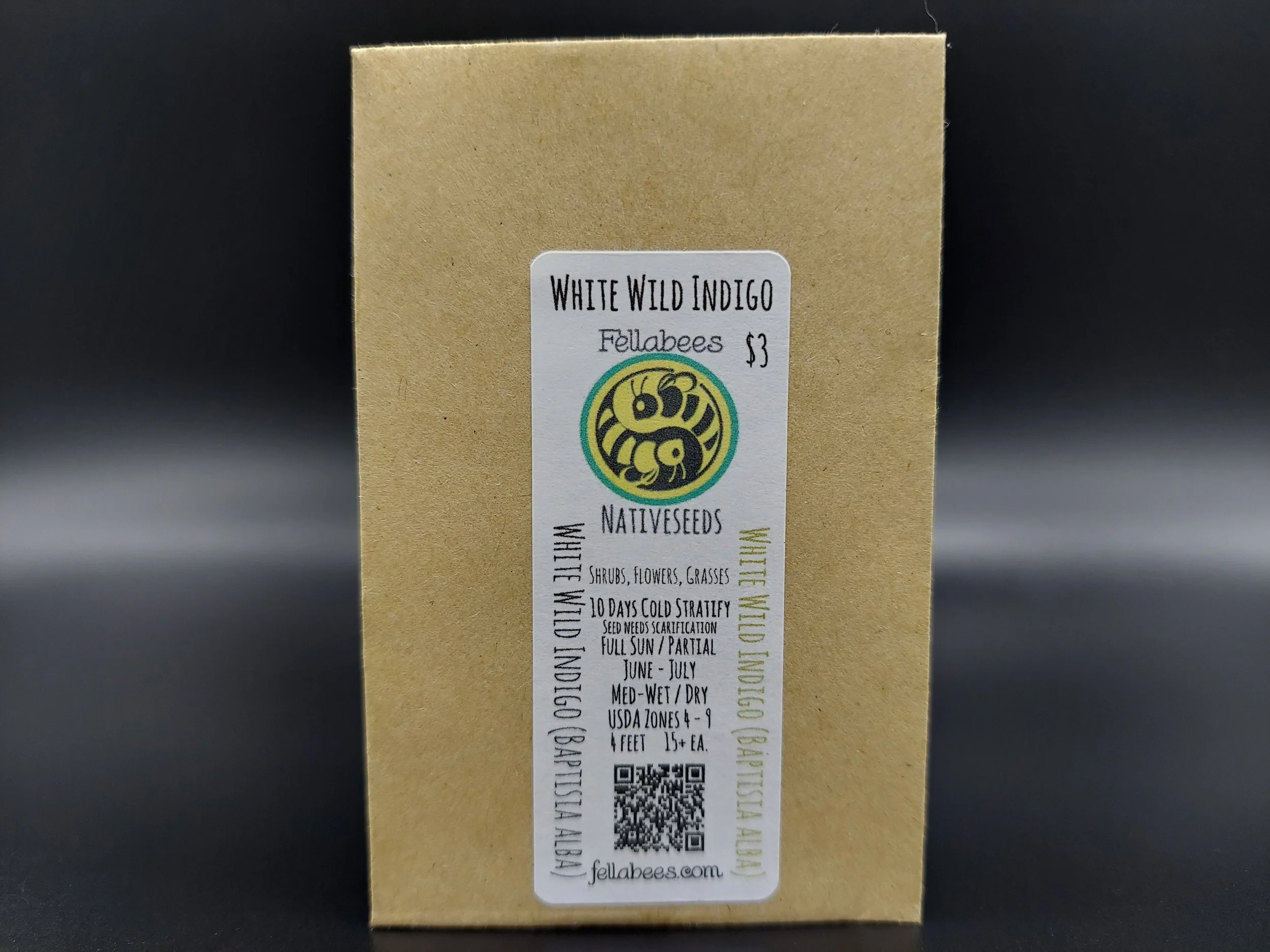 Image 2 of 7
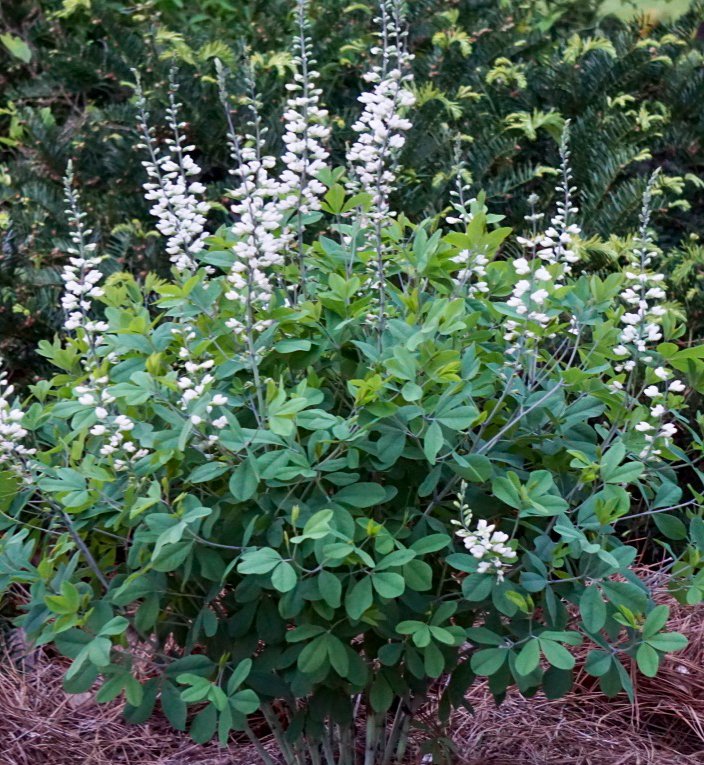 Image 3 of 7
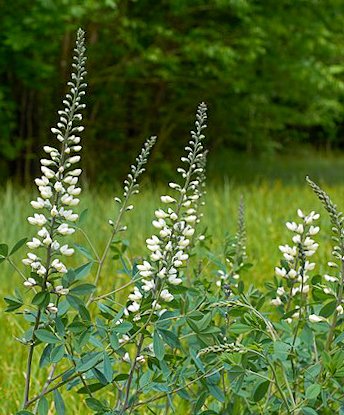 Image 4 of 7
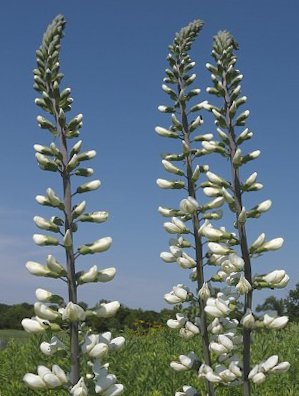 Image 5 of 7
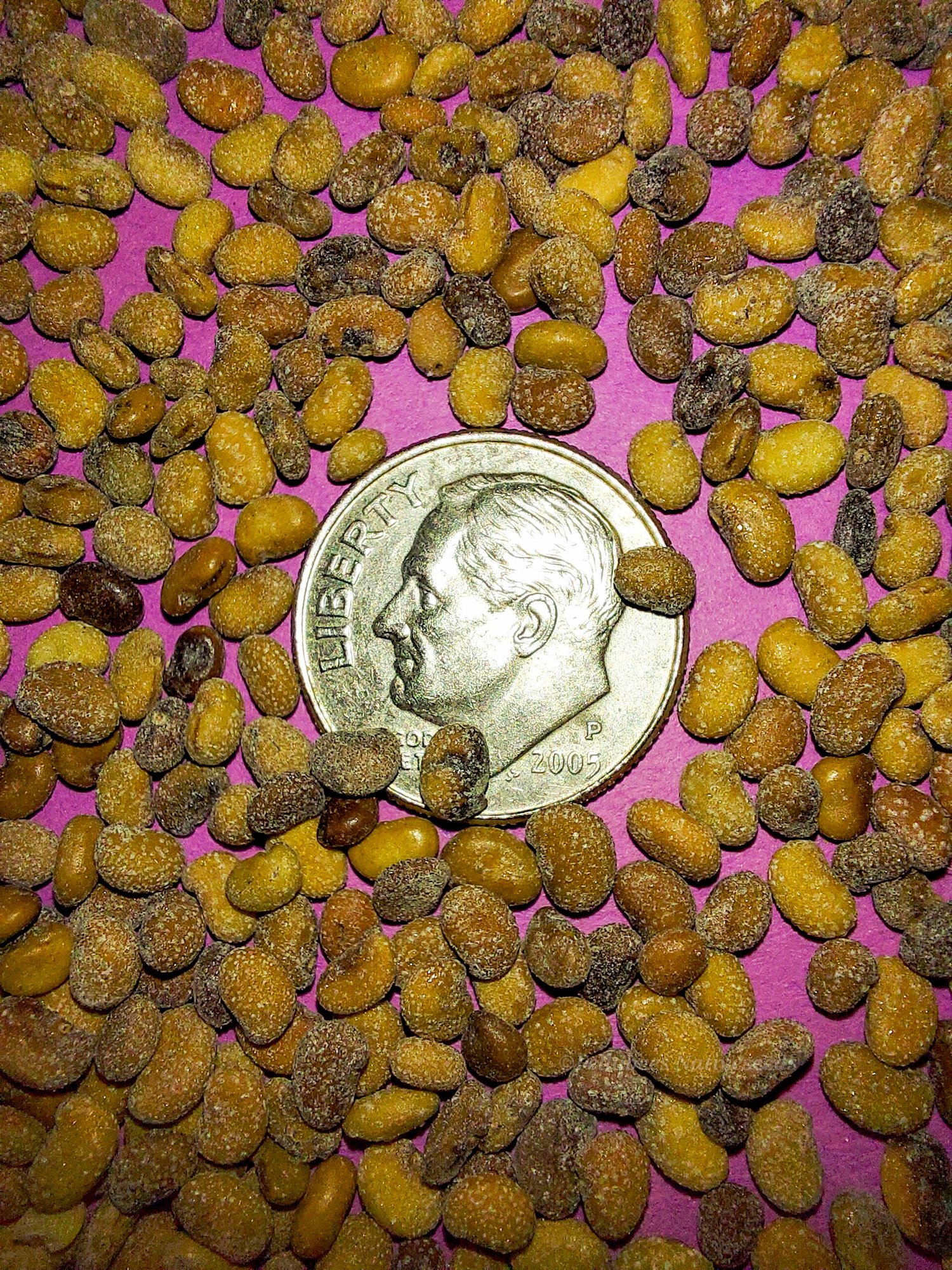 Image 6 of 7
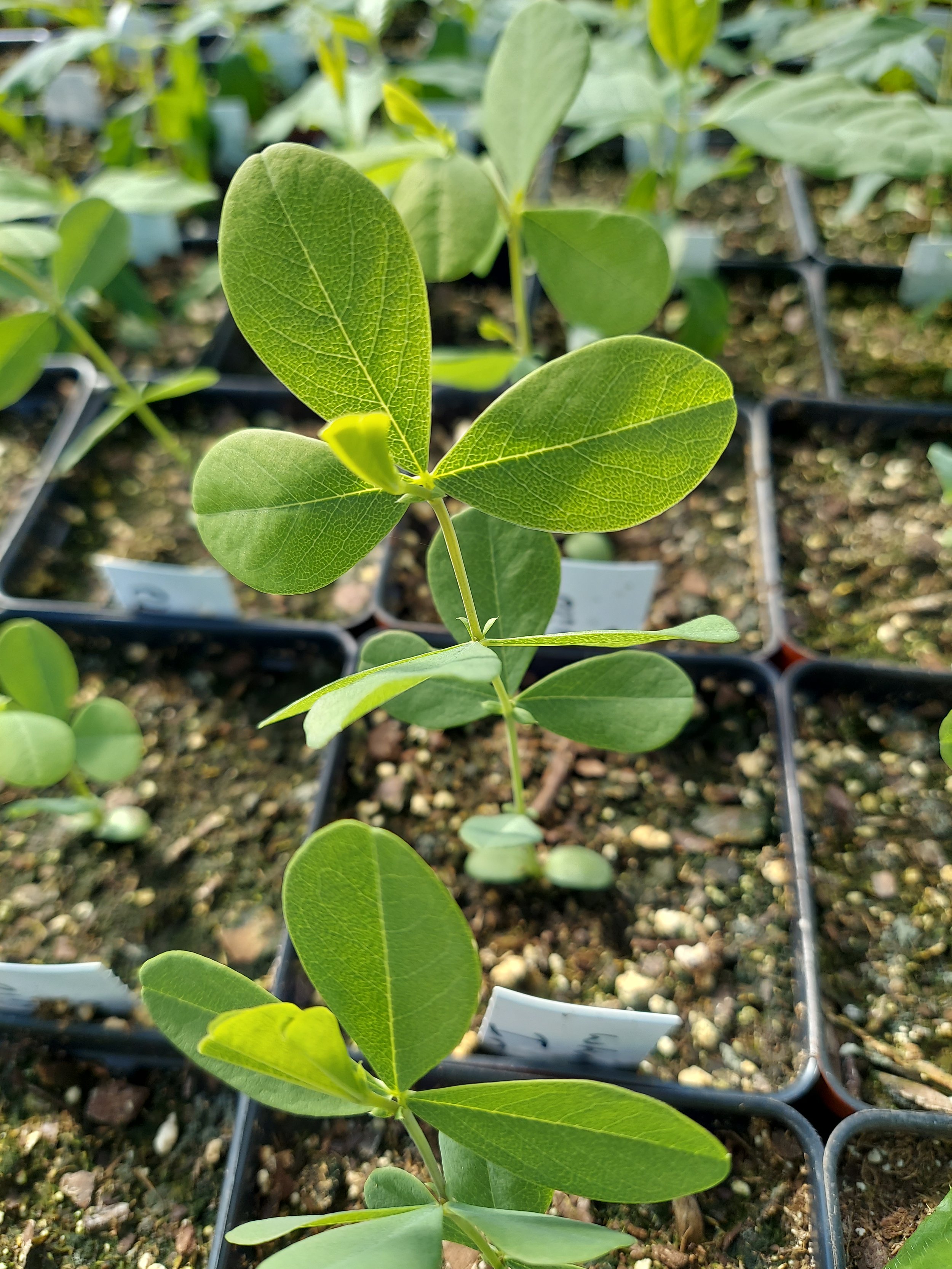 Image 7 of 7