Wild Geranium (Geranium maculatum)
Geranium maculatum, known as Wild Geranium, is also called Spotted Geranium or Wood Geranium in some areas. This early spring plant signals that summer is near. It is a perennial native to woodlands in eastern North America, ranging from southern Manitoba and southwestern Quebec down to Alabama and Georgia, and west to Oklahoma and South Dakota. It grows in every state along the Mississippi River and all states to the east, making it a common and important part of the woodland undergrowth.
Wild Geranium flowers are 1 to 1.6 inches wide, with five petals that are rose-purple, pale purple, violet-purple, or sometimes white. They have ten stamens. In the Northern Hemisphere, they bloom from April to July, depending on location. The flowers grow in loose clusters of two to five at the tops of stems. The fruit is a capsule that opens when ripe, made of five sections, each with one seed attached to a long, beak-like stalk 0.8 to 1.2 inches long, resembling a crane’s bill. Wild Geranium has a long rhizome, 2 to 4 inches thick with many branches. It shows scars from old stems and is purplish inside when dry.
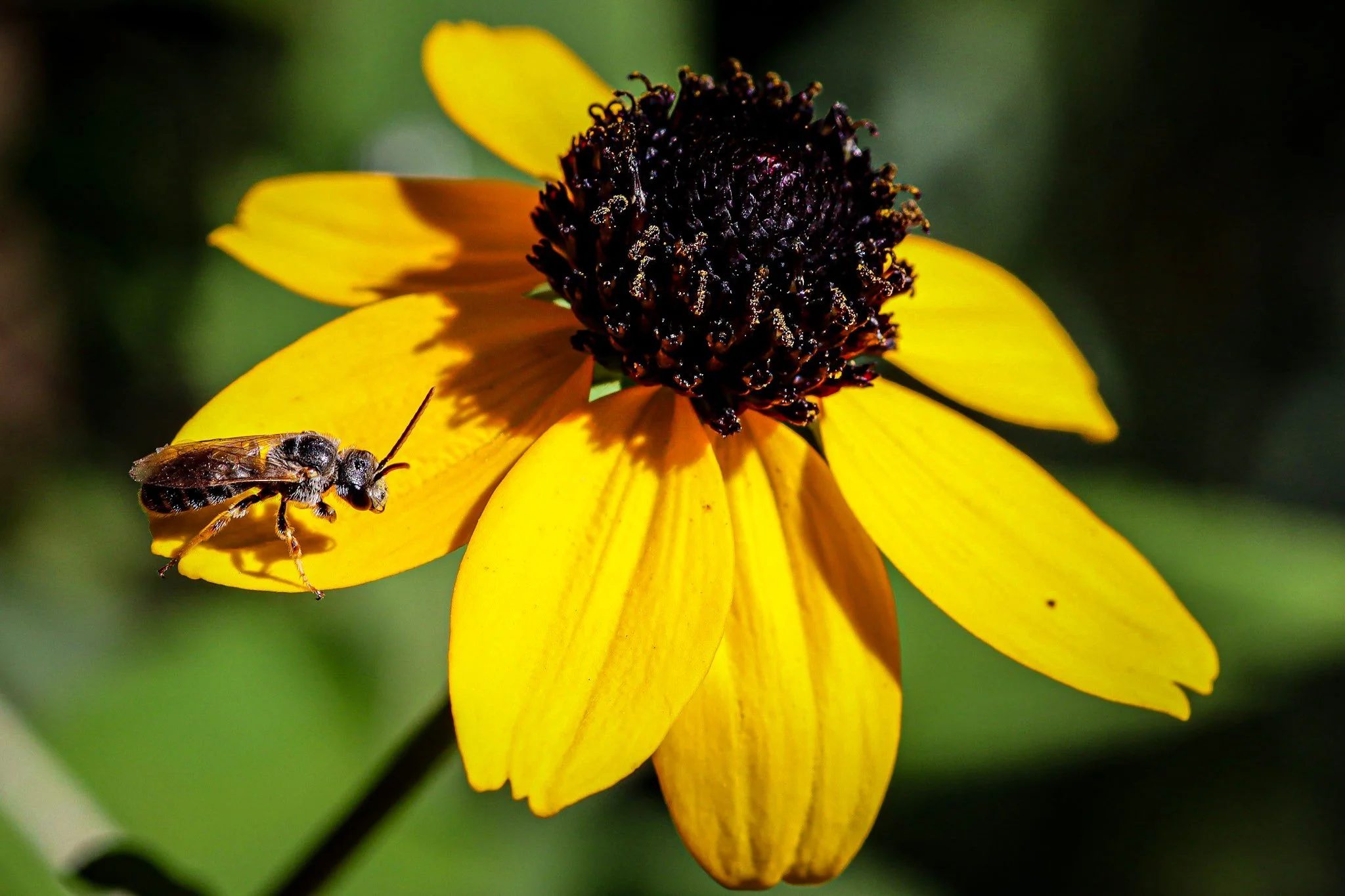
No matter the light conditions you have, Wild Geranium will thrive in most soil types, provided they are not excessively wet or overly dry. This resilient plant attracts a multitude of pollinators as it blooms, producing abundant pollen and nectar that draw in large groups of early spring butterflies and bees. It is common to find male mining bees from the Andrena family resting on the flowers, often appearing reluctant to be disturbed until the warming temperatures ignite their instincts to search for a mate.
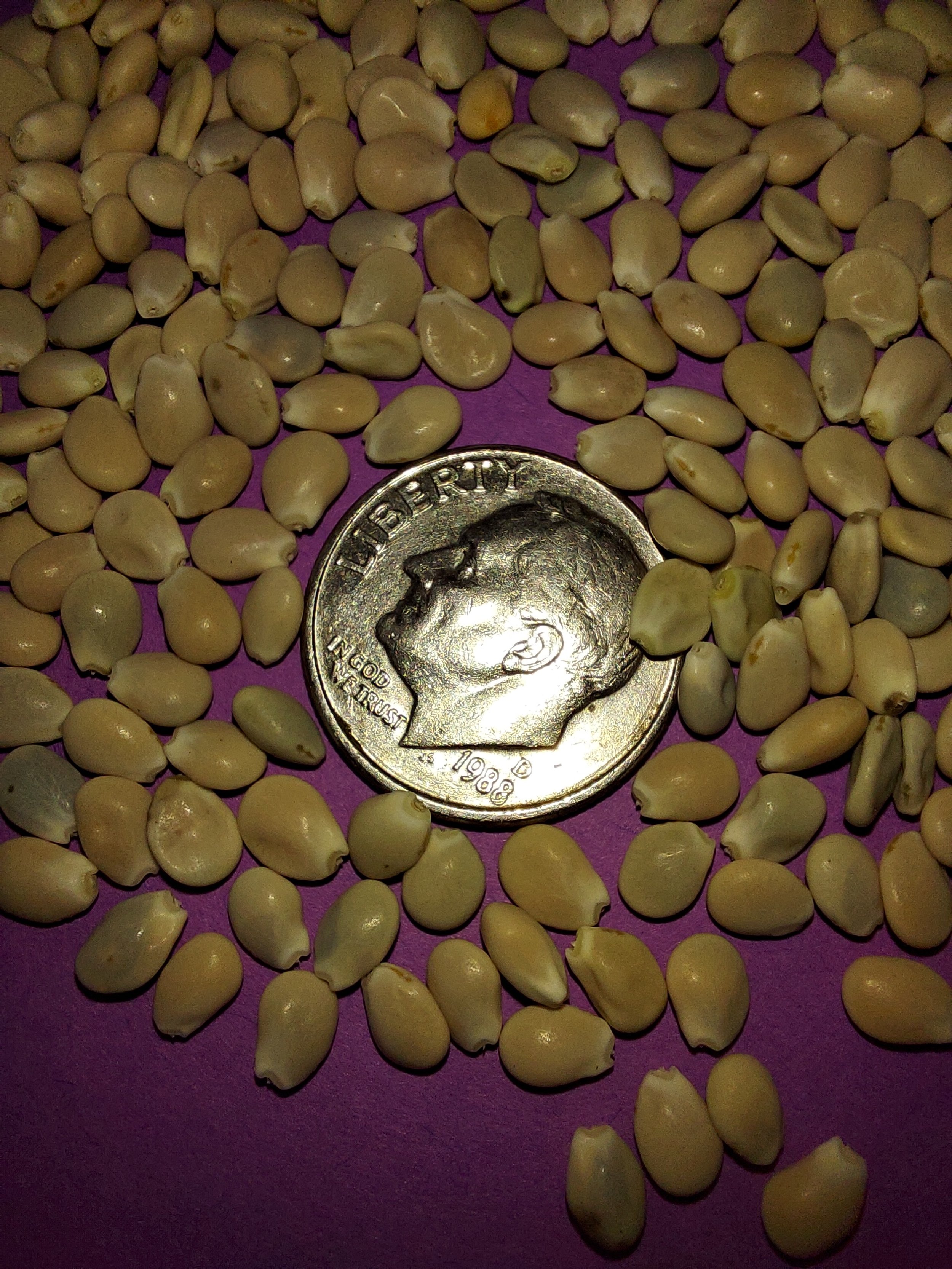
Wild Geranium seeds spread like Wild Petunia (Ruellia humilis), catapulting over 10 feet from the parent plant. Their tail-like structure responds to humidity and temperature, moving to plant the seed in an ideal spot for germination. This natural process supports fall surface sowing or winter sowing in containers by simply scattering the seeds as nature intended.
The plant has long been used in herbal medicine and is also commonly cultivated as an attractive garden plant. Wild Geranium is recognized as an astringent, a substance known for causing the contraction of body tissues and helping to stop bleeding. The Meskwaki people traditionally brewed a potent root tea to relieve toothaches and soothe painful nerves. Additionally, they mashed the roots into a poultice that was applied externally for the treatment of hemorrhoids, showcasing the plant’s versatile medicinal uses.
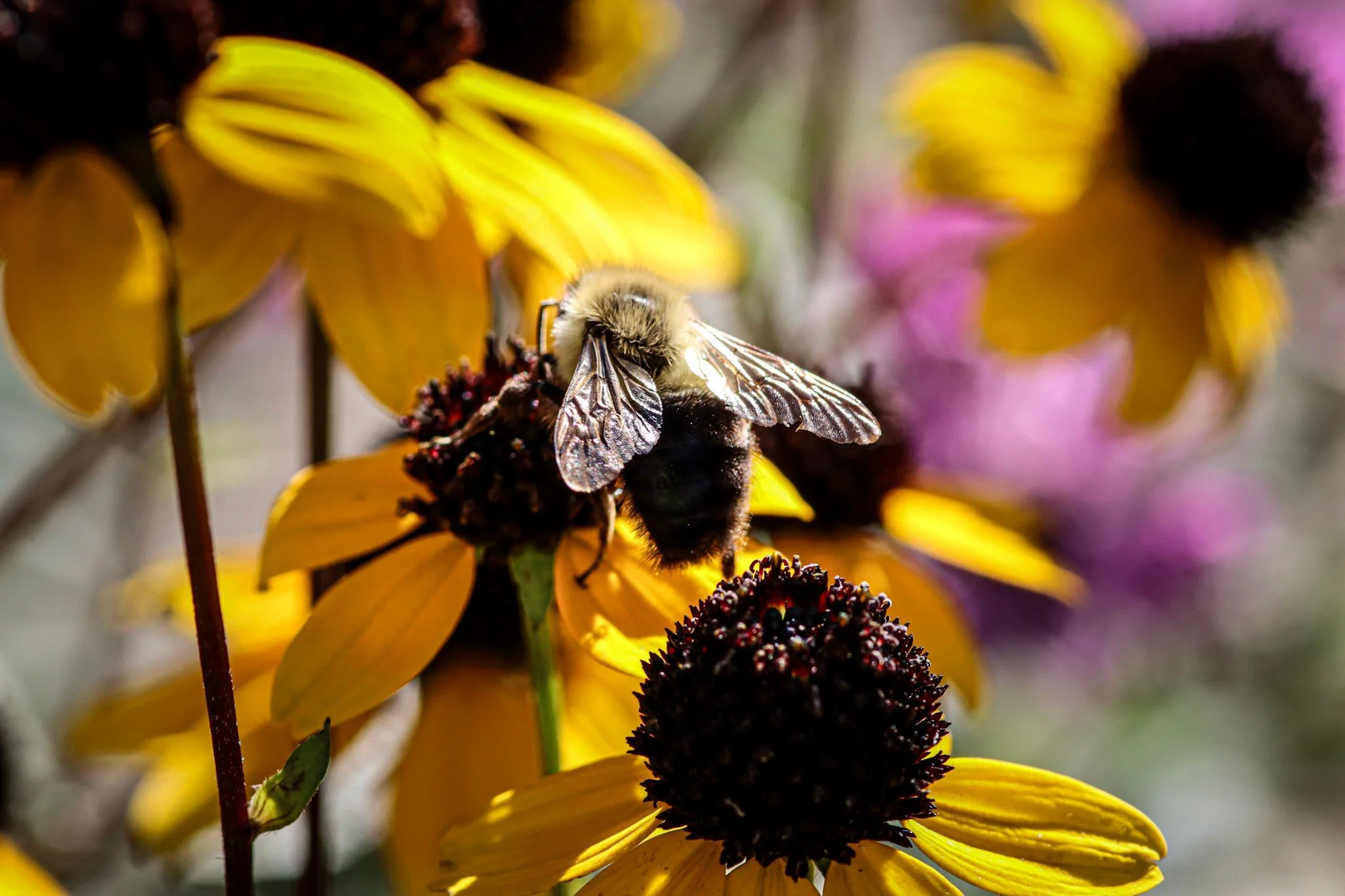
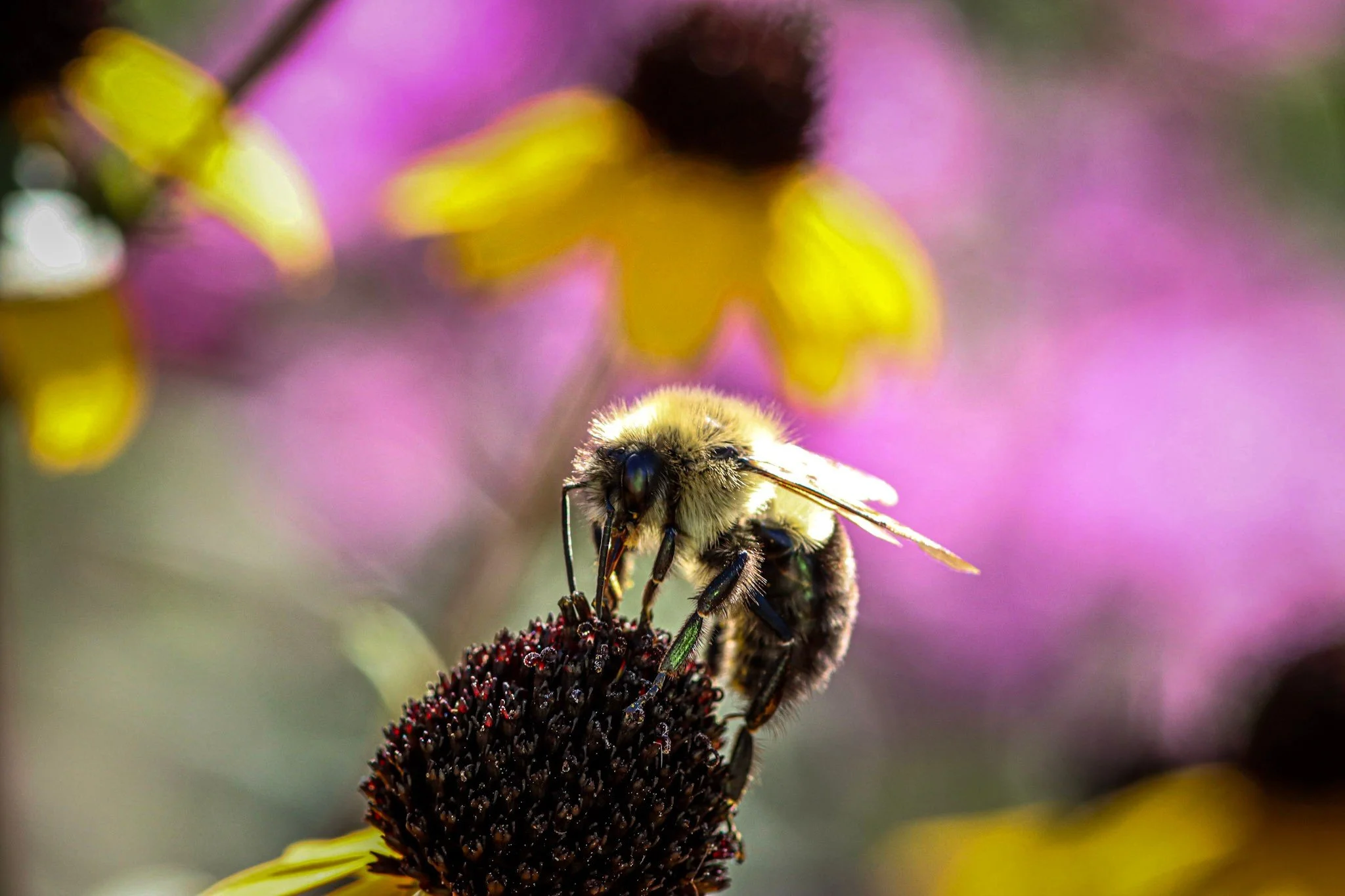
Wild Geranium attracts many species, from being the host for both the Leafmining Moth (Parectopa geraniella) and the White-Marked Tussock Moth larvae, to being a major nectar source for Cuckoo Bees (Nomada sp), specialist species like the Mining Bee (Andrena distans), or generalists like Small Carpenter Bees (Ceratina sp.), Small Sweat Bees (Lasioglossum sp), Orchard Mason Bees (Osmia lingnaria), and Syrphid Flies, Thick-headed Flies, and even Fruitworm Beetles (Byturus unicolor).
Plant Details:
USDA Zones: 3-8
Germination Needs: 60 Days Cold Moist Stratification, does best if sown outdoors in late fall.
Life Cycle: Perennial
Sun Exposure: Full, Partial, Shade
Soil Moisture: Medium, Medium-Dry
Plant Spacing: 10-12 inches
Height: 1 foot
Bloom time: April, May, June, July
Bloom Color: Purple
Advantages :
Pollinator Favorite: butterflies, moths, bees, wasps, beetles
Bird Favorite: seeds, insects, fruit, nectar, nesting, perchs.
Deer Resistant: Yes
Excellent in the home landscape!
Native to : Wisconsin, Minnesota, Iowa, Illinois, Indiana, Michigan, Ohio, Pennsylvania, New York, Vermont, New Hampshire, Maine, Massachusetts, Rhode Island, Connecticut, Delaware, Maryland, New Jersey, West Virginia, Virginia, Kentucky, Tennessee, North Carolina, South Carolina, Georgia, Florida, Alabama, Mississippi, Louisiana, Arkansas, Missouri, Oklahoma, Kansas, Nebraska, South Dakota, and North Dakota.
This plant is listed as present but rare in several counties of Kansas, South Dakota Louisiana, and Florida. It is also listed as extirpated (locally extinct) in several counties of Nebraska and North Dakota.
.
.
Packet quantities:
We pride ourselves on ethical, hands on, ecological management, using no mechanical or chemical methods whatsoever.
All of our native seed is hand reared, hand picked, and hand packed from native prairies under our exclusive management, never breaking chain of custody from the field until it is sent to you. Each packet is hand prepared for shipment by us, directly.
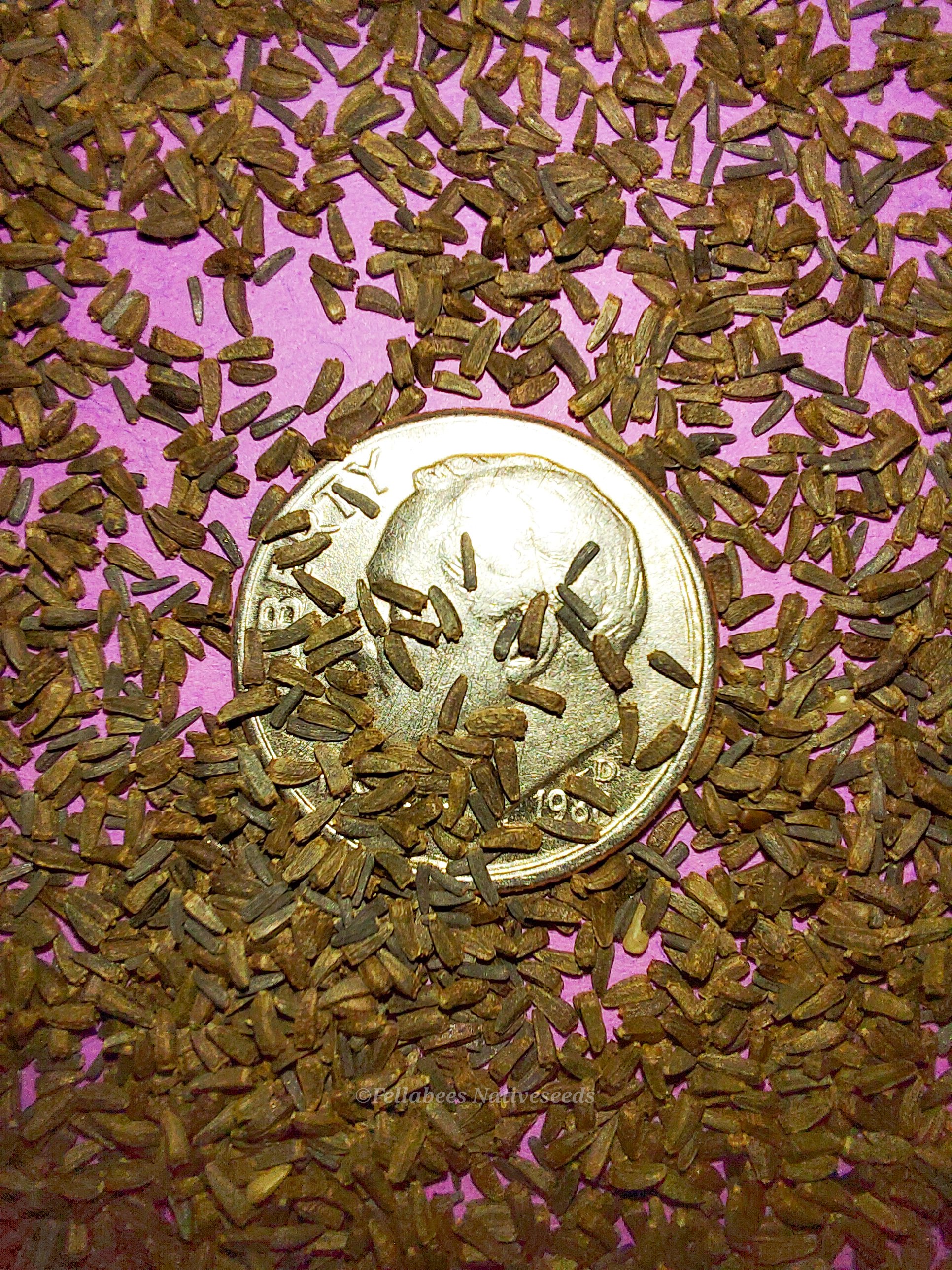
Small seed species will contain greater than 12-25 seed (depending on rarity, and in house quantity)
Large seed species will contain greater than 10-15 seed
It is our mission to spread the wealth of native plant and pollinator ecological sustainability, and educate back yard gardeners as well as corporate and government entities in how to germinate, grow, and benefit from native synergies.
Thank you for your support, it is because of you, that we can grow together to do, what we do.🐛🦋🐝🐞🌾🌱🌼🧡
Wild Geranium (Geranium maculatum)
Geranium maculatum, known as Wild Geranium, is also called Spotted Geranium or Wood Geranium in some areas. This early spring plant signals that summer is near. It is a perennial native to woodlands in eastern North America, ranging from southern Manitoba and southwestern Quebec down to Alabama and Georgia, and west to Oklahoma and South Dakota. It grows in every state along the Mississippi River and all states to the east, making it a common and important part of the woodland undergrowth.
Wild Geranium flowers are 1 to 1.6 inches wide, with five petals that are rose-purple, pale purple, violet-purple, or sometimes white. They have ten stamens. In the Northern Hemisphere, they bloom from April to July, depending on location. The flowers grow in loose clusters of two to five at the tops of stems. The fruit is a capsule that opens when ripe, made of five sections, each with one seed attached to a long, beak-like stalk 0.8 to 1.2 inches long, resembling a crane’s bill. Wild Geranium has a long rhizome, 2 to 4 inches thick with many branches. It shows scars from old stems and is purplish inside when dry.
No matter the light conditions you have, Wild Geranium will thrive in most soil types, provided they are not excessively wet or overly dry. This resilient plant attracts a multitude of pollinators as it blooms, producing abundant pollen and nectar that draw in large groups of early spring butterflies and bees. It is common to find male mining bees from the Andrena family resting on the flowers, often appearing reluctant to be disturbed until the warming temperatures ignite their instincts to search for a mate.
Wild Geranium seeds spread like Wild Petunia (Ruellia humilis), catapulting over 10 feet from the parent plant. Their tail-like structure responds to humidity and temperature, moving to plant the seed in an ideal spot for germination. This natural process supports fall surface sowing or winter sowing in containers by simply scattering the seeds as nature intended.
The plant has long been used in herbal medicine and is also commonly cultivated as an attractive garden plant. Wild Geranium is recognized as an astringent, a substance known for causing the contraction of body tissues and helping to stop bleeding. The Meskwaki people traditionally brewed a potent root tea to relieve toothaches and soothe painful nerves. Additionally, they mashed the roots into a poultice that was applied externally for the treatment of hemorrhoids, showcasing the plant’s versatile medicinal uses.
Wild Geranium attracts many species, from being the host for both the Leafmining Moth (Parectopa geraniella) and the White-Marked Tussock Moth larvae, to being a major nectar source for Cuckoo Bees (Nomada sp), specialist species like the Mining Bee (Andrena distans), or generalists like Small Carpenter Bees (Ceratina sp.), Small Sweat Bees (Lasioglossum sp), Orchard Mason Bees (Osmia lingnaria), and Syrphid Flies, Thick-headed Flies, and even Fruitworm Beetles (Byturus unicolor).
Plant Details:
USDA Zones: 3-8
Germination Needs: 60 Days Cold Moist Stratification, does best if sown outdoors in late fall.
Life Cycle: Perennial
Sun Exposure: Full, Partial, Shade
Soil Moisture: Medium, Medium-Dry
Plant Spacing: 10-12 inches
Height: 1 foot
Bloom time: April, May, June, July
Bloom Color: Purple
Advantages :
Pollinator Favorite: butterflies, moths, bees, wasps, beetles
Bird Favorite: seeds, insects, fruit, nectar, nesting, perchs.
Deer Resistant: Yes
Excellent in the home landscape!
Native to : Wisconsin, Minnesota, Iowa, Illinois, Indiana, Michigan, Ohio, Pennsylvania, New York, Vermont, New Hampshire, Maine, Massachusetts, Rhode Island, Connecticut, Delaware, Maryland, New Jersey, West Virginia, Virginia, Kentucky, Tennessee, North Carolina, South Carolina, Georgia, Florida, Alabama, Mississippi, Louisiana, Arkansas, Missouri, Oklahoma, Kansas, Nebraska, South Dakota, and North Dakota.
This plant is listed as present but rare in several counties of Kansas, South Dakota Louisiana, and Florida. It is also listed as extirpated (locally extinct) in several counties of Nebraska and North Dakota.
.
.
Packet quantities:
We pride ourselves on ethical, hands on, ecological management, using no mechanical or chemical methods whatsoever.
All of our native seed is hand reared, hand picked, and hand packed from native prairies under our exclusive management, never breaking chain of custody from the field until it is sent to you. Each packet is hand prepared for shipment by us, directly.
Small seed species will contain greater than 12-25 seed (depending on rarity, and in house quantity)
Large seed species will contain greater than 10-15 seed
It is our mission to spread the wealth of native plant and pollinator ecological sustainability, and educate back yard gardeners as well as corporate and government entities in how to germinate, grow, and benefit from native synergies.
Thank you for your support, it is because of you, that we can grow together to do, what we do.🐛🦋🐝🐞🌾🌱🌼🧡
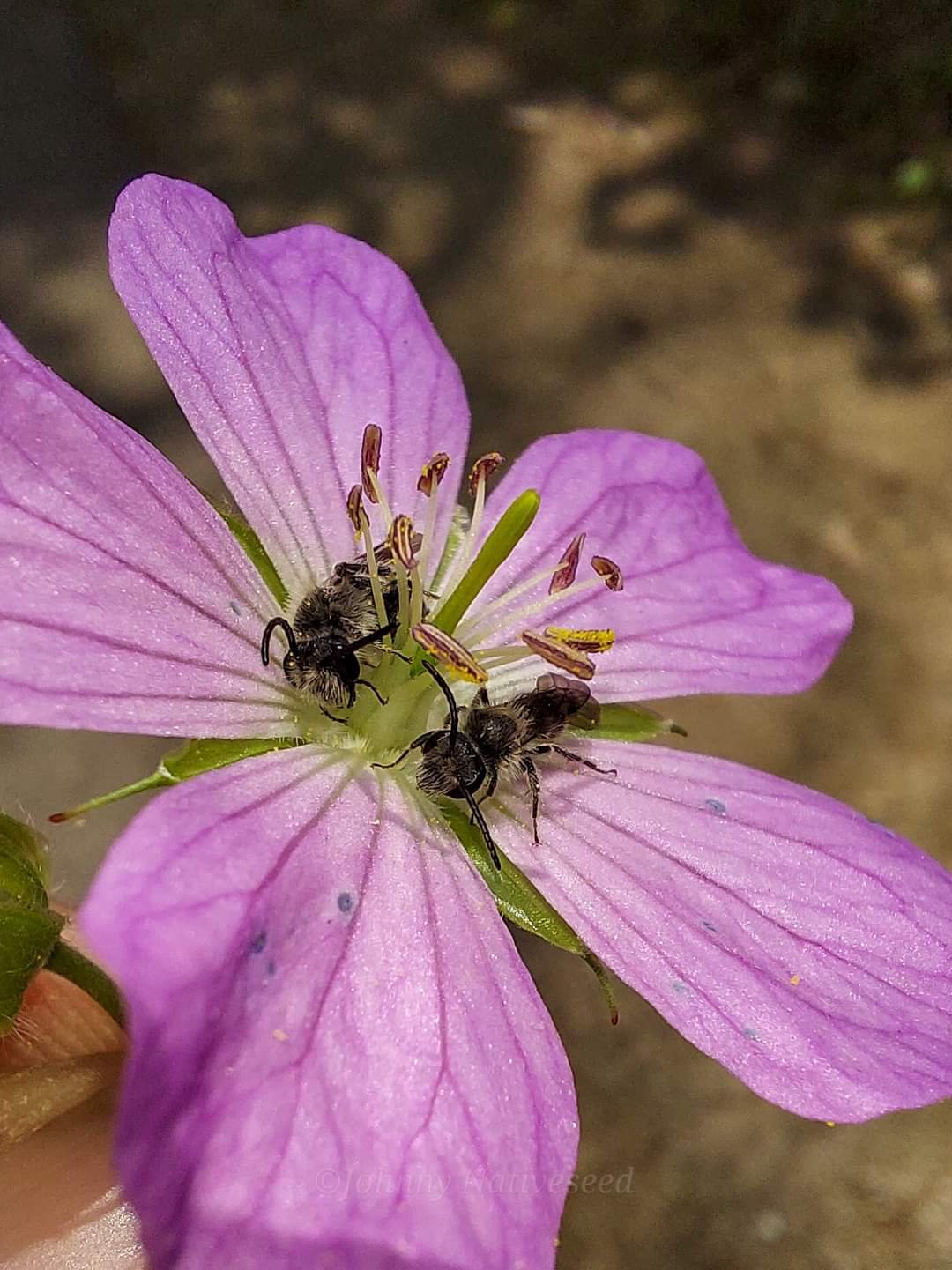 Image 1 of 6
 Image 2 of 6
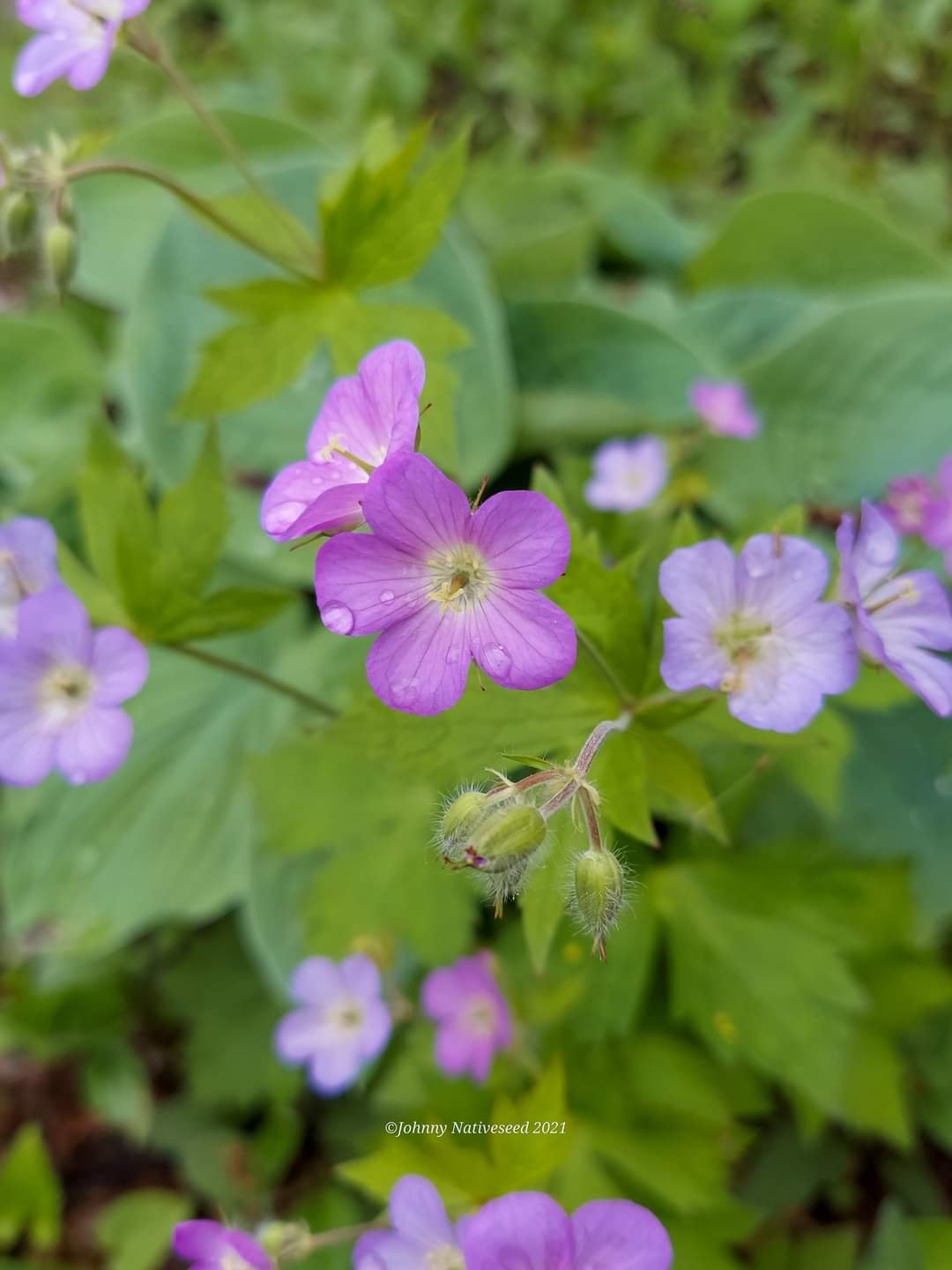 Image 3 of 6
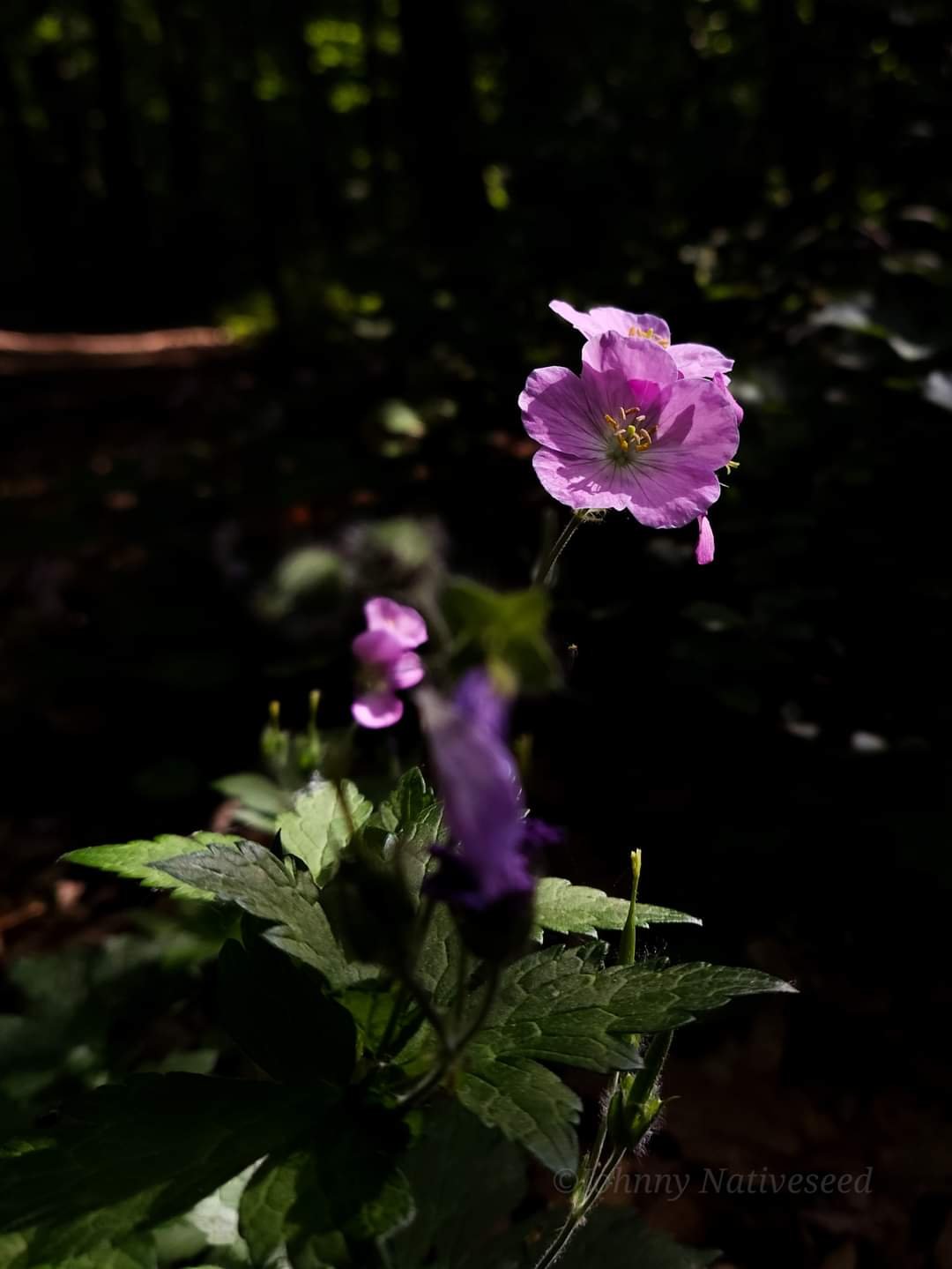 Image 4 of 6
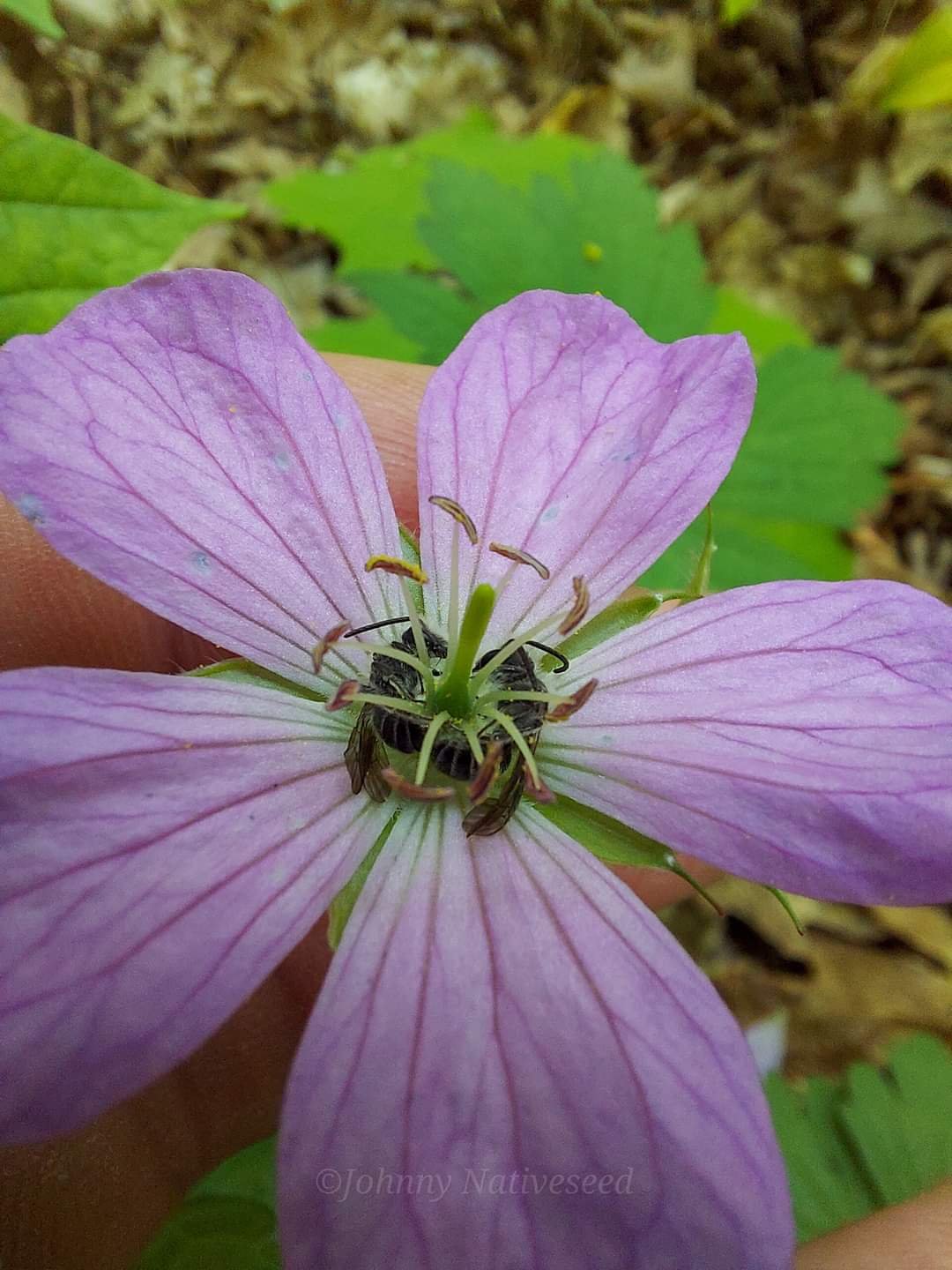 Image 5 of 6
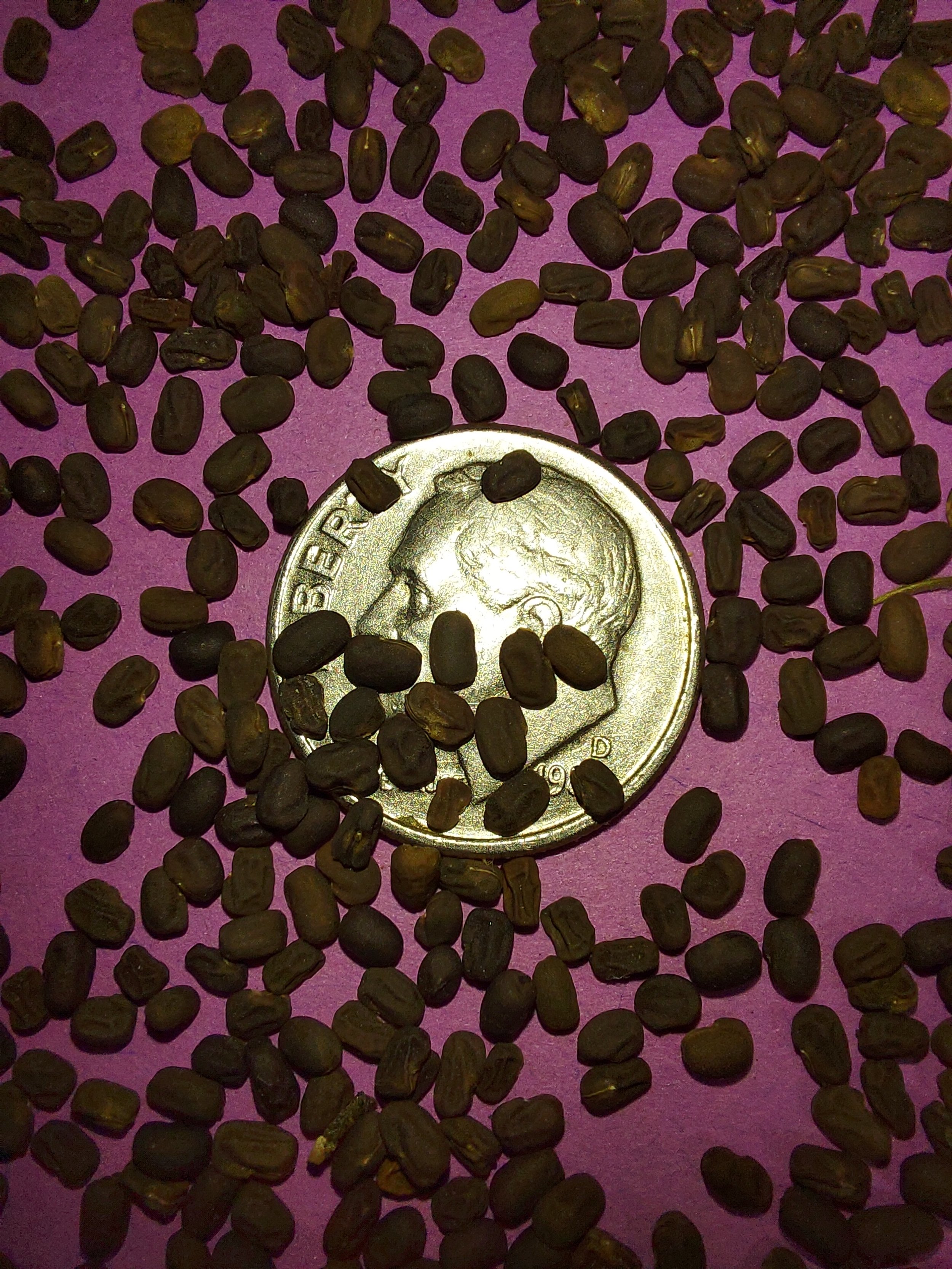 Image 6 of 6