Sale Price:
$1.50
Original Price:
$3.00
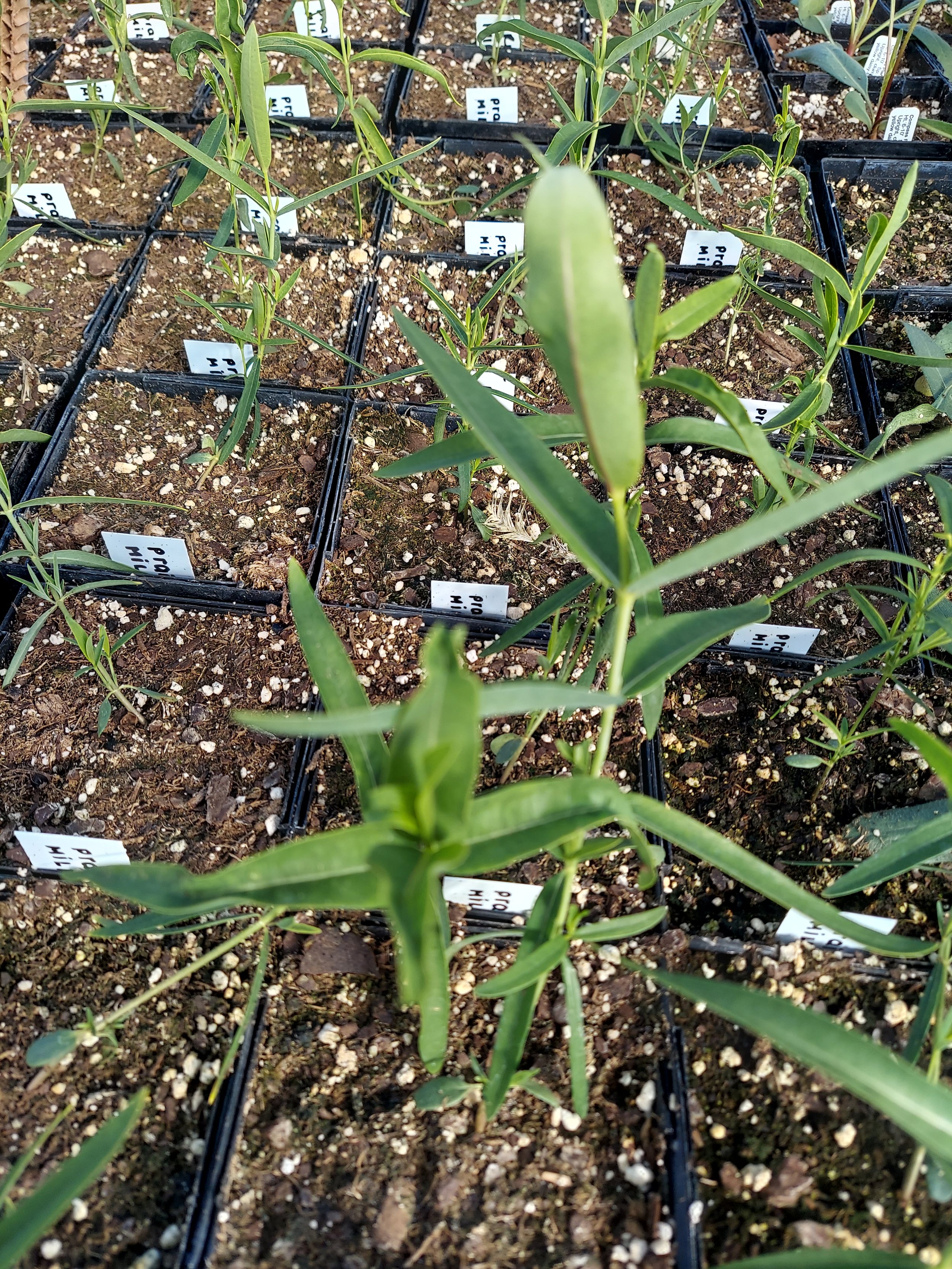
Big Leaved Aster (Eurybia macrophylla)
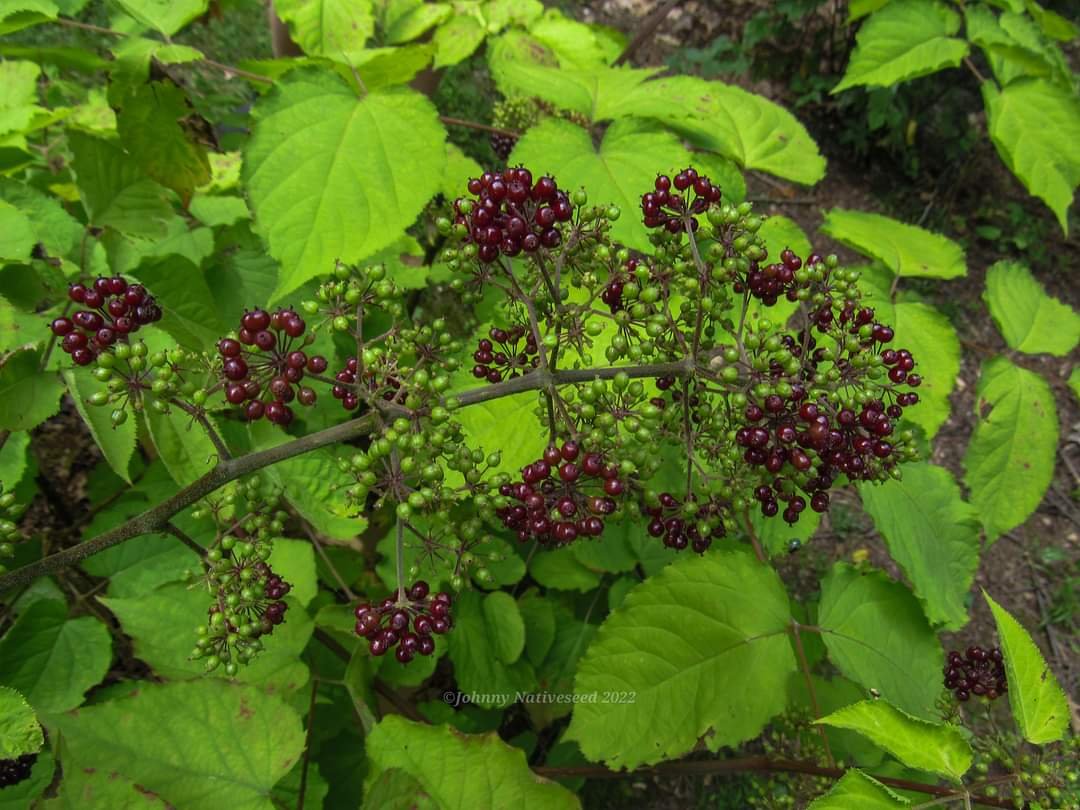
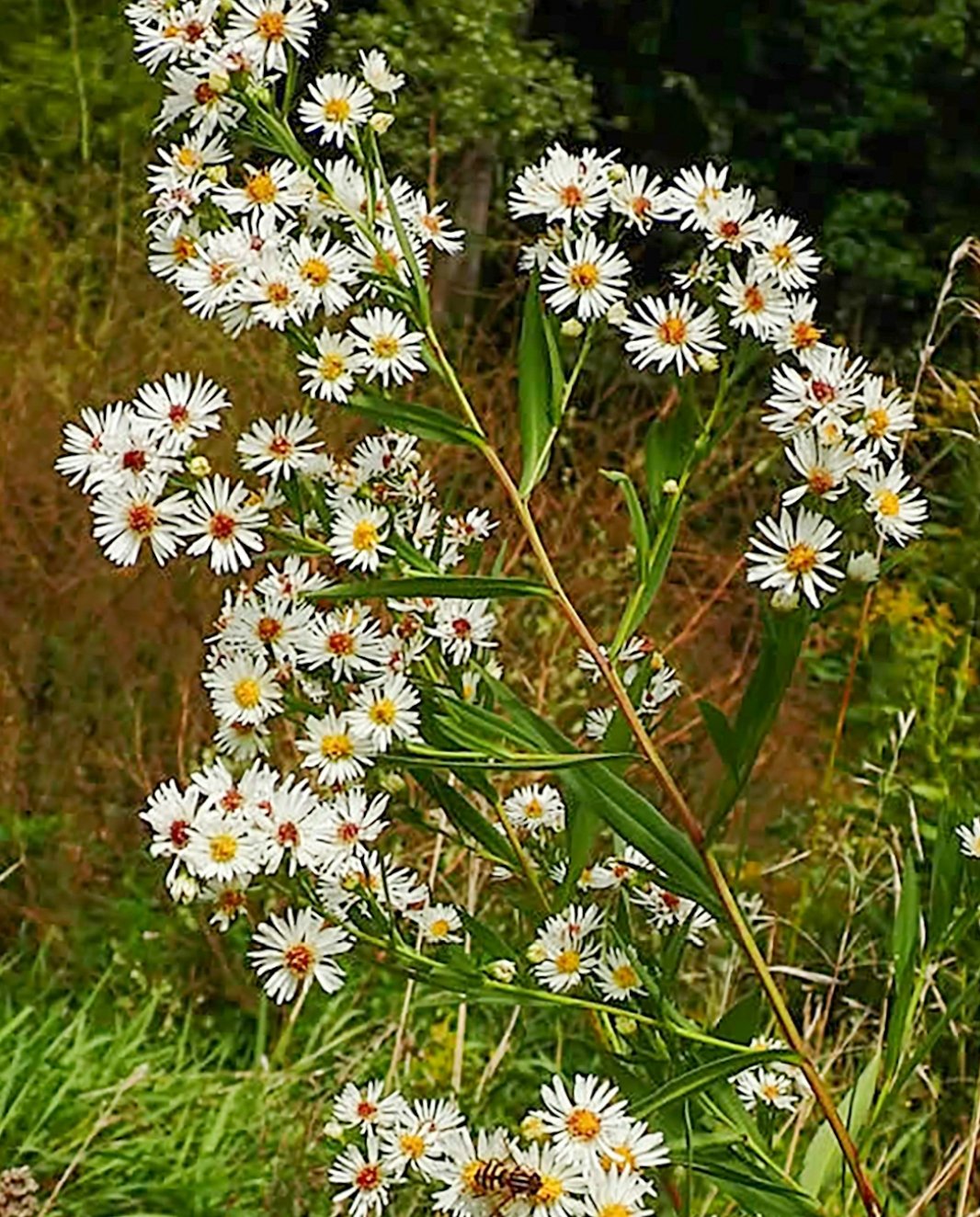
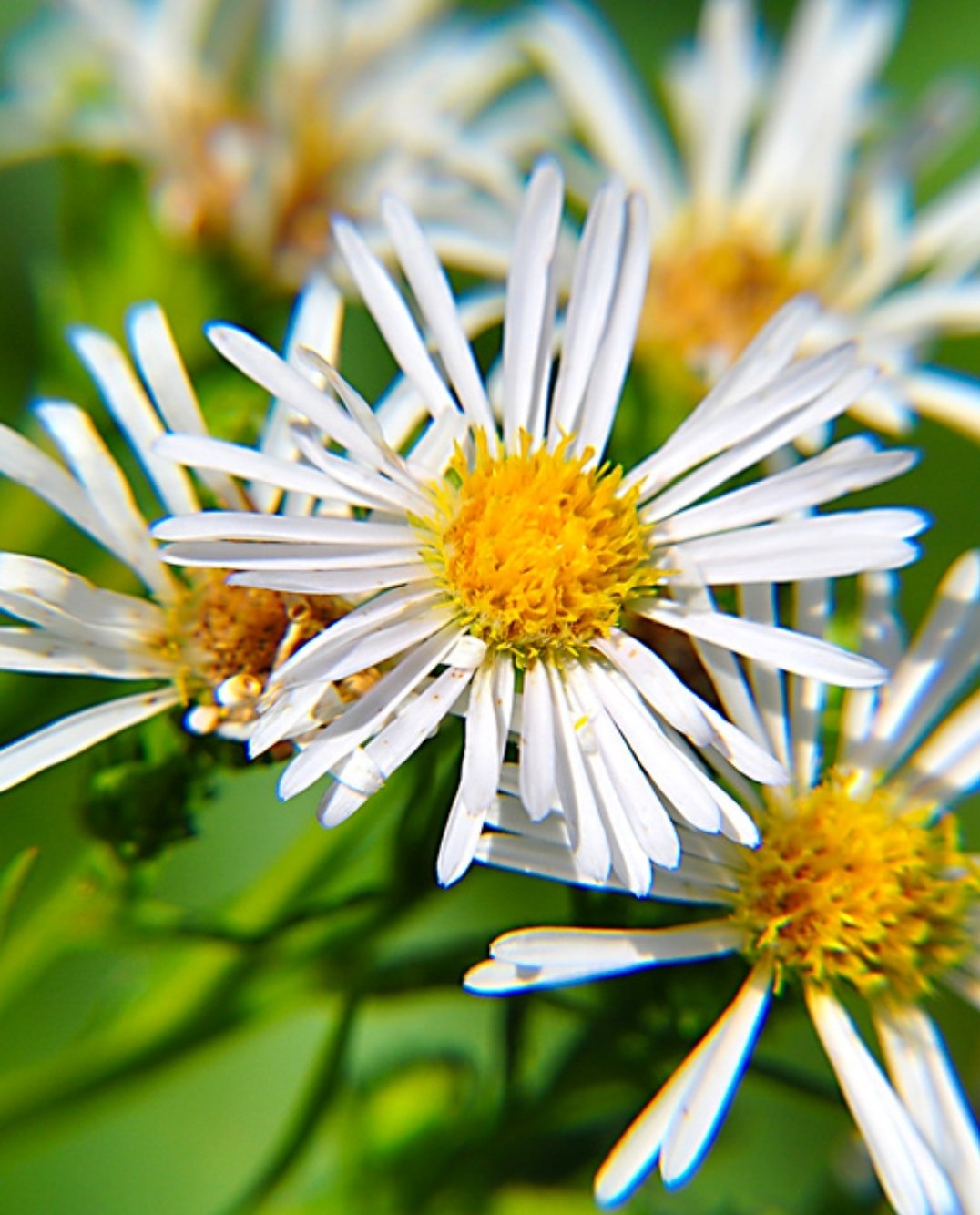
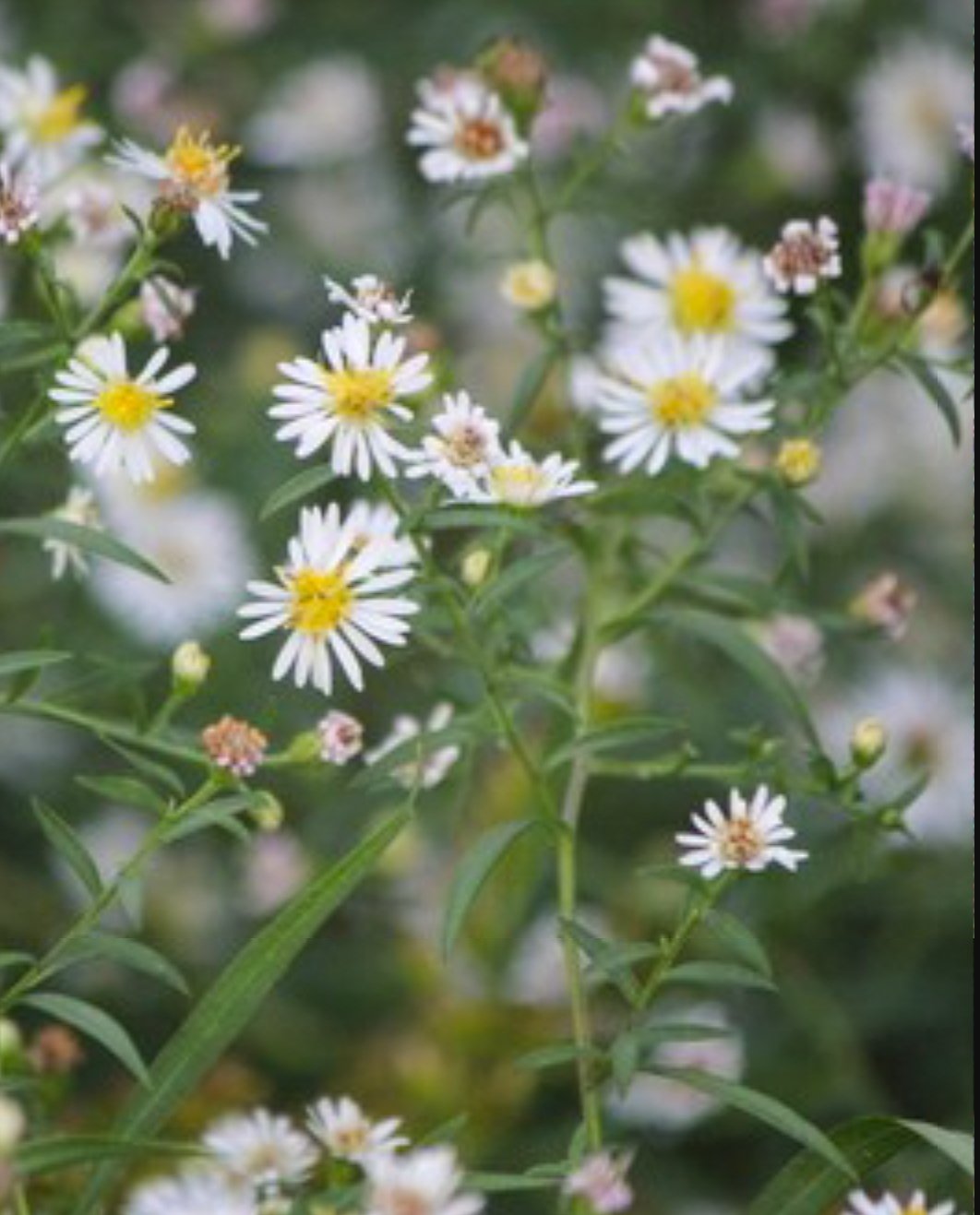
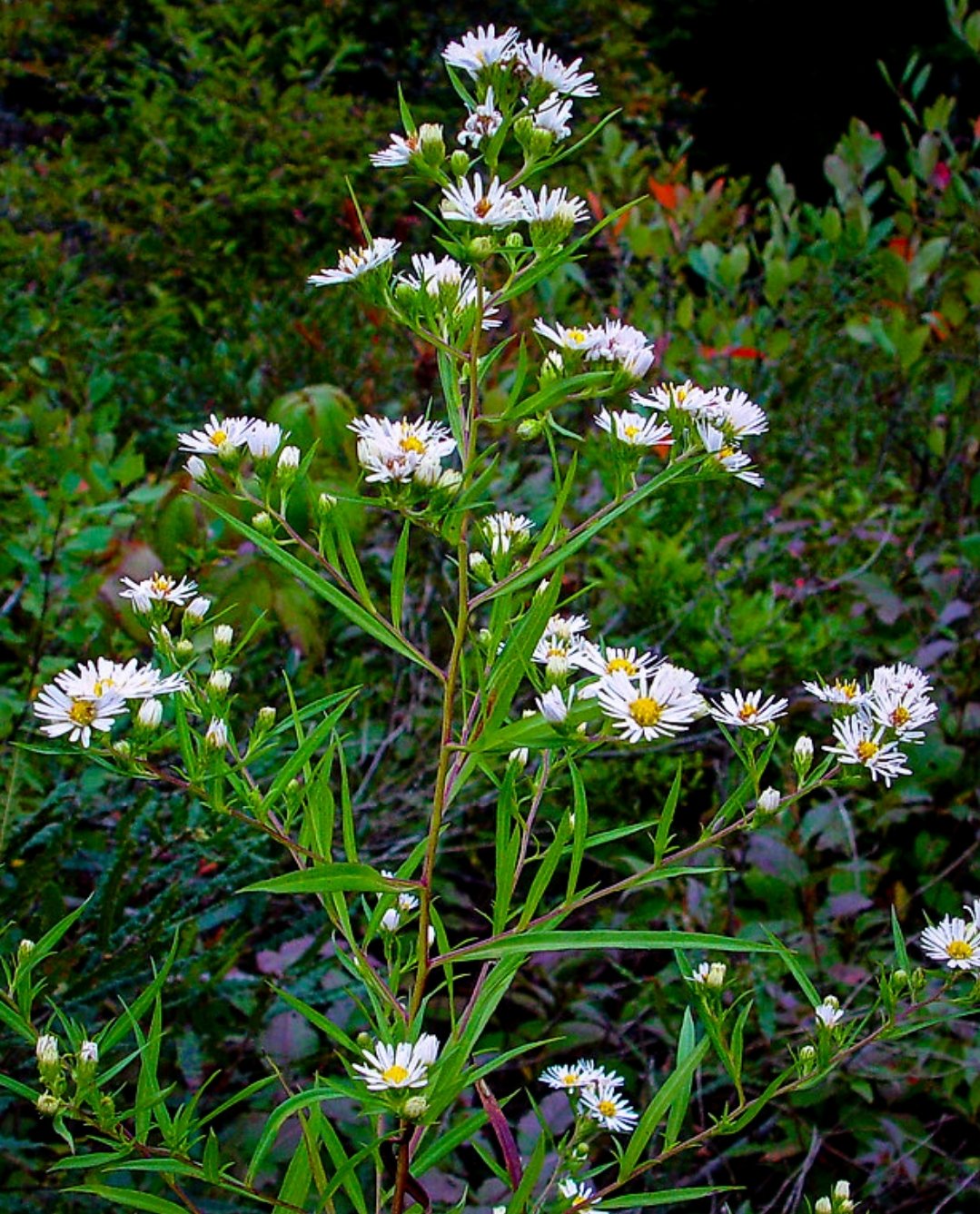
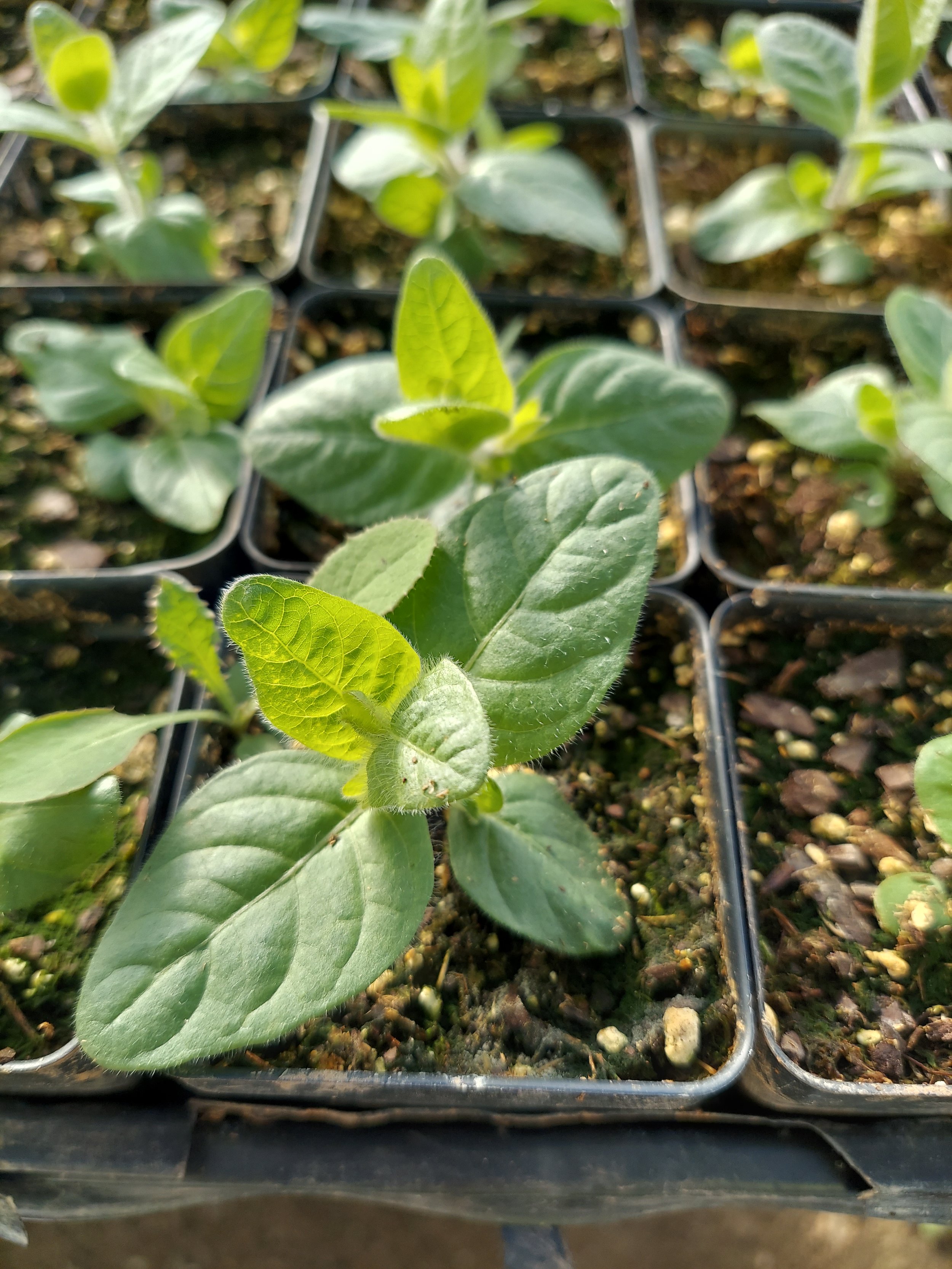
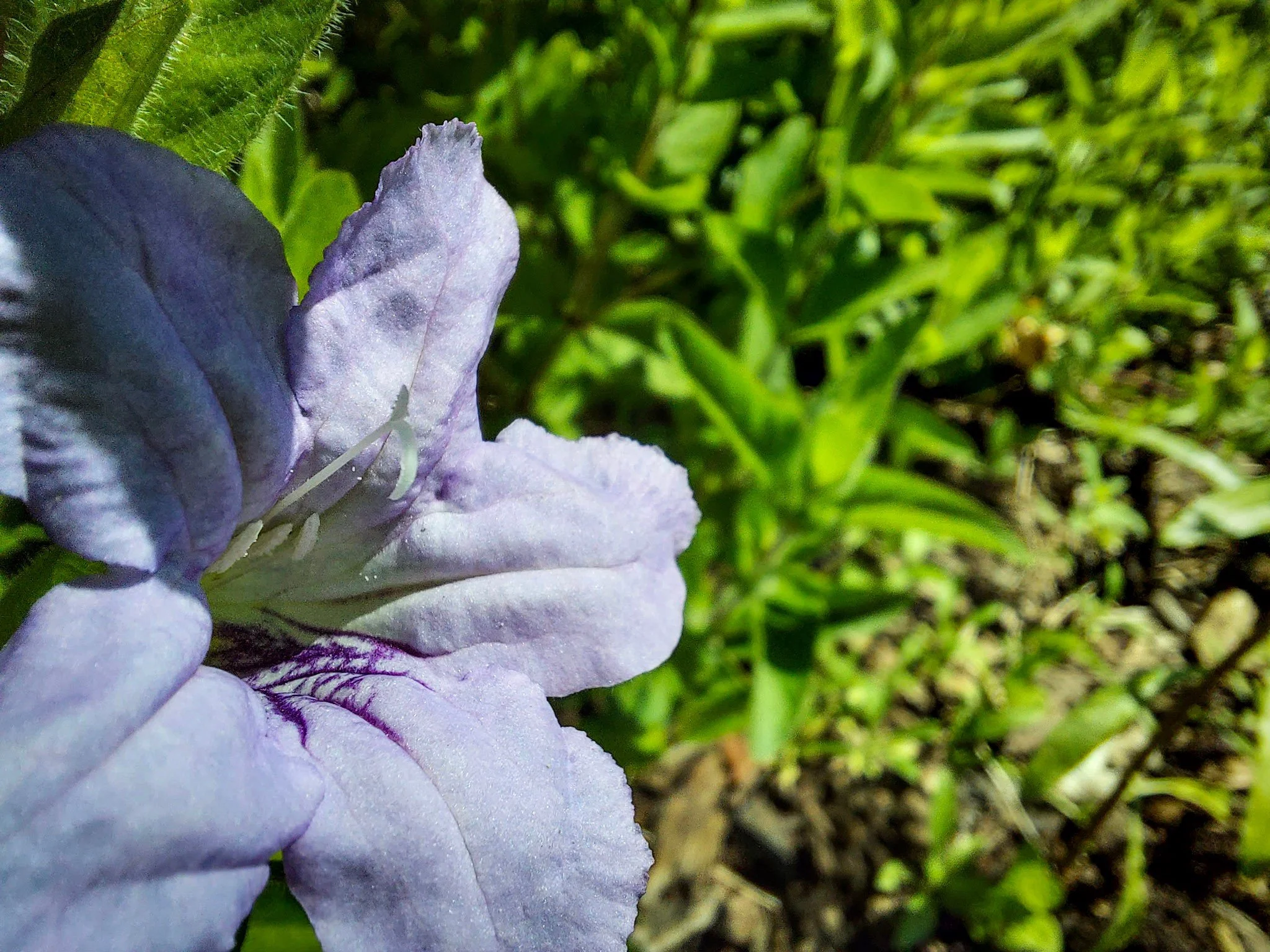
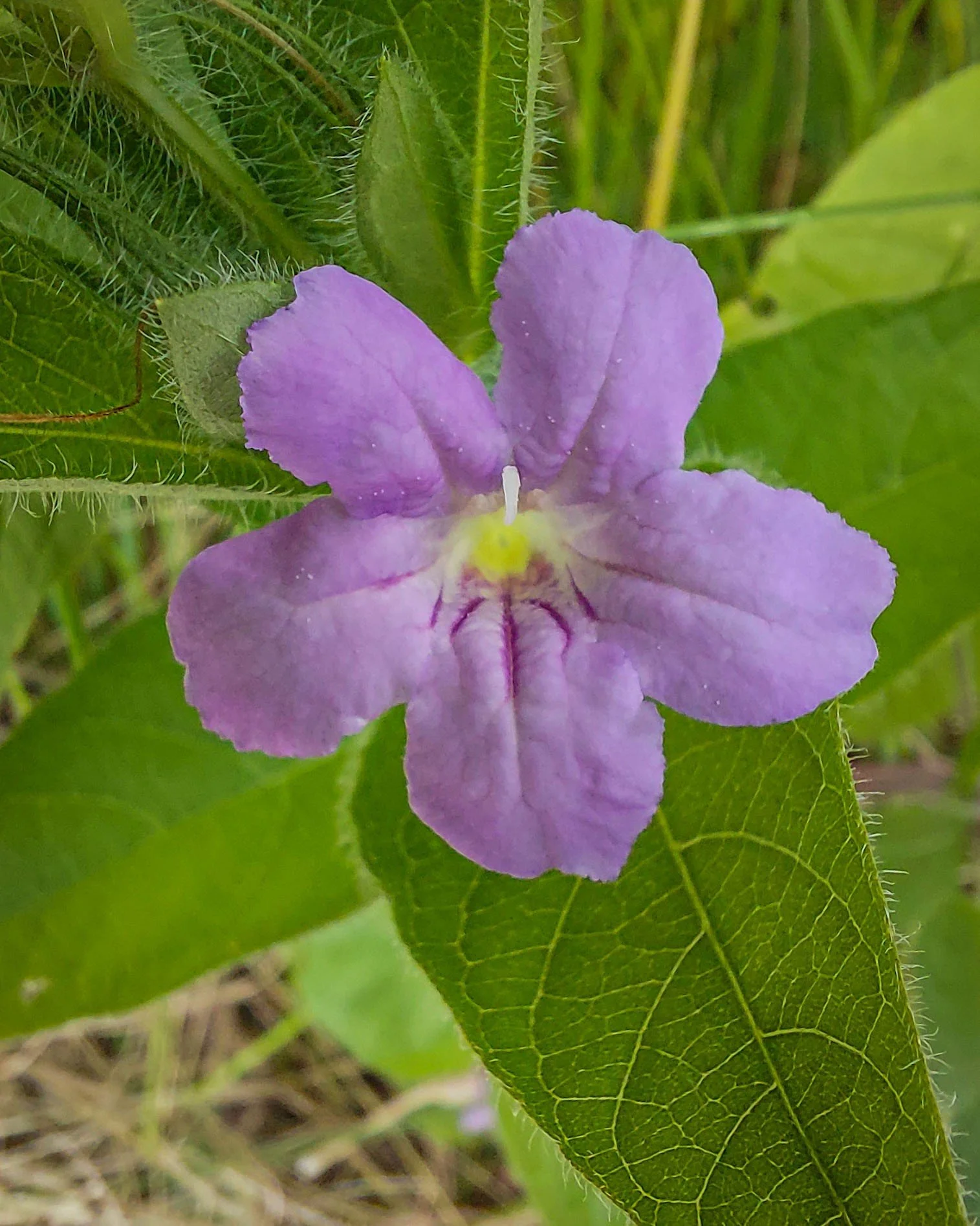
Eurybia macrophylla, or Big-Leaved Aster, is a native shade-loving plant notable for its ample, heart-shaped leaves that can reach up to 8 inches across and display pleasantly coarse edges. Valued primarily for its attractive foliage, it makes an excellent choice for shaded ground cover and woodland gardens. Its 1 to 1½ foot stems carry clusters of delicate white to violet-tinged flowers, each with 9–20 narrow rays surrounding bright yellow centers. Common throughout northern woodlands, this aster forms dense colonies by spreading through vigorous underground rhizomes.
The larvae of the Silvery Checkerspot (Chlosyne nycteis), Pearl Crescent (Phyciodes tharos), and Goldenrod Hooded Owlet (Cucullia asteroides) can often be found feeding on Big-Leaved Aster, along with the specialist Mining Bee (Andrena hirticincta) and a variety of generalist bees such as Bumble Bees, Yellow-Faced Bees, Long-horned Bees, Green Sweat Bees, and Small Sweat Bees. Syrphid Flies are also very common, frequently seen hovering and darting about this magnificent shady woodland understory species.
Plant Details
USDA Zones: 3-7
Germination Needs: 60 Days Cold Stratification
Life Cycle: Perennial
Sun Exposure: Partial / Shade
Soil Moisture: Medium-Wet, Medium, Medium-Dry, Dry
Plant Spacing: 2-3 feet
Height: 1 foot
Bloom time: August, September, October
Bloom Color: White
Advantages
Pollinator Favorite: butterflies, moths, bees, wasps, beetles
Excellent in the home landscape!
Native to: Wisconsin, Minnesota, Iowa, Illinois, Indiana, Michigan, Ohio, Pennsylvania, New York, Vermont, New Hampshire, Maine, Massachusetts, Rhode Island, Connecticut, New Jersey, West Virginia, Virginia, Kentucky, Tennessee, North Carolina, South Carolina, Georgia, Arkansas and Missouri.
This species is considered present but rare in several counties of the states of Iowa, Rhode Island, South Carolina, Georgia and Missouri.
This species is considered to be extirpated (locally extinct) in one county of Arkansas.
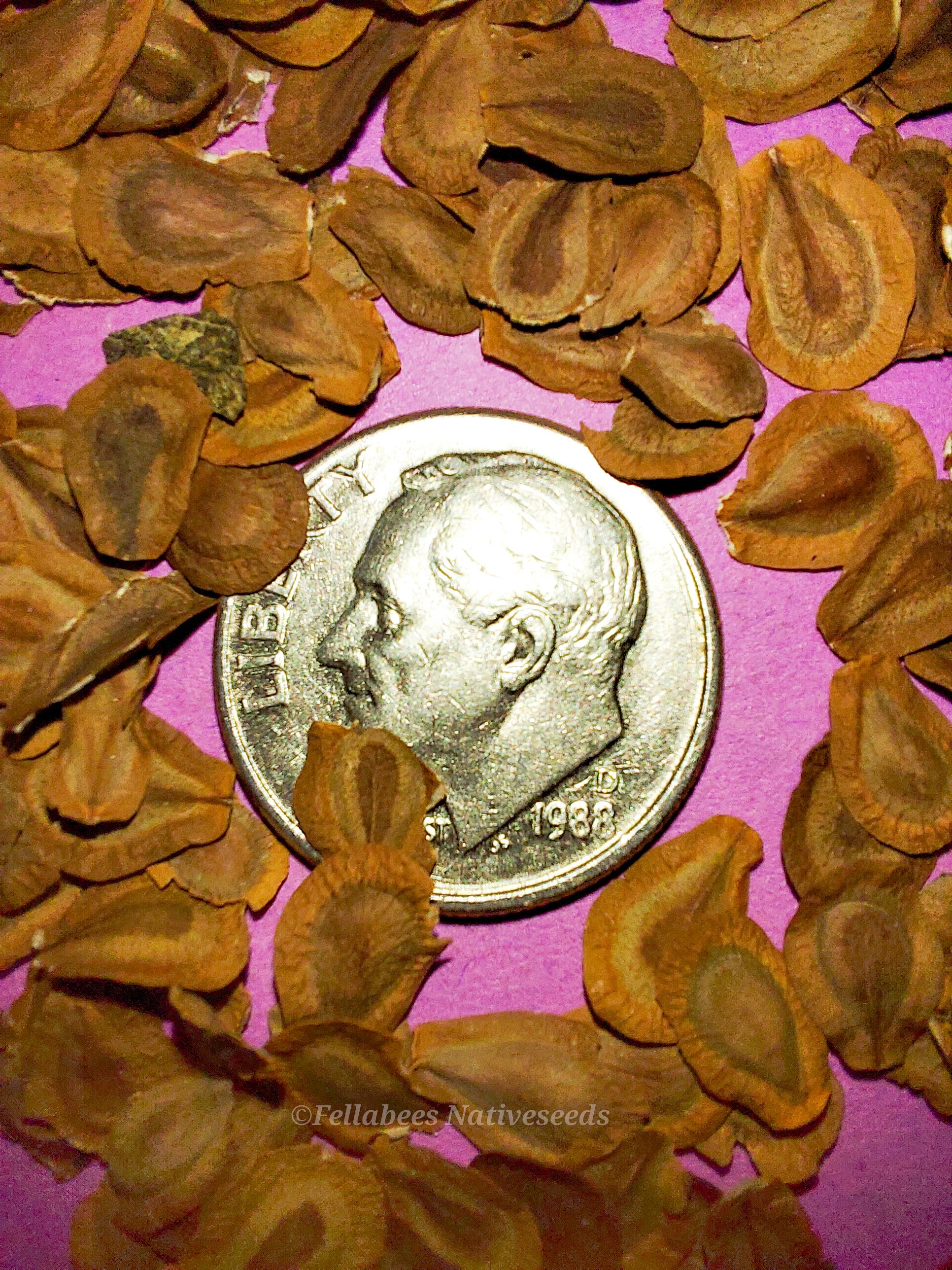
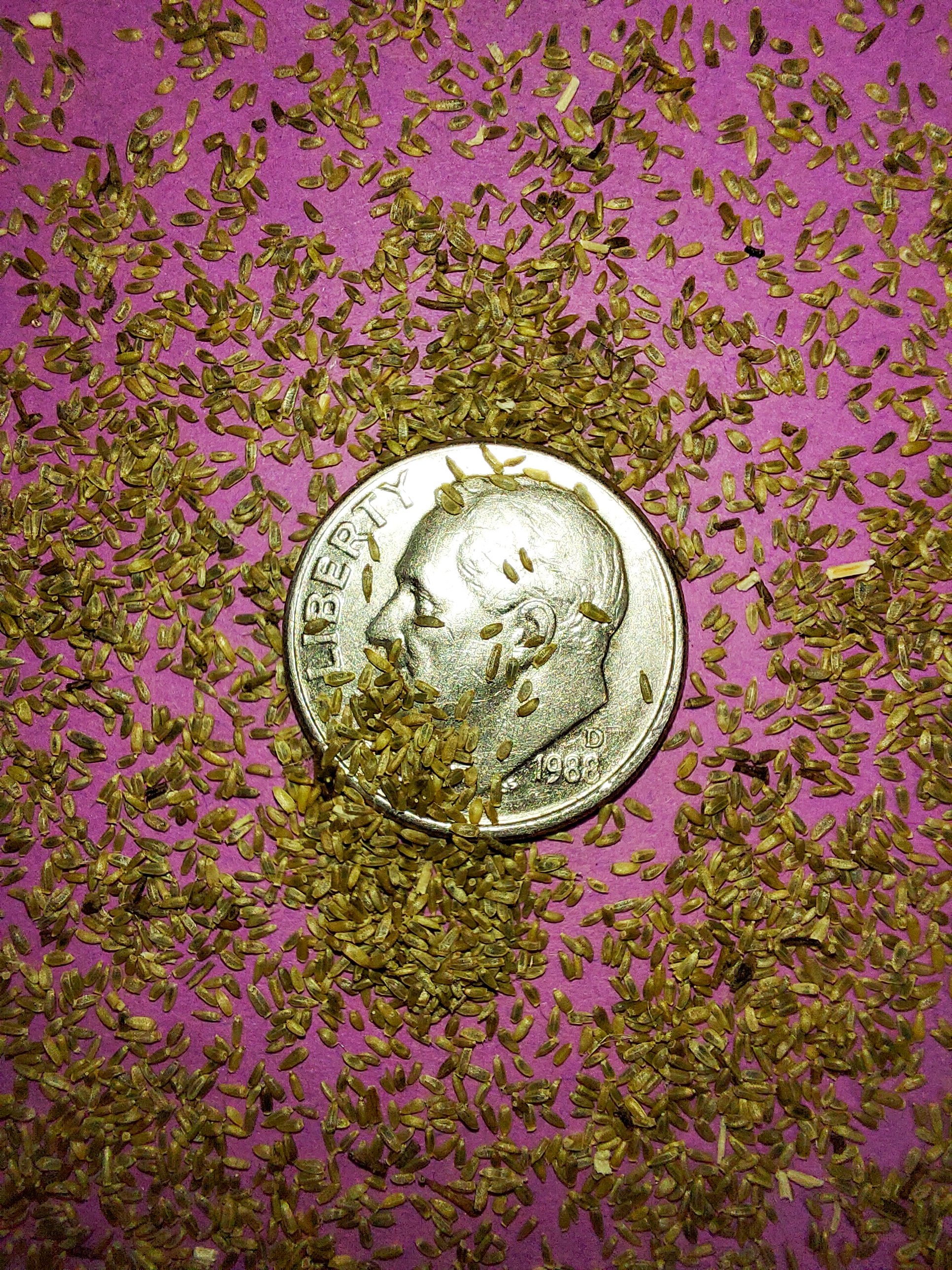
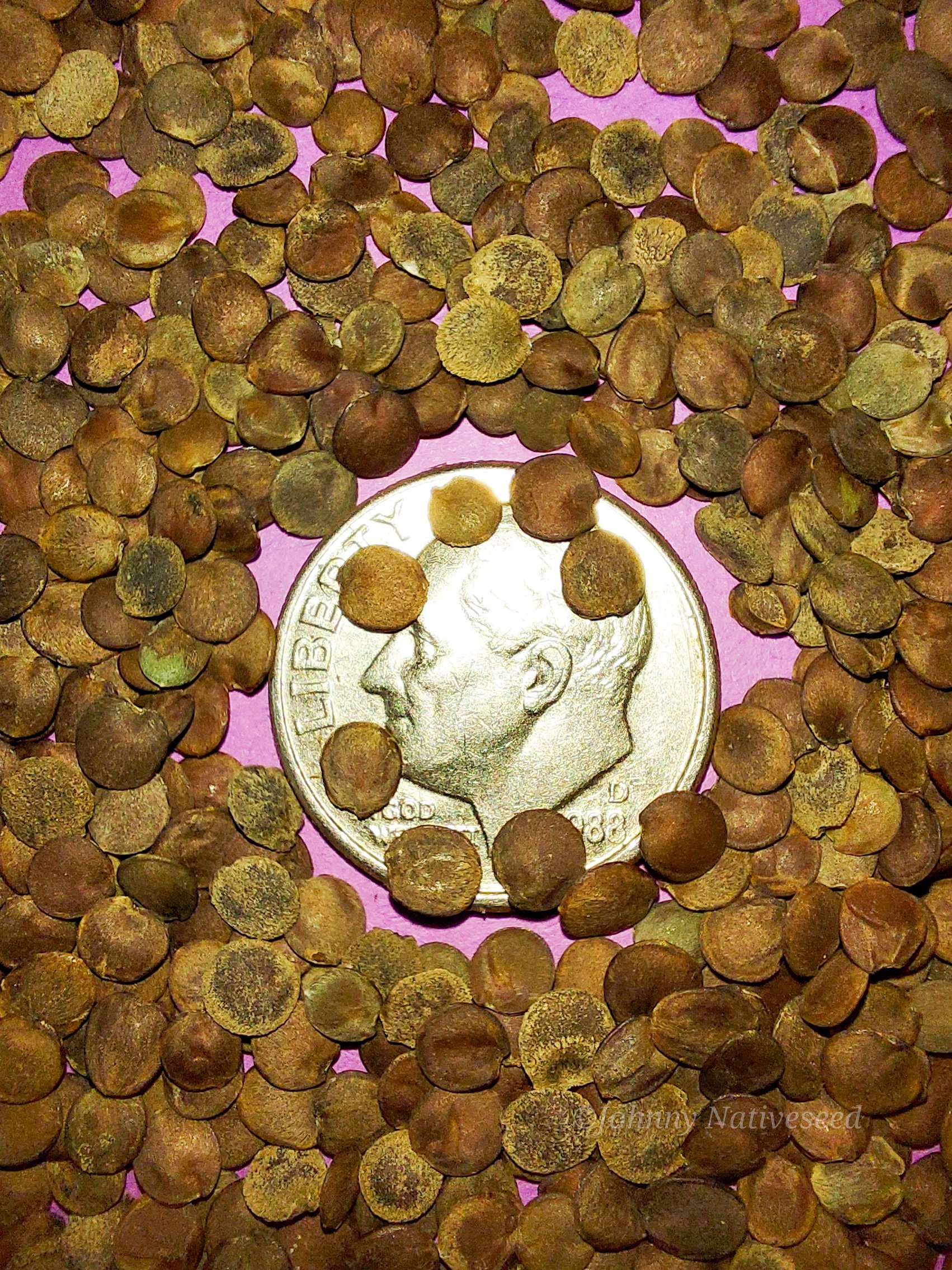
Seed Count: 25+
.
.
Packet quantities:
We pride ourselves on ethical, hands on, ecological management, using no mechanical or chemical methods whatsoever.
All of our native seed is hand reared, hand picked, and hand packed from native prairies under our exclusive management, never breaking chain of custody from the field until it is sent to you. Each packet is hand prepared for shipment by us, directly.
Small seed species will contain greater than 20-25 seed
Large seed species will contain greater than 10-15 seed
It is our mission to spread the wealth of native plant and pollinator ecological sustainability, and educate back yard gardeners as well as corporate and government entities in how to germinate, grow, and benefit from native synergies.
Thank you for your support, it is because of you, that we can grow together to do, what we do.🐛🦋🐝🐞🌾🌱🌼🧡
Big Leaved Aster (Eurybia macrophylla)
Eurybia macrophylla, or Big-Leaved Aster, is a native shade-loving plant notable for its ample, heart-shaped leaves that can reach up to 8 inches across and display pleasantly coarse edges. Valued primarily for its attractive foliage, it makes an excellent choice for shaded ground cover and woodland gardens. Its 1 to 1½ foot stems carry clusters of delicate white to violet-tinged flowers, each with 9–20 narrow rays surrounding bright yellow centers. Common throughout northern woodlands, this aster forms dense colonies by spreading through vigorous underground rhizomes.
The larvae of the Silvery Checkerspot (Chlosyne nycteis), Pearl Crescent (Phyciodes tharos), and Goldenrod Hooded Owlet (Cucullia asteroides) can often be found feeding on Big-Leaved Aster, along with the specialist Mining Bee (Andrena hirticincta) and a variety of generalist bees such as Bumble Bees, Yellow-Faced Bees, Long-horned Bees, Green Sweat Bees, and Small Sweat Bees. Syrphid Flies are also very common, frequently seen hovering and darting about this magnificent shady woodland understory species.
Plant Details
USDA Zones: 3-7
Germination Needs: 60 Days Cold Stratification
Life Cycle: Perennial
Sun Exposure: Partial / Shade
Soil Moisture: Medium-Wet, Medium, Medium-Dry, Dry
Plant Spacing: 2-3 feet
Height: 1 foot
Bloom time: August, September, October
Bloom Color: White
Advantages
Pollinator Favorite: butterflies, moths, bees, wasps, beetles
Excellent in the home landscape!
Native to: Wisconsin, Minnesota, Iowa, Illinois, Indiana, Michigan, Ohio, Pennsylvania, New York, Vermont, New Hampshire, Maine, Massachusetts, Rhode Island, Connecticut, New Jersey, West Virginia, Virginia, Kentucky, Tennessee, North Carolina, South Carolina, Georgia, Arkansas and Missouri.
This species is considered present but rare in several counties of the states of Iowa, Rhode Island, South Carolina, Georgia and Missouri.
This species is considered to be extirpated (locally extinct) in one county of Arkansas.
Seed Count: 25+
.
.
Packet quantities:
We pride ourselves on ethical, hands on, ecological management, using no mechanical or chemical methods whatsoever.
All of our native seed is hand reared, hand picked, and hand packed from native prairies under our exclusive management, never breaking chain of custody from the field until it is sent to you. Each packet is hand prepared for shipment by us, directly.
Small seed species will contain greater than 20-25 seed
Large seed species will contain greater than 10-15 seed
It is our mission to spread the wealth of native plant and pollinator ecological sustainability, and educate back yard gardeners as well as corporate and government entities in how to germinate, grow, and benefit from native synergies.
Thank you for your support, it is because of you, that we can grow together to do, what we do.🐛🦋🐝🐞🌾🌱🌼🧡
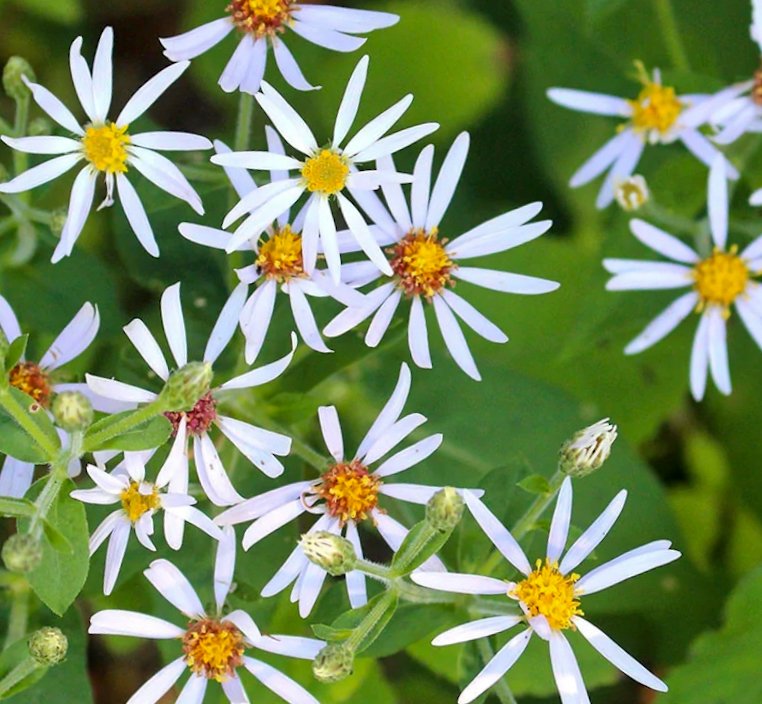 Image 1 of 5
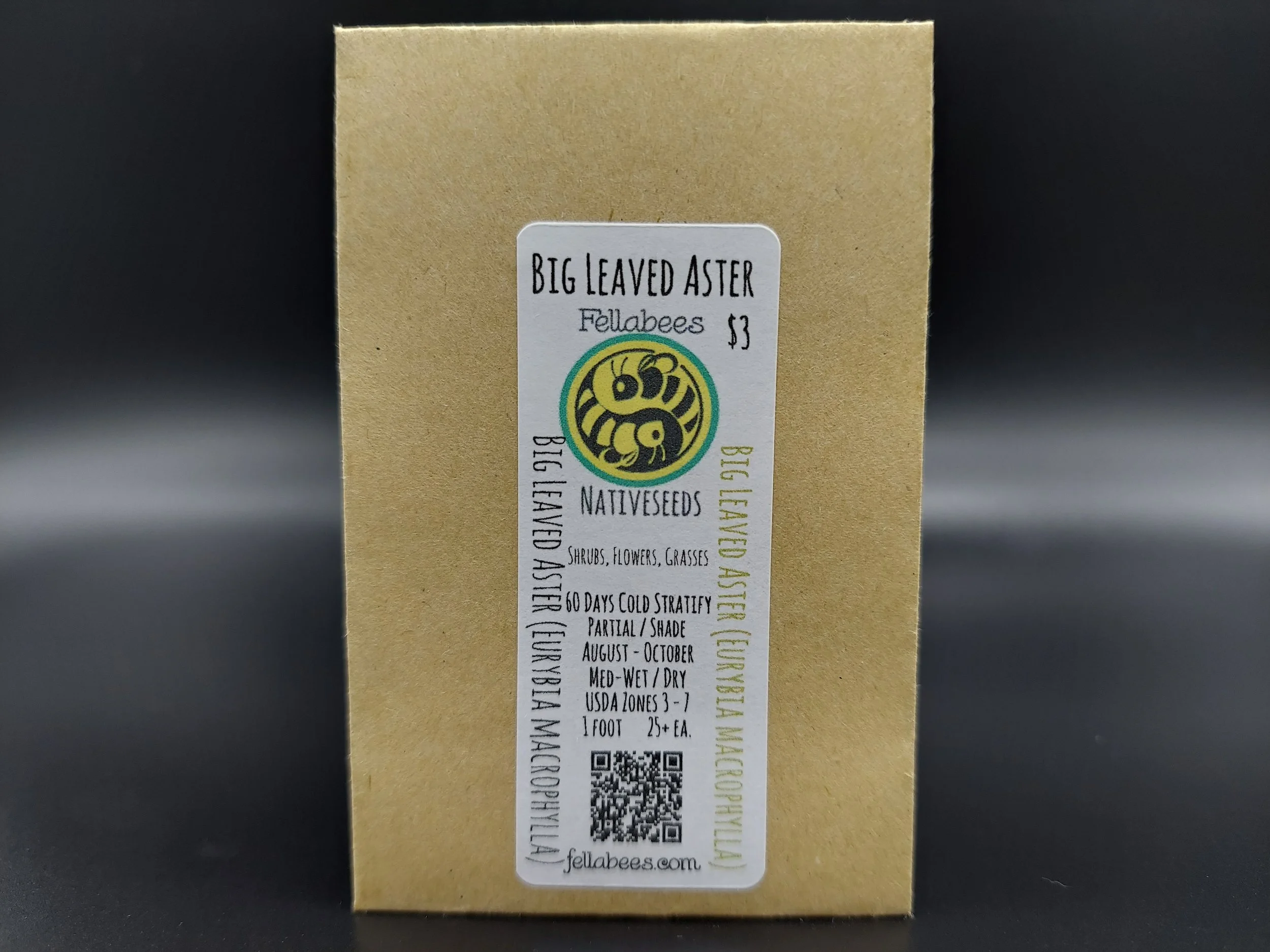 Image 2 of 5
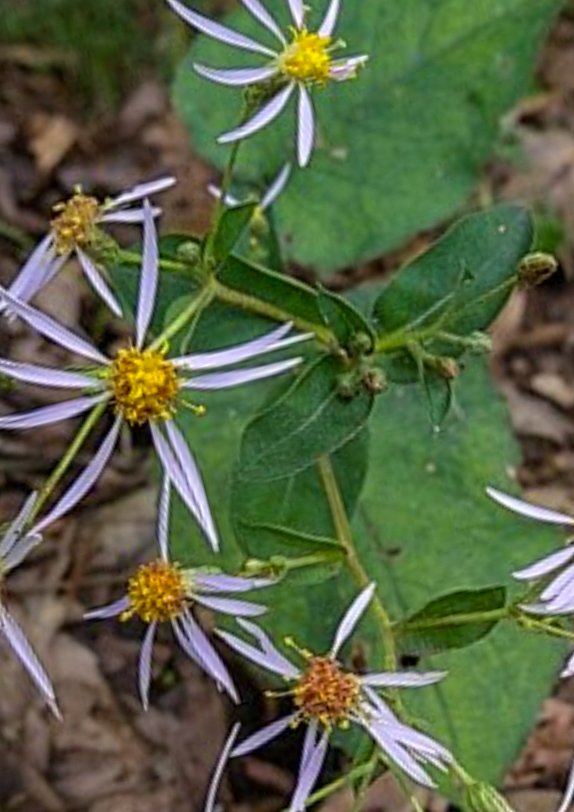 Image 3 of 5
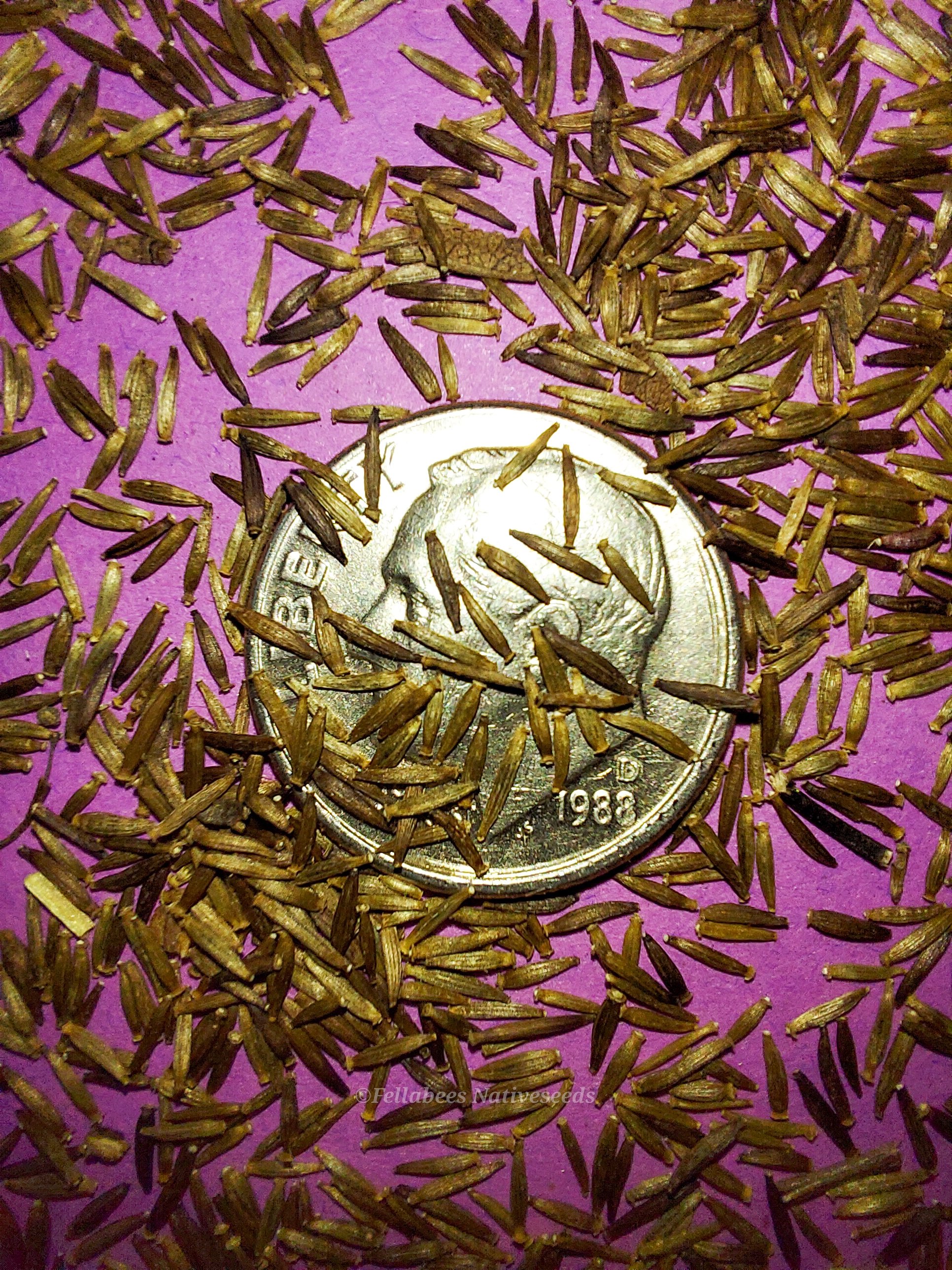 Image 4 of 5
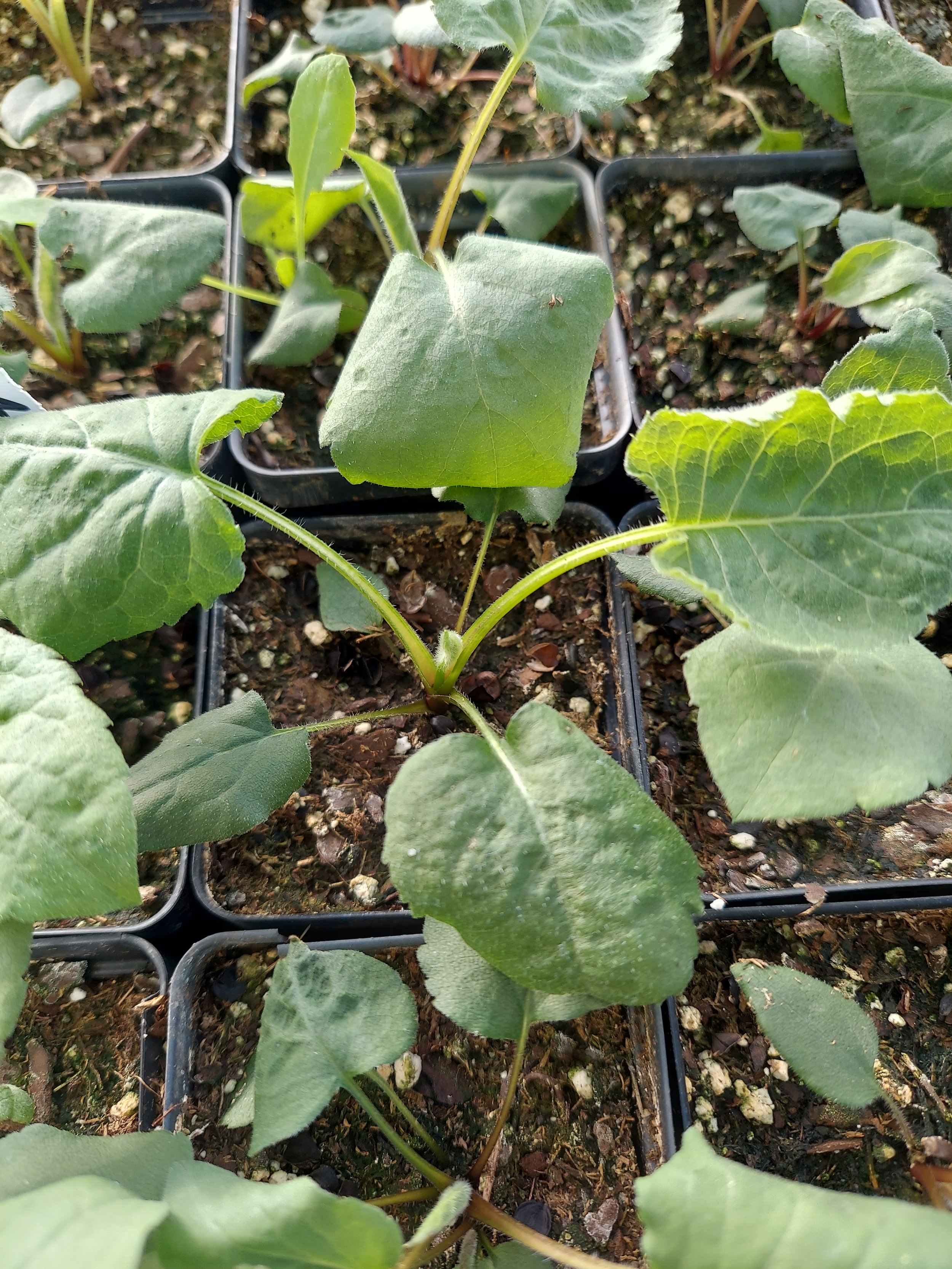 Image 5 of 5