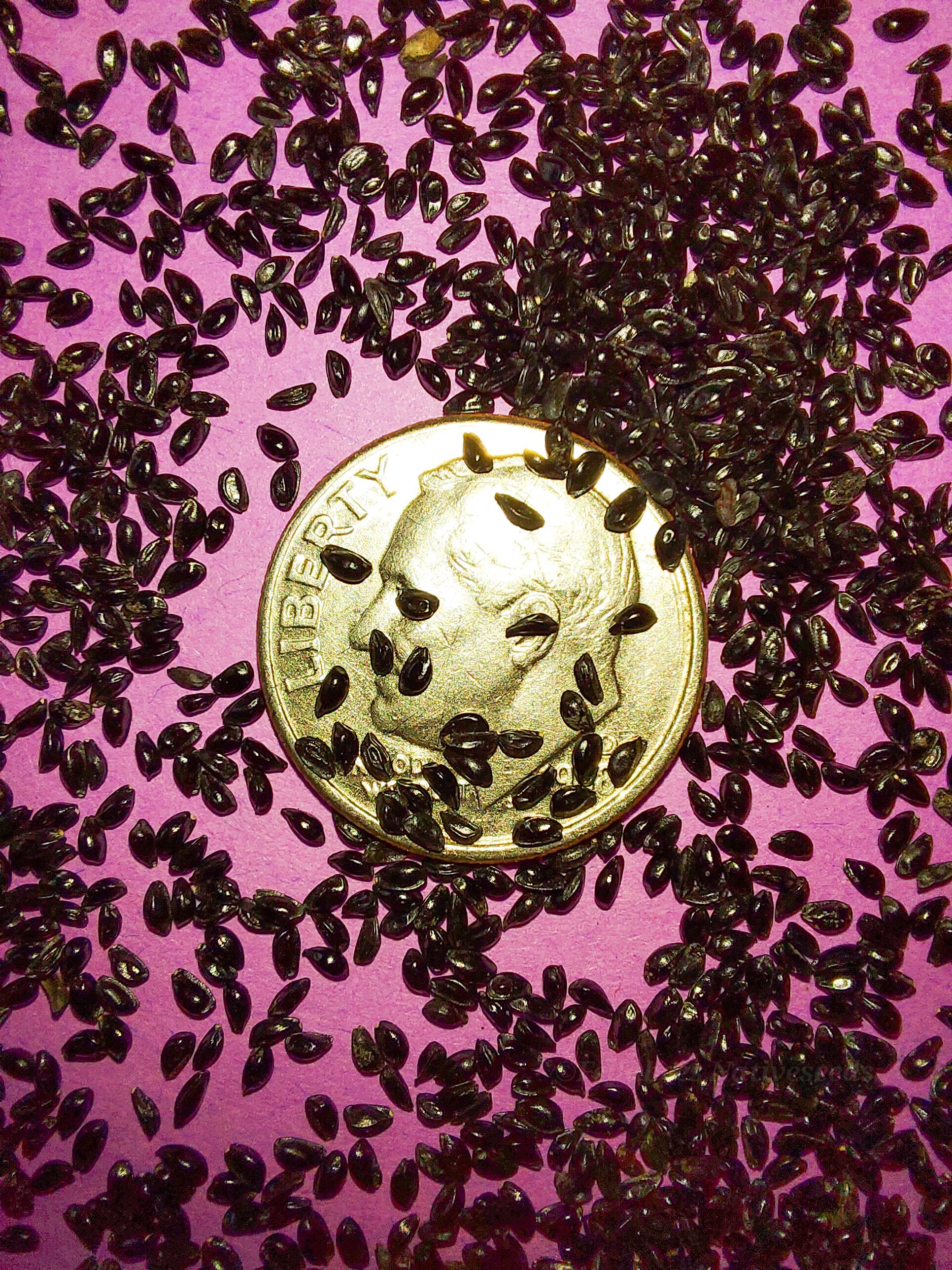
Blue Grama (Bouteloua gracillis)
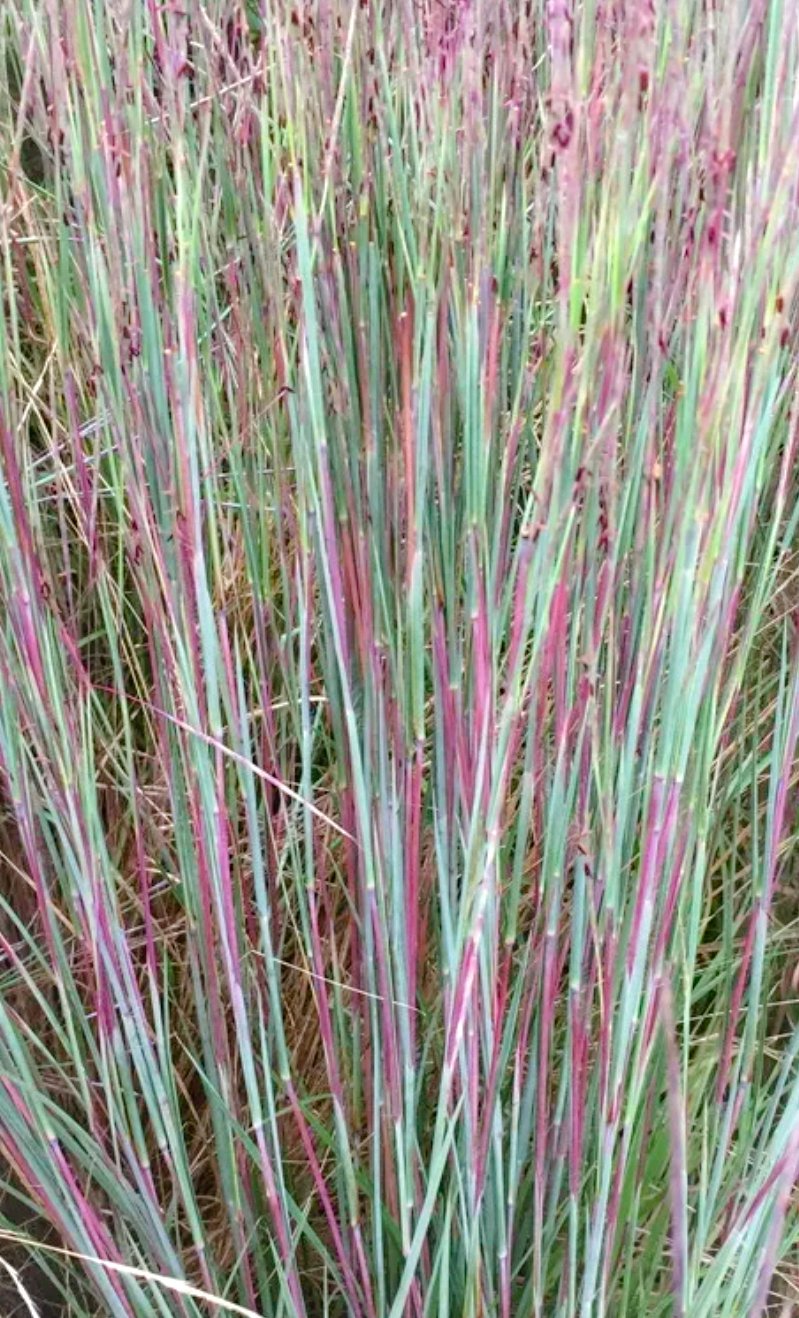
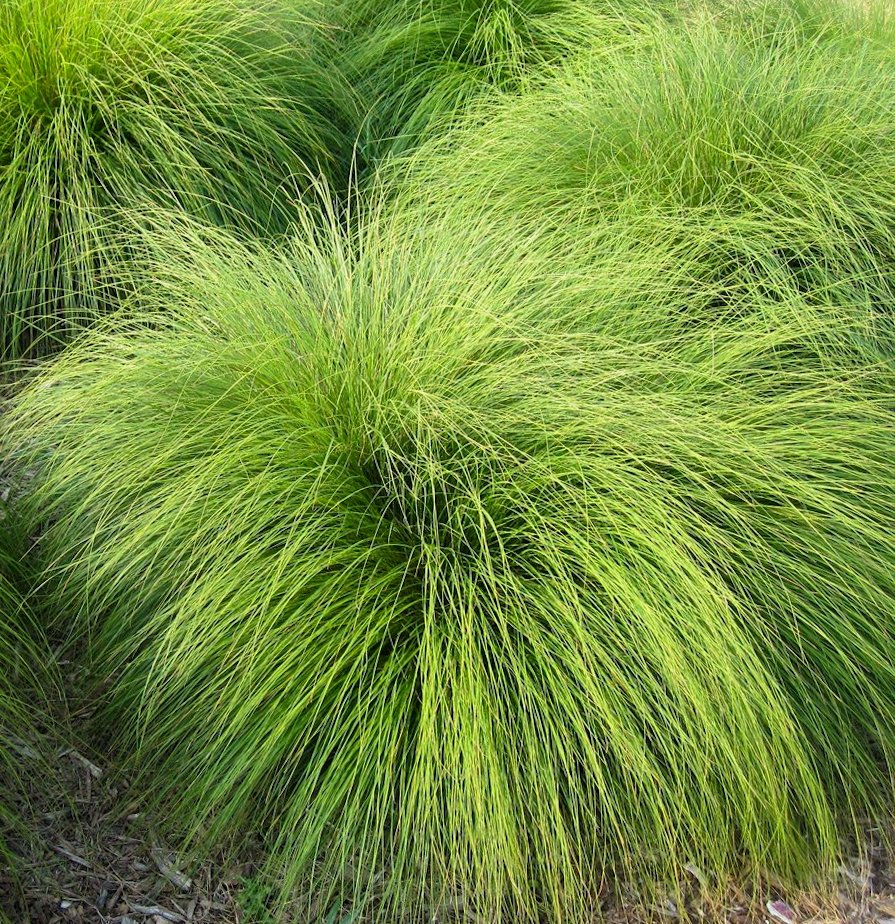
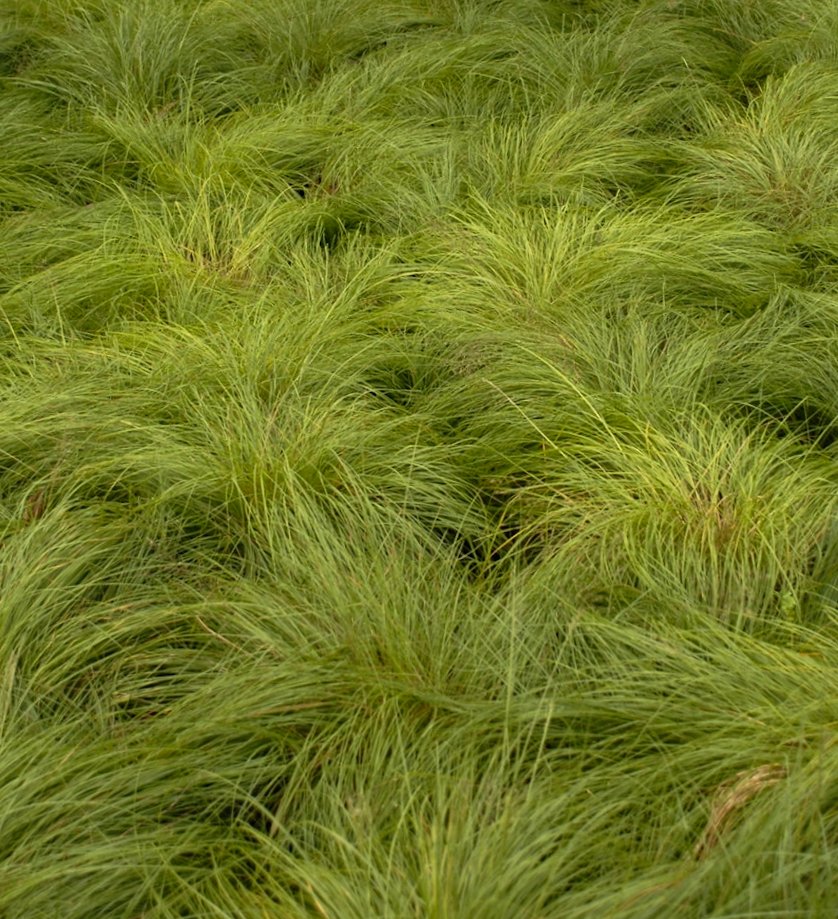
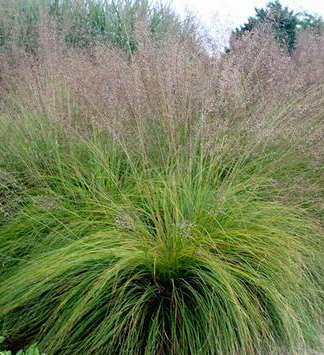
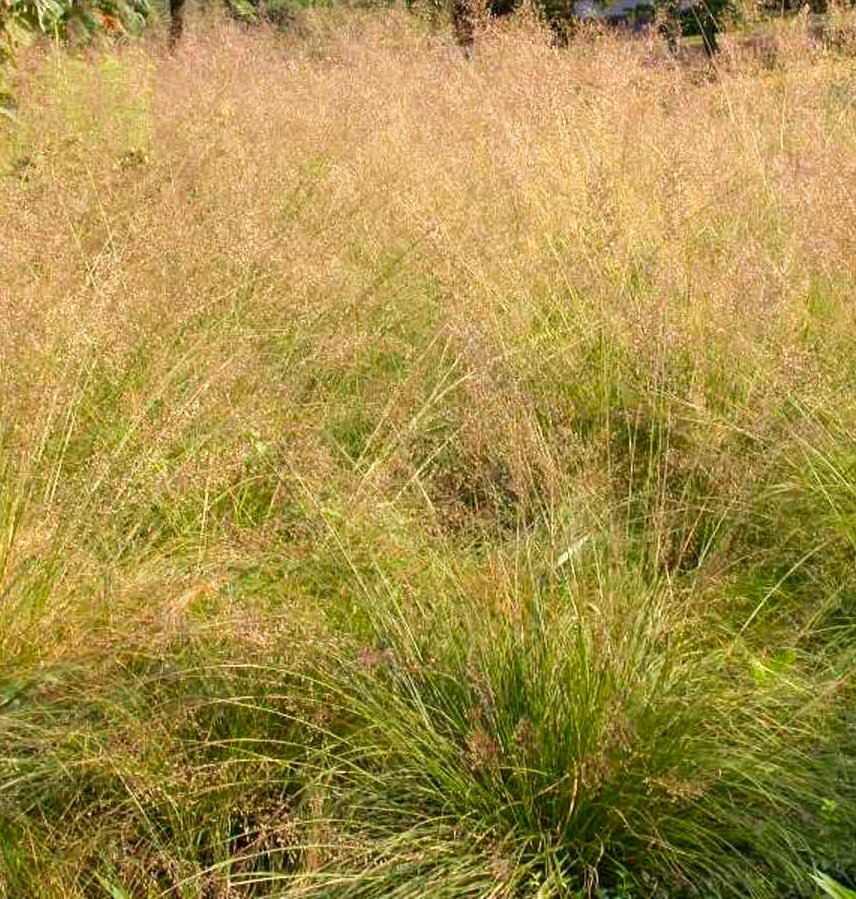
Bouteloua gracilis is the scientific name for the shortgrass species more commonly known as Blue Grama, a long-lived, warm-season perennial grass native to North America. It is most commonly found from Alberta, Canada, east to Manitoba and south across the Rocky Mountains, Great Plains, and U.S. Midwest states, extending into the northern Mexican Plateau in Mexico. Blue Grama makes up the majority of net primary productivity in the shortgrass prairie of the central and southern Great Plains, where it plays a key ecological role. It is a green to grayish, low-growing, drought-tolerant grass that requires relatively little maintenance and is well adapted to dry, open sites.
Blue Grama establishes from seed but spreads mainly by tillers, taking hold slowly at first. Seed production is gradual and depends heavily on soil moisture and temperature conditions. Wind typically disperses seed about six feet, while insects, birds, and mammals may carry seed farther afield. Seedlings perform best when kept away from dense stands of adult plants, which compete for limited root‑zone water. Successful establishment requires modest, consistent soil moisture during the period of adventitious root growth.
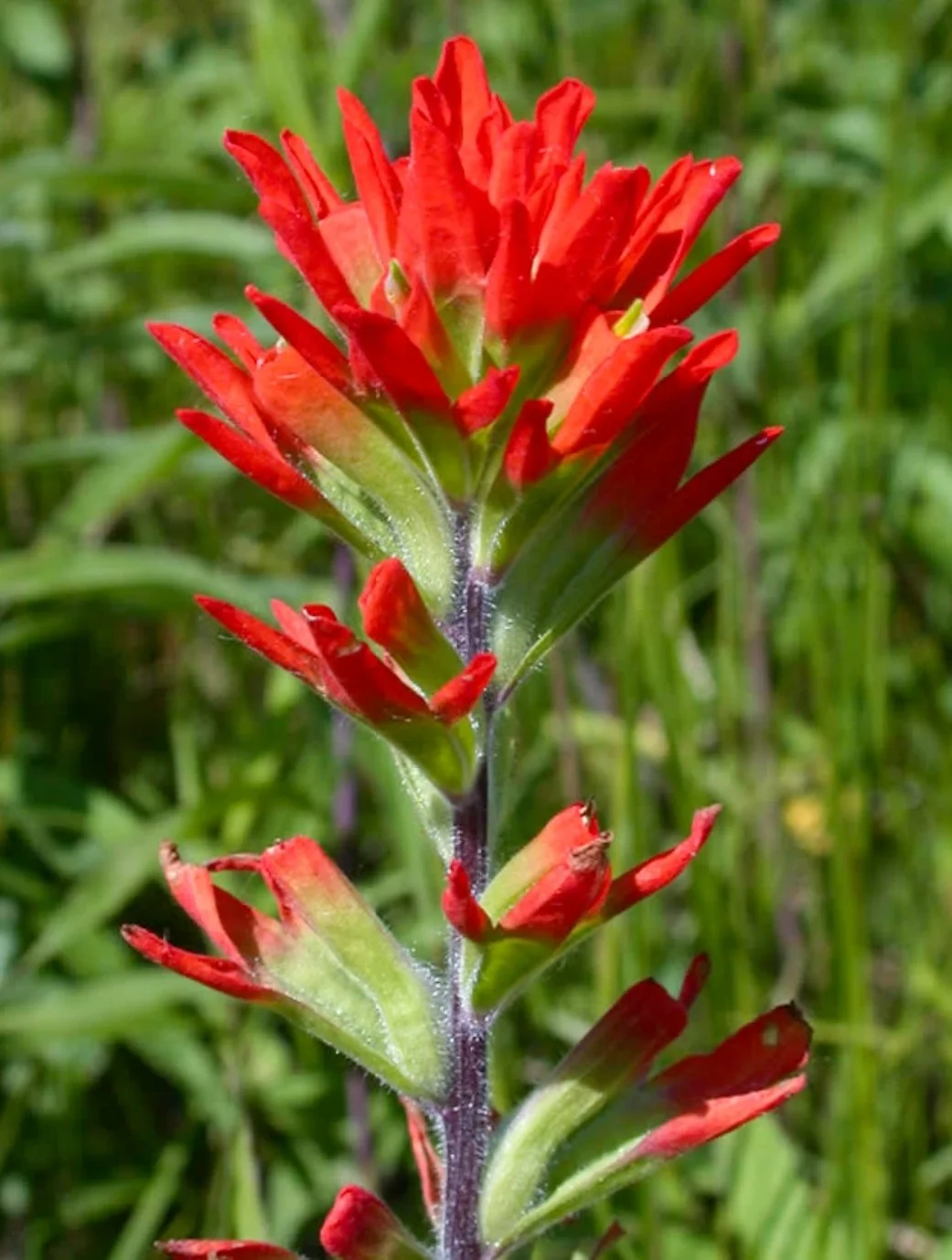
Established Blue Grama plants are grazing tolerant, cold tolerant, and drought tolerant, although prolonged drought may lead to a reduction in root number and extent. They will employ an opportunistic water-use strategy, rapidly using water when available, and then becoming dormant during less-favorable conditions as a survival strategy. Recovery following disturbance is slow and depends on the type and extent of the disturbance. Blue Grama is one of the host plants for the enigmatic native hemiparasitic plant species Indian Paintbrush.
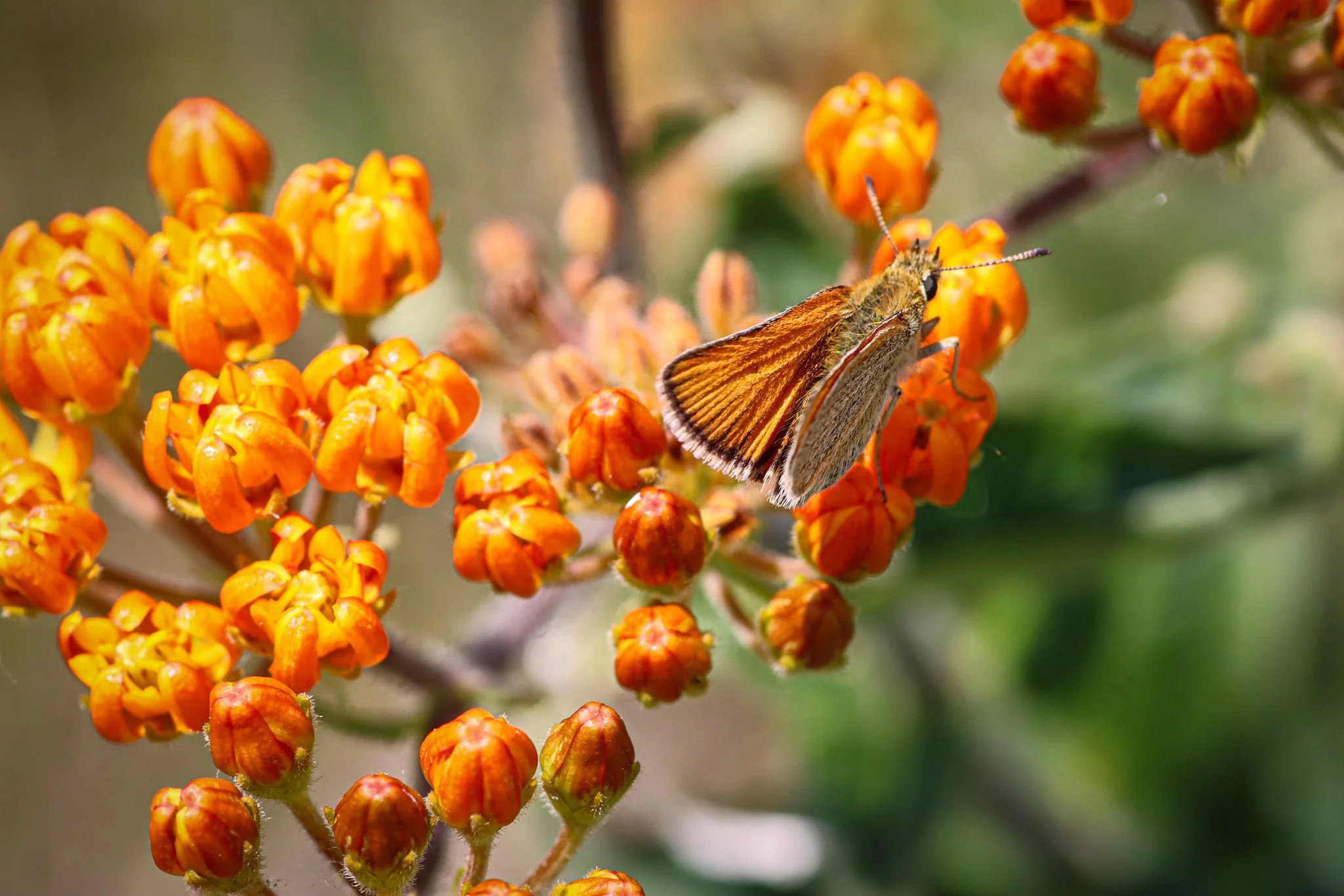
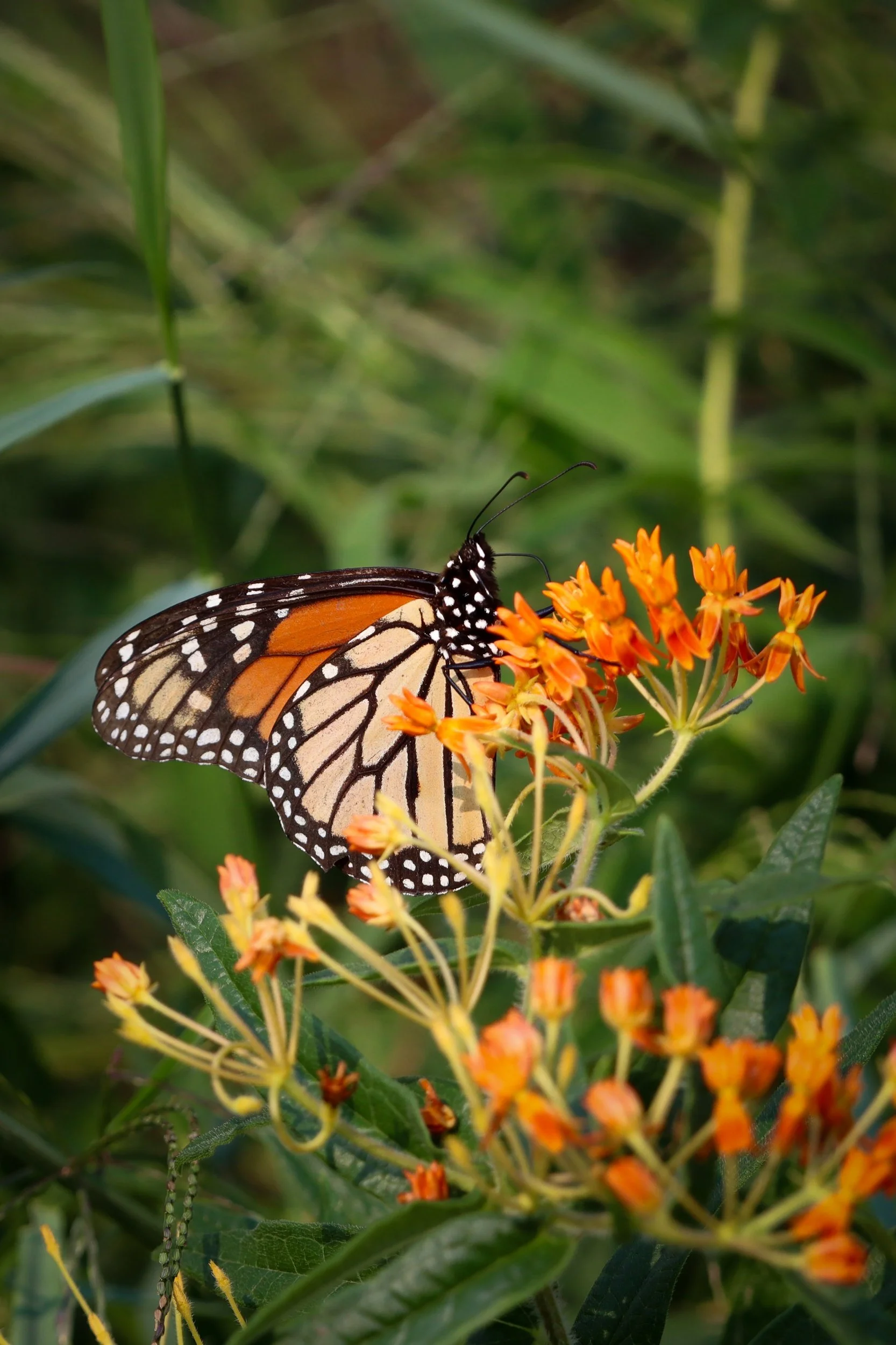
As a keystone species, Blue Grama provides both cover and nesting sites for many wildlife species. Butterflies are often drawn Blue Grama when it is in bloom and plays host to the Ridings' Satyr (Neominois ridingsii) The plant's flowers can serve as a food source for many Skipper Butterflies and is a larval host to the Garita Skipperling (Oarisma garita), Green Skipper (Hesperia viridis), Pahaska Skipper (Hesperia pahaska), Rhesus Skipper (Polites rhesus), Simius Roadside Skipper (Amblyscirtes simius), Uncas Skipper (Hesperia uncas), Oslar's Roadside-Skipper (Amblyscirtes oslari), and Leonard's Skipper (Hesperia leonardus).
The seeds are also a sought-after food source for many songbirds, ground birds, and other small mammals — pocket gophers, jackrabbits, and prairie dogs commonly depend on them for sustenance. Large herbivores, including elk, pronghorn, bighorn sheep, and bison graze on its leaves and stems, while incidentally dispersing the seeds as they move and feed, further adding to the dynamism and resilience sown throughout the prairie ecosystem.
By thriving in clumping formations rather than spreading aggressively, Blue Grama allows coexistence with other native grasses and wildflowers, thereby enhancing overall plant diversity. Its steady presence helps stabilize community composition in short-grass prairie ecosystems, contributing to ecological balance and supporting gradual forest–prairie transitions over time. Bouteloua gracilis provides multiple ecological benefits: it helps prevent soil erosion, offers food and shelter for native wildlife, and bolsters ecosystem resilience during drought conditions, all while supporting a wide range of biodiversity — cementing its role as a keystone species across many North American grassland landscapes.
Plant Details
USDA Zones: 3 - 10
Germination Needs: No Treatment Needed
Life Cycle: Perennial
Sun Exposure: Full to Partial
Soil Moisture: Medium-Dry, Dry
Plant Spacing: 1½
Height: 1 foot
Bloom time: July, August, September
Bloom Color: Green, Blue
Advantages :
Pollinator Favorite: butterflies, moths
Bird Favorite: seeds, insects, fruit, nectar, nesting, perchs.
Deer Resistant: Yes
Native to : Wisconsin, Minnesota, Iowa, Illinois, Indiana, Ohio, Pennsylvania, New York, Vermont, Maine, Massachusetts, Connecticut, South Carolina, Arkansas, Missouri, Texas, Oklahoma, Kansas, Nebraska, South Dakota, North Dakota, Montana, Wyoming, Colorado, New Mexico, Arizona, Utah, Idaho, Nevada, and California
This species is considered to be native but rare in several counties of the states of Illinois, Arkansas, Missouri, and Idaho.
.
.
Packet quantities:
We pride ourselves on ethical, hands on, ecological management, using no mechanical or chemical methods whatsoever.
All of our native seed is hand reared, hand picked, and hand packed from native prairies under our exclusive management, never breaking chain of custody from the field until it is sent to you. Each packet is hand prepared for shipment by us, directly.
Small seed species will contain greater than 20-25 seed
Large seed species will contain greater than 10-15 seed
All packets are individually marked at the bottom of the front label with expected count, however most if not all packets will have more than the minimum count by default.
It is our mission to spread the wealth of native plant and pollinator ecological sustainability, and educate back yard gardeners as well as corporate and government entities in how to germinate, grow, and benefit from native synergies.
Thank you for your support, it is because of you, that we can grow together to do, what we do.🐛🦋🐝🐞🌾🌱🌼🧡
Blue Grama (Bouteloua gracillis)
Bouteloua gracilis is the scientific name for the shortgrass species more commonly known as Blue Grama, a long-lived, warm-season perennial grass native to North America. It is most commonly found from Alberta, Canada, east to Manitoba and south across the Rocky Mountains, Great Plains, and U.S. Midwest states, extending into the northern Mexican Plateau in Mexico. Blue Grama makes up the majority of net primary productivity in the shortgrass prairie of the central and southern Great Plains, where it plays a key ecological role. It is a green to grayish, low-growing, drought-tolerant grass that requires relatively little maintenance and is well adapted to dry, open sites.
Blue Grama establishes from seed but spreads mainly by tillers, taking hold slowly at first. Seed production is gradual and depends heavily on soil moisture and temperature conditions. Wind typically disperses seed about six feet, while insects, birds, and mammals may carry seed farther afield. Seedlings perform best when kept away from dense stands of adult plants, which compete for limited root‑zone water. Successful establishment requires modest, consistent soil moisture during the period of adventitious root growth.
Established Blue Grama plants are grazing tolerant, cold tolerant, and drought tolerant, although prolonged drought may lead to a reduction in root number and extent. They will employ an opportunistic water-use strategy, rapidly using water when available, and then becoming dormant during less-favorable conditions as a survival strategy. Recovery following disturbance is slow and depends on the type and extent of the disturbance. Blue Grama is one of the host plants for the enigmatic native hemiparasitic plant species Indian Paintbrush.
As a keystone species, Blue Grama provides both cover and nesting sites for many wildlife species. Butterflies are often drawn Blue Grama when it is in bloom and plays host to the Ridings' Satyr (Neominois ridingsii) The plant's flowers can serve as a food source for many Skipper Butterflies and is a larval host to the Garita Skipperling (Oarisma garita), Green Skipper (Hesperia viridis), Pahaska Skipper (Hesperia pahaska), Rhesus Skipper (Polites rhesus), Simius Roadside Skipper (Amblyscirtes simius), Uncas Skipper (Hesperia uncas), Oslar's Roadside-Skipper (Amblyscirtes oslari), and Leonard's Skipper (Hesperia leonardus).
The seeds are also a sought-after food source for many songbirds, ground birds, and other small mammals — pocket gophers, jackrabbits, and prairie dogs commonly depend on them for sustenance. Large herbivores, including elk, pronghorn, bighorn sheep, and bison graze on its leaves and stems, while incidentally dispersing the seeds as they move and feed, further adding to the dynamism and resilience sown throughout the prairie ecosystem.
By thriving in clumping formations rather than spreading aggressively, Blue Grama allows coexistence with other native grasses and wildflowers, thereby enhancing overall plant diversity. Its steady presence helps stabilize community composition in short-grass prairie ecosystems, contributing to ecological balance and supporting gradual forest–prairie transitions over time. Bouteloua gracilis provides multiple ecological benefits: it helps prevent soil erosion, offers food and shelter for native wildlife, and bolsters ecosystem resilience during drought conditions, all while supporting a wide range of biodiversity — cementing its role as a keystone species across many North American grassland landscapes.
Plant Details
USDA Zones: 3 - 10
Germination Needs: No Treatment Needed
Life Cycle: Perennial
Sun Exposure: Full to Partial
Soil Moisture: Medium-Dry, Dry
Plant Spacing: 1½
Height: 1 foot
Bloom time: July, August, September
Bloom Color: Green, Blue
Advantages :
Pollinator Favorite: butterflies, moths
Bird Favorite: seeds, insects, fruit, nectar, nesting, perchs.
Deer Resistant: Yes
Native to : Wisconsin, Minnesota, Iowa, Illinois, Indiana, Ohio, Pennsylvania, New York, Vermont, Maine, Massachusetts, Connecticut, South Carolina, Arkansas, Missouri, Texas, Oklahoma, Kansas, Nebraska, South Dakota, North Dakota, Montana, Wyoming, Colorado, New Mexico, Arizona, Utah, Idaho, Nevada, and California
This species is considered to be native but rare in several counties of the states of Illinois, Arkansas, Missouri, and Idaho.
.
.
Packet quantities:
We pride ourselves on ethical, hands on, ecological management, using no mechanical or chemical methods whatsoever.
All of our native seed is hand reared, hand picked, and hand packed from native prairies under our exclusive management, never breaking chain of custody from the field until it is sent to you. Each packet is hand prepared for shipment by us, directly.
Small seed species will contain greater than 20-25 seed
Large seed species will contain greater than 10-15 seed
All packets are individually marked at the bottom of the front label with expected count, however most if not all packets will have more than the minimum count by default.
It is our mission to spread the wealth of native plant and pollinator ecological sustainability, and educate back yard gardeners as well as corporate and government entities in how to germinate, grow, and benefit from native synergies.
Thank you for your support, it is because of you, that we can grow together to do, what we do.🐛🦋🐝🐞🌾🌱🌼🧡

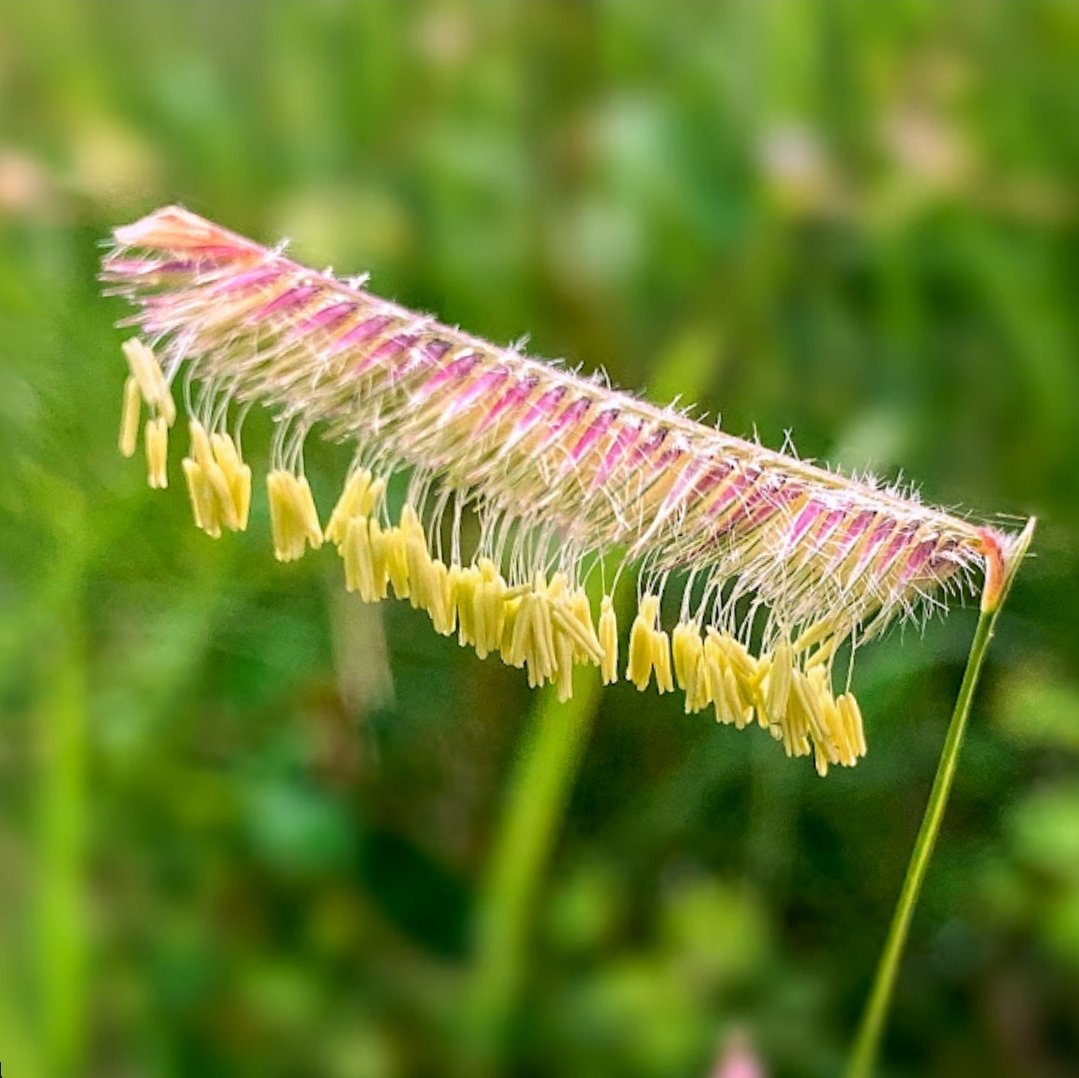 Image 1 of 6
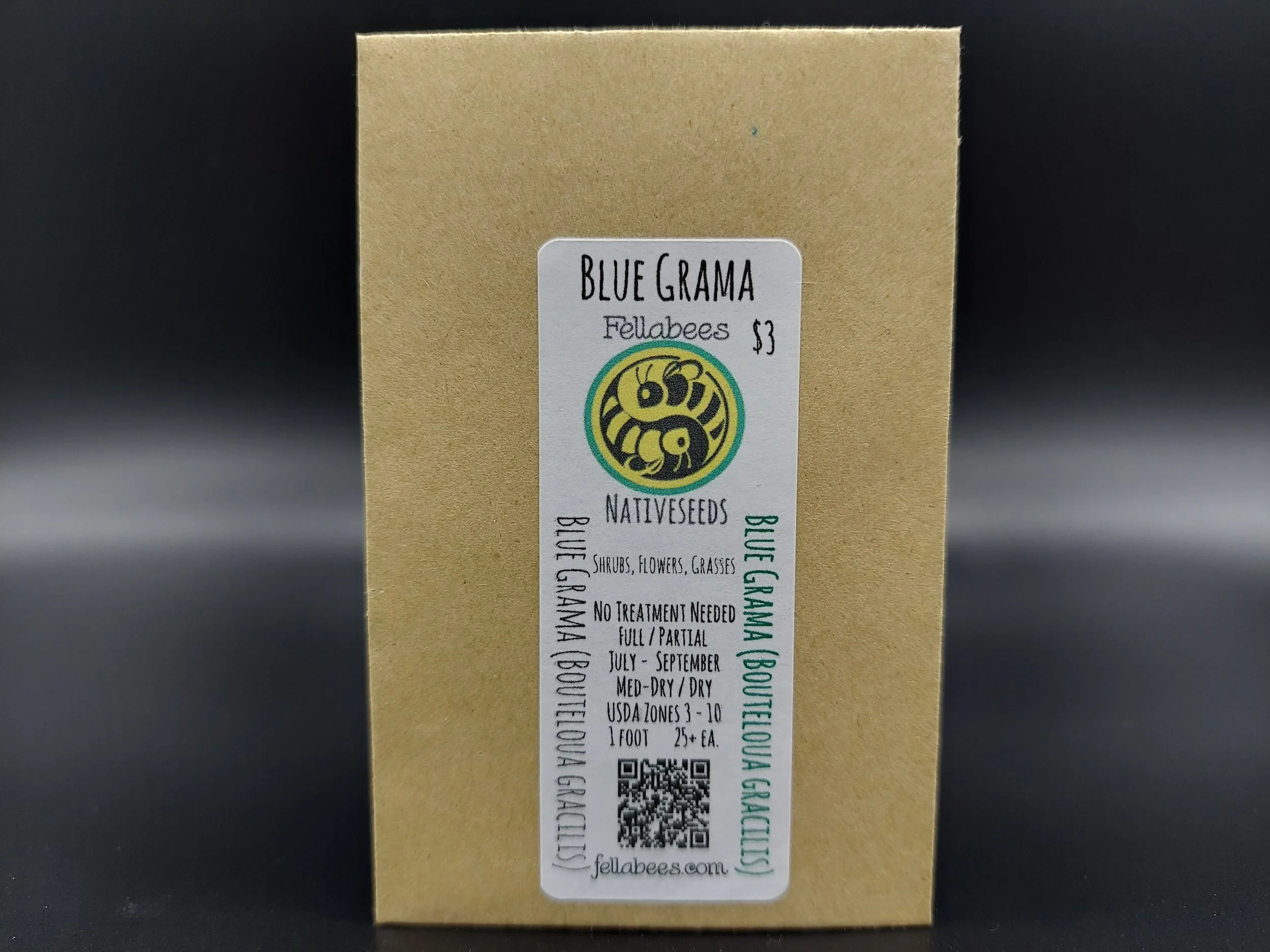 Image 2 of 6
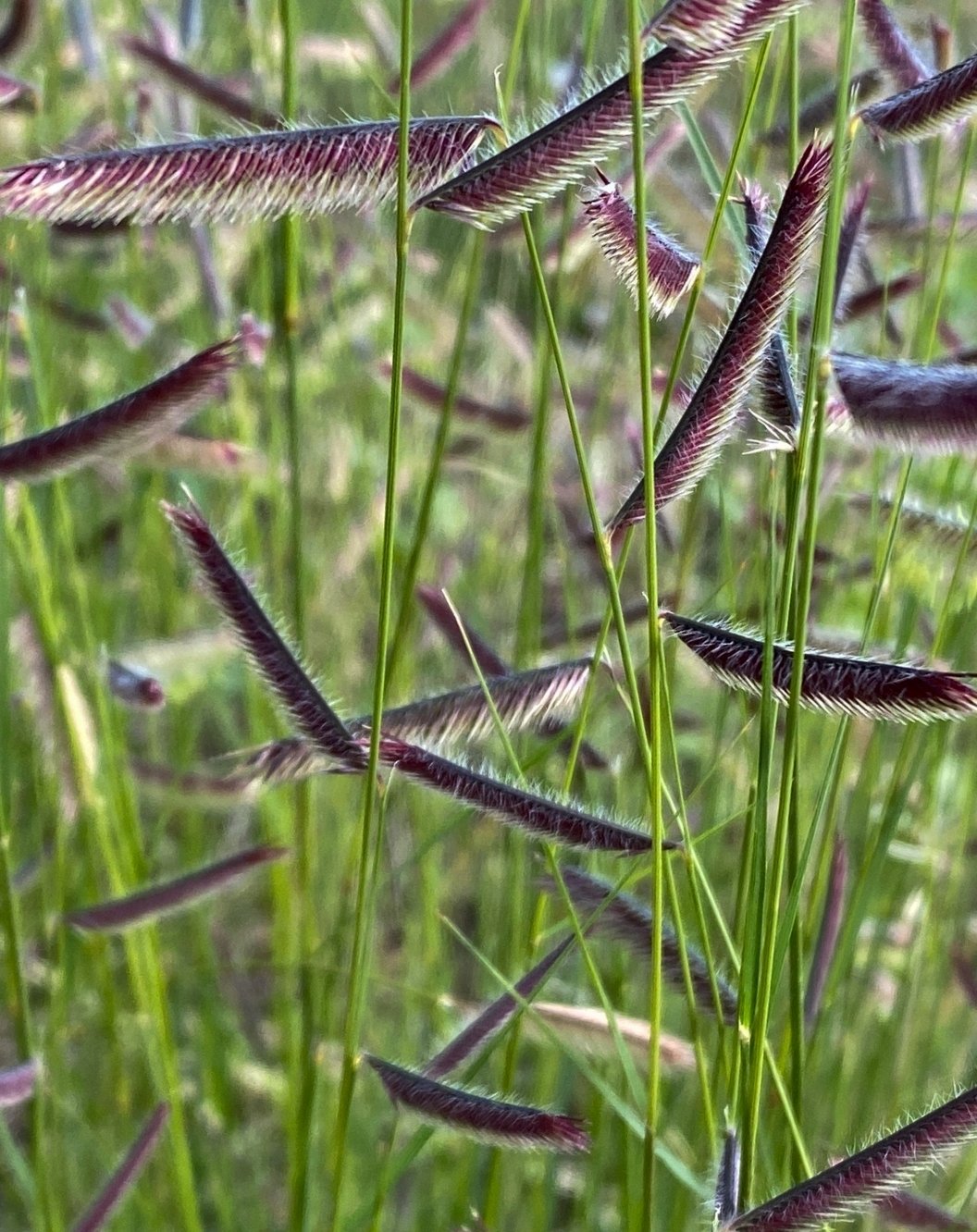 Image 3 of 6
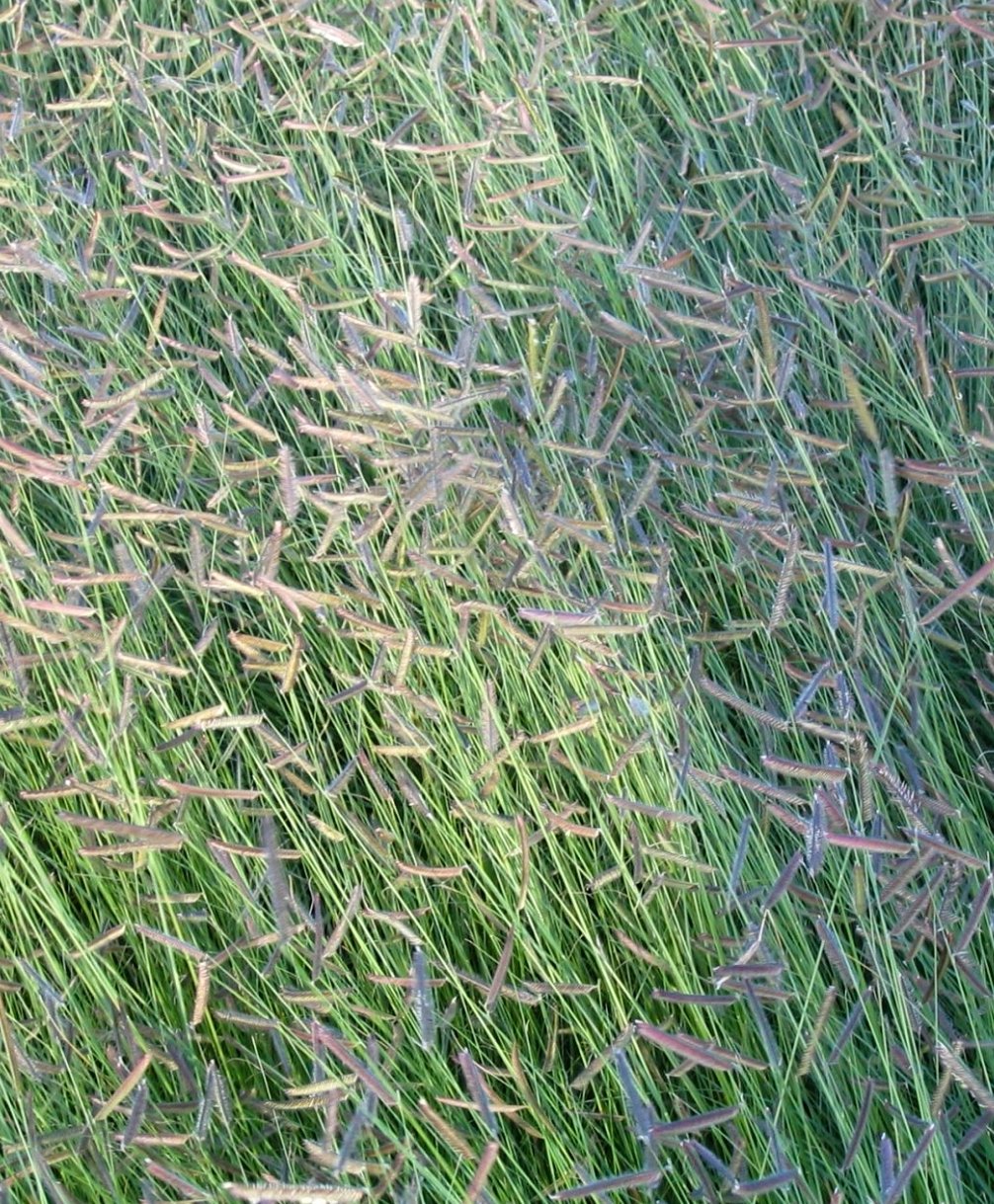 Image 4 of 6
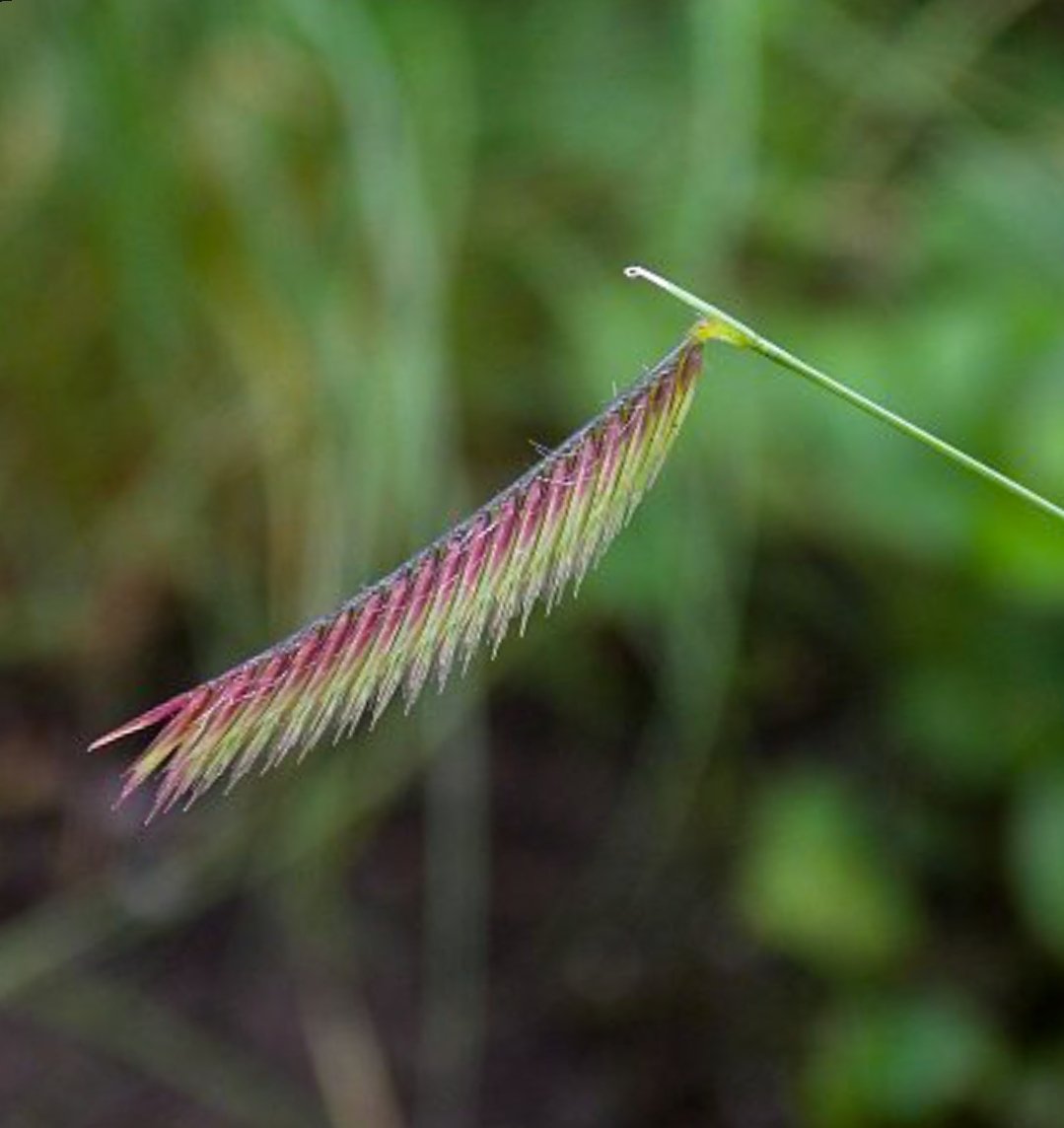 Image 5 of 6
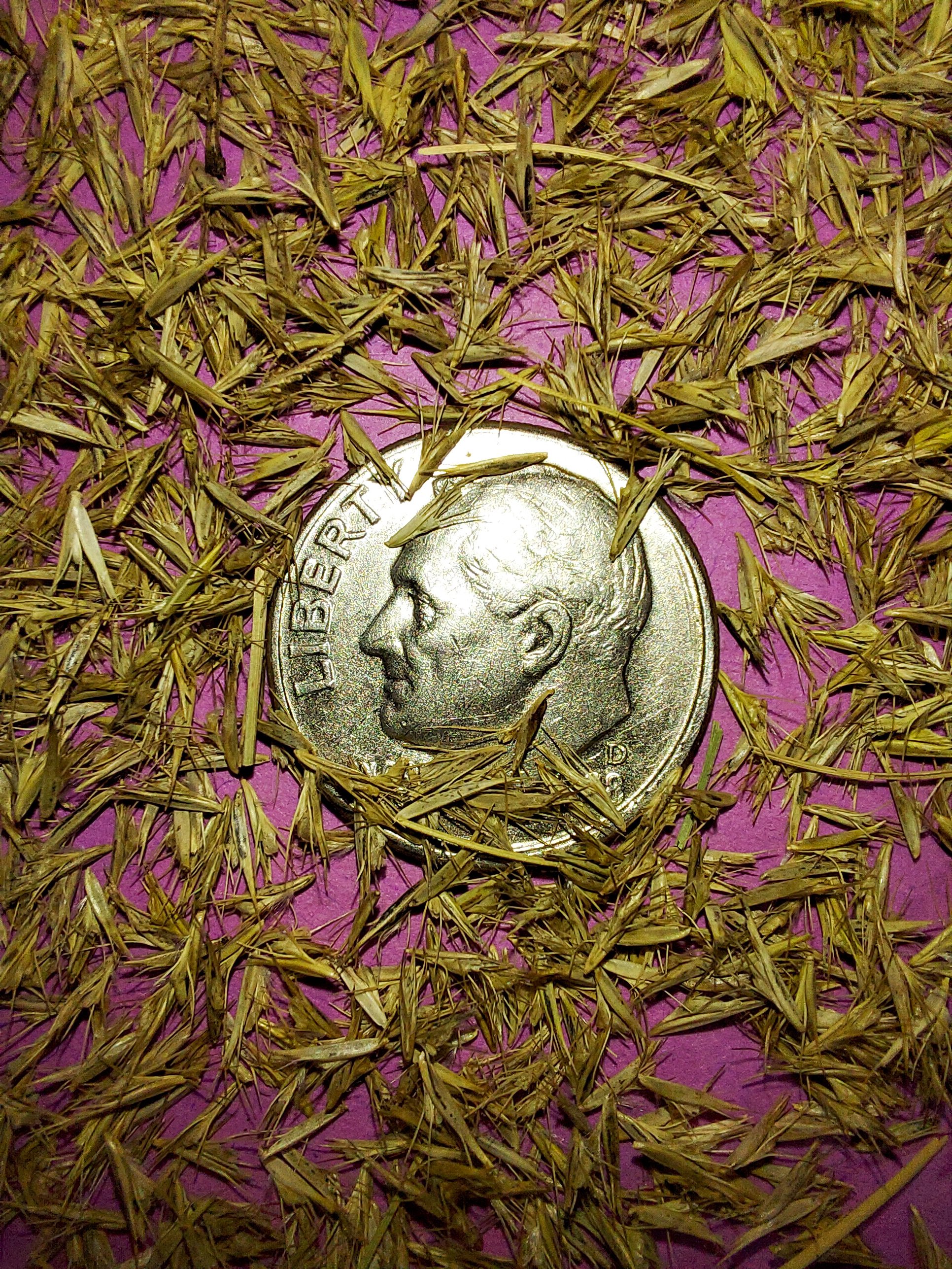 Image 6 of 6