Sale Price:
$1.50
Original Price:
$3.00
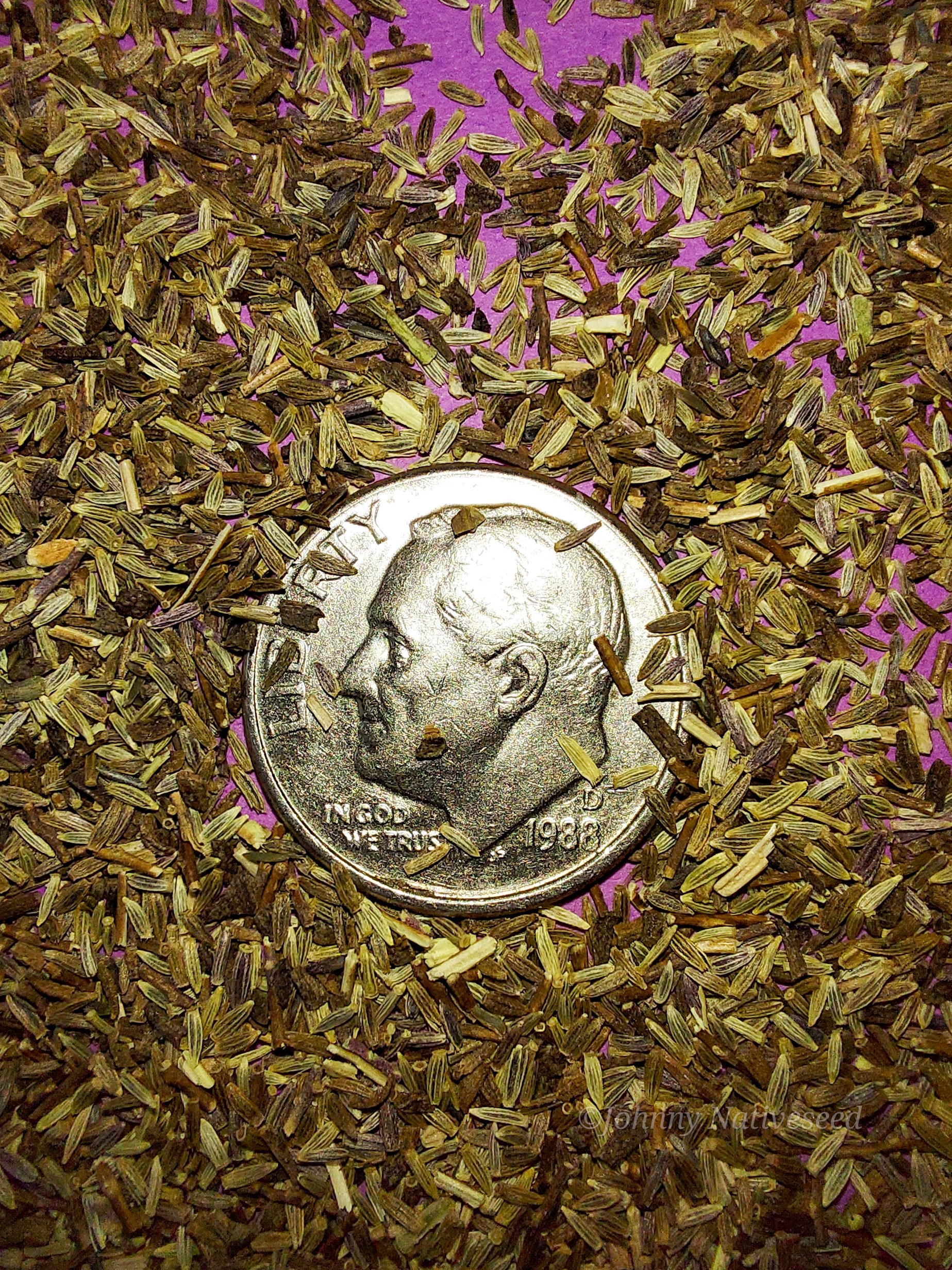
Little Bluestem (Schizachyrium scoparium)
Little Bluestem plays host to many creatures — from numerous Skipper species and overwintering shelter for next year’s bumblebee queens, to a food source for Walking Sticks, grasshoppers, and a variety of birds. It’s also one of the easiest native grasses to grow and is among the most widespread across the United States and Canada.
Little Bluestem plays an integral role in the lives of bumble bees as well. As the plant matures, and it’s root mass becomes larger, it begins to protrude out of the ground at its root crown, creating a snug nook that becomes a prime overwintering hideaway for future queen bumblebees. The gyne (future queen) will burrow into the base of the crown and seal herself in, safe and secure, conserving energy and moisture until the warmth of spring stirs her curiosity. When temperatures rise, she will emerge, venture out in short walks, then short flights, and then longer reconnaissance missions for both forage and to find a suitable nesting site to begin raising a new family to carry on the species and sustain local pollination.
Plant Details
USDA Zones: 4-9
Germination Needs: Needs no special treatment
Life Cycle: Perennial
Sun Exposure: Full to Partial
Soil Moisture: Medium, Medium-Dry, Dry
Plant Spacing: 2-3 feet
Height: 3 feet
Bloom time: July, August, September, October
Bloom Color: Green/Blue
Advantages:
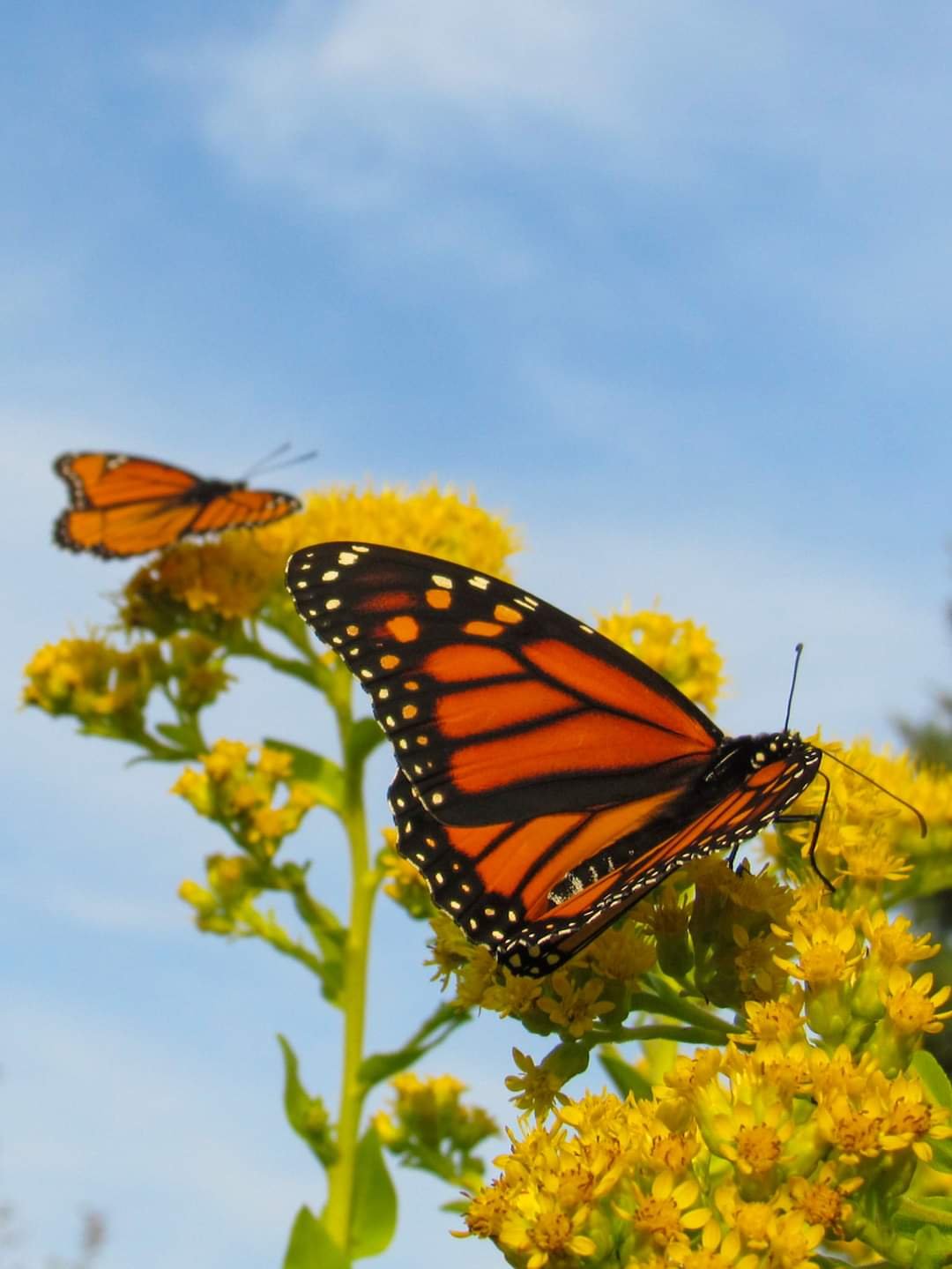
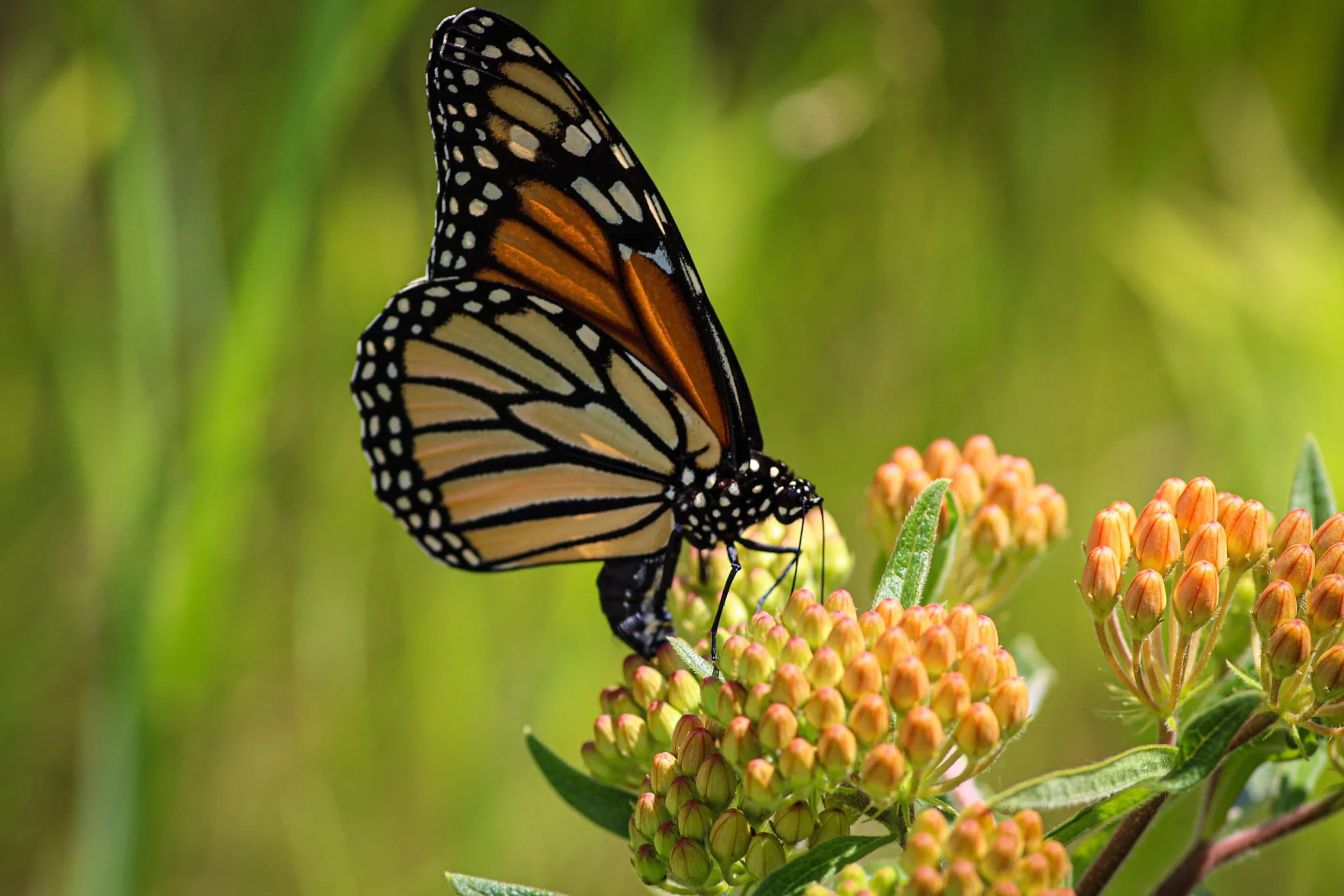
Pollinator Favorite: butterflies, moths
Bird Favorite: seeds, insects, fruit, nectar, nesting, perches.
Deer Resistant: Yes
Excellent in the home landscape!
Native to: Wisconsin, Minnesota, Iowa, Illinois, Indiana, Michigan, Ohio, Pennsylvania, New York, Vermont, New Hampshire, Maine, Massachusetts, Rhode Island, Connecticut, Delaware, Maryland, New Jersey, West Virginia, Virginia, Kentucky, Tennessee, North Carolina, South Carolina, Georgia, Florida, Alabama, Mississippi, Louisiana, Arkansas, Missouri, Texas, Oklahoma, Kansas, Nebraska, South Dakota, North Dakota, Montana, Wyoming, Colorado, New Mexico, Arizona, Utah, Idaho, and Washington State.
This species is considered present but rare in several counties of the states of Idaho and Washington State.
.
.
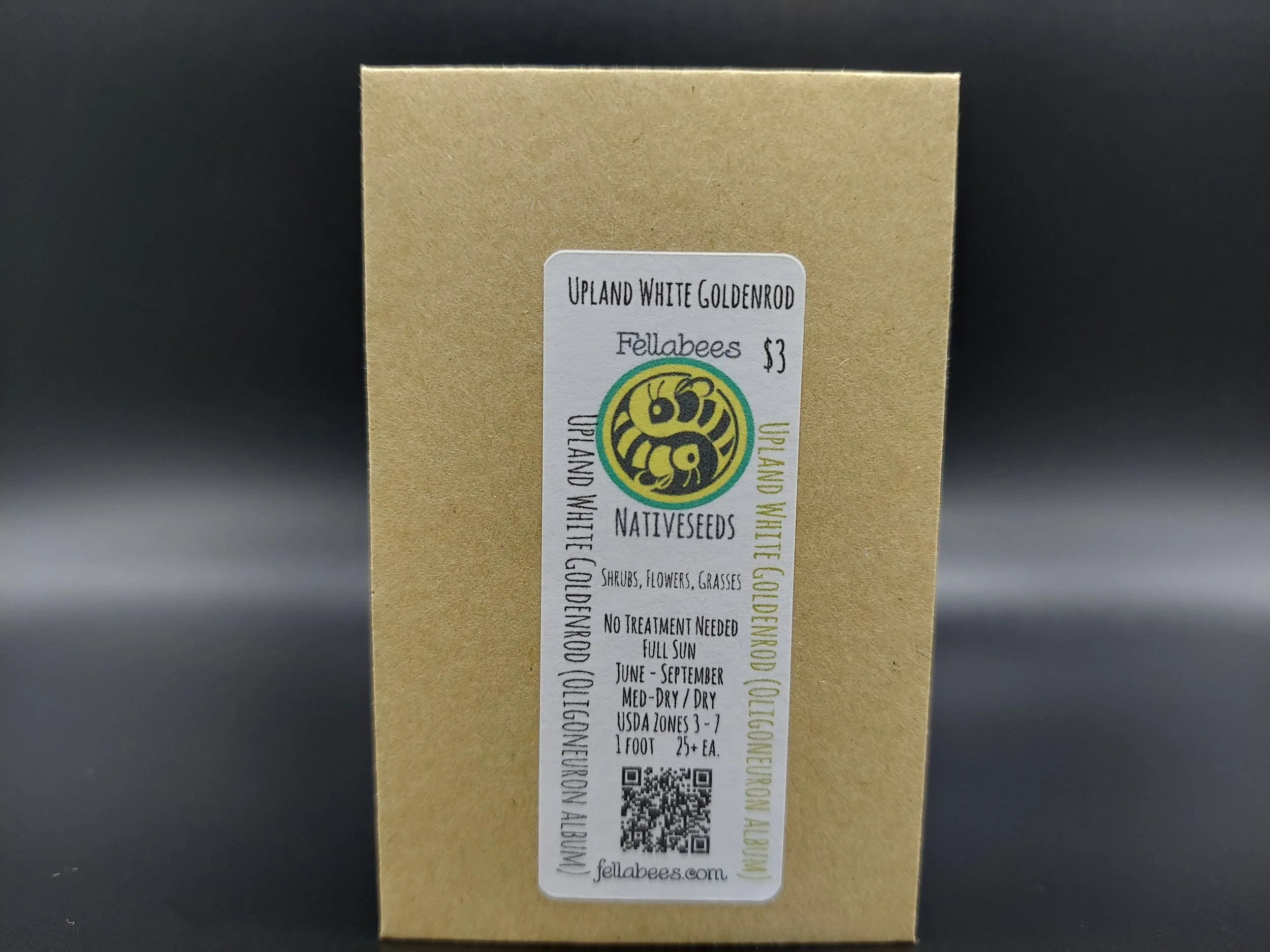
Packet quantities:
We pride ourselves on ethical, hands on, ecological management, using no mechanical or chemical methods whatsoever.
All of our native seed is hand reared, hand picked, and hand packed from native prairies under our exclusive management, never breaking chain of custody from the field until it is sent to you. Each packet is hand prepared for shipment by us, directly.
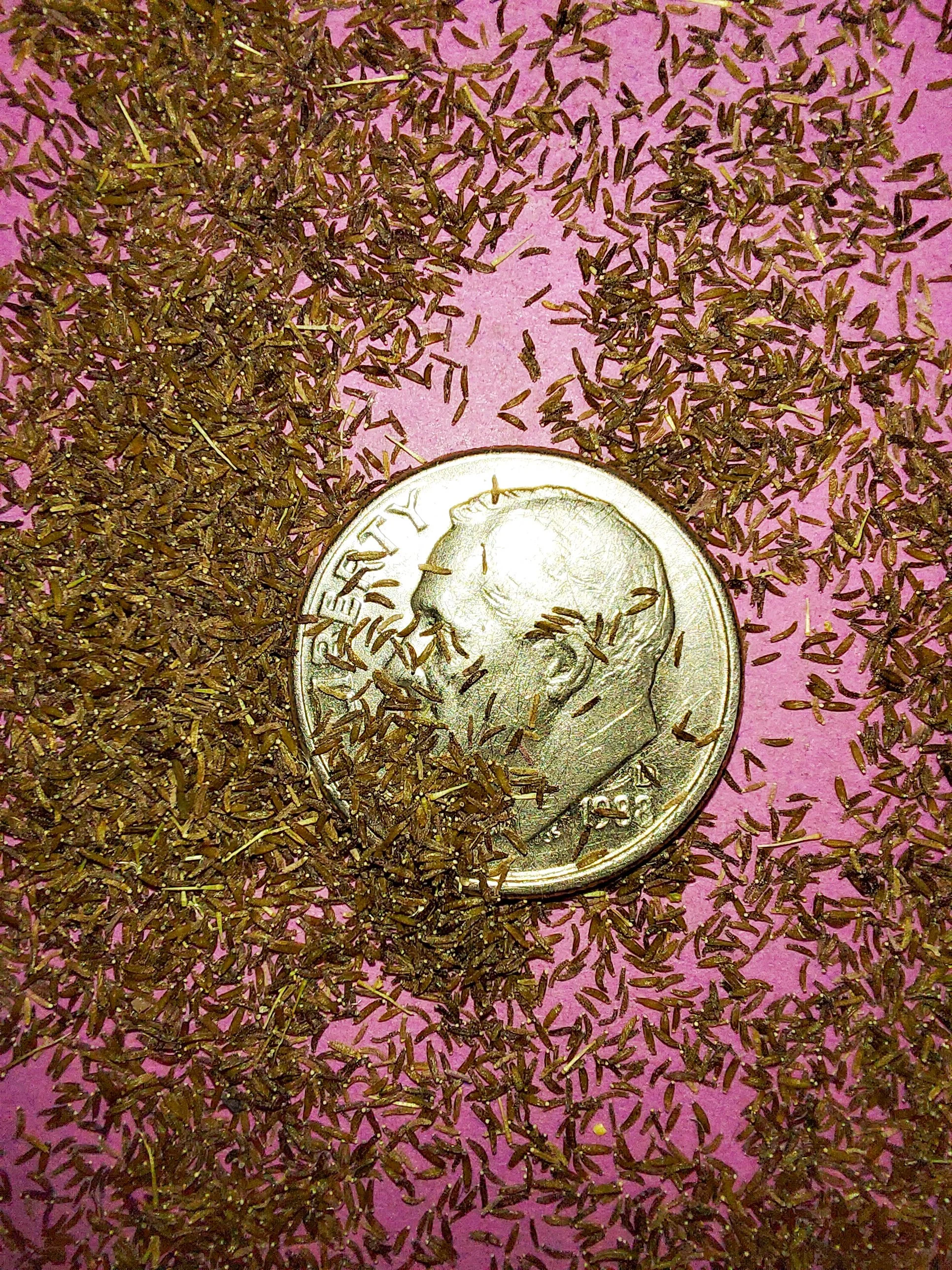
Small seed species will contain greater than 20-25 seed
Large seed species will contain greater than 10-15 seed
It is our mission to spread the wealth of native plant and pollinator ecological sustainability, and educate back yard gardeners as well as corporate and government entities in how to germinate, grow, and benefit from native synergies.
Thank you for your support, it is because of you, that we can grow together to do, what we do. 🐛🦋🐝🐞🌾🌱🌼🧡
Little Bluestem (Schizachyrium scoparium)
Little Bluestem plays host to many creatures — from numerous Skipper species and overwintering shelter for next year’s bumblebee queens, to a food source for Walking Sticks, grasshoppers, and a variety of birds. It’s also one of the easiest native grasses to grow and is among the most widespread across the United States and Canada.
Little Bluestem plays an integral role in the lives of bumble bees as well. As the plant matures, and it’s root mass becomes larger, it begins to protrude out of the ground at its root crown, creating a snug nook that becomes a prime overwintering hideaway for future queen bumblebees. The gyne (future queen) will burrow into the base of the crown and seal herself in, safe and secure, conserving energy and moisture until the warmth of spring stirs her curiosity. When temperatures rise, she will emerge, venture out in short walks, then short flights, and then longer reconnaissance missions for both forage and to find a suitable nesting site to begin raising a new family to carry on the species and sustain local pollination.
Plant Details
USDA Zones: 4-9
Germination Needs: Needs no special treatment
Life Cycle: Perennial
Sun Exposure: Full to Partial
Soil Moisture: Medium, Medium-Dry, Dry
Plant Spacing: 2-3 feet
Height: 3 feet
Bloom time: July, August, September, October
Bloom Color: Green/Blue
Advantages:
Pollinator Favorite: butterflies, moths
Bird Favorite: seeds, insects, fruit, nectar, nesting, perches.
Deer Resistant: Yes
Excellent in the home landscape!
Native to: Wisconsin, Minnesota, Iowa, Illinois, Indiana, Michigan, Ohio, Pennsylvania, New York, Vermont, New Hampshire, Maine, Massachusetts, Rhode Island, Connecticut, Delaware, Maryland, New Jersey, West Virginia, Virginia, Kentucky, Tennessee, North Carolina, South Carolina, Georgia, Florida, Alabama, Mississippi, Louisiana, Arkansas, Missouri, Texas, Oklahoma, Kansas, Nebraska, South Dakota, North Dakota, Montana, Wyoming, Colorado, New Mexico, Arizona, Utah, Idaho, and Washington State.
This species is considered present but rare in several counties of the states of Idaho and Washington State.
.
.
Packet quantities:
We pride ourselves on ethical, hands on, ecological management, using no mechanical or chemical methods whatsoever.
All of our native seed is hand reared, hand picked, and hand packed from native prairies under our exclusive management, never breaking chain of custody from the field until it is sent to you. Each packet is hand prepared for shipment by us, directly.
Small seed species will contain greater than 20-25 seed
Large seed species will contain greater than 10-15 seed
It is our mission to spread the wealth of native plant and pollinator ecological sustainability, and educate back yard gardeners as well as corporate and government entities in how to germinate, grow, and benefit from native synergies.
Thank you for your support, it is because of you, that we can grow together to do, what we do. 🐛🦋🐝🐞🌾🌱🌼🧡
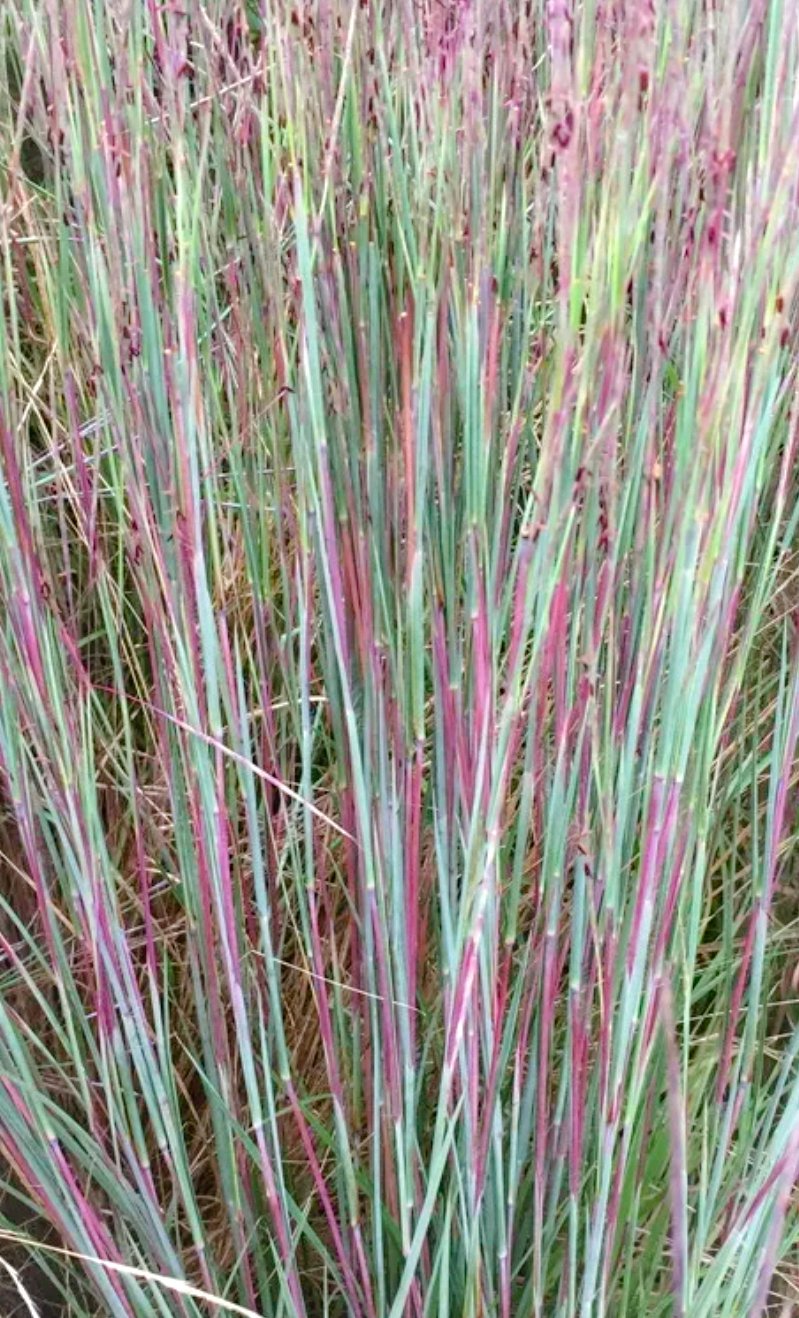 Image 1 of 10
 Image 2 of 10
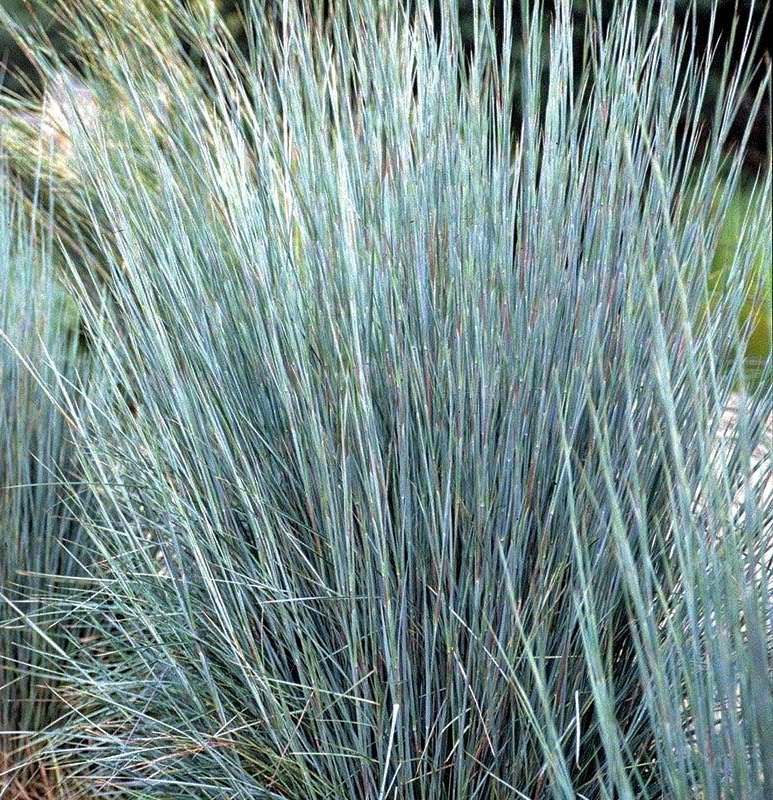 Image 3 of 10
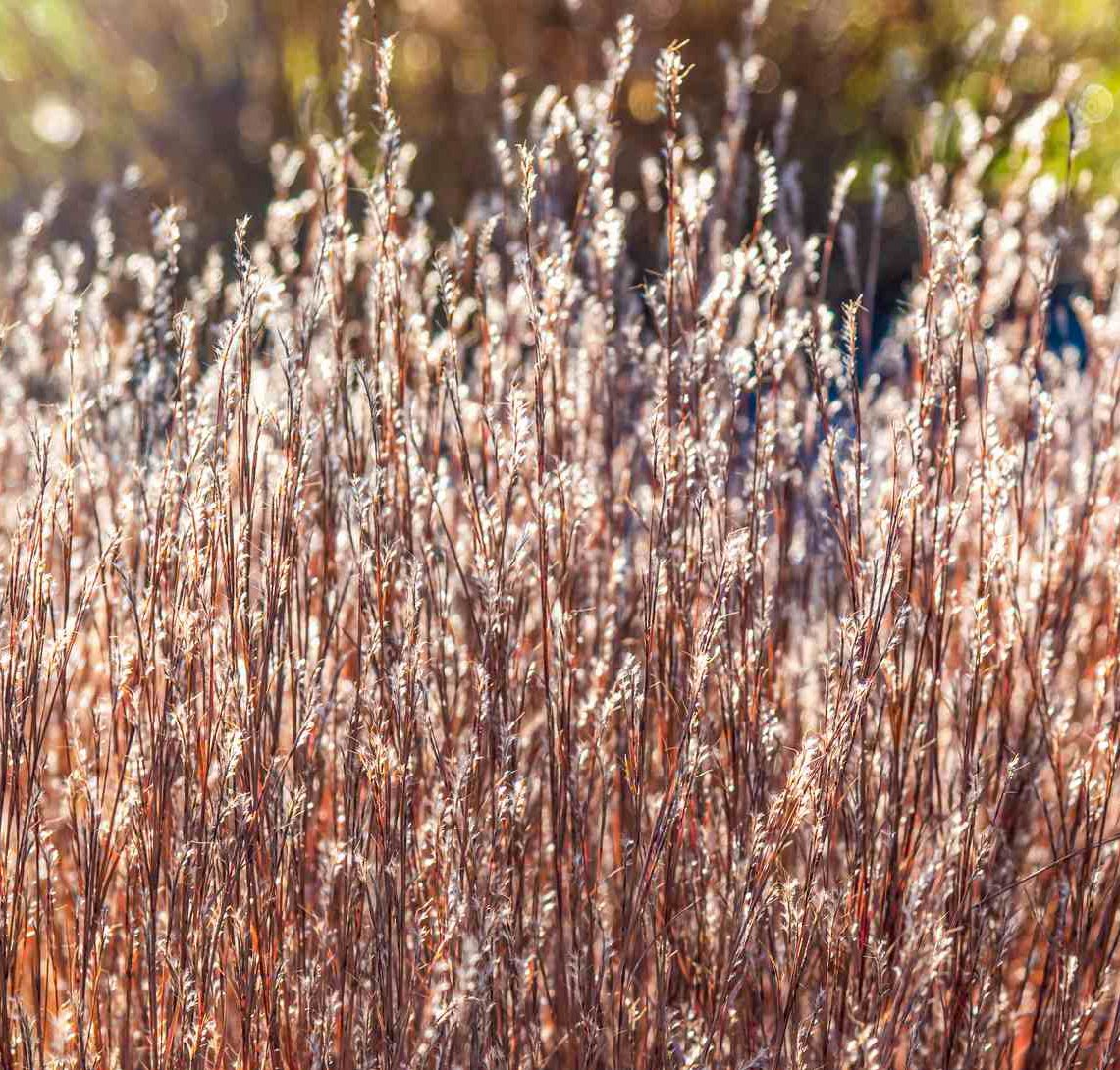 Image 4 of 10
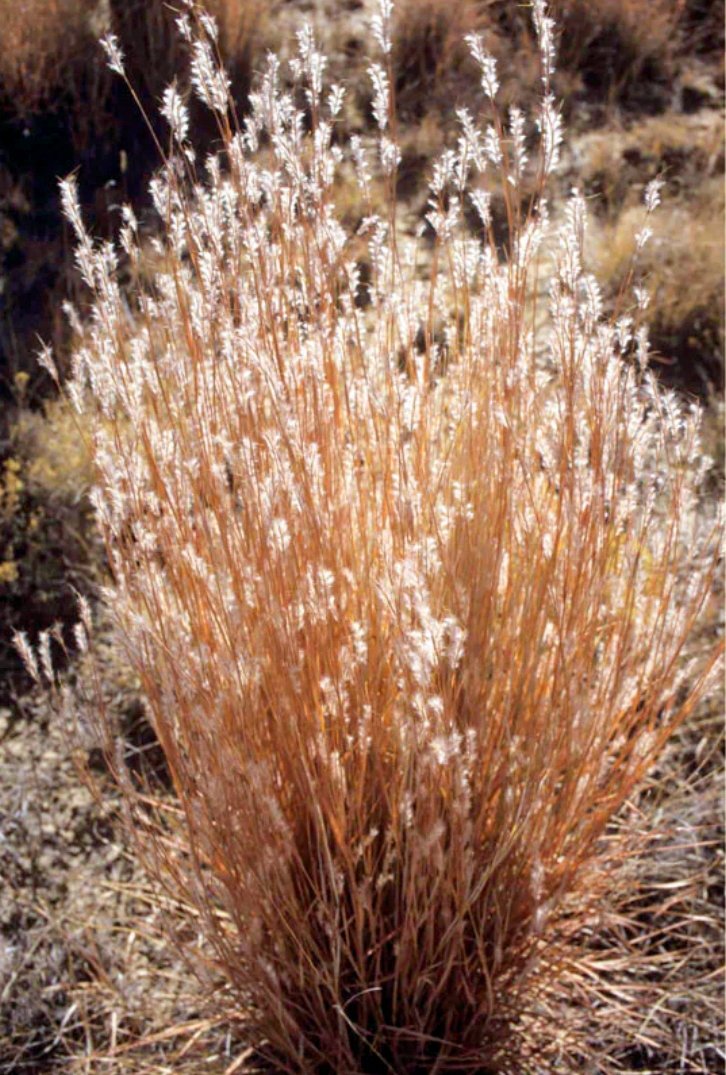 Image 5 of 10
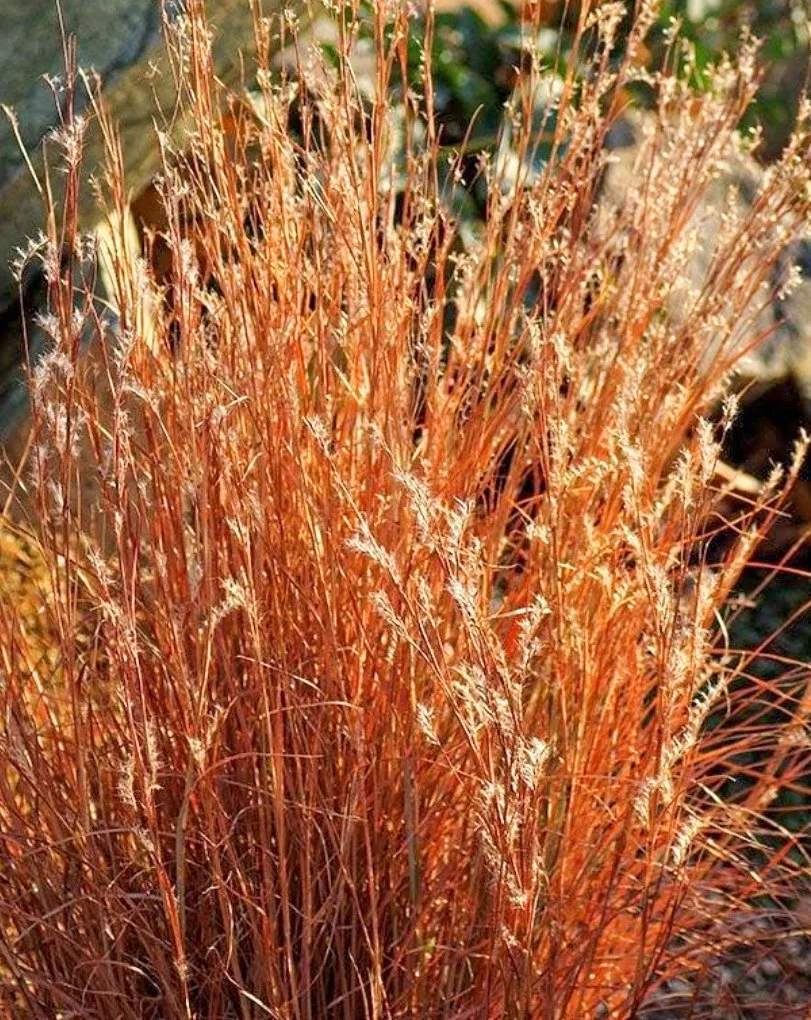 Image 6 of 10
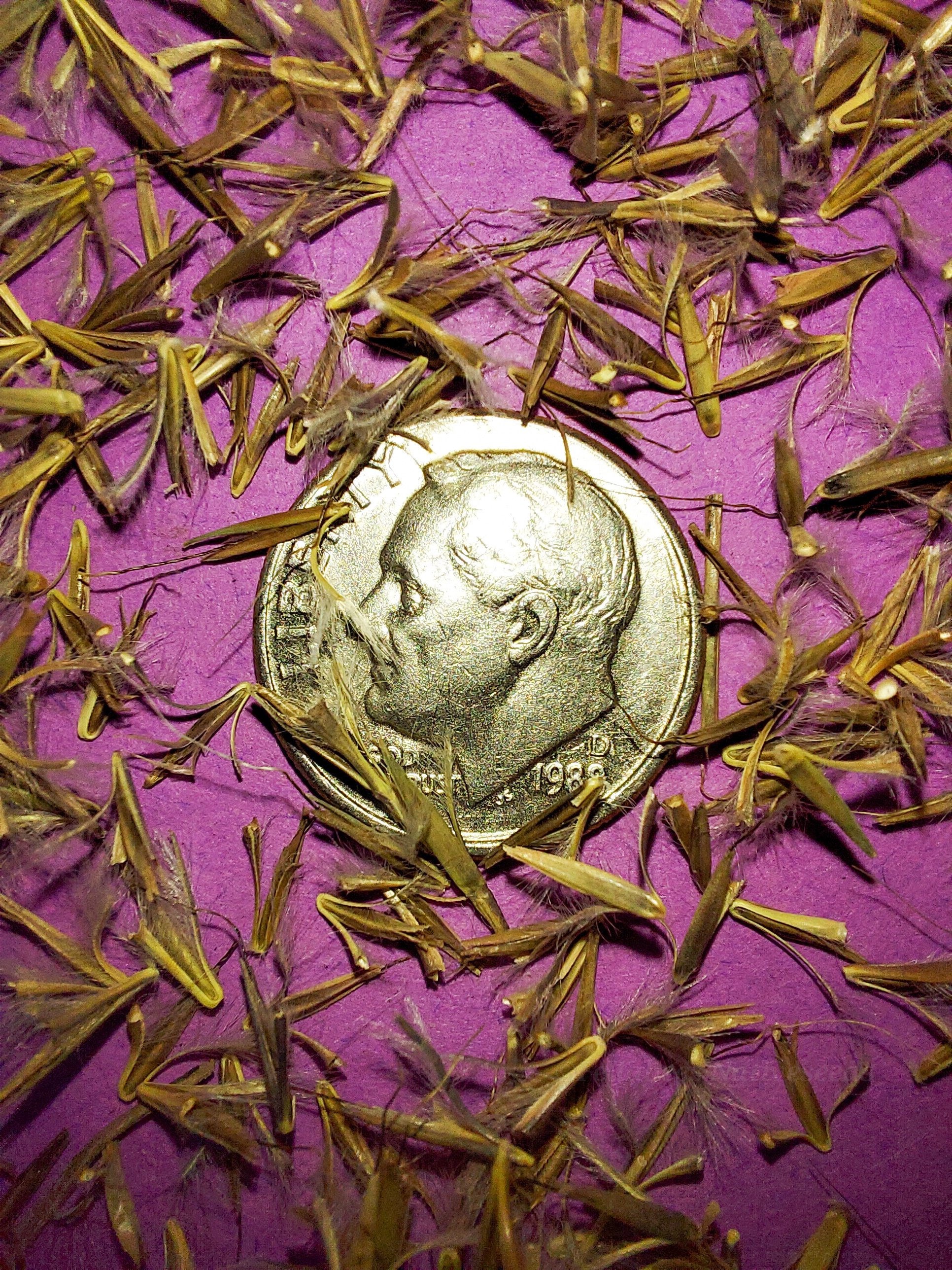 Image 7 of 10
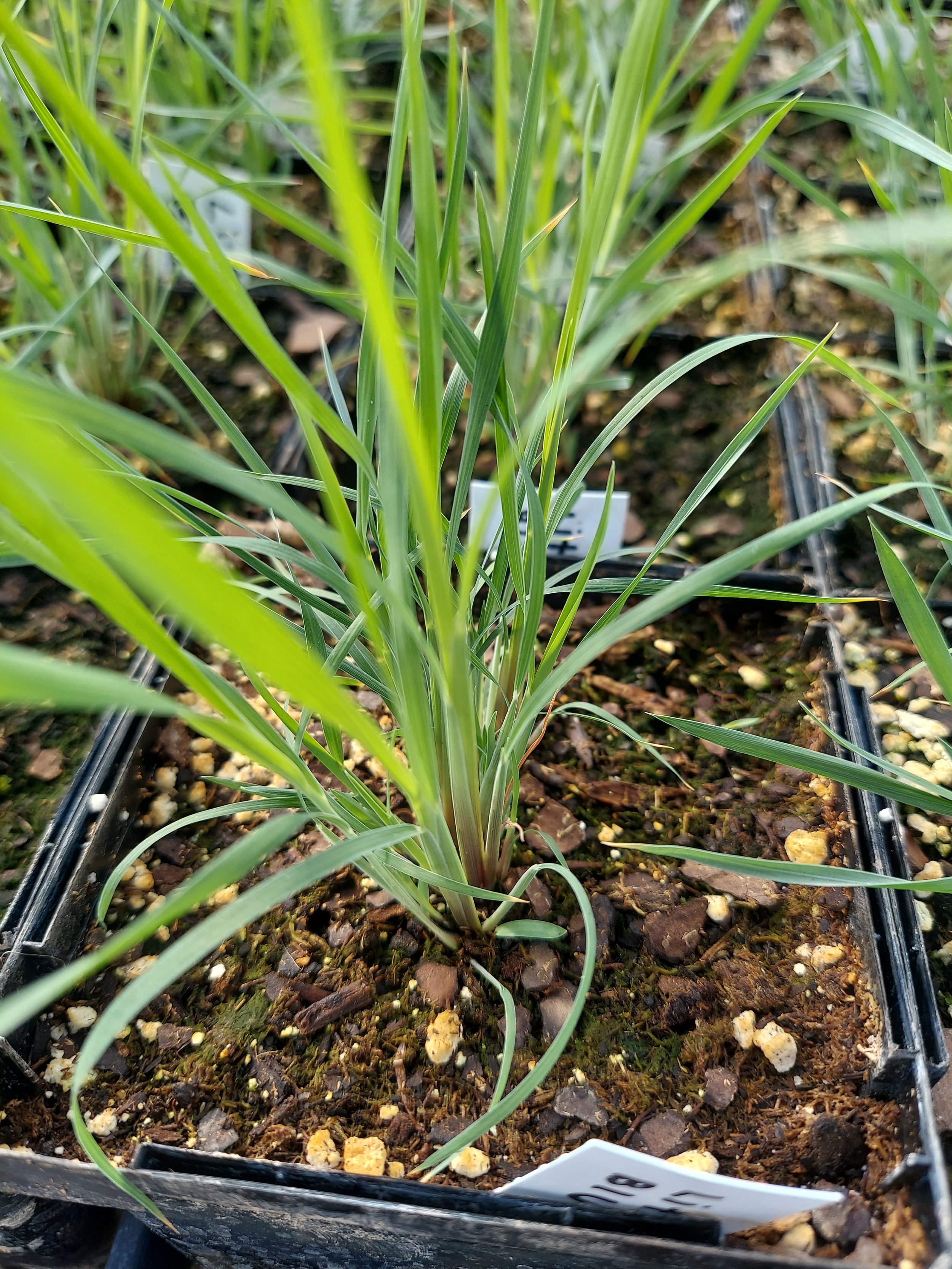 Image 8 of 10
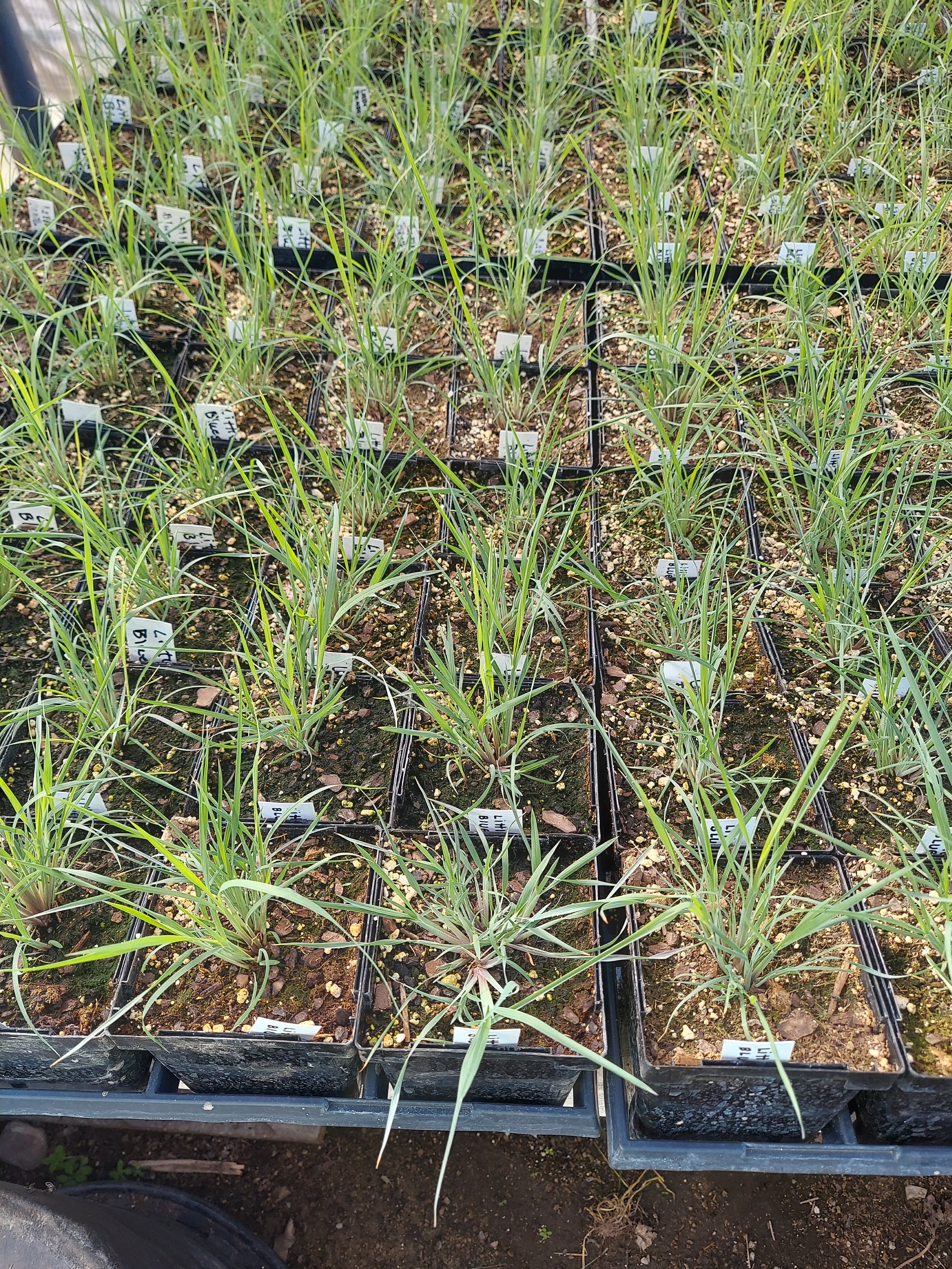 Image 9 of 10
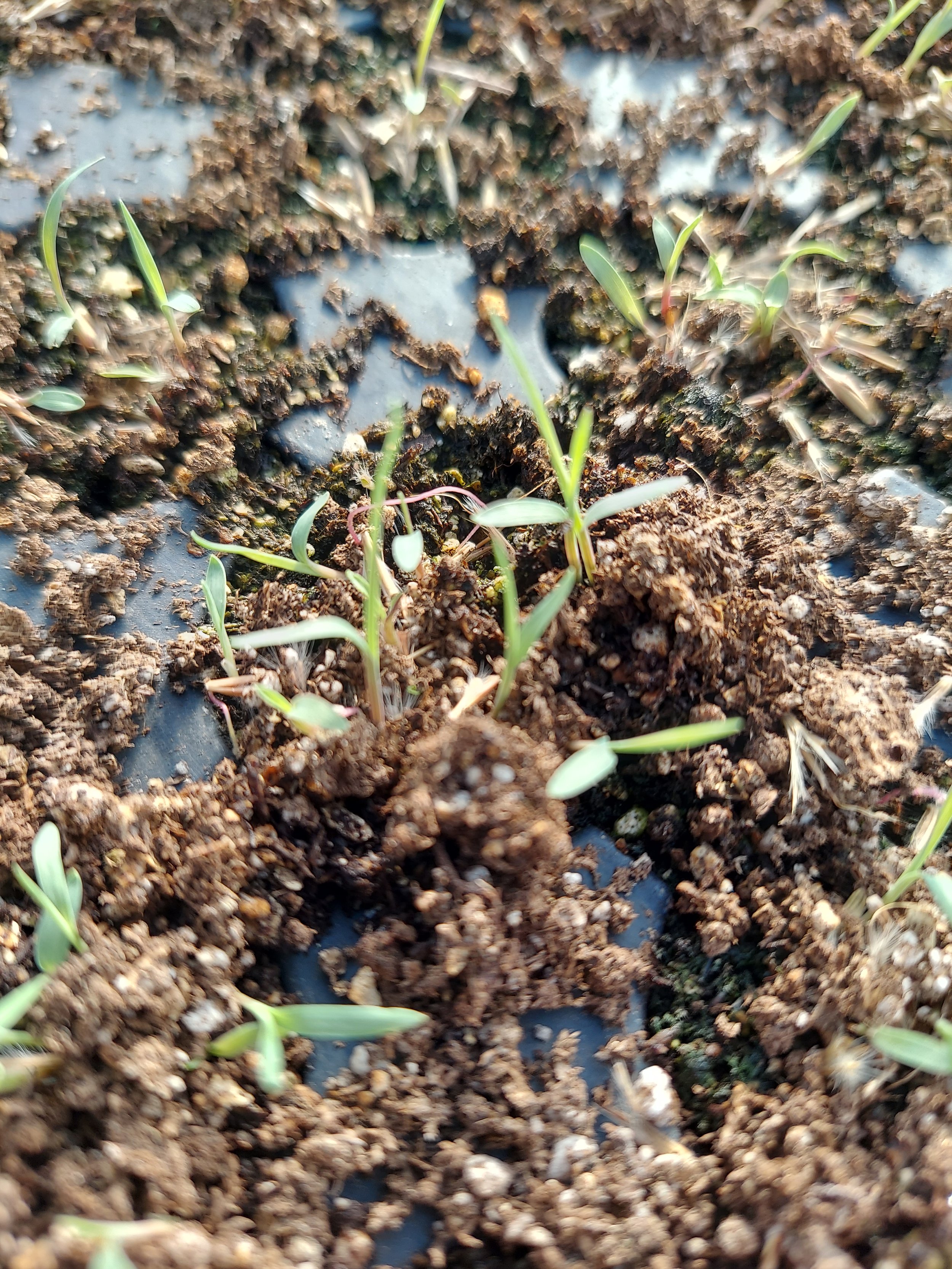 Image 10 of 10