Sale Price:
$1.00
Original Price:
$3.00
Brown-Eyed Susan (Rudbeckia triloba)
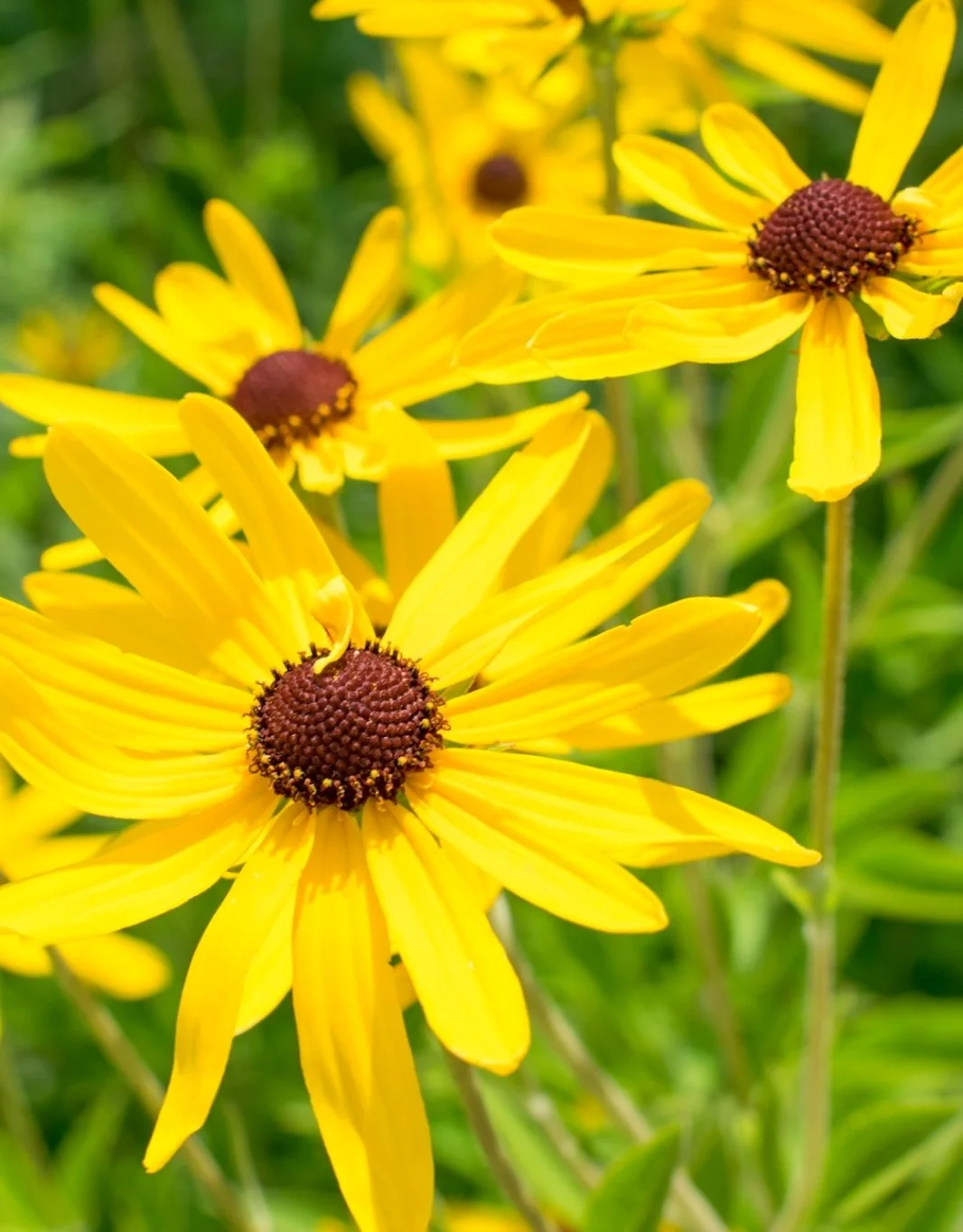
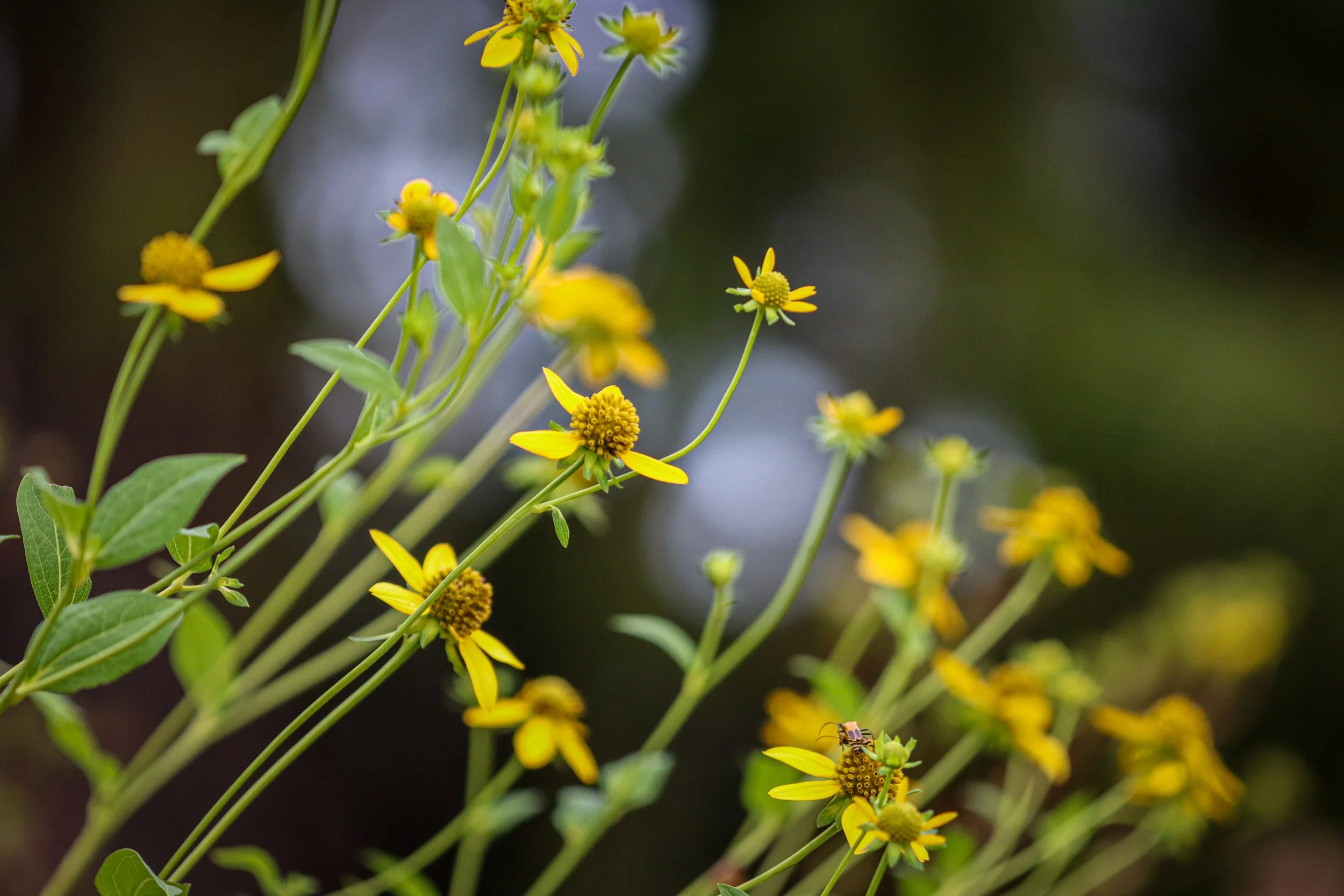
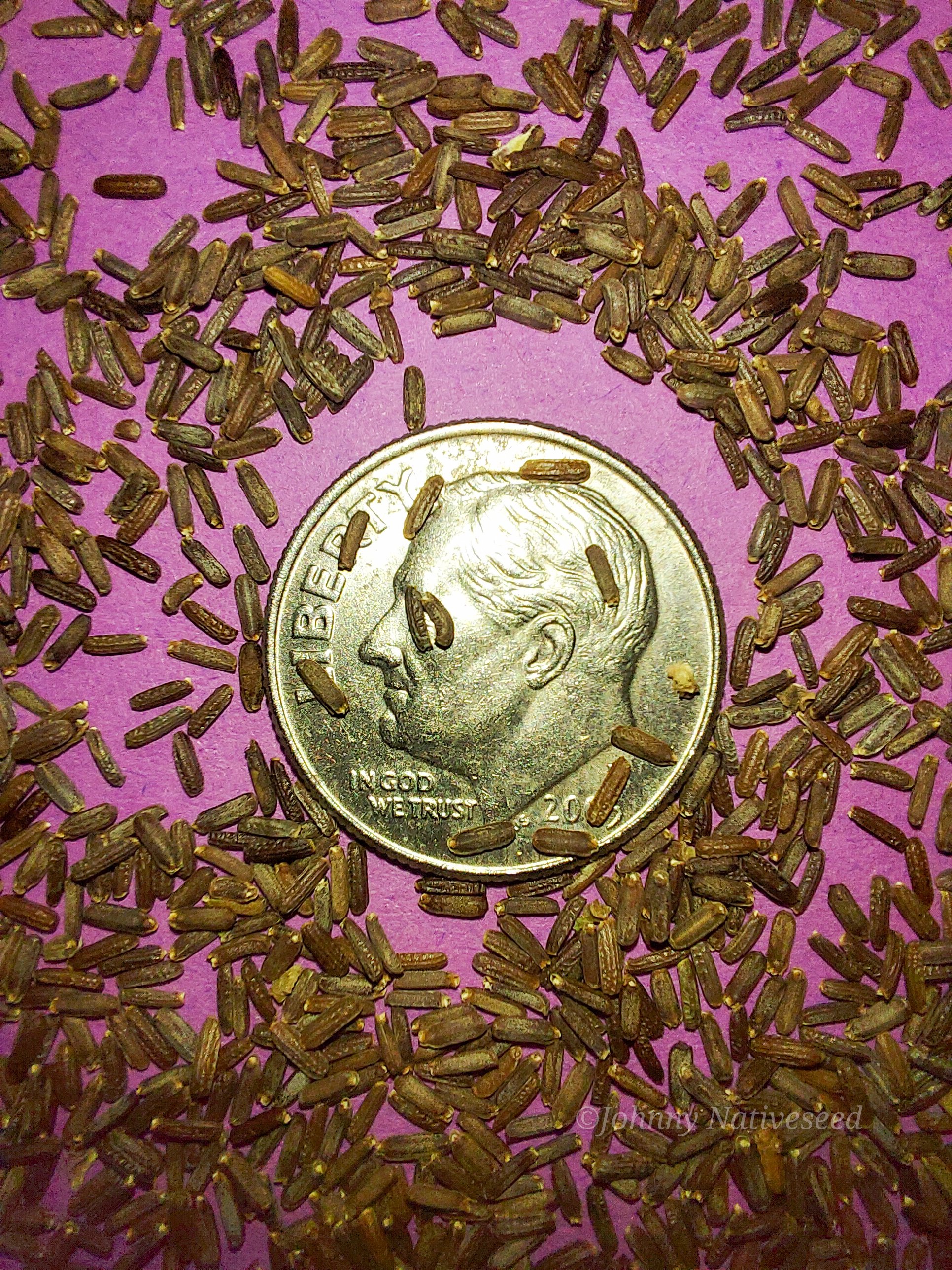
Rudbeckia triloba is the scientific name for the flowering plant species more commonly known as Brown-Eyed Susan, Thin-leaved Coneflower or Three-leaved Coneflower and is of the Asteraceae family with numerous, yellow, daisy-like flowers. It is native to the central and eastern United States and is often seen in old fields or along roads, and is a fairly common pioneer plant utilized in newer native restorations as a layered multi-year strategy to colonize the soil in favor of other native species and to suppress weeds and hold space for future, longer to establish native species.
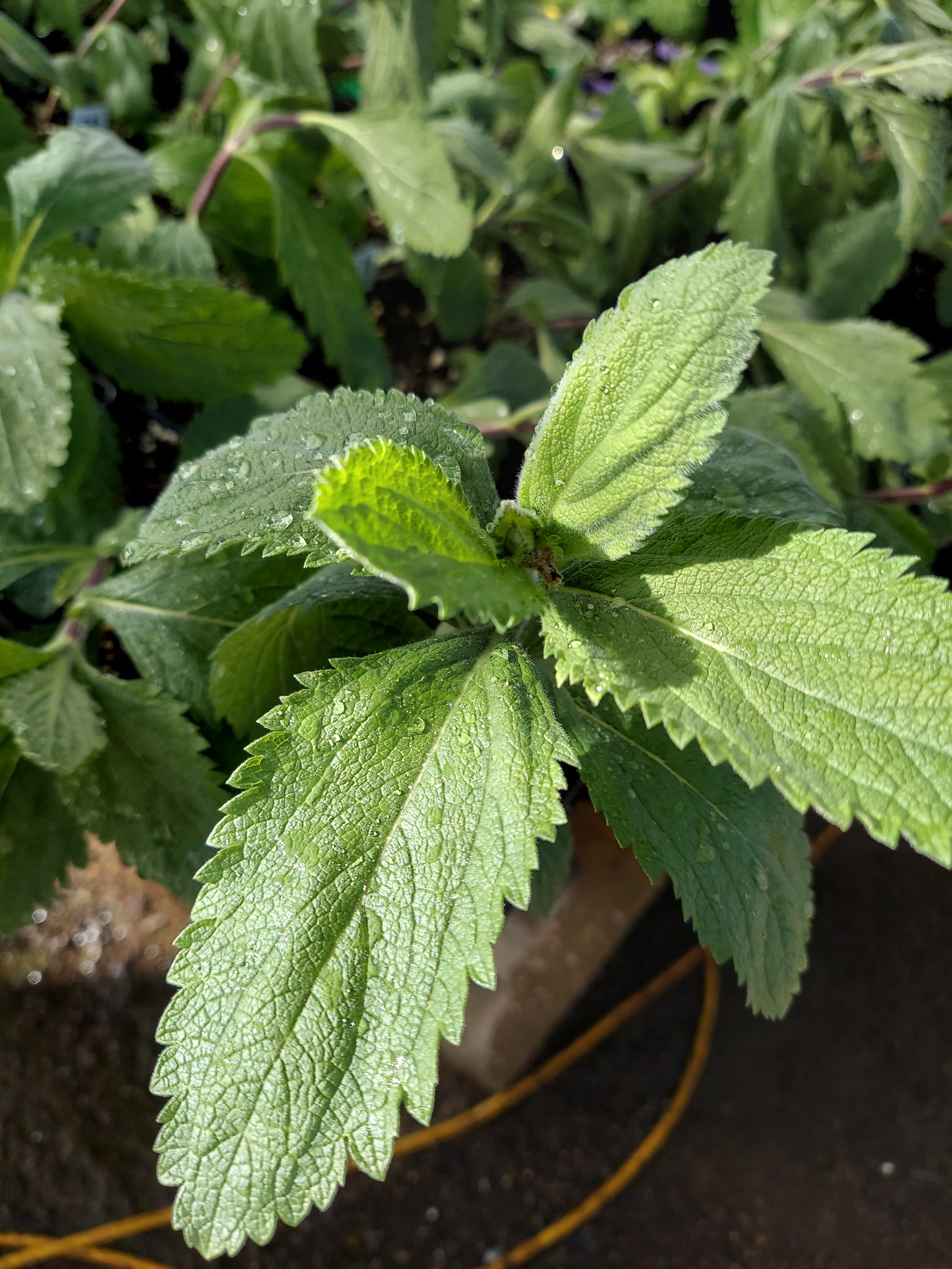
Often mistaken in its early phases as Giant Ragweed, this biennial is both beneficial and fast growing. folks with small spaces are often surprised in later years with this species ability to move and spread beyond their initial plans. Though not considered aggressive, but prolific in the right setting, the flowers can be deadheaded to encourage new blooms or suppress the self-seeding abilities of the plant to help keep it contained for the limited time it will persist.
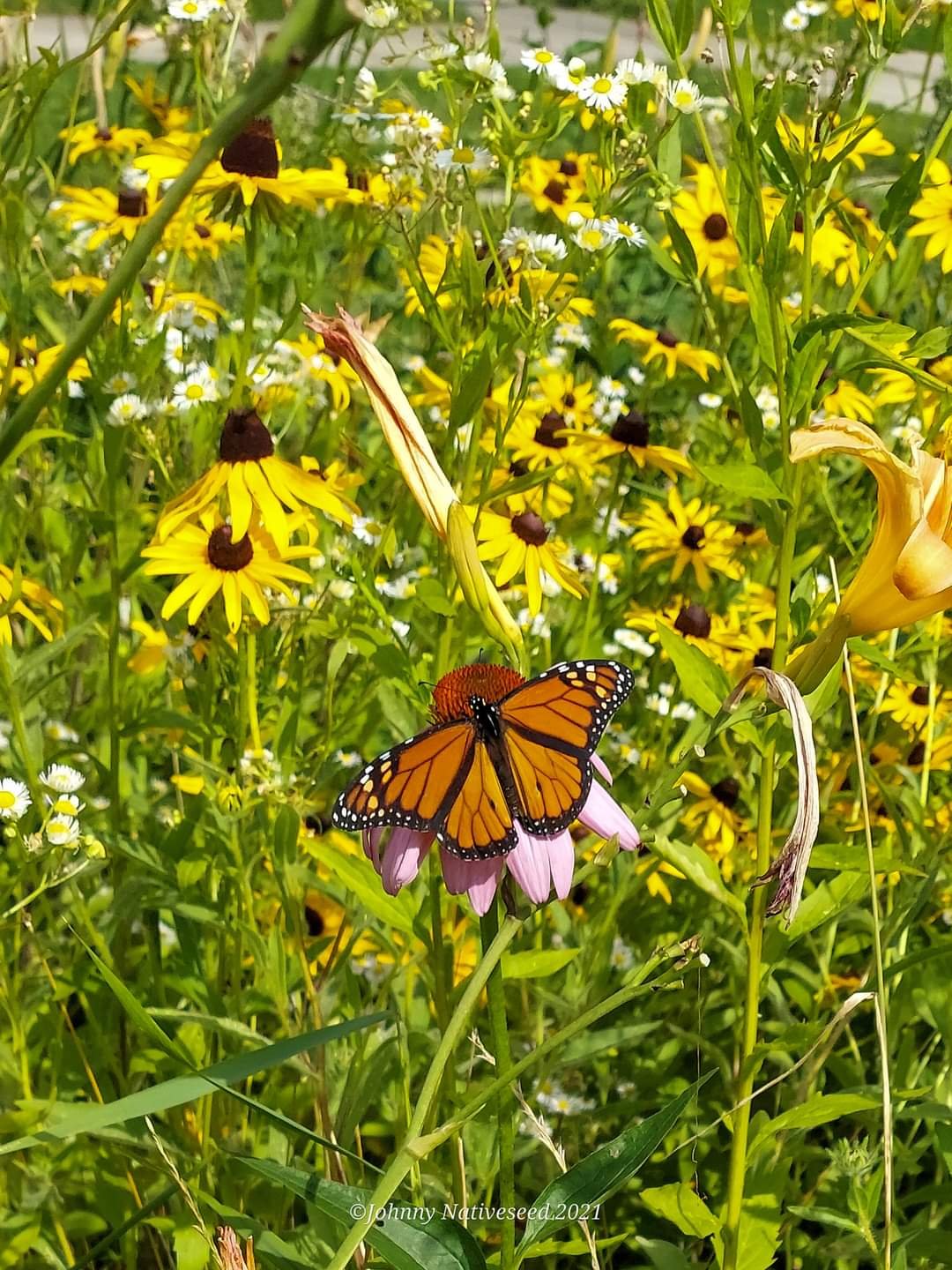
Brown-Eyed Susan is beloved by Bumble Bees, Long-horned Bees, Sweat Bees, Skipper Butterflies, and Painted Lady Butterflies
Brown-Eyed Susan is deer and rabbit resistant.
Plant Details
USDA Zones: 3-9
Germination Needs: 30 Days Cold Stratification,
Life Cycle: Perennial/Biennial
Sun Exposure: Full to Partial
Soil Moisture: Medium-Wet, Medium, Medium-Dry
Plant Spacing: 1-3 feet
Height: 5 feet
Bloom time: August, September, October
Bloom Color: Yellow
Advantages
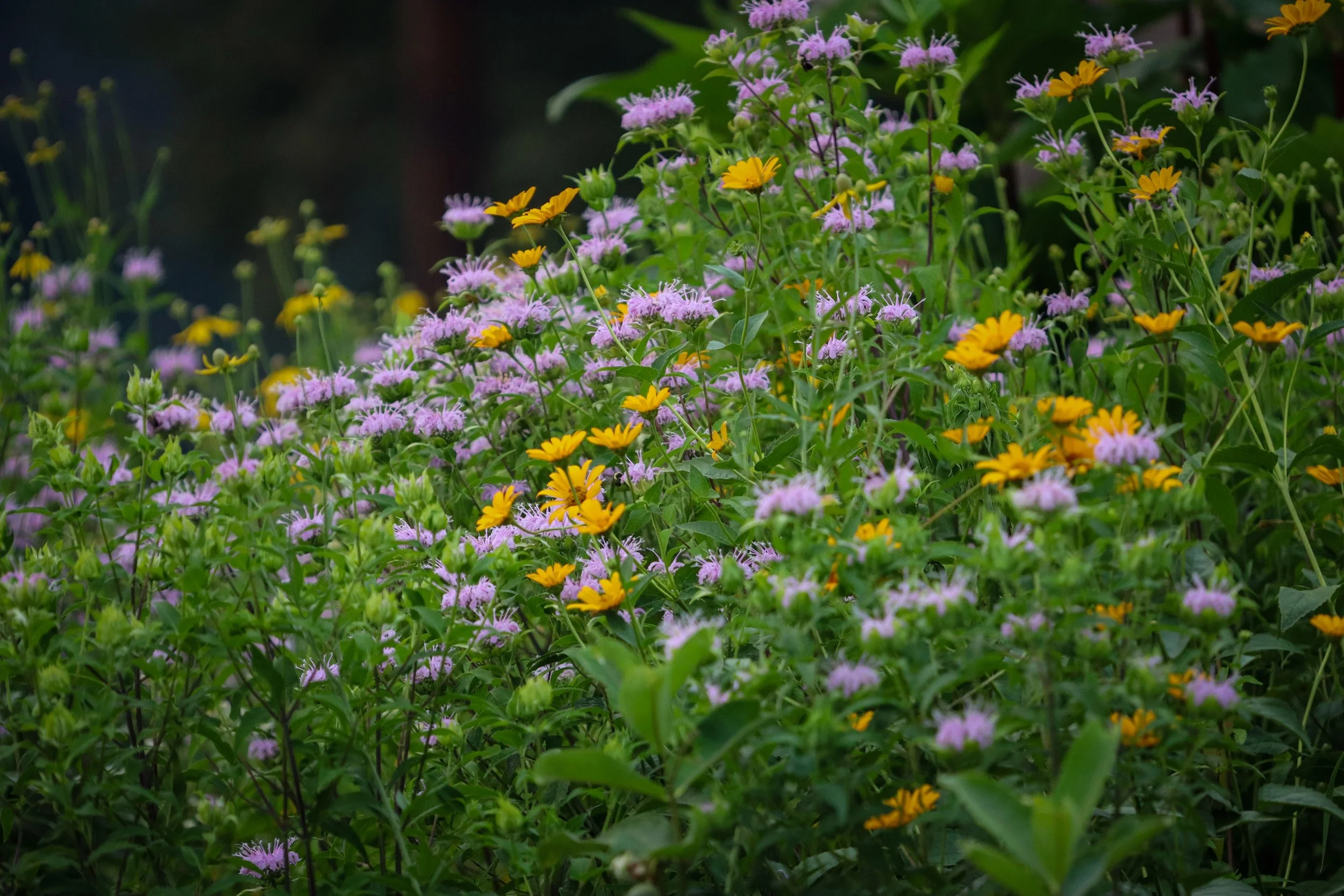
Pollinator Favorite: butterflies, moths, bees, wasps, beetles
Bird Favorite: seeds, insects, fruit, nectar, nesting, perches.
Deer Resistant: Yes
Excellent in the home landscape!
.
.
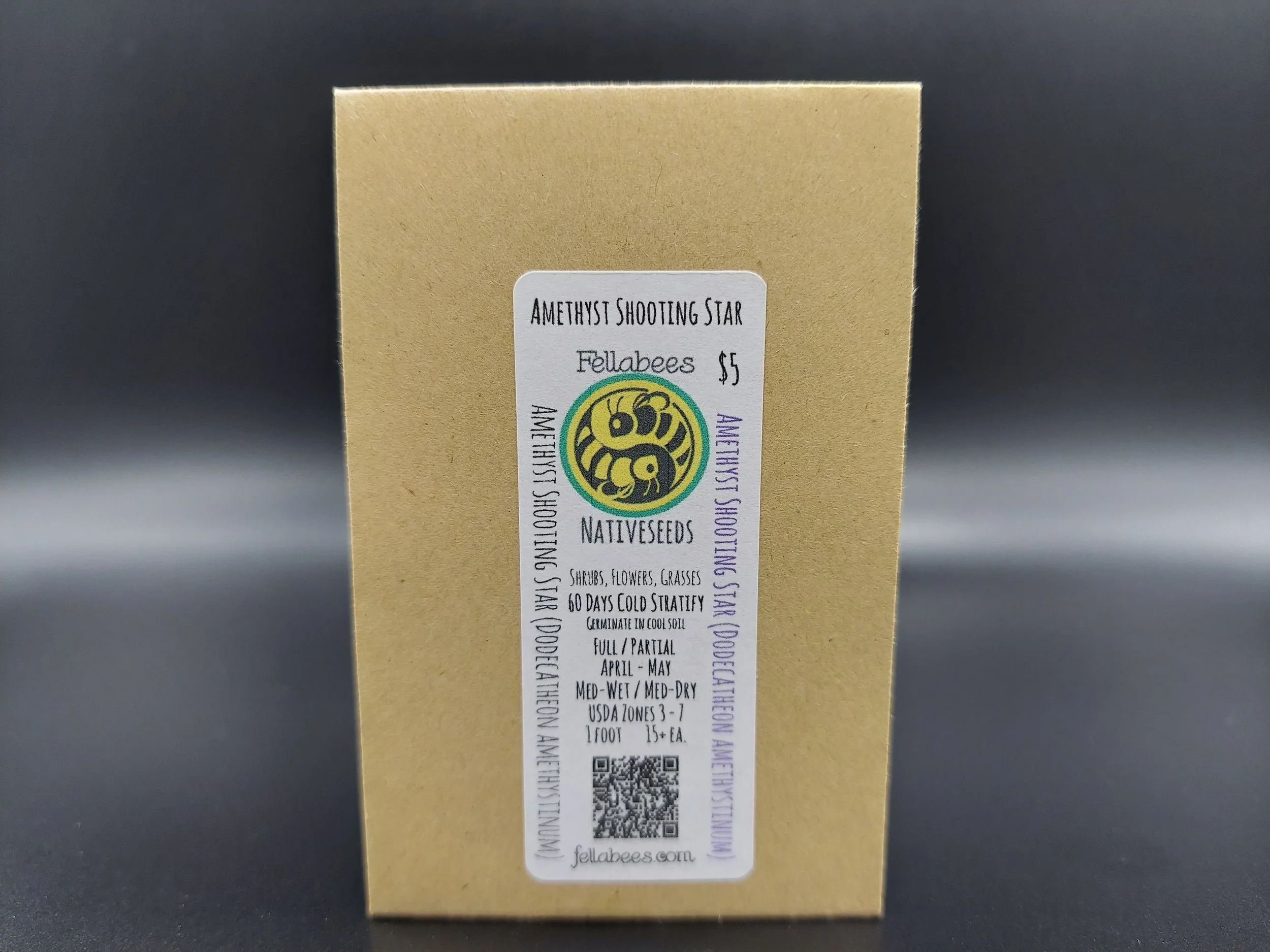
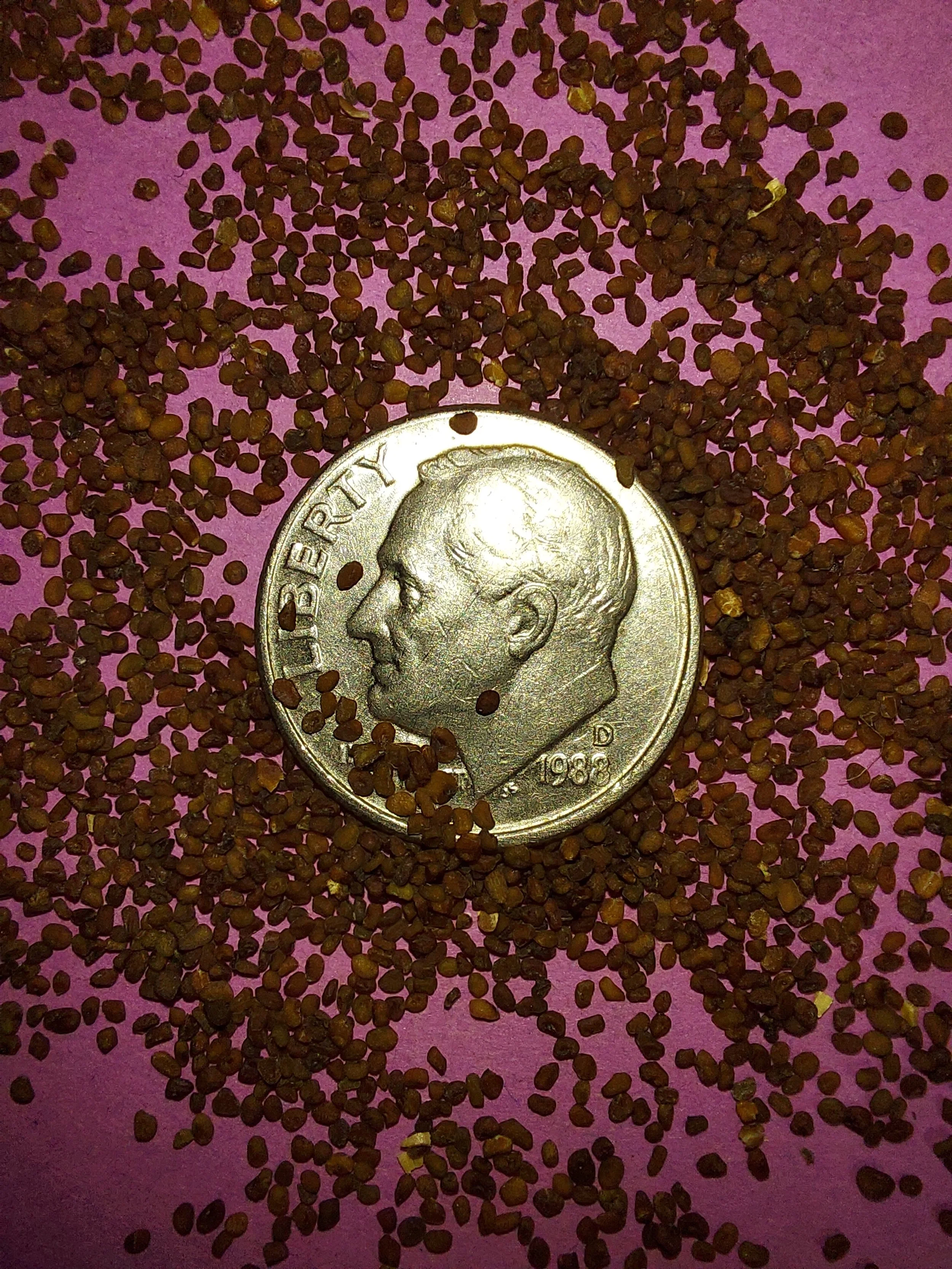
Packet quantities:
We pride ourselves on ethical, hands on, ecological management, using no mechanical or chemical methods whatsoever.
All of our native seed is hand reared, hand picked, and hand packed from native prairies under our exclusive management, never breaking chain of custody from the field until it is sent to you. Each packet is hand prepared for shipment by us, directly.
Small seed species will contain greater than 20-25 seed
Large seed species will contain greater than 10-15 seed
It is our mission to spread the wealth of native plant and pollinator ecological sustainability, and educate back yard gardeners as well as corporate and government entities in how to germinate, grow, and benefit from native synergies.
Thank you for your support, it is because of you, that we can grow together to do, what we do. 🐛🦋🐝🐞🌾🌱🌼🧡
Brown-Eyed Susan (Rudbeckia triloba)
Rudbeckia triloba is the scientific name for the flowering plant species more commonly known as Brown-Eyed Susan, Thin-leaved Coneflower or Three-leaved Coneflower and is of the Asteraceae family with numerous, yellow, daisy-like flowers. It is native to the central and eastern United States and is often seen in old fields or along roads, and is a fairly common pioneer plant utilized in newer native restorations as a layered multi-year strategy to colonize the soil in favor of other native species and to suppress weeds and hold space for future, longer to establish native species.
Often mistaken in its early phases as Giant Ragweed, this biennial is both beneficial and fast growing. folks with small spaces are often surprised in later years with this species ability to move and spread beyond their initial plans. Though not considered aggressive, but prolific in the right setting, the flowers can be deadheaded to encourage new blooms or suppress the self-seeding abilities of the plant to help keep it contained for the limited time it will persist.
Brown-Eyed Susan is beloved by Bumble Bees, Long-horned Bees, Sweat Bees, Skipper Butterflies, and Painted Lady Butterflies
Brown-Eyed Susan is deer and rabbit resistant.
Plant Details
USDA Zones: 3-9
Germination Needs: 30 Days Cold Stratification,
Life Cycle: Perennial/Biennial
Sun Exposure: Full to Partial
Soil Moisture: Medium-Wet, Medium, Medium-Dry
Plant Spacing: 1-3 feet
Height: 5 feet
Bloom time: August, September, October
Bloom Color: Yellow
Advantages
Pollinator Favorite: butterflies, moths, bees, wasps, beetles
Bird Favorite: seeds, insects, fruit, nectar, nesting, perches.
Deer Resistant: Yes
Excellent in the home landscape!
.
.
Packet quantities:
We pride ourselves on ethical, hands on, ecological management, using no mechanical or chemical methods whatsoever.
All of our native seed is hand reared, hand picked, and hand packed from native prairies under our exclusive management, never breaking chain of custody from the field until it is sent to you. Each packet is hand prepared for shipment by us, directly.
Small seed species will contain greater than 20-25 seed
Large seed species will contain greater than 10-15 seed
It is our mission to spread the wealth of native plant and pollinator ecological sustainability, and educate back yard gardeners as well as corporate and government entities in how to germinate, grow, and benefit from native synergies.
Thank you for your support, it is because of you, that we can grow together to do, what we do. 🐛🦋🐝🐞🌾🌱🌼🧡
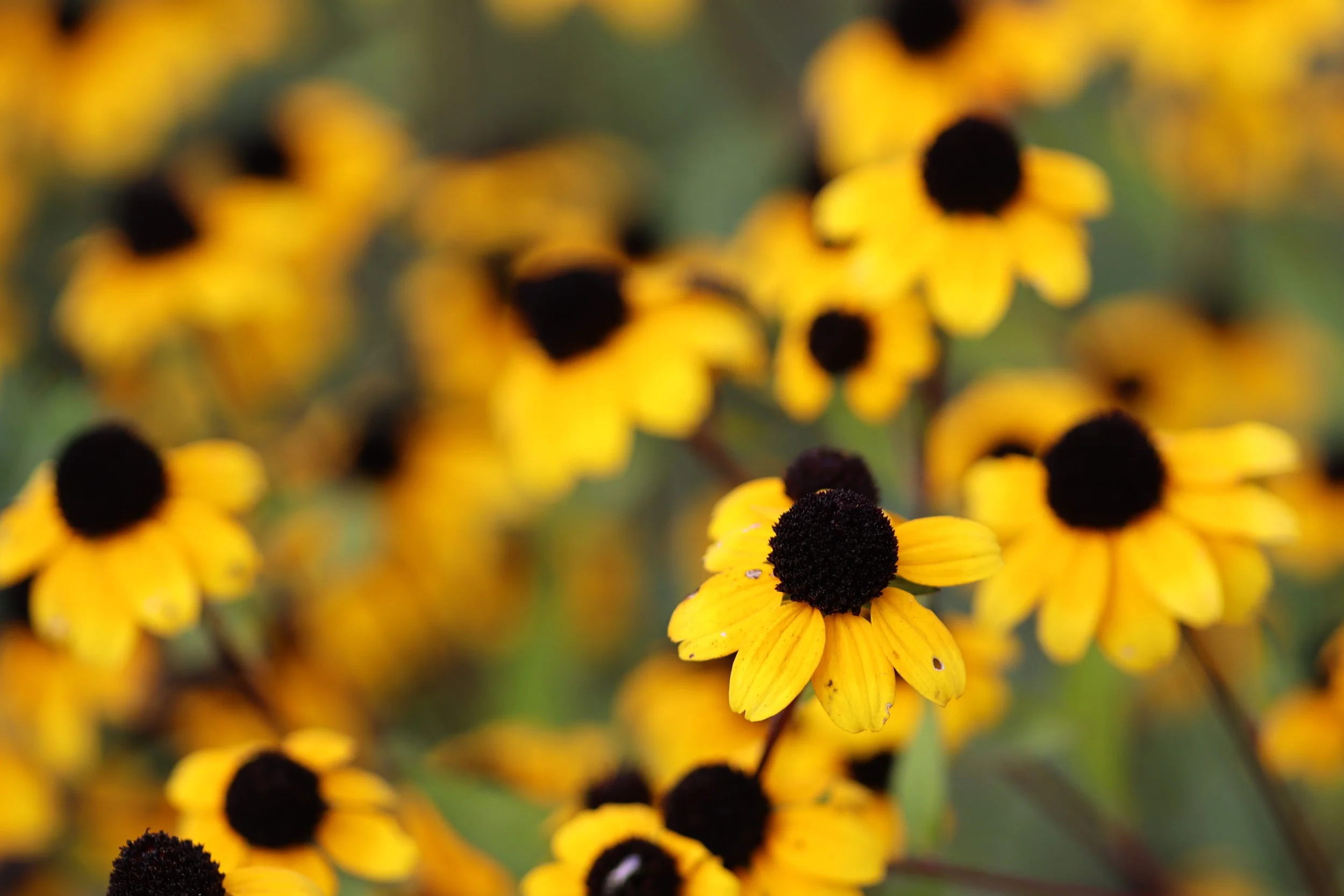 Image 1 of 5
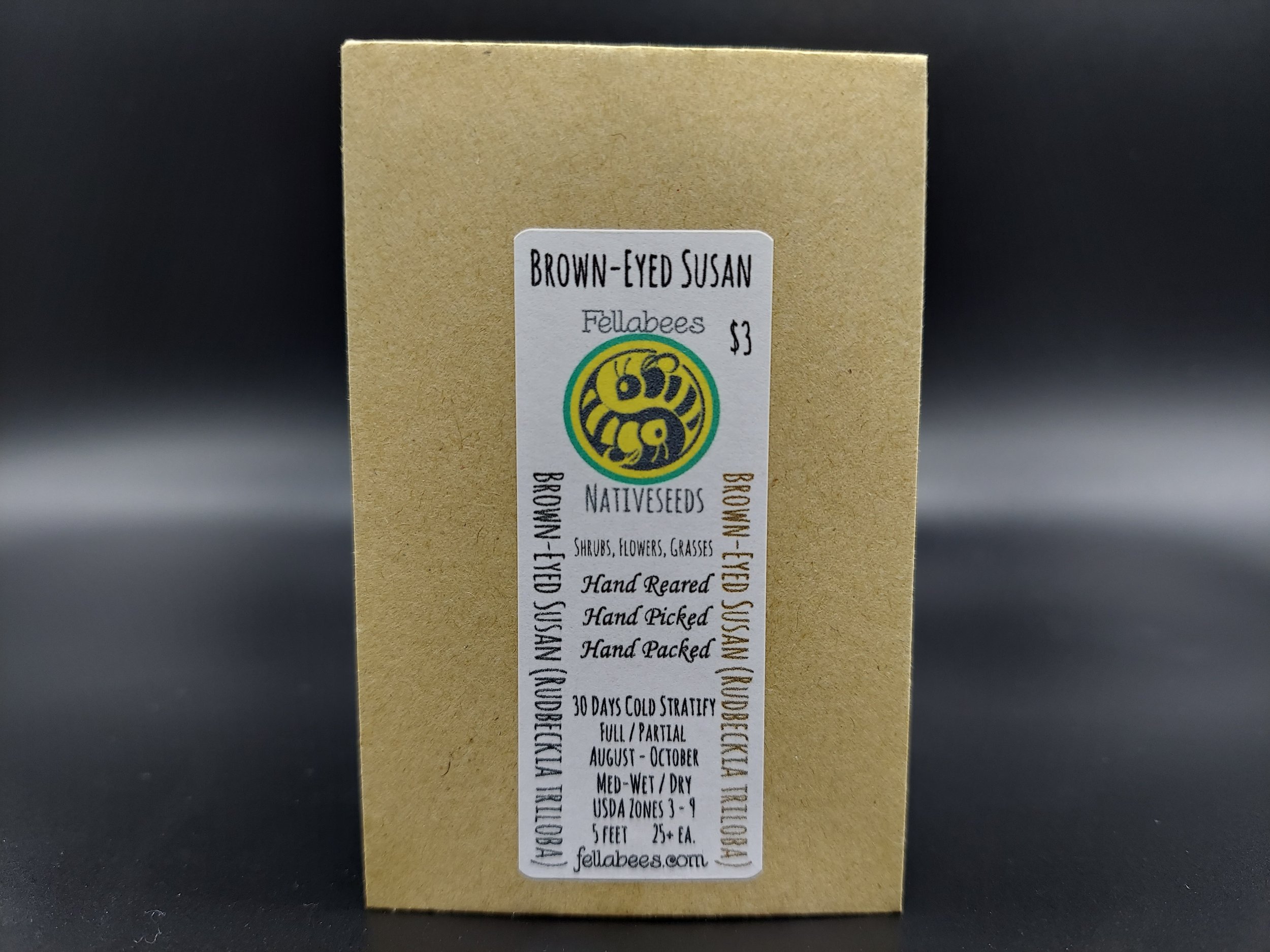 Image 2 of 5
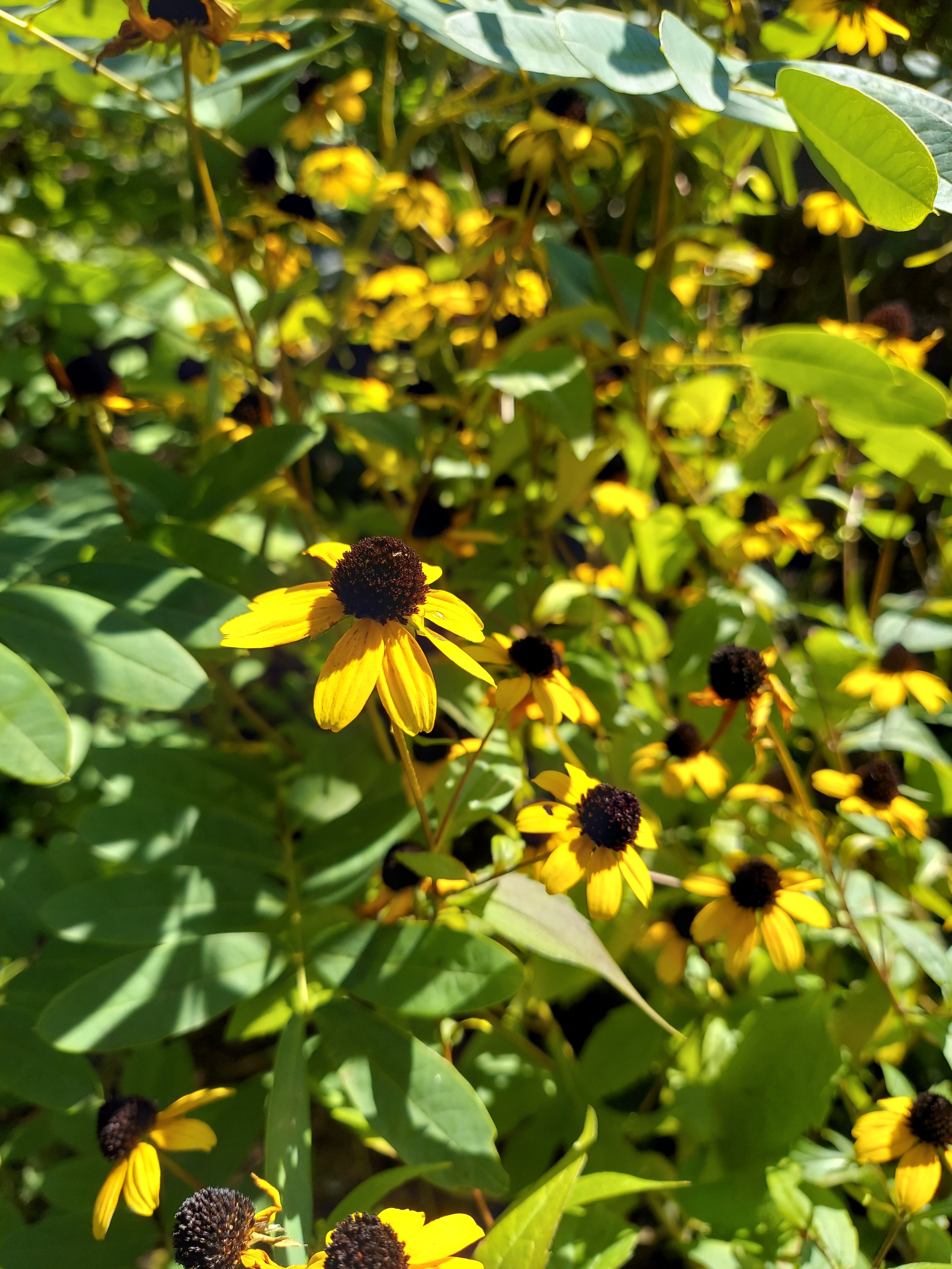 Image 3 of 5
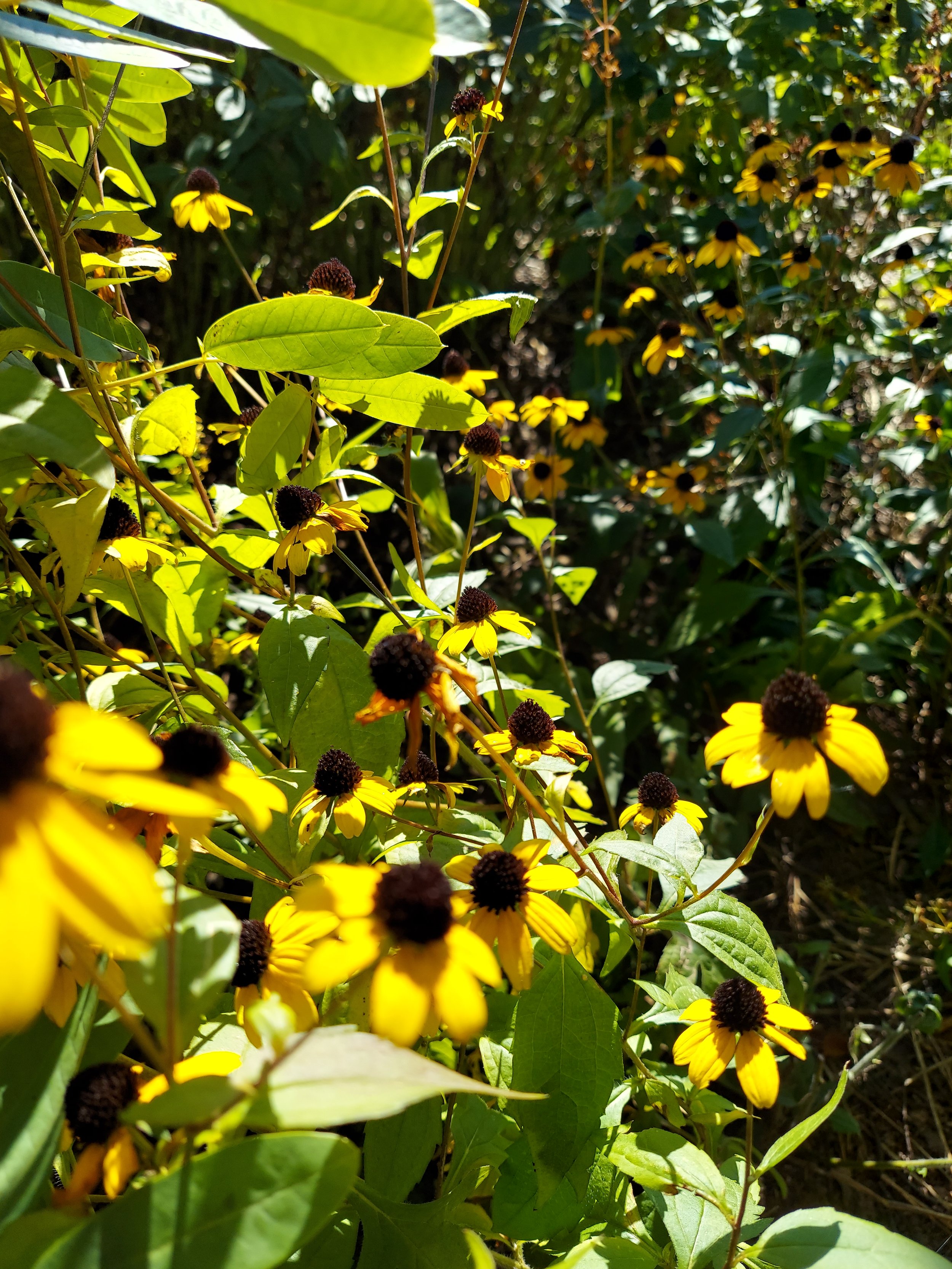 Image 4 of 5
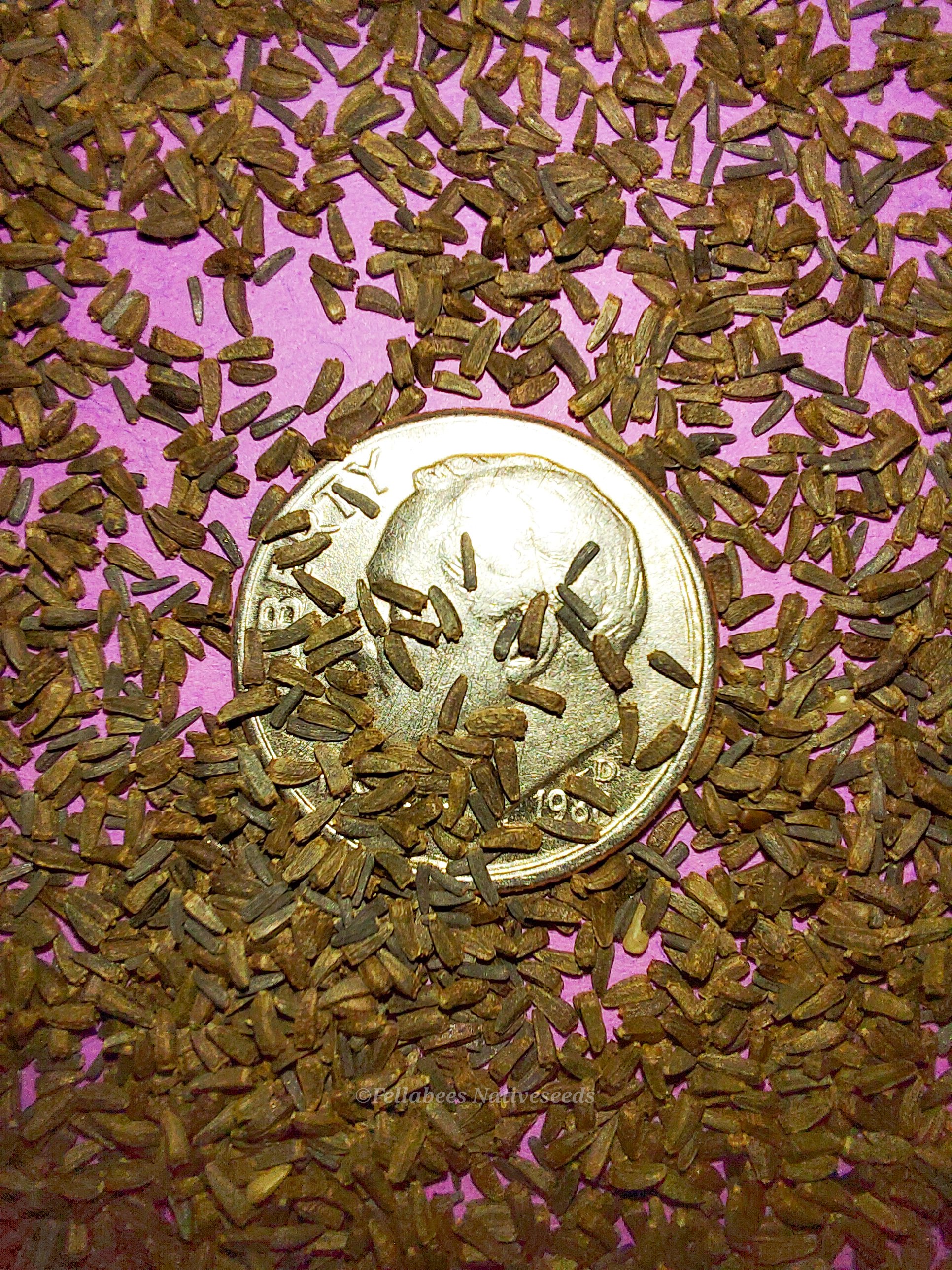 Image 5 of 5