Sweet Coneflower (Rudbeckia subtomentosa)
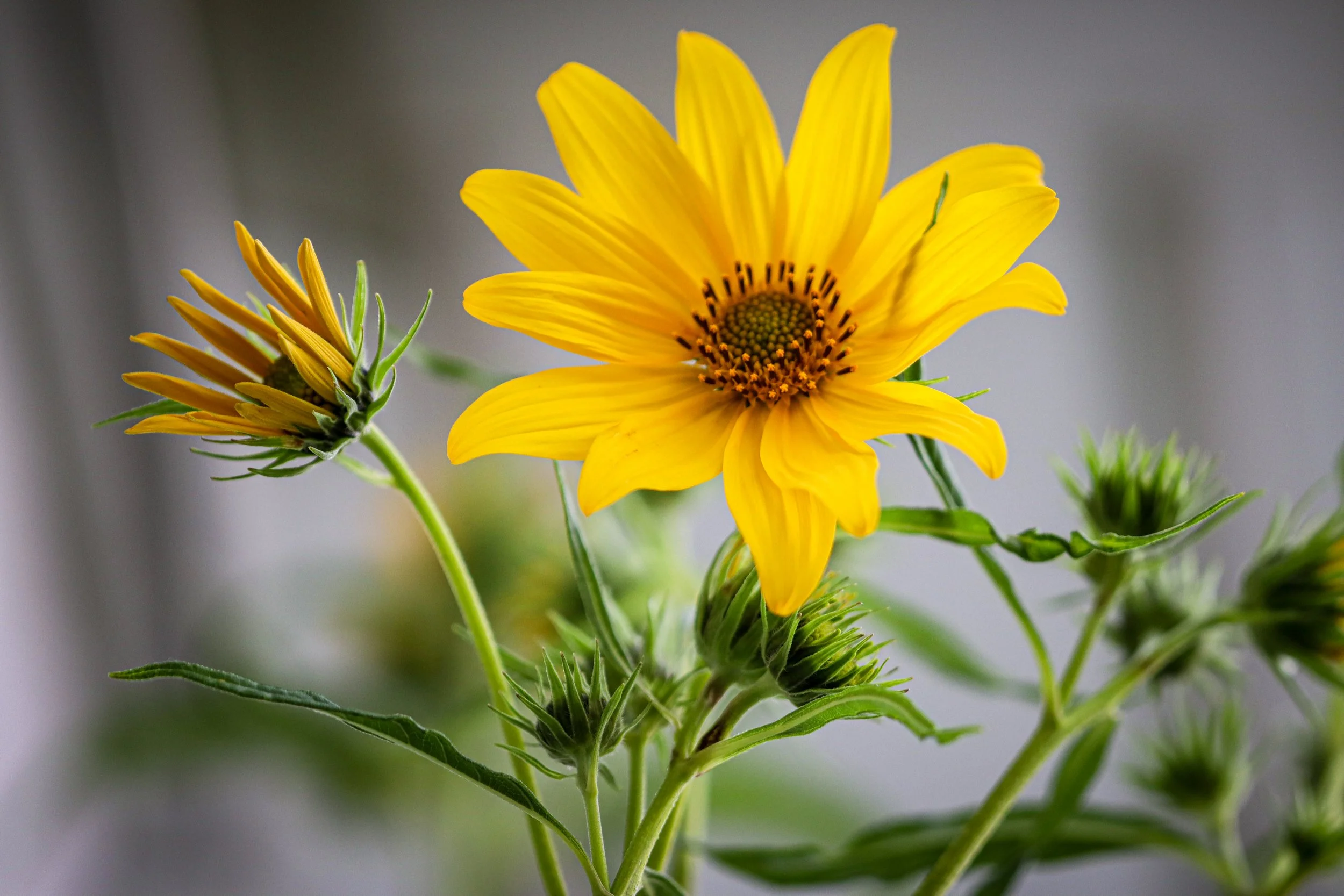
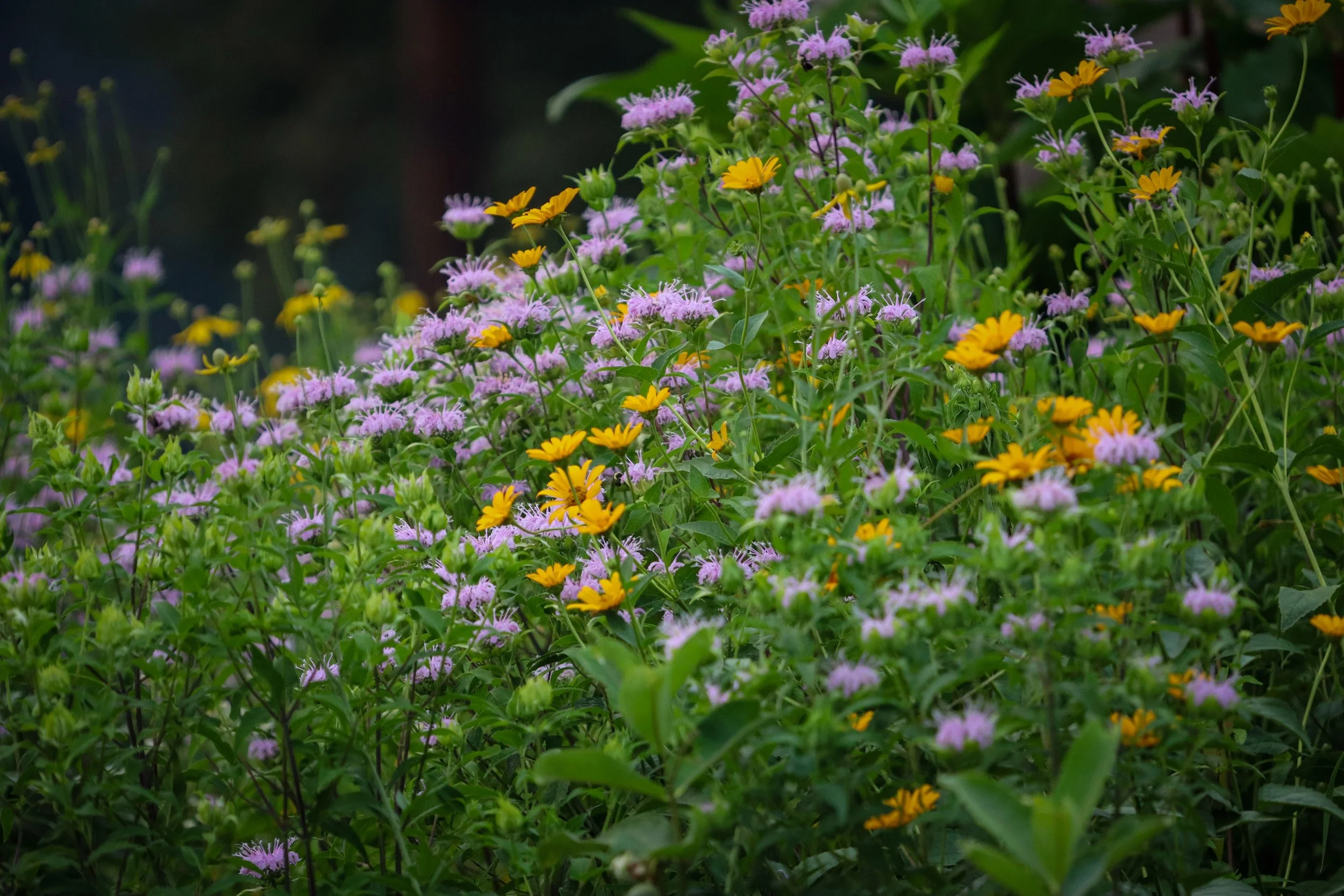
Rudbeckia subtomentosa is the scientific name for the species more commonly called Sweet Coneflower or Sweet Black-eyed Susan. Sweet Coneflower is a flowering plant in the Asteraceae family and is native to the central United States. Reaching nearly 5 feet tall at maturity, Sweet Coneflower is an erect, herbaceous perennial that produces showy, brown-centered, yellow, daisy-like flowers from late summer into fall. It performs best in a sheltered spot with full sun, where it reliably blooms year after year, provides seasonal structure and visual interest in the garden, and attracts bees, butterflies, and a variety of other beneficial pollinators.
Very similar in appearance to the biennials of the same family, Black-Eyed Susan (Rudbeckia hirta) and Brown-Eyed Susan (Rudbeckia triloba), Sweet Coneflower will persist for decades, proving to be a very robust prairie plant that reliably endures extreme weather, tolerates poorer soils, requiring minimal maintenance after establishment.
The leaves and seeds of Sweet Coneflower have a heavenly pleasant, sweet smell, reminiscent of a spicy vanilla, which explains its common name. Its large, composite flowers are largely unscented but nevertheless attract a wide variety of native bees, including Long-horned Bees, Leafcutter Bees, Cuckoo Bees, Bumble Bees, Mining Bees, Green Sweat Bees, and Small Carpenter Bees. Beetles such as Blister Beetles and Soldier Beetles are also frequent visitors, along with many other beneficial insects like Skipper Butterflies, Beewolves, Bee Flies, Syrphid Flies, and Jagged Ambush Bugs. With this kind of dynamism and diversity, it’s no surprise that the Rudbeckia family supports more than 30 pollen specialists.
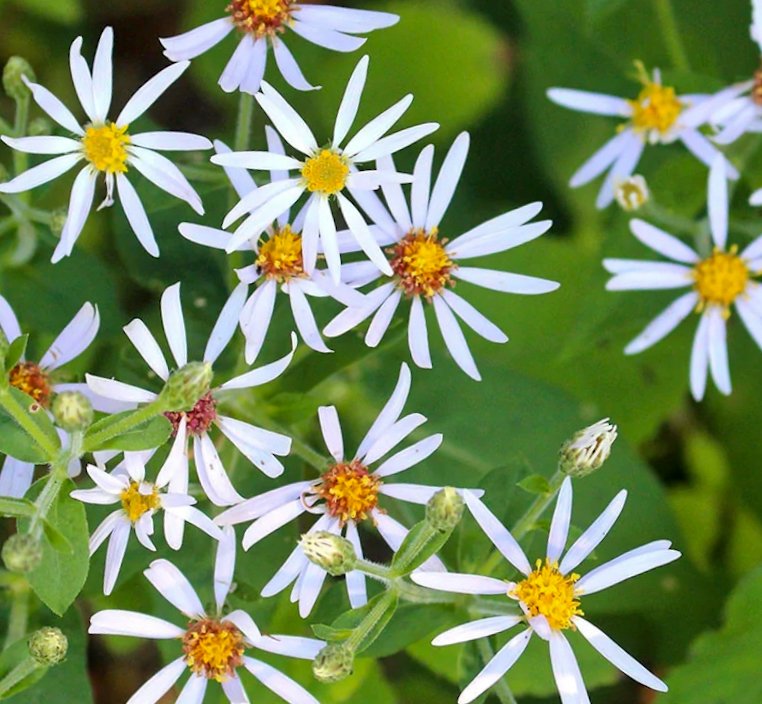
Sweet Coneflower is a larval host for the Silvery Checkerspot (Chlosyne nycteis) caterpillars as well as Maximilian's Sunflower (Helianthus maximiliani), Black-Eyed Susan and Big Leaved Aster (Eurybia macrophylla). Sweet Coneflower also supports the Wavy-lined Emerald (Synchlora aerata) larvae known commonly as The Camouflaged Looper.
Rudbeckia subtomentosa is generally considered deer and rabbit resistant. The plant’s strong scent and somewhat unpalatable foliage help deter deer, making it less appealing to browse. Additionally, its sturdy stems, coarse texture and ability to thrive in a range of light and soil conditions contribute to its overall resistance. While a few determined deer or rabbits may occasionally nibble on new growth, the consensus is that Rudbeckia subtomentosa is a resilient, dependable choice for gardens where these animals are present.
Plant Details:
USDA Zones: 3 - 8
Germination Needs: Needs 30 Days Cold-Moist Stratification
Life Cycle: Perennial
Sun Exposure: Full to Partial
Soil Moisture: Medium-Wet, Medium, Medium-Dry
Plant Spacing: 2 - 3 feet
Height: 5 feet
Bloom time: August, September, October
Bloom Color: Yellow
Advantages:
Pollinator Favorite: butterflies, moths, bees, wasps, beetles
Bird Favorite: seeds, insects, fruit, nectar, nesting, perches.
Deer Resistant: Yes
Native to or present in: Wisconsin, Minnesota, Iowa, Illinois, Indiana, Michigan, New York, Massachusetts, Connecticut, North Carolina, Kentucky, Tennessee, Mississippi, Arkansas, Missouri, Texas, Oklahoma, and Kansas.
This species is considered present but rare in several counties of the states of Kentucky, Tennessee, Mississippi and Texas.
This species is introduced in several counties of the states of Minnesota, New York, Massachusetts, Connecticut and North Carolina.
This species is listed as being native but extirpated (locally extinct) in one central county of Michigan
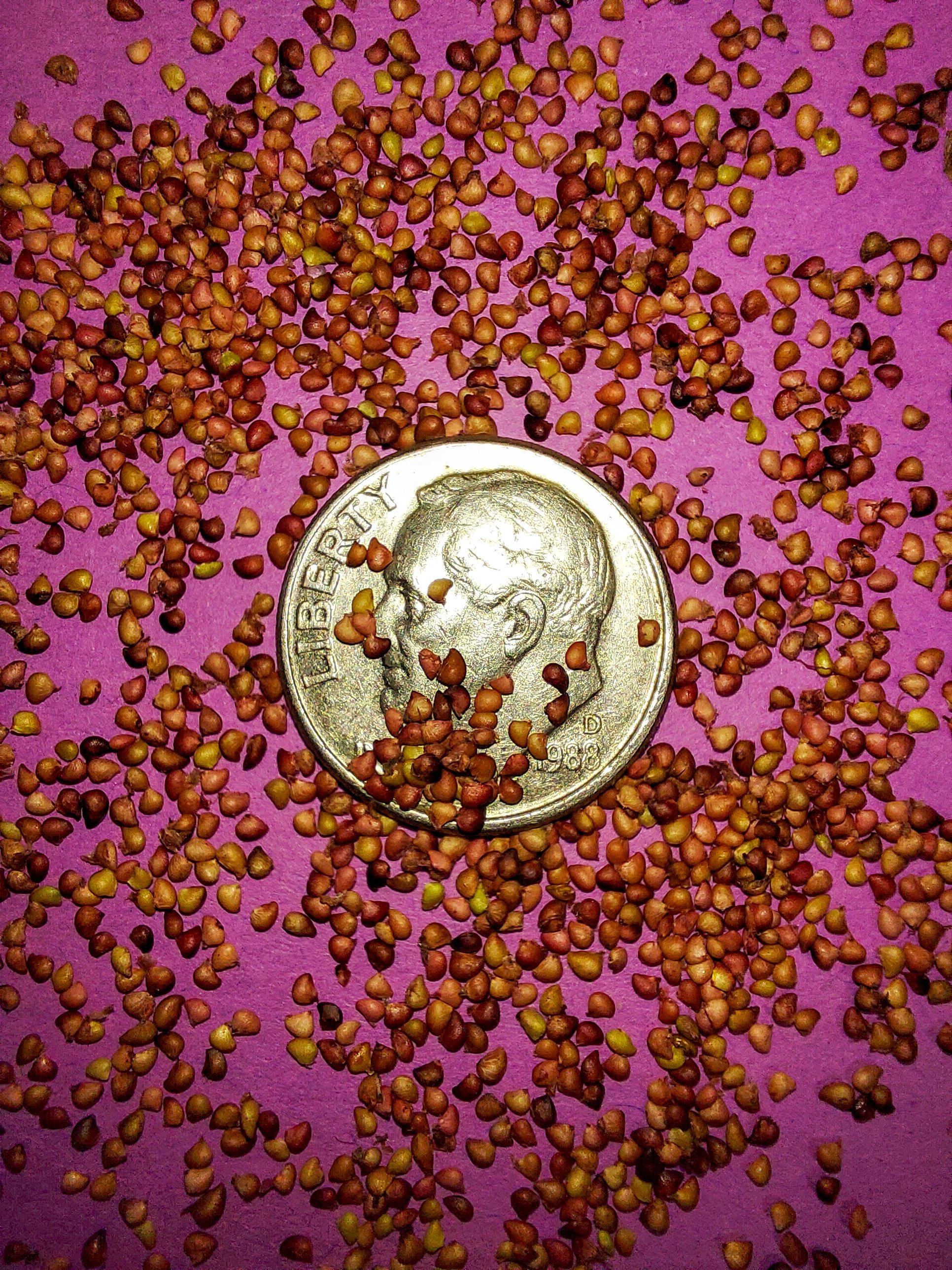
Seed Count: 25+
.
.
Packet quantities:
We pride ourselves on ethical, hands on, ecological management, using no mechanical or chemical methods whatsoever.
All of our native seed is hand reared, hand-picked, and hand packed from native prairies under our exclusive management, never breaking chain of custody from the field until it is sent to you. Each packet is hand prepared for shipment by us, directly.
Small seed species will contain greater than 20-25 seed
Large seed species will contain greater than 10-15 seed
All packets are individually marked at the bottom of the front label with expected count, however most if not all packets will have many more than the minimum count by default.
It is our mission to spread the wealth of native plant and pollinator ecological sustainability and educate back yard gardeners as well as corporate and government entities in how to germinate, grow, and benefit from native synergies.
Thank you for your support, it is because of you, that we can grow together to do, what we do. 🐛🦋🐝🐞🌾🌱🌼🧡
Sweet Coneflower (Rudbeckia subtomentosa)
Rudbeckia subtomentosa is the scientific name for the species more commonly called Sweet Coneflower or Sweet Black-eyed Susan. Sweet Coneflower is a flowering plant in the Asteraceae family and is native to the central United States. Reaching nearly 5 feet tall at maturity, Sweet Coneflower is an erect, herbaceous perennial that produces showy, brown-centered, yellow, daisy-like flowers from late summer into fall. It performs best in a sheltered spot with full sun, where it reliably blooms year after year, provides seasonal structure and visual interest in the garden, and attracts bees, butterflies, and a variety of other beneficial pollinators.
Very similar in appearance to the biennials of the same family, Black-Eyed Susan (Rudbeckia hirta) and Brown-Eyed Susan (Rudbeckia triloba), Sweet Coneflower will persist for decades, proving to be a very robust prairie plant that reliably endures extreme weather, tolerates poorer soils, requiring minimal maintenance after establishment.
The leaves and seeds of Sweet Coneflower have a heavenly pleasant, sweet smell, reminiscent of a spicy vanilla, which explains its common name. Its large, composite flowers are largely unscented but nevertheless attract a wide variety of native bees, including Long-horned Bees, Leafcutter Bees, Cuckoo Bees, Bumble Bees, Mining Bees, Green Sweat Bees, and Small Carpenter Bees. Beetles such as Blister Beetles and Soldier Beetles are also frequent visitors, along with many other beneficial insects like Skipper Butterflies, Beewolves, Bee Flies, Syrphid Flies, and Jagged Ambush Bugs. With this kind of dynamism and diversity, it’s no surprise that the Rudbeckia family supports more than 30 pollen specialists.
Sweet Coneflower is a larval host for the Silvery Checkerspot (Chlosyne nycteis) caterpillars as well as Maximilian's Sunflower (Helianthus maximiliani), Black-Eyed Susan and Big Leaved Aster (Eurybia macrophylla). Sweet Coneflower also supports the Wavy-lined Emerald (Synchlora aerata) larvae known commonly as The Camouflaged Looper.
Rudbeckia subtomentosa is generally considered deer and rabbit resistant. The plant’s strong scent and somewhat unpalatable foliage help deter deer, making it less appealing to browse. Additionally, its sturdy stems, coarse texture and ability to thrive in a range of light and soil conditions contribute to its overall resistance. While a few determined deer or rabbits may occasionally nibble on new growth, the consensus is that Rudbeckia subtomentosa is a resilient, dependable choice for gardens where these animals are present.
Plant Details:
USDA Zones: 3 - 8
Germination Needs: Needs 30 Days Cold-Moist Stratification
Life Cycle: Perennial
Sun Exposure: Full to Partial
Soil Moisture: Medium-Wet, Medium, Medium-Dry
Plant Spacing: 2 - 3 feet
Height: 5 feet
Bloom time: August, September, October
Bloom Color: Yellow
Advantages:
Pollinator Favorite: butterflies, moths, bees, wasps, beetles
Bird Favorite: seeds, insects, fruit, nectar, nesting, perches.
Deer Resistant: Yes
Native to or present in: Wisconsin, Minnesota, Iowa, Illinois, Indiana, Michigan, New York, Massachusetts, Connecticut, North Carolina, Kentucky, Tennessee, Mississippi, Arkansas, Missouri, Texas, Oklahoma, and Kansas.
This species is considered present but rare in several counties of the states of Kentucky, Tennessee, Mississippi and Texas.
This species is introduced in several counties of the states of Minnesota, New York, Massachusetts, Connecticut and North Carolina.
This species is listed as being native but extirpated (locally extinct) in one central county of Michigan
Seed Count: 25+
.
.
Packet quantities:
We pride ourselves on ethical, hands on, ecological management, using no mechanical or chemical methods whatsoever.
All of our native seed is hand reared, hand-picked, and hand packed from native prairies under our exclusive management, never breaking chain of custody from the field until it is sent to you. Each packet is hand prepared for shipment by us, directly.
Small seed species will contain greater than 20-25 seed
Large seed species will contain greater than 10-15 seed
All packets are individually marked at the bottom of the front label with expected count, however most if not all packets will have many more than the minimum count by default.
It is our mission to spread the wealth of native plant and pollinator ecological sustainability and educate back yard gardeners as well as corporate and government entities in how to germinate, grow, and benefit from native synergies.
Thank you for your support, it is because of you, that we can grow together to do, what we do. 🐛🦋🐝🐞🌾🌱🌼🧡
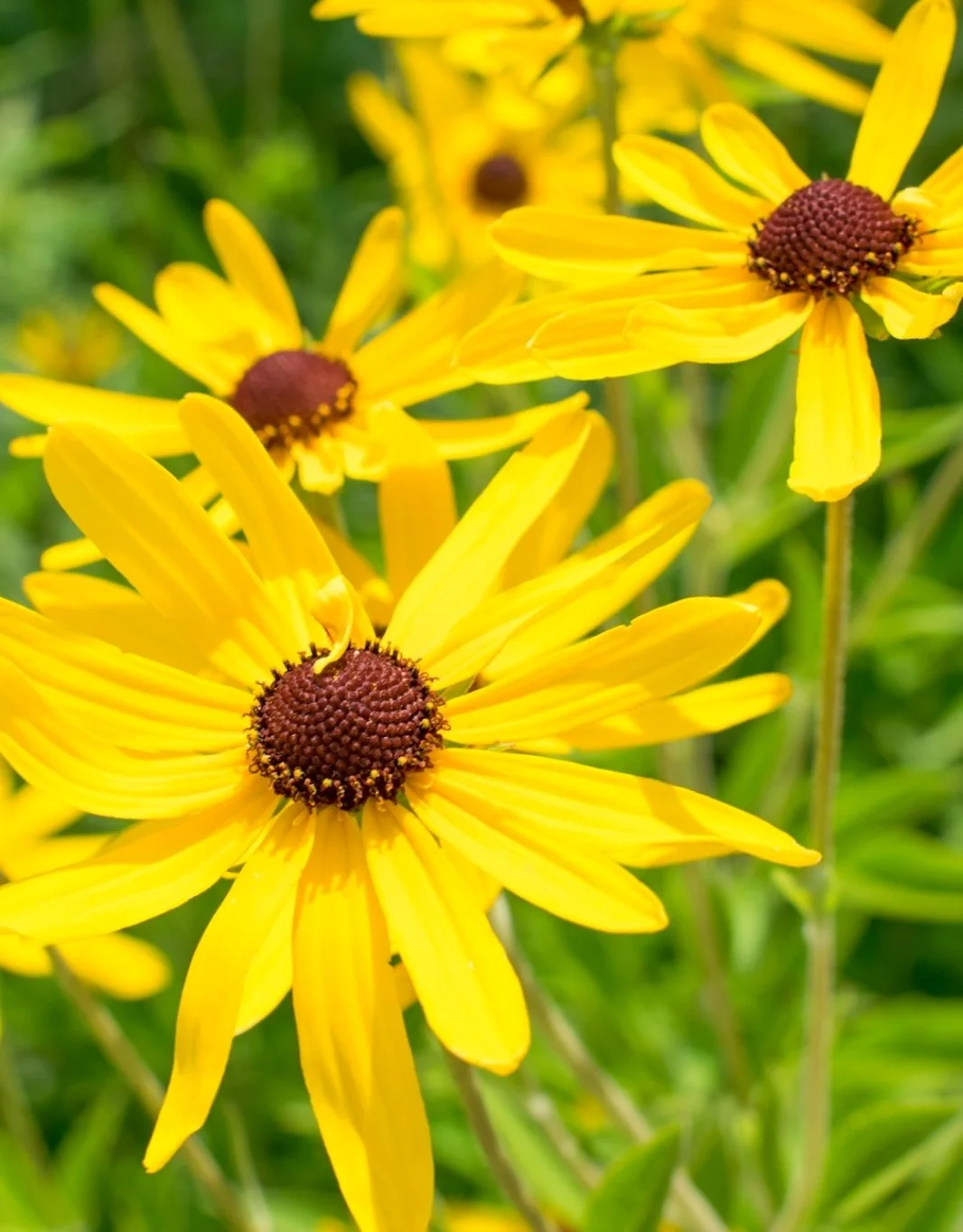 Image 1 of 5
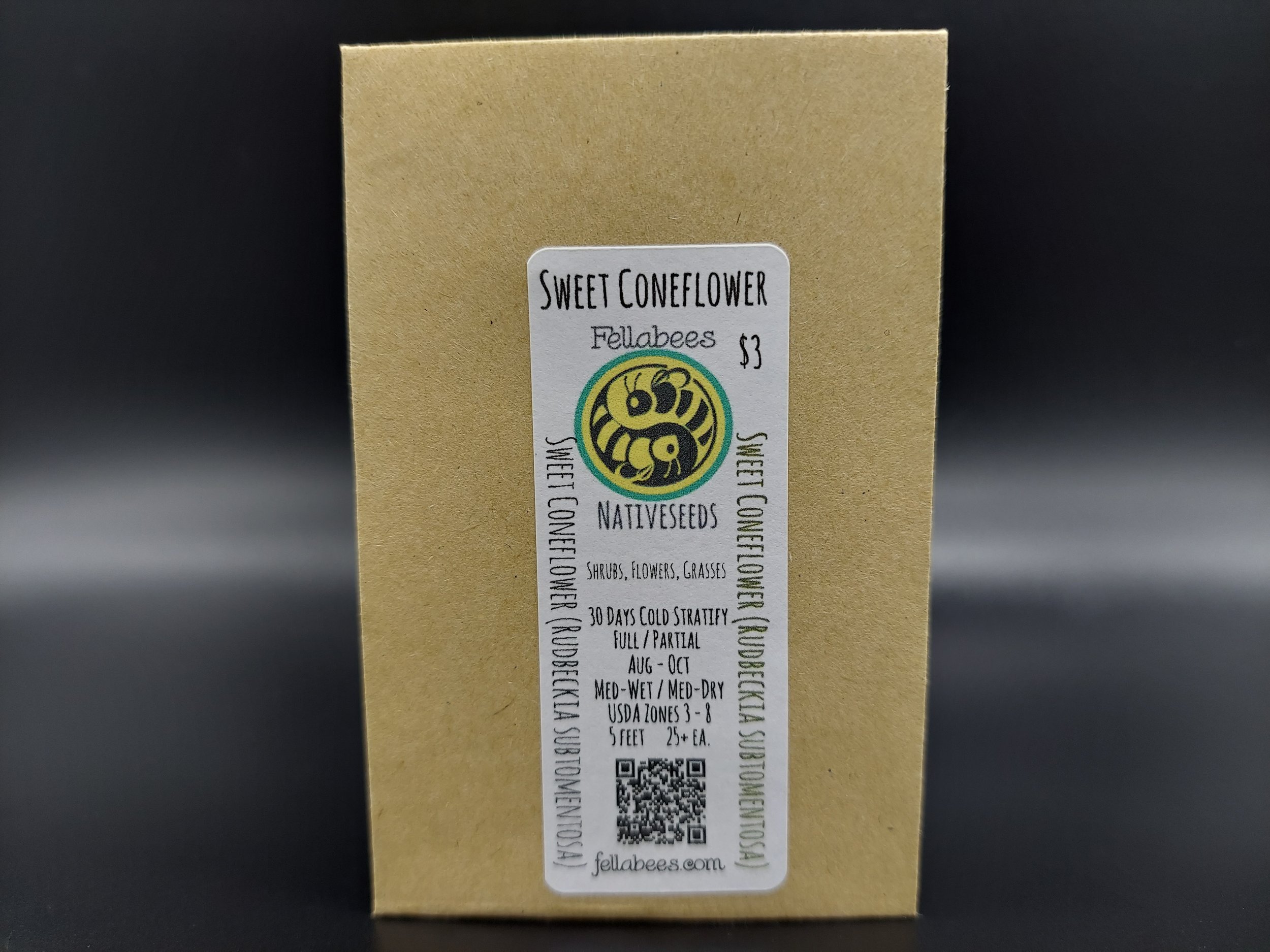 Image 2 of 5
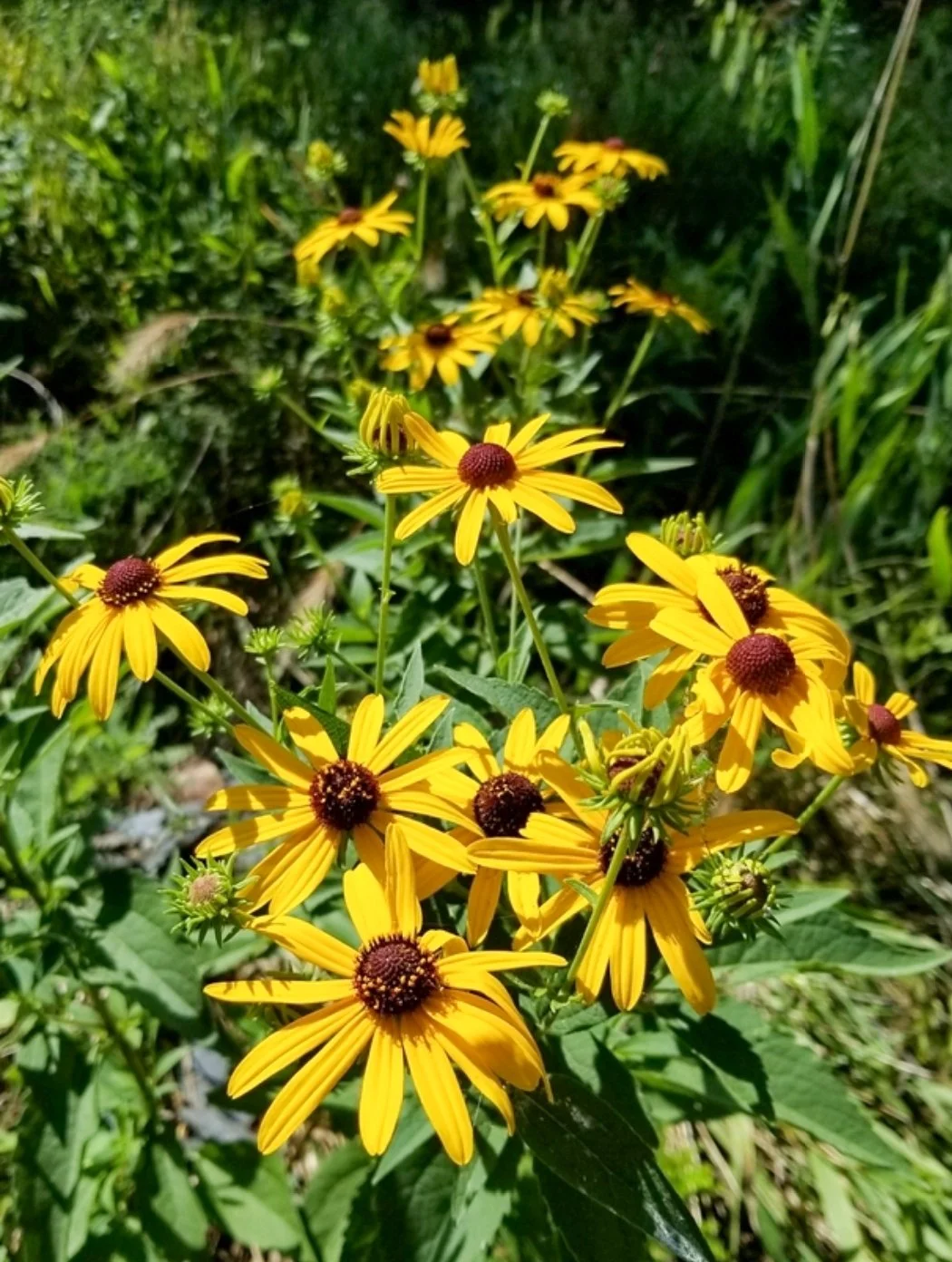 Image 3 of 5
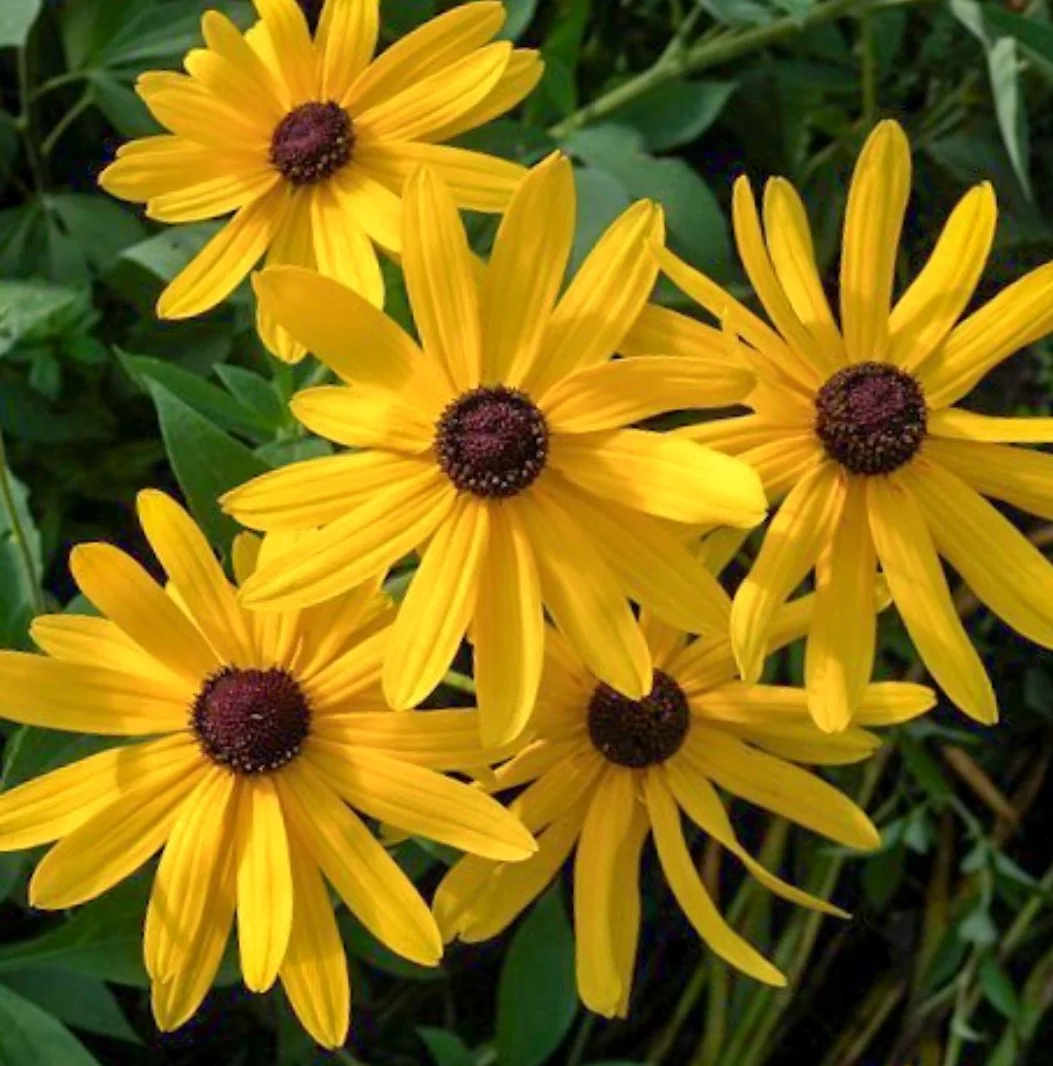 Image 4 of 5
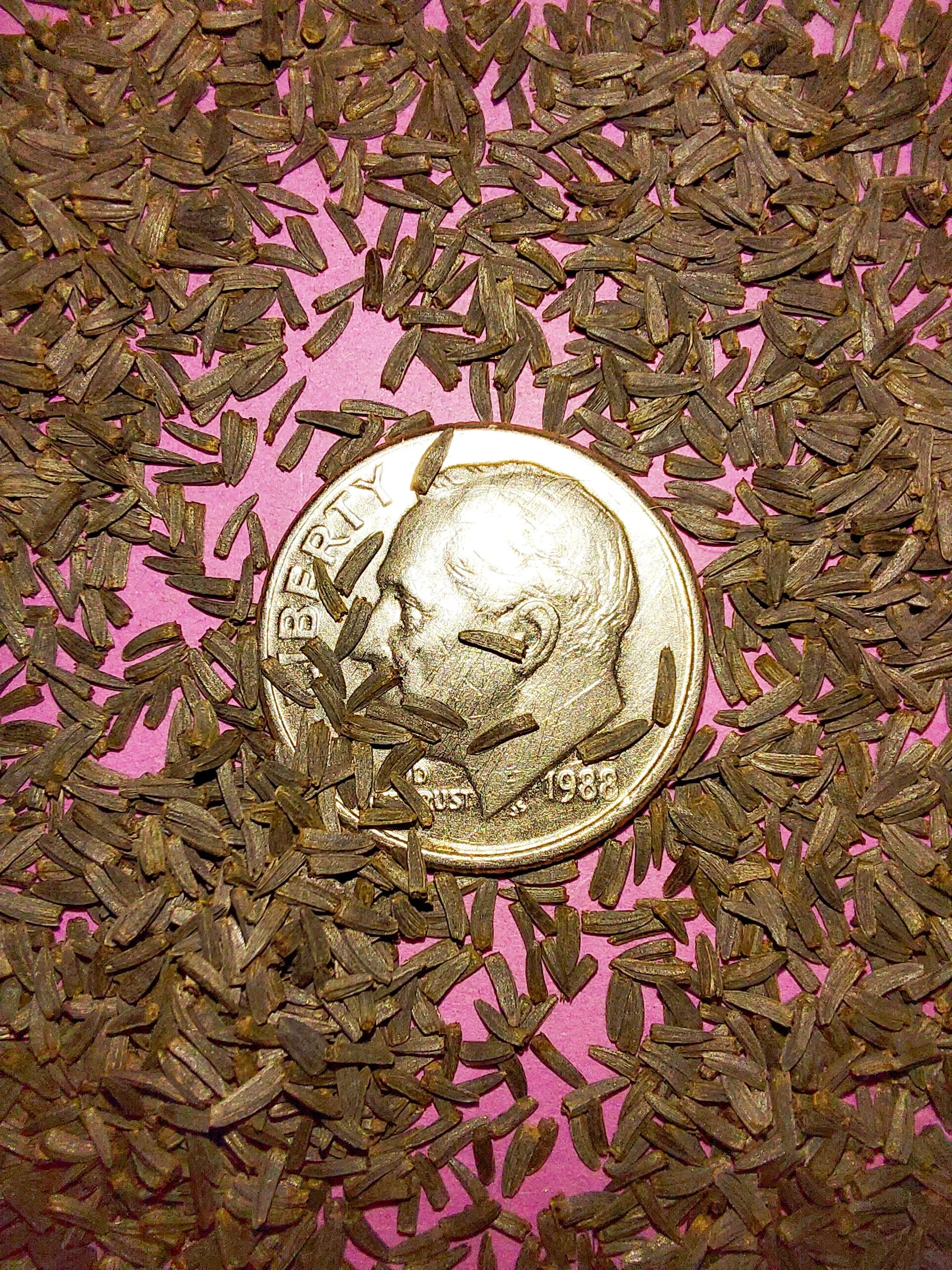 Image 5 of 5