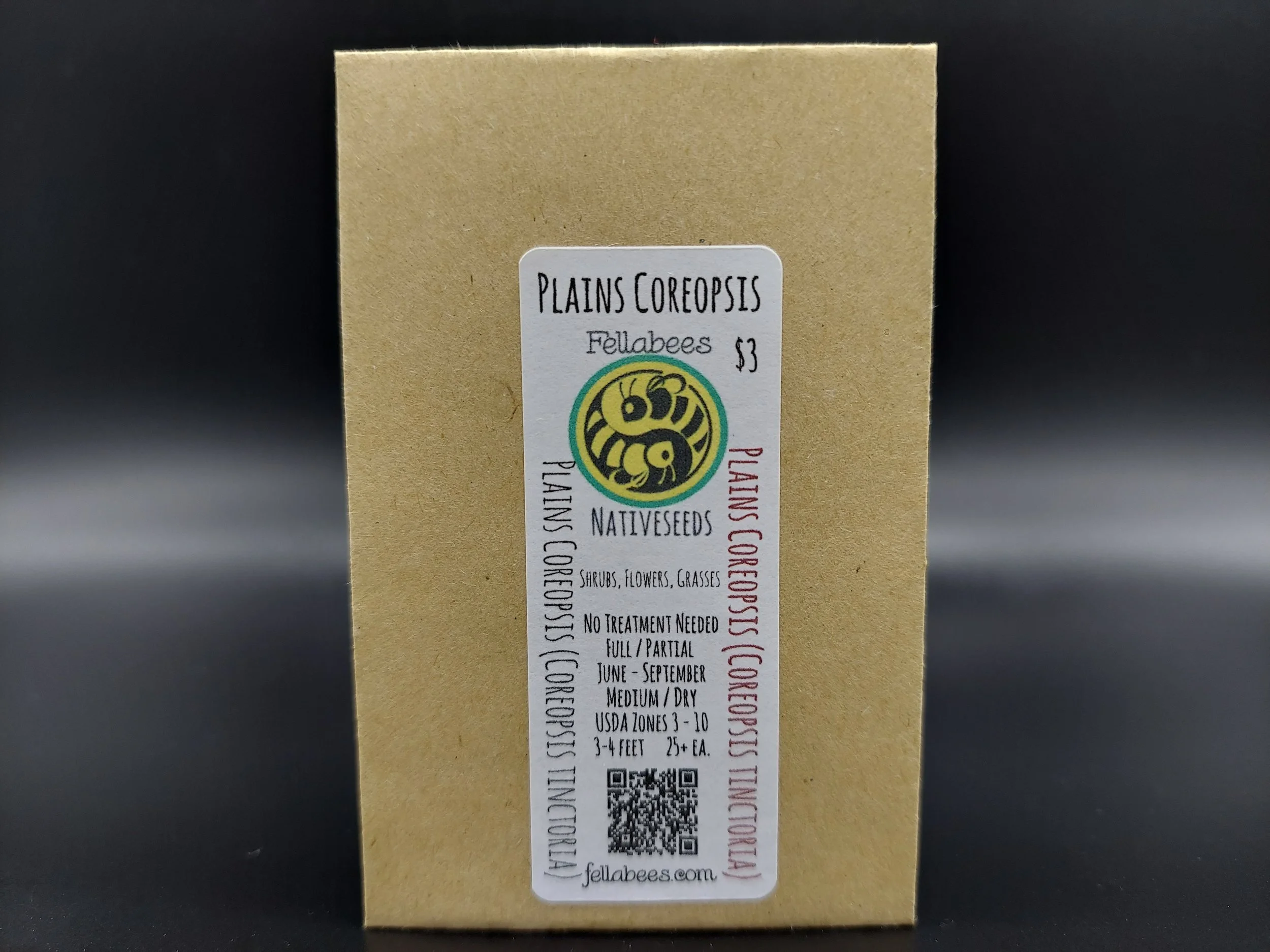
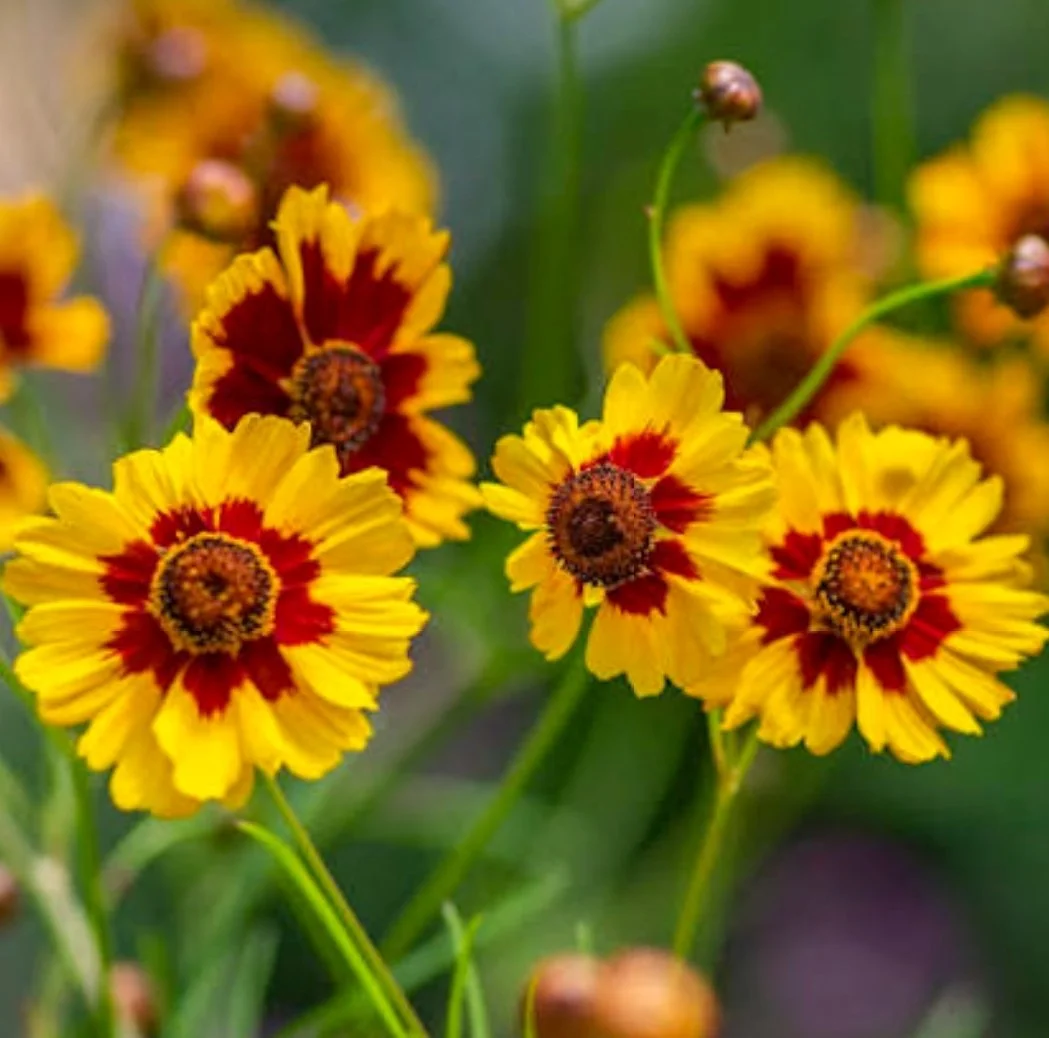
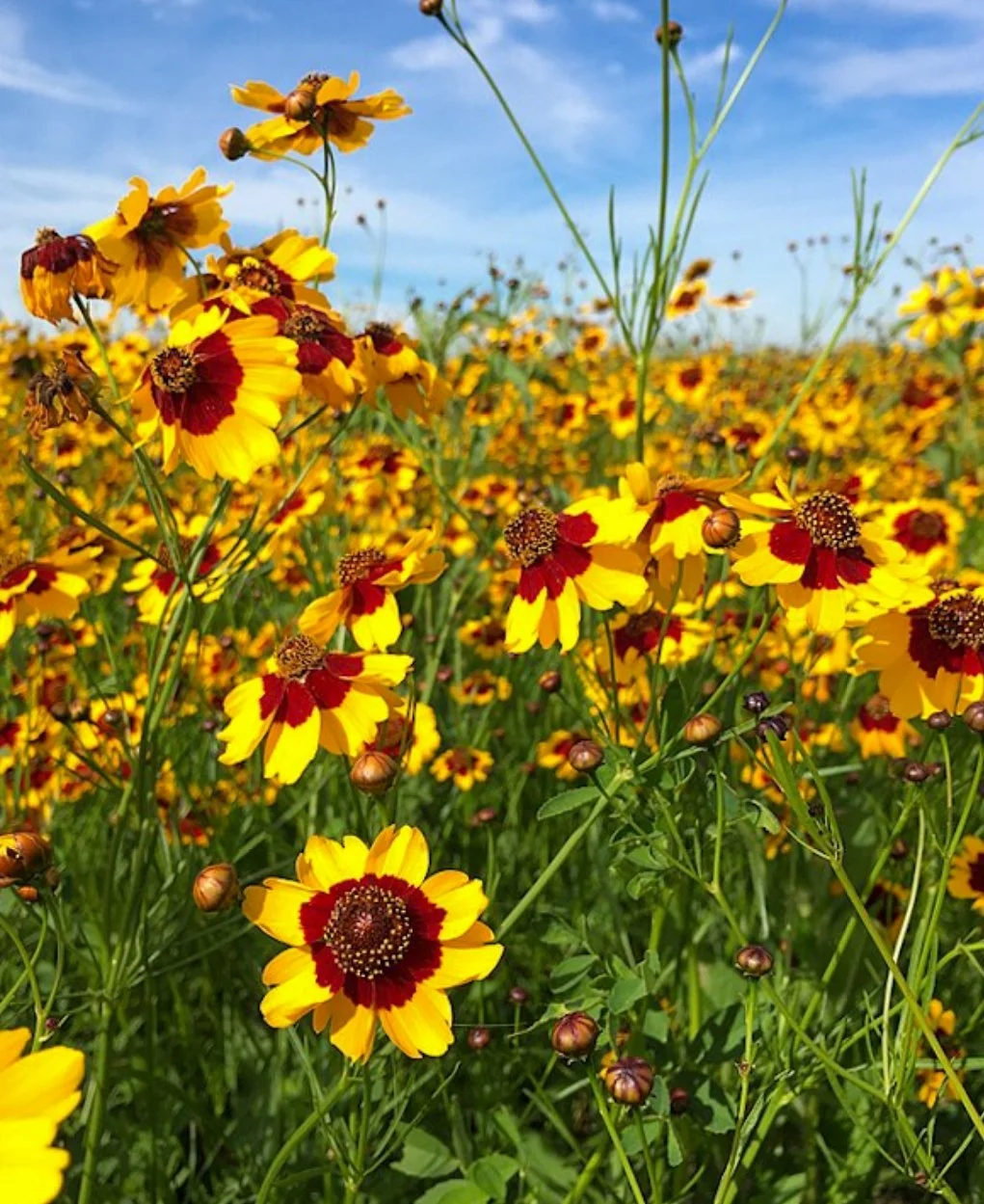
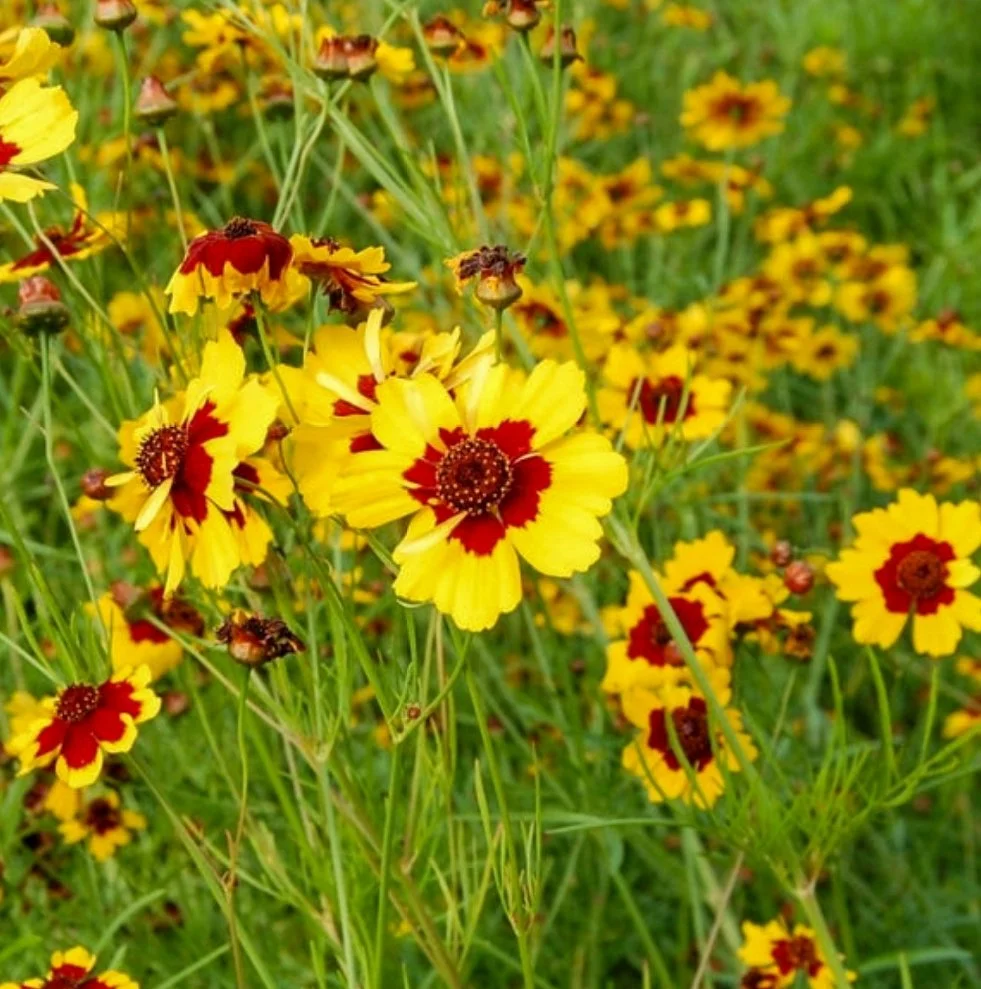
Bush's Coneflower (Echinacea paradoxa)
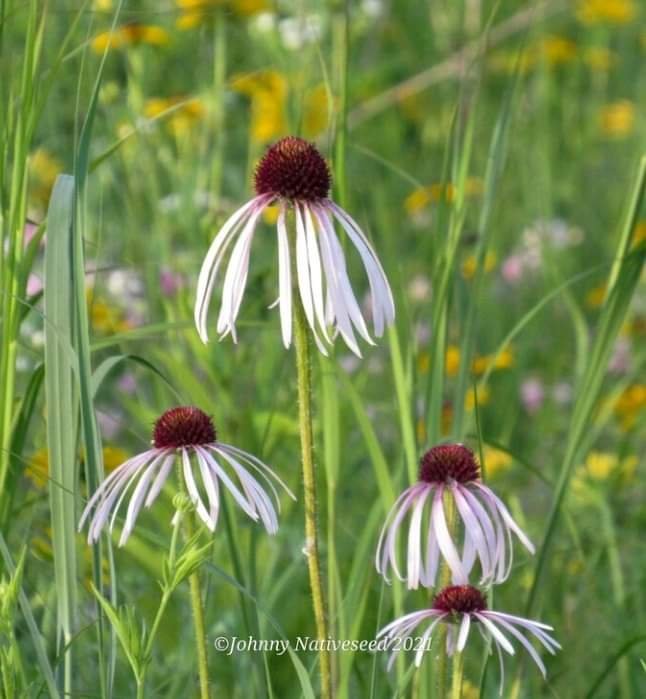
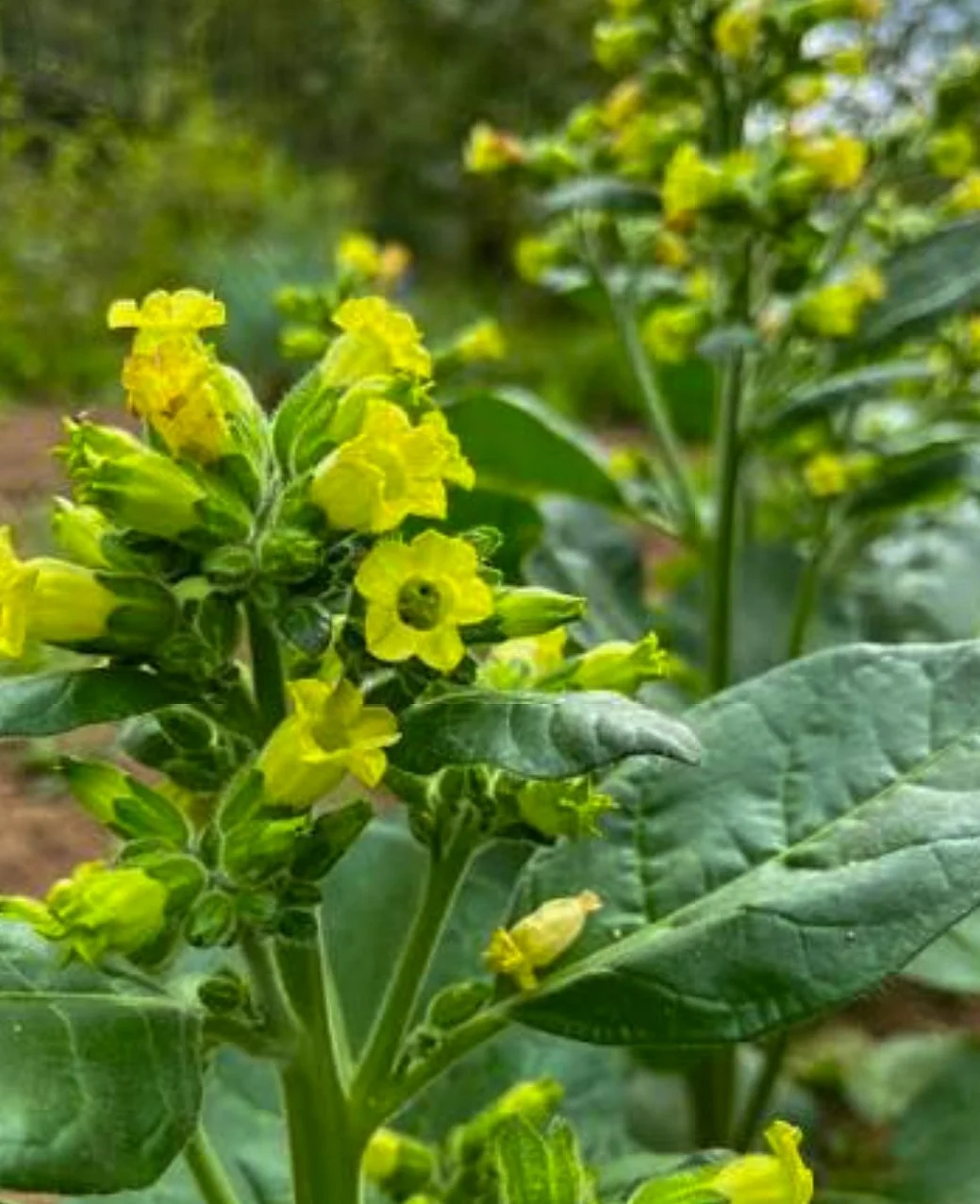
Echinacea paradoxa is the scientific name for the exceptionally rare coneflower species more commonly known as Bush’s Coneflower, Bush's Purple Coneflower, or Ozark coneflower, is a North American species of flowering plant in the family Asteraceae. It is native to southern Missouri, Arkansas, and south-central Oklahoma. It is listed as threatened in Arkansas.
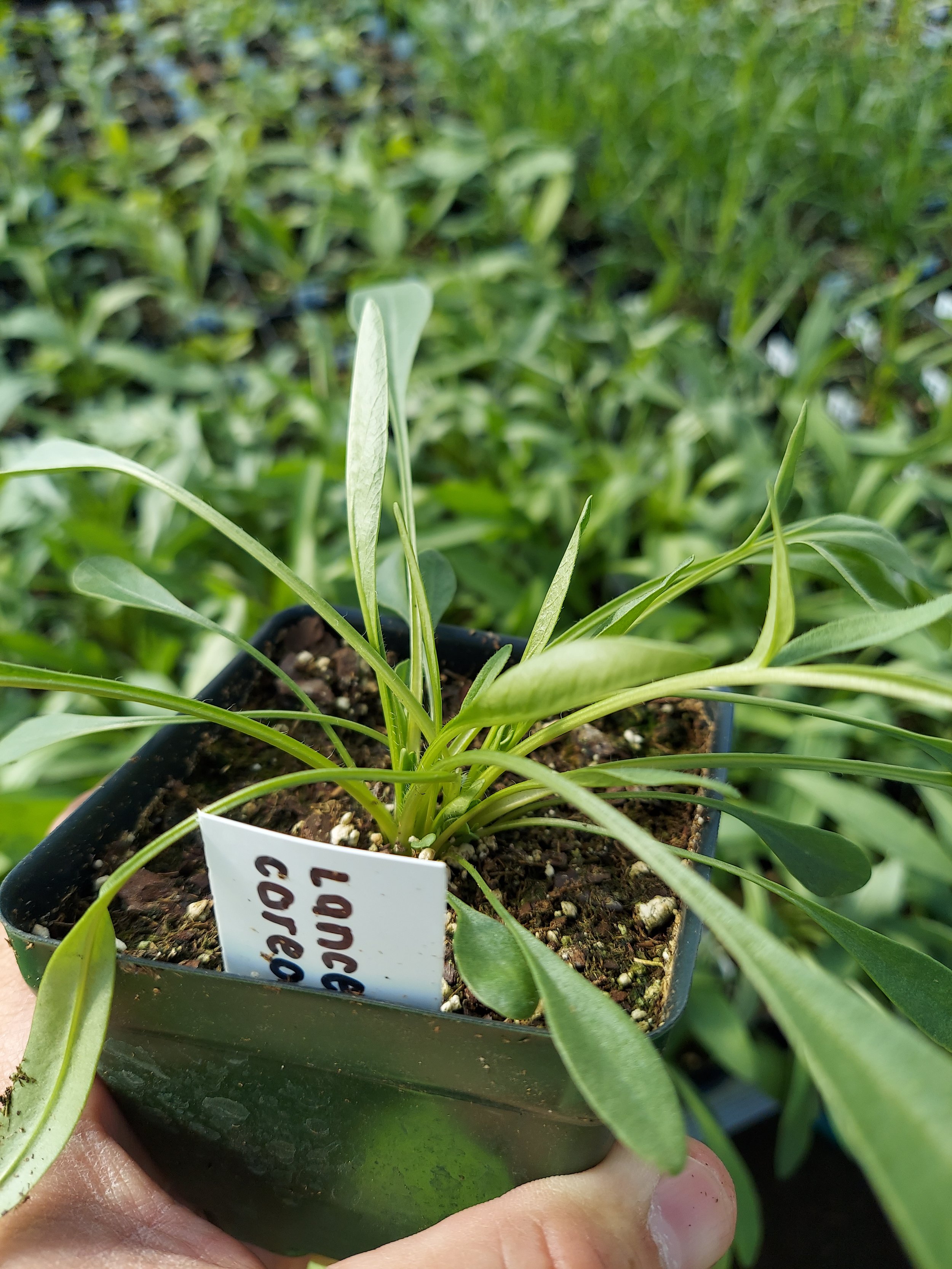
Echinacea paradoxa is a perennial herb that can reach up to 3 feet in height, producing multiple, slightly hairy stems that emerge from a robust underground rootstock. Most of the foliage is concentrated in basal leaves with smooth margins, forming a low rosette at the plant’s base. Leaves are alternate along the stem, becoming progressively shorter higher up, and they are entirely absent on the upper two-thirds of the flowering stems. Basal leaves range from about 3 to 18 inches long and are narrowly elliptic to lanceolate in shape, while the stem leaves measure roughly 2 to 14 inches long and are linear to narrowly elliptic or narrowly lanceolate, reflecting the plant’s variation in leaf form with height.
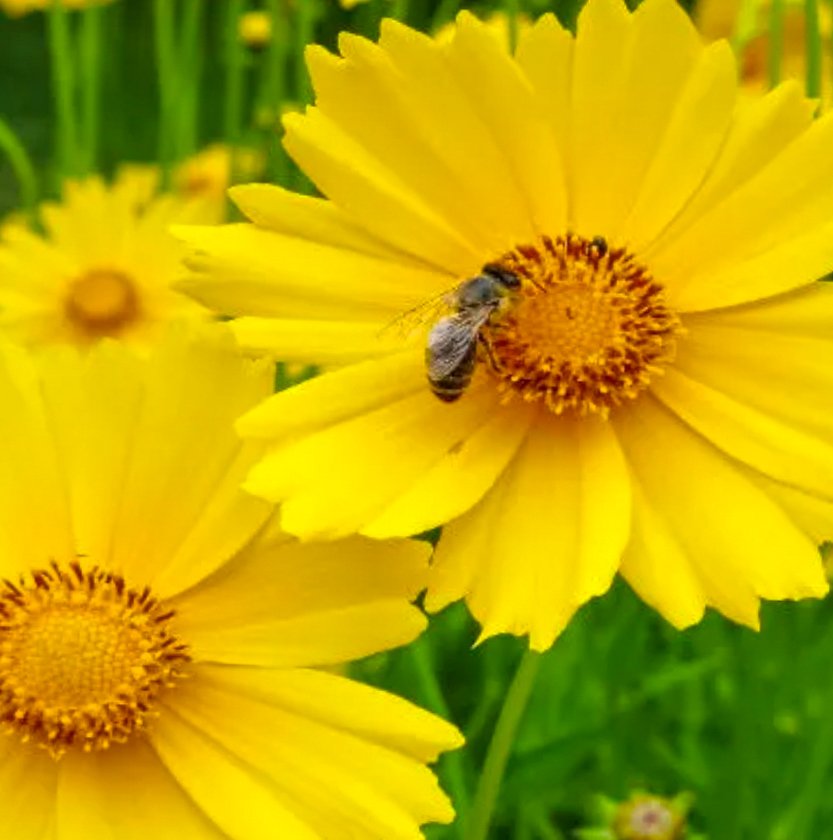
Bush's Coneflower is one of the most fragrant of the Coneflowers attracting many pollinators including specialist bees to the species and its close cousin Pale Purple Coneflower (Echinacea pallida) such as Mining Bees (Andrena beameri and helianthiformis). The most common visitors seen will likely be Long-horned Bees (Melissodes spp.), Sweat Bees (Halictus spp.), Green Sweat Bees (Agapostemon spp.), Leafcutter Bees (Megachile spp.), Bumble Bees (Bombus spp.) most notably Brown-Belted Bumble Bees (Bombus griseocollis).
Butterflies of all kinds flock to Bush's Coneflower such as American Lady (Vanessa virginiensis), Red Admiral (Vanessa atalanta), Great Spangled Fritillary (Speyeria cybele), Eastern Tiger Swallowtail (Papilio glaucus), not to mention Monarchs and their look alike Viceroy Butterflies, Skippers, and Sulphurs!
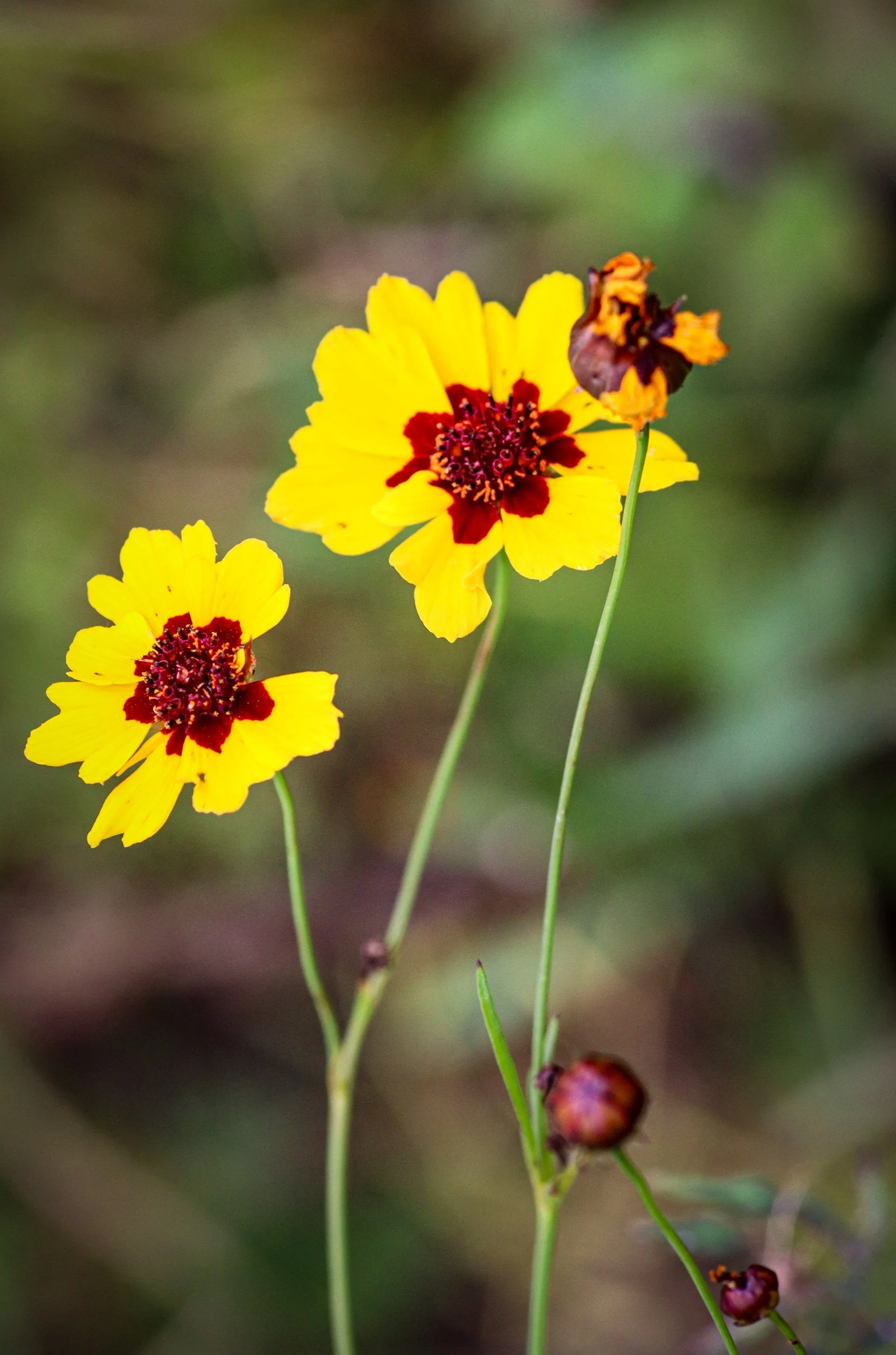
Nectar of Bush’s Coneflower accumulates in a cup formed by the fused bases of the filaments and remains available through the fourth day of the flower’s life. Female-phase florets that are adjacent to pollen-rich male-phase florets produce additional nectar. When bees visit these female florets to collect nectar, they are likely to pick up pollen from the nearby male florets and then transfer that pollen to the next Bush’s Coneflower they visit. The structure of the flower head guides the movement of visitors in a way that promotes cross-pollination between Bush’s Coneflowers.
The native historic range of this plant is limited to just four southern states, but it is adaptable and will grow where intentionally planted, quietly naturalizing in northern and eastern landscapes. The ability of Echinacea paradoxa to thrive across a variety of site conditions, combined with its limited seed dispersal tied to specific and often restricted habitats, makes it an especially valuable asset for both gardeners and ecologists. By incorporating this resilient species into garden designs, restoration projects, and pollinator-friendly plantings, you can meaningfully support the health of local environments and contribute to the balanced functioning of surrounding ecosystems.
Plant Details
USDA Zones: 3-8
Germination Needs: 60 Days Cold Stratification.
Life Cycle: Perennial
Sun Exposure: Full to Partial
Soil Moisture: Medium, Medium-Dry, Dry
Plant Spacing: 1½-2 feet
Height: 3 feet
Bloom time: June, July, August
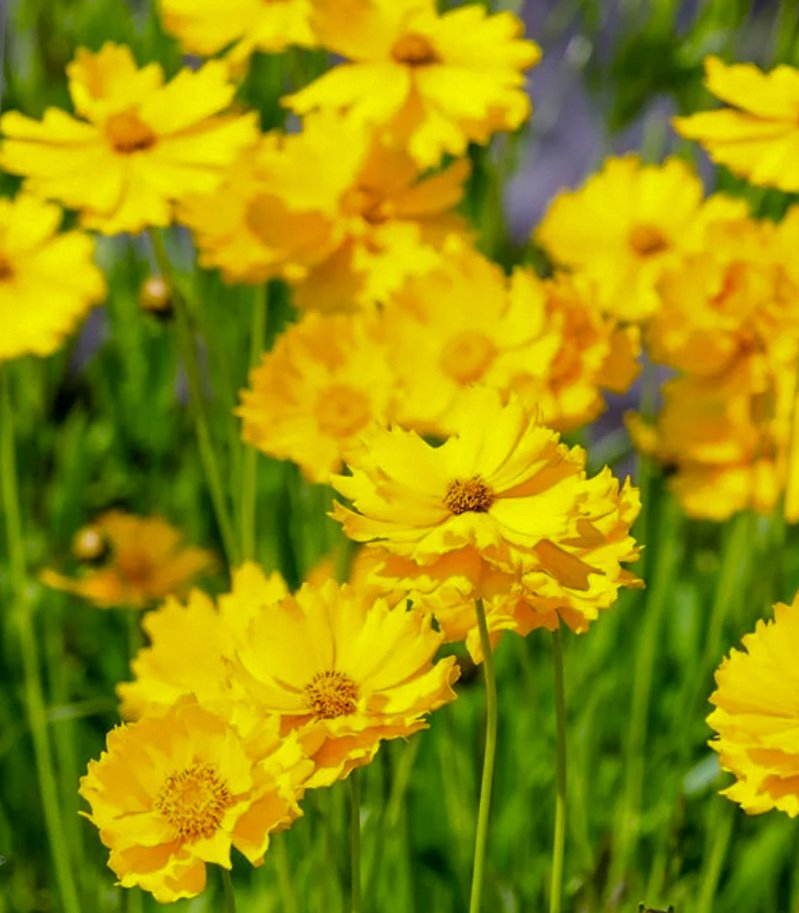
Bloom Color: Yellow
Advantages
Pollinator Favorite: butterflies, moths, bees, wasps, beetles
Bird Favorite: seeds, insects, fruit, nectar, nesting, perches.
Deer Resistant: Yes
Excellent in the home landscape!
Native to: Missouri, Arkansas, Oklahoma and Texas.
This species is marked as G3 vulnerable by NatureServe, and is listed as present but rare in several counties of the states of Arkansas, Oklahoma and Texas.
.
.
Packet quantities:
We pride ourselves on ethical, hands on, ecological management, using no mechanical or chemical methods whatsoever.
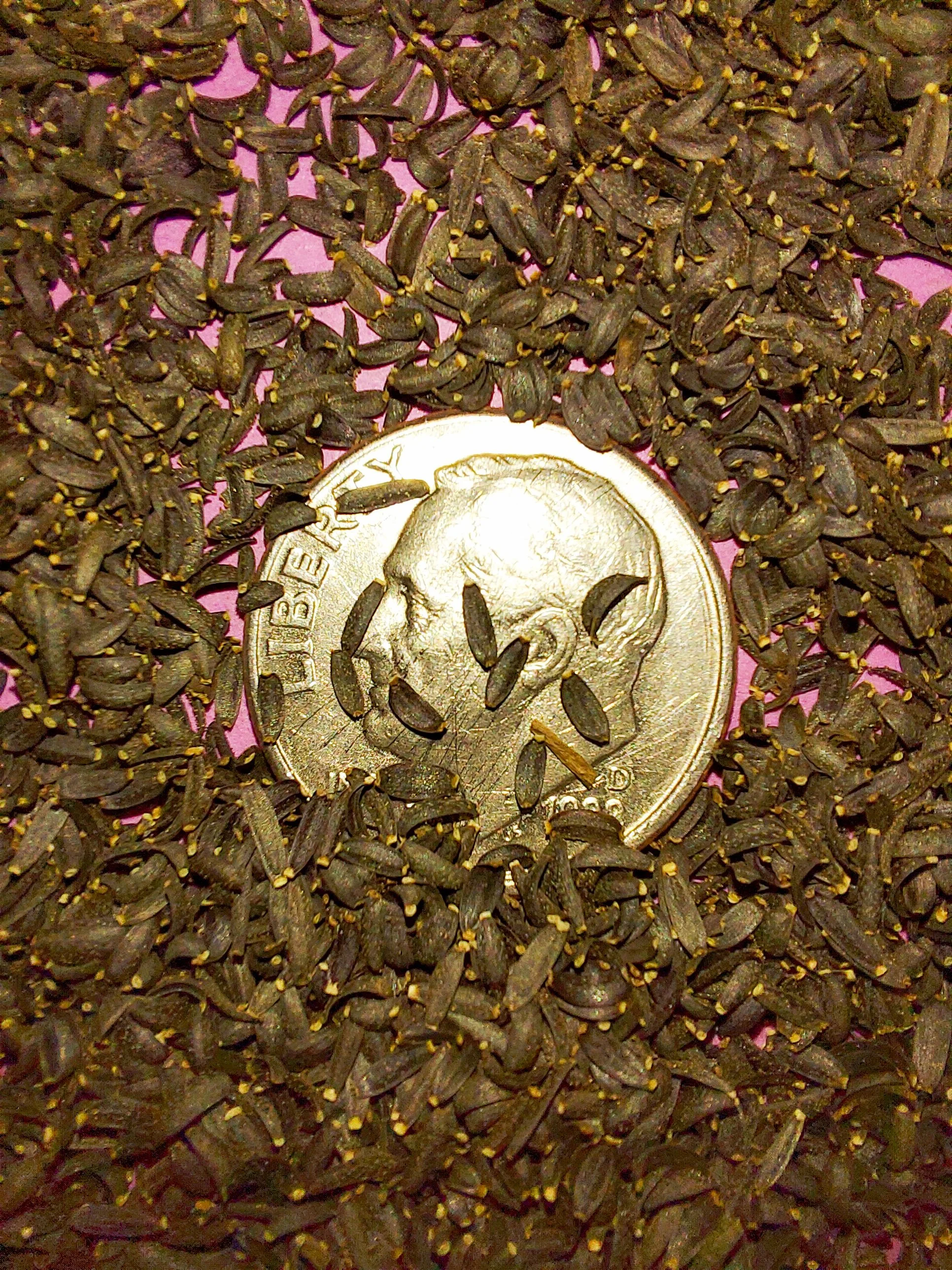
All of our native seed is hand reared, hand picked, and hand packed from native prairies under our exclusive management, never breaking chain of custody from the field until it is sent to you. Each packet is hand prepared for shipment by us, directly.
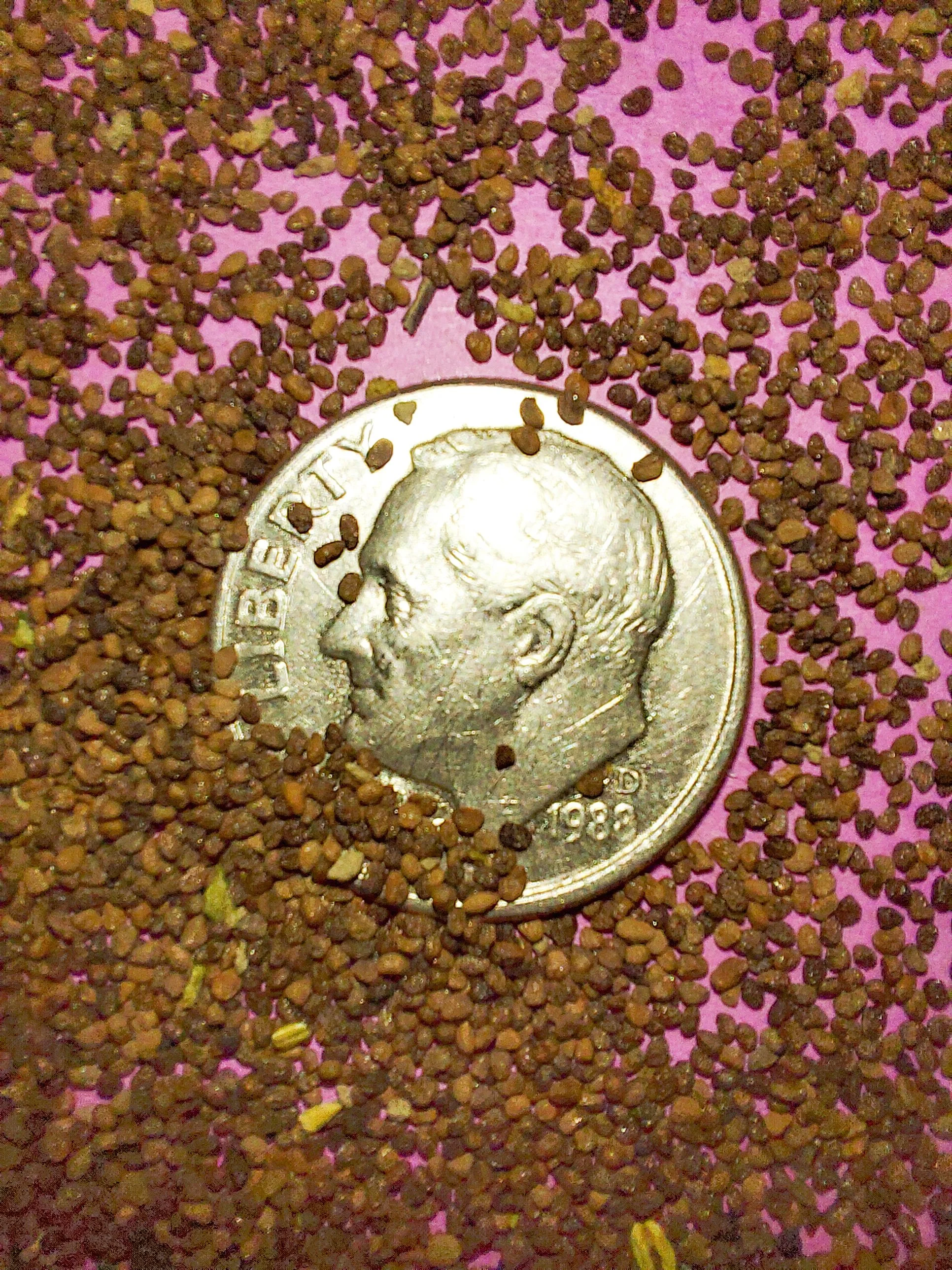
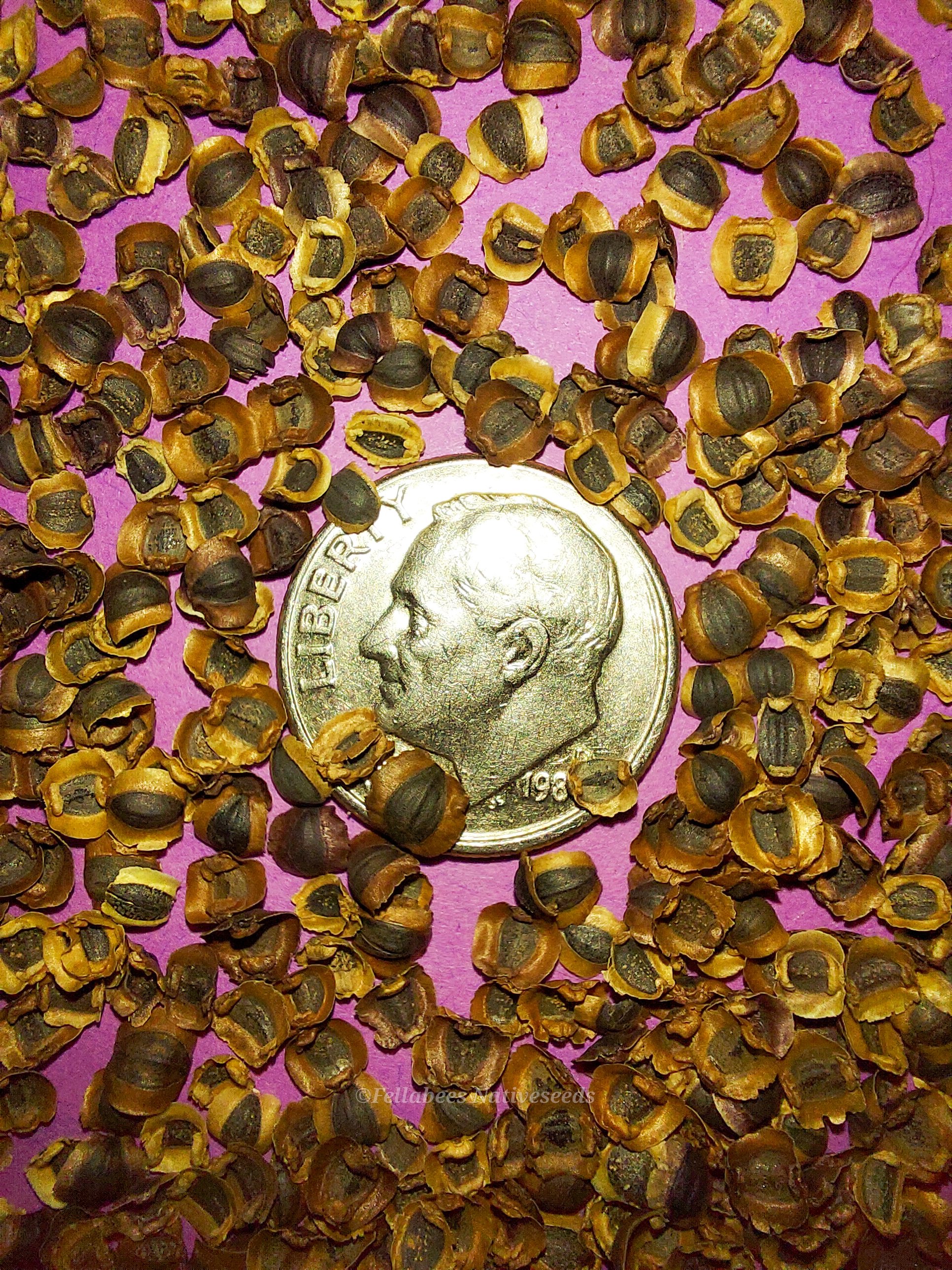
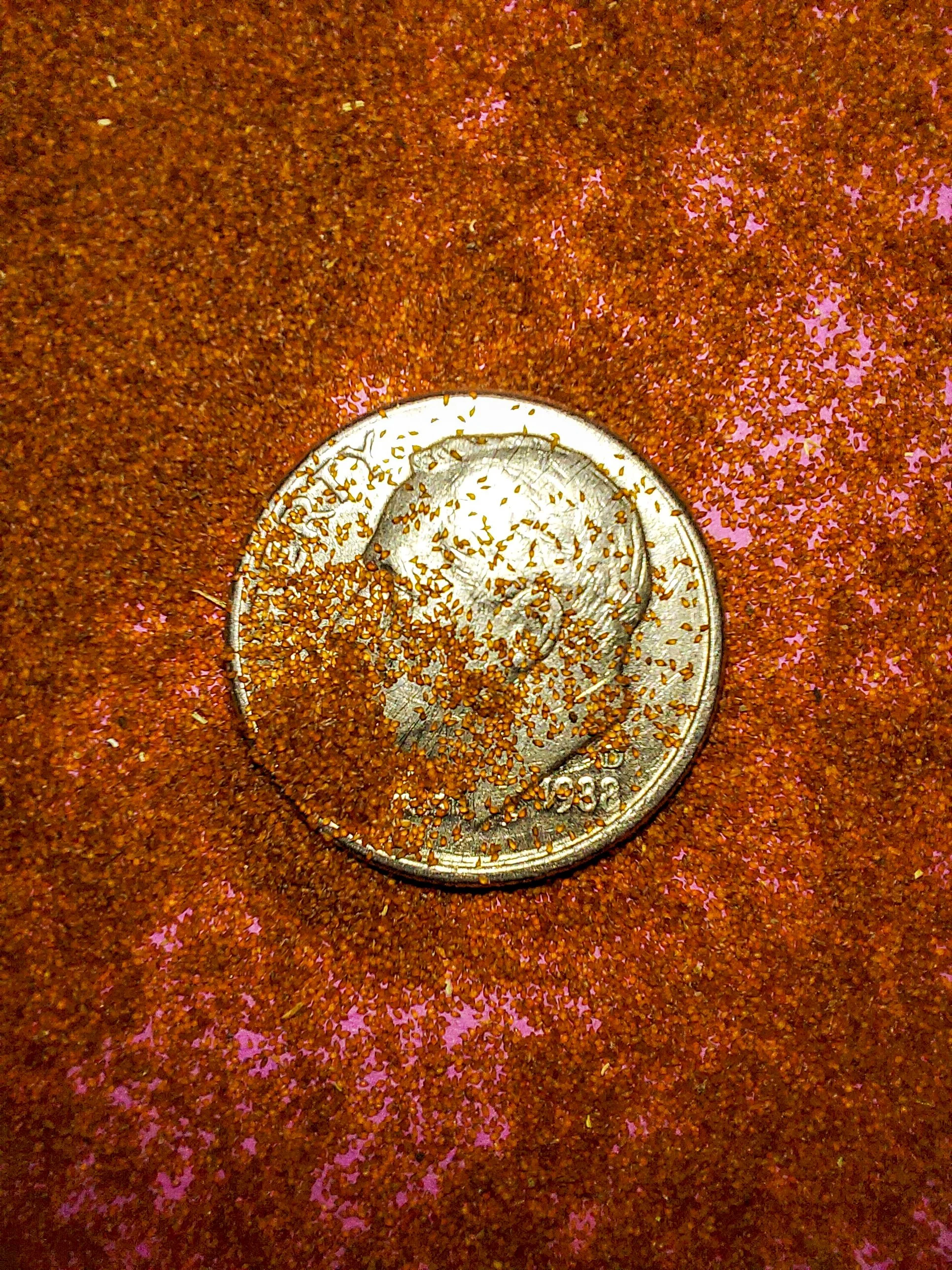
Small seed species will contain greater than 20-25 seed
Large seed species will contain greater than 10-15 seed
It is our mission to spread the wealth of native plant and pollinator ecological sustainability, and educate back yard gardeners as well as corporate and government entities in how to germinate, grow, and benefit from native synergies.
Thank you for your support, it is because of you, that we can grow together to do, what we do.🐛🦋🐝🐞🌾🌱🌼🧡
Bush's Coneflower (Echinacea paradoxa)
Echinacea paradoxa is the scientific name for the exceptionally rare coneflower species more commonly known as Bush’s Coneflower, Bush's Purple Coneflower, or Ozark coneflower, is a North American species of flowering plant in the family Asteraceae. It is native to southern Missouri, Arkansas, and south-central Oklahoma. It is listed as threatened in Arkansas.
Echinacea paradoxa is a perennial herb that can reach up to 3 feet in height, producing multiple, slightly hairy stems that emerge from a robust underground rootstock. Most of the foliage is concentrated in basal leaves with smooth margins, forming a low rosette at the plant’s base. Leaves are alternate along the stem, becoming progressively shorter higher up, and they are entirely absent on the upper two-thirds of the flowering stems. Basal leaves range from about 3 to 18 inches long and are narrowly elliptic to lanceolate in shape, while the stem leaves measure roughly 2 to 14 inches long and are linear to narrowly elliptic or narrowly lanceolate, reflecting the plant’s variation in leaf form with height.
Bush's Coneflower is one of the most fragrant of the Coneflowers attracting many pollinators including specialist bees to the species and its close cousin Pale Purple Coneflower (Echinacea pallida) such as Mining Bees (Andrena beameri and helianthiformis). The most common visitors seen will likely be Long-horned Bees (Melissodes spp.), Sweat Bees (Halictus spp.), Green Sweat Bees (Agapostemon spp.), Leafcutter Bees (Megachile spp.), Bumble Bees (Bombus spp.) most notably Brown-Belted Bumble Bees (Bombus griseocollis).
Butterflies of all kinds flock to Bush's Coneflower such as American Lady (Vanessa virginiensis), Red Admiral (Vanessa atalanta), Great Spangled Fritillary (Speyeria cybele), Eastern Tiger Swallowtail (Papilio glaucus), not to mention Monarchs and their look alike Viceroy Butterflies, Skippers, and Sulphurs!
Nectar of Bush’s Coneflower accumulates in a cup formed by the fused bases of the filaments and remains available through the fourth day of the flower’s life. Female-phase florets that are adjacent to pollen-rich male-phase florets produce additional nectar. When bees visit these female florets to collect nectar, they are likely to pick up pollen from the nearby male florets and then transfer that pollen to the next Bush’s Coneflower they visit. The structure of the flower head guides the movement of visitors in a way that promotes cross-pollination between Bush’s Coneflowers.
The native historic range of this plant is limited to just four southern states, but it is adaptable and will grow where intentionally planted, quietly naturalizing in northern and eastern landscapes. The ability of Echinacea paradoxa to thrive across a variety of site conditions, combined with its limited seed dispersal tied to specific and often restricted habitats, makes it an especially valuable asset for both gardeners and ecologists. By incorporating this resilient species into garden designs, restoration projects, and pollinator-friendly plantings, you can meaningfully support the health of local environments and contribute to the balanced functioning of surrounding ecosystems.
Plant Details
USDA Zones: 3-8
Germination Needs: 60 Days Cold Stratification.
Life Cycle: Perennial
Sun Exposure: Full to Partial
Soil Moisture: Medium, Medium-Dry, Dry
Plant Spacing: 1½-2 feet
Height: 3 feet
Bloom time: June, July, August
Bloom Color: Yellow
Advantages
Pollinator Favorite: butterflies, moths, bees, wasps, beetles
Bird Favorite: seeds, insects, fruit, nectar, nesting, perches.
Deer Resistant: Yes
Excellent in the home landscape!
Native to: Missouri, Arkansas, Oklahoma and Texas.
This species is marked as G3 vulnerable by NatureServe, and is listed as present but rare in several counties of the states of Arkansas, Oklahoma and Texas.
.
.
Packet quantities:
We pride ourselves on ethical, hands on, ecological management, using no mechanical or chemical methods whatsoever.
All of our native seed is hand reared, hand picked, and hand packed from native prairies under our exclusive management, never breaking chain of custody from the field until it is sent to you. Each packet is hand prepared for shipment by us, directly.
Small seed species will contain greater than 20-25 seed
Large seed species will contain greater than 10-15 seed
It is our mission to spread the wealth of native plant and pollinator ecological sustainability, and educate back yard gardeners as well as corporate and government entities in how to germinate, grow, and benefit from native synergies.
Thank you for your support, it is because of you, that we can grow together to do, what we do.🐛🦋🐝🐞🌾🌱🌼🧡
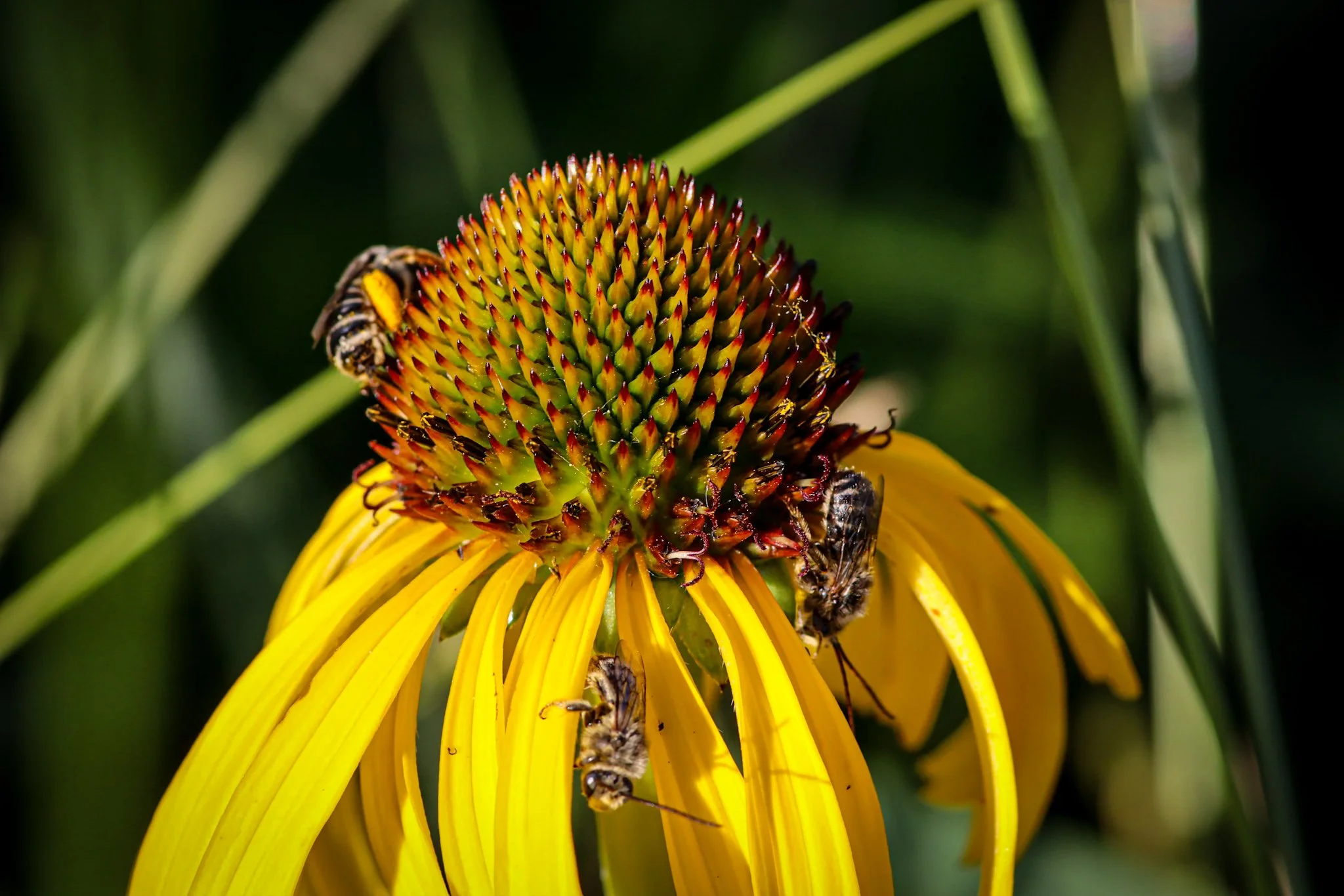 Image 1 of 8
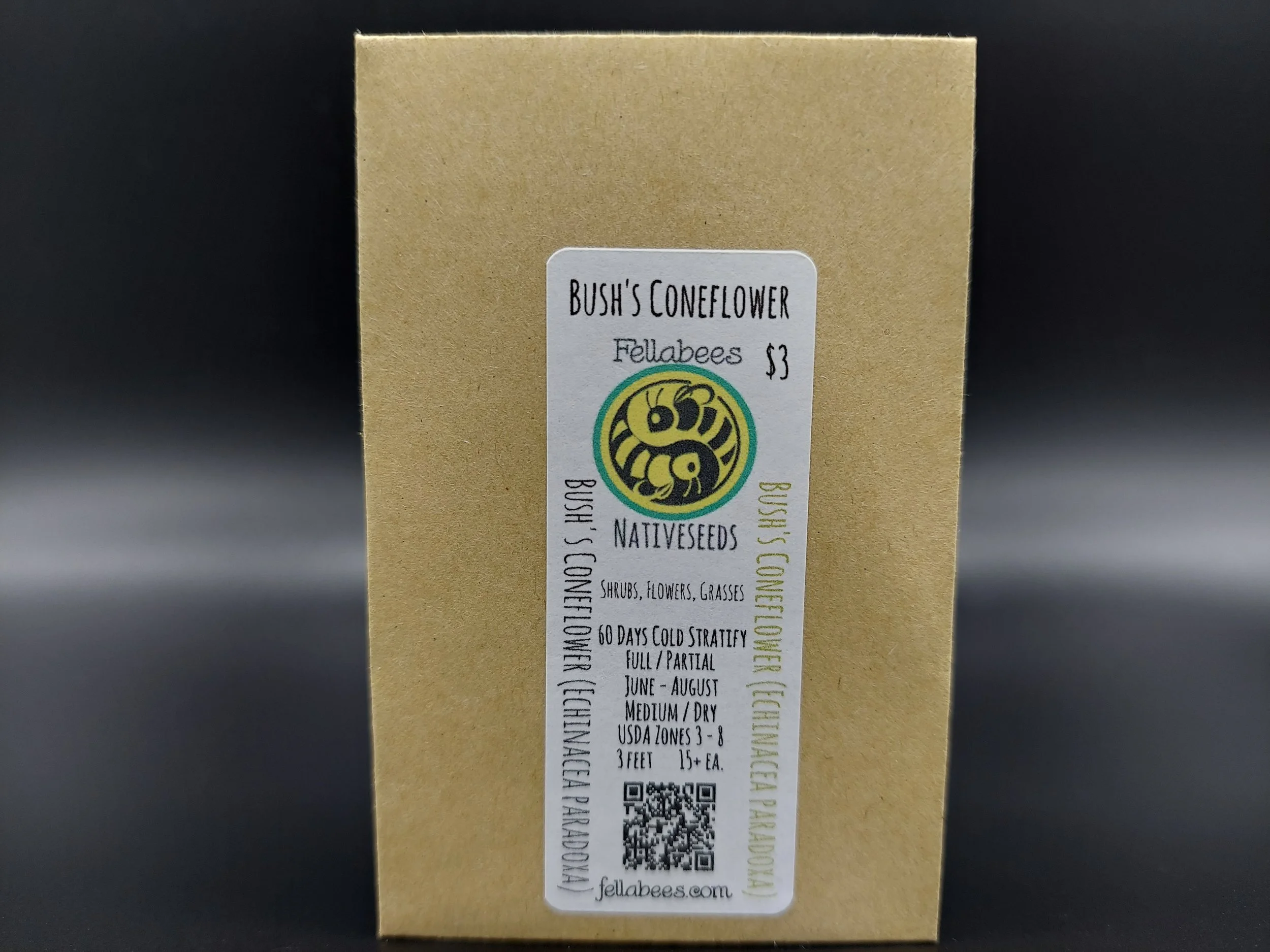 Image 2 of 8
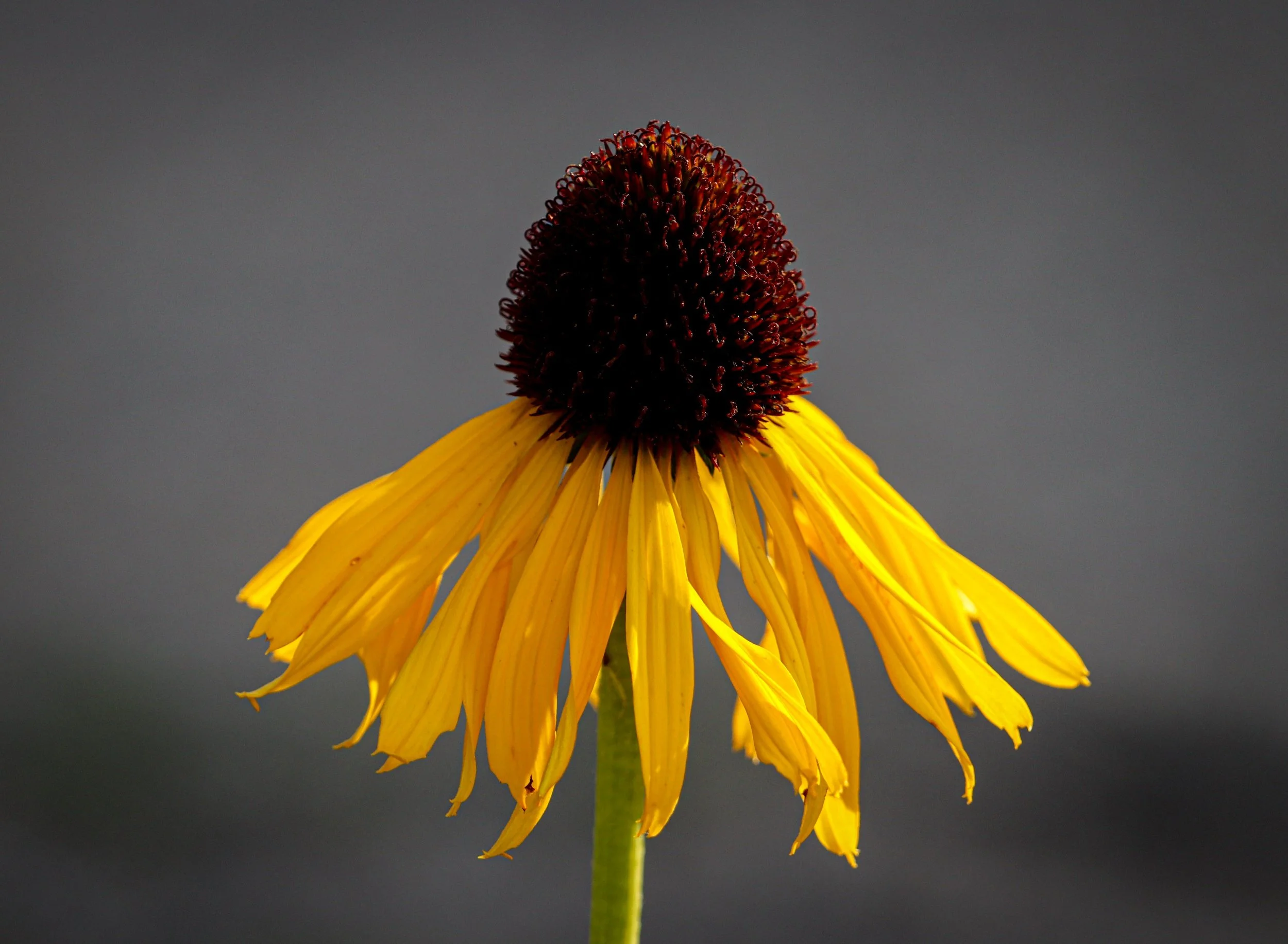 Image 3 of 8
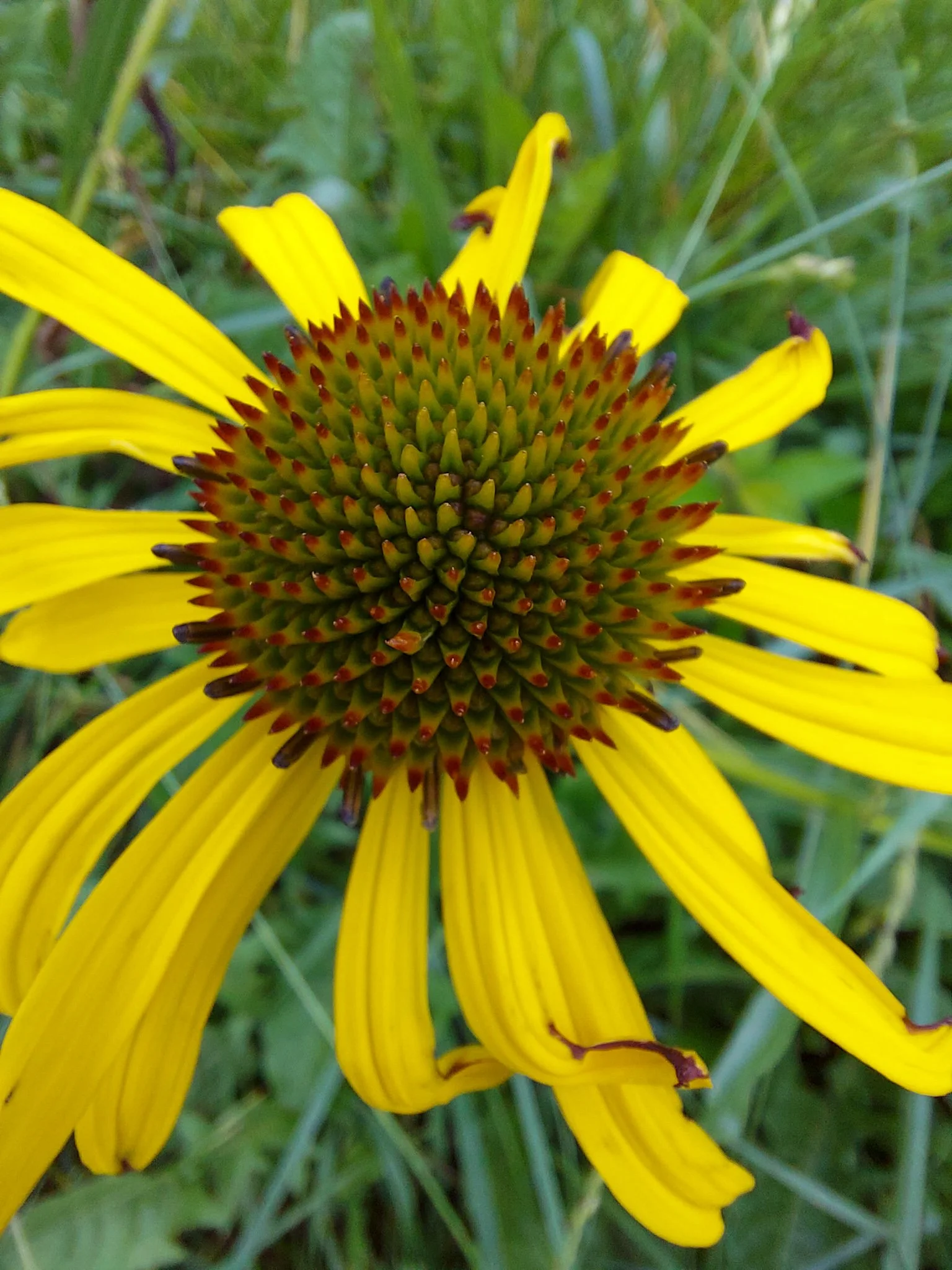 Image 4 of 8
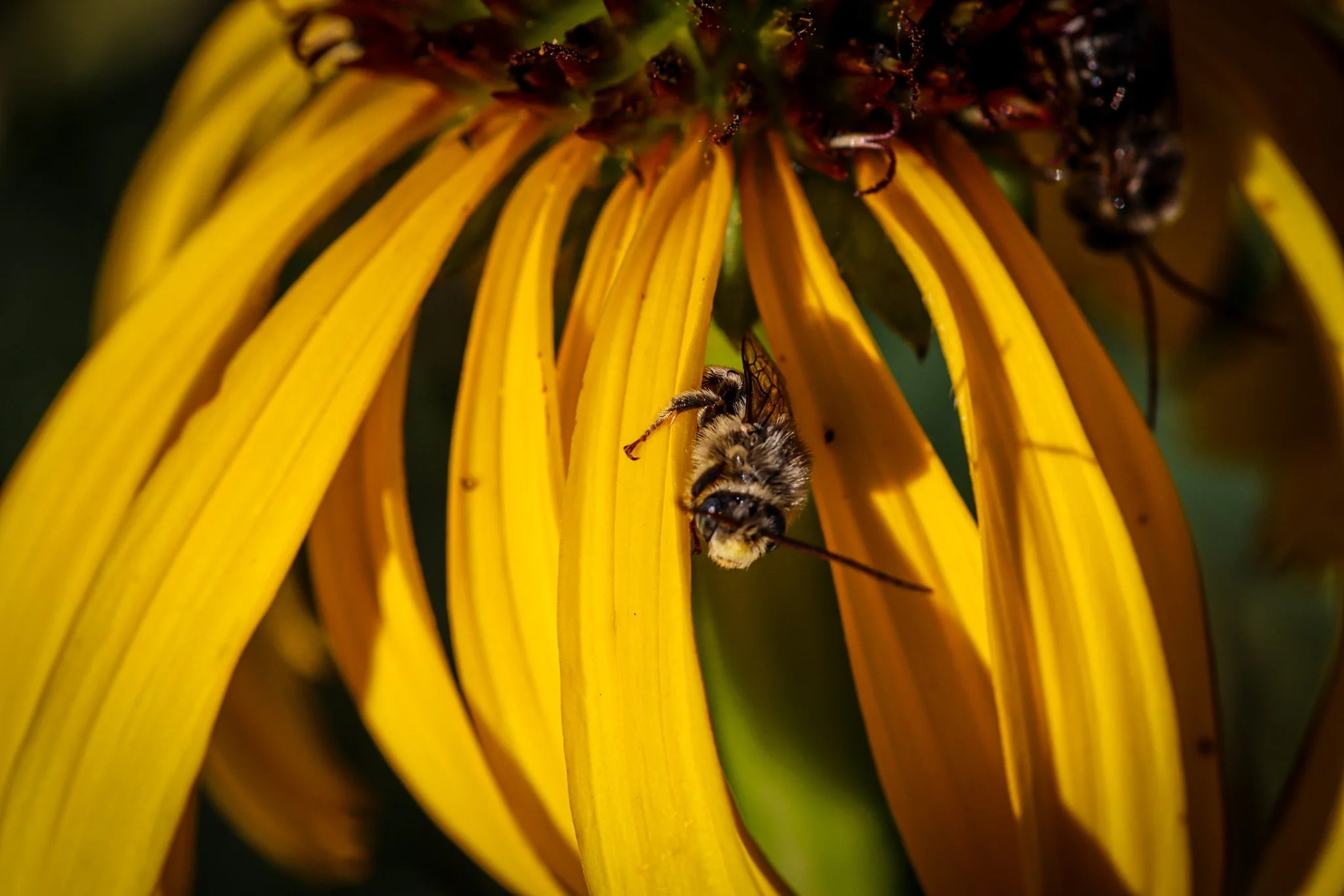 Image 5 of 8
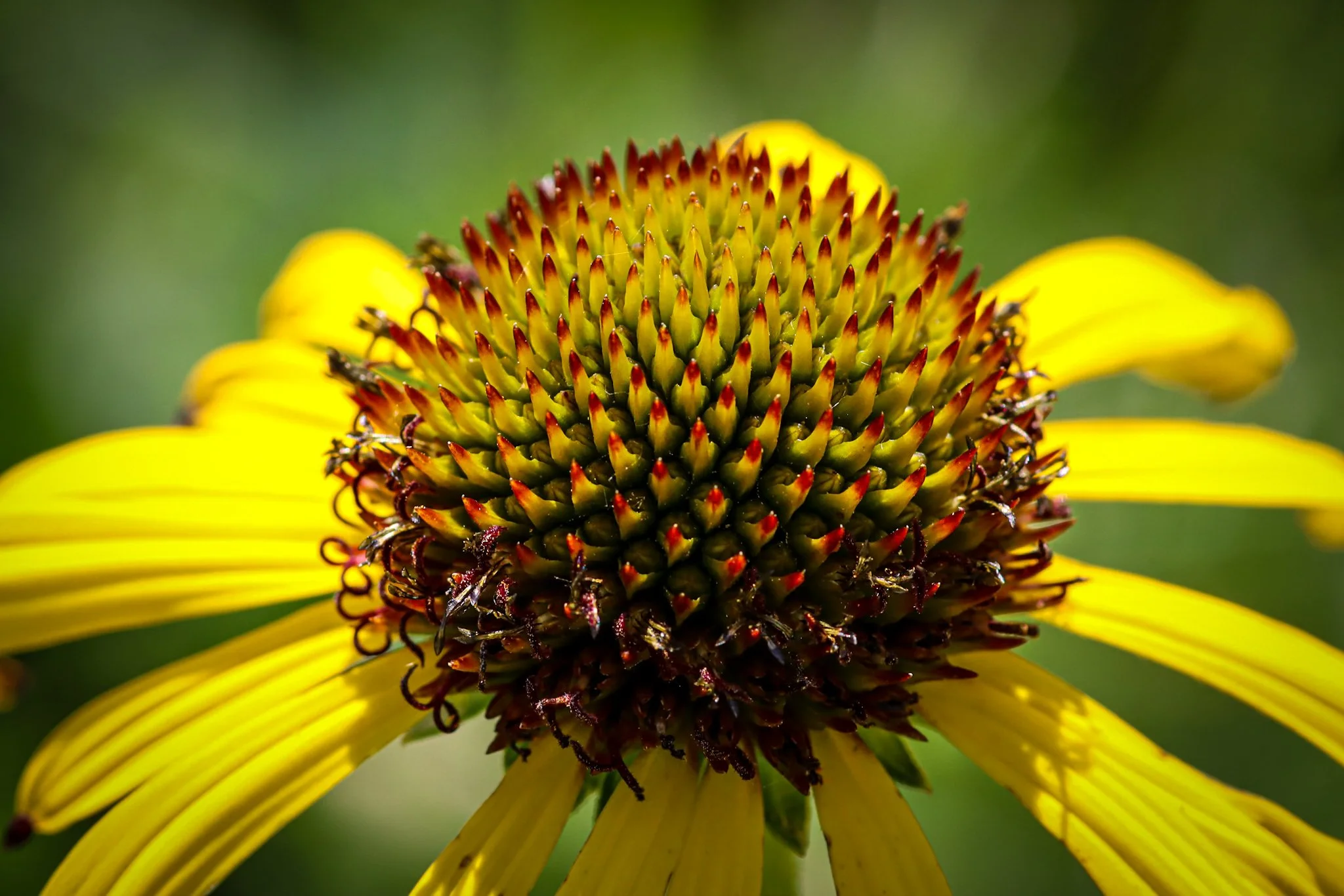 Image 6 of 8
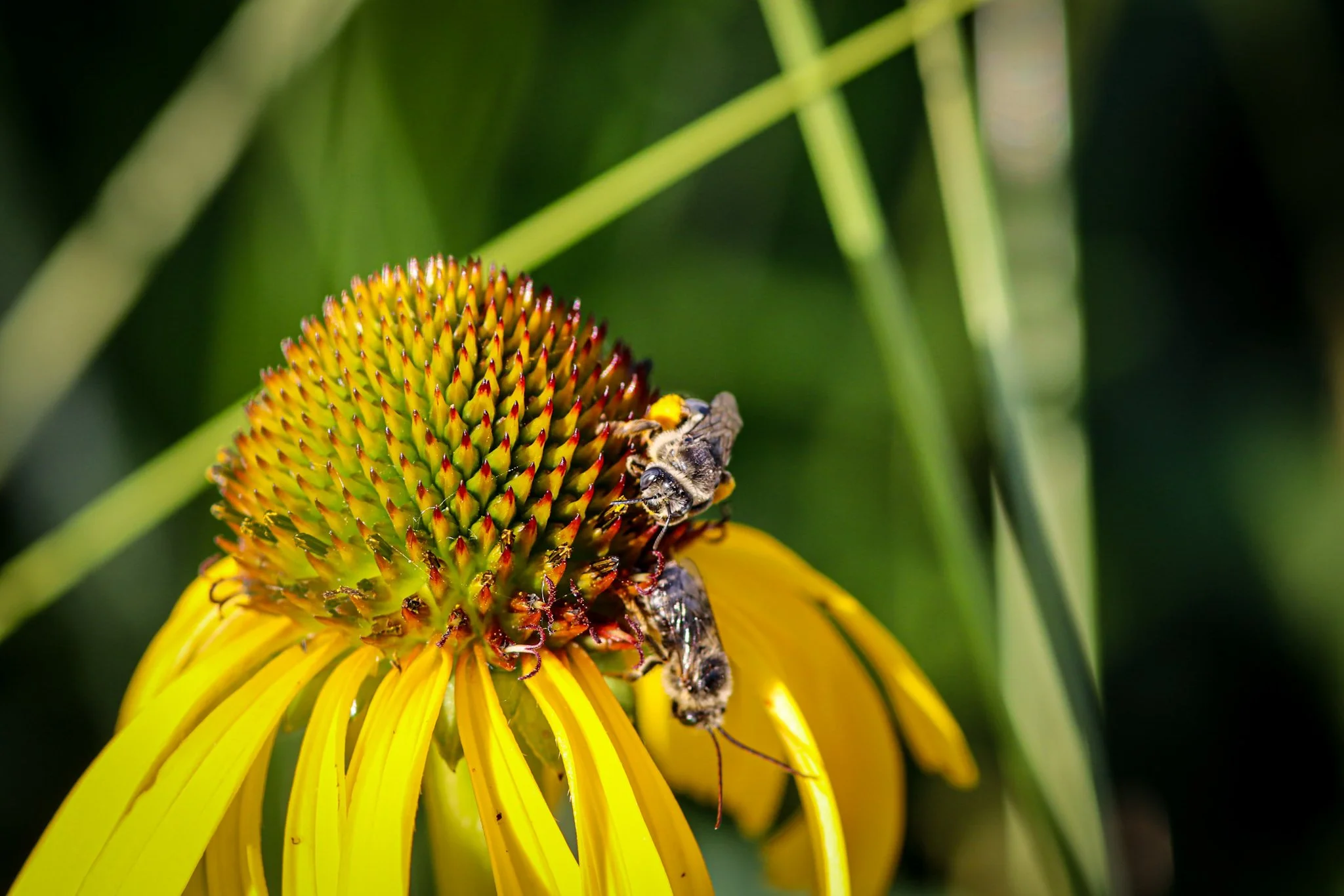 Image 7 of 8
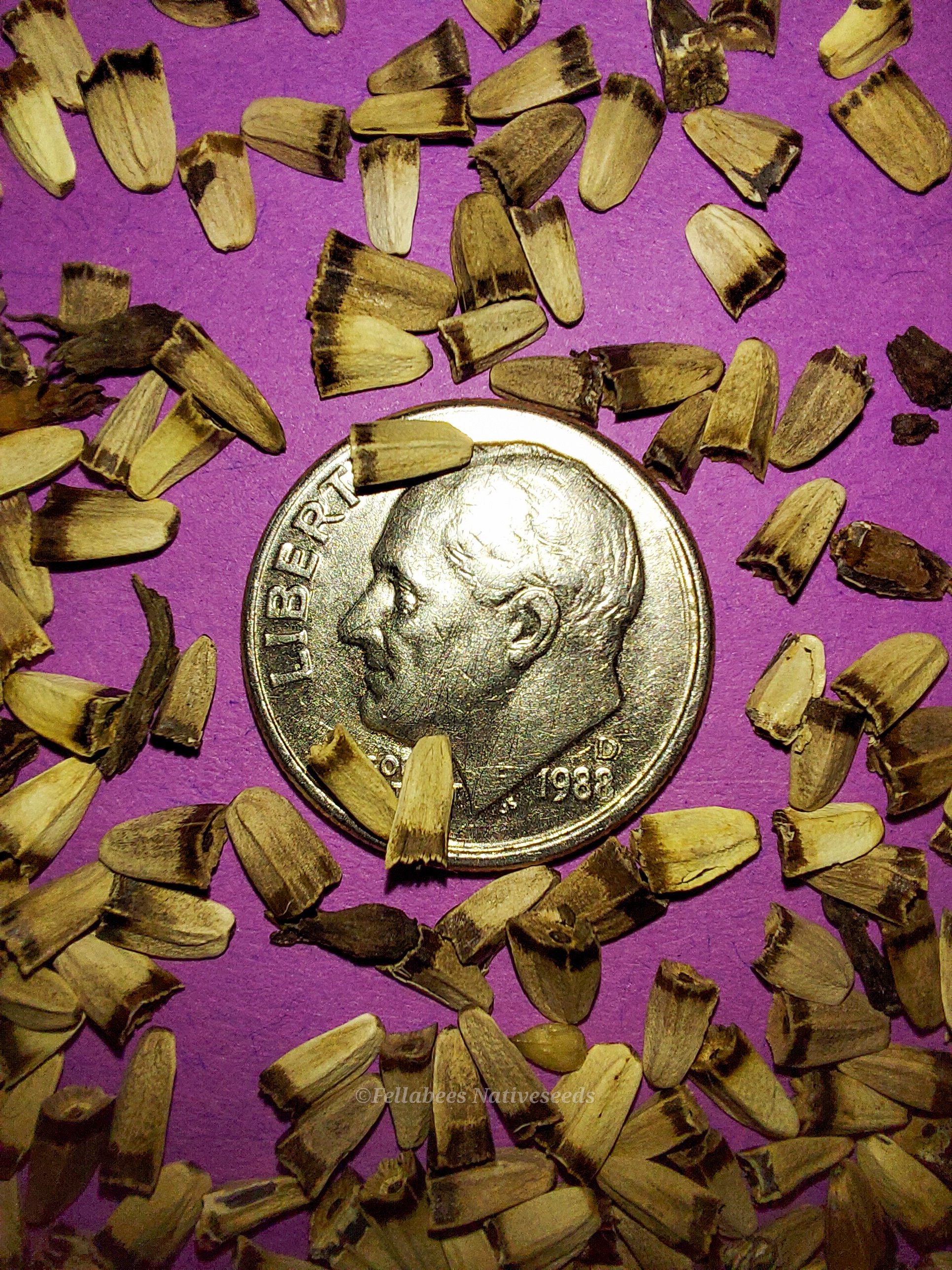 Image 8 of 8