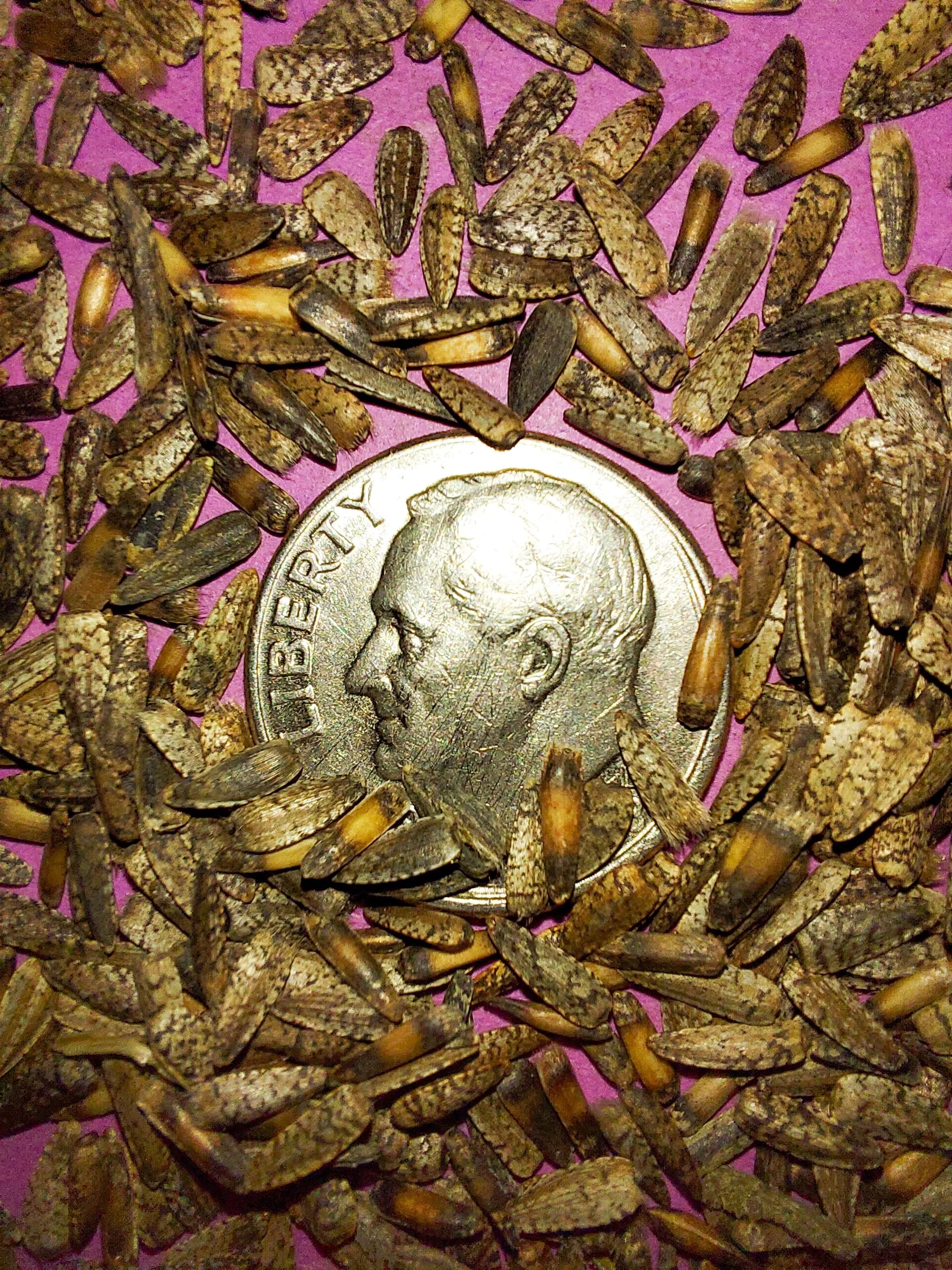
Canada Milk Vetch (Astragalus canadensis)
Canada Milk Vetch, scientifically named (Astragalus canadensis), is a fairly common and widespread member of the Milkvetch genus within the legume family. This adaptable perennial occurs throughout much of Canada and the United States and thrives in a wide range of habitats, including wetlands, woodlands, prairies, and other open or moist sites, where it often contributes to local biodiversity and supports pollinators.
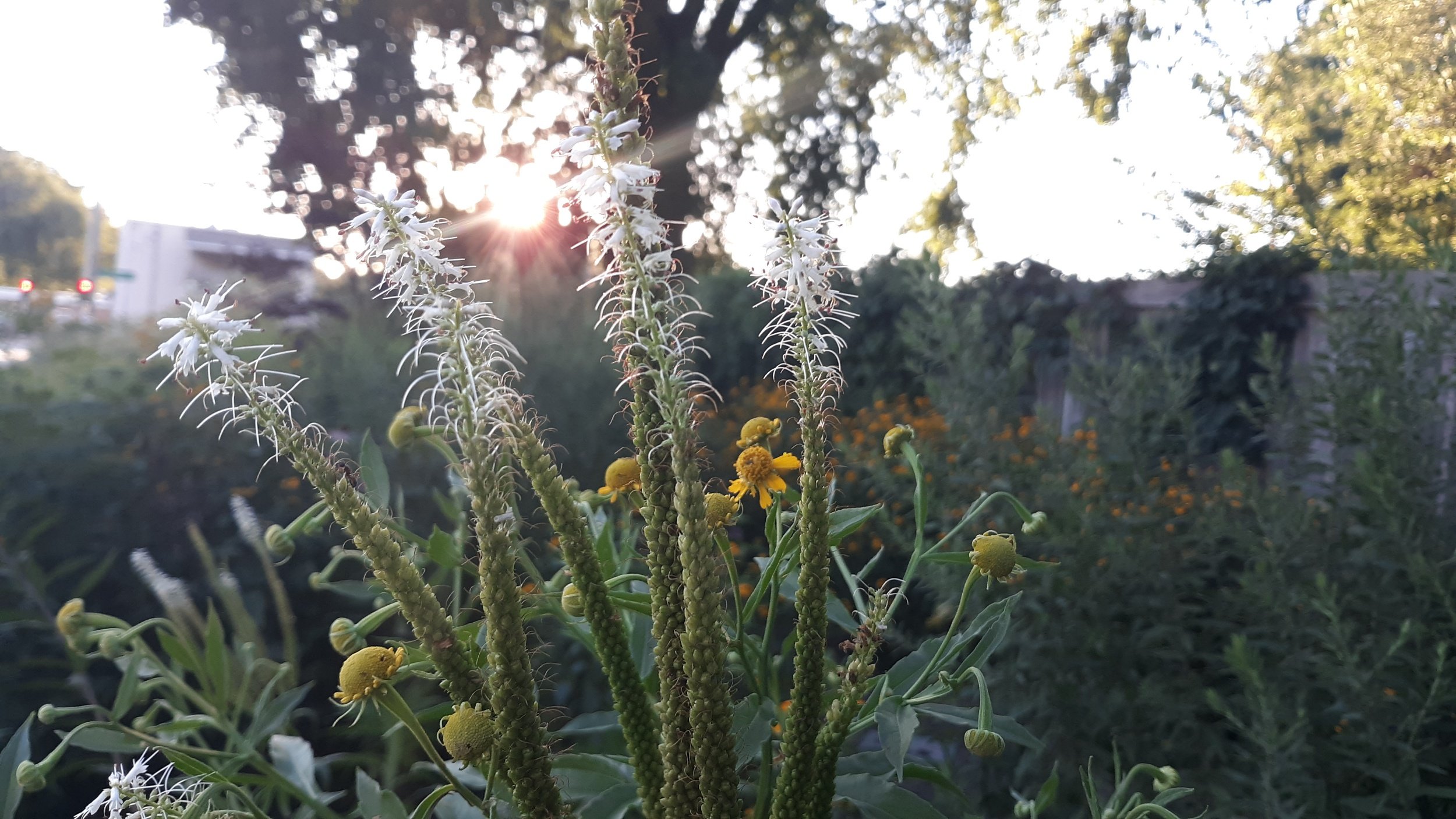
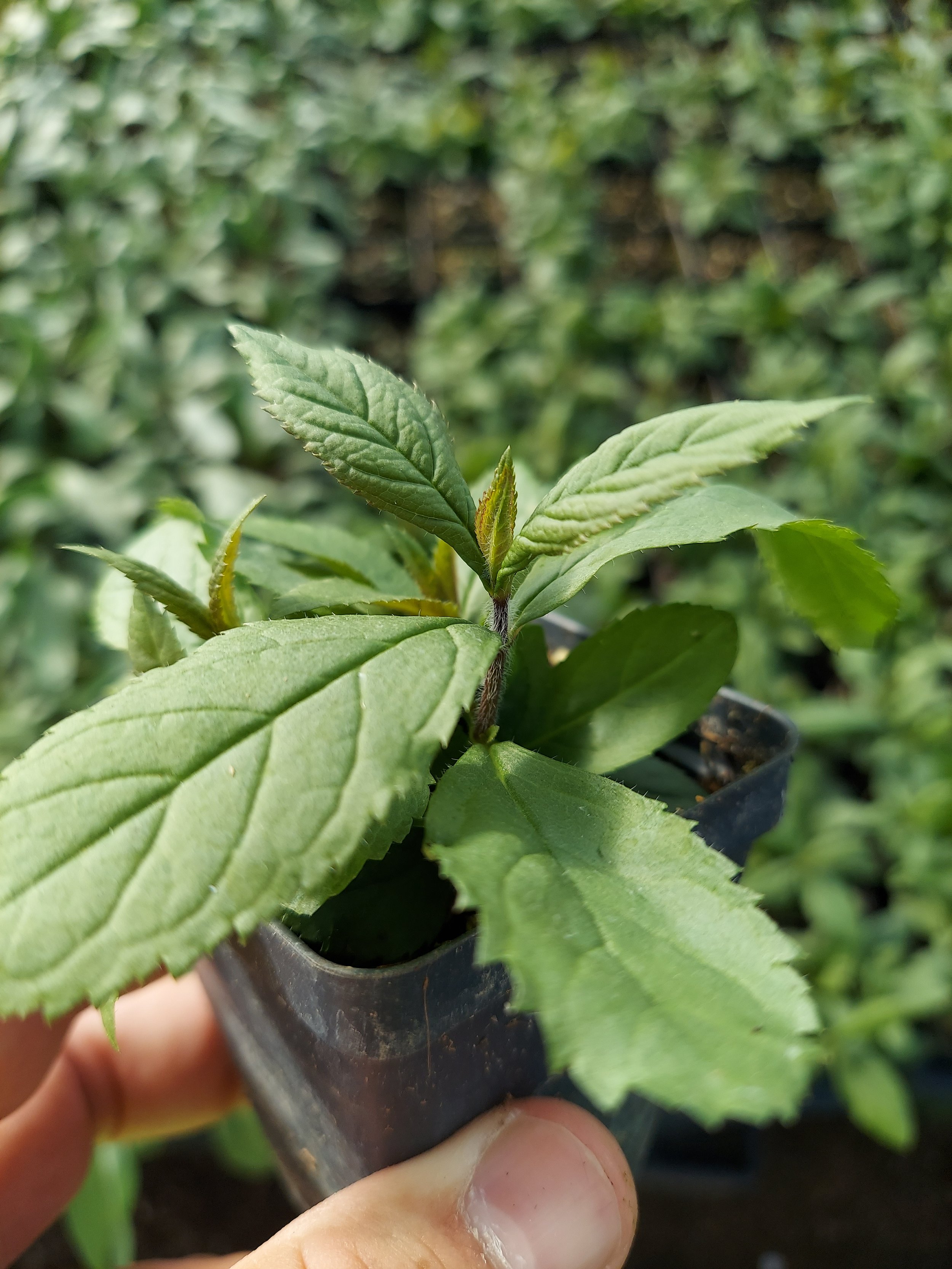
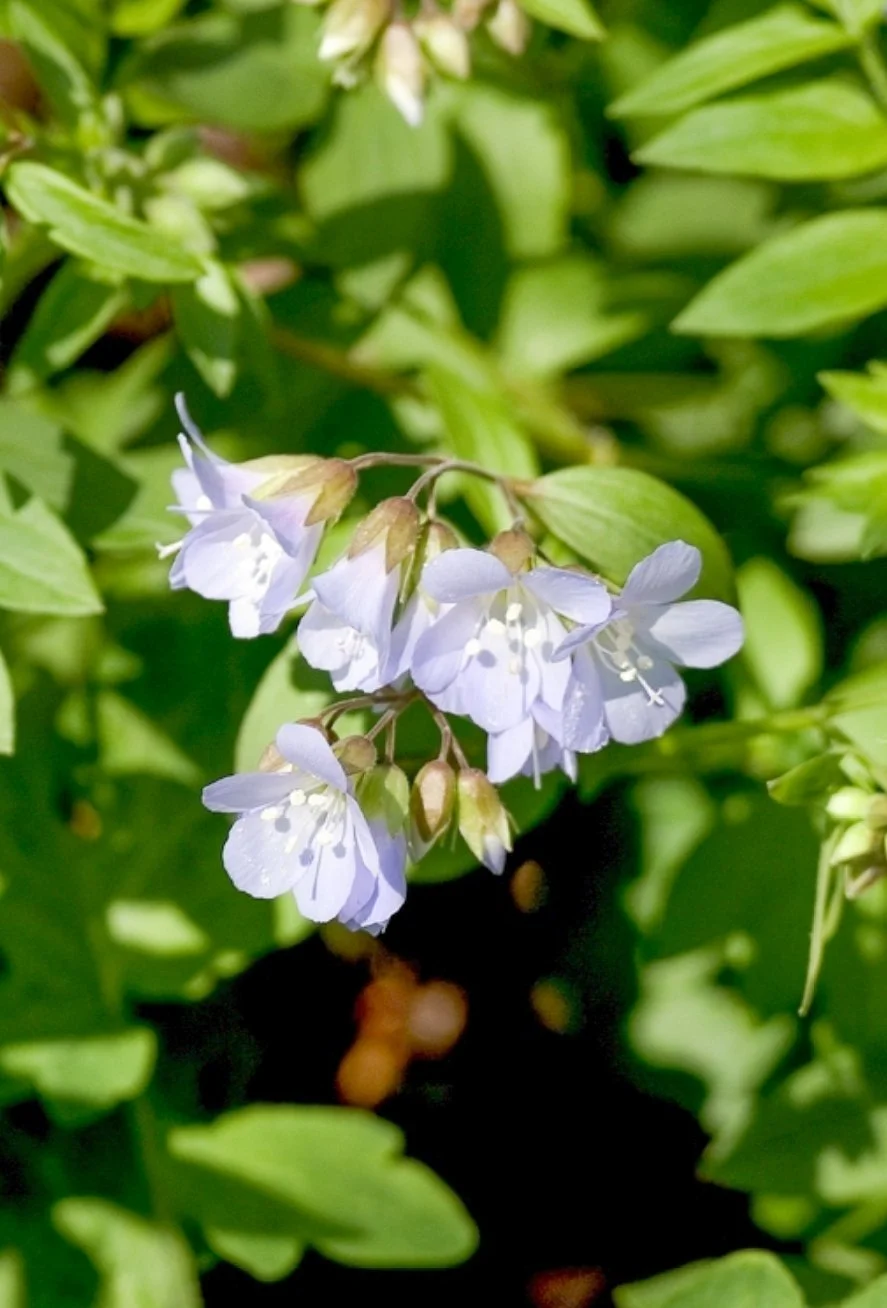
Canadian Milk Vetch produces several thin, erect green stems that rise from the base, each bearing compound leaves composed of paired leaflets, with individual leaflets reaching up to about 3 centimeters in length. The plant forms clusters of tubular, greenish-white flowers, which develop into beanlike fruits contained in pods that, when fully mature, distinctly rattle with the loose seeds inside.
Milk Vetch is a perennial herb with strong, deep tap roots. Its alternate, pinnate leaves are elliptic in shape, and the plant can reach heights of up to about 4 feet. The flowers bloom during the late spring and early summer months of May, June, and July, displaying a creamy, greenish-white hue.
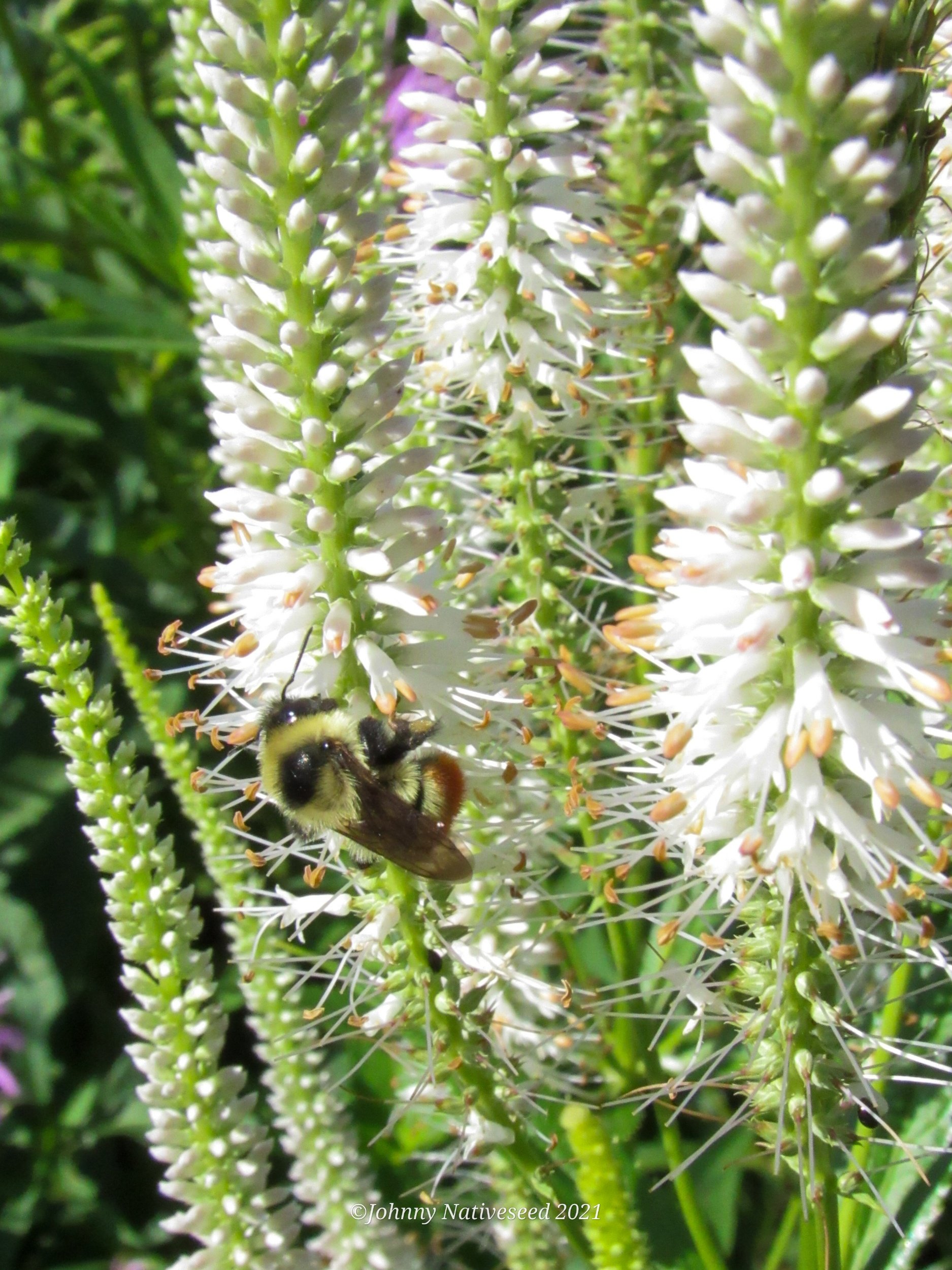
This plant is used as a food source of Acanthoscelides aureolus, a tiny weevil. Many pollinators find the Astragalus family irresistible such as Bumble Bees (Bombus spp.), Sweat Bees (Lasioglossum spp.), Mason Bees (Osmia spp.) Mining Bees (Andrena spp.) and other native bees use and even specialize on the plant for nectar. Many Butterflies are either drawn to, or hosted by Canada Milk Vetch including Western Tailed-Blue (Cupido amyntula), Arrowhead Blue (Glaucopsyche piasus), Queen Alexandra's Sulphur (Colias alexandra), Mead's Sulphur (Colias meadii), Afranius Duskywing (Erynnis afranius), Marine Blue (Leptotes marina), Shasta Blue (Plebejus shasta), Karner blue (Plebejus samuelis), Melissa Blue (Plebejus melissa), Western Tailed-Blue (Cupido amyntula), just to name a few!!!
Deer, rabbits, and groundhogs can eat the leaves, unlike other species in the Astragalus genus.
Like other Astragalus species, Canada Milk Vetch is somewhat toxic, but it has been traditionally used medicinally by Indigenous American peoples such as the Blackfoot and Lakota people. The roots were eaten raw or boiled and used in broth. The roots were usually gathered in spring and again in fall.
This plant is listed as rare in Michigan, Ohio, Pennsylvania, Vermont, Maryland, Mississippi, Alabama, and Georgia.
It is listed as extirpated (locally extinct) in Connecticut and New Jersey
Plant Details
USDA Zones: 3-8
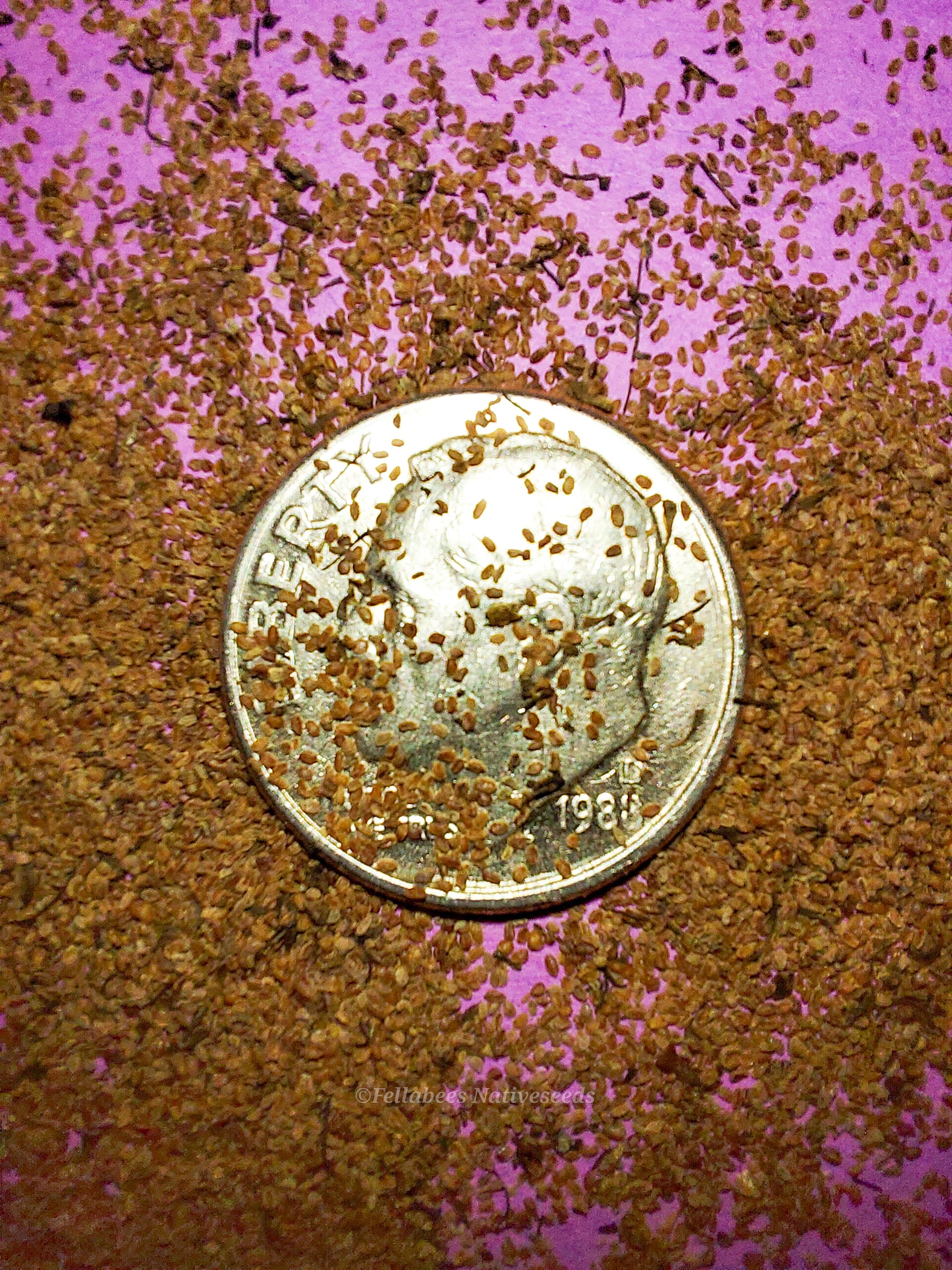
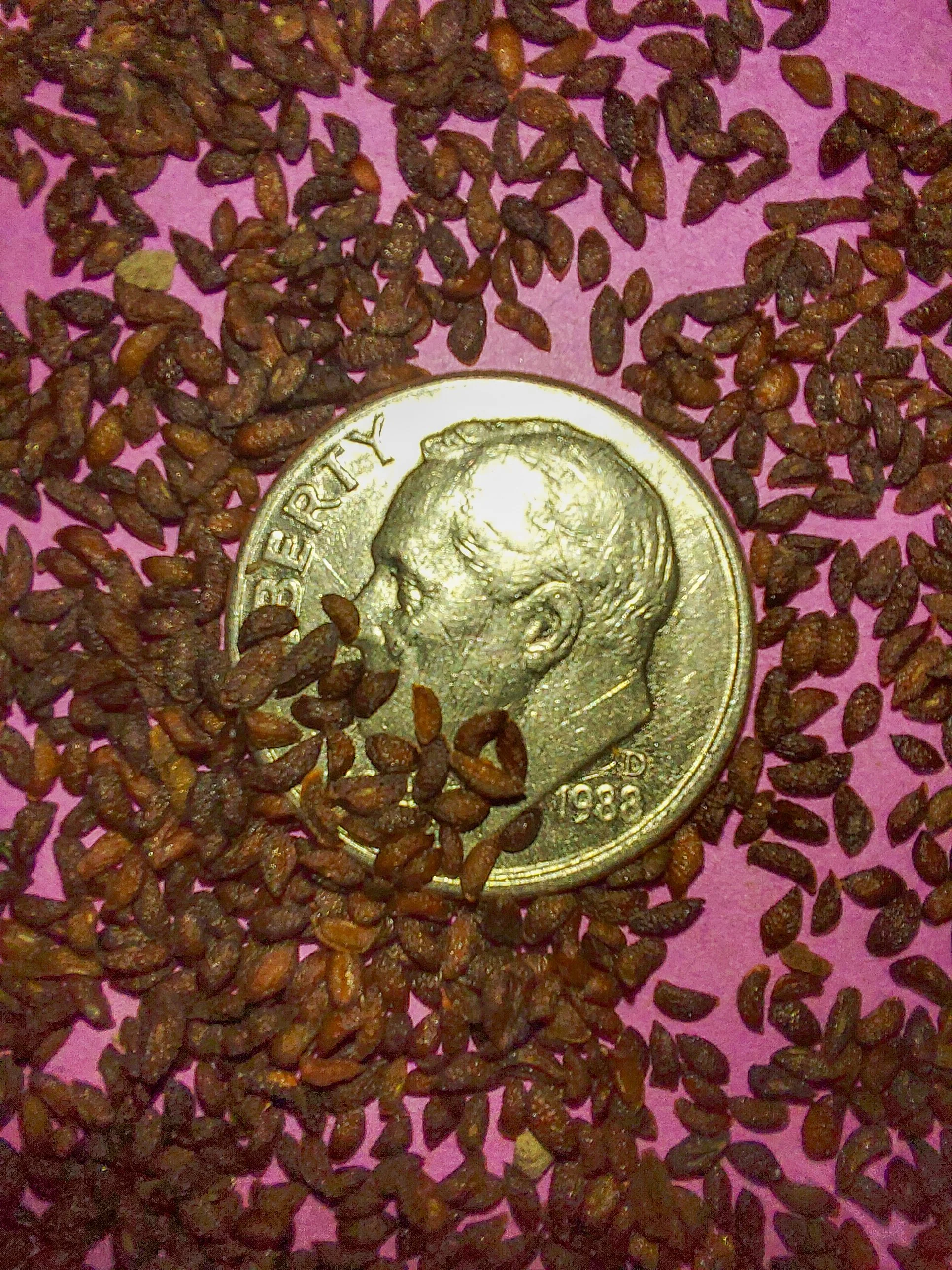
Germination Needs: Seed needs scarification before, (Rub seeds between medium grit sandpaper to aerate the seed surface without crushing or opening the seed) 10 Days Cold Stratification, if done through artificial Stratification methods. If direct sown after hard frost, there is no need for any treatment. Simply spread where desired.
Life Cycle: Perennial
Sun Exposure: Full to Partial
Soil Moisture: Medium-Wet, Medium, Medium-Dry, Dry
Plant Spacing: 1½-2 feet
Height: 3 feet
Bloom time: June, July, August
Bloom Color: Cream
Advantages:
Pollinator Favorite: butterflies, moths, bees, wasps, beetles
Bird Favorite: seeds, insects, fruit, nectar, nesting, perches.
Deer Resistant: No
Native to : Wisconsin, Minnesota, Iowa, Illinois, Michigan, Missouri, Kentucky, West Virginia, Virginia, Pennsylvania, Maryland, New Jersey, Connecticut, Vermont, North Carolina, South Carolina, Georgia, Alabama, Mississippi, Louisiana, Arkansas, Texas, Oklahoma, Kansas, Nebraska, South Dakota, North Dakota, Montana, Idaho, Wyoming, Colorado, New Mexico, Utah, Nevada, California, Oregon, and Washington.
.
.
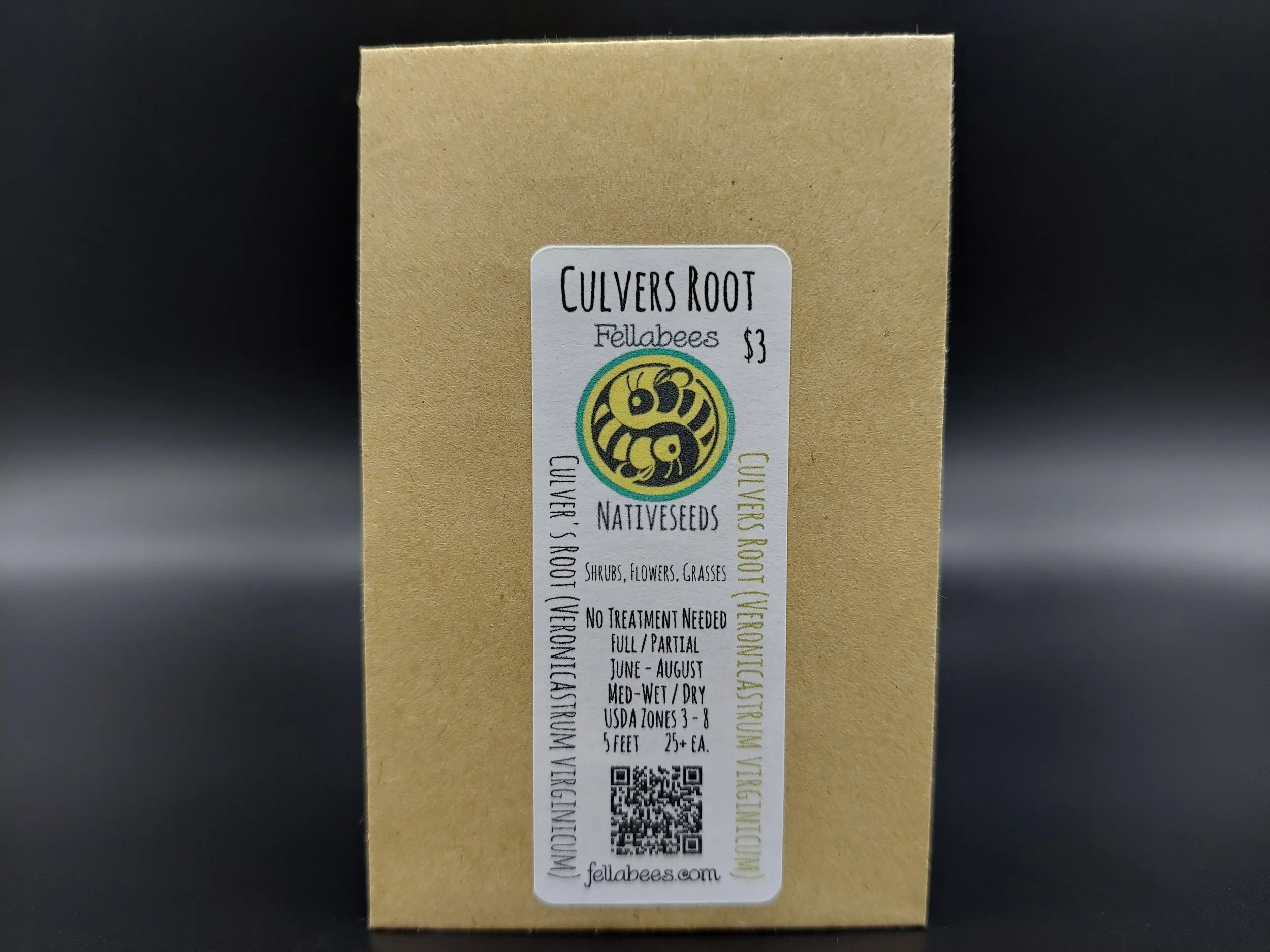
Packet quantities:
We pride ourselves on ethical, hands on, ecological management, using no mechanical or chemical methods whatsoever.
All of our native seed is hand reared, hand picked, and hand packed from native prairies under our exclusive management, never breaking chain of custody from the field until it is sent to you. Each packet is hand prepared for shipment by us, directly.
Small seed species will contain greater than 20-25 seed
Large seed species will contain greater than 10-15 seed
It is our mission to spread the wealth of native plant and pollinator ecological sustainability and educate back yard gardeners as well as corporate and government entities in how to germinate, grow, and benefit from native synergies.
Thank you for your support, it is because of you, that we can grow together to do, what we do. 🐛🦋🐝🐞🌾🌱🌼🧡
Canada Milk Vetch (Astragalus canadensis)
Canada Milk Vetch, scientifically named (Astragalus canadensis), is a fairly common and widespread member of the Milkvetch genus within the legume family. This adaptable perennial occurs throughout much of Canada and the United States and thrives in a wide range of habitats, including wetlands, woodlands, prairies, and other open or moist sites, where it often contributes to local biodiversity and supports pollinators.
Canadian Milk Vetch produces several thin, erect green stems that rise from the base, each bearing compound leaves composed of paired leaflets, with individual leaflets reaching up to about 3 centimeters in length. The plant forms clusters of tubular, greenish-white flowers, which develop into beanlike fruits contained in pods that, when fully mature, distinctly rattle with the loose seeds inside.
Milk Vetch is a perennial herb with strong, deep tap roots. Its alternate, pinnate leaves are elliptic in shape, and the plant can reach heights of up to about 4 feet. The flowers bloom during the late spring and early summer months of May, June, and July, displaying a creamy, greenish-white hue.
This plant is used as a food source of Acanthoscelides aureolus, a tiny weevil. Many pollinators find the Astragalus family irresistible such as Bumble Bees (Bombus spp.), Sweat Bees (Lasioglossum spp.), Mason Bees (Osmia spp.) Mining Bees (Andrena spp.) and other native bees use and even specialize on the plant for nectar. Many Butterflies are either drawn to, or hosted by Canada Milk Vetch including Western Tailed-Blue (Cupido amyntula), Arrowhead Blue (Glaucopsyche piasus), Queen Alexandra's Sulphur (Colias alexandra), Mead's Sulphur (Colias meadii), Afranius Duskywing (Erynnis afranius), Marine Blue (Leptotes marina), Shasta Blue (Plebejus shasta), Karner blue (Plebejus samuelis), Melissa Blue (Plebejus melissa), Western Tailed-Blue (Cupido amyntula), just to name a few!!!
Deer, rabbits, and groundhogs can eat the leaves, unlike other species in the Astragalus genus.
Like other Astragalus species, Canada Milk Vetch is somewhat toxic, but it has been traditionally used medicinally by Indigenous American peoples such as the Blackfoot and Lakota people. The roots were eaten raw or boiled and used in broth. The roots were usually gathered in spring and again in fall.
This plant is listed as rare in Michigan, Ohio, Pennsylvania, Vermont, Maryland, Mississippi, Alabama, and Georgia.
It is listed as extirpated (locally extinct) in Connecticut and New Jersey
Plant Details
USDA Zones: 3-8
Germination Needs: Seed needs scarification before, (Rub seeds between medium grit sandpaper to aerate the seed surface without crushing or opening the seed) 10 Days Cold Stratification, if done through artificial Stratification methods. If direct sown after hard frost, there is no need for any treatment. Simply spread where desired.
Life Cycle: Perennial
Sun Exposure: Full to Partial
Soil Moisture: Medium-Wet, Medium, Medium-Dry, Dry
Plant Spacing: 1½-2 feet
Height: 3 feet
Bloom time: June, July, August
Bloom Color: Cream
Advantages:
Pollinator Favorite: butterflies, moths, bees, wasps, beetles
Bird Favorite: seeds, insects, fruit, nectar, nesting, perches.
Deer Resistant: No
Native to : Wisconsin, Minnesota, Iowa, Illinois, Michigan, Missouri, Kentucky, West Virginia, Virginia, Pennsylvania, Maryland, New Jersey, Connecticut, Vermont, North Carolina, South Carolina, Georgia, Alabama, Mississippi, Louisiana, Arkansas, Texas, Oklahoma, Kansas, Nebraska, South Dakota, North Dakota, Montana, Idaho, Wyoming, Colorado, New Mexico, Utah, Nevada, California, Oregon, and Washington.
.
.
Packet quantities:
We pride ourselves on ethical, hands on, ecological management, using no mechanical or chemical methods whatsoever.
All of our native seed is hand reared, hand picked, and hand packed from native prairies under our exclusive management, never breaking chain of custody from the field until it is sent to you. Each packet is hand prepared for shipment by us, directly.
Small seed species will contain greater than 20-25 seed
Large seed species will contain greater than 10-15 seed
It is our mission to spread the wealth of native plant and pollinator ecological sustainability and educate back yard gardeners as well as corporate and government entities in how to germinate, grow, and benefit from native synergies.
Thank you for your support, it is because of you, that we can grow together to do, what we do. 🐛🦋🐝🐞🌾🌱🌼🧡
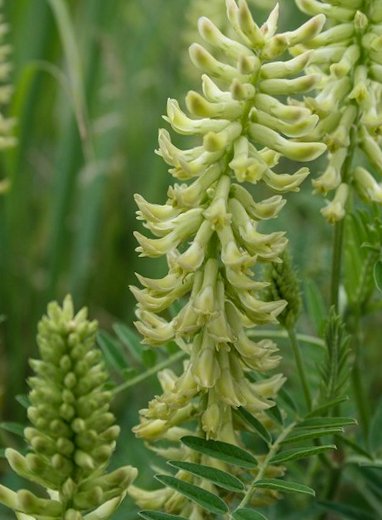 Image 1 of 5
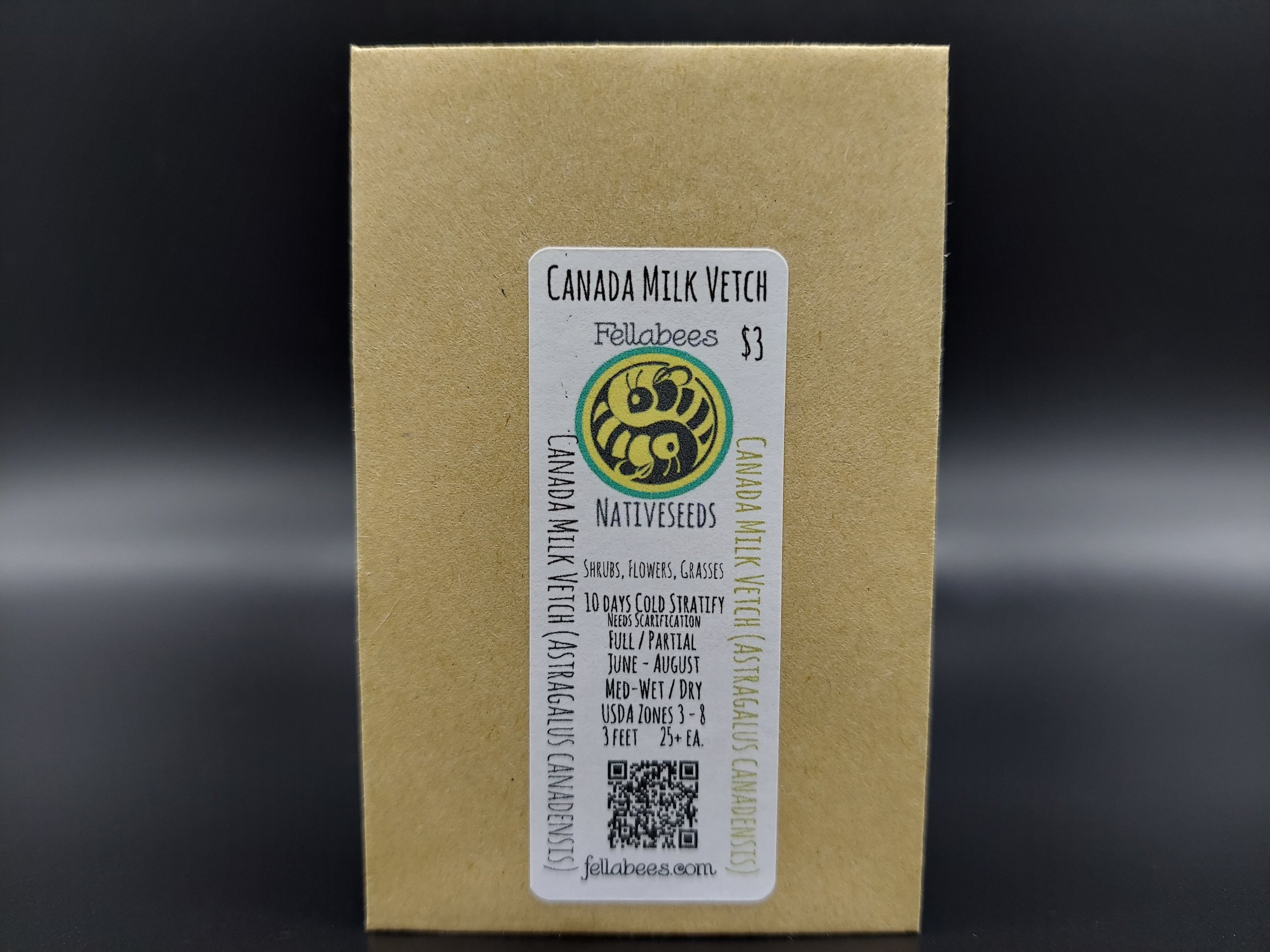 Image 2 of 5
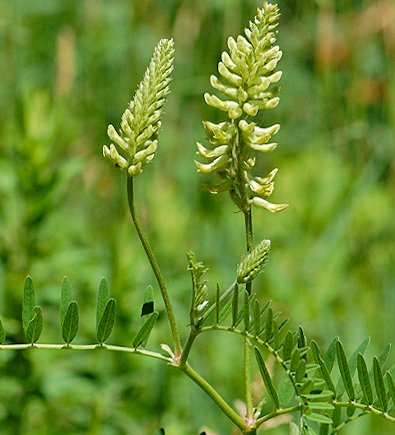 Image 3 of 5
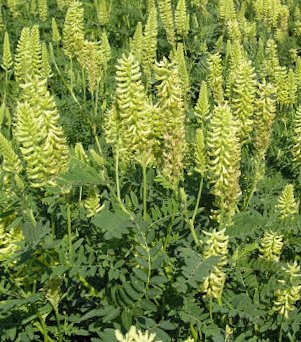 Image 4 of 5
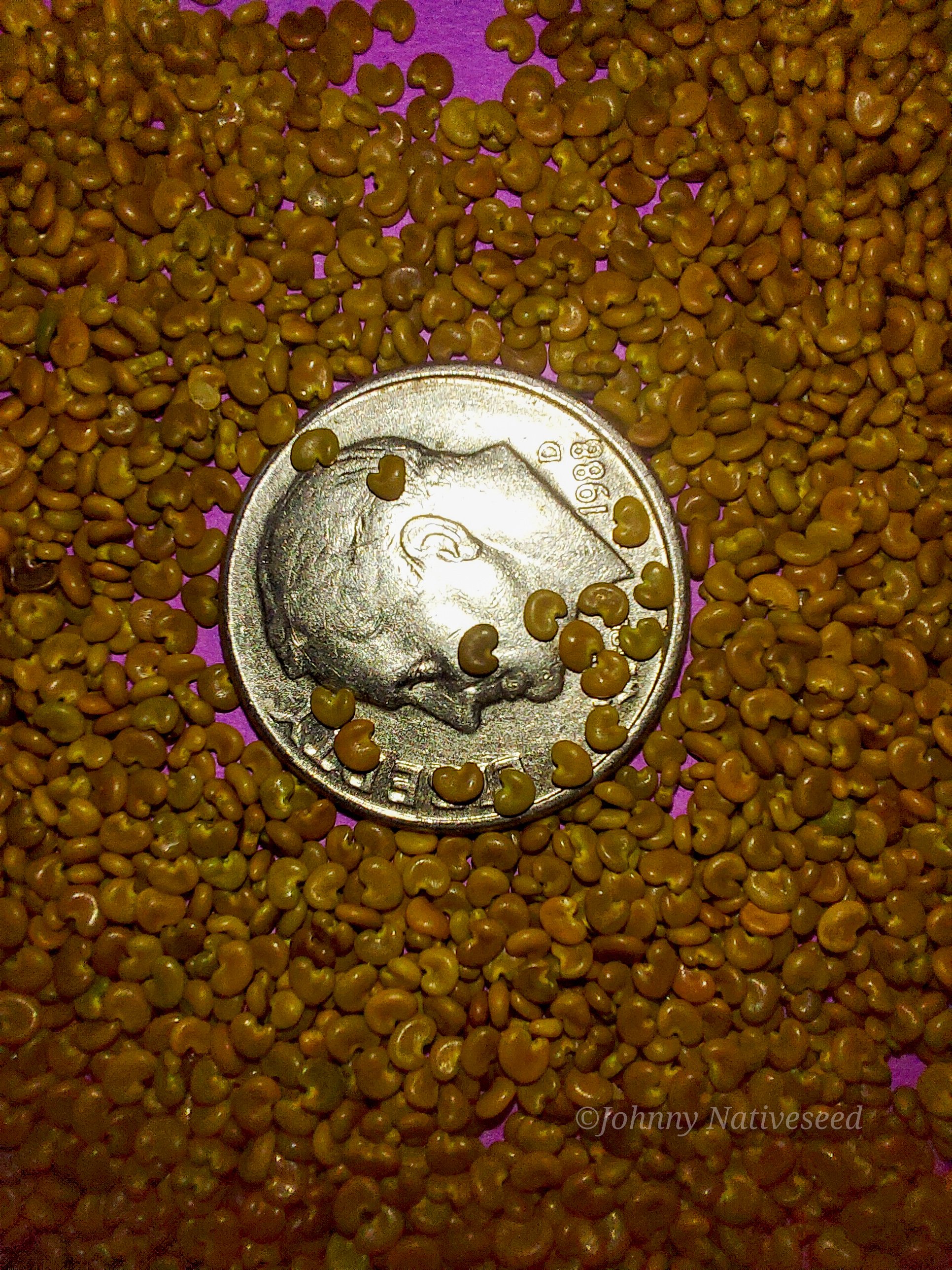 Image 5 of 5