Sale Price:
$2.00
Original Price:
$3.00
Nodding Onion (Allium cernuum)
Allium cernuum is the scientific name for the native species more commonly known as Nodding Onion or Lady's Leek, it is a perennial plant of the Allium (Onion) family. It grows most prevalently in open areas in North America.
Nodding Onion is reported to be found throughout much of North America, it still thrives in areas undisturbed by human habitation, but its range has been dramatically segmented and eliminated by the invasive and destructive habits of our species.
Despite the small stature of Nodding Onion it attracts a wide range of pollinators! Nectar is accessible by all its visitors, including beetles and short-tongued bees. Bees visit primarily for nectar. Nectar generally collects at the base of the three fused filliments with three more filliments attached to the petals for maximum distribution of pollen onto visiting pollinators.
Nodding Onion can often be found with Leafcutter Bees, Small Resin Bees, Small Sweat Bees, Cellophane Bees, Bumble Bees, Soldier Beetles, Tumbling Flower Beetles and Syrphid Flies actively pollinating the flowers when in bloom.
The plant itself is edible, raw or cooked with a robust onion flavor. Eaten traditionally but now rarely, it qas also often utilized for its properties in relieving symptoms of croup, colic and fevers by the Indigenous.
Plant Details
USDA Zones: 4-8
Germination Needs: 60 Days Cold Stratification
Life Cycle: Perennial
Sun Exposure: Full to Partial
Soil Moisture: Medium-Wet, Medium, Medium-Dry
Plant Spacing: 4-8 inches
Height: 1½ feet
Bloom time: July, August
Bloom Color: Purple
Advantages
Pollinator Favorite: butterflies, moths, bees, wasps, beetles
Deer Resistant: Yes
Excellent in the home landscape!
Native to: Wisconsin, Minnesota, Iowa, Illinois, Indiana, Michigan, Ohio, Pennsylvania, New York, Maryland, West Virginia, Virginia, Kentucky, Tennessee, North Carolina, South Carolina, Georgia, Alabama, Mississippi, Arkansas, Missouri, Texas, Oklahoma, Nebraska, South Dakota, North Dakota, Montana, Wyoming, Colorado, New Mexico, Arizona, Utah, Idaho, Washington State, and Oregon.
This species is considered present but rare in several counties of the states of Minnesota, Iowa, New York, South Carolina, Mississippi, and Nebraska.
This plant is considered to be extirpated (locally extinct) in several counties of the state of Arkansas.
This species is erroneously labeled as “noxious" by the current occupants of the land within its natural and historical native range in several counties of the states of Indiana, Kentucky, Virginia, Oklahoma, and Texas.
*We will not make alternate plant suggestions if your location is within range of these noxious listing counties. We feel strongly that nature knows best, regardless of the opinions of humans who did not evolve alongside these integral species.
.
.
Packet quantities:
We pride ourselves on ethical, hands on, ecological management, using no mechanical or chemical methods whatsoever.
All of our native seed is hand reared, hand picked, and hand packed from native prairies under our exclusive management, never breaking chain of custody from the field until it is sent to you. Each packet is hand prepared for shipment by us, directly.
Small seed species will contain greater than 20-25 seed
Large seed species will contain greater than 10-15 seed
It is our mission to spread the wealth of native plant and pollinator ecological sustainability, and educate back yard gardeners as well as corporate and government entities in how to germinate, grow, and benefit from native synergies.
Thank you for your support, it is because of you, that we can grow together to do, what we do. 🐛🦋🐝🐞🌾🌱🌼🧡
Nodding Onion (Allium cernuum)
Allium cernuum is the scientific name for the native species more commonly known as Nodding Onion or Lady's Leek, it is a perennial plant of the Allium (Onion) family. It grows most prevalently in open areas in North America.
Nodding Onion is reported to be found throughout much of North America, it still thrives in areas undisturbed by human habitation, but its range has been dramatically segmented and eliminated by the invasive and destructive habits of our species.
Despite the small stature of Nodding Onion it attracts a wide range of pollinators! Nectar is accessible by all its visitors, including beetles and short-tongued bees. Bees visit primarily for nectar. Nectar generally collects at the base of the three fused filliments with three more filliments attached to the petals for maximum distribution of pollen onto visiting pollinators.
Nodding Onion can often be found with Leafcutter Bees, Small Resin Bees, Small Sweat Bees, Cellophane Bees, Bumble Bees, Soldier Beetles, Tumbling Flower Beetles and Syrphid Flies actively pollinating the flowers when in bloom.
The plant itself is edible, raw or cooked with a robust onion flavor. Eaten traditionally but now rarely, it qas also often utilized for its properties in relieving symptoms of croup, colic and fevers by the Indigenous.
Plant Details
USDA Zones: 4-8
Germination Needs: 60 Days Cold Stratification
Life Cycle: Perennial
Sun Exposure: Full to Partial
Soil Moisture: Medium-Wet, Medium, Medium-Dry
Plant Spacing: 4-8 inches
Height: 1½ feet
Bloom time: July, August
Bloom Color: Purple
Advantages
Pollinator Favorite: butterflies, moths, bees, wasps, beetles
Deer Resistant: Yes
Excellent in the home landscape!
Native to: Wisconsin, Minnesota, Iowa, Illinois, Indiana, Michigan, Ohio, Pennsylvania, New York, Maryland, West Virginia, Virginia, Kentucky, Tennessee, North Carolina, South Carolina, Georgia, Alabama, Mississippi, Arkansas, Missouri, Texas, Oklahoma, Nebraska, South Dakota, North Dakota, Montana, Wyoming, Colorado, New Mexico, Arizona, Utah, Idaho, Washington State, and Oregon.
This species is considered present but rare in several counties of the states of Minnesota, Iowa, New York, South Carolina, Mississippi, and Nebraska.
This plant is considered to be extirpated (locally extinct) in several counties of the state of Arkansas.
This species is erroneously labeled as “noxious" by the current occupants of the land within its natural and historical native range in several counties of the states of Indiana, Kentucky, Virginia, Oklahoma, and Texas.
*We will not make alternate plant suggestions if your location is within range of these noxious listing counties. We feel strongly that nature knows best, regardless of the opinions of humans who did not evolve alongside these integral species.
.
.
Packet quantities:
We pride ourselves on ethical, hands on, ecological management, using no mechanical or chemical methods whatsoever.
All of our native seed is hand reared, hand picked, and hand packed from native prairies under our exclusive management, never breaking chain of custody from the field until it is sent to you. Each packet is hand prepared for shipment by us, directly.
Small seed species will contain greater than 20-25 seed
Large seed species will contain greater than 10-15 seed
It is our mission to spread the wealth of native plant and pollinator ecological sustainability, and educate back yard gardeners as well as corporate and government entities in how to germinate, grow, and benefit from native synergies.
Thank you for your support, it is because of you, that we can grow together to do, what we do. 🐛🦋🐝🐞🌾🌱🌼🧡
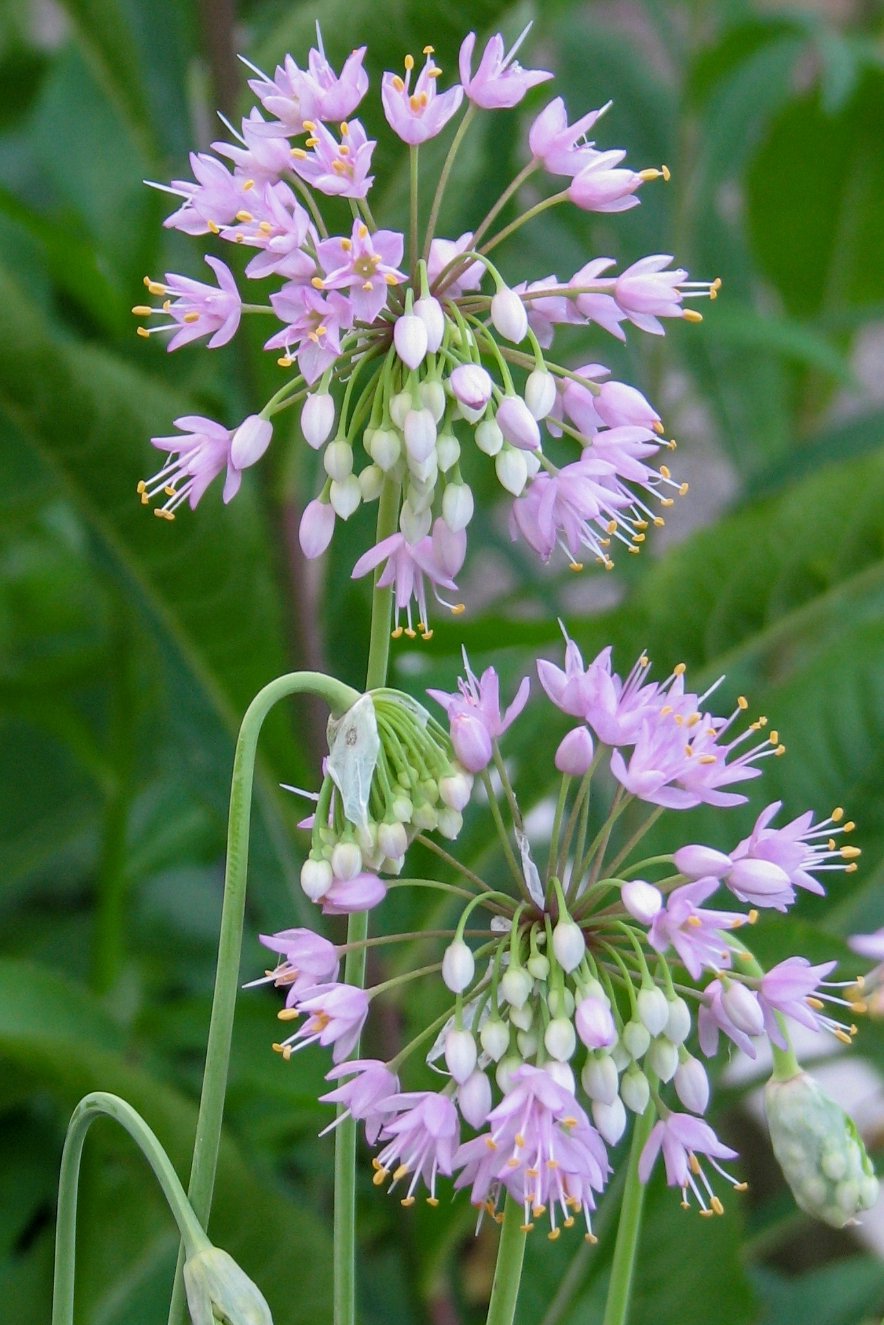 Image 1 of 3
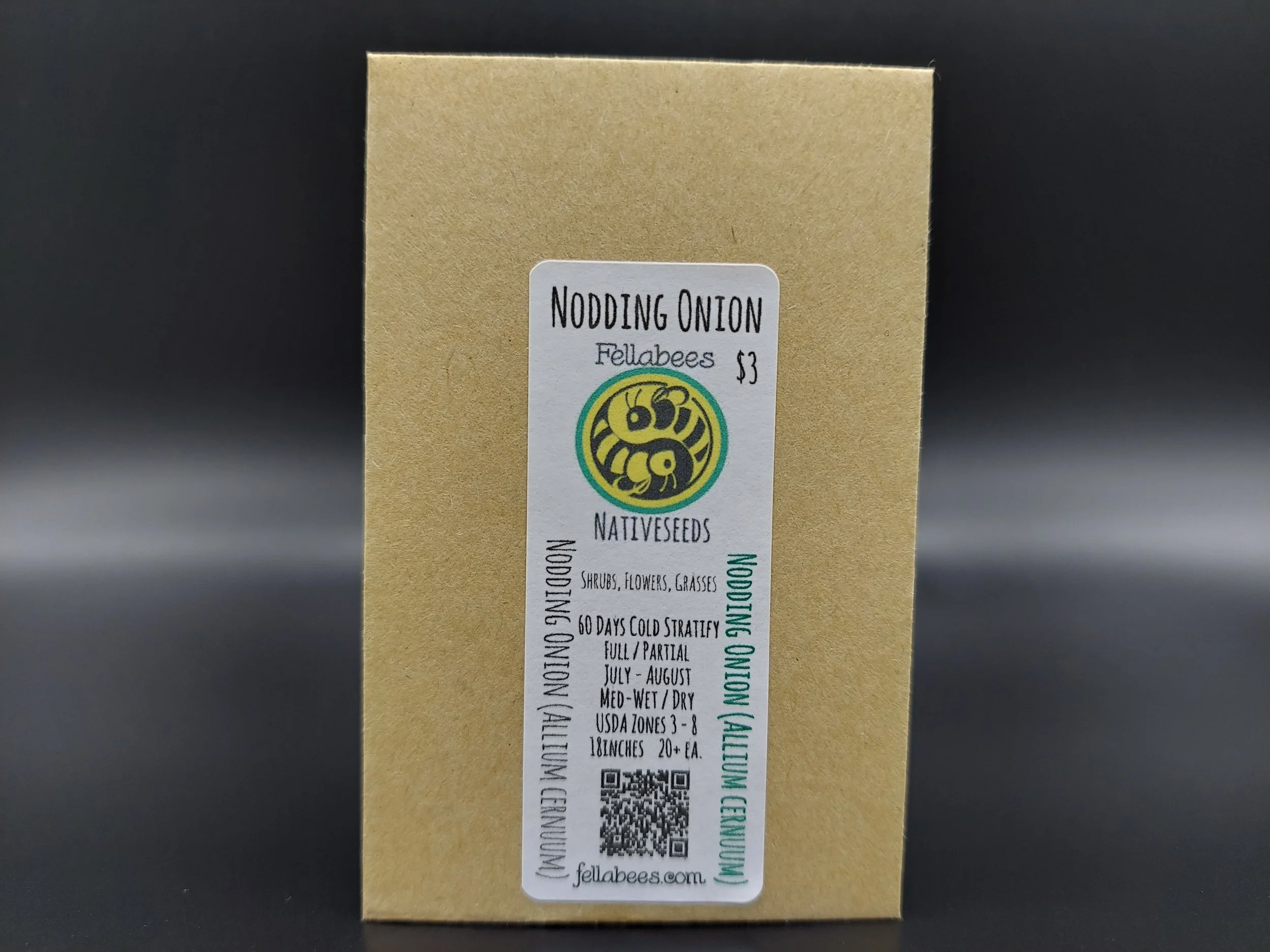 Image 2 of 3
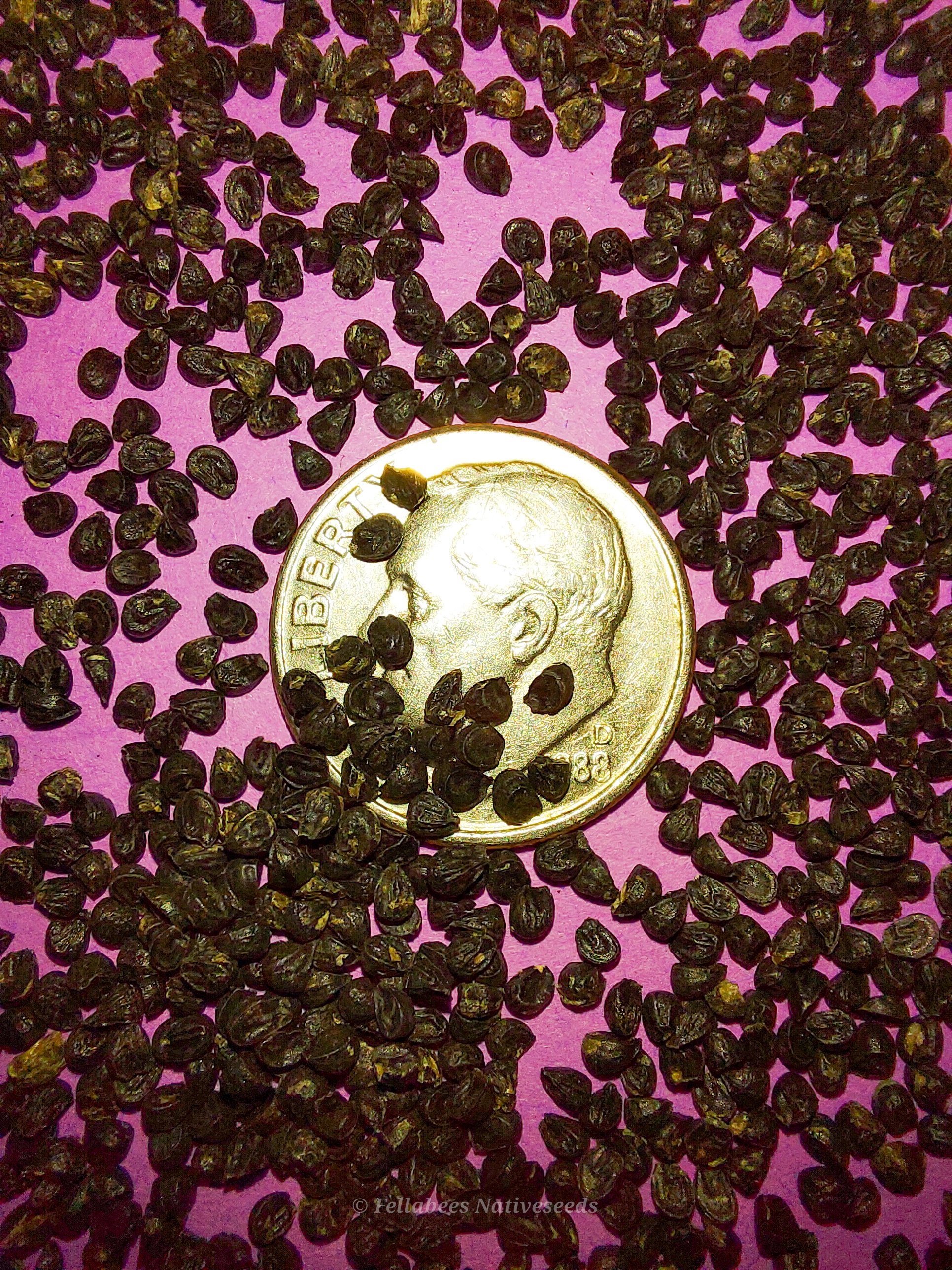 Image 3 of 3