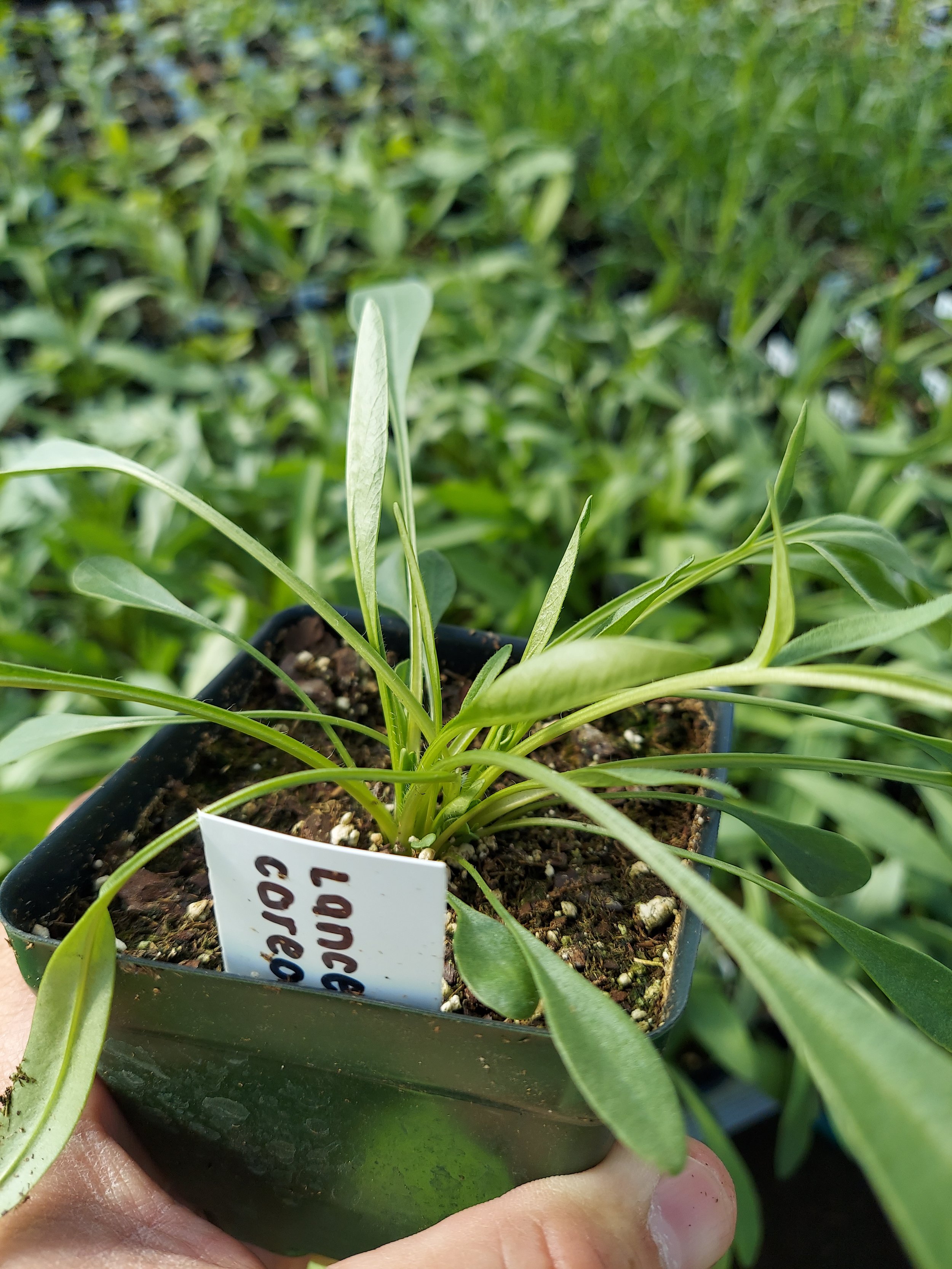
Canada Rush (Juncus canadensis)
Juncus canadensis is the scientific name for the native species of native flowering plant in the genus Juncus commonly known as Canada Rush found most often in Central and Eastern United States and Canada.
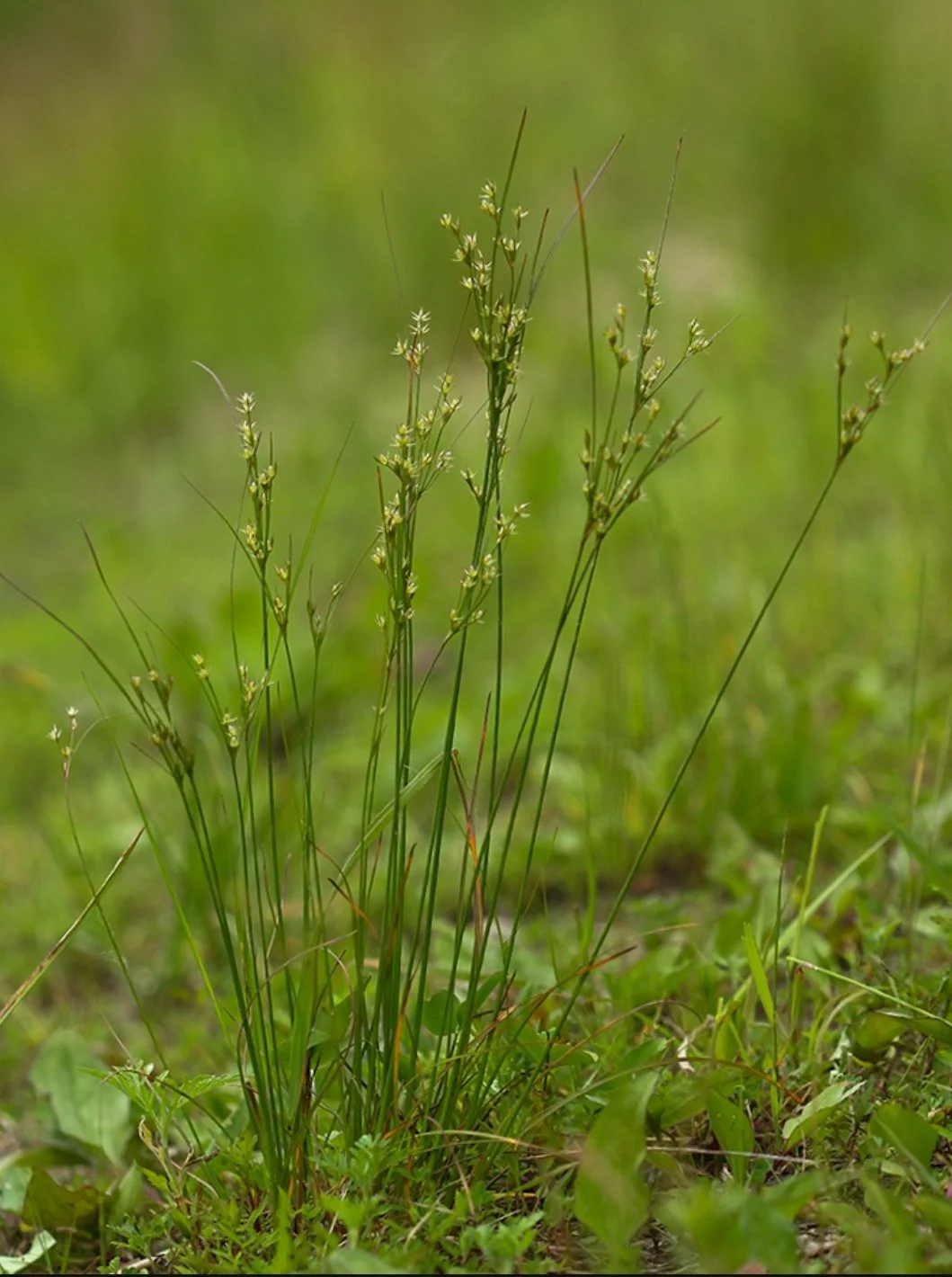
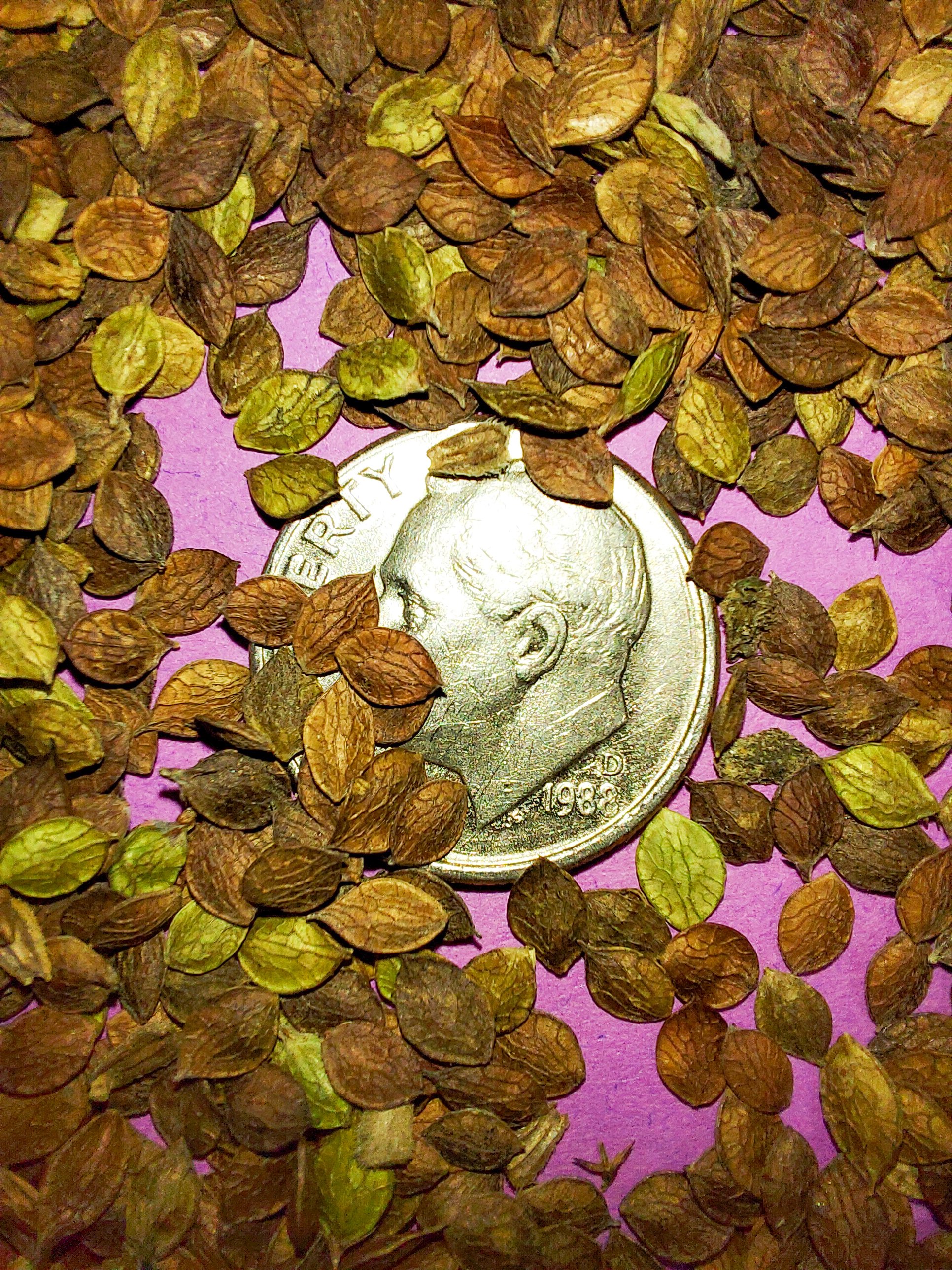
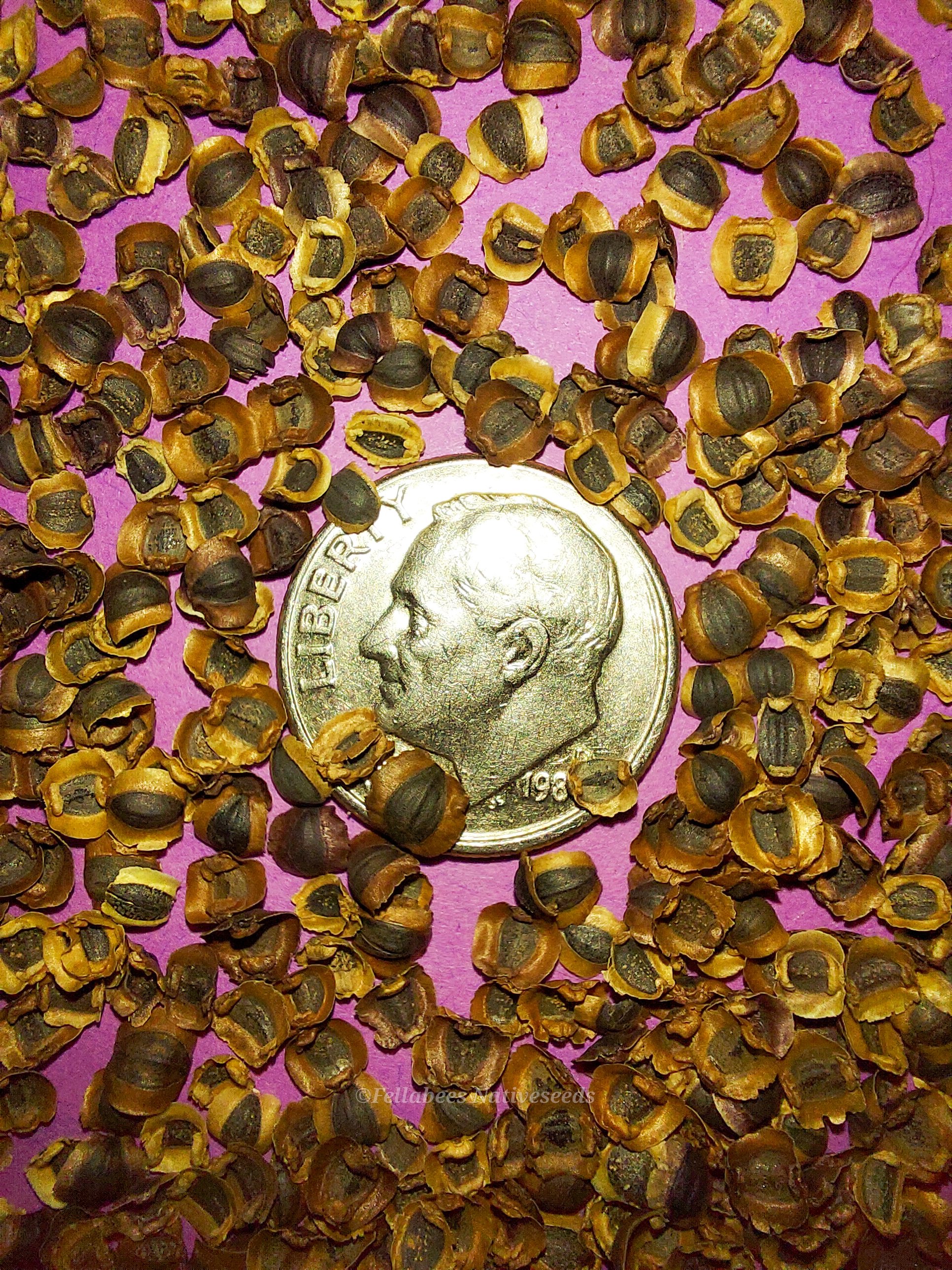
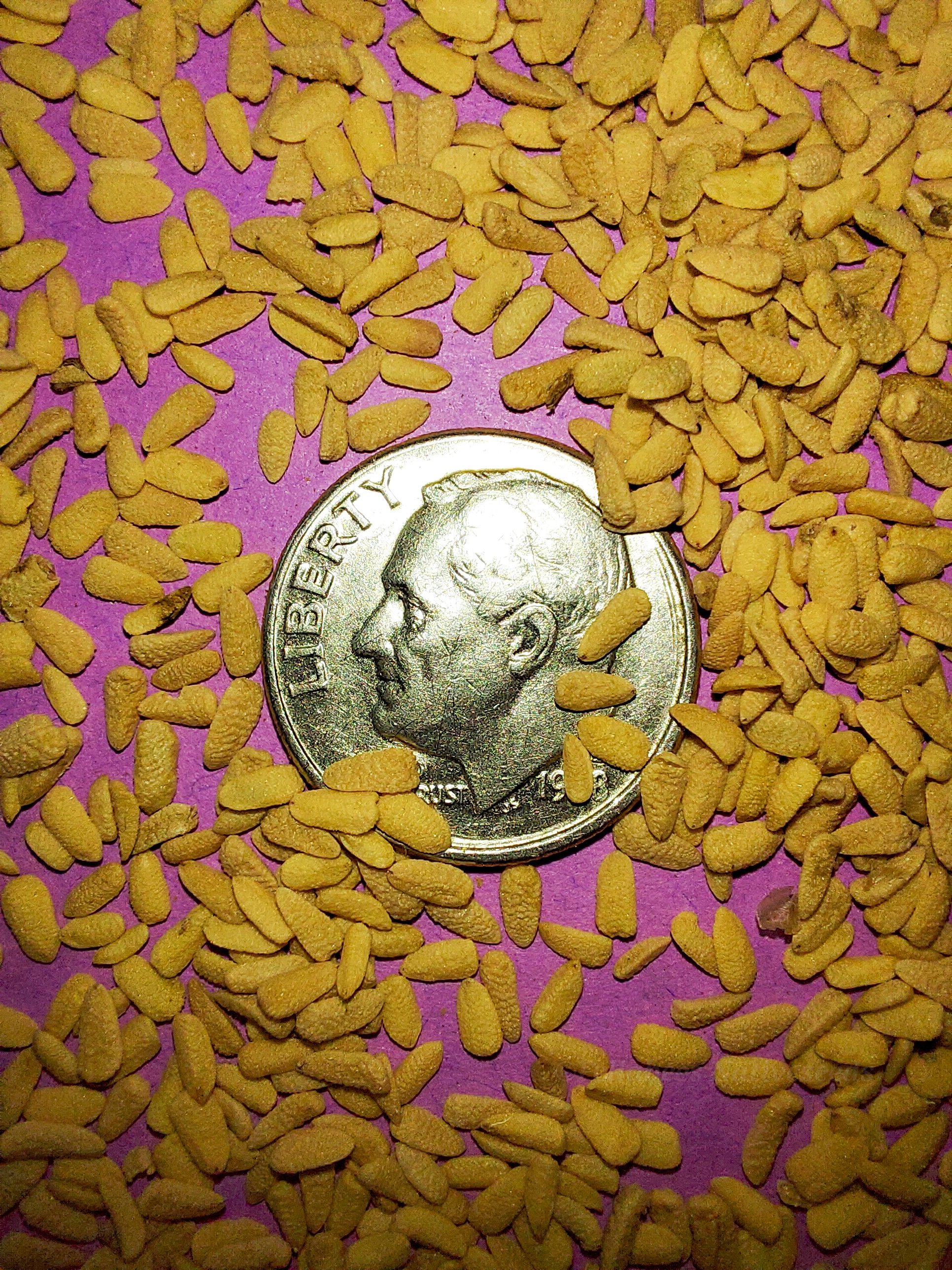
Canada Rush has flower heads 3–10 mm across with 5–50 small, six-tepal flowers, forming a delicate yet readily noticeable cluster. The individual blooms are rounded and display a range of hues from green to straw, reddish, or orange-brown, typically bearing three (and occasionally six) stamens and a three-part style; the anthers measure about half the length of the filaments, giving each flower a subtly balanced, modestly intricate appearance. Stems are thick and largely upright, generally unbranched and frequently forming loose clumps that contribute texture and visual rhythm to the stand. The fruit develops as a three-part capsule, varying in color from fresh green to deep chestnut, and contains spindle-shaped seeds equipped with long, pale, tail-like appendages at both ends to aid effective wind dispersal.
Canada Rush is found to help stabilize soil in wetland and riparian areas, reducing erosion while aiding local nutrient cycling and water filtration while providing shelter, nesting material and seasonal food for a variety of birds and beneficial insects, supporting greater biodiversity and a healthy ecosystem. Juncus canadensis is valued for its ability to add texture, vertical height and natural movement to garden designs, creating a visually appealing and dynamic landscape element.
Traditionally utilized by several Native American tribes in the relief of headaches and stomach aches as well as employed as a mild sedative in their traditional remedies.
Canada Rush is often planted in raingardens and designed damp landscapes for its attractive, grass-like form, tolerance of moist sites and generally low maintenance needs, and due to its ability to tolerate seasonally dry conditions it has proven well suited for flood retention pond structures making quick use of excess water or helping to wick it away as the water follows its root structure to water tables below.
Juncus canadensis is a valuable addition to gardens and landscape projects, offering both aesthetic charm and tangible ecological benefits. Its adaptability to a range of moist habitats, tolerance of dryness and usefulness to wildlife make it a plant worth considering for both wetland habitat restoration projects, as well as implemented in raingarden and retention pond applications.
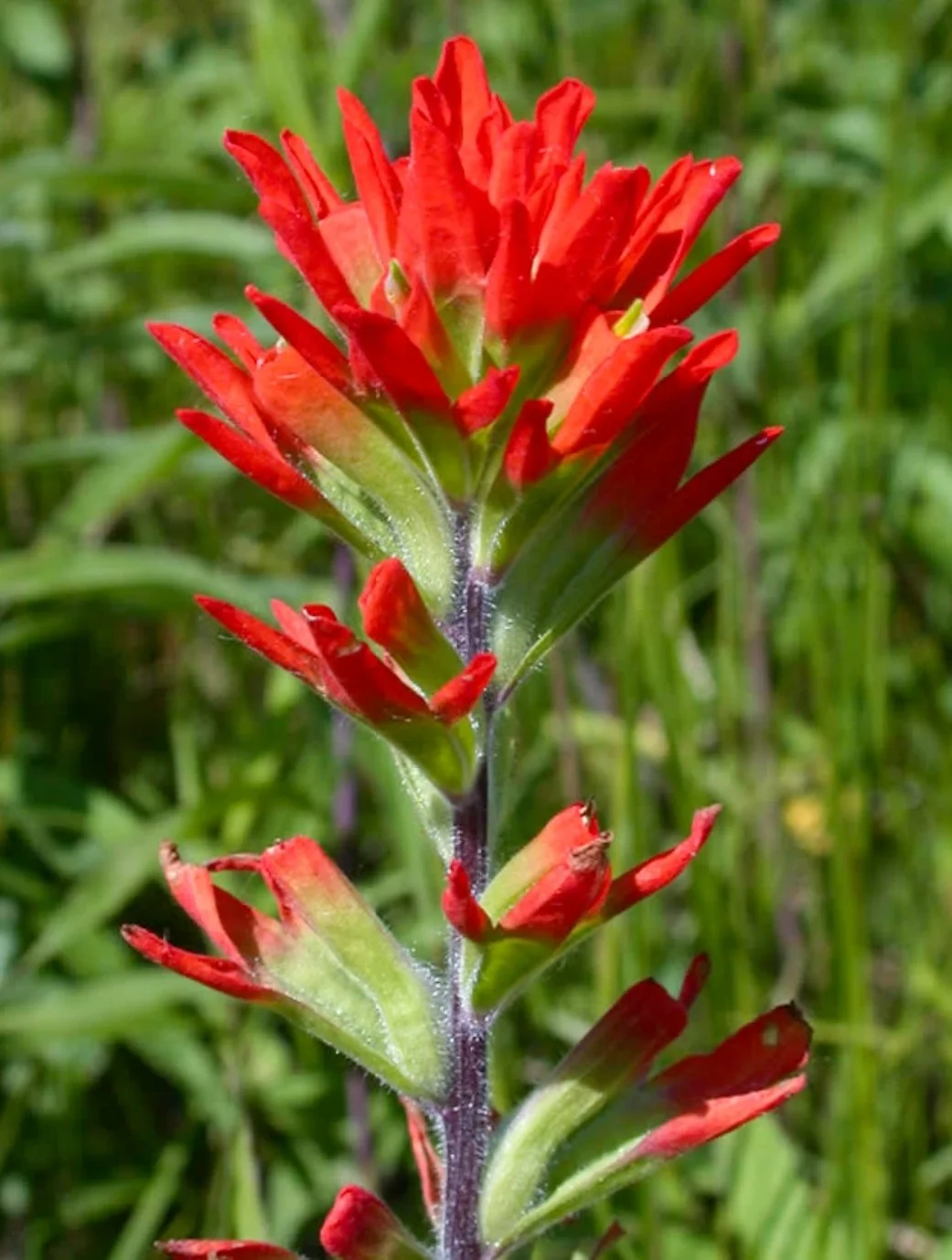
Additionally, as with most members of the Juncus family Canada Rush can be utilized as a host for the enigmatic native hemiparasite species Indian Paintbrush and sowing both seed together offers great opportunities at entanglement.
Plant Details:
USDA Zones: 3-9
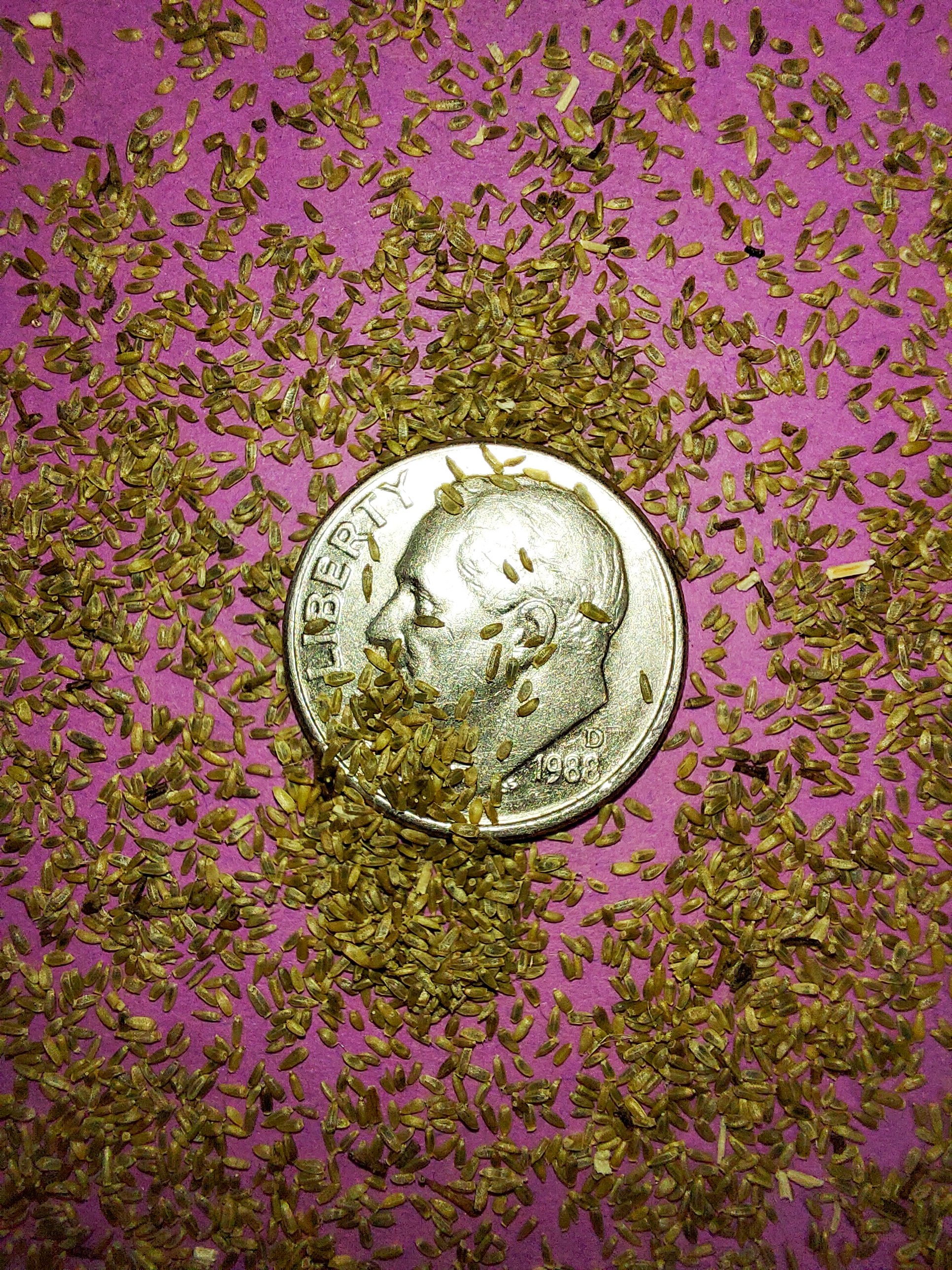
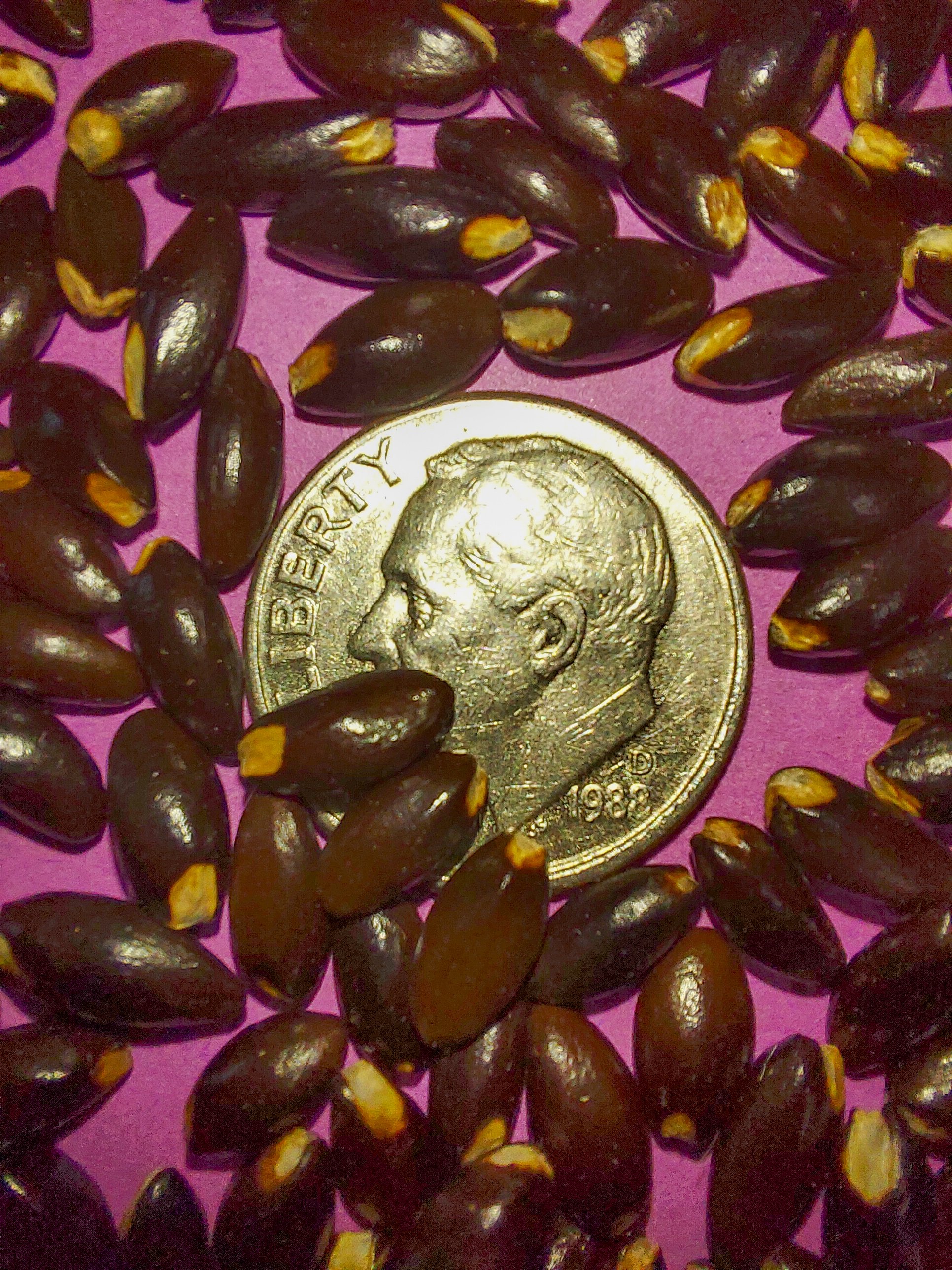
Germination Needs: Needs 60 Days Cold-Moist Stratification. Seeds are very small needing light to germinate, surface sow and bottom water for best results.
Life Cycle: Perennial
Sun Exposure: Full to Partial
Soil Moisture: Medium-Wet, Medium, Medium-Dry
Plant Spacing: 8 - 16 inches
Height: 2 feet
Bloom time: July, August, September
Bloom Color: Green/Brown
Advantages:
Bird Favorite: seeds, insects, fruit, nectar, nesting, perches.
Deer Resistant: No
Native to: Wisconsin, Minnesota, Iowa, Illinois, Indiana, Michigan, Ohio, Pennsylvania, New York, Vermont, New Hampshire, Maine, Massachusetts, Rhode Island, Connecticut, Delaware, Maryland, New Jersey, West Virginia, Virginia, Kentucky, Tennessee, North Carolina, South Carolina, Georgia, Florida, Alabama, Mississippi, Louisiana, Arkansas, Missouri, Kansas, Nebraska, and South Dakota.
This species is considered present but rare in several counties of the states of Arkansas, Missouri, Kansas, Nebraska, and South Dakota.
This species is introduced and present to several counties of the states of Washington State and Oregon.
Seed Count: 25+
.
.
Packet quantities:
We pride ourselves on ethical, hands on, ecological management, using no mechanical or chemical methods whatsoever.
All of our native seed is hand reared, hand-picked, and hand packed from native prairies under our exclusive management, never breaking chain of custody from the field until it is sent to you. Each packet is hand prepared for shipment by us, directly.
Small seed species will contain greater than 20-25 seed
Large seed species will contain greater than 10-15 seed
All packets are individually marked at the bottom of the front label with expected count, however most if not all packets will have many more than the minimum count by default.
It is our mission to spread the wealth of native plant and pollinator ecological sustainability and educate back yard gardeners as well as corporate and government entities in how to germinate, grow, and benefit from native synergies.
Thank you for your support, it is because of you, that we can grow together to do, what we do. 🐛🦋🐝🐞🌾🌱🌼🧡
Canada Rush (Juncus canadensis)
Juncus canadensis is the scientific name for the native species of native flowering plant in the genus Juncus commonly known as Canada Rush found most often in Central and Eastern United States and Canada.
Canada Rush has flower heads 3–10 mm across with 5–50 small, six-tepal flowers, forming a delicate yet readily noticeable cluster. The individual blooms are rounded and display a range of hues from green to straw, reddish, or orange-brown, typically bearing three (and occasionally six) stamens and a three-part style; the anthers measure about half the length of the filaments, giving each flower a subtly balanced, modestly intricate appearance. Stems are thick and largely upright, generally unbranched and frequently forming loose clumps that contribute texture and visual rhythm to the stand. The fruit develops as a three-part capsule, varying in color from fresh green to deep chestnut, and contains spindle-shaped seeds equipped with long, pale, tail-like appendages at both ends to aid effective wind dispersal.
Canada Rush is found to help stabilize soil in wetland and riparian areas, reducing erosion while aiding local nutrient cycling and water filtration while providing shelter, nesting material and seasonal food for a variety of birds and beneficial insects, supporting greater biodiversity and a healthy ecosystem. Juncus canadensis is valued for its ability to add texture, vertical height and natural movement to garden designs, creating a visually appealing and dynamic landscape element.
Traditionally utilized by several Native American tribes in the relief of headaches and stomach aches as well as employed as a mild sedative in their traditional remedies.
Canada Rush is often planted in raingardens and designed damp landscapes for its attractive, grass-like form, tolerance of moist sites and generally low maintenance needs, and due to its ability to tolerate seasonally dry conditions it has proven well suited for flood retention pond structures making quick use of excess water or helping to wick it away as the water follows its root structure to water tables below.
Juncus canadensis is a valuable addition to gardens and landscape projects, offering both aesthetic charm and tangible ecological benefits. Its adaptability to a range of moist habitats, tolerance of dryness and usefulness to wildlife make it a plant worth considering for both wetland habitat restoration projects, as well as implemented in raingarden and retention pond applications.
Additionally, as with most members of the Juncus family Canada Rush can be utilized as a host for the enigmatic native hemiparasite species Indian Paintbrush and sowing both seed together offers great opportunities at entanglement.
Plant Details:
USDA Zones: 3-9
Germination Needs: Needs 60 Days Cold-Moist Stratification. Seeds are very small needing light to germinate, surface sow and bottom water for best results.
Life Cycle: Perennial
Sun Exposure: Full to Partial
Soil Moisture: Medium-Wet, Medium, Medium-Dry
Plant Spacing: 8 - 16 inches
Height: 2 feet
Bloom time: July, August, September
Bloom Color: Green/Brown
Advantages:
Bird Favorite: seeds, insects, fruit, nectar, nesting, perches.
Deer Resistant: No
Native to: Wisconsin, Minnesota, Iowa, Illinois, Indiana, Michigan, Ohio, Pennsylvania, New York, Vermont, New Hampshire, Maine, Massachusetts, Rhode Island, Connecticut, Delaware, Maryland, New Jersey, West Virginia, Virginia, Kentucky, Tennessee, North Carolina, South Carolina, Georgia, Florida, Alabama, Mississippi, Louisiana, Arkansas, Missouri, Kansas, Nebraska, and South Dakota.
This species is considered present but rare in several counties of the states of Arkansas, Missouri, Kansas, Nebraska, and South Dakota.
This species is introduced and present to several counties of the states of Washington State and Oregon.
Seed Count: 25+
.
.
Packet quantities:
We pride ourselves on ethical, hands on, ecological management, using no mechanical or chemical methods whatsoever.
All of our native seed is hand reared, hand-picked, and hand packed from native prairies under our exclusive management, never breaking chain of custody from the field until it is sent to you. Each packet is hand prepared for shipment by us, directly.
Small seed species will contain greater than 20-25 seed
Large seed species will contain greater than 10-15 seed
All packets are individually marked at the bottom of the front label with expected count, however most if not all packets will have many more than the minimum count by default.
It is our mission to spread the wealth of native plant and pollinator ecological sustainability and educate back yard gardeners as well as corporate and government entities in how to germinate, grow, and benefit from native synergies.
Thank you for your support, it is because of you, that we can grow together to do, what we do. 🐛🦋🐝🐞🌾🌱🌼🧡

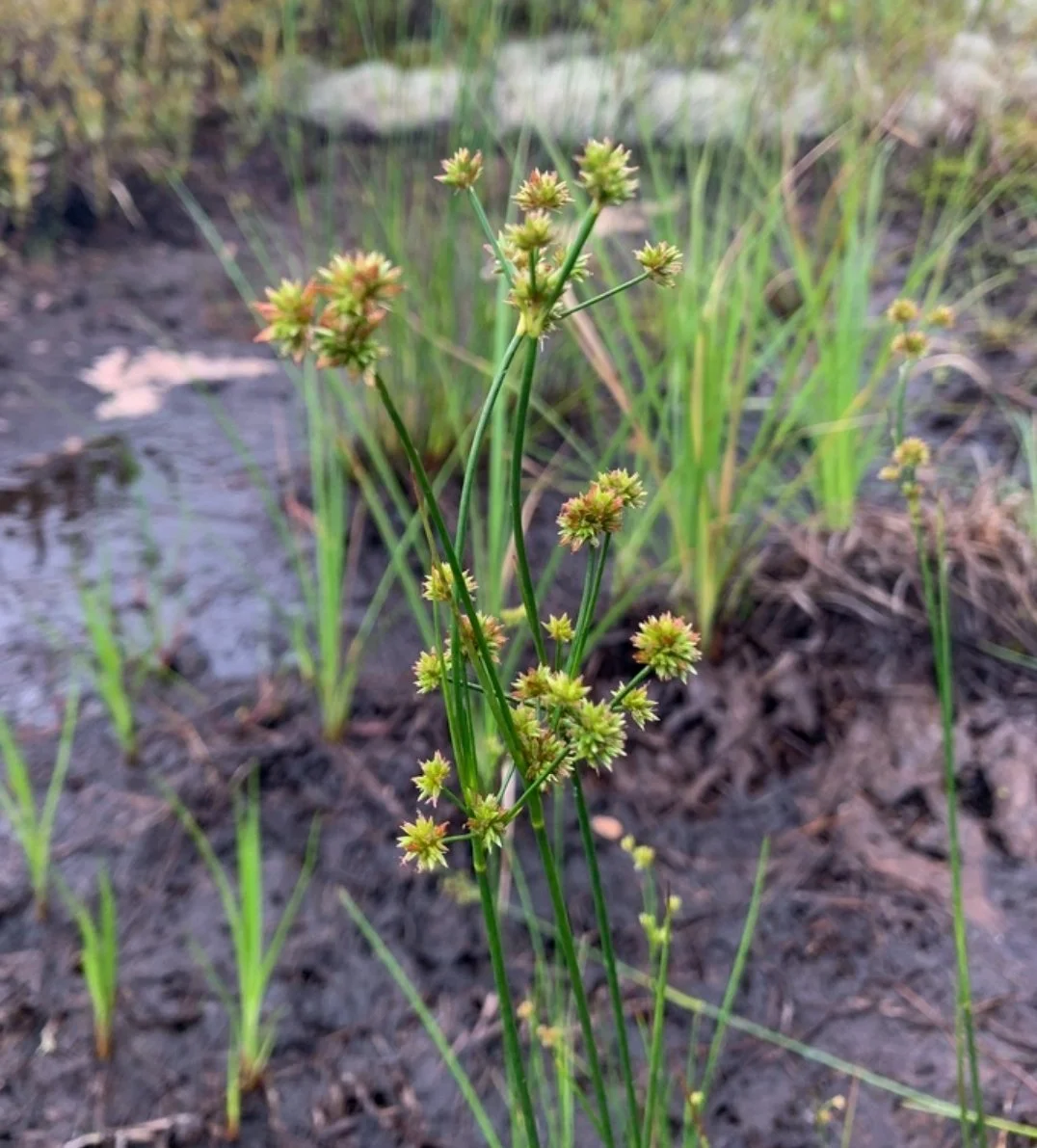 Image 1 of 6
 Image 2 of 6
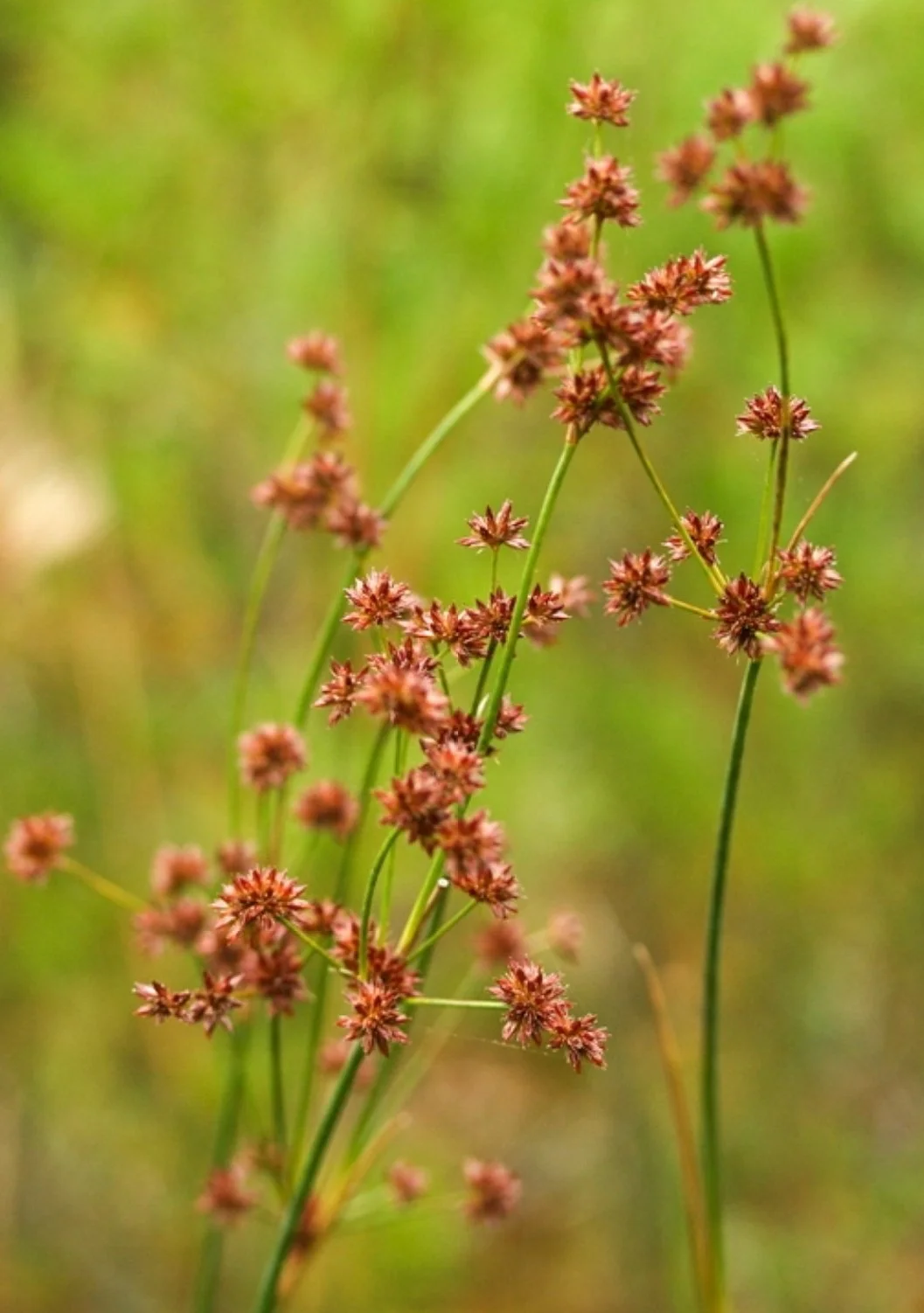 Image 3 of 6
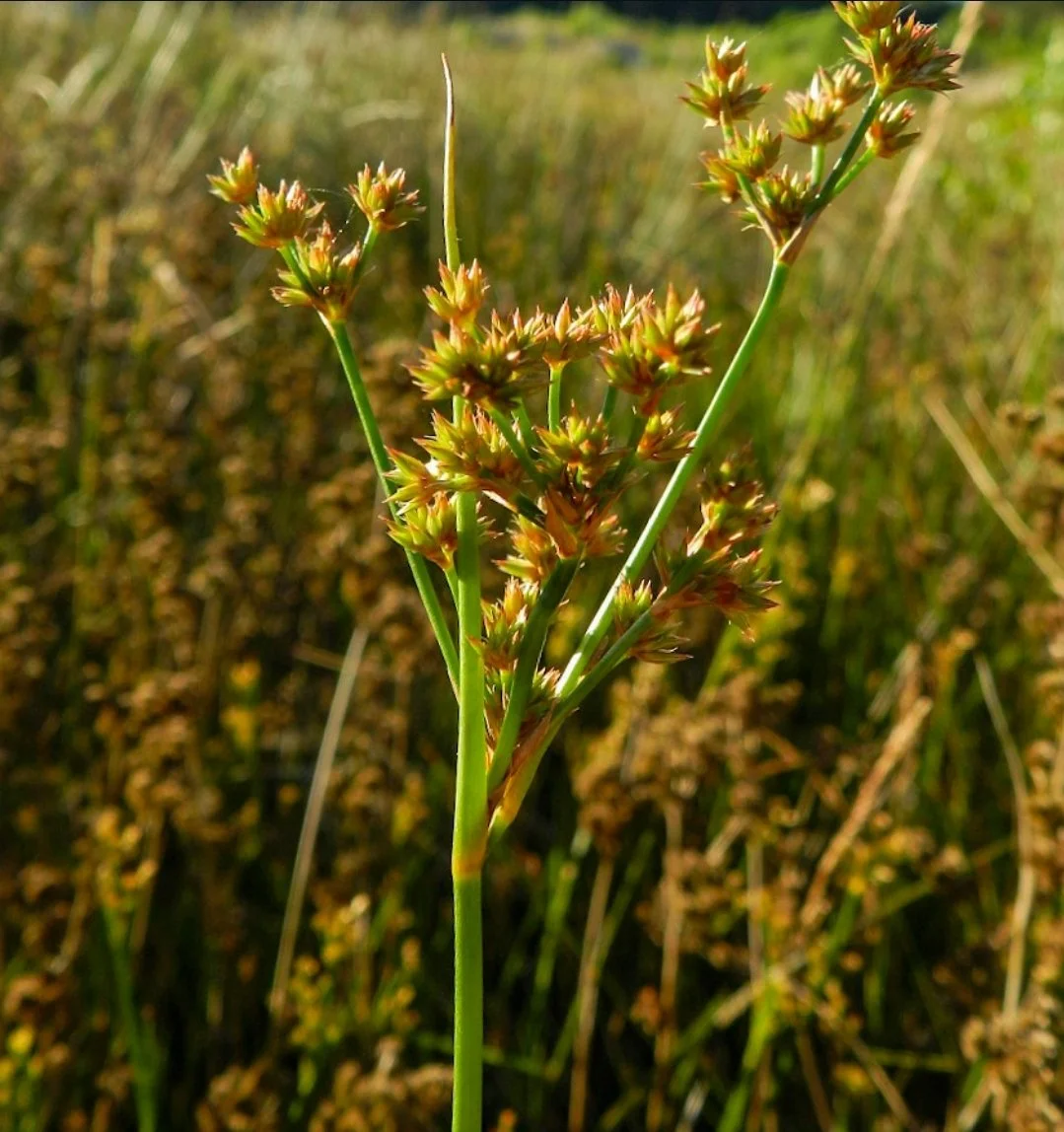 Image 4 of 6
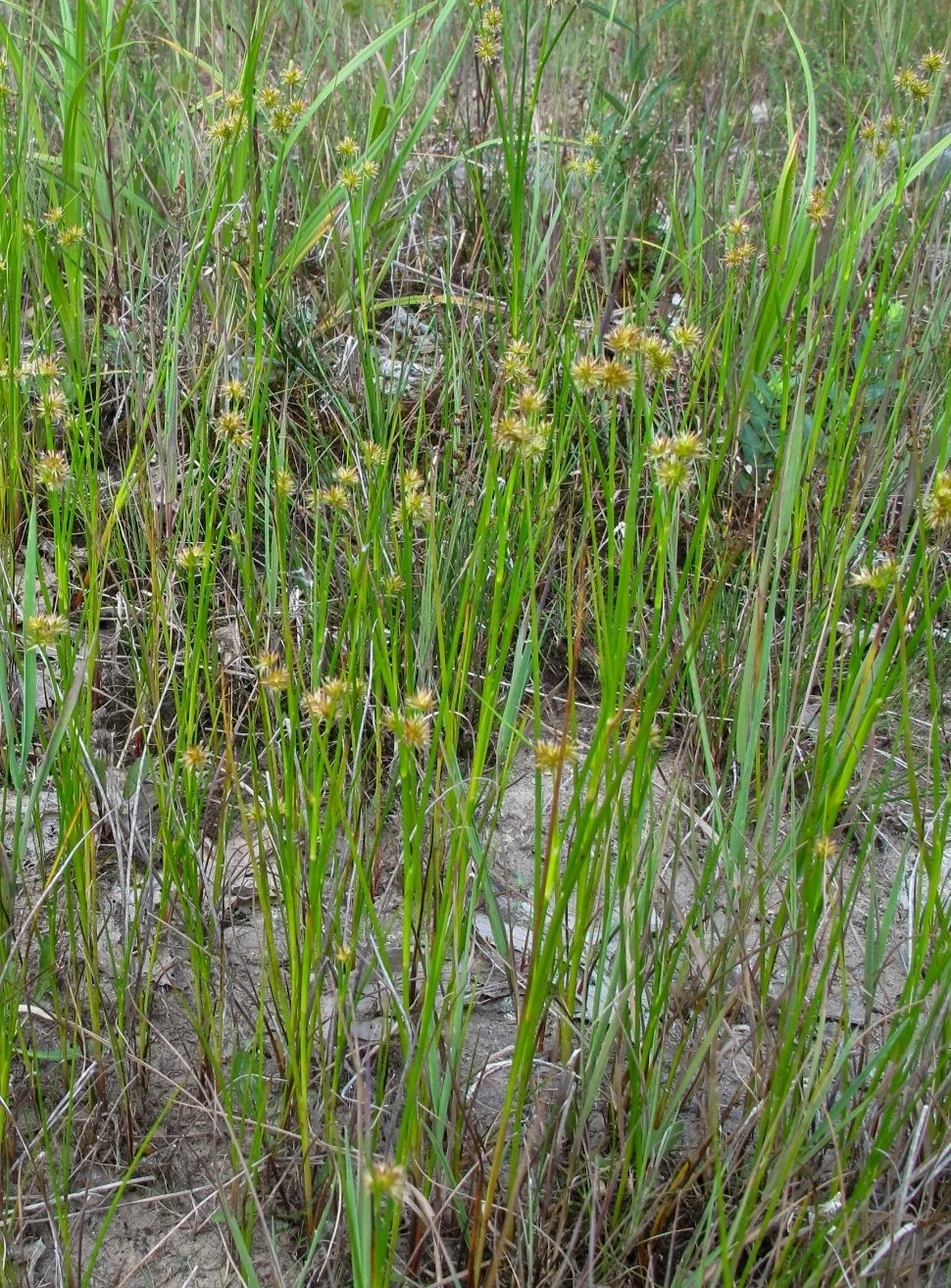 Image 5 of 6
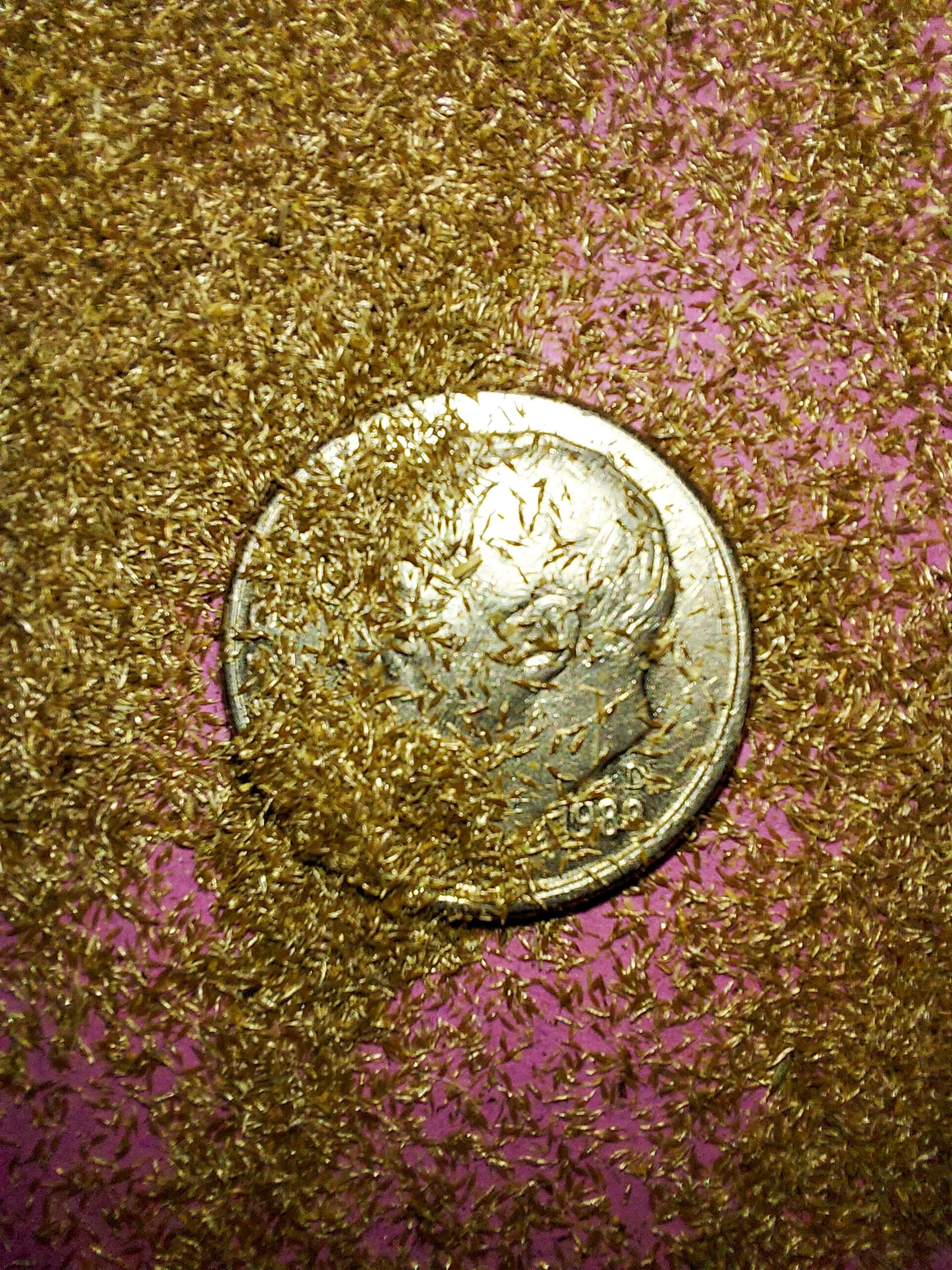 Image 6 of 6