Common Rush (Juncus effusus)
Juncus effusus is the scientific name for the native rush species that is most common across many regions of the world. It is a perennial, herbaceous, flowering plant in the rush family Juncaceae, and is commonly called Common Rush or Soft Rush in everyday usage. In parts of North America, the common name Soft Rush is also applied to a related species, Juncus interior. Juncus effusus has a very broad natural range and is considered native to Europe, Asia, Africa (including Madagascar), as well as to both North and South America. It typically grows in wet habitats—wetlands, riparian zones, and marshes—often favoring sandy or peaty substrates.
Juncus effusus forms dense clumps up to 3 feet tall in favorable conditions. Stems are smooth, round, and filled with soft pith. A yellowish flower cluster seems to grow from one side about 8 inches below the tip; actually, the stem ends there, and the section above is a bract, only slightly different in color. Lower leaves are reduced to a brown, papery sheath at each stem base.
The plant provides feeding and nesting habitat for waterfowl, waders, and small mammals. Muskrats eat the rootstalks, and birds shelter in the stems. Many invertebrates feed on Common Rush, including the Rufous Minor Moth (Oligia versicolor). Other small aquatic animals live on submerged parts of the plant, feeding fish and wildlife and helping decompose the plant material.
Juncus effusus is one of the seven ingredients of hui sup tea (去濕茶), valued for its soothing, moisture-reducing properties in traditional blends. In Japan, this Common Rush is called igusa (藺草) and is cultivated specifically to be woven into the surface covering of tatami mats (the interior filling can be rice straw, extruded styrofoam, chipboard, or some combination of those). In parts of Iran and Afghanistan it is likewise harvested and woven into light, inexpensive mats for everyday use; there it is known as halfa (حلفا) and is also recognized for certain traditional medicinal applications. In Europe, too, this rush once had a practical domestic use: the pith was soaked in grease and burned as rushlights, a frugal alternative to candles in earlier times.
Common Rush is also cultivated as an ornamental species, commonly used in water gardens, native plant and wildlife gardens, and in larger, thoughtfully designed natural landscapes and habitat restoration projects, where it proves highly valuable across a range of ecological applications.
Plant Details:
USDA Zones: 3 - 9
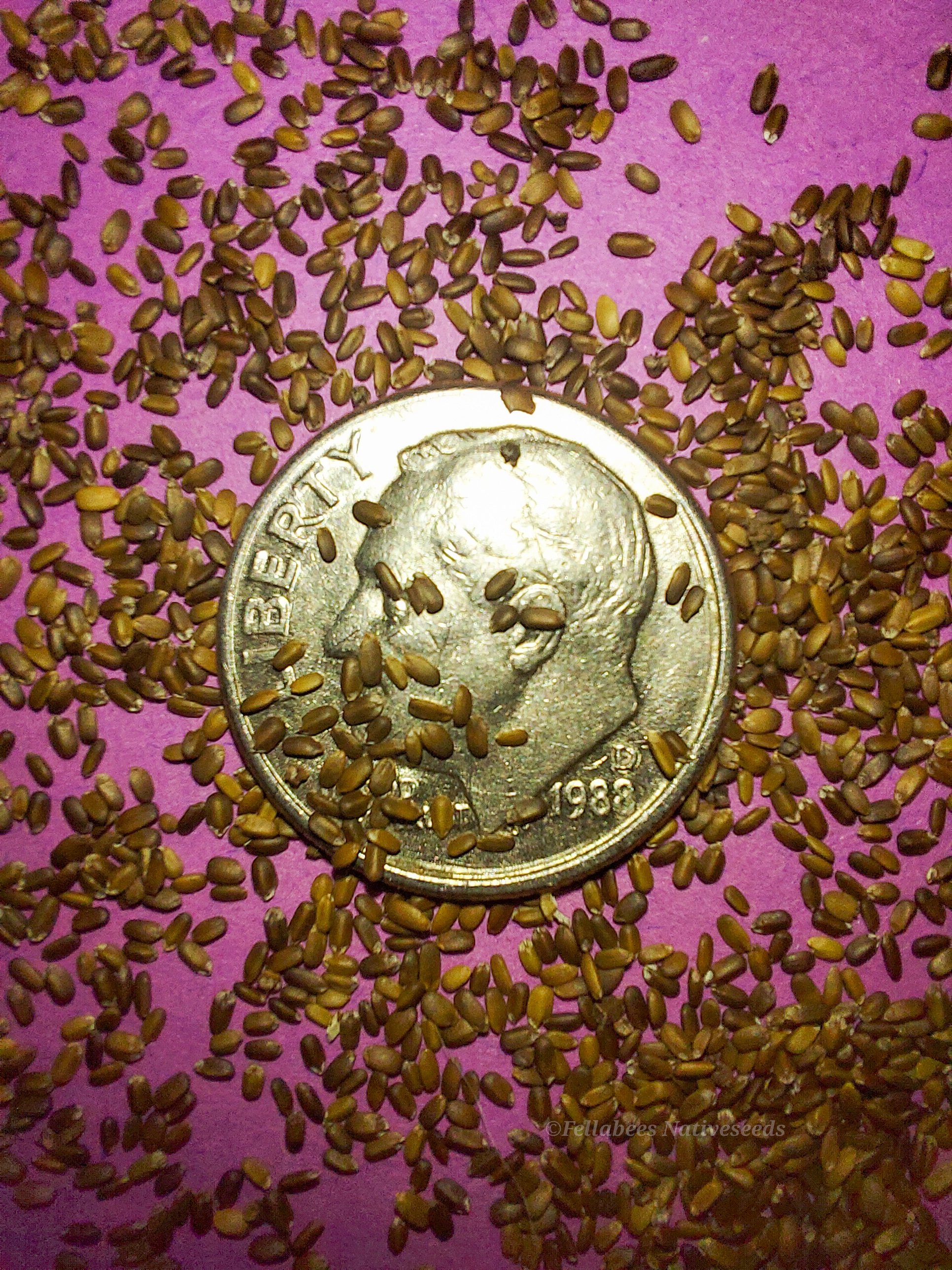
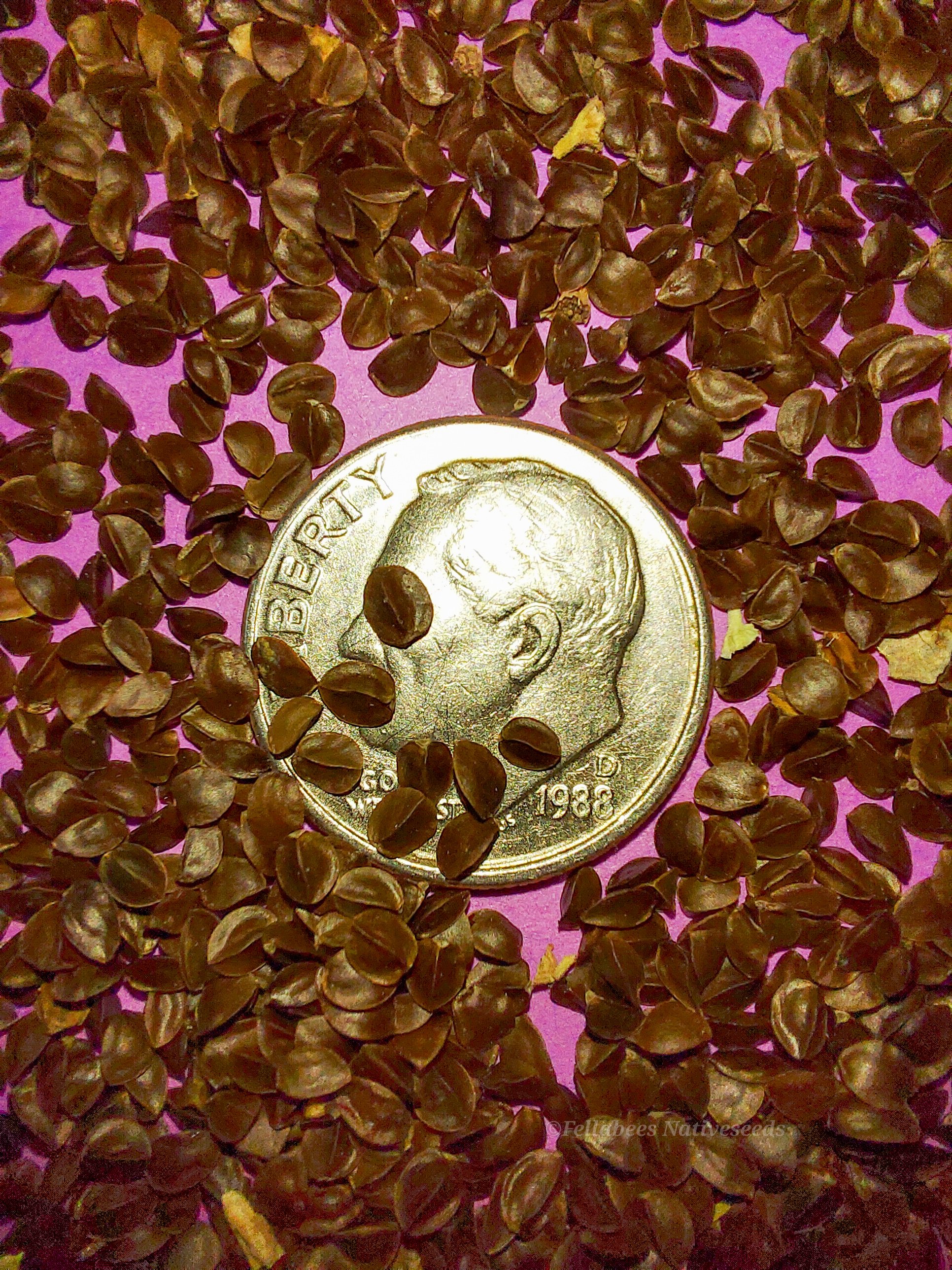
Germination Needs: Needs 60 Days Cold-Moist Stratification. Seeds are very small needing light to germinate, surface sow and bottom water for best results.
Life Cycle: Perennial
Sun Exposure: Full Sun
Soil Moisture: Wet, Medium-Wet, Medium
Plant Spacing: 8 - 16 inches
Height: 2 feet
Bloom time: July, August, September
Bloom Color: Green/Brown
Advantages:
Pollinator Favorite: moths
Bird Favorite: seeds, insects, fruit, nectar, nesting, perches.
Deer Resistant: Yes
Native to: Wisconsin, Minnesota, Iowa, Illinois, Indiana, Michigan, Ohio, Pennsylvania, New York, Vermont, New Hampshire, Maine, Massachusetts, Rhode Island, Connecticut, Delaware, Maryland, New Jersey, West Virginia, Virginia, Kentucky, Tennessee, North Carolina, South Carolina, Georgia, Florida, Alabama, Mississippi, Louisiana, Arkansas, Missouri, Texas, Oklahoma, Kansas, Nebraska, North Dakota, Arizona, Washington State, Oregon and California.
This species is considered present but rare in several counties of the states of Iowa, Kansas, Nebraska, and North Dakota.
This species is considered present but introduced in several counties of the states of Montana, Idaho and Nevada.
Seed Count: 25+
.
.
Packet quantities:
We pride ourselves on ethical, hands on, ecological management, using no mechanical or chemical methods whatsoever.
All of our native seed is hand reared, hand-picked, and hand packed from native prairies under our exclusive management, never breaking chain of custody from the field until it is sent to you. Each packet is hand prepared for shipment by us, directly.
Small seed species will contain greater than 20-25 seed
Large seed species will contain greater than 10-15 seed
All packets are individually marked at the bottom of the front label with expected count, however most if not all packets will have many more than the minimum count by default.
It is our mission to spread the wealth of native plant and pollinator ecological sustainability and educate back yard gardeners as well as corporate and government entities in how to germinate, grow, and benefit from native synergies.
Thank you for your support, it is because of you, that we can grow together to do, what we do. 🐛🦋🐝🐞🌾🌱🌼🧡
Common Rush (Juncus effusus)
Juncus effusus is the scientific name for the native rush species that is most common across many regions of the world. It is a perennial, herbaceous, flowering plant in the rush family Juncaceae, and is commonly called Common Rush or Soft Rush in everyday usage. In parts of North America, the common name Soft Rush is also applied to a related species, Juncus interior. Juncus effusus has a very broad natural range and is considered native to Europe, Asia, Africa (including Madagascar), as well as to both North and South America. It typically grows in wet habitats—wetlands, riparian zones, and marshes—often favoring sandy or peaty substrates.
Juncus effusus forms dense clumps up to 3 feet tall in favorable conditions. Stems are smooth, round, and filled with soft pith. A yellowish flower cluster seems to grow from one side about 8 inches below the tip; actually, the stem ends there, and the section above is a bract, only slightly different in color. Lower leaves are reduced to a brown, papery sheath at each stem base.
The plant provides feeding and nesting habitat for waterfowl, waders, and small mammals. Muskrats eat the rootstalks, and birds shelter in the stems. Many invertebrates feed on Common Rush, including the Rufous Minor Moth (Oligia versicolor). Other small aquatic animals live on submerged parts of the plant, feeding fish and wildlife and helping decompose the plant material.
Juncus effusus is one of the seven ingredients of hui sup tea (去濕茶), valued for its soothing, moisture-reducing properties in traditional blends. In Japan, this Common Rush is called igusa (藺草) and is cultivated specifically to be woven into the surface covering of tatami mats (the interior filling can be rice straw, extruded styrofoam, chipboard, or some combination of those). In parts of Iran and Afghanistan it is likewise harvested and woven into light, inexpensive mats for everyday use; there it is known as halfa (حلفا) and is also recognized for certain traditional medicinal applications. In Europe, too, this rush once had a practical domestic use: the pith was soaked in grease and burned as rushlights, a frugal alternative to candles in earlier times.
Common Rush is also cultivated as an ornamental species, commonly used in water gardens, native plant and wildlife gardens, and in larger, thoughtfully designed natural landscapes and habitat restoration projects, where it proves highly valuable across a range of ecological applications.
Plant Details:
USDA Zones: 3 - 9
Germination Needs: Needs 60 Days Cold-Moist Stratification. Seeds are very small needing light to germinate, surface sow and bottom water for best results.
Life Cycle: Perennial
Sun Exposure: Full Sun
Soil Moisture: Wet, Medium-Wet, Medium
Plant Spacing: 8 - 16 inches
Height: 2 feet
Bloom time: July, August, September
Bloom Color: Green/Brown
Advantages:
Pollinator Favorite: moths
Bird Favorite: seeds, insects, fruit, nectar, nesting, perches.
Deer Resistant: Yes
Native to: Wisconsin, Minnesota, Iowa, Illinois, Indiana, Michigan, Ohio, Pennsylvania, New York, Vermont, New Hampshire, Maine, Massachusetts, Rhode Island, Connecticut, Delaware, Maryland, New Jersey, West Virginia, Virginia, Kentucky, Tennessee, North Carolina, South Carolina, Georgia, Florida, Alabama, Mississippi, Louisiana, Arkansas, Missouri, Texas, Oklahoma, Kansas, Nebraska, North Dakota, Arizona, Washington State, Oregon and California.
This species is considered present but rare in several counties of the states of Iowa, Kansas, Nebraska, and North Dakota.
This species is considered present but introduced in several counties of the states of Montana, Idaho and Nevada.
Seed Count: 25+
.
.
Packet quantities:
We pride ourselves on ethical, hands on, ecological management, using no mechanical or chemical methods whatsoever.
All of our native seed is hand reared, hand-picked, and hand packed from native prairies under our exclusive management, never breaking chain of custody from the field until it is sent to you. Each packet is hand prepared for shipment by us, directly.
Small seed species will contain greater than 20-25 seed
Large seed species will contain greater than 10-15 seed
All packets are individually marked at the bottom of the front label with expected count, however most if not all packets will have many more than the minimum count by default.
It is our mission to spread the wealth of native plant and pollinator ecological sustainability and educate back yard gardeners as well as corporate and government entities in how to germinate, grow, and benefit from native synergies.
Thank you for your support, it is because of you, that we can grow together to do, what we do. 🐛🦋🐝🐞🌾🌱🌼🧡
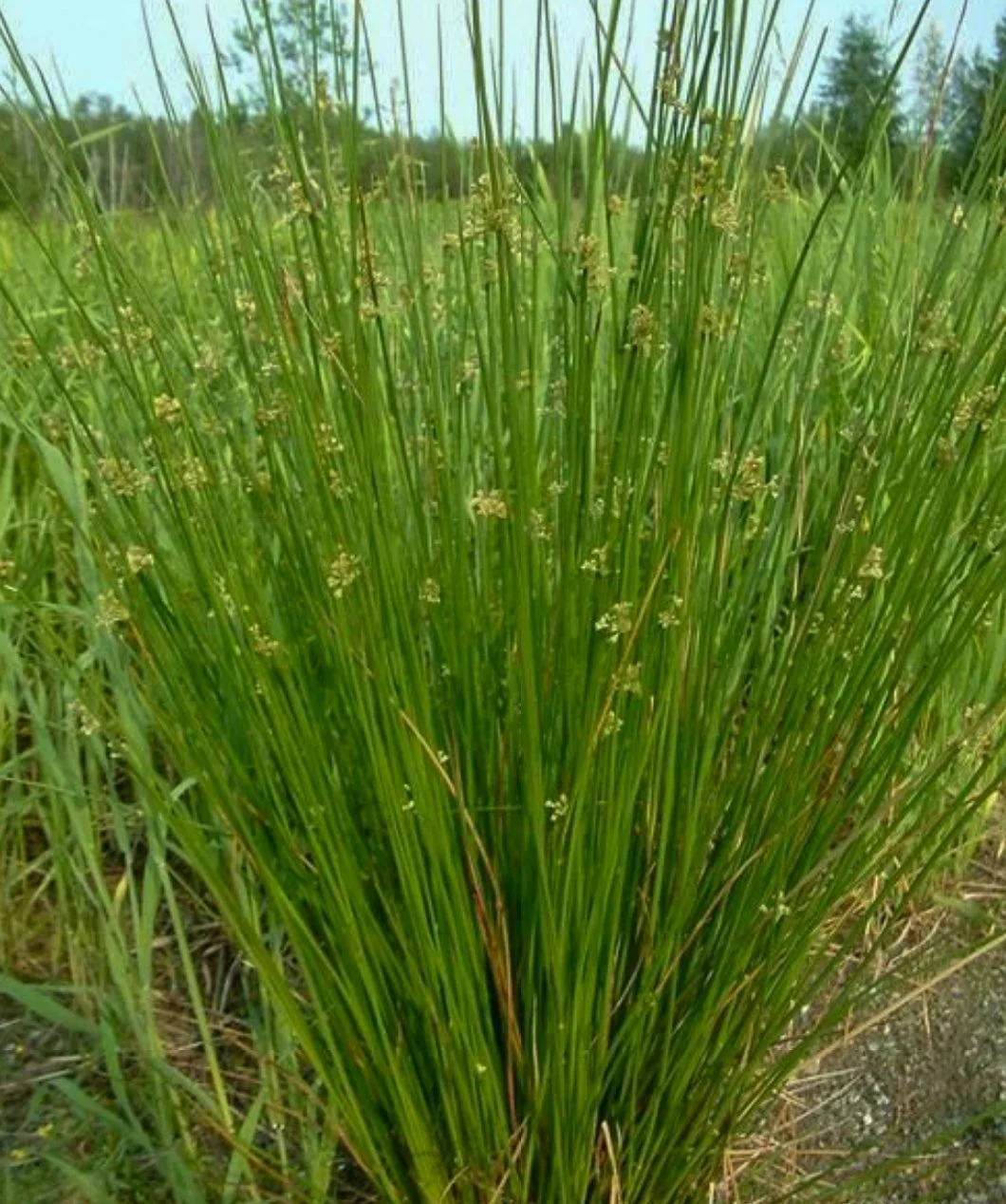 Image 1 of 6
 Image 2 of 6
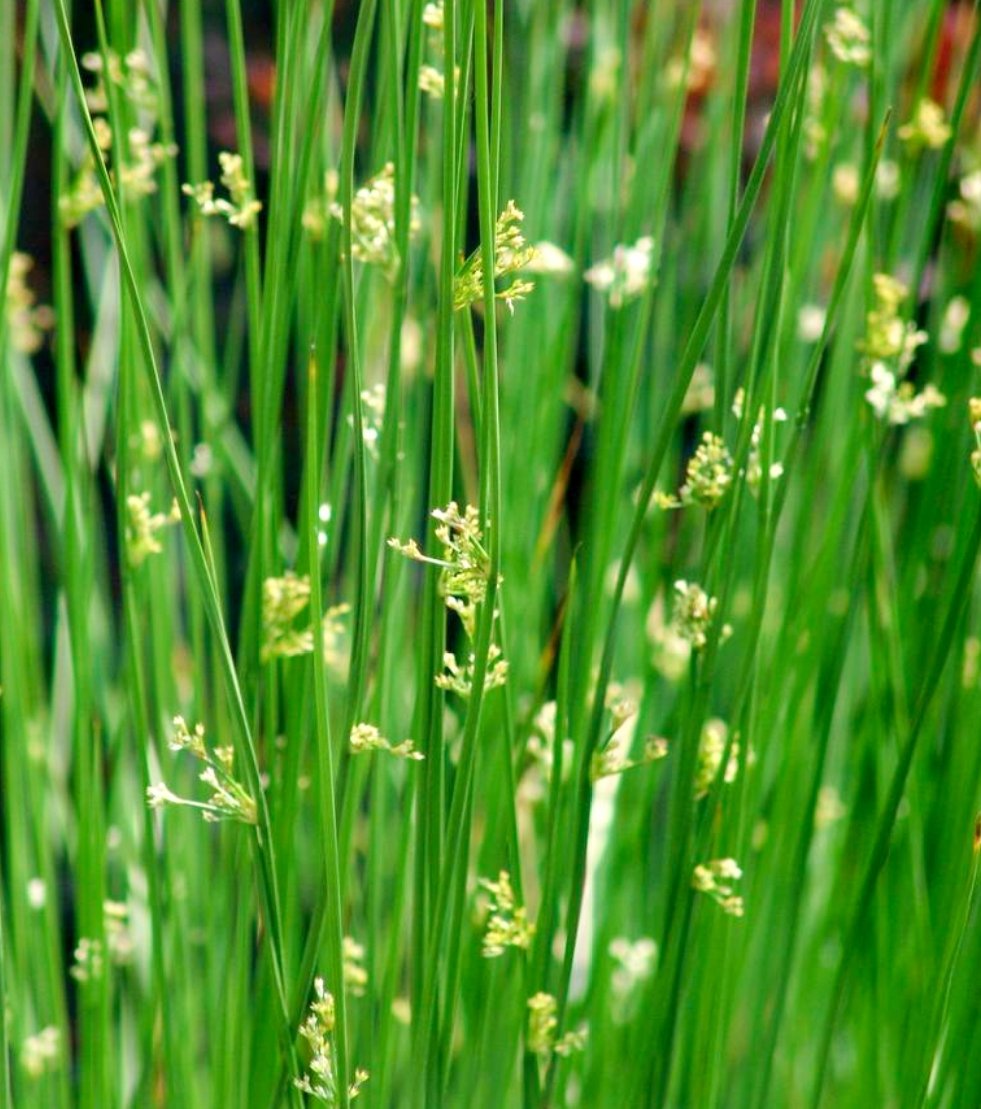 Image 3 of 6
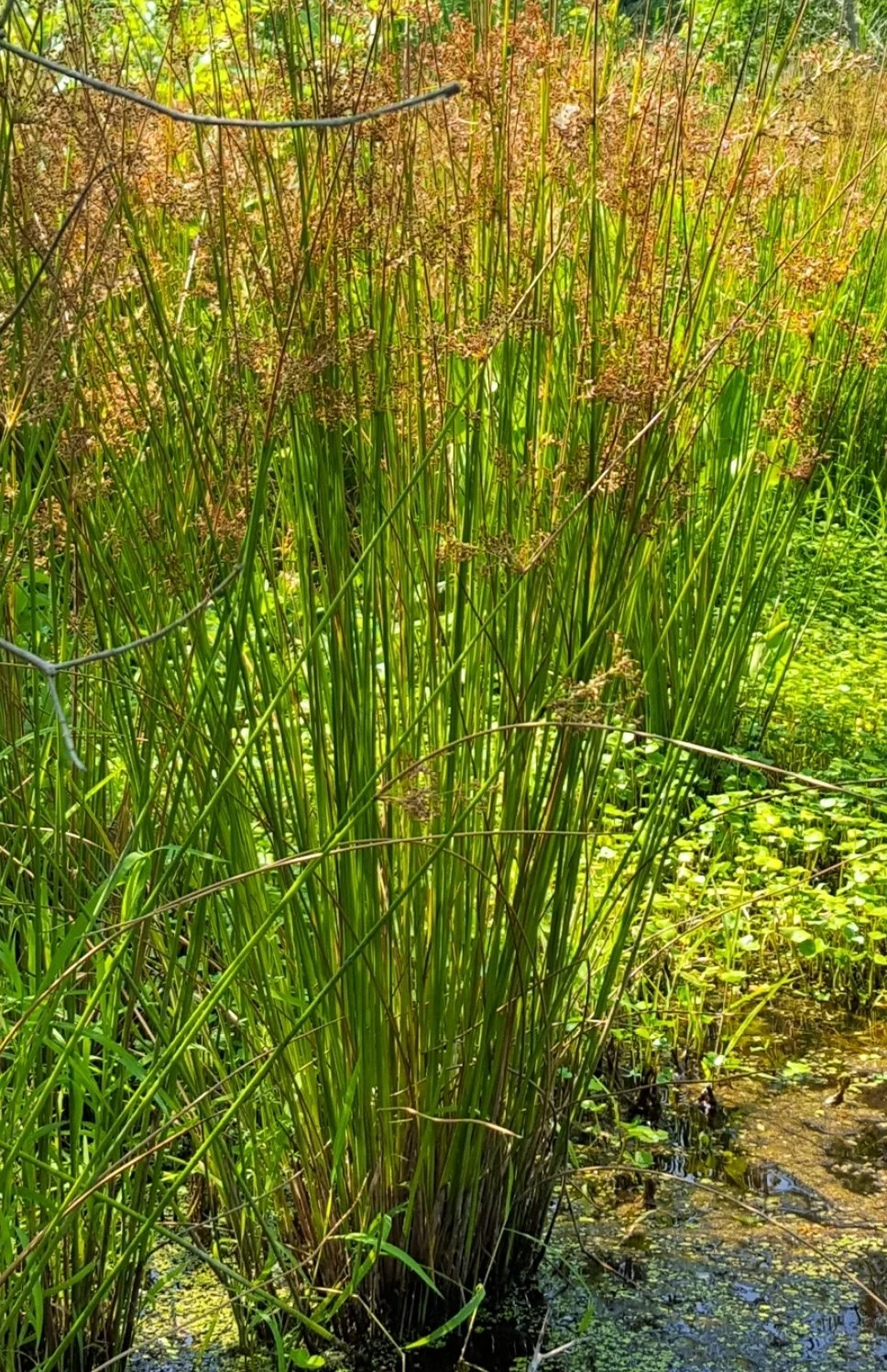 Image 4 of 6
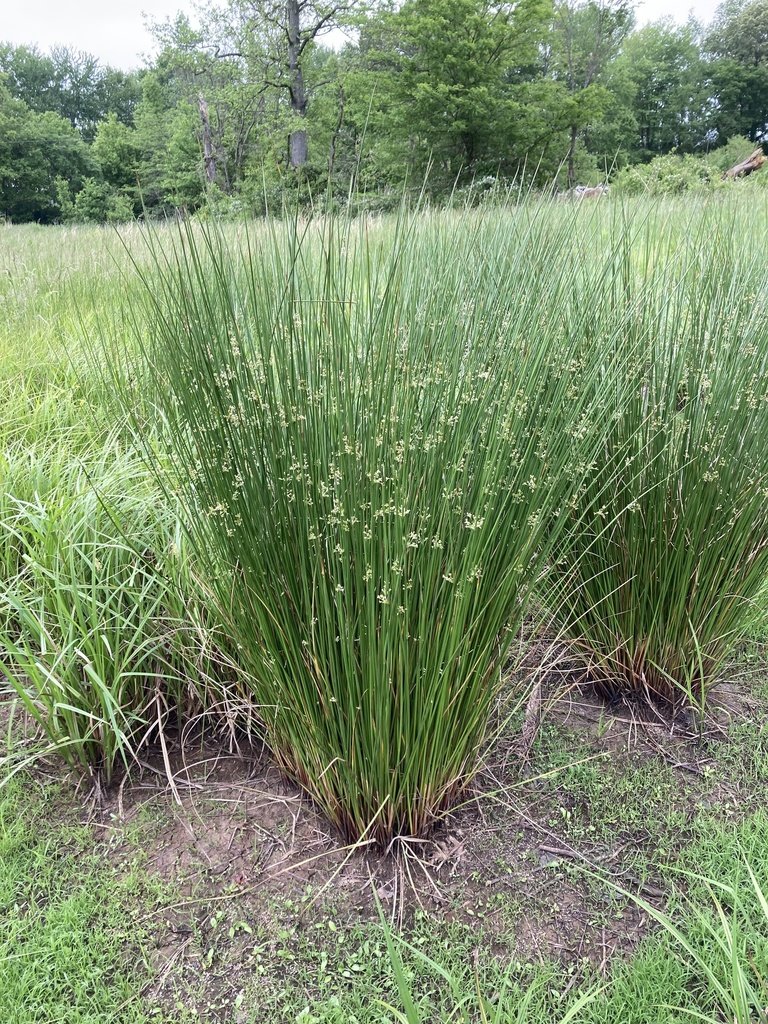 Image 5 of 6
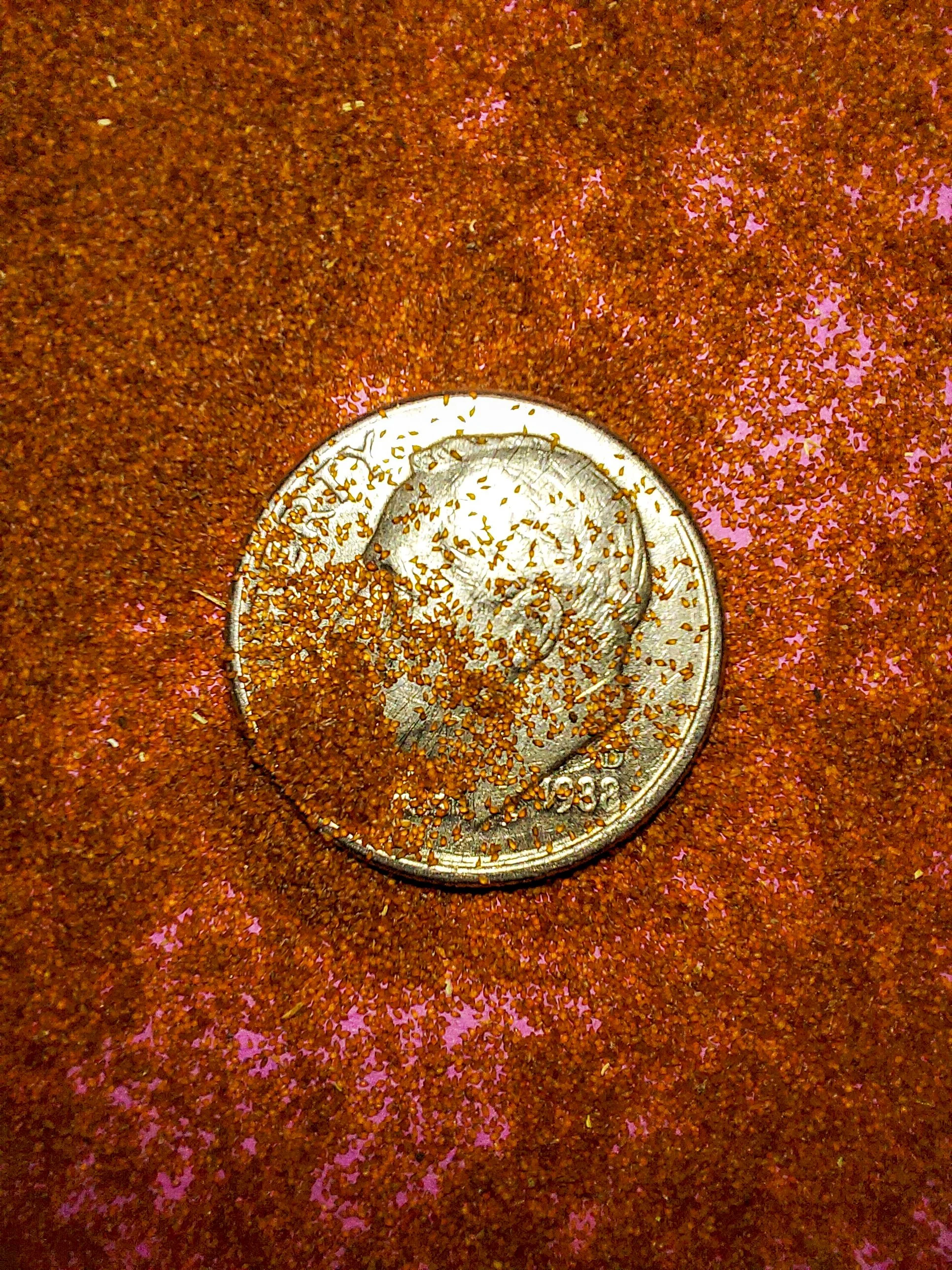 Image 6 of 6