Sale Price:
$1.50
Original Price:
$3.00
Steeplebush (Spiraea tomentosa)
Spiraea tomentosa is the scientific name for the native shrub more commonly known as Steeplebush, Meadowsweet, Hardhack, or Eastern Hardhack. This hardy, flowering plant in the Spiraea family is native to and commonly found throughout the Eastern United States and Canada, where it thrives in wet meadows, bog edges, and along streambanks.
Steeplebush grows to up to four feet tall and nearly as wide when mature and prefers moist to wet, slightly acidic soil in full sun for best health and results.
Blooming in summer, each tiny, pink flower will be about 1/16th of an inch wide and arranged in narrow, pyramid-shaped flowerheads that grow up to 8 inches long. The flowers are followed by small, dry, brown fruit.
The slow spread of its rhizomatous roots helps stabilize retention pond embankments and river edges, while its bright pink blooms, yellow fall foliage, and orange-red bark make Steeplebush a highly sought-after shrub for season‑long interest.
The specific epithet tomentosa refers to the undersides of the leaves and the stems, which are covered in a dense, white-woolly tomentum (trichomes), giving the plant a softly fuzzy appearance. It shares many similar characteristics with Spiraea douglasii, a native variation commonly found from Alaska through much of Canada and into the moist habitats of the Pacific Northwest.
Steeplebush is noted for its astringent properties, which lead to its use in traditional medicinal preparations. Native Americans also found practical uses for the plant, fashioning it into brooms and utilizing it to hang meat for cooking.
The plant bug Plagiognathus fuscous breeds on Steeplebush. Its flowers attract many bees, including the endangered Rusty Patched Bumblebee (Bombus affinis), the Brown-belted Bumblebee (Bombus griseocollis), the Common Eastern Bumblebee (Bombus impatiens), and native solitary bees such as Lasioglossum atwoodi, L. hitchensi, and the small plasterer bee Hylaeus mesillae.
This plant is considered native and occurs, though rarely, in several counties across the states of Missouri, Arkansas, and Georgia, and it has been extirpated (locally extinct) from one county in the state of Mississippi.
Plant Details
USDA Zones: 3-8
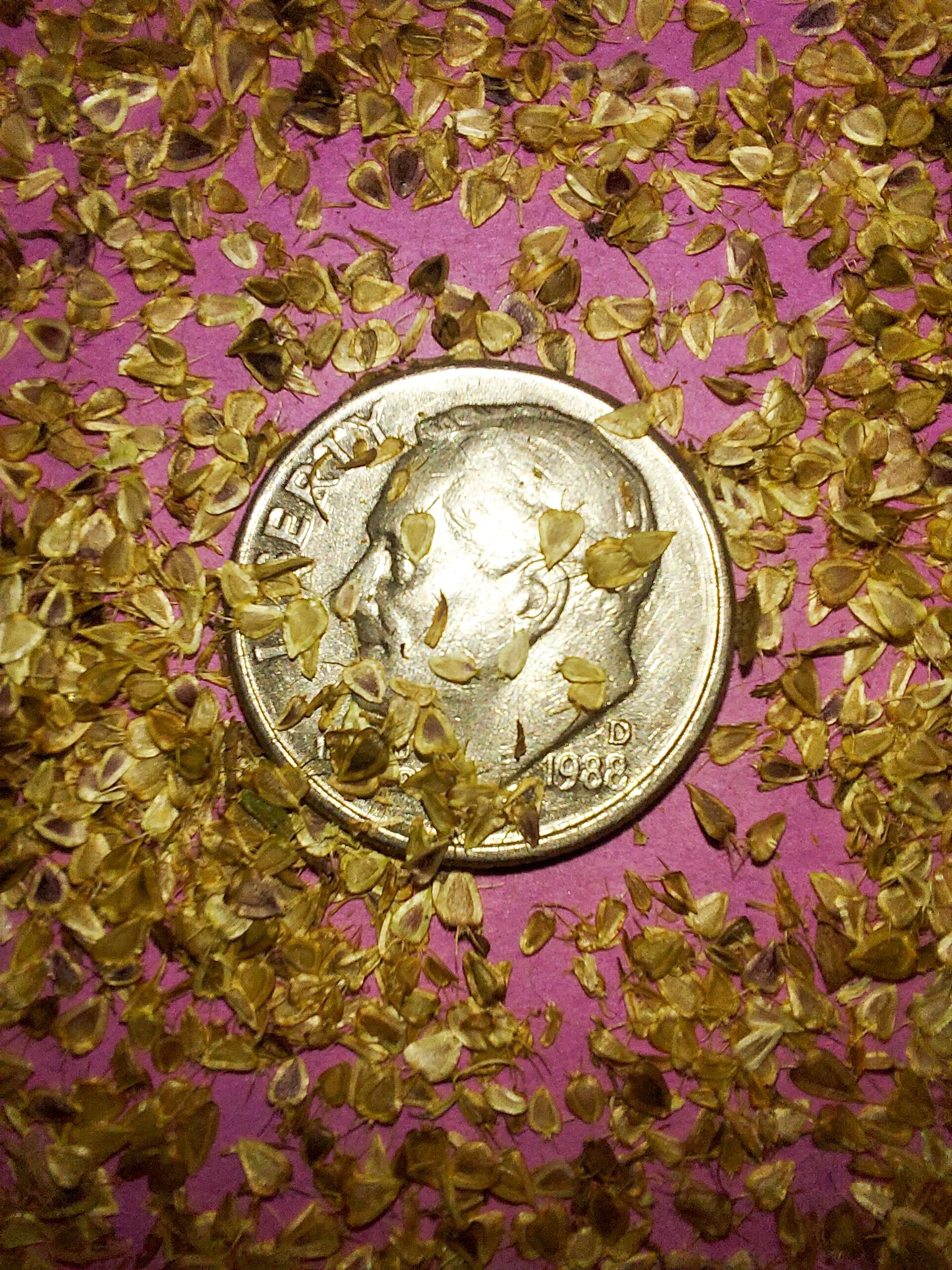
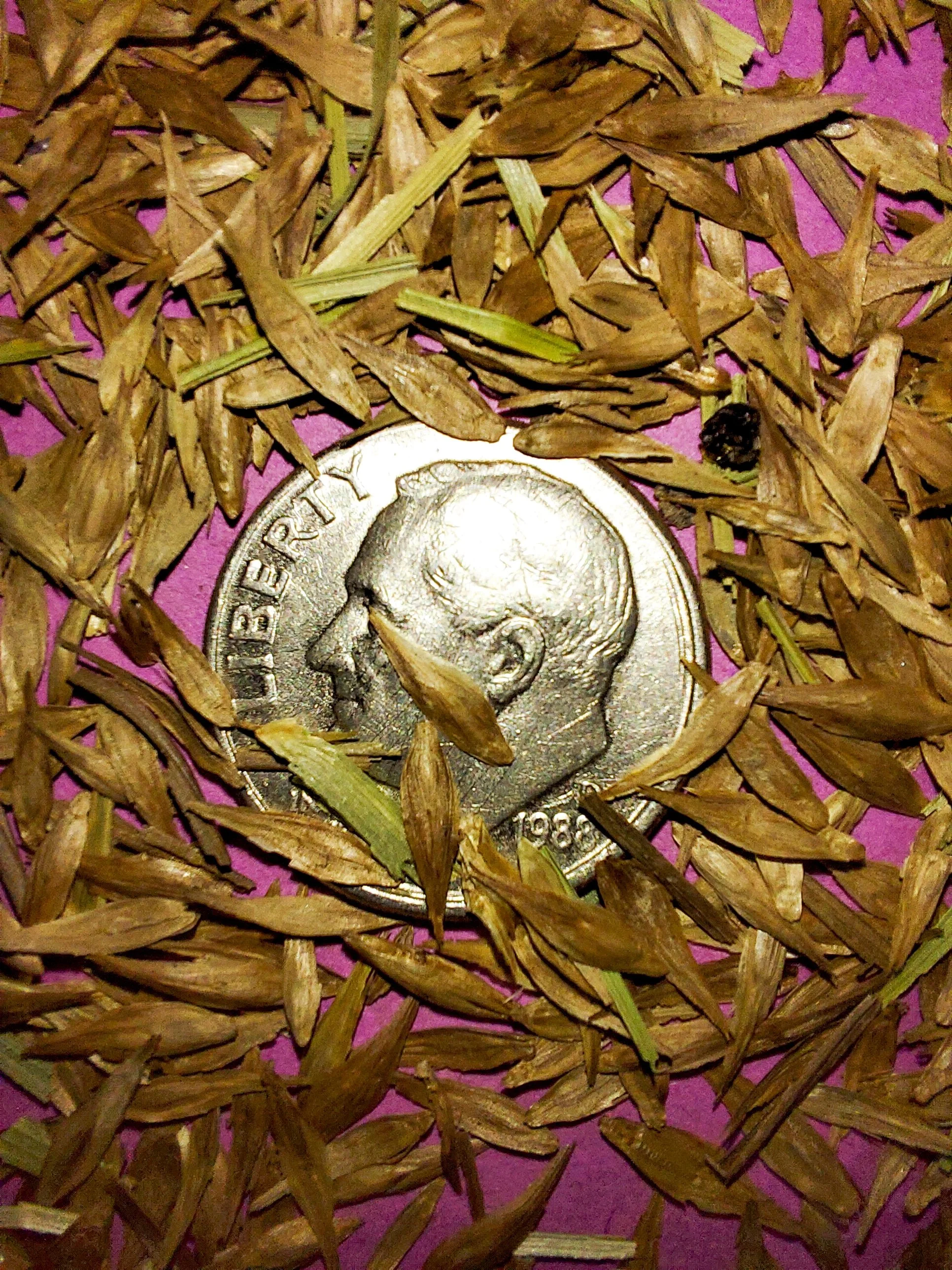
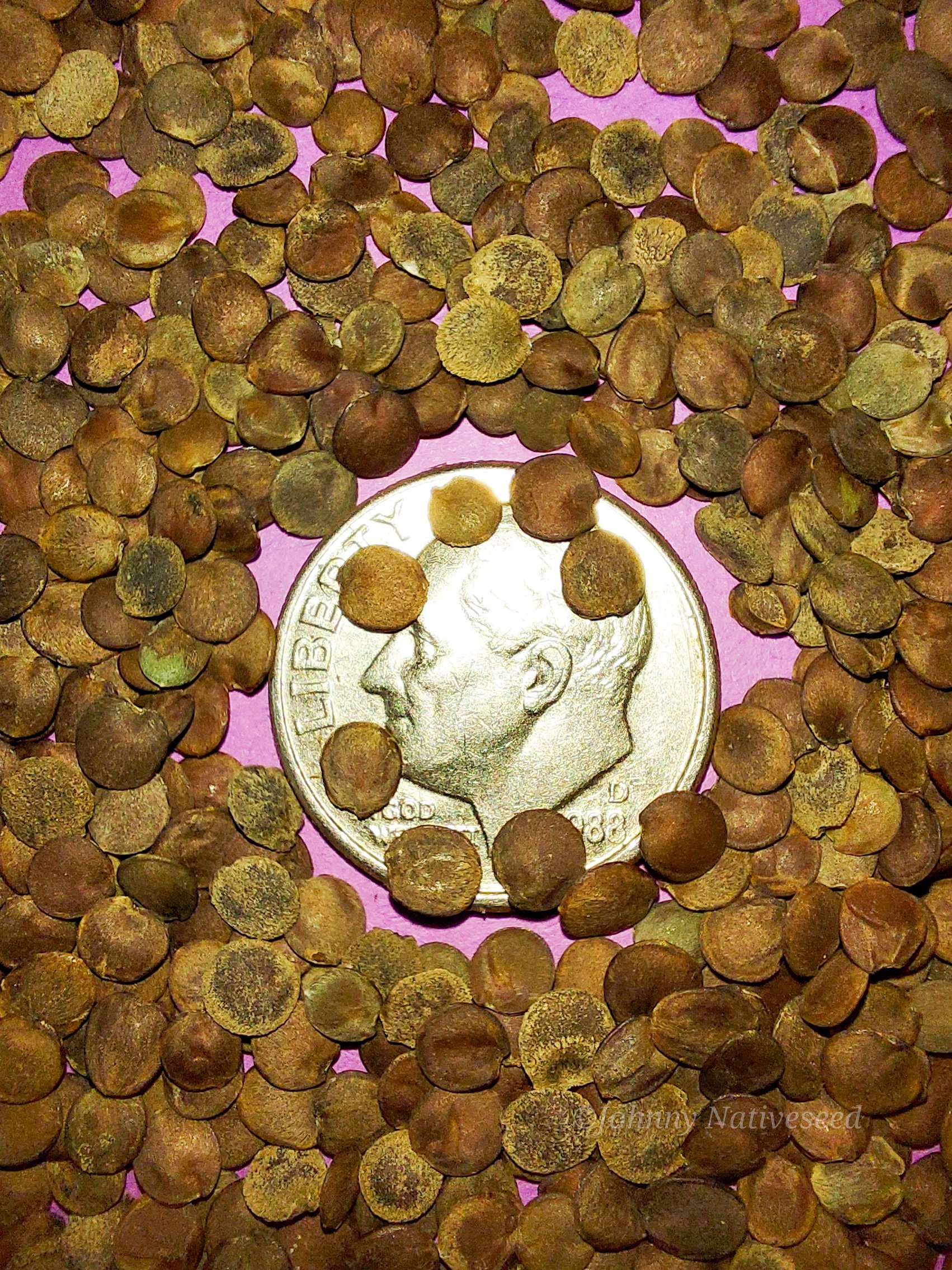
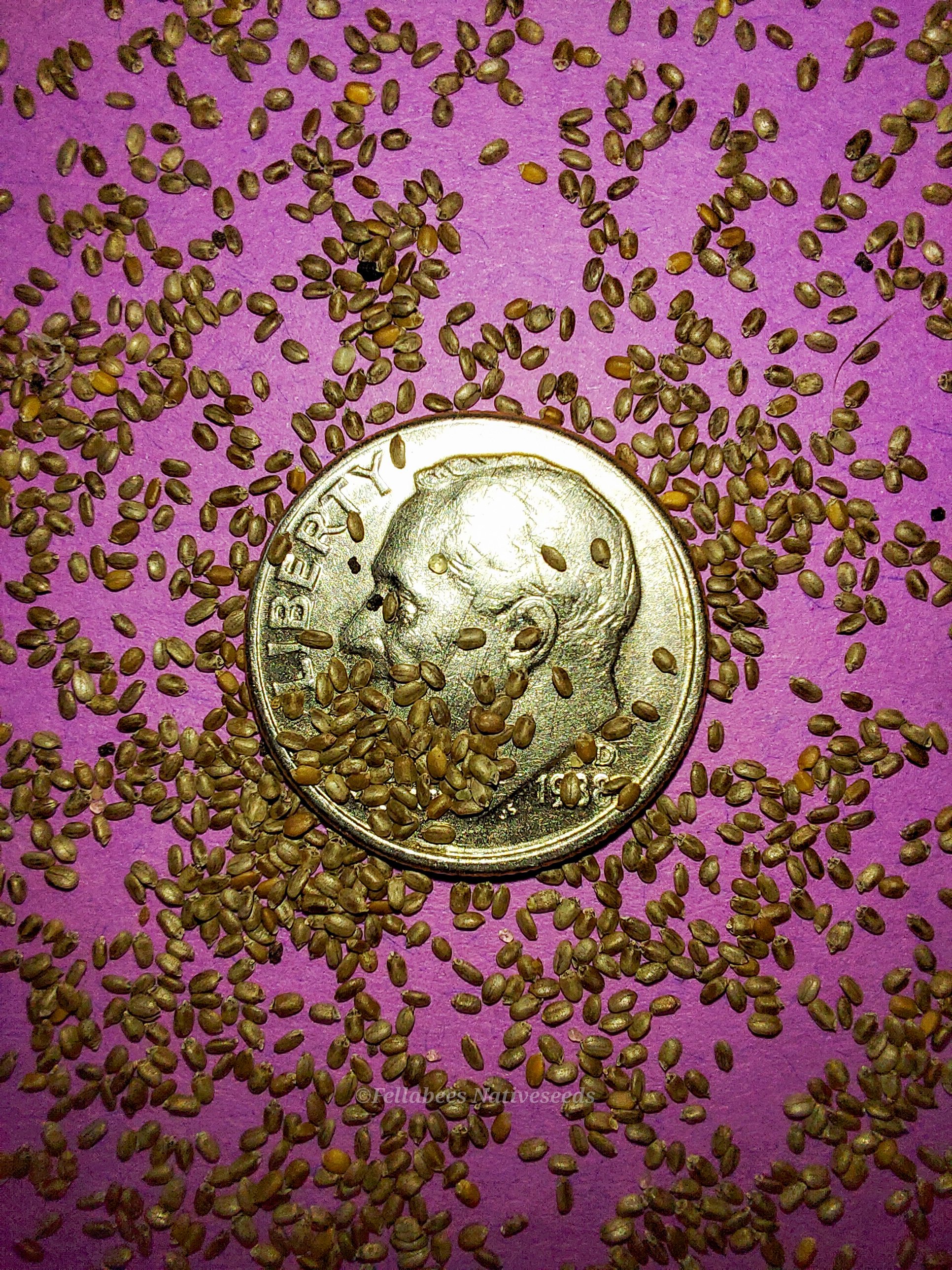
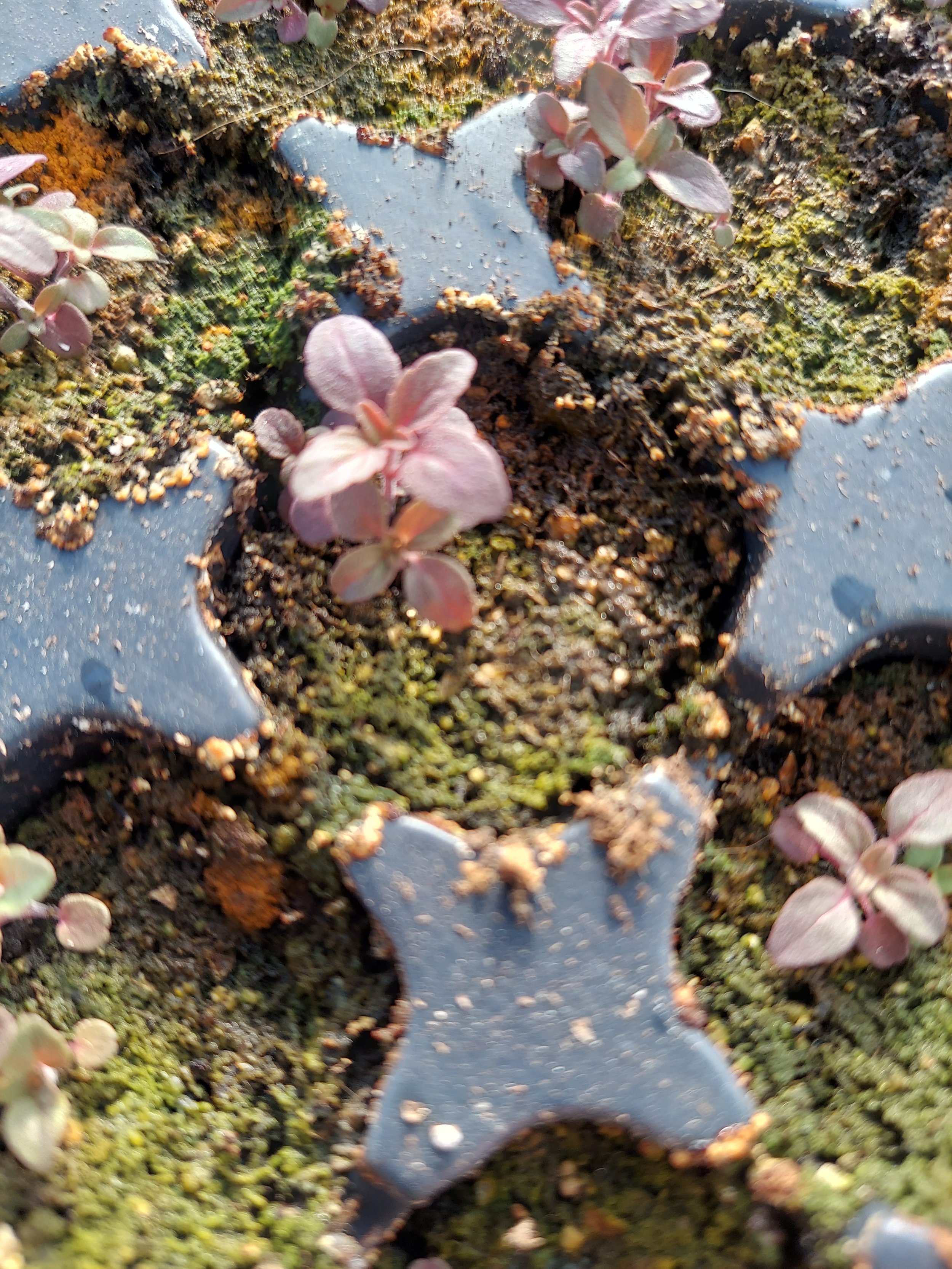
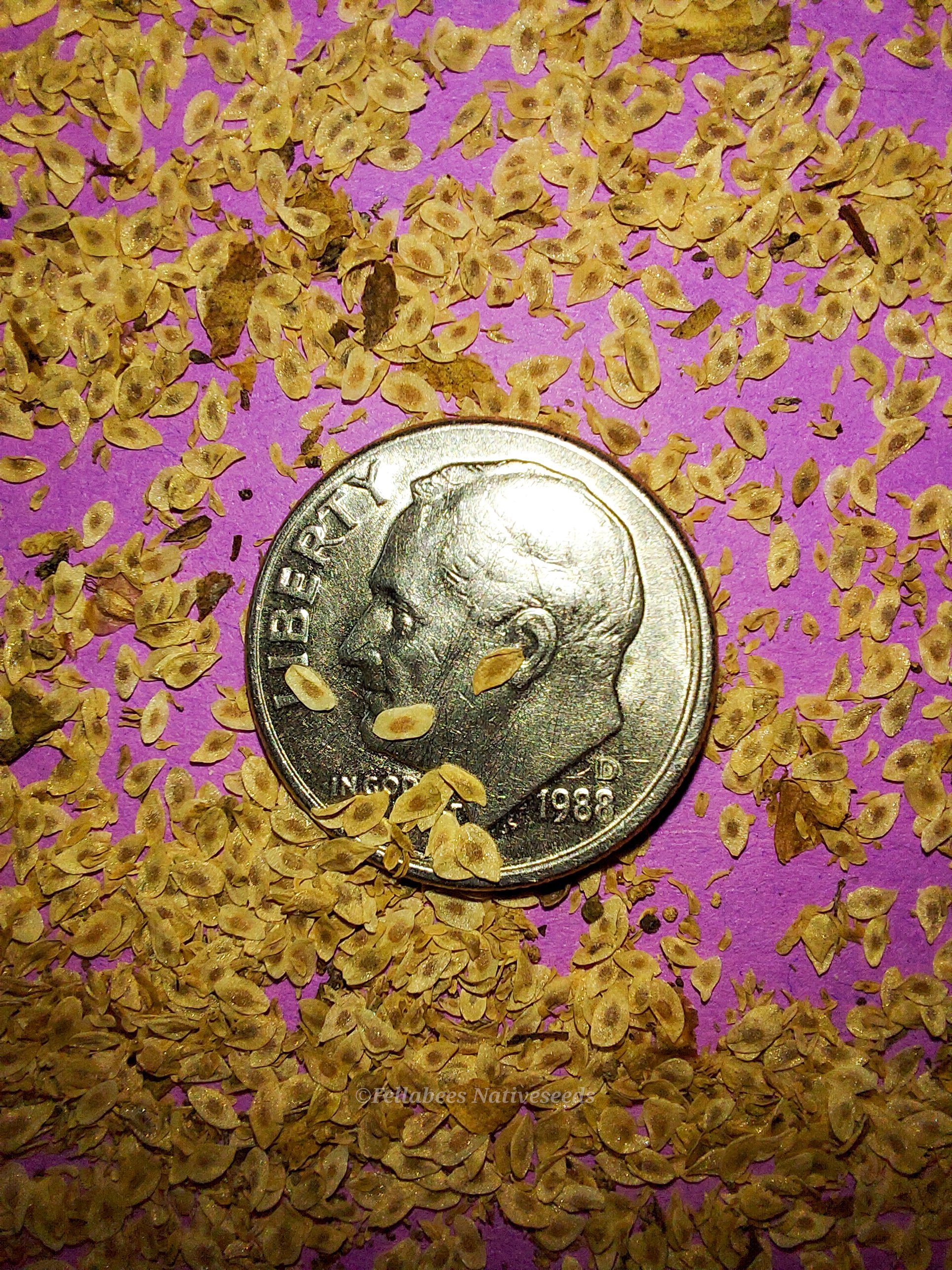
Germination Needs: 60 Days Cold Stratification, Seeds are very small and ought to be surface sown only. No soil, or just a thin sprinkle if you must. Water from the bottom if growing indoors, in trays. Keep evenly moist until germination.
Life Cycle: Perennial
Sun Exposure: Full to Partial
Soil Moisture: Wet, Medium-Wet
Plant Spacing: 1-3 feet
Height: 4 feet
Bloom time: July, August, September
Bloom Color: Pink
Advantages:
Pollinator Favorite: butterflies, moths, bees, wasps, beetles
Bird Favorite: seeds, insects, fruit, nectar, nesting, perches.
Native to: Wisconsin, Minnesota, Illinois, Indiana, Michigan, Ohio, Pennsylvania, New York, Vermont, New Hampshire, Maine, Massachusetts, Rhode Island, Connecticut, Delaware, Maryland, New Jersey, West Virginia, Virginia, North Carolina, South Carolina, Georgia, Tennessee, Kentucky, Missouri, Arkansas, and Mississippi.
Seed Count: 25+
.
.
Packet quantities:
We pride ourselves on ethical, hands on, ecological management, using no mechanical or chemical methods whatsoever.
All of our native seed is hand reared, hand picked, and hand packed from native prairies under our exclusive management, never breaking chain of custody from the field until it is sent to you. Each packet is hand prepared for shipment by us, directly.
Small seed species will contain greater than 20-25 seed
Large seed species will contain greater than 10-15 seed
It is our mission to spread the wealth of native plant and pollinator ecological sustainability and educate back yard gardeners as well as corporate and government entities in how to germinate, grow, and benefit from native synergies.
Thank you for your support, it is because of you, that we can grow together to do, what we do. 🐛🦋🐝🐞🌾🌱🌼🧡
Steeplebush (Spiraea tomentosa)
Spiraea tomentosa is the scientific name for the native shrub more commonly known as Steeplebush, Meadowsweet, Hardhack, or Eastern Hardhack. This hardy, flowering plant in the Spiraea family is native to and commonly found throughout the Eastern United States and Canada, where it thrives in wet meadows, bog edges, and along streambanks.
Steeplebush grows to up to four feet tall and nearly as wide when mature and prefers moist to wet, slightly acidic soil in full sun for best health and results.
Blooming in summer, each tiny, pink flower will be about 1/16th of an inch wide and arranged in narrow, pyramid-shaped flowerheads that grow up to 8 inches long. The flowers are followed by small, dry, brown fruit.
The slow spread of its rhizomatous roots helps stabilize retention pond embankments and river edges, while its bright pink blooms, yellow fall foliage, and orange-red bark make Steeplebush a highly sought-after shrub for season‑long interest.
The specific epithet tomentosa refers to the undersides of the leaves and the stems, which are covered in a dense, white-woolly tomentum (trichomes), giving the plant a softly fuzzy appearance. It shares many similar characteristics with Spiraea douglasii, a native variation commonly found from Alaska through much of Canada and into the moist habitats of the Pacific Northwest.
Steeplebush is noted for its astringent properties, which lead to its use in traditional medicinal preparations. Native Americans also found practical uses for the plant, fashioning it into brooms and utilizing it to hang meat for cooking.
The plant bug Plagiognathus fuscous breeds on Steeplebush. Its flowers attract many bees, including the endangered Rusty Patched Bumblebee (Bombus affinis), the Brown-belted Bumblebee (Bombus griseocollis), the Common Eastern Bumblebee (Bombus impatiens), and native solitary bees such as Lasioglossum atwoodi, L. hitchensi, and the small plasterer bee Hylaeus mesillae.
This plant is considered native and occurs, though rarely, in several counties across the states of Missouri, Arkansas, and Georgia, and it has been extirpated (locally extinct) from one county in the state of Mississippi.
Plant Details
USDA Zones: 3-8
Germination Needs: 60 Days Cold Stratification, Seeds are very small and ought to be surface sown only. No soil, or just a thin sprinkle if you must. Water from the bottom if growing indoors, in trays. Keep evenly moist until germination.
Life Cycle: Perennial
Sun Exposure: Full to Partial
Soil Moisture: Wet, Medium-Wet
Plant Spacing: 1-3 feet
Height: 4 feet
Bloom time: July, August, September
Bloom Color: Pink
Advantages:
Pollinator Favorite: butterflies, moths, bees, wasps, beetles
Bird Favorite: seeds, insects, fruit, nectar, nesting, perches.
Native to: Wisconsin, Minnesota, Illinois, Indiana, Michigan, Ohio, Pennsylvania, New York, Vermont, New Hampshire, Maine, Massachusetts, Rhode Island, Connecticut, Delaware, Maryland, New Jersey, West Virginia, Virginia, North Carolina, South Carolina, Georgia, Tennessee, Kentucky, Missouri, Arkansas, and Mississippi.
Seed Count: 25+
.
.
Packet quantities:
We pride ourselves on ethical, hands on, ecological management, using no mechanical or chemical methods whatsoever.
All of our native seed is hand reared, hand picked, and hand packed from native prairies under our exclusive management, never breaking chain of custody from the field until it is sent to you. Each packet is hand prepared for shipment by us, directly.
Small seed species will contain greater than 20-25 seed
Large seed species will contain greater than 10-15 seed
It is our mission to spread the wealth of native plant and pollinator ecological sustainability and educate back yard gardeners as well as corporate and government entities in how to germinate, grow, and benefit from native synergies.
Thank you for your support, it is because of you, that we can grow together to do, what we do. 🐛🦋🐝🐞🌾🌱🌼🧡
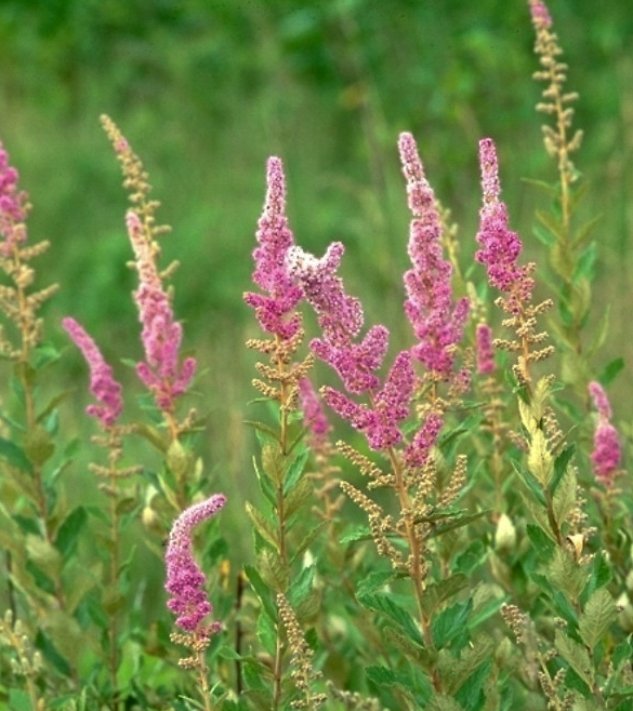 Image 1 of 6
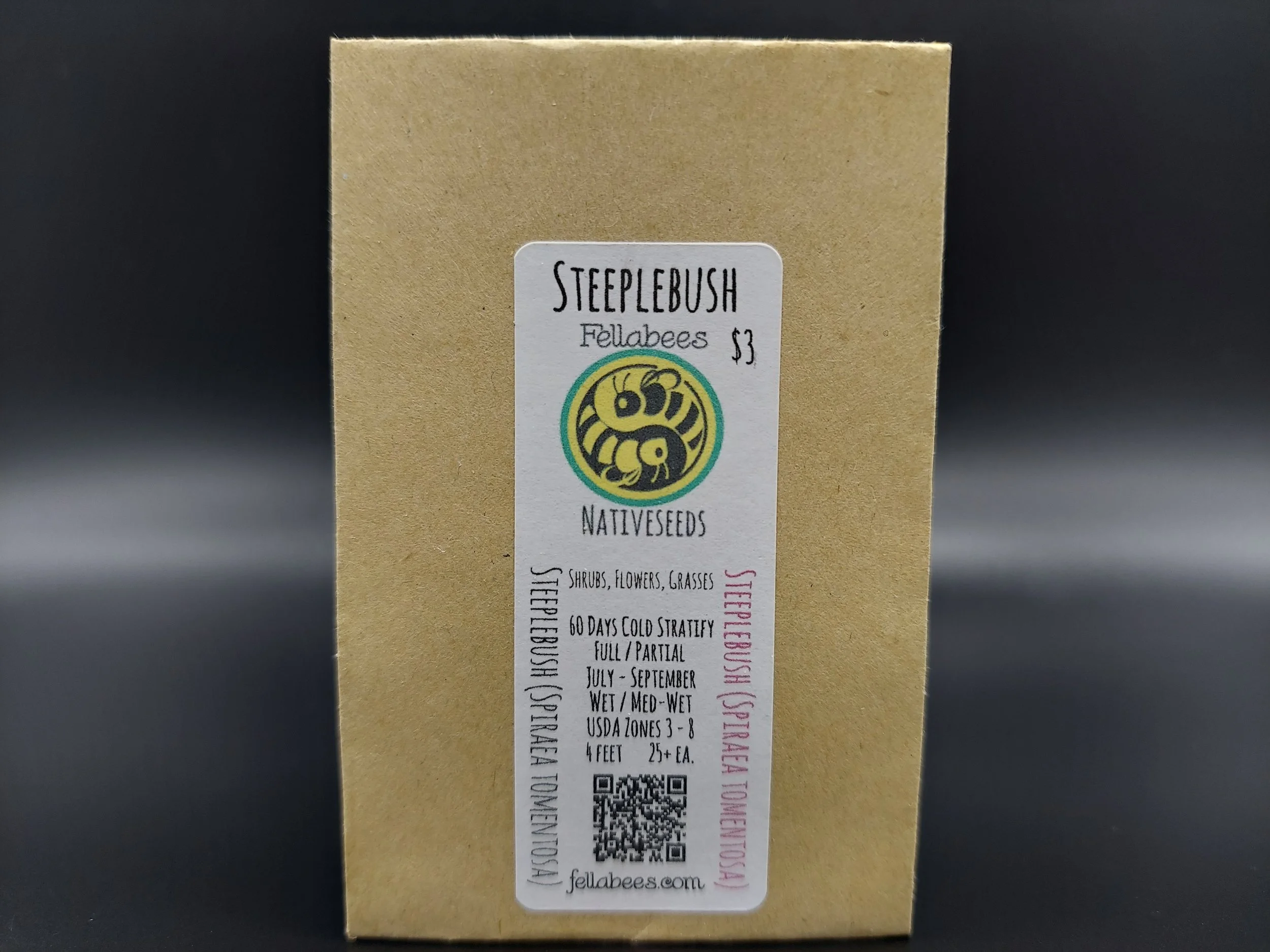 Image 2 of 6
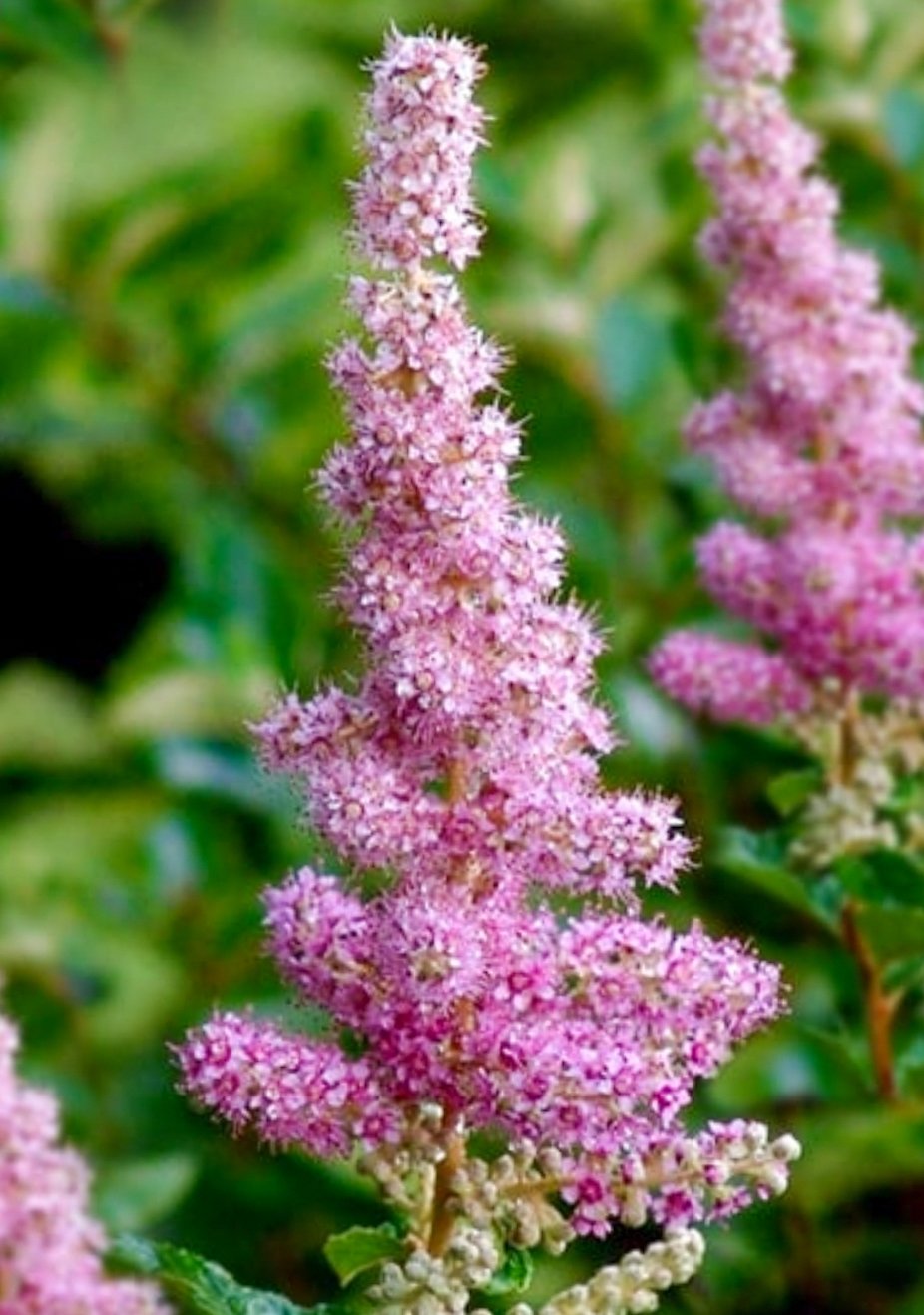 Image 3 of 6
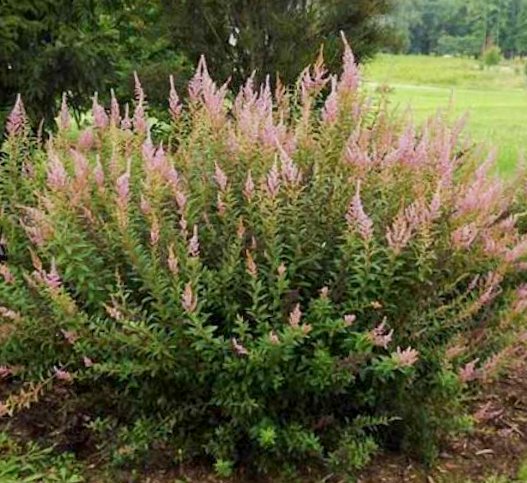 Image 4 of 6
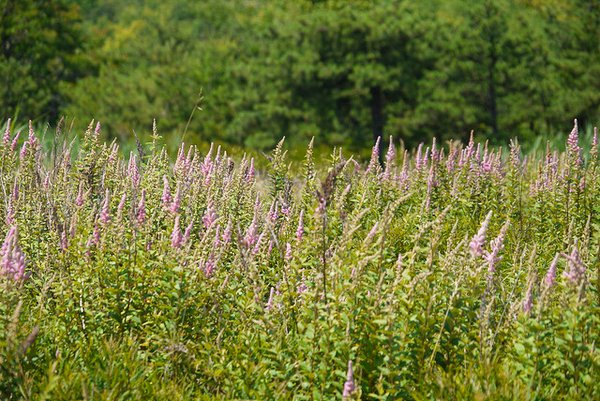 Image 5 of 6
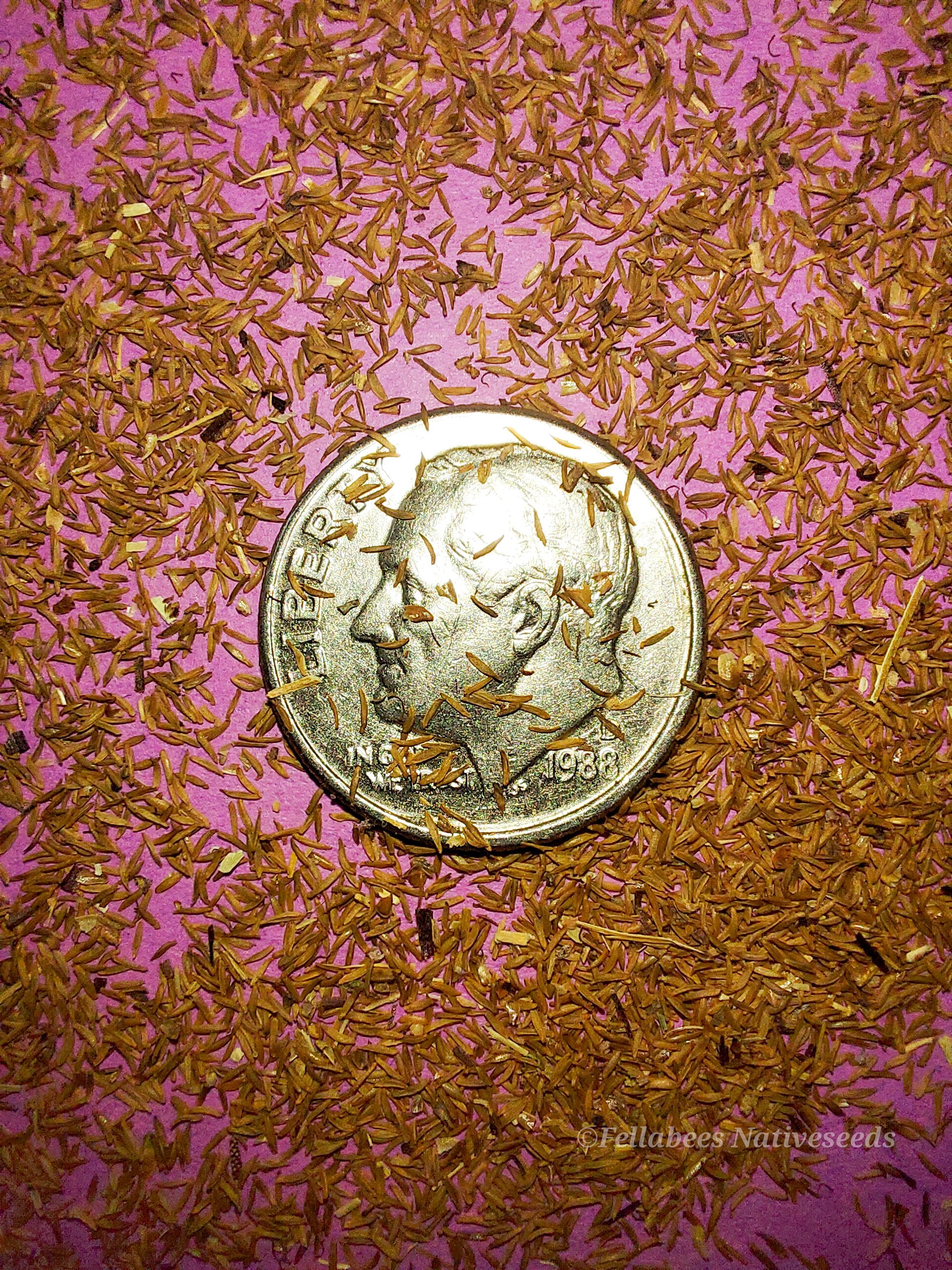 Image 6 of 6