Sale Price:
$1.50
Original Price:
$3.00
Dogbane (Apocynum cannabinum)
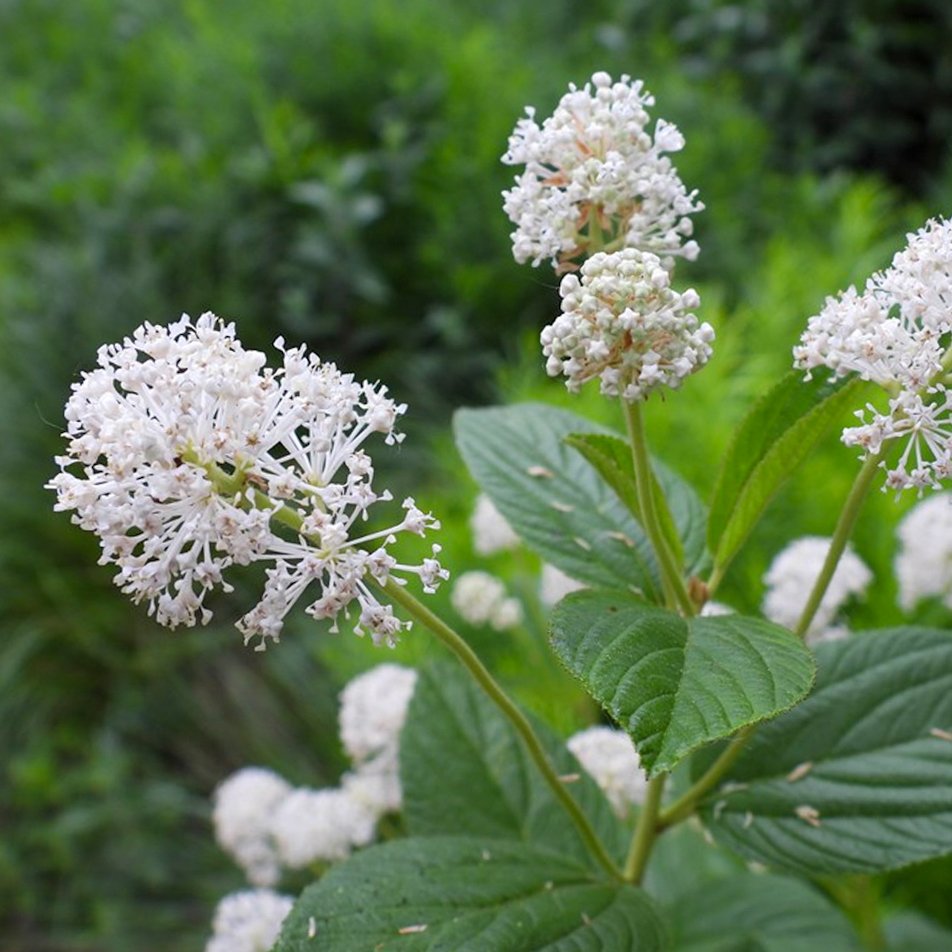
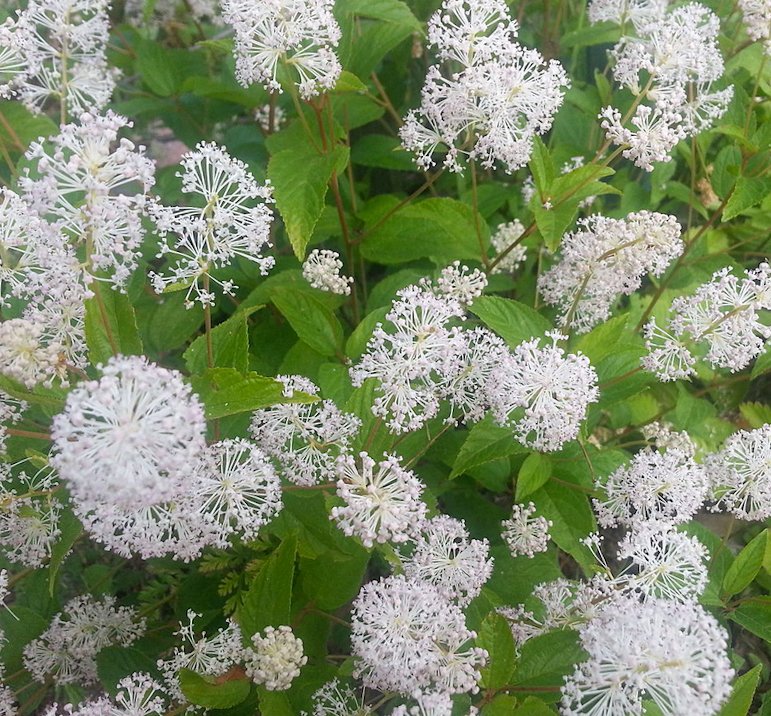
Apocynum cannabinum is the scientific name for the species more commonly called Dogbane, Amy Root, Hemp Dogbane, Prairie Dogbane, Indian Hemp, Hemp Dogsbane, Rheumatism Root, Dogsbane, or Wild Cotton. Dogbane is a perennial herbaceous plant that grows throughout much of North America—in the southern half of Canada and throughout the United States. It is poisonous to humans, dogs, cats, and horses. All parts of the plant contain toxic cardiac glycosides that can cause potentially fatal cardiac arrhythmias if ingested. Some Lepidoptera (Butterflies/Moths) can withstand the toxins and feed on this plant.
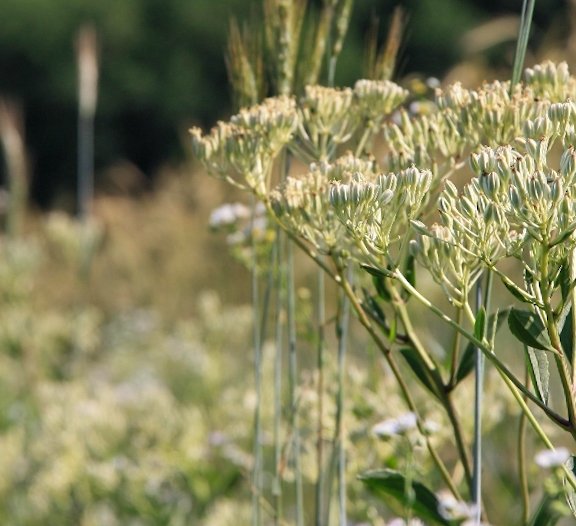
Dogbane occupies a wide range of habitats including prairies, open woodlands, roadsides, disturbed sites, and riparian edges. The plant typically produces clusters of small, greenish-white to reddish flowers from late spring through summer, followed by the development of slender, paired seedpods that contain numerous silky-seeded fruits carried by the wind.
Despite its toxicity to mammals, Apocynum cannabinum plays an ecological role in supporting certain insect species. Yellow-faced Bees and Sweat Bees are drawn to the flowers when in bloom, playing an important role in their pollination. Some Lepidoptera—specific butterflies and moths whose larvae have evolved physiological tolerances to the plant’s chemical defenses—are able to feed on its foliage and use it as a host plant such as larvae of the Snowberry Clearwing (Hemaris diffinis), and Dogbane Tiger Moth (Cycnia tenera), of which there is evidence that the adult Dogbane Tiger Moth emits aposematic ultrasound signals; these may also jam bat echolocation, causing bats to miss their target, but even if caught, release them due to the concentration of compounds derived from Dogbane. Adult Feeders of Dogbane are Great Ash Sphinx (Sphinx chersis), Apple Sphinx (Sphinx gordius), Poecila Sphinx (Sphinx poecila)
The Milkweed Tussock Moth (Euchaetes egle) may be able to be moved to Dogbane if they are applying heavy pressure to locally limited supplies of Milkweed which belongs to the same family as Dogbane (Apocynaceae) however, we recommend allowing the Milkweed Tussock Moth larvae to finish their cycle on the Milkweed they were deposited on, as the plant will not be killed by even being fully skeletonized. in fact, there is evidence that heavy pressure by Tussock moth larvae stimulates new growth of fresh and tender leaves that are then an advantage to late forming Monarch larvae who host on the Milkweed species.
In this way, Dogbane contributes to local biodiversity by providing food resources for specialist herbivores and, indirectly, for predators and parasitoids that depend on those herbivores. Gardeners and land managers considering the species for native planting should weigh its ecological benefits against its risks to people and animals and should take precautions to prevent accidental ingestion while recognizing its deep value within native plant and pollinator communities.
Plant Details
USDA Zones: 2-10
Germination Needs: No Treatment Needed
Life Cycle: Perennial
Sun Exposure: Full to Partial
Soil Moisture: Medium-Wet, Medium, Medium-Dry
Plant Spacing: 2 - 3
Height: 4 feet
Bloom time: May, June, July, August
Bloom Color: White
Advantages:
Pollinator Favorite: butterflies, moths, bees, wasps, beetles
Deer Resistant: Yes
Native to : Wisconsin, Minnesota, Iowa, Illinois, Indiana, Michigan, Ohio, Pennsylvania, New York, Vermont, New Hampshire, Maine, Massachusetts, Rhode Island, Connecticut, Delaware, Maryland, New Jersey, West Virginia, Virginia, Kentucky, Tennessee, North Carolina, South Carolina, Georgia, Florida, Alabama, Mississippi, Louisiana, Arkansas, Missouri, Texas, Oklahoma, Kansas, Nebraska, South Dakota, North Dakota, Montana, Wyoming, Colorado, New Mexico, Arizona, Utah, Idaho, California, Oregon, and Washington State
.
.
Packet quantities:
We pride ourselves on ethical, hands on, ecological management, using no mechanical or chemical methods whatsoever.
All of our native seed is hand reared, hand picked, and hand packed from native prairies under our exclusive management, never breaking chain of custody from the field until it is sent to you. Each packet is hand prepared for shipment by us, directly.
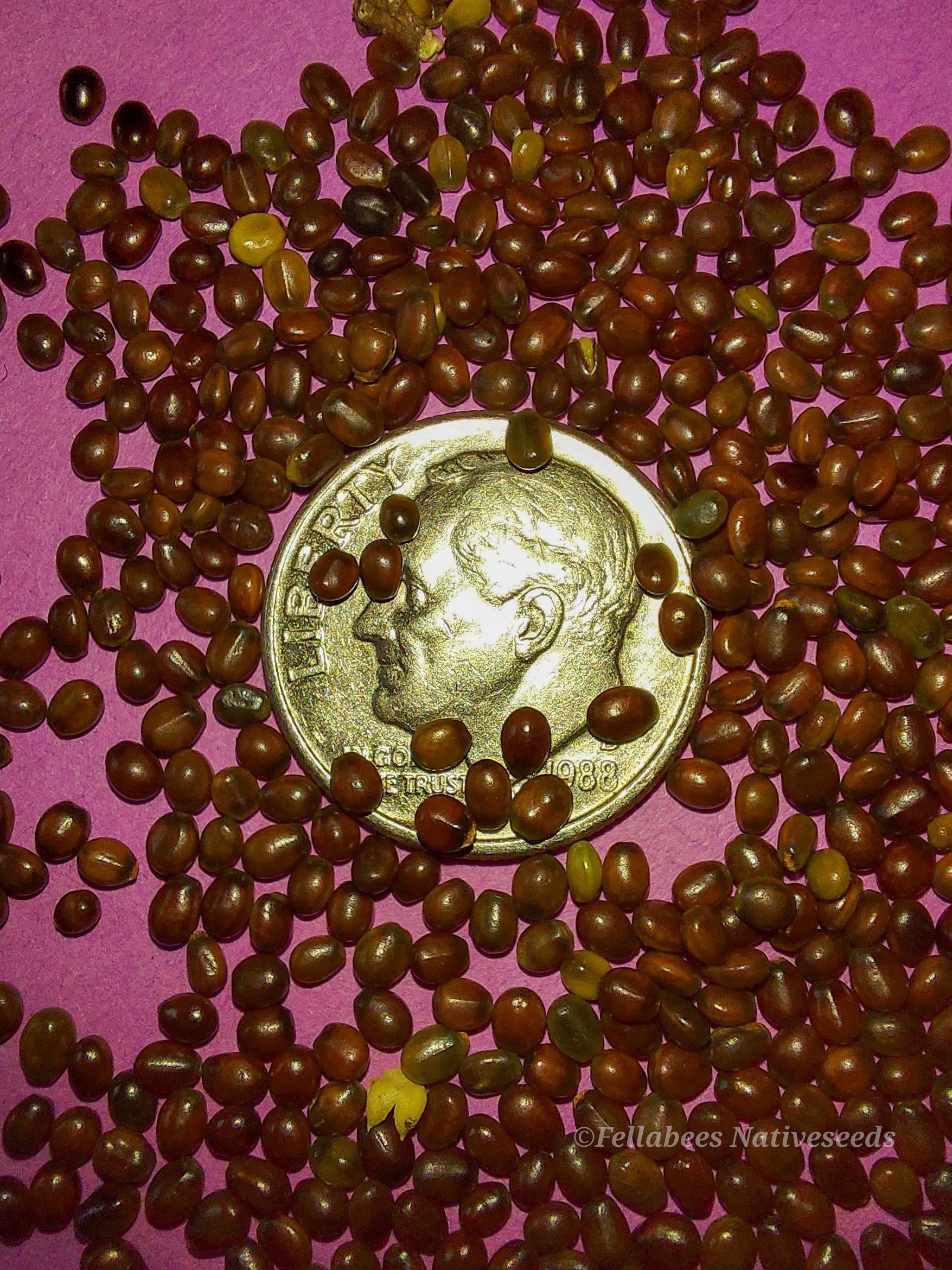
Small seed species will contain greater than 20-25 seed
Large seed species will contain greater than 10-15 seed
All packets are individually marked at the bottom of the front label with expected count, however most if not all packets will have more than the minimum count by default.
It is our mission to spread the wealth of native plant and pollinator ecological sustainability and educate back yard gardeners as well as corporate and government entities in how to germinate, grow, and benefit from native synergies.
Thank you for your support, it is because of you, that we can grow together to do, what we do. 🐛🦋🐝🐞🌾🌱🌼🧡
Dogbane (Apocynum cannabinum)
Apocynum cannabinum is the scientific name for the species more commonly called Dogbane, Amy Root, Hemp Dogbane, Prairie Dogbane, Indian Hemp, Hemp Dogsbane, Rheumatism Root, Dogsbane, or Wild Cotton. Dogbane is a perennial herbaceous plant that grows throughout much of North America—in the southern half of Canada and throughout the United States. It is poisonous to humans, dogs, cats, and horses. All parts of the plant contain toxic cardiac glycosides that can cause potentially fatal cardiac arrhythmias if ingested. Some Lepidoptera (Butterflies/Moths) can withstand the toxins and feed on this plant.
Dogbane occupies a wide range of habitats including prairies, open woodlands, roadsides, disturbed sites, and riparian edges. The plant typically produces clusters of small, greenish-white to reddish flowers from late spring through summer, followed by the development of slender, paired seedpods that contain numerous silky-seeded fruits carried by the wind.
Despite its toxicity to mammals, Apocynum cannabinum plays an ecological role in supporting certain insect species. Yellow-faced Bees and Sweat Bees are drawn to the flowers when in bloom, playing an important role in their pollination. Some Lepidoptera—specific butterflies and moths whose larvae have evolved physiological tolerances to the plant’s chemical defenses—are able to feed on its foliage and use it as a host plant such as larvae of the Snowberry Clearwing (Hemaris diffinis), and Dogbane Tiger Moth (Cycnia tenera), of which there is evidence that the adult Dogbane Tiger Moth emits aposematic ultrasound signals; these may also jam bat echolocation, causing bats to miss their target, but even if caught, release them due to the concentration of compounds derived from Dogbane. Adult Feeders of Dogbane are Great Ash Sphinx (Sphinx chersis), Apple Sphinx (Sphinx gordius), Poecila Sphinx (Sphinx poecila)
The Milkweed Tussock Moth (Euchaetes egle) may be able to be moved to Dogbane if they are applying heavy pressure to locally limited supplies of Milkweed which belongs to the same family as Dogbane (Apocynaceae) however, we recommend allowing the Milkweed Tussock Moth larvae to finish their cycle on the Milkweed they were deposited on, as the plant will not be killed by even being fully skeletonized. in fact, there is evidence that heavy pressure by Tussock moth larvae stimulates new growth of fresh and tender leaves that are then an advantage to late forming Monarch larvae who host on the Milkweed species.
In this way, Dogbane contributes to local biodiversity by providing food resources for specialist herbivores and, indirectly, for predators and parasitoids that depend on those herbivores. Gardeners and land managers considering the species for native planting should weigh its ecological benefits against its risks to people and animals and should take precautions to prevent accidental ingestion while recognizing its deep value within native plant and pollinator communities.
Plant Details
USDA Zones: 2-10
Germination Needs: No Treatment Needed
Life Cycle: Perennial
Sun Exposure: Full to Partial
Soil Moisture: Medium-Wet, Medium, Medium-Dry
Plant Spacing: 2 - 3
Height: 4 feet
Bloom time: May, June, July, August
Bloom Color: White
Advantages:
Pollinator Favorite: butterflies, moths, bees, wasps, beetles
Deer Resistant: Yes
Native to : Wisconsin, Minnesota, Iowa, Illinois, Indiana, Michigan, Ohio, Pennsylvania, New York, Vermont, New Hampshire, Maine, Massachusetts, Rhode Island, Connecticut, Delaware, Maryland, New Jersey, West Virginia, Virginia, Kentucky, Tennessee, North Carolina, South Carolina, Georgia, Florida, Alabama, Mississippi, Louisiana, Arkansas, Missouri, Texas, Oklahoma, Kansas, Nebraska, South Dakota, North Dakota, Montana, Wyoming, Colorado, New Mexico, Arizona, Utah, Idaho, California, Oregon, and Washington State
.
.
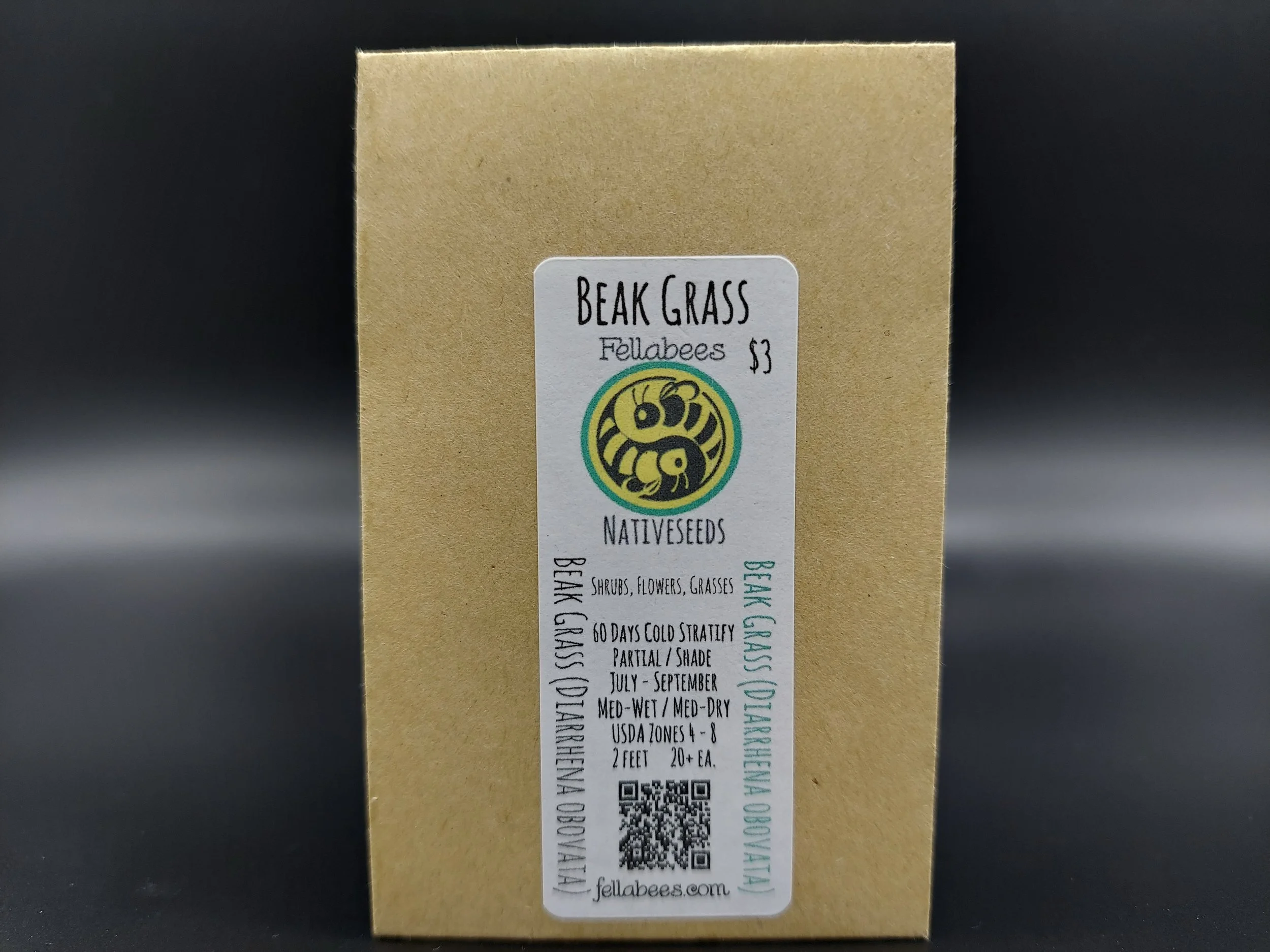
Packet quantities:
We pride ourselves on ethical, hands on, ecological management, using no mechanical or chemical methods whatsoever.
All of our native seed is hand reared, hand picked, and hand packed from native prairies under our exclusive management, never breaking chain of custody from the field until it is sent to you. Each packet is hand prepared for shipment by us, directly.
Small seed species will contain greater than 20-25 seed
Large seed species will contain greater than 10-15 seed
All packets are individually marked at the bottom of the front label with expected count, however most if not all packets will have more than the minimum count by default.
It is our mission to spread the wealth of native plant and pollinator ecological sustainability and educate back yard gardeners as well as corporate and government entities in how to germinate, grow, and benefit from native synergies.
Thank you for your support, it is because of you, that we can grow together to do, what we do. 🐛🦋🐝🐞🌾🌱🌼🧡
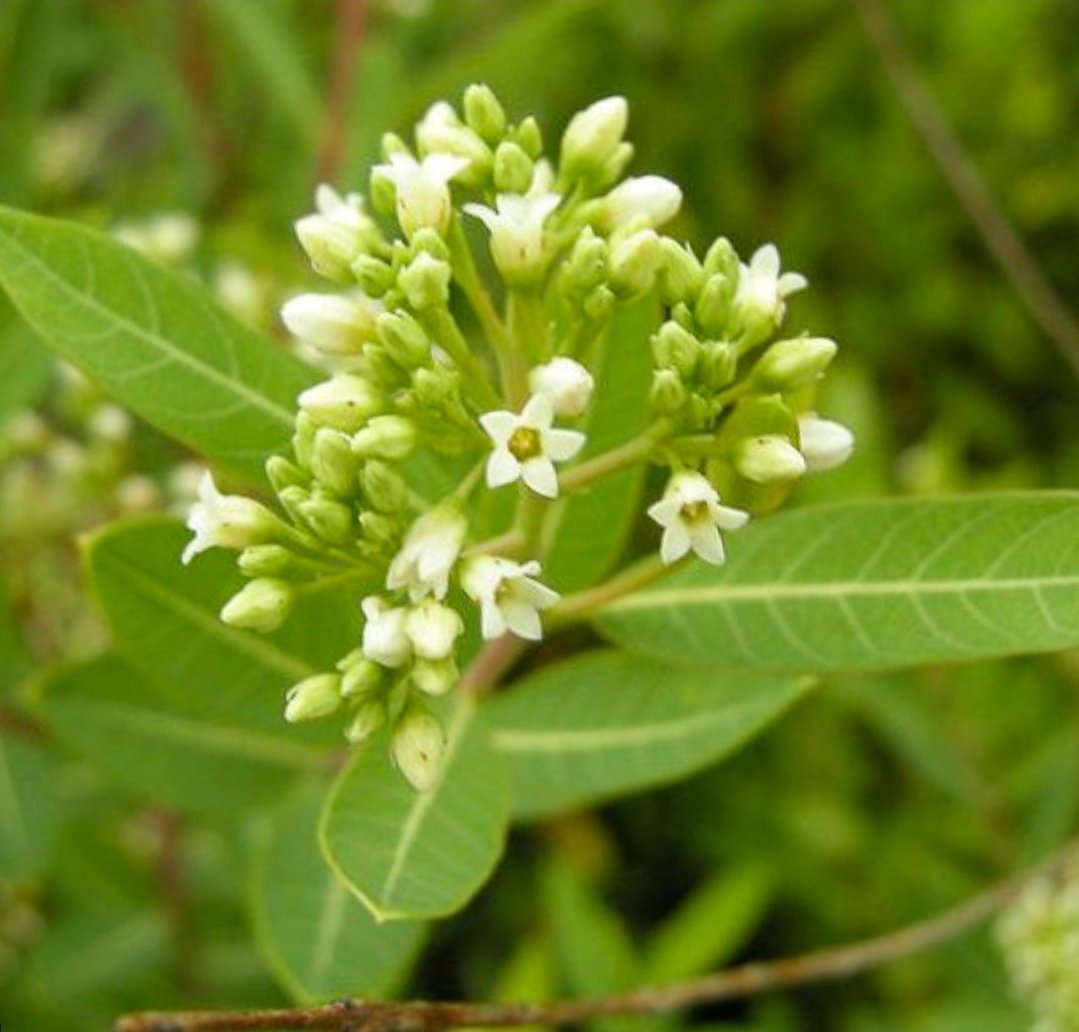 Image 1 of 5
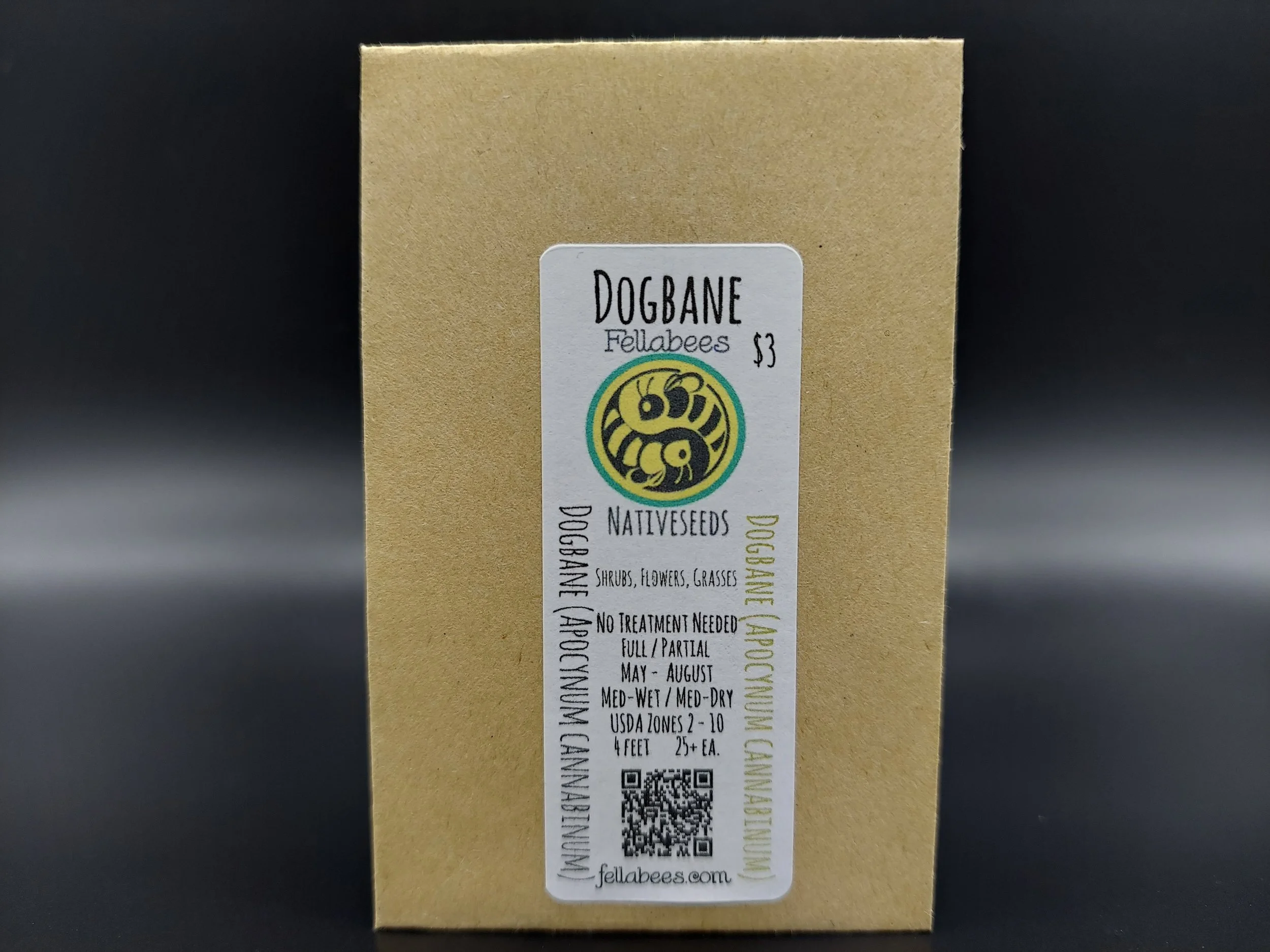 Image 2 of 5
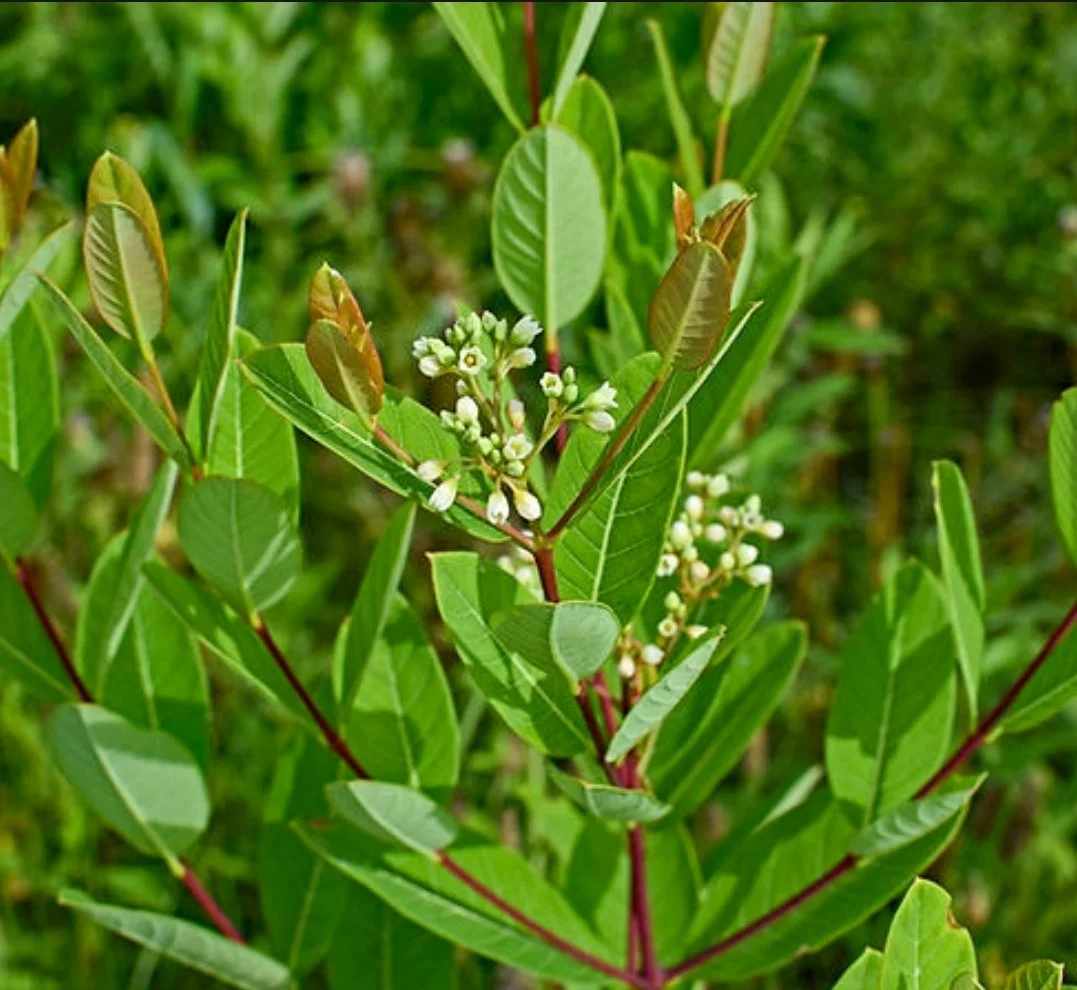 Image 3 of 5
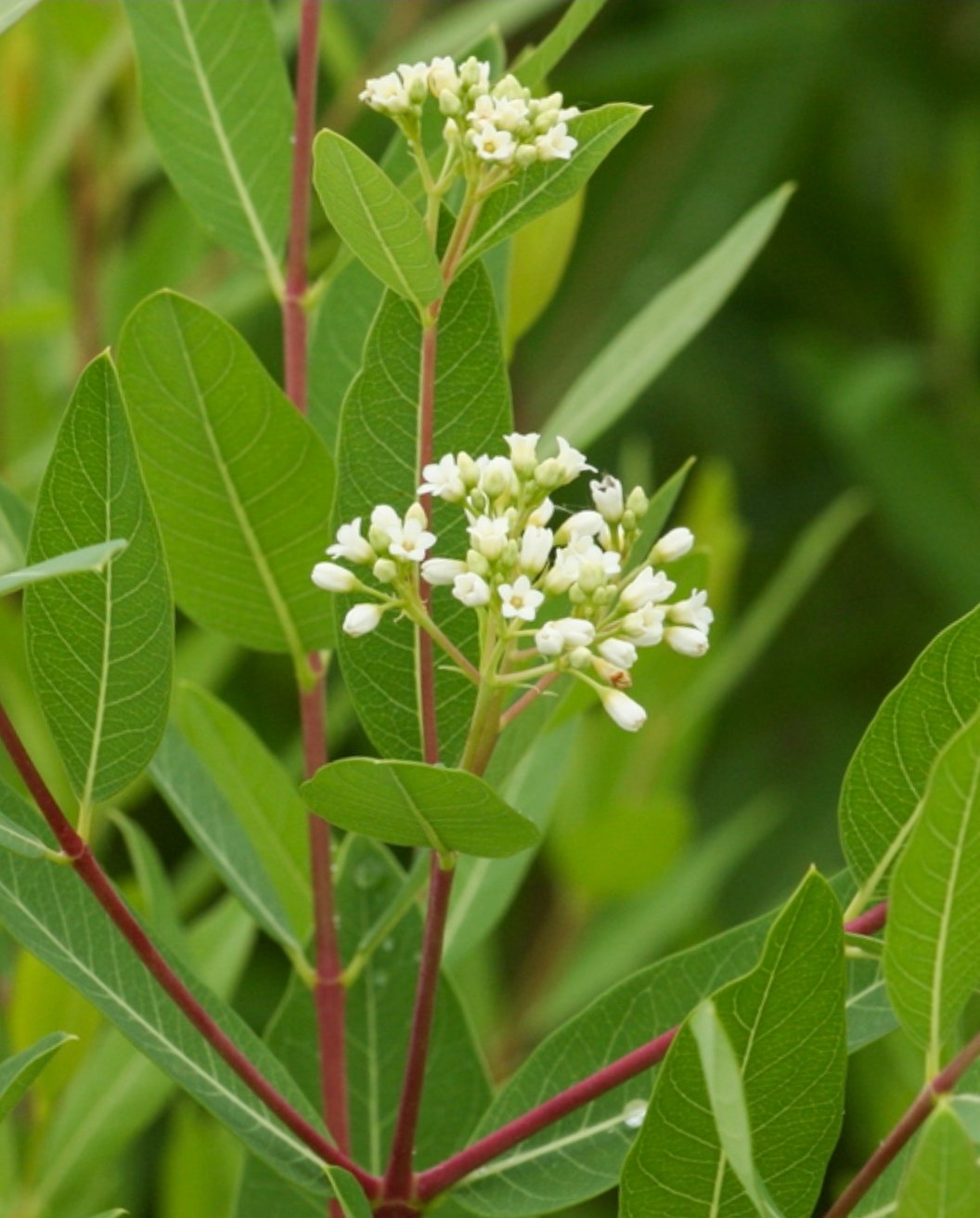 Image 4 of 5
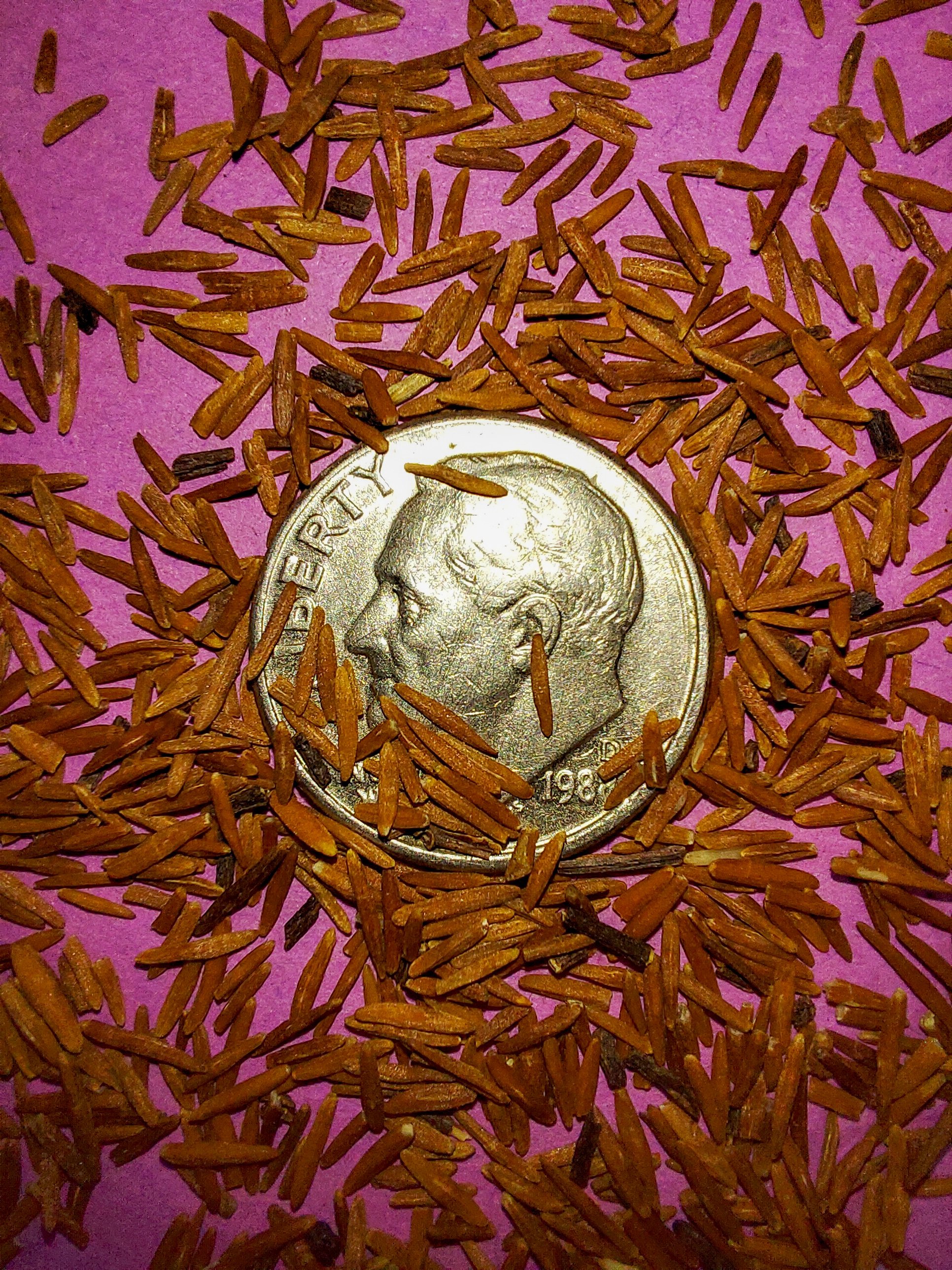 Image 5 of 5