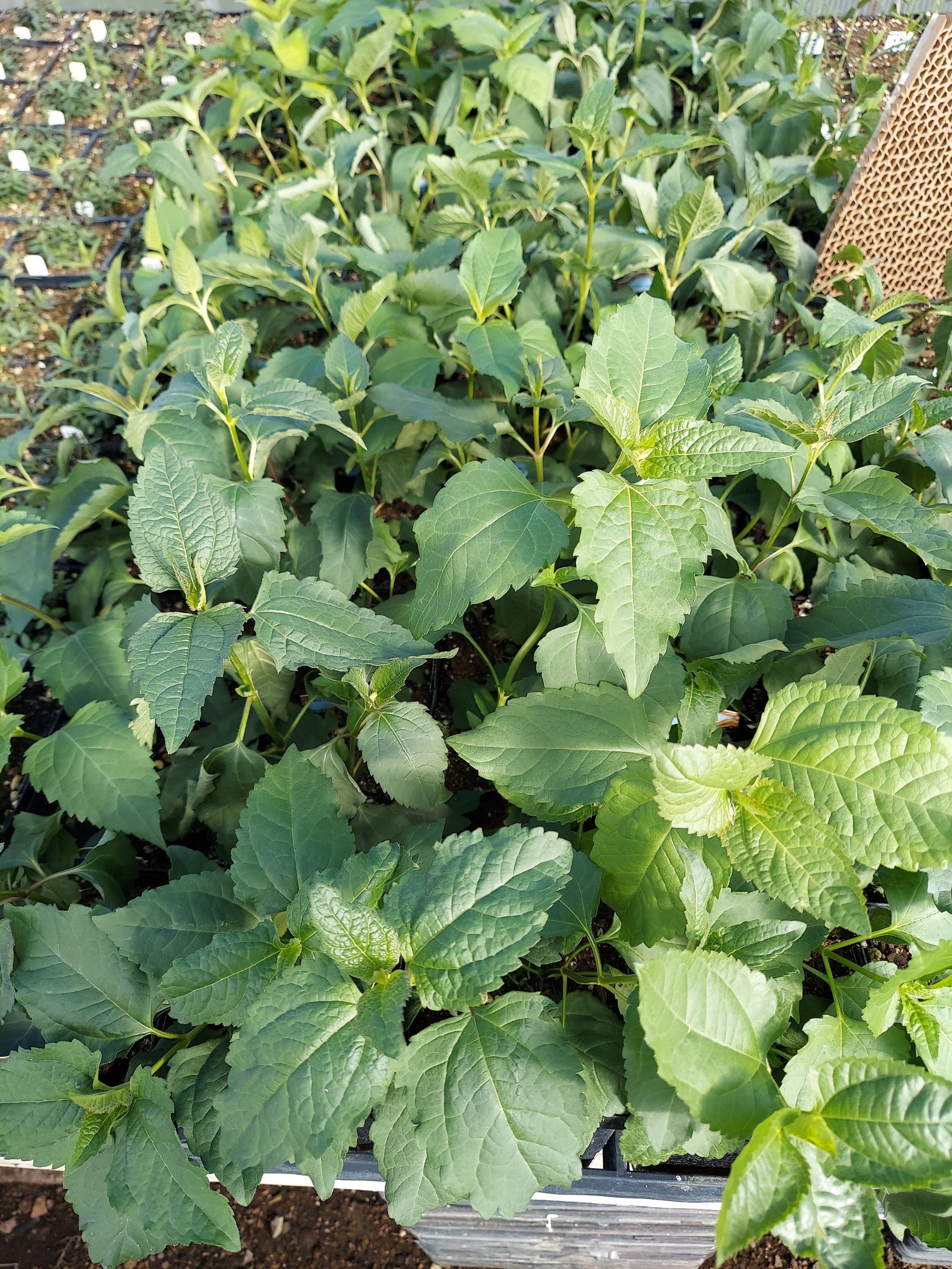
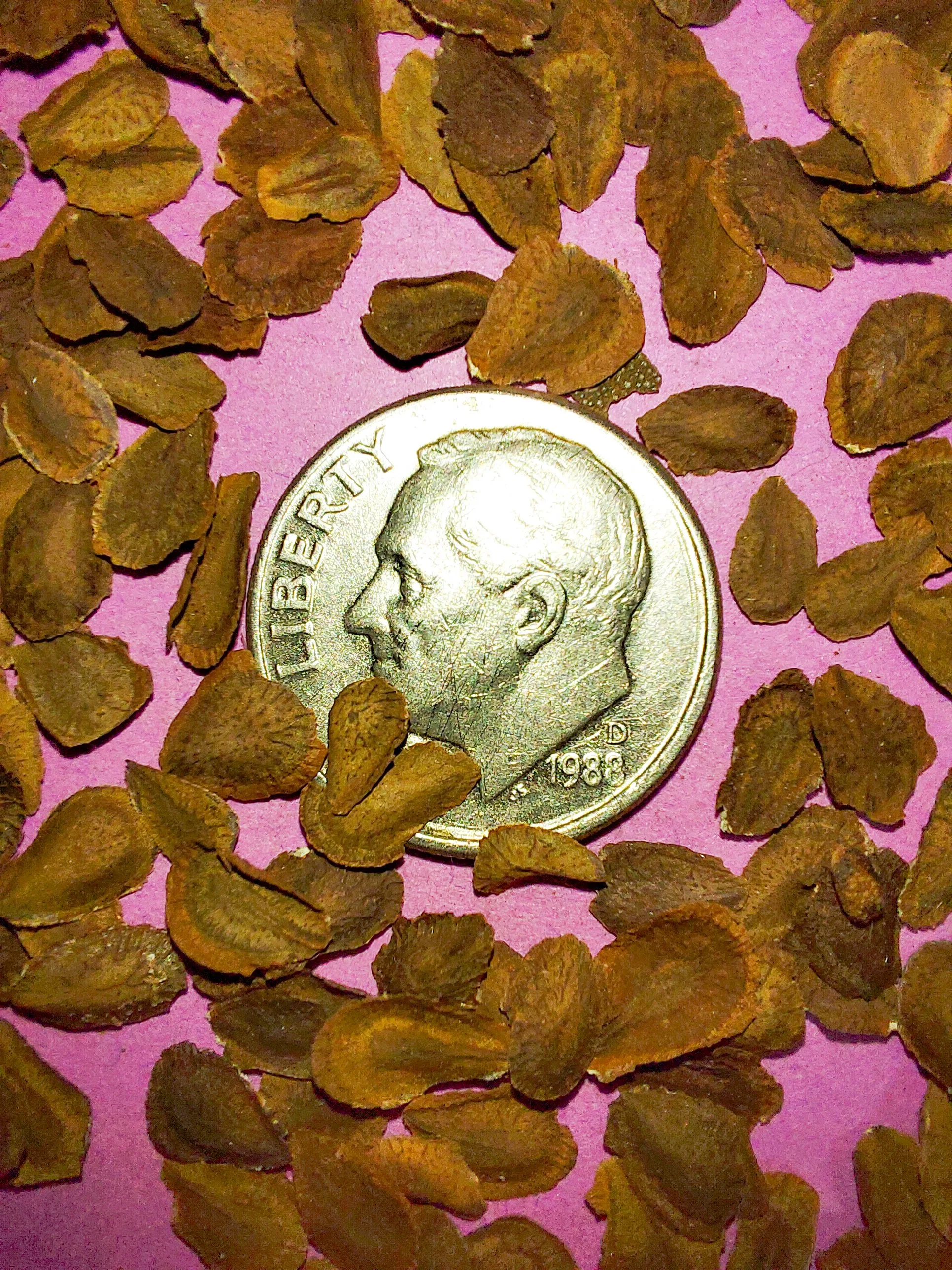
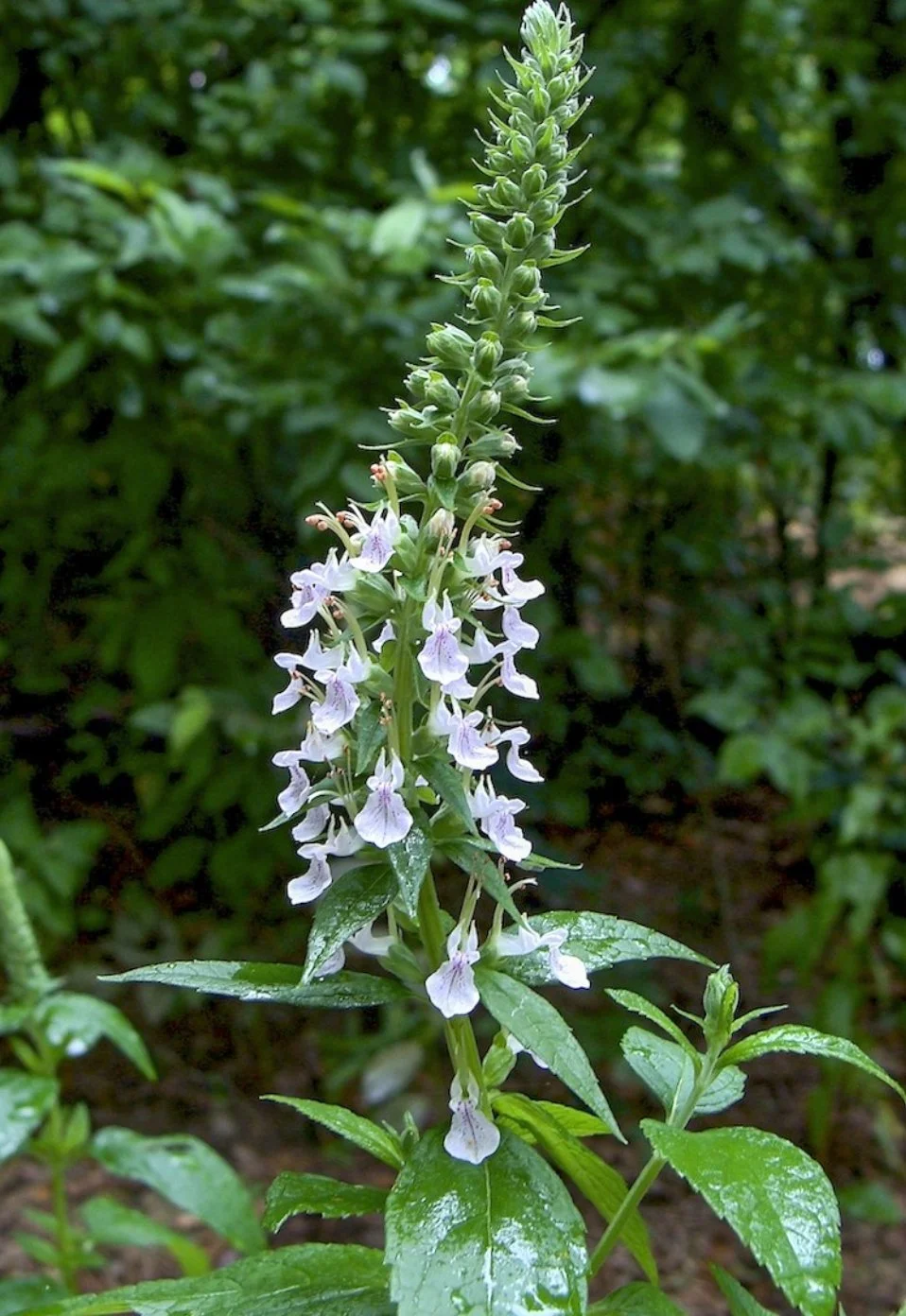
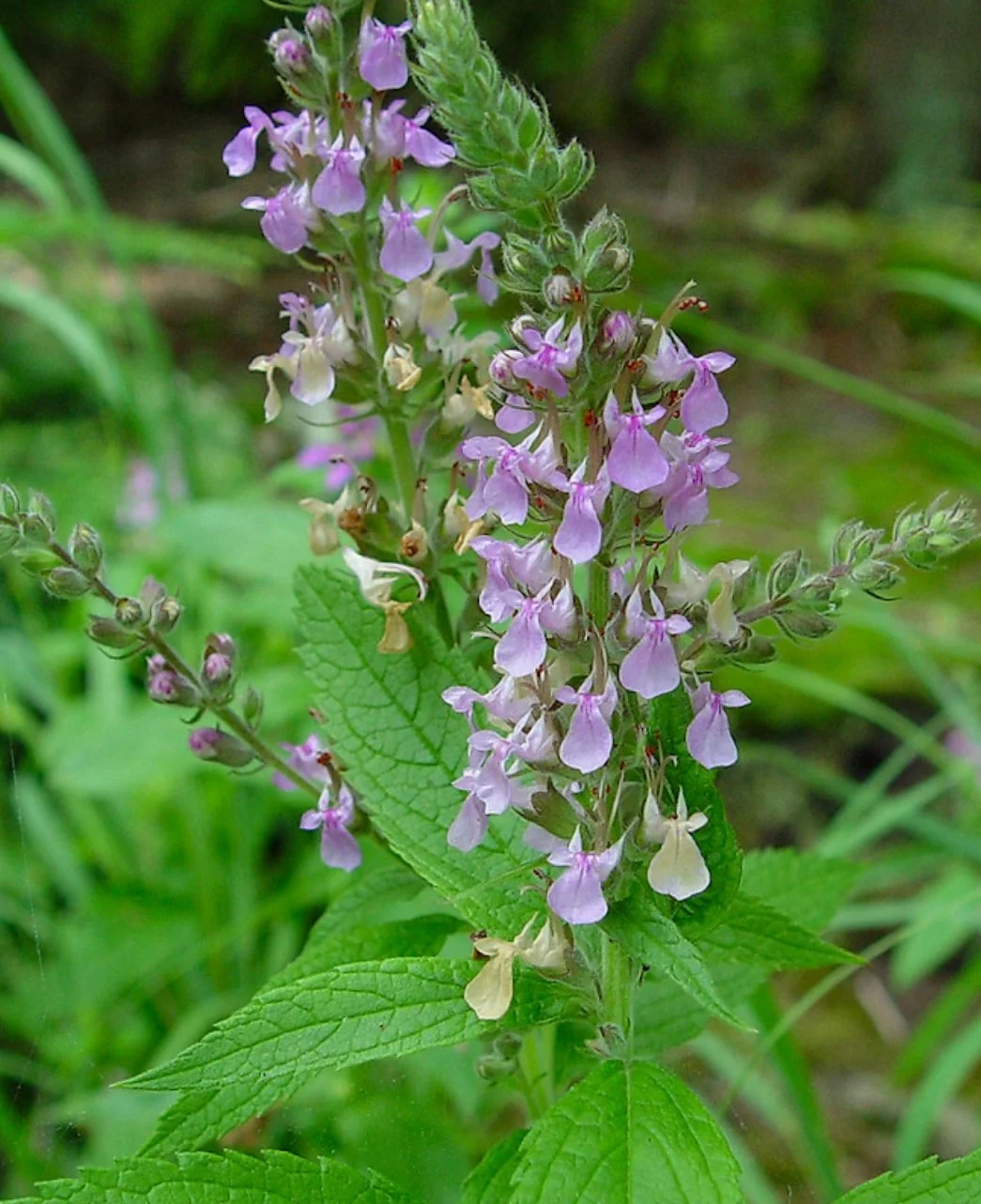
Marsh Milkweed (Asclepias incarnata)
Asclepias incarnata is the scientific name for the native species more commonly called Marsh Milkweed, Swamp Milkweed, Or Rose Milkweed.
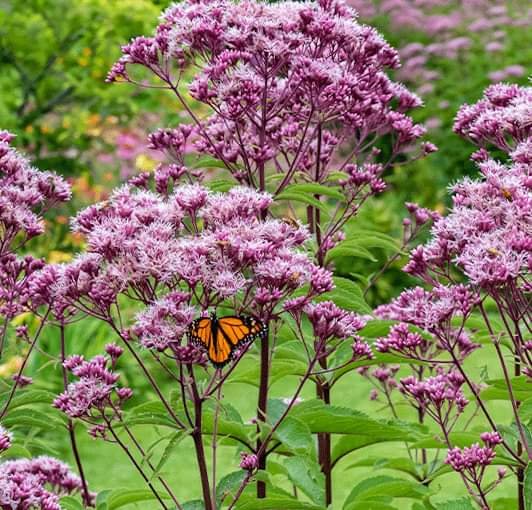
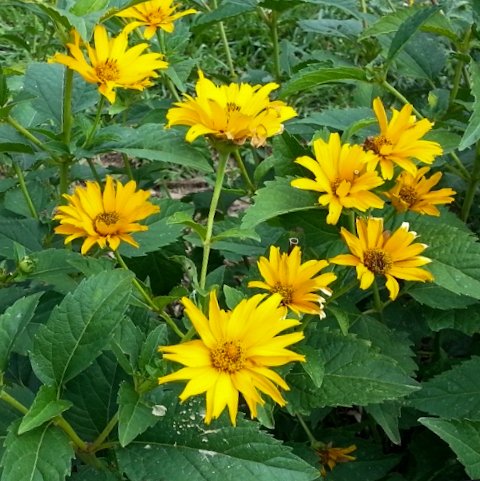
Marsh Milkweed supports wetland and moist-edge ecosystems by providing concentrated nectar resources, larval host habitat, and seed-based food for wildlife. Its clustered pink-to-rose flowers bloom mid- to late-summer, attracting abundant pollinators, especially long-tongued bees, native bees, hummingbird moths, and a wide array of butterflies. Most notably, A. incarnata is a vital larval host for Monarch Butterflies, Monarch caterpillars feed exclusively on Asclepias species and obtain cardenolide compounds that reduce predation. Marsh Milkweed seems to be a primary choice for gravid females to lay their eggs on, as the plant plentiful leaves are slender and often more tender than those of other Asclepias species, however there is no native milkweed that goes unused where available. The plant’s nectar also sustains migrating pollinators during critical seasonal movements.
Faunal associations extend beyond pollinators. Many wasps, beetles, and flies visit the flowers for nectar or pollen. Seed pods provide flecked silky floss used by songbirds and small mammals for nest lining, and the foliage and stems can shelter insects and spiders. Amphibians and waterfowl benefit indirectly when swamp milkweed helps stabilize wet-soil edges, reducing erosion and improving microhabitat complexity.
Ecologically, swamp milkweed enhances biodiversity, supports pollinator networks, and contributes to nutrient and water dynamics in moist habitats. It is well-suited for rain gardens, wet meadow restorations, and riparian buffers where it promotes habitat connectivity and resilience for wetland-dependent wildlife.
Plant Details
USDA Zones: 3-9
Germination Needs: 30 Days Cold Stratification,
Life Cycle: Perennial
Sun Exposure: Full to Partial
Soil Moisture: Wet, Medium-Wet, Medium
Plant Spacing: 1½-3 feet
Height: 4 feet
Bloom time: June, July, August
Bloom Color: Pink
Advantages
Pollinator Favorite: butterflies, moths, bees, wasps, beetles
Bird Favorite: seeds, insects, fruit, nectar, nesting, perchs.
Deer Resistant: Yes
Excellent in the home landscape!
Native to: Wisconsin, Minnesota, Iowa, Illinois, Indiana, Michigan, Ohio, Pennsylvania, New York, Vermont, New Hampshire, Maine, Massachusetts, Rhode Island, Connecticut, Delaware, Maryland, New Jersey, West Virginia, Virginia, Kentucky, Tennessee, North Carolina, South Carolina, Georgia, Florida, Alabama, Mississippi, Louisiana, Arkansas, Missouri, Texas, Oklahoma, Kansas, Nebraska, South Dakota, North Dakota, Montana, Wyoming, Colorado, New Mexico, Arizona, Utah, Idaho, and Nevada.
This species is considered present but rare in several counties of the states of Arkansas, Mississippi, Louisiana, Montana, Nevada, and Arizona.
.
.
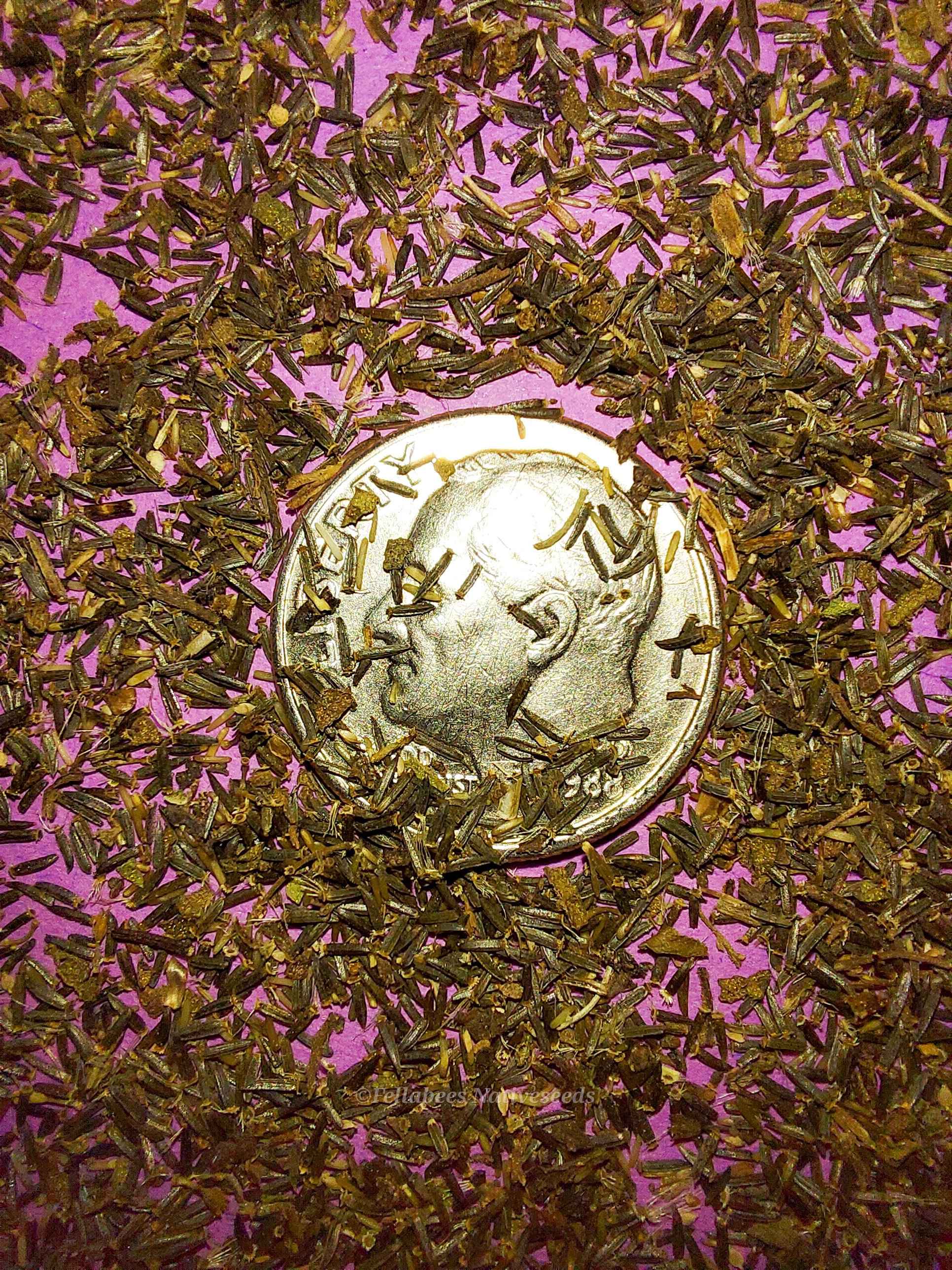
Packet quantities:
We pride ourselves on ethical, hands on, ecological management, using no mechanical or chemical methods whatsoever.
All of our native seed is hand reared, hand picked, and hand packed from native prairies under our exclusive management, never breaking chain of custody from the field until it is sent to you. Each packet is hand prepared for shipment by us, directly.
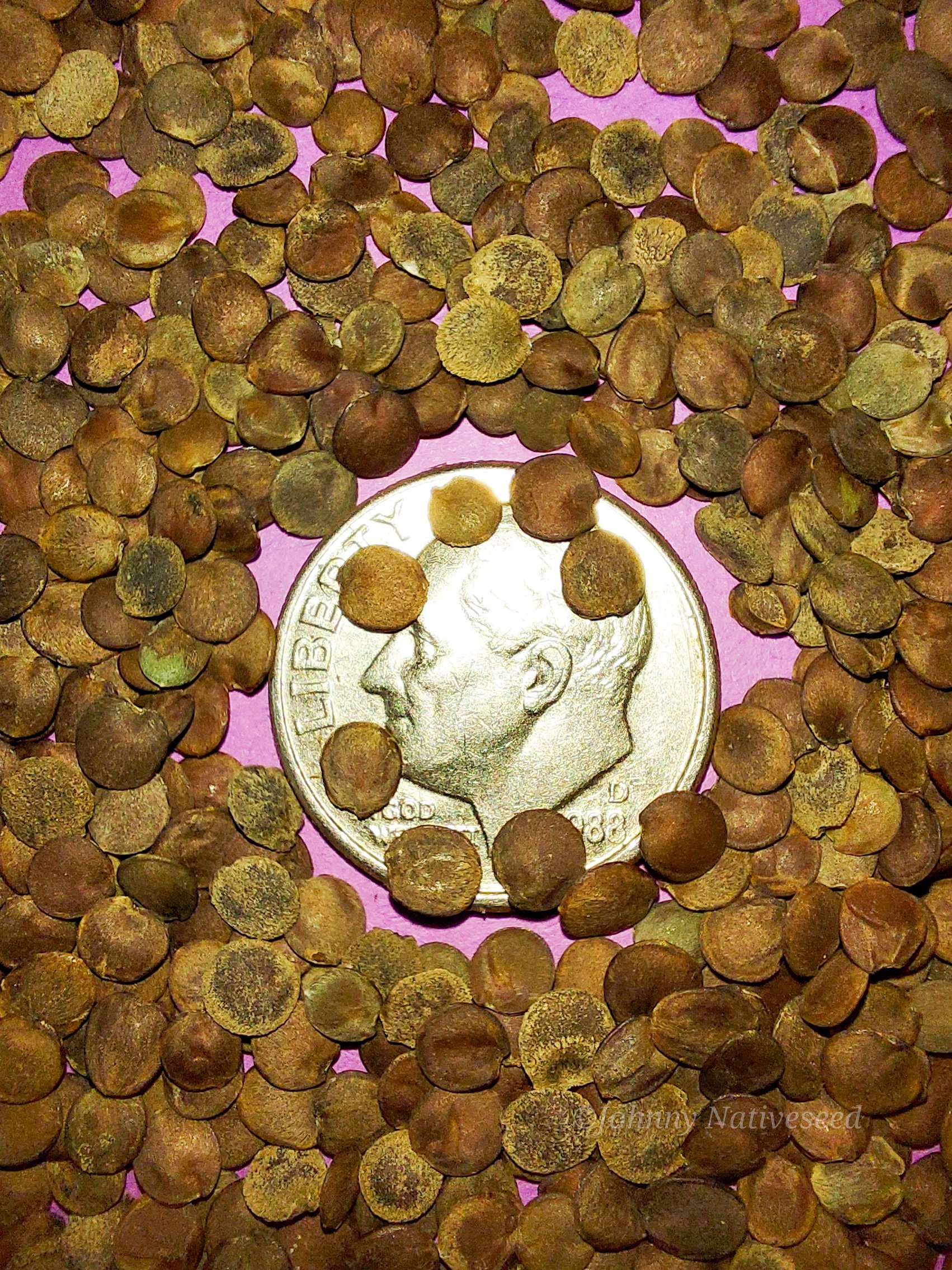
Small seed species will contain greater than 20-25 seed
Large seed species will contain greater than 10-15 seed
It is our mission to spread the wealth of native plant and pollinator ecological sustainability, and educate back yard gardeners as well as corporate and government entities in how to germinate, grow, and benefit from native synergies.
Thank you for your support, it is because of you, that we can grow together to do, what we do.🐛🦋🐝🐞🌾🌱🌼🧡
Marsh Milkweed (Asclepias incarnata)
Asclepias incarnata is the scientific name for the native species more commonly called Marsh Milkweed, Swamp Milkweed, Or Rose Milkweed.
Marsh Milkweed supports wetland and moist-edge ecosystems by providing concentrated nectar resources, larval host habitat, and seed-based food for wildlife. Its clustered pink-to-rose flowers bloom mid- to late-summer, attracting abundant pollinators, especially long-tongued bees, native bees, hummingbird moths, and a wide array of butterflies. Most notably, A. incarnata is a vital larval host for Monarch Butterflies, Monarch caterpillars feed exclusively on Asclepias species and obtain cardenolide compounds that reduce predation. Marsh Milkweed seems to be a primary choice for gravid females to lay their eggs on, as the plant plentiful leaves are slender and often more tender than those of other Asclepias species, however there is no native milkweed that goes unused where available. The plant’s nectar also sustains migrating pollinators during critical seasonal movements.
Faunal associations extend beyond pollinators. Many wasps, beetles, and flies visit the flowers for nectar or pollen. Seed pods provide flecked silky floss used by songbirds and small mammals for nest lining, and the foliage and stems can shelter insects and spiders. Amphibians and waterfowl benefit indirectly when swamp milkweed helps stabilize wet-soil edges, reducing erosion and improving microhabitat complexity.
Ecologically, swamp milkweed enhances biodiversity, supports pollinator networks, and contributes to nutrient and water dynamics in moist habitats. It is well-suited for rain gardens, wet meadow restorations, and riparian buffers where it promotes habitat connectivity and resilience for wetland-dependent wildlife.
Plant Details
USDA Zones: 3-9
Germination Needs: 30 Days Cold Stratification,
Life Cycle: Perennial
Sun Exposure: Full to Partial
Soil Moisture: Wet, Medium-Wet, Medium
Plant Spacing: 1½-3 feet
Height: 4 feet
Bloom time: June, July, August
Bloom Color: Pink
Advantages
Pollinator Favorite: butterflies, moths, bees, wasps, beetles
Bird Favorite: seeds, insects, fruit, nectar, nesting, perchs.
Deer Resistant: Yes
Excellent in the home landscape!
Native to: Wisconsin, Minnesota, Iowa, Illinois, Indiana, Michigan, Ohio, Pennsylvania, New York, Vermont, New Hampshire, Maine, Massachusetts, Rhode Island, Connecticut, Delaware, Maryland, New Jersey, West Virginia, Virginia, Kentucky, Tennessee, North Carolina, South Carolina, Georgia, Florida, Alabama, Mississippi, Louisiana, Arkansas, Missouri, Texas, Oklahoma, Kansas, Nebraska, South Dakota, North Dakota, Montana, Wyoming, Colorado, New Mexico, Arizona, Utah, Idaho, and Nevada.
This species is considered present but rare in several counties of the states of Arkansas, Mississippi, Louisiana, Montana, Nevada, and Arizona.
.
.
Packet quantities:
We pride ourselves on ethical, hands on, ecological management, using no mechanical or chemical methods whatsoever.
All of our native seed is hand reared, hand picked, and hand packed from native prairies under our exclusive management, never breaking chain of custody from the field until it is sent to you. Each packet is hand prepared for shipment by us, directly.
Small seed species will contain greater than 20-25 seed
Large seed species will contain greater than 10-15 seed
It is our mission to spread the wealth of native plant and pollinator ecological sustainability, and educate back yard gardeners as well as corporate and government entities in how to germinate, grow, and benefit from native synergies.
Thank you for your support, it is because of you, that we can grow together to do, what we do.🐛🦋🐝🐞🌾🌱🌼🧡
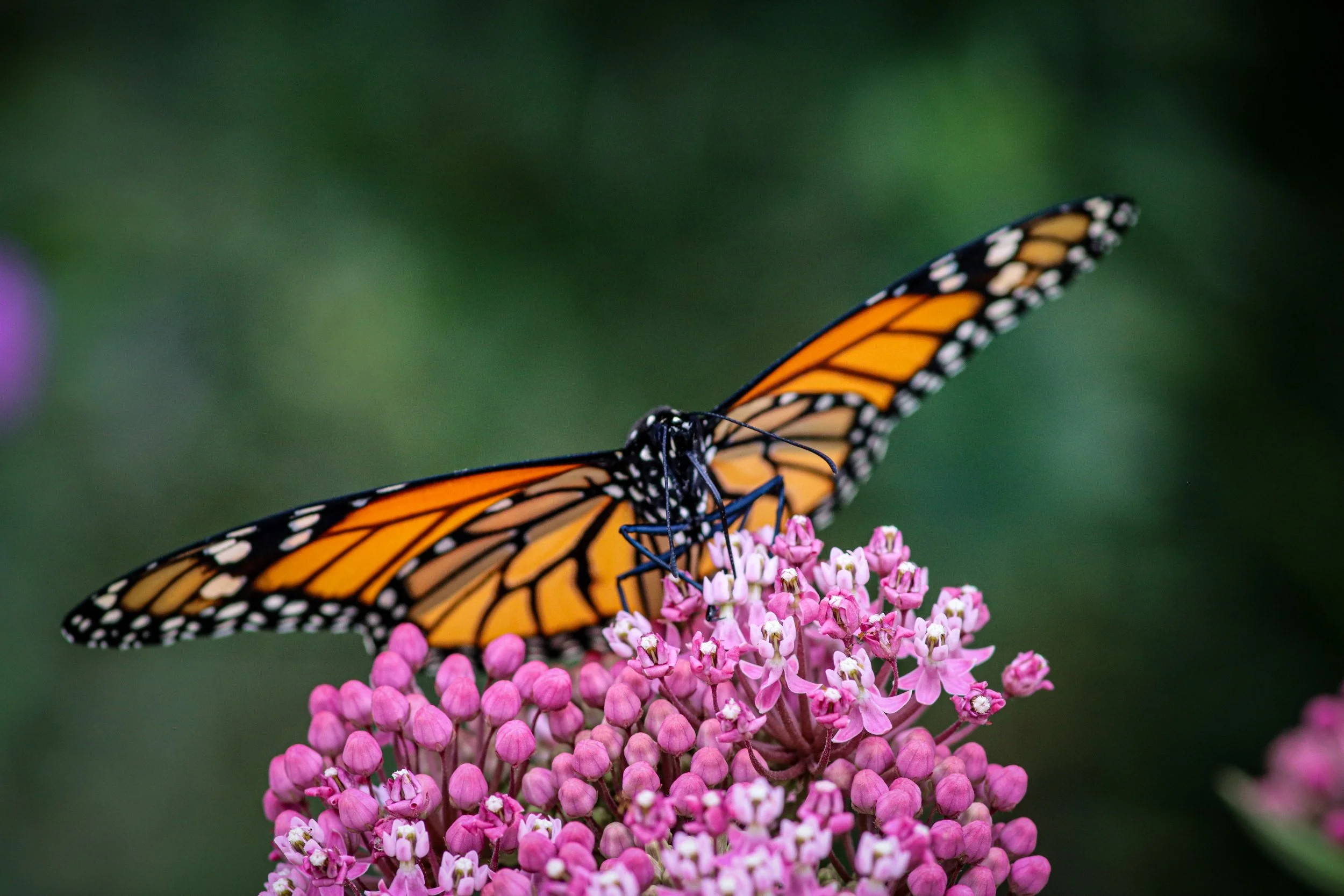 Image 1 of 8
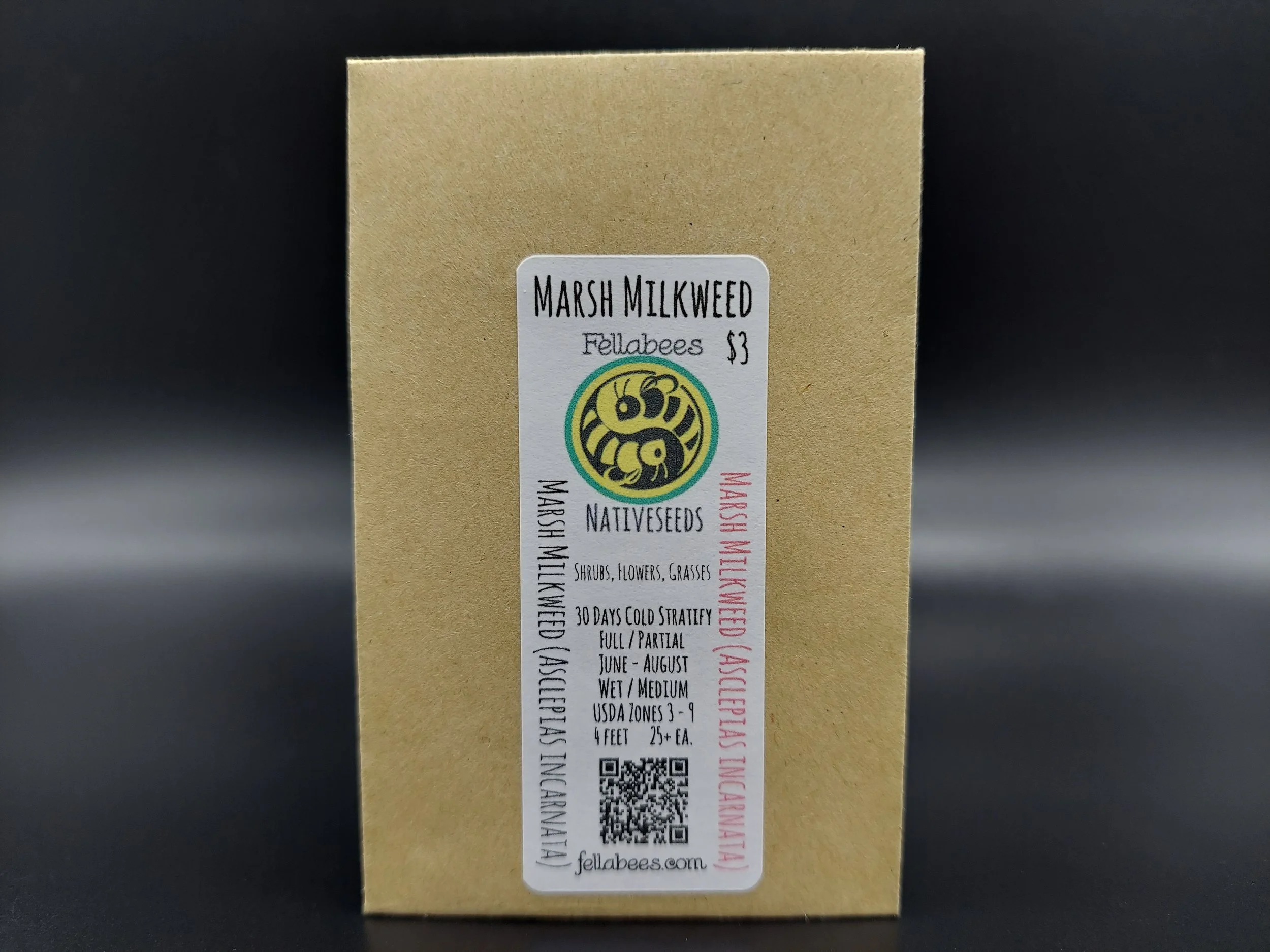 Image 2 of 8
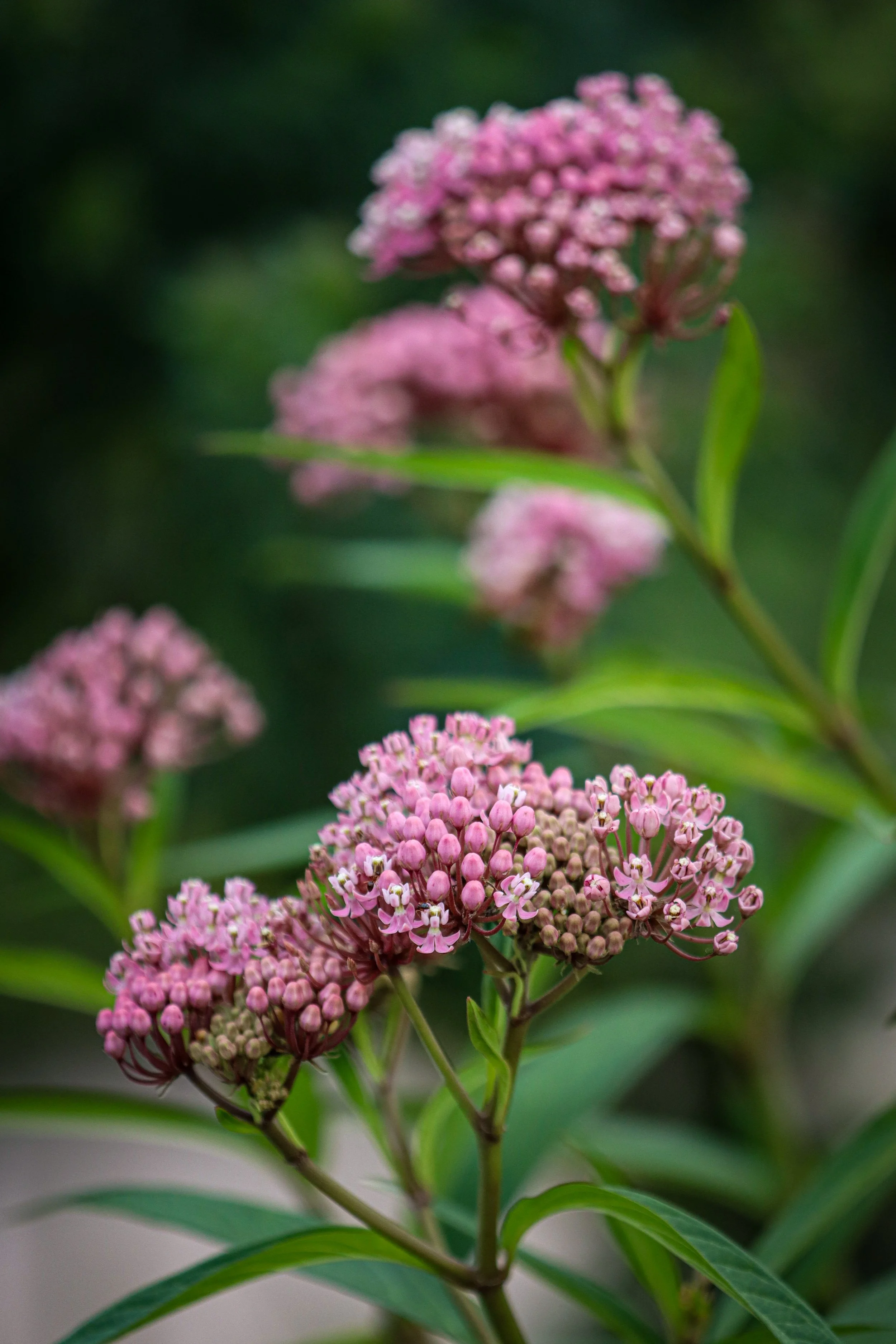 Image 3 of 8
 Image 4 of 8
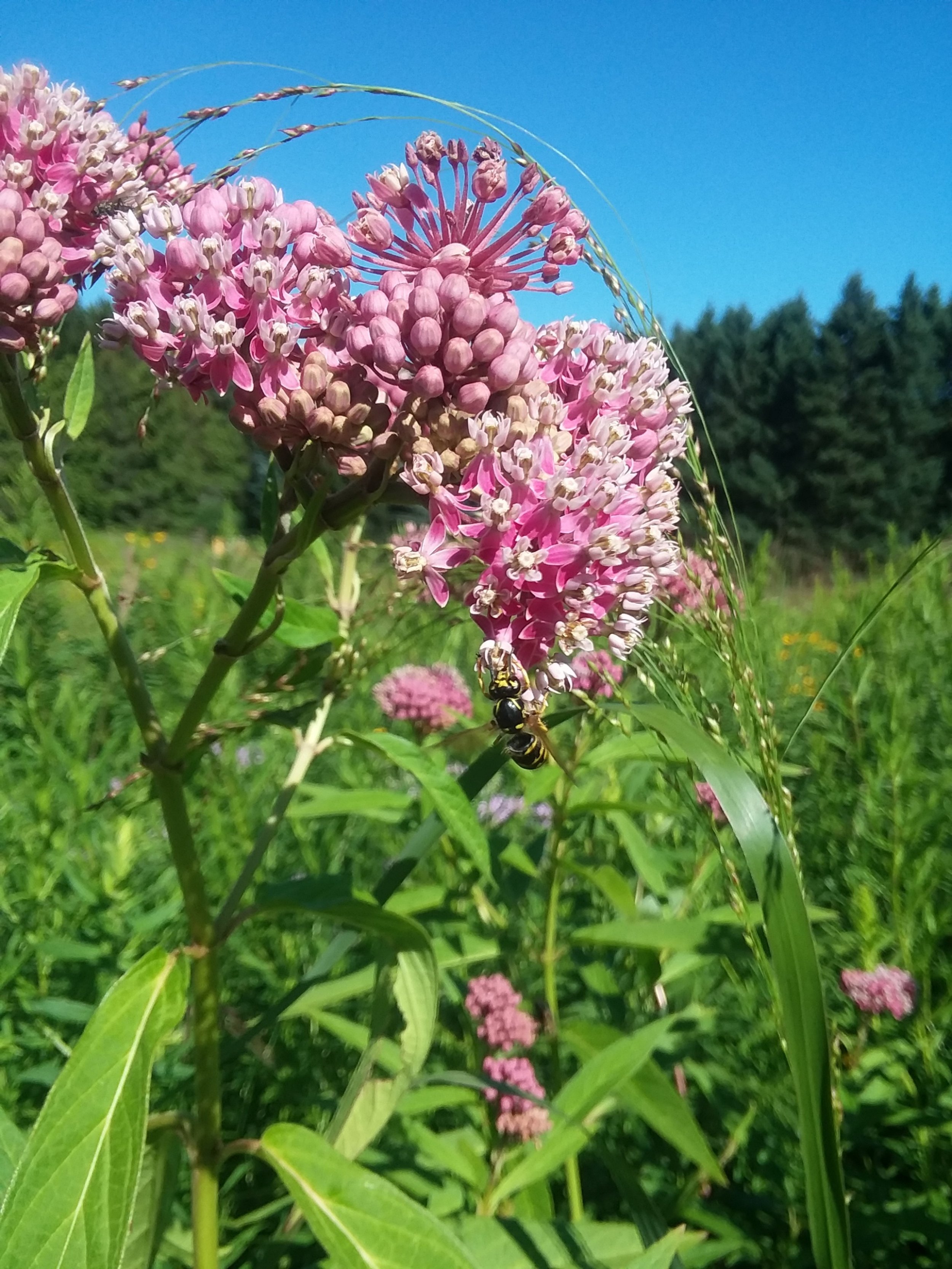 Image 5 of 8
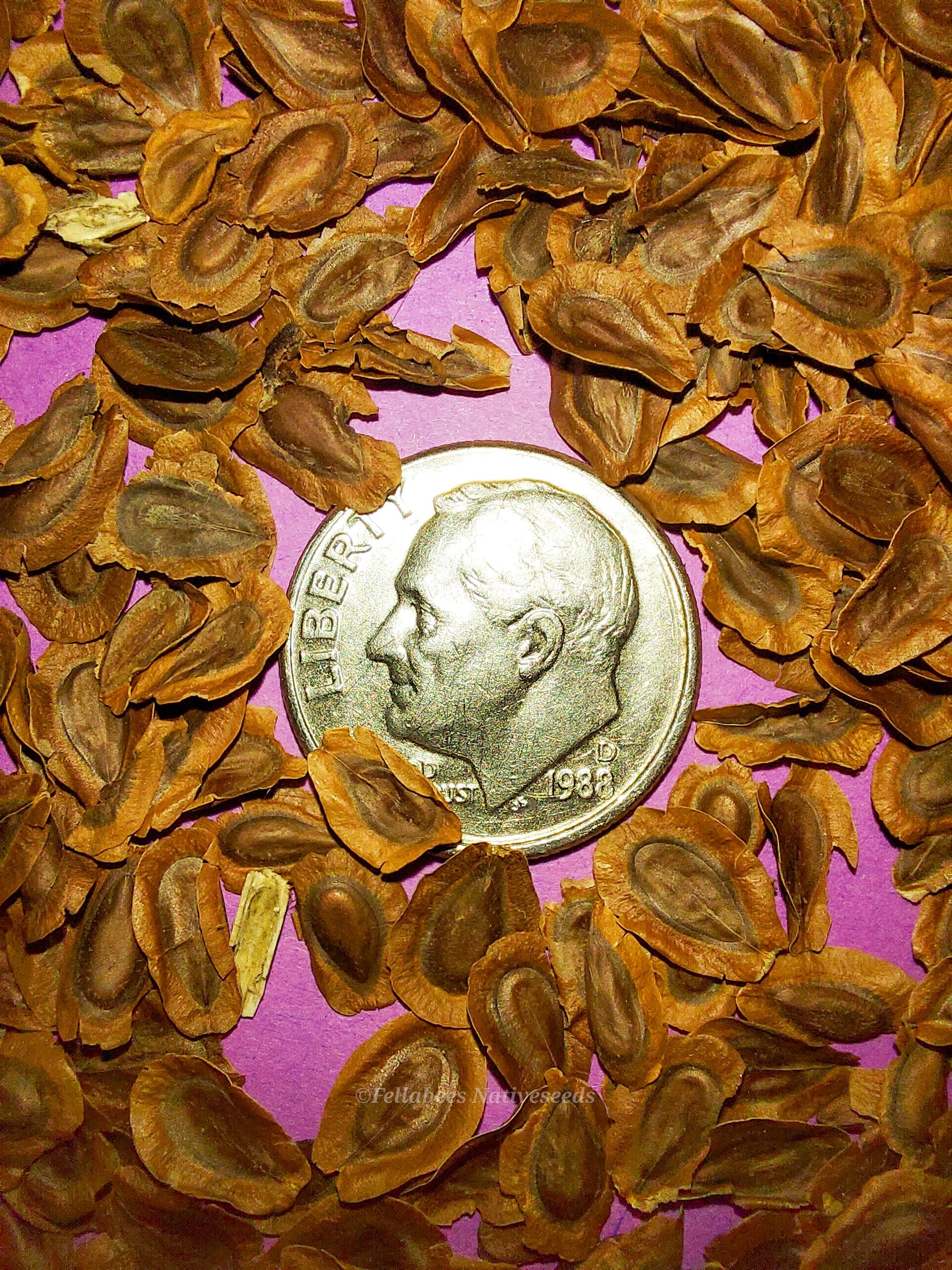 Image 6 of 8
 Image 7 of 8
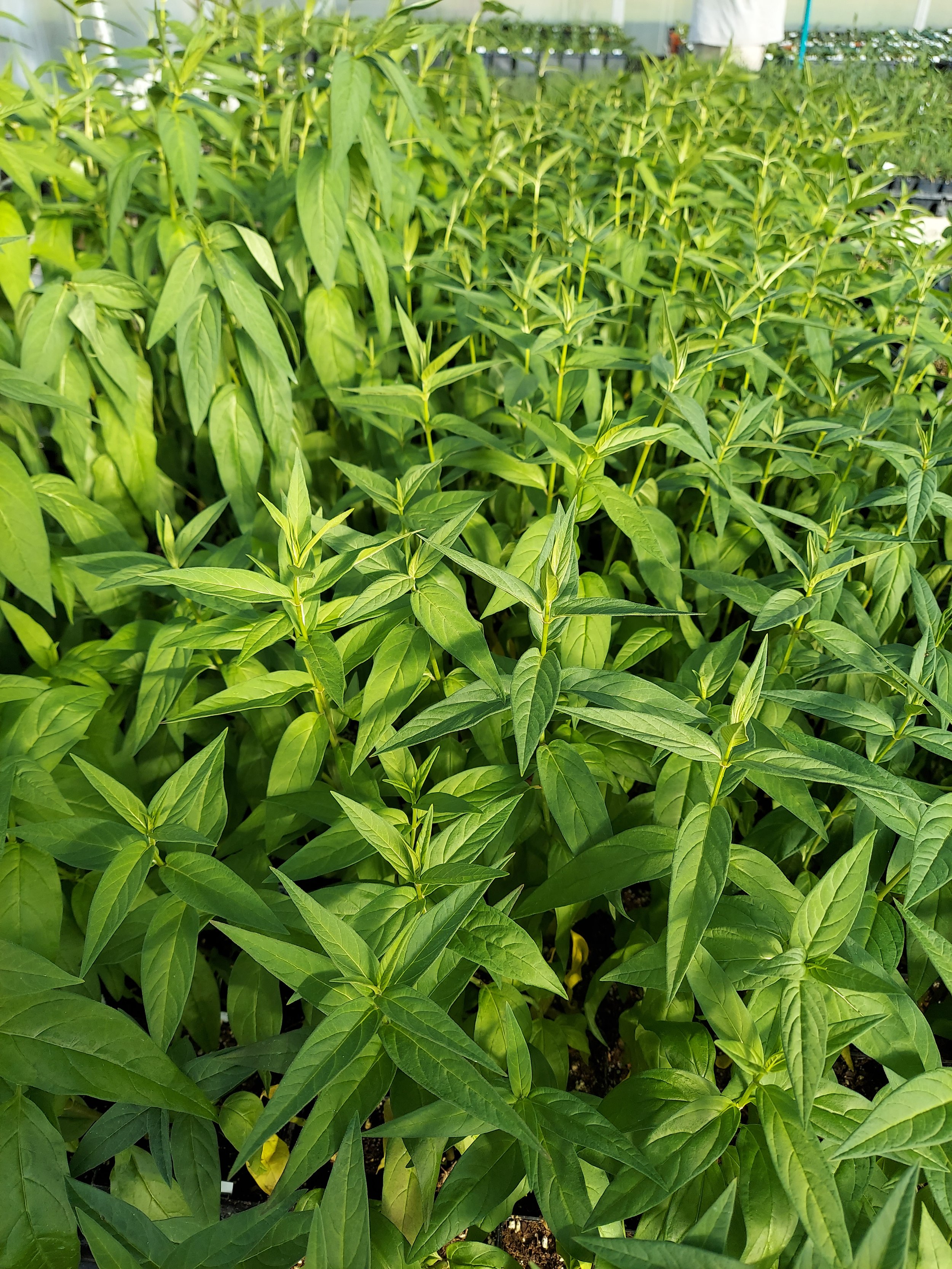 Image 8 of 8