Early Figwort (Scrophularia lanceolata)
Scrophularia lanceolata is the scientific name for a species of flowering plant in the figwort family, commonly known as Early Figwort, Lanceleaf Figwort, and American Figwort. It is native to North America and occurs across western and eastern Canada as well as much of the United States, with the notable exception of the deep southeastern quadrant.
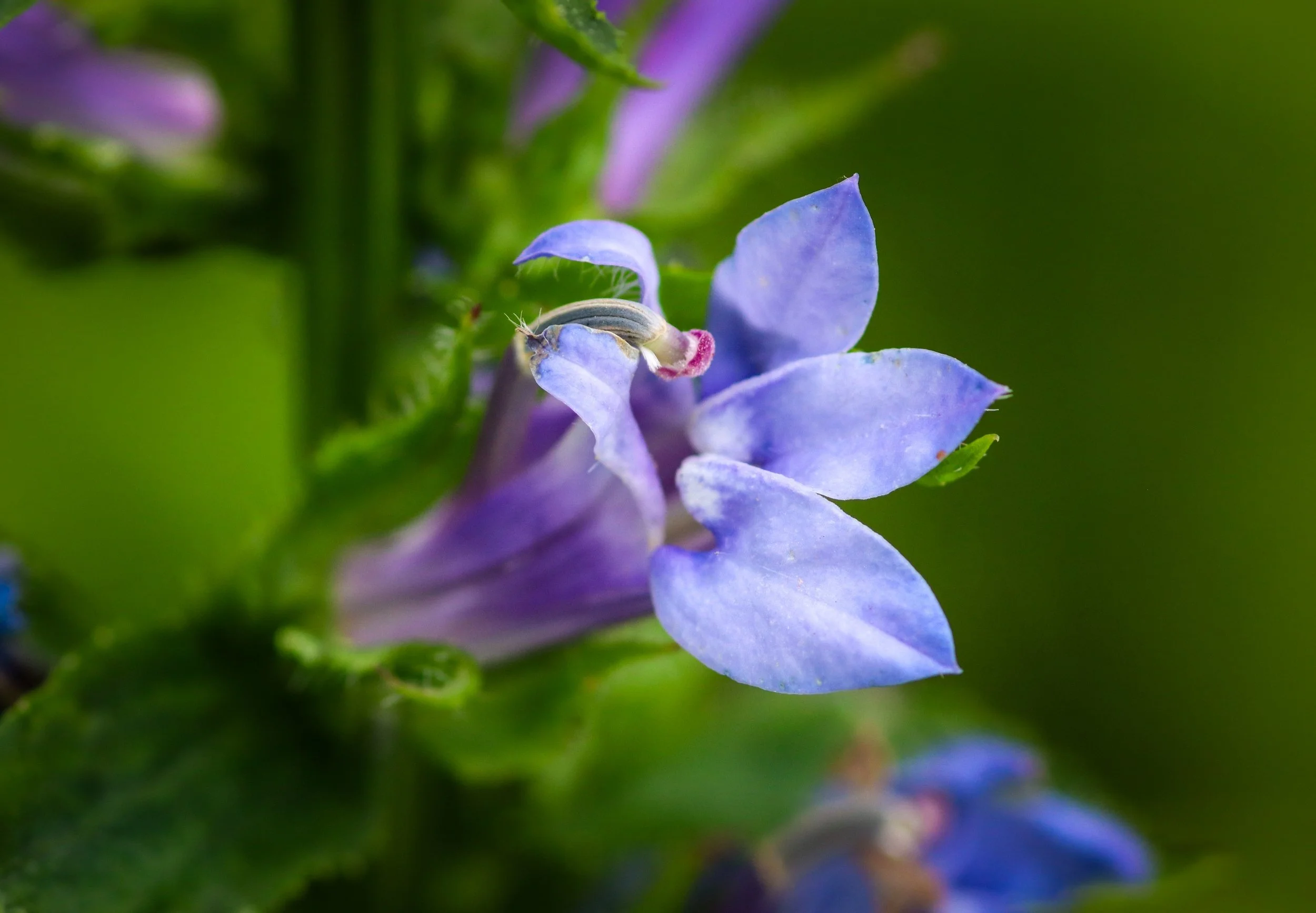
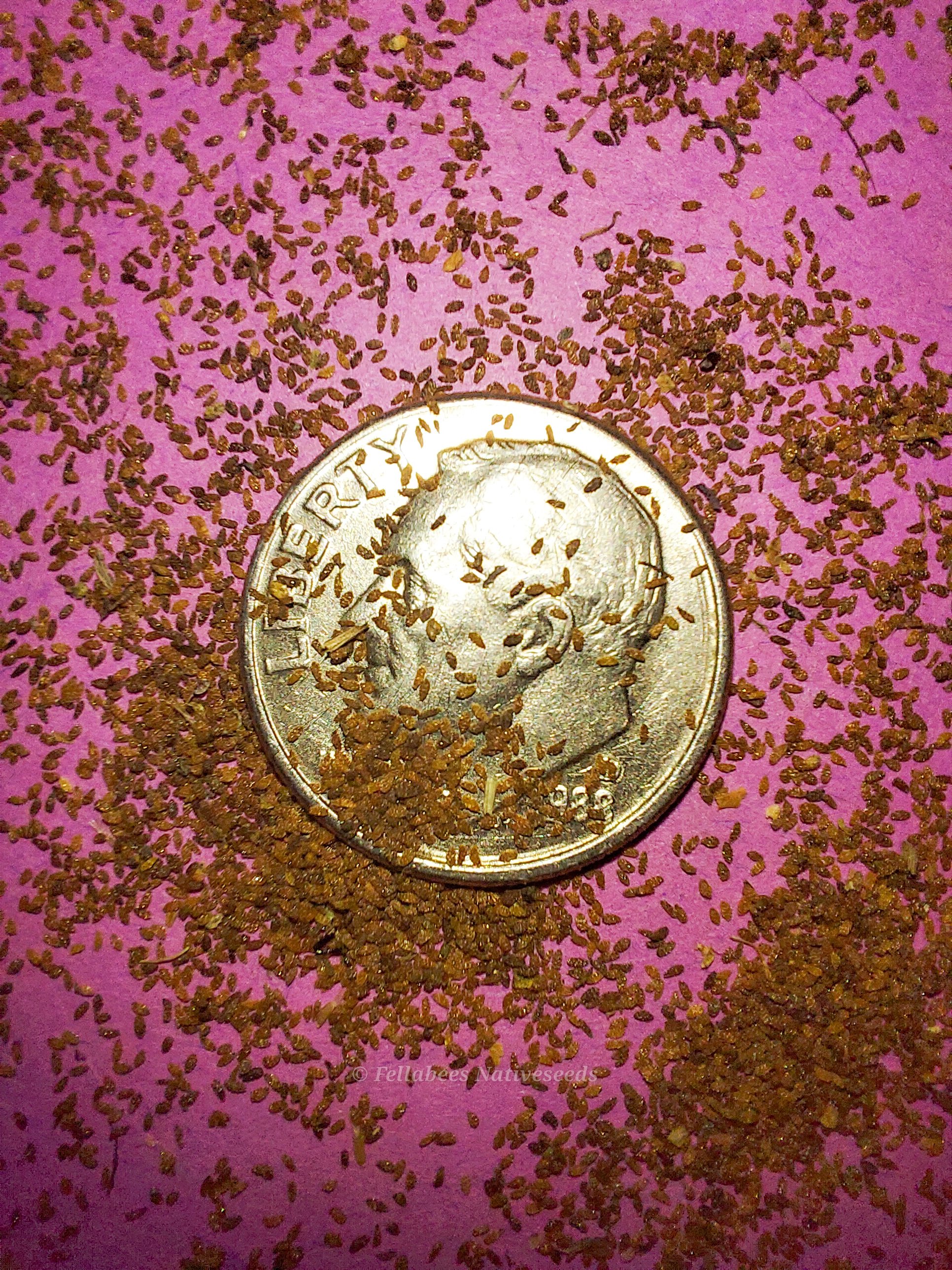
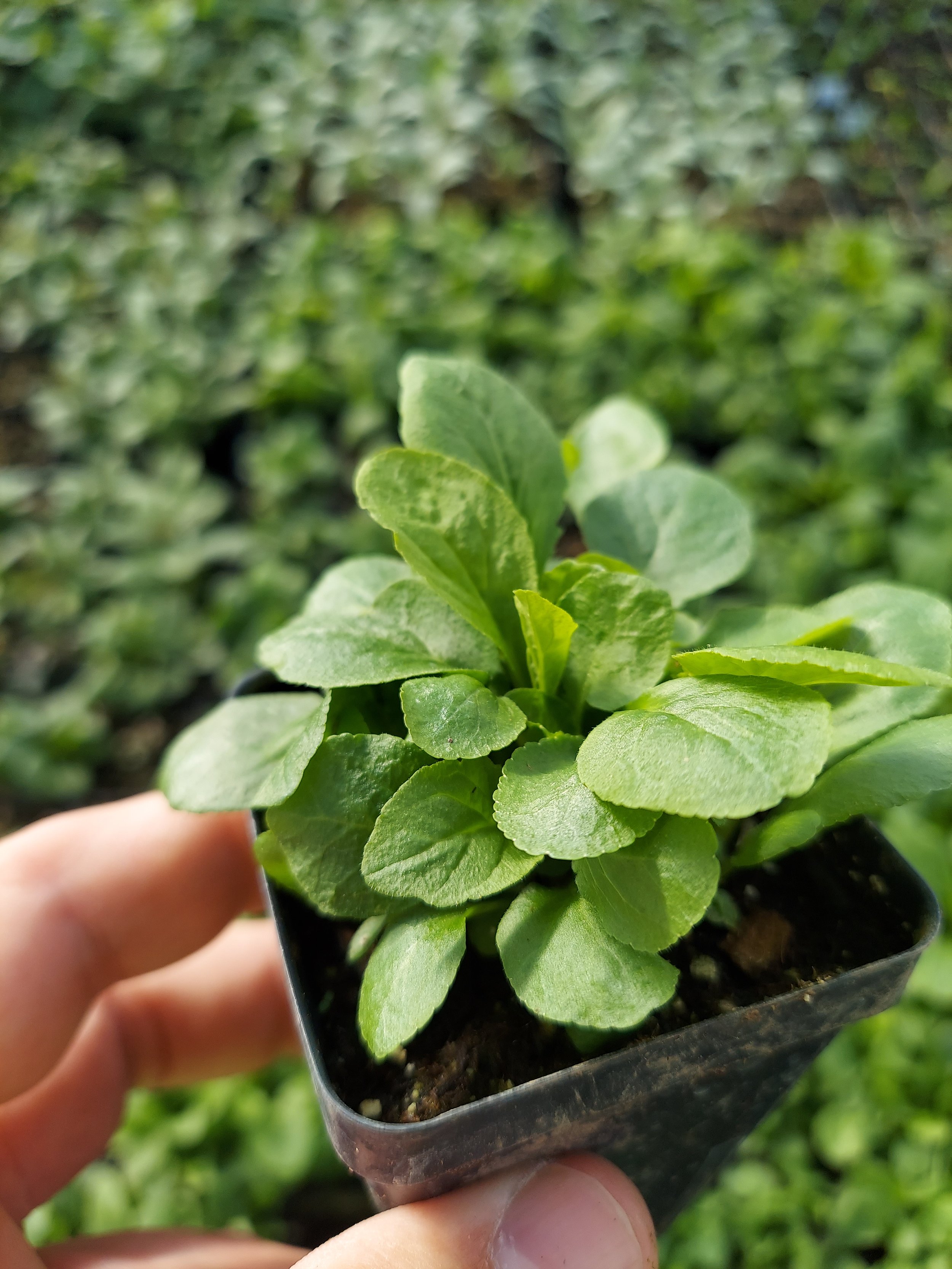
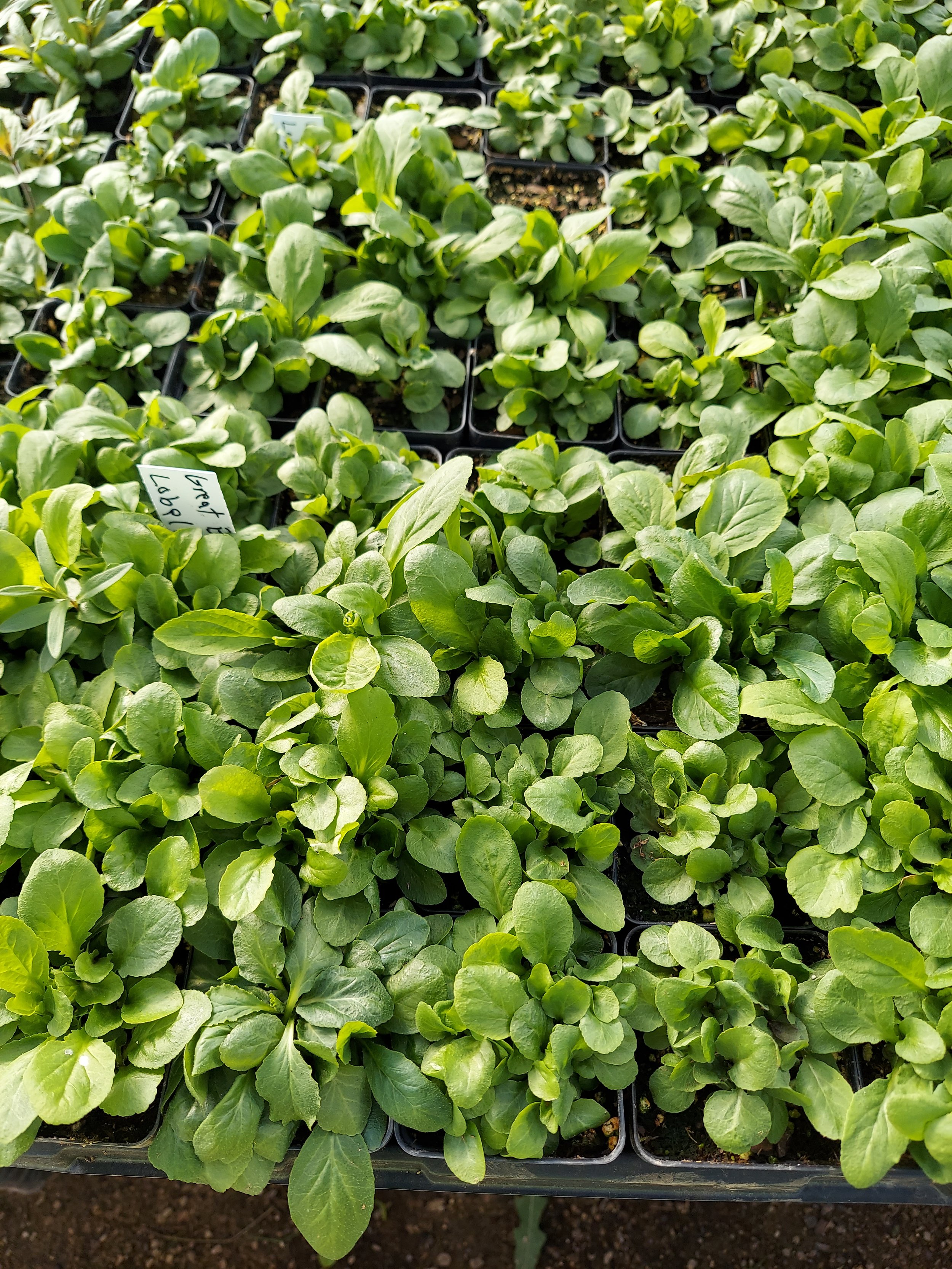
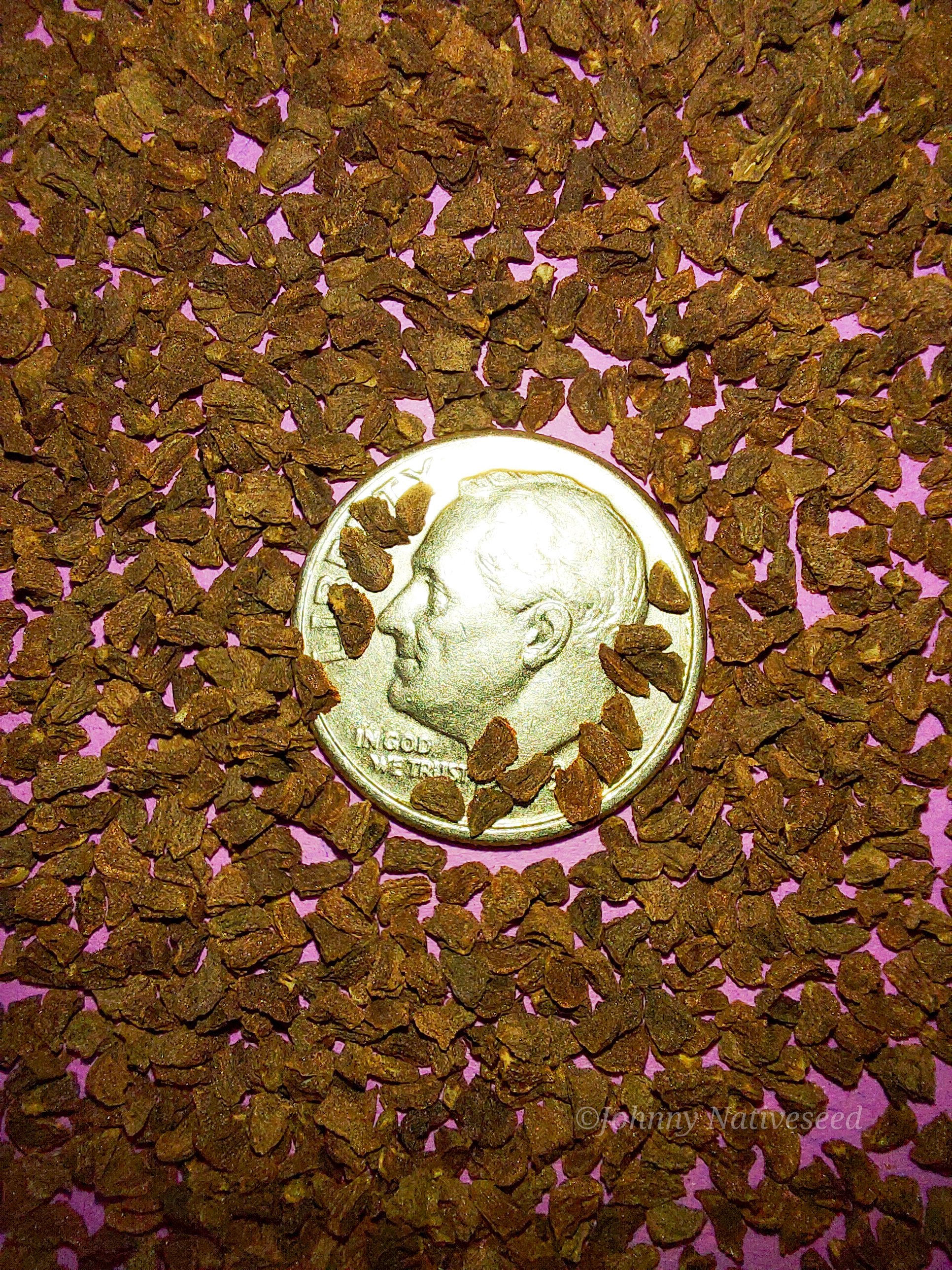
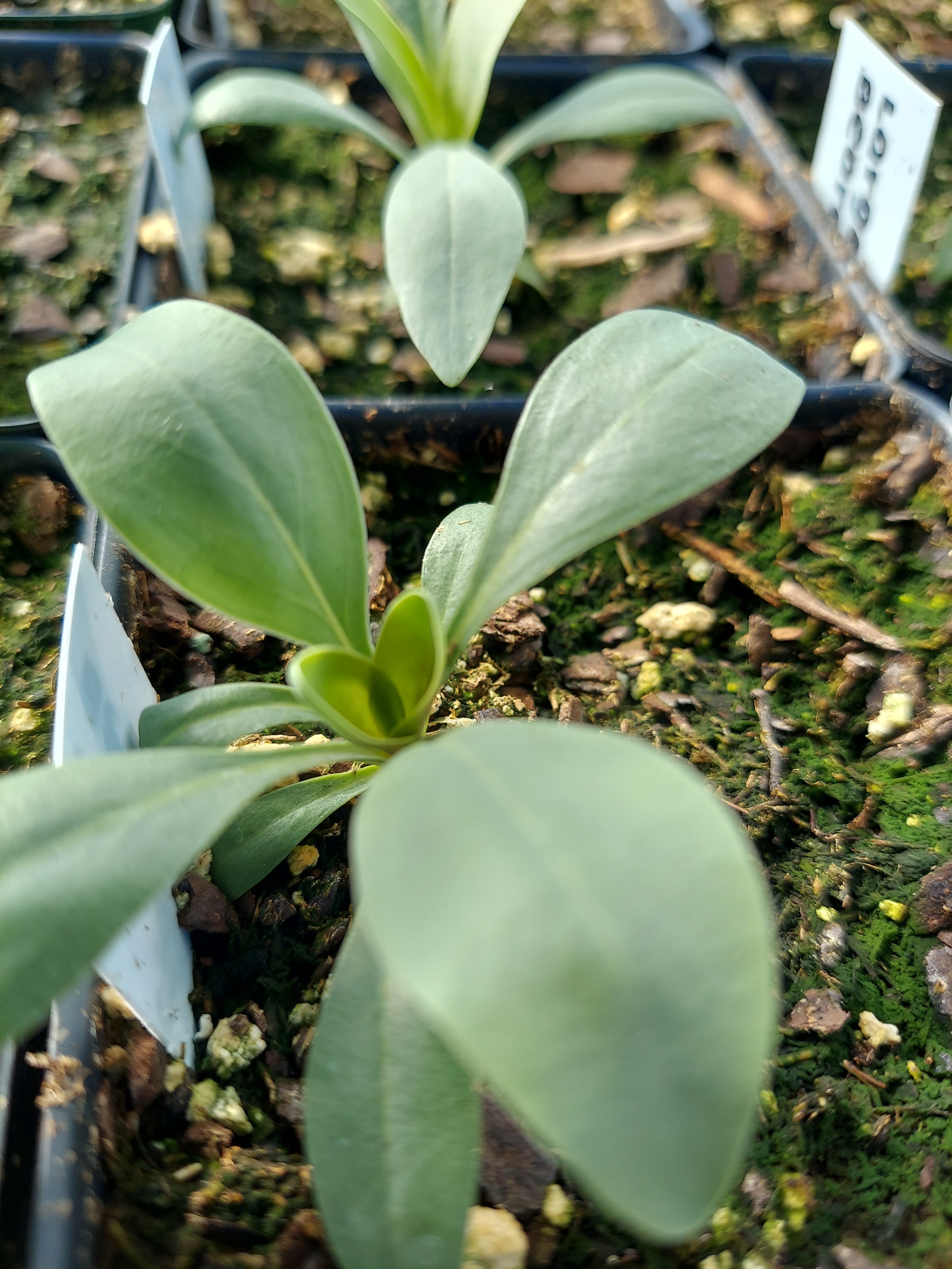
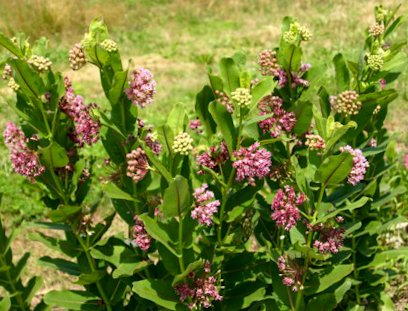
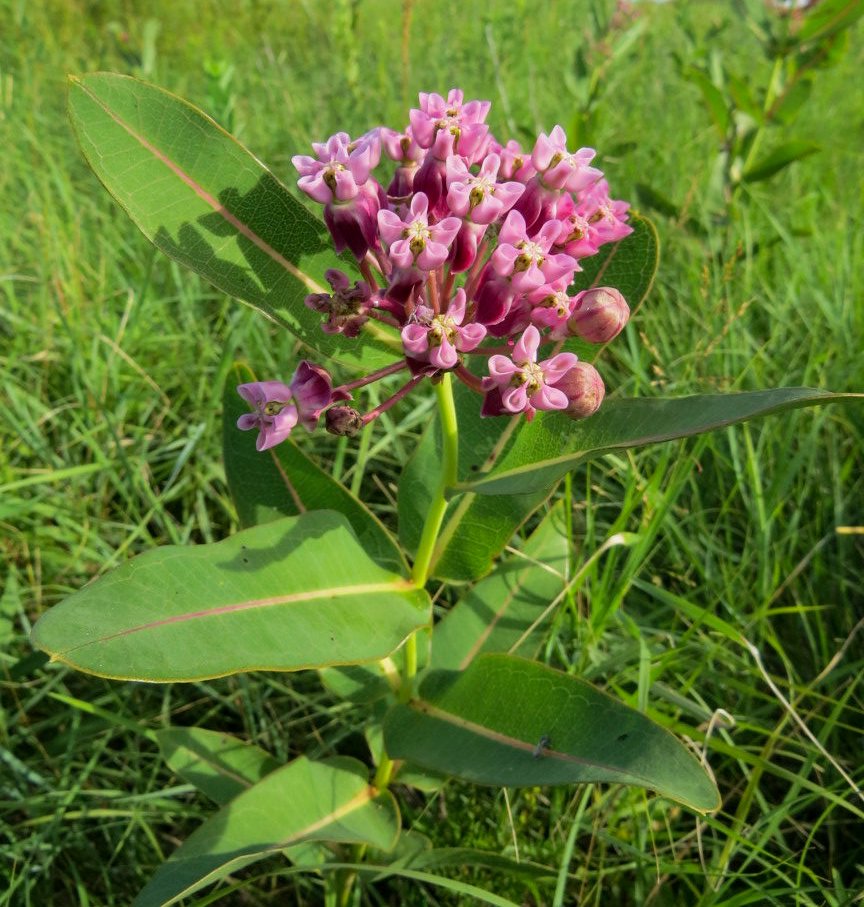
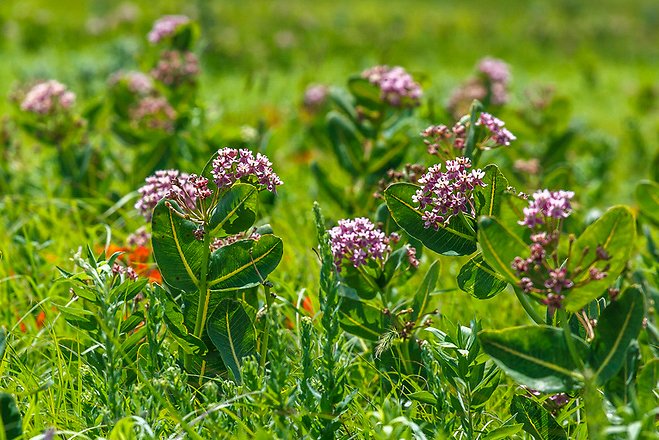
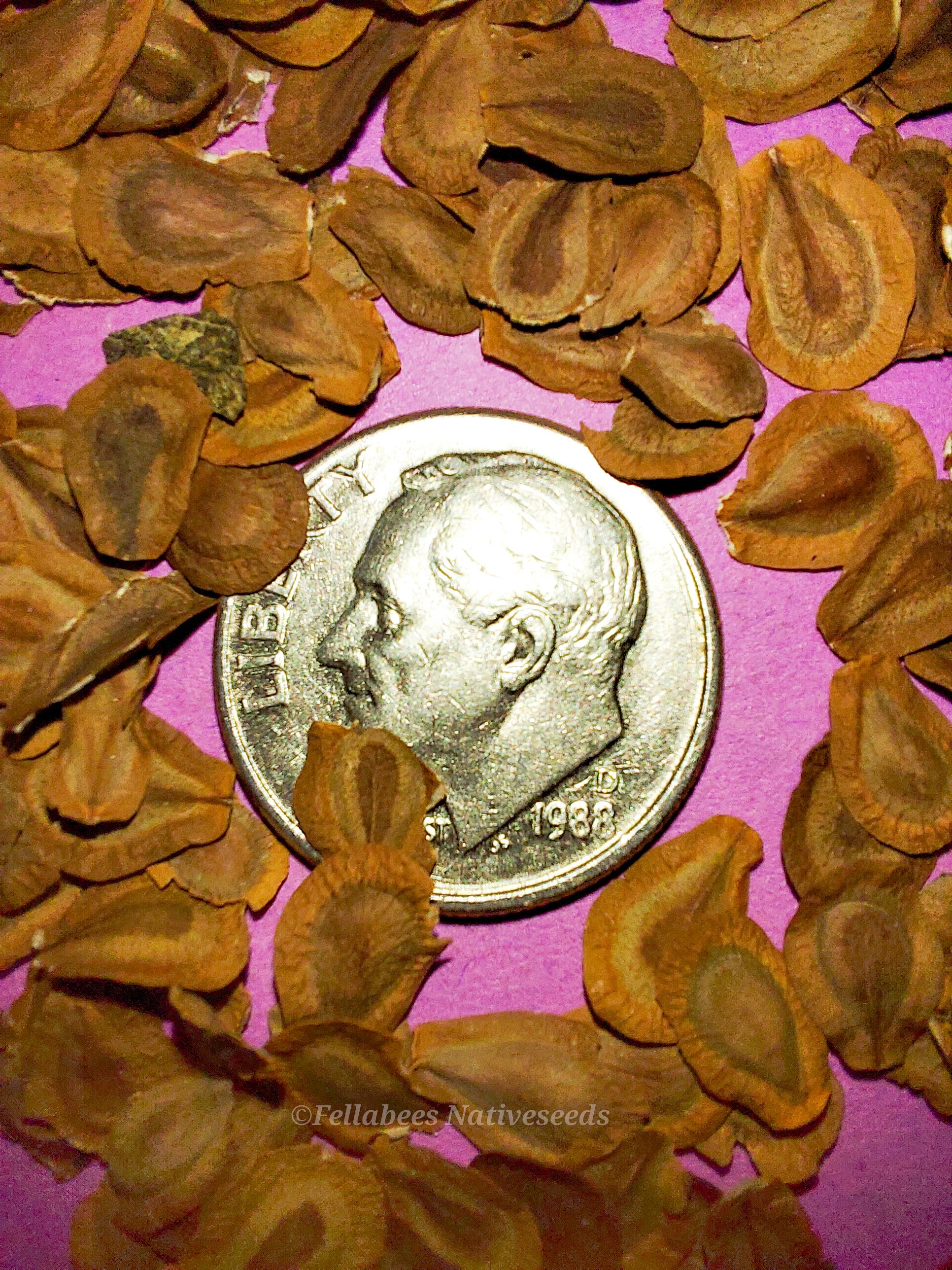
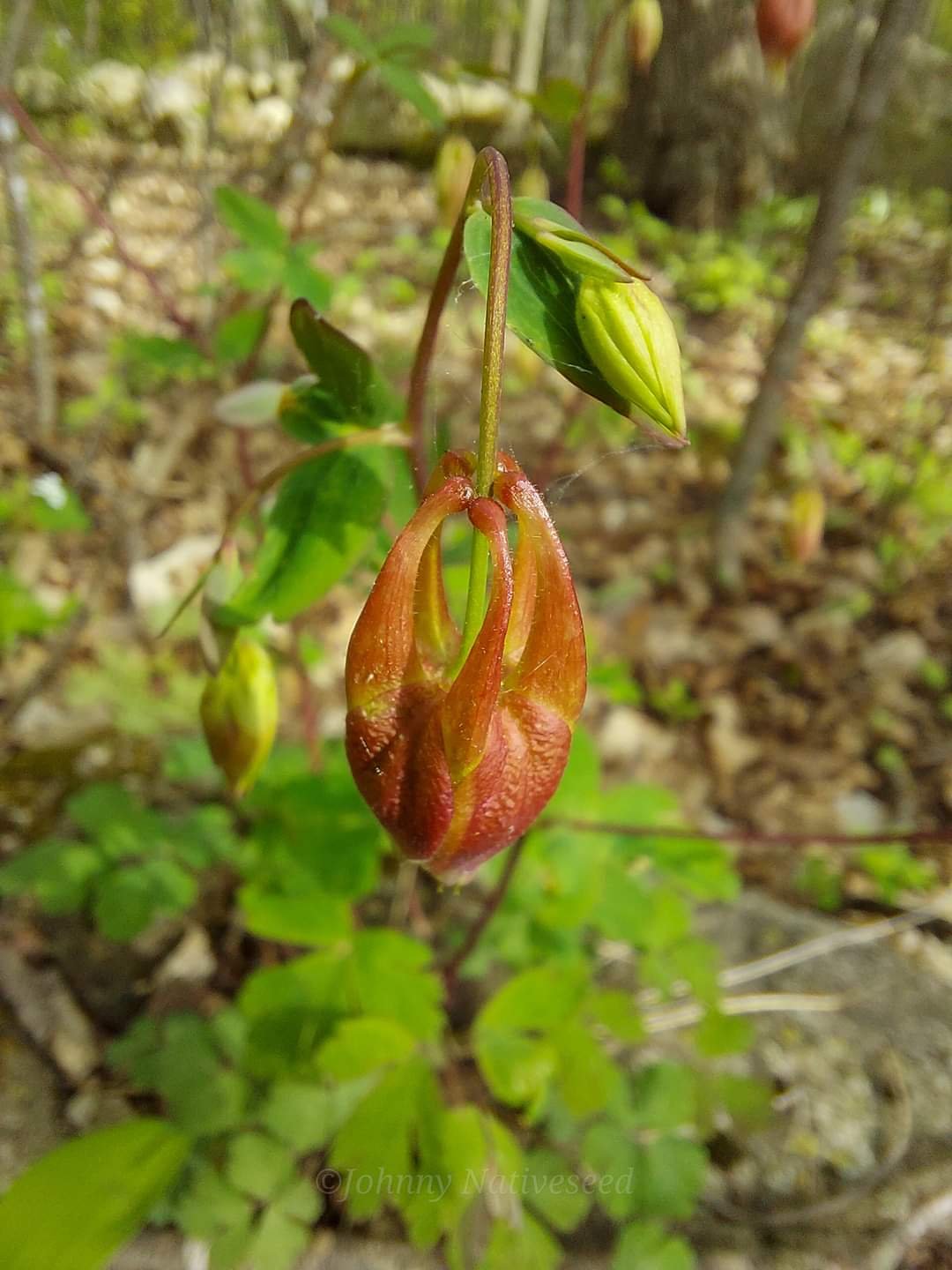
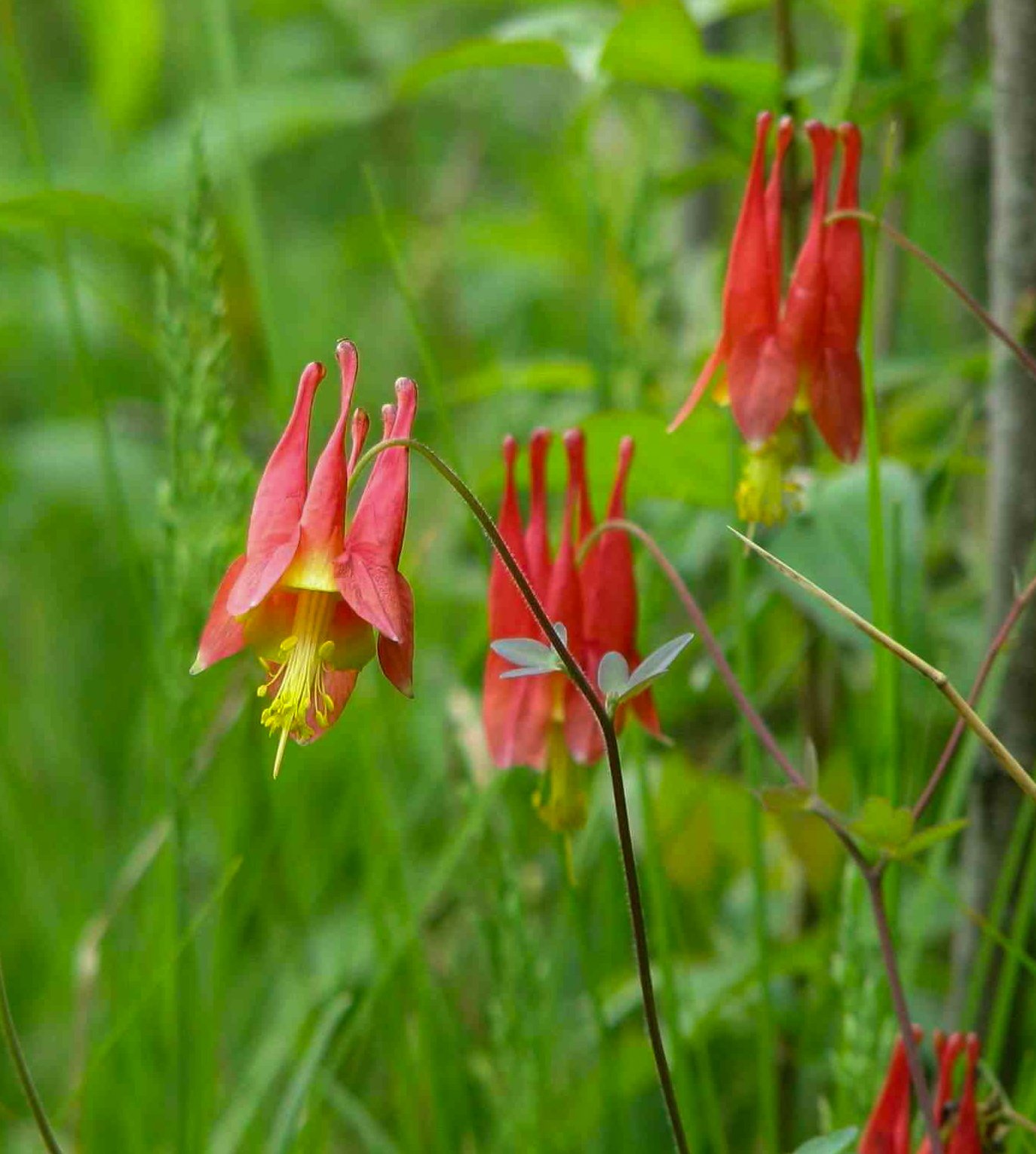
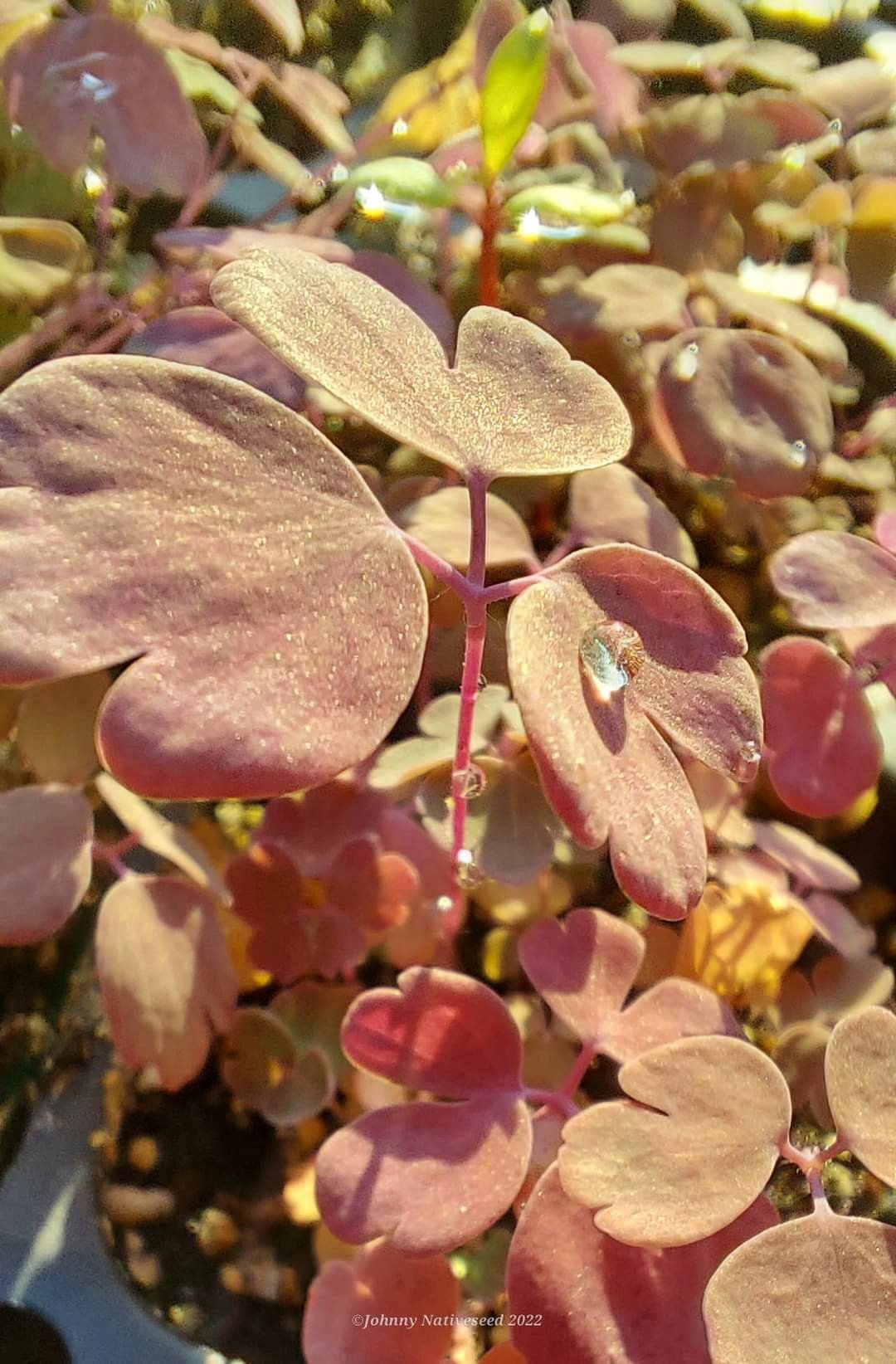
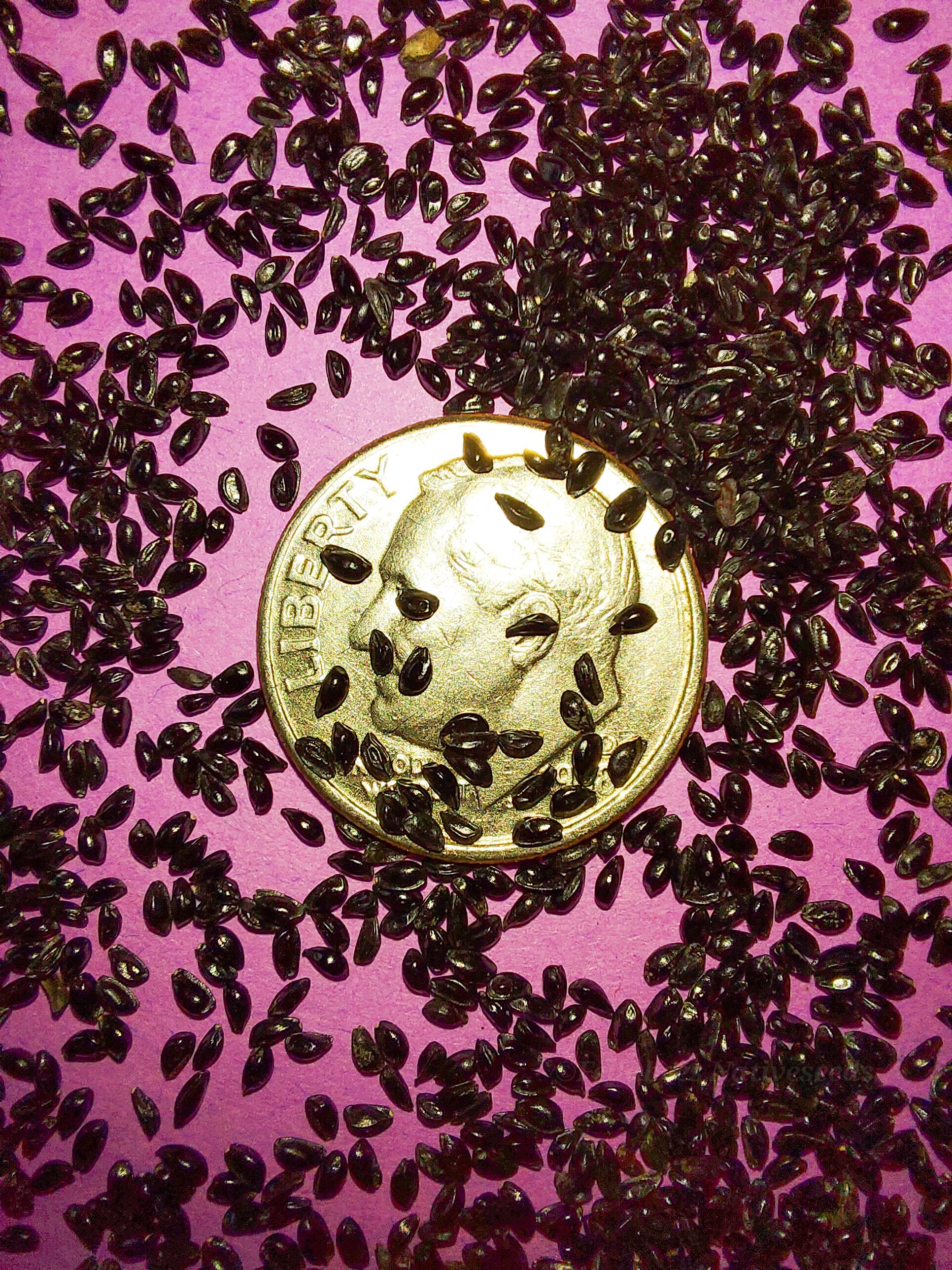
Scrophularia lanceolata (Early Figwort) is a clump-forming perennial herb that can reach up to about 5 feet in height. Stems arise erect or spreading and carry opposite leaves with toothed, triangular to lance-shaped blades up to roughly 5.5 inches long on short petioles. Flowering stems bear wide-open, branching panicles; the branches are often hairy and glandular and support numerous urn-shaped flowers. Each flower has a spherical to urn-shaped corolla about 0.39–0.59 inches long that opens at the top into a narrow mouth edged with hoodlike lobes. The corolla color ranges from greenish with brown tints to dull pink, and a broad staminode is usually visible at the throat. Fruit is a brown, teardrop capsule just under a centimeter long that splits to release many tiny black seeds.
To bring Hummingbirds and other pollinators around for the full season, it is wise to plant both this and its later blooming cousin Late Figwort (Scrophularia marilandica)!
Usefulness to pollinators
Nectar and floral structure suited to specialist visitors: The urn-shaped, hooded corolla and narrow mouth of Scrophularia lanceolata favor insects that can access nectar by probing into the throat or by forcing entry. This morphology is particularly accessible to long-tongued bees and some fly species that can navigate the narrow opening; the visible staminode often acts as a landing guide or tactile cue that helps pollinators find the nectar and pollen.
Attracts native bees: Medium- to long-tongued native bees (including some bumble bees and solitary bees) are frequent visitors. Their size and tongue length allow them to reach nectar inside the urn-shaped flowers, contacting reproductive parts and effecting cross-pollination. Because the flowers are produced in open, branching panicles, small groups of pollinators can forage efficiently on a single plant.
Resources for flies and other insects: Certain syrphid flies, bee flies, and other nectar-feeding flies visit figworts. These insects provide supplementary pollination services, especially in cooler or overcast conditions when bees are less active. The glandular hairs on the inflorescence may also harbor tiny nectar or scent droplets that attract small visitors.
Extended foraging opportunity: The panicle habit—many flowers borne over an extended period—gives pollinators a sustained food source. Individual flowers open sequentially across the inflorescence, so a single plant can provide nectar and pollen over weeks, helping support local pollinator populations through part of the growing season.
Habitat and nesting benefits: As a taller perennial with sturdy stems, Scrophularia lanceolata contributes structural diversity to prairie and meadow habitats. It can offer perching and resting sites for pollinators and other beneficial insects. Dense stands may also support microhabitats for ground-nesting bees nearby by shading and moderating soil conditions.
Supports pollinator diversity and ecological resilience: By attracting a mix of bees, flies, and other visitors, S. lanceolata contributes to pollinator community diversity. Diverse pollinator assemblages increase the stability and resilience of pollination services within native plantings, restorations, and pollinator-friendly gardens.
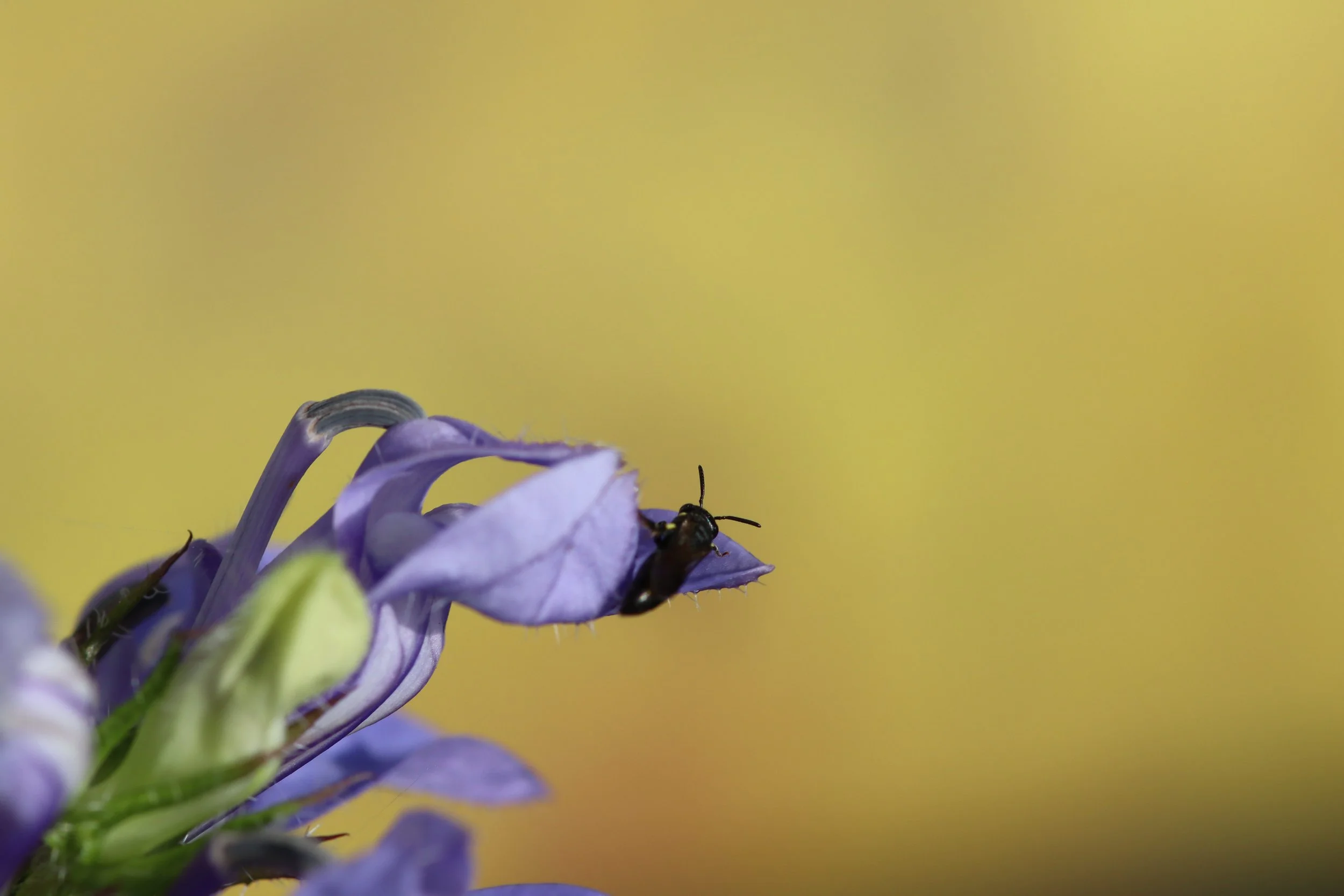
Native Wasps are frequent visitors, and the diversity of species drawn is exceptionally wide.
Planting and management tips to maximize pollinator benefit
Site and mix: Plant in sunny to partly shaded locations within native prairie mixes or pollinator borders. Combining S. lanceolata with early- and late-blooming species extends forage availability across the season.
Density and continuity: Include multiple plants or small clusters rather than single isolated specimens. Clusters are more attractive to pollinators and increase foraging efficiency.
Allow seed set: Let some flowers go to seed to provide habitat continuity and to allow local seedling recruitment; the small black seeds are dispersed when the capsules split, contributing to natural recolonization.
By offering specialized floral architecture, sustained nectar and pollen resources, and structural habitat value, Scrophularia lanceolata is a useful native species for supporting a diverse suite of pollinators in prairie restorations, meadows, and pollinator-friendly plantings.
Plant Details
USDA Zones: 3-7
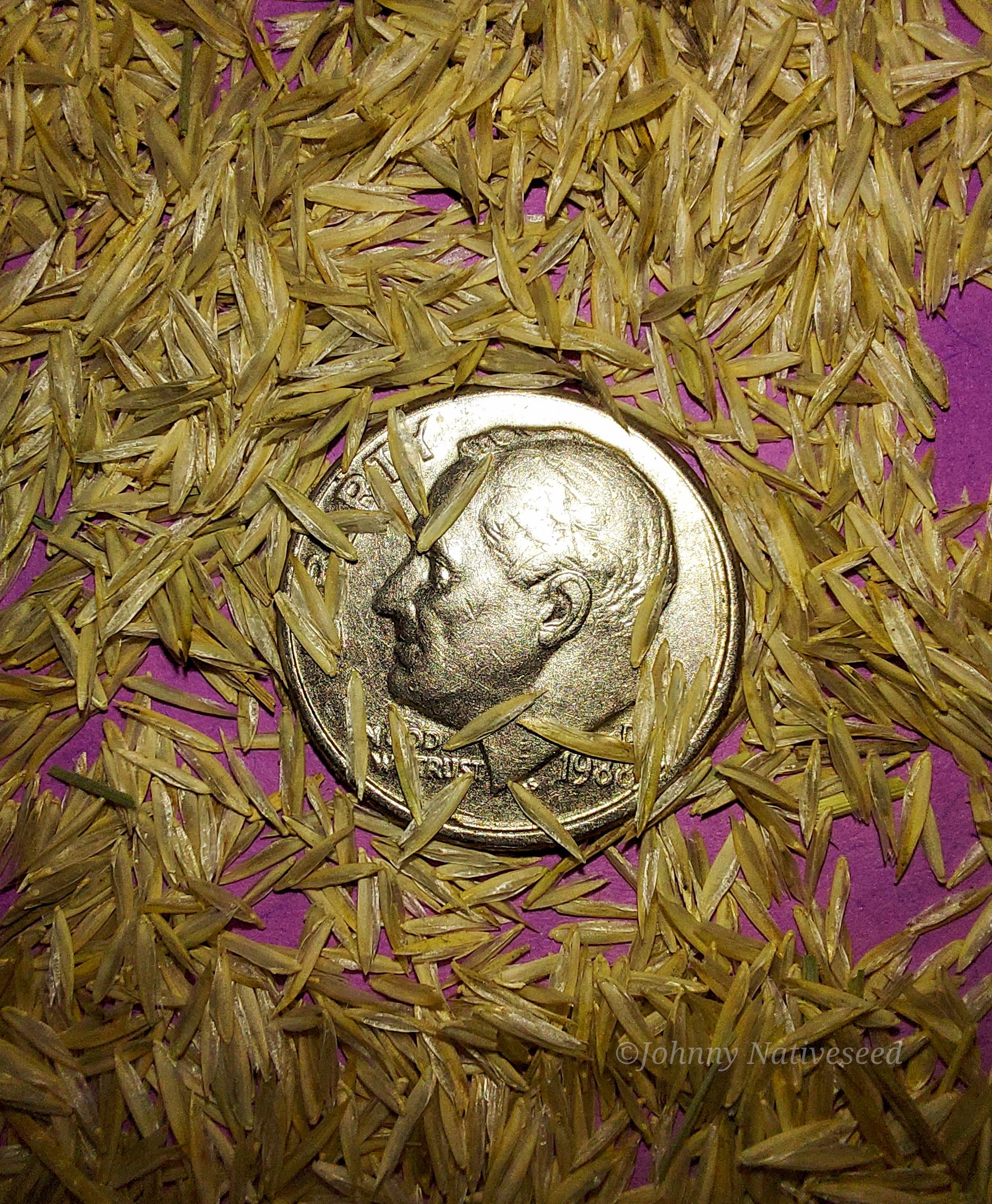
Germination Needs: 60 Days Cold Stratification, Seed is very small and likes soil contact and a view of the light to germinate. Surface sow and do not cover with more than a dusting if any soil. Keep moist until germination but not soaking, if growing in trays water from the bottom only.
Life Cycle: Perennial
Sun Exposure: Full Sun, Partial Shade, Shade
Soil Moisture: Medium-Wet, Medium, Medium-Dry, Dry
Plant Spacing: 2-3 feet
Height: 5 feet
Bloom time: May, June, July
Bloom Color: Red/Green
Advantages:
Pollinator Favorite: butterflies, moths, bees, wasps, beetles
Bird Favorite: seeds, insects, fruit, nectar, nesting, perches.
Deer Resistant: Yes
Native to: Wisconsin, Minnesota, Iowa, Illinois, Indiana, Michigan, Ohio, Pennsylvania, New York, Vermont, New Hampshire, Maine, Massachusetts, Rhode Island, Connecticut, Delaware, Maryland, New Jersey, West Virginia, Virginia, North Carolina, South Carolina, Tennessee, Missouri, Oklahoma, Kansas, Nebraska, South Dakota, North Dakota, Montana, Wyoming, Colorado, New Mexico, Arizona, Utah, Nevada, Idaho, Washington State, Oregon and California.
This species is considered present but rare in several counties of the states of Vermont, Rhode Island, Maryland, North Carolina, South Carolina, Oklahoma, Kansas and Arizona.
This species is considered to be extirpated (locally extinct) in several counties of the states of Delaware, Tennessee and Missouri.
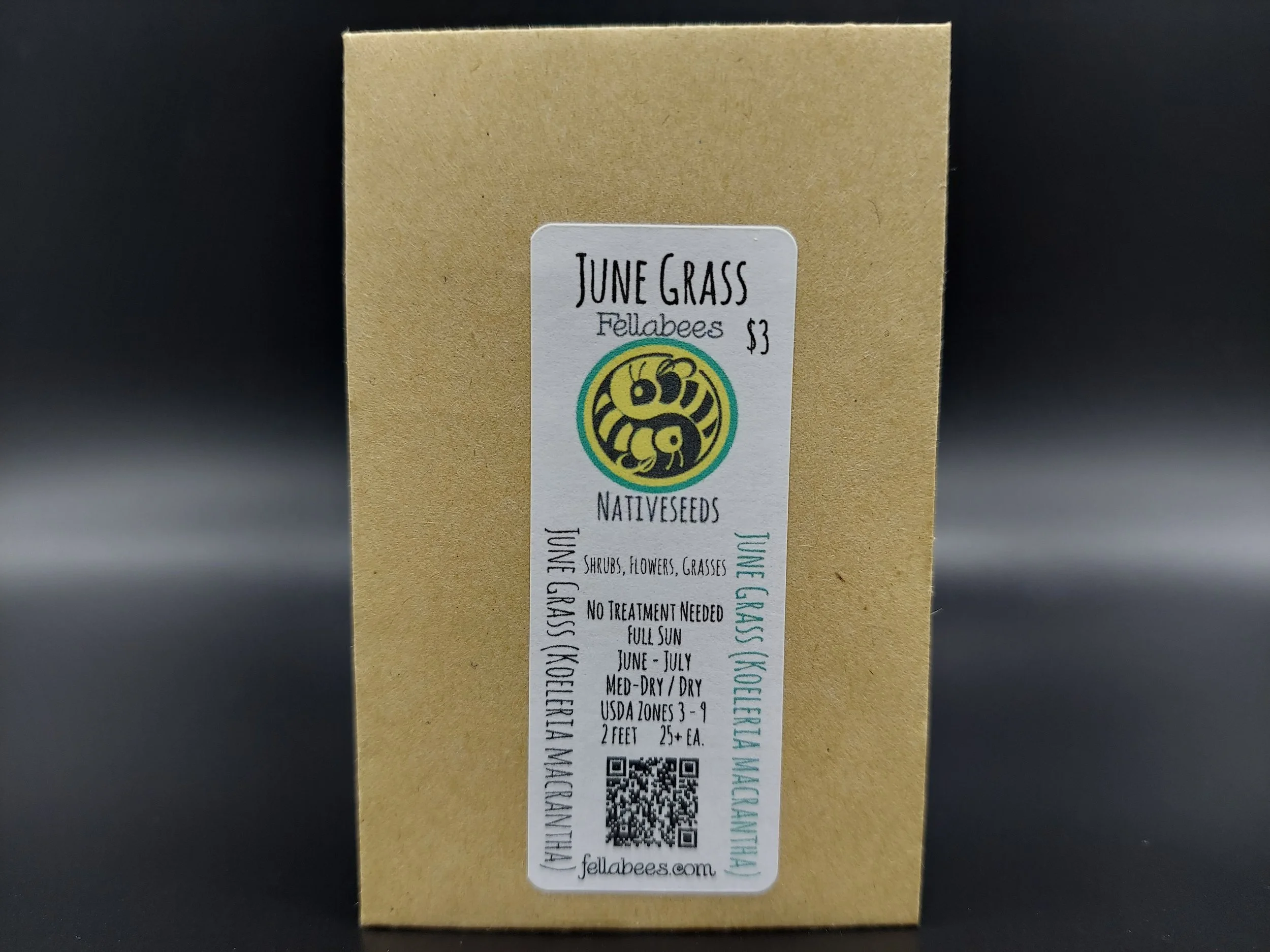
Seed Count 25+
.
.
Packet quantities:
We pride ourselves on ethical, hands on, ecological management, using no mechanical or chemical methods whatsoever.
All of our native seed is hand reared, hand picked, and hand packed from native prairies under our exclusive management, never breaking chain of custody from the field until it is sent to you. Each packet is hand prepared for shipment by us, directly.
Small seed species will contain greater than 20-25 seed
Large seed species will contain greater than 10-15 seed
It is our mission to spread the wealth of native plant and pollinator ecological sustainability and educate back yard gardeners as well as corporate and government entities in how to germinate, grow, and benefit from native synergies.
Thank you for your support, it is because of you, that we can grow together to do, what we do. 🐛🦋🐝🐞🌾🌱🌼🧡
Early Figwort (Scrophularia lanceolata)
Scrophularia lanceolata is the scientific name for a species of flowering plant in the figwort family, commonly known as Early Figwort, Lanceleaf Figwort, and American Figwort. It is native to North America and occurs across western and eastern Canada as well as much of the United States, with the notable exception of the deep southeastern quadrant.
Scrophularia lanceolata (Early Figwort) is a clump-forming perennial herb that can reach up to about 5 feet in height. Stems arise erect or spreading and carry opposite leaves with toothed, triangular to lance-shaped blades up to roughly 5.5 inches long on short petioles. Flowering stems bear wide-open, branching panicles; the branches are often hairy and glandular and support numerous urn-shaped flowers. Each flower has a spherical to urn-shaped corolla about 0.39–0.59 inches long that opens at the top into a narrow mouth edged with hoodlike lobes. The corolla color ranges from greenish with brown tints to dull pink, and a broad staminode is usually visible at the throat. Fruit is a brown, teardrop capsule just under a centimeter long that splits to release many tiny black seeds.
To bring Hummingbirds and other pollinators around for the full season, it is wise to plant both this and its later blooming cousin Late Figwort (Scrophularia marilandica)!
Usefulness to pollinators
Nectar and floral structure suited to specialist visitors: The urn-shaped, hooded corolla and narrow mouth of Scrophularia lanceolata favor insects that can access nectar by probing into the throat or by forcing entry. This morphology is particularly accessible to long-tongued bees and some fly species that can navigate the narrow opening; the visible staminode often acts as a landing guide or tactile cue that helps pollinators find the nectar and pollen.
Attracts native bees: Medium- to long-tongued native bees (including some bumble bees and solitary bees) are frequent visitors. Their size and tongue length allow them to reach nectar inside the urn-shaped flowers, contacting reproductive parts and effecting cross-pollination. Because the flowers are produced in open, branching panicles, small groups of pollinators can forage efficiently on a single plant.
Resources for flies and other insects: Certain syrphid flies, bee flies, and other nectar-feeding flies visit figworts. These insects provide supplementary pollination services, especially in cooler or overcast conditions when bees are less active. The glandular hairs on the inflorescence may also harbor tiny nectar or scent droplets that attract small visitors.
Extended foraging opportunity: The panicle habit—many flowers borne over an extended period—gives pollinators a sustained food source. Individual flowers open sequentially across the inflorescence, so a single plant can provide nectar and pollen over weeks, helping support local pollinator populations through part of the growing season.
Habitat and nesting benefits: As a taller perennial with sturdy stems, Scrophularia lanceolata contributes structural diversity to prairie and meadow habitats. It can offer perching and resting sites for pollinators and other beneficial insects. Dense stands may also support microhabitats for ground-nesting bees nearby by shading and moderating soil conditions.
Supports pollinator diversity and ecological resilience: By attracting a mix of bees, flies, and other visitors, S. lanceolata contributes to pollinator community diversity. Diverse pollinator assemblages increase the stability and resilience of pollination services within native plantings, restorations, and pollinator-friendly gardens.
Native Wasps are frequent visitors, and the diversity of species drawn is exceptionally wide.
Planting and management tips to maximize pollinator benefit
Site and mix: Plant in sunny to partly shaded locations within native prairie mixes or pollinator borders. Combining S. lanceolata with early- and late-blooming species extends forage availability across the season.
Density and continuity: Include multiple plants or small clusters rather than single isolated specimens. Clusters are more attractive to pollinators and increase foraging efficiency.
Allow seed set: Let some flowers go to seed to provide habitat continuity and to allow local seedling recruitment; the small black seeds are dispersed when the capsules split, contributing to natural recolonization.
By offering specialized floral architecture, sustained nectar and pollen resources, and structural habitat value, Scrophularia lanceolata is a useful native species for supporting a diverse suite of pollinators in prairie restorations, meadows, and pollinator-friendly plantings.
Plant Details
USDA Zones: 3-7
Germination Needs: 60 Days Cold Stratification, Seed is very small and likes soil contact and a view of the light to germinate. Surface sow and do not cover with more than a dusting if any soil. Keep moist until germination but not soaking, if growing in trays water from the bottom only.
Life Cycle: Perennial
Sun Exposure: Full Sun, Partial Shade, Shade
Soil Moisture: Medium-Wet, Medium, Medium-Dry, Dry
Plant Spacing: 2-3 feet
Height: 5 feet
Bloom time: May, June, July
Bloom Color: Red/Green
Advantages:
Pollinator Favorite: butterflies, moths, bees, wasps, beetles
Bird Favorite: seeds, insects, fruit, nectar, nesting, perches.
Deer Resistant: Yes
Native to: Wisconsin, Minnesota, Iowa, Illinois, Indiana, Michigan, Ohio, Pennsylvania, New York, Vermont, New Hampshire, Maine, Massachusetts, Rhode Island, Connecticut, Delaware, Maryland, New Jersey, West Virginia, Virginia, North Carolina, South Carolina, Tennessee, Missouri, Oklahoma, Kansas, Nebraska, South Dakota, North Dakota, Montana, Wyoming, Colorado, New Mexico, Arizona, Utah, Nevada, Idaho, Washington State, Oregon and California.
This species is considered present but rare in several counties of the states of Vermont, Rhode Island, Maryland, North Carolina, South Carolina, Oklahoma, Kansas and Arizona.
This species is considered to be extirpated (locally extinct) in several counties of the states of Delaware, Tennessee and Missouri.
Seed Count 25+
.
.
Packet quantities:
We pride ourselves on ethical, hands on, ecological management, using no mechanical or chemical methods whatsoever.
All of our native seed is hand reared, hand picked, and hand packed from native prairies under our exclusive management, never breaking chain of custody from the field until it is sent to you. Each packet is hand prepared for shipment by us, directly.
Small seed species will contain greater than 20-25 seed
Large seed species will contain greater than 10-15 seed
It is our mission to spread the wealth of native plant and pollinator ecological sustainability and educate back yard gardeners as well as corporate and government entities in how to germinate, grow, and benefit from native synergies.
Thank you for your support, it is because of you, that we can grow together to do, what we do. 🐛🦋🐝🐞🌾🌱🌼🧡

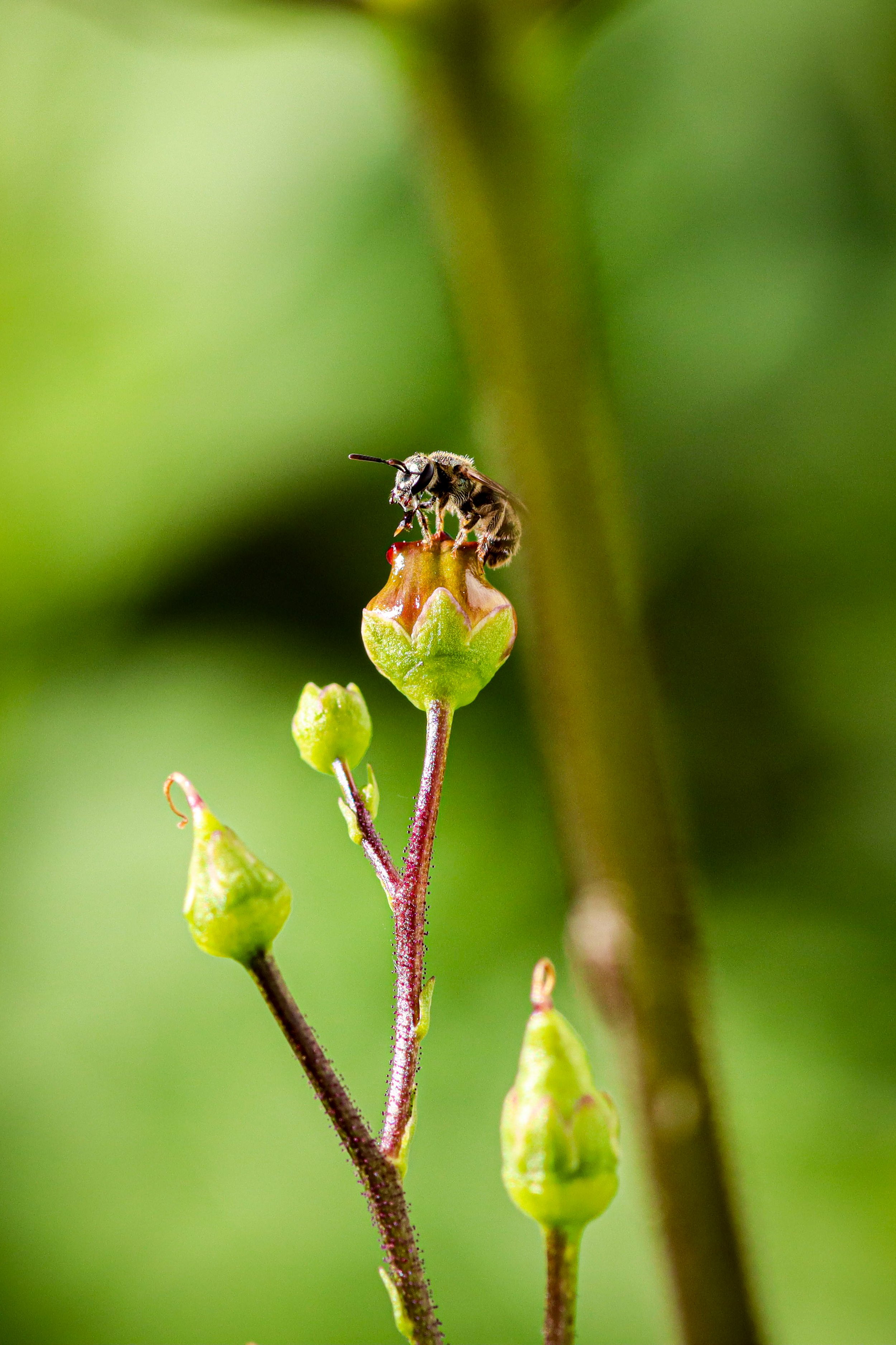 Image 1 of 7
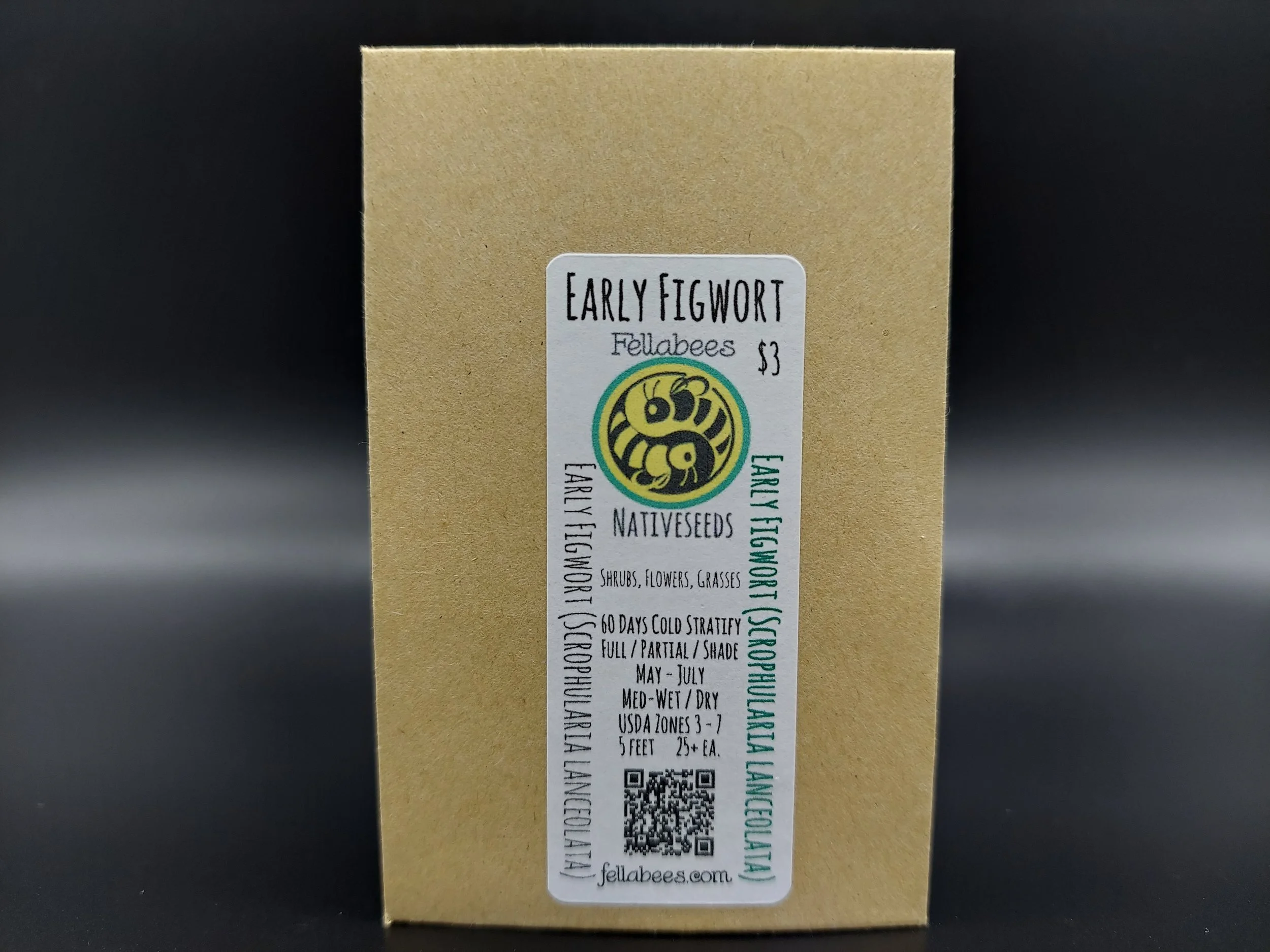 Image 2 of 7
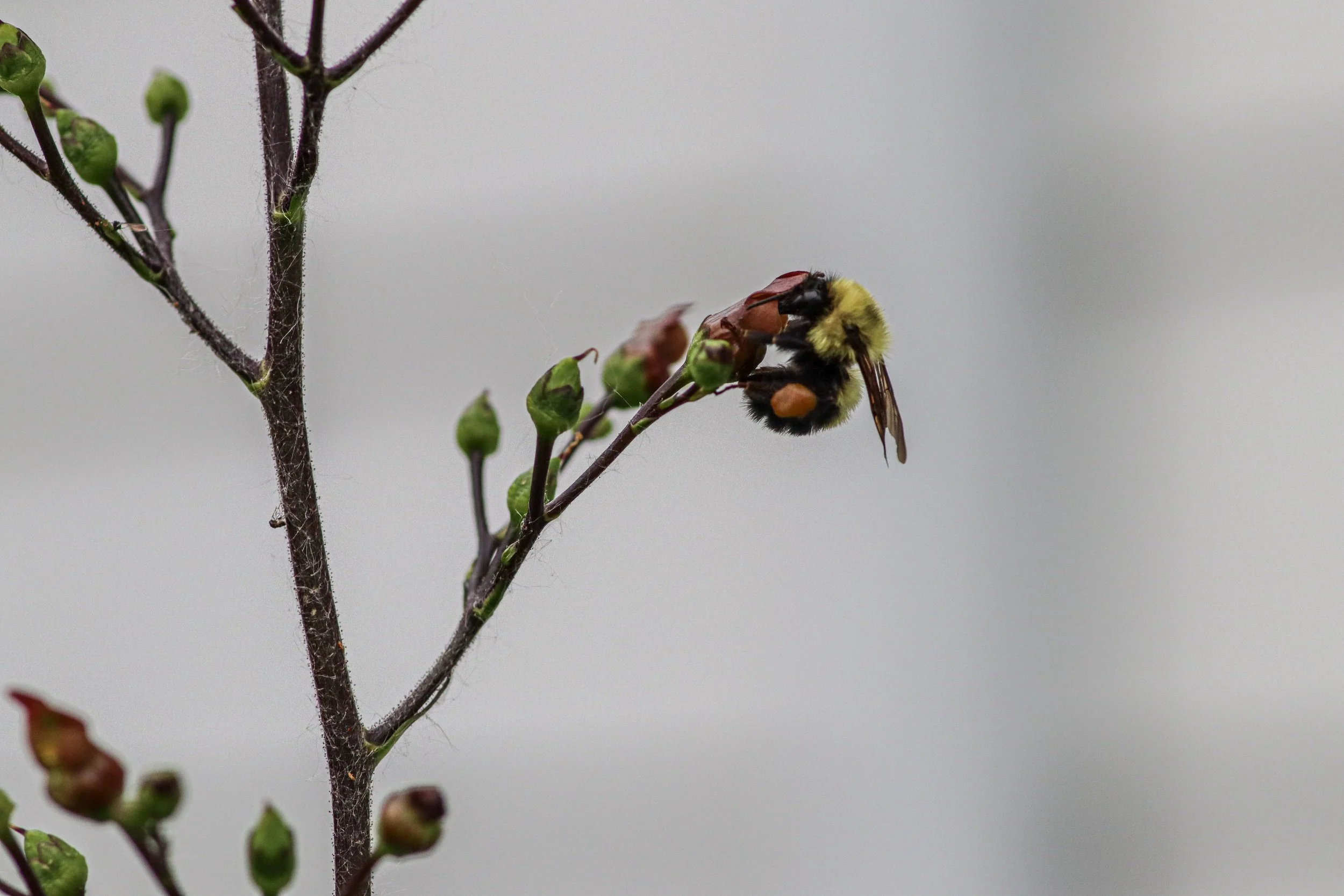 Image 3 of 7
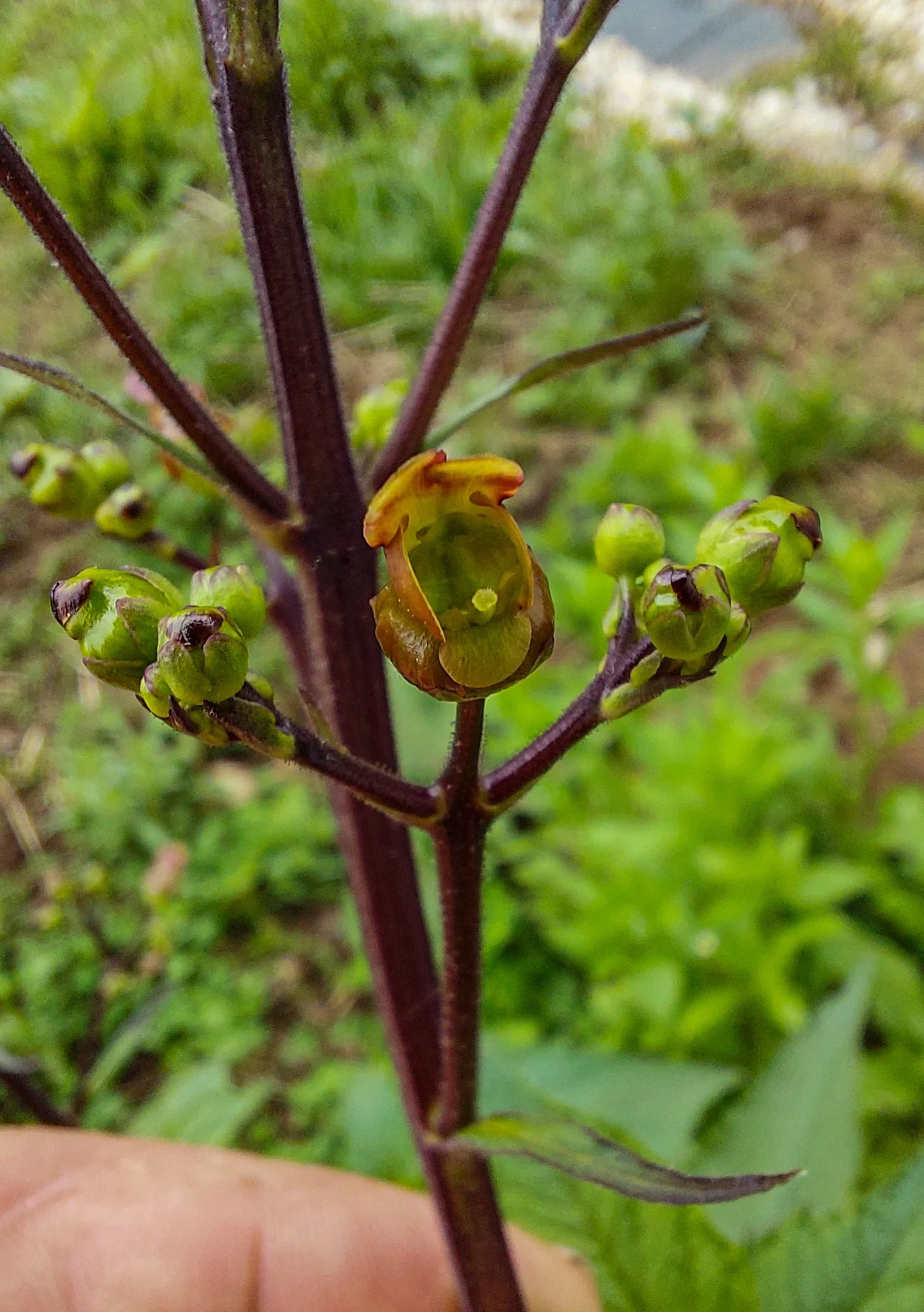 Image 4 of 7
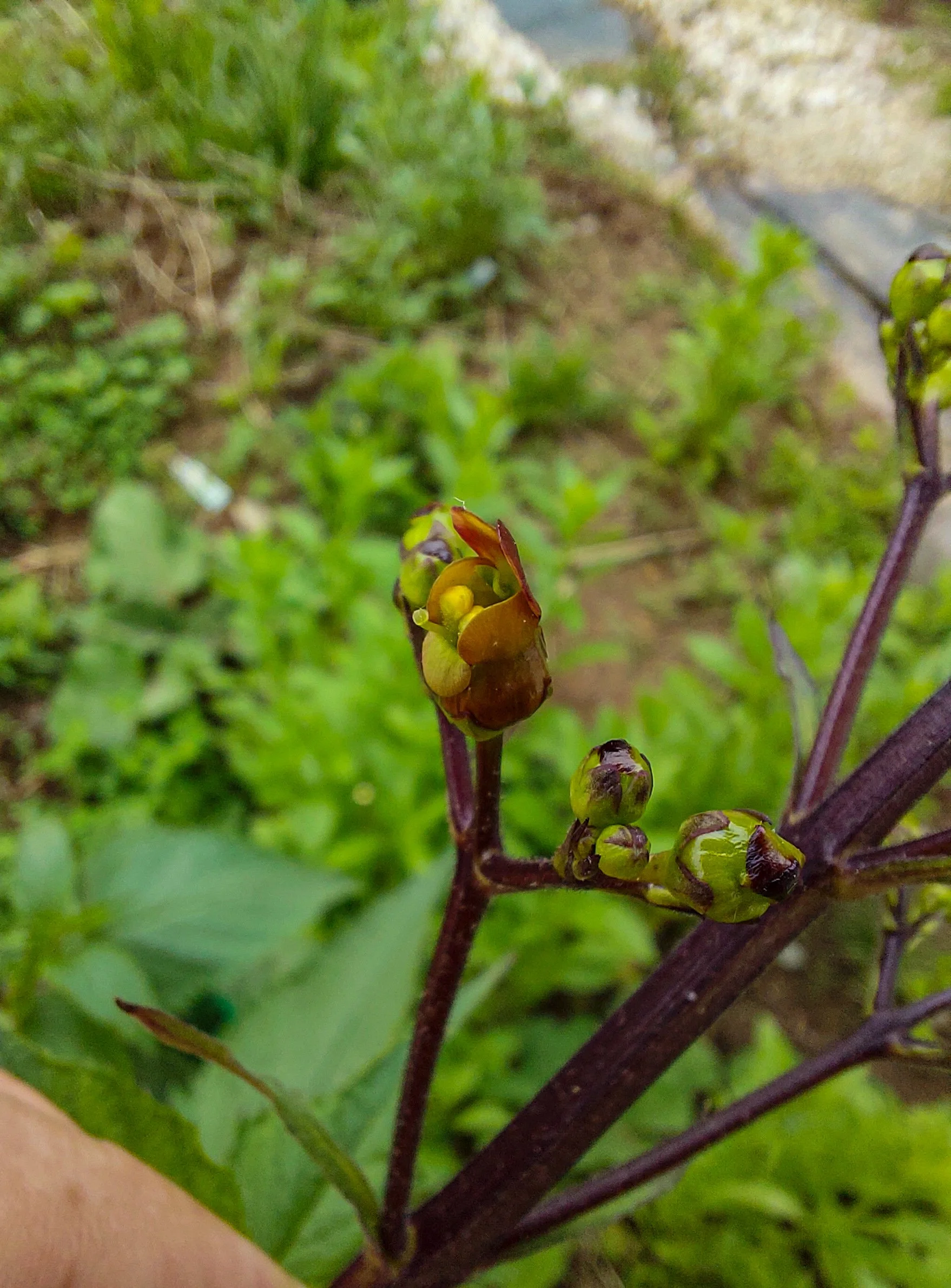 Image 5 of 7
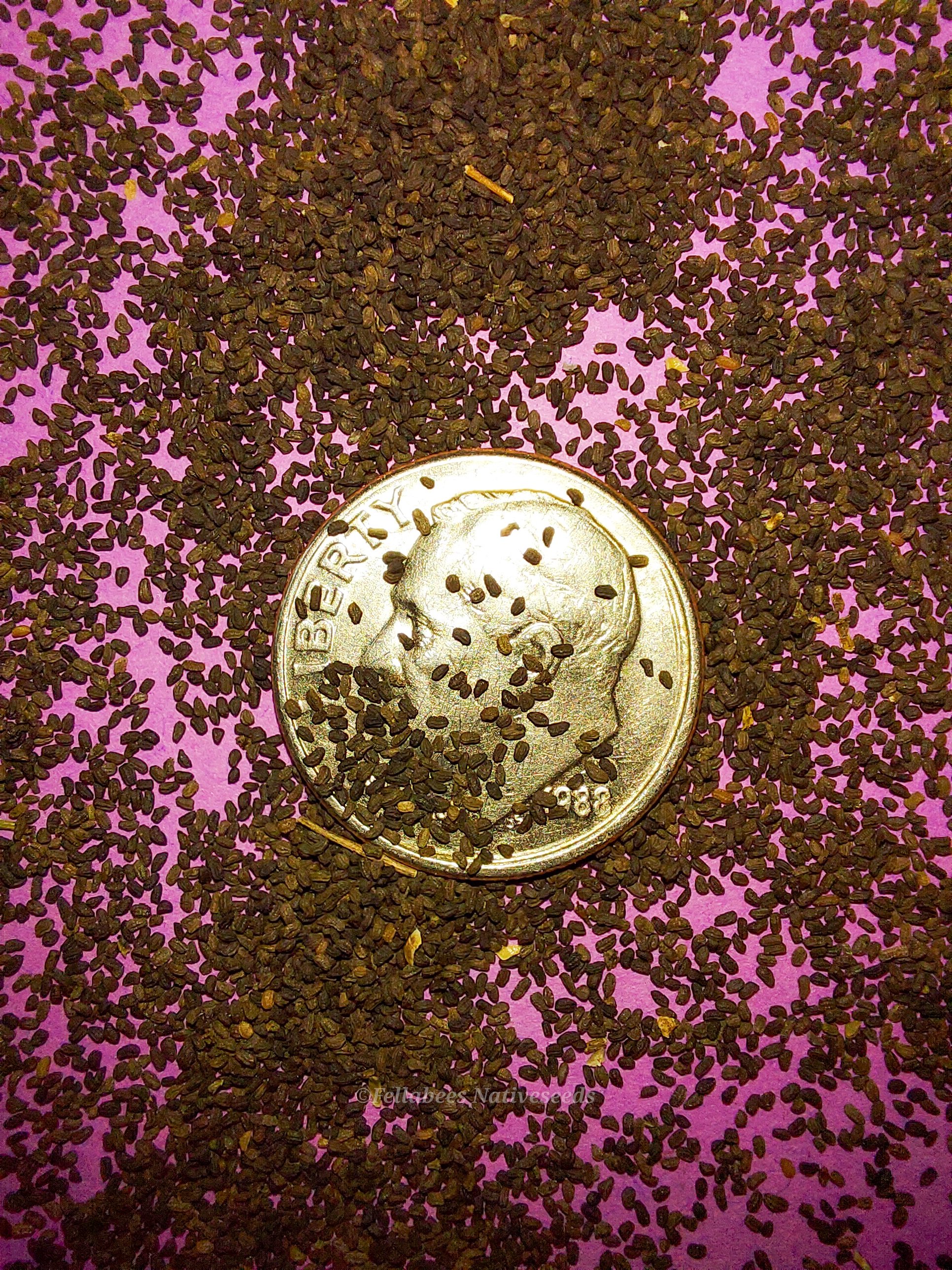 Image 6 of 7
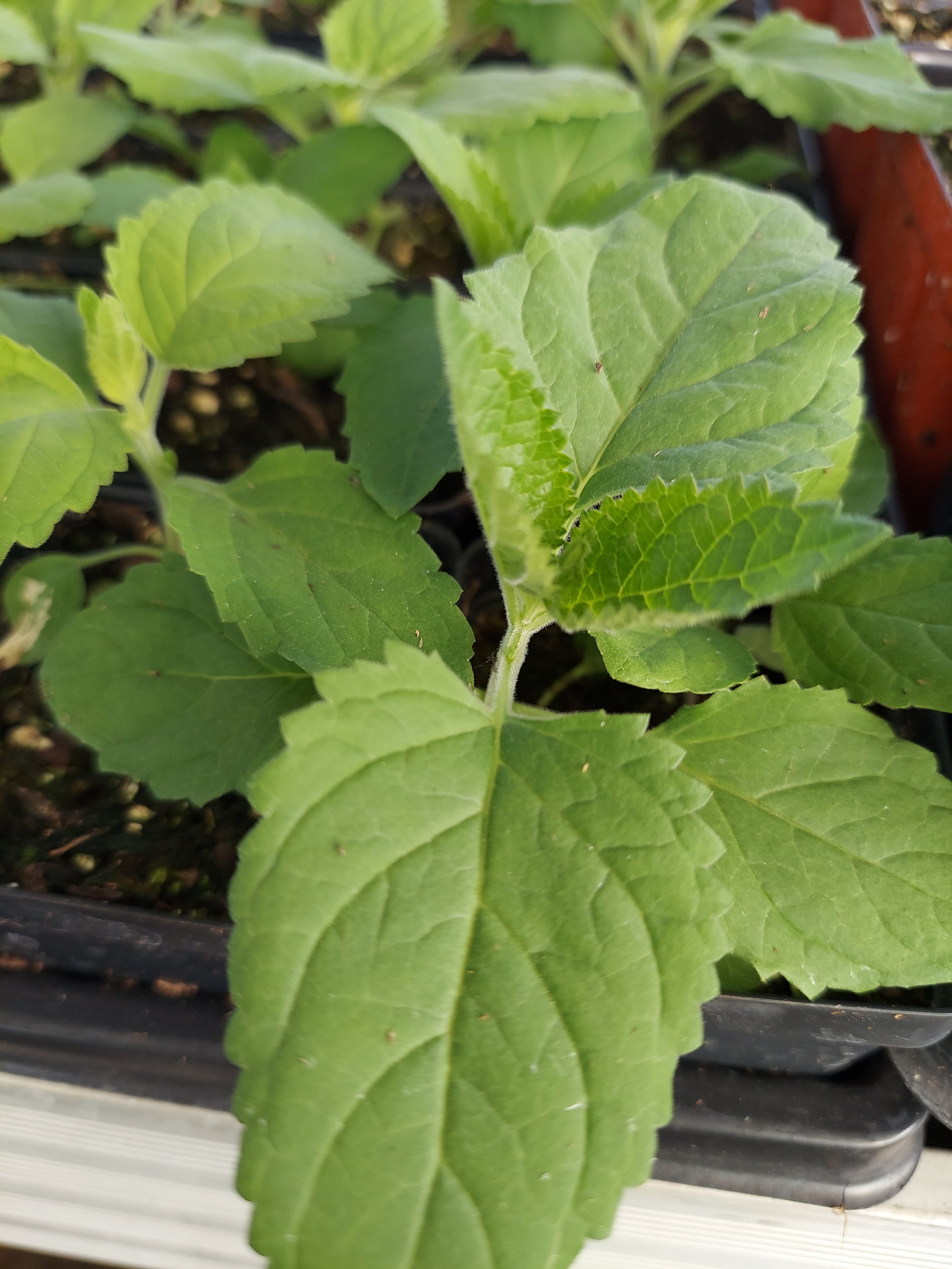 Image 7 of 7