Late Figwort (Scrophularia marilandica)
Scrophularia marilandica is the scientific name for the species more commonly called Late Figwort, Maryland Figwort, Carpenter's Square, or Eastern Figwort. It is a flowering native plant belonging to the beautifully unique Scrophulariaceae family. This powerful pollinator magnet is widespread across Eastern and Central North America, where it grows in drier woods and open shaded edges — from Manitoba and Quebec in Canada, stretching southward through the United States into states as far-ranging as Texas and Florida.
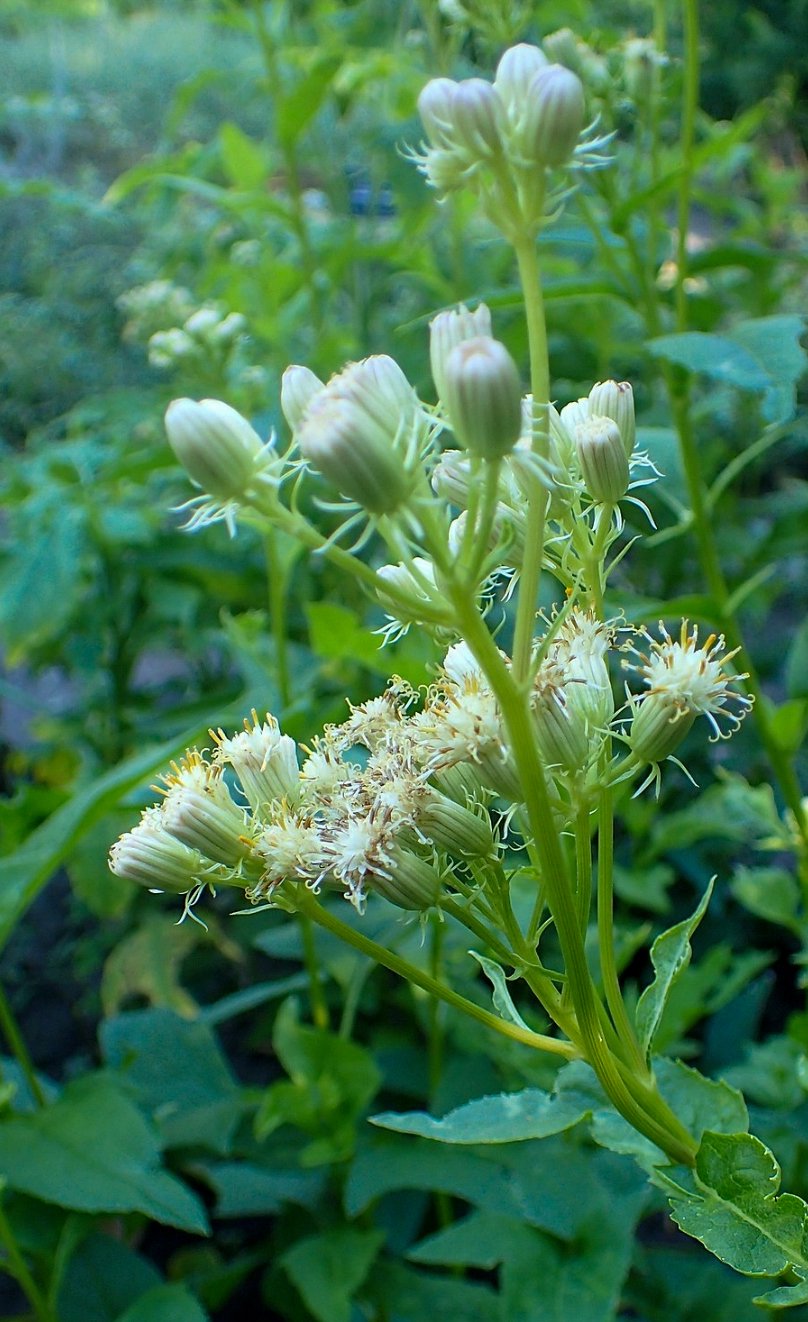
Late Figwort typically grows from about 4 ft 11 in and, in ideal conditions, can reach heights of up to 9 feet, making it an impressively tall presence in mixed plantings. It bears opposite, ovate leaves that may reach around 5.9 inches long and up to 3.5 inches wide, providing a substantial leafy backdrop. The flowers are rounded and relatively small, averaging roughly 0.31–0.35 inches long, with a distinctive cup-like mouth that amusingly resembles Mr. Ed’s mouth (the famous horse), complete with a slight overbite. Interior petals are a rich reddish‑purple, while the outer surfaces take on a greenish to nearly brown cast, adding subtle, earthy contrast as the blooms mature.
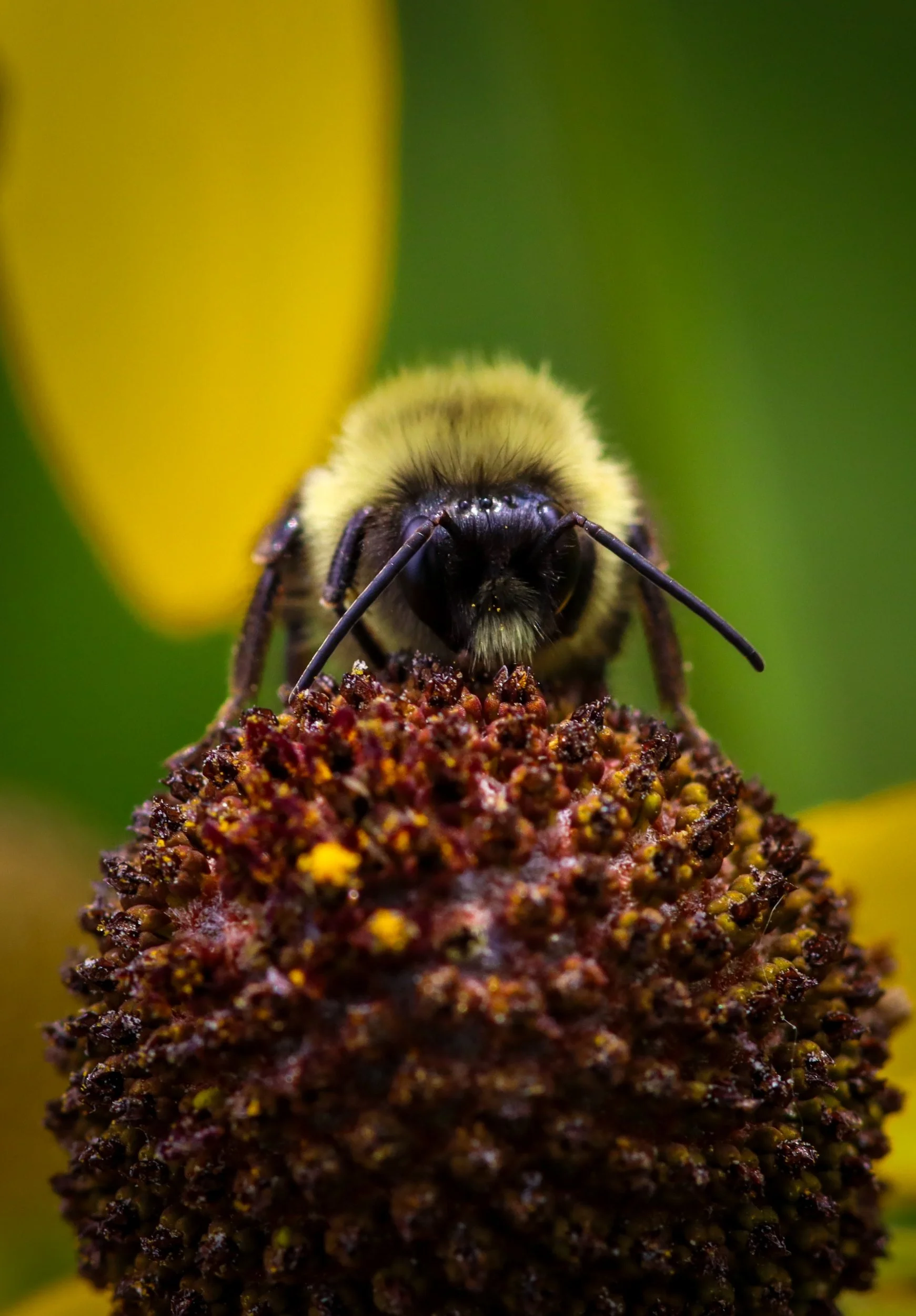
Late Figwort is a favorite nectar source and is frequently visited by many native bees and hummingbirds throughout late summer. Favored by a range of pollinating predators, unique solitary wasps are often seen dining on its rich, rapidly refilling nectar. Numerous native pollinators flock to this plant while it is in bloom. It tends to prefer partial shade but will also perform well in full sun. Best grown in fertile, moist sandy loam, it is nonetheless adaptable to other soils as long as they are well drained. Although the flowers are not overtly large or showy, Late Figwort will absolutely make a great addition to your native pollinator garden. It will also do well along the margins of streams ponds and woodlands from where they reign.
To bring Hummingbirds and other pollinators around for the full season, it is wise to plant both this and its earlier blooming cousin Early Figwort (Scrophularia lanceolata)!
Older common names of the past for Scrophularia marilandica have included Heal-All, Pilewort, and Scrofula-Plant. It was once used in an ailment called "figs" to treat piles. and even during much of the 19th century, the plants root was used in an infusion to treat insomnia and anxiety.
Generally considered a common native plant within its native range, it is listed as extirpated (locally extinct) in Maine, and rare in South Dakota, Texas, Vermont, and Rhode Island.
Plant Details
USDA Zones: 4-8
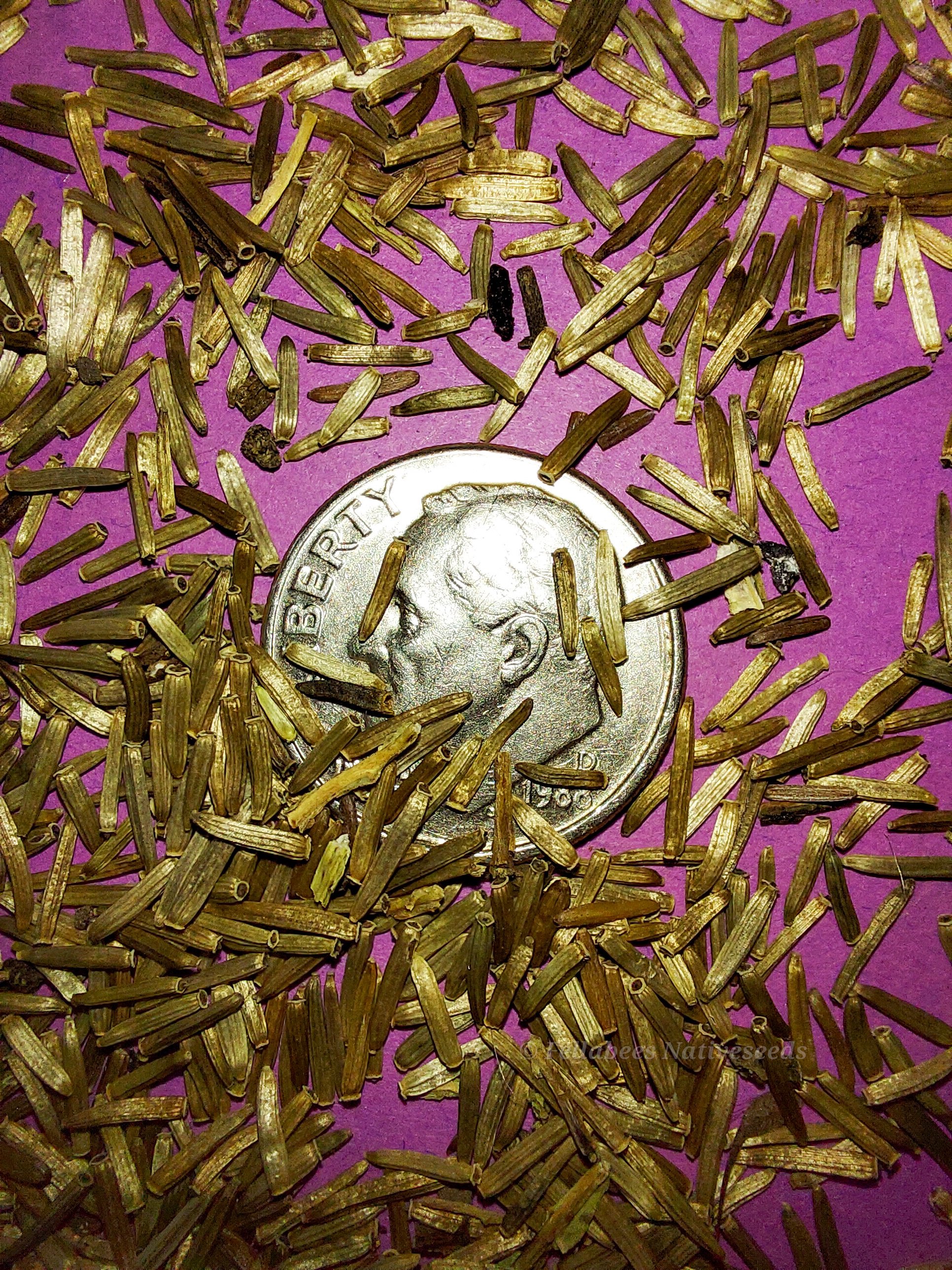
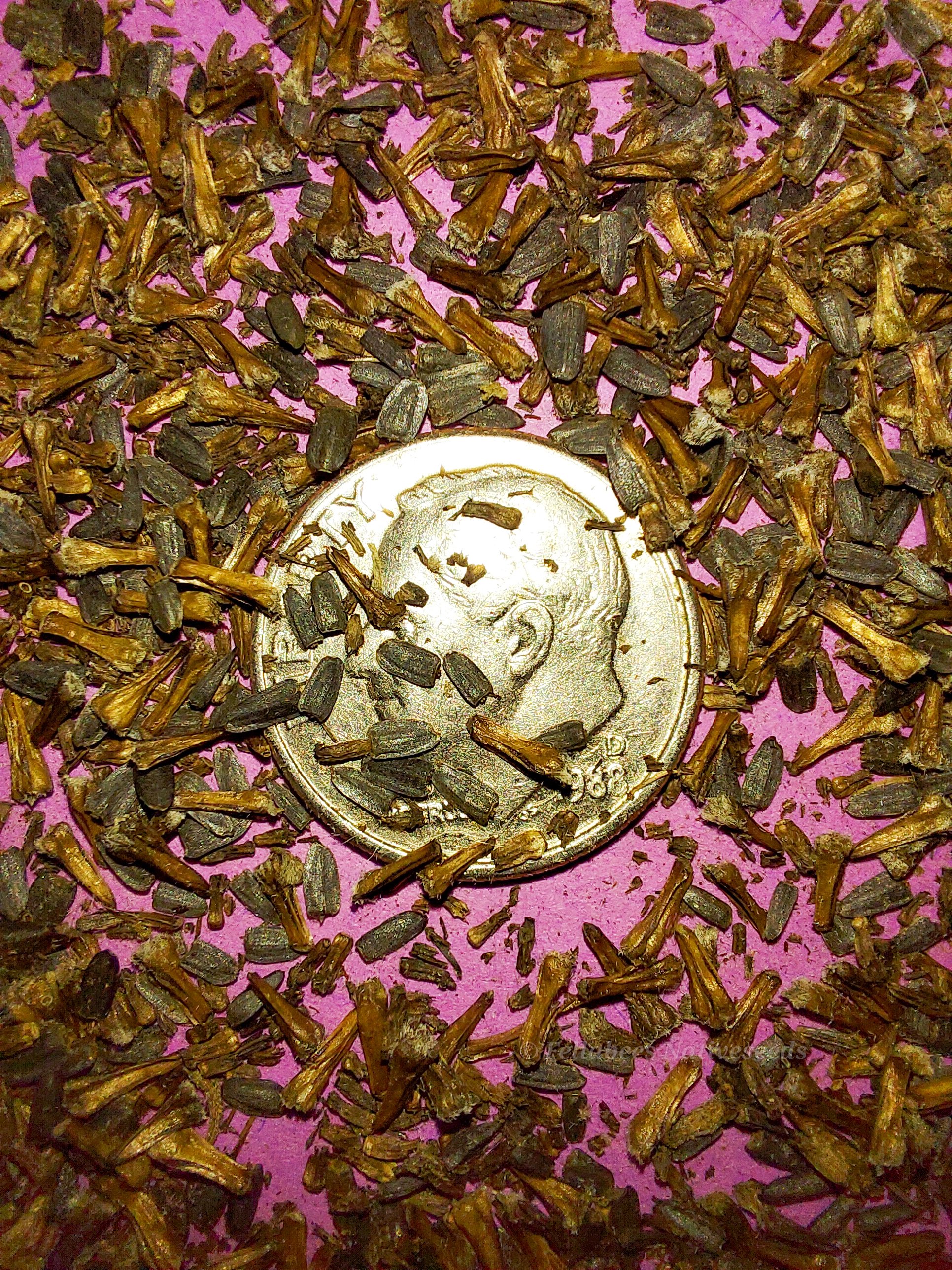
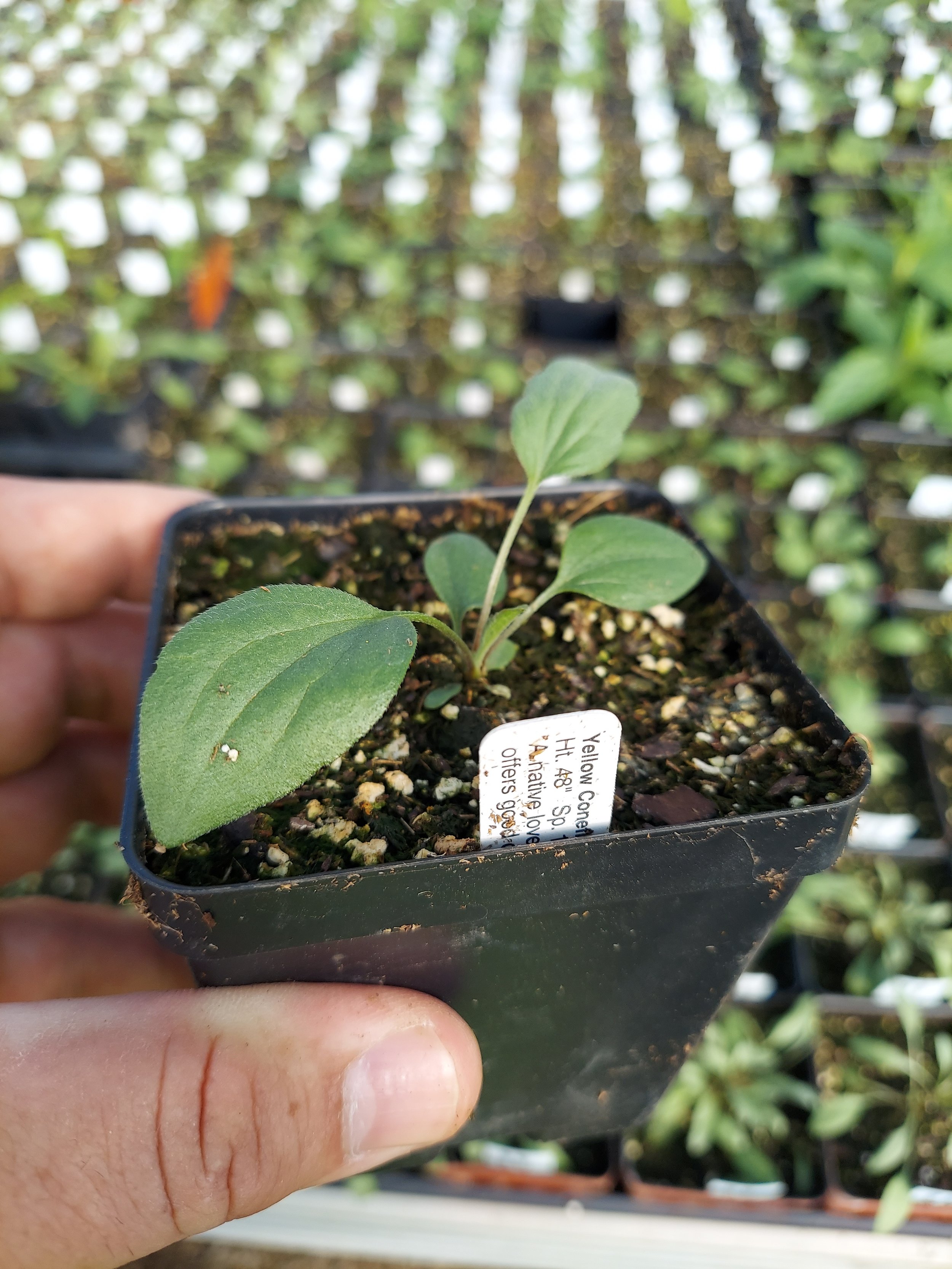
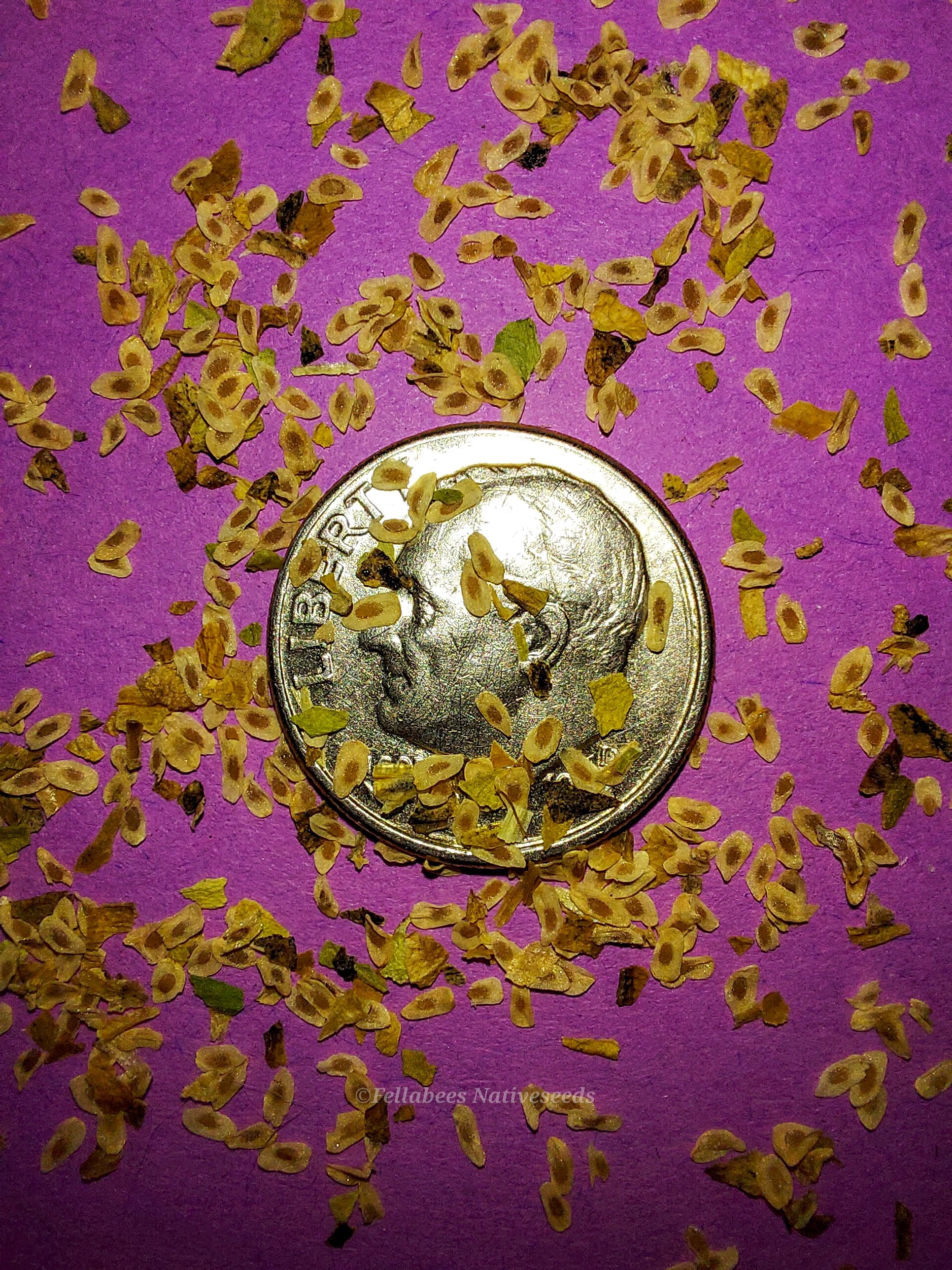
Germination Needs: 60 Days Cold Stratification, Seeds are very small, and should not be covered with soil, or only a dusting. Seed wants to feel the soil, and see the light. Surface sow, and keep moist but not soaking, if grown in trays, bottom water only.
Life Cycle: Perennial
Sun Exposure: Full, Partial, Shade
Soil Moisture: Medium, Medium-Dry
Plant Spacing: 2-3 feet
Height: 6 feet
Bloom time: July, August, September, October
Bloom Color: Red/Green
Advantages:
Pollinator Favorite: butterflies, moths, bees, wasps, beetles
Bird Favorite: seeds, insects, fruit, nectar, nesting, perches.
Deer Resistant: Yes
Native to: Wisconsin, Minnesota, Michigan Illinois, Indiana, Iowa, South Dakota Nebraska, Kansas, Oklahoma, Texas, Missouri, Arkansas, Louisiana, Mississippi, Alabama, Tennessee, Kentucky, Ohio, Pennsylvania, New York, Vermont, Rhode Island, New Hampshire, Maine, Massachusetts, New Jersey, Connecticut, Delaware, Maryland, West Virginia, Virginia, North Carolina, South Carolina, Georgia, Florida
.
.
Packet quantities:
We pride ourselves on ethical, hands on, ecological management, using no mechanical or chemical methods whatsoever.
All of our native seed is hand reared, hand picked, and hand packed from native prairies under our exclusive management, never breaking chain of custody from the field until it is sent to you. Each packet is hand prepared for shipment by us, directly.
Small seed species will contain greater than 20-25 seed
Large seed species will contain greater than 10-15 seed
It is our mission to spread the wealth of native plant and pollinator ecological sustainability, and educate back yard gardeners as well as corporate and government entities in how to germinate, grow, and benefit from native synergies.
Thank you for your support, it is because of you, that we can grow together to do, what we do.🐛🦋🐝🐞🌾🌱🌼🧡
Late Figwort (Scrophularia marilandica)
Scrophularia marilandica is the scientific name for the species more commonly called Late Figwort, Maryland Figwort, Carpenter's Square, or Eastern Figwort. It is a flowering native plant belonging to the beautifully unique Scrophulariaceae family. This powerful pollinator magnet is widespread across Eastern and Central North America, where it grows in drier woods and open shaded edges — from Manitoba and Quebec in Canada, stretching southward through the United States into states as far-ranging as Texas and Florida.
Late Figwort typically grows from about 4 ft 11 in and, in ideal conditions, can reach heights of up to 9 feet, making it an impressively tall presence in mixed plantings. It bears opposite, ovate leaves that may reach around 5.9 inches long and up to 3.5 inches wide, providing a substantial leafy backdrop. The flowers are rounded and relatively small, averaging roughly 0.31–0.35 inches long, with a distinctive cup-like mouth that amusingly resembles Mr. Ed’s mouth (the famous horse), complete with a slight overbite. Interior petals are a rich reddish‑purple, while the outer surfaces take on a greenish to nearly brown cast, adding subtle, earthy contrast as the blooms mature.
Late Figwort is a favorite nectar source and is frequently visited by many native bees and hummingbirds throughout late summer. Favored by a range of pollinating predators, unique solitary wasps are often seen dining on its rich, rapidly refilling nectar. Numerous native pollinators flock to this plant while it is in bloom. It tends to prefer partial shade but will also perform well in full sun. Best grown in fertile, moist sandy loam, it is nonetheless adaptable to other soils as long as they are well drained. Although the flowers are not overtly large or showy, Late Figwort will absolutely make a great addition to your native pollinator garden. It will also do well along the margins of streams ponds and woodlands from where they reign.
To bring Hummingbirds and other pollinators around for the full season, it is wise to plant both this and its earlier blooming cousin Early Figwort (Scrophularia lanceolata)!
Older common names of the past for Scrophularia marilandica have included Heal-All, Pilewort, and Scrofula-Plant. It was once used in an ailment called "figs" to treat piles. and even during much of the 19th century, the plants root was used in an infusion to treat insomnia and anxiety.
Generally considered a common native plant within its native range, it is listed as extirpated (locally extinct) in Maine, and rare in South Dakota, Texas, Vermont, and Rhode Island.
Plant Details
USDA Zones: 4-8
Germination Needs: 60 Days Cold Stratification, Seeds are very small, and should not be covered with soil, or only a dusting. Seed wants to feel the soil, and see the light. Surface sow, and keep moist but not soaking, if grown in trays, bottom water only.
Life Cycle: Perennial
Sun Exposure: Full, Partial, Shade
Soil Moisture: Medium, Medium-Dry
Plant Spacing: 2-3 feet
Height: 6 feet
Bloom time: July, August, September, October
Bloom Color: Red/Green
Advantages:
Pollinator Favorite: butterflies, moths, bees, wasps, beetles
Bird Favorite: seeds, insects, fruit, nectar, nesting, perches.
Deer Resistant: Yes
Native to: Wisconsin, Minnesota, Michigan Illinois, Indiana, Iowa, South Dakota Nebraska, Kansas, Oklahoma, Texas, Missouri, Arkansas, Louisiana, Mississippi, Alabama, Tennessee, Kentucky, Ohio, Pennsylvania, New York, Vermont, Rhode Island, New Hampshire, Maine, Massachusetts, New Jersey, Connecticut, Delaware, Maryland, West Virginia, Virginia, North Carolina, South Carolina, Georgia, Florida
.
.
Packet quantities:
We pride ourselves on ethical, hands on, ecological management, using no mechanical or chemical methods whatsoever.
All of our native seed is hand reared, hand picked, and hand packed from native prairies under our exclusive management, never breaking chain of custody from the field until it is sent to you. Each packet is hand prepared for shipment by us, directly.
Small seed species will contain greater than 20-25 seed
Large seed species will contain greater than 10-15 seed
It is our mission to spread the wealth of native plant and pollinator ecological sustainability, and educate back yard gardeners as well as corporate and government entities in how to germinate, grow, and benefit from native synergies.
Thank you for your support, it is because of you, that we can grow together to do, what we do.🐛🦋🐝🐞🌾🌱🌼🧡

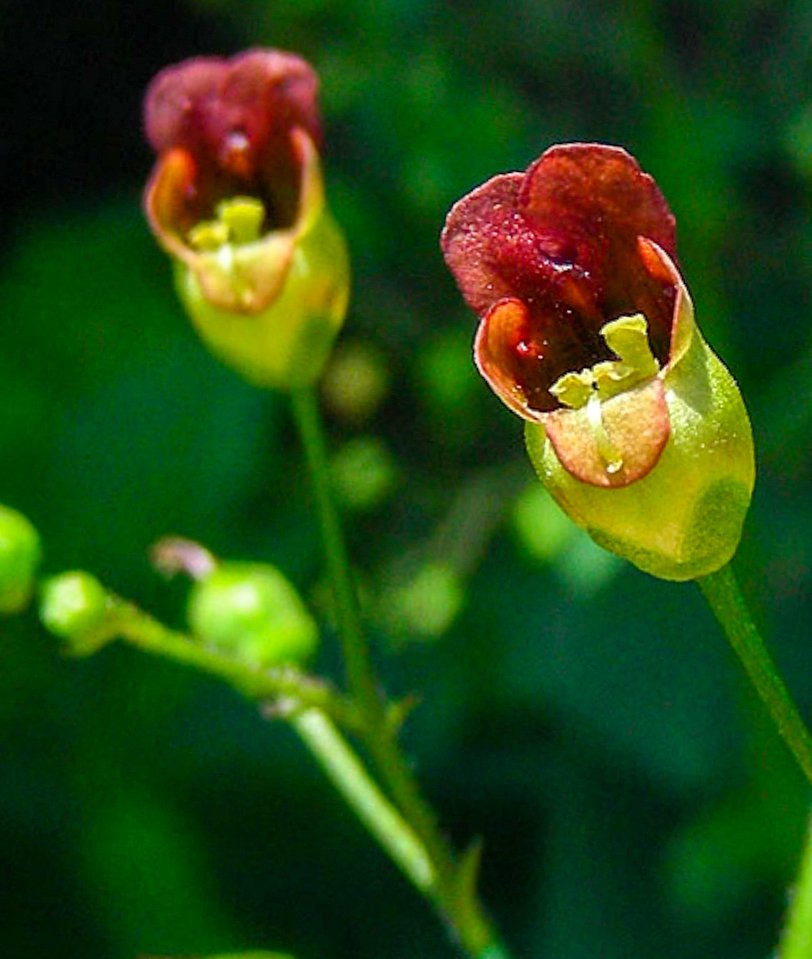 Image 1 of 6
 Image 2 of 6
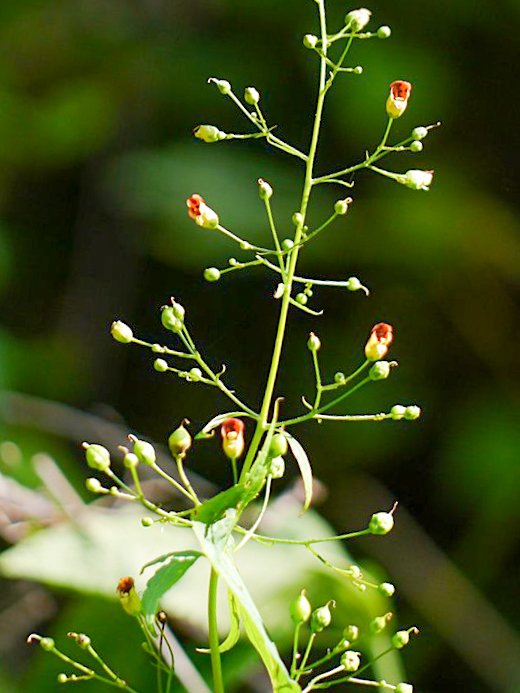 Image 3 of 6
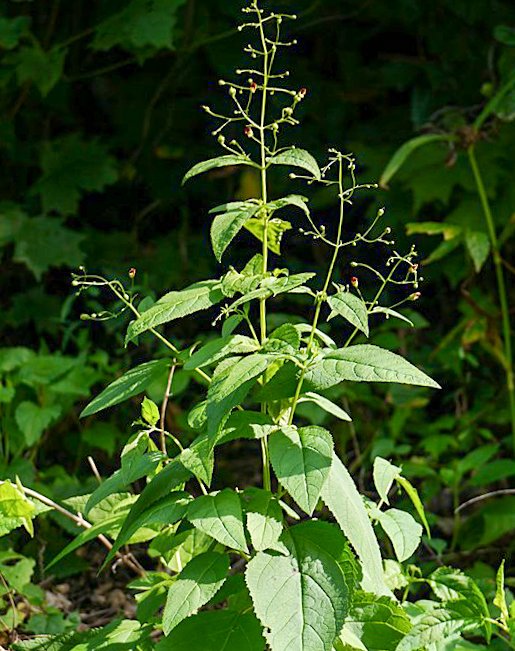 Image 4 of 6
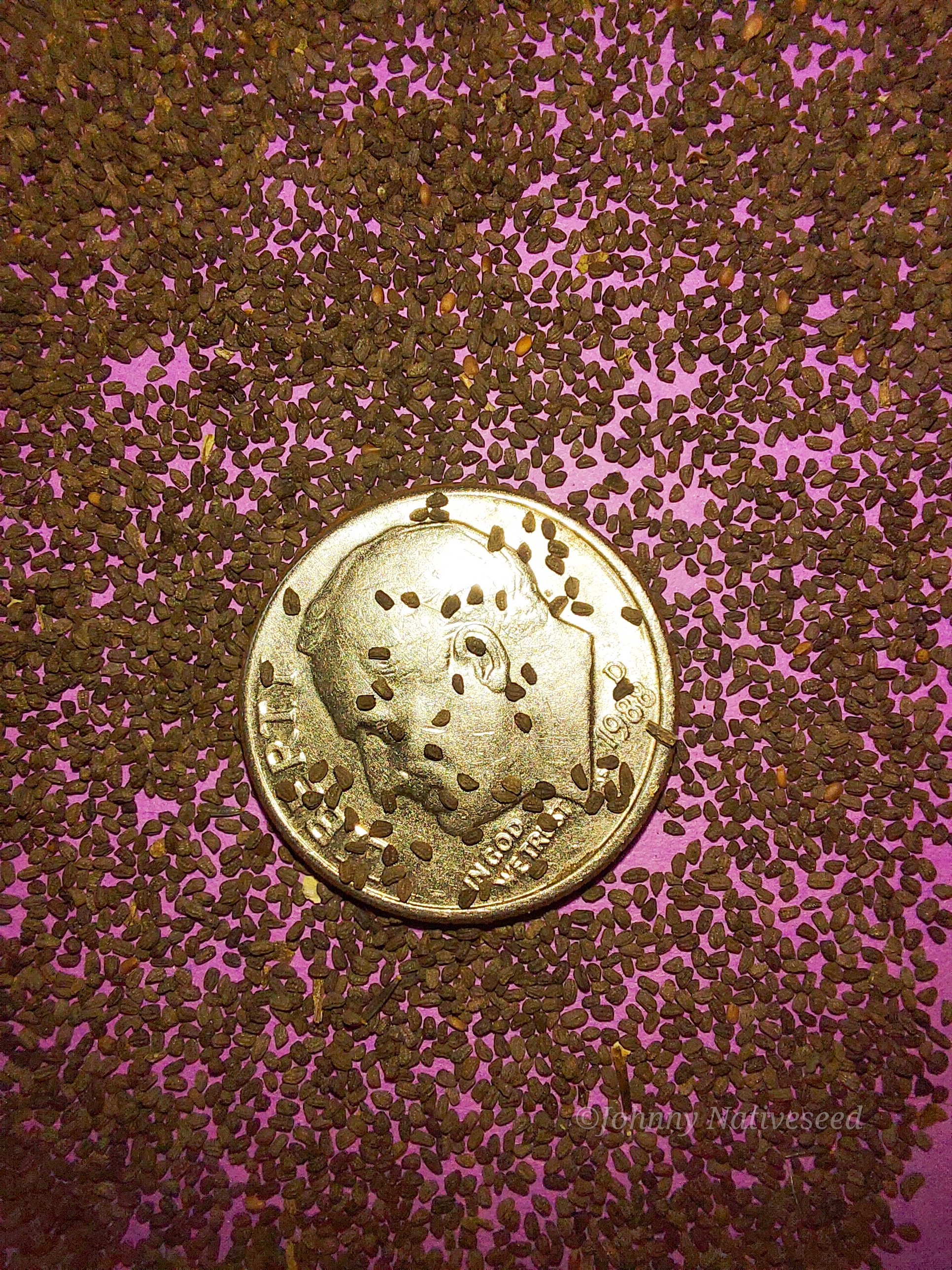 Image 5 of 6
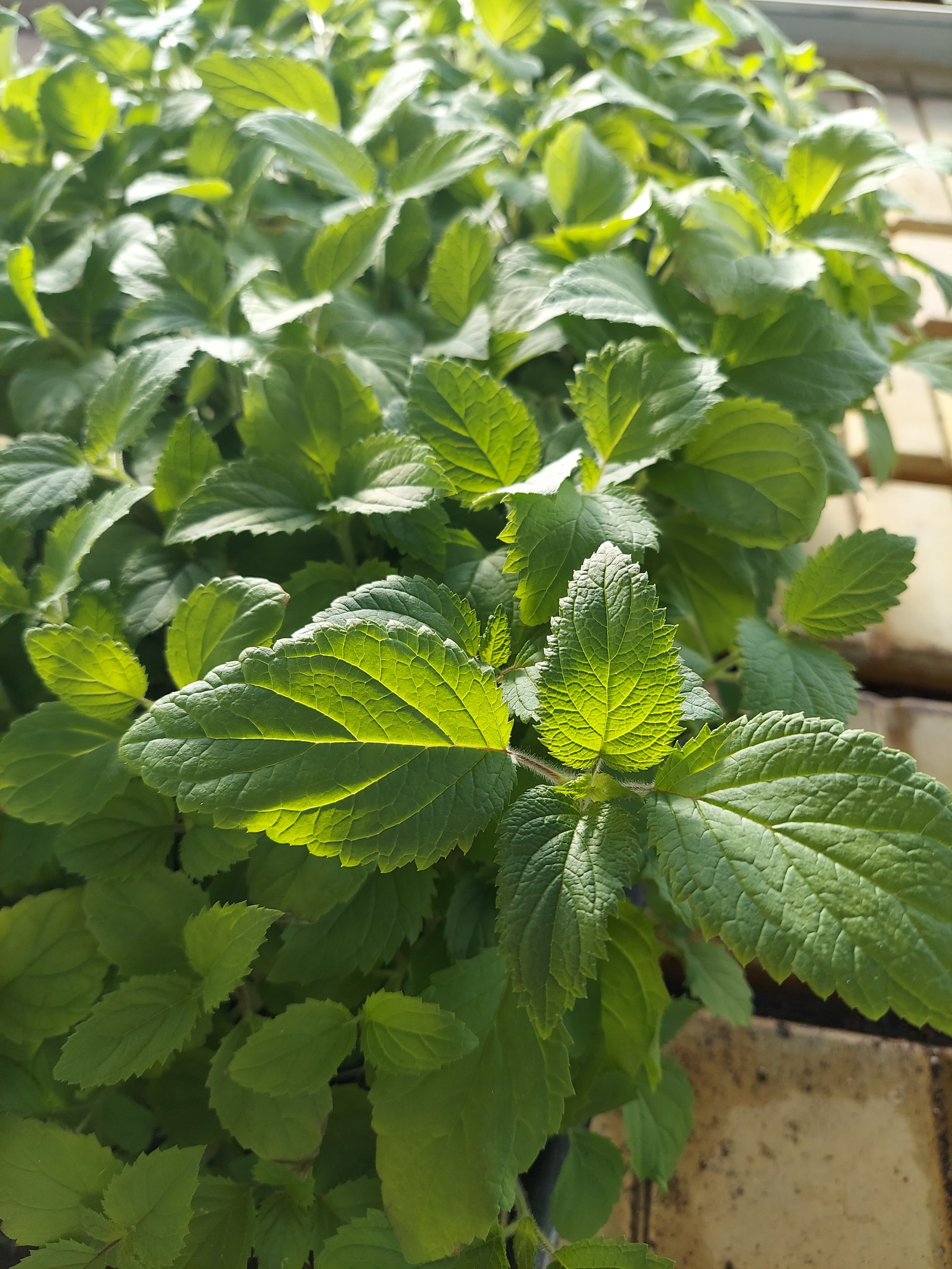 Image 6 of 6