Sale Price:
$2.00
Original Price:
$3.00
False Aster (Boltonia asteroides)
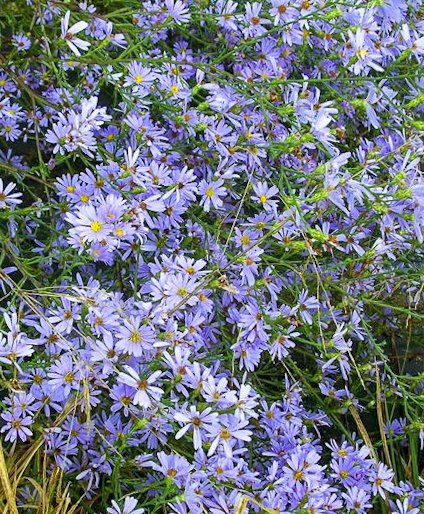
Boltonia asteroides, more commonly known as False Aster, White Doll's Daisy, or False Chamomile is a species of flowering plant native to both the United States and Canada. This hardy perennial is primarily found throughout the Mississippi Valley and the Great Plains, ranging from Saskatchewan in the north all the way south to Texas and Florida. Additionally, there are isolated populations scattered throughout the eastern United States, highlighting its adaptable nature across diverse regions.
False Aster prefers wet to medium soil and grows best in full sun or partial shade. It blooms well in damp soil and sunny spots, reaching 3 to 5 feet tall depending on moisture. It can handle standing water for short times, making it great for rain gardens. It spreads slowly through underground roots. Many insects, like butterflies, bees, wasps, flies, skippers, moths, and beetles, are drawn to it.
Plant Details:
USDA Zones: 4-8
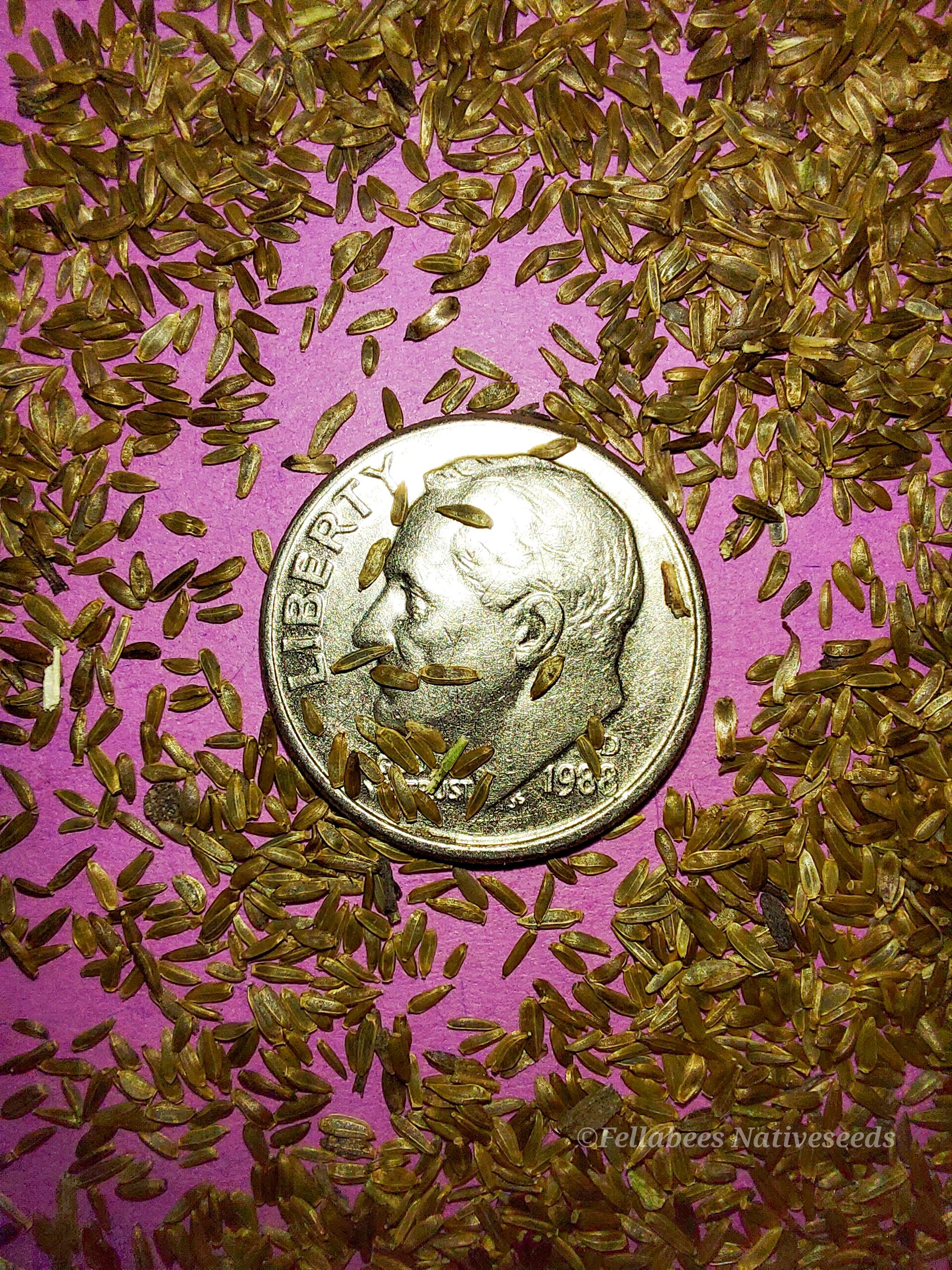
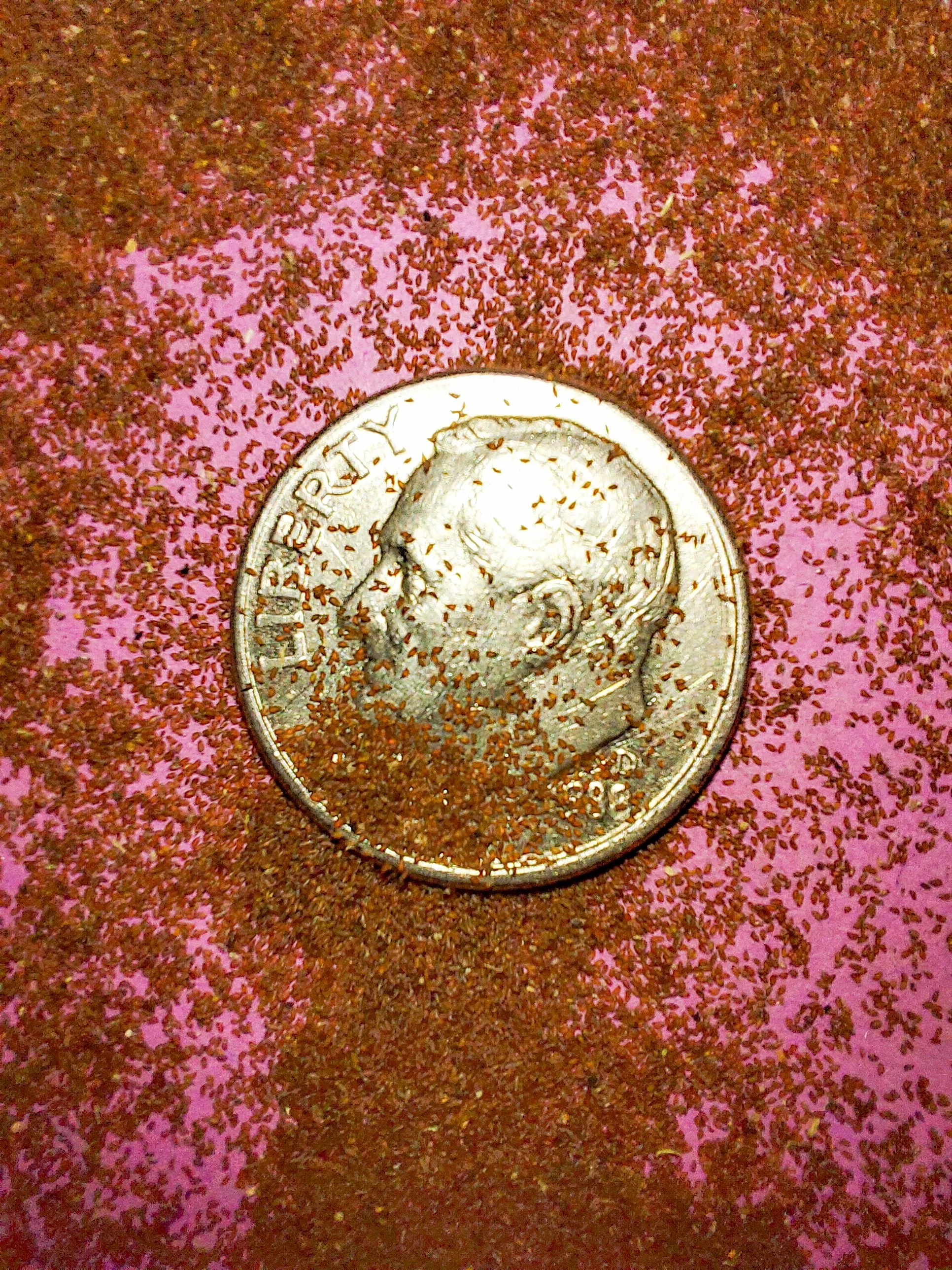
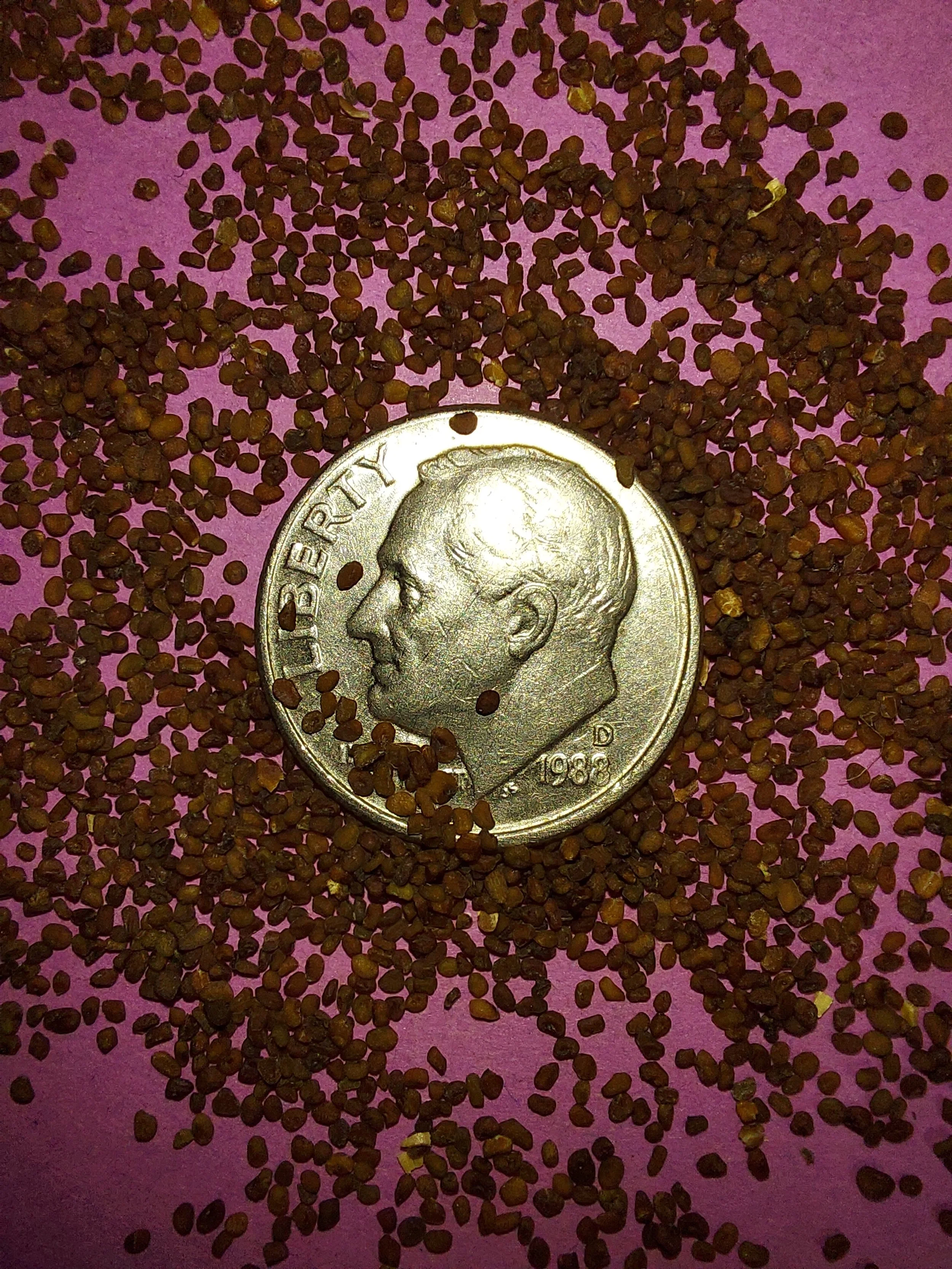
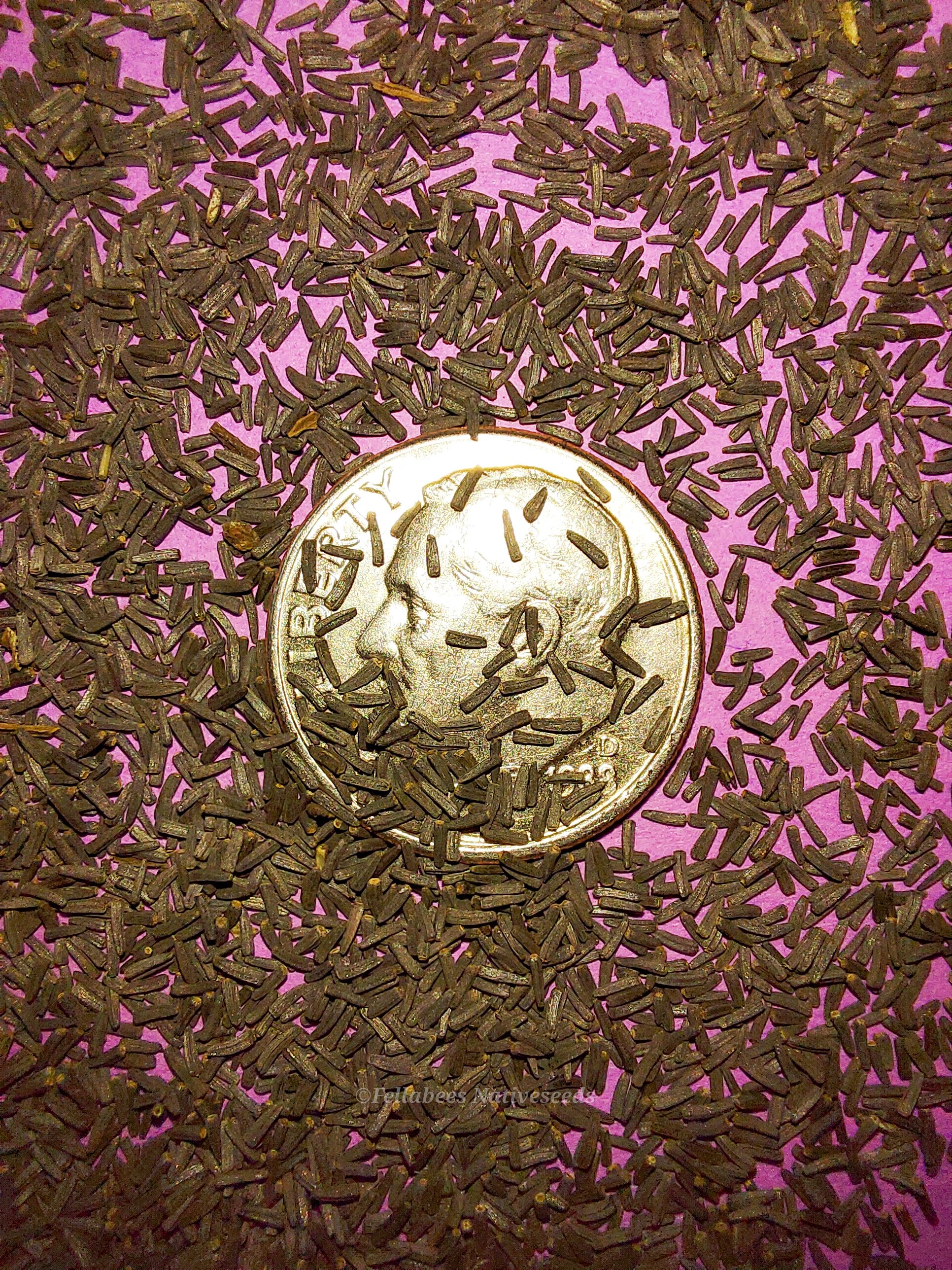
Germination Needs: Needs 60 Days Cold Stratification. Seeds are small needing light to germinate, surface sow and bottom water for best results.
Life Cycle: Perennial
Sun Exposure: Full to Partial
Soil Moisture: Wet, Medium-Wet, Medium
Plant Spacing: 2-4 feet
Height: 4 feet
Bloom time: August, September, October
Bloom Color: White
Advantages :
Pollinator Favorite: butterflies, moths, bees, wasps, beetles
Bird Favorite: seeds, insects, fruit, nectar, nesting, perchs.
Deer Resistant: Yes
Native to : Wisconsin, Minnesota, Iowa, Illinois, Indiana, Michigan, Ohio, Pennsylvania, Vermont, Massachusetts, Rhode Island, Connecticut, Delaware, Maryland, Virginia, Kentucky, Tennessee, North Carolina, South Carolina, Georgia, Florida, Alabama, Mississippi, Louisiana, Arkansas, Missouri, Texas, Oklahoma, Kansas, Nebraska, South Dakota, and North Dakota.
This plant is considered present but rare in several counties of the states of Pennsylvania, New Jersey, Maryland, Delaware, Virginia, North Carolina, Georgia, Texas and Nebraska.
This plant is introduced to several counties of the states of New York, New Hampshire, Maine, Connecticut, Idaho, Washington State and Oregon.
Seed Count: 25+
.
.
Packet quantities:
We pride ourselves on ethical, hands on, ecological management, using no mechanical or chemical methods whatsoever.
All of our native seed is hand reared, hand picked, and hand packed from native prairies under our exclusive management, never breaking chain of custody from the field until it is sent to you. Each packet is hand prepared for shipment by us, directly.
Small seed species will contain greater than 20-25 seed
Large seed species will contain greater than 10-15 seed
All packets are individually marked at the bottom of the front label with expected count, however most if not all packets will have many more than the minimum count by default.
It is our mission to spread the wealth of native plant and pollinator ecological sustainability, and educate back yard gardeners as well as corporate and government entities in how to germinate, grow, and benefit from native synergies.
Thank you for your support, it is because of you, that we can grow together to do, what we do.🐛🦋🐝🐞🌾🌱🌼🧡
False Aster (Boltonia asteroides)
Boltonia asteroides, more commonly known as False Aster, White Doll's Daisy, or False Chamomile is a species of flowering plant native to both the United States and Canada. This hardy perennial is primarily found throughout the Mississippi Valley and the Great Plains, ranging from Saskatchewan in the north all the way south to Texas and Florida. Additionally, there are isolated populations scattered throughout the eastern United States, highlighting its adaptable nature across diverse regions.
False Aster prefers wet to medium soil and grows best in full sun or partial shade. It blooms well in damp soil and sunny spots, reaching 3 to 5 feet tall depending on moisture. It can handle standing water for short times, making it great for rain gardens. It spreads slowly through underground roots. Many insects, like butterflies, bees, wasps, flies, skippers, moths, and beetles, are drawn to it.
Plant Details:
USDA Zones: 4-8
Germination Needs: Needs 60 Days Cold Stratification. Seeds are small needing light to germinate, surface sow and bottom water for best results.
Life Cycle: Perennial
Sun Exposure: Full to Partial
Soil Moisture: Wet, Medium-Wet, Medium
Plant Spacing: 2-4 feet
Height: 4 feet
Bloom time: August, September, October
Bloom Color: White
Advantages :
Pollinator Favorite: butterflies, moths, bees, wasps, beetles
Bird Favorite: seeds, insects, fruit, nectar, nesting, perchs.
Deer Resistant: Yes
Native to : Wisconsin, Minnesota, Iowa, Illinois, Indiana, Michigan, Ohio, Pennsylvania, Vermont, Massachusetts, Rhode Island, Connecticut, Delaware, Maryland, Virginia, Kentucky, Tennessee, North Carolina, South Carolina, Georgia, Florida, Alabama, Mississippi, Louisiana, Arkansas, Missouri, Texas, Oklahoma, Kansas, Nebraska, South Dakota, and North Dakota.
This plant is considered present but rare in several counties of the states of Pennsylvania, New Jersey, Maryland, Delaware, Virginia, North Carolina, Georgia, Texas and Nebraska.
This plant is introduced to several counties of the states of New York, New Hampshire, Maine, Connecticut, Idaho, Washington State and Oregon.
Seed Count: 25+
.
.
Packet quantities:
We pride ourselves on ethical, hands on, ecological management, using no mechanical or chemical methods whatsoever.
All of our native seed is hand reared, hand picked, and hand packed from native prairies under our exclusive management, never breaking chain of custody from the field until it is sent to you. Each packet is hand prepared for shipment by us, directly.
Small seed species will contain greater than 20-25 seed
Large seed species will contain greater than 10-15 seed
All packets are individually marked at the bottom of the front label with expected count, however most if not all packets will have many more than the minimum count by default.
It is our mission to spread the wealth of native plant and pollinator ecological sustainability, and educate back yard gardeners as well as corporate and government entities in how to germinate, grow, and benefit from native synergies.
Thank you for your support, it is because of you, that we can grow together to do, what we do.🐛🦋🐝🐞🌾🌱🌼🧡
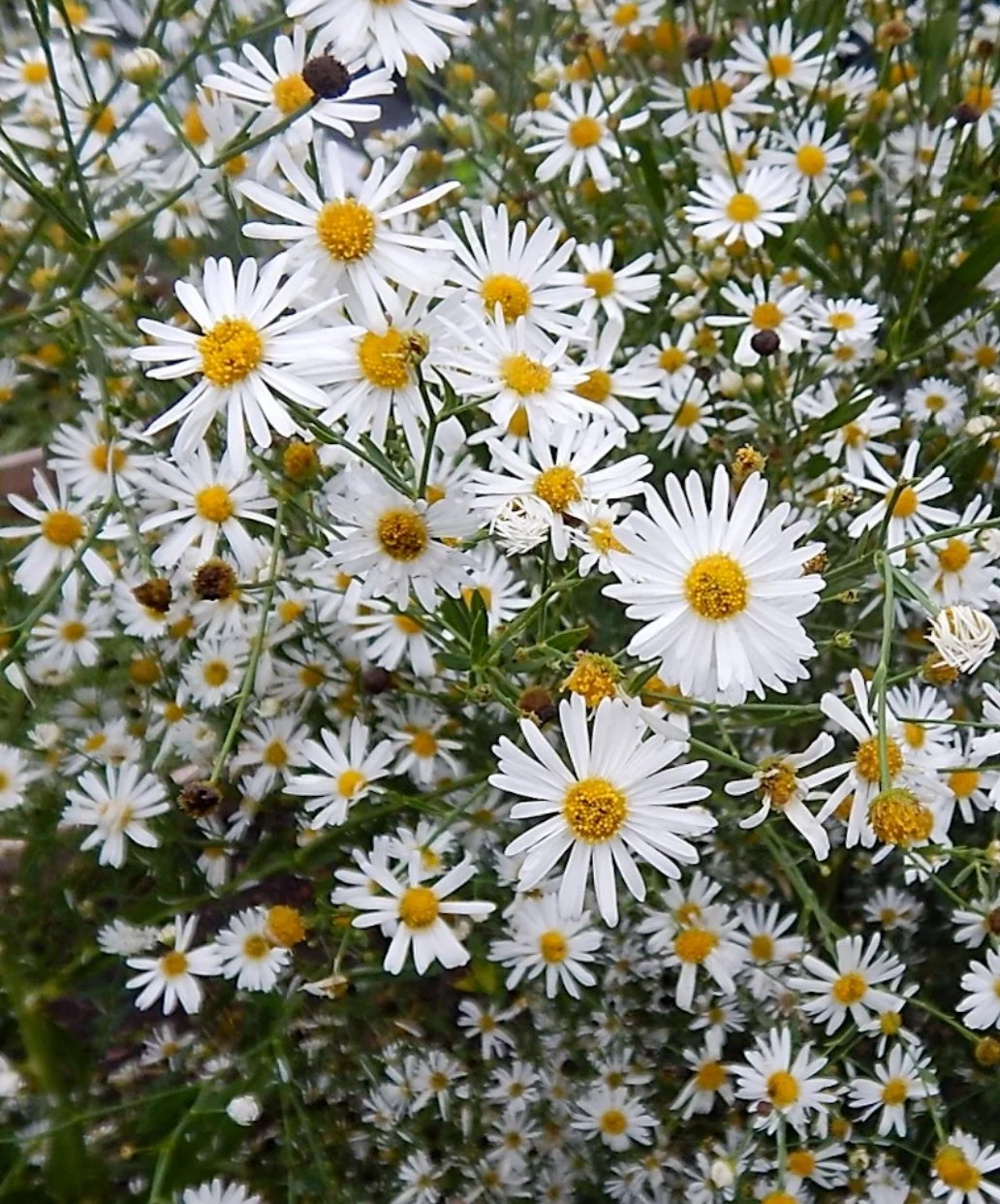 Image 1 of 5
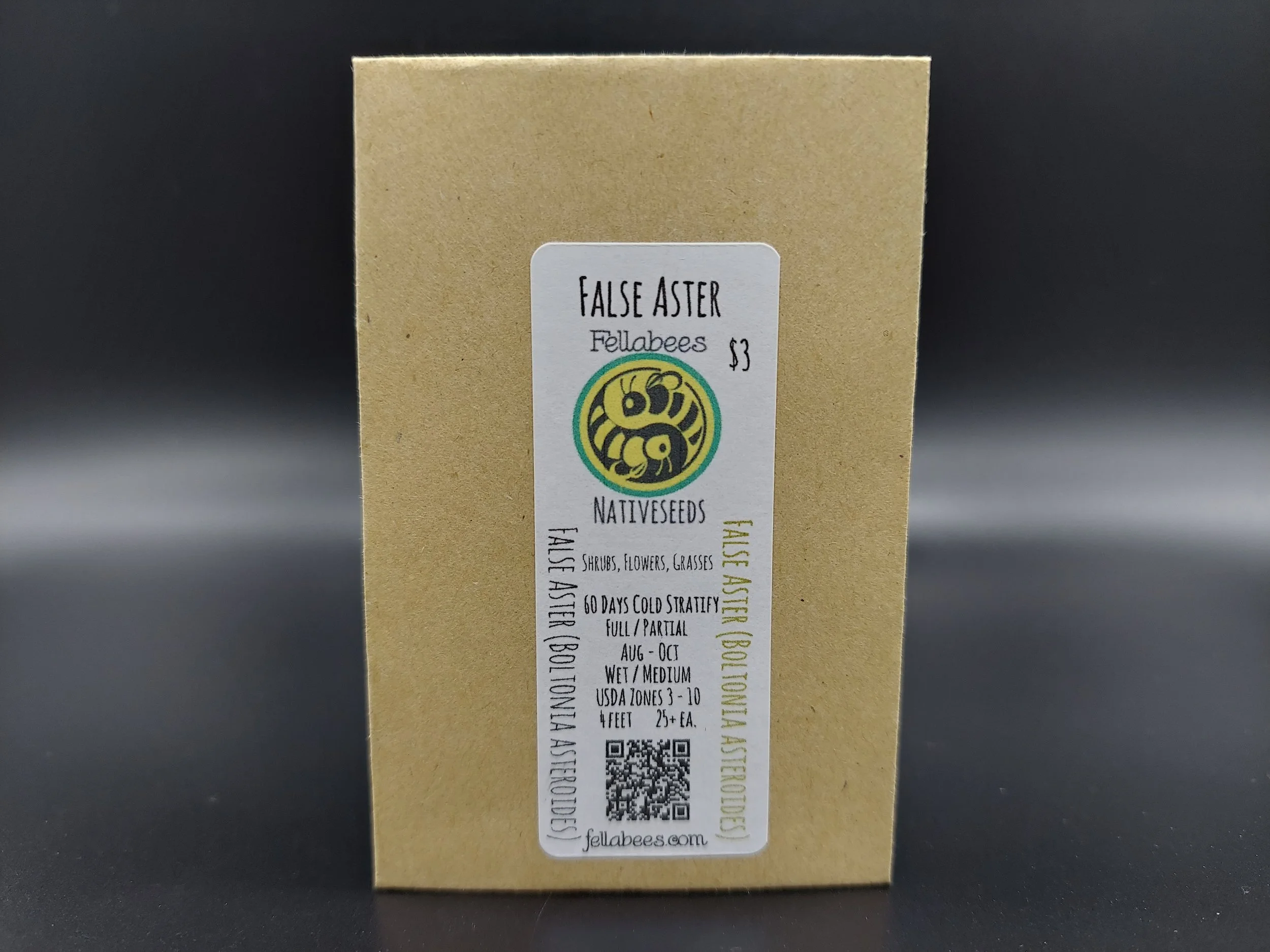 Image 2 of 5
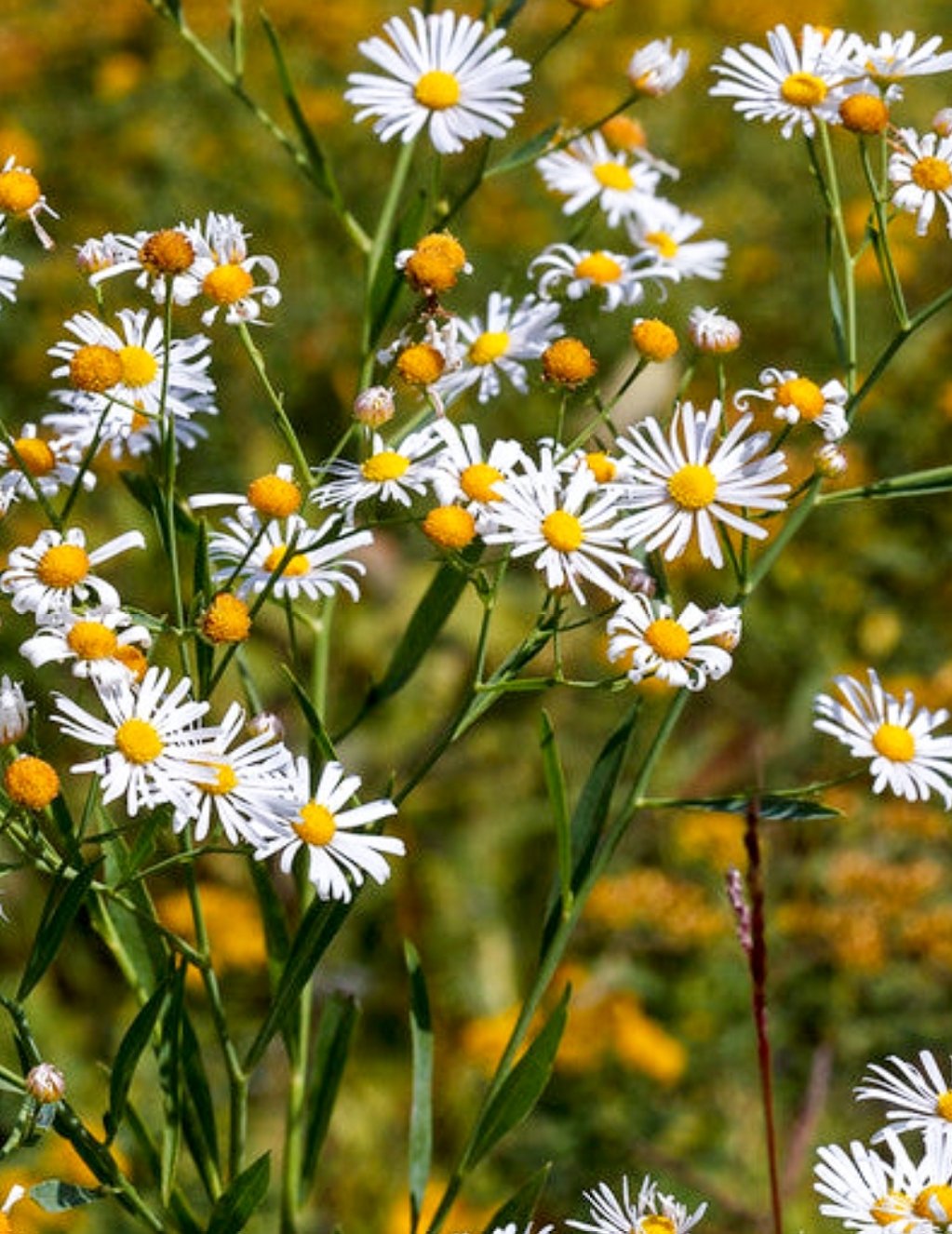 Image 3 of 5
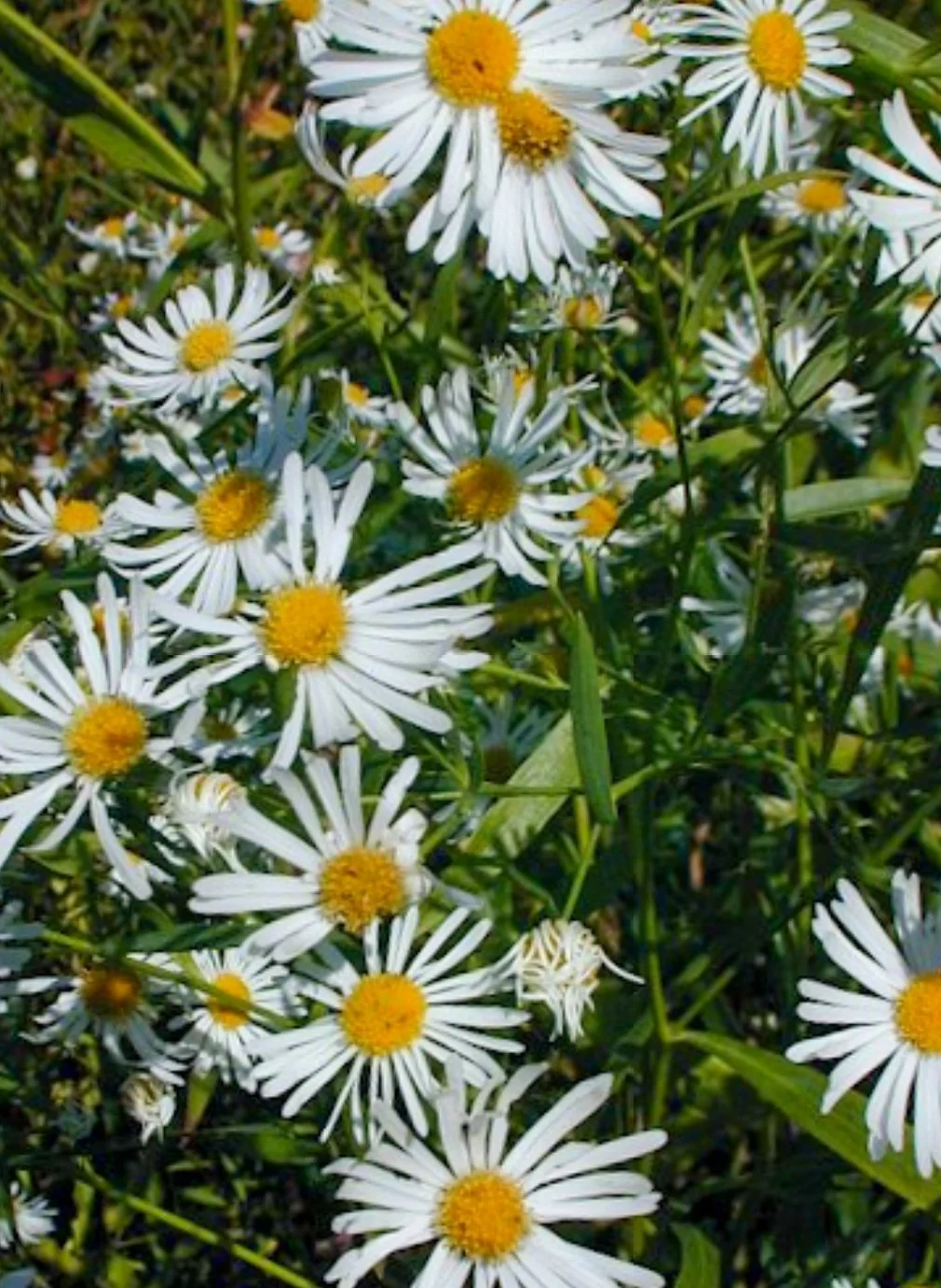 Image 4 of 5
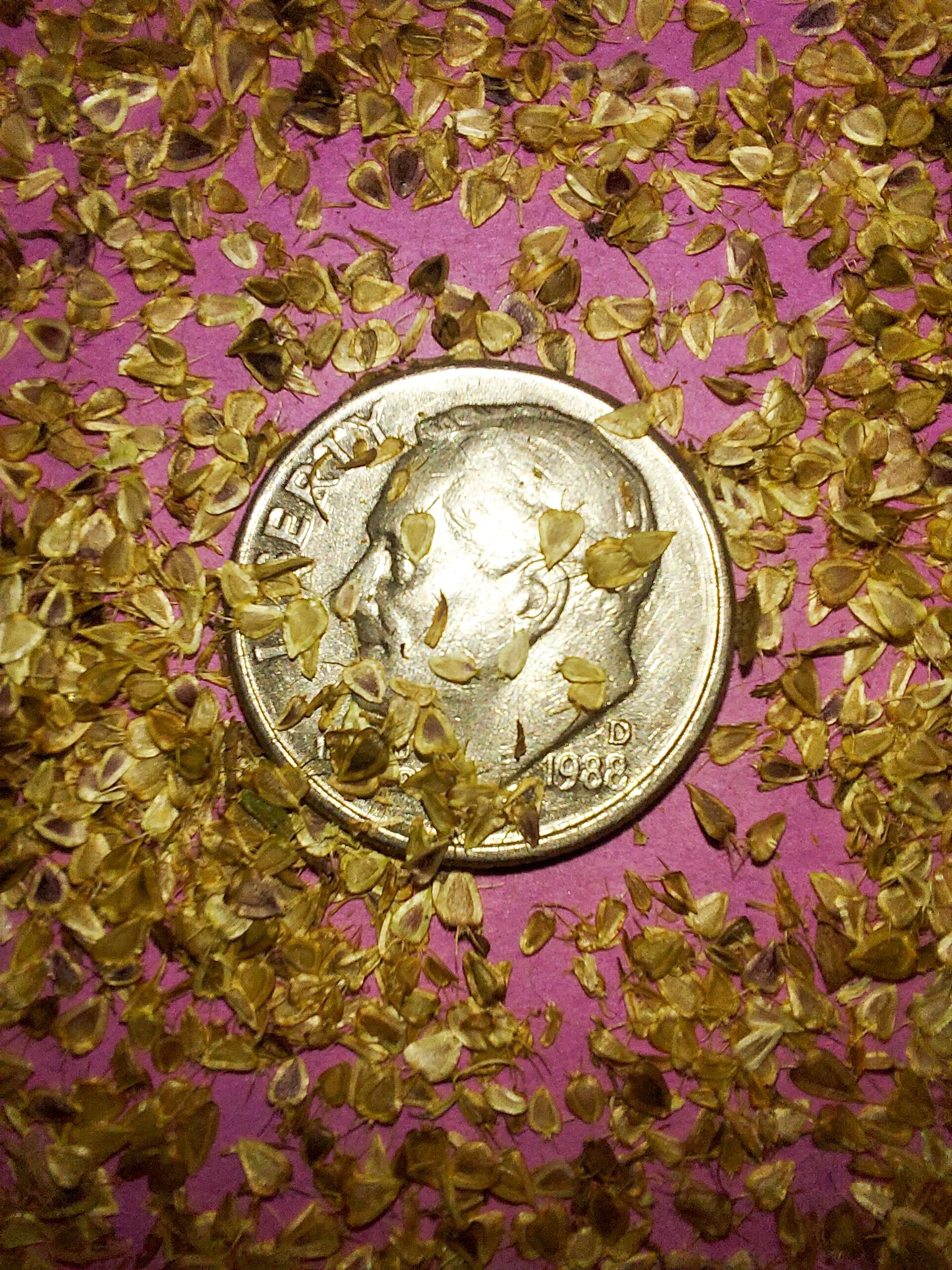 Image 5 of 5