Sale Price:
$1.00
Original Price:
$3.00
Field Oval Sedge (Carex molesta)
Carex molesta is a species of sedge commonly called Field Oval Sedge. It is native to eastern and central North America and occurs across a range of wet and dry habitats. This adaptable plant performs well in both full sun and partial shade and readily establishes in a variety of settings, including disturbed sites such as roadsides and ditches.
Carex molesta — ecological benefits and faunal associations.
Field Oval Sedge provides several tangible ecological benefits that support healthier, more resilient natural systems.
Soil stabilization and erosion control: Its dense, fibrous root system and clumping growth habit bind soil effectively in moist, shaded sites. This makes C. molesta a strong choice for stabilizing streambanks, damp slopes, rain gardens, and other areas prone to surface erosion.
Water quality and hydrologic function: By slowing surface runoff and promoting infiltration, stands of C. molesta help reduce sediment transport and nutrient runoff into waterways. In wetland margins and riparian zones, it contributes to natural filtration processes that improve local water quality.
Food resource: The seeds and vegetative material of C. molesta are consumed by a variety of animals. Small granivorous birds and seed-eating mammals use its seed crop as part of their diets, supporting local food webs, especially in fall and winter when other resources decline.
Shelter, breeding, and microhabitats: The dense foliage and tussock structure create important shelter and nesting sites. Amphibians use the cool, moist cover for foraging and reproduction; ground-nesting birds may take advantage of the concealment; and a diversity of invertebrates (including pollinators, detritivores, and predators) find habitat within and beneath the clumps.
Biodiversity and community structure: By occupying moist, shaded niches where many upland species do not thrive, C. molesta helps increase habitat heterogeneity. This structural and functional diversity supports more complex food webs and increases resilience to disturbance.
Native plant community function: When included in native seed mixes or restoration plantings, C. molesta contributes to the reestablishment of natural plant assemblages typical of wetlands, riparian corridors, and shaded lowlands, promoting long-term ecosystem recovery and stability.
In summary, Carex molesta is a useful native sedge for restoring and enhancing moist, shaded ecosystems: it stabilizes soil, improves hydrologic function, provides food and shelter for birds, amphibians, mammals, and invertebrates, and supports overall biodiversity and ecosystem resilience.
Plant Details
USDA Zones: 3-8
Germination Needs: 60 Days Cold Stratification
Life Cycle: Perennial
Sun Exposure: Full, Partial, Shade
Soil Moisture: Medium-Wet, Medium, Medium-Dry, Dry
Plant Spacing: 1-2 feet
Height: 3 feet
Bloom time: June, July
Bloom Color: Green
Advantages:
Bird Favorite: seeds, insects, fruit, nectar, nesting, perches.
Deer Resistant: Yes
Native to : Wisconsin, Minnesota, Iowa, Illinois, Indiana, Michigan, Ohio, Pennsylvania, New York, Vermont, New Hampshire, Massachusetts, Connecticut, New Jersey, Delaware, Maryland, West Virginia, Virginia, Kentucky, Tennessee, Alabama, Mississippi, Louisiana, Arkansas, Missouri, Oklahoma, Kansas, Nebraska, South Dakota, North Dakota, Colorado, and California.
This species is considered present but rare in several counties of the states of Pennsylvania, New York, Vermont, Massachusetts, Maryland, West Virginia, Virginia and Colorado.
This species is considered extirpated (locally extinct) in one county of the state of Delaware.
.
.
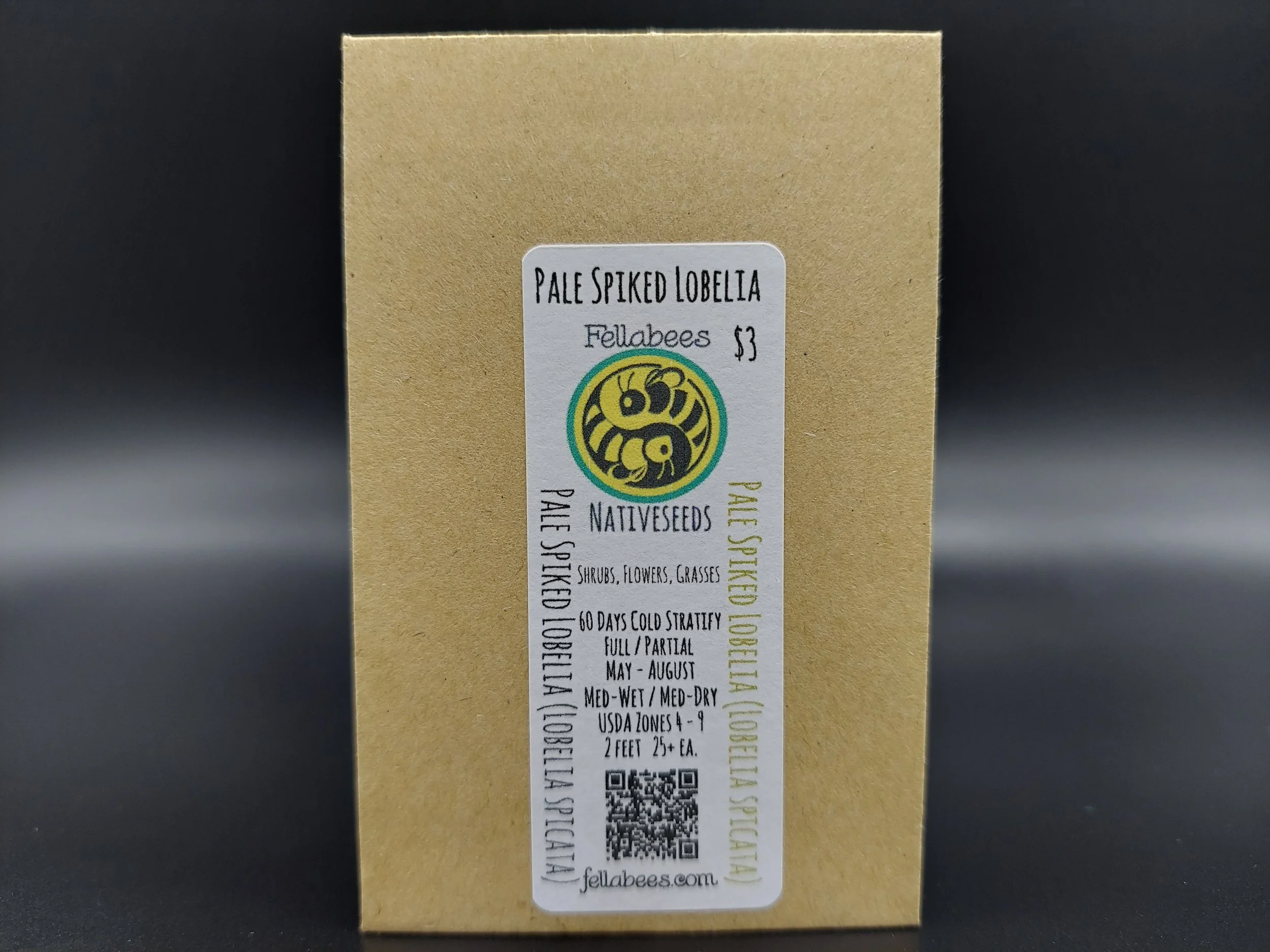
Packet quantities:
We pride ourselves on ethical, hands on, ecological management, using no mechanical or chemical methods whatsoever.
All of our native seed is hand reared, hand picked, and hand packed from native prairies under our exclusive management, never breaking chain of custody from the field until it is sent to you. Each packet is hand prepared for shipment by us, directly.
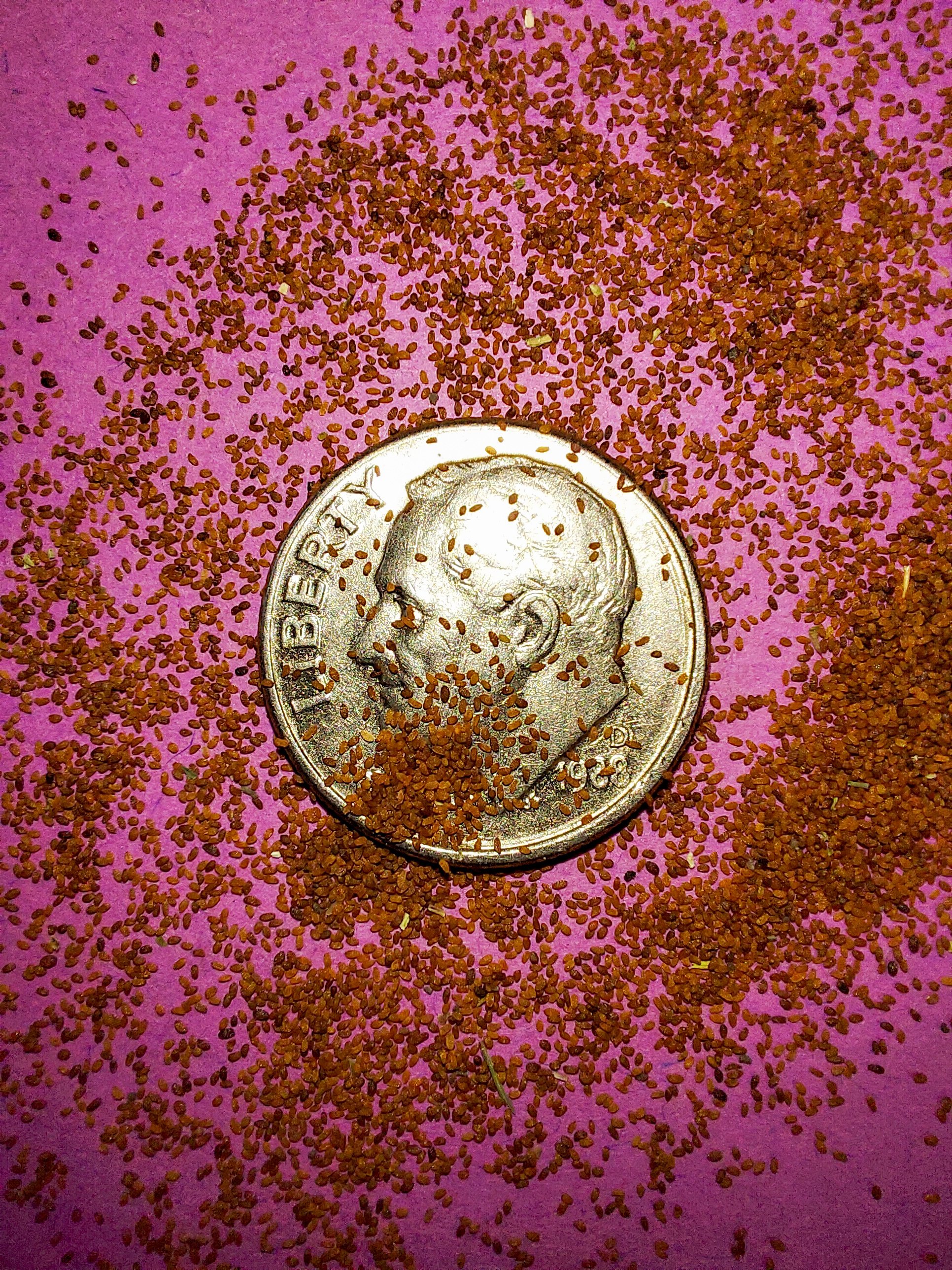
Small seed species will contain greater than 20-25 seed
Large seed species will contain greater than 10-15 seed
All packets are individually marked at the bottom of the front label with expected count, however most if not all packets will have many more than the minimum count by default.
It is our mission to spread the wealth of native plant and pollinator ecological sustainability and educate back yard gardeners as well as corporate and government entities in how to germinate, grow, and benefit from native synergies.
Thank you for your support, it is because of you, that we can grow together to do, what we do. 🐛🦋🐝🐞🌾🌱🌼🧡
Field Oval Sedge (Carex molesta)
Carex molesta is a species of sedge commonly called Field Oval Sedge. It is native to eastern and central North America and occurs across a range of wet and dry habitats. This adaptable plant performs well in both full sun and partial shade and readily establishes in a variety of settings, including disturbed sites such as roadsides and ditches.
Carex molesta — ecological benefits and faunal associations.
Field Oval Sedge provides several tangible ecological benefits that support healthier, more resilient natural systems.
Soil stabilization and erosion control: Its dense, fibrous root system and clumping growth habit bind soil effectively in moist, shaded sites. This makes C. molesta a strong choice for stabilizing streambanks, damp slopes, rain gardens, and other areas prone to surface erosion.
Water quality and hydrologic function: By slowing surface runoff and promoting infiltration, stands of C. molesta help reduce sediment transport and nutrient runoff into waterways. In wetland margins and riparian zones, it contributes to natural filtration processes that improve local water quality.
Food resource: The seeds and vegetative material of C. molesta are consumed by a variety of animals. Small granivorous birds and seed-eating mammals use its seed crop as part of their diets, supporting local food webs, especially in fall and winter when other resources decline.
Shelter, breeding, and microhabitats: The dense foliage and tussock structure create important shelter and nesting sites. Amphibians use the cool, moist cover for foraging and reproduction; ground-nesting birds may take advantage of the concealment; and a diversity of invertebrates (including pollinators, detritivores, and predators) find habitat within and beneath the clumps.
Biodiversity and community structure: By occupying moist, shaded niches where many upland species do not thrive, C. molesta helps increase habitat heterogeneity. This structural and functional diversity supports more complex food webs and increases resilience to disturbance.
Native plant community function: When included in native seed mixes or restoration plantings, C. molesta contributes to the reestablishment of natural plant assemblages typical of wetlands, riparian corridors, and shaded lowlands, promoting long-term ecosystem recovery and stability.
In summary, Carex molesta is a useful native sedge for restoring and enhancing moist, shaded ecosystems: it stabilizes soil, improves hydrologic function, provides food and shelter for birds, amphibians, mammals, and invertebrates, and supports overall biodiversity and ecosystem resilience.
Plant Details
USDA Zones: 3-8
Germination Needs: 60 Days Cold Stratification
Life Cycle: Perennial
Sun Exposure: Full, Partial, Shade
Soil Moisture: Medium-Wet, Medium, Medium-Dry, Dry
Plant Spacing: 1-2 feet
Height: 3 feet
Bloom time: June, July
Bloom Color: Green
Advantages:
Bird Favorite: seeds, insects, fruit, nectar, nesting, perches.
Deer Resistant: Yes
Native to : Wisconsin, Minnesota, Iowa, Illinois, Indiana, Michigan, Ohio, Pennsylvania, New York, Vermont, New Hampshire, Massachusetts, Connecticut, New Jersey, Delaware, Maryland, West Virginia, Virginia, Kentucky, Tennessee, Alabama, Mississippi, Louisiana, Arkansas, Missouri, Oklahoma, Kansas, Nebraska, South Dakota, North Dakota, Colorado, and California.
This species is considered present but rare in several counties of the states of Pennsylvania, New York, Vermont, Massachusetts, Maryland, West Virginia, Virginia and Colorado.
This species is considered extirpated (locally extinct) in one county of the state of Delaware.
.
.
Packet quantities:
We pride ourselves on ethical, hands on, ecological management, using no mechanical or chemical methods whatsoever.
All of our native seed is hand reared, hand picked, and hand packed from native prairies under our exclusive management, never breaking chain of custody from the field until it is sent to you. Each packet is hand prepared for shipment by us, directly.
Small seed species will contain greater than 20-25 seed
Large seed species will contain greater than 10-15 seed
All packets are individually marked at the bottom of the front label with expected count, however most if not all packets will have many more than the minimum count by default.
It is our mission to spread the wealth of native plant and pollinator ecological sustainability and educate back yard gardeners as well as corporate and government entities in how to germinate, grow, and benefit from native synergies.
Thank you for your support, it is because of you, that we can grow together to do, what we do. 🐛🦋🐝🐞🌾🌱🌼🧡
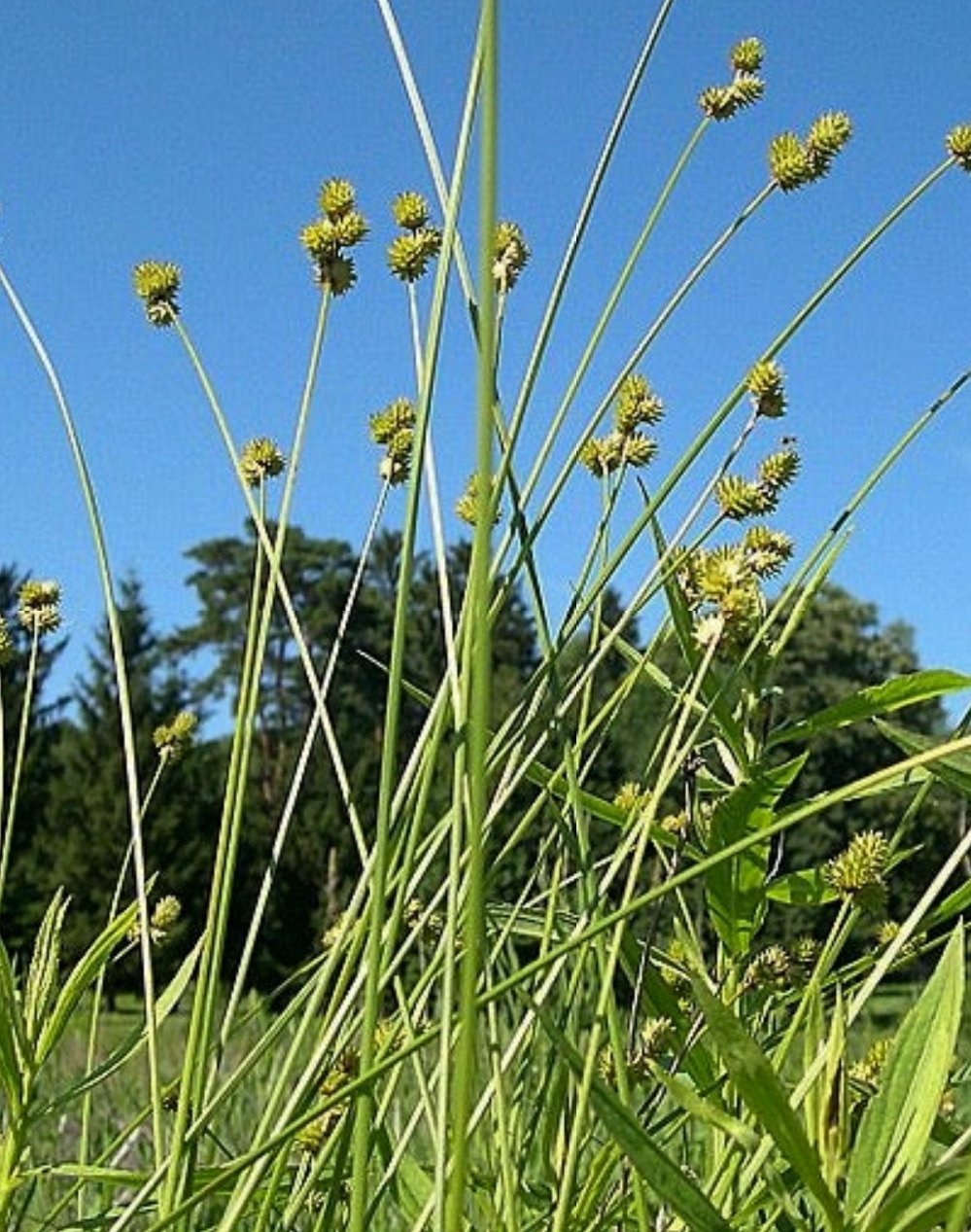 Image 1 of 5
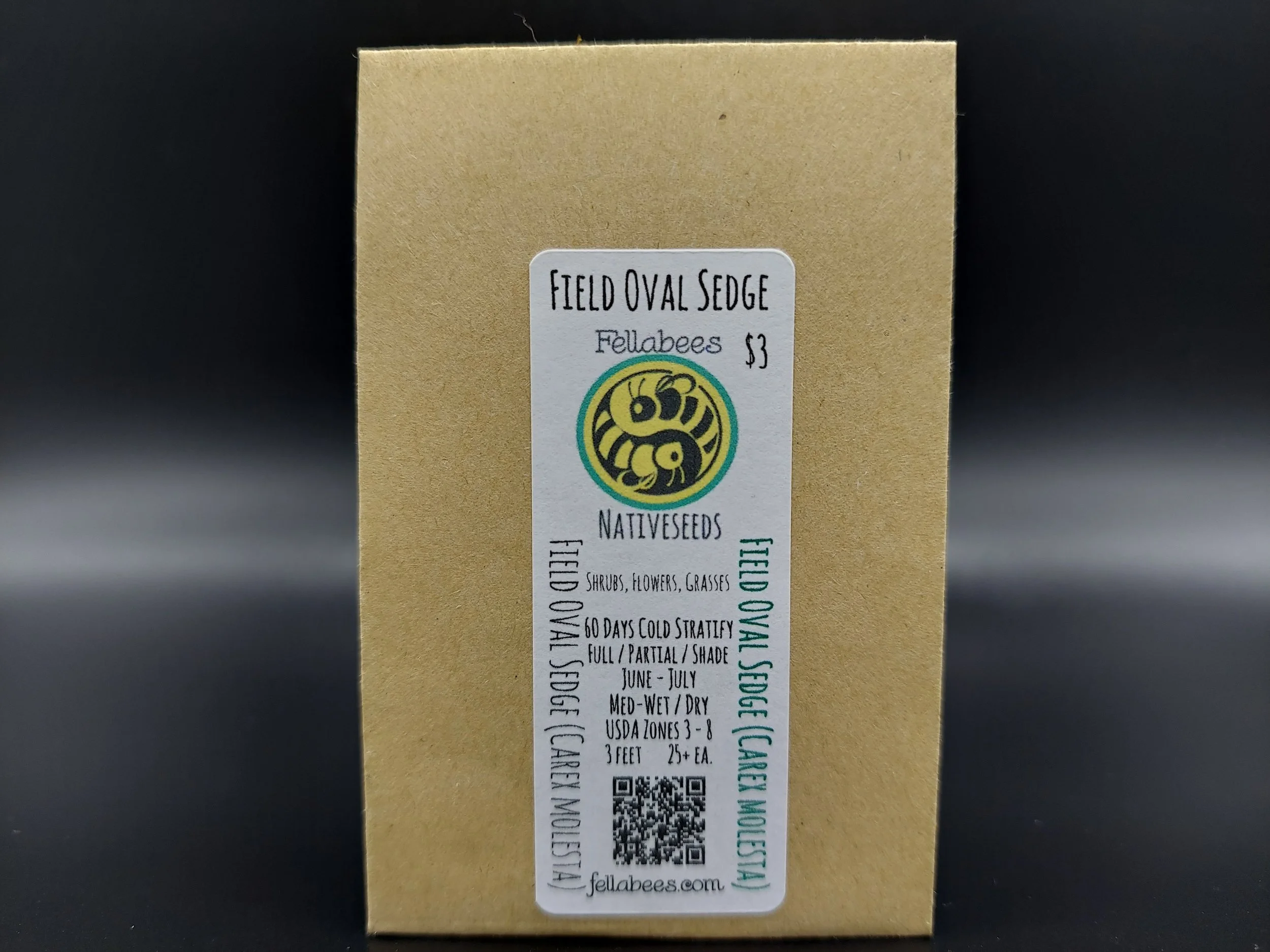 Image 2 of 5
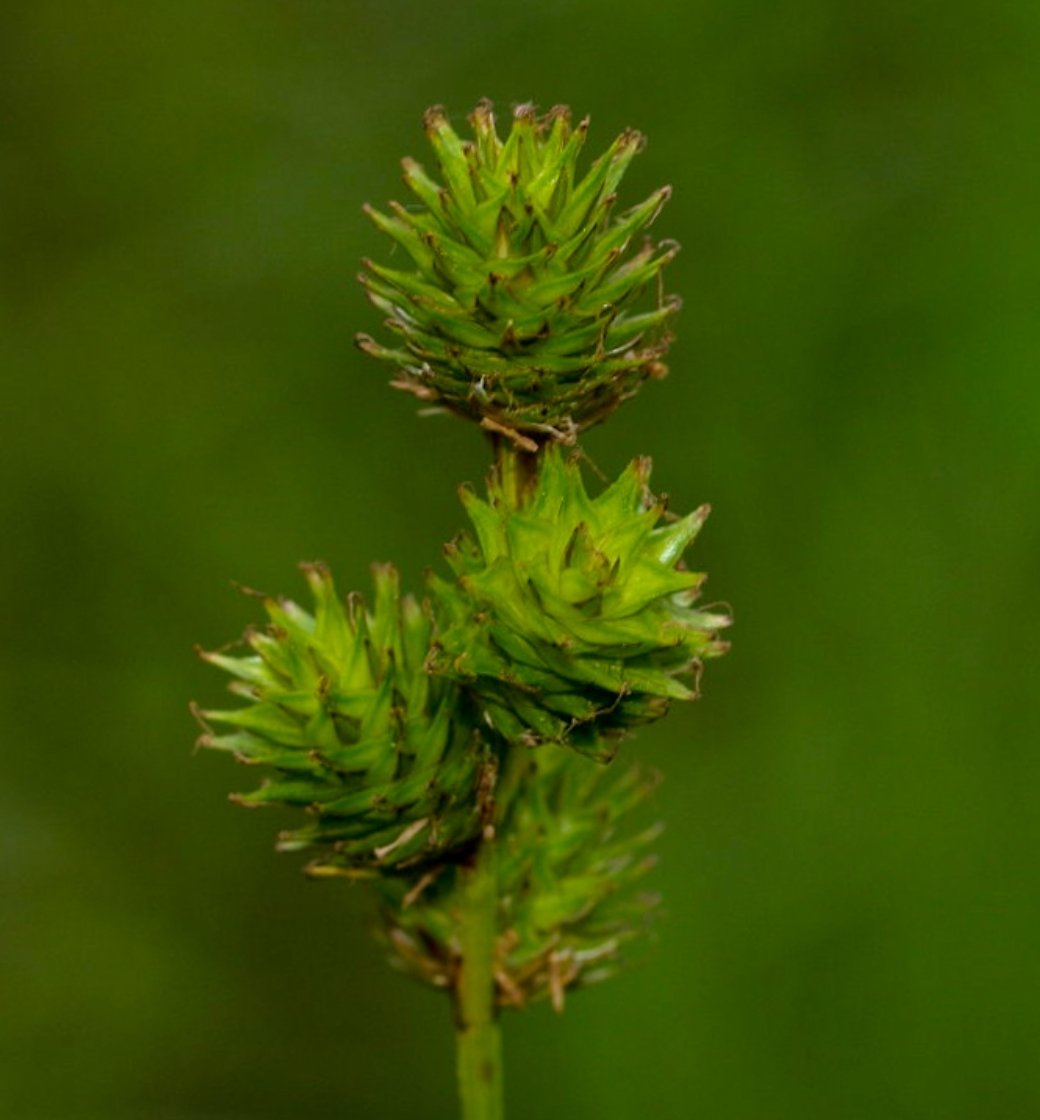 Image 3 of 5
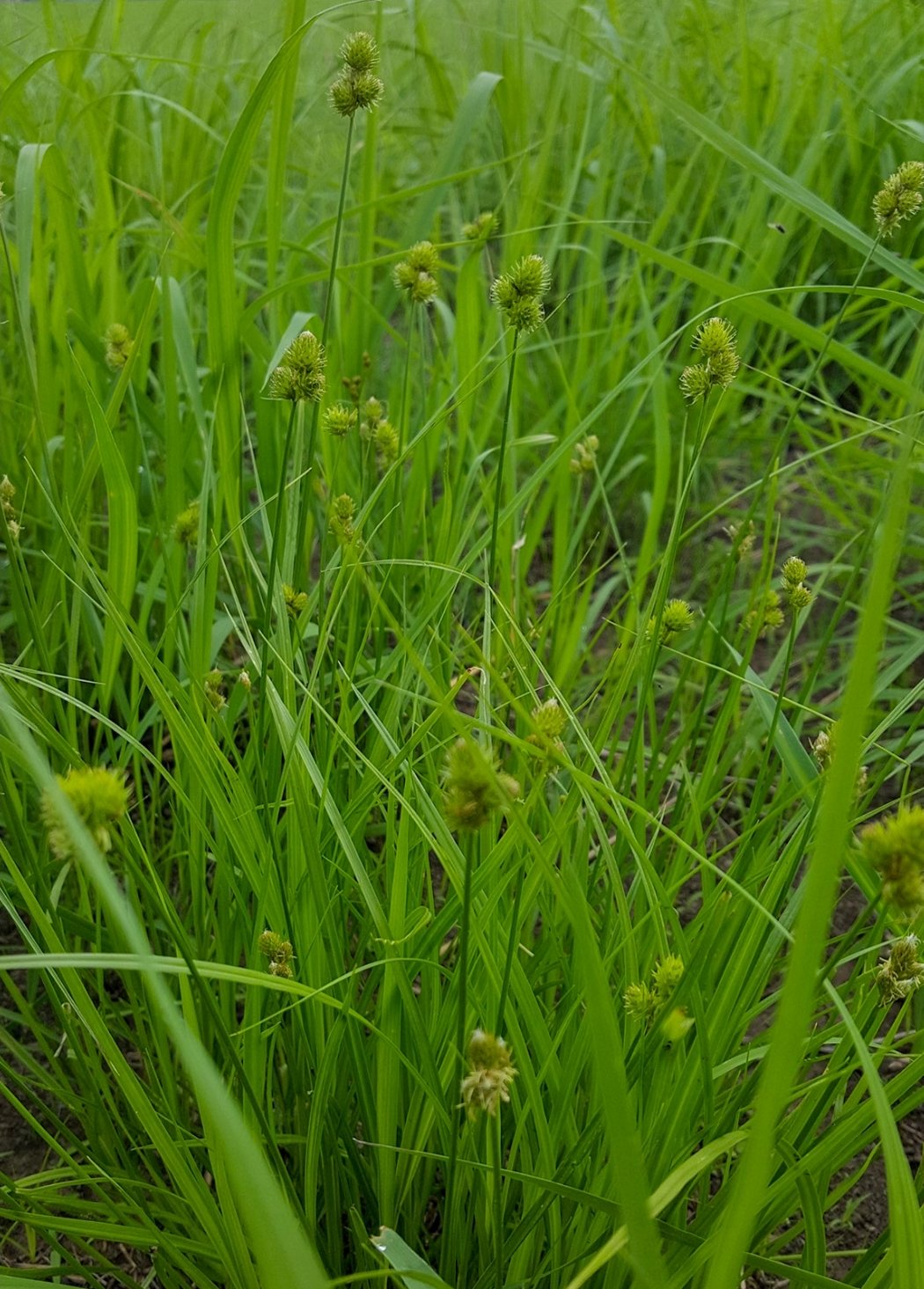 Image 4 of 5
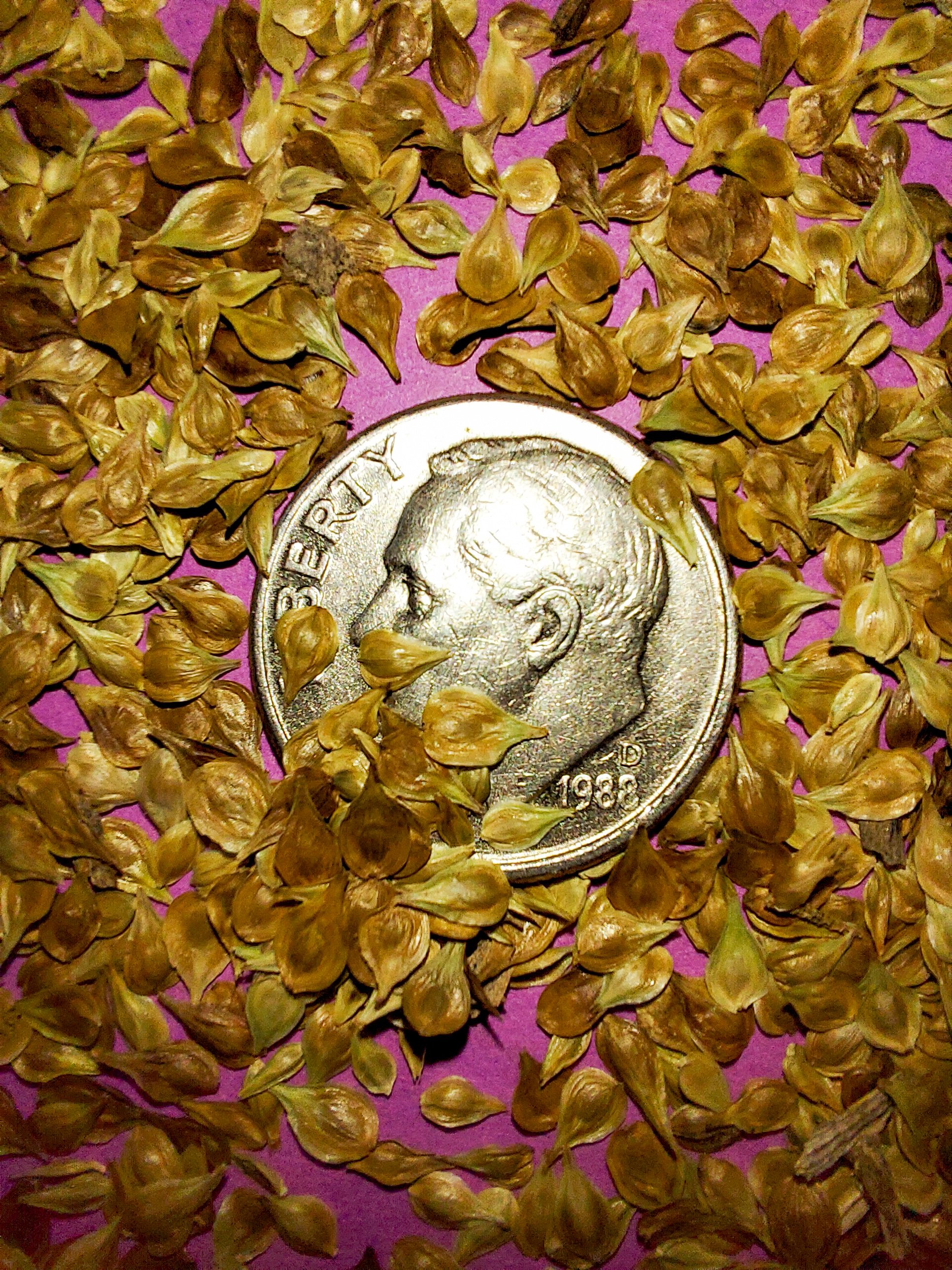 Image 5 of 5