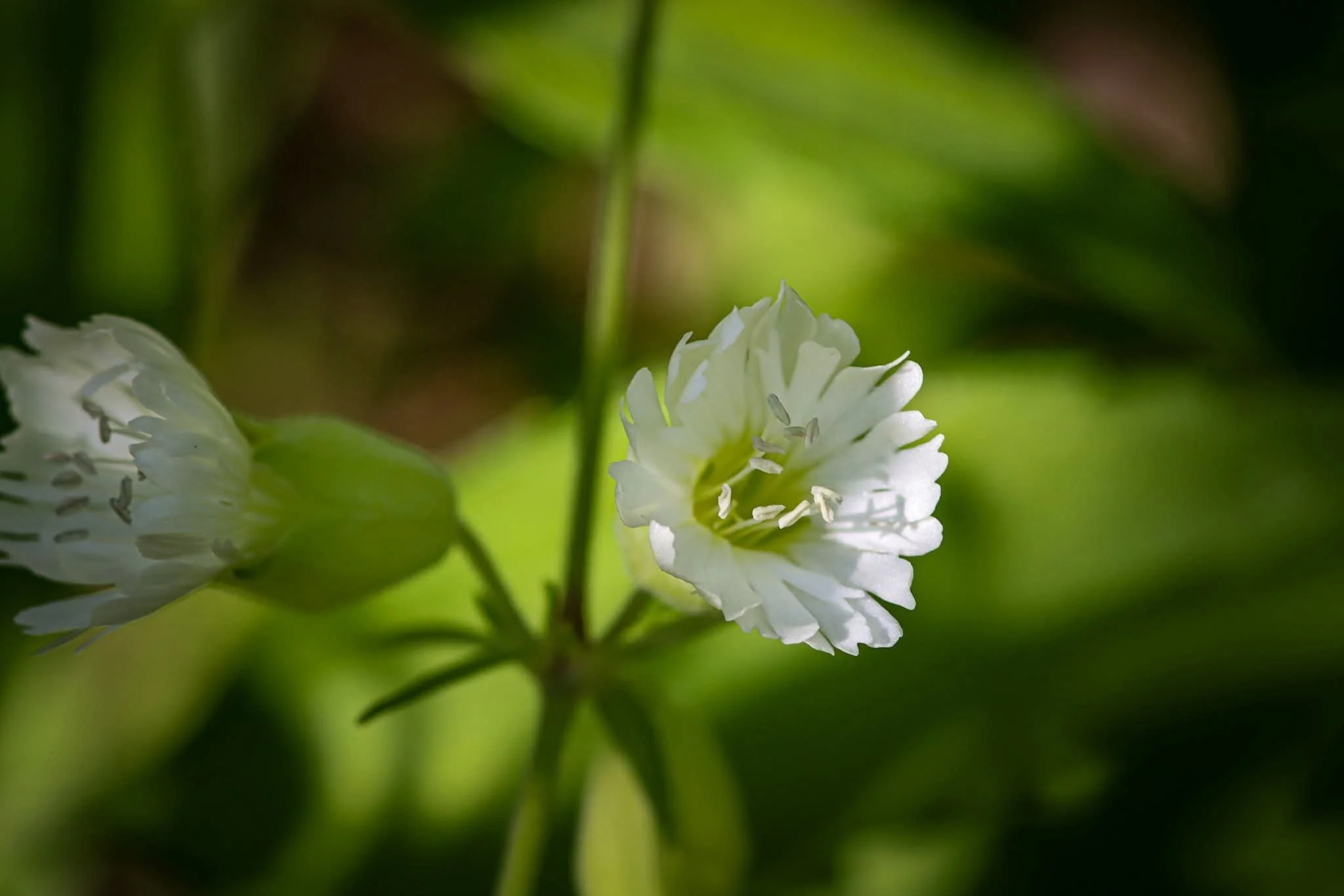
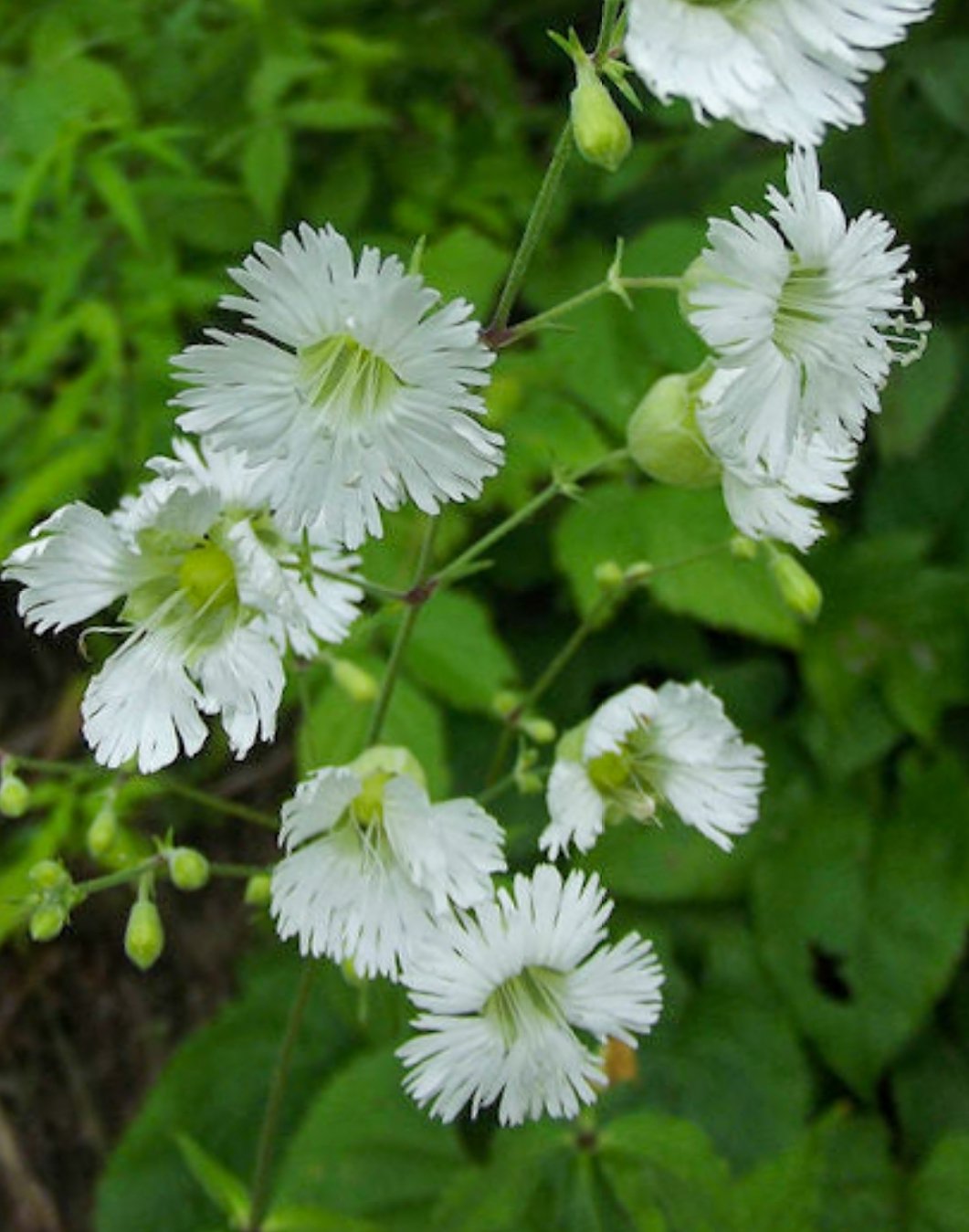
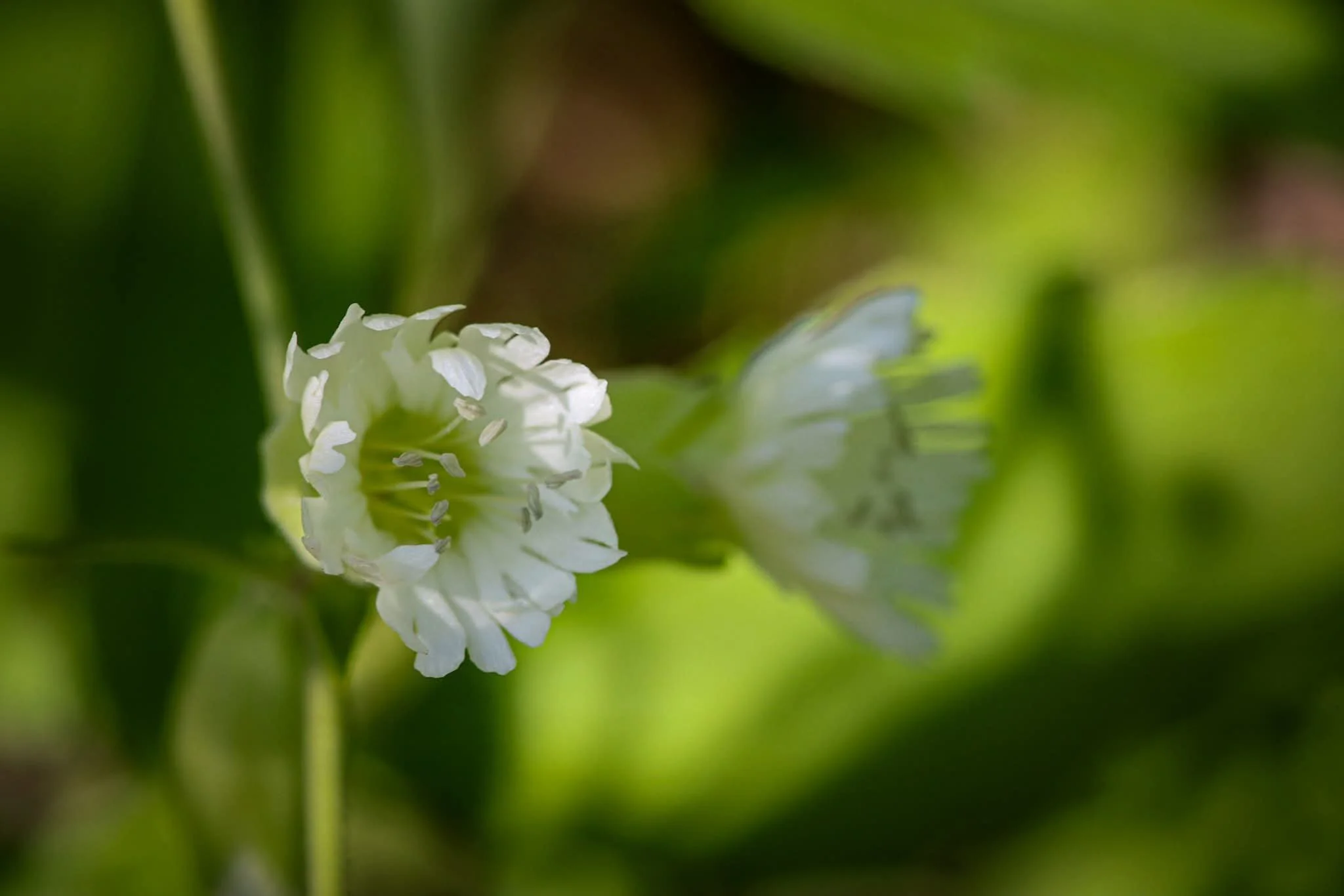
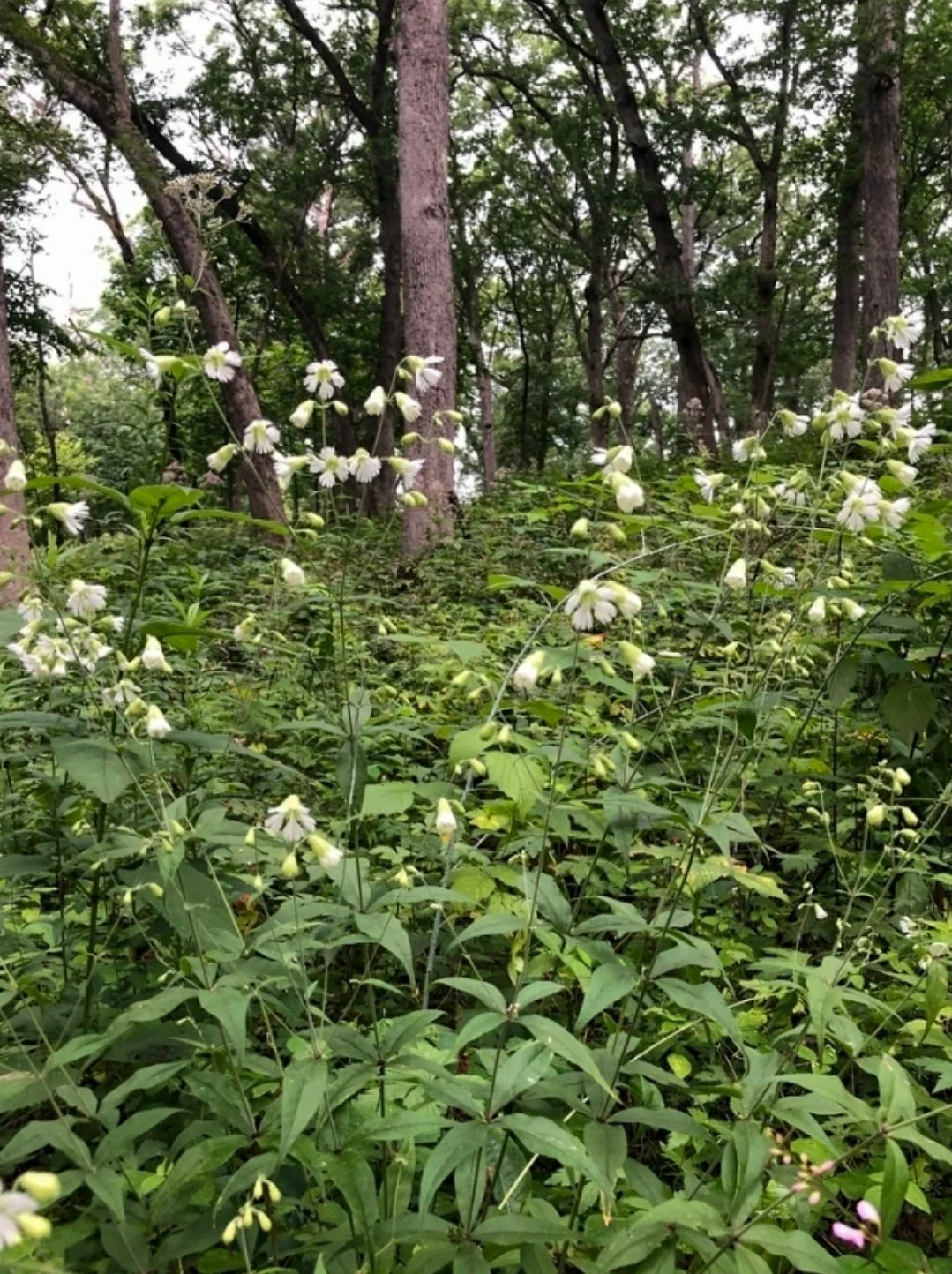
Water Hemlock (Cicuta maculata)
Cicuta maculata is the scientific name for this highly poisonous species of flowering plant in the carrot family, known by several common names including Water Hemlock, Spotted Water Hemlock, Spotted Parsley, and Spotted Cowbane. This plant is native across nearly all of North America, with a range that extends from the cold regions of northern Canada down through the United States and into parts of southern Mexico.
With its commanding 6-foot-tall stature and notorious reputation as one of North America’s most poisonous plants, Water Hemlock is likely to provoke a bit of pearl-clutching among a few overly cautious humanists. Our aim here, however, is narrower and steadier: to serve nature and native ecology. Seen in that light, we offer the quiet wisdom of Water Hemlock to those willing to look beyond fear and appreciate its form and function.
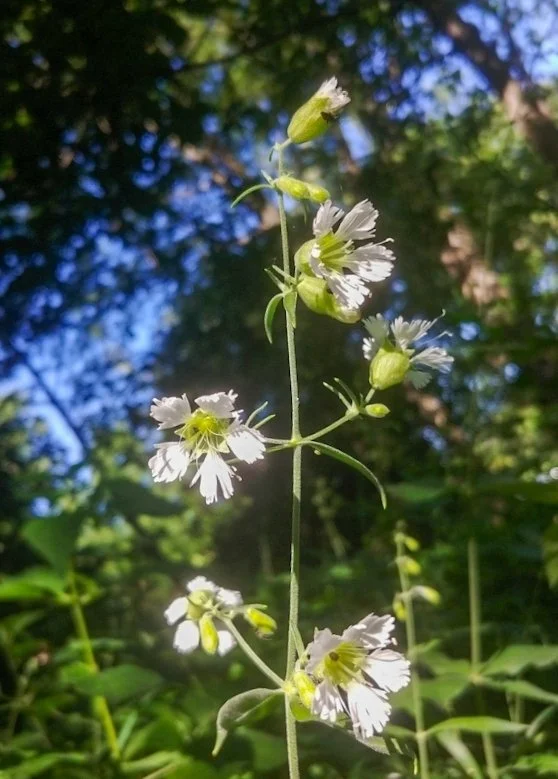
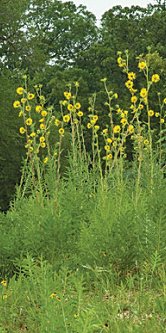
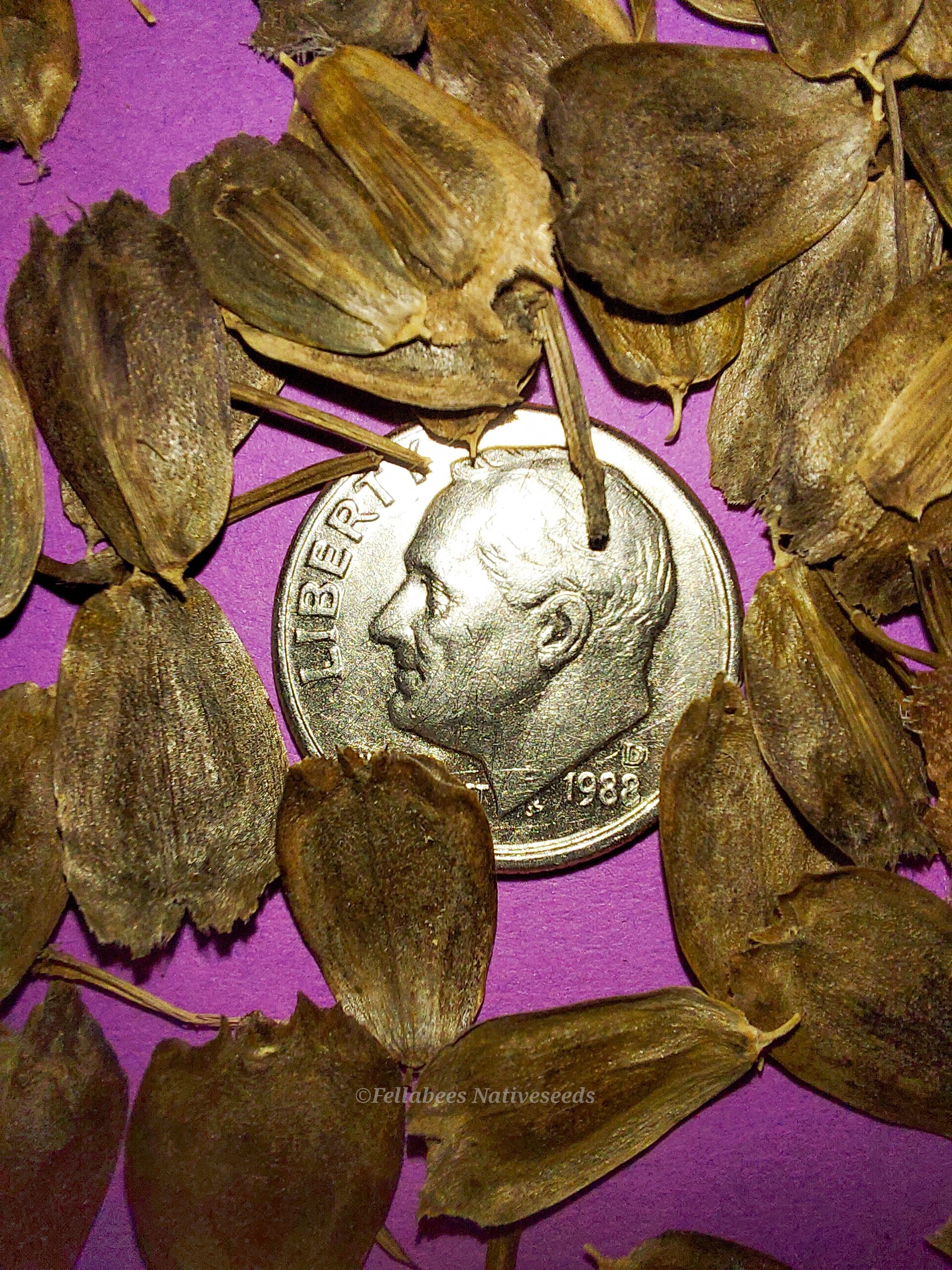
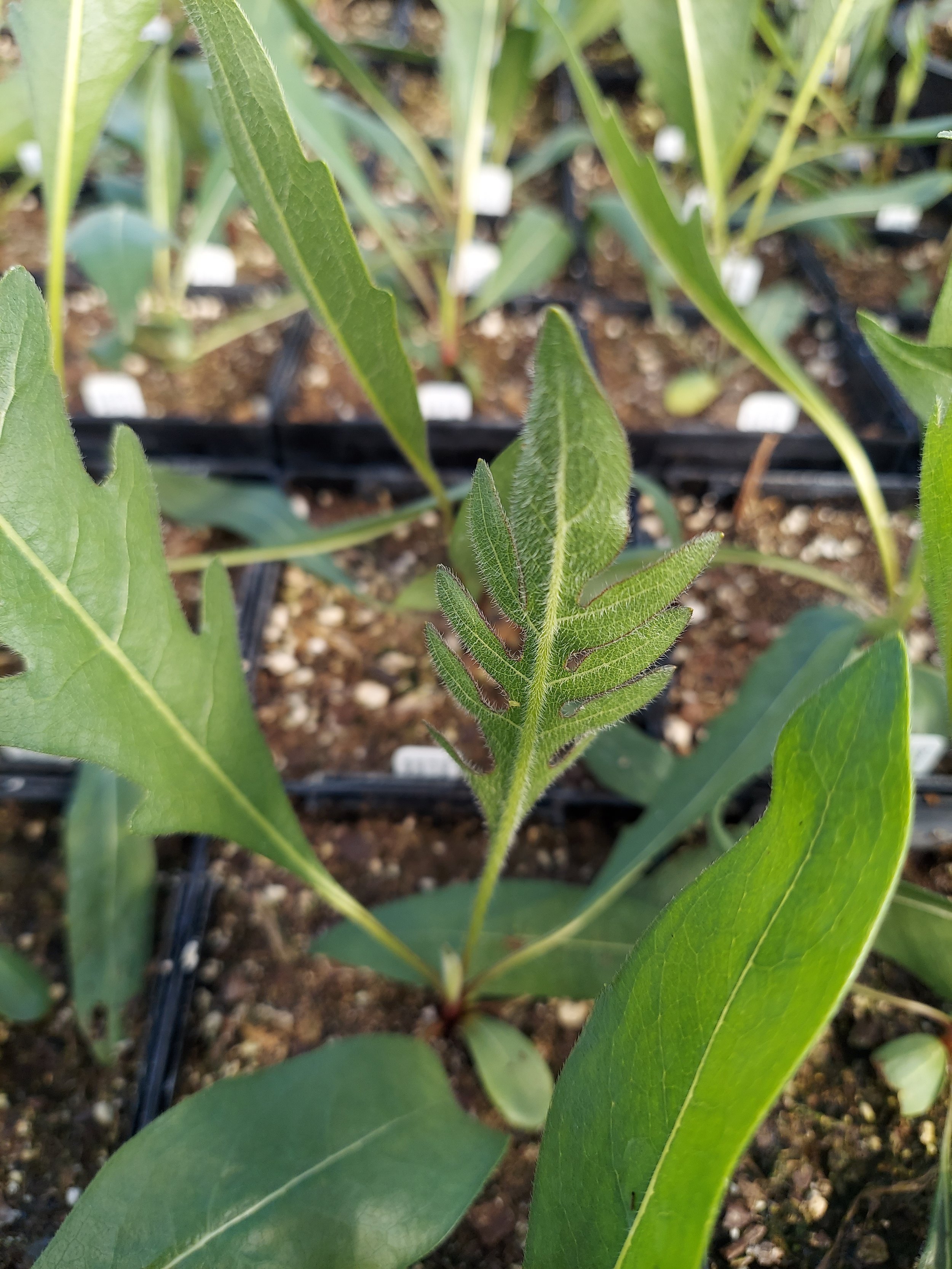
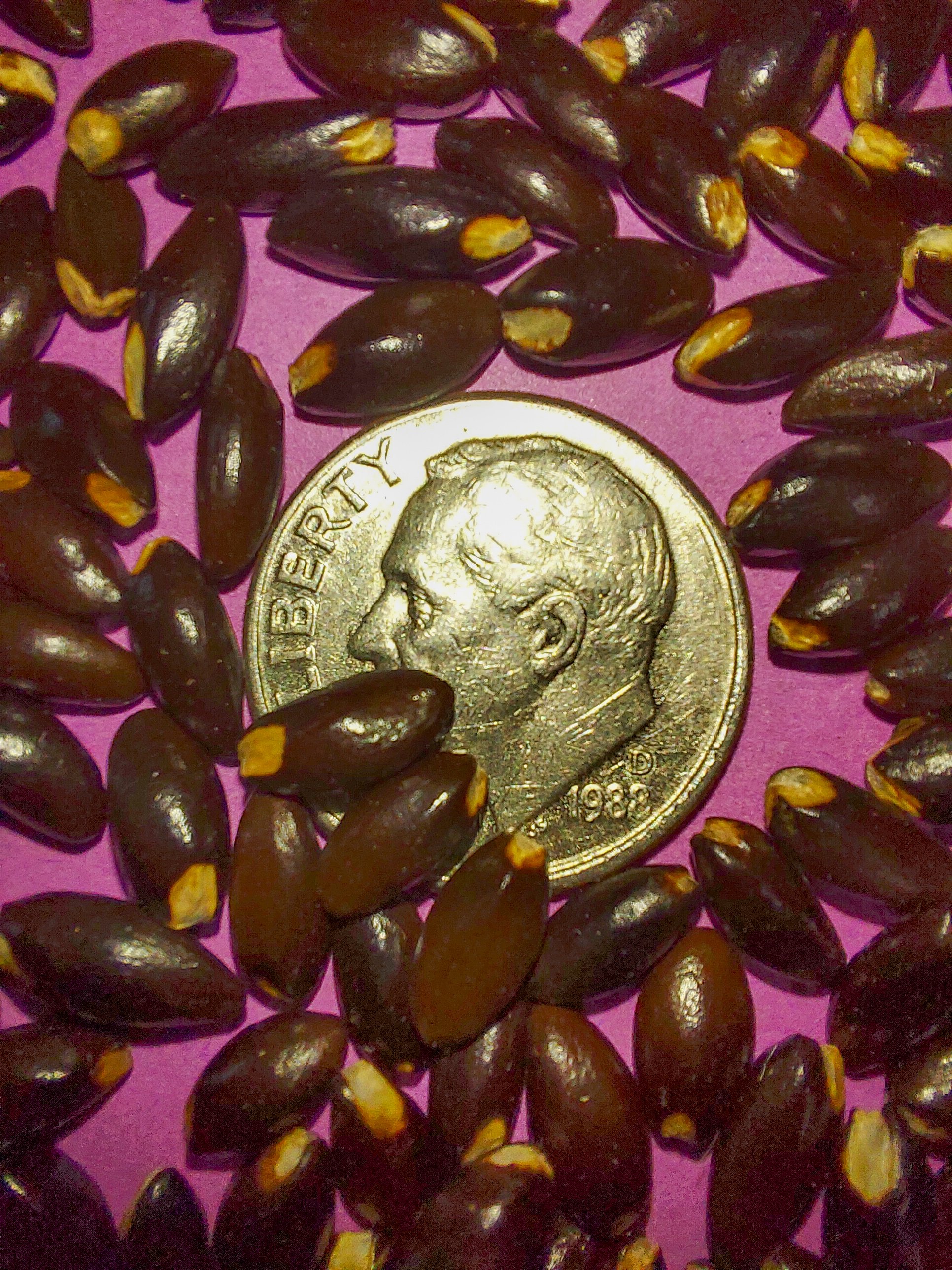
Cicuta maculata is a rhizomatous, short-lived perennial herb that produces a hollow, erect stem capable of reaching about 6 feet in height. Its long leaves are composed of several lance-shaped, pointed, and finely serrated leaflets. Each shiny green leaflet measures roughly 1 to 4 inches long, and the entire pinnate leaf can extend up to around 16 inches in length. The inflorescence of white flowers resembles that of other members of the carrot family, forming a compound umbel with numerous small clusters of blooms. After flowering it develops dry, tan-brown fruits that are only a few millimeters long.
The neurotoxin cicutoxin is most concentrated in the roots, but no part of the plant should ever be ingested in any amount under any circumstances. The greatest threat is to livestock, which are particularly vulnerable to its toxic effects.
Despite being poisonous to mammals, the plant nevertheless attracts a wide array of native bees such as; Mining Bees (Andrena spp.), Mason Bees (Osmia spp.), Bumble Bees (Bombus spp.), Small Sweat Bees (Lasioglossum spp.), Yellow-Faced Bees (Hylaeus spp.) and Small Carpenter Bees (Ceratina spp.). Many wasps pollinate Water Hemlock as well, such as; Potter Wasps (Eumenes fraternus), Northern Paper Wasps (Polistes fuscatas) and Wood Boring Mason Wasps (Euodynerus foraminatus) as well as Syrphid Flies (Toxomerus spp.) and Tachinid Flies (Siphona spp.) and other beneficial insects, including Crab Spiders of the Thomisidae Family, clever enough to lay in wait for the plethora of activity this plant creates.
Water Hemlock also serves as a host plant for the larvae of the Black Swallowtail Butterfly (Papilio polyxenes), Ozark Swallowtail Butterfly (Papilio joanae) and the Rigid Sunflower Borer (Papaipema rigida) and gets many visits from the lovely and dainty Spring and Summer Azure Butterflies (Celastrina spp.)!
Water Hemlock prefers wet habitats, such as wet meadows, roadside ditches, pond margins, open marshes, and freshwater swamps. Flowering is from May to September, depending on latitude of its range.
Water Hemlock clearly plays a crucial role in its ecosystem by providing habitat for various species and supporting pollinators like bees and butterflies. Its dense foliage can offer valuable shelter and occasional food for wildlife, while its clusters of flowers attract a range of pollinators, helping the plant reproduce and thereby supporting the broader ecological community. Despite its well-known toxicity, Cicuta maculata remains an integral part of wetland ecosystems, contributing to soil stabilization and helping to naturalize and maintain healthy wet areas.
Disclaimer: The common name “Hemlock” is most often associated with the poison that killed the philosopher Socrates and is of the plant species (Conium maculatum). Cicuta maculata, produces a distinct and very dangerous poisoning that causes violent seizures, profuse vomiting, and intense abdominal pain. Do NOT consume, use, or otherwise handle any plant in nature without being absolutely sure of its toxicity or edibility, or by having the species properly identified by an expert on the species. You alone, are solely responsible for your knowledge set, and any consequences of its lacking.
Plant Details:
USDA Zones: 3 - 10
Germination Needs: Needs 120 Days of cold-Moist Stratification and performs best if direct sown outdoors.
Life Cycle: Perennial
Sun Exposure: Full to Partial
Soil Moisture: Wet, Medium-Wet
Plant Spacing: 2 - 3 feet
Height: 6 feet
Bloom time: May, June, July, August, September
Bloom Color: White
Advantages:
Pollinator Favorite: butterflies, moths, bees, wasps, beetles
Bird Favorite: seeds, insects, fruit, nectar, nesting, perches.
Deer Resistant: Yes, very.
Native to: Wisconsin, Minnesota, Iowa, Illinois, Indiana, Michigan, Ohio, Pennsylvania, New York, Vermont, New Hampshire, Maine, Massachusetts, Rhode Island, Connecticut, Delaware, Maryland, New Jersey, West Virginia, Virginia, Kentucky, Tennessee, North Carolina, South Carolina, Georgia, Florida, Alabama, Mississippi, Louisiana, Arkansas, Missouri, Texas, Oklahoma, Kansas, Nebraska, South Dakota, North Dakota, Montana, Wyoming, Colorado, New Mexico, Arizona, Utah, Nevada, Idaho, Washington State, Oregon and California.
This species is erroneously labeled as “noxious" by the current occupants of the land within its natural and historical native range in several counties of the state of Nevada.
*We will not make alternate plant suggestions if your location is within range of these noxious listing counties. We feel strongly that nature knows best, regardless of the opinions of humans who did not evolve alongside these integral species.
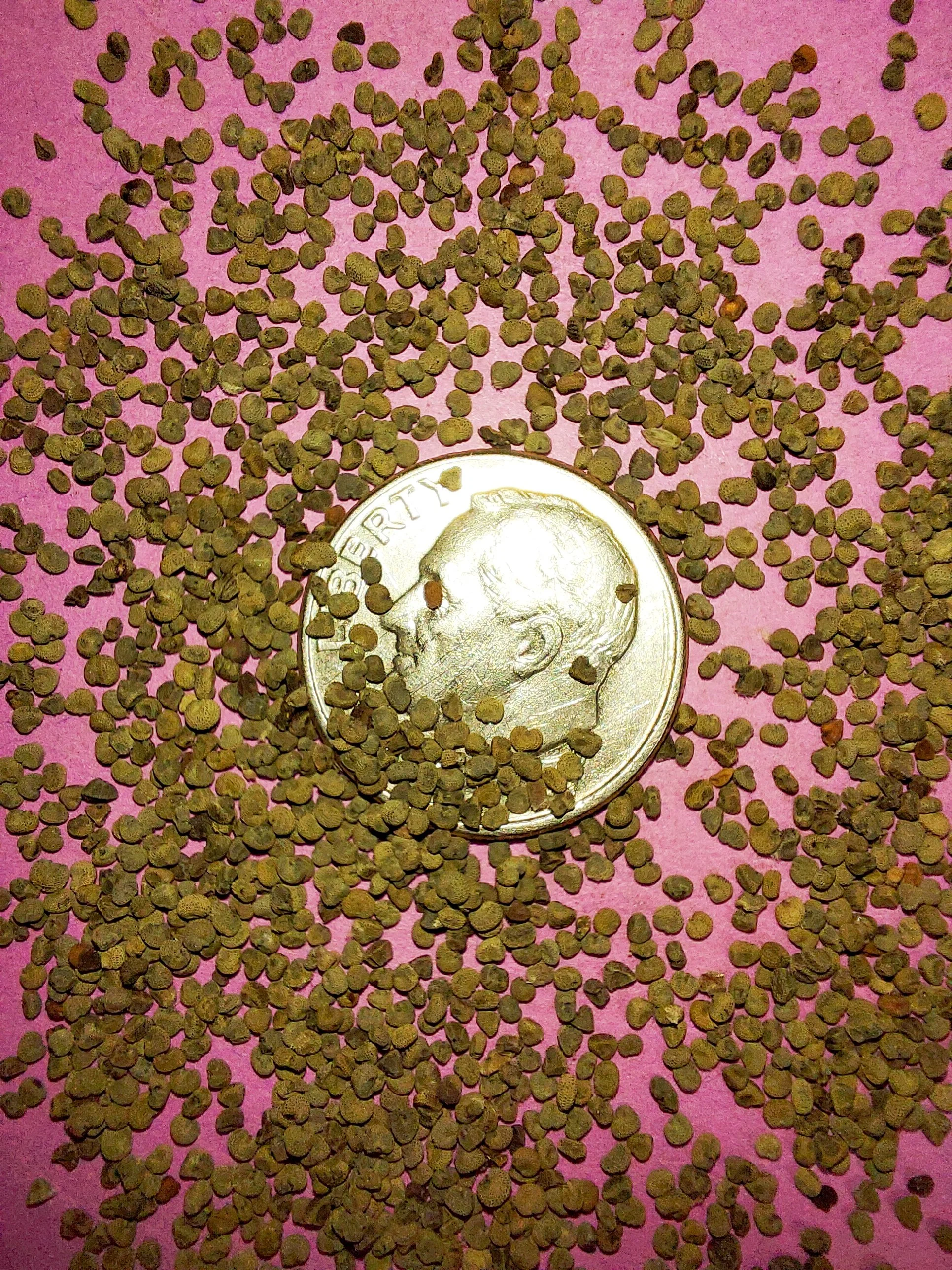
Seed Count: 25+
.
.
Packet quantities:
We pride ourselves on ethical, hands on, ecological management, using no mechanical or chemical methods whatsoever.
All of our native seed is hand reared, hand-picked, and hand packed from native prairies under our exclusive management, never breaking chain of custody from the field until it is sent to you. Each packet is hand prepared for shipment by us, directly.
Small seed species will contain greater than 20-25 seed
Large seed species will contain greater than 10-15 seed
All packets are individually marked at the bottom of the front label with expected count, however most if not all packets will have many more than the minimum count by default.
It is our mission to spread the wealth of native plant and pollinator ecological sustainability and educate back yard gardeners as well as corporate and government entities in how to germinate, grow, and benefit from native synergies.
Thank you for your support, it is because of you, that we can grow together to do, what we do. 🐛🦋🐝🐞🌾🌱🌼🧡
Water Hemlock (Cicuta maculata)
Cicuta maculata is the scientific name for this highly poisonous species of flowering plant in the carrot family, known by several common names including Water Hemlock, Spotted Water Hemlock, Spotted Parsley, and Spotted Cowbane. This plant is native across nearly all of North America, with a range that extends from the cold regions of northern Canada down through the United States and into parts of southern Mexico.
With its commanding 6-foot-tall stature and notorious reputation as one of North America’s most poisonous plants, Water Hemlock is likely to provoke a bit of pearl-clutching among a few overly cautious humanists. Our aim here, however, is narrower and steadier: to serve nature and native ecology. Seen in that light, we offer the quiet wisdom of Water Hemlock to those willing to look beyond fear and appreciate its form and function.
Cicuta maculata is a rhizomatous, short-lived perennial herb that produces a hollow, erect stem capable of reaching about 6 feet in height. Its long leaves are composed of several lance-shaped, pointed, and finely serrated leaflets. Each shiny green leaflet measures roughly 1 to 4 inches long, and the entire pinnate leaf can extend up to around 16 inches in length. The inflorescence of white flowers resembles that of other members of the carrot family, forming a compound umbel with numerous small clusters of blooms. After flowering it develops dry, tan-brown fruits that are only a few millimeters long.
The neurotoxin cicutoxin is most concentrated in the roots, but no part of the plant should ever be ingested in any amount under any circumstances. The greatest threat is to livestock, which are particularly vulnerable to its toxic effects.
Despite being poisonous to mammals, the plant nevertheless attracts a wide array of native bees such as; Mining Bees (Andrena spp.), Mason Bees (Osmia spp.), Bumble Bees (Bombus spp.), Small Sweat Bees (Lasioglossum spp.), Yellow-Faced Bees (Hylaeus spp.) and Small Carpenter Bees (Ceratina spp.). Many wasps pollinate Water Hemlock as well, such as; Potter Wasps (Eumenes fraternus), Northern Paper Wasps (Polistes fuscatas) and Wood Boring Mason Wasps (Euodynerus foraminatus) as well as Syrphid Flies (Toxomerus spp.) and Tachinid Flies (Siphona spp.) and other beneficial insects, including Crab Spiders of the Thomisidae Family, clever enough to lay in wait for the plethora of activity this plant creates.
Water Hemlock also serves as a host plant for the larvae of the Black Swallowtail Butterfly (Papilio polyxenes), Ozark Swallowtail Butterfly (Papilio joanae) and the Rigid Sunflower Borer (Papaipema rigida) and gets many visits from the lovely and dainty Spring and Summer Azure Butterflies (Celastrina spp.)!
Water Hemlock prefers wet habitats, such as wet meadows, roadside ditches, pond margins, open marshes, and freshwater swamps. Flowering is from May to September, depending on latitude of its range.
Water Hemlock clearly plays a crucial role in its ecosystem by providing habitat for various species and supporting pollinators like bees and butterflies. Its dense foliage can offer valuable shelter and occasional food for wildlife, while its clusters of flowers attract a range of pollinators, helping the plant reproduce and thereby supporting the broader ecological community. Despite its well-known toxicity, Cicuta maculata remains an integral part of wetland ecosystems, contributing to soil stabilization and helping to naturalize and maintain healthy wet areas.
Disclaimer: The common name “Hemlock” is most often associated with the poison that killed the philosopher Socrates and is of the plant species (Conium maculatum). Cicuta maculata, produces a distinct and very dangerous poisoning that causes violent seizures, profuse vomiting, and intense abdominal pain. Do NOT consume, use, or otherwise handle any plant in nature without being absolutely sure of its toxicity or edibility, or by having the species properly identified by an expert on the species. You alone, are solely responsible for your knowledge set, and any consequences of its lacking.
Plant Details:
USDA Zones: 3 - 10
Germination Needs: Needs 120 Days of cold-Moist Stratification and performs best if direct sown outdoors.
Life Cycle: Perennial
Sun Exposure: Full to Partial
Soil Moisture: Wet, Medium-Wet
Plant Spacing: 2 - 3 feet
Height: 6 feet
Bloom time: May, June, July, August, September
Bloom Color: White
Advantages:
Pollinator Favorite: butterflies, moths, bees, wasps, beetles
Bird Favorite: seeds, insects, fruit, nectar, nesting, perches.
Deer Resistant: Yes, very.
Native to: Wisconsin, Minnesota, Iowa, Illinois, Indiana, Michigan, Ohio, Pennsylvania, New York, Vermont, New Hampshire, Maine, Massachusetts, Rhode Island, Connecticut, Delaware, Maryland, New Jersey, West Virginia, Virginia, Kentucky, Tennessee, North Carolina, South Carolina, Georgia, Florida, Alabama, Mississippi, Louisiana, Arkansas, Missouri, Texas, Oklahoma, Kansas, Nebraska, South Dakota, North Dakota, Montana, Wyoming, Colorado, New Mexico, Arizona, Utah, Nevada, Idaho, Washington State, Oregon and California.
This species is erroneously labeled as “noxious" by the current occupants of the land within its natural and historical native range in several counties of the state of Nevada.
*We will not make alternate plant suggestions if your location is within range of these noxious listing counties. We feel strongly that nature knows best, regardless of the opinions of humans who did not evolve alongside these integral species.
Seed Count: 25+
.
.
Packet quantities:
We pride ourselves on ethical, hands on, ecological management, using no mechanical or chemical methods whatsoever.
All of our native seed is hand reared, hand-picked, and hand packed from native prairies under our exclusive management, never breaking chain of custody from the field until it is sent to you. Each packet is hand prepared for shipment by us, directly.
Small seed species will contain greater than 20-25 seed
Large seed species will contain greater than 10-15 seed
All packets are individually marked at the bottom of the front label with expected count, however most if not all packets will have many more than the minimum count by default.
It is our mission to spread the wealth of native plant and pollinator ecological sustainability and educate back yard gardeners as well as corporate and government entities in how to germinate, grow, and benefit from native synergies.
Thank you for your support, it is because of you, that we can grow together to do, what we do. 🐛🦋🐝🐞🌾🌱🌼🧡
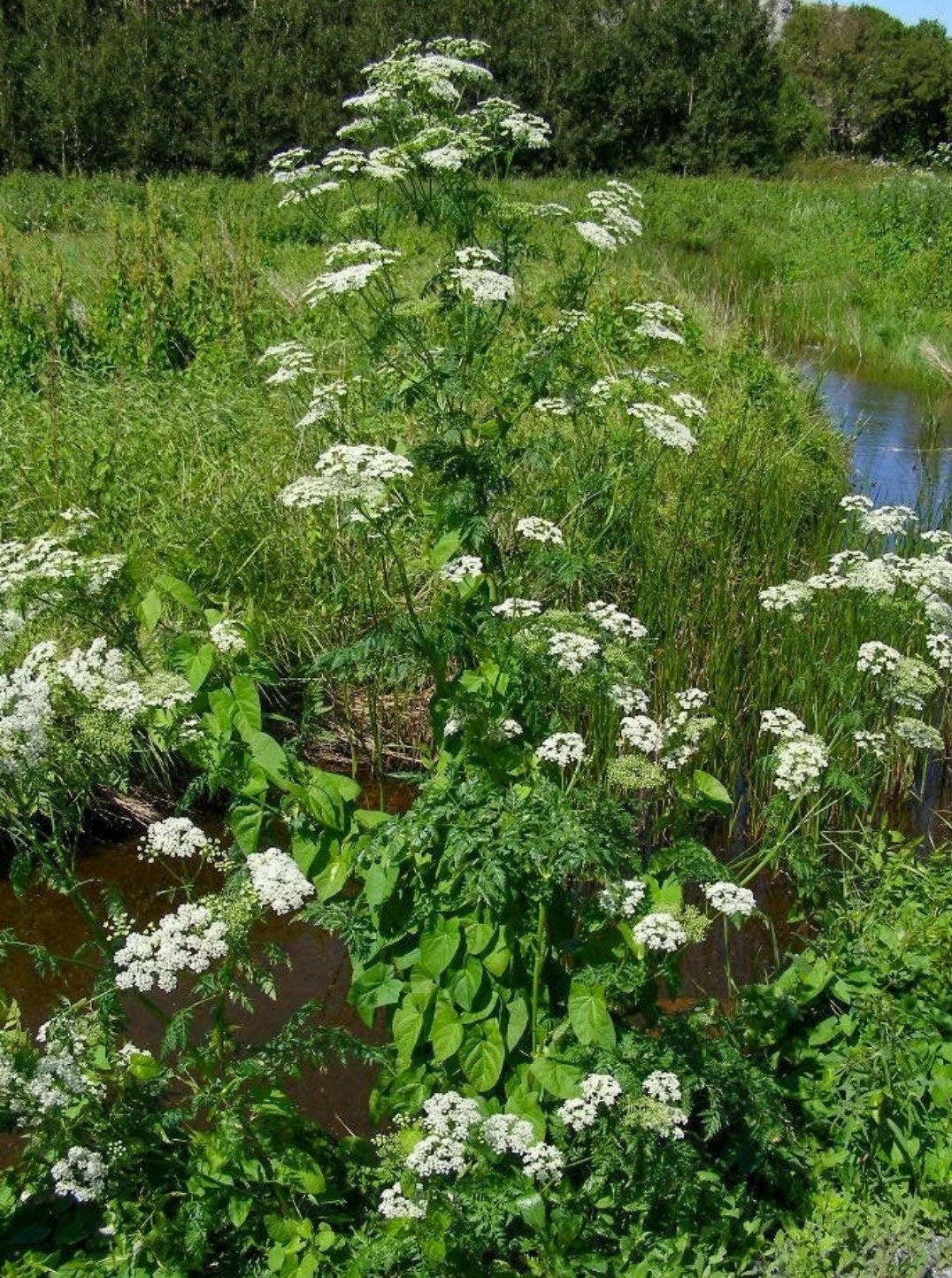 Image 1 of 7
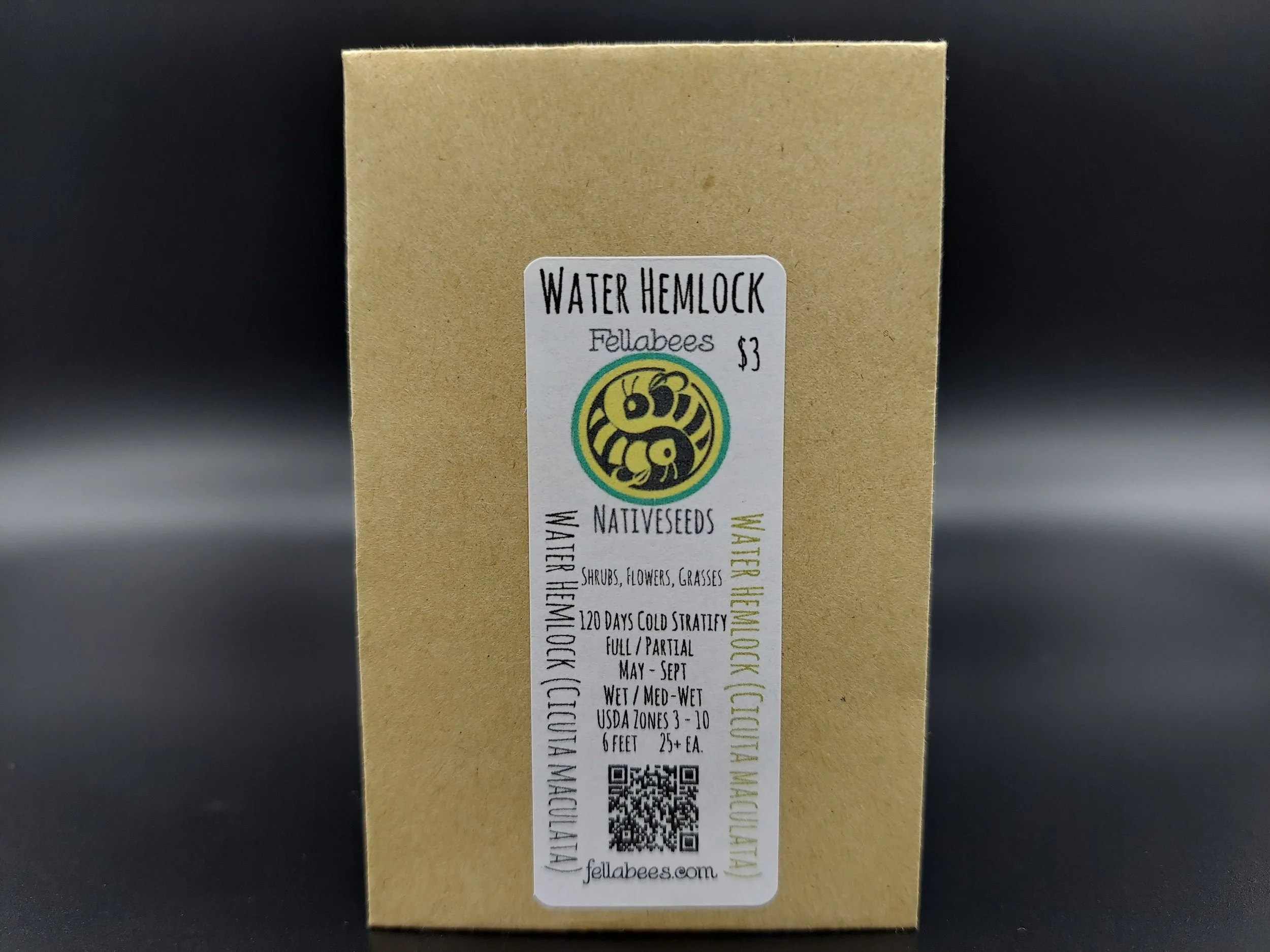 Image 2 of 7
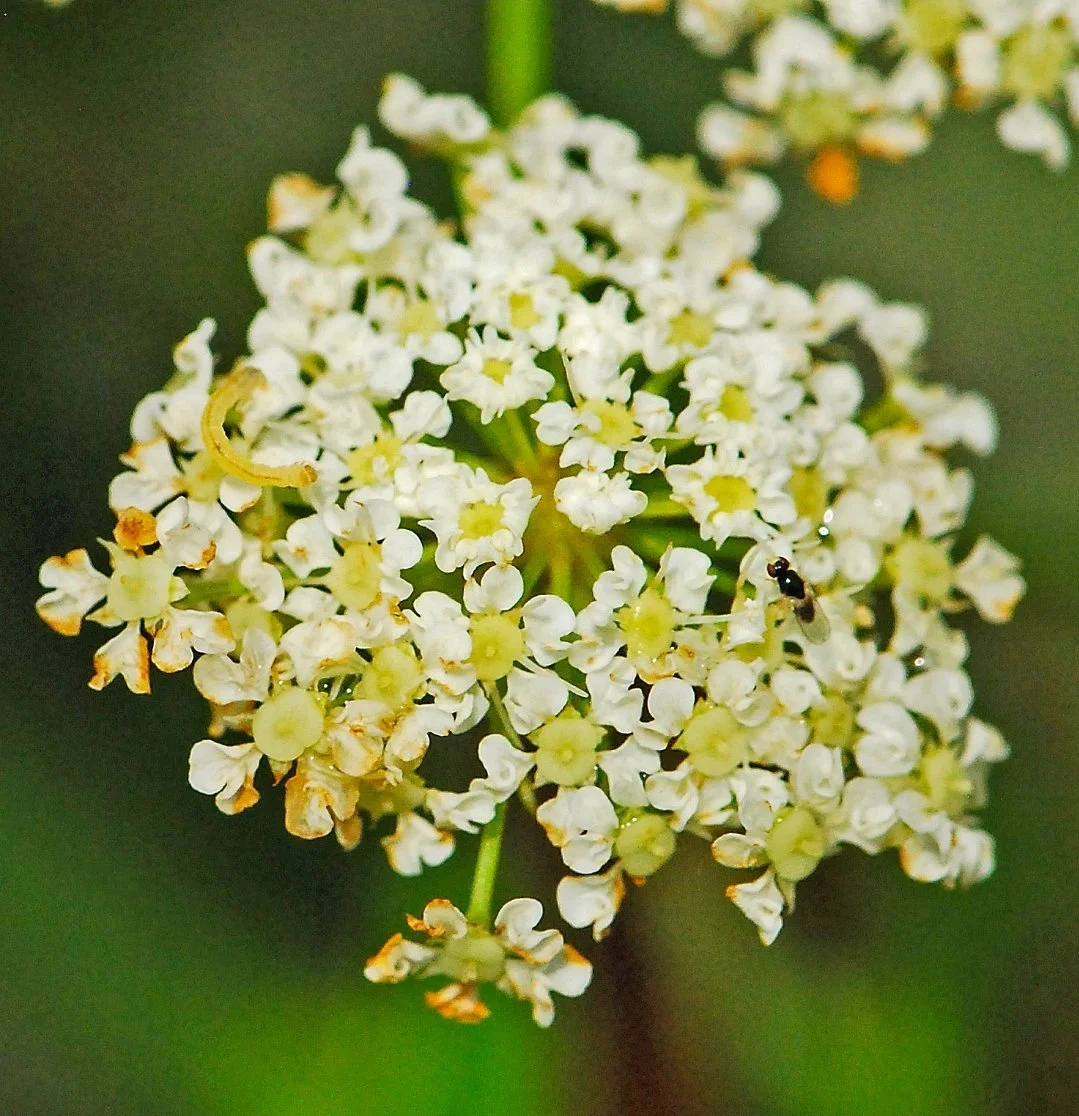 Image 3 of 7
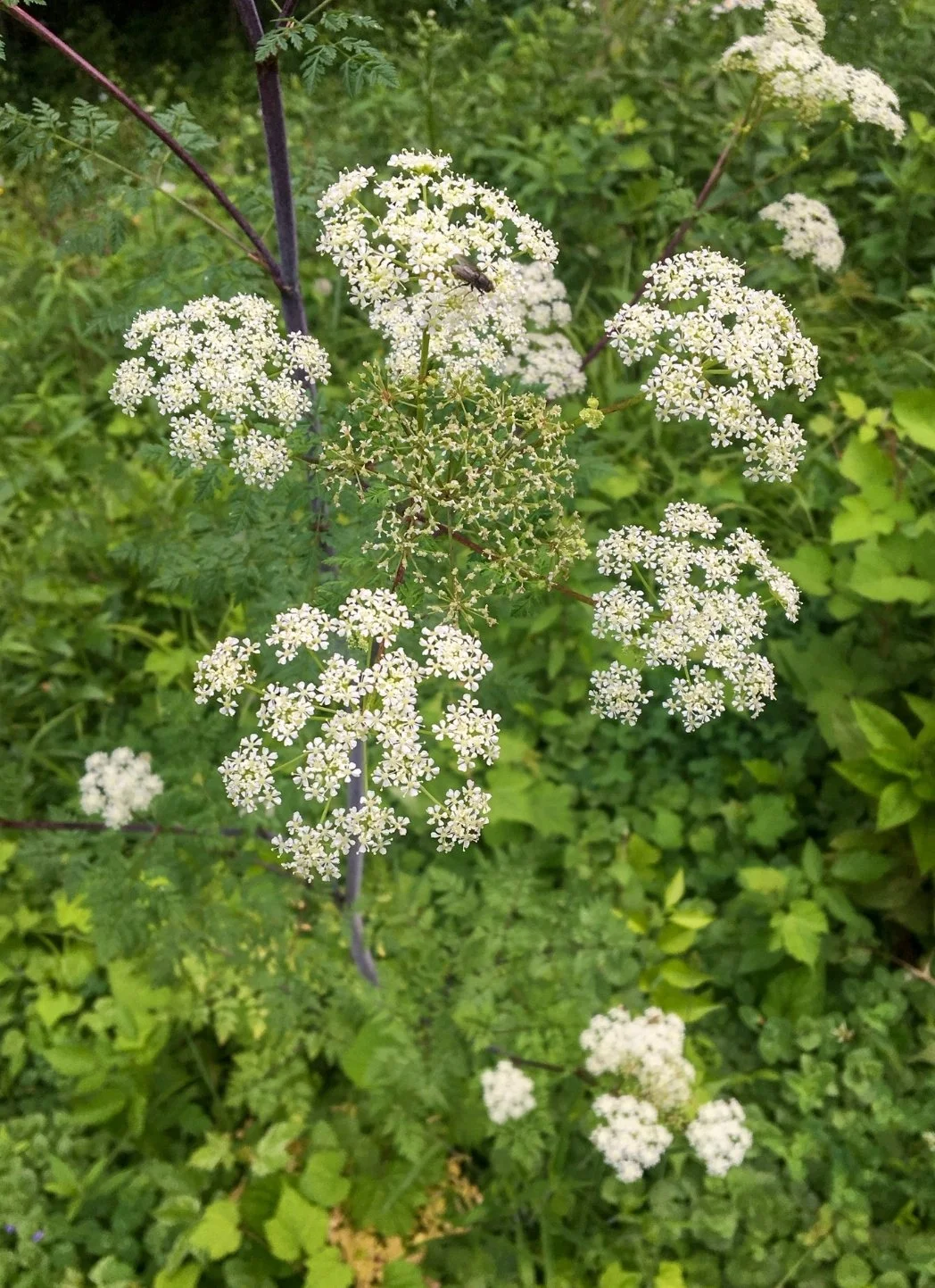 Image 4 of 7
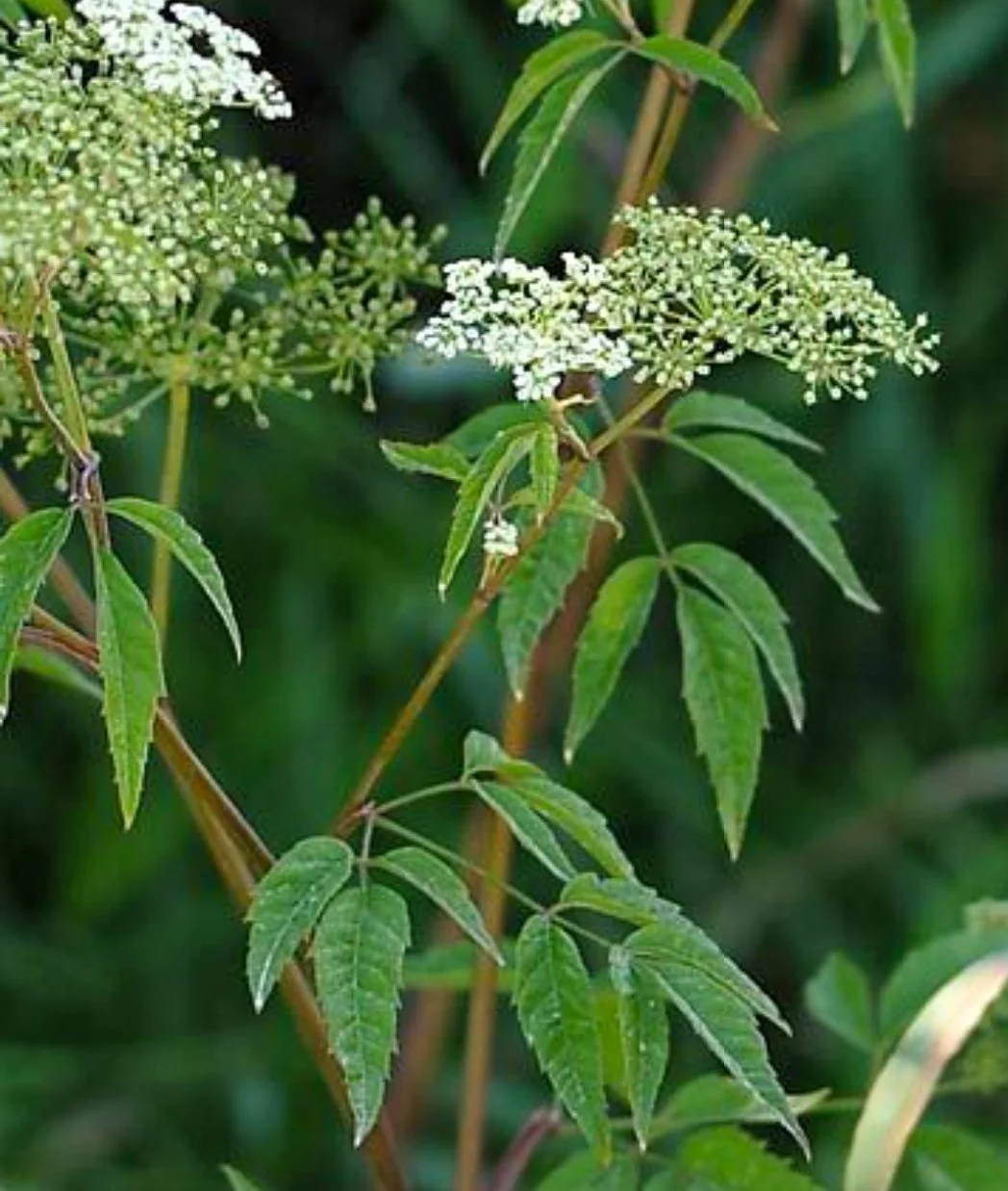 Image 5 of 7
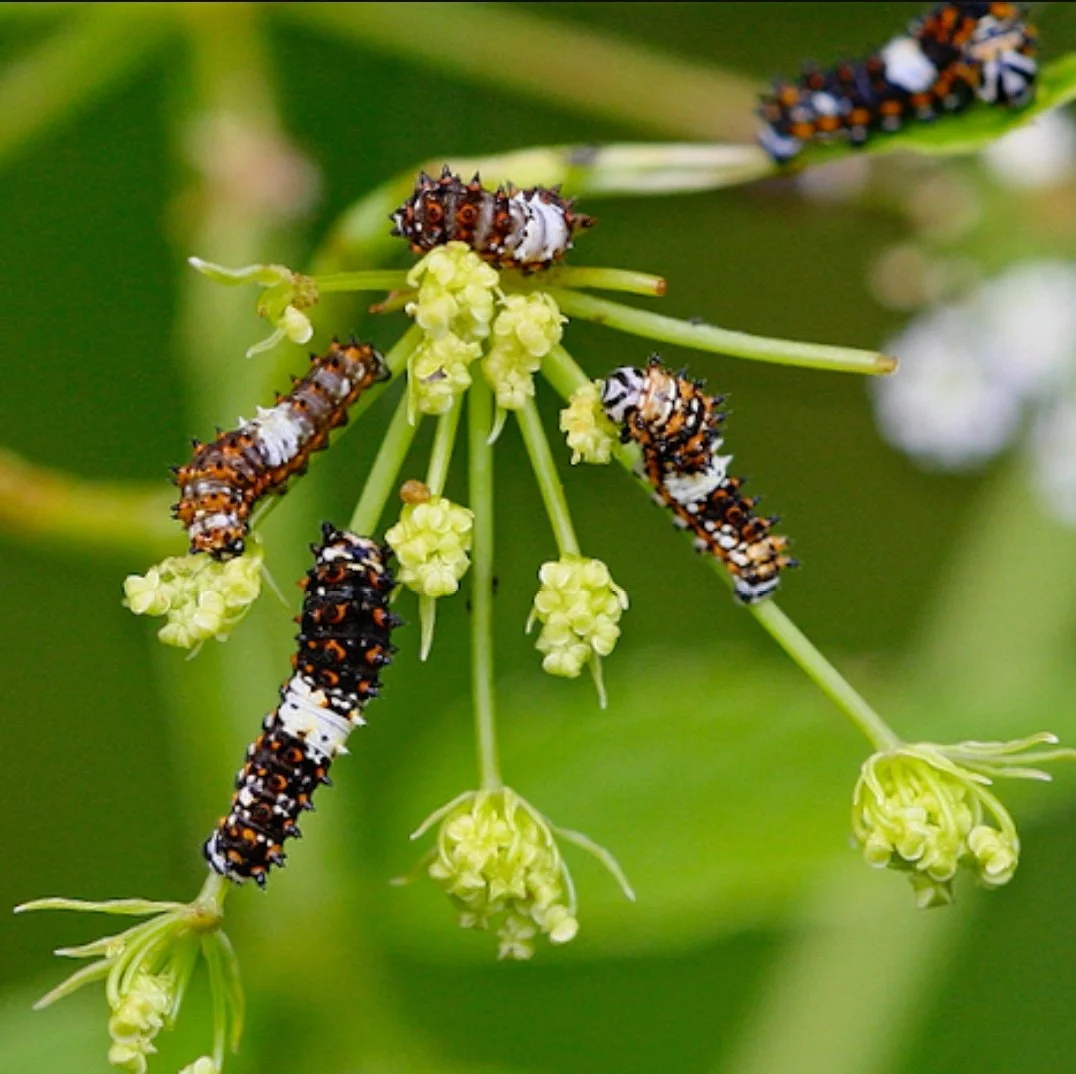 Image 6 of 7
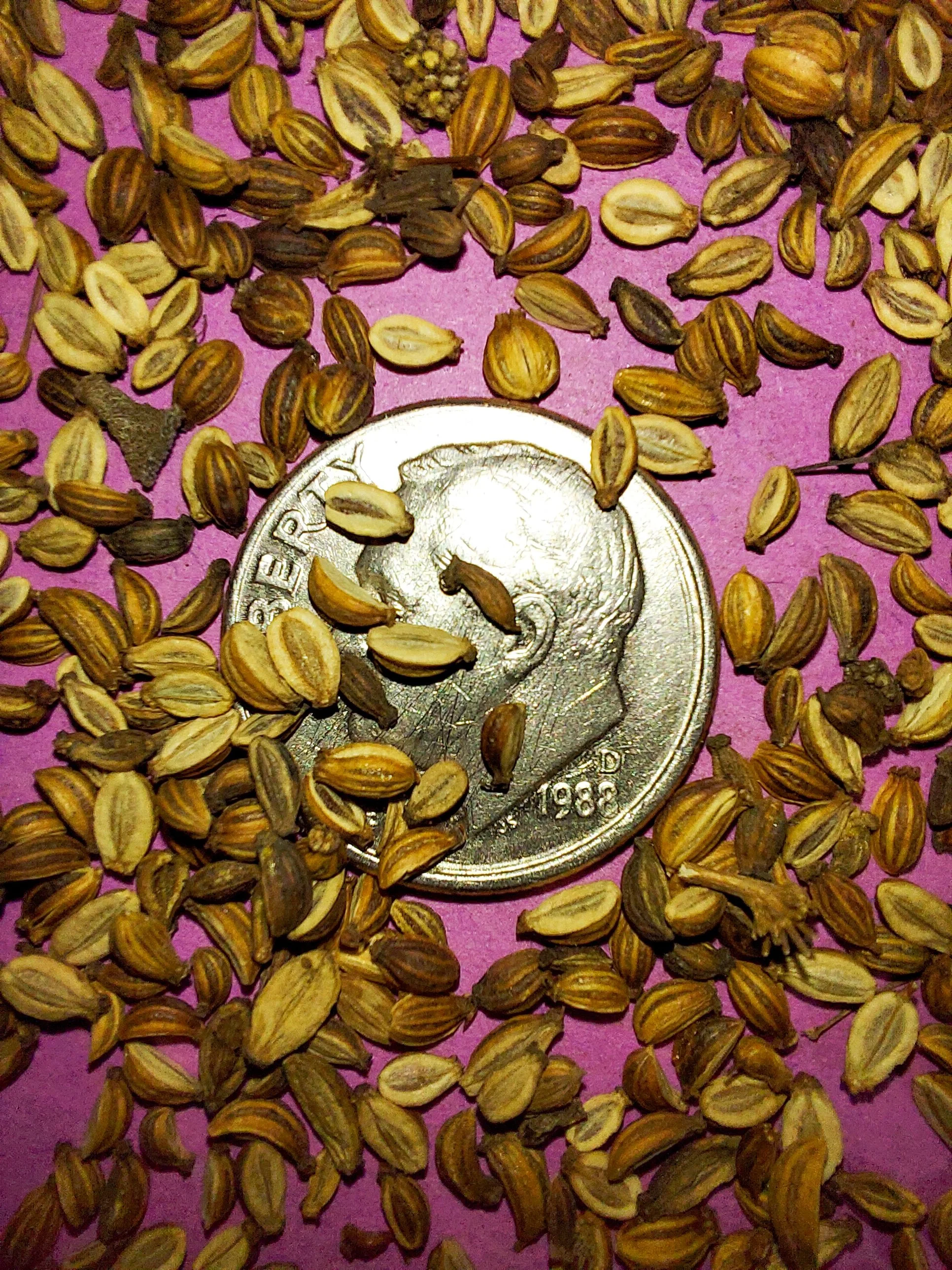 Image 7 of 7