Sale Price:
$1.00
Original Price:
$3.00
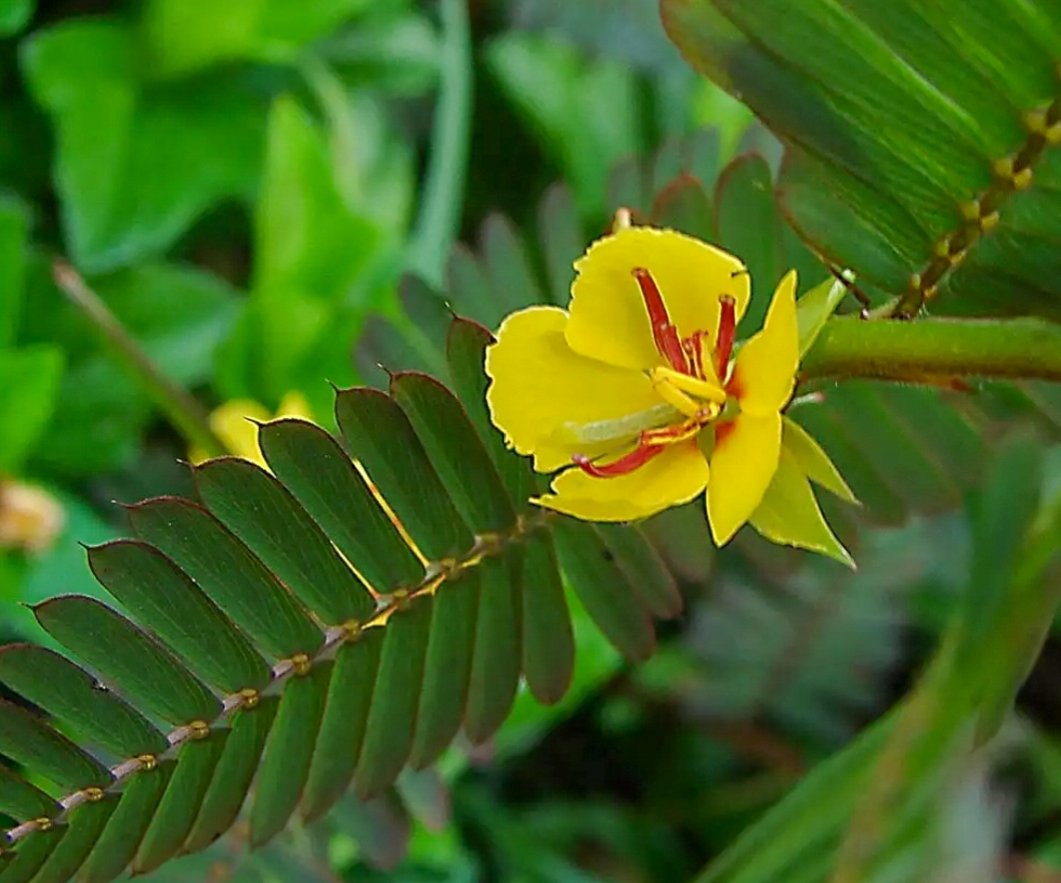
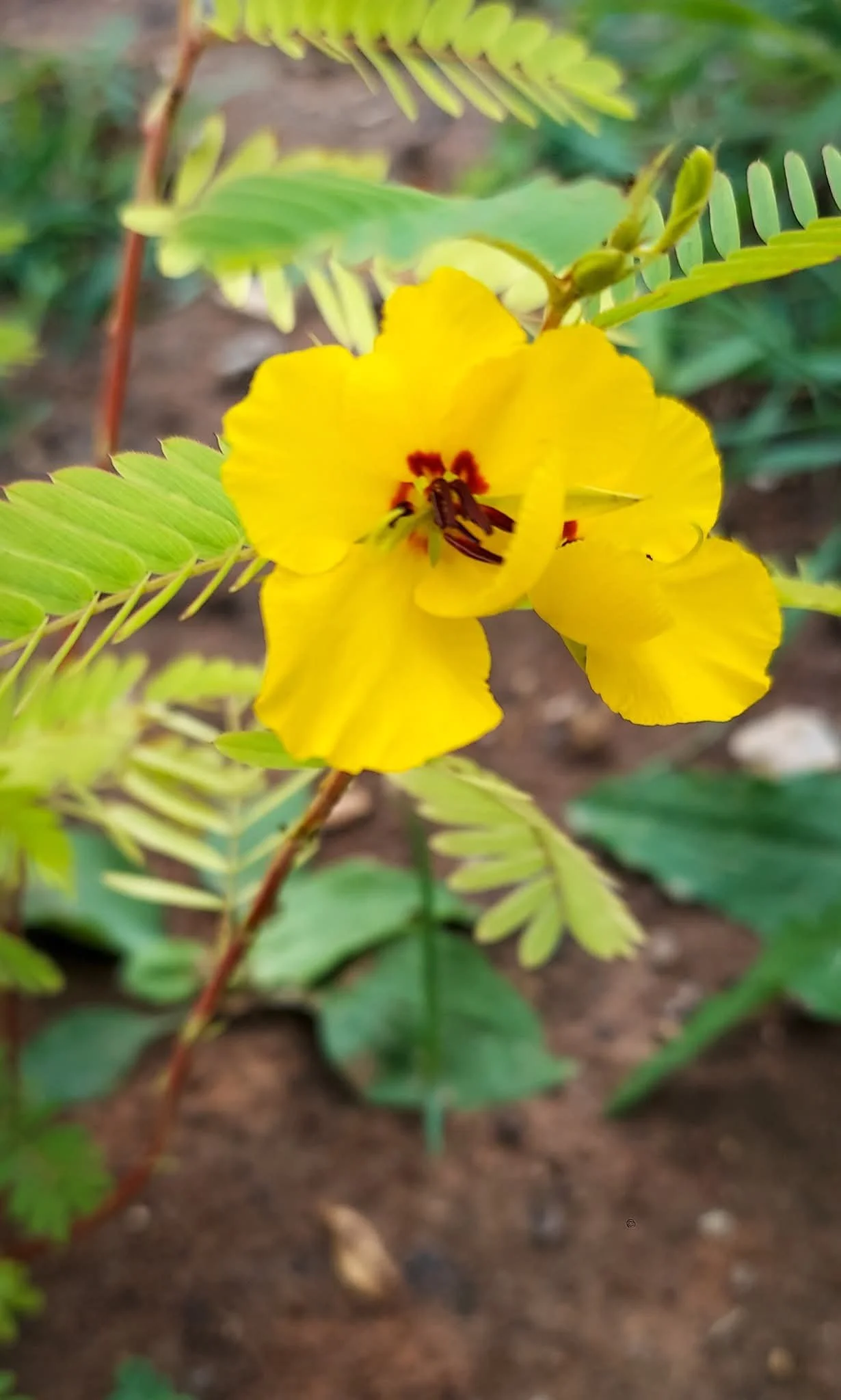
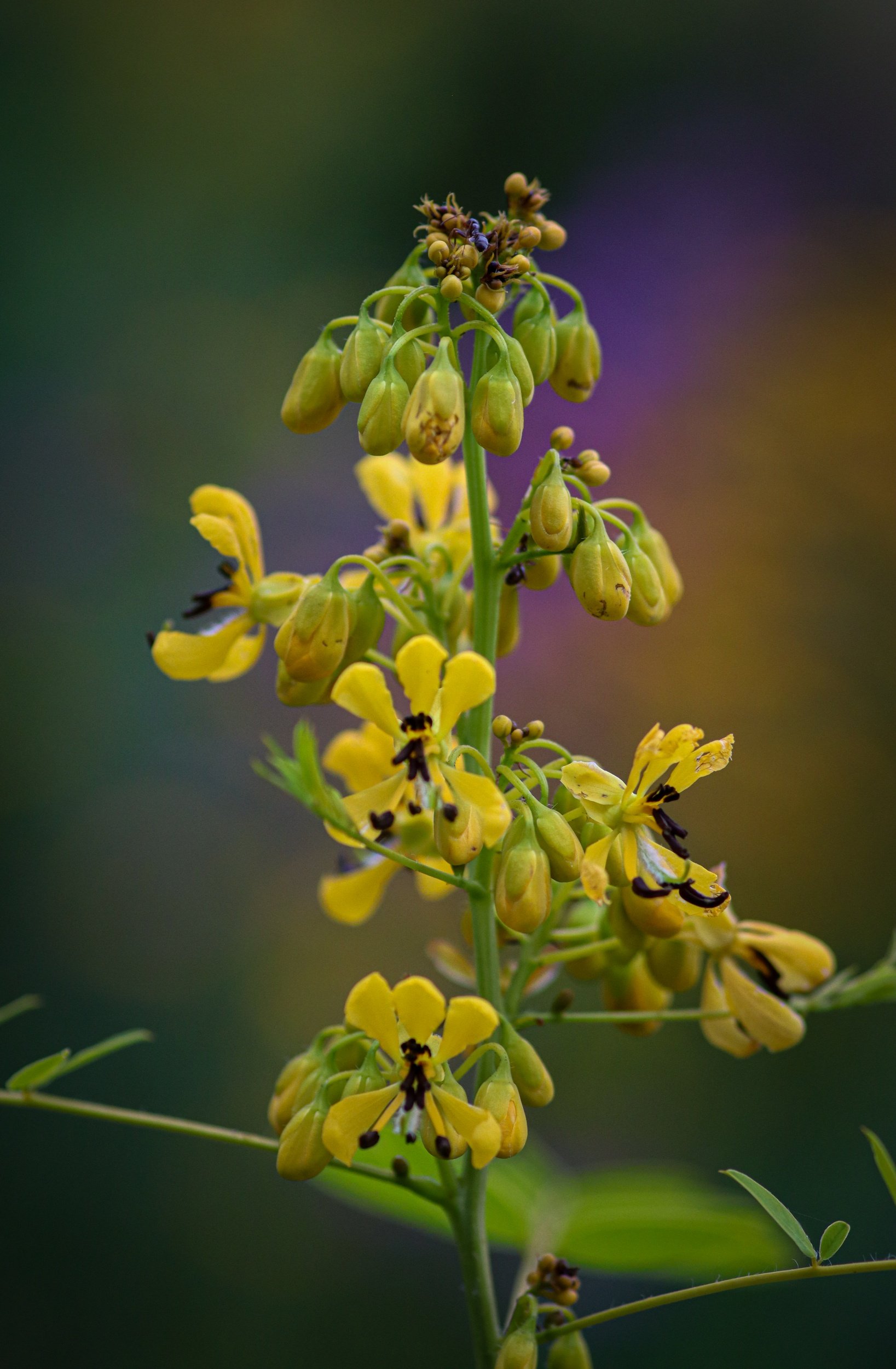
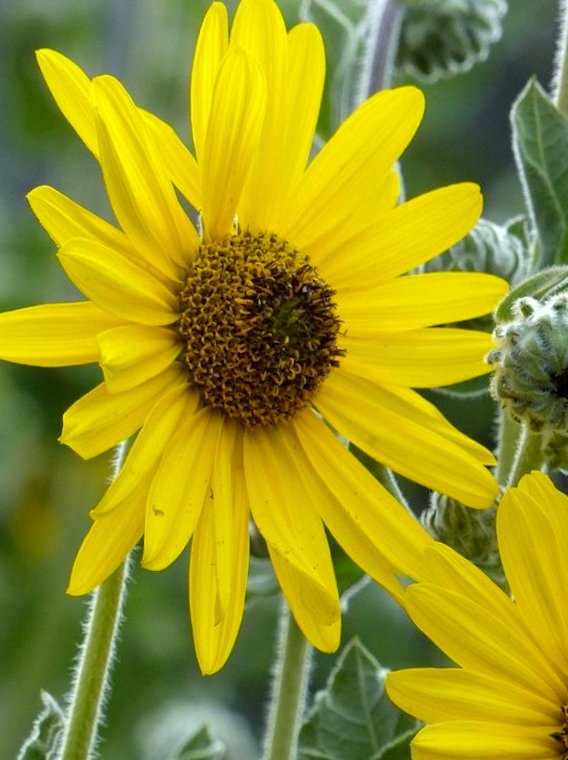
Illinois Bundle Flower (Desmanthus illinoense)
Desmanthus illinoensis, commonly known as Illinois Bundle Flower, Prairie Mimosa or Prickleweed, is a common native plant of the central and southern United States.
Illinois Bundle Flower supports a suite of faunal relationships and provides multiple ecological benefits across its native range in the central and southern United States.
Faunal associations
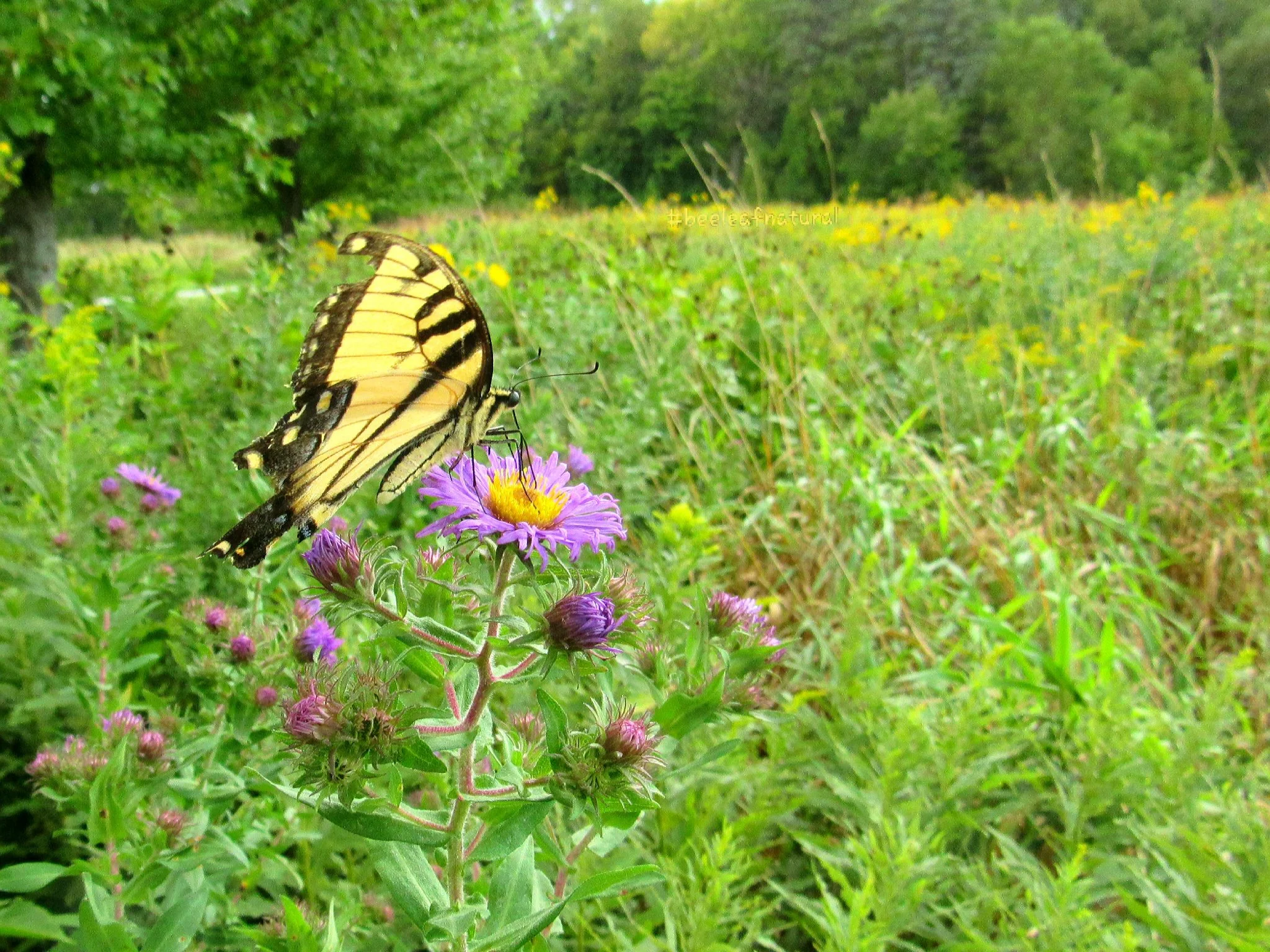
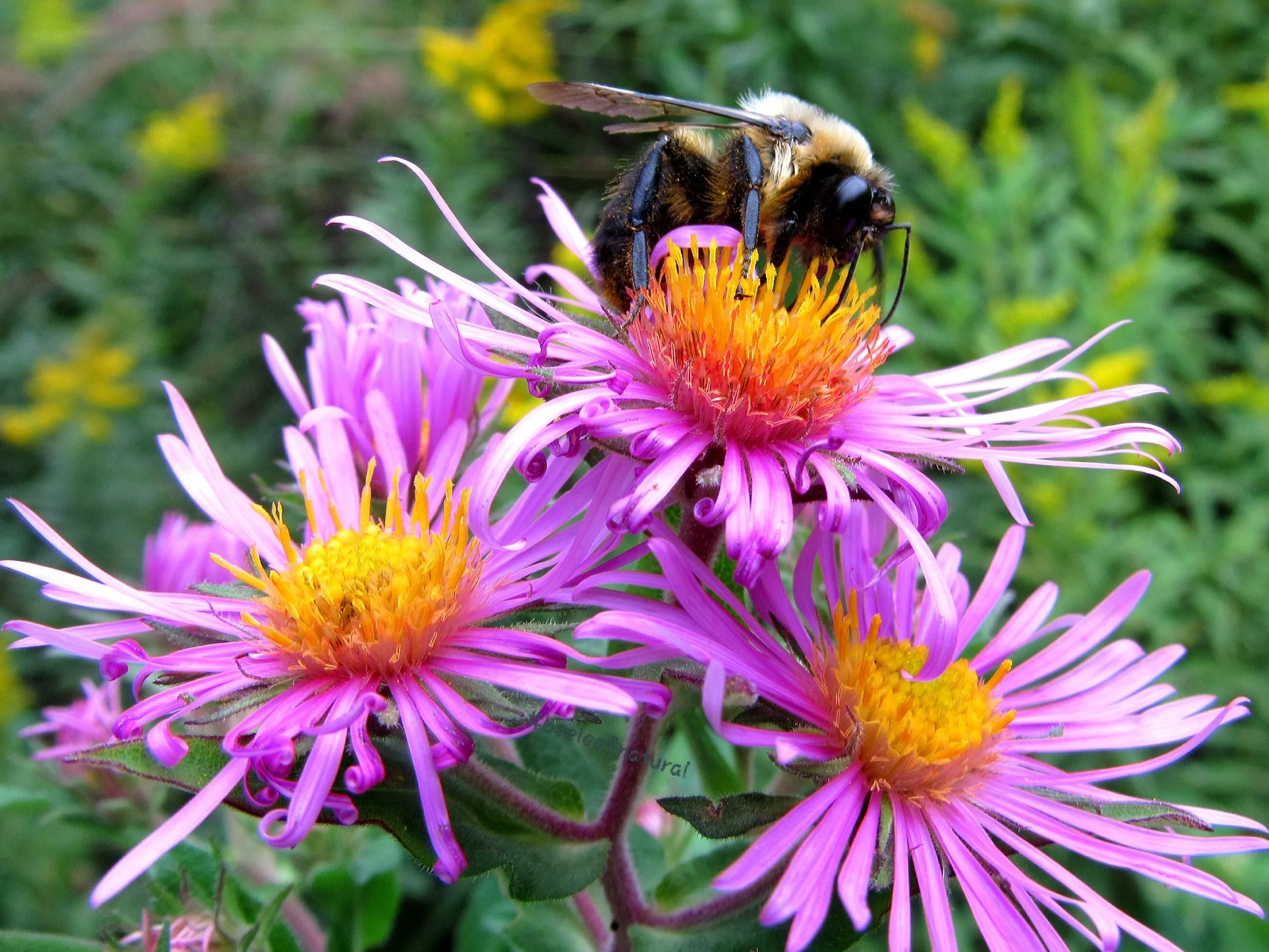
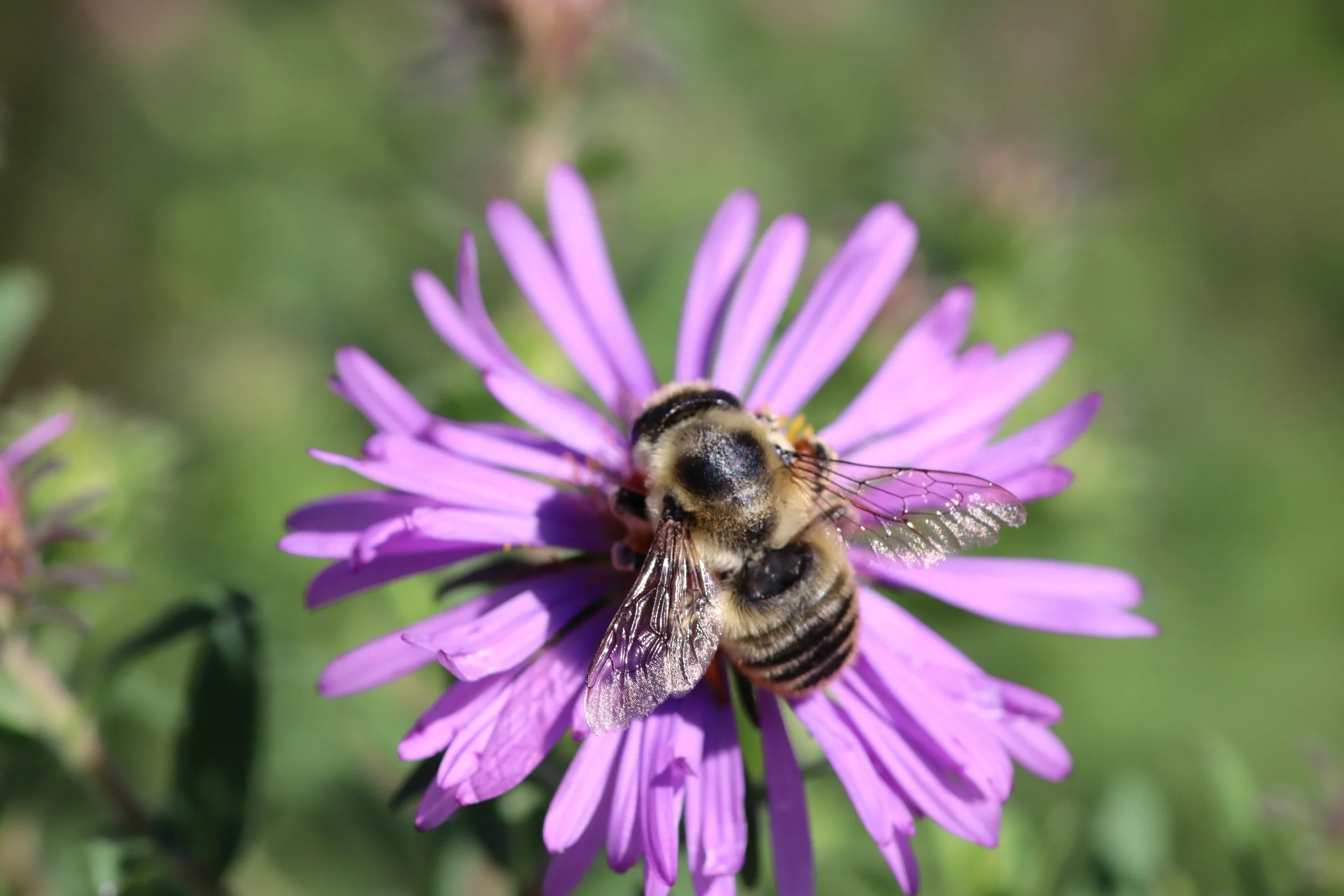
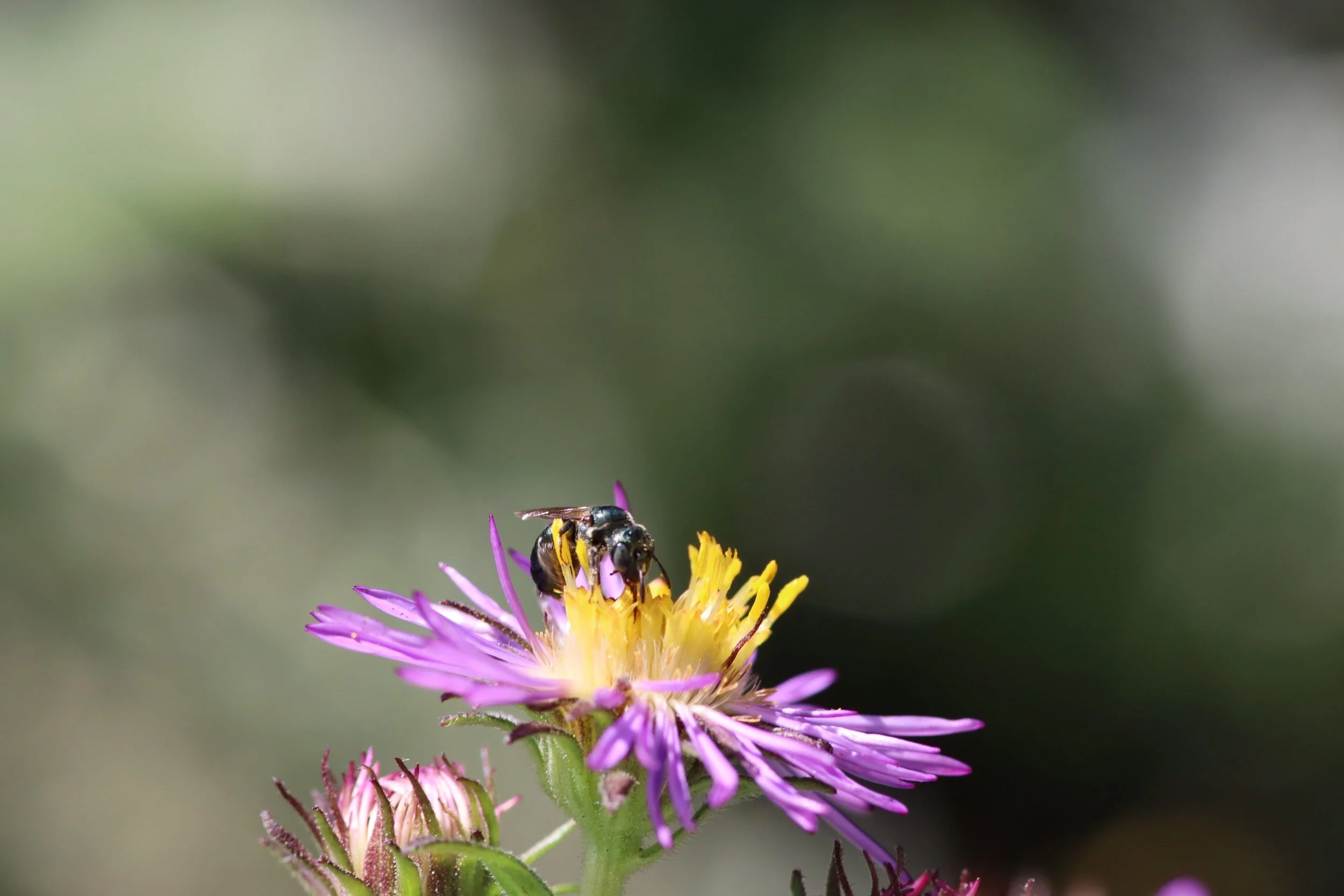
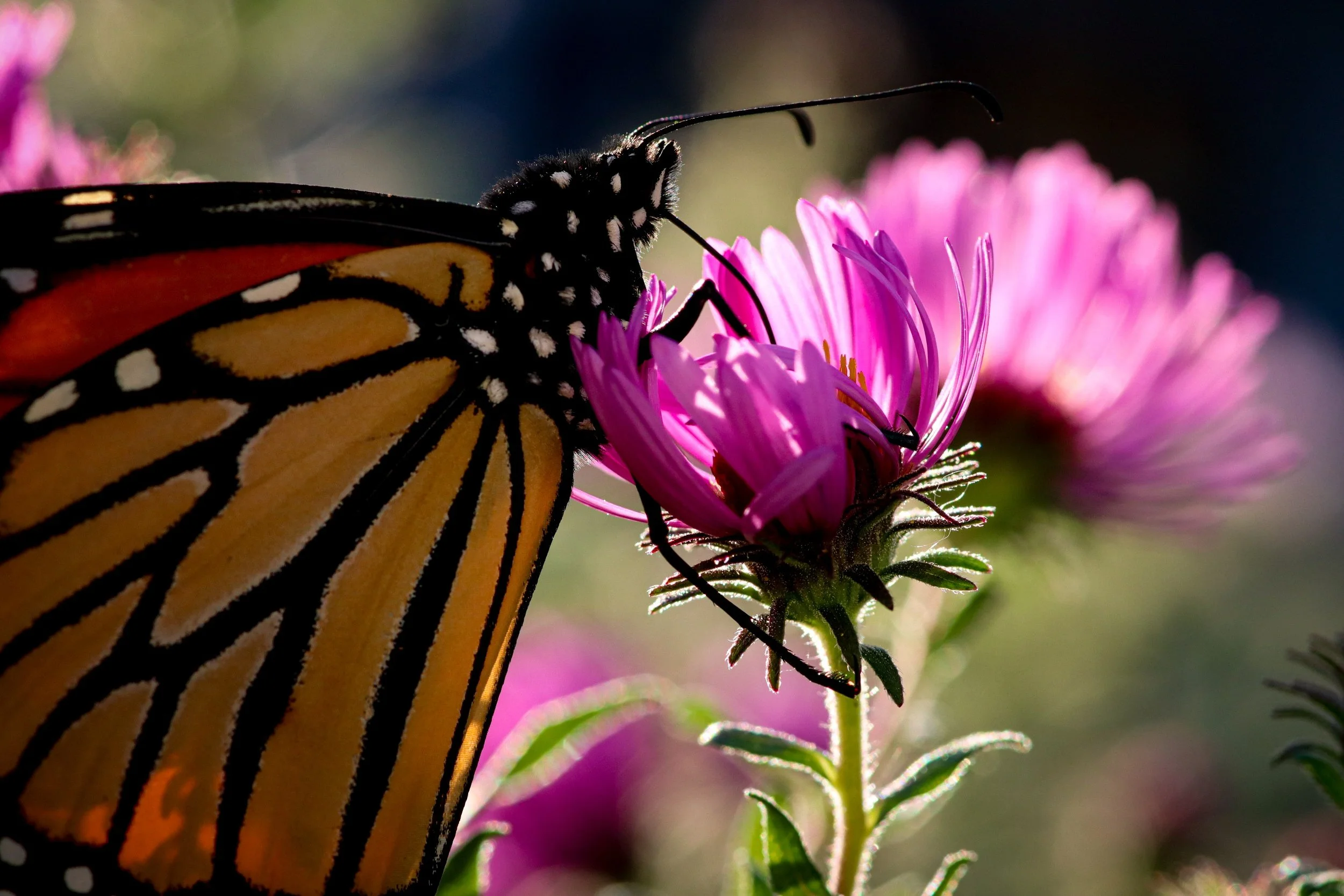
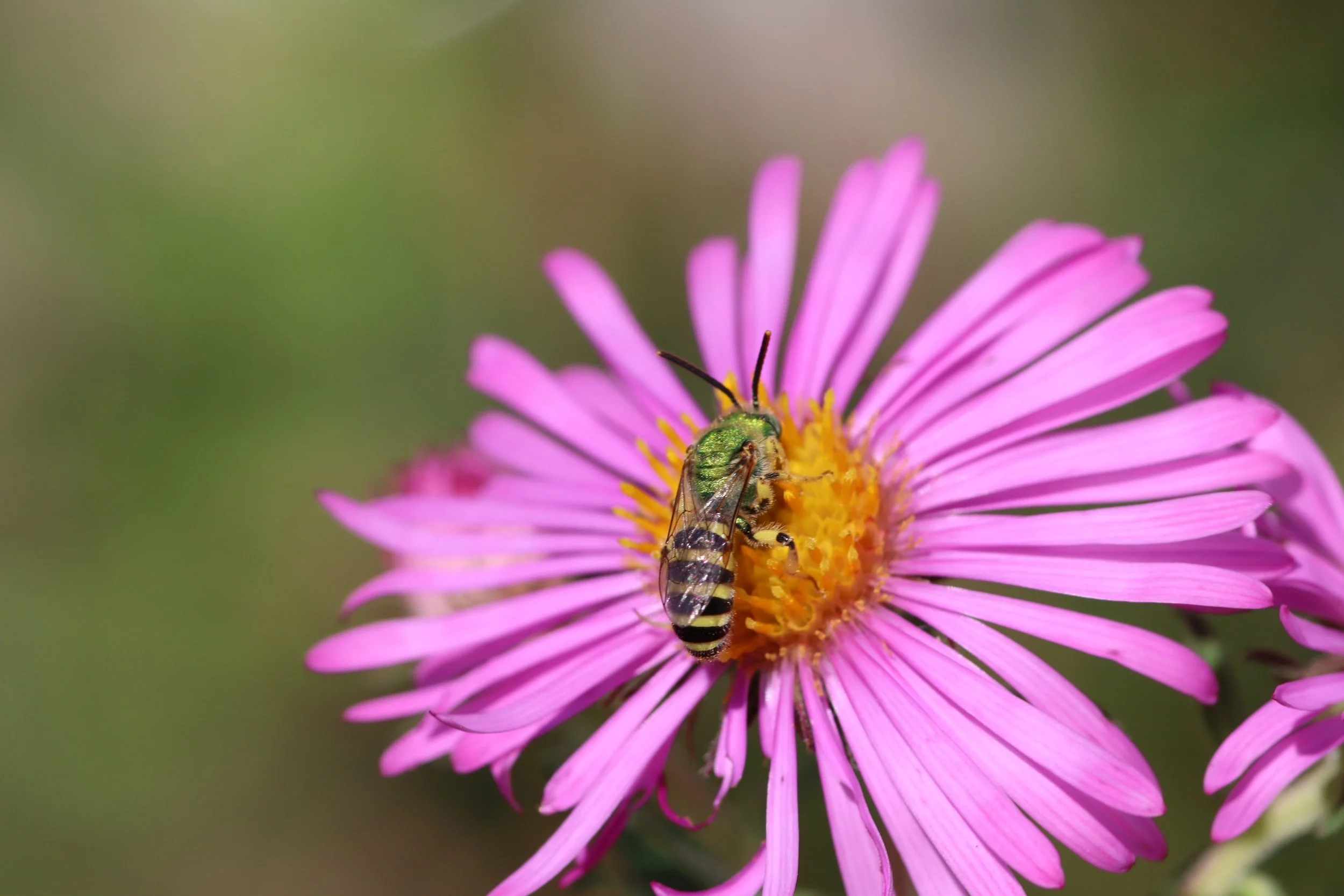
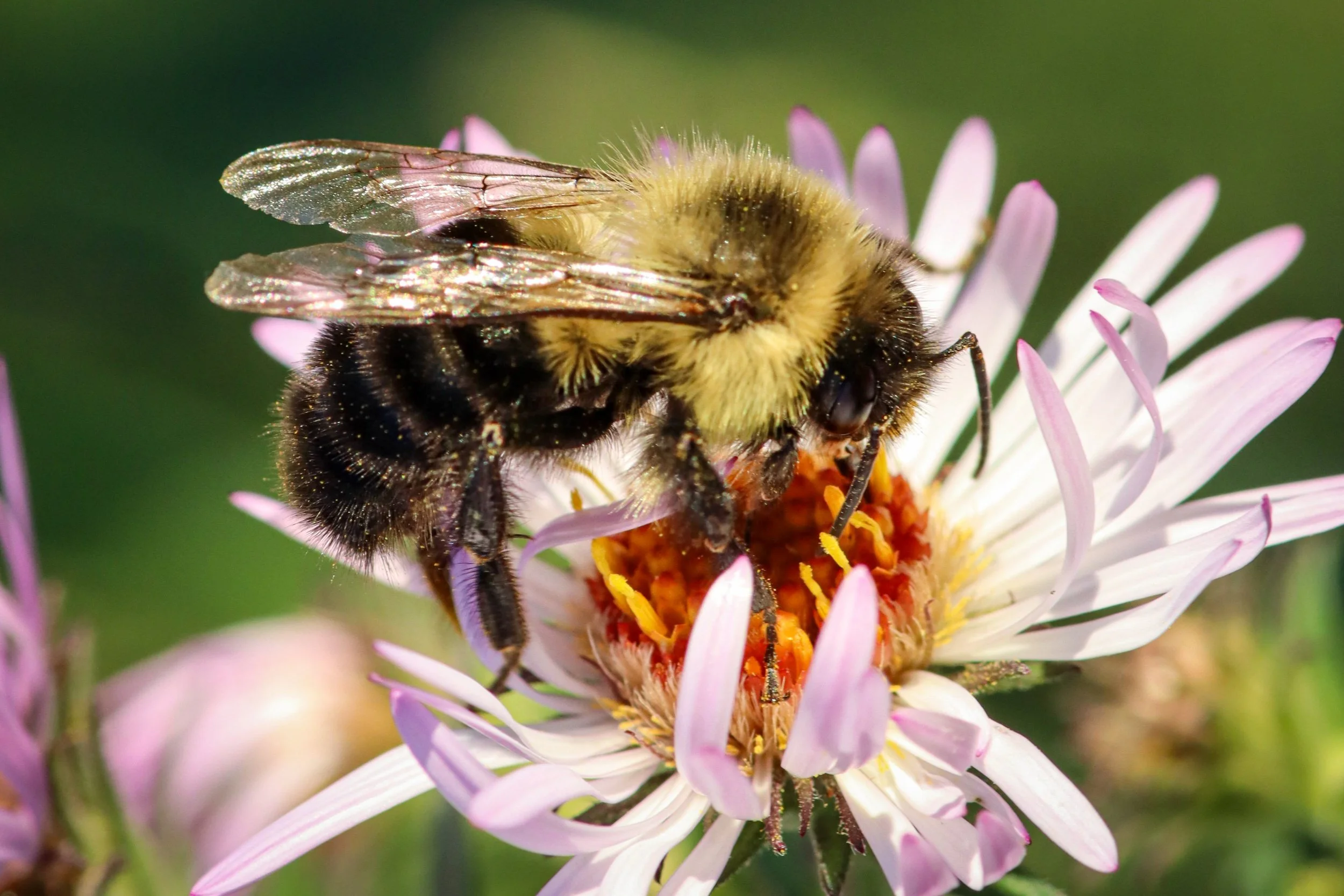
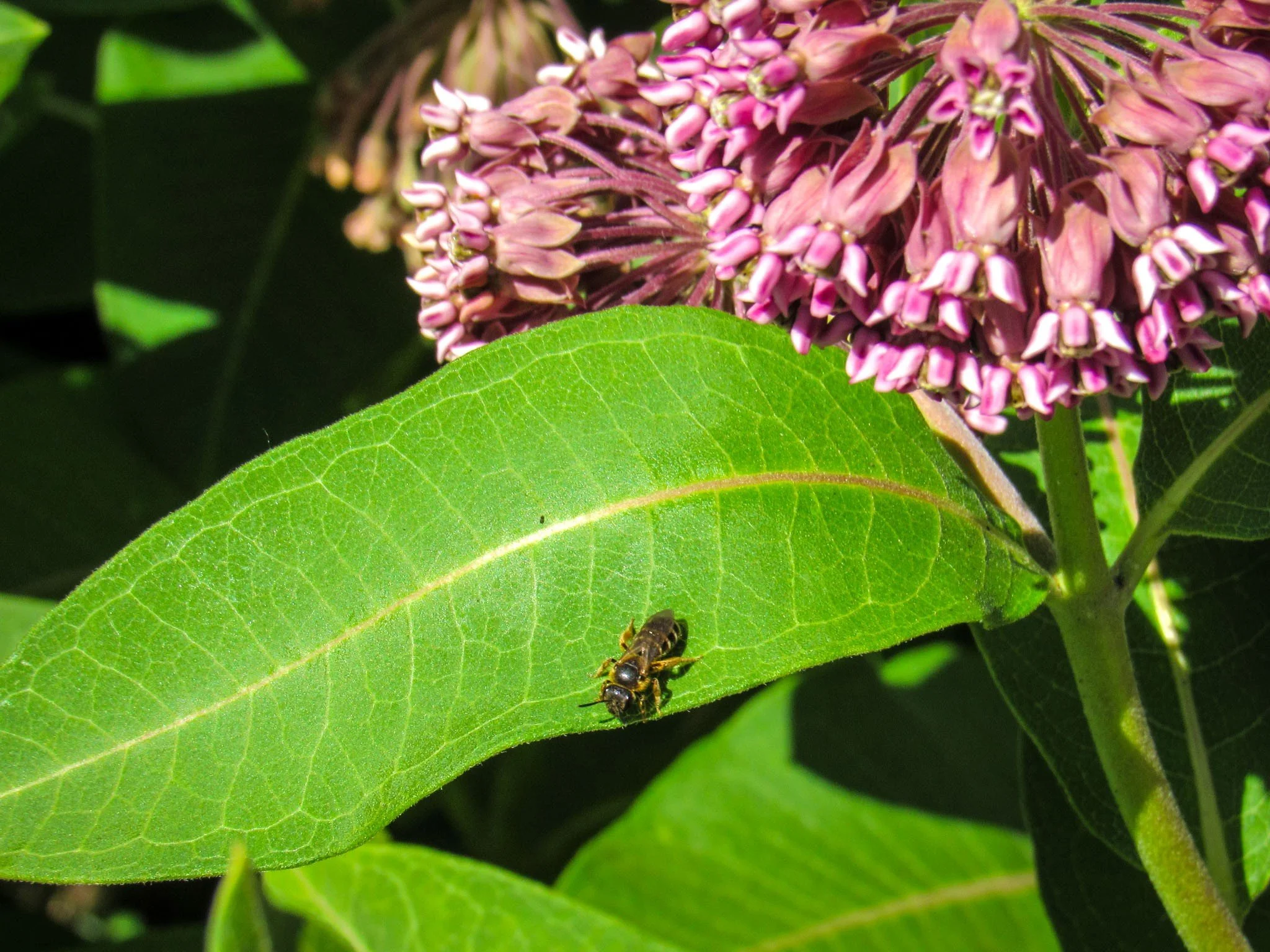
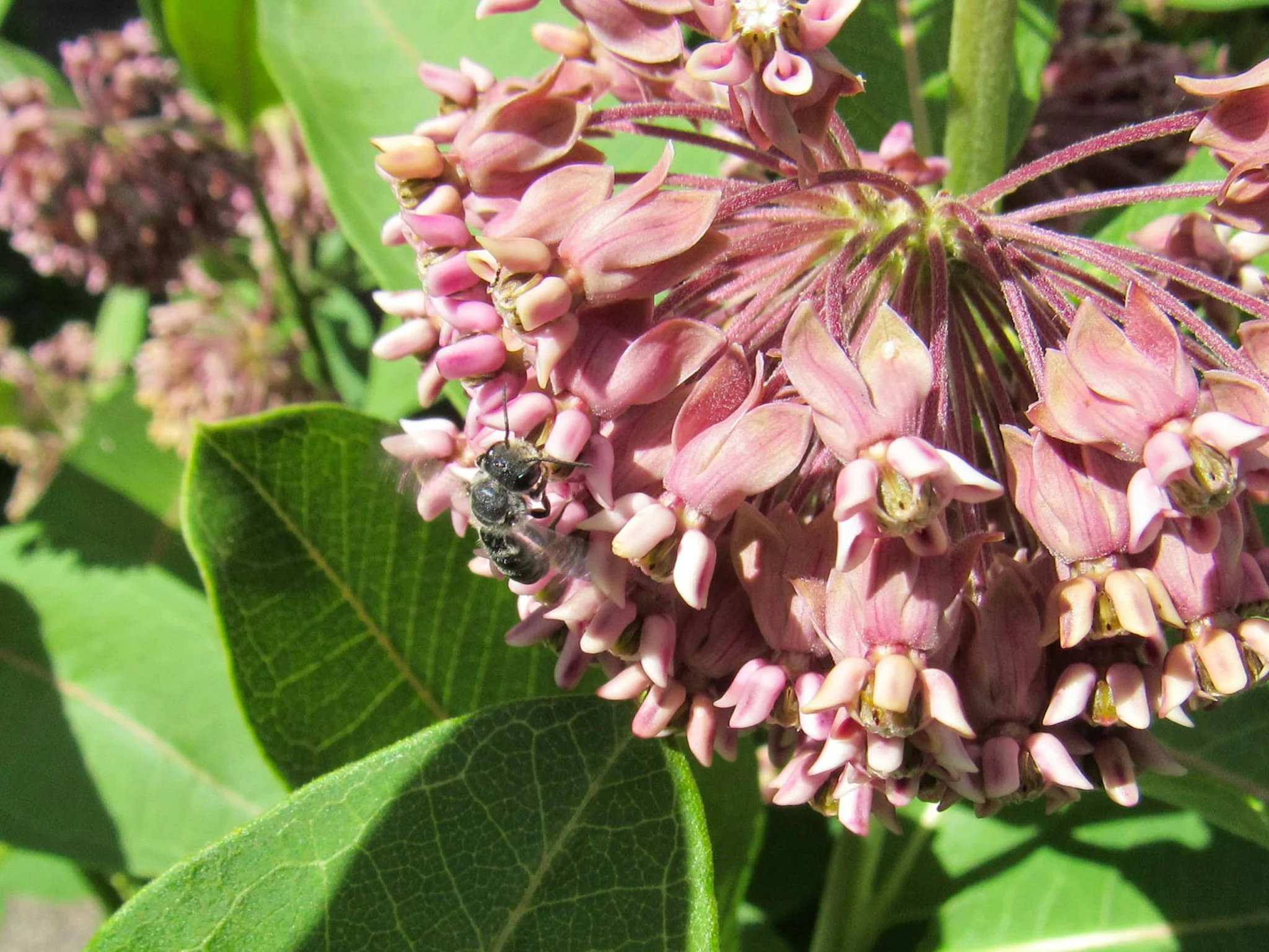
Pollinators: The plant’s many small, nectar- and pollen-rich flowers attract a diversity of native bees (including small solitary bees and some bumblebees), wasps, and flies. Its open, accessible blooms suit short-tongued visitors as well as longer-tongued species, contributing to pollinator network resilience in prairies, roadsides, and remnant grasslands.
Lepidoptera: Desmanthus can serve as a larval host for certain moth species. Caterpillars feeding on its foliage become an important protein-rich food source for insectivorous birds and predatory insects.
Birds: Granivorous and omnivorous birds consume seeds when pods open or are broken. The timing of seed availability—often enhanced by late mowing that slashes and scarifies pods—coincides with autumn and winter foraging needs for many species. Ground-nesting birds can also use clumps for partial cover in mixed-grass settings.
Mammals: Small mammals such as mice and ground squirrels may use the plant for both cover and as a food resource; larger herbivores (white-tailed deer, rabbits) may browse foliage and stems, particularly during the plant’s growing season when tissues are tender and nutritious.
Soil fauna and microbes: As a legume, Desmanthus forms symbioses with nitrogen-fixing rhizobia and supports a richer soil microbial community. Root biomass and decaying plant matter feed soil invertebrates (worms, beetle larvae) that improve soil structure and nutrient cycling.
Environmental benefits
Nitrogen enrichment and soil fertility: Being a nitrogen-fixing legume, Desmanthus adds biologically available nitrogen to soils, reducing the need for synthetic fertilizers in restoration or low-input plantings. This enrichment benefits neighboring grasses and wildflowers, improving overall plant productivity and diversity over time.
Erosion control and soil stabilization: Deep and fibrous roots help bind soil on slopes and disturbed sites (such as roadsides), reducing erosion from wind and water. Its tolerance of full sun and seasonal moisture fluctuations makes it useful in mixed seedings aimed at stabilizing marginal soils.
Drought resilience and seasonal dynamics: Although it prefers ample moisture during its short growing season, mature plants tolerate periodic drought due to root depth and dormancy strategies. The plant’s life cycle—flourishing in spring and setting seed before the hottest part of summer—fits well into prairie phenology and promotes resilience of plant communities to seasonal extremes.
Biodiversity and habitat complexity: By providing nectar, pollen, foliage for larvae, seeds for granivores, and structure for cover, Desmanthus contributes to multi-trophic biodiversity. Mixed plantings that include Illinois bundleflower increase habitat heterogeneity relative to monocultures of grasses, supporting richer insect, bird, and small-mammal communities.
Fire and mowing regimes compatibility: The species is well-adapted to common management practices in its range. Early-season mowing can remove competitive species and favor establishment; late-season mowing breaks seed pods (mechanical scarification), improving germination and seed spread. It also survives and regrows after periodic fires typical of prairie ecosystems, making it a useful species in prescribed-burn management for restoration.
Nutritional and agricultural value: High in protein, Desmanthus is valuable as forage for livestock and wildlife. Its nutritive seed and foliage support herbivores and contribute to protein-rich food webs, which can be especially important in degraded lands undergoing restoration or in low-input pasture systems.
Carbon and nutrient cycling: Through above- and below-ground biomass production and eventual litter decomposition, Desmanthus contributes to carbon sequestration in soil and ongoing nutrient turnover—key processes for long-term soil health in prairie restorations and roadside plantings.
Practical implications for restoration and land management
Incorporate Desmanthus in native seed mixes for prairies, pollinator plantings, roadside stabilization, and low-input pastures to enhance nitrogen availability, wildlife value, and structural diversity.
Time disturbance (mowing, controlled burns) to mimic natural regimes—early-season reductions in competitors and late-season seed-crop disturbance improve recruitment and long-term persistence.
Use the species on southern exposures and well-drained slopes where sunlight is abundant, and consider supplemental moisture during establishment for best results.
Pair with complementary native grasses and forbs to maximize habitat value and nutrient balance, and to reduce potential for any single species dominance.
Overall, Illinois Bundle Flower is a multifunctional native legume: it bolsters pollinators and other fauna, enriches soils via nitrogen fixation, aids erosion control,
Details
USDA Zones: 4-8
Germination Needs: No Treatment Needed, benefits from inoculum and scarification if started indoors in sterile media, but if sown directly, neither is needed.
Life Cycle: Perennial
Sun Exposure: Full
Soil Moisture: Medium, Medium-Dry, Dry
Plant Spacing: 1½ - 3 feet
Height: 5 feet
Bloom time: July, August
Bloom Color: White
Advantages:
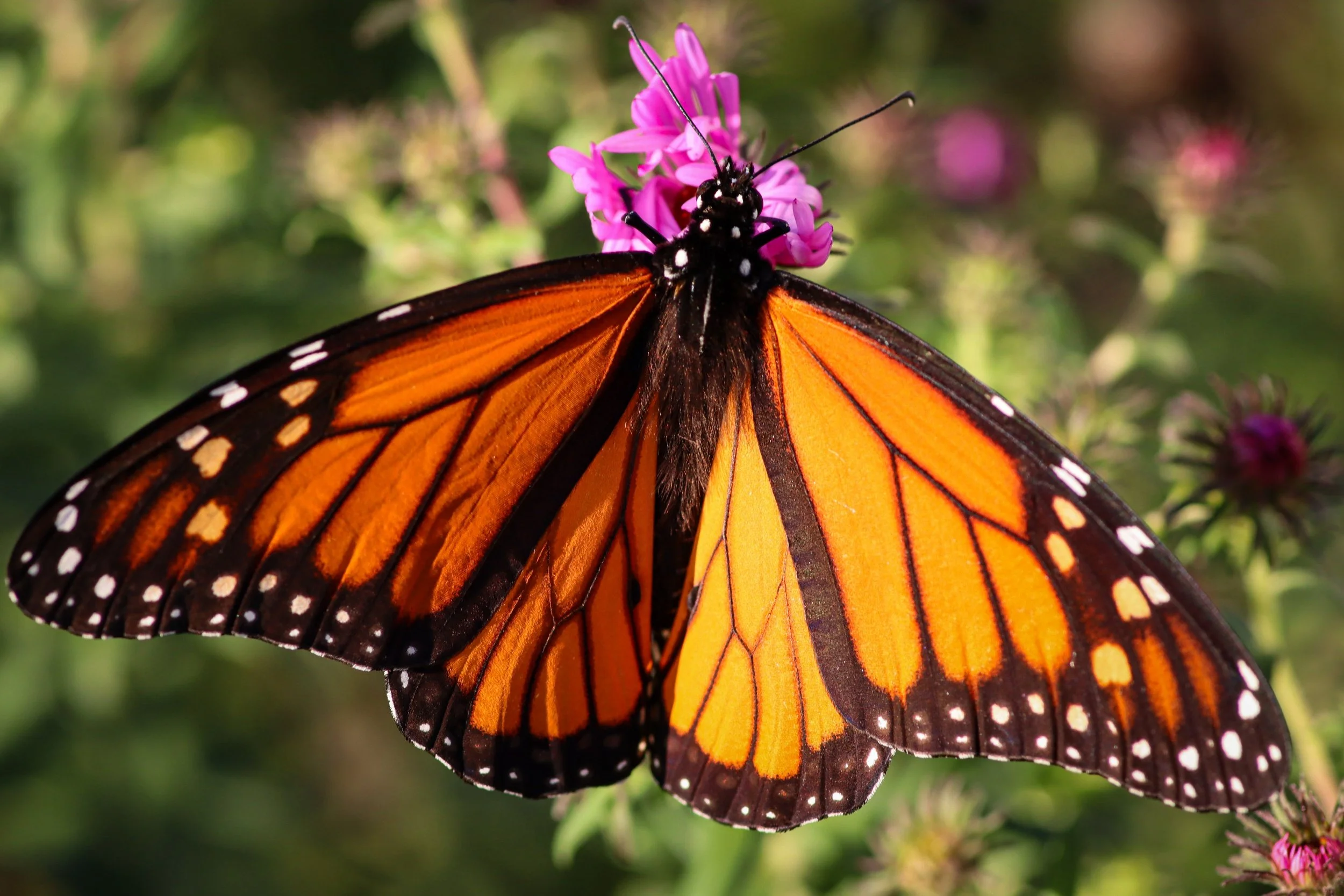
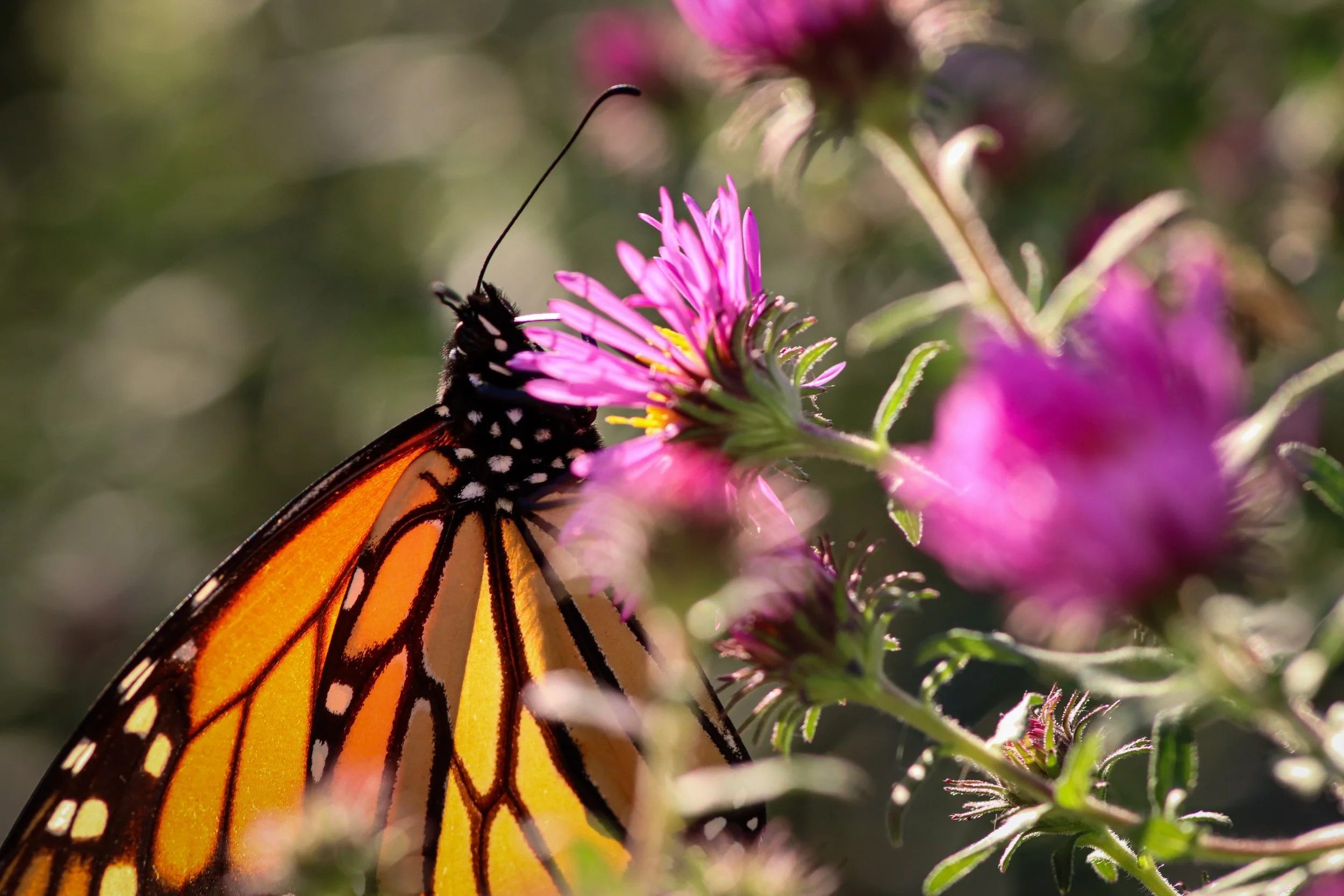
Pollinator Favorite: butterflies, moths, bees, wasps, beetles
Bird Favorite: seeds, insects, fruit, nectar, nesting, perches.
Deer Resistant: No
Native to: Wisconsin, Minnesota, Michigan, Iowa, Illinois, Indiana, Ohio, Pennsylvania, Maryland, Virginia, Kentucky, South Carolina, Georgia, Florida, Alabama, Mississippi, Louisiana, Arkansas, Missouri, Texas, Oklahoma, Kansas, Nebraska, South Dakota, North Dakota, Colorado, New Mexico, Utah, and Nevada.
This species is considered as native but rare in several counties of North Dakota and Minnesota
.
.
Packet quantities:
We pride ourselves on ethical, hands on, ecological management, using no mechanical or chemical methods whatsoever.
All of our native seed is hand reared, hand picked, and hand packed from native prairies under our exclusive management, never breaking chain of custody from the field until it is sent to you. Each packet is hand prepared for shipment by us, directly.
Small seed species will contain greater than 20-25 seed
Large seed species will contain greater than 10-15 seed
All packets are individually marked at the bottom of the front label with expected count, however most if not all packets will have more than the minimum count by default.
It is our mission to spread the wealth of native plant and pollinator ecological sustainability and educate back yard gardeners as well as corporate and government entities in how to germinate, grow, and benefit from native synergies.
Thank you for your support, it is because of you, that we can grow together to do, what we do. 🐛🦋🐝🐞🌾🌱🌼🧡
Illinois Bundle Flower (Desmanthus illinoense)
Desmanthus illinoensis, commonly known as Illinois Bundle Flower, Prairie Mimosa or Prickleweed, is a common native plant of the central and southern United States.
Illinois Bundle Flower supports a suite of faunal relationships and provides multiple ecological benefits across its native range in the central and southern United States.
Faunal associations
Pollinators: The plant’s many small, nectar- and pollen-rich flowers attract a diversity of native bees (including small solitary bees and some bumblebees), wasps, and flies. Its open, accessible blooms suit short-tongued visitors as well as longer-tongued species, contributing to pollinator network resilience in prairies, roadsides, and remnant grasslands.
Lepidoptera: Desmanthus can serve as a larval host for certain moth species. Caterpillars feeding on its foliage become an important protein-rich food source for insectivorous birds and predatory insects.
Birds: Granivorous and omnivorous birds consume seeds when pods open or are broken. The timing of seed availability—often enhanced by late mowing that slashes and scarifies pods—coincides with autumn and winter foraging needs for many species. Ground-nesting birds can also use clumps for partial cover in mixed-grass settings.
Mammals: Small mammals such as mice and ground squirrels may use the plant for both cover and as a food resource; larger herbivores (white-tailed deer, rabbits) may browse foliage and stems, particularly during the plant’s growing season when tissues are tender and nutritious.
Soil fauna and microbes: As a legume, Desmanthus forms symbioses with nitrogen-fixing rhizobia and supports a richer soil microbial community. Root biomass and decaying plant matter feed soil invertebrates (worms, beetle larvae) that improve soil structure and nutrient cycling.
Environmental benefits
Nitrogen enrichment and soil fertility: Being a nitrogen-fixing legume, Desmanthus adds biologically available nitrogen to soils, reducing the need for synthetic fertilizers in restoration or low-input plantings. This enrichment benefits neighboring grasses and wildflowers, improving overall plant productivity and diversity over time.
Erosion control and soil stabilization: Deep and fibrous roots help bind soil on slopes and disturbed sites (such as roadsides), reducing erosion from wind and water. Its tolerance of full sun and seasonal moisture fluctuations makes it useful in mixed seedings aimed at stabilizing marginal soils.
Drought resilience and seasonal dynamics: Although it prefers ample moisture during its short growing season, mature plants tolerate periodic drought due to root depth and dormancy strategies. The plant’s life cycle—flourishing in spring and setting seed before the hottest part of summer—fits well into prairie phenology and promotes resilience of plant communities to seasonal extremes.
Biodiversity and habitat complexity: By providing nectar, pollen, foliage for larvae, seeds for granivores, and structure for cover, Desmanthus contributes to multi-trophic biodiversity. Mixed plantings that include Illinois bundleflower increase habitat heterogeneity relative to monocultures of grasses, supporting richer insect, bird, and small-mammal communities.
Fire and mowing regimes compatibility: The species is well-adapted to common management practices in its range. Early-season mowing can remove competitive species and favor establishment; late-season mowing breaks seed pods (mechanical scarification), improving germination and seed spread. It also survives and regrows after periodic fires typical of prairie ecosystems, making it a useful species in prescribed-burn management for restoration.
Nutritional and agricultural value: High in protein, Desmanthus is valuable as forage for livestock and wildlife. Its nutritive seed and foliage support herbivores and contribute to protein-rich food webs, which can be especially important in degraded lands undergoing restoration or in low-input pasture systems.
Carbon and nutrient cycling: Through above- and below-ground biomass production and eventual litter decomposition, Desmanthus contributes to carbon sequestration in soil and ongoing nutrient turnover—key processes for long-term soil health in prairie restorations and roadside plantings.
Practical implications for restoration and land management
Incorporate Desmanthus in native seed mixes for prairies, pollinator plantings, roadside stabilization, and low-input pastures to enhance nitrogen availability, wildlife value, and structural diversity.
Time disturbance (mowing, controlled burns) to mimic natural regimes—early-season reductions in competitors and late-season seed-crop disturbance improve recruitment and long-term persistence.
Use the species on southern exposures and well-drained slopes where sunlight is abundant, and consider supplemental moisture during establishment for best results.
Pair with complementary native grasses and forbs to maximize habitat value and nutrient balance, and to reduce potential for any single species dominance.
Overall, Illinois Bundle Flower is a multifunctional native legume: it bolsters pollinators and other fauna, enriches soils via nitrogen fixation, aids erosion control,
Details
USDA Zones: 4-8
Germination Needs: No Treatment Needed, benefits from inoculum and scarification if started indoors in sterile media, but if sown directly, neither is needed.
Life Cycle: Perennial
Sun Exposure: Full
Soil Moisture: Medium, Medium-Dry, Dry
Plant Spacing: 1½ - 3 feet
Height: 5 feet
Bloom time: July, August
Bloom Color: White
Advantages:
Pollinator Favorite: butterflies, moths, bees, wasps, beetles
Bird Favorite: seeds, insects, fruit, nectar, nesting, perches.
Deer Resistant: No
Native to: Wisconsin, Minnesota, Michigan, Iowa, Illinois, Indiana, Ohio, Pennsylvania, Maryland, Virginia, Kentucky, South Carolina, Georgia, Florida, Alabama, Mississippi, Louisiana, Arkansas, Missouri, Texas, Oklahoma, Kansas, Nebraska, South Dakota, North Dakota, Colorado, New Mexico, Utah, and Nevada.
This species is considered as native but rare in several counties of North Dakota and Minnesota
.
.
Packet quantities:
We pride ourselves on ethical, hands on, ecological management, using no mechanical or chemical methods whatsoever.
All of our native seed is hand reared, hand picked, and hand packed from native prairies under our exclusive management, never breaking chain of custody from the field until it is sent to you. Each packet is hand prepared for shipment by us, directly.
Small seed species will contain greater than 20-25 seed
Large seed species will contain greater than 10-15 seed
All packets are individually marked at the bottom of the front label with expected count, however most if not all packets will have more than the minimum count by default.
It is our mission to spread the wealth of native plant and pollinator ecological sustainability and educate back yard gardeners as well as corporate and government entities in how to germinate, grow, and benefit from native synergies.
Thank you for your support, it is because of you, that we can grow together to do, what we do. 🐛🦋🐝🐞🌾🌱🌼🧡
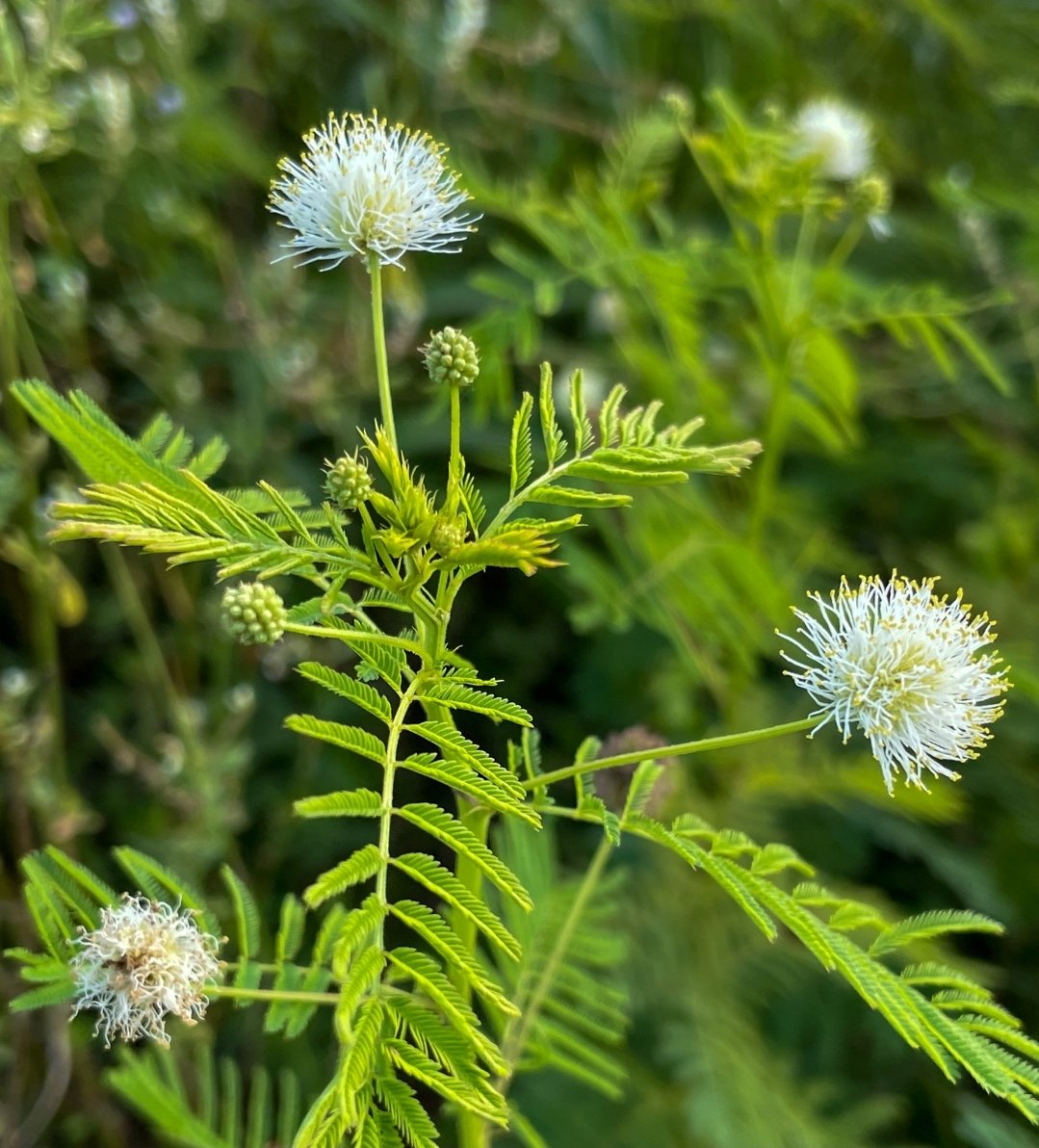 Image 1 of 5
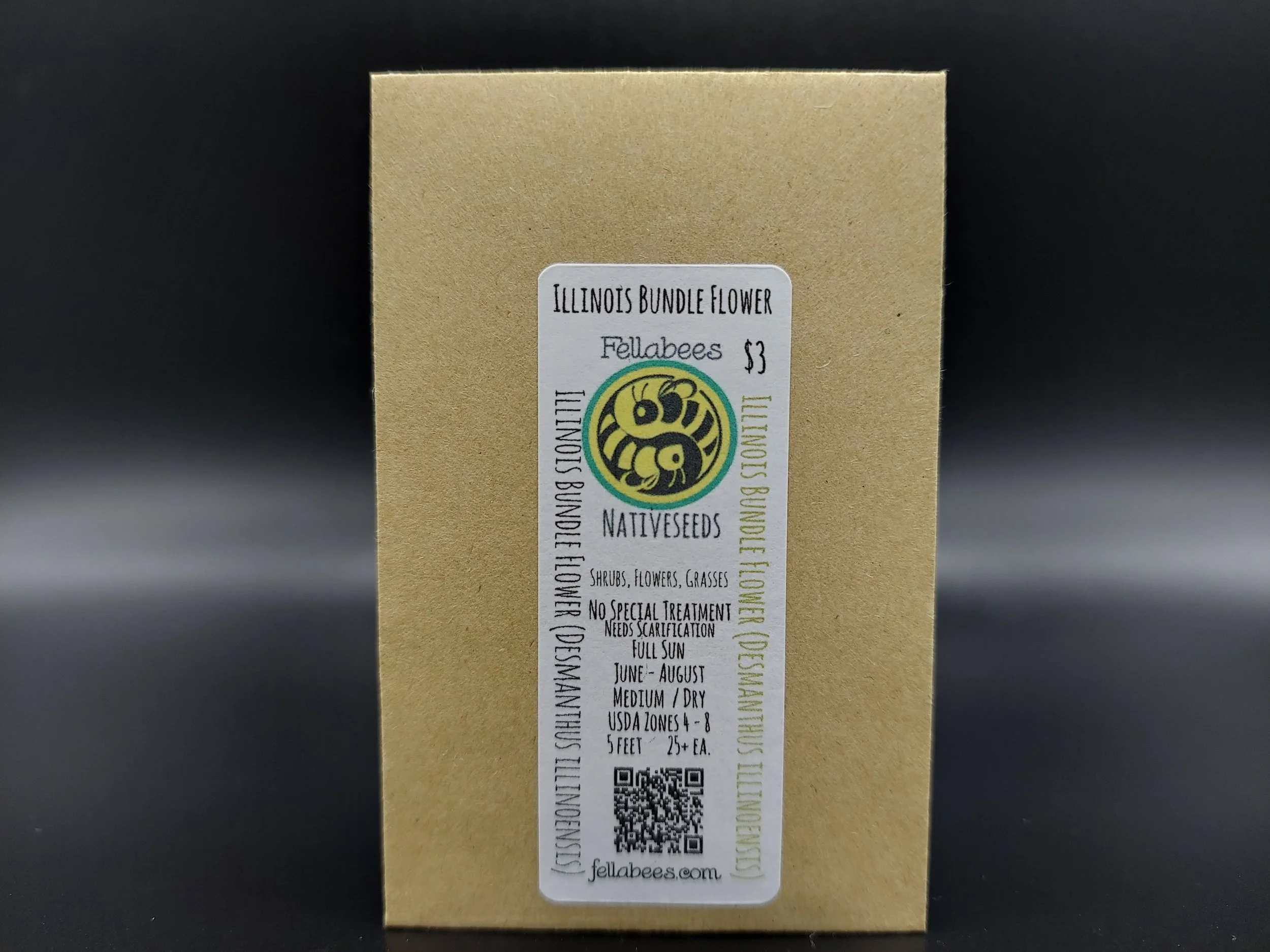 Image 2 of 5
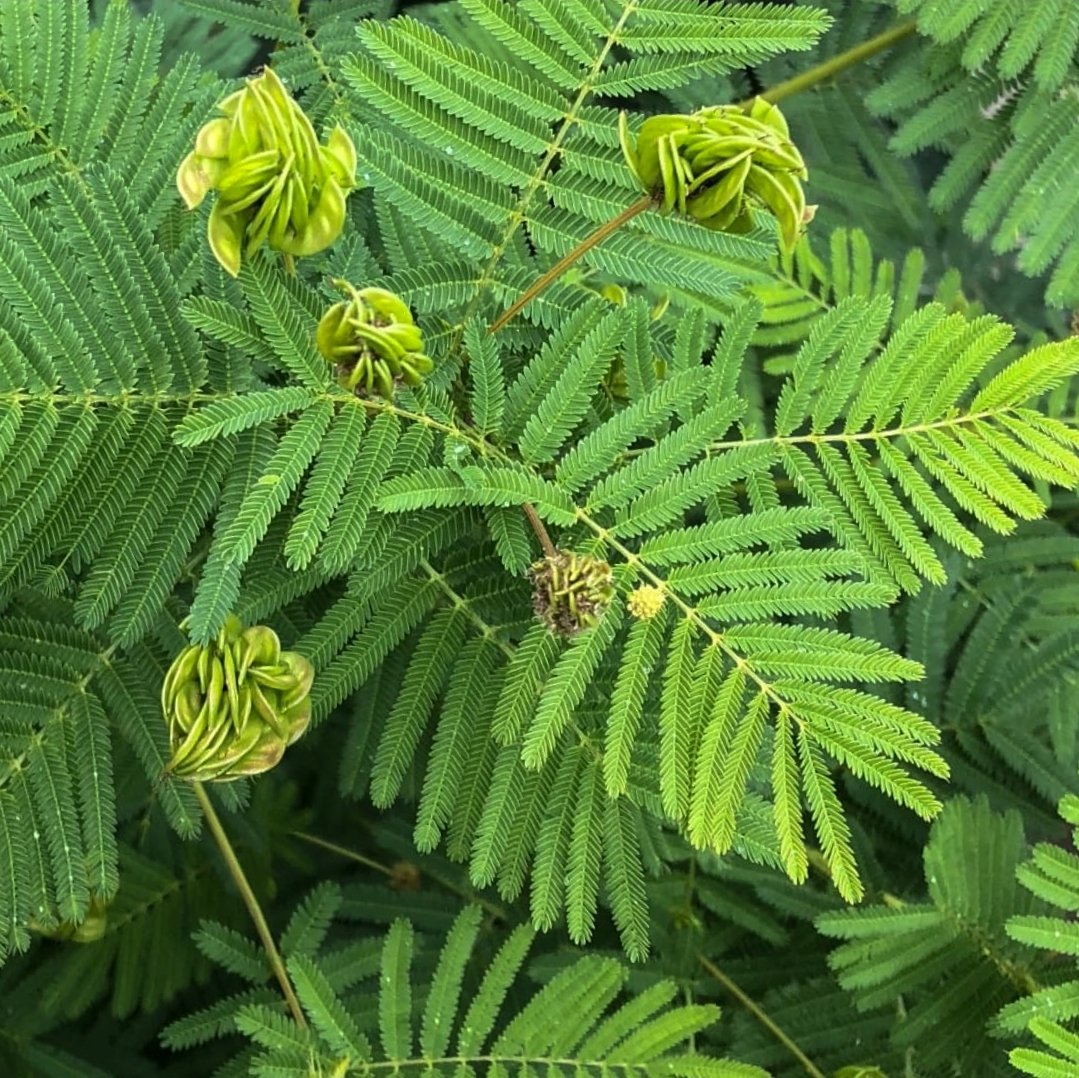 Image 3 of 5
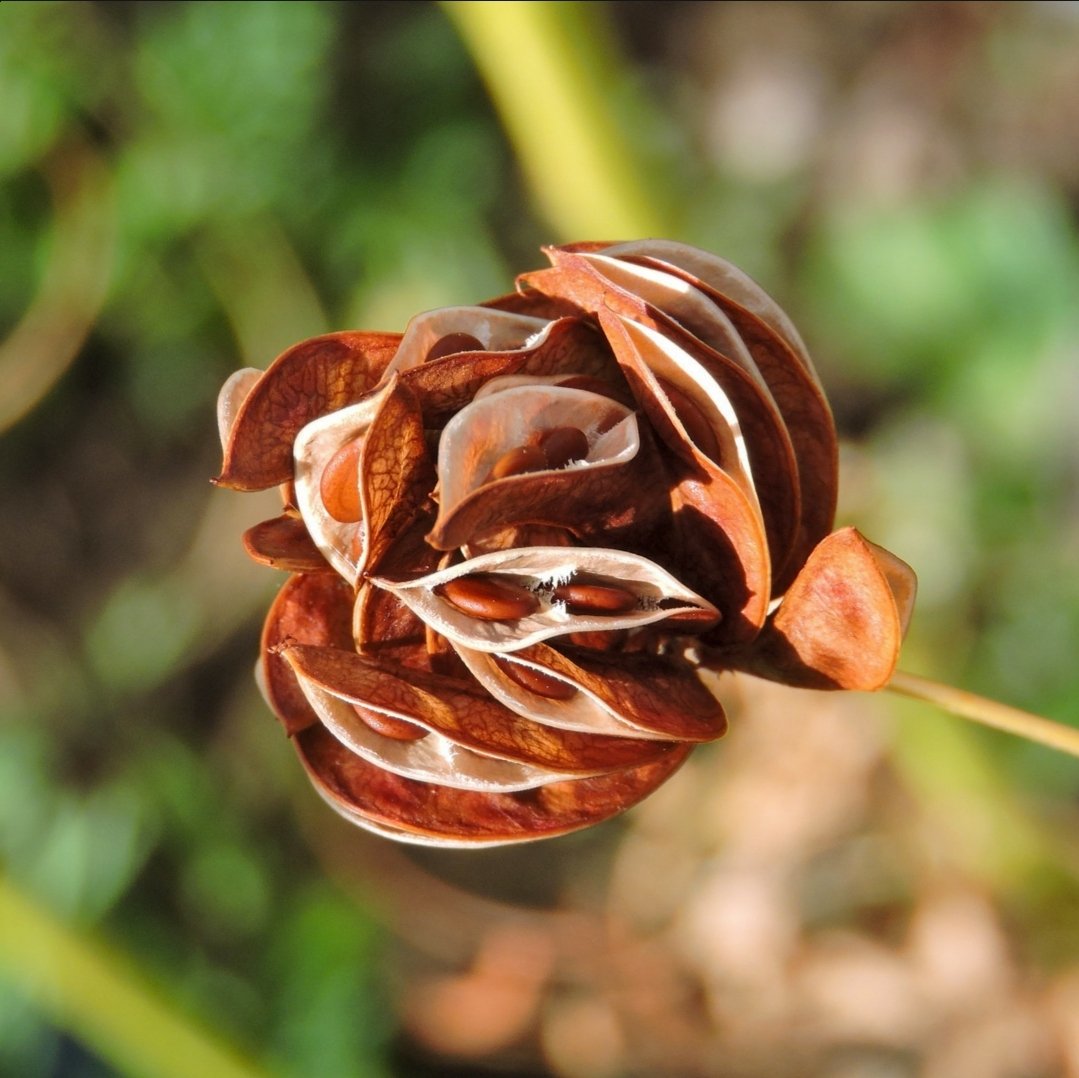 Image 4 of 5
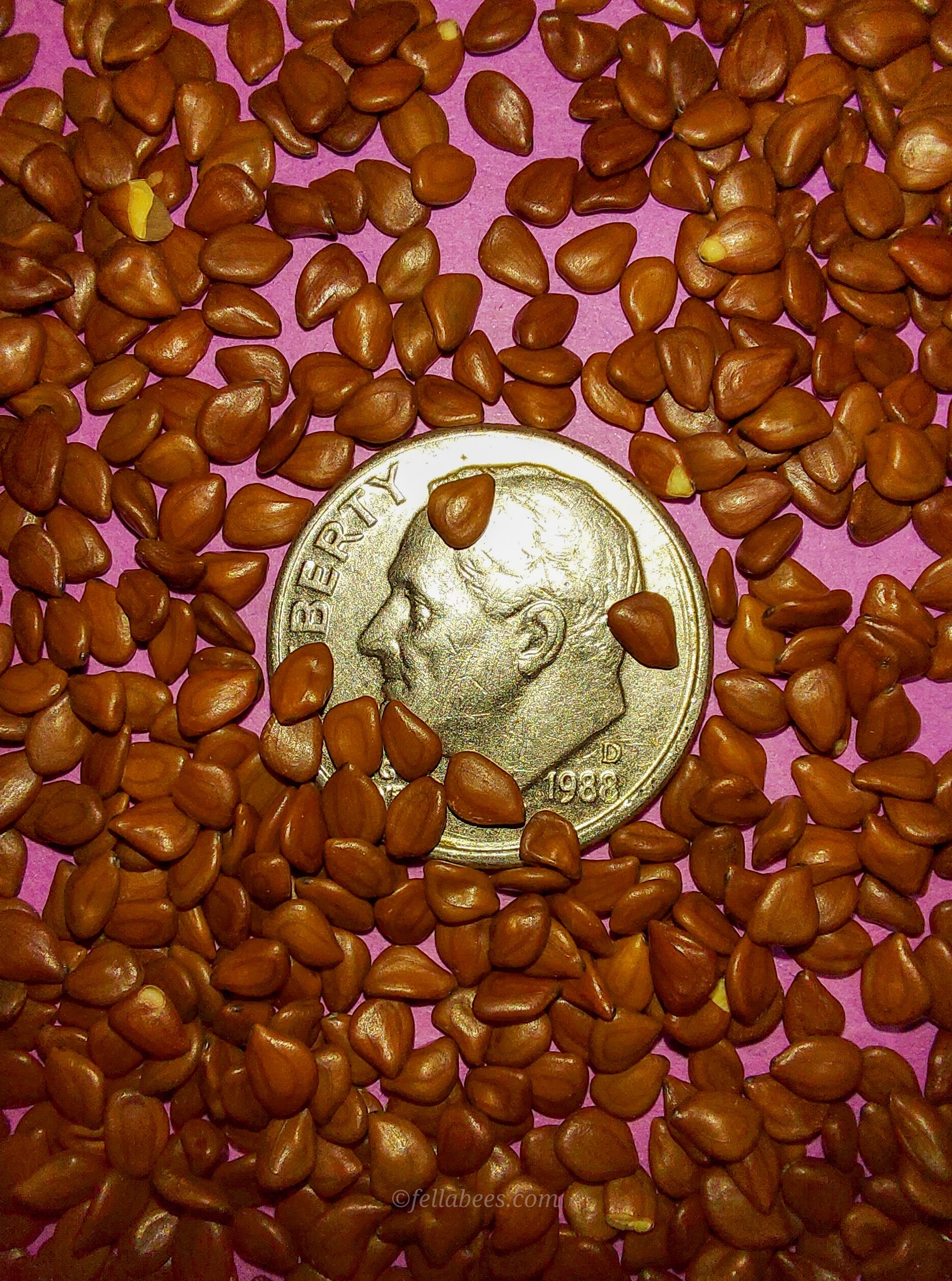 Image 5 of 5