Downy Sunflower (Helianthus mollis)
Helianthus mollis is the scientific name for a native and perennial species of sunflower known by the common names Downy Sunflower or Ashy Sunflower. It is widespread across much of the United States and Canada, primarily the Great Lakes region from Ontario south to Texas and Alabama. However, it is considered to be locally endangered within the state of Ohio
Downy Sunflower looks like blue and yellow velvet from a distance but is anchored and networked deep and wide beneath the surface in the soil. This hearty plant thrives in poor, disturbed, drier soils where it can form vigorous, long-lived colonies, though it will also perform well in richer, more fertile conditions.
Helianthus mollis grows on prairies, roadsides, dry open woods, rocky glades, fields, and thickets. It is a perennial herbaceous plant up to 5 feet tall, spreading by means of underground rhizomes. The leaves are mostly along the stem rather than crowded near the base, each egg-shaped with teeth along the edges. One plant produces 1-15 flower heads.
Over 100 native bee species belonging to the following genera are specialists on Helianthus species such as: Andrena, Anthophora, Calliopsis, Colletes, Diadasia, Dianthidium, Dieunomia, Dufourea, Exomalopsis, Heriades, Hesperapis, Megachile, Melissodes, Osmia, Paranthidium, Perdita, Protandrena, Svastra, and Trachusa, making complete pollination highly likely and exceptionally successful. several Lepidoptera Butterfly/Moth species utilize Helianthus as a host plant such as, Bordered Patch (Chlosyne lacinia), Gorgone Checkerspot (Chlosyne gorgone) and Oblique-striped Emerald Moth (Synchlora bistriaria). Butterfly visitors for nectar include Monarchs, Swallowtails, Sulphers, Common Buckeyes American and Painted Lady, and many Skippers.
Downy Sunflower exhibits allelopathic properties that can inhibit the germination and survival of neighboring plants. When used strategically alongside other similarly competitive native species, it can form a cooperative barrier against invasive plants that otherwise dominate by aggressive growth or allelopathy of their own. Establishing contiguous stands of these resilient natives helps reclaim degraded soils, stabilize the site, and gradually restore the chemical and biological conditions—such as soil microbiome balance, nutrient cycles, and light and moisture regimes—that many native wildflowers and grasses require to thrive.
Beyond simply suppressing invasives, planting allelopathic natives provides several broader environmental and ecological benefits. Dense native stands of Downy Sunflower reduce erosion by protecting soil surface structure and increasing organic matter through root biomass and leaf litter. Improved soil stability and organic content promote water infiltration and retention, which benefits downstream habitats and helps buffer drought impacts. Downy Sunflower also supports soil microbial communities, mycorrhizal fungi, and beneficial invertebrates that are essential for healthy nutrient cycling and long-term ecosystem recovery.
Ecologically, stands of Downy Sunflower create habitat and food resources for pollinators, birds, and other wildlife, increasing biodiversity at the site. As the invaded area transitions back toward native-dominated vegetation, ecological interactions—pollination networks, seed dispersal, and predator–prey relationships—can be reestablished, enhancing resilience against future invasions. Using Downy Sunflower as part of a restoration palette should be done thoughtfully: placing them in appropriate densities and locations, monitoring for unintended suppression of desirable species, and following up with planting or seeding of compatible native species once soil and community conditions have improved. This integrated approach leverages both the suppressive traits of certain natives and the restorative functions of native plant communities to reclaim land, restore ecological balance, and promote long-term resilience.
Plant Details
USDA Zones: 4-8
Germination Needs: 30 Days Cold Stratification
Life Cycle: Perennial
Sun Exposure: Full to Partial
Soil Moisture: Medium, Medium-Dry
Plant Spacing: 2-3 feet
Height: 5 feet
Bloom time: August, September
Bloom Color: Yellow
Advantages
Pollinator Favorite: butterflies, moths, bees, wasps, beetles
Bird Favorite: seeds, insects, fruit, nectar, nesting, perchs.
Deer Resistant: Yes
Native to: Wisconsin, Iowa, Illinois, Indiana, Michigan, Ohio, Kentucky, Tennessee, Alabama, Mississippi, Louisiana, Arkansas, Missouri, Texas, Oklahoma, Kansas and Nebraska.
This species is considered present but introduced in several counties of the states of Pennsylvania, New York, Maine, Massachusetts, Rhode Island, Connecticut, Maryland, West Virginia, Virginia, North Carolina, South Carolina and Georgia.
.
.
Packet quantities:
We pride ourselves on ethical, hands on, ecological management, using no mechanical or chemical methods whatsoever.
All of our native seed is hand reared, hand picked, and hand packed from native prairies under our exclusive management, never breaking chain of custody from the field until it is sent to you. Each packet is hand prepared for shipment by us, directly.
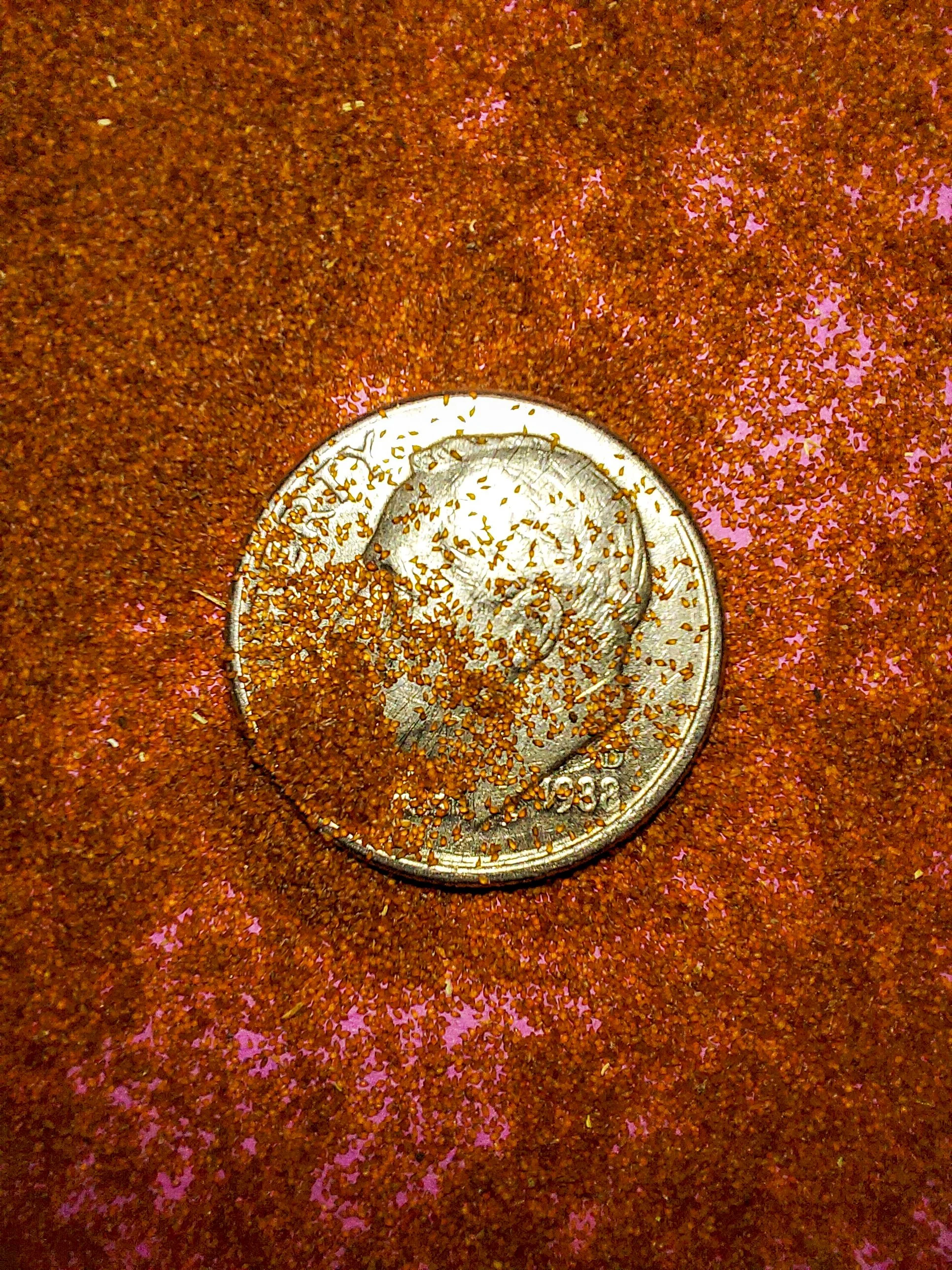
Small seed species will contain greater than 20-25 seed
Large seed species will contain greater than 10-15 seed
It is our mission to spread the wealth of native plant and pollinator ecological sustainability, and educate back yard gardeners as well as corporate and government entities in how to germinate, grow, and benefit from native synergies.
Thank you for your support, it is because of you, that we can grow together to do, what we do.🐛🦋🐝🐞🌾🌱🌼🧡
Downy Sunflower (Helianthus mollis)
Helianthus mollis is the scientific name for a native and perennial species of sunflower known by the common names Downy Sunflower or Ashy Sunflower. It is widespread across much of the United States and Canada, primarily the Great Lakes region from Ontario south to Texas and Alabama. However, it is considered to be locally endangered within the state of Ohio
Downy Sunflower looks like blue and yellow velvet from a distance but is anchored and networked deep and wide beneath the surface in the soil. This hearty plant thrives in poor, disturbed, drier soils where it can form vigorous, long-lived colonies, though it will also perform well in richer, more fertile conditions.
Helianthus mollis grows on prairies, roadsides, dry open woods, rocky glades, fields, and thickets. It is a perennial herbaceous plant up to 5 feet tall, spreading by means of underground rhizomes. The leaves are mostly along the stem rather than crowded near the base, each egg-shaped with teeth along the edges. One plant produces 1-15 flower heads.
Over 100 native bee species belonging to the following genera are specialists on Helianthus species such as: Andrena, Anthophora, Calliopsis, Colletes, Diadasia, Dianthidium, Dieunomia, Dufourea, Exomalopsis, Heriades, Hesperapis, Megachile, Melissodes, Osmia, Paranthidium, Perdita, Protandrena, Svastra, and Trachusa, making complete pollination highly likely and exceptionally successful. several Lepidoptera Butterfly/Moth species utilize Helianthus as a host plant such as, Bordered Patch (Chlosyne lacinia), Gorgone Checkerspot (Chlosyne gorgone) and Oblique-striped Emerald Moth (Synchlora bistriaria). Butterfly visitors for nectar include Monarchs, Swallowtails, Sulphers, Common Buckeyes American and Painted Lady, and many Skippers.
Downy Sunflower exhibits allelopathic properties that can inhibit the germination and survival of neighboring plants. When used strategically alongside other similarly competitive native species, it can form a cooperative barrier against invasive plants that otherwise dominate by aggressive growth or allelopathy of their own. Establishing contiguous stands of these resilient natives helps reclaim degraded soils, stabilize the site, and gradually restore the chemical and biological conditions—such as soil microbiome balance, nutrient cycles, and light and moisture regimes—that many native wildflowers and grasses require to thrive.
Beyond simply suppressing invasives, planting allelopathic natives provides several broader environmental and ecological benefits. Dense native stands of Downy Sunflower reduce erosion by protecting soil surface structure and increasing organic matter through root biomass and leaf litter. Improved soil stability and organic content promote water infiltration and retention, which benefits downstream habitats and helps buffer drought impacts. Downy Sunflower also supports soil microbial communities, mycorrhizal fungi, and beneficial invertebrates that are essential for healthy nutrient cycling and long-term ecosystem recovery.
Ecologically, stands of Downy Sunflower create habitat and food resources for pollinators, birds, and other wildlife, increasing biodiversity at the site. As the invaded area transitions back toward native-dominated vegetation, ecological interactions—pollination networks, seed dispersal, and predator–prey relationships—can be reestablished, enhancing resilience against future invasions. Using Downy Sunflower as part of a restoration palette should be done thoughtfully: placing them in appropriate densities and locations, monitoring for unintended suppression of desirable species, and following up with planting or seeding of compatible native species once soil and community conditions have improved. This integrated approach leverages both the suppressive traits of certain natives and the restorative functions of native plant communities to reclaim land, restore ecological balance, and promote long-term resilience.
Plant Details
USDA Zones: 4-8
Germination Needs: 30 Days Cold Stratification
Life Cycle: Perennial
Sun Exposure: Full to Partial
Soil Moisture: Medium, Medium-Dry
Plant Spacing: 2-3 feet
Height: 5 feet
Bloom time: August, September
Bloom Color: Yellow
Advantages
Pollinator Favorite: butterflies, moths, bees, wasps, beetles
Bird Favorite: seeds, insects, fruit, nectar, nesting, perchs.
Deer Resistant: Yes
Native to: Wisconsin, Iowa, Illinois, Indiana, Michigan, Ohio, Kentucky, Tennessee, Alabama, Mississippi, Louisiana, Arkansas, Missouri, Texas, Oklahoma, Kansas and Nebraska.
This species is considered present but introduced in several counties of the states of Pennsylvania, New York, Maine, Massachusetts, Rhode Island, Connecticut, Maryland, West Virginia, Virginia, North Carolina, South Carolina and Georgia.
.
.
Packet quantities:
We pride ourselves on ethical, hands on, ecological management, using no mechanical or chemical methods whatsoever.
All of our native seed is hand reared, hand picked, and hand packed from native prairies under our exclusive management, never breaking chain of custody from the field until it is sent to you. Each packet is hand prepared for shipment by us, directly.
Small seed species will contain greater than 20-25 seed
Large seed species will contain greater than 10-15 seed
It is our mission to spread the wealth of native plant and pollinator ecological sustainability, and educate back yard gardeners as well as corporate and government entities in how to germinate, grow, and benefit from native synergies.
Thank you for your support, it is because of you, that we can grow together to do, what we do.🐛🦋🐝🐞🌾🌱🌼🧡
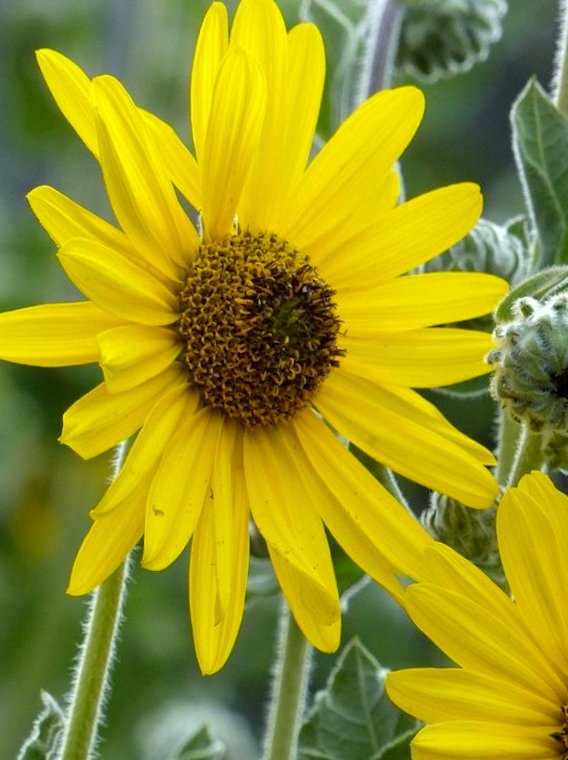 Image 1 of 7
 Image 2 of 7
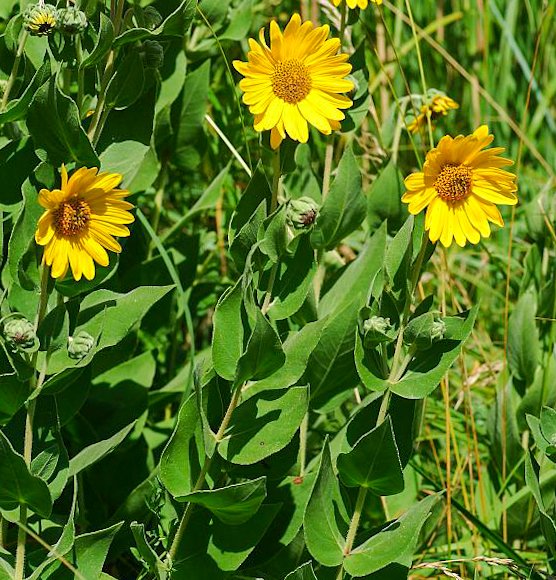 Image 3 of 7
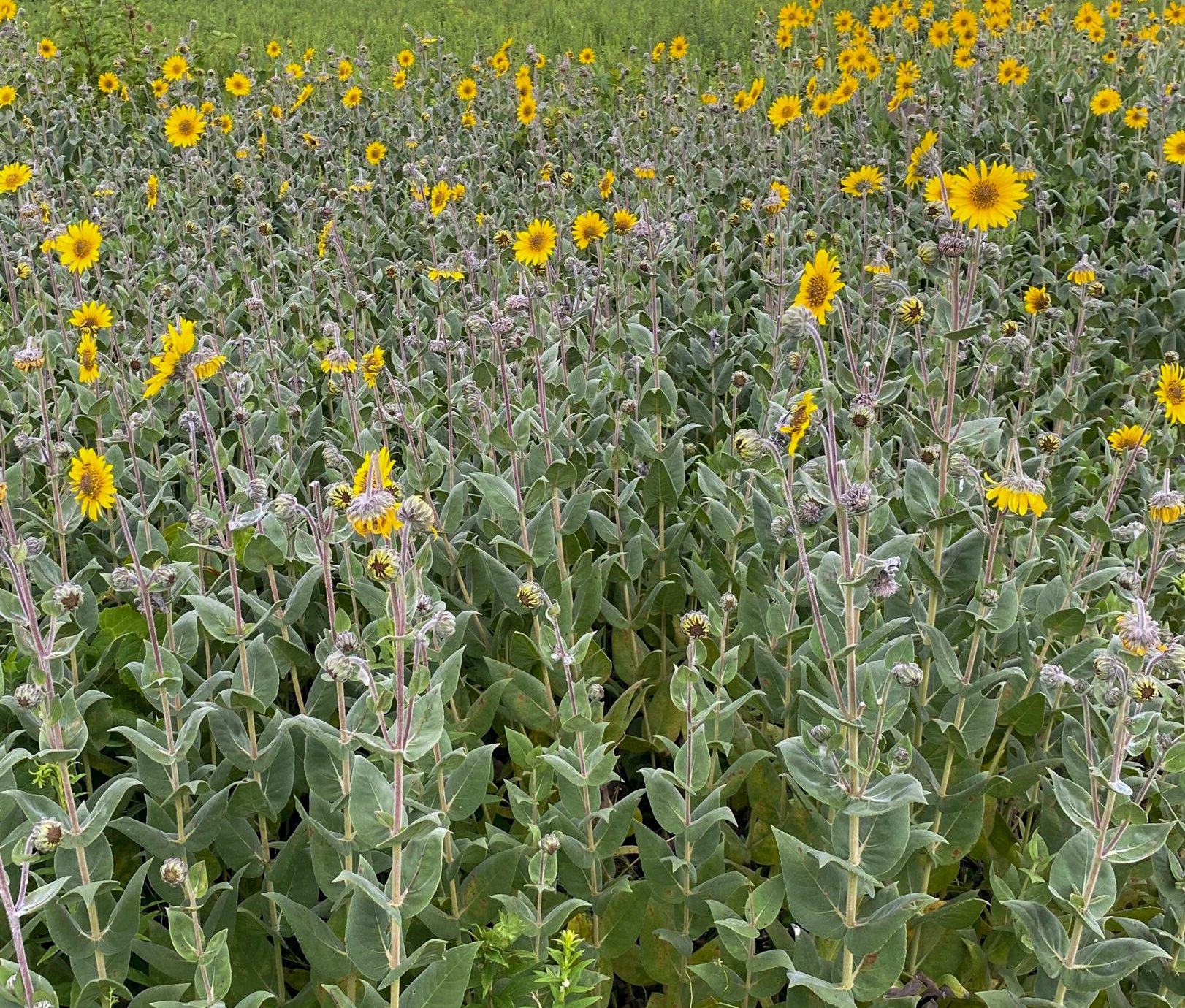 Image 4 of 7
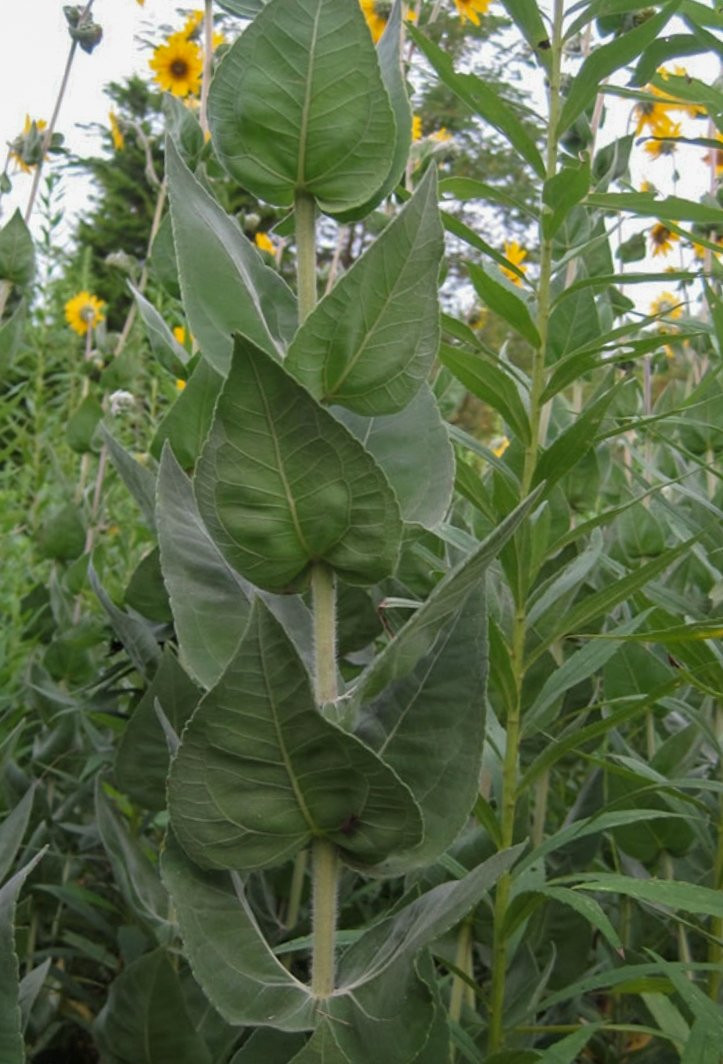 Image 5 of 7
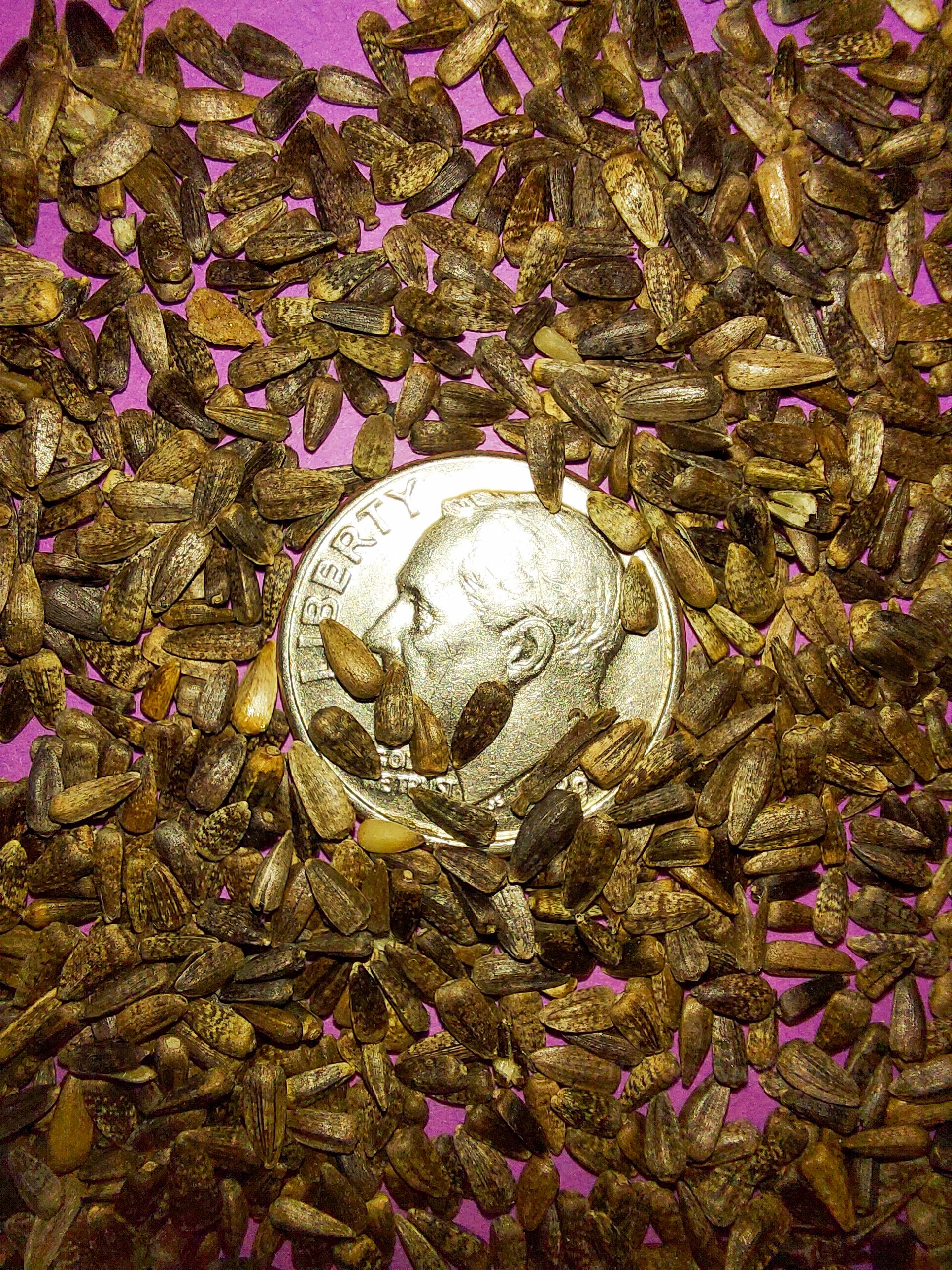 Image 6 of 7
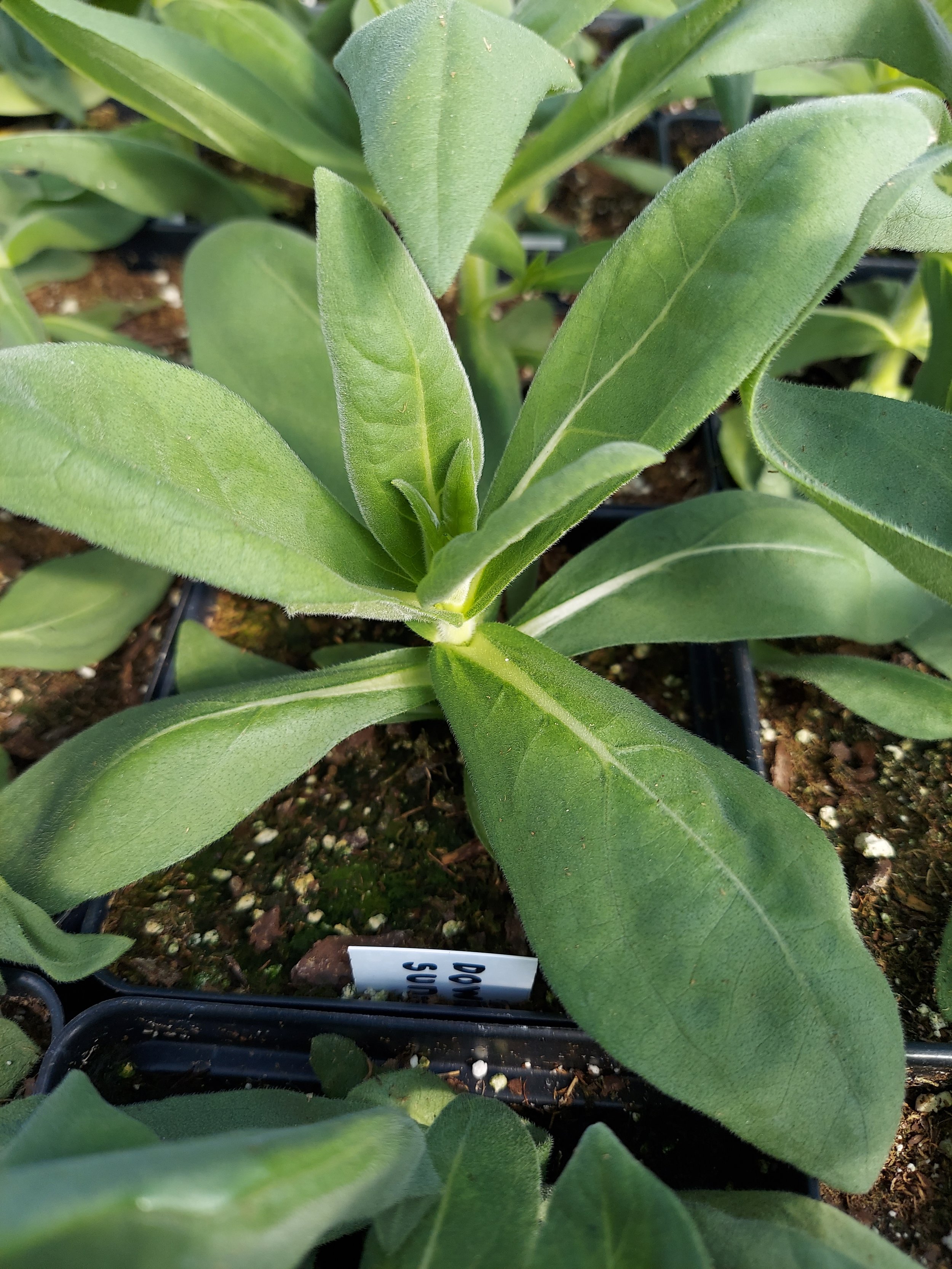 Image 7 of 7