Sale Price:
$1.00
Original Price:
$3.00
Lanceleaf Coreopsis (Coreopsis lanceolata)
Coreopsis lanceolata is the scientific name for the species more commonly known as Lanceleaf Coreopsis, Lanceleaf Tickseed, Lance-leaved Coreopsis, or Sand Coreopsis. This perennial wildflower is a North American species of tickseed in the Asteraceae family.
Lanceleaf Coreopsis valued for its bright, daisy-like yellow blooms and finely divided foliage. It typically grows from a basal rosette of lance-shaped leaves and sends up slender, branching stems that bear solitary flower heads. Naturally adapted for success in prairies, open woods, roadsides, and sandy or well-drained soils and is tolerant of drought and poor soils, making it a popular choice for native plantings, pollinator gardens, and restoration projects.
Lanceleaf Coreopsis attracts bees, butterflies, and other beneficial insects, provides early-season nectar and pollen, and can be used in meadow mixes, formal edging, or naturalized plantings. Propagation is commonly by seed or division and once established often slowly spreads to form colonies through short rhizomes and self-seeding, contributing to long-term meadow structure and stunning seasonal color.
Plant Details
USDA Zones: 3-9
Germination Needs: 30 Days Cold Stratification,
Life Cycle: Perennial
Sun Exposure: Full to Partial
Soil Moisture: Medium-Dry, Dry
Plant Spacing: ½-1½ feet
Height: 2 feet
Bloom time: May, June, July, August
Bloom Color: Yellow
Advantages:
Pollinator Favorite: butterflies, moths, bees, wasps, beetles
Bird Favorite: seeds, insects, fruit, nectar, nesting, perches.
Deer Resistant: Yes
Excellent in the home landscape!
Native to: Wisconsin, Minnesota, Iowa, Illinois, Indiana, Michigan, Ohio, Pennsylvania, New York, Vermont, New Hampshire, Maine, Massachusetts, Rhode Island, Connecticut, Delaware, Maryland, New Jersey, West Virginia, Virginia, Kentucky, Tennessee, North Carolina, South Carolina, Georgia, Florida, Alabama, Mississippi, Louisiana, Arkansas, Missouri, Texas, Oklahoma, Kansas, Nebraska, Wyoming, Colorado, New Mexico, Arizona, Washington State, Oregon, and California.
This plant is considered present but rare in several counties of the states of Wisconsin and Kansas.
Seed Count: 25+
.
.
Packet quantities:
We pride ourselves on ethical, hands on, ecological management, using no mechanical or chemical methods whatsoever.
All of our native seed is hand reared, hand picked, and hand packed from native prairies under our exclusive management, never breaking chain of custody from the field until it is sent to you. Each packet is hand prepared for shipment by us, directly.
Small seed species will contain greater than 20-25 seed
Large seed species will contain greater than 10-15 seed
It is our mission to spread the wealth of native plant and pollinator ecological sustainability and educate back yard gardeners as well as corporate and government entities in how to germinate, grow, and benefit from native synergies.
Thank you for your support, it is because of you, that we can grow together to do, what we do. 🐛🦋🐝🐞🌾🌱🌼🧡
Lanceleaf Coreopsis (Coreopsis lanceolata)
Coreopsis lanceolata is the scientific name for the species more commonly known as Lanceleaf Coreopsis, Lanceleaf Tickseed, Lance-leaved Coreopsis, or Sand Coreopsis. This perennial wildflower is a North American species of tickseed in the Asteraceae family.
Lanceleaf Coreopsis valued for its bright, daisy-like yellow blooms and finely divided foliage. It typically grows from a basal rosette of lance-shaped leaves and sends up slender, branching stems that bear solitary flower heads. Naturally adapted for success in prairies, open woods, roadsides, and sandy or well-drained soils and is tolerant of drought and poor soils, making it a popular choice for native plantings, pollinator gardens, and restoration projects.
Lanceleaf Coreopsis attracts bees, butterflies, and other beneficial insects, provides early-season nectar and pollen, and can be used in meadow mixes, formal edging, or naturalized plantings. Propagation is commonly by seed or division and once established often slowly spreads to form colonies through short rhizomes and self-seeding, contributing to long-term meadow structure and stunning seasonal color.
Plant Details
USDA Zones: 3-9
Germination Needs: 30 Days Cold Stratification,
Life Cycle: Perennial
Sun Exposure: Full to Partial
Soil Moisture: Medium-Dry, Dry
Plant Spacing: ½-1½ feet
Height: 2 feet
Bloom time: May, June, July, August
Bloom Color: Yellow
Advantages:
Pollinator Favorite: butterflies, moths, bees, wasps, beetles
Bird Favorite: seeds, insects, fruit, nectar, nesting, perches.
Deer Resistant: Yes
Excellent in the home landscape!
Native to: Wisconsin, Minnesota, Iowa, Illinois, Indiana, Michigan, Ohio, Pennsylvania, New York, Vermont, New Hampshire, Maine, Massachusetts, Rhode Island, Connecticut, Delaware, Maryland, New Jersey, West Virginia, Virginia, Kentucky, Tennessee, North Carolina, South Carolina, Georgia, Florida, Alabama, Mississippi, Louisiana, Arkansas, Missouri, Texas, Oklahoma, Kansas, Nebraska, Wyoming, Colorado, New Mexico, Arizona, Washington State, Oregon, and California.
This plant is considered present but rare in several counties of the states of Wisconsin and Kansas.
Seed Count: 25+
.
.
Packet quantities:
We pride ourselves on ethical, hands on, ecological management, using no mechanical or chemical methods whatsoever.
All of our native seed is hand reared, hand picked, and hand packed from native prairies under our exclusive management, never breaking chain of custody from the field until it is sent to you. Each packet is hand prepared for shipment by us, directly.
Small seed species will contain greater than 20-25 seed
Large seed species will contain greater than 10-15 seed
It is our mission to spread the wealth of native plant and pollinator ecological sustainability and educate back yard gardeners as well as corporate and government entities in how to germinate, grow, and benefit from native synergies.
Thank you for your support, it is because of you, that we can grow together to do, what we do. 🐛🦋🐝🐞🌾🌱🌼🧡

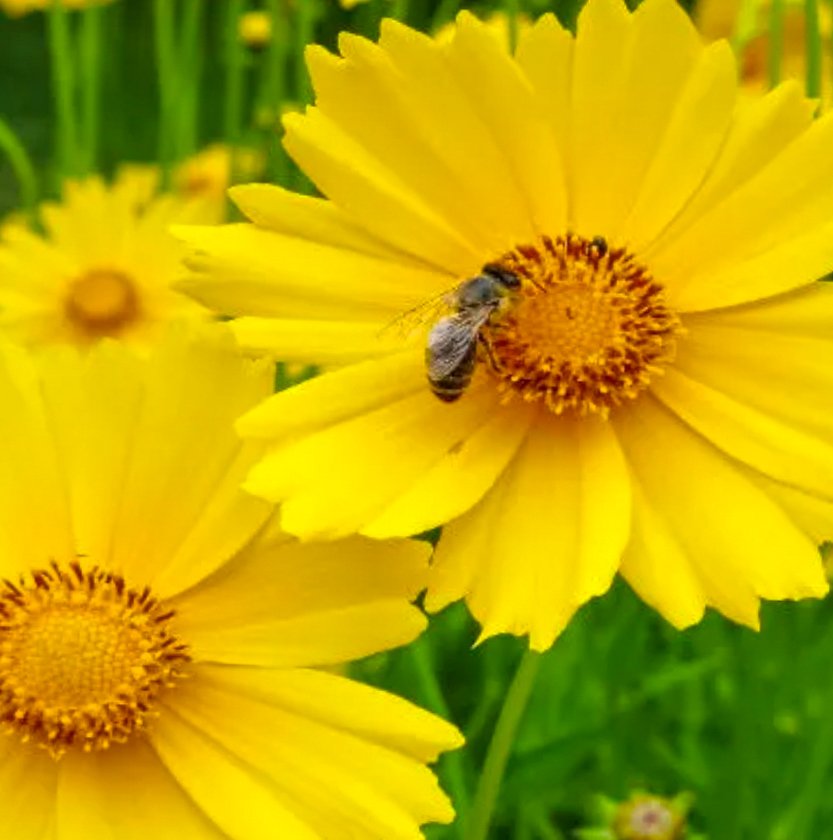 Image 1 of 5
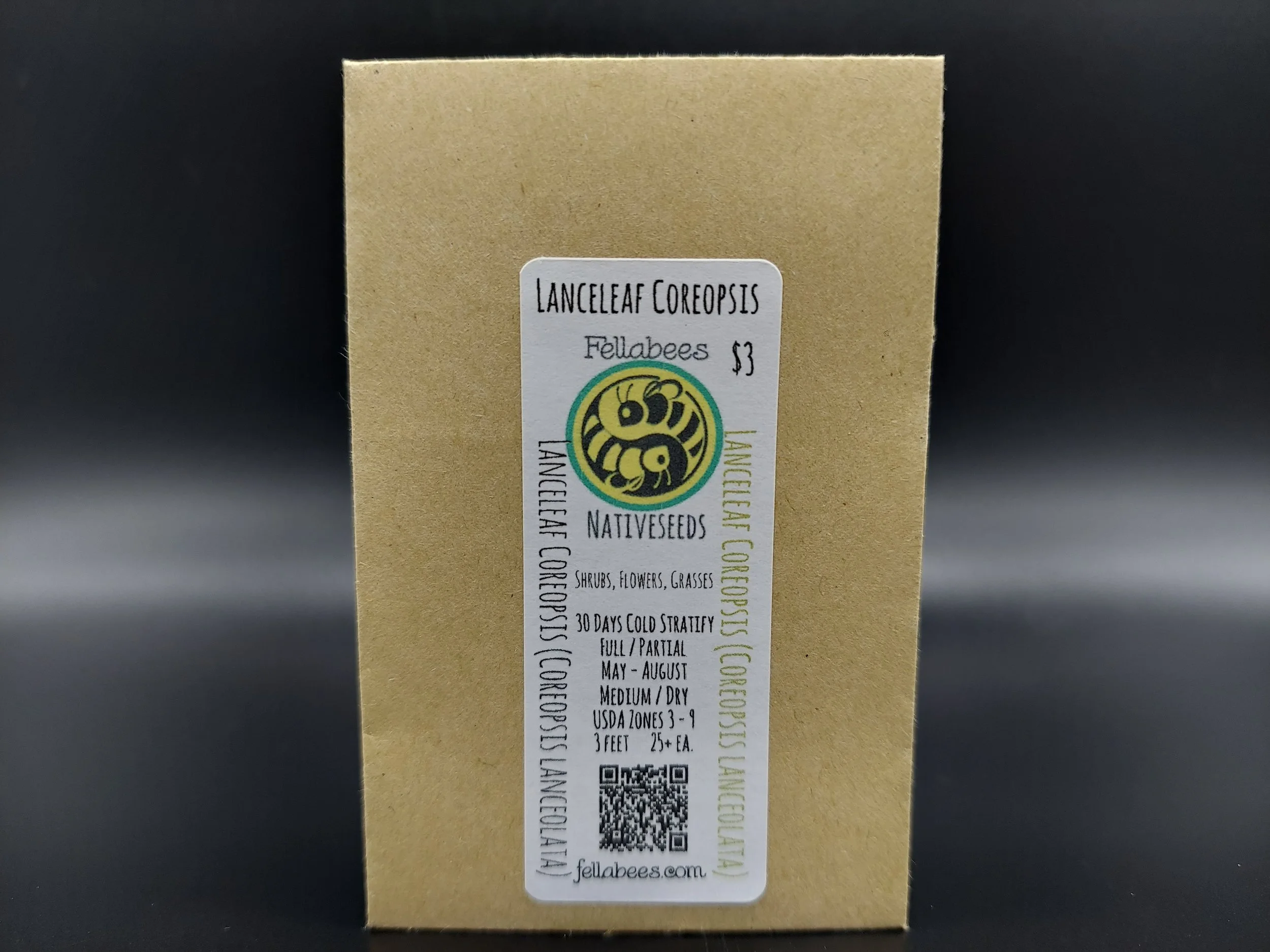 Image 2 of 5
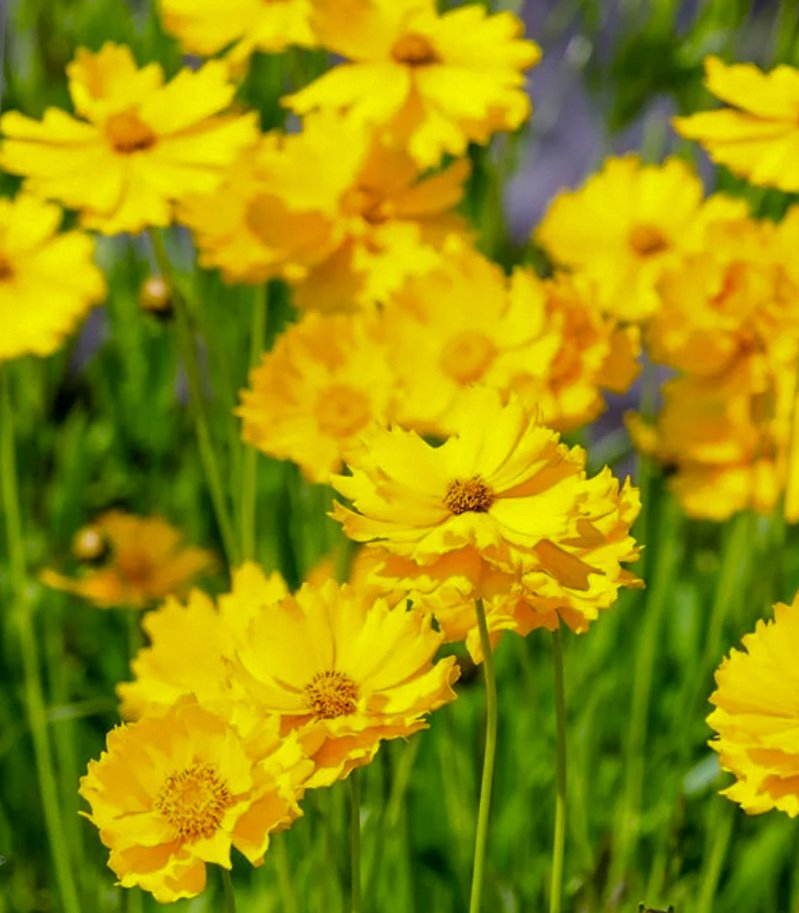 Image 3 of 5
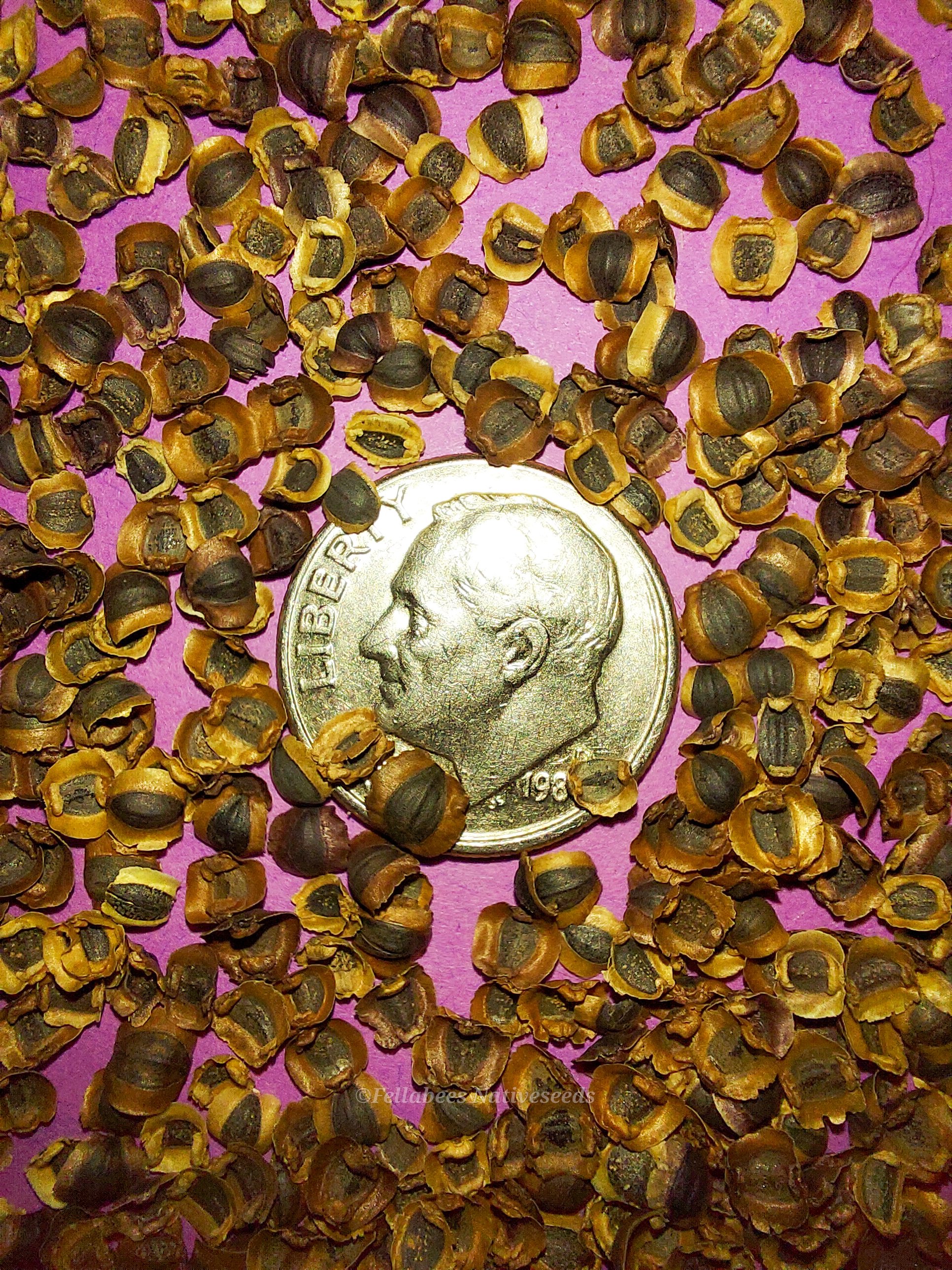 Image 4 of 5
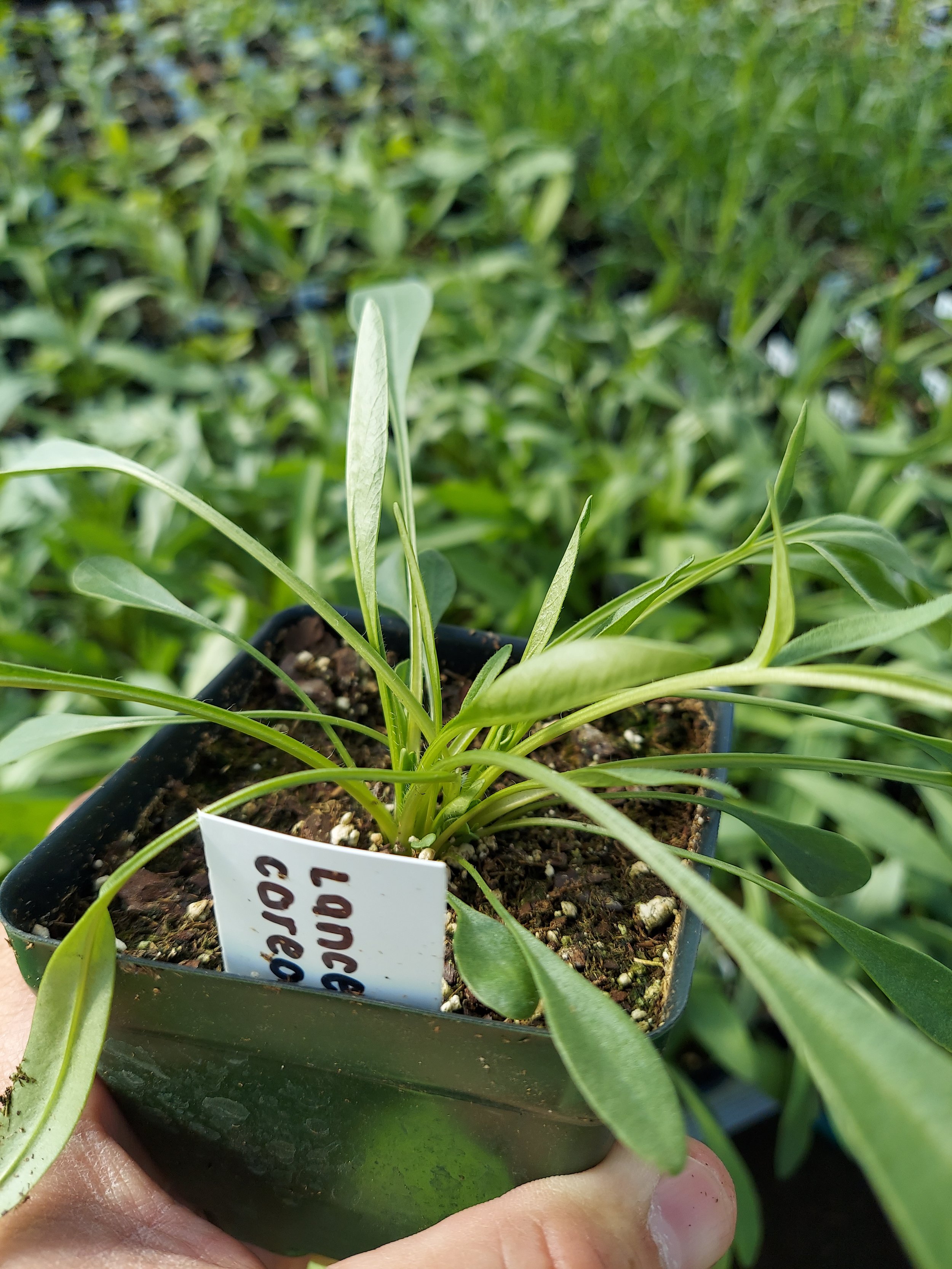 Image 5 of 5