Stiff Goldenrod (Solidago rigida)
Solidago rigida, commonly called Stiff Goldenrod or Stiff‑Leaved Goldenrod, is an important North American wildflower in the Asteraceae family. This hardy species is widespread across Canada and the United States, occurring primarily east of the Rocky Mountains and favoring prairies, open fields, and sunny roadside habitats.
Stiff Goldenrod has bold, bright yellow flat-topped flowers. It is suitable for any sunny dry location. Flowers are long-lasting and the glaucous foliage contrasts nicely with other native prairie plants. The root system is fibrous, so stiff goldenrod does not spread rapidly like some of the rhizomatous goldenrods.
Stiff Goldenrod is the larval host plant for the Dart Moth (Tricholita notata), and is visited by a vast number of pollinators, supporting more than 57 specialist insects including several mining bee species of the Andrena family such as A. nubecula, A. hirticincta, A. placate, and A. simplex.
Other generalist bees flock to the plant, including Long-horned Bees (Melissodes spp.), Small Sweat Bees (Lasioglossum spp.), Green Sweat Bees (Agapostemon spp.), Sweat Bees (Halictus spp.), Bumble Bees (Bombus spp.), Leafcutter Bees (Megachile spp.), Yellow-Faced Bees (Hylaeus spp.), and Small Carpenter Bees (Ceratina spp.), all visiting for nectar and pollen.
It’s not just bees — their cousins of the predator variety like wasps are also excellent pollinators of Stiff Goldenrod. Among them you may see Yellowjacket wasps (Vespula spp.), square-headed wasps (Ectemnius spp.), northern paper wasps (Polistes fuscatus), great golden digger wasps (Sphex ichneumoneus), potter wasps (Eugenes fraternus), mason wasps (Ancistrocerus adiabatus), grass‑carrying wasps (Isodontia mexicana), and thread‑waisted wasps (Prionyx spp.), all visiting the blooms and contributing to pollination.
Butterflies get heavily in on the action too, with more than 70 species happily feeding on Stiff Goldenrod, and they’re joined by other pollinators and insects such as Locust Borer Beetles (Megacyllene robiniae), Syrphid Flies (Spilomyia and Eristalis), and Tachinid Flies (Archytas), all of which visit the blooms for the seemingly endless nectar and pollen.
Stiff Goldenrod has larger, flatter flower clusters than most Goldenrods, giving its blooms a broader, more architectural appearance. The leaves turn attractive shades of red in the fall, adding seasonal color to the landscape. It produces abundant heads of yellow flowers in the late summer and into fall, offering extended forage for pollinators. Solidago rigida thrives in open, dry, calcareous or sandy soils and prefers sunny, well‑drained sites like prairies, savannas, and glades — making it a reliable, low‑maintenance choice for naturalistic, pollinator‑friendly plantings.
Plant Details
USDA Zones: 3-9
Germination Needs: 60 Days Cold Stratification
Life Cycle: Perennial
Sun Exposure: Full to Partial
Soil Moisture: Medium-Wet, Medium, Medium-Dry, Dry
Plant Spacing: 1-2 feet
Height: 4 feet
Bloom time: August, September, October
Bloom Color: Yellow
Advantages
Pollinator Favorite: butterflies, moths, bees, wasps, beetles
Bird Favorite: seeds, insects, fruit, nectar, nesting, perches.
Deer Resistant: Yes
Excellent in the home landscape!
Native to: Wisconsin, Minnesota, Iowa, Illinois, Indiana, Michigan, Ohio, Pennsylvania, New York, Massachusetts, Rhode Island, Connecticut, New Jersey, Maryland, New Jersey, West Virginia, Virginia, Kentucky, Tennessee, North Carolina, South Carolina, Georgia, Alabama, Mississippi, Louisiana, Arkansas, Missouri, Texas, Oklahoma, Kansas, Nebraska, South Dakota, North Dakota, Montana, Wyoming, Colorado, and New Mexico.
This species is considered to be present but rare in several counties of the states of Pennsylvania, York, Connecticut, Maryland, West Virginia, Virginia, North Carolina, South Carolina, and Georgia.
This plant is considered to be extirpated (locally extinct) in several counties of the states of Massachusetts and Rhode Island.
.
.
Packet quantities:
We pride ourselves on ethical, hands on, ecological management, using no mechanical or chemical methods whatsoever.
All of our native seed is hand reared, handpicked, and hand packed from native prairies under our exclusive management, never breaking chain of custody from the field until it is sent to you. Each packet is hand prepared for shipment by us, directly.
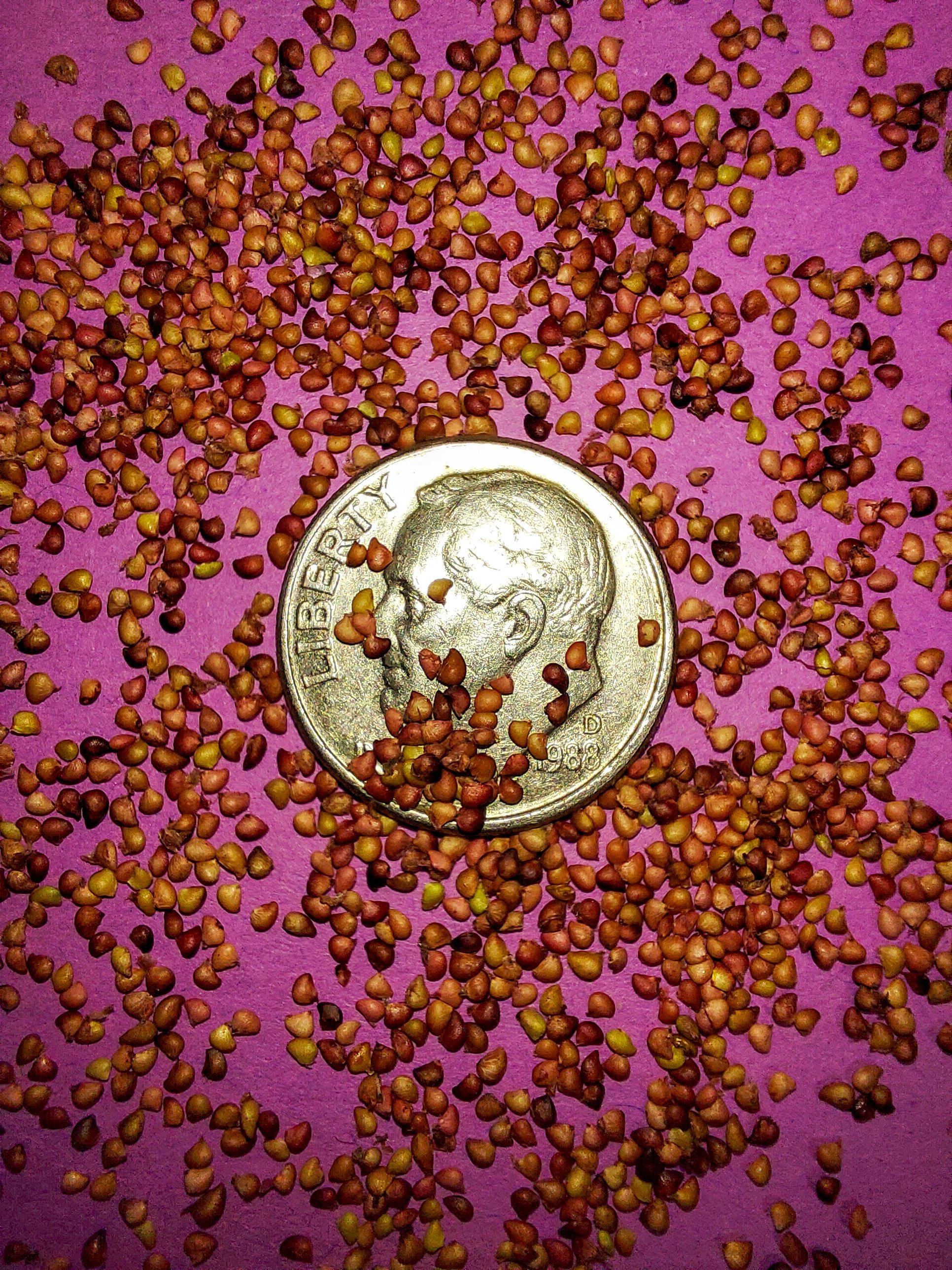
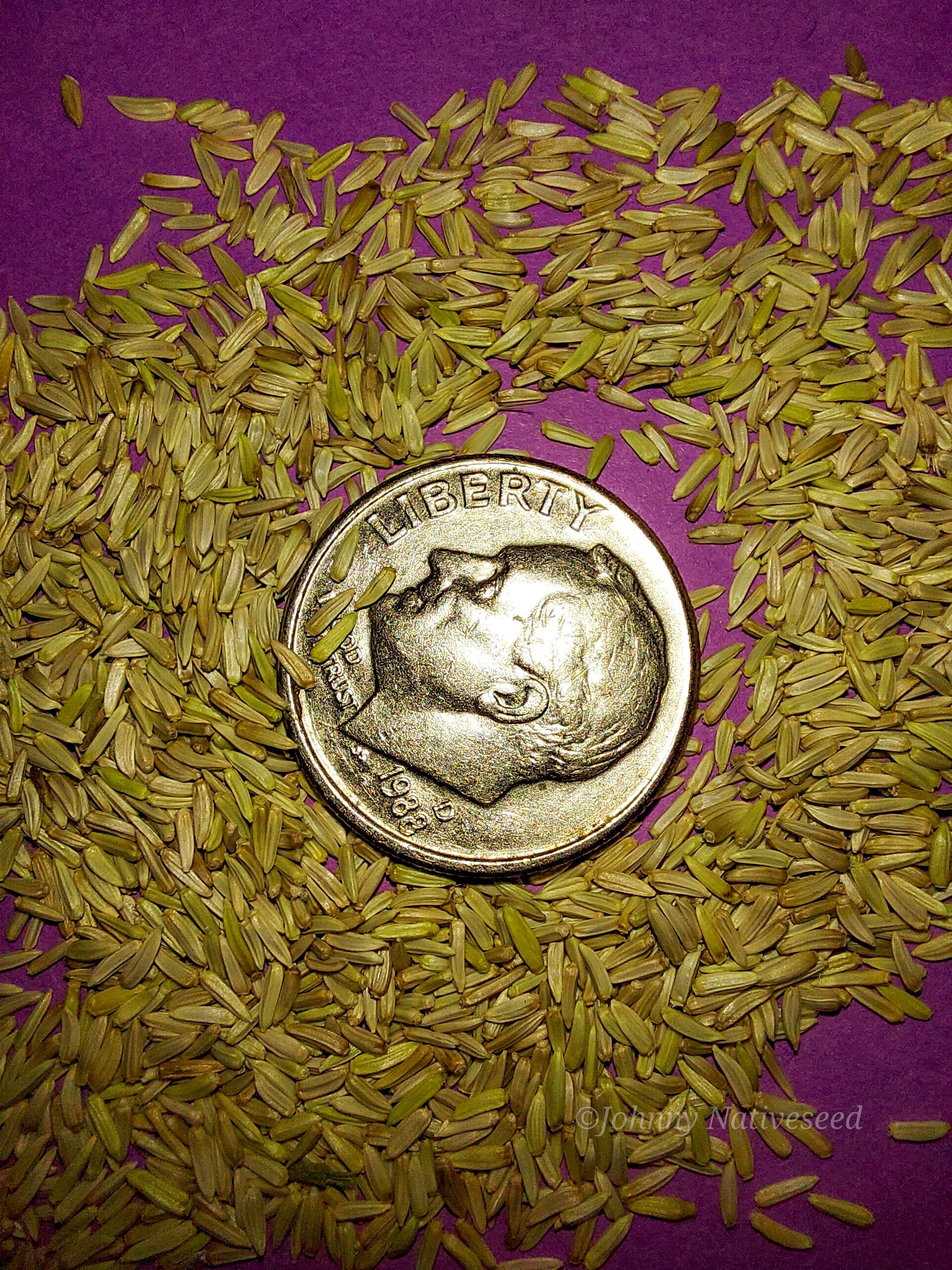
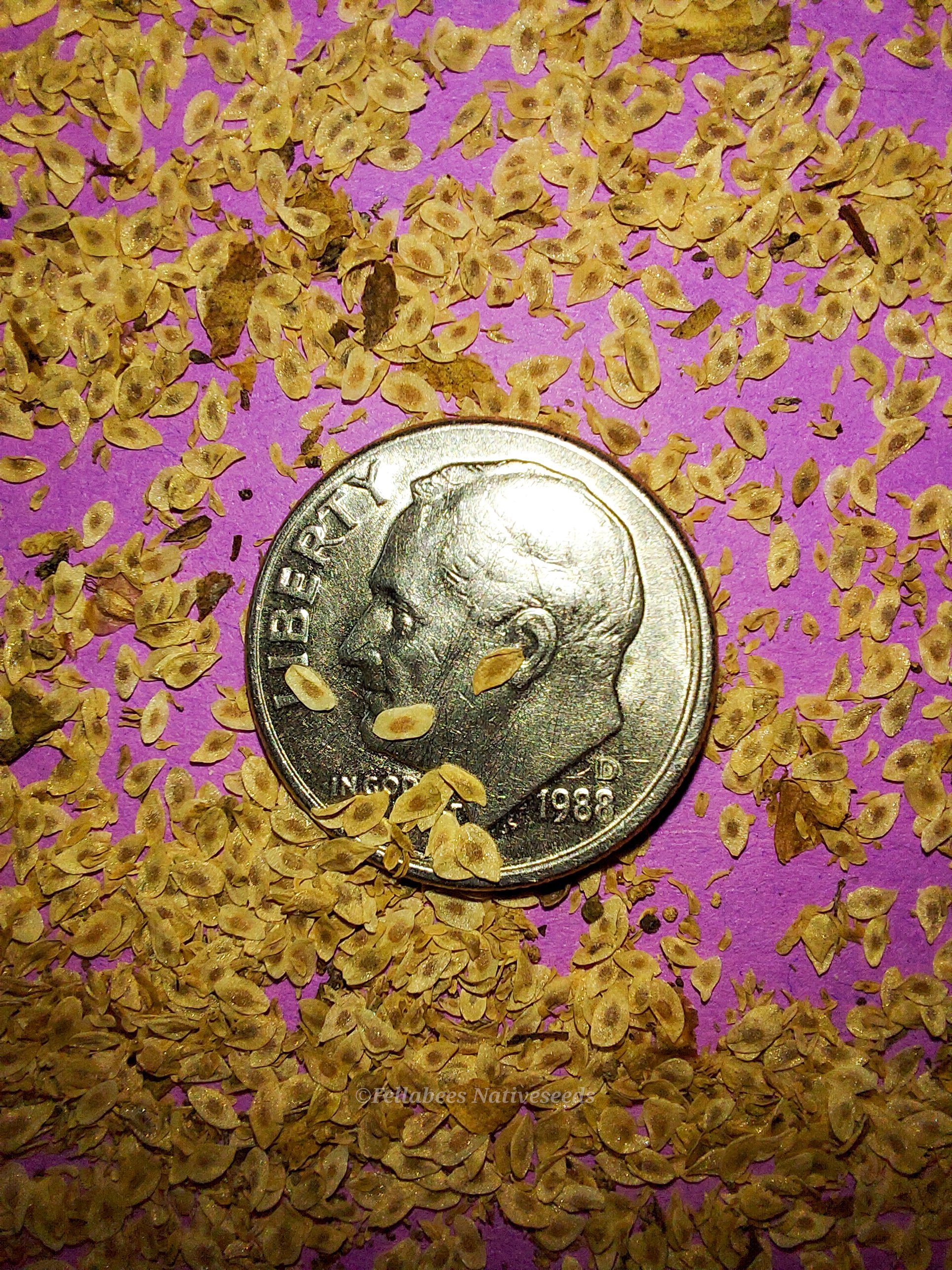
Small seed species will contain greater than 20-25 seed
Large seed species will contain greater than 10-15 seed
It is our mission to spread the wealth of native plant and pollinator ecological sustainability and educate back yard gardeners as well as corporate and government entities in how to germinate, grow, and benefit from native synergies.
Thank you for your support, it is because of you, that we can grow together to do, what we do. 🐛🦋🐝🐞🌾🌱🌼🧡
Stiff Goldenrod (Solidago rigida)
Solidago rigida, commonly called Stiff Goldenrod or Stiff‑Leaved Goldenrod, is an important North American wildflower in the Asteraceae family. This hardy species is widespread across Canada and the United States, occurring primarily east of the Rocky Mountains and favoring prairies, open fields, and sunny roadside habitats.
Stiff Goldenrod has bold, bright yellow flat-topped flowers. It is suitable for any sunny dry location. Flowers are long-lasting and the glaucous foliage contrasts nicely with other native prairie plants. The root system is fibrous, so stiff goldenrod does not spread rapidly like some of the rhizomatous goldenrods.
Stiff Goldenrod is the larval host plant for the Dart Moth (Tricholita notata), and is visited by a vast number of pollinators, supporting more than 57 specialist insects including several mining bee species of the Andrena family such as A. nubecula, A. hirticincta, A. placate, and A. simplex.
Other generalist bees flock to the plant, including Long-horned Bees (Melissodes spp.), Small Sweat Bees (Lasioglossum spp.), Green Sweat Bees (Agapostemon spp.), Sweat Bees (Halictus spp.), Bumble Bees (Bombus spp.), Leafcutter Bees (Megachile spp.), Yellow-Faced Bees (Hylaeus spp.), and Small Carpenter Bees (Ceratina spp.), all visiting for nectar and pollen.
It’s not just bees — their cousins of the predator variety like wasps are also excellent pollinators of Stiff Goldenrod. Among them you may see Yellowjacket wasps (Vespula spp.), square-headed wasps (Ectemnius spp.), northern paper wasps (Polistes fuscatus), great golden digger wasps (Sphex ichneumoneus), potter wasps (Eugenes fraternus), mason wasps (Ancistrocerus adiabatus), grass‑carrying wasps (Isodontia mexicana), and thread‑waisted wasps (Prionyx spp.), all visiting the blooms and contributing to pollination.
Butterflies get heavily in on the action too, with more than 70 species happily feeding on Stiff Goldenrod, and they’re joined by other pollinators and insects such as Locust Borer Beetles (Megacyllene robiniae), Syrphid Flies (Spilomyia and Eristalis), and Tachinid Flies (Archytas), all of which visit the blooms for the seemingly endless nectar and pollen.
Stiff Goldenrod has larger, flatter flower clusters than most Goldenrods, giving its blooms a broader, more architectural appearance. The leaves turn attractive shades of red in the fall, adding seasonal color to the landscape. It produces abundant heads of yellow flowers in the late summer and into fall, offering extended forage for pollinators. Solidago rigida thrives in open, dry, calcareous or sandy soils and prefers sunny, well‑drained sites like prairies, savannas, and glades — making it a reliable, low‑maintenance choice for naturalistic, pollinator‑friendly plantings.
Plant Details
USDA Zones: 3-9
Germination Needs: 60 Days Cold Stratification
Life Cycle: Perennial
Sun Exposure: Full to Partial
Soil Moisture: Medium-Wet, Medium, Medium-Dry, Dry
Plant Spacing: 1-2 feet
Height: 4 feet
Bloom time: August, September, October
Bloom Color: Yellow
Advantages
Pollinator Favorite: butterflies, moths, bees, wasps, beetles
Bird Favorite: seeds, insects, fruit, nectar, nesting, perches.
Deer Resistant: Yes
Excellent in the home landscape!
Native to: Wisconsin, Minnesota, Iowa, Illinois, Indiana, Michigan, Ohio, Pennsylvania, New York, Massachusetts, Rhode Island, Connecticut, New Jersey, Maryland, New Jersey, West Virginia, Virginia, Kentucky, Tennessee, North Carolina, South Carolina, Georgia, Alabama, Mississippi, Louisiana, Arkansas, Missouri, Texas, Oklahoma, Kansas, Nebraska, South Dakota, North Dakota, Montana, Wyoming, Colorado, and New Mexico.
This species is considered to be present but rare in several counties of the states of Pennsylvania, York, Connecticut, Maryland, West Virginia, Virginia, North Carolina, South Carolina, and Georgia.
This plant is considered to be extirpated (locally extinct) in several counties of the states of Massachusetts and Rhode Island.
.
.
Packet quantities:
We pride ourselves on ethical, hands on, ecological management, using no mechanical or chemical methods whatsoever.
All of our native seed is hand reared, handpicked, and hand packed from native prairies under our exclusive management, never breaking chain of custody from the field until it is sent to you. Each packet is hand prepared for shipment by us, directly.
Small seed species will contain greater than 20-25 seed
Large seed species will contain greater than 10-15 seed
It is our mission to spread the wealth of native plant and pollinator ecological sustainability and educate back yard gardeners as well as corporate and government entities in how to germinate, grow, and benefit from native synergies.
Thank you for your support, it is because of you, that we can grow together to do, what we do. 🐛🦋🐝🐞🌾🌱🌼🧡
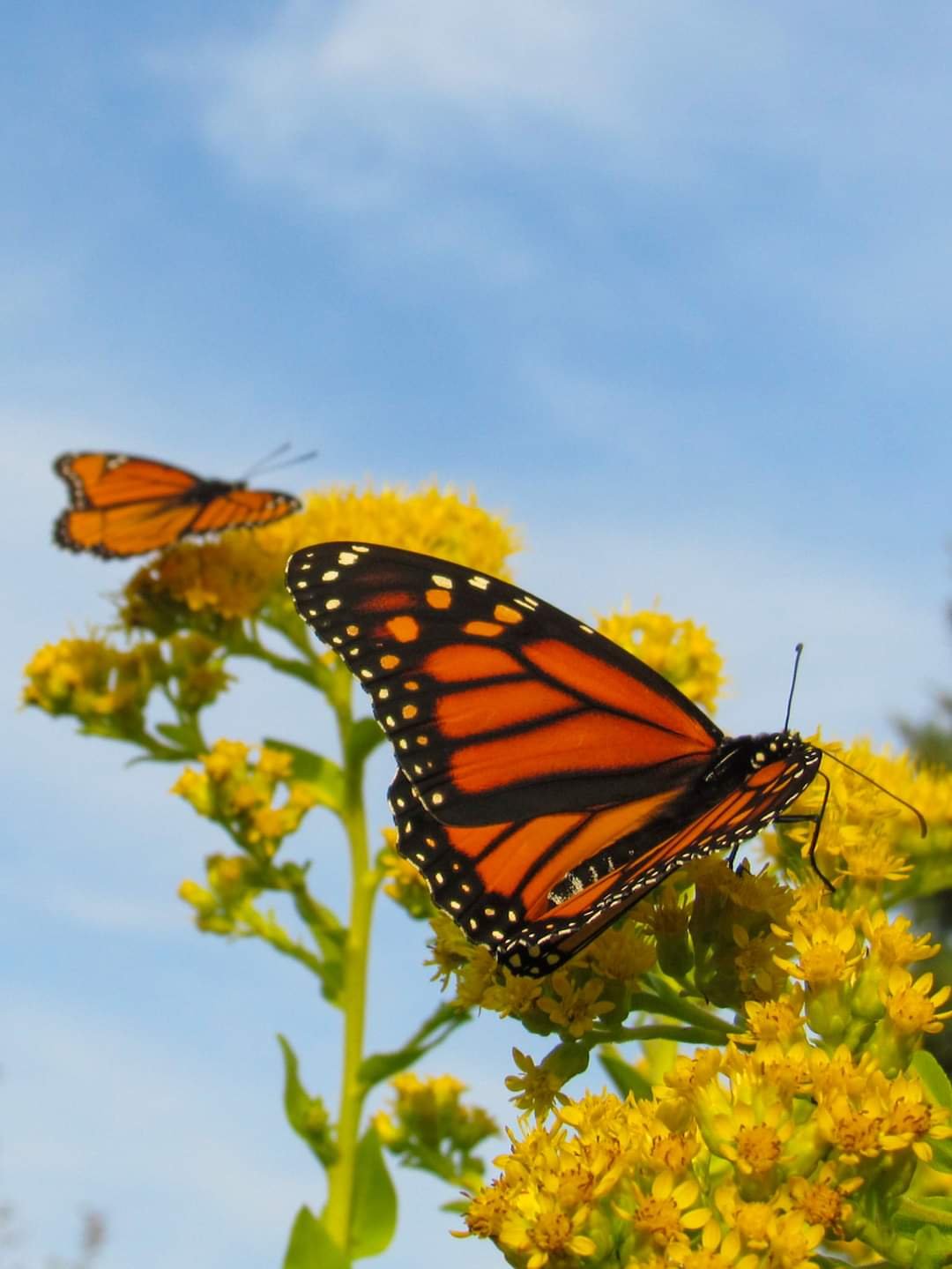 Image 1 of 7
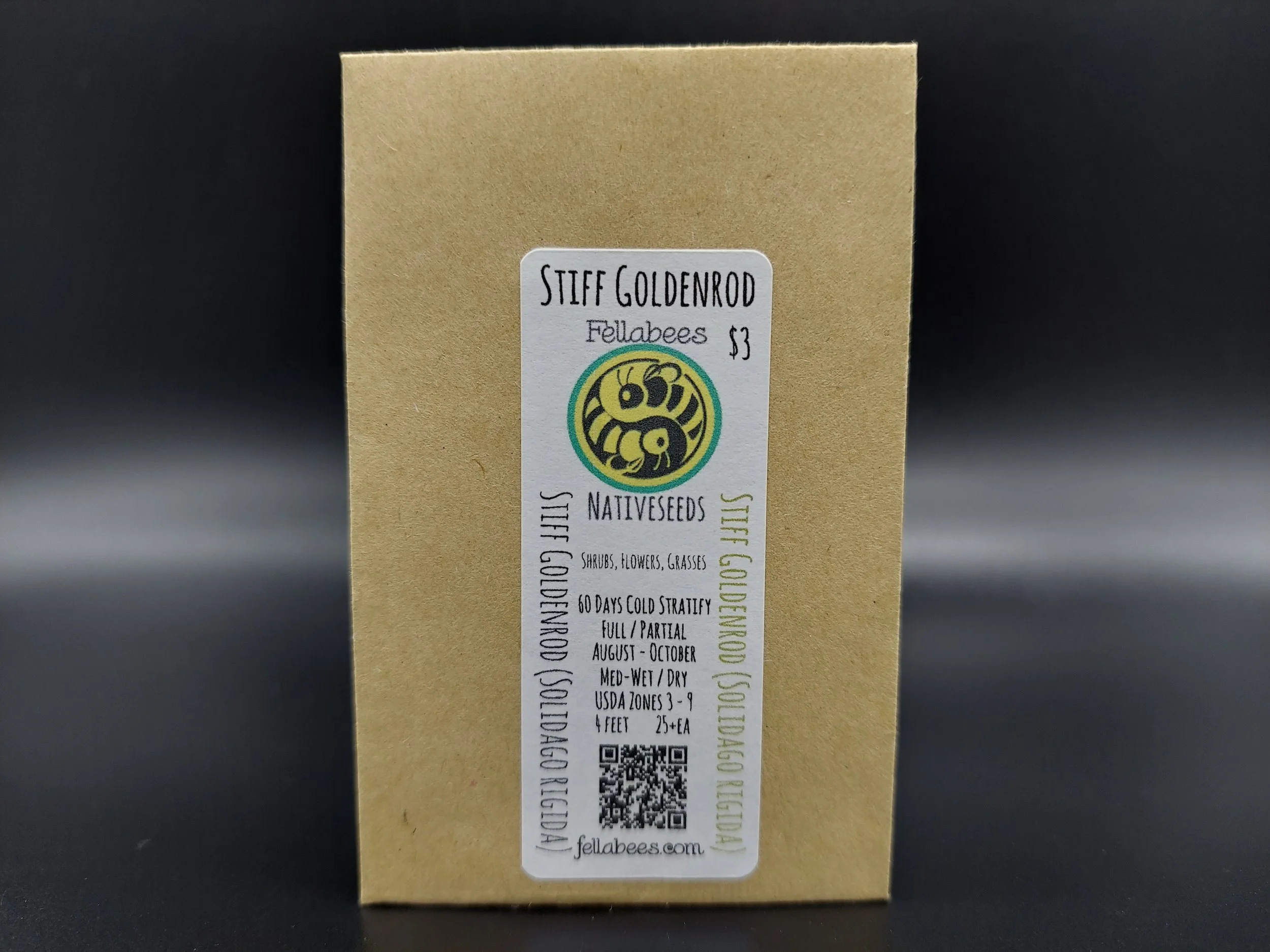 Image 2 of 7
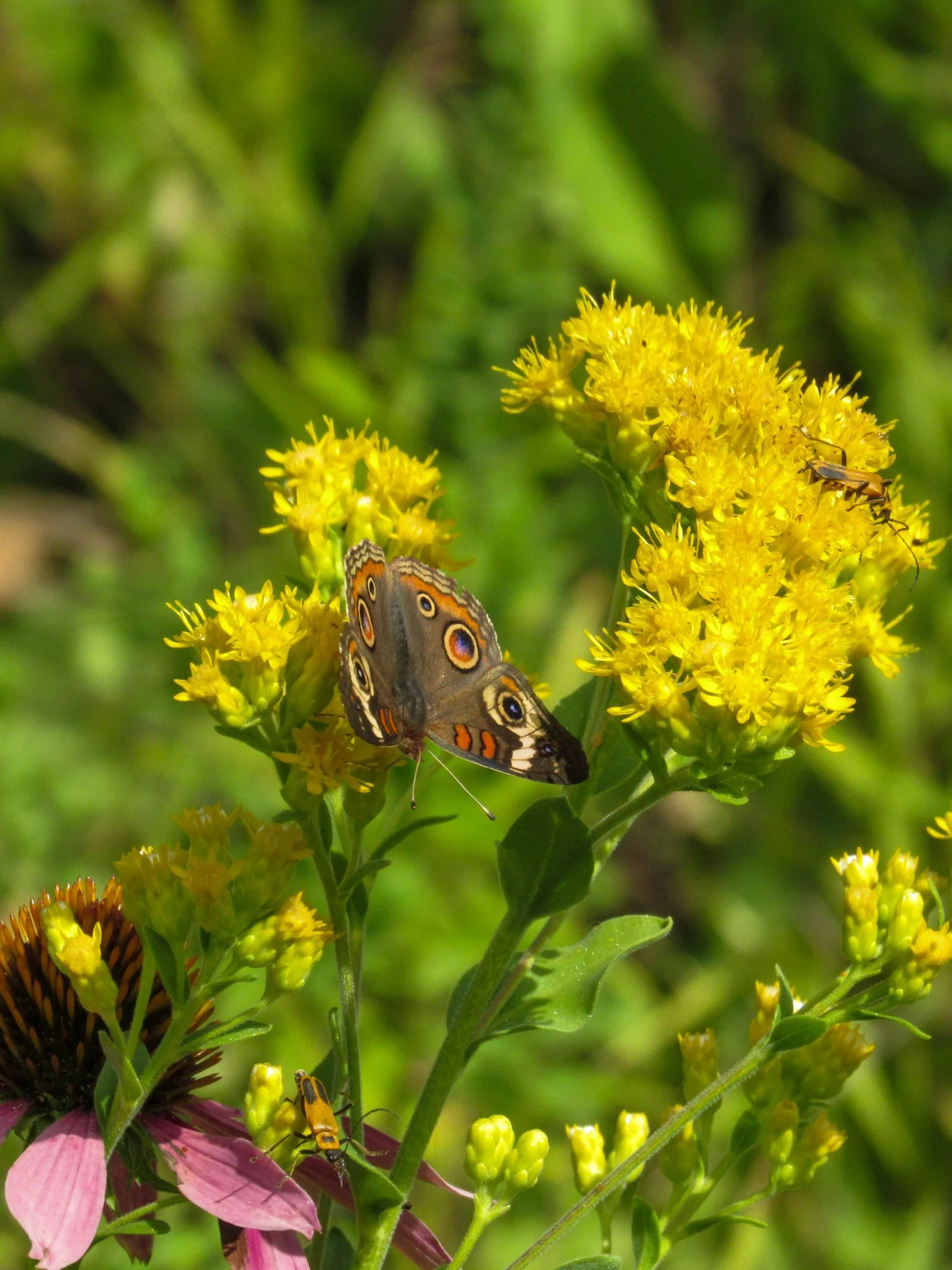 Image 3 of 7
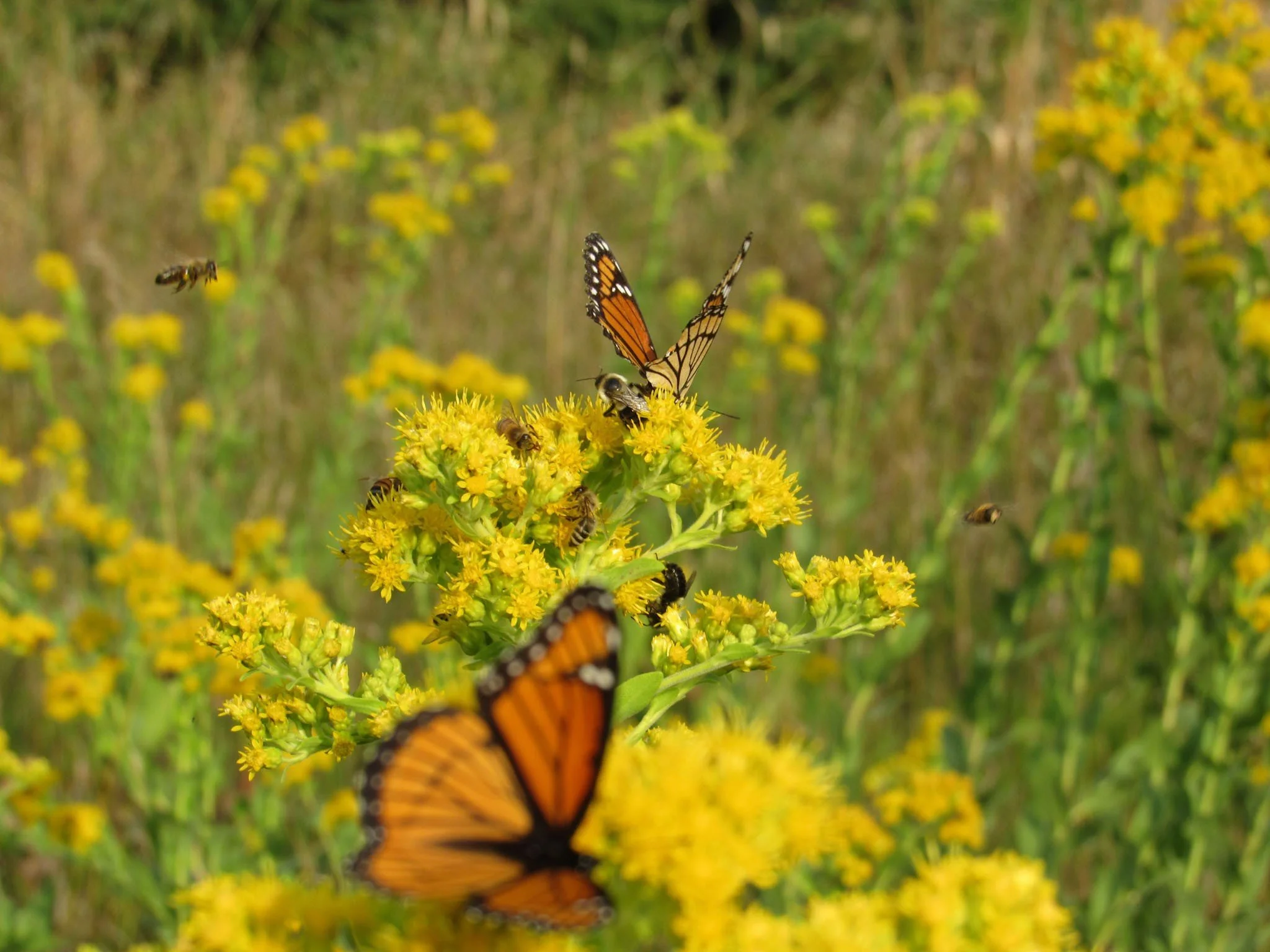 Image 4 of 7
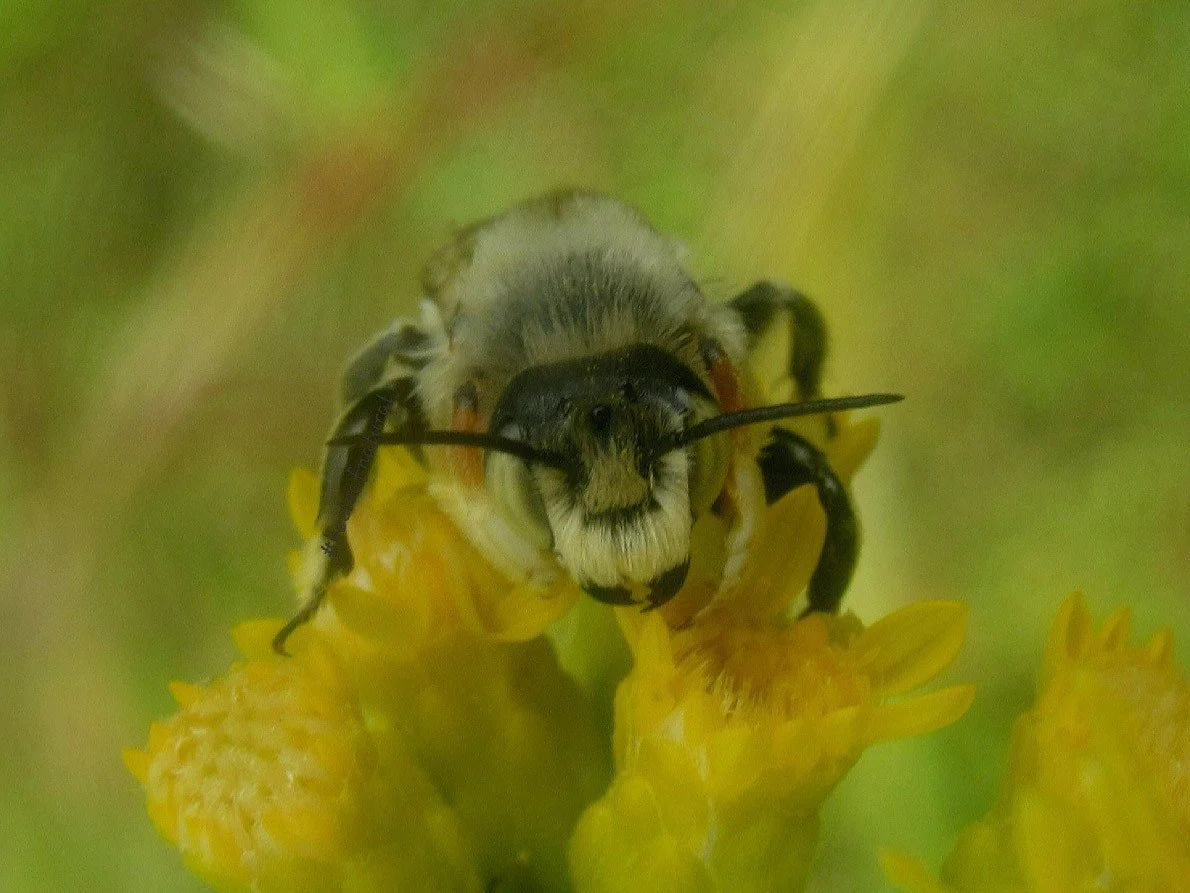 Image 5 of 7
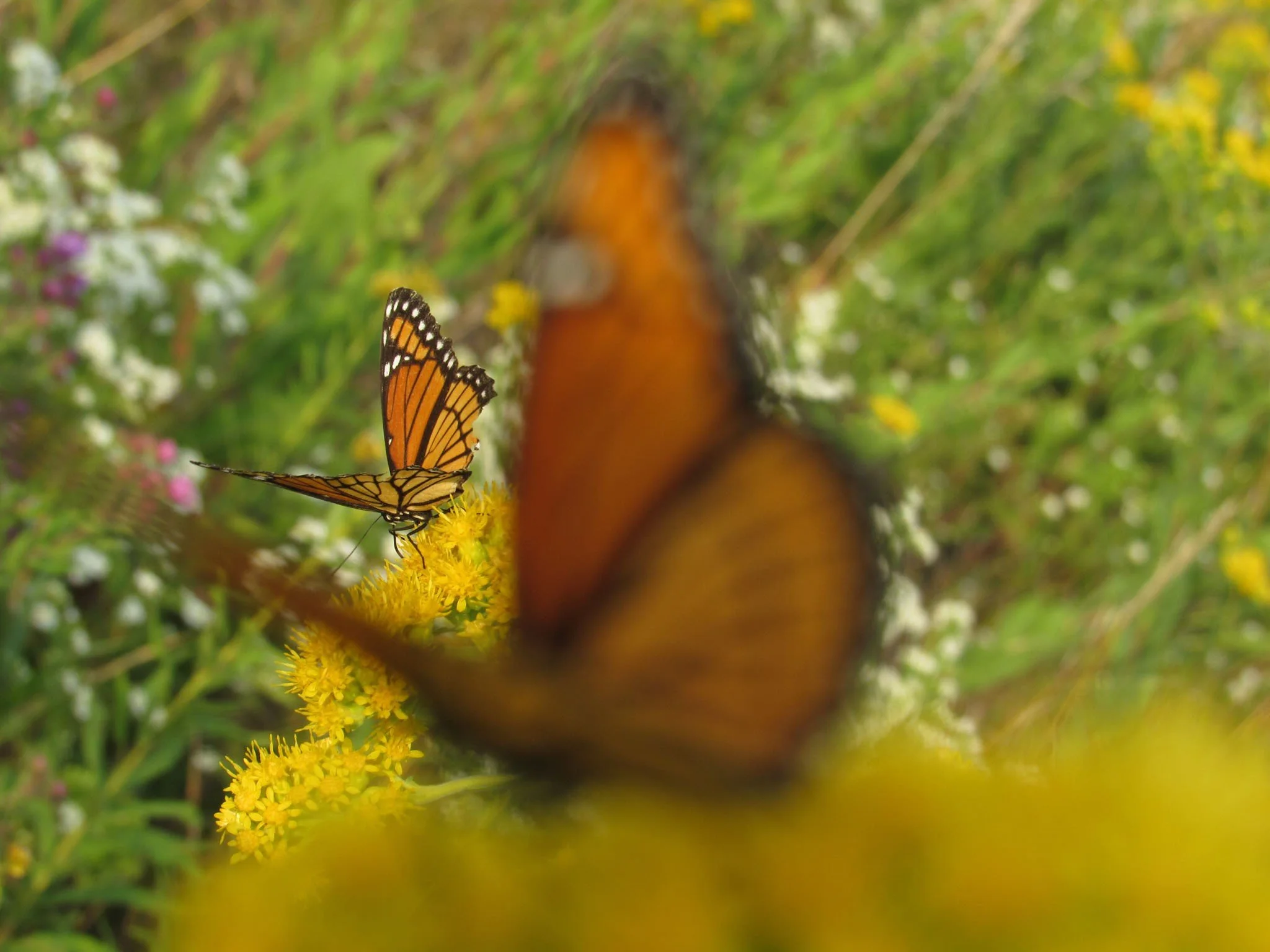 Image 6 of 7
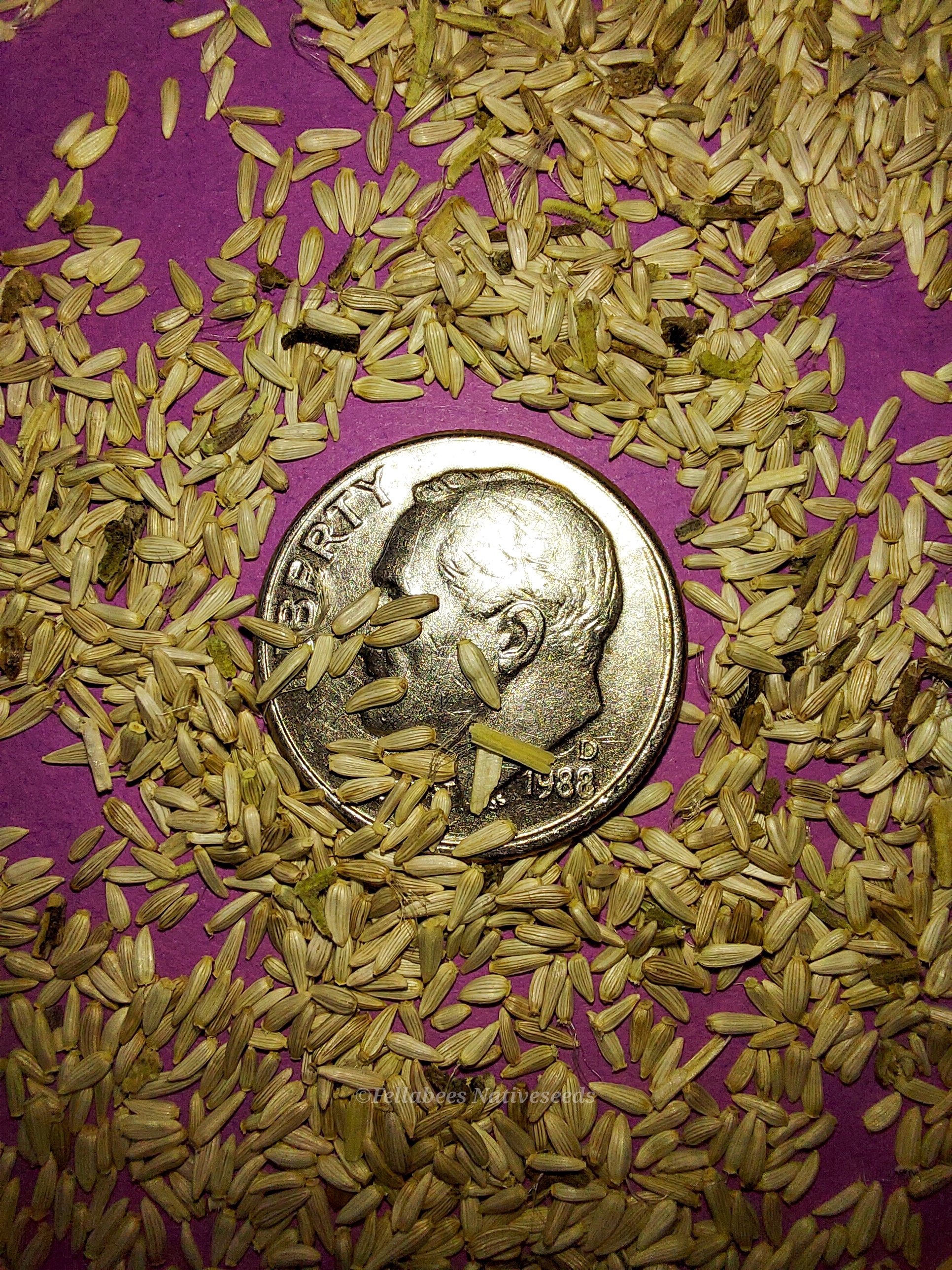 Image 7 of 7