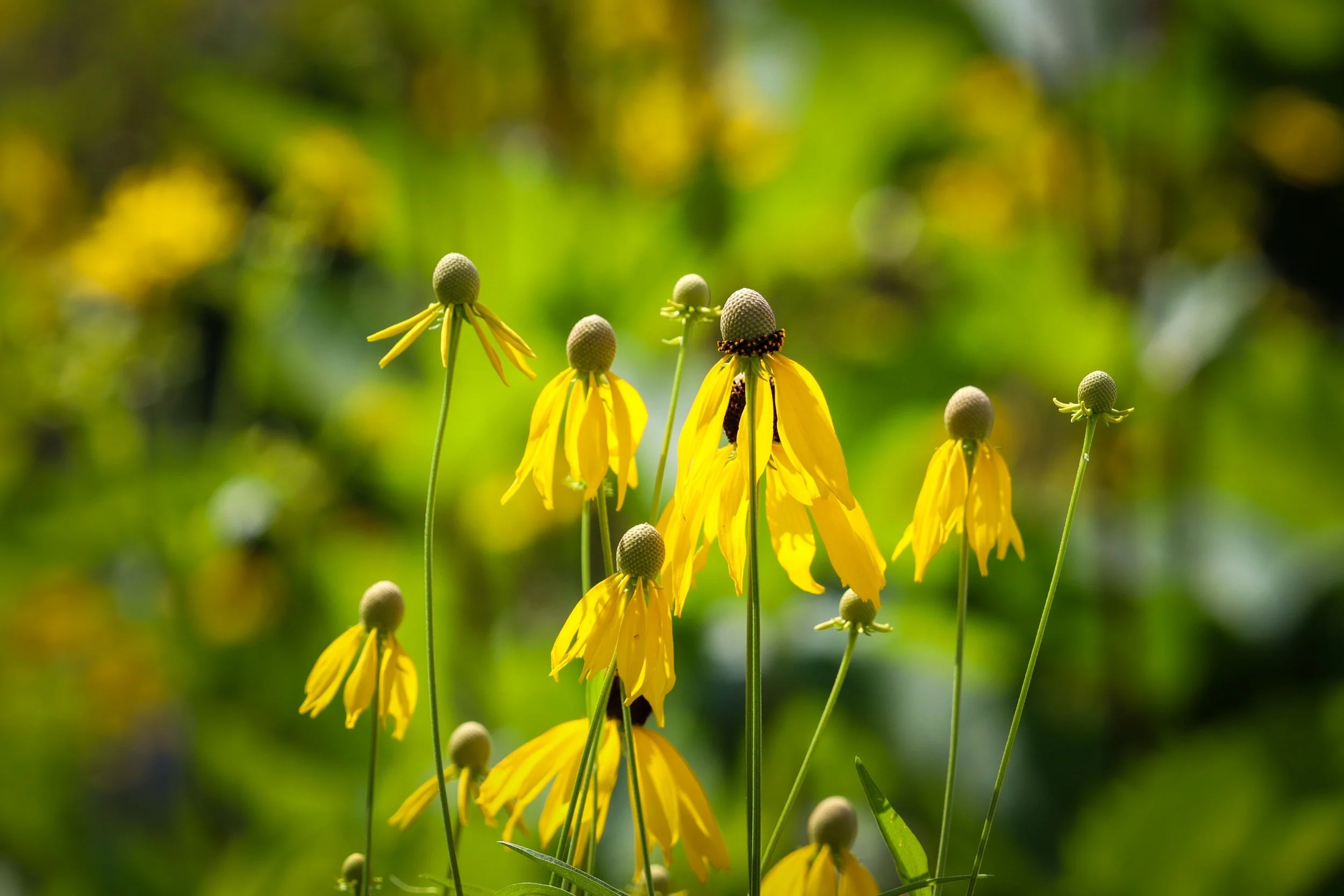
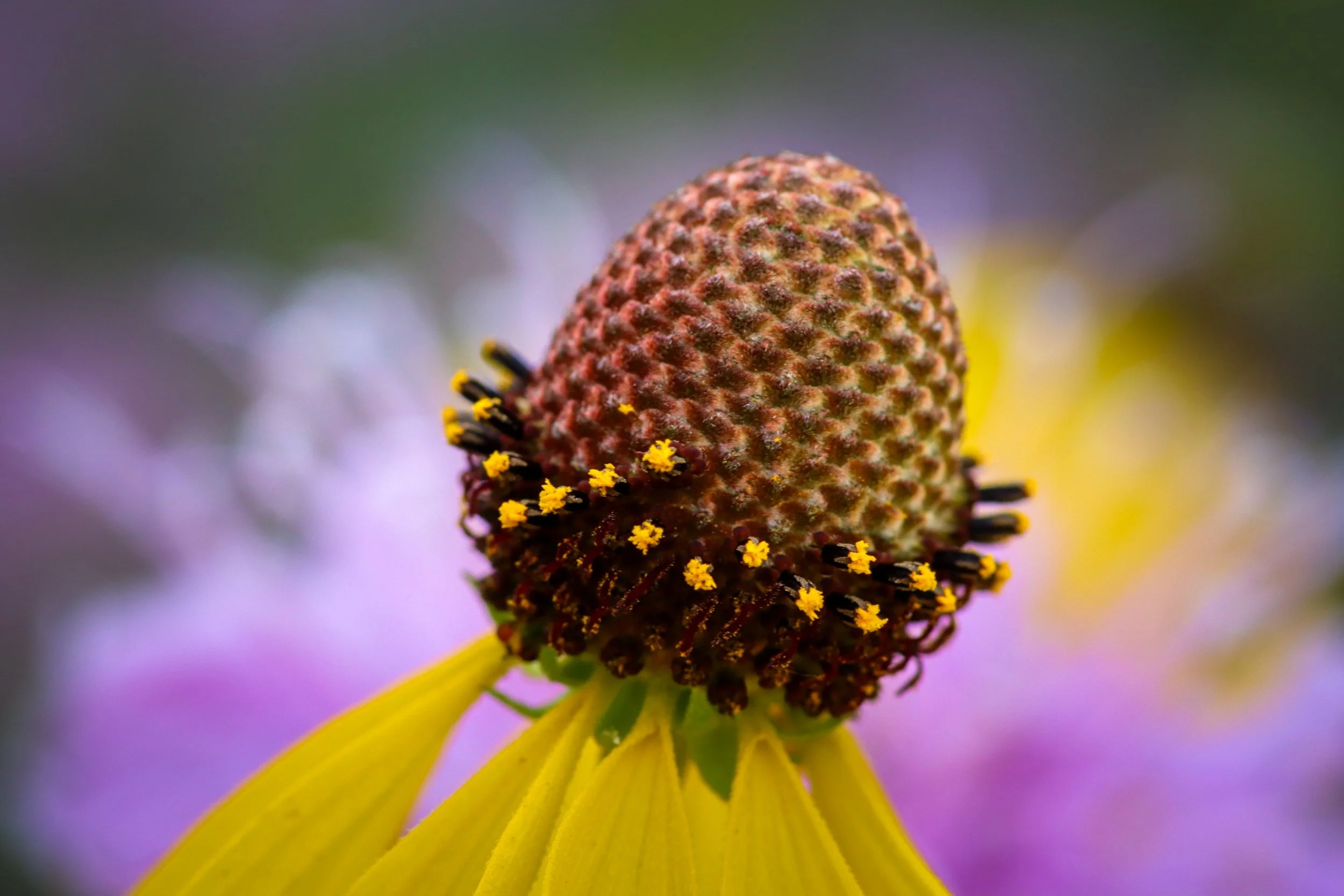
Marsh Marigold (Caltha palustris)
This species seed needs to remain refrigerated until sowing. Seed will be fine in the time of transit, but please return it to the fridge upon receiving it or sow it immediately if in late fall or winter.
Marsh Marigold (Caltha palustris) is a wetland specialist that stabilizes saturated soils, reduces erosion along streambanks and pond margins, and improves water quality by trapping sediments and uptaking excess nutrients.
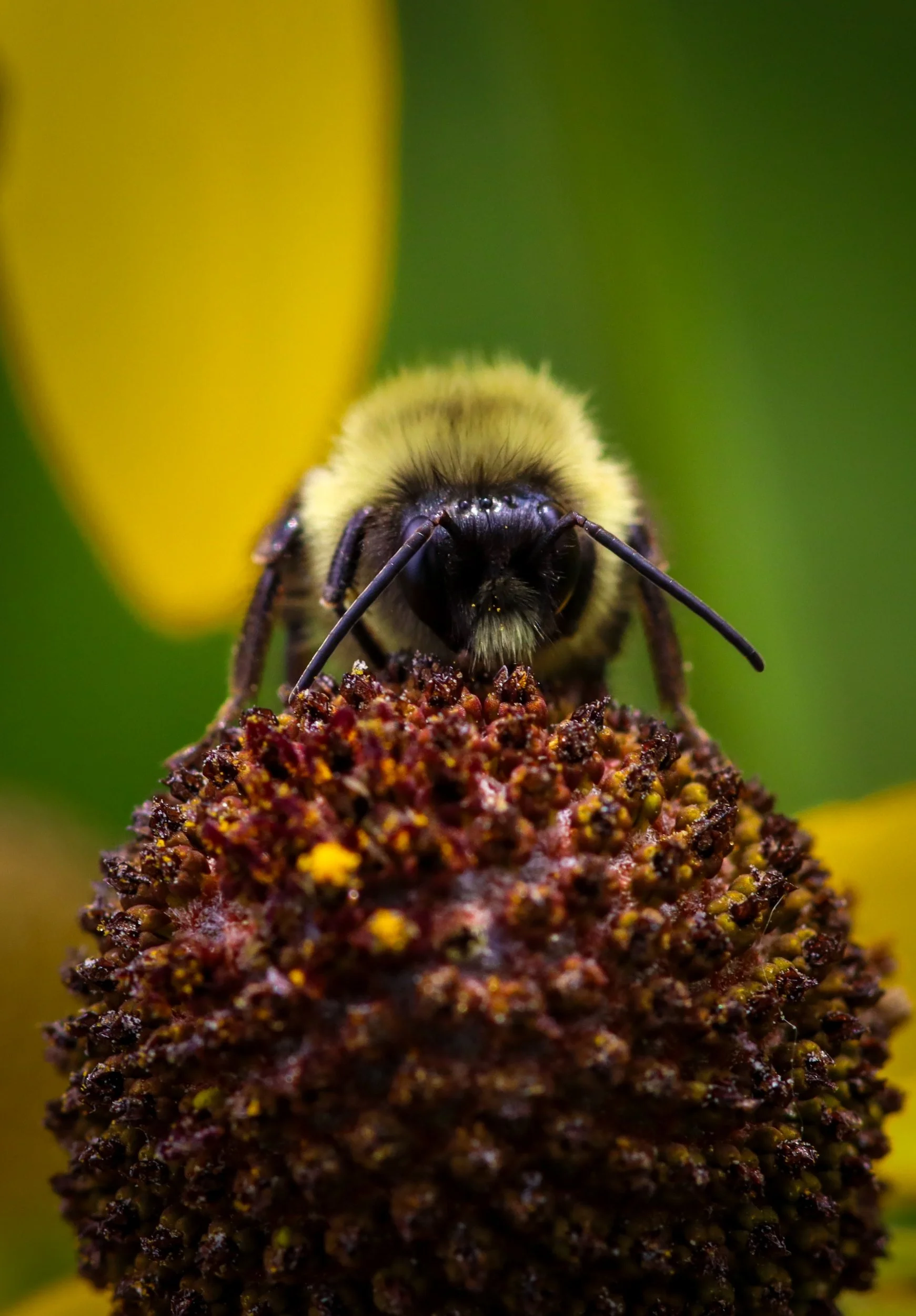
The early spring blooms of Marsh Marigold provide one of the first rich pollen and nectar sources for emerging bees, hoverflies, and other pollinators, and its foliage and dense basal growth offer cover and foraging habitat for amphibians (frogs and salamanders), aquatic insects, and wetland-dependent birds.
The plant’s seeds and tuberous roots are eaten by waterfowl and muskrats, while the larvae of some moths and flies may feed on its leaves and stems, creating trophic links that support higher predators such as shorebirds and insectivorous songbirds.
By forming colonies in shallow water and wet soils, Marsh Marigold contributes to structural diversity in marsh and fen communities, facilitating microhabitats for invertebrate assemblages and promoting overall wetland resilience and biodiversity.
Plant Details
USDA Zones: 2-7
Germination Needs: 60 Days Cold Stratification,
Life Cycle: Perennial
Sun Exposure: Full to Partial
Soil Moisture: Wet, Medium-Wet
Plant Spacing: 1-1½ feet
Height: 2 feet
Bloom time: April, May, June
Bloom Color: Yellow
Advantages:
Pollinator Favorite: butterflies, moths, bees, wasps, beetles
Bird Favorite: seeds, insects, fruit, nectar, nesting, perches.
Deer Resistant: Yes
Excellent in the home landscape!
Native to: Wisconsin, Minnesota, Iowa, Illinois, Indiana, Michigan, Ohio, Pennsylvania, New York, Vermont, New Hampshire, Maine, Massachusetts, Rhode Island, Connecticut, Delaware, Maryland, New Jersey, West Virginia, Virginia, Kentucky, Tennessee, North Carolina, Missouri, Nebraska, South Dakota, North Dakota, Washington State, Oregon, and California.
This species is considered present but rare in several counties of the states of Delaware, North Carolina, Tennessee, Missouri, and Nebraska.
This plant is considered to be extirpated (locally extinct) in several counties of the state of Kentucky.
*Seed must be kept cold (33-40°F) until stratification, and any remaining seed should be stored under refrigeration.
This seed packet will always remain in refrigeration at our locations until it is sent to you, the time in transit will not harm the seeds, but should be placed back in refrigeration when they arrive.
.
.
Packet quantities:
We pride ourselves on ethical, hands on, ecological management, using no mechanical or chemical methods whatsoever.
All of our native seed is hand reared, hand picked, and hand packed from native prairies under our exclusive management, never breaking chain of custody from the field until it is sent to you. Each packet is hand prepared for shipment by us, directly.
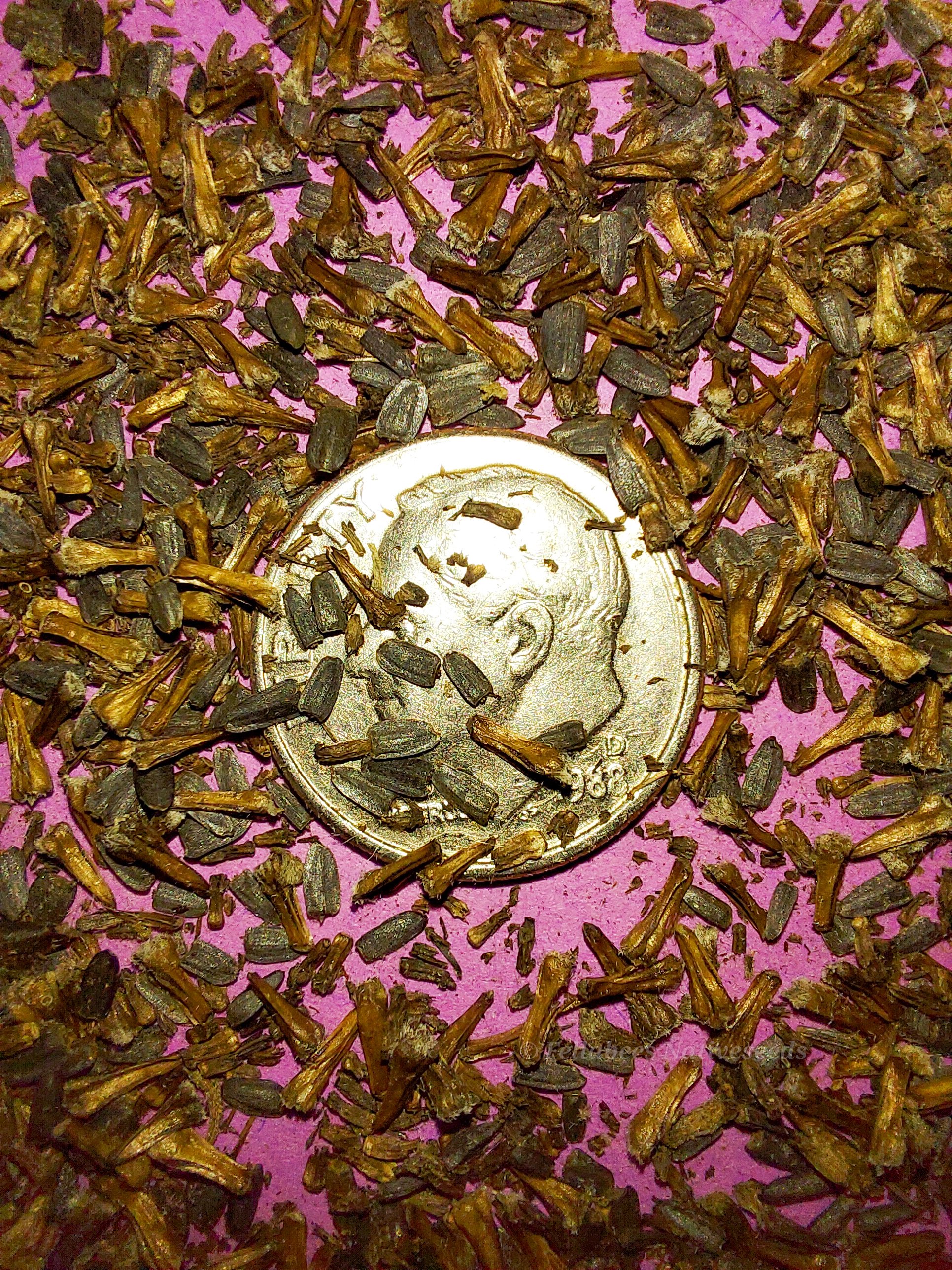
Small seed species will contain greater than 20-25 seed
Large seed species will contain greater than 10-15 seed
It is our mission to spread the wealth of native plant and pollinator ecological sustainability, and educate back yard gardeners as well as corporate and government entities in how to germinate, grow, and benefit from native synergies.
Thank you for your support, it is because of you, that we can grow together to do, what we do.🐛🦋🐝🐞🌾🌱🌼🧡
Marsh Marigold (Caltha palustris)
This species seed needs to remain refrigerated until sowing. Seed will be fine in the time of transit, but please return it to the fridge upon receiving it or sow it immediately if in late fall or winter.
Marsh Marigold (Caltha palustris) is a wetland specialist that stabilizes saturated soils, reduces erosion along streambanks and pond margins, and improves water quality by trapping sediments and uptaking excess nutrients.
The early spring blooms of Marsh Marigold provide one of the first rich pollen and nectar sources for emerging bees, hoverflies, and other pollinators, and its foliage and dense basal growth offer cover and foraging habitat for amphibians (frogs and salamanders), aquatic insects, and wetland-dependent birds.
The plant’s seeds and tuberous roots are eaten by waterfowl and muskrats, while the larvae of some moths and flies may feed on its leaves and stems, creating trophic links that support higher predators such as shorebirds and insectivorous songbirds.
By forming colonies in shallow water and wet soils, Marsh Marigold contributes to structural diversity in marsh and fen communities, facilitating microhabitats for invertebrate assemblages and promoting overall wetland resilience and biodiversity.
Plant Details
USDA Zones: 2-7
Germination Needs: 60 Days Cold Stratification,
Life Cycle: Perennial
Sun Exposure: Full to Partial
Soil Moisture: Wet, Medium-Wet
Plant Spacing: 1-1½ feet
Height: 2 feet
Bloom time: April, May, June
Bloom Color: Yellow
Advantages:
Pollinator Favorite: butterflies, moths, bees, wasps, beetles
Bird Favorite: seeds, insects, fruit, nectar, nesting, perches.
Deer Resistant: Yes
Excellent in the home landscape!
Native to: Wisconsin, Minnesota, Iowa, Illinois, Indiana, Michigan, Ohio, Pennsylvania, New York, Vermont, New Hampshire, Maine, Massachusetts, Rhode Island, Connecticut, Delaware, Maryland, New Jersey, West Virginia, Virginia, Kentucky, Tennessee, North Carolina, Missouri, Nebraska, South Dakota, North Dakota, Washington State, Oregon, and California.
This species is considered present but rare in several counties of the states of Delaware, North Carolina, Tennessee, Missouri, and Nebraska.
This plant is considered to be extirpated (locally extinct) in several counties of the state of Kentucky.
*Seed must be kept cold (33-40°F) until stratification, and any remaining seed should be stored under refrigeration.
This seed packet will always remain in refrigeration at our locations until it is sent to you, the time in transit will not harm the seeds, but should be placed back in refrigeration when they arrive.
.
.
Packet quantities:
We pride ourselves on ethical, hands on, ecological management, using no mechanical or chemical methods whatsoever.
All of our native seed is hand reared, hand picked, and hand packed from native prairies under our exclusive management, never breaking chain of custody from the field until it is sent to you. Each packet is hand prepared for shipment by us, directly.
Small seed species will contain greater than 20-25 seed
Large seed species will contain greater than 10-15 seed
It is our mission to spread the wealth of native plant and pollinator ecological sustainability, and educate back yard gardeners as well as corporate and government entities in how to germinate, grow, and benefit from native synergies.
Thank you for your support, it is because of you, that we can grow together to do, what we do.🐛🦋🐝🐞🌾🌱🌼🧡
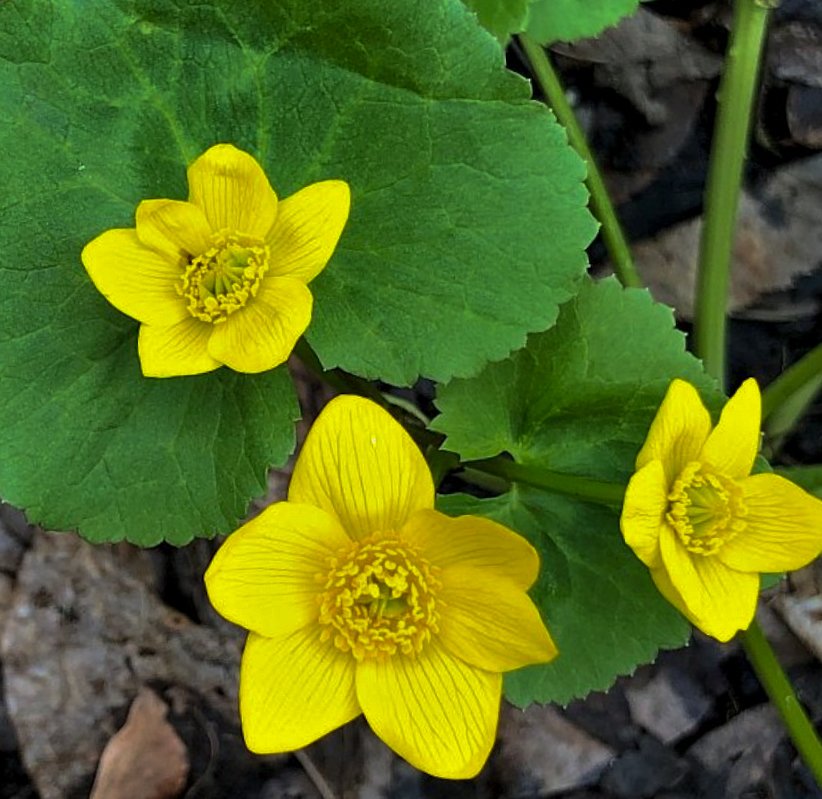 Image 1 of 6
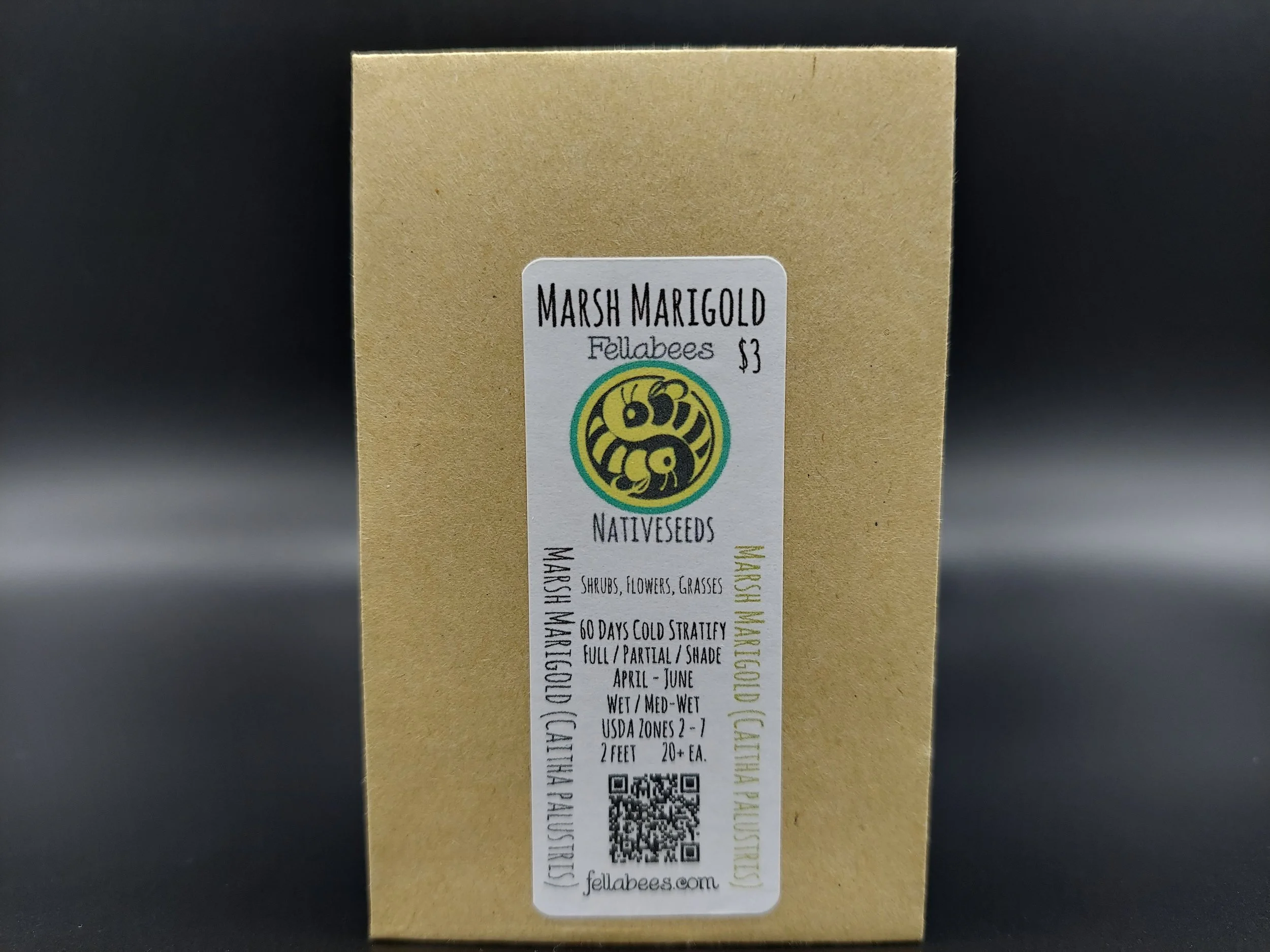 Image 2 of 6
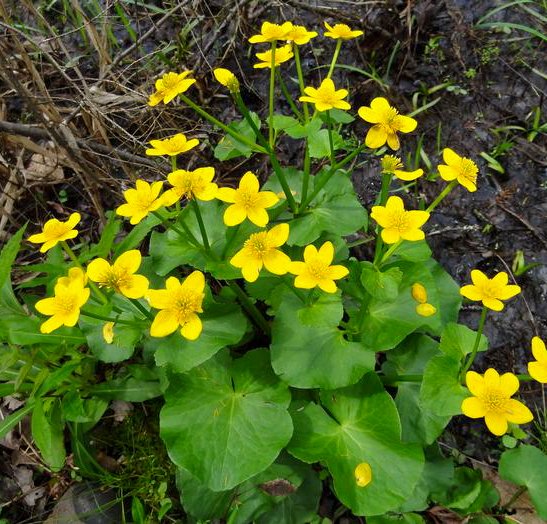 Image 3 of 6
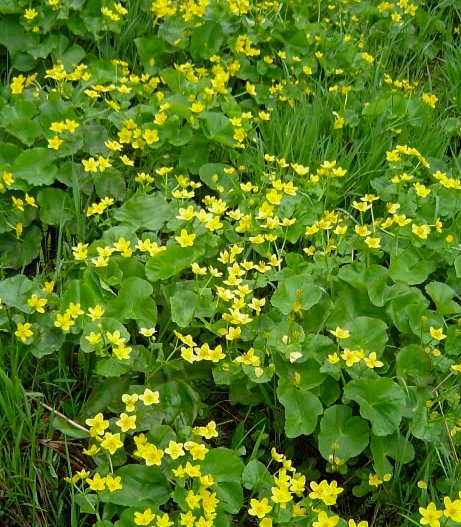 Image 4 of 6
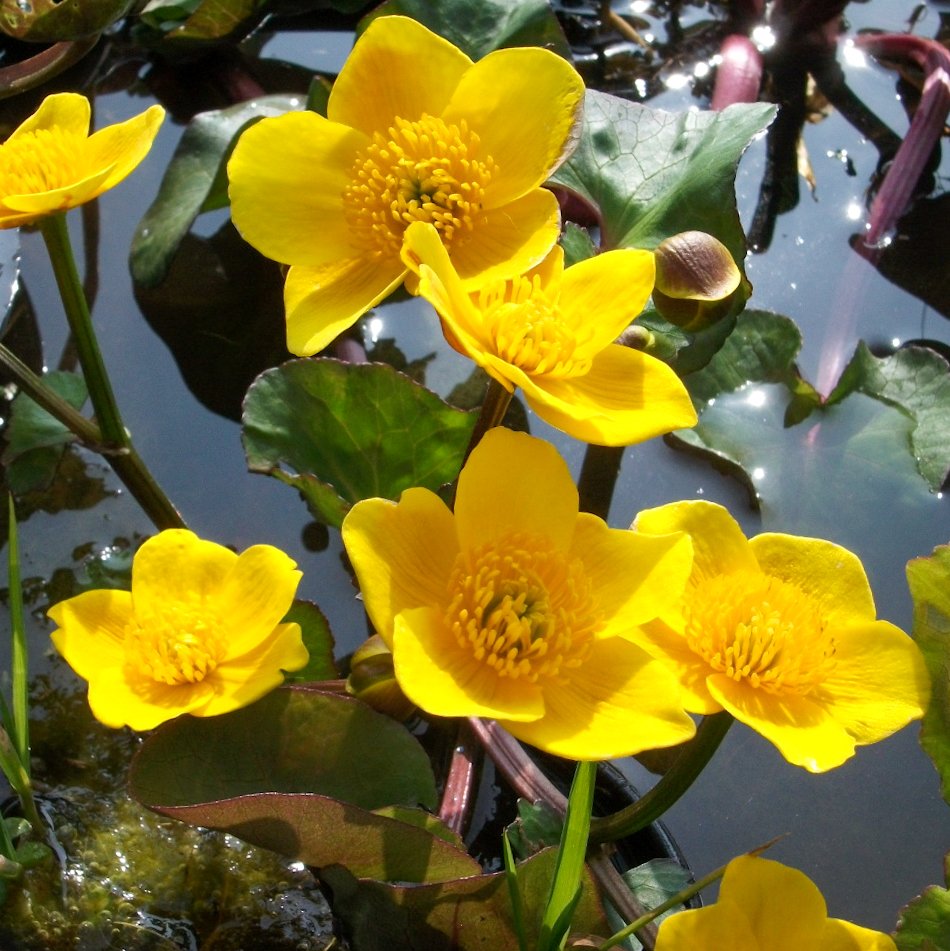 Image 5 of 6
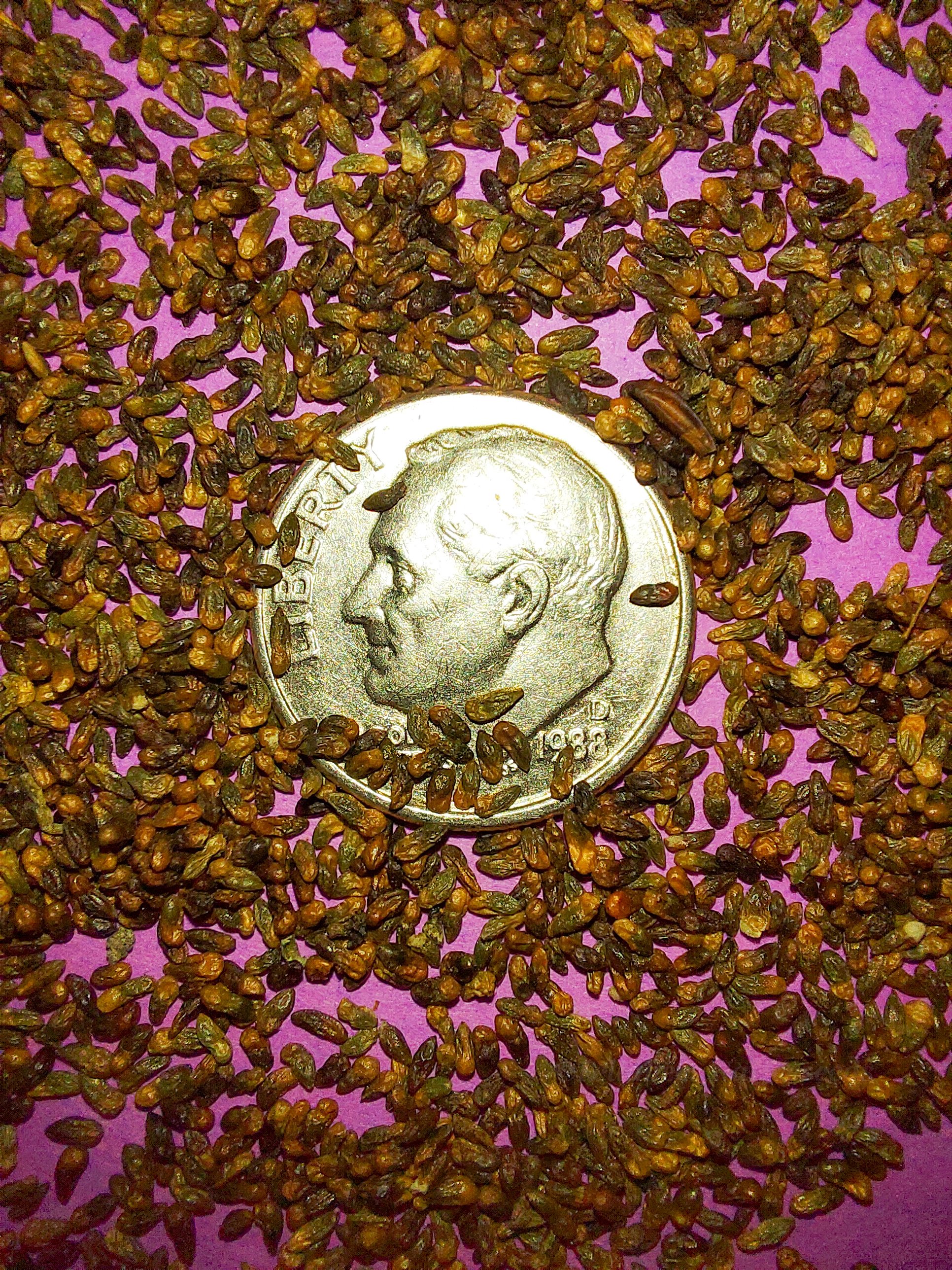 Image 6 of 6