Sale Price:
$2.00
Original Price:
$3.00
Common Ironweed (Vernonia fasciculata)
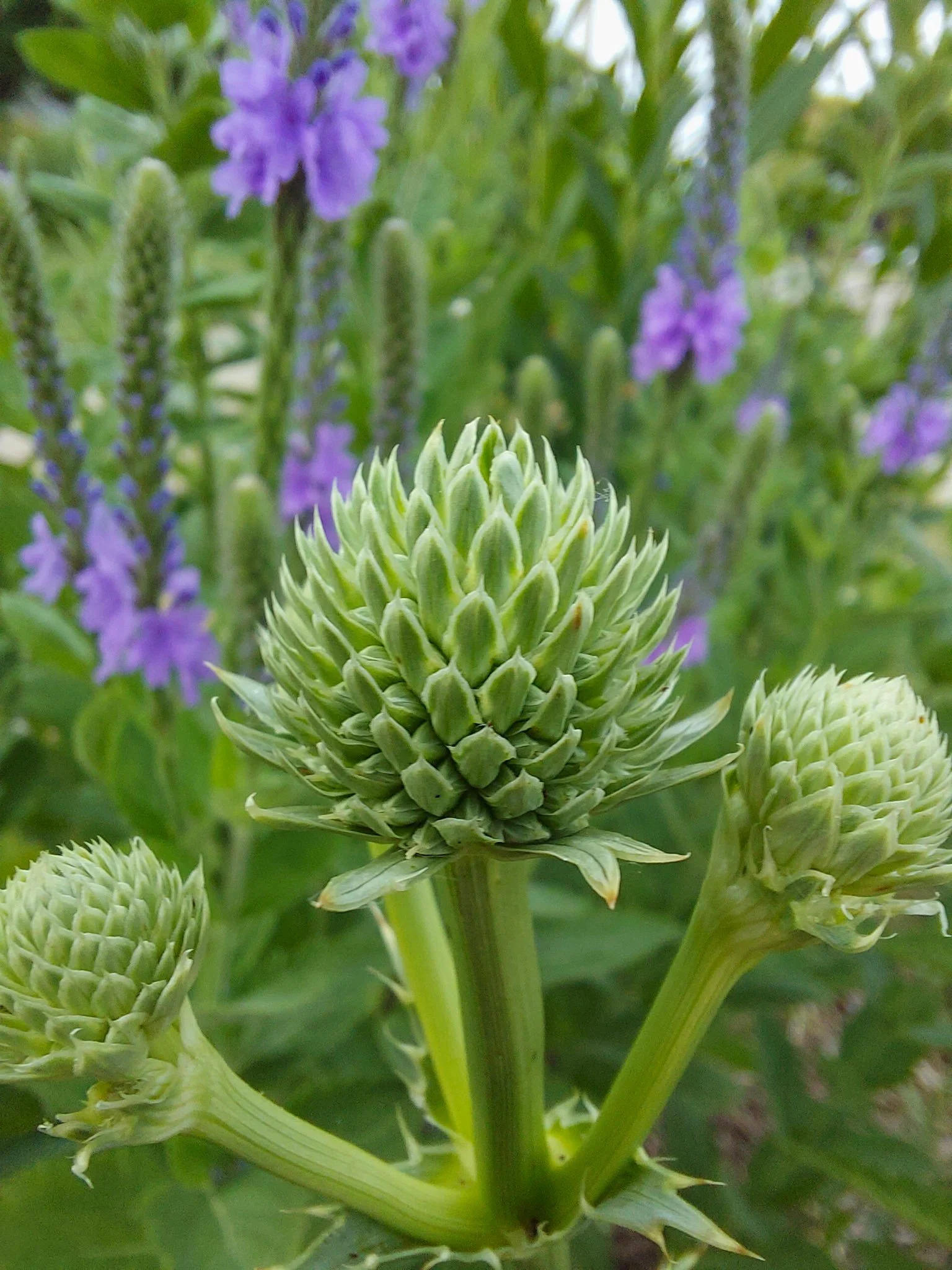
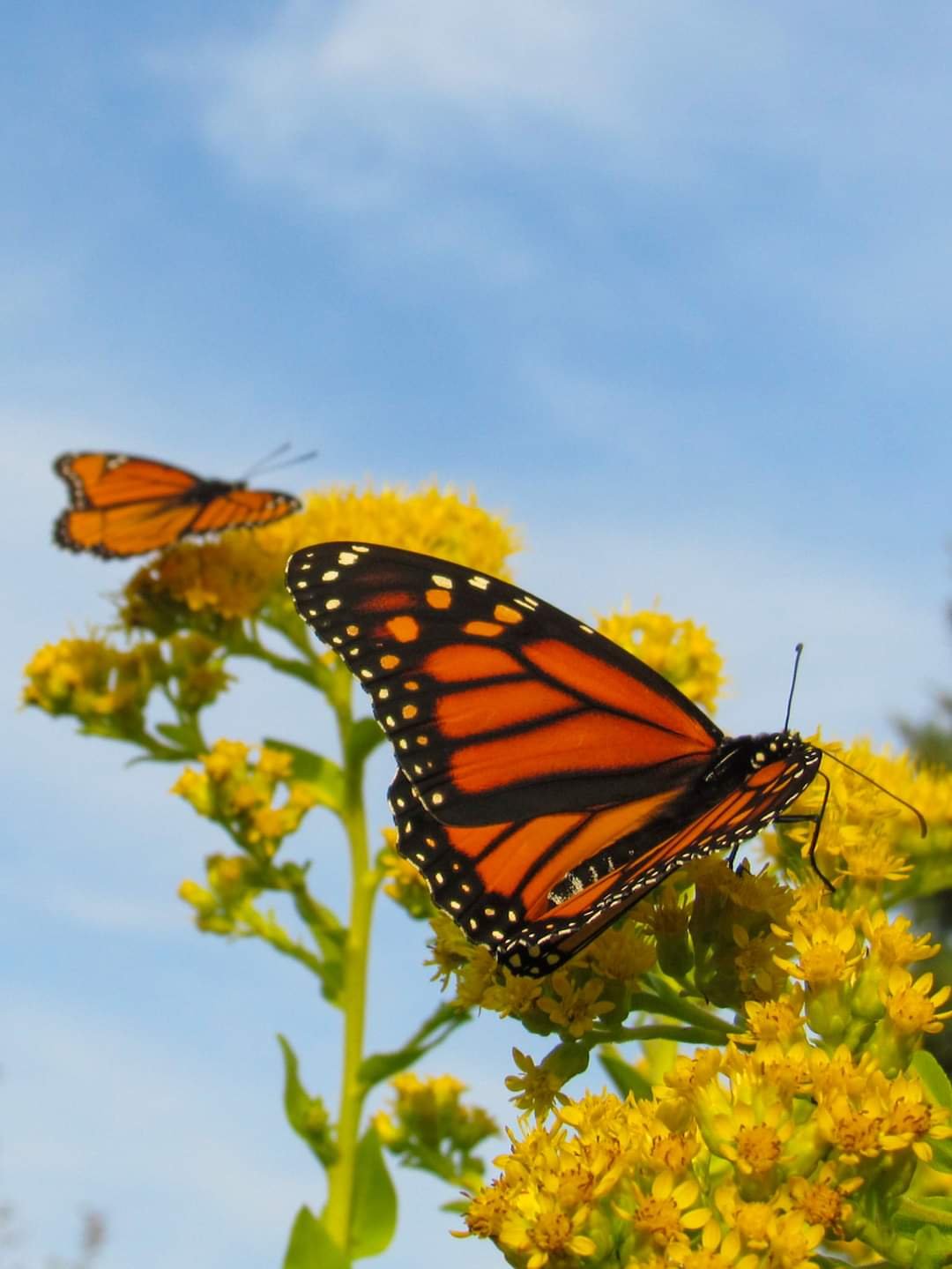
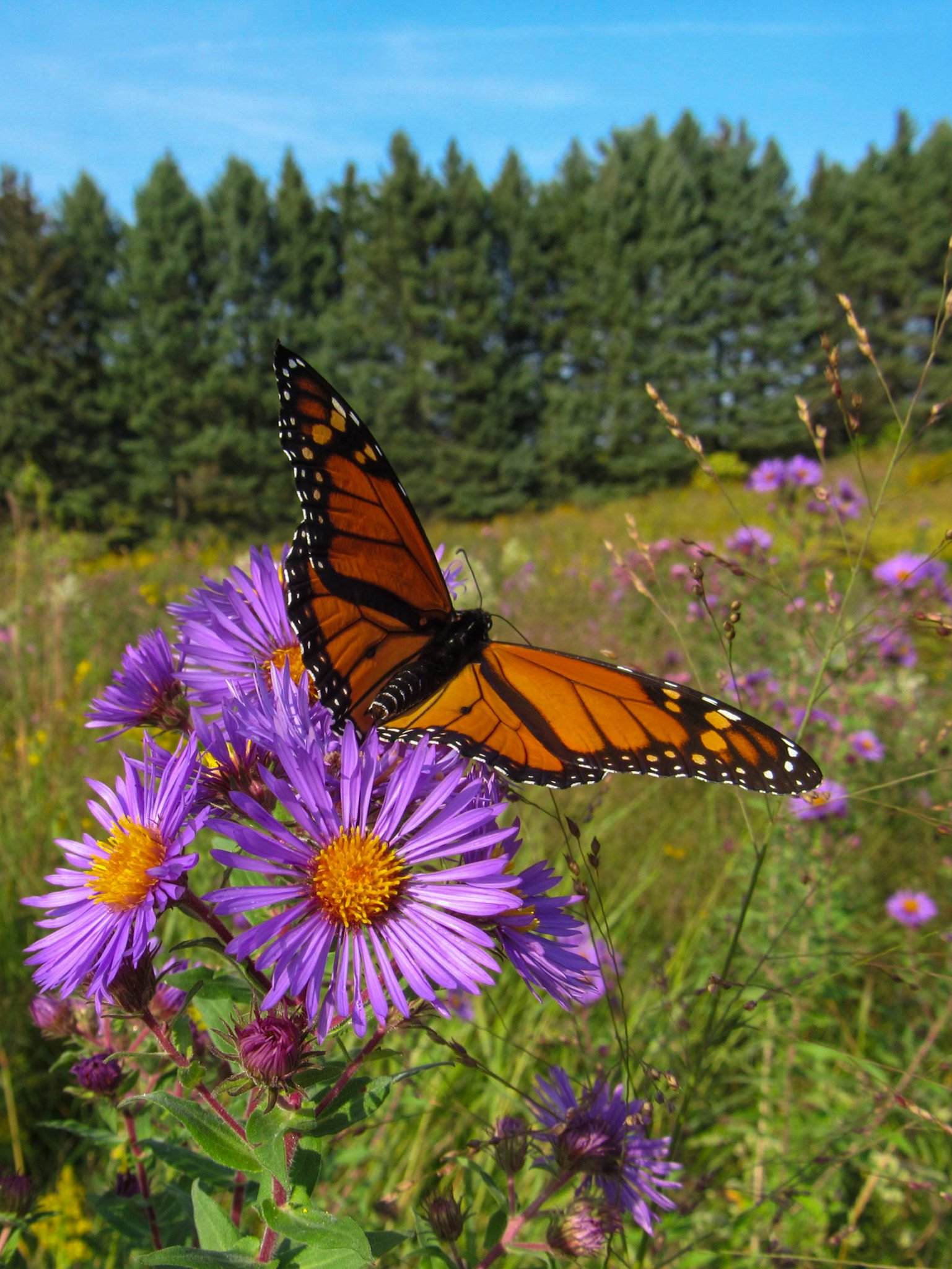
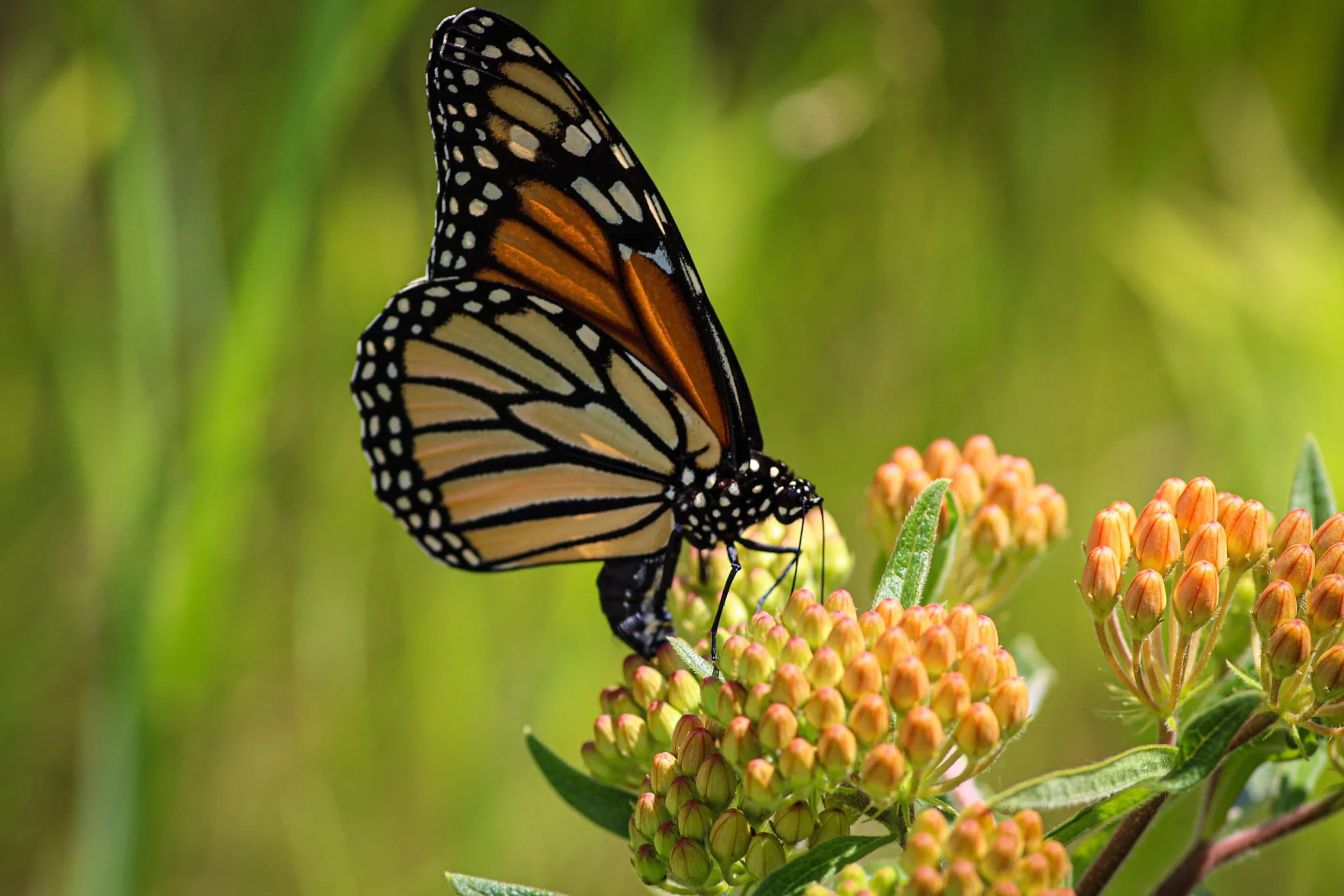
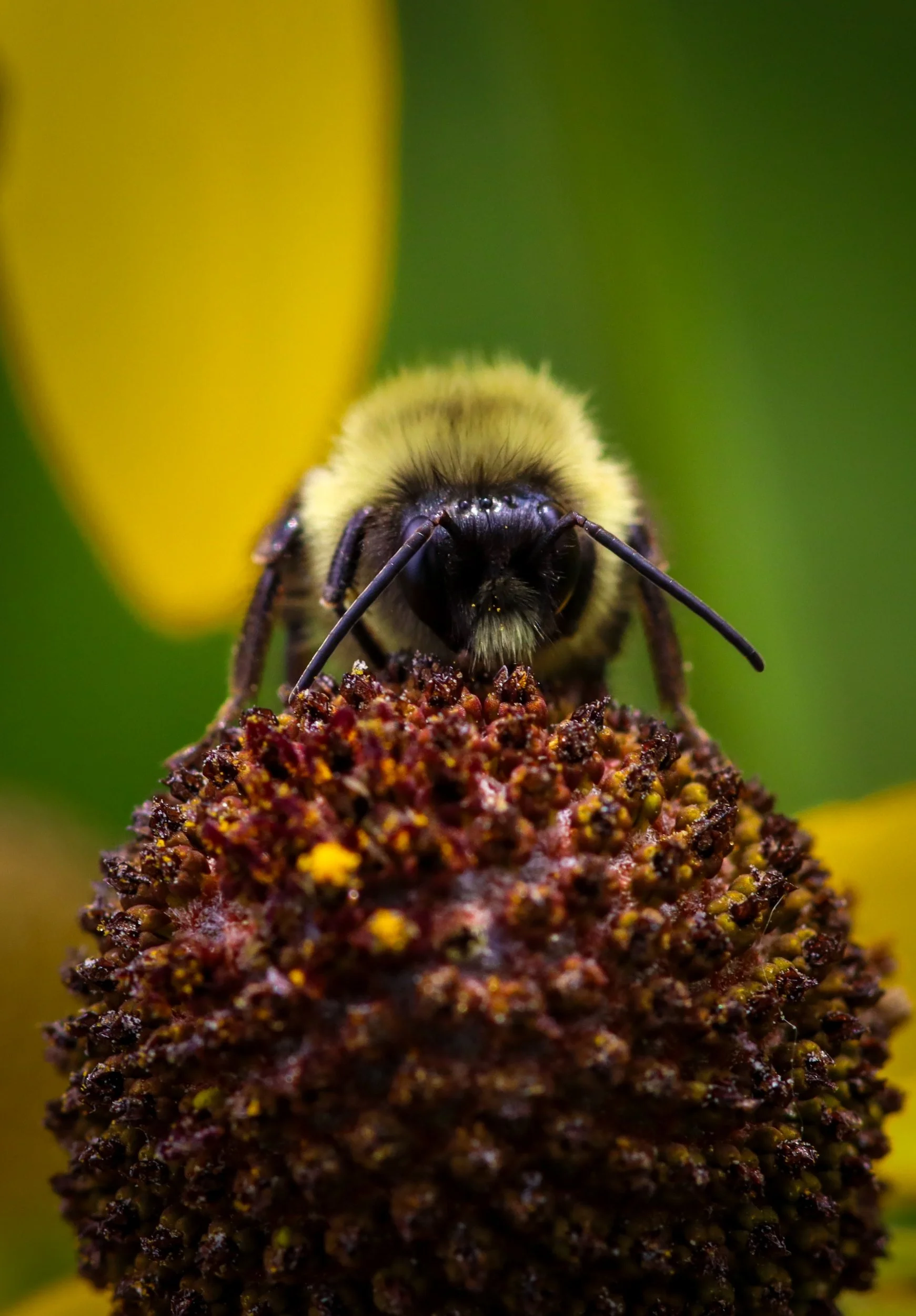
Common Ironweed (Vernonia fasciculata) supports prairie and meadow ecosystems by providing late-summer to fall nectar when many other wildflowers have finished blooming, helping sustain populations of native pollinators, including bumble bees, long-tongued bees, butterflies such as monarchs and painted ladies, and various wasps during a critical resource-scarce period. Its tall, sturdy stems and clumps offer perching and shelter sites for songbirds and beneficial predatory insects, while seed heads are used opportunistically by finches and sparrows in autumn and winter. As a deep-rooted perennial, ironweed contributes to soil stabilization and improves water infiltration, tolerates periodic flooding, and fosters belowground diversity that supports soil microbes and mycorrhizal networks. Its relative resistance to deer browsing and adaptability to prairie restorations and rain gardens make it a durable, ecologically valuable component of native plantings aimed at enhancing pollinator corridors, bird habitat, and resilient soil structure.
Plant Details:
USDA Zones: 3-9
Germination Needs: 60 Days Cold Stratification,
Life Cycle: Perennial
Sun Exposure: Full to Partial
Soil Moisture: Medium-Wet, Medium
Plant Spacing: 2-3 feet
Height: 6 feet
Bloom time: July, August, September
Bloom Color: Purple
Advantages
Pollinator Favorite: butterflies, moths, bees, wasps, beetles
Bird Favorite: seeds, insects, fruit, nectar, nesting, perchs.
Deer Resistant: Yes
Excellent in the home landscape!
.
.
Packet quantities:
We pride ourselves on ethical, hands on, ecological management, using no mechanical or chemical methods whatsoever.
All of our native seed is hand reared, hand picked, and hand packed from native prairies under our exclusive management, never breaking chain of custody from the field until it is sent to you. Each packet is hand prepared for shipment by us, directly.
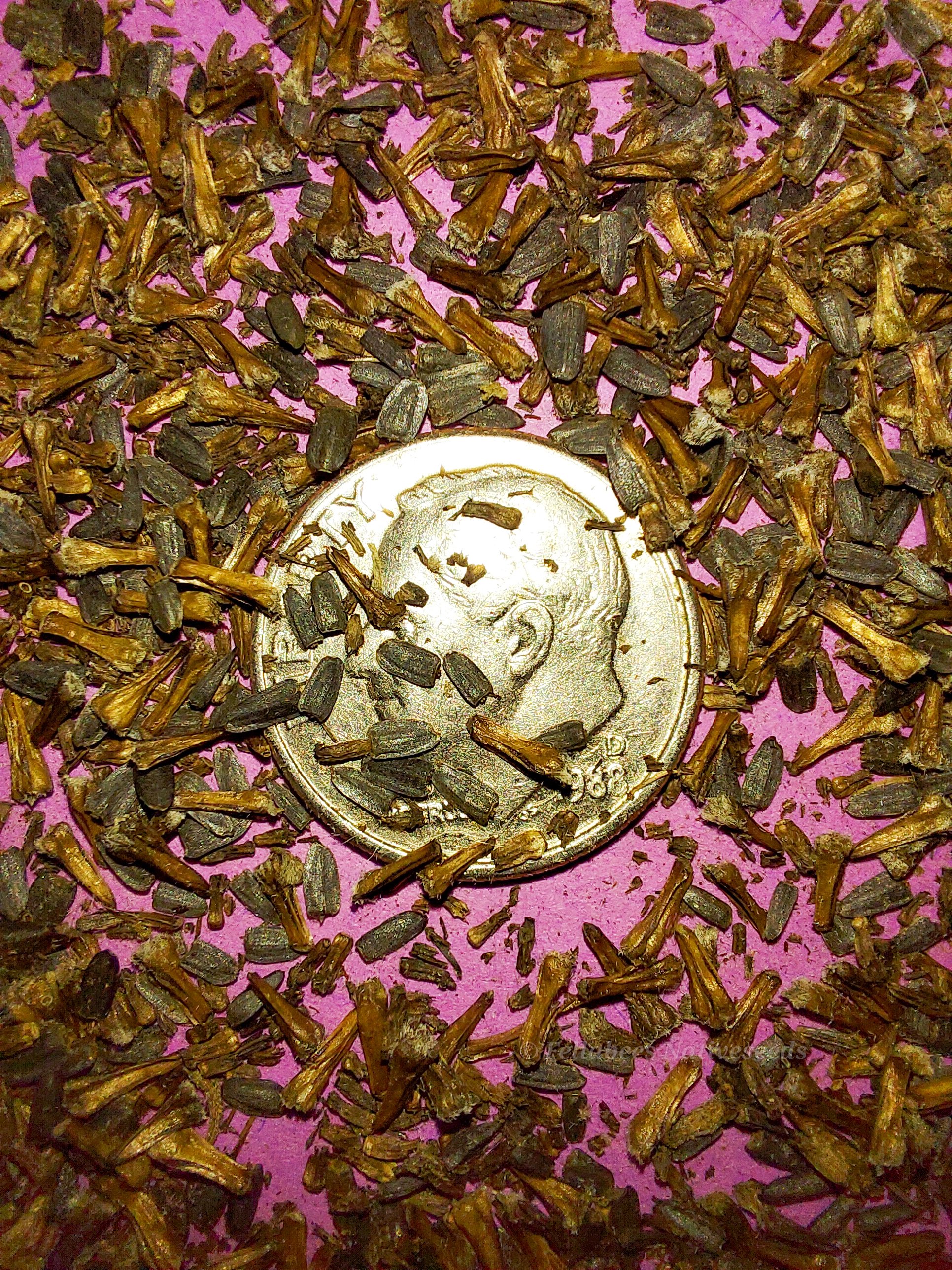
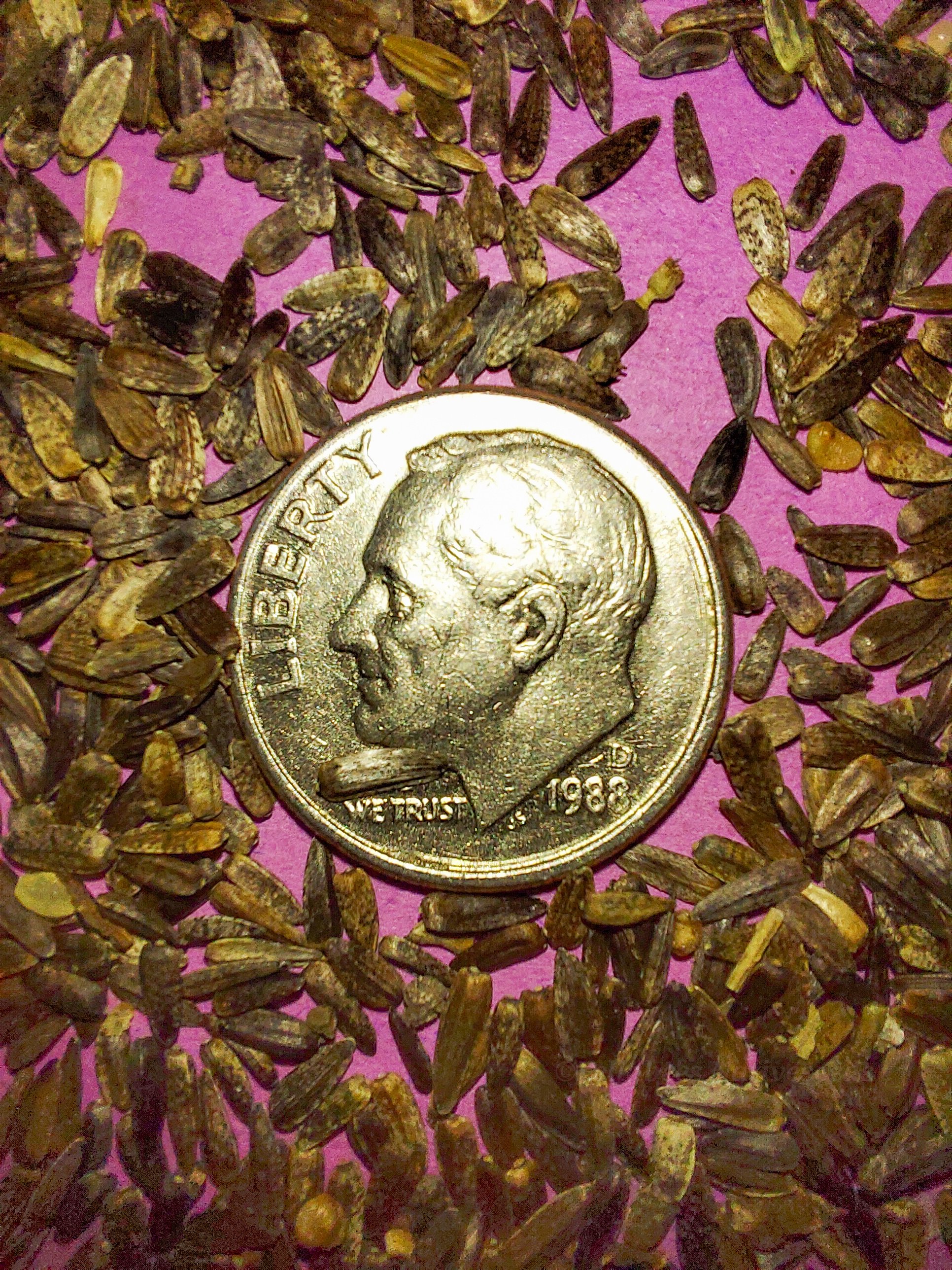
Small seed species will contain greater than 20-25 seed
Large seed species will contain greater than 10-15 seed
It is our mission to spread the wealth of native plant and pollinator ecological sustainability, and educate back yard gardeners as well as corporate and government entities in how to germinate, grow, and benefit from native synergies.
Thank you for your support, it is because of you, that we can grow together to do, what we do.🐛🦋🐝🐞🌾🌱🌼🧡
Common Ironweed (Vernonia fasciculata)
Common Ironweed (Vernonia fasciculata) supports prairie and meadow ecosystems by providing late-summer to fall nectar when many other wildflowers have finished blooming, helping sustain populations of native pollinators, including bumble bees, long-tongued bees, butterflies such as monarchs and painted ladies, and various wasps during a critical resource-scarce period. Its tall, sturdy stems and clumps offer perching and shelter sites for songbirds and beneficial predatory insects, while seed heads are used opportunistically by finches and sparrows in autumn and winter. As a deep-rooted perennial, ironweed contributes to soil stabilization and improves water infiltration, tolerates periodic flooding, and fosters belowground diversity that supports soil microbes and mycorrhizal networks. Its relative resistance to deer browsing and adaptability to prairie restorations and rain gardens make it a durable, ecologically valuable component of native plantings aimed at enhancing pollinator corridors, bird habitat, and resilient soil structure.
Plant Details:
USDA Zones: 3-9
Germination Needs: 60 Days Cold Stratification,
Life Cycle: Perennial
Sun Exposure: Full to Partial
Soil Moisture: Medium-Wet, Medium
Plant Spacing: 2-3 feet
Height: 6 feet
Bloom time: July, August, September
Bloom Color: Purple
Advantages
Pollinator Favorite: butterflies, moths, bees, wasps, beetles
Bird Favorite: seeds, insects, fruit, nectar, nesting, perchs.
Deer Resistant: Yes
Excellent in the home landscape!
.
.
Packet quantities:
We pride ourselves on ethical, hands on, ecological management, using no mechanical or chemical methods whatsoever.
All of our native seed is hand reared, hand picked, and hand packed from native prairies under our exclusive management, never breaking chain of custody from the field until it is sent to you. Each packet is hand prepared for shipment by us, directly.
Small seed species will contain greater than 20-25 seed
Large seed species will contain greater than 10-15 seed
It is our mission to spread the wealth of native plant and pollinator ecological sustainability, and educate back yard gardeners as well as corporate and government entities in how to germinate, grow, and benefit from native synergies.
Thank you for your support, it is because of you, that we can grow together to do, what we do.🐛🦋🐝🐞🌾🌱🌼🧡
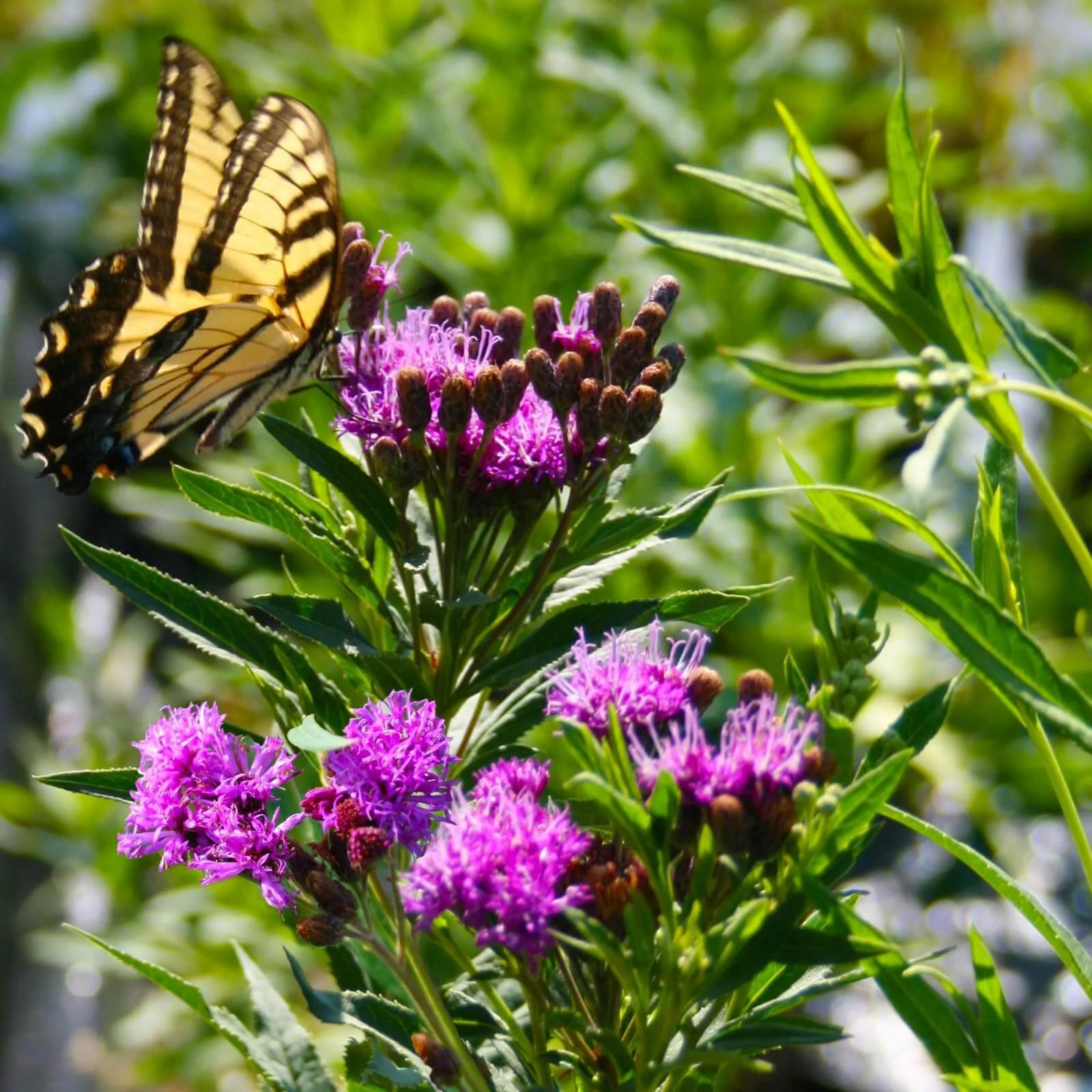 Image 1 of 8
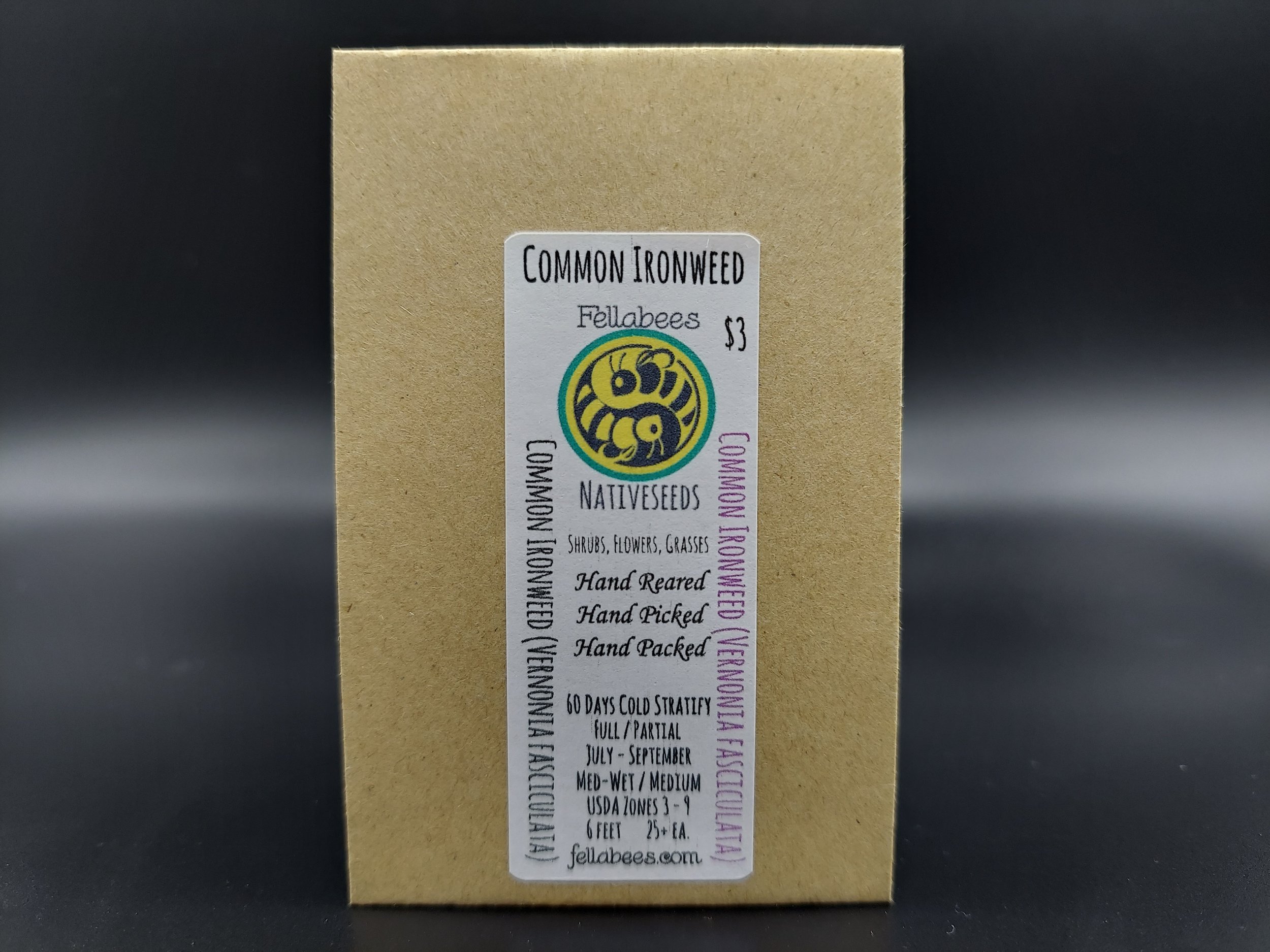 Image 2 of 8
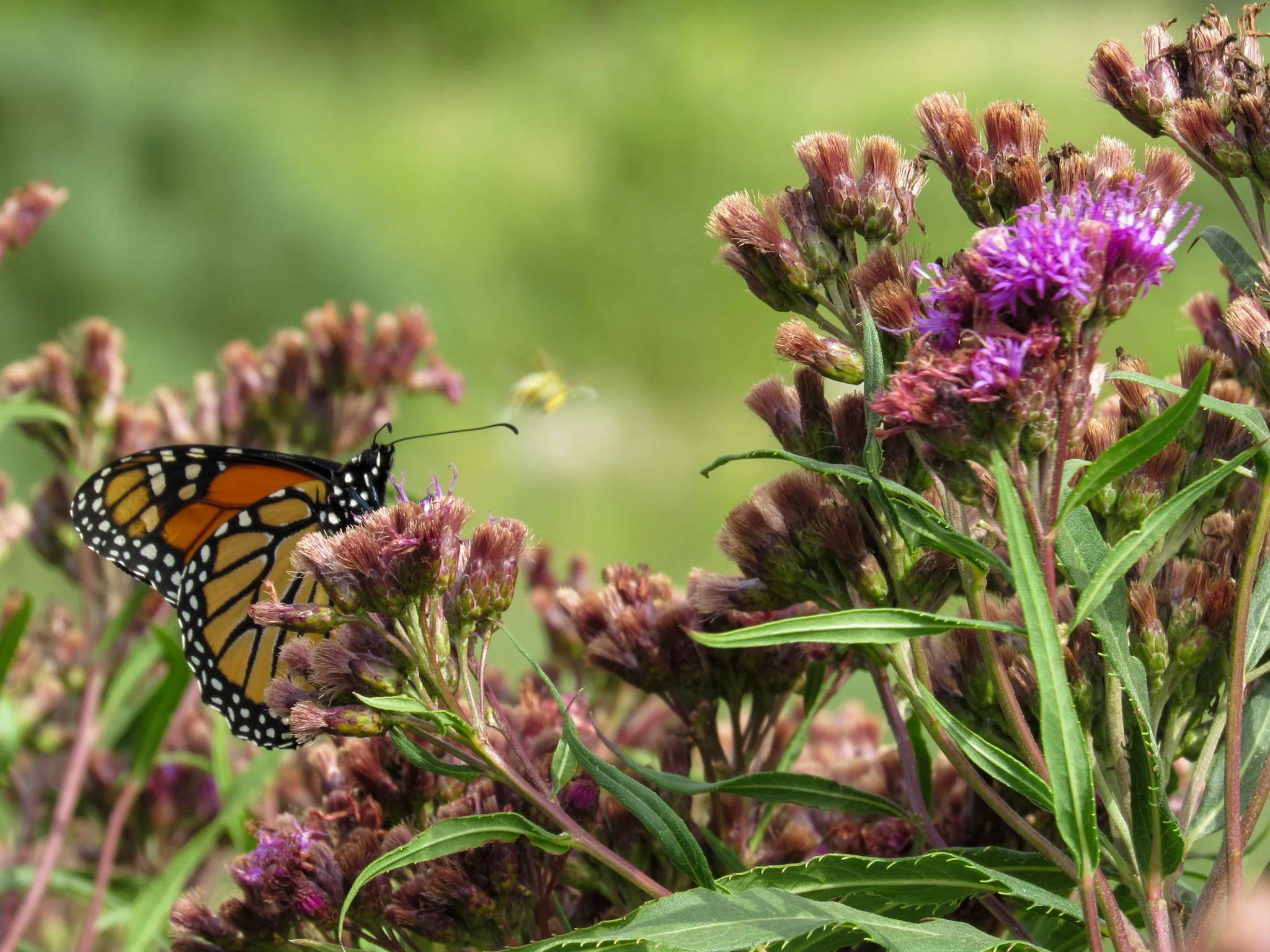 Image 3 of 8
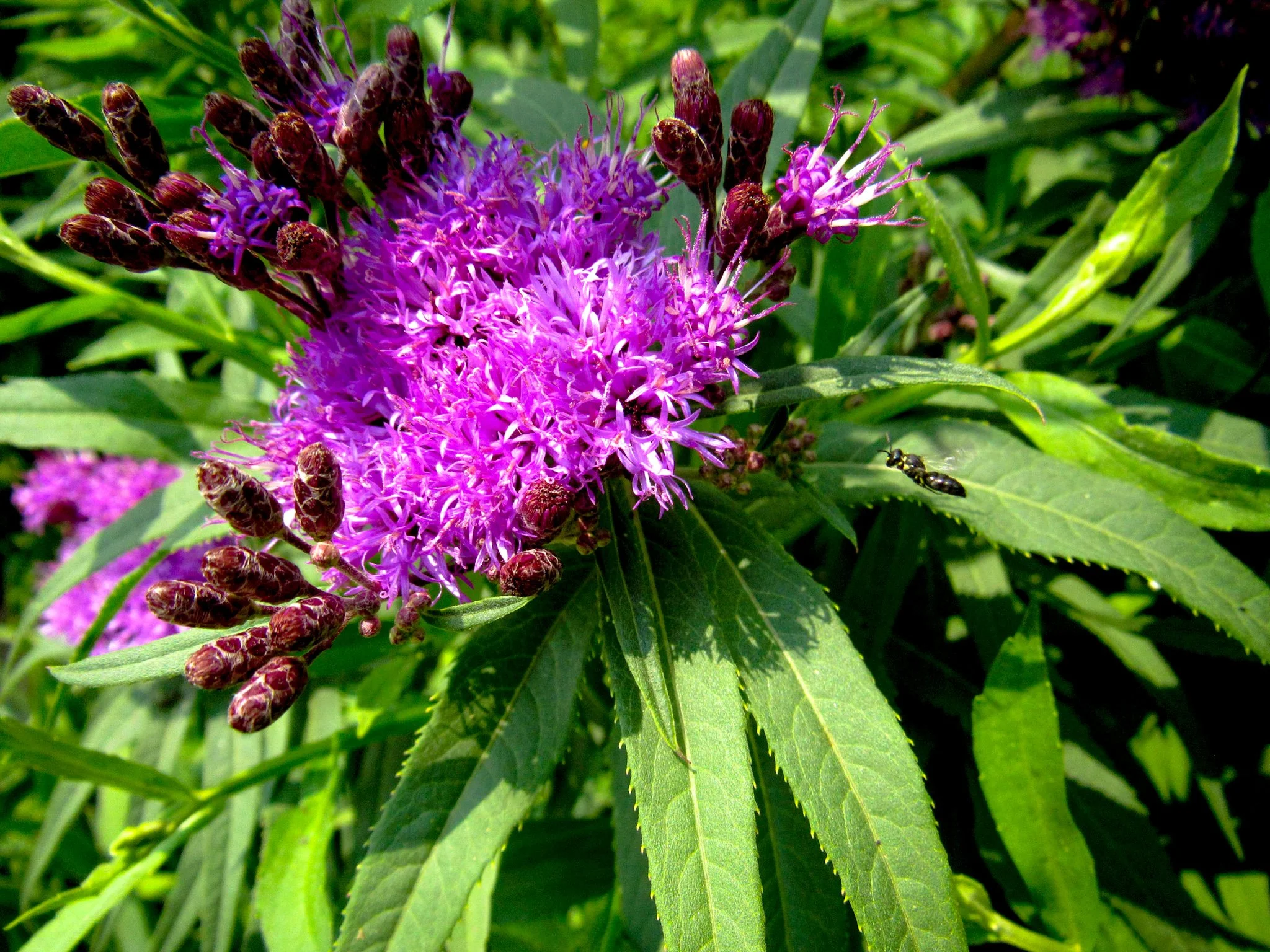 Image 4 of 8
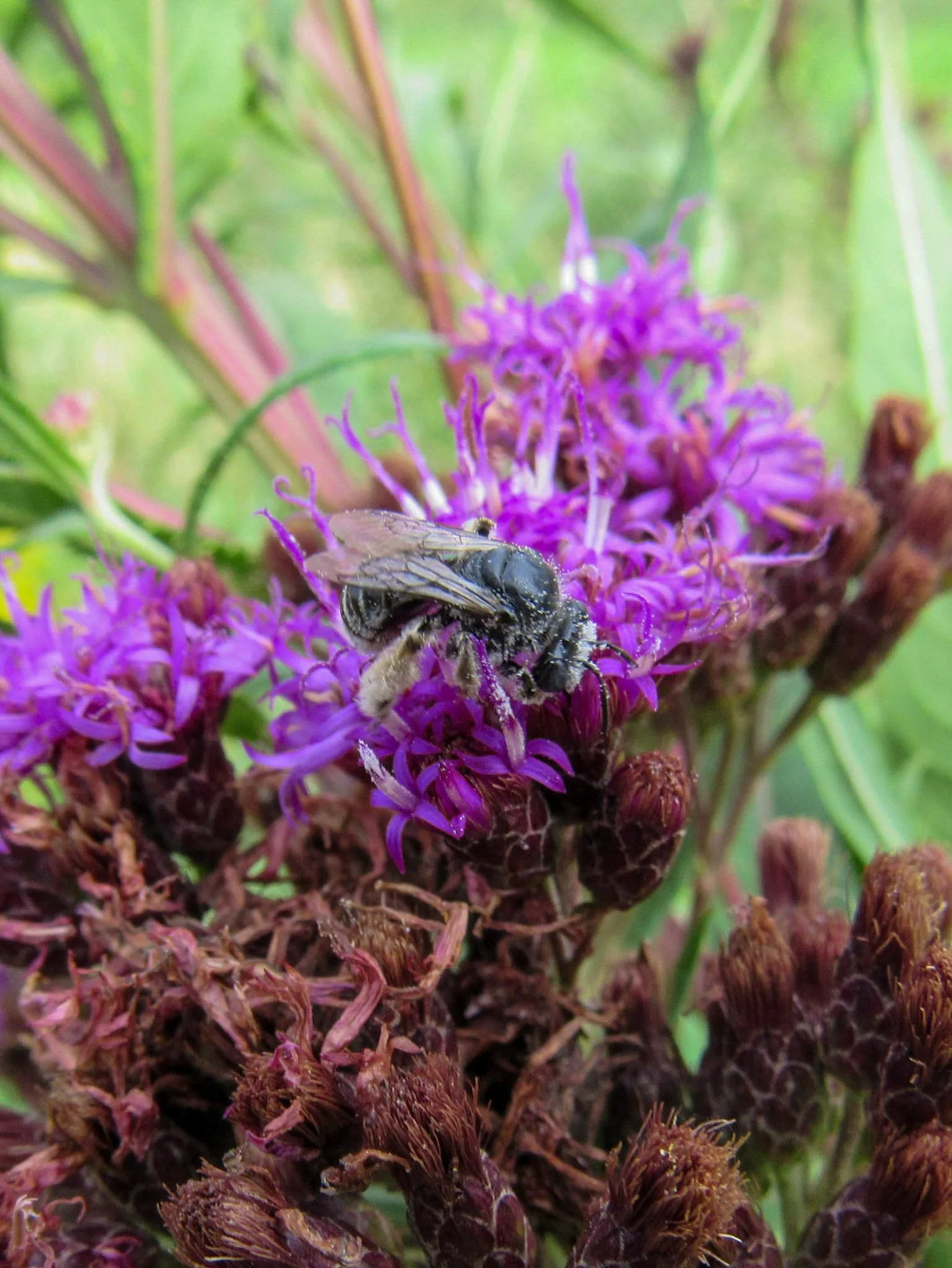 Image 5 of 8
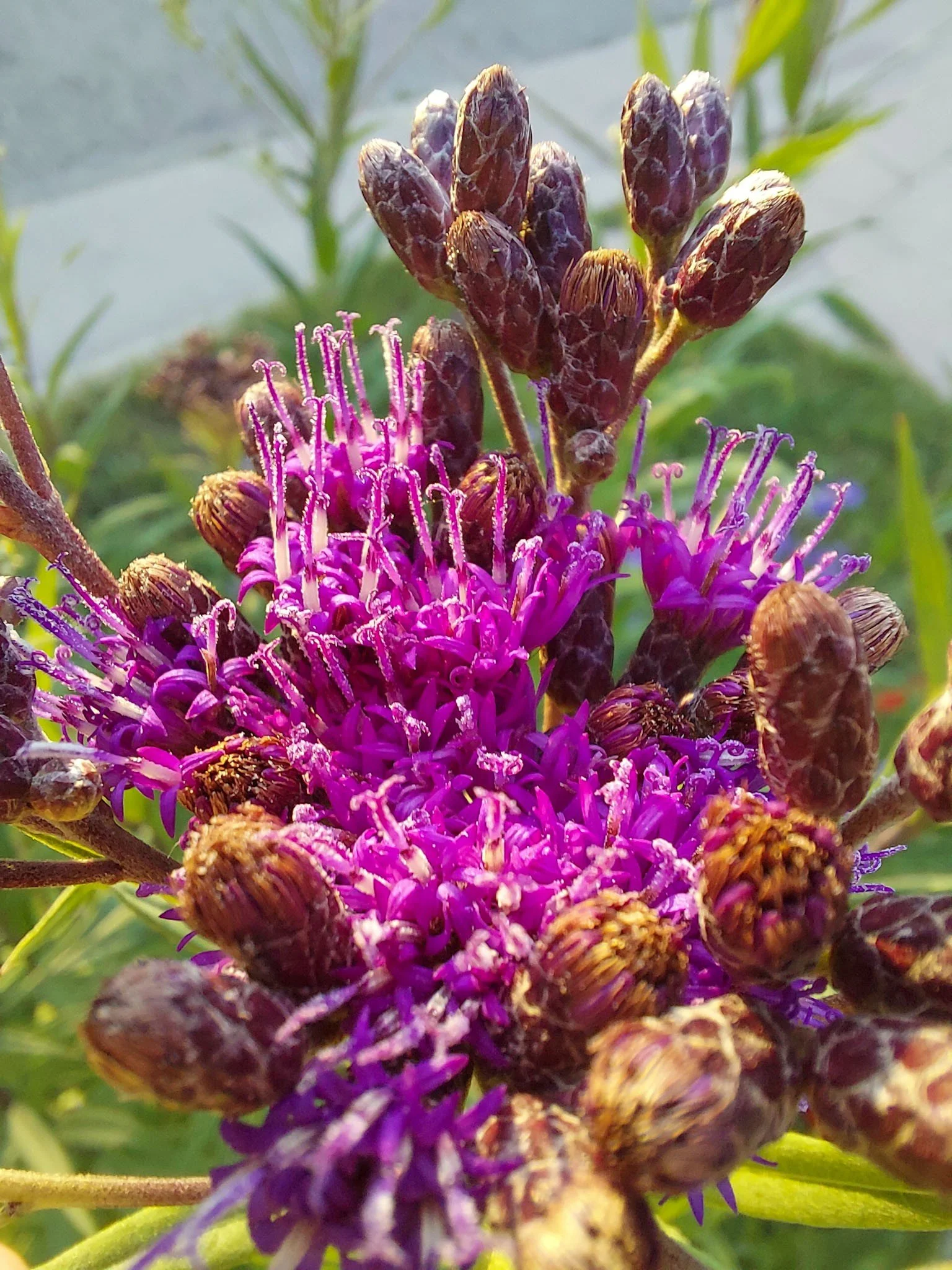 Image 6 of 8
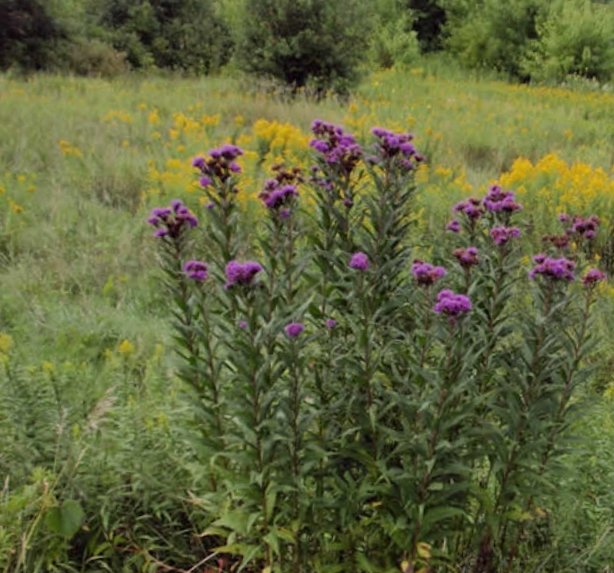 Image 7 of 8
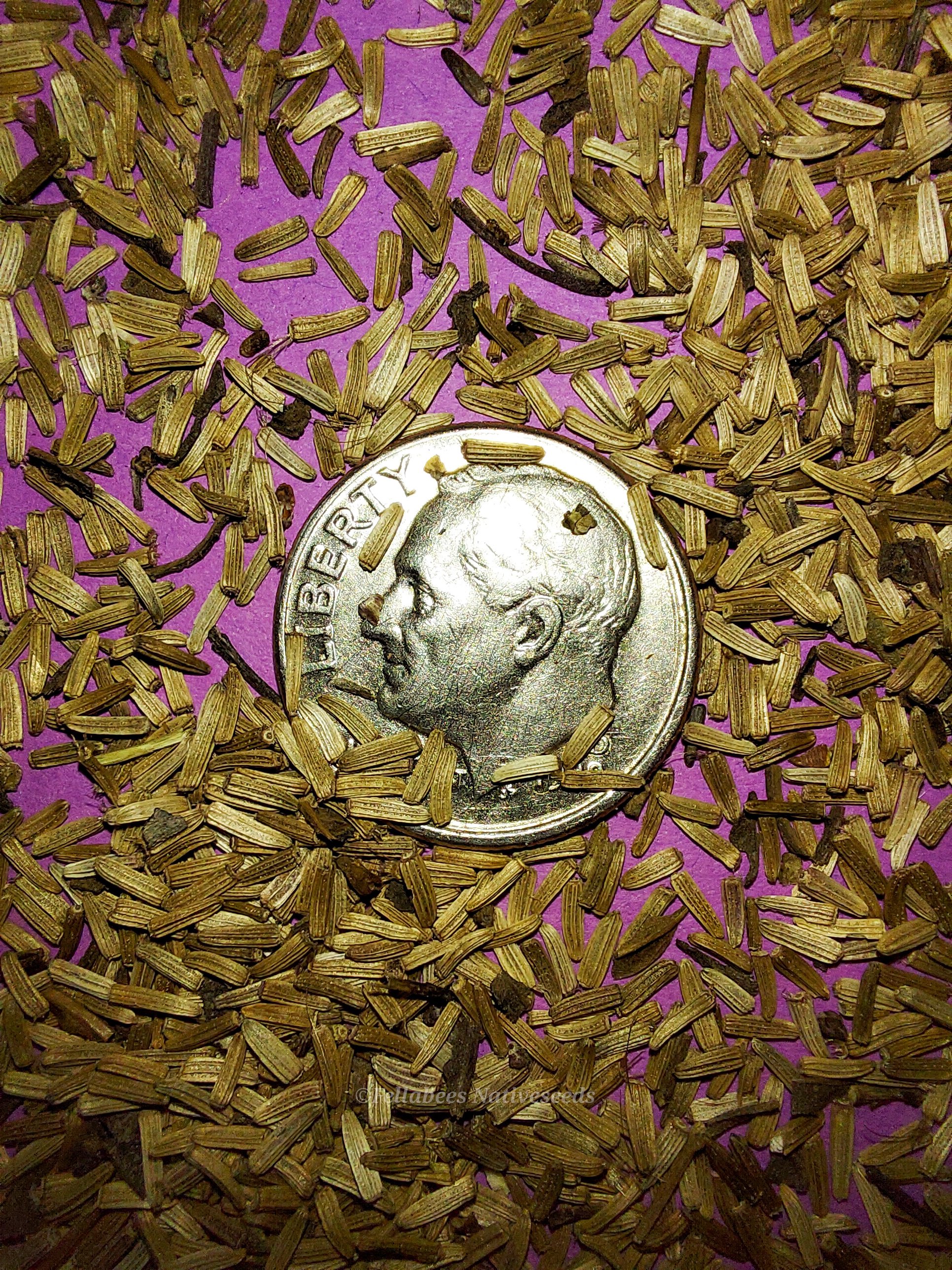 Image 8 of 8