Sale Price:
$1.50
Original Price:
$3.00
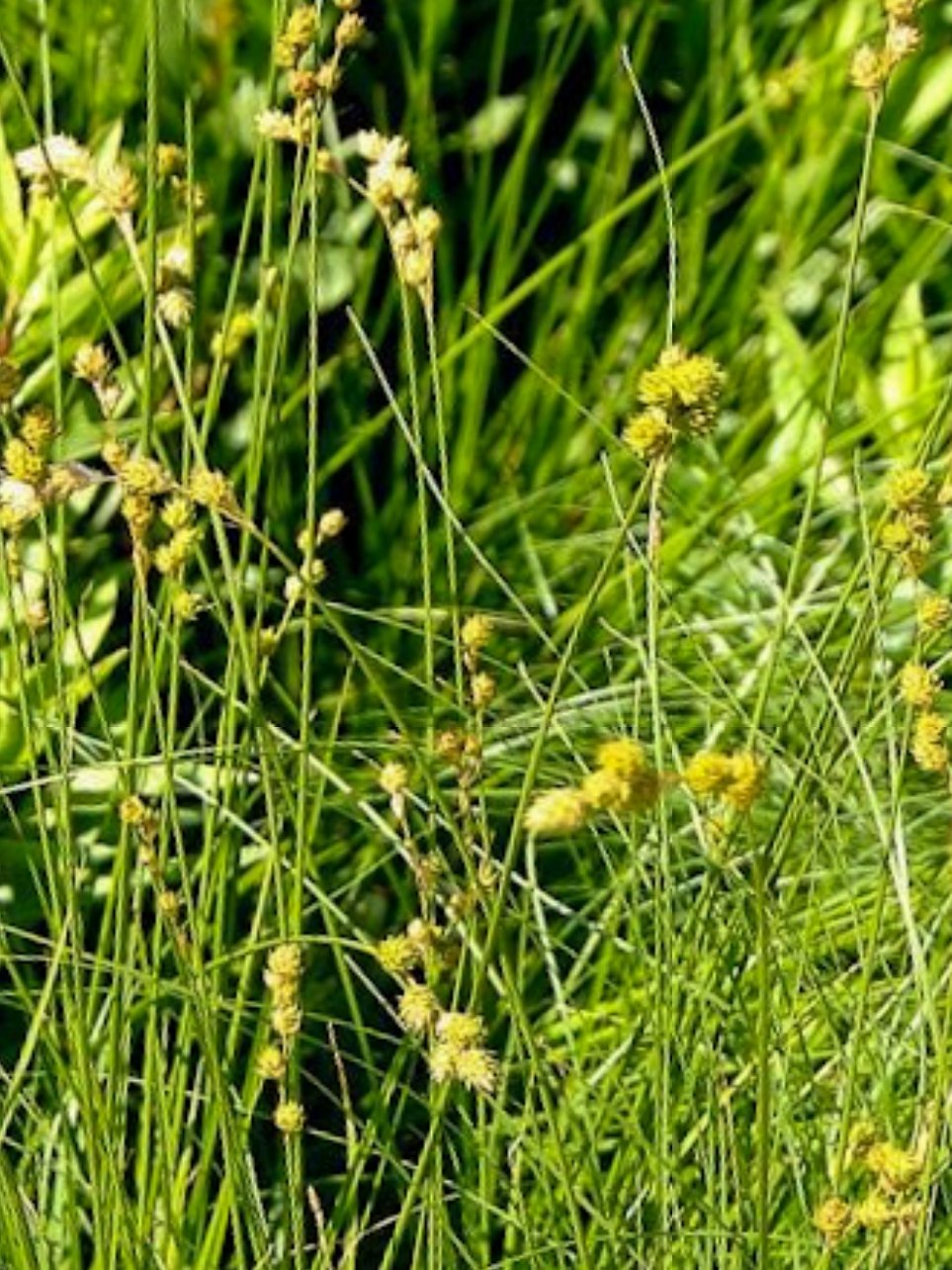
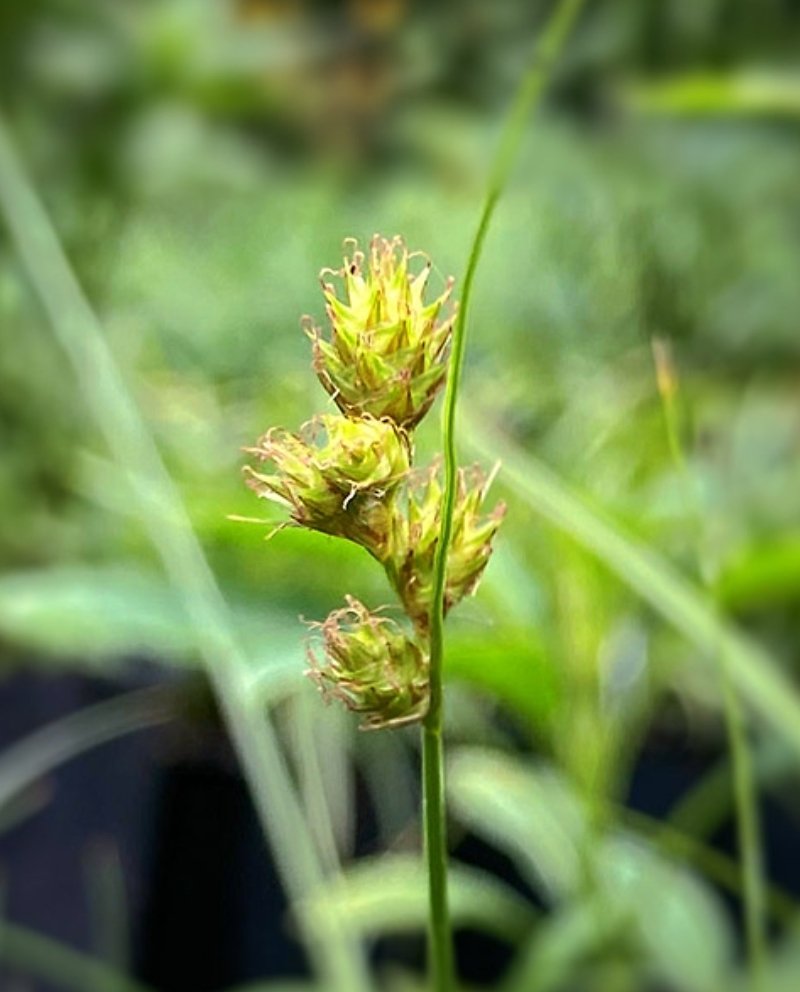
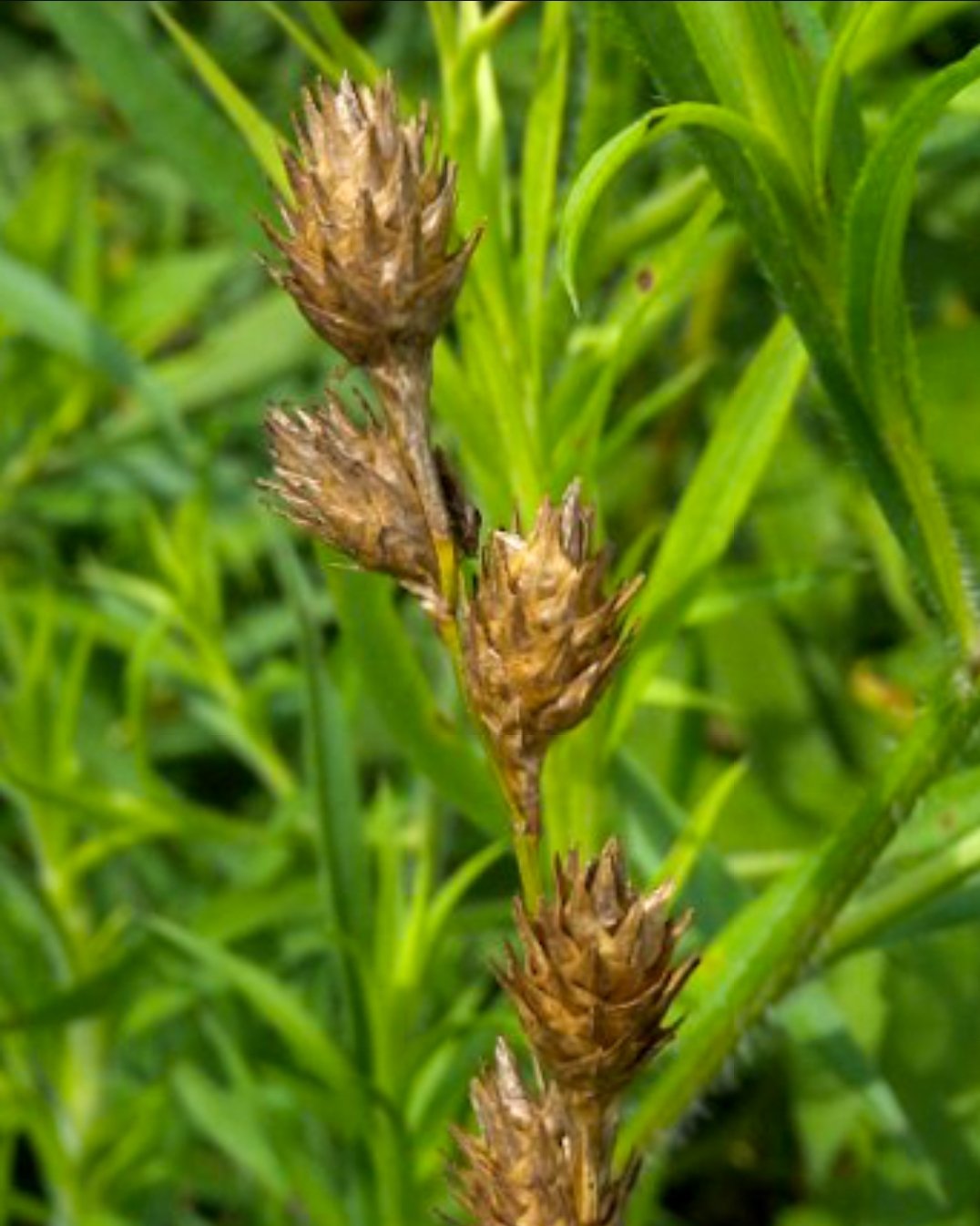
Pale Beardtongue (Penstemon pallidus)
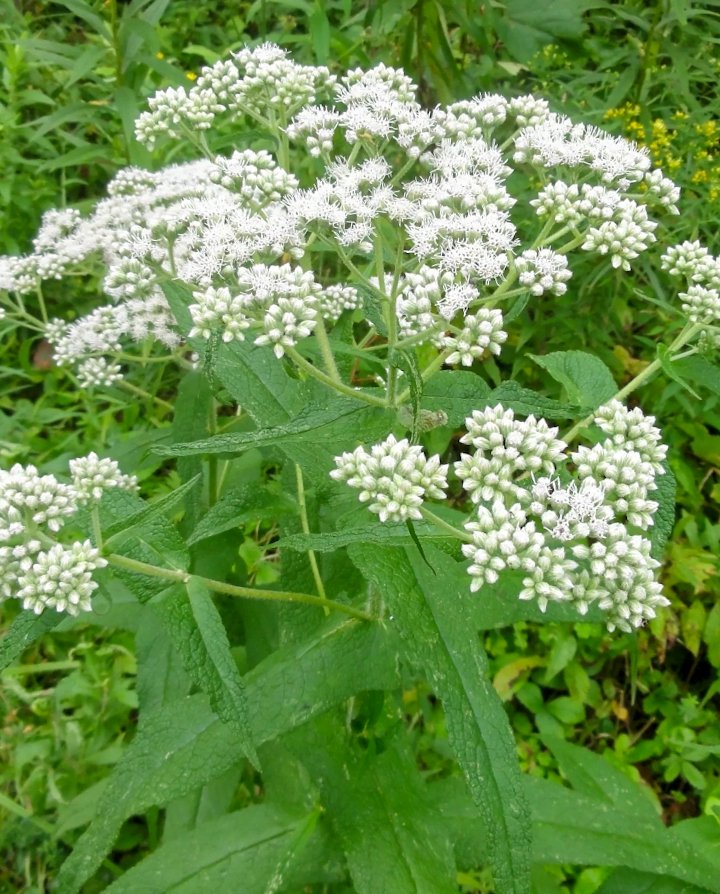
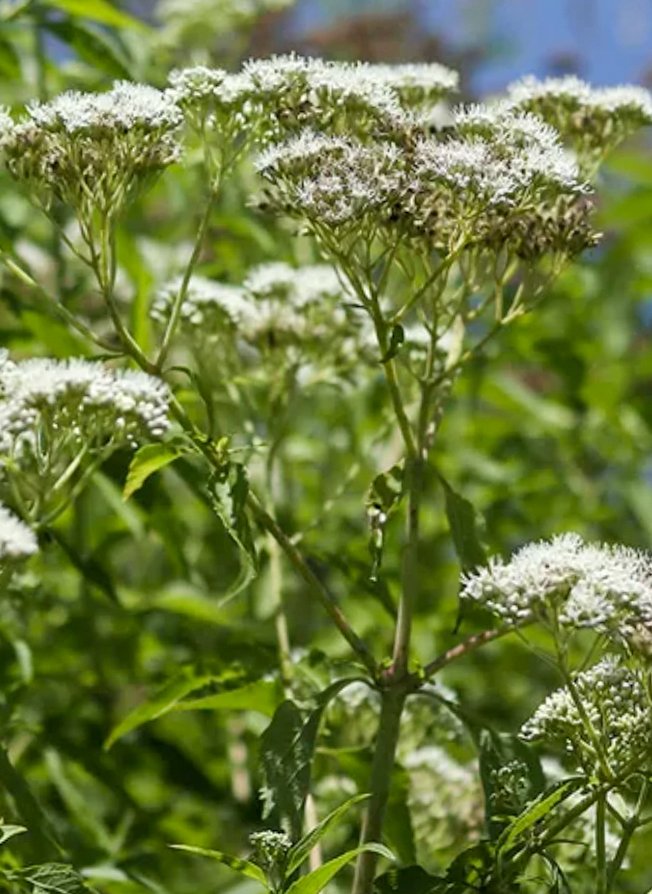
Penstemon pallidus, the pale beardtongue, is a delicate flowering plant native to the eastern United States, prized for its soft-hued blooms and appeal to pollinators.
Penstemon pallidus supports diverse faunal and ecological benefits across prairie, open woodland, and disturbed habitats. Its tubular, pale flowers are adapted for bee and hummingbird pollination—native solitary bees, bumblebees, and long-tongued bees commonly visit for nectar and pollen, while hummingbirds exploit the floral shape and extended bloom for reliable nectar sources during migration and breeding. The plant’s blooms also attract butterflies and moths as nectar resources, and a variety of small insects use foliage and stems for shelter and foraging.
Beyond direct pollinator support, Penstemon pallidus contributes to ecosystem function by enhancing floral diversity and succession resilience. Its roots help stabilize soil and improve microhabitats for soil arthropods and microbial communities, which in turn support nutrient cycling. The species’ presence increases patch heterogeneity—beneficial for insect predators and parasitoids that regulate herbivore populations—helping maintain balanced food webs. As a native component of a planting palette, pale beardtongue strengthens pollinator networks, supports avian insectivores that feed on abundant insect prey, and promotes overall habitat value for native fauna.
Plant Details
USDA Zones: 4-8
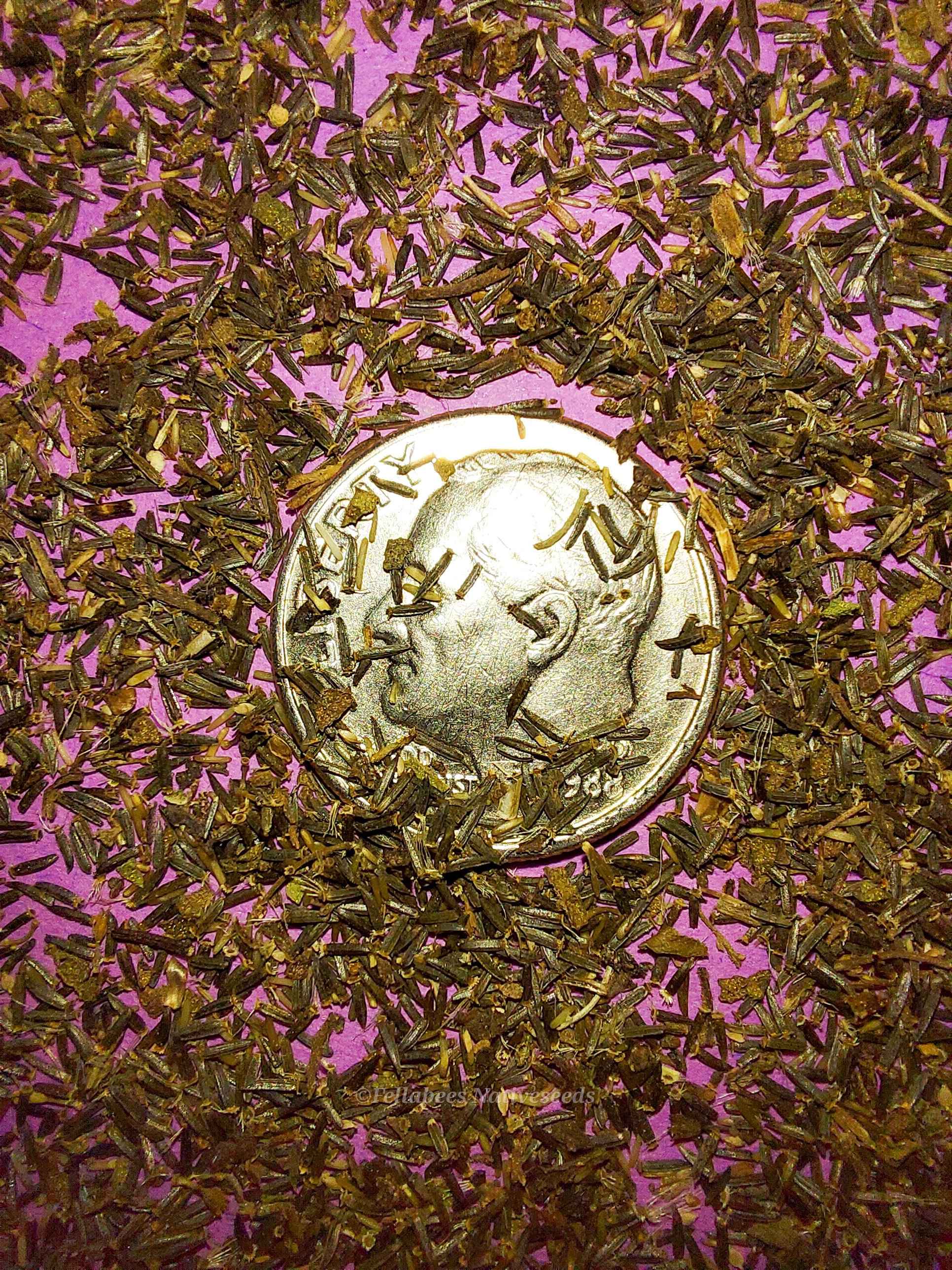
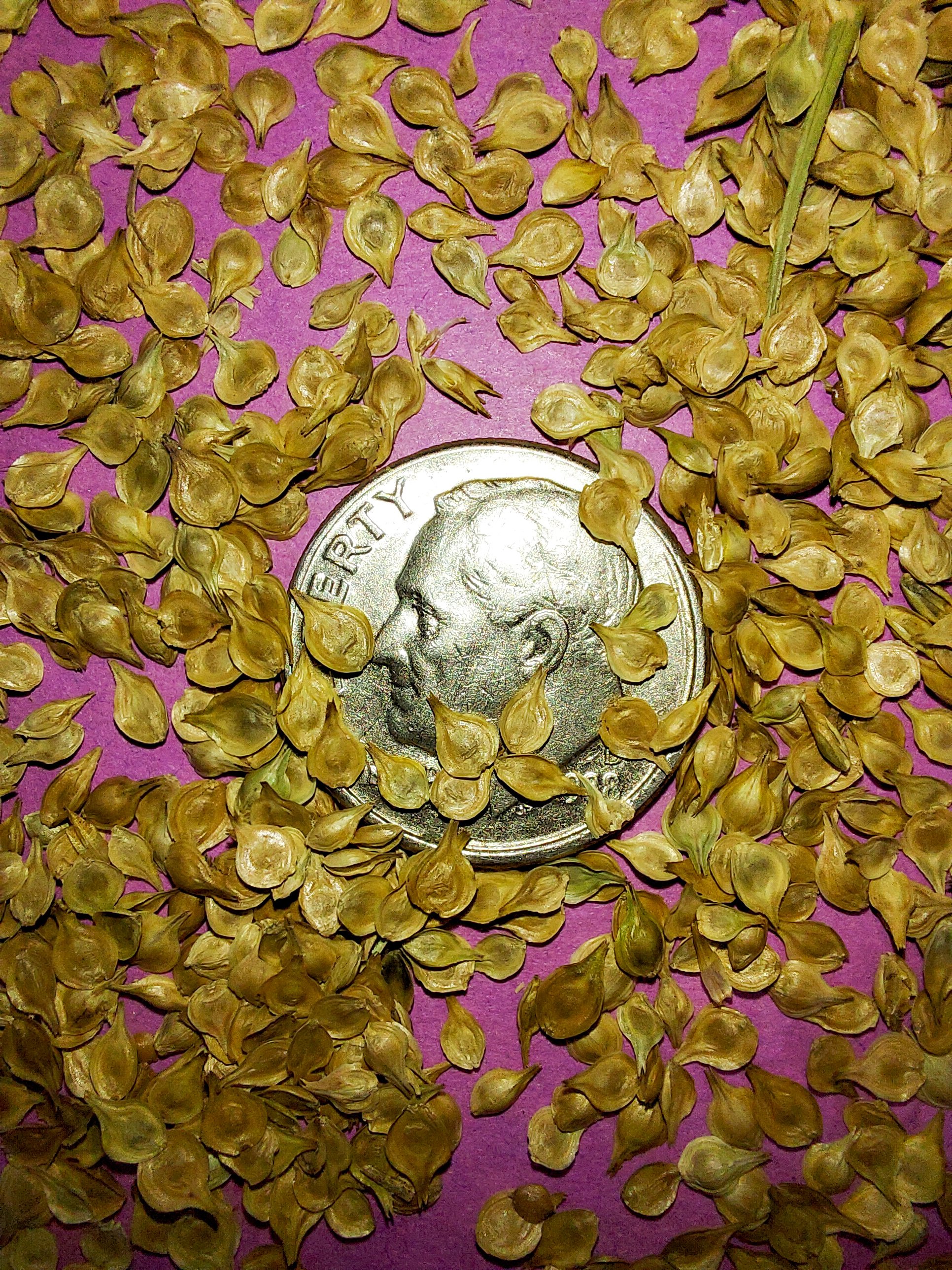
Germination Needs: 30 Days Cold Stratification. Seed is very small needing light to germinate, surface sow, and bottom water for best results. This species seed has a preference for germination in cool soil.
Life Cycle: Perennial
Sun Exposure: Full to Partial
Soil Moisture: Medium Medium-Dry, Dry
Plant Spacing: ½-1 foot
Height: 1 foot
Bloom time: May, June, July
Bloom Color: White
Advantages
Pollinator Favorite: butterflies, moths, bees, wasps, beetles
Bird Favorite: seeds, insects, fruit, nectar, nesting, perches.
Deer Resistant: Yes
Excellent in the home landscape!
Native to: Wisconsin, Minnesota, Iowa, Illinois, Indiana, Michigan, Ohio, Pennsylvania, New York, Vermont, New Hampshire, Maine, Massachusetts, Rhode Island, Connecticut, New Jersey, Maryland, West Virginia, Virginia, Kentucky, Tennessee, North Carolina, Georgia, Alabama, Mississippi, Arkansas, Missouri, and Kansas.
This plant is considered present but rare in several counties of the states of Wisconsin, Michigan, Ohio, Maryland, North Carolina, Georgia, and Kansas.
.
.
Packet quantities:
We pride ourselves on ethical, hands on, ecological management, using no mechanical or chemical methods whatsoever.
All of our native seed is hand reared, hand picked, and hand packed from native prairies under our exclusive management, never breaking chain of custody from the field until it is sent to you. Each packet is hand prepared for shipment by us, directly.
Small seed species will contain greater than 20-25 seed
Large seed species will contain greater than 10-15 seed
It is our mission to spread the wealth of native plant and pollinator ecological sustainability and educate back yard gardeners as well as corporate and government entities in how to germinate, grow, and benefit from native synergies.
Thank you for your support, it is because of you, that we can grow together to do, what we do. 🐛🦋🐝🐞🌾🌱🌼🧡
Pale Beardtongue (Penstemon pallidus)
Penstemon pallidus, the pale beardtongue, is a delicate flowering plant native to the eastern United States, prized for its soft-hued blooms and appeal to pollinators.
Penstemon pallidus supports diverse faunal and ecological benefits across prairie, open woodland, and disturbed habitats. Its tubular, pale flowers are adapted for bee and hummingbird pollination—native solitary bees, bumblebees, and long-tongued bees commonly visit for nectar and pollen, while hummingbirds exploit the floral shape and extended bloom for reliable nectar sources during migration and breeding. The plant’s blooms also attract butterflies and moths as nectar resources, and a variety of small insects use foliage and stems for shelter and foraging.
Beyond direct pollinator support, Penstemon pallidus contributes to ecosystem function by enhancing floral diversity and succession resilience. Its roots help stabilize soil and improve microhabitats for soil arthropods and microbial communities, which in turn support nutrient cycling. The species’ presence increases patch heterogeneity—beneficial for insect predators and parasitoids that regulate herbivore populations—helping maintain balanced food webs. As a native component of a planting palette, pale beardtongue strengthens pollinator networks, supports avian insectivores that feed on abundant insect prey, and promotes overall habitat value for native fauna.
Plant Details
USDA Zones: 4-8
Germination Needs: 30 Days Cold Stratification. Seed is very small needing light to germinate, surface sow, and bottom water for best results. This species seed has a preference for germination in cool soil.
Life Cycle: Perennial
Sun Exposure: Full to Partial
Soil Moisture: Medium Medium-Dry, Dry
Plant Spacing: ½-1 foot
Height: 1 foot
Bloom time: May, June, July
Bloom Color: White
Advantages
Pollinator Favorite: butterflies, moths, bees, wasps, beetles
Bird Favorite: seeds, insects, fruit, nectar, nesting, perches.
Deer Resistant: Yes
Excellent in the home landscape!
Native to: Wisconsin, Minnesota, Iowa, Illinois, Indiana, Michigan, Ohio, Pennsylvania, New York, Vermont, New Hampshire, Maine, Massachusetts, Rhode Island, Connecticut, New Jersey, Maryland, West Virginia, Virginia, Kentucky, Tennessee, North Carolina, Georgia, Alabama, Mississippi, Arkansas, Missouri, and Kansas.
This plant is considered present but rare in several counties of the states of Wisconsin, Michigan, Ohio, Maryland, North Carolina, Georgia, and Kansas.
.
.
Packet quantities:
We pride ourselves on ethical, hands on, ecological management, using no mechanical or chemical methods whatsoever.
All of our native seed is hand reared, hand picked, and hand packed from native prairies under our exclusive management, never breaking chain of custody from the field until it is sent to you. Each packet is hand prepared for shipment by us, directly.
Small seed species will contain greater than 20-25 seed
Large seed species will contain greater than 10-15 seed
It is our mission to spread the wealth of native plant and pollinator ecological sustainability and educate back yard gardeners as well as corporate and government entities in how to germinate, grow, and benefit from native synergies.
Thank you for your support, it is because of you, that we can grow together to do, what we do. 🐛🦋🐝🐞🌾🌱🌼🧡
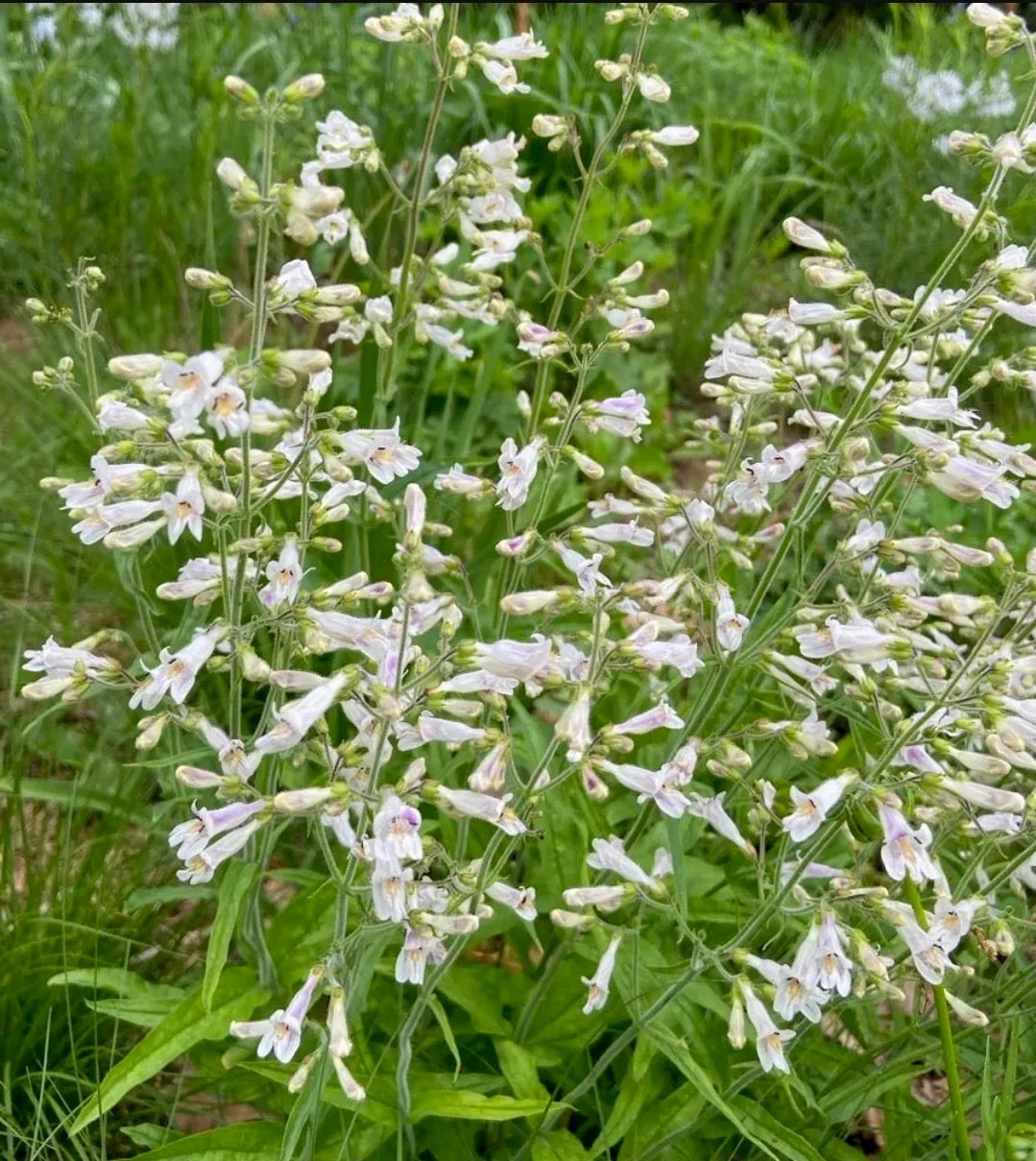 Image 1 of 4
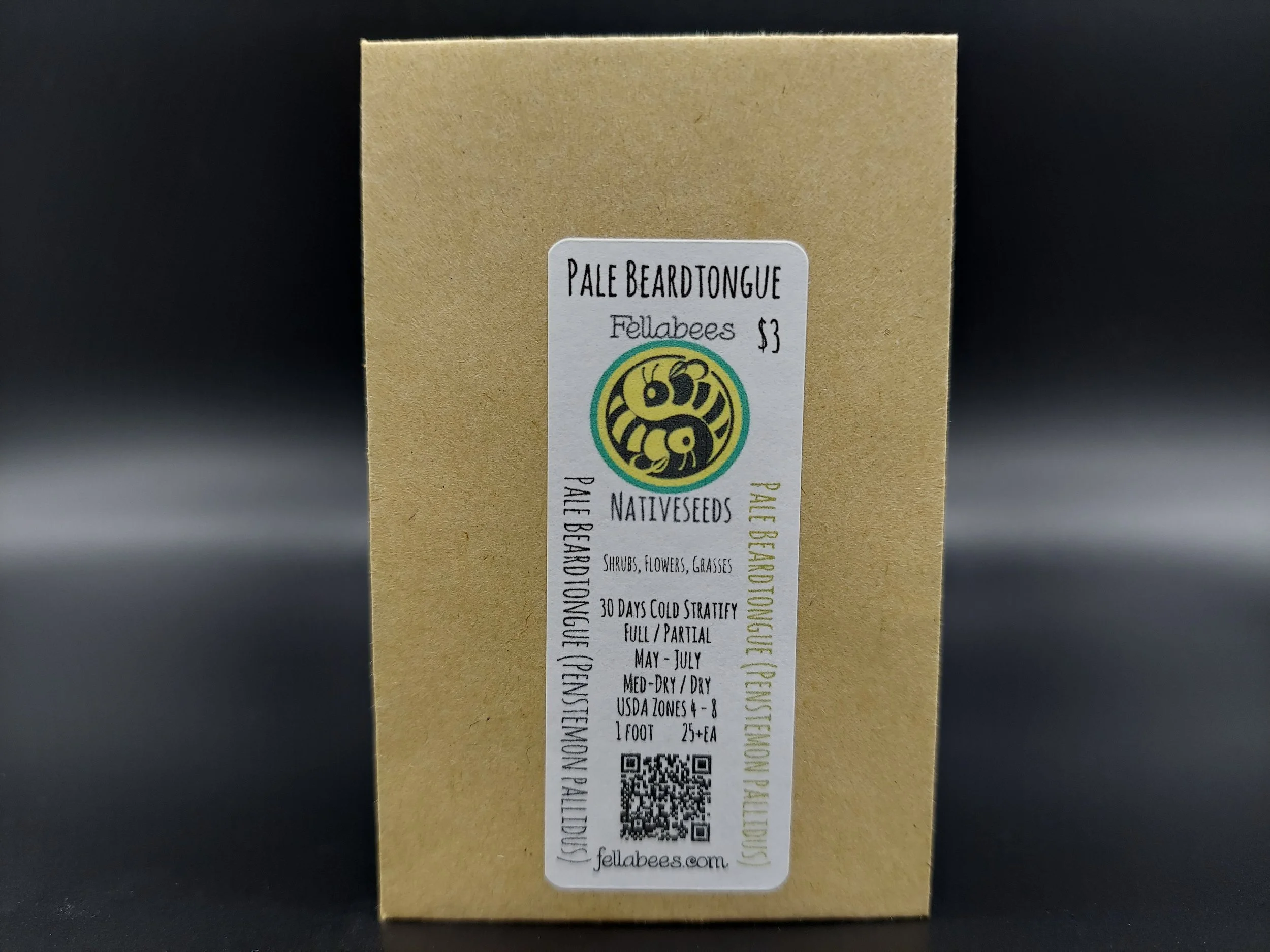 Image 2 of 4
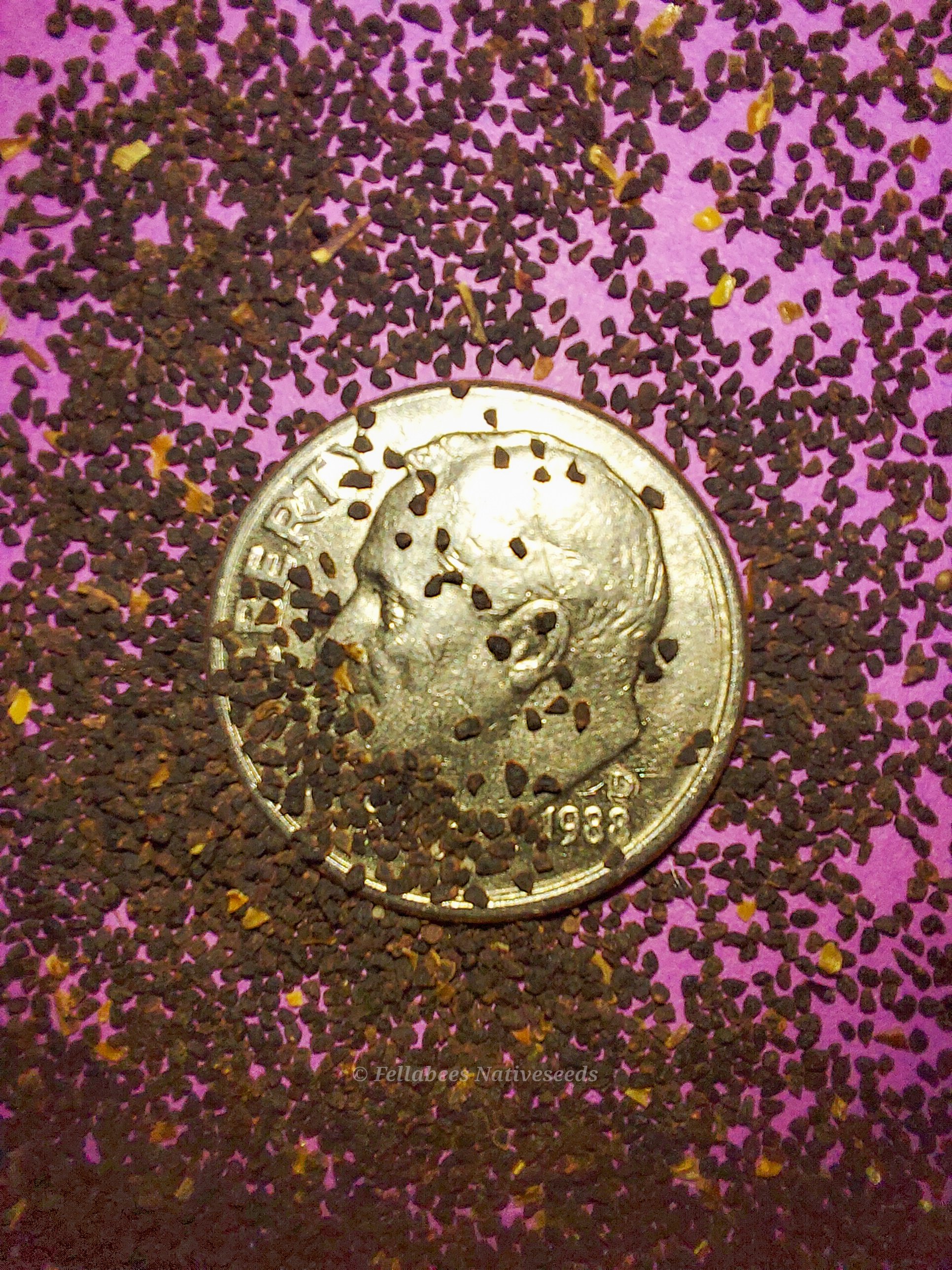 Image 3 of 4
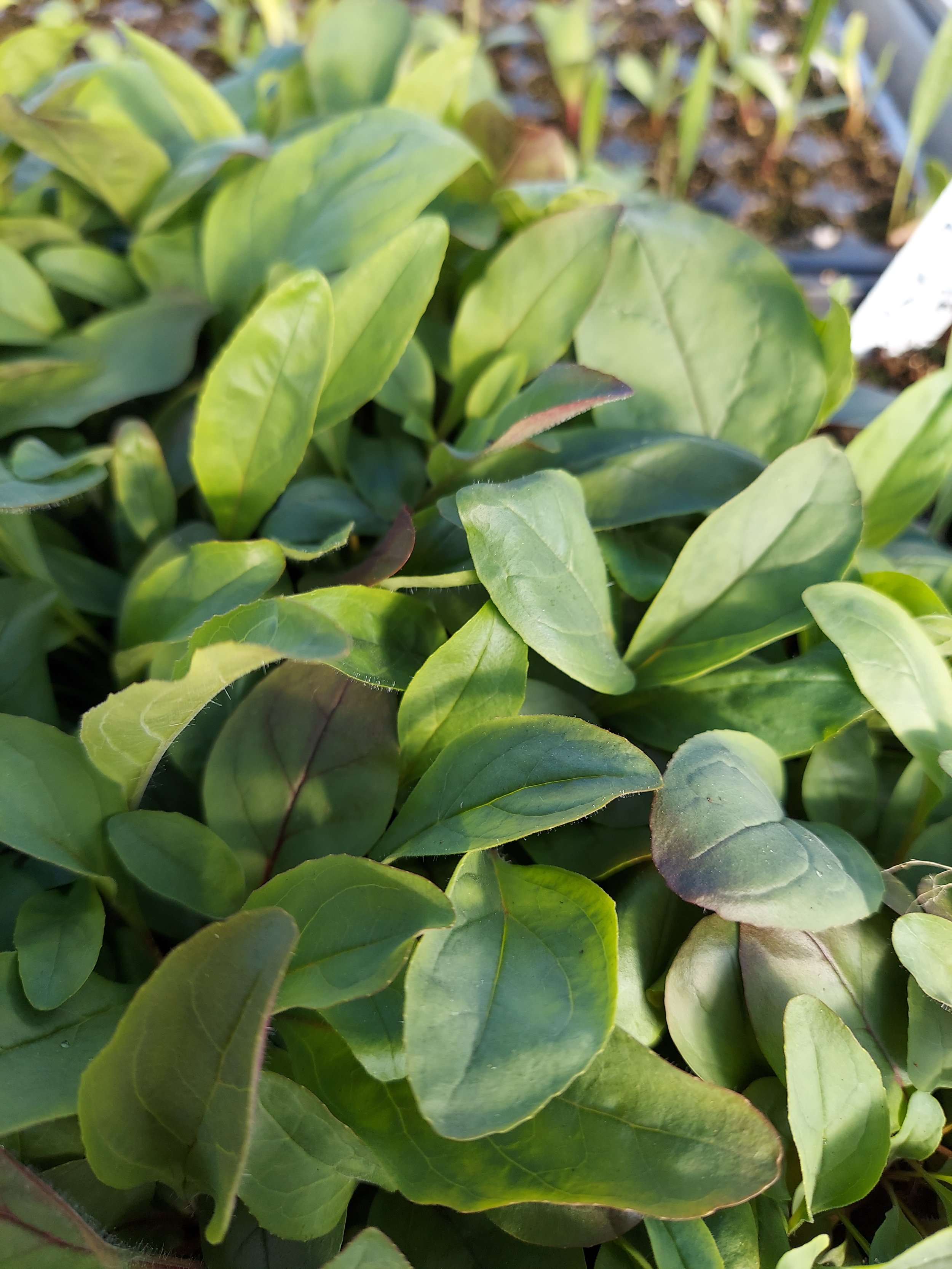 Image 4 of 4