Pearly Everlasting (Anaphalis margaritacea)
Anaphalis margaritacea is the scientific name for the plant more commonly called Pearly Everlasting or Western Pearly Everlasting in areas west of the Mississippi River. Pearly Everlasting is a native North American flowering perennial that belongs to the large and diverse Asteraceae family, valued for its silvery foliage and long-lasting, papery blooms.
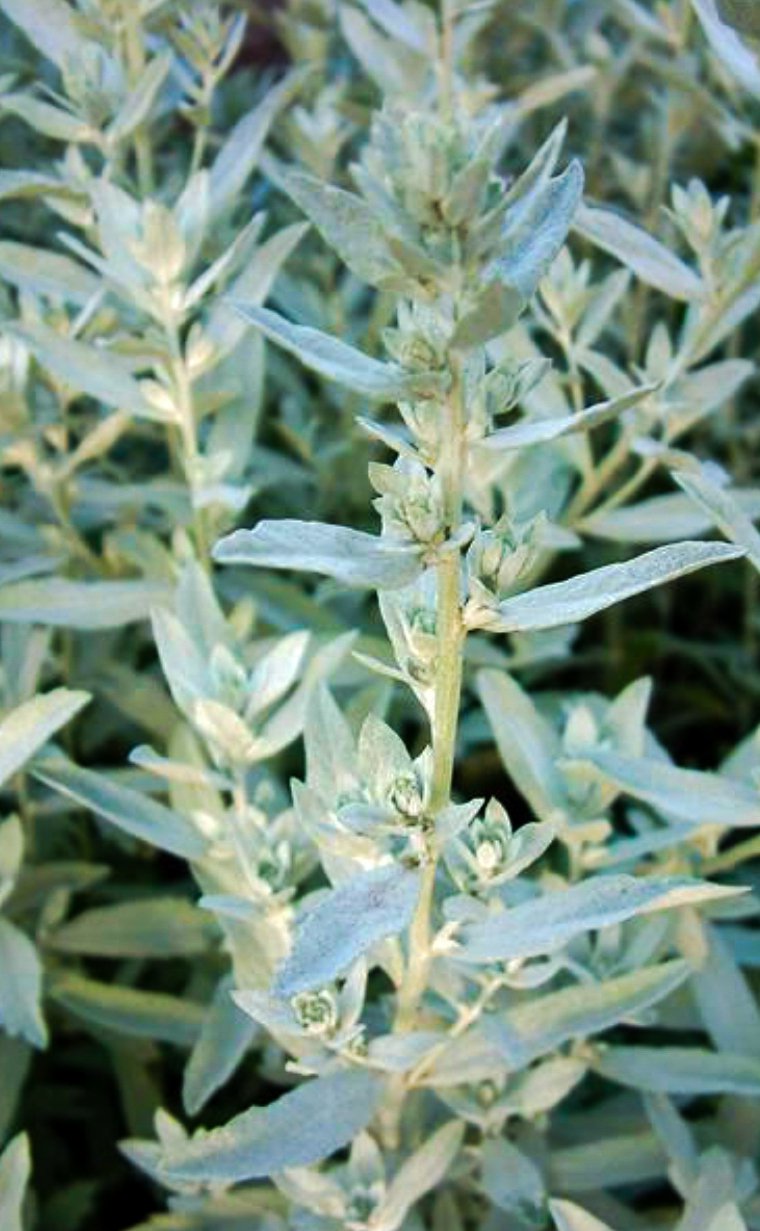
Pearly Everlasting grows upright to about 3 feet, with narrow alternate leaves up to 5 inches long. Leaf undersides are densely hairy, and stems feel dry and brittle. Its whitish-to-yellowish flower is about 1/4 inch across, clustered in corymbs and surrounded by many pearly white bracts.
Blooming from June through September, it’s helpful to know that Pearly Everlasting is dioecious, which means individual plants bear either pollen-producing (male) flowers or seed-producing (female) flowers, rather than on the same plant.
Pearly Everlasting is native across much of North America — most of Canada, the United States, and parts of northwestern Mexico. It also occurs in Asia (China, the Russian Far East, Japan, Korea, northern Indochina, and the Himalayas). In Europe it has been introduced and become naturalized. It prefers dry, sunny places but tolerates very cold temperatures.
The leaves are host to the caterpillars of the American Painted Lady Butterfly (Vanessa virginiensis) as well as its similarity named cousin the Painted Lady Butterfly (Vanessa cardui).
Pearly Everlasting is often grown by gardeners for its attractive foliage, its deer resistance, its attraction to pollinators, and modestly beautiful white blooms. Preferring well drained soil, somewhat sandy and dry and with less organic matter with at least partly sunny conditions, if not full sun, are required for Pearly Everlasting to grow successfully. Where there is no stress from native competition can become somewhat aggressive spreaders in optimal conditions but will still yield to other native plants who mature in their presence.
The flowering stems of Pearly Everlasting can be dried and the fluffy flower heads are beautiful when used in dried flower arrangements, and the leaves of young plants are edible when cooked.
This plant is considered present but rare in several counties of the states of Iowa, Illinois, Indiana, West Virginia, Virginia, Maryland, North Dakota, Nebraska, and Texas. It is also listed as extirpated (locally extinct) in areas of Delaware.
Plant Details
USDA Zones: 2-7
Germination Needs: 30 Days Cold Stratification
Life Cycle: Perennial
Sun Exposure: Full to Partial
Soil Moisture: Medium-Dry, Dry
Plant Spacing: 1-3 feet
Height: 2 feet
Bloom time: June, July, August, September
Bloom Color: White
Advantages:
Pollinator Favorite: butterflies, moths, bees, wasps, beetles
Bird Favorite: seeds, insects, fruit, nectar, nesting, perches.
Deer Resistant: Yes
Native to : Wisconsin, Minnesota, Iowa, Illinois, Michigan, Indiana, Ohio, Pennsylvania, New York, Vermont, New Hampshire, Maine, Massachusetts, Rhode Island, Connecticut, Delaware, Maryland, New Jersey, West Virginia, Virginia, Kentucky, North Carolina, Tennessee, Arkansas, Missouri, North Dakota, South Dakota, Nebraska, Texas, New Mexico, Arizona, Colorado, Utah, Wyoming, Idaho, Nevada, California, Oregon, and Washington.
.
.
Packet quantities:
We pride ourselves on ethical, hands on, ecological management, using no mechanical or chemical methods whatsoever.
All of our native seed is hand reared, hand picked, and hand packed from native prairies under our exclusive management, never breaking chain of custody from the field until it is sent to you. Each packet is hand prepared for shipment by us, directly.
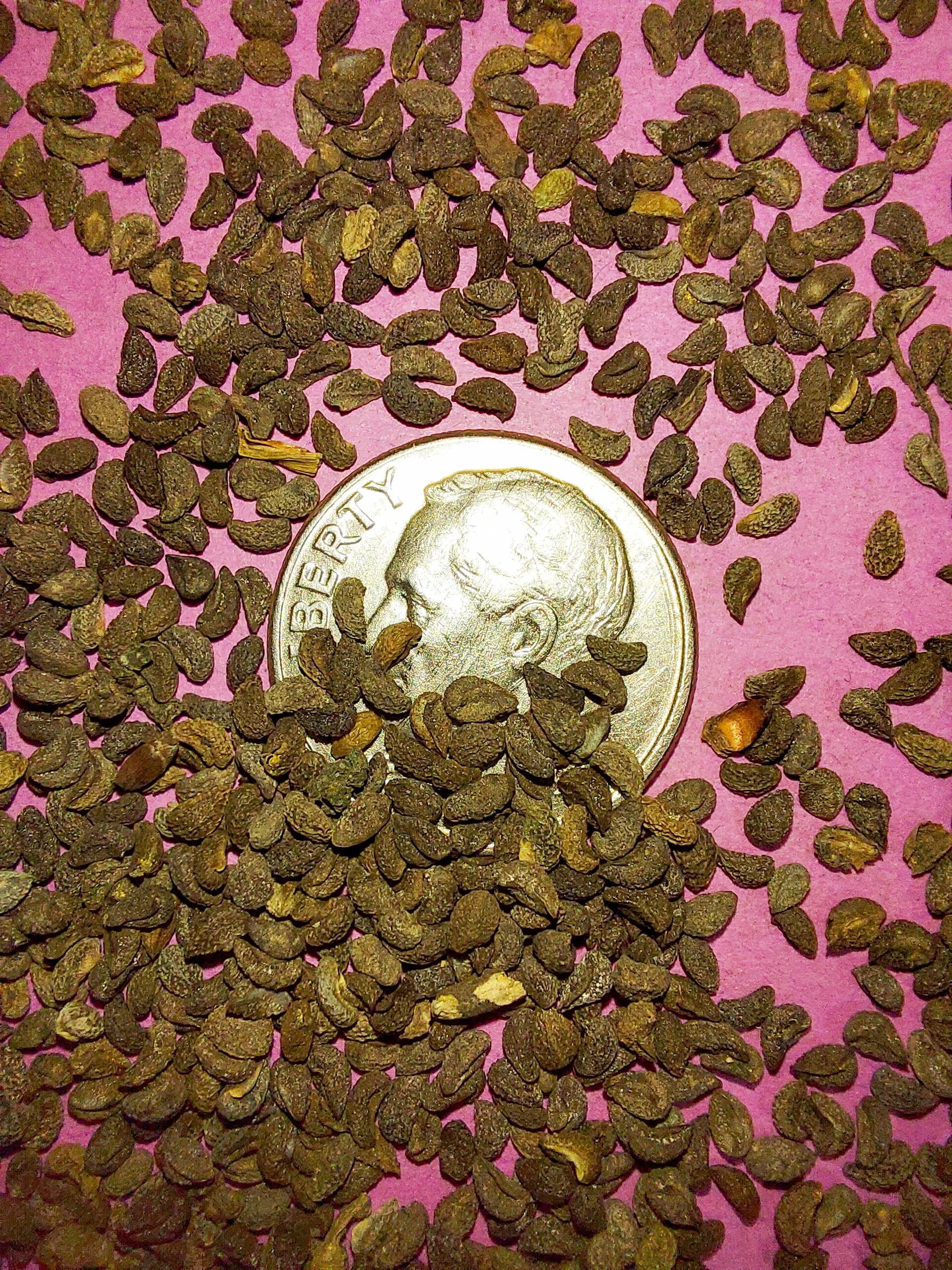
Small seed species will contain greater than 20-25 seed
Large seed species will contain greater than 10-15 seed
It is our mission to spread the wealth of native plant and pollinator ecological sustainability, and educate back yard gardeners as well as corporate and government entities in how to germinate, grow, and benefit from native synergies.
Thank you for your support, it is because of you, that we can grow together to do, what we do. 🐛🦋🐝🐞🌾🌱🌼🧡
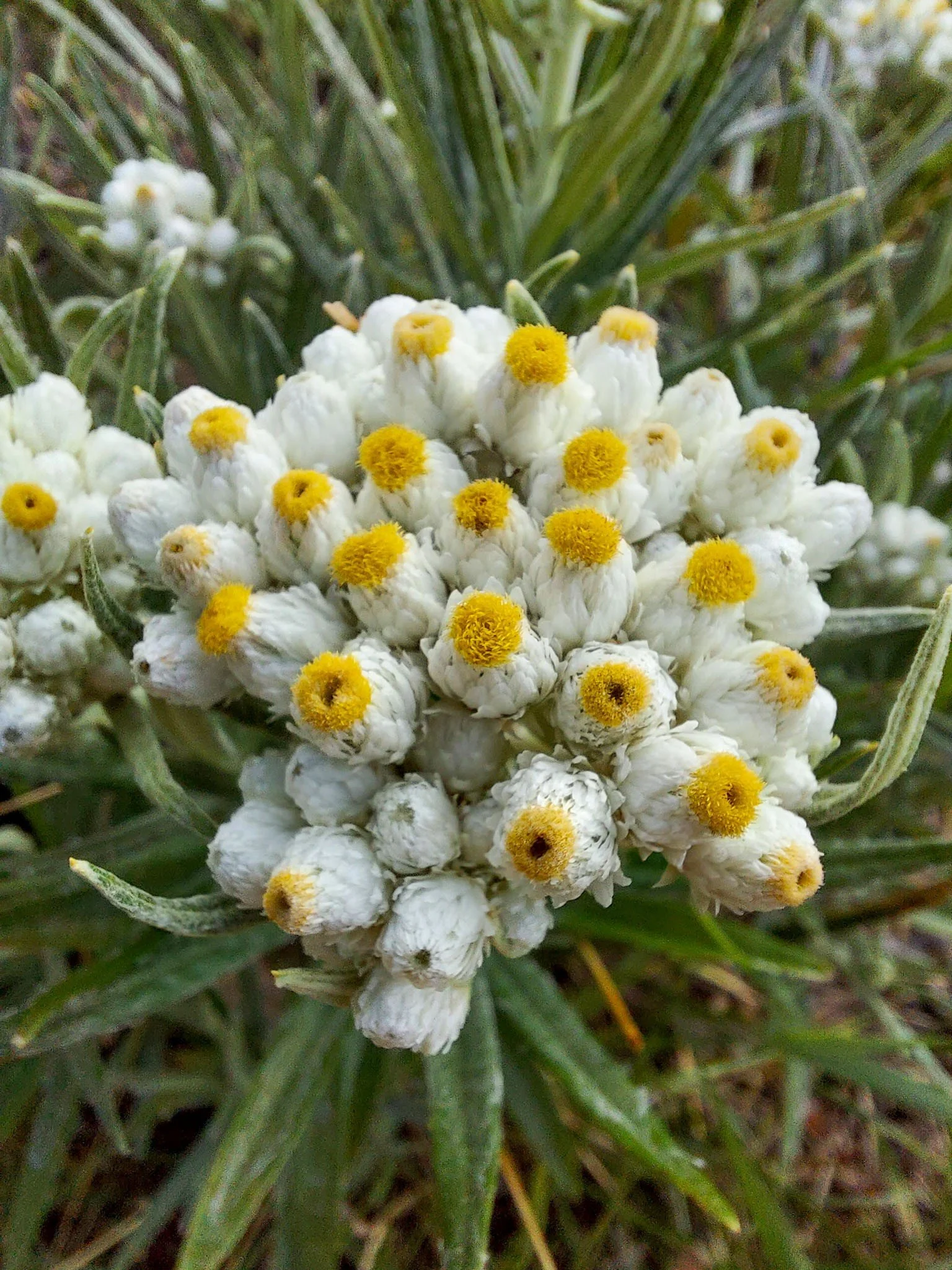 Image 1 of 10
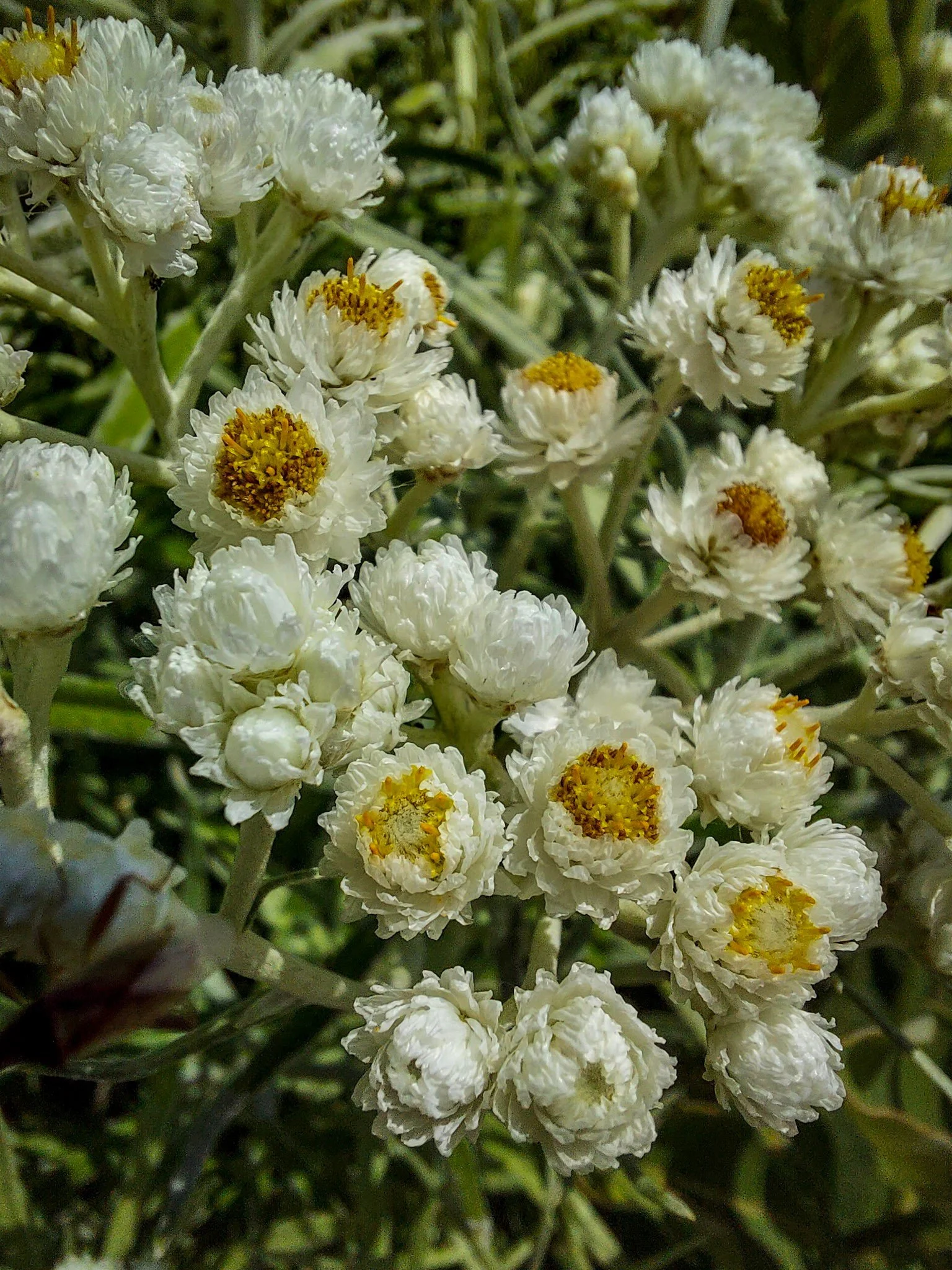 Image 2 of 10
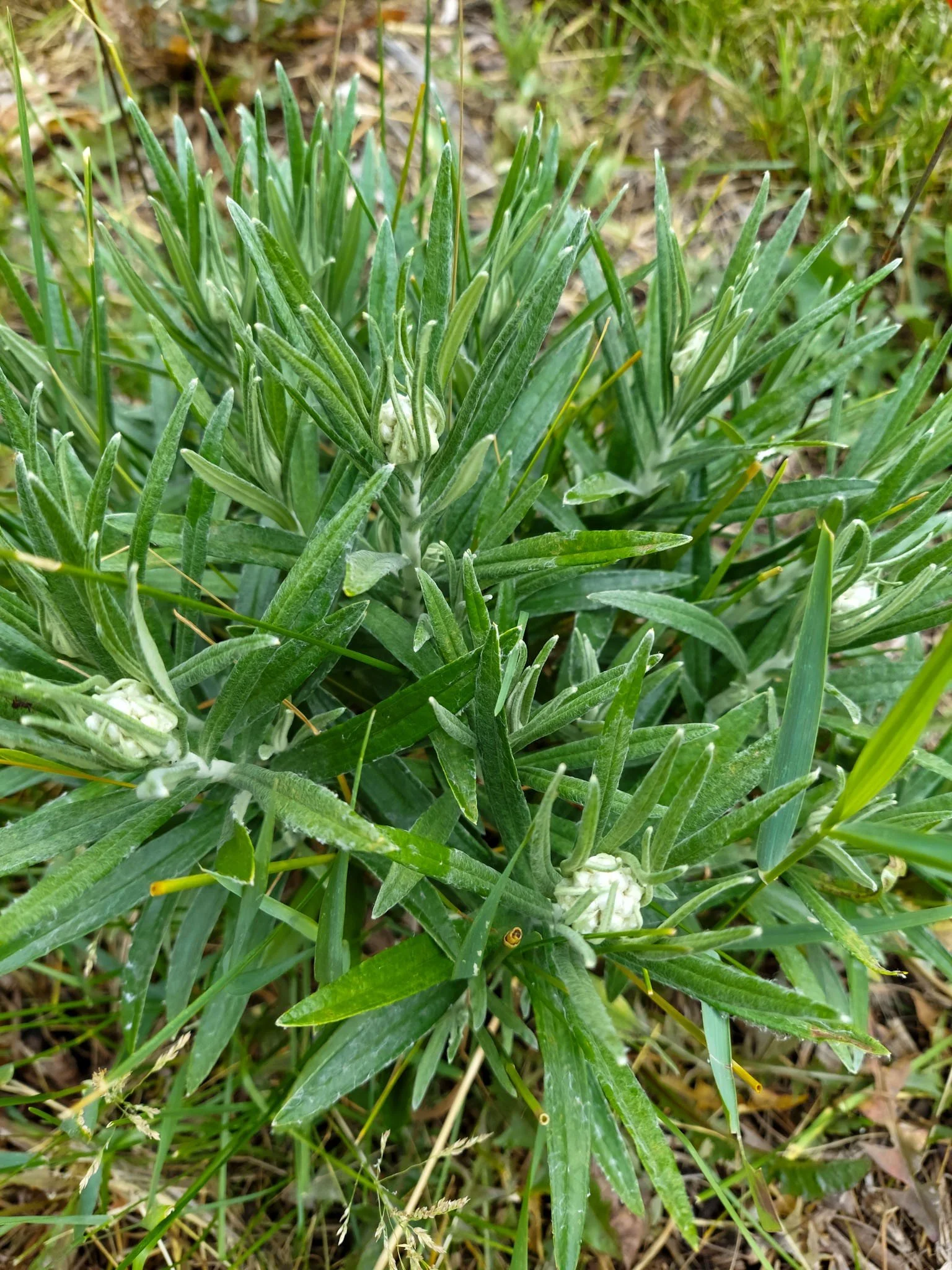 Image 3 of 10
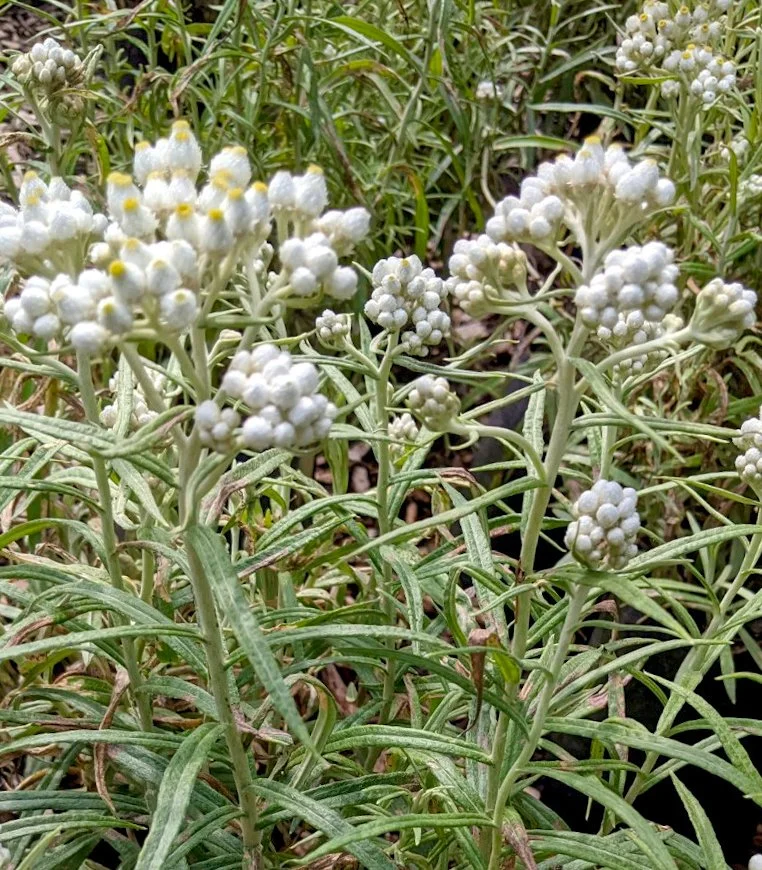 Image 4 of 10
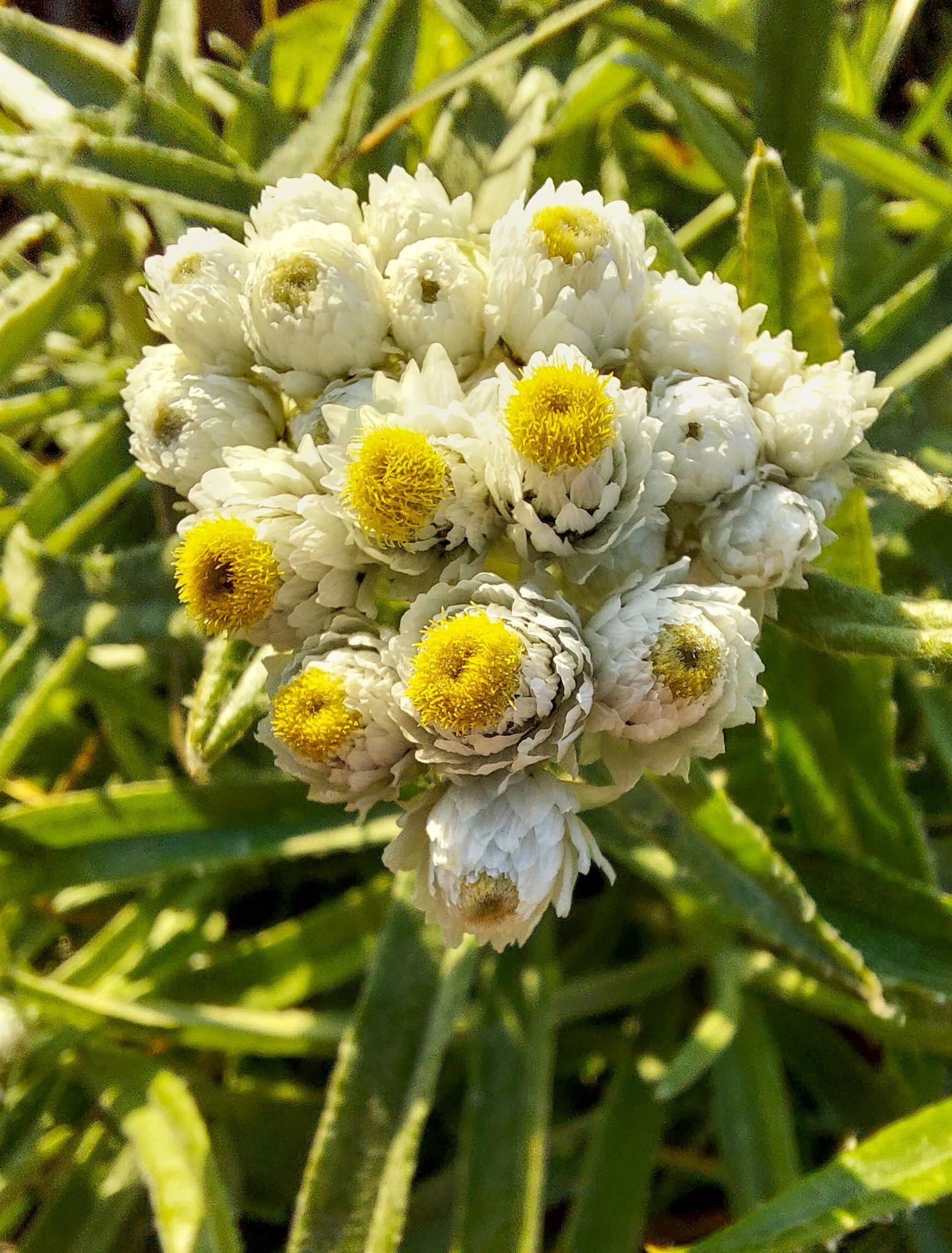 Image 5 of 10
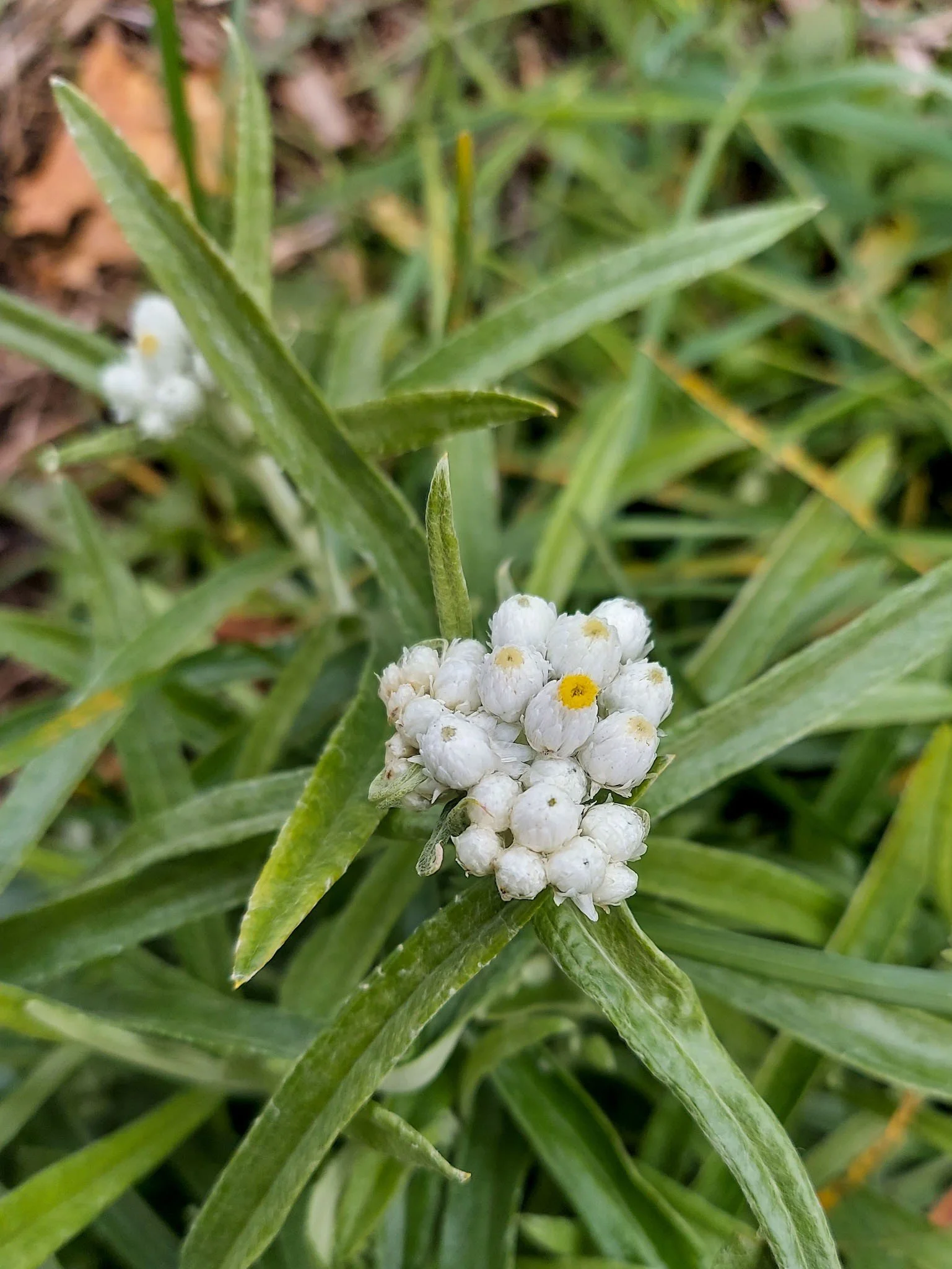 Image 6 of 10
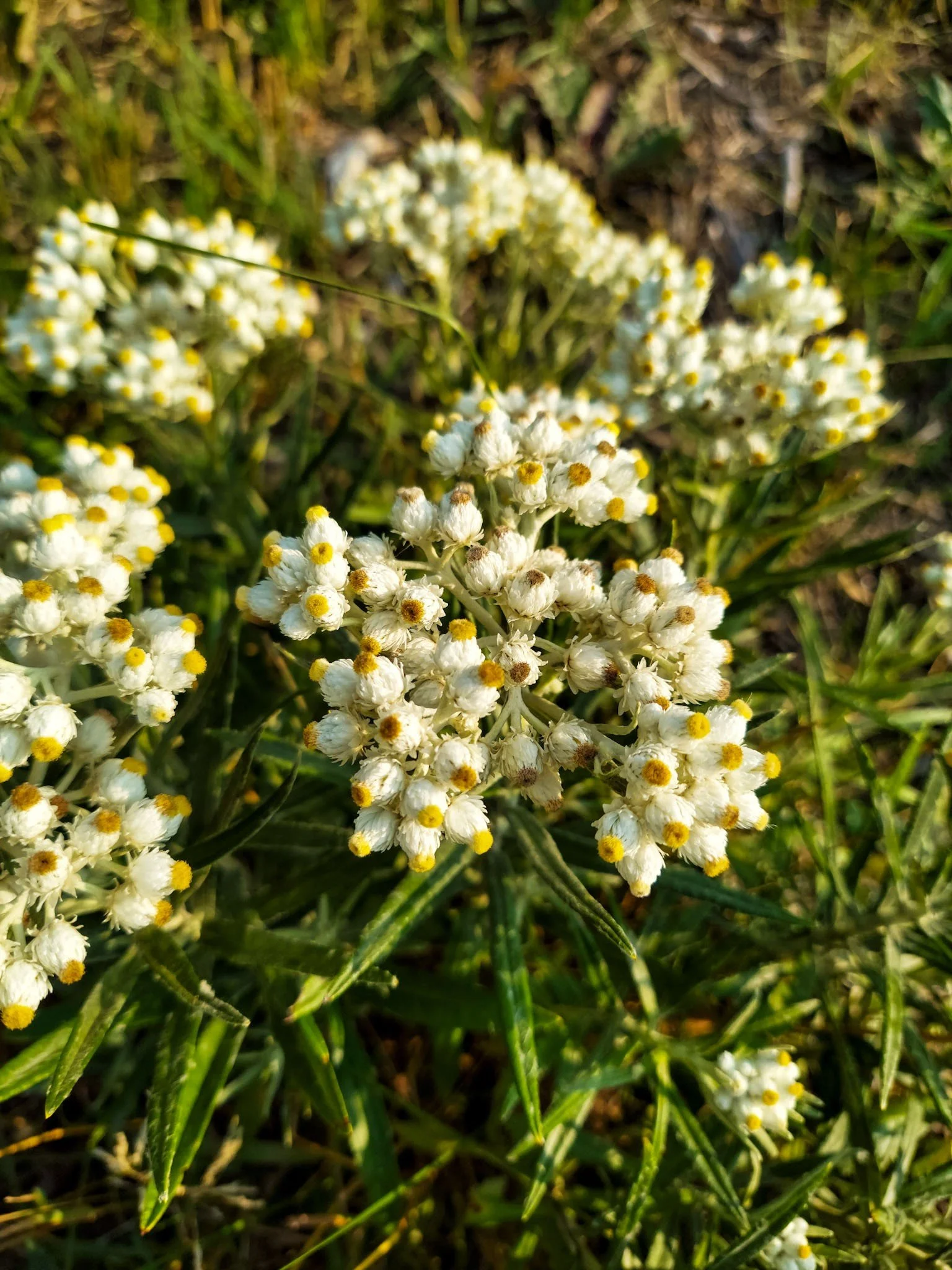 Image 7 of 10
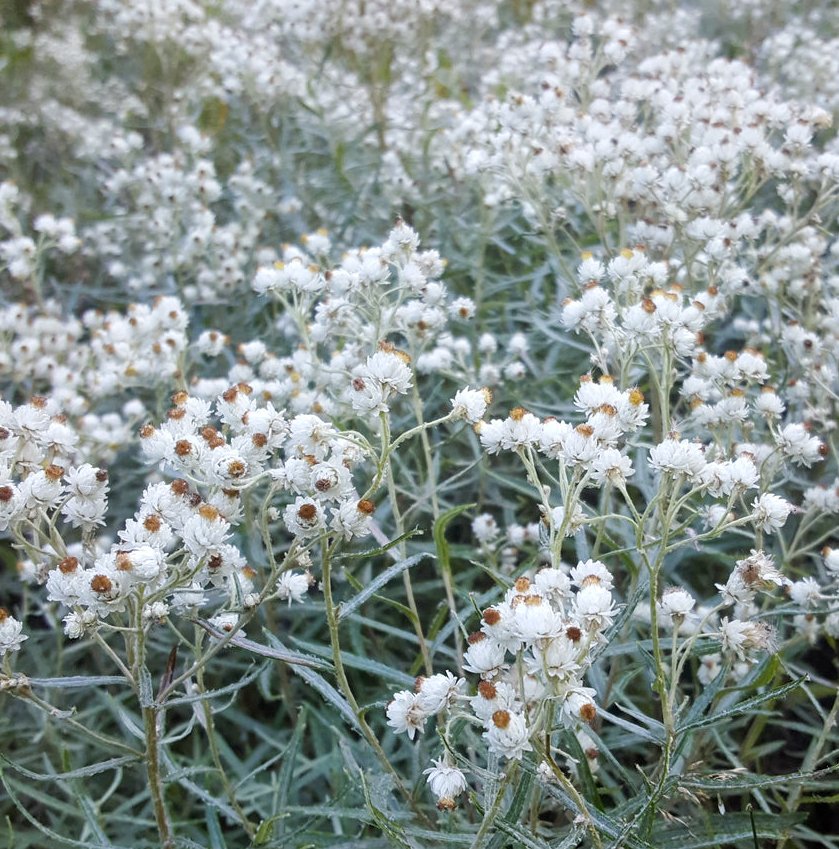 Image 8 of 10
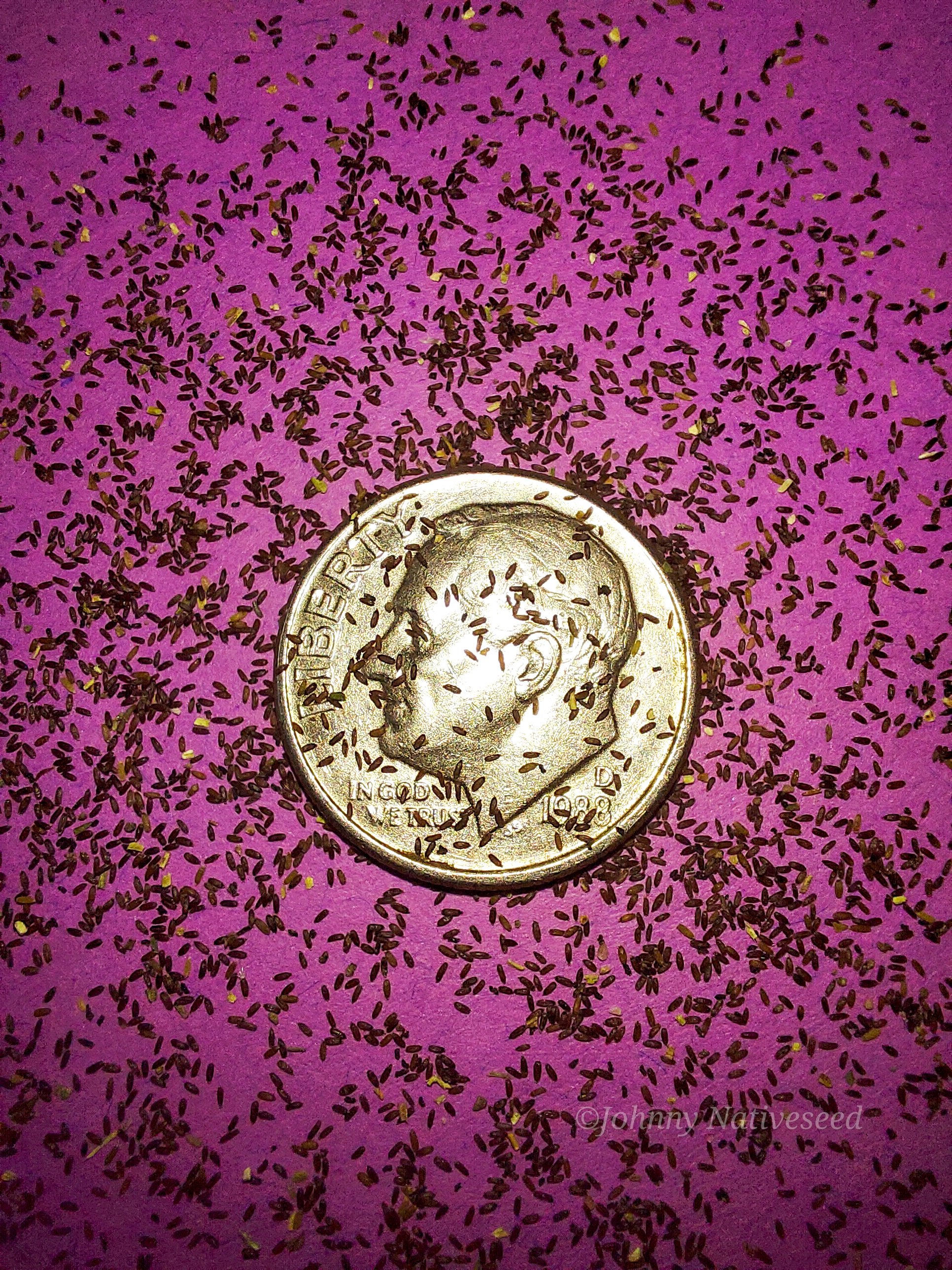 Image 9 of 10
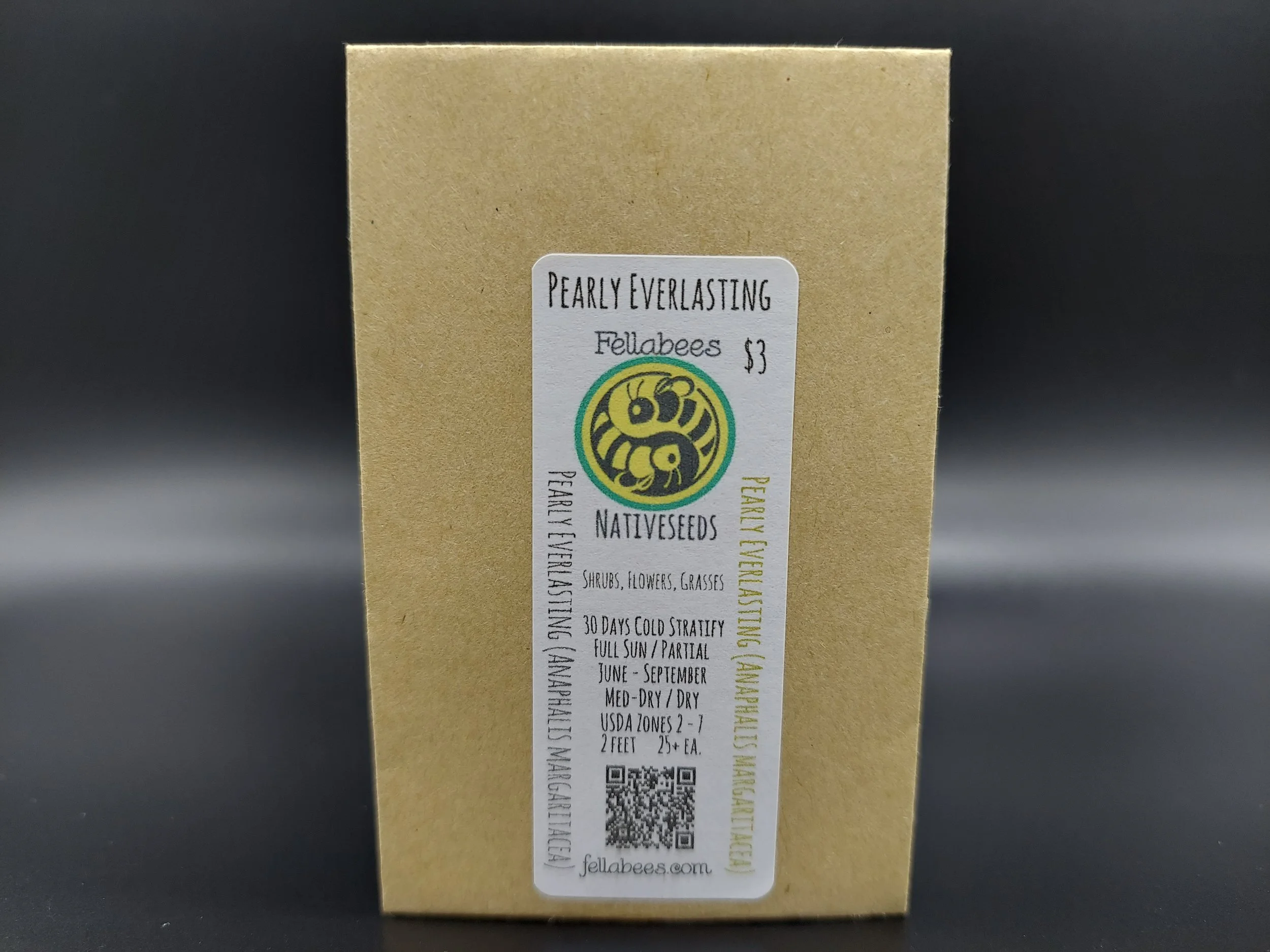 Image 10 of 10