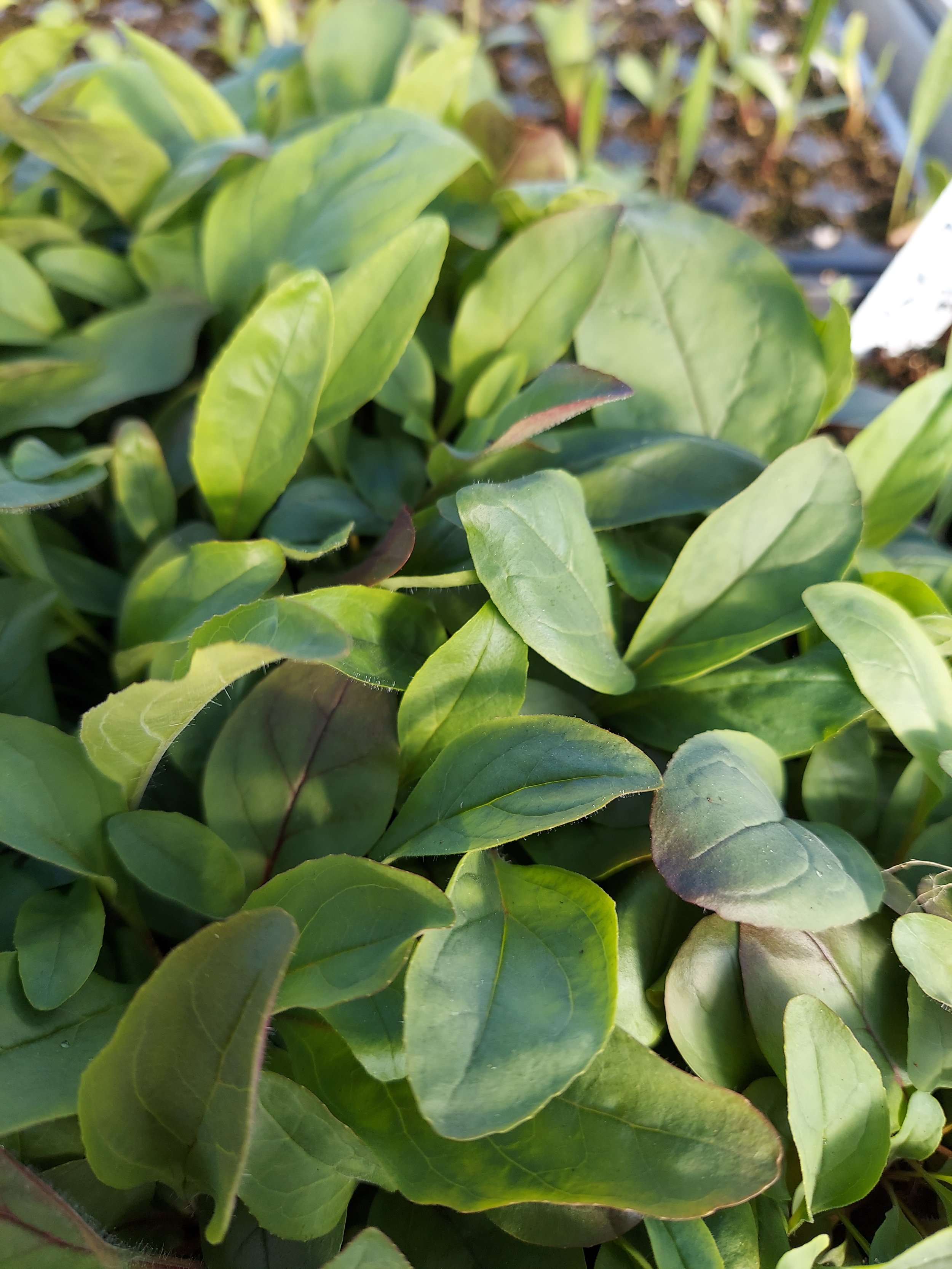
Purple Poppy Mallow (Callirhoe involucrata)
Callirhoe involucrata is a species of flowering plant in the mallow family known by the common names purple poppy-mallow, winecup and buffalo rose. It is native to the Great Plains of the United States and adjacent areas in northern Mexico.
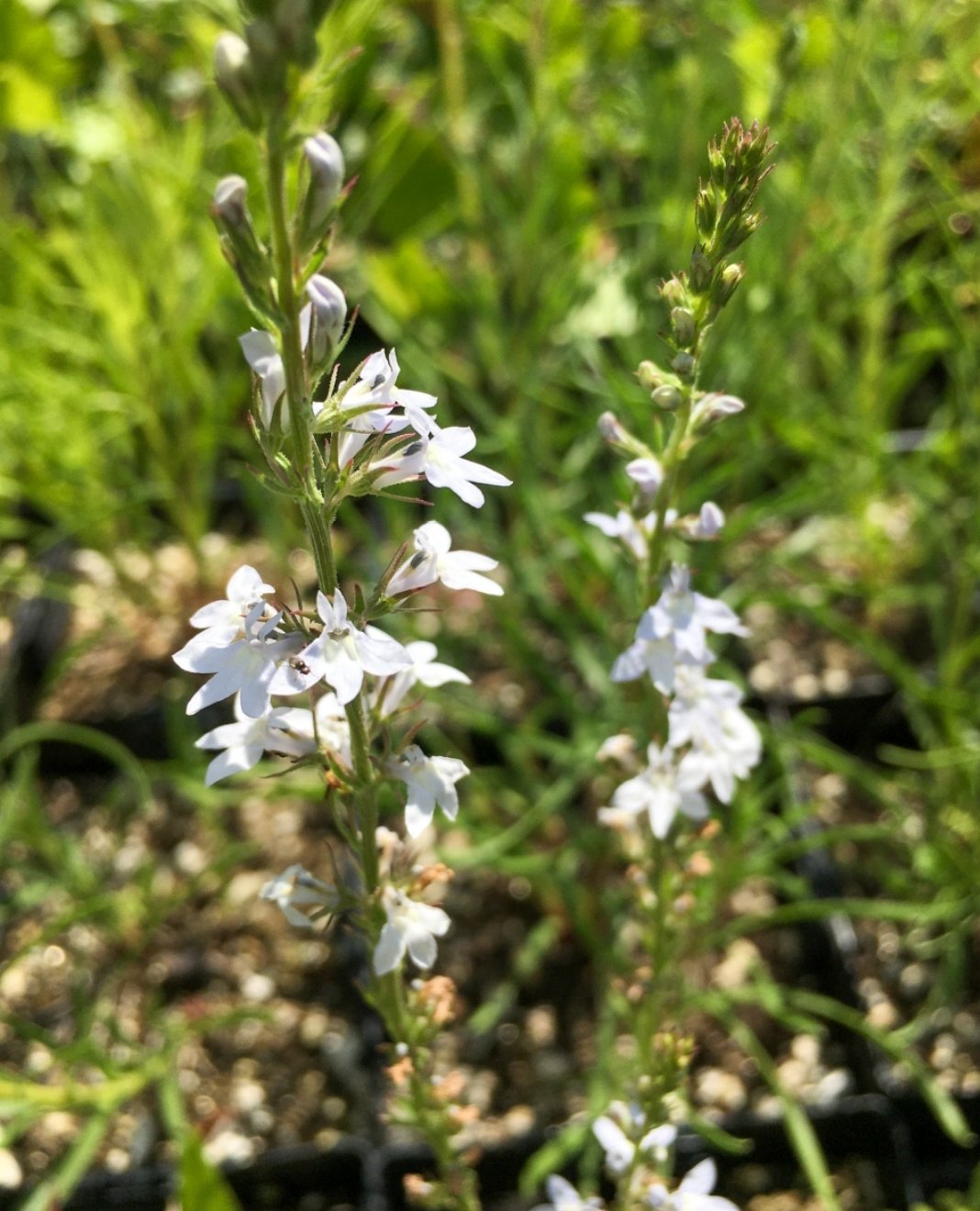
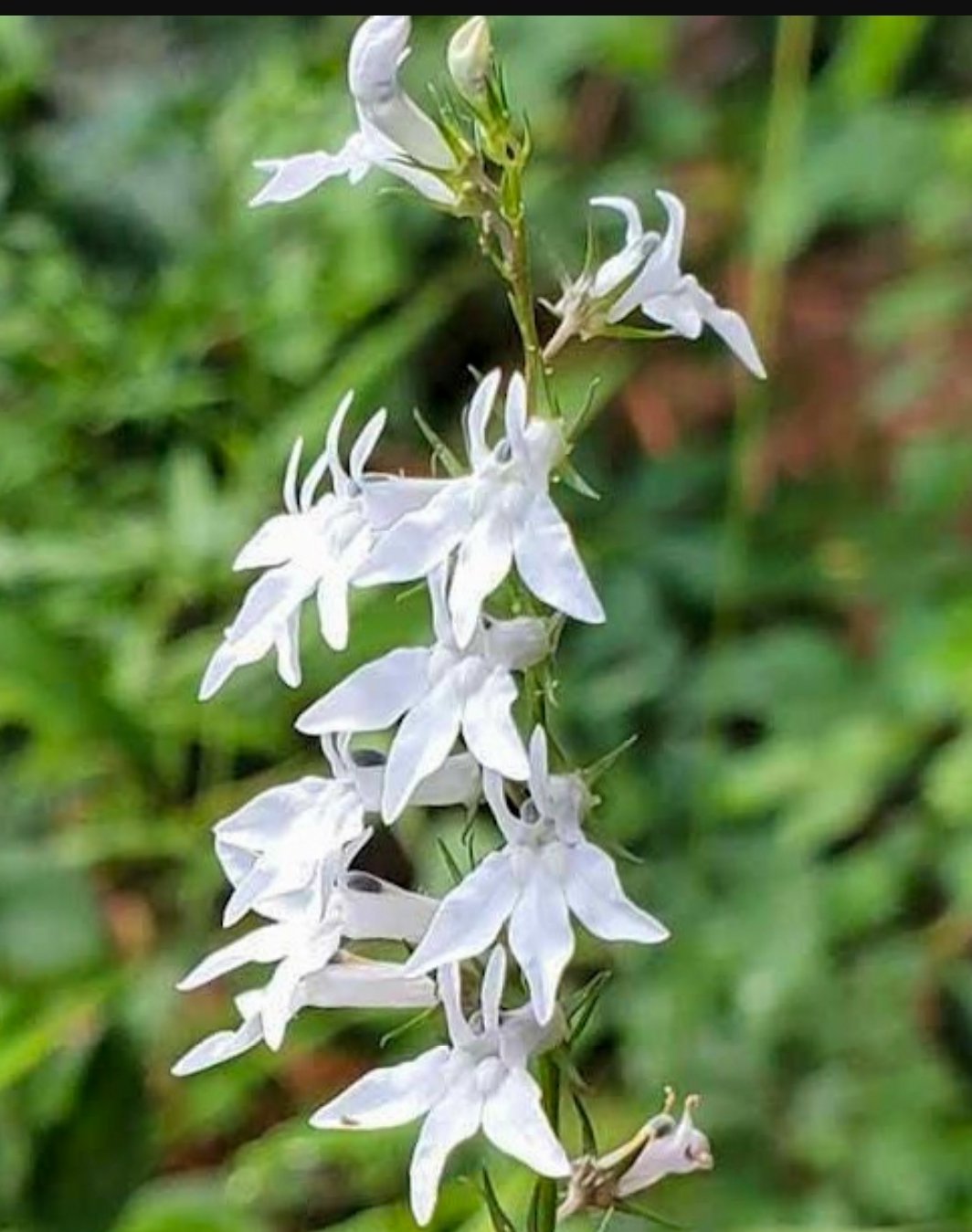
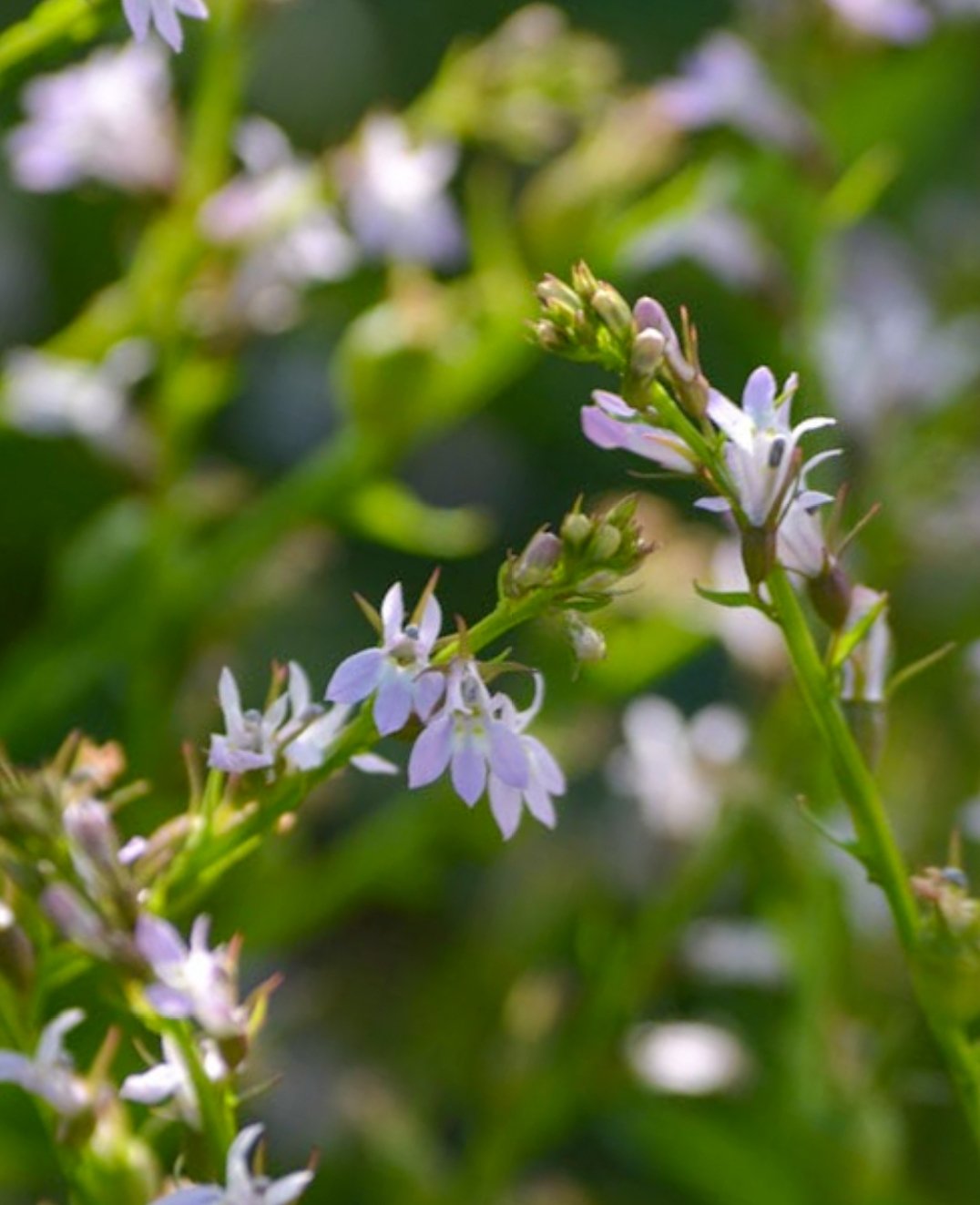
The flowers open in the morning and close in the evening, giving a long bloom time. The petals are white at the base, contrasting with the pollen-filled center, creating a striking bullseye for pollinators. The leaves spread slowly to form a thick ground cover that looks great spilling over edges and hard surfaces. When fully grown, each plant can cover about 3 feet. Though it spreads out, Purple Poppy Mallow grows 6 to 12 inches tall and lets sunlight reach nearby plants, so it grows well with others. Each petal curves gently, overlapping to form a delicate cup.
Purple Poppy Mallow thrives in full sun and dry, poor, sandy soils. Excess water or shade can cause rot and pests. Its long taproot makes it drought-tolerant but hard to transplant. It self-seeds when established. Seeds need boiling water treatment before cold-moist stratification or direct late fall/early winter sowing.
The Gray Hairstreak Butterfly (Strymon melampus) and Checkered Skipper (Burnsius communis) are attracted to the nectar produced by the flowers and are hosted by Purple Poppy Mallow, making Callirhoe involucrata a highly valuable plant for pollinators and beneficial insects in the native ecosystem.
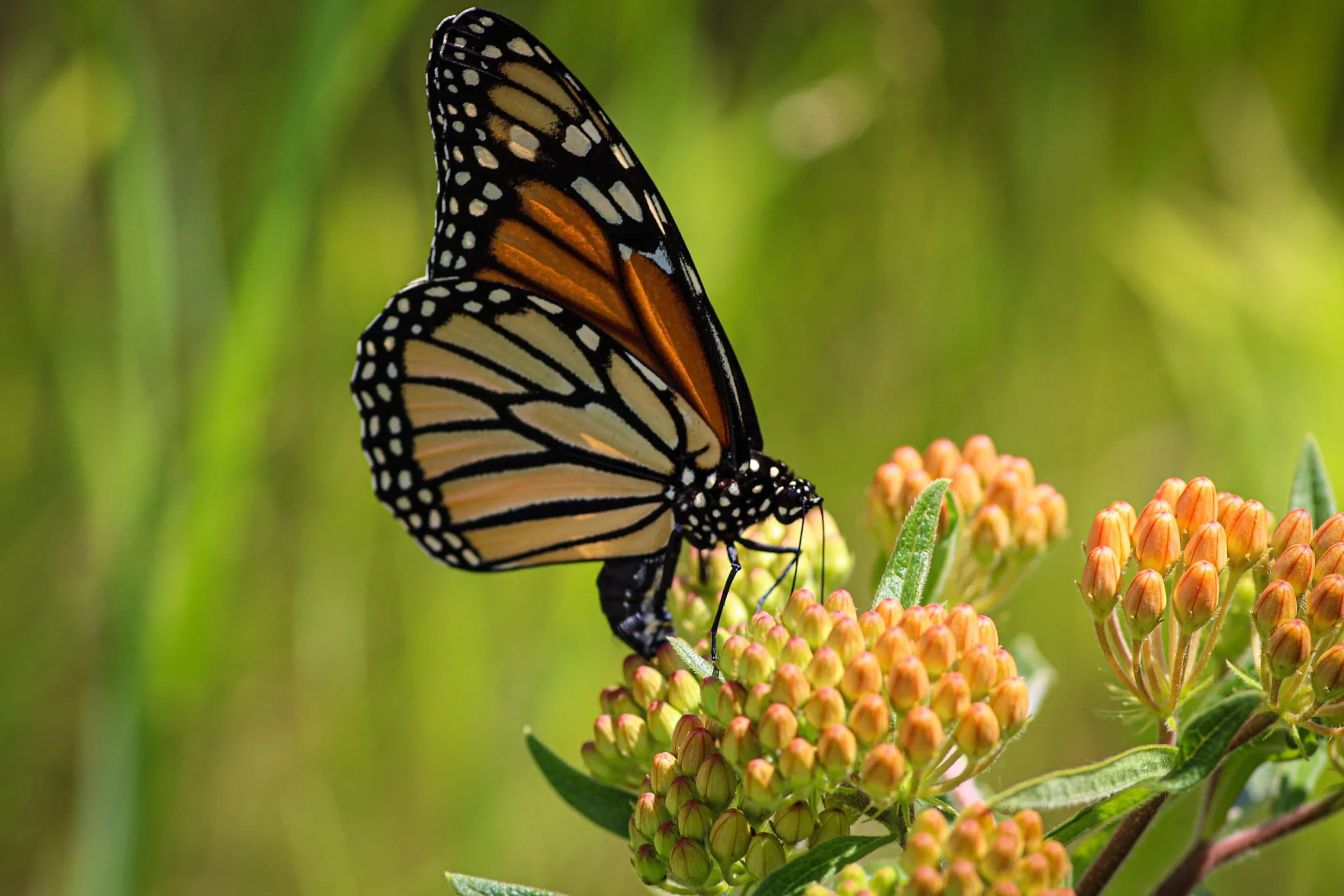
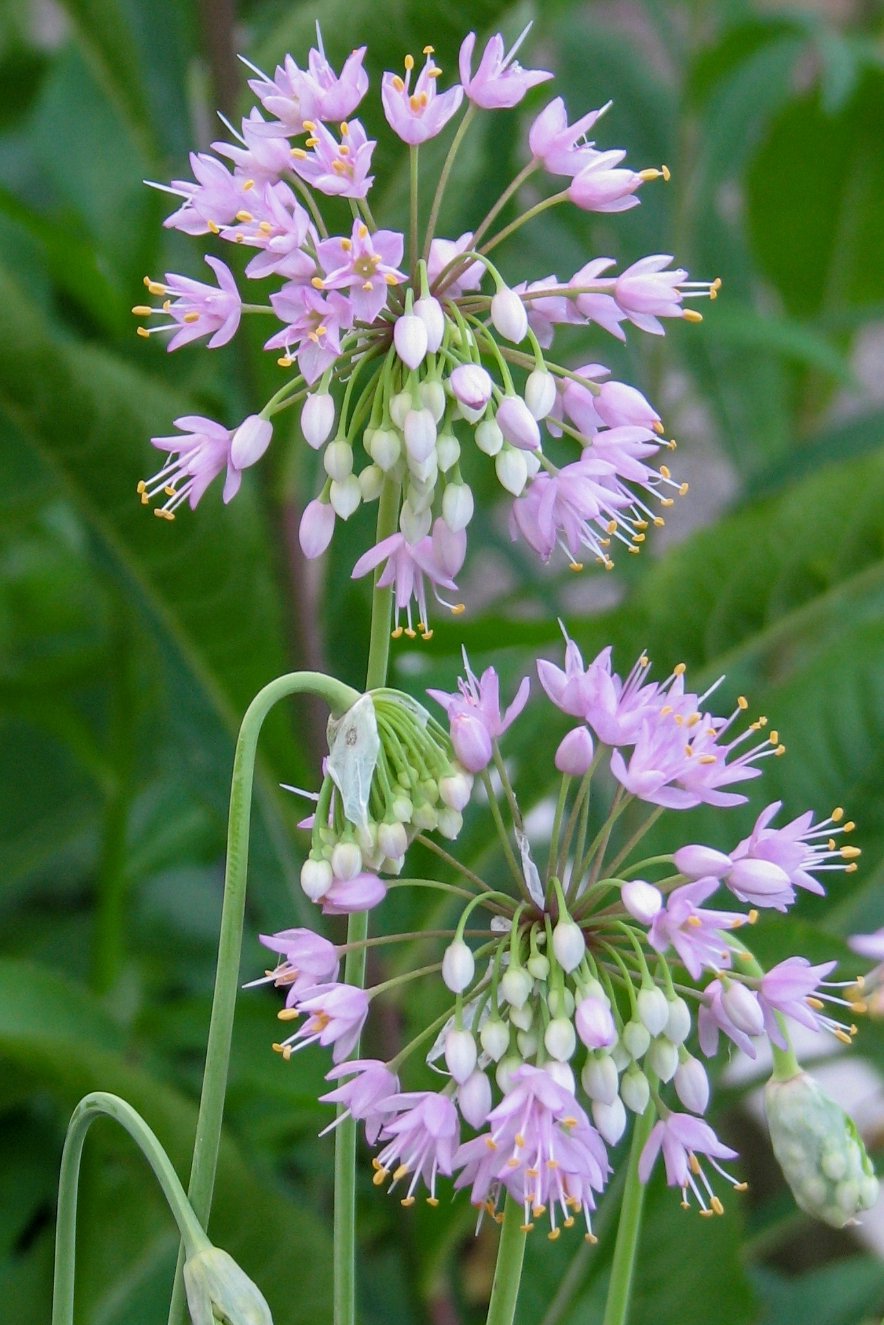
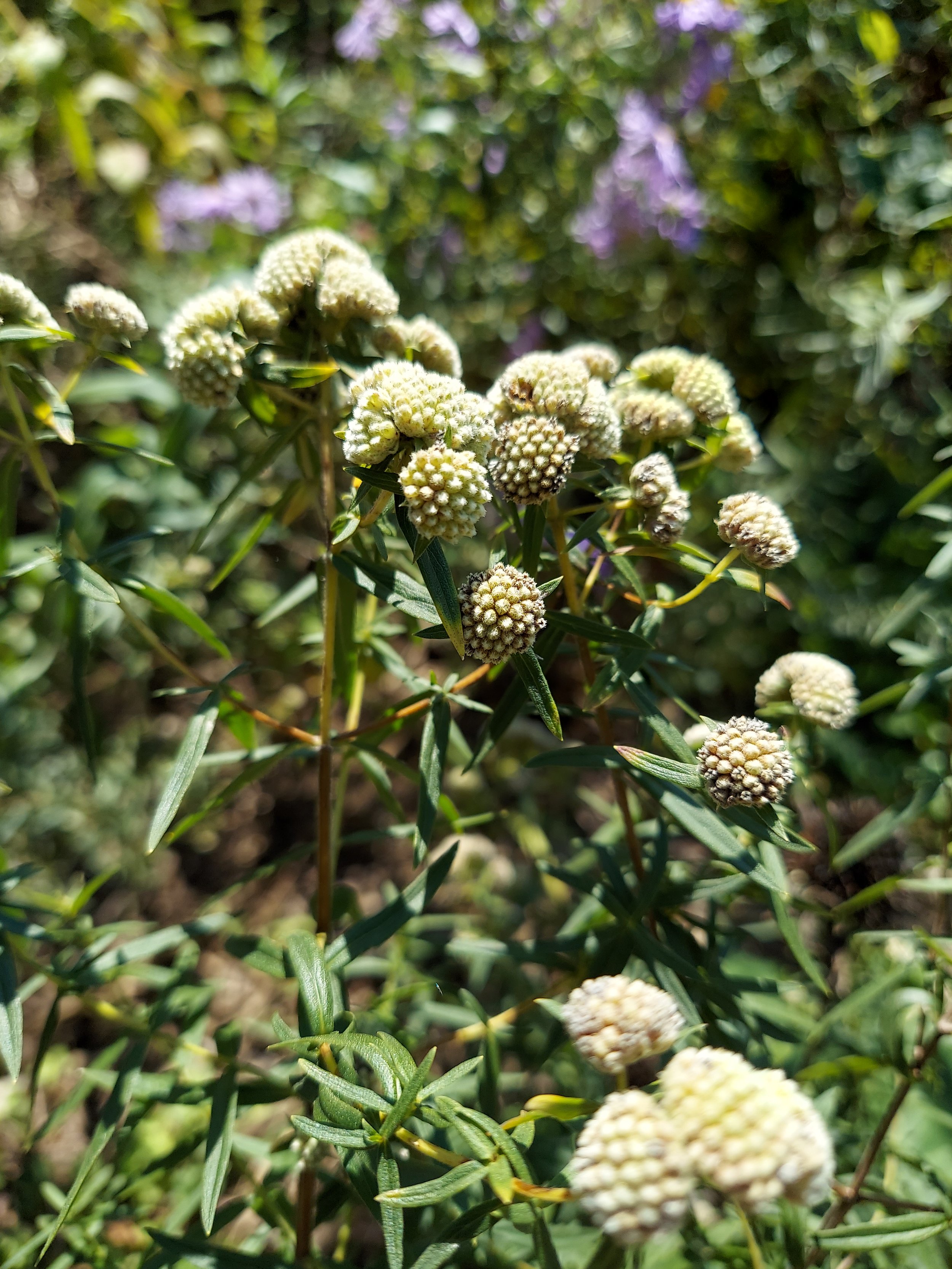
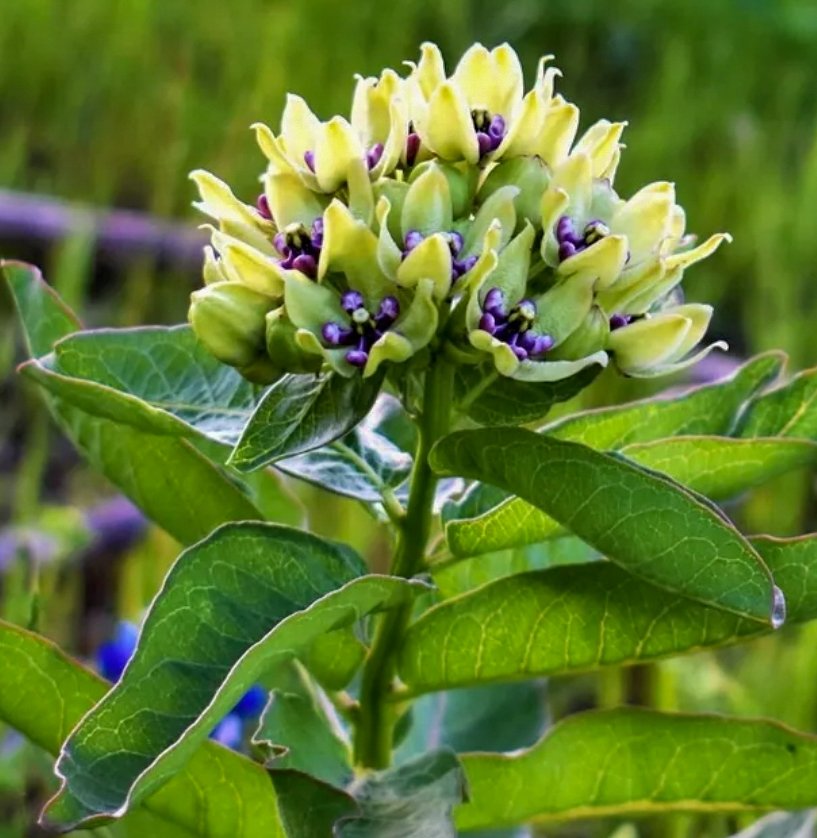
Purple Poppy Mallow is not impervious to deer or rabbit browsing, and it is a good idea to plant low growing natives like Nodding Onion, Mountain Mint, Green Spider Milkweed, or Butterfly Milkweed to minimize and deter browsing of plants sensitive to predation.
Plant Details:
USDA Zones: 4 - 10
Germination Needs: Needs 30 Days Cold-Moist Stratification after Boiled water is poured over the seed and allowed to sit at room temp for 24 hours for best germination results.
Life Cycle: Perennial
Sun Exposure: Full Sun
Soil Moisture: Medium-Dry, Dry
Plant Spacing: 1.5 - 2 feet
Height: 6 inches
Bloom time: June, July, August
Bloom Color: Purple/Pink
Advantages:
Pollinator Favorite: butterflies, moths, bees, wasps, beetles
Bird Favorite: seeds, insects, fruit, nectar, nesting, perches.
Deer Resistant: No
Native to or present in: Wisconsin, Minnesota, Iowa, Illinois, Indiana, Michigan, Pennsylvania, Virginia, Kentucky, Florida, Louisiana, Arkansas, Missouri, Texas, Oklahoma, Kansas, Nebraska, Wyoming, Colorado, New Mexico, Arizona and Washington State.
This species is considered present but rare in several counties of the states of Minnesota and New Mexico.
This species is considered to be extirpated (locally extinct) in one county of Louisiana.
Count: 12+
.
.
Packet quantities:
We pride ourselves on ethical, hands on, ecological management, using no mechanical or chemical methods whatsoever.
All of our native seed is hand reared, hand-picked, and hand packed from native prairies under our exclusive management, never breaking chain of custody from the field until it is sent to you. Each packet is hand prepared for shipment by us, directly.
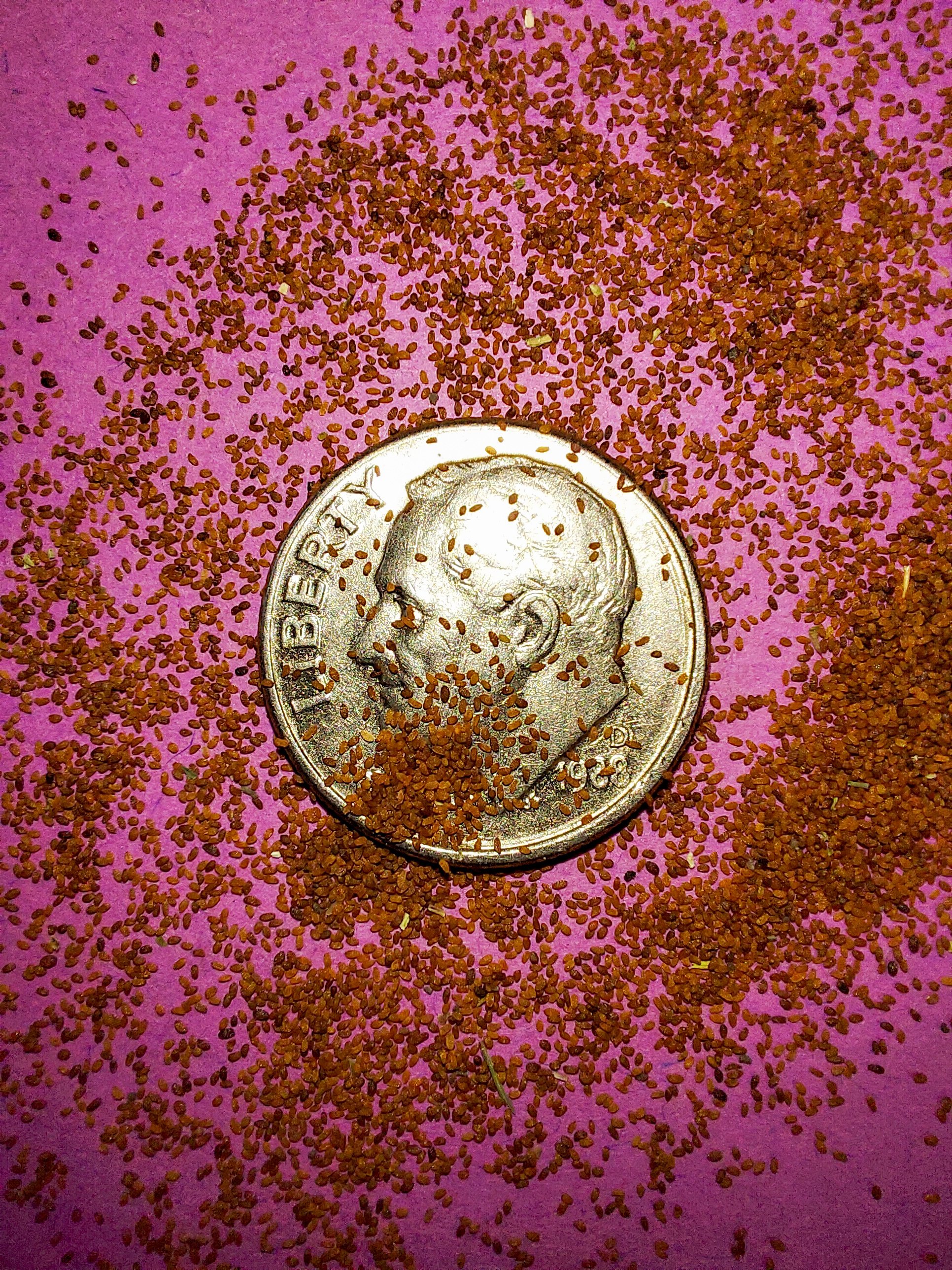
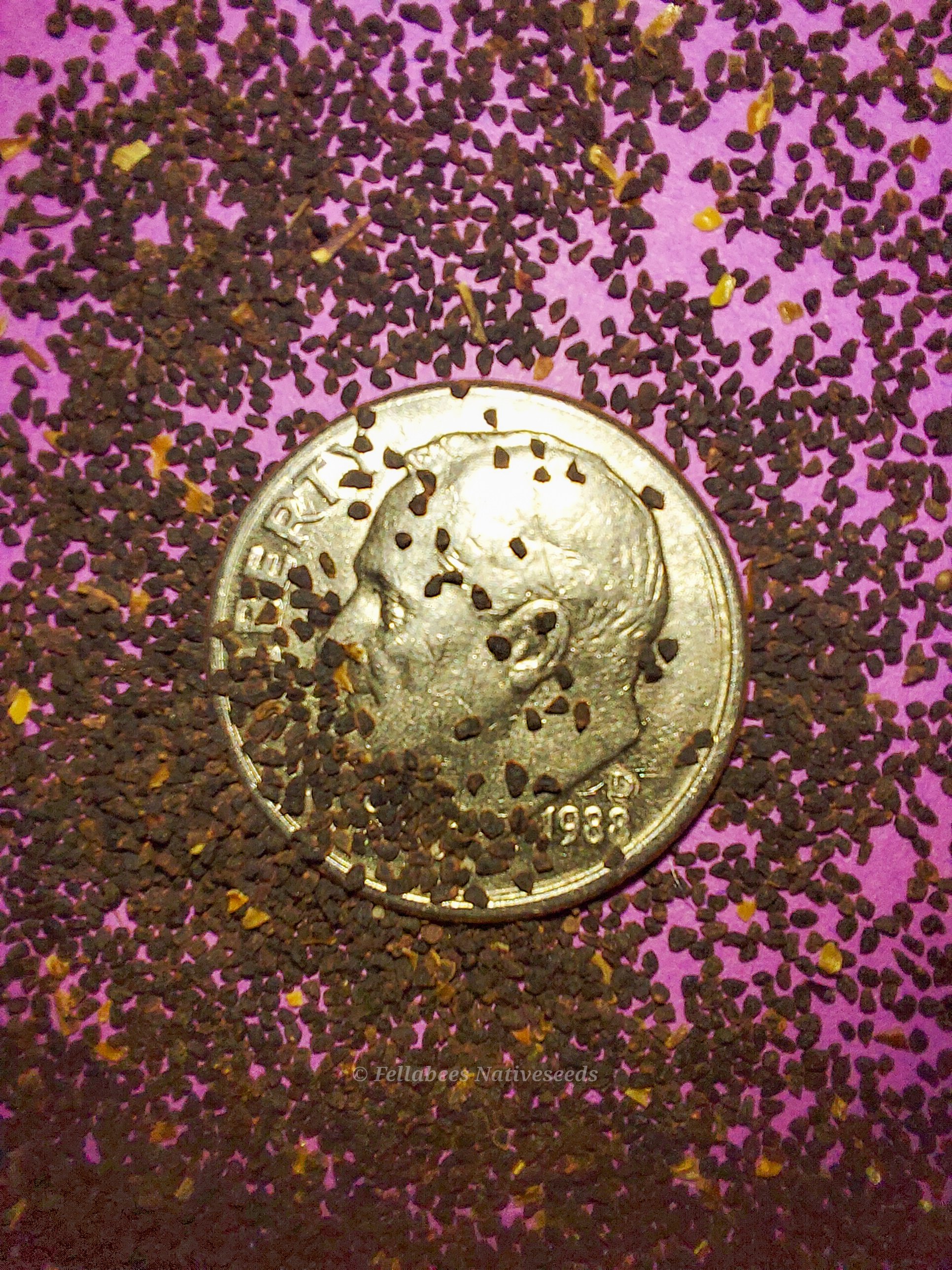
Small seed species will contain greater than 20-25 seed
Large seed species will contain greater than 10-15 seed
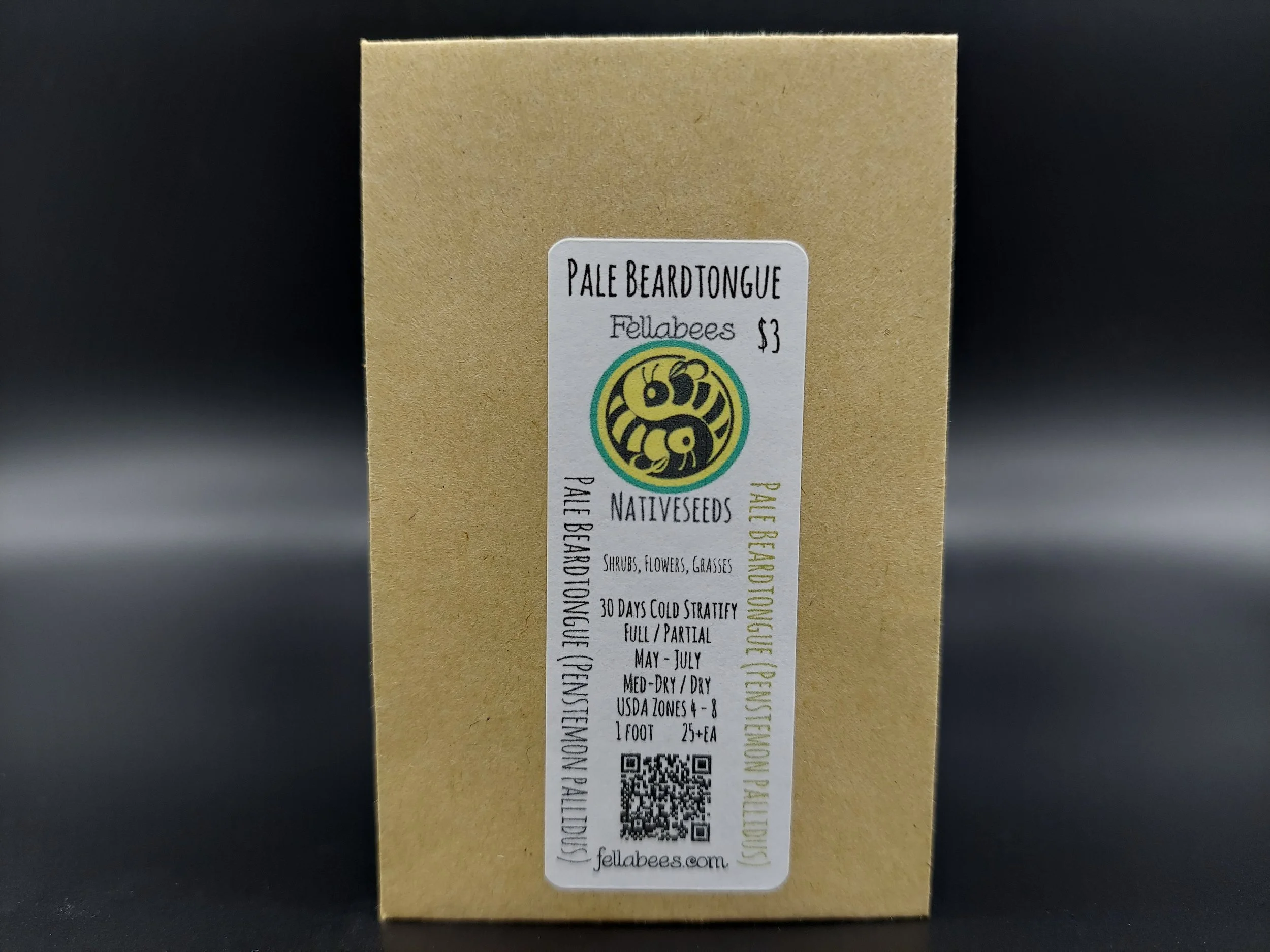
All packets are individually marked at the bottom of the front label with expected count, however most if not all packets will have many more than the minimum count by default.
It is our mission to spread the wealth of native plant and pollinator ecological sustainability and educate back yard gardeners as well as corporate and government entities in how to germinate, grow, and benefit from native synergies.
Thank you for your support, it is because of you, that we can grow together to do, what we do. 🐛🦋🐝🐞🌾🌱🌼🧡
Purple Poppy Mallow (Callirhoe involucrata)
Callirhoe involucrata is a species of flowering plant in the mallow family known by the common names purple poppy-mallow, winecup and buffalo rose. It is native to the Great Plains of the United States and adjacent areas in northern Mexico.
The flowers open in the morning and close in the evening, giving a long bloom time. The petals are white at the base, contrasting with the pollen-filled center, creating a striking bullseye for pollinators. The leaves spread slowly to form a thick ground cover that looks great spilling over edges and hard surfaces. When fully grown, each plant can cover about 3 feet. Though it spreads out, Purple Poppy Mallow grows 6 to 12 inches tall and lets sunlight reach nearby plants, so it grows well with others. Each petal curves gently, overlapping to form a delicate cup.
Purple Poppy Mallow thrives in full sun and dry, poor, sandy soils. Excess water or shade can cause rot and pests. Its long taproot makes it drought-tolerant but hard to transplant. It self-seeds when established. Seeds need boiling water treatment before cold-moist stratification or direct late fall/early winter sowing.
The Gray Hairstreak Butterfly (Strymon melampus) and Checkered Skipper (Burnsius communis) are attracted to the nectar produced by the flowers and are hosted by Purple Poppy Mallow, making Callirhoe involucrata a highly valuable plant for pollinators and beneficial insects in the native ecosystem.
Purple Poppy Mallow is not impervious to deer or rabbit browsing, and it is a good idea to plant low growing natives like Nodding Onion, Mountain Mint, Green Spider Milkweed, or Butterfly Milkweed to minimize and deter browsing of plants sensitive to predation.
Plant Details:
USDA Zones: 4 - 10
Germination Needs: Needs 30 Days Cold-Moist Stratification after Boiled water is poured over the seed and allowed to sit at room temp for 24 hours for best germination results.
Life Cycle: Perennial
Sun Exposure: Full Sun
Soil Moisture: Medium-Dry, Dry
Plant Spacing: 1.5 - 2 feet
Height: 6 inches
Bloom time: June, July, August
Bloom Color: Purple/Pink
Advantages:
Pollinator Favorite: butterflies, moths, bees, wasps, beetles
Bird Favorite: seeds, insects, fruit, nectar, nesting, perches.
Deer Resistant: No
Native to or present in: Wisconsin, Minnesota, Iowa, Illinois, Indiana, Michigan, Pennsylvania, Virginia, Kentucky, Florida, Louisiana, Arkansas, Missouri, Texas, Oklahoma, Kansas, Nebraska, Wyoming, Colorado, New Mexico, Arizona and Washington State.
This species is considered present but rare in several counties of the states of Minnesota and New Mexico.
This species is considered to be extirpated (locally extinct) in one county of Louisiana.
Count: 12+
.
.
Packet quantities:
We pride ourselves on ethical, hands on, ecological management, using no mechanical or chemical methods whatsoever.
All of our native seed is hand reared, hand-picked, and hand packed from native prairies under our exclusive management, never breaking chain of custody from the field until it is sent to you. Each packet is hand prepared for shipment by us, directly.
Small seed species will contain greater than 20-25 seed
Large seed species will contain greater than 10-15 seed
All packets are individually marked at the bottom of the front label with expected count, however most if not all packets will have many more than the minimum count by default.
It is our mission to spread the wealth of native plant and pollinator ecological sustainability and educate back yard gardeners as well as corporate and government entities in how to germinate, grow, and benefit from native synergies.
Thank you for your support, it is because of you, that we can grow together to do, what we do. 🐛🦋🐝🐞🌾🌱🌼🧡
 Image 1 of 6
 Image 2 of 6
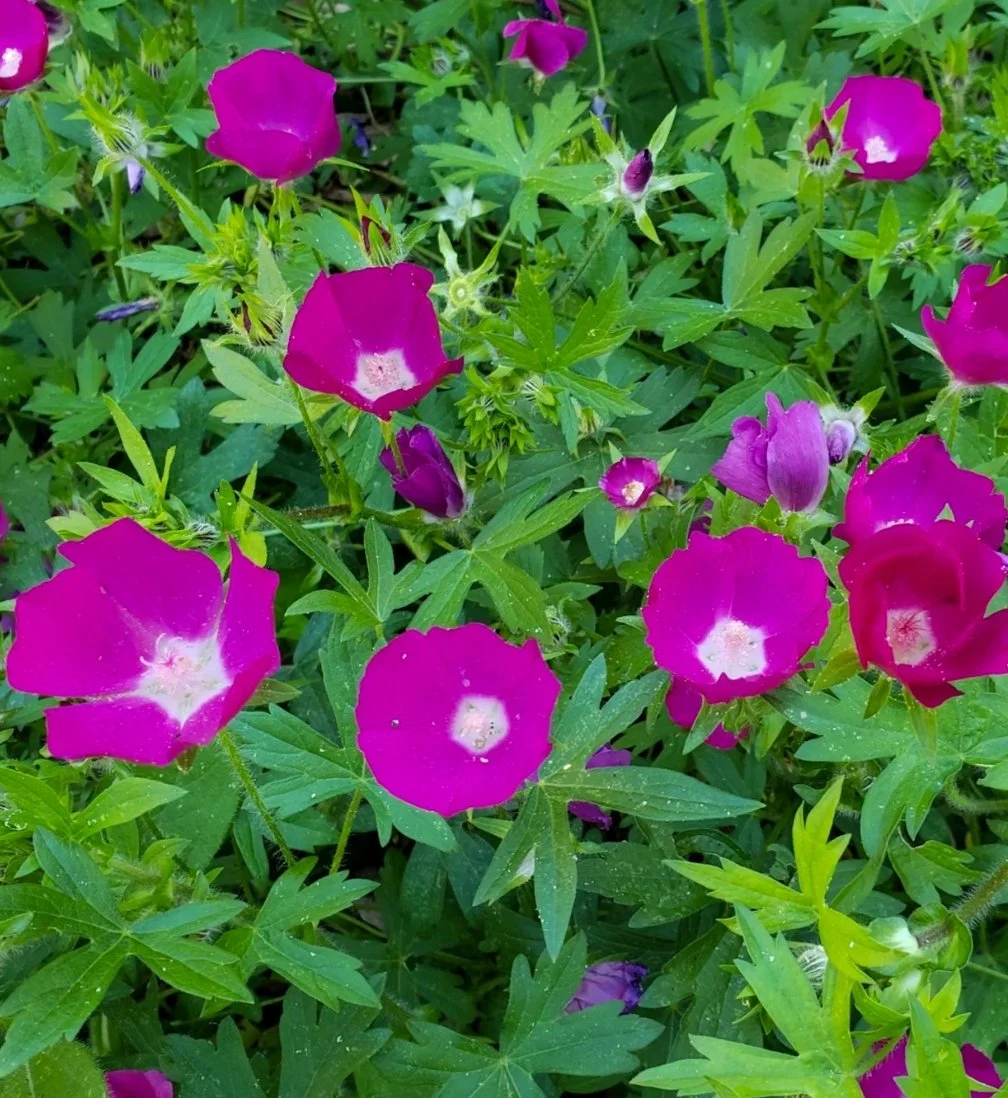 Image 3 of 6
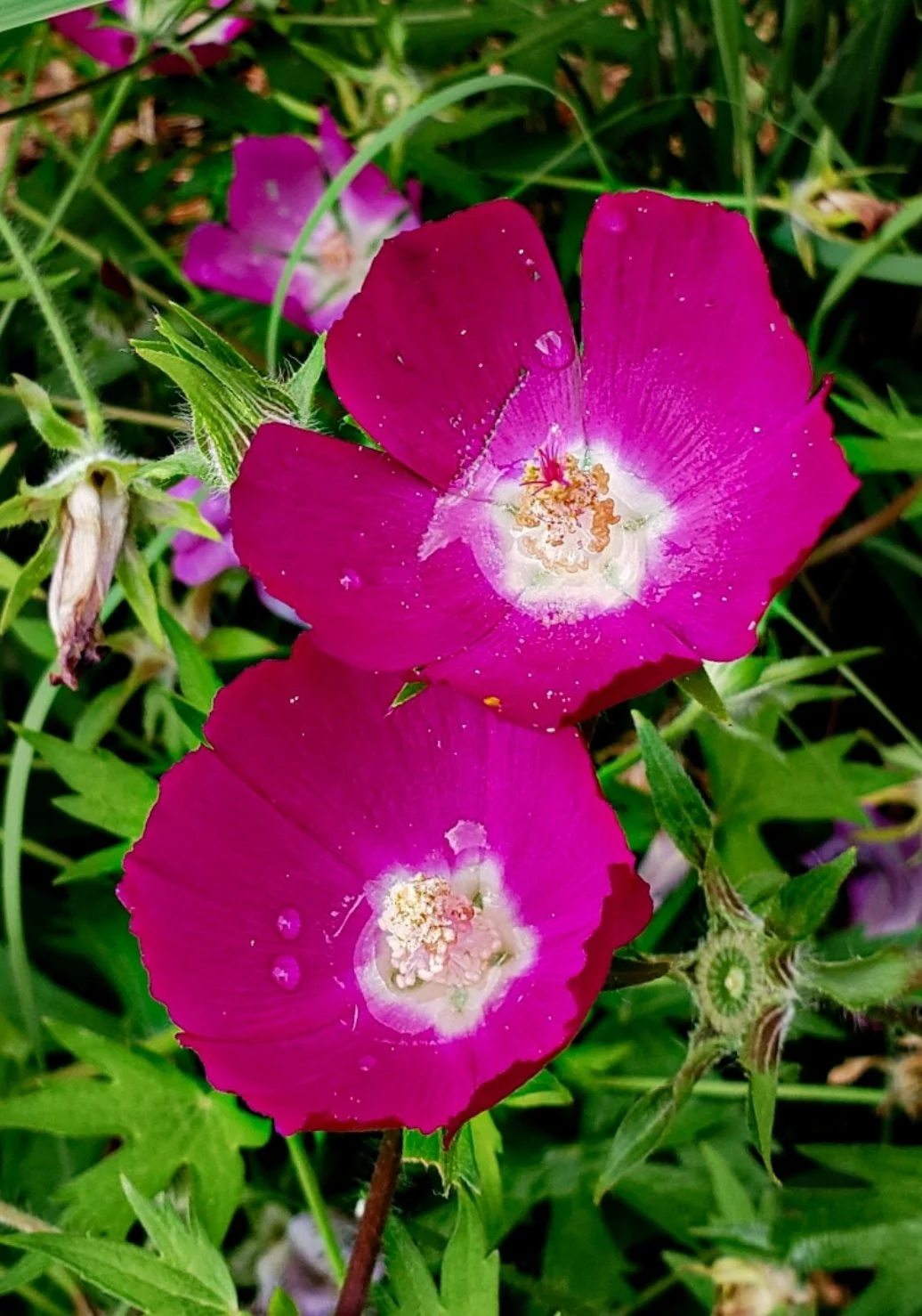 Image 4 of 6
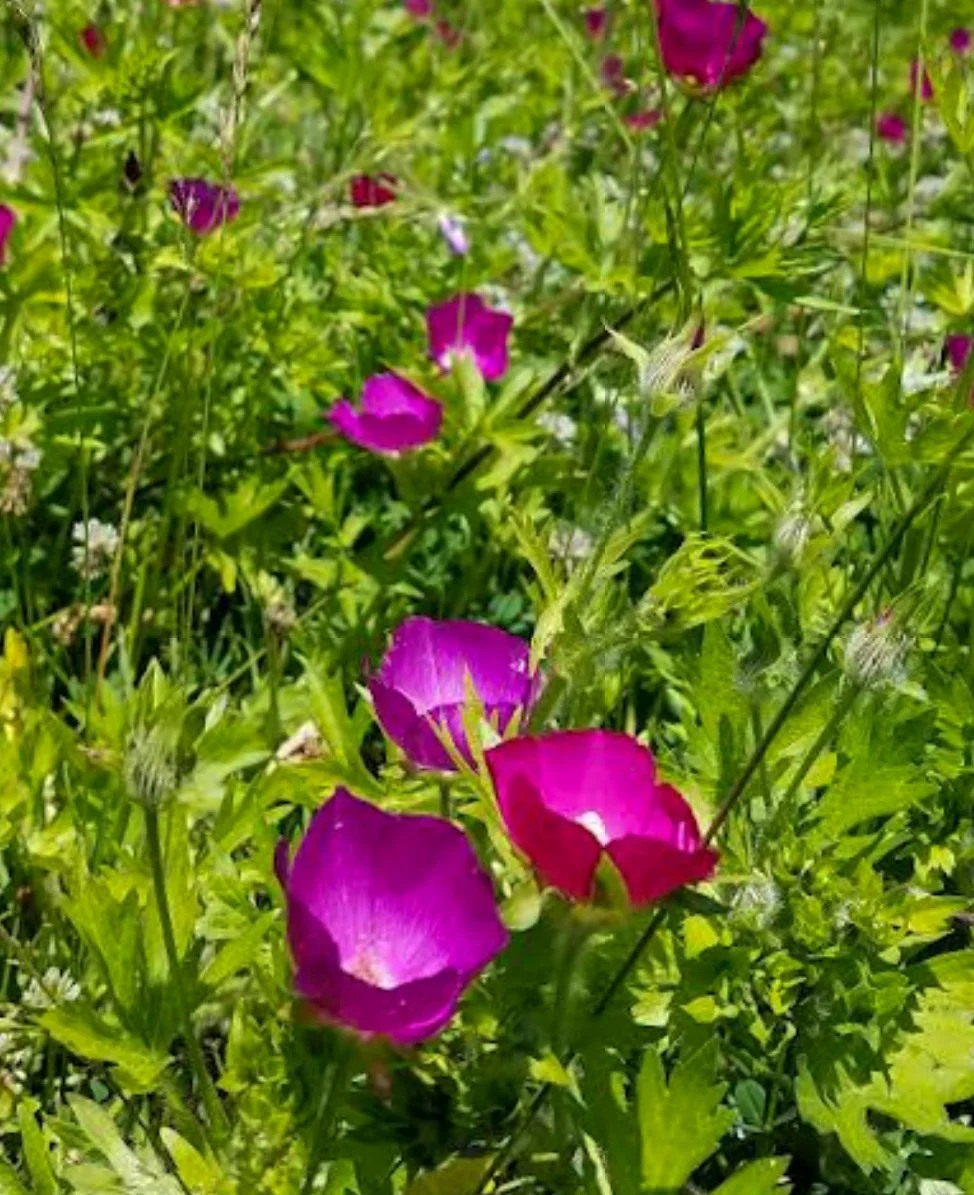 Image 5 of 6
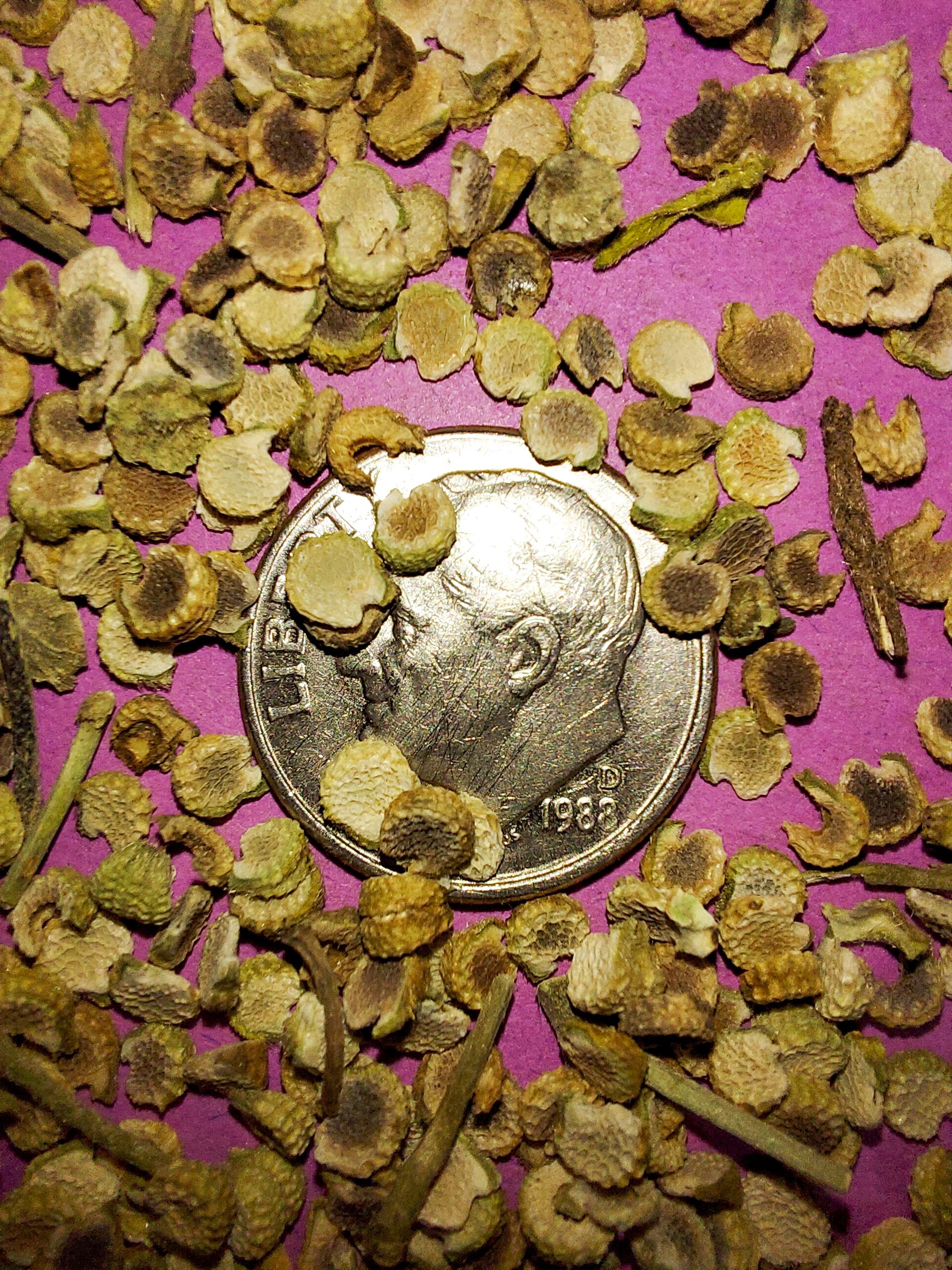 Image 6 of 6