Sale Price:
$2.00
Original Price:
$3.00
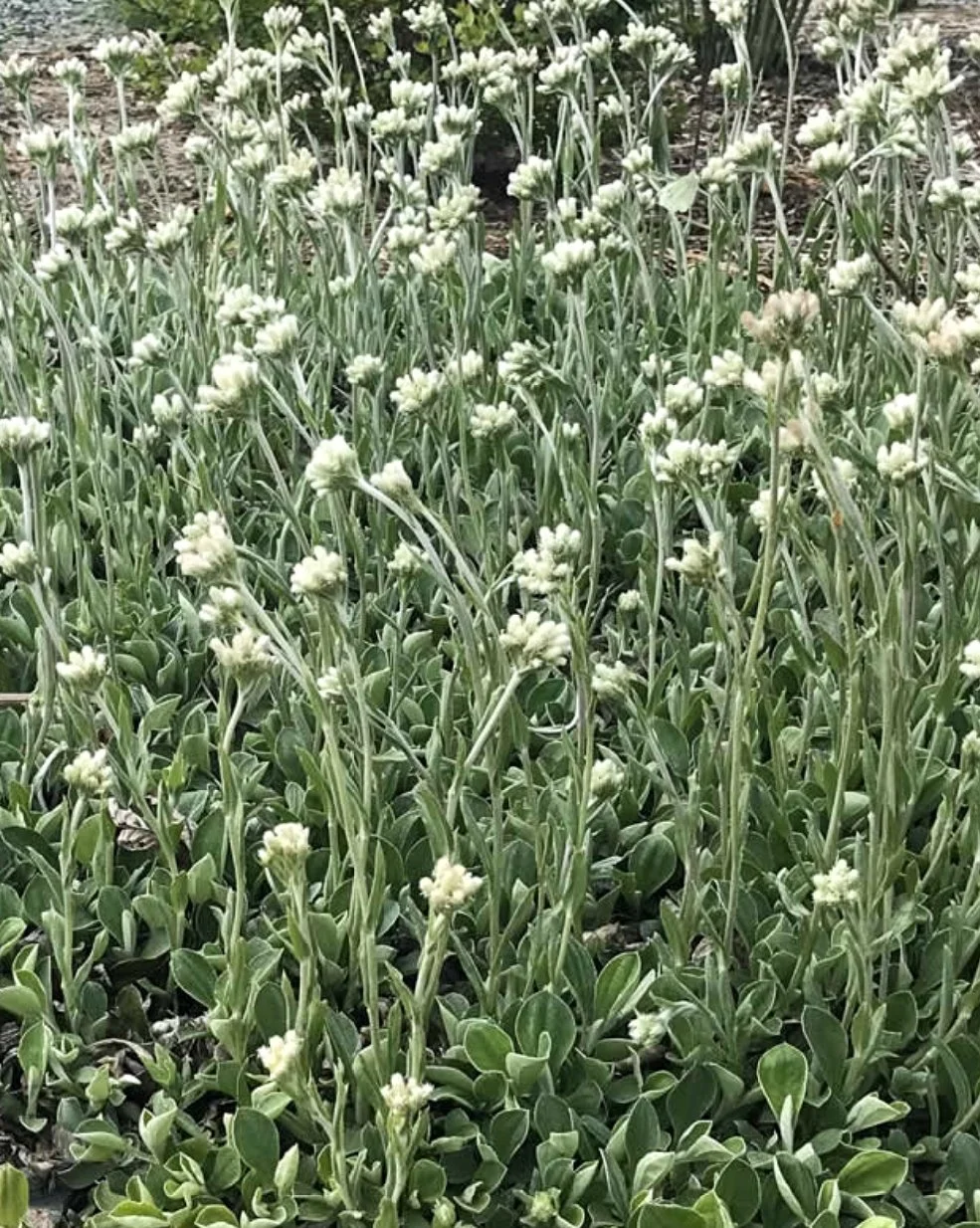
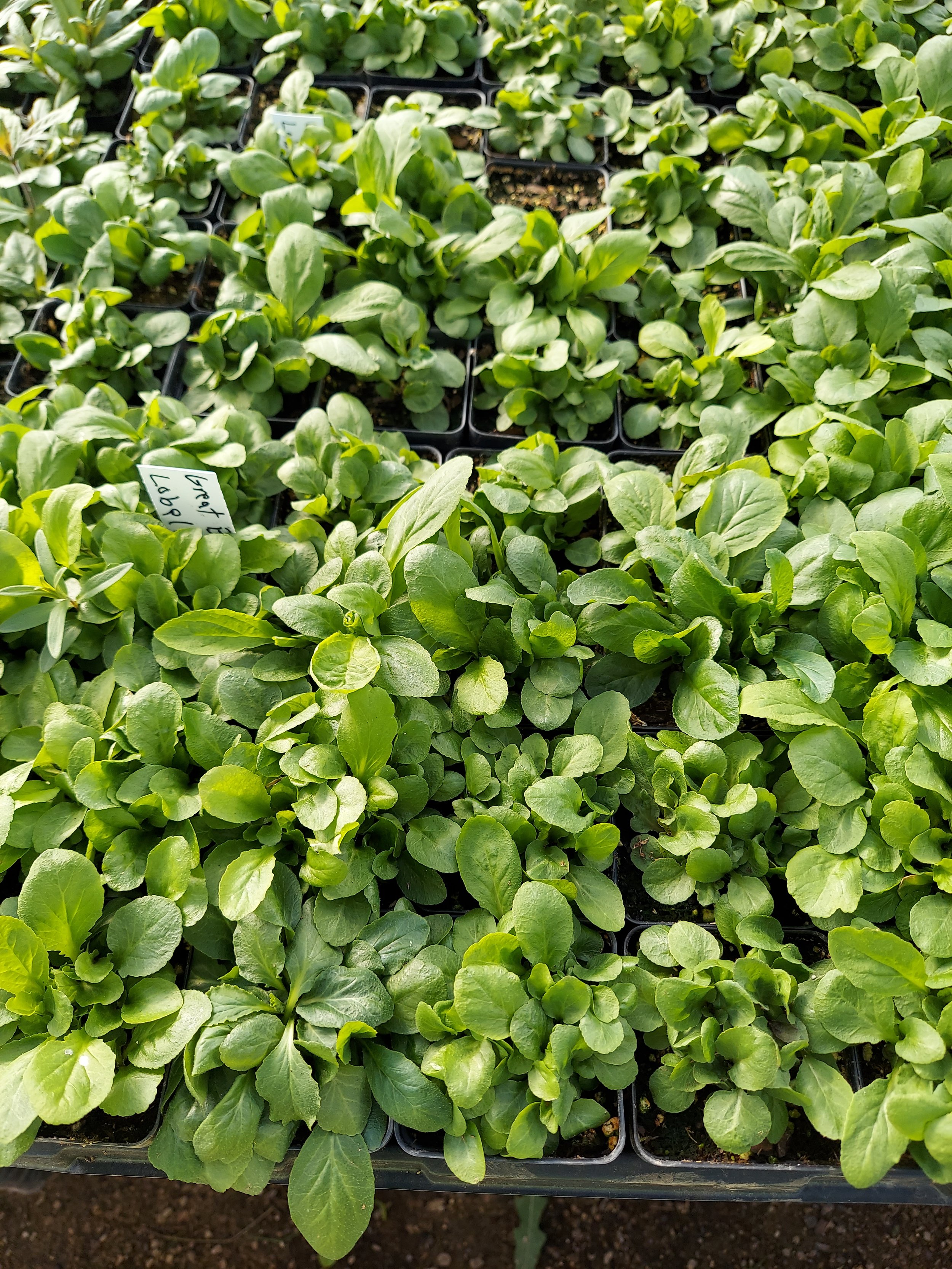
White Sage (Artemisia ludoviciana)
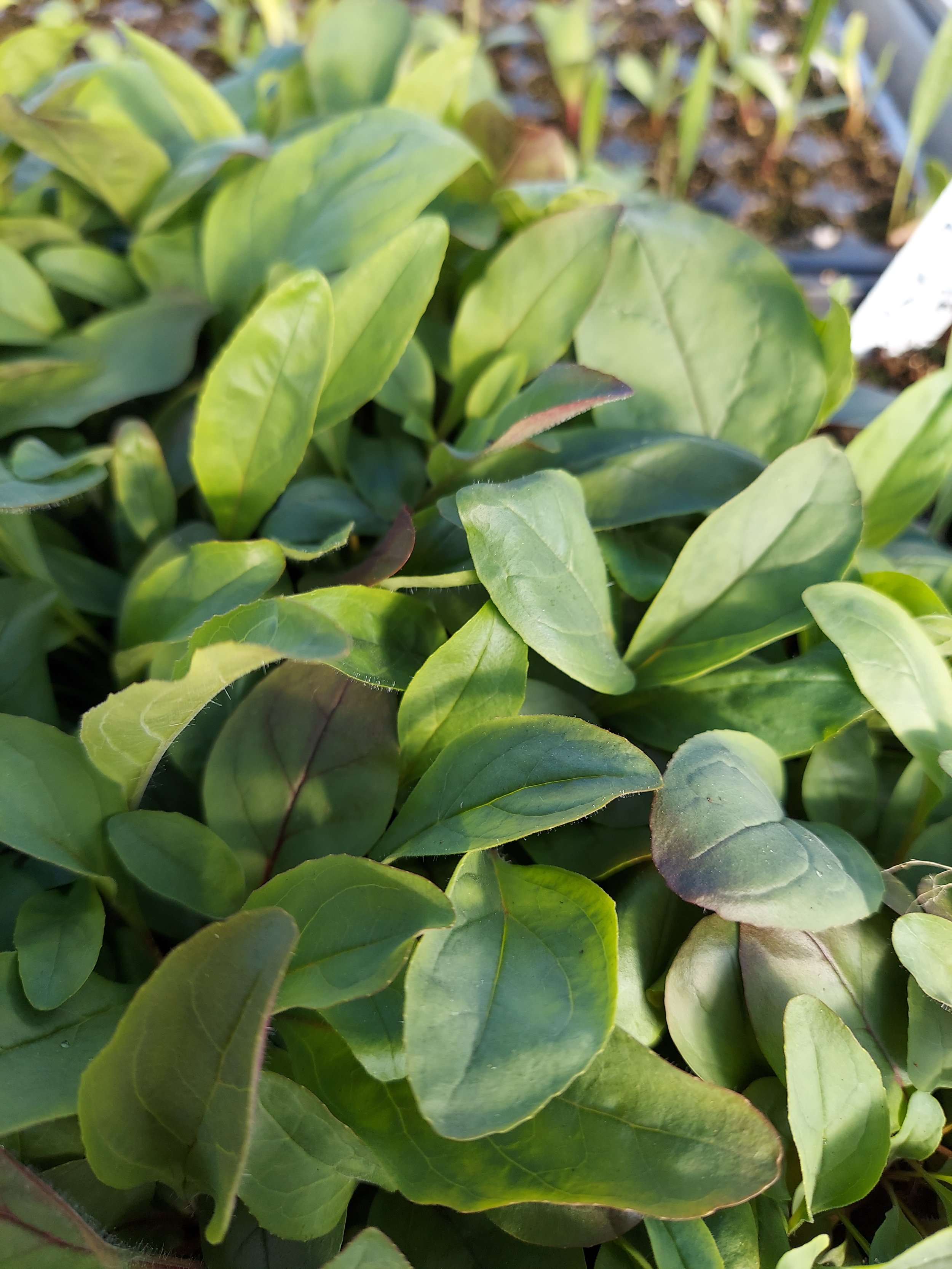
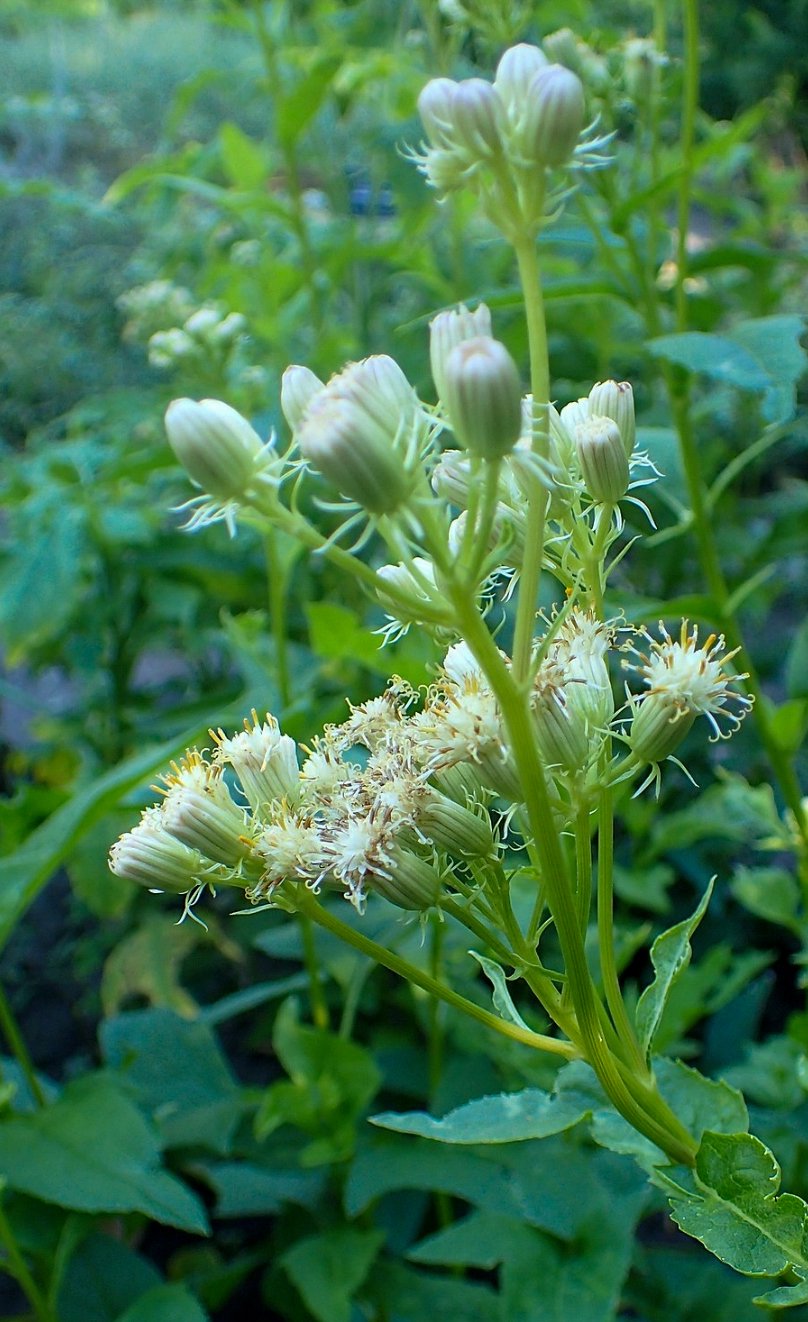
Artemisia ludoviciana is a popular North American species of native flowering plant in the Asteraceae family.
Given its popularity and use, it is known by several common names, including White Sage, Silver Wormwood, Western Mugwort, Louisiana Wormwood, White Sagebrush, Lobed Cud-Weed, Prairie Sage and Gray Sagewort.
Native to much of North America, it is found widespread across the majority of the United States, Canada, and Mexico. Some botanists suggest that populations in the eastern United States were introduced from the continent’s western and central regions, possibly carried eastward by early indigenous peoples. It typically favors habitats such as dry slopes, canyons, open pine woods, and dry prairie sites where well-drained soils and sunny exposures prevail.
White Sage (Artemisia ludoviciana) supports native pollinators beyond nectar: it serves as a larval host for the American Lady (Vanessa virginiensis) and the Painted Lady (Vanessa cardui), providing leaves for caterpillar feeding and development. Occasionally it also hosts the scarce Old-World Swallowtail (Papilio machaon). Including White Sage in native plantings helps sustain butterfly life cycles and boosts local pollinator diversity.
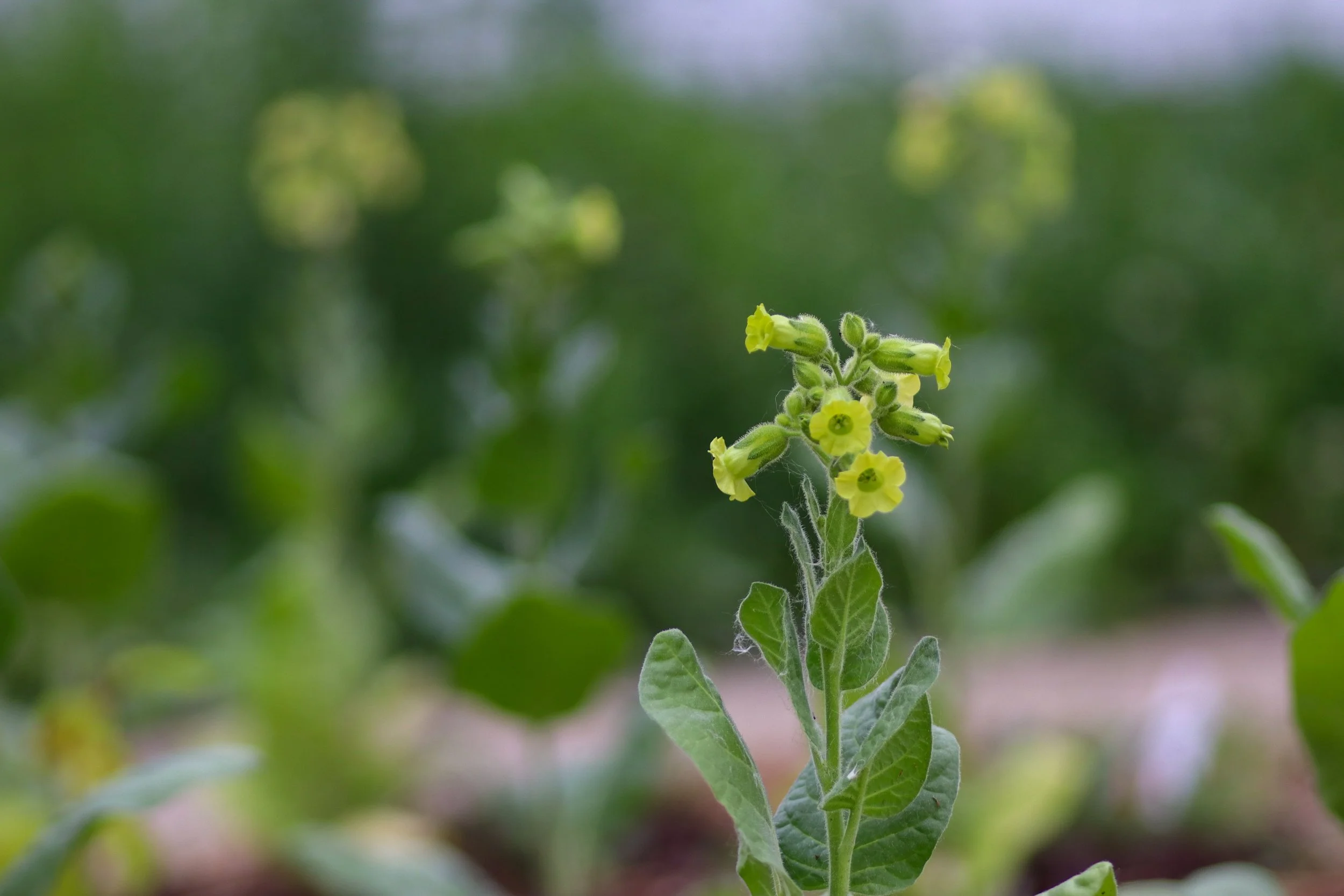
Indigenous Americans used the species as a medicinal plant, as a source of fiber for crafting household items, and for ceremonial purposes as well as Midewiwan Mapacho (Nicotiana rustica). planting both species together was common, with seasonal replanting of Midewiwan Mapacho being a traditional practice as it is an annual.
The Dakota peoples use this plant in smudging rituals to protect against maleficent spirits.
The Apache, Chiricahua, and Mescalero use it as a spice, while the Blackfoot tribe employ it as a topical drug for dermatological issues. The Gros Ventre also apply it for skin healing and as a remedy against colds, noting that it has antipyretic properties. (An antipyretic - from anti- "against" and pyretic "feverish" is a substance that reduces fever by prompting the hypothalamus to counteract prostaglandin-induced temperature increases, so the body lowers its temperature and the fever subsides.) The Meskwaki and Potawatomi prepare a tea from this species to treat sore throats and tonsillitis.
Plant Details
USDA Zones: 3-7
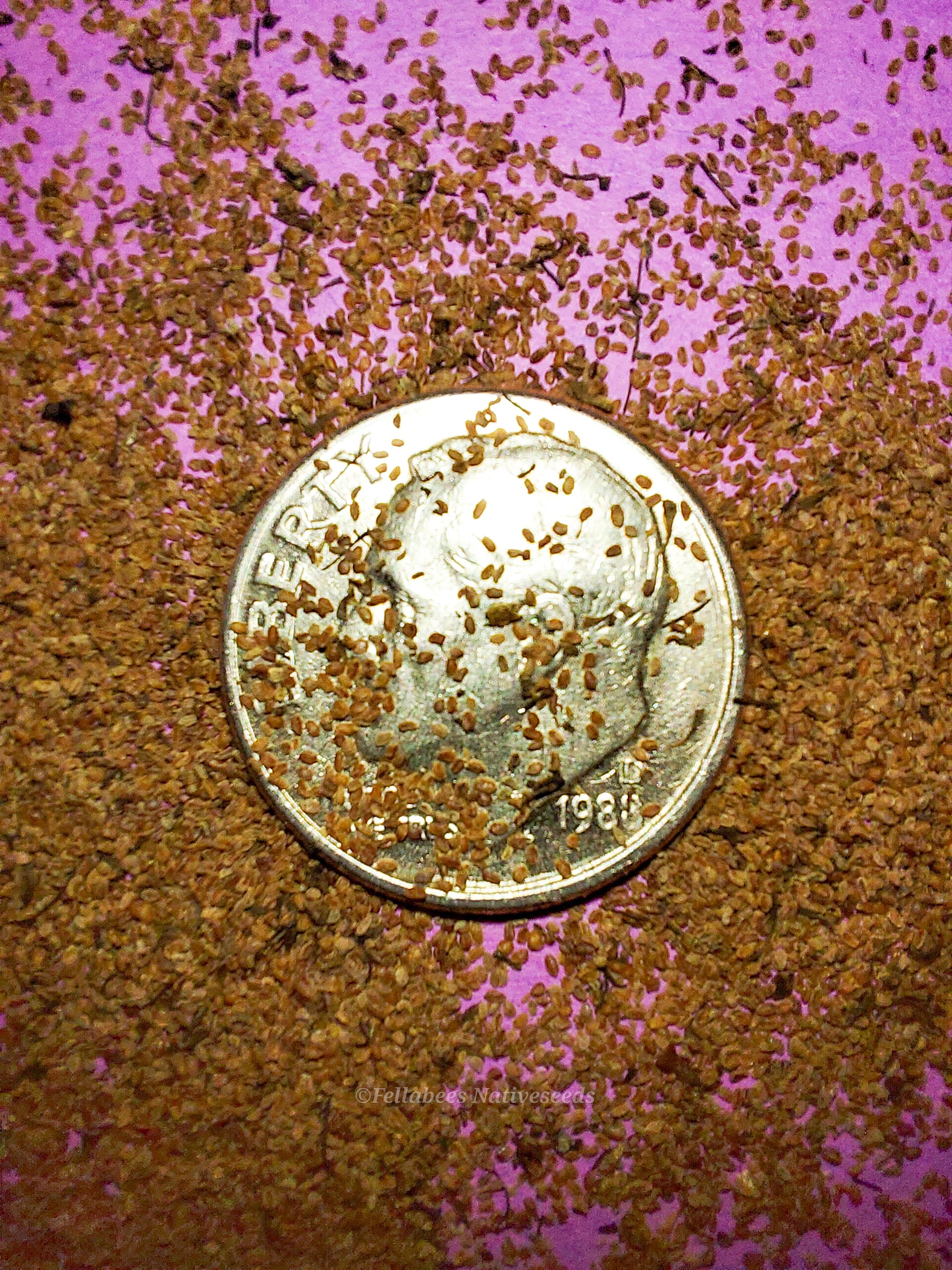
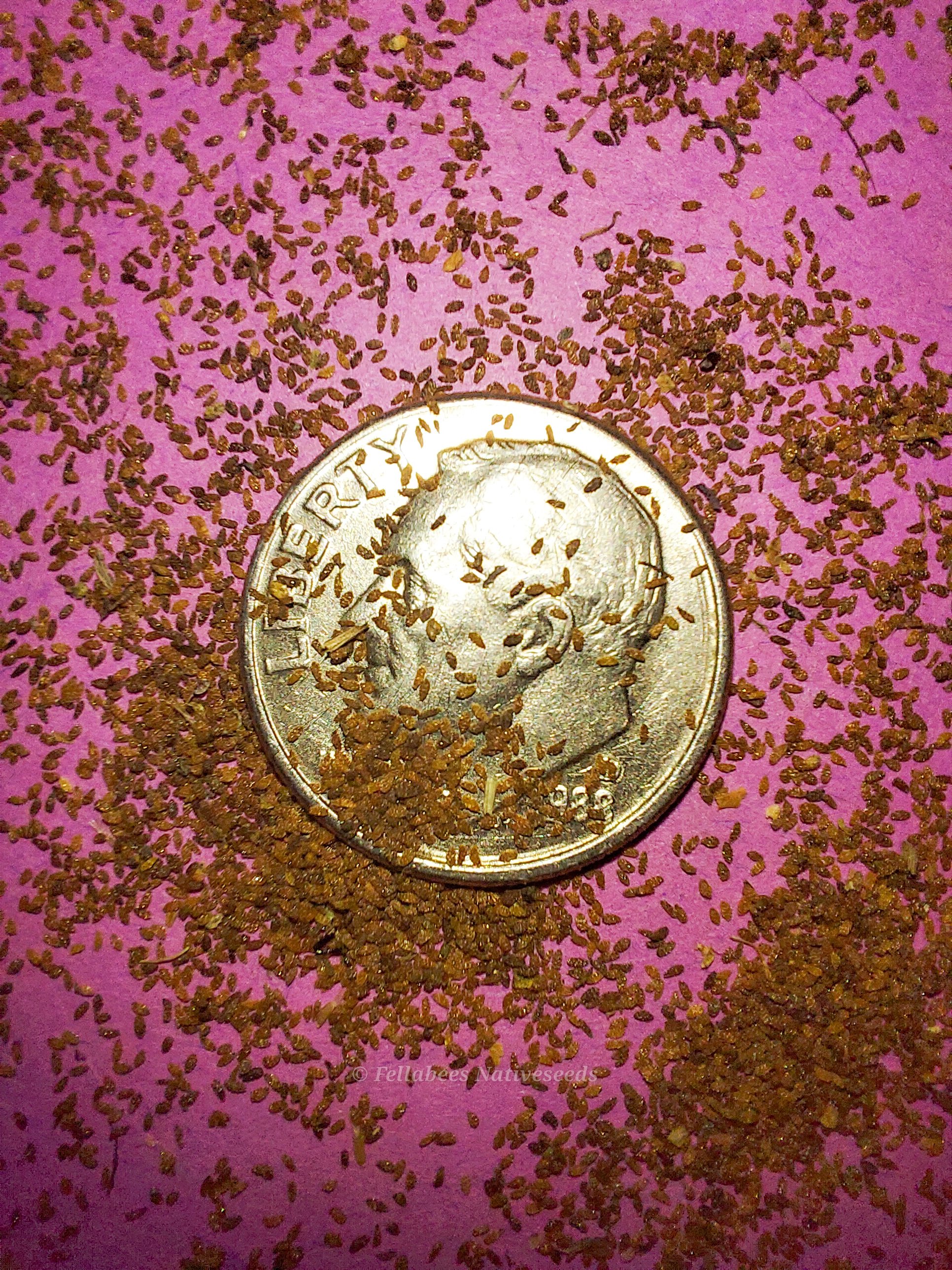
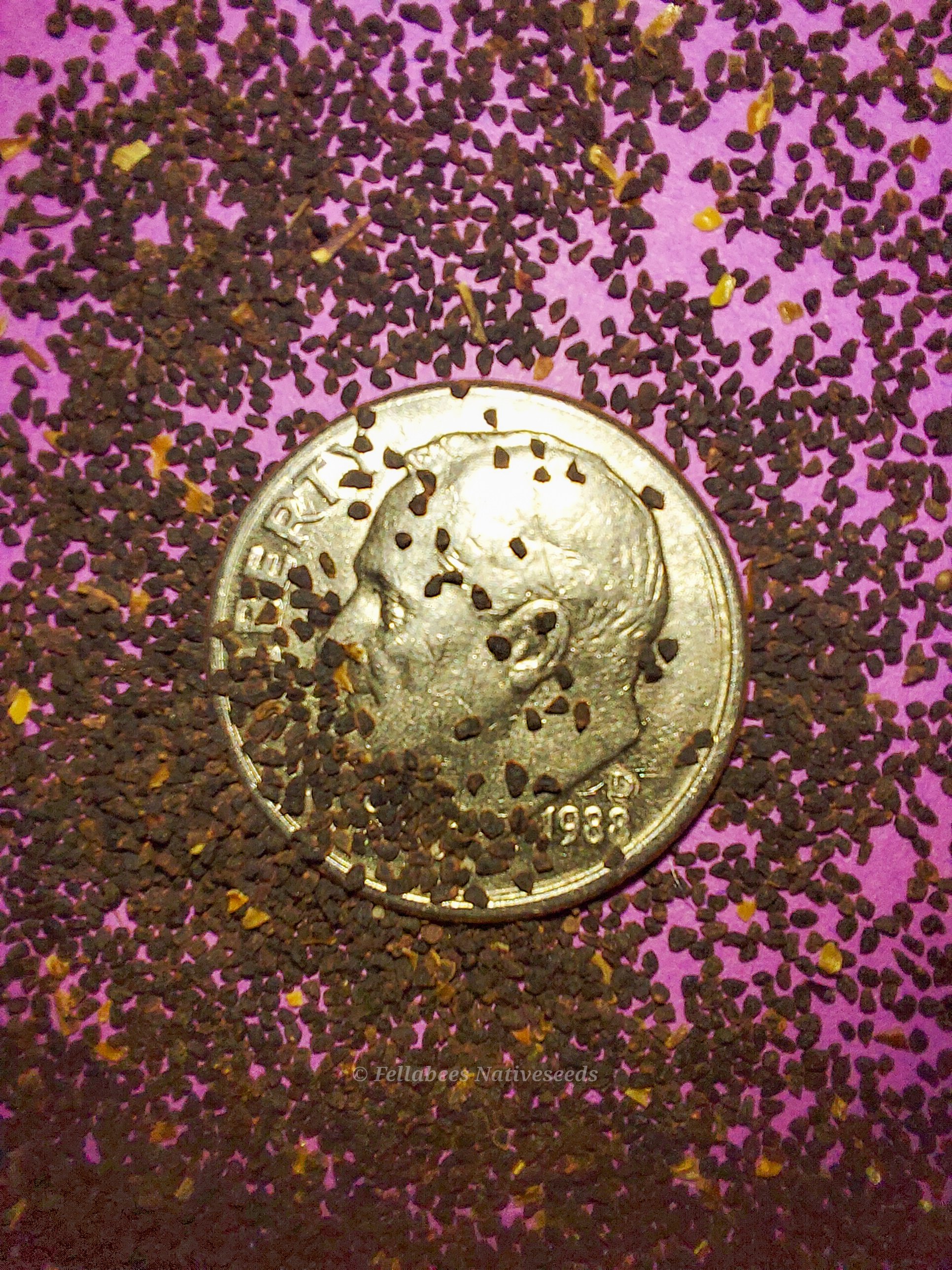
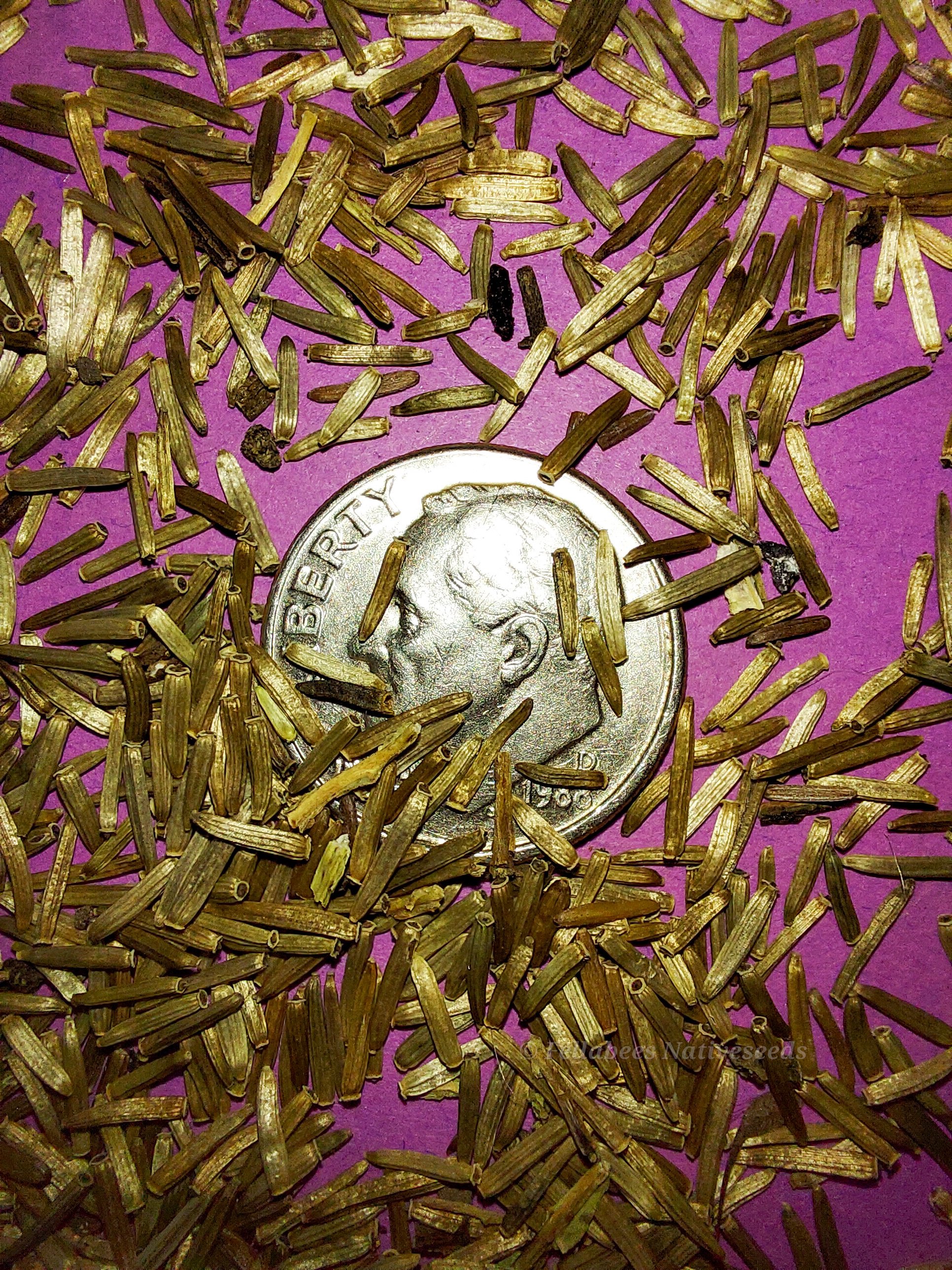
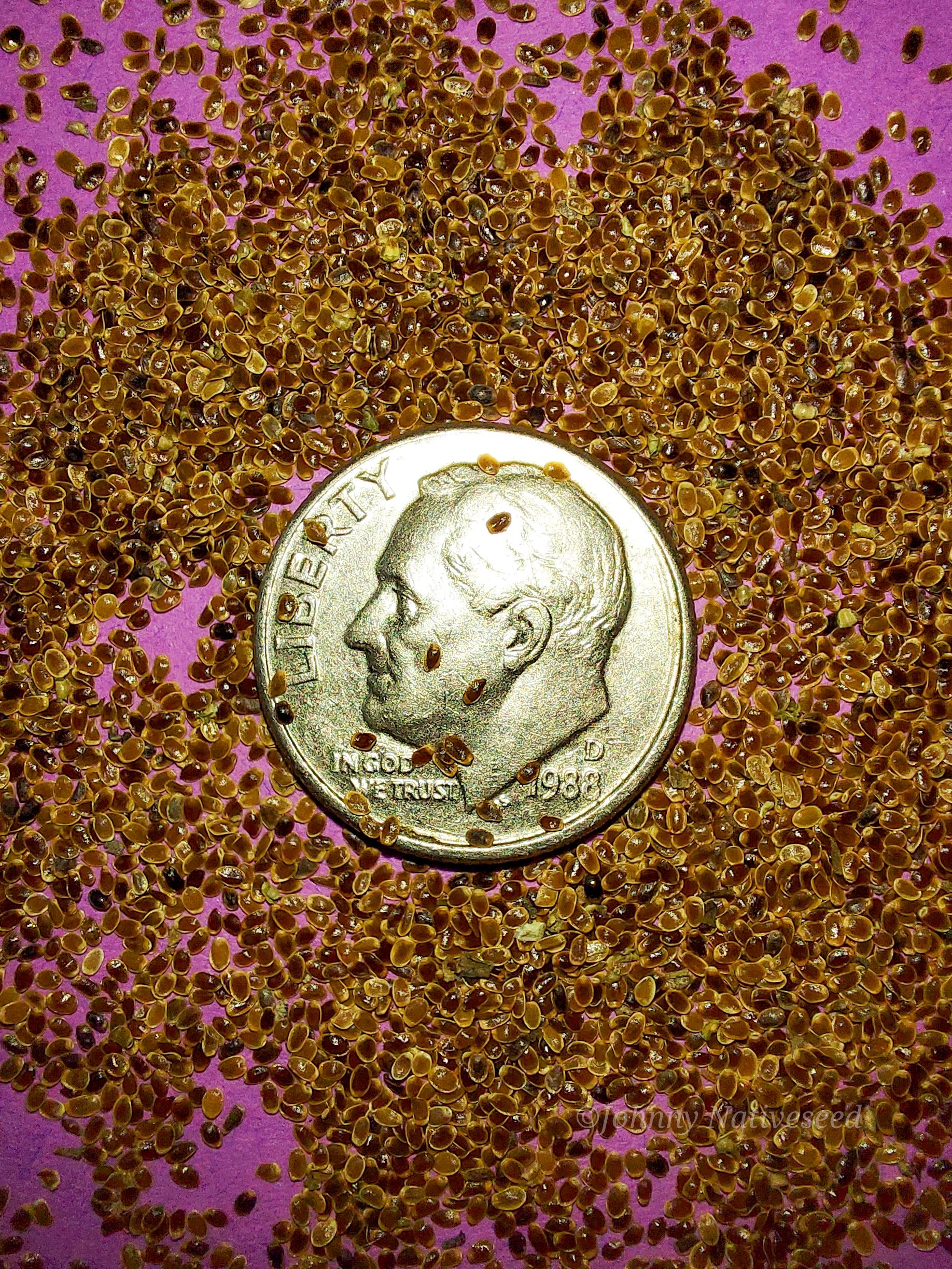
Germination Needs: 30 days Cold Stratification. Surface sown seed needs light and very little or no soil over top in order to germinate. Seed is very small and should be bottom watered if started in trays after the stratification period.
Life Cycle: Perennial
Sun Exposure: Full to Partial
Soil Moisture: Medium, Medium-Dry, Dry
Plant Spacing: 1-2 feet
Height: 3 feet
Bloom time: July, August, September
Bloom Color: Yellow/Green
Advantages:
Deer Resistant: Yes
Excellent in the home landscape!
.
.
Packet quantities:
We pride ourselves on ethical, hands on, ecological management, using no mechanical or chemical methods whatsoever.
All of our native seed is hand reared, hand picked, and hand packed from native prairies under our exclusive management, never breaking chain of custody from the field until it is sent to you. Each packet is hand prepared for shipment by us, directly.
Small seed species will contain greater than 20-25 seed
Large seed species will contain greater than 10-15 seed
It is our mission to spread the wealth of native plant and pollinator ecological sustainability and educate back yard gardeners as well as corporate and government entities in how to germinate, grow, and benefit from native synergies.
Thank you for your support, it is because of you, that we can grow together to do, what we do. 🐛🦋🐝🐞🌾🌱🌼🧡
White Sage (Artemisia ludoviciana)
Artemisia ludoviciana is a popular North American species of native flowering plant in the Asteraceae family.
Given its popularity and use, it is known by several common names, including White Sage, Silver Wormwood, Western Mugwort, Louisiana Wormwood, White Sagebrush, Lobed Cud-Weed, Prairie Sage and Gray Sagewort.
Native to much of North America, it is found widespread across the majority of the United States, Canada, and Mexico. Some botanists suggest that populations in the eastern United States were introduced from the continent’s western and central regions, possibly carried eastward by early indigenous peoples. It typically favors habitats such as dry slopes, canyons, open pine woods, and dry prairie sites where well-drained soils and sunny exposures prevail.
White Sage (Artemisia ludoviciana) supports native pollinators beyond nectar: it serves as a larval host for the American Lady (Vanessa virginiensis) and the Painted Lady (Vanessa cardui), providing leaves for caterpillar feeding and development. Occasionally it also hosts the scarce Old-World Swallowtail (Papilio machaon). Including White Sage in native plantings helps sustain butterfly life cycles and boosts local pollinator diversity.
Indigenous Americans used the species as a medicinal plant, as a source of fiber for crafting household items, and for ceremonial purposes as well as Midewiwan Mapacho (Nicotiana rustica). planting both species together was common, with seasonal replanting of Midewiwan Mapacho being a traditional practice as it is an annual.
The Dakota peoples use this plant in smudging rituals to protect against maleficent spirits.
The Apache, Chiricahua, and Mescalero use it as a spice, while the Blackfoot tribe employ it as a topical drug for dermatological issues. The Gros Ventre also apply it for skin healing and as a remedy against colds, noting that it has antipyretic properties. (An antipyretic - from anti- "against" and pyretic "feverish" is a substance that reduces fever by prompting the hypothalamus to counteract prostaglandin-induced temperature increases, so the body lowers its temperature and the fever subsides.) The Meskwaki and Potawatomi prepare a tea from this species to treat sore throats and tonsillitis.
Plant Details
USDA Zones: 3-7
Germination Needs: 30 days Cold Stratification. Surface sown seed needs light and very little or no soil over top in order to germinate. Seed is very small and should be bottom watered if started in trays after the stratification period.
Life Cycle: Perennial
Sun Exposure: Full to Partial
Soil Moisture: Medium, Medium-Dry, Dry
Plant Spacing: 1-2 feet
Height: 3 feet
Bloom time: July, August, September
Bloom Color: Yellow/Green
Advantages:
Deer Resistant: Yes
Excellent in the home landscape!
.
.
Packet quantities:
We pride ourselves on ethical, hands on, ecological management, using no mechanical or chemical methods whatsoever.
All of our native seed is hand reared, hand picked, and hand packed from native prairies under our exclusive management, never breaking chain of custody from the field until it is sent to you. Each packet is hand prepared for shipment by us, directly.
Small seed species will contain greater than 20-25 seed
Large seed species will contain greater than 10-15 seed
It is our mission to spread the wealth of native plant and pollinator ecological sustainability and educate back yard gardeners as well as corporate and government entities in how to germinate, grow, and benefit from native synergies.
Thank you for your support, it is because of you, that we can grow together to do, what we do. 🐛🦋🐝🐞🌾🌱🌼🧡
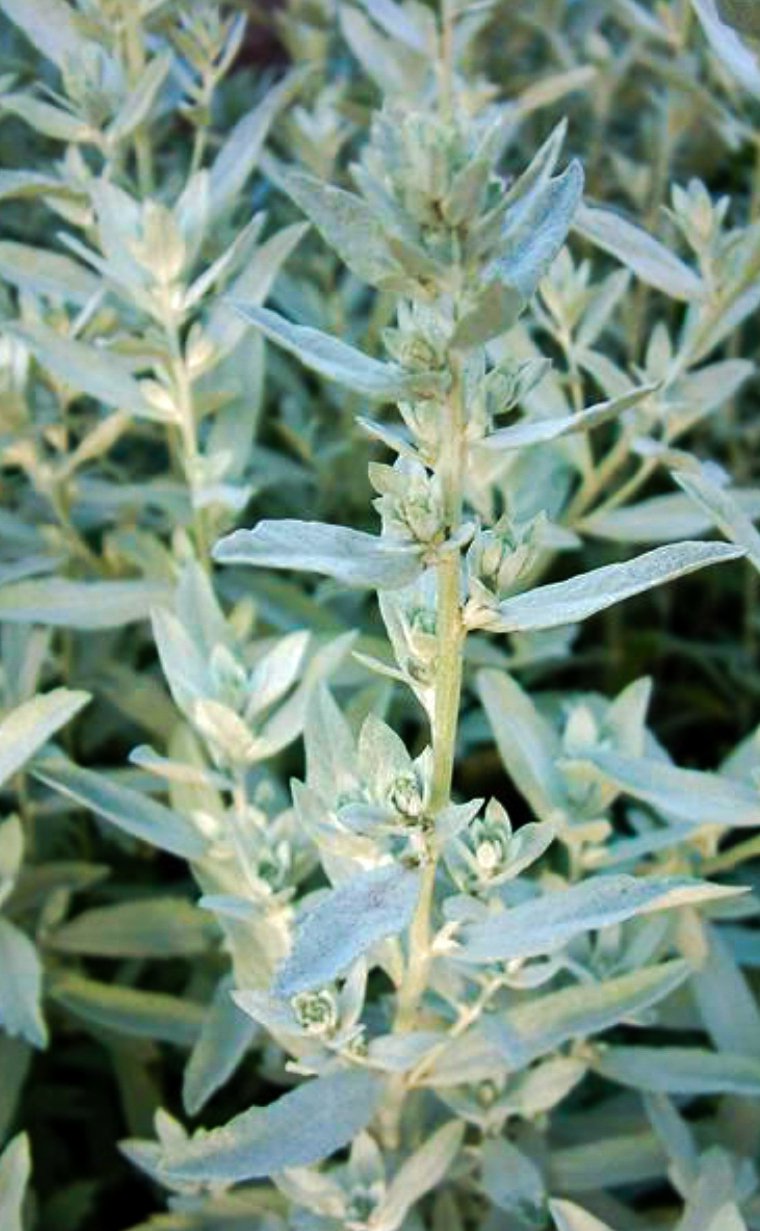 Image 1 of 3
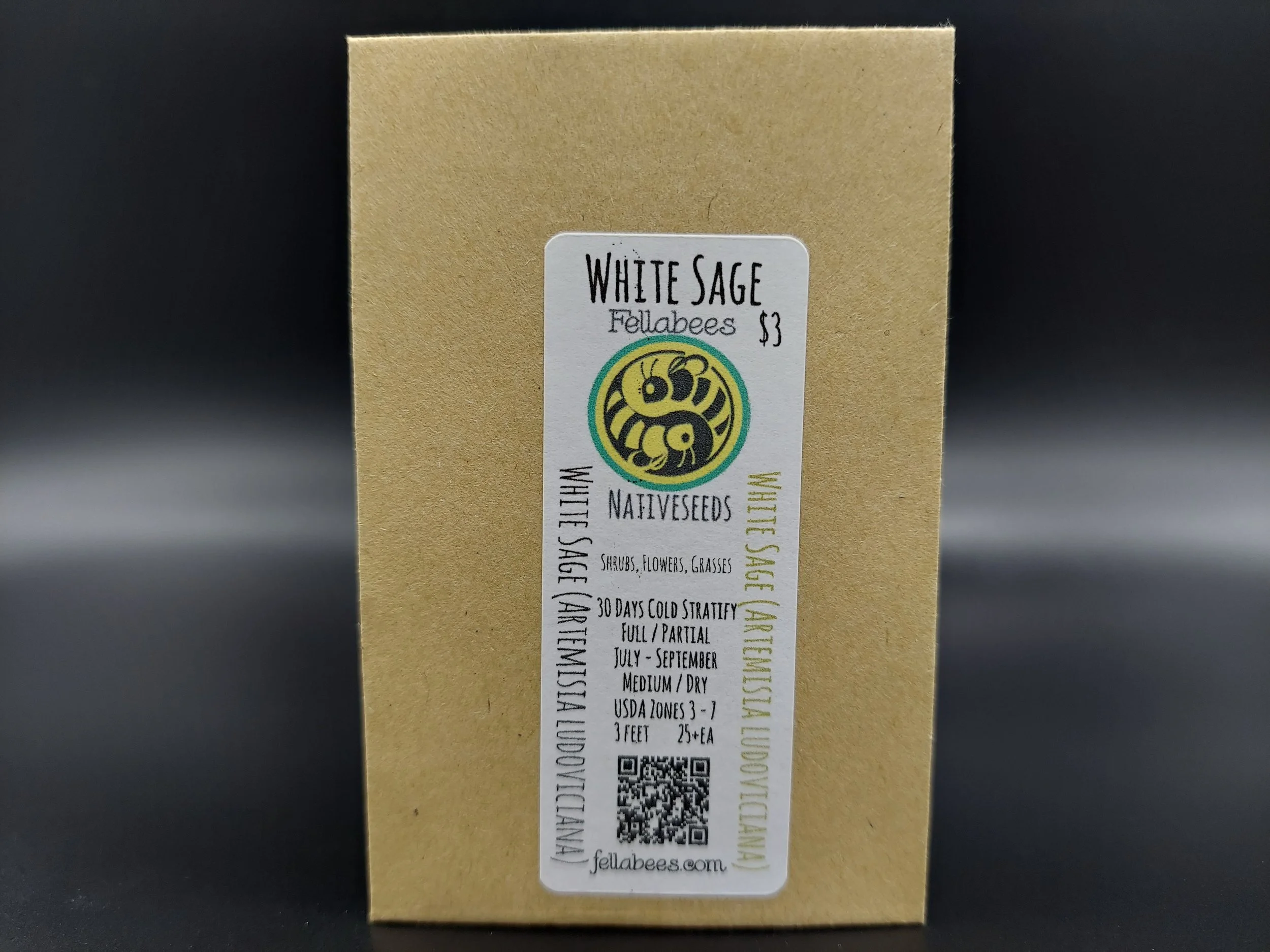 Image 2 of 3
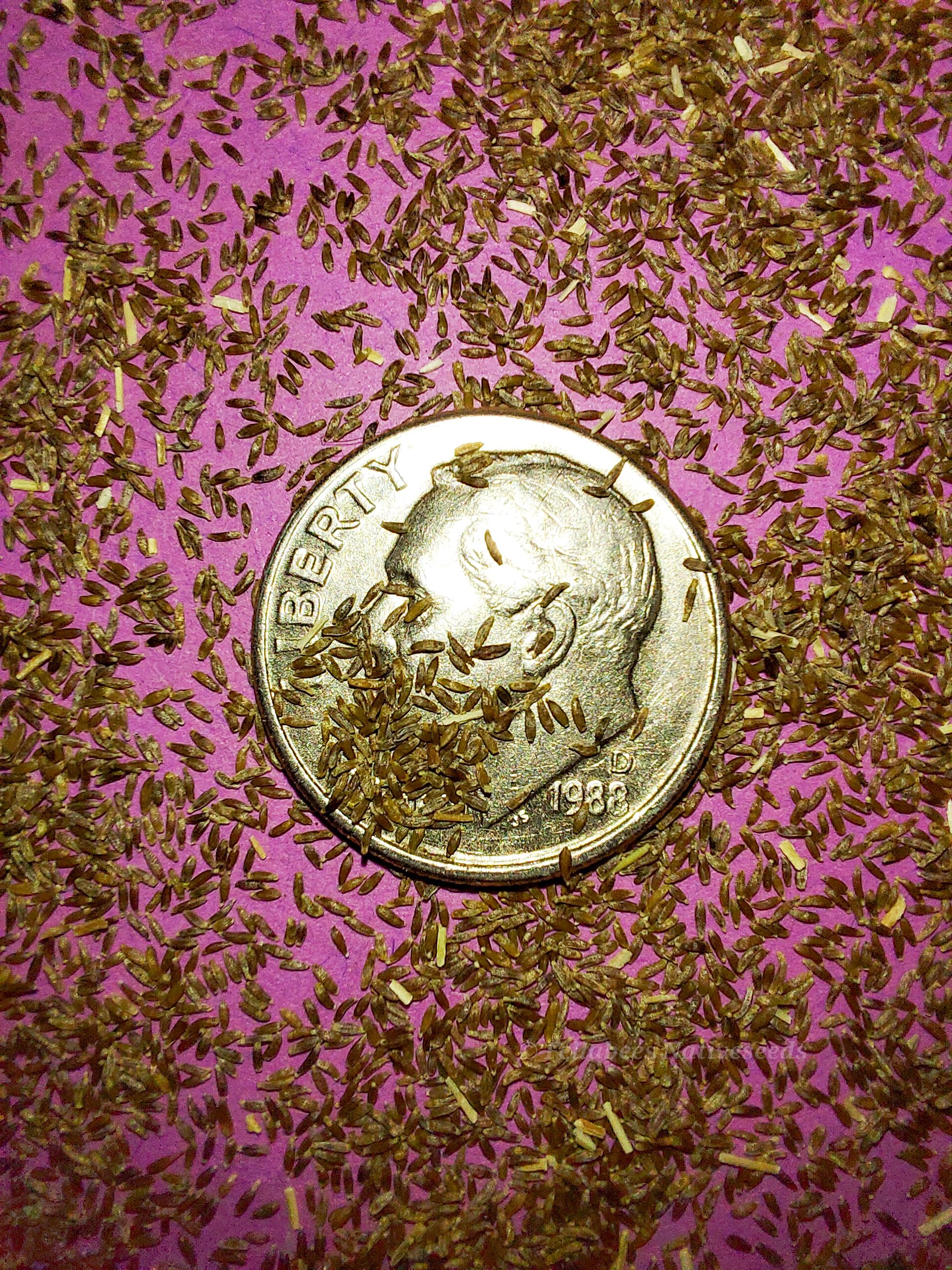 Image 3 of 3