Prairie Sunflower (Helianthus petiolaris)
Helianthus petiolaris is the scientific name for the native species more commonly known as Prairie Sunflower or Lesser Sunflower, it is a North American plant in the Asteraceae family. It started in the Western U.S., in dry prairies of states like Minnesota, Oregon, Texas, the Dakotas, and California, and has spread east and into parts of Canada. It is now the most common native annual sunflower in North America.
Prairie Sunflowers grow well in sandy, well-drained soil but can also live in heavy clay and dry prairies. They need full sunlight and cannot grow in shade. They tolerate soil from dry to moist. This annual sunflower blooms from June to September.
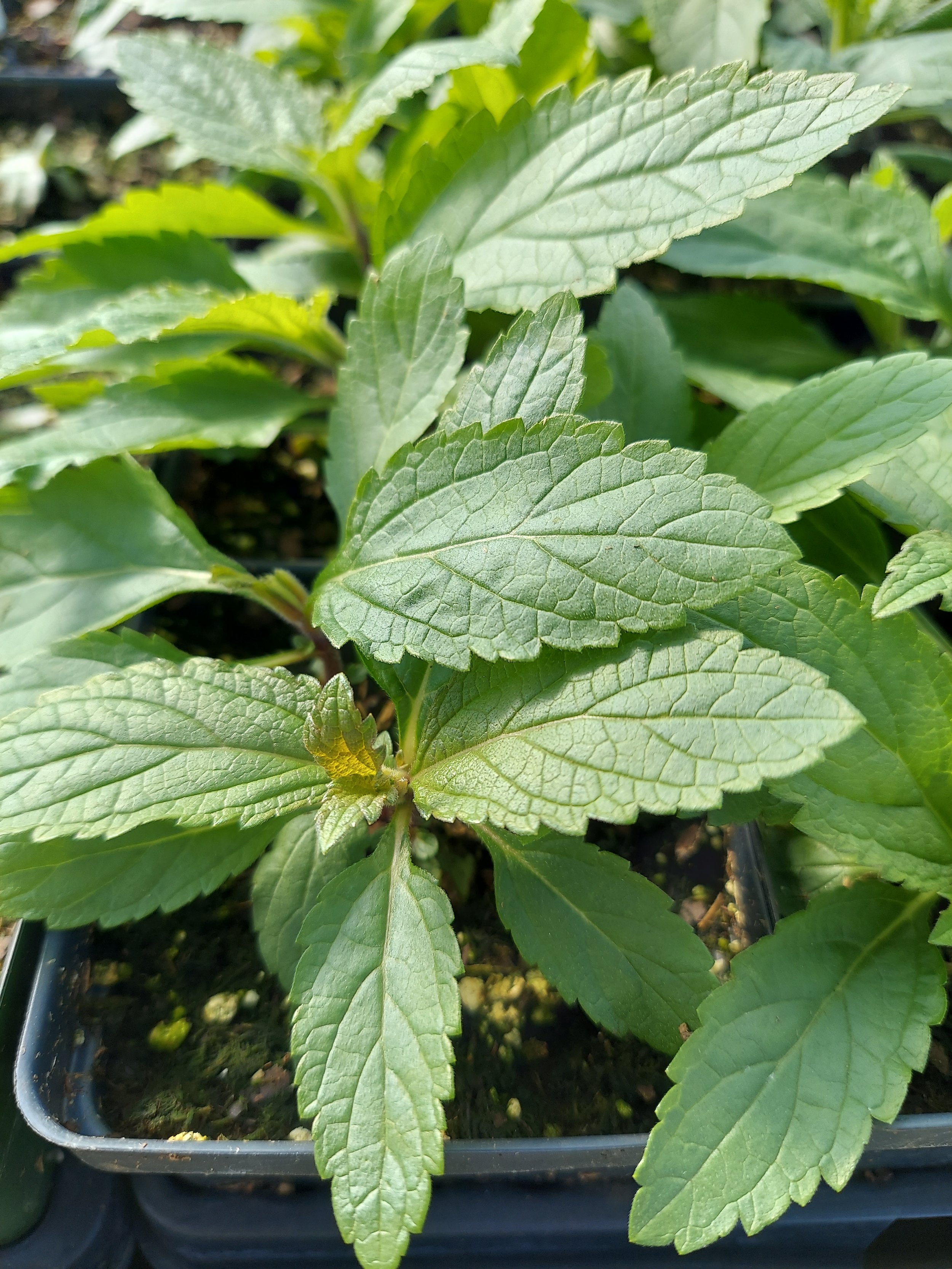
Prairie sunflower is a tap-rooted annual, growing up to 4 feet tall. It’s rough, bluish-green leaves are 2–5 inches long, arranged alternately. The flower resembles a sunflower, with 10–30 bright yellow petals surrounding 50–100 dark red-brown center florets, held by green lance-shaped bracts with fine white hairs.
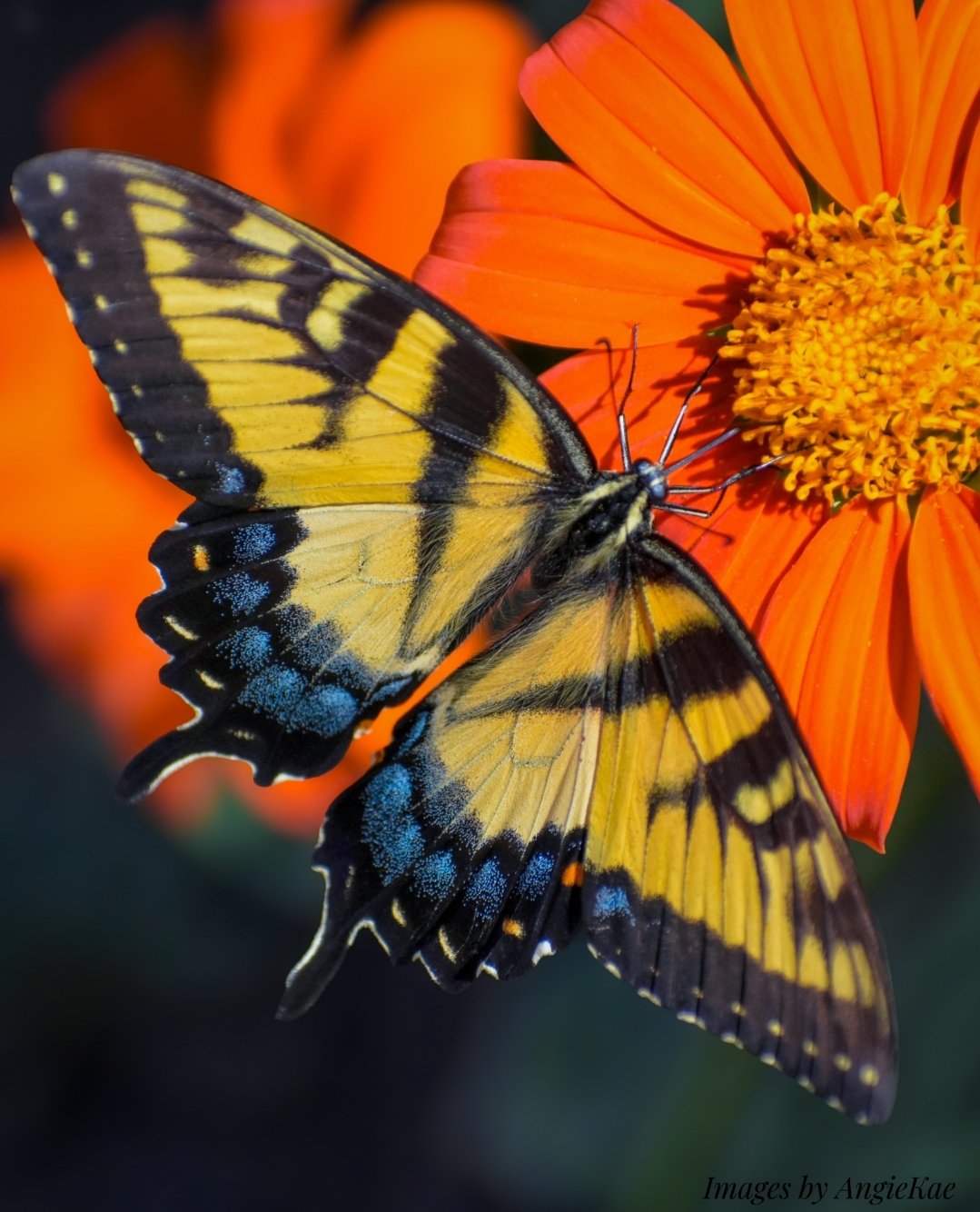
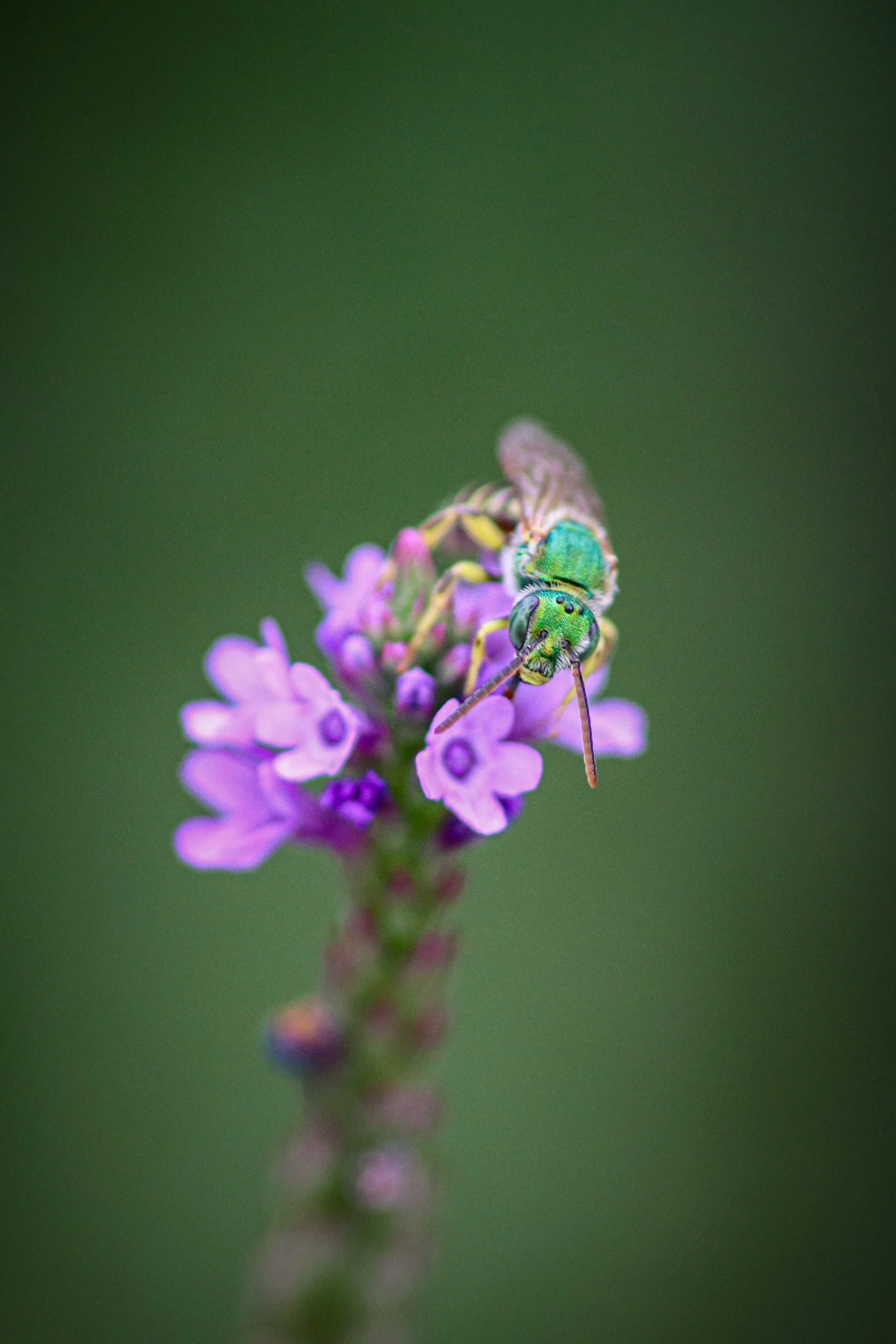
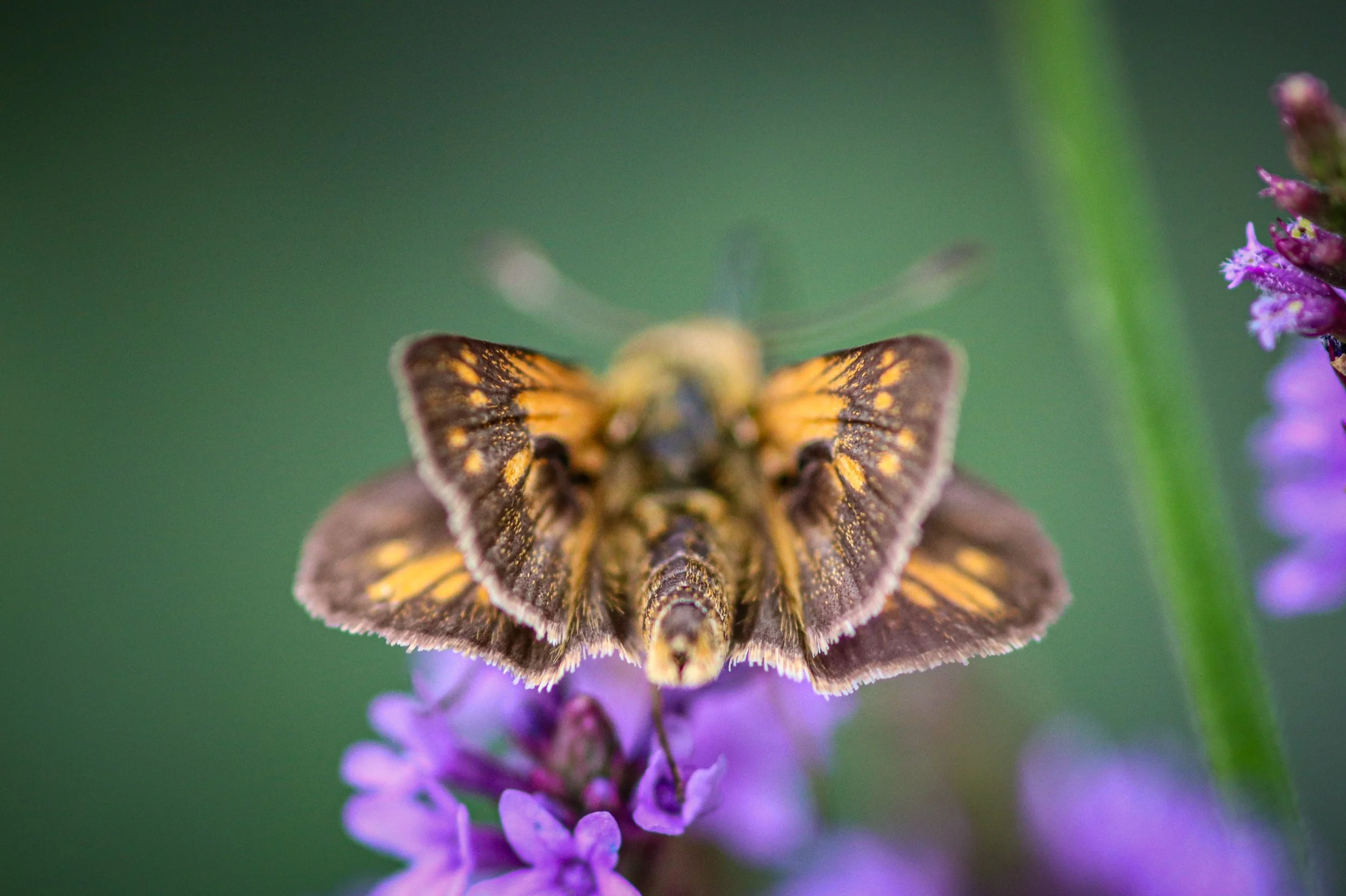
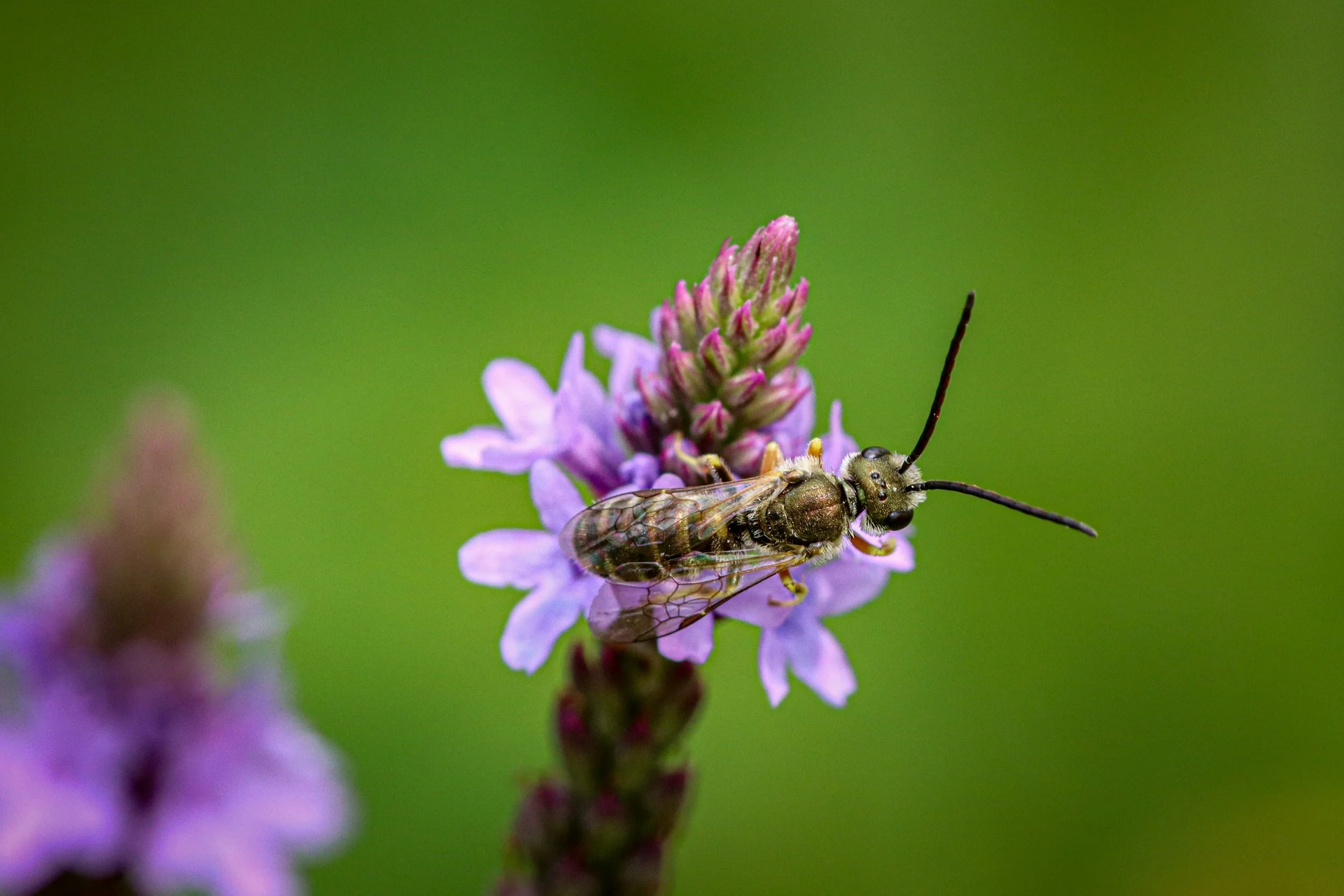
Each flower has both male and female parts for pollination. Tall, hairy stems attract pollinators like bees, butterflies, wasps, and beetles. Helianthus plants also host nearly 70 moth and butterfly species, including Silvery and Gorgone Checkerspot butterflies.
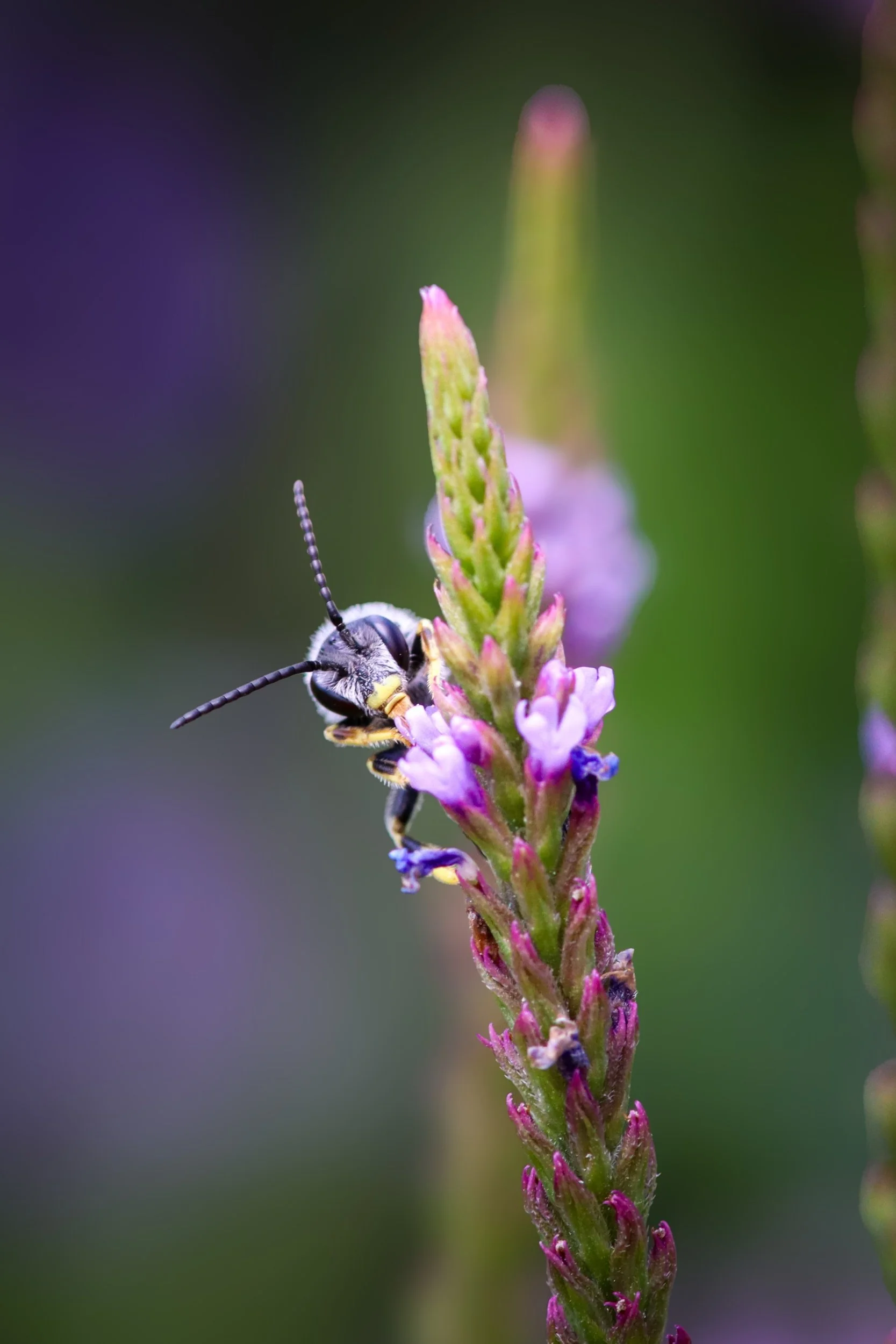
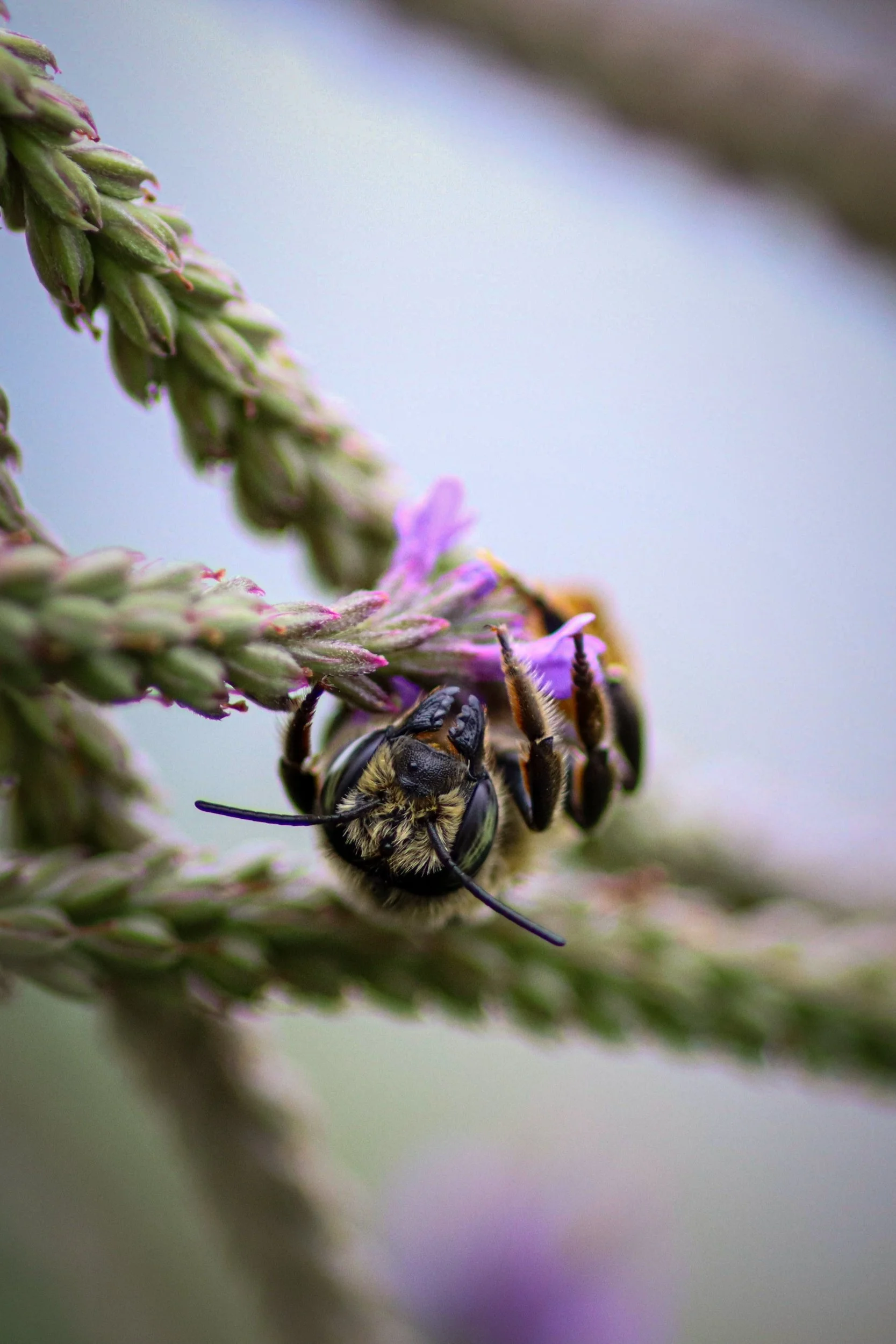
Several generalist bee species are attracted to Prairie Sunflower such as: Andrena (mining bees), Melissodes (long-horned bees), and Bombus (bumble bees).
Over 100 native bee species belonging to the following genera are specialists on Helianthus species such as: Andrena, Anthophora, Calliopsis, Colletes, Diadasia, Dianthidium, Dieunomia, Dufourea, Exomalopsis, Heriades, Hesperapis, Megachile, Melissodes, Osmia, Paranthidium, Perdita, Protandrena, Svastra, and Trachusa, making complete pollination highly likely and exceptionally successful.
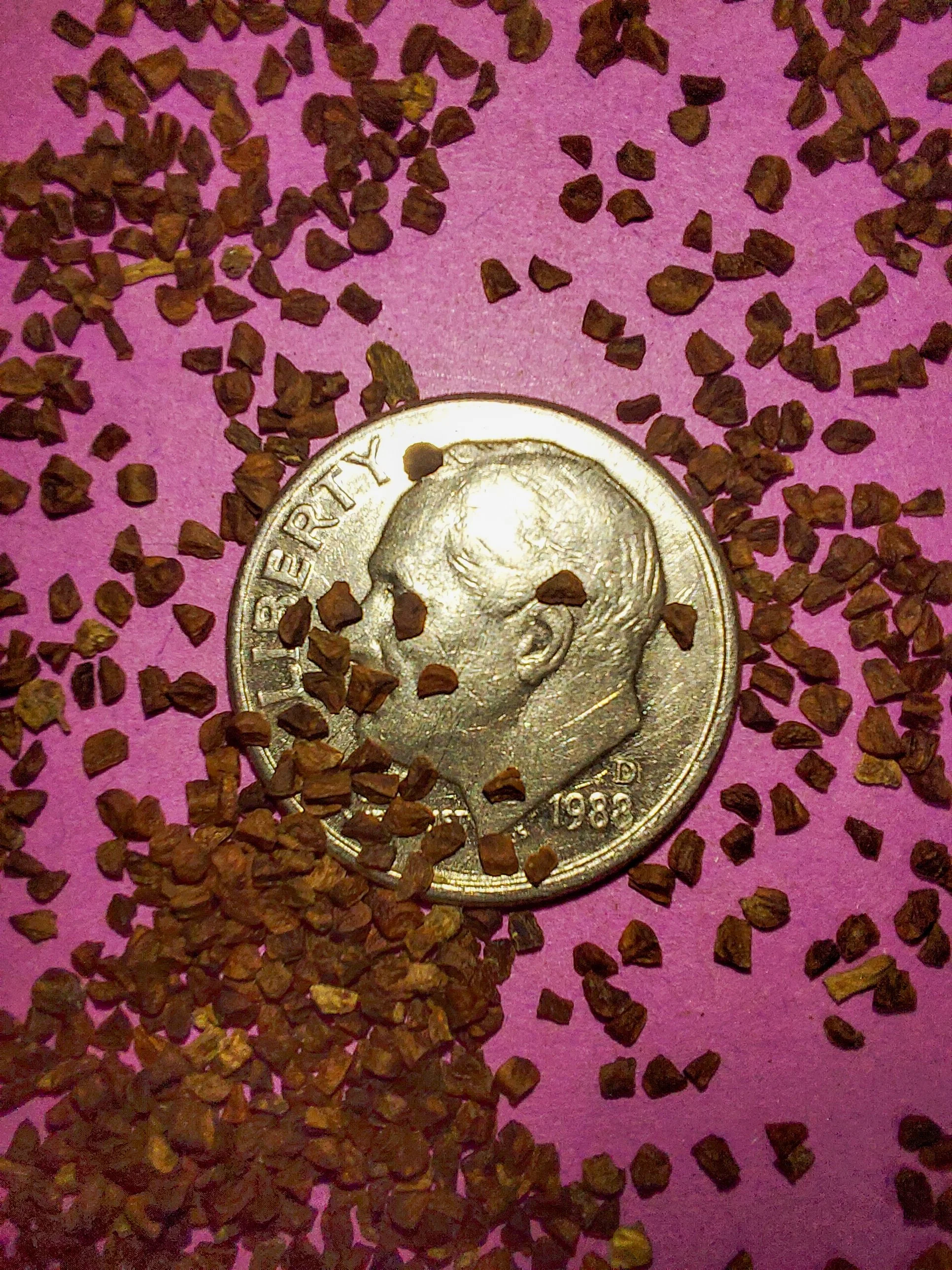
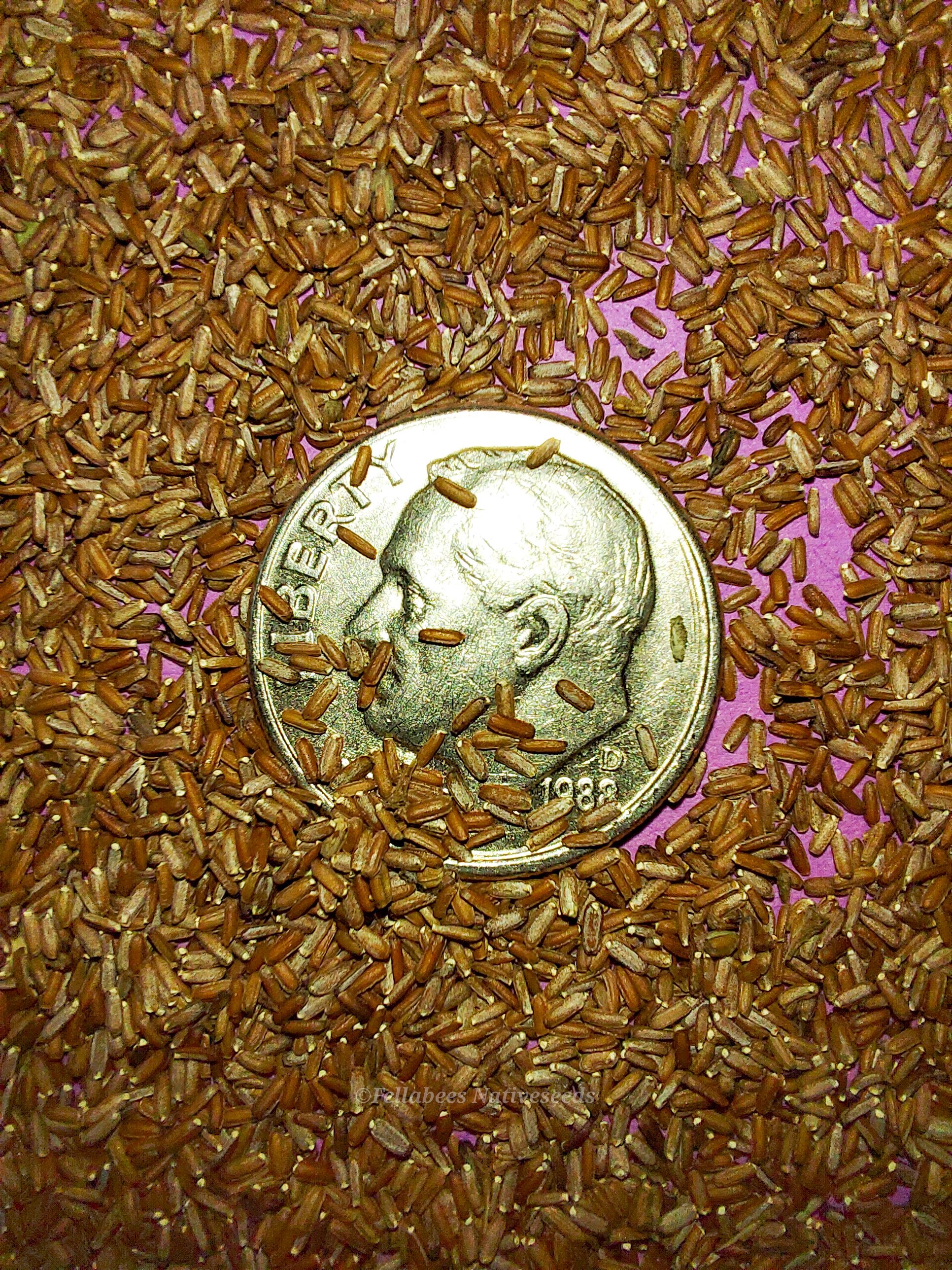
The fruits produced are called achenes, which house seeds that are edible and can be ground into an oily meal or processed into a butter-like substance. Additionally, powdered leaves of the prairie sunflower have traditionally been used in folk remedies to aid in the healing of sores and reduce swellings, highlighting the plant’s potential medicinal benefits alongside its ecological value.
Plant Details:
USDA Zones: 3 - 8
Germination Needs: Needs 30 Days Cold-Moist Stratification
Life Cycle: Annual
Sun Exposure: Full Sun
Soil Moisture: Medium-Dry, Dry
Plant Spacing: 1 - 2 feet
Height: 3 - 4 feet
Bloom time: June, July, August, September
Bloom Color: Yellow
Advantages:
Pollinator Favorite: butterflies, moths, bees, wasps, beetles
Bird Favorite: seeds, insects, fruit, nectar, nesting, perches.
Deer Resistant: Yes
Native to or present in: Wisconsin, Minnesota, Iowa, Illinois, Indiana, Michigan, Ohio, Pennsylvania, New York, Vermont, Maine, Massachusetts, Rhode Island, Connecticut, New Jersey, West Virginia, Virginia, Kentucky, North Carolina, South Carolina, Louisiana, Arkansas, Missouri, Texas, Oklahoma, Kansas, Nebraska, South Dakota, North Dakota, Montana, Wyoming, Colorado, New Mexico, Arizona, Utah, Nevada, Idaho, Washington State, Oregon and California.
Seed Count: 20+
.
.
Packet quantities:
We pride ourselves on ethical, hands on, ecological management, using no mechanical or chemical methods whatsoever.
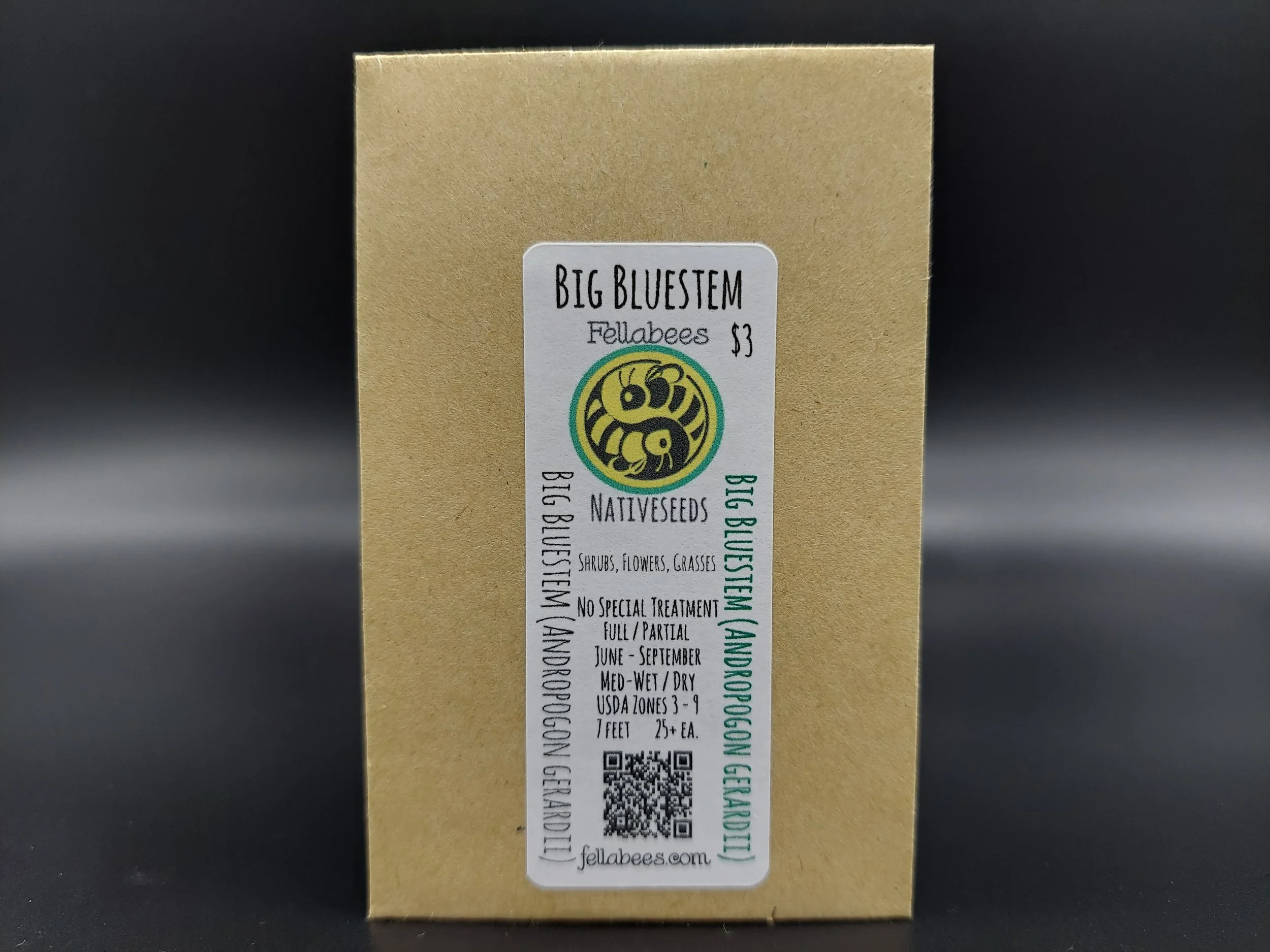
All of our native seed is hand reared, hand-picked, and hand packed from native prairies under our exclusive management, never breaking chain of custody from the field until it is sent to you. Each packet is hand prepared for shipment by us, directly.
Small seed species will contain greater than 20-25 seed
Large seed species will contain greater than 10-15 seed
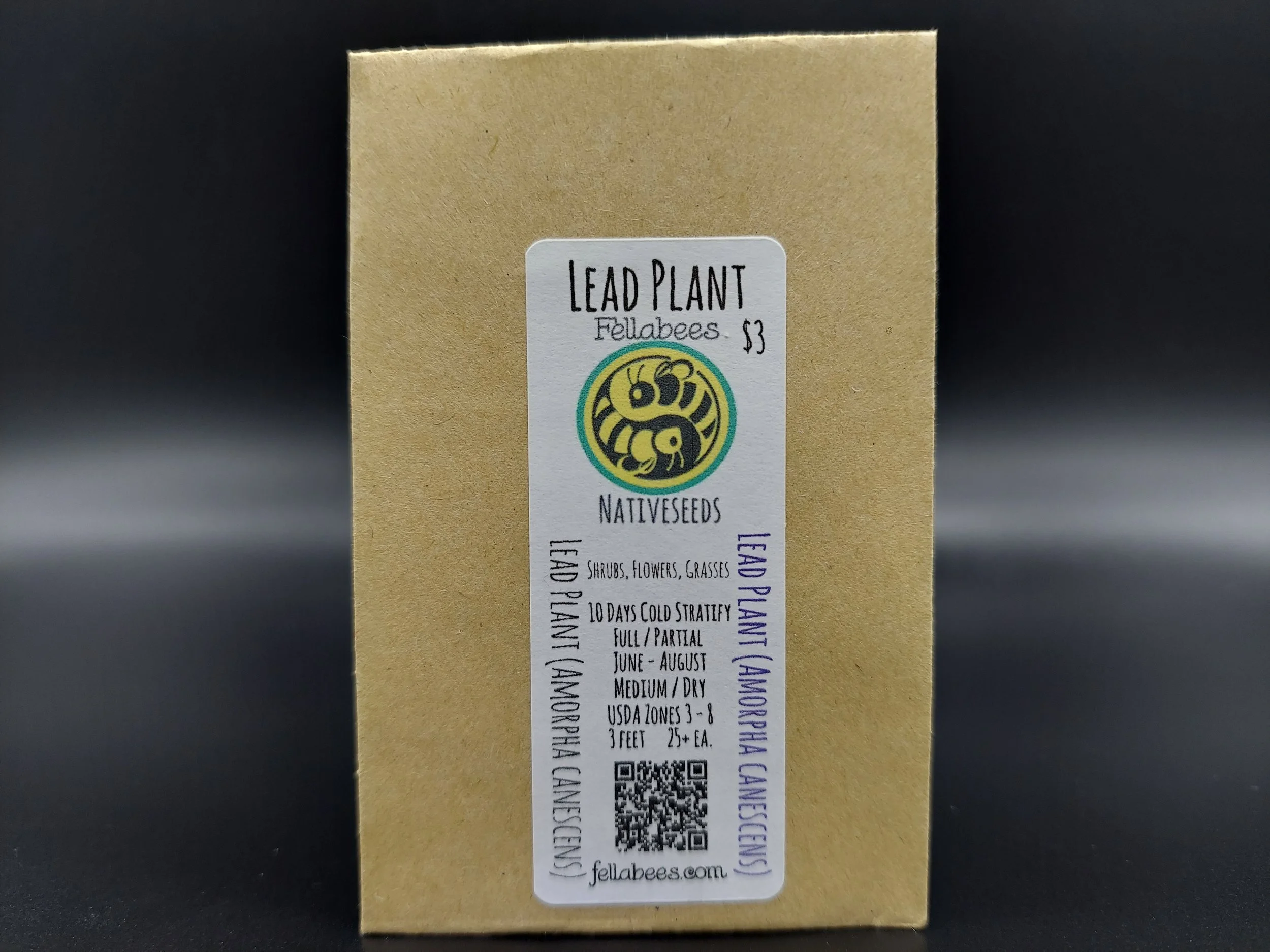
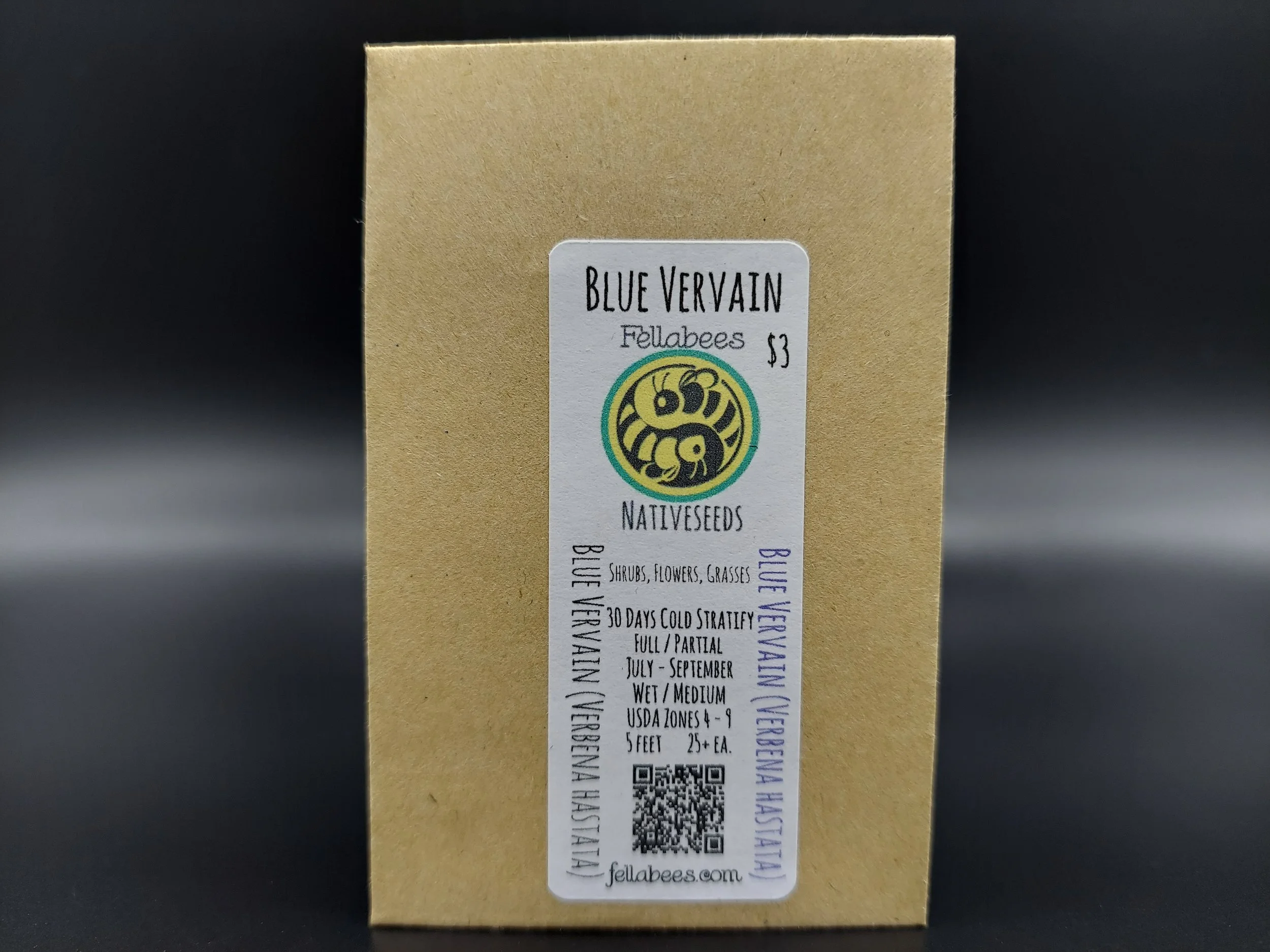
All packets are individually marked at the bottom of the front label with expected count, however most if not all packets will have many more than the minimum count by default.
It is our mission to spread the wealth of native plant and pollinator ecological sustainability and educate back yard gardeners as well as corporate and government entities in how to germinate, grow, and benefit from native synergies.
Thank you for your support, it is because of you, that we can grow together to do, what we do. 🐛🦋🐝🐞🌾🌱🌼🧡
Prairie Sunflower (Helianthus petiolaris)
Helianthus petiolaris is the scientific name for the native species more commonly known as Prairie Sunflower or Lesser Sunflower, it is a North American plant in the Asteraceae family. It started in the Western U.S., in dry prairies of states like Minnesota, Oregon, Texas, the Dakotas, and California, and has spread east and into parts of Canada. It is now the most common native annual sunflower in North America.
Prairie Sunflowers grow well in sandy, well-drained soil but can also live in heavy clay and dry prairies. They need full sunlight and cannot grow in shade. They tolerate soil from dry to moist. This annual sunflower blooms from June to September.
Prairie sunflower is a tap-rooted annual, growing up to 4 feet tall. It’s rough, bluish-green leaves are 2–5 inches long, arranged alternately. The flower resembles a sunflower, with 10–30 bright yellow petals surrounding 50–100 dark red-brown center florets, held by green lance-shaped bracts with fine white hairs.
Each flower has both male and female parts for pollination. Tall, hairy stems attract pollinators like bees, butterflies, wasps, and beetles. Helianthus plants also host nearly 70 moth and butterfly species, including Silvery and Gorgone Checkerspot butterflies.
Several generalist bee species are attracted to Prairie Sunflower such as: Andrena (mining bees), Melissodes (long-horned bees), and Bombus (bumble bees).
Over 100 native bee species belonging to the following genera are specialists on Helianthus species such as: Andrena, Anthophora, Calliopsis, Colletes, Diadasia, Dianthidium, Dieunomia, Dufourea, Exomalopsis, Heriades, Hesperapis, Megachile, Melissodes, Osmia, Paranthidium, Perdita, Protandrena, Svastra, and Trachusa, making complete pollination highly likely and exceptionally successful.
The fruits produced are called achenes, which house seeds that are edible and can be ground into an oily meal or processed into a butter-like substance. Additionally, powdered leaves of the prairie sunflower have traditionally been used in folk remedies to aid in the healing of sores and reduce swellings, highlighting the plant’s potential medicinal benefits alongside its ecological value.
Plant Details:
USDA Zones: 3 - 8
Germination Needs: Needs 30 Days Cold-Moist Stratification
Life Cycle: Annual
Sun Exposure: Full Sun
Soil Moisture: Medium-Dry, Dry
Plant Spacing: 1 - 2 feet
Height: 3 - 4 feet
Bloom time: June, July, August, September
Bloom Color: Yellow
Advantages:
Pollinator Favorite: butterflies, moths, bees, wasps, beetles
Bird Favorite: seeds, insects, fruit, nectar, nesting, perches.
Deer Resistant: Yes
Native to or present in: Wisconsin, Minnesota, Iowa, Illinois, Indiana, Michigan, Ohio, Pennsylvania, New York, Vermont, Maine, Massachusetts, Rhode Island, Connecticut, New Jersey, West Virginia, Virginia, Kentucky, North Carolina, South Carolina, Louisiana, Arkansas, Missouri, Texas, Oklahoma, Kansas, Nebraska, South Dakota, North Dakota, Montana, Wyoming, Colorado, New Mexico, Arizona, Utah, Nevada, Idaho, Washington State, Oregon and California.
Seed Count: 20+
.
.
Packet quantities:
We pride ourselves on ethical, hands on, ecological management, using no mechanical or chemical methods whatsoever.
All of our native seed is hand reared, hand-picked, and hand packed from native prairies under our exclusive management, never breaking chain of custody from the field until it is sent to you. Each packet is hand prepared for shipment by us, directly.
Small seed species will contain greater than 20-25 seed
Large seed species will contain greater than 10-15 seed
All packets are individually marked at the bottom of the front label with expected count, however most if not all packets will have many more than the minimum count by default.
It is our mission to spread the wealth of native plant and pollinator ecological sustainability and educate back yard gardeners as well as corporate and government entities in how to germinate, grow, and benefit from native synergies.
Thank you for your support, it is because of you, that we can grow together to do, what we do. 🐛🦋🐝🐞🌾🌱🌼🧡
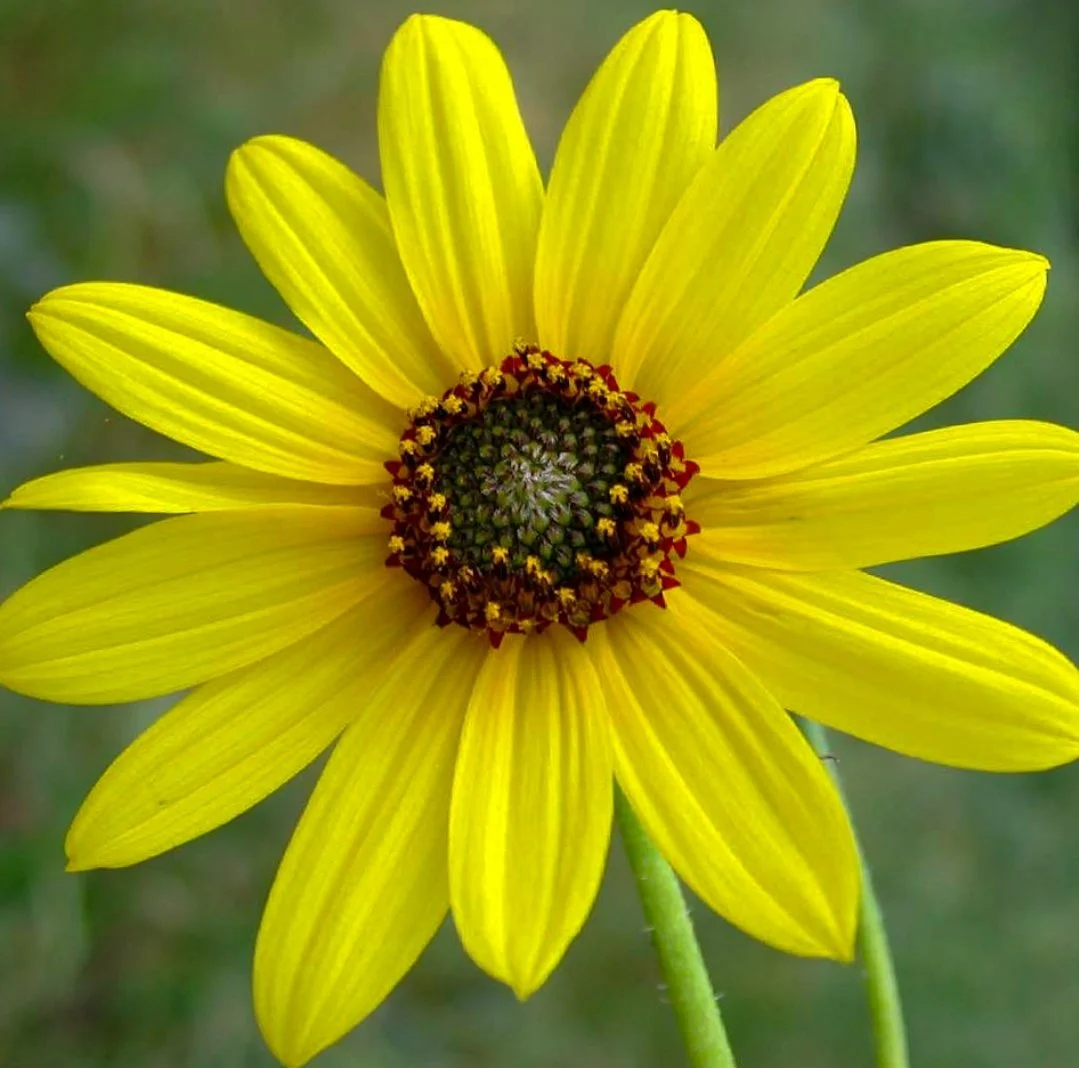 Image 1 of 5
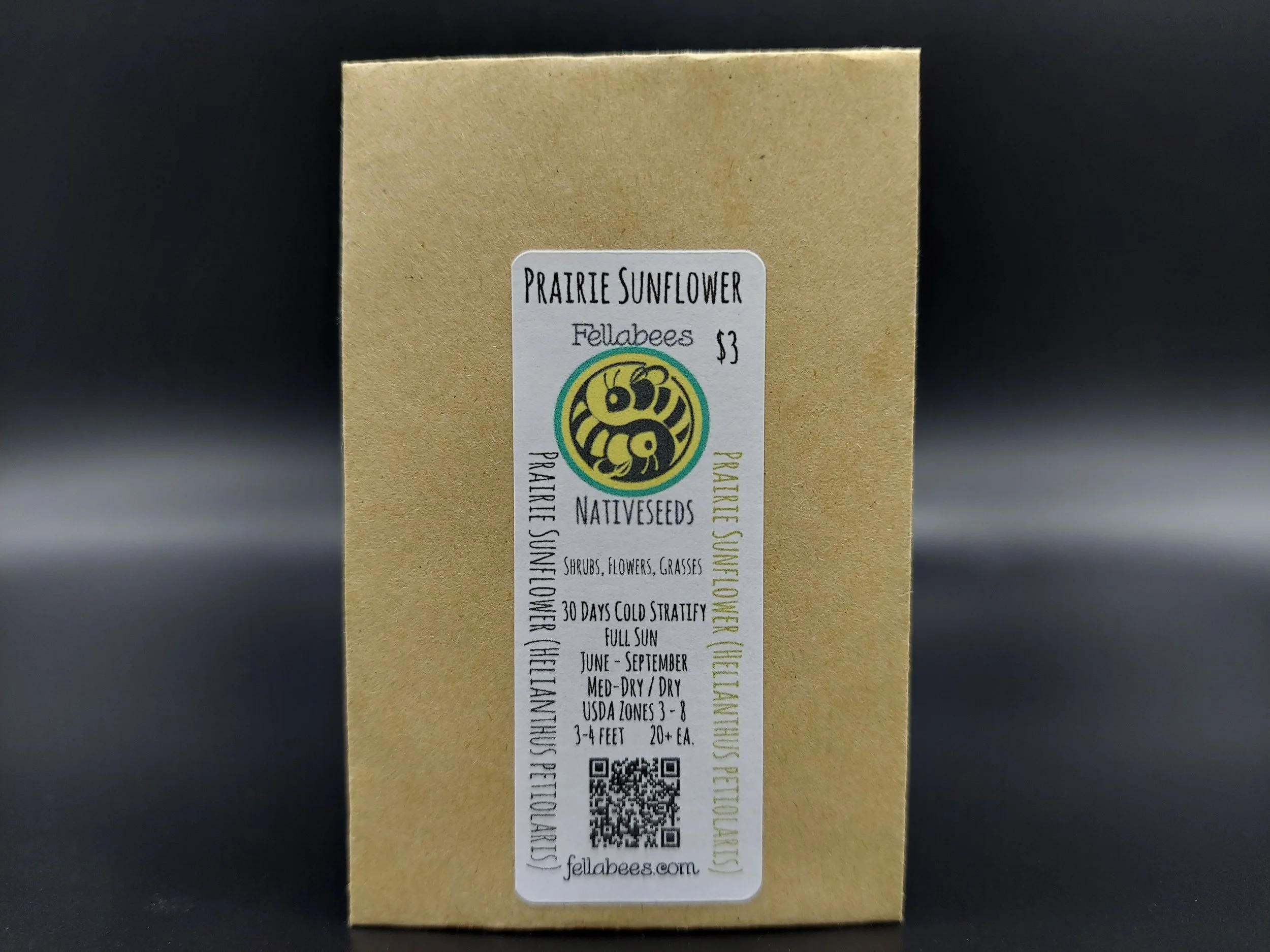 Image 2 of 5
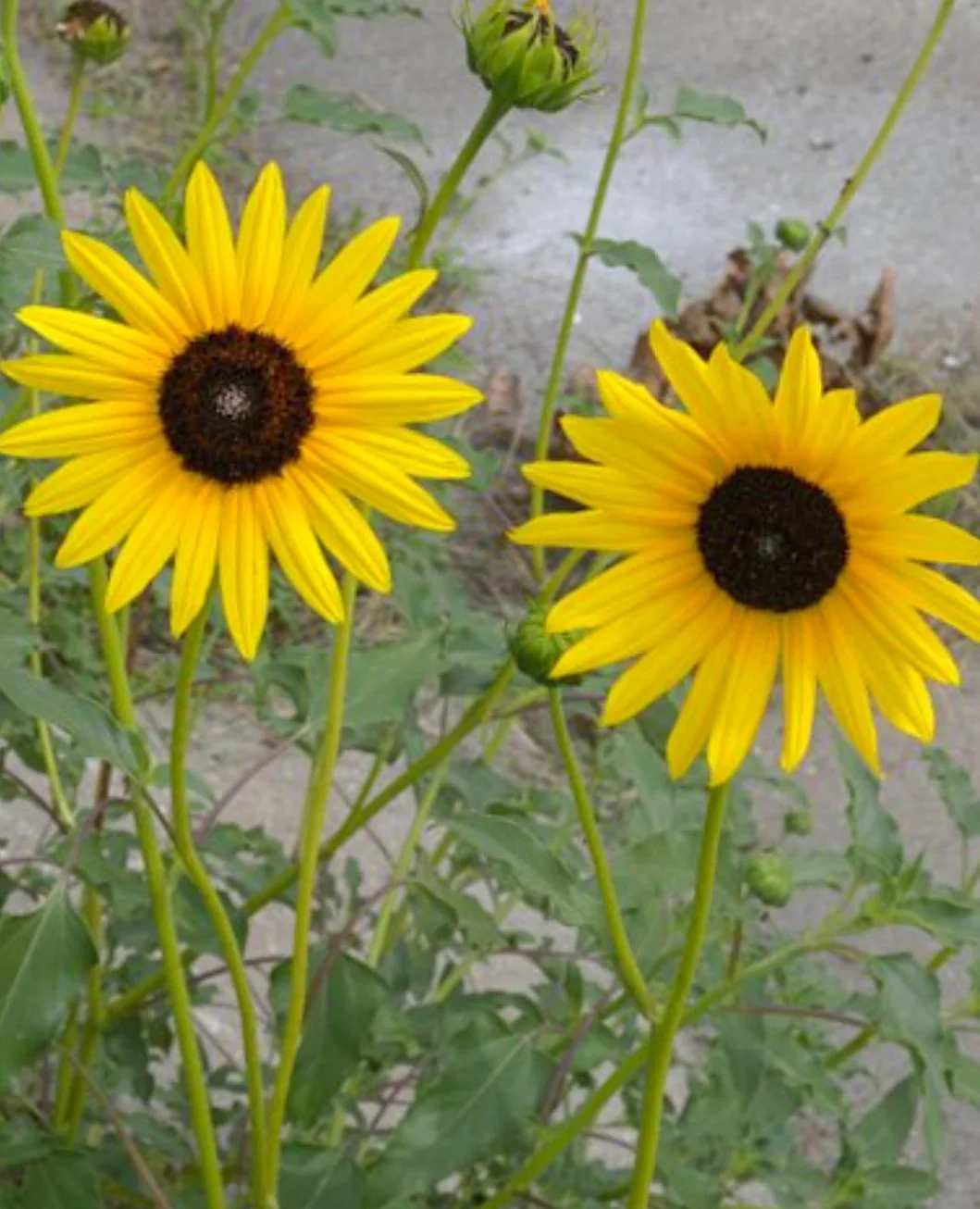 Image 3 of 5
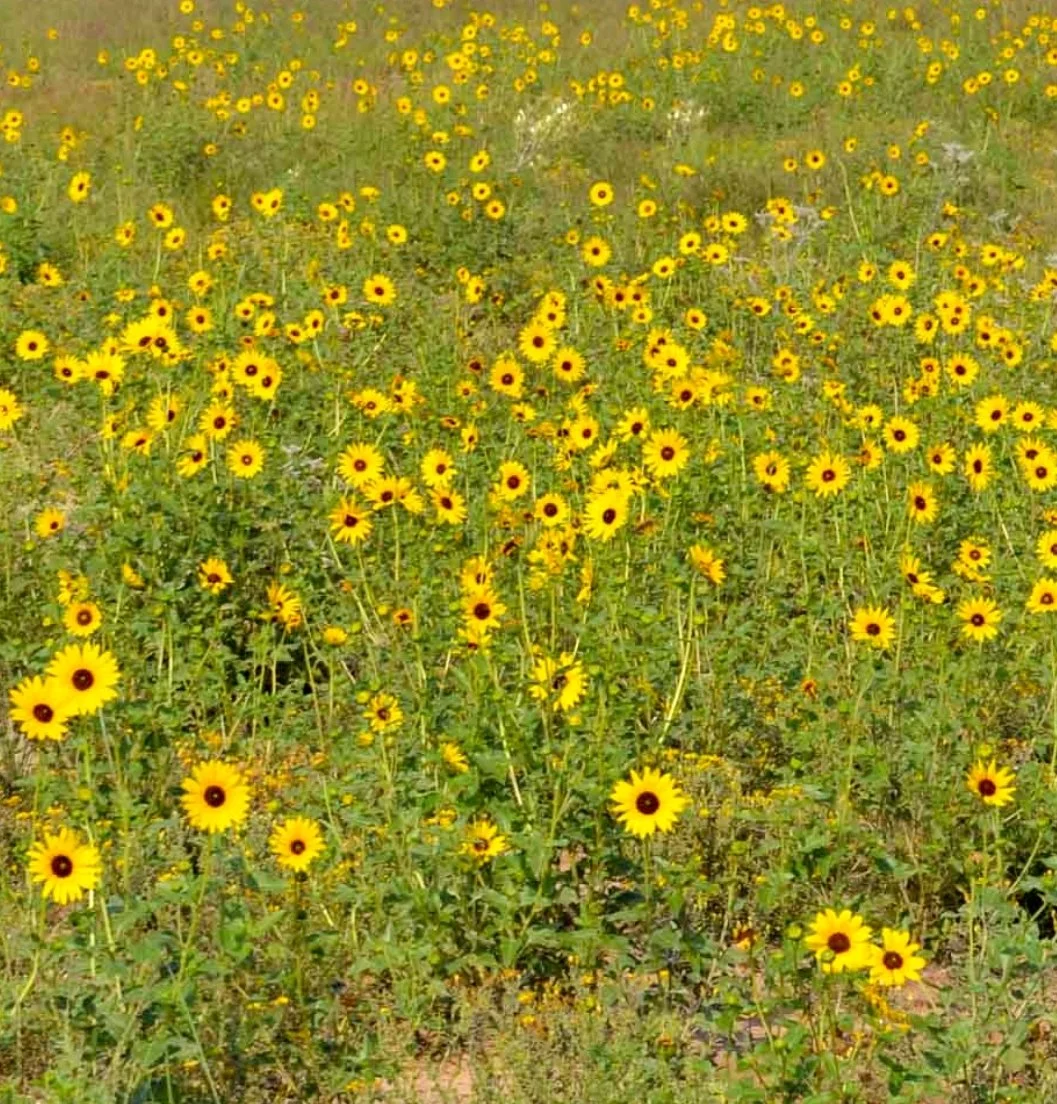 Image 4 of 5
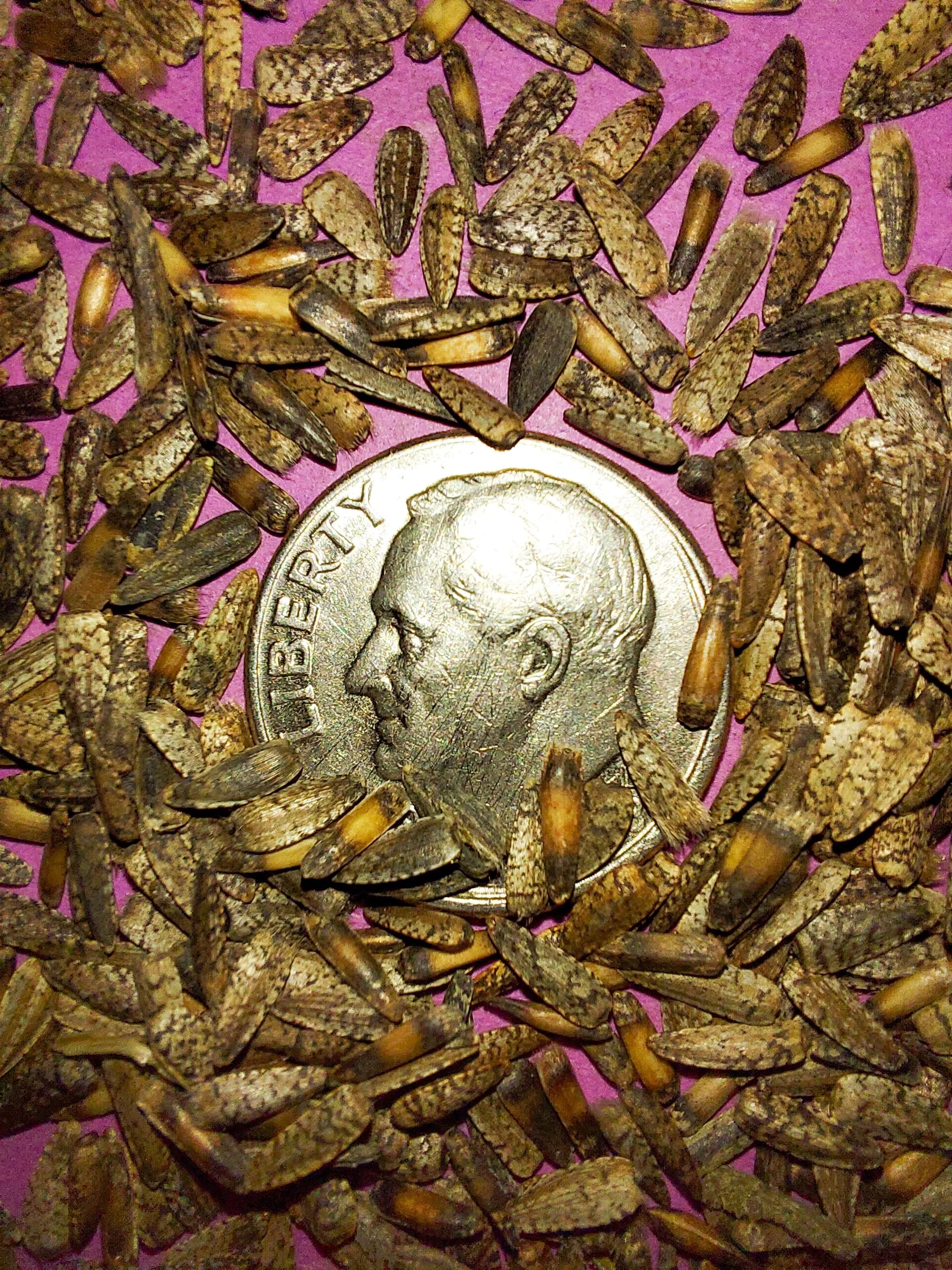 Image 5 of 5