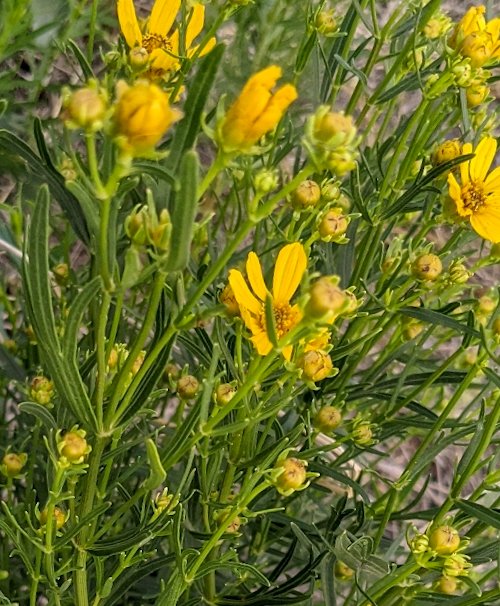
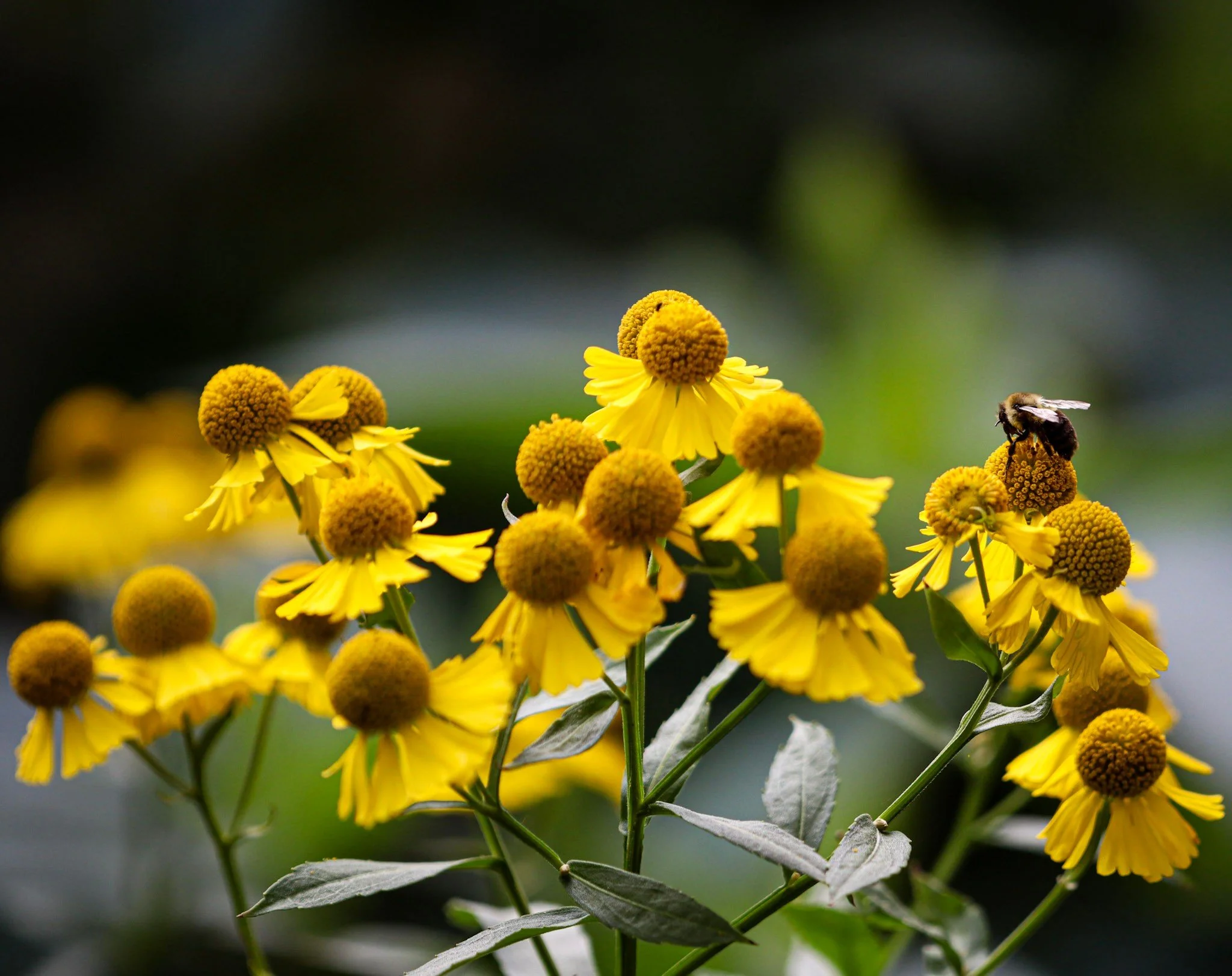
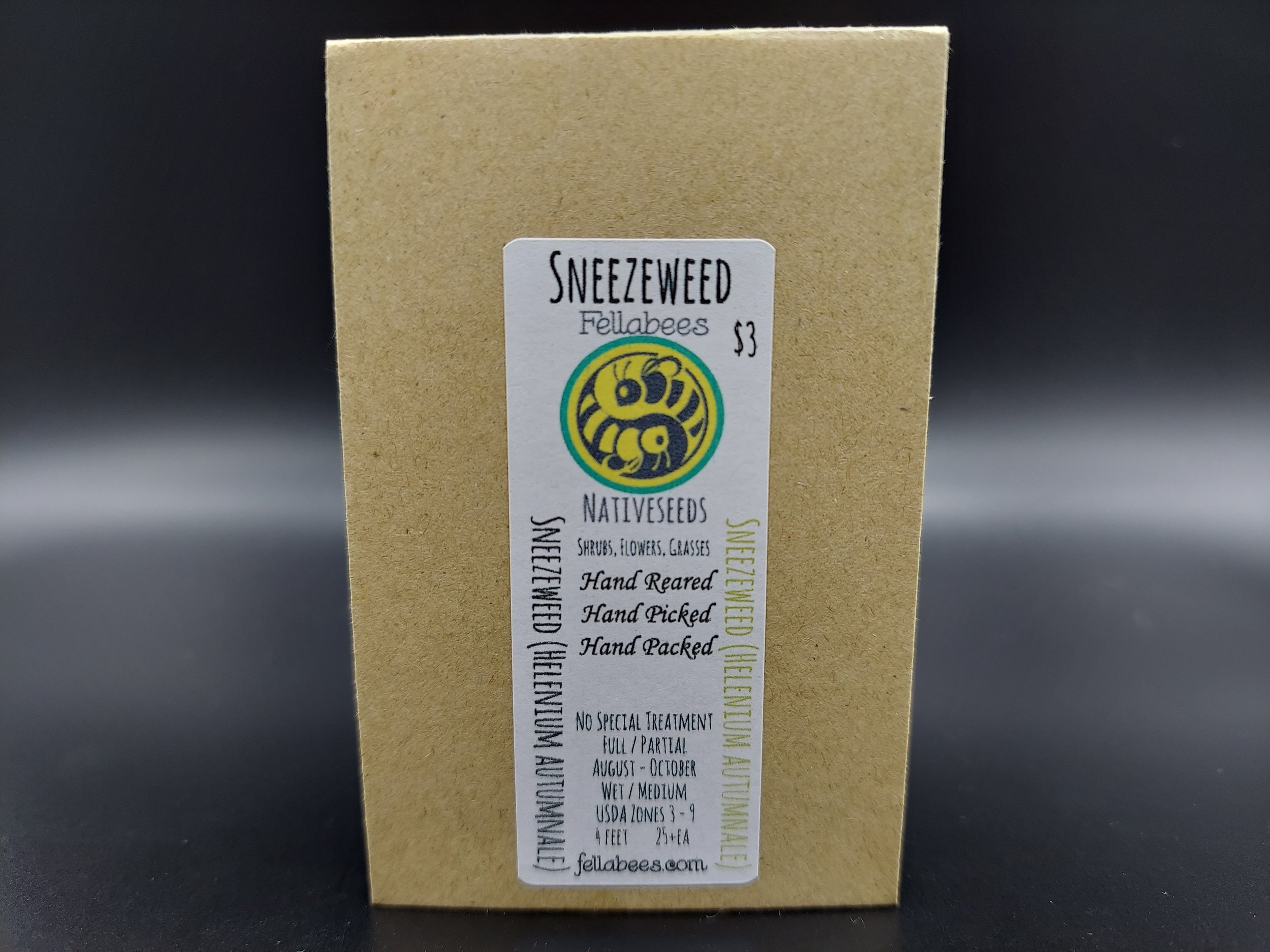
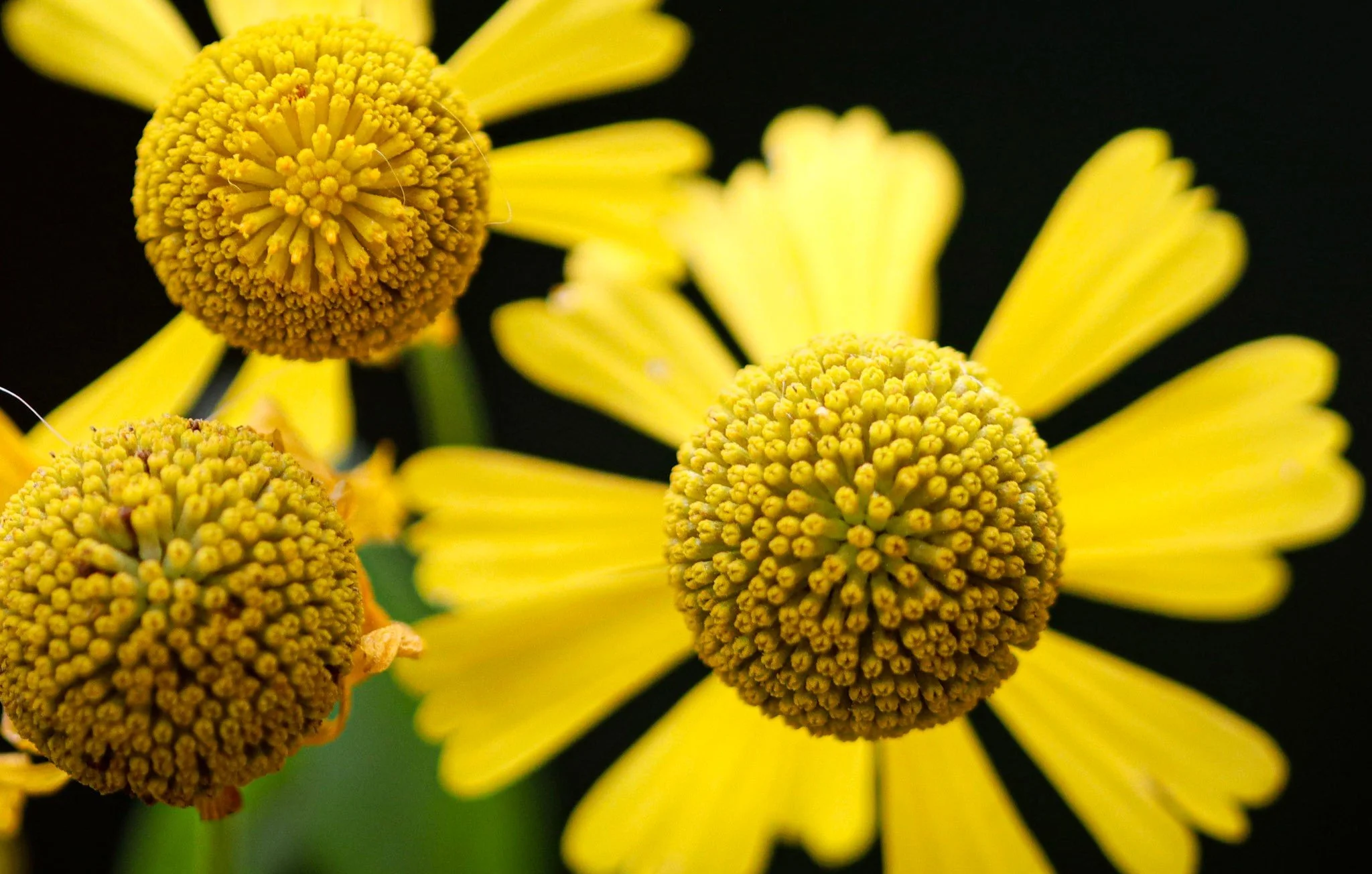
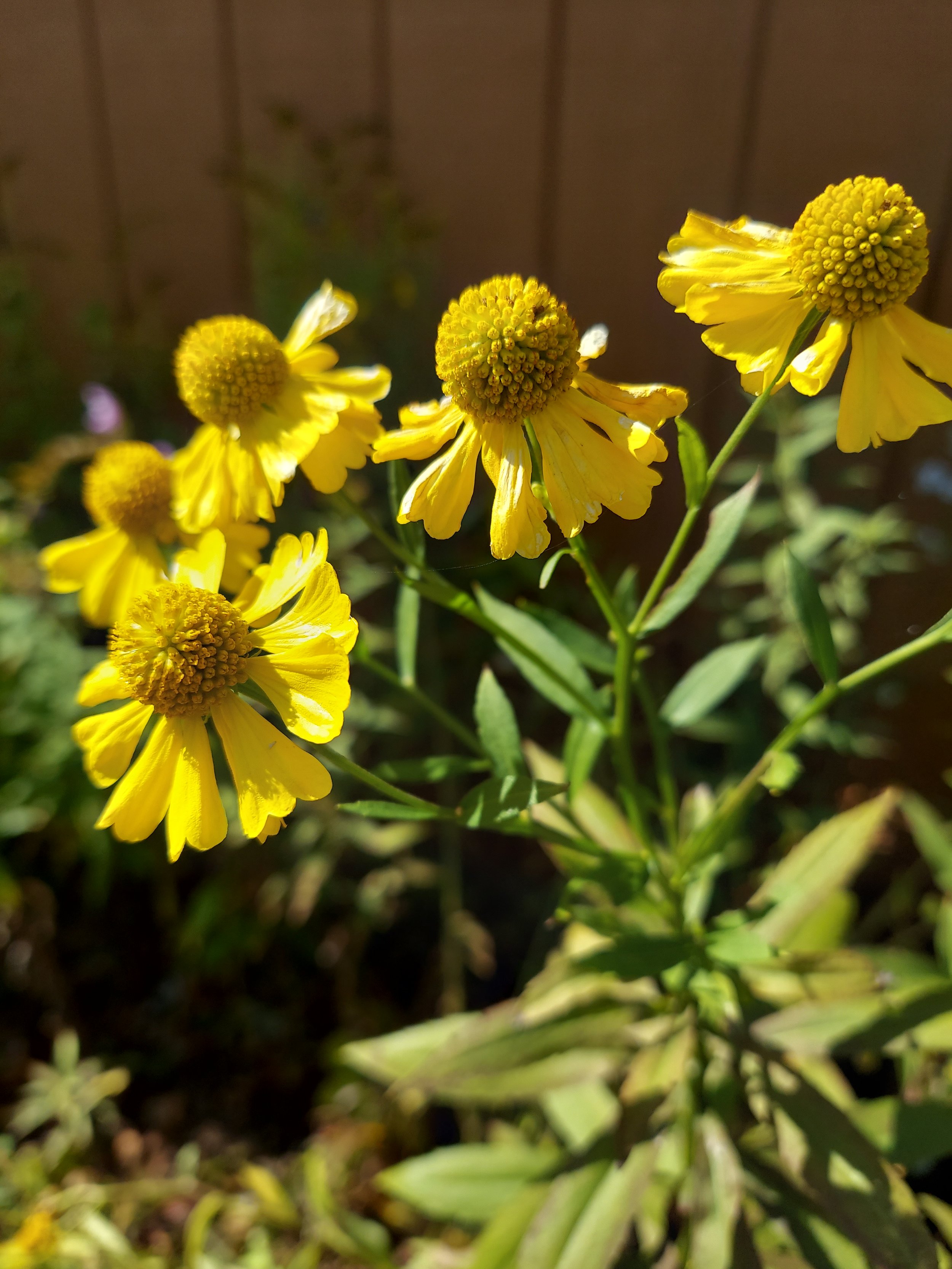
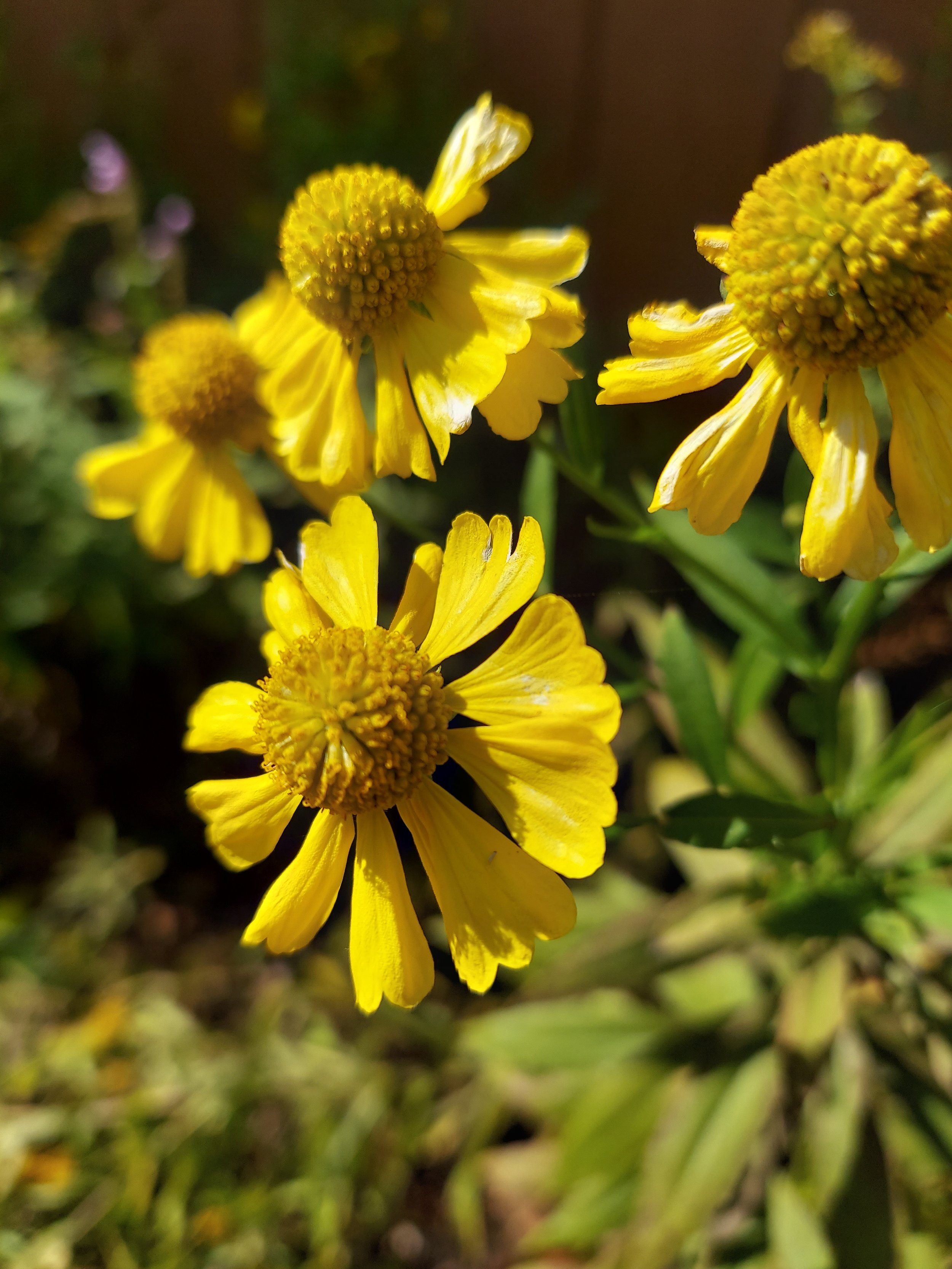
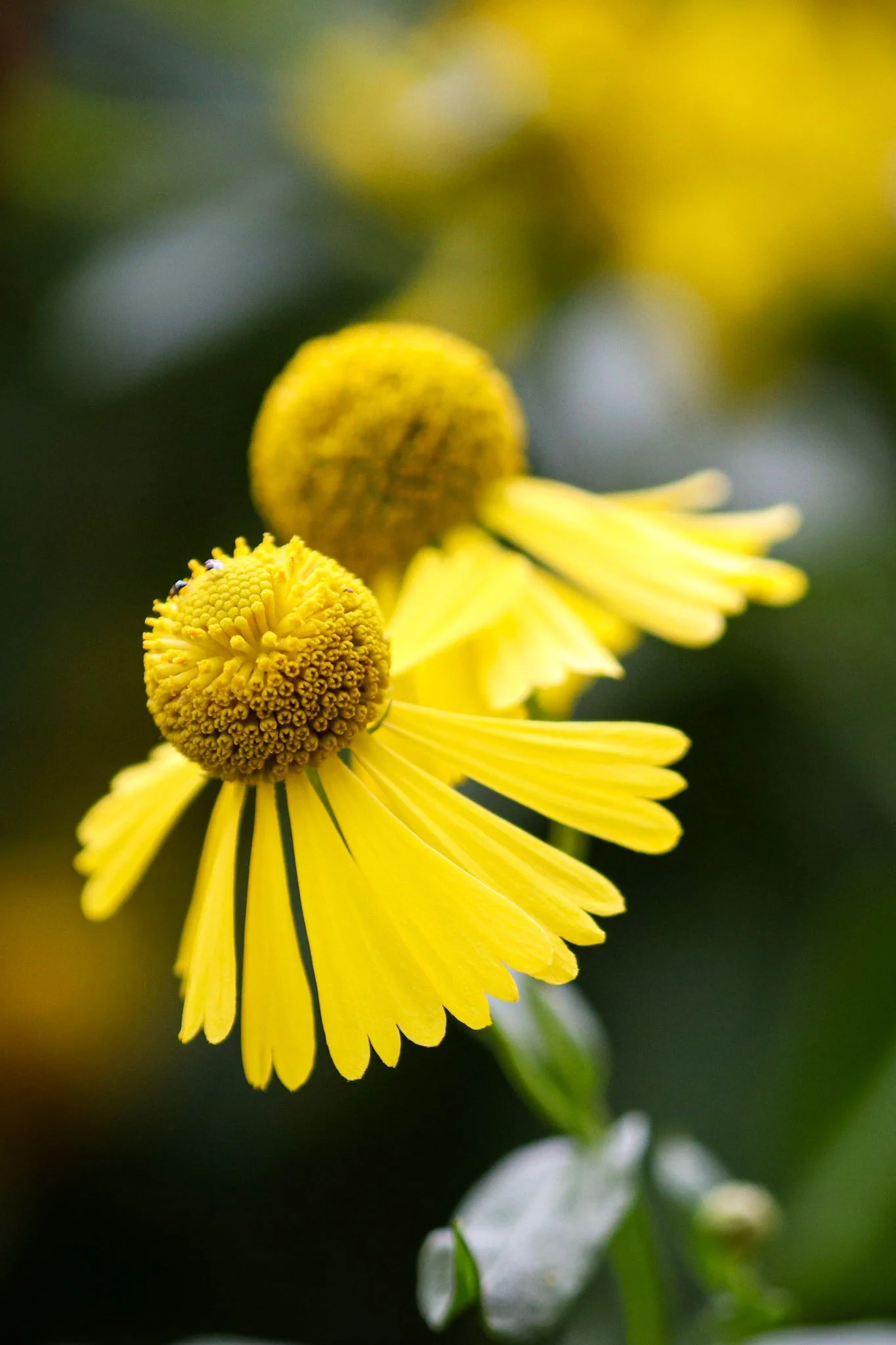
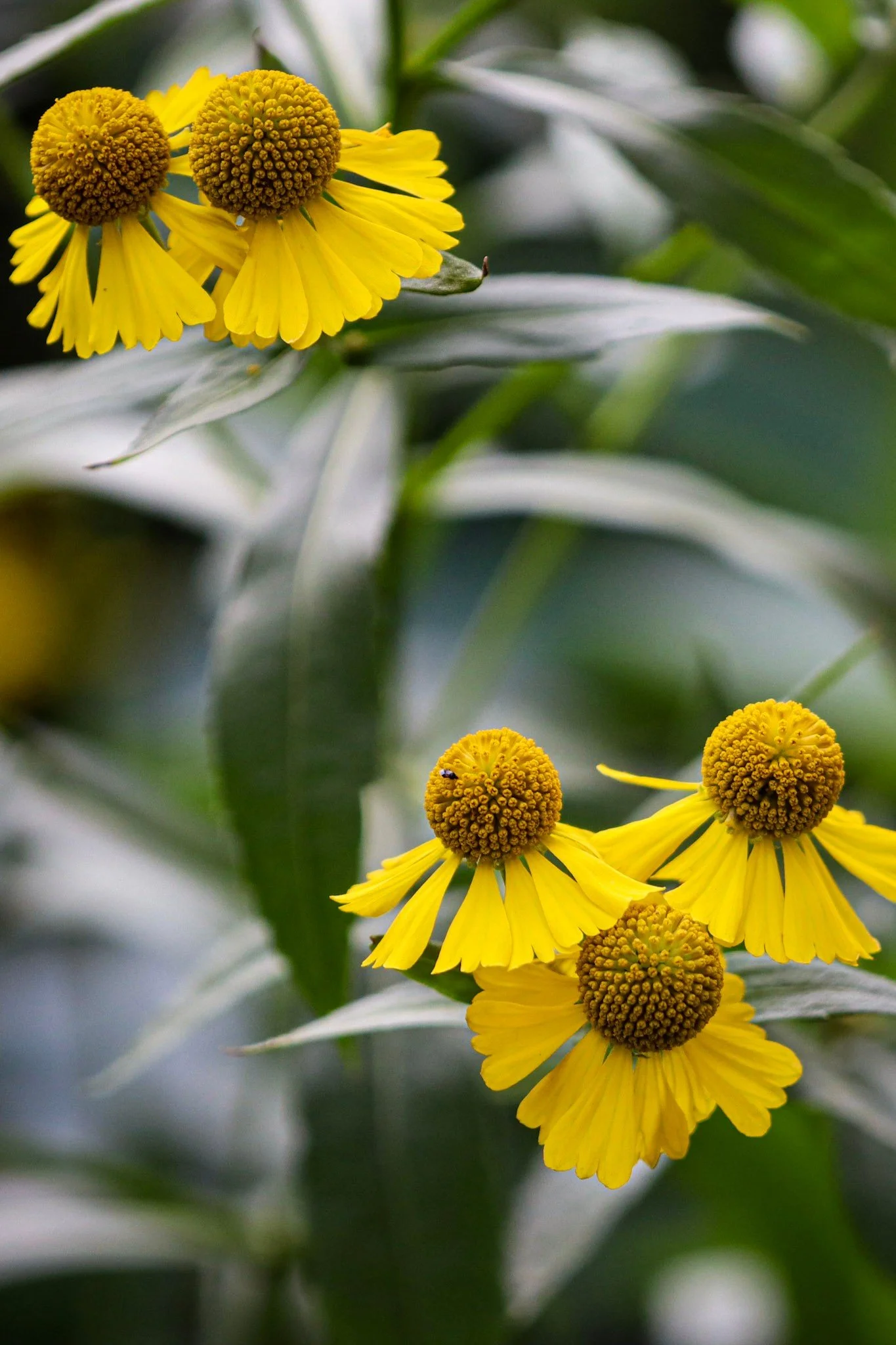
Plains Coreopsis (Coreopsis tinctoria)
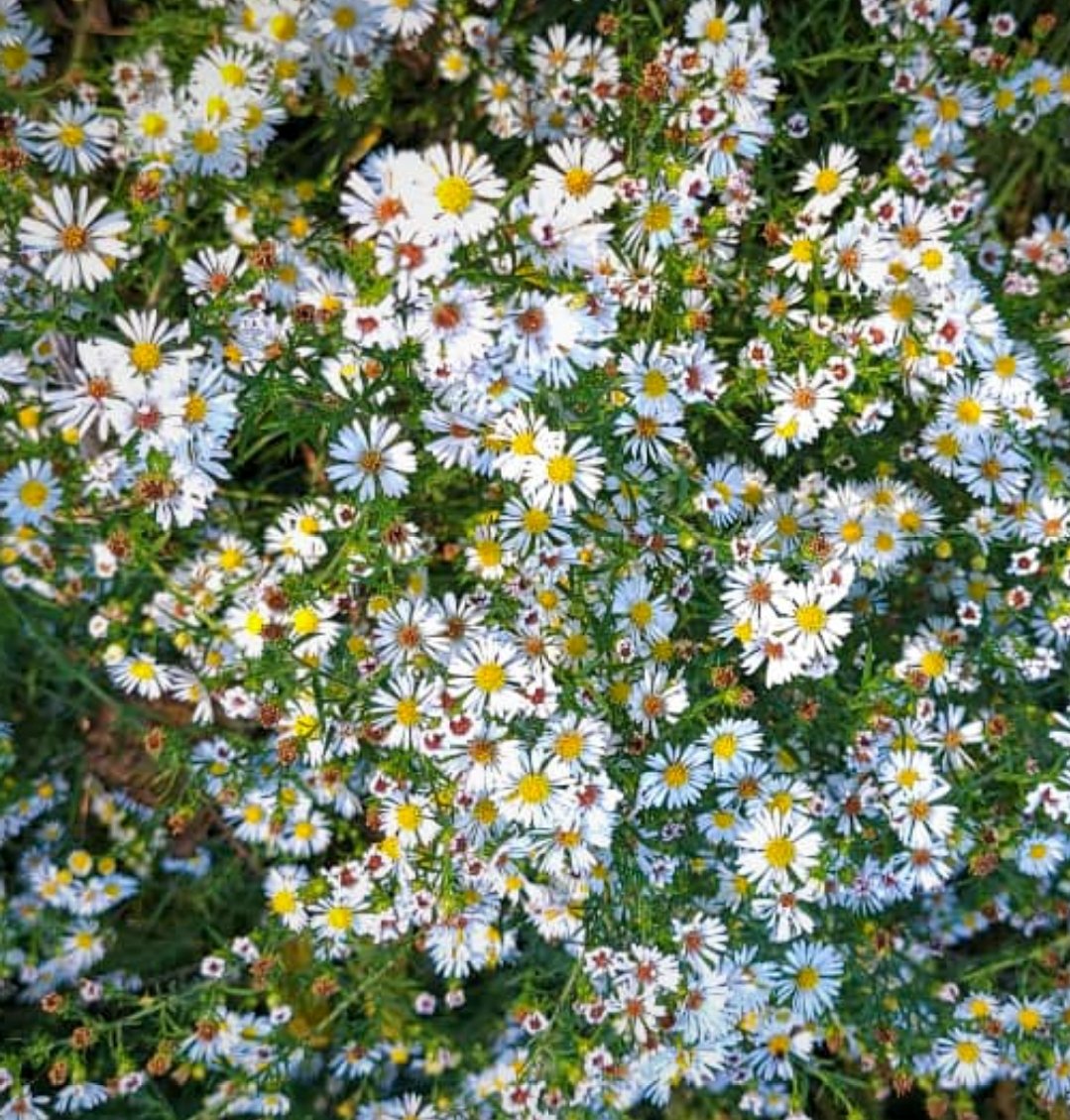
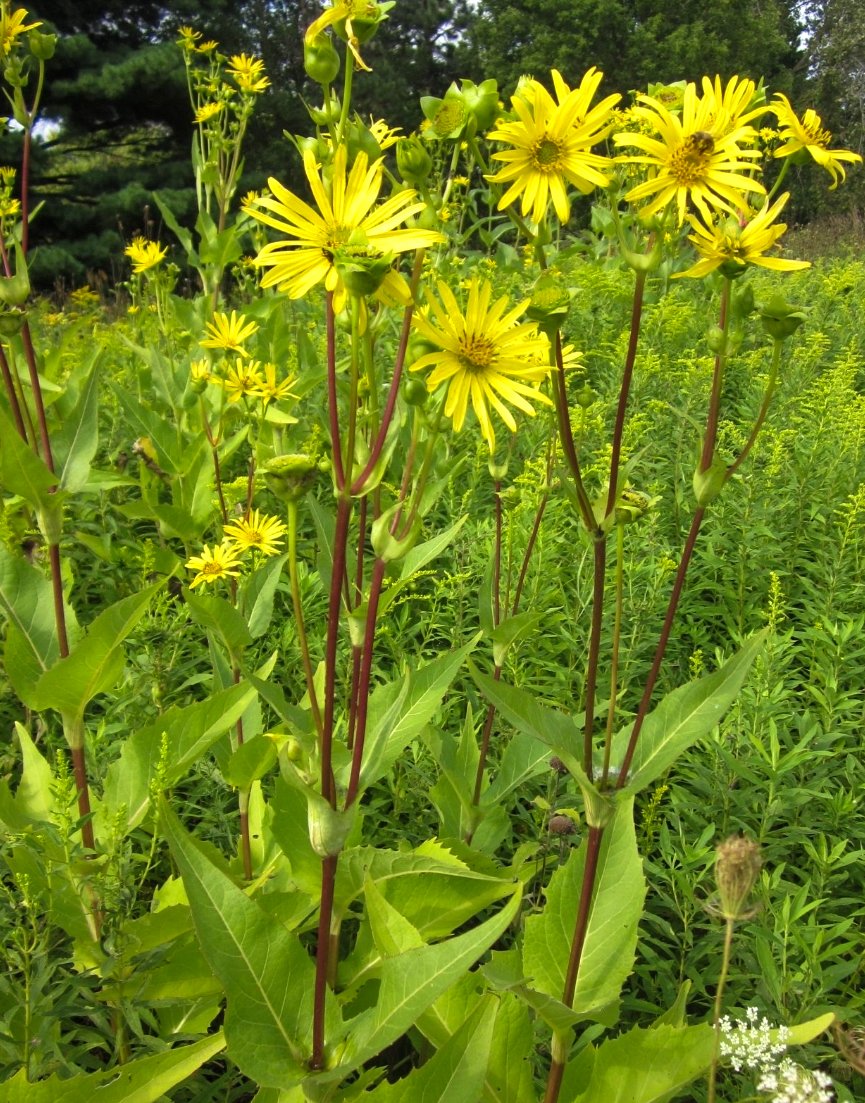
Coreopsis tinctoria is the scientific name for the native species more commonly known as commonly as Plains Coreopsis, Garden Tickseed, Golden Tickseed, or Calliopsis. Plains Coreopsis is a self-seeding annual forb commonly found in Canada (from Quebec to British Columbia), northeast Mexico (Coahuila, Nuevo León, Tamaulipas), and most of the United States, but most especially in the Great Plains and Southern States.
In its native habitat, this species typically prefers to grow to 3-4 feet tall in moist, sandy or clay soil in habitats such as prairies, savannas but plants will happily grow in human-disturbed areas such as roadsides, ditches, and agricultural pastures.
Coreopsis tinctoria is pollinated by a wide variety of insects, including long-tongued bees, short-tongued bees, wasps, flies, butterflies and beetles. Coreopsis tinctoria serves as a larval host plant for various insects, such as Wavy-lined Emerald Moth or Camouflaged Looper as a caterpillar (Synchlora aerata) and Dimorphic Gray Moth (Tornos scolopacinarius) which are both species of moths of the Geometridae family. also hosted by Plains Coreopsis is the broad leaf beetle species scientifically named Calligrapha californica.
Excellent as a pioneer plant Plains Coreopsis along with Black-Eyed Susan (Rudbeckia hirta), Wild Bergamot (Monarda fistulosa), and Yellow Coneflower (Ratibida pinnata)
Plant Details:
USDA Zones: 3 - 10
Germination Needs: No Treatment Needed, Seed needs light to germinate, surface sow and bottom water for best results.
Life Cycle: Perennial
Sun Exposure: Full to Partial
Soil Moisture: Medium, Medium Dry, Dry
Plant Spacing: 1 - 2 feet
Height: 3-4 feet
Bloom time: June, July, August, September
Bloom Color: Yellow/Burgandy
Advantages:
Pollinator Favorite: butterflies, moths, bees, wasps, beetles
Bird Favorite: seeds, insects, fruit, nectar, nesting, perches.
Deer Resistant: Yes
Native to or present in: Wisconsin, Minnesota, Iowa, Illinois, Indiana, Michigan, Ohio, Pennsylvania, New York, Vermont, New Hampshire, Maine, Massachusetts, Rhode Island, Connecticut, Delaware, Maryland, New Jersey, West Virginia, Virginia, Kentucky, Tennessee, North Carolina, South Carolina, Georgia, Florida, Alabama, Mississippi, Louisiana, Arkansas, Missouri, Texas, Oklahoma, Kansas, Nebraska, South Dakota, North Dakota, Montana, Wyoming, Colorado, New Mexico, Arizona, Utah, Idaho, Washington State, Oregon and California.
This species is present in all states aside from Nevada and is mostly introduced east of the Mississippi River, and in the Southwest
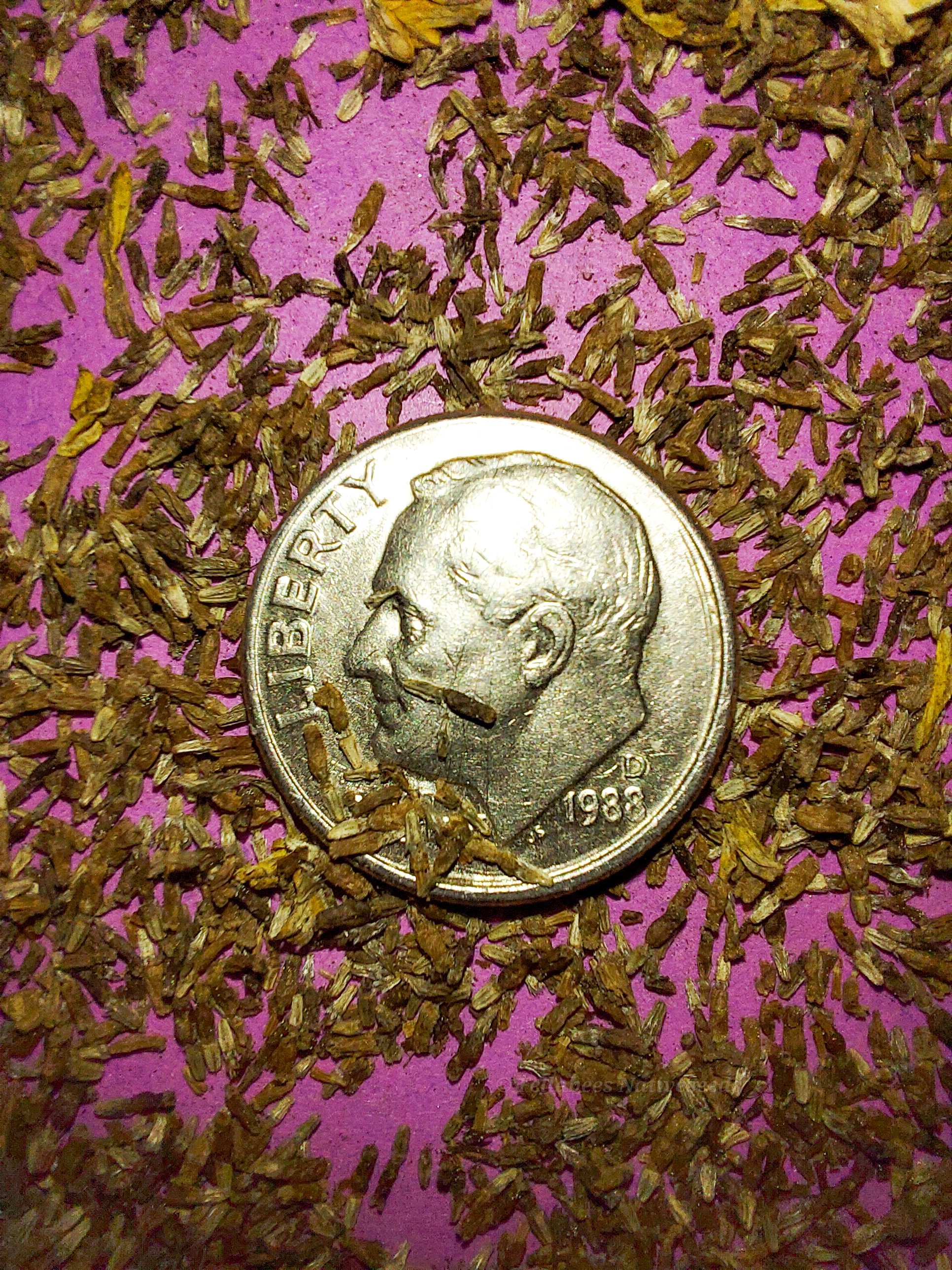
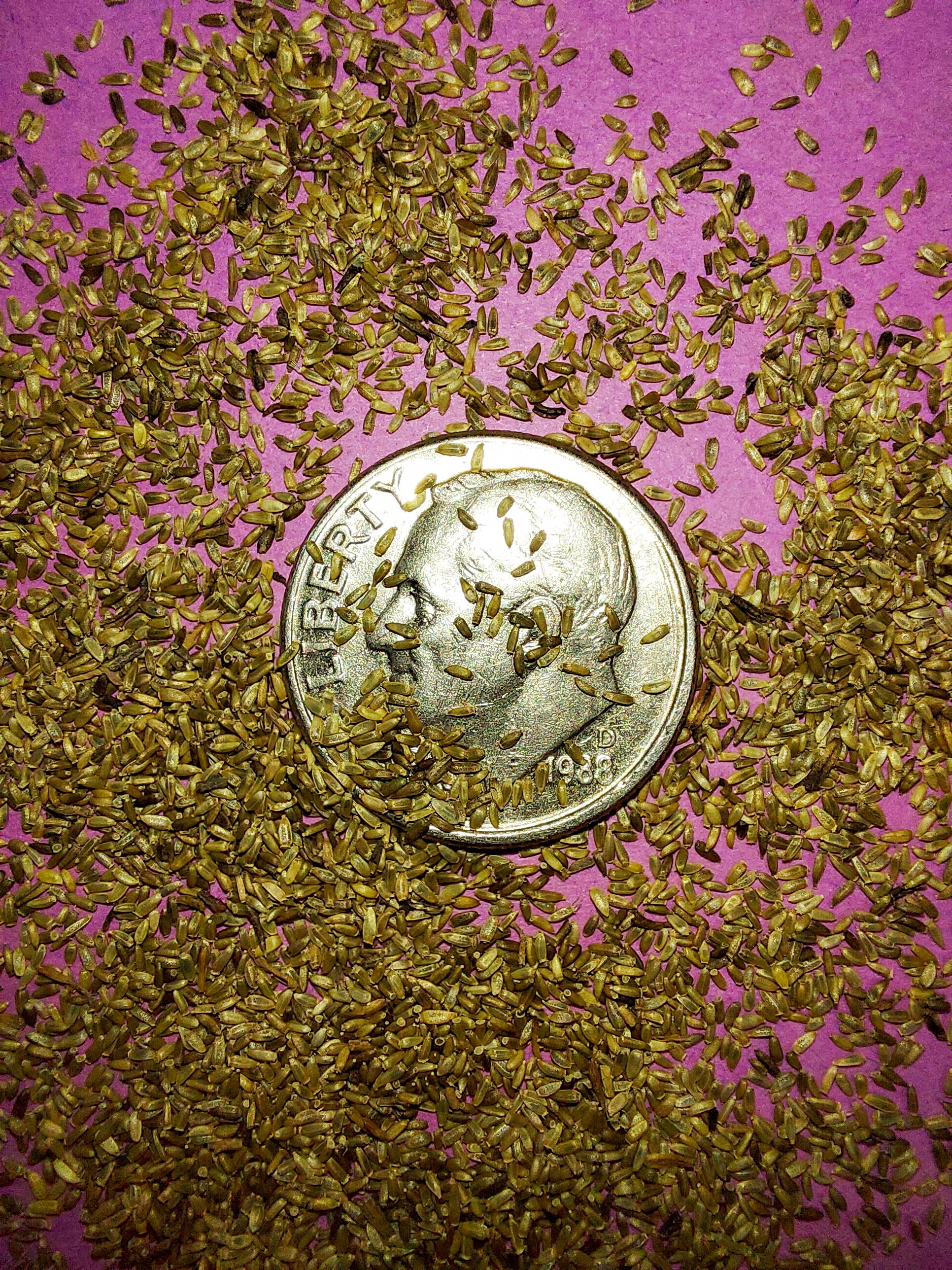
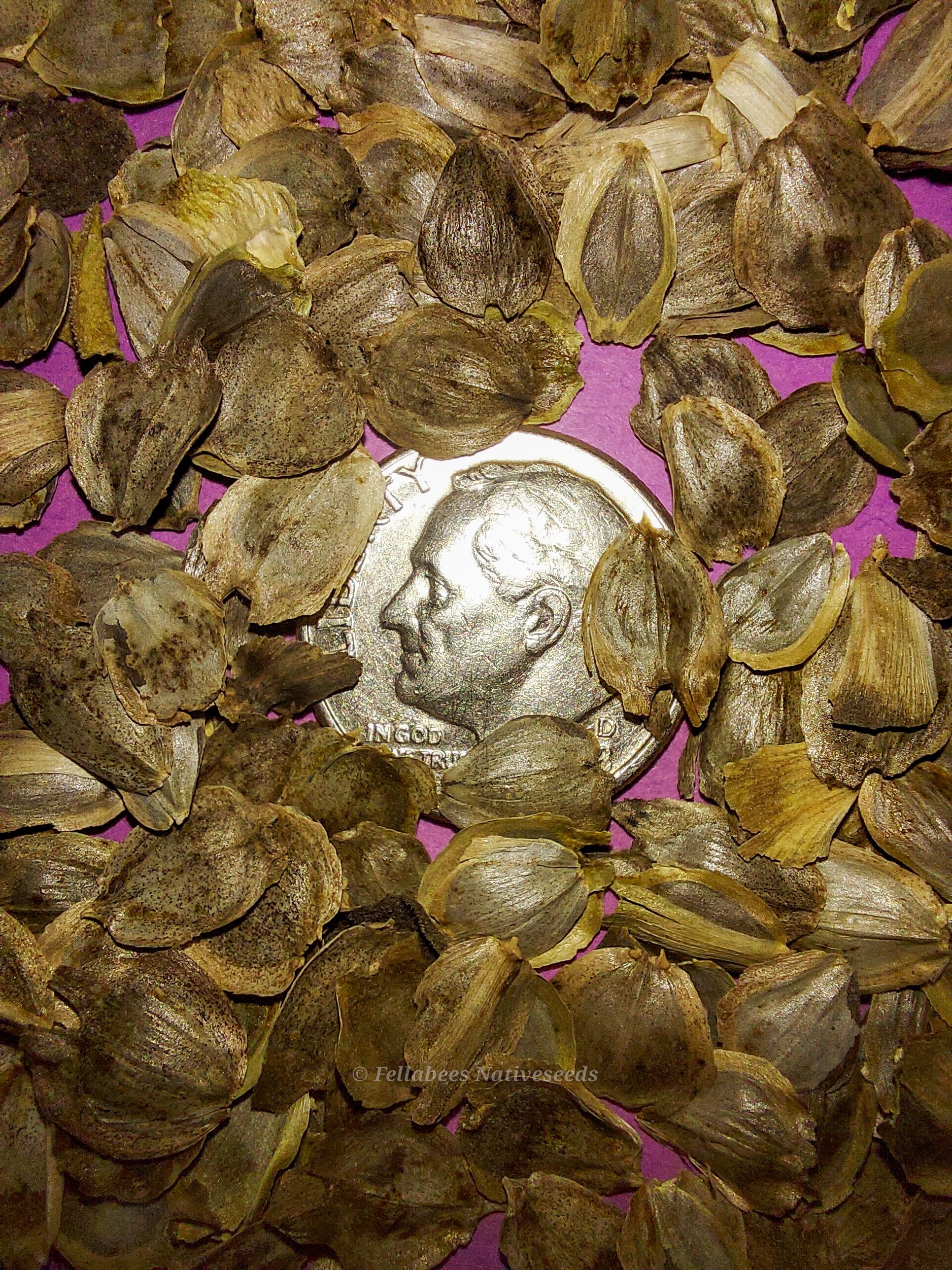
Seed Count: 25+
.
.
Packet quantities:
We pride ourselves on ethical, hands on, ecological management, using no mechanical or chemical methods whatsoever.
All of our native seed is hand reared, hand-picked, and hand packed from native prairies under our exclusive management, never breaking chain of custody from the field until it is sent to you. Each packet is hand prepared for shipment by us, directly.
Small seed species will contain greater than 20-25 seed
Large seed species will contain greater than 10-15 seed
All packets are individually marked at the bottom of the front label with expected count, however most if not all packets will have many more than the minimum count by default.
It is our mission to spread the wealth of native plant and pollinator ecological sustainability and educate back yard gardeners as well as corporate and government entities in how to germinate, grow, and benefit from native synergies.
Thank you for your support, it is because of you, that we can grow together to do, what we do. 🐛🦋🐝🐞🌾🌱🌼🧡
Plains Coreopsis (Coreopsis tinctoria)
Coreopsis tinctoria is the scientific name for the native species more commonly known as commonly as Plains Coreopsis, Garden Tickseed, Golden Tickseed, or Calliopsis. Plains Coreopsis is a self-seeding annual forb commonly found in Canada (from Quebec to British Columbia), northeast Mexico (Coahuila, Nuevo León, Tamaulipas), and most of the United States, but most especially in the Great Plains and Southern States.
In its native habitat, this species typically prefers to grow to 3-4 feet tall in moist, sandy or clay soil in habitats such as prairies, savannas but plants will happily grow in human-disturbed areas such as roadsides, ditches, and agricultural pastures.
Coreopsis tinctoria is pollinated by a wide variety of insects, including long-tongued bees, short-tongued bees, wasps, flies, butterflies and beetles. Coreopsis tinctoria serves as a larval host plant for various insects, such as Wavy-lined Emerald Moth or Camouflaged Looper as a caterpillar (Synchlora aerata) and Dimorphic Gray Moth (Tornos scolopacinarius) which are both species of moths of the Geometridae family. also hosted by Plains Coreopsis is the broad leaf beetle species scientifically named Calligrapha californica.
Excellent as a pioneer plant Plains Coreopsis along with Black-Eyed Susan (Rudbeckia hirta), Wild Bergamot (Monarda fistulosa), and Yellow Coneflower (Ratibida pinnata)
Plant Details:
USDA Zones: 3 - 10
Germination Needs: No Treatment Needed, Seed needs light to germinate, surface sow and bottom water for best results.
Life Cycle: Perennial
Sun Exposure: Full to Partial
Soil Moisture: Medium, Medium Dry, Dry
Plant Spacing: 1 - 2 feet
Height: 3-4 feet
Bloom time: June, July, August, September
Bloom Color: Yellow/Burgandy
Advantages:
Pollinator Favorite: butterflies, moths, bees, wasps, beetles
Bird Favorite: seeds, insects, fruit, nectar, nesting, perches.
Deer Resistant: Yes
Native to or present in: Wisconsin, Minnesota, Iowa, Illinois, Indiana, Michigan, Ohio, Pennsylvania, New York, Vermont, New Hampshire, Maine, Massachusetts, Rhode Island, Connecticut, Delaware, Maryland, New Jersey, West Virginia, Virginia, Kentucky, Tennessee, North Carolina, South Carolina, Georgia, Florida, Alabama, Mississippi, Louisiana, Arkansas, Missouri, Texas, Oklahoma, Kansas, Nebraska, South Dakota, North Dakota, Montana, Wyoming, Colorado, New Mexico, Arizona, Utah, Idaho, Washington State, Oregon and California.
This species is present in all states aside from Nevada and is mostly introduced east of the Mississippi River, and in the Southwest
Seed Count: 25+
.
.
Packet quantities:
We pride ourselves on ethical, hands on, ecological management, using no mechanical or chemical methods whatsoever.
All of our native seed is hand reared, hand-picked, and hand packed from native prairies under our exclusive management, never breaking chain of custody from the field until it is sent to you. Each packet is hand prepared for shipment by us, directly.
Small seed species will contain greater than 20-25 seed
Large seed species will contain greater than 10-15 seed
All packets are individually marked at the bottom of the front label with expected count, however most if not all packets will have many more than the minimum count by default.
It is our mission to spread the wealth of native plant and pollinator ecological sustainability and educate back yard gardeners as well as corporate and government entities in how to germinate, grow, and benefit from native synergies.
Thank you for your support, it is because of you, that we can grow together to do, what we do. 🐛🦋🐝🐞🌾🌱🌼🧡
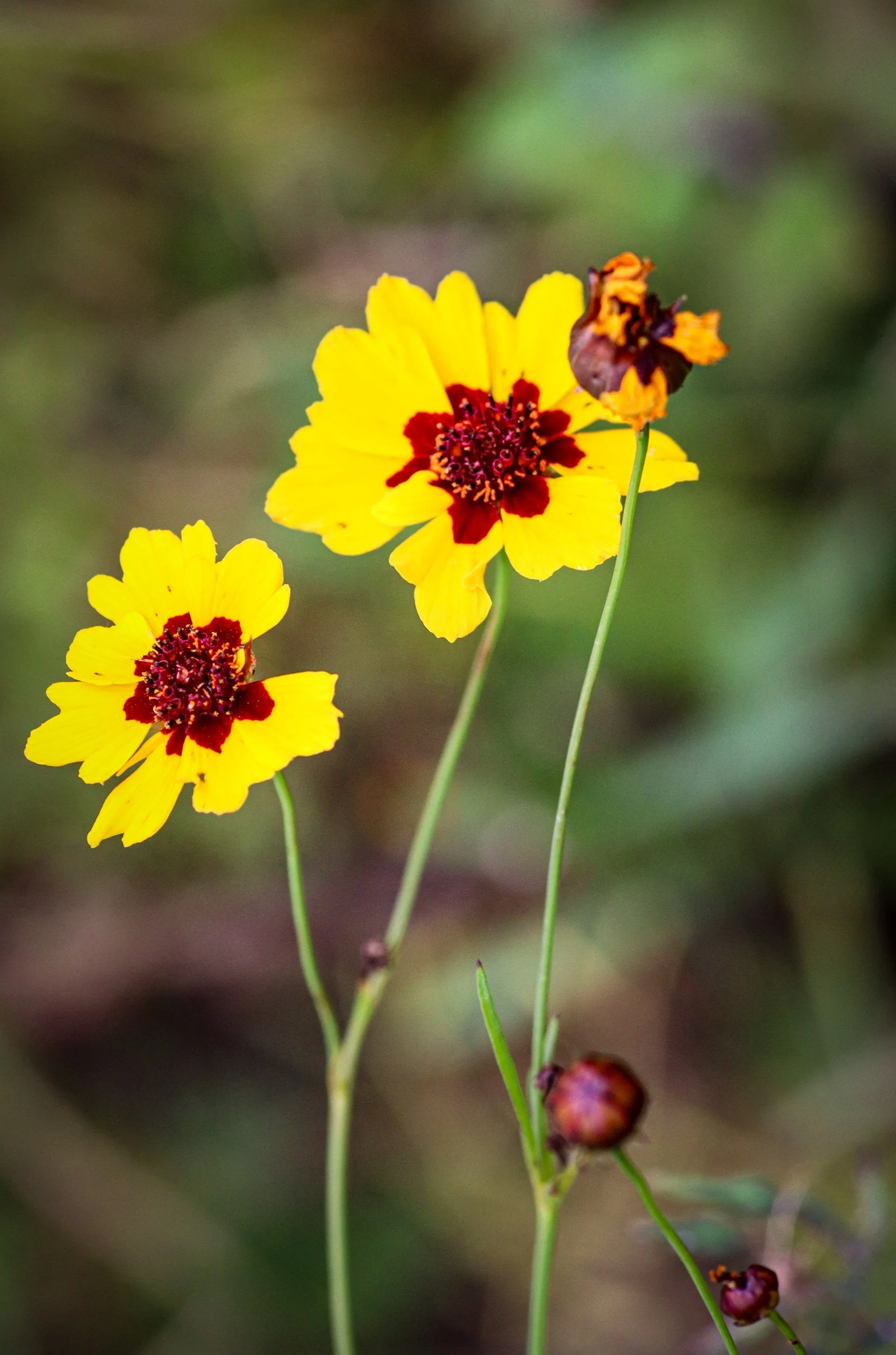 Image 1 of 6
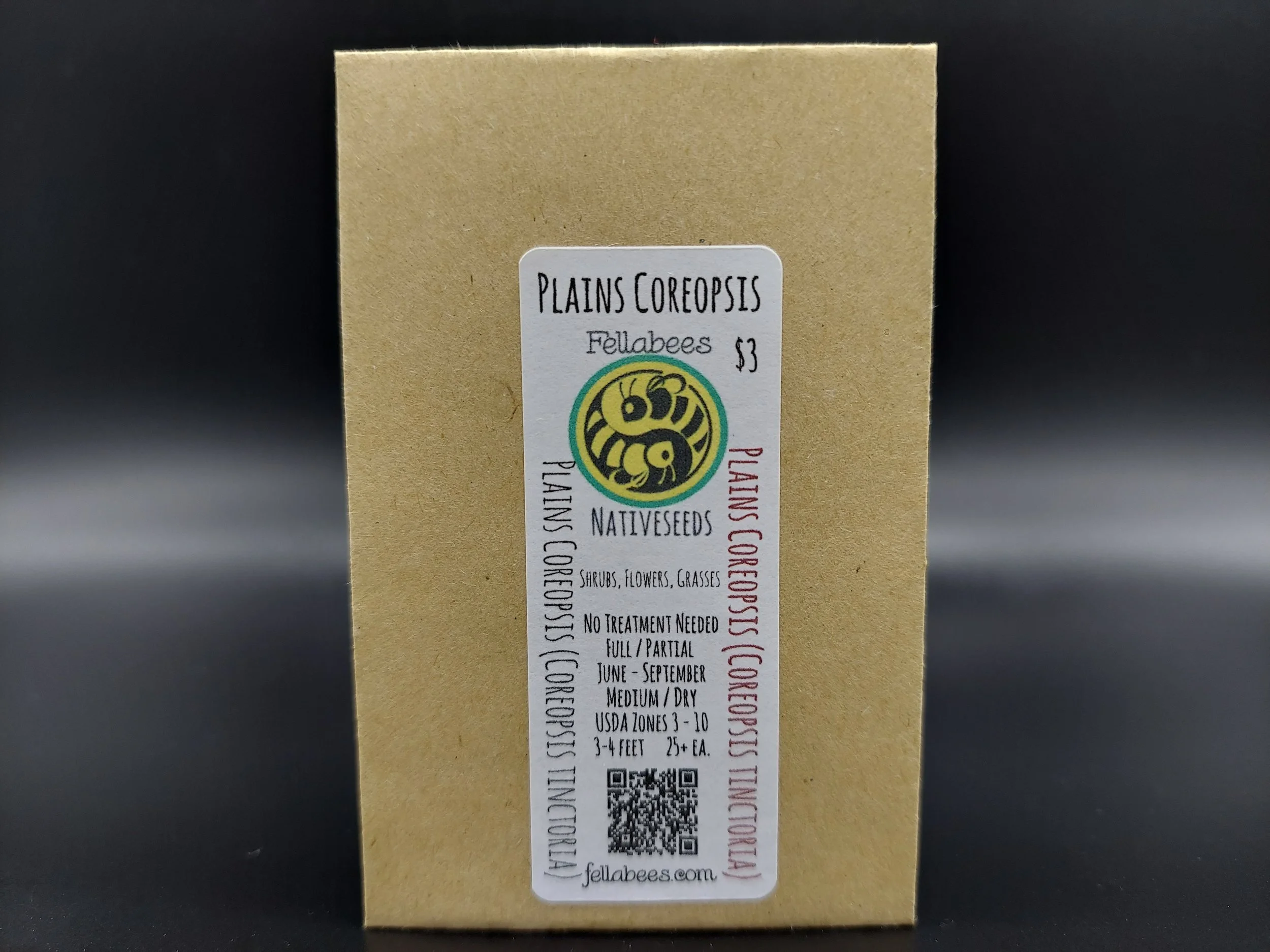 Image 2 of 6
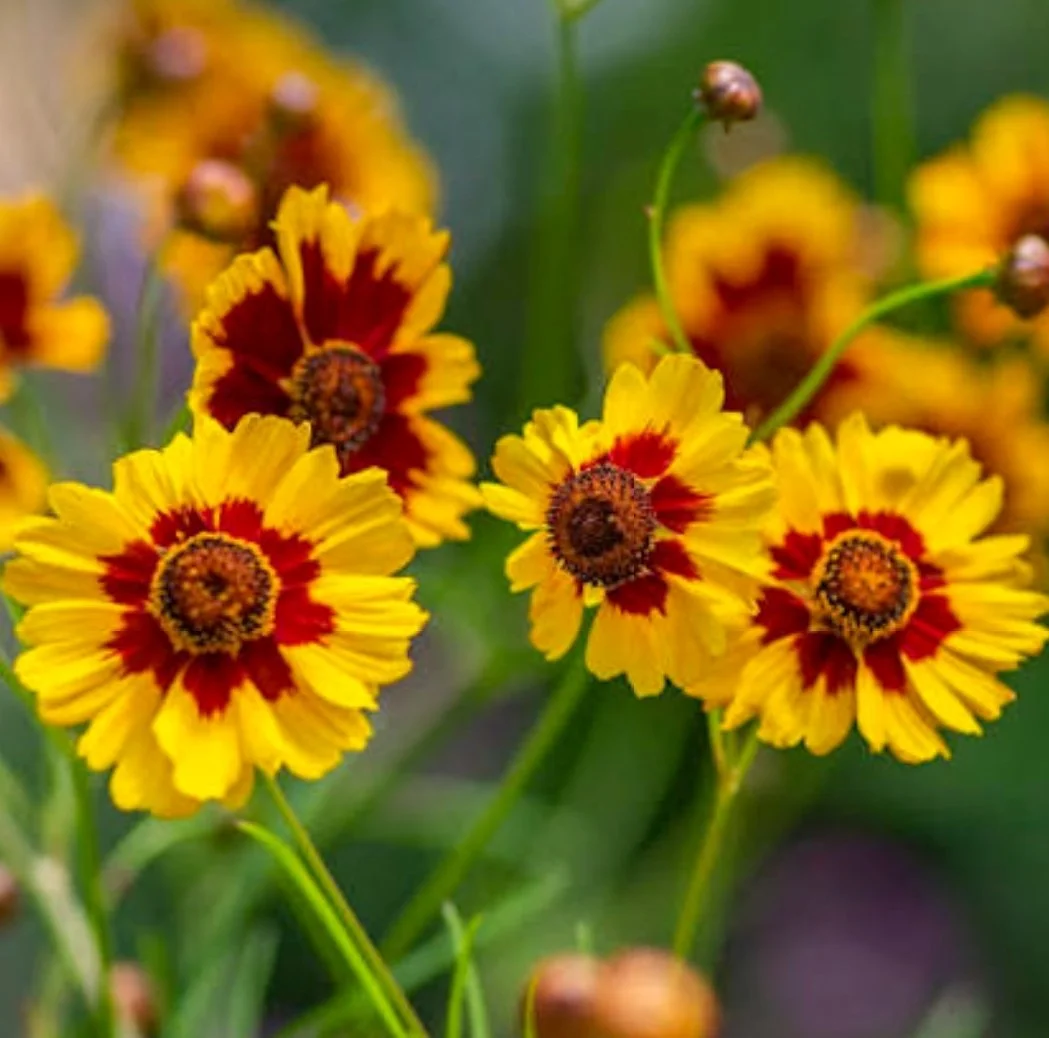 Image 3 of 6
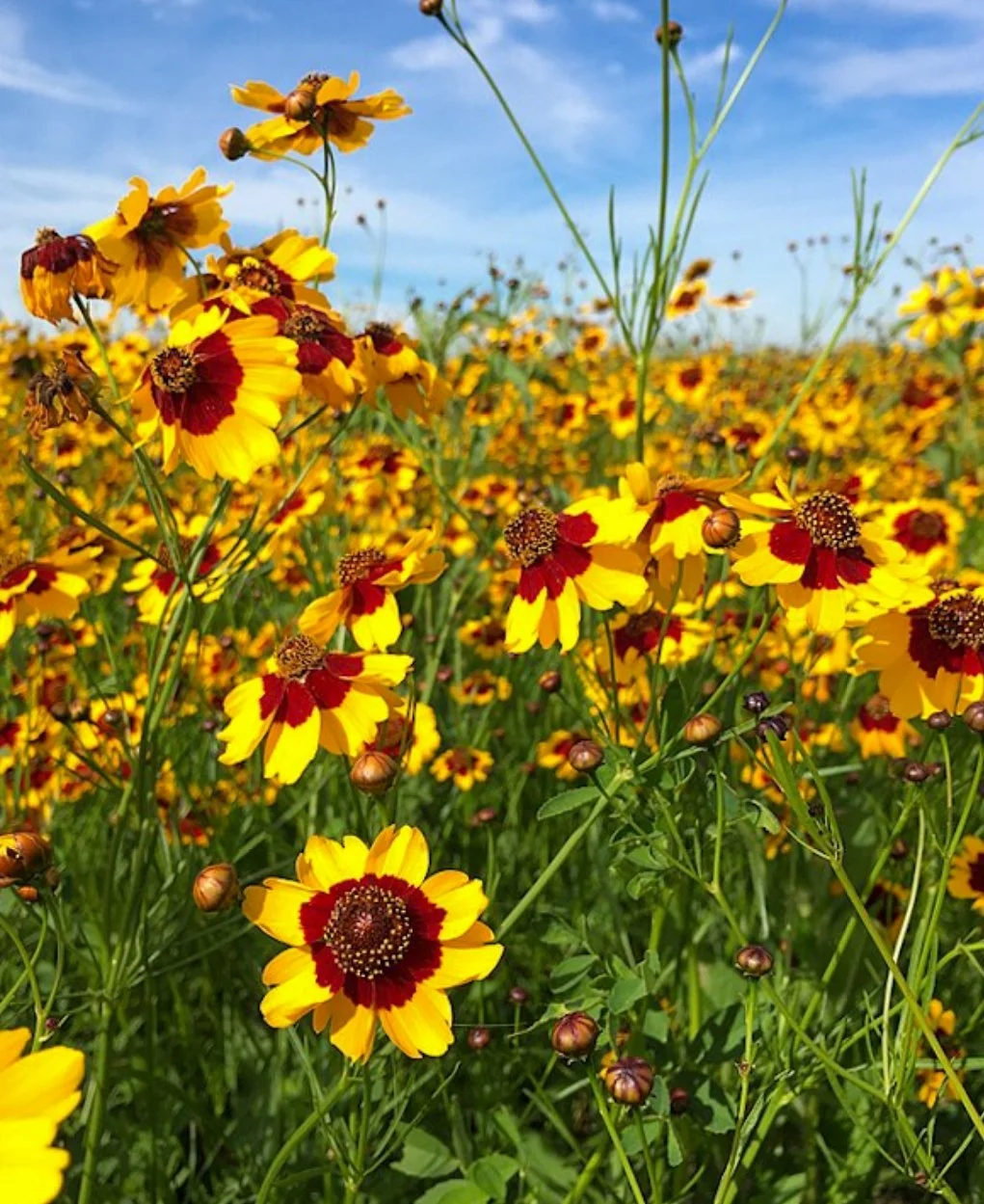 Image 4 of 6
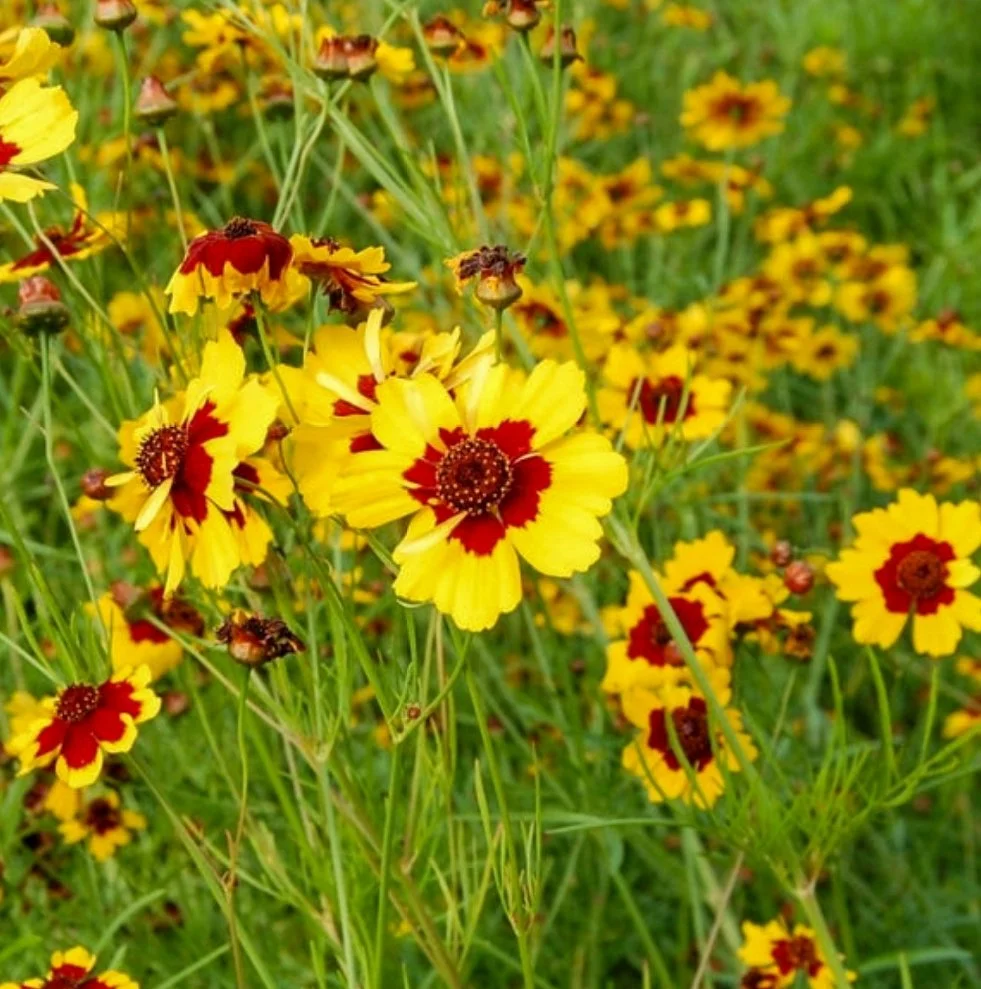 Image 5 of 6
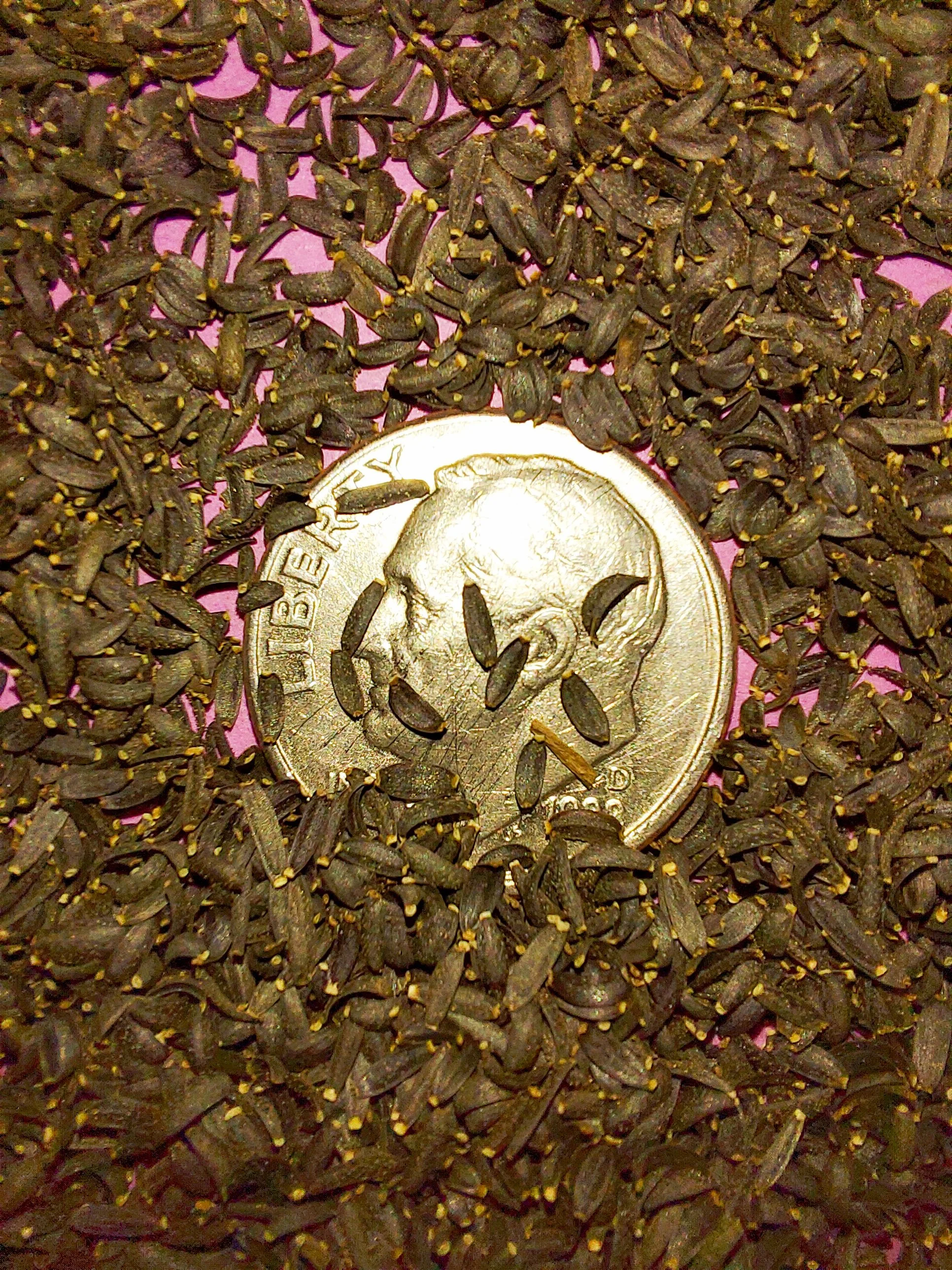 Image 6 of 6