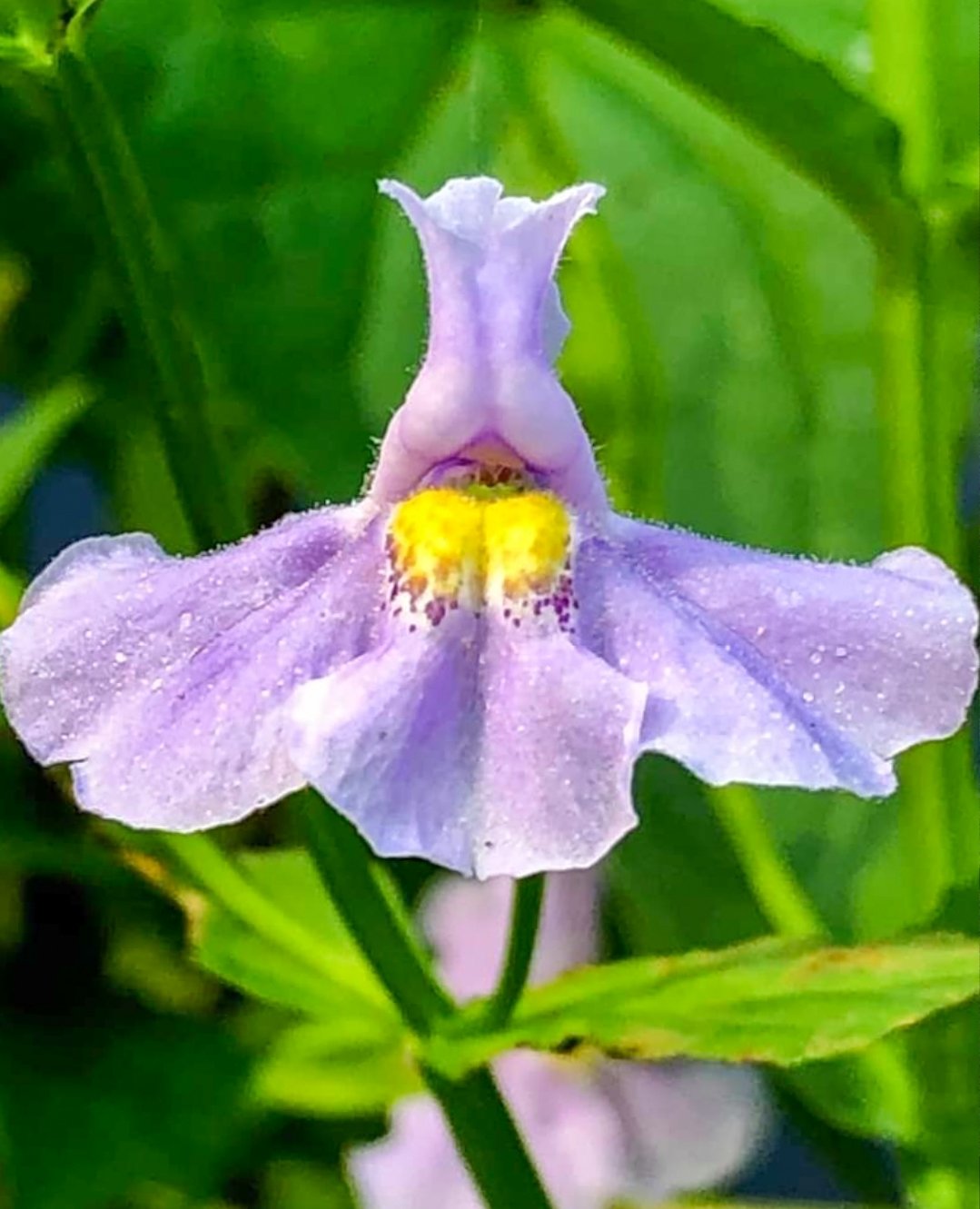
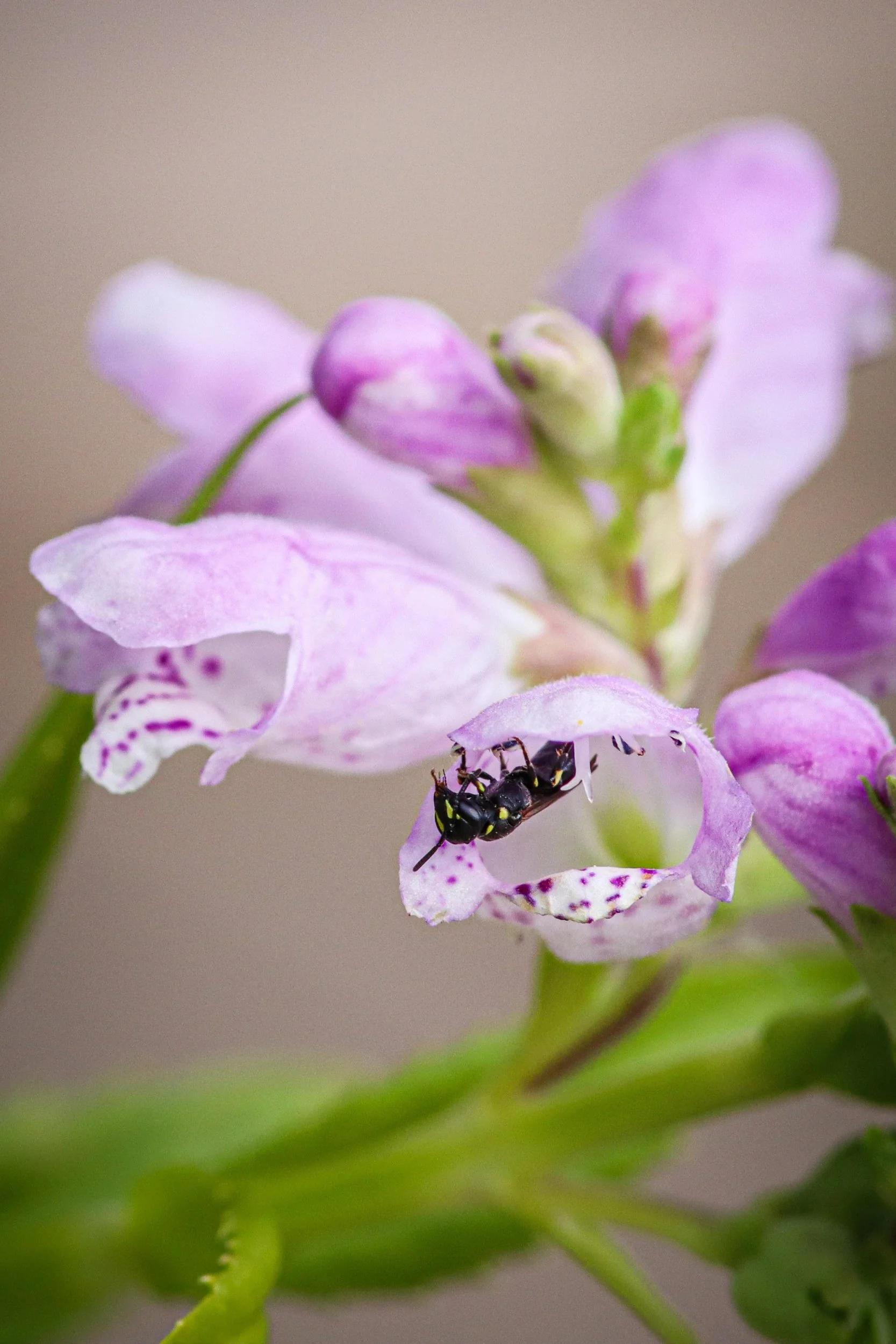
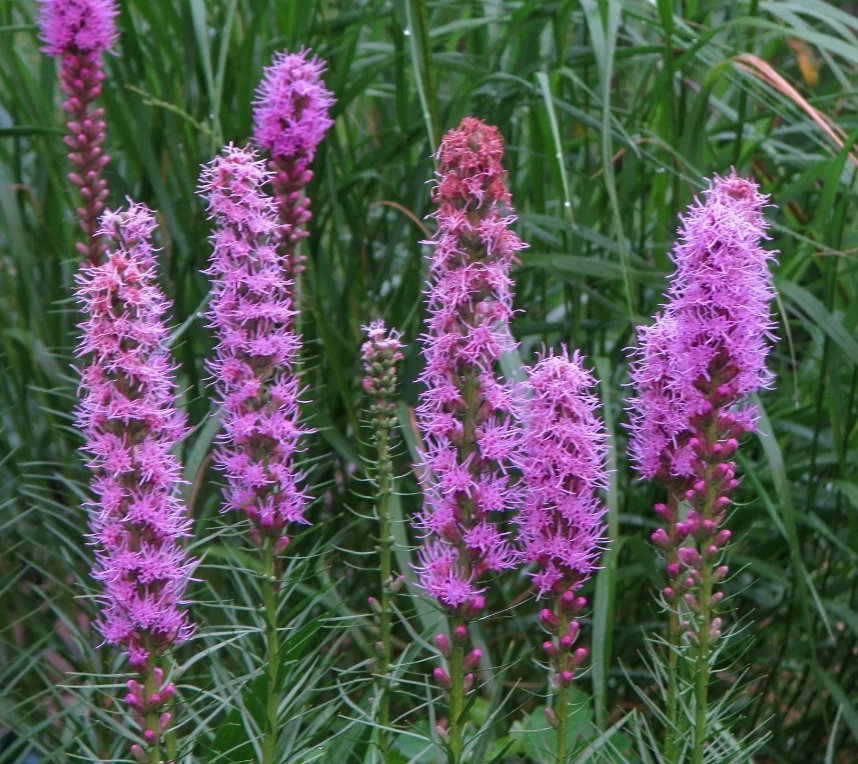
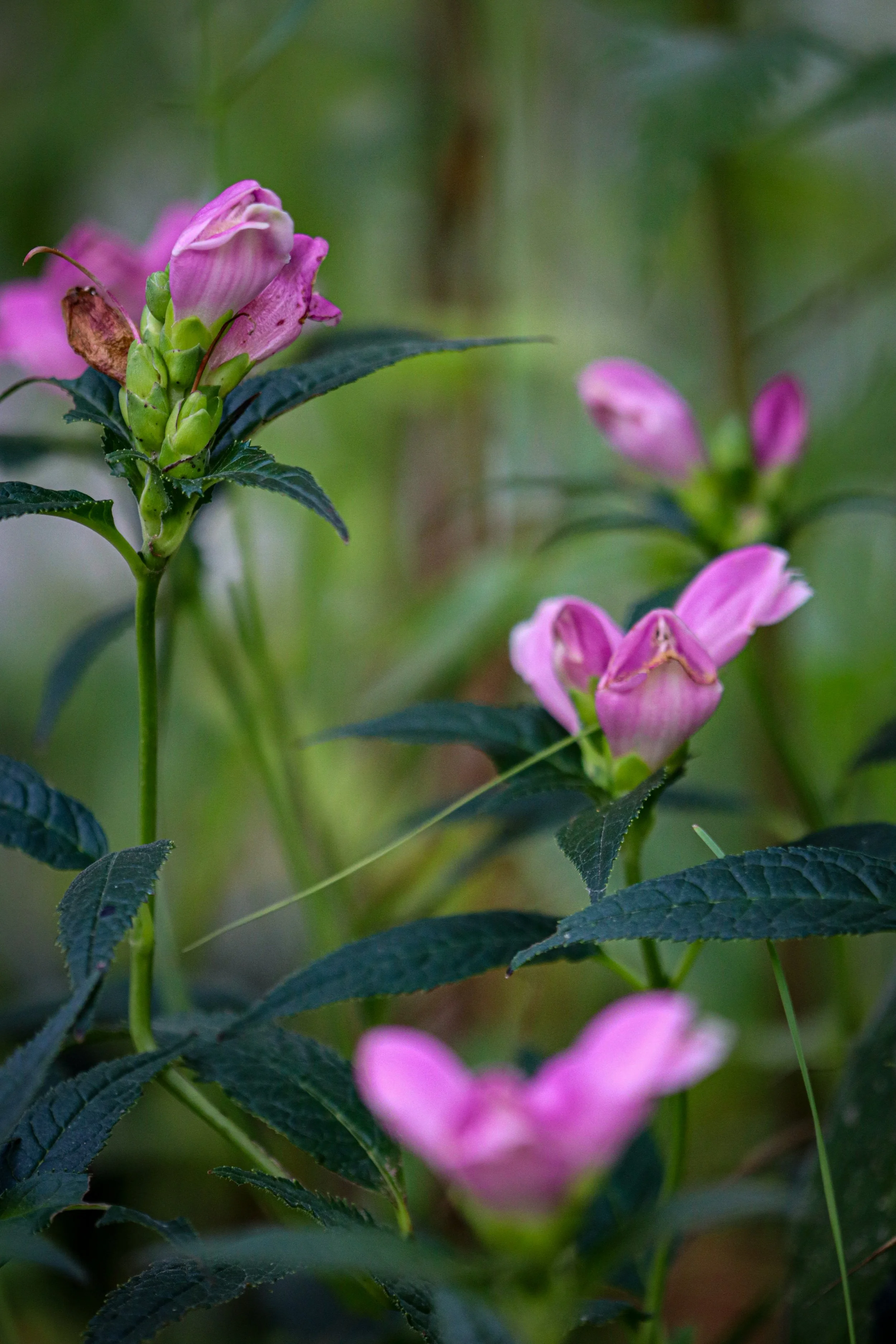
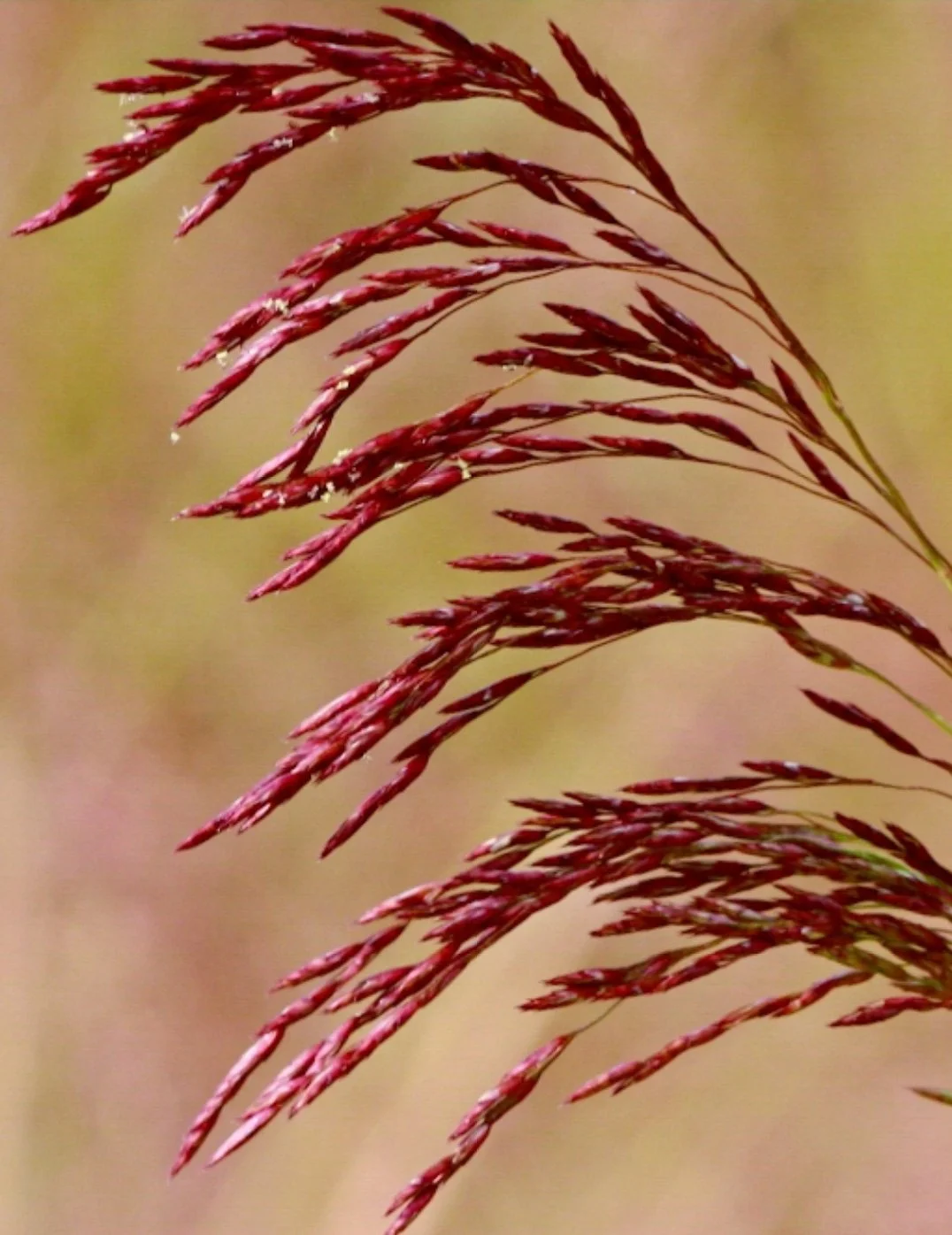
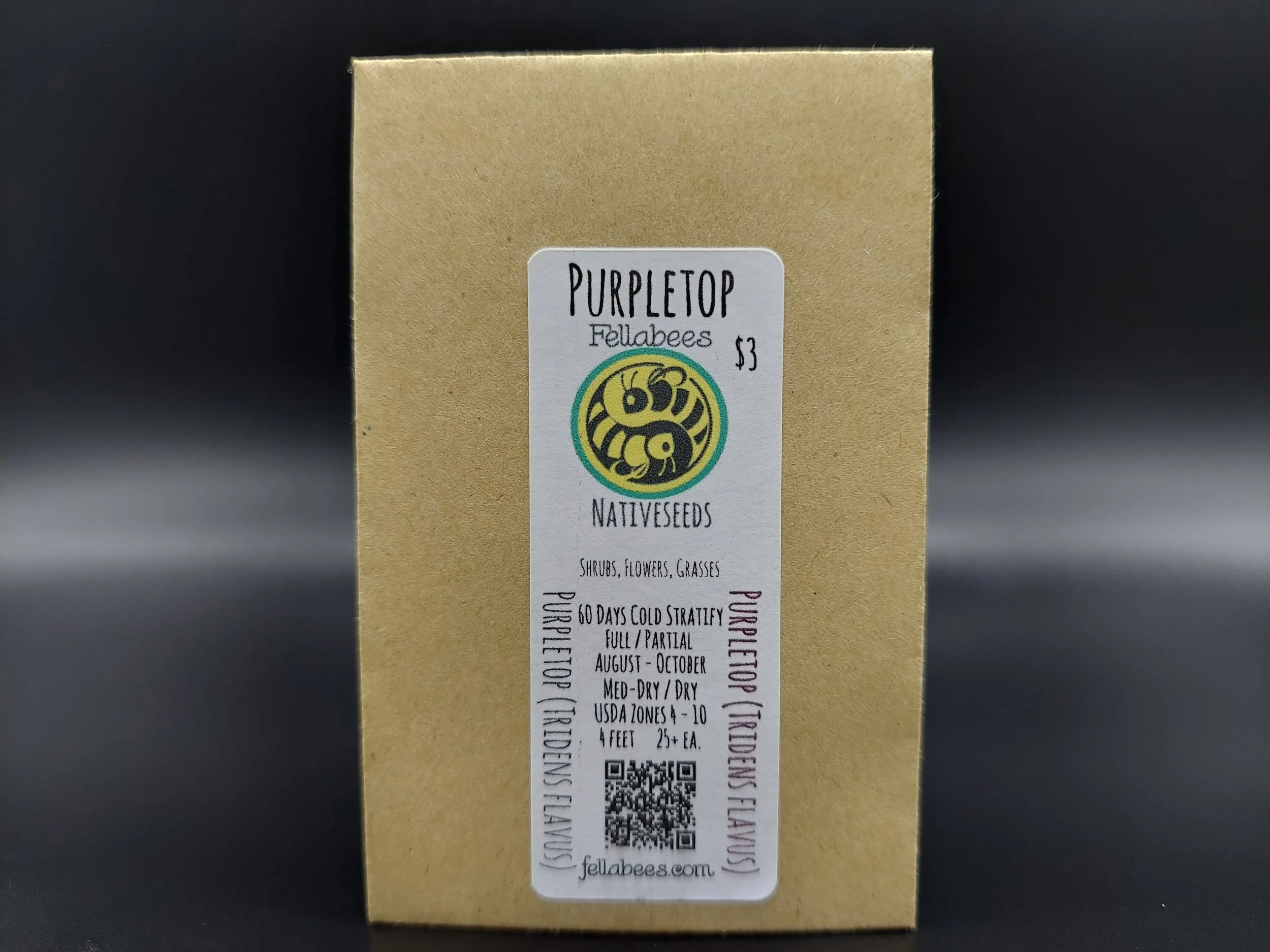
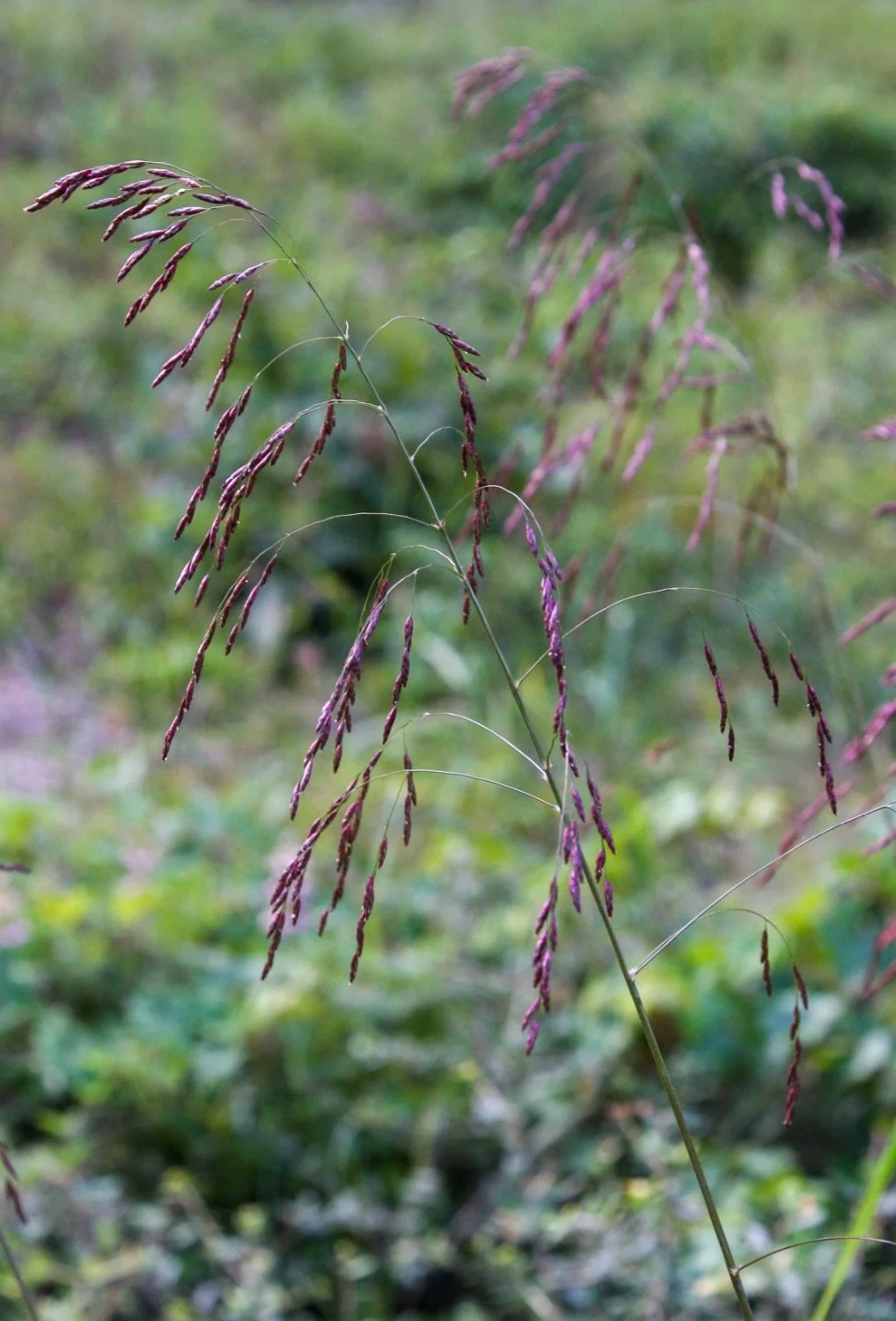
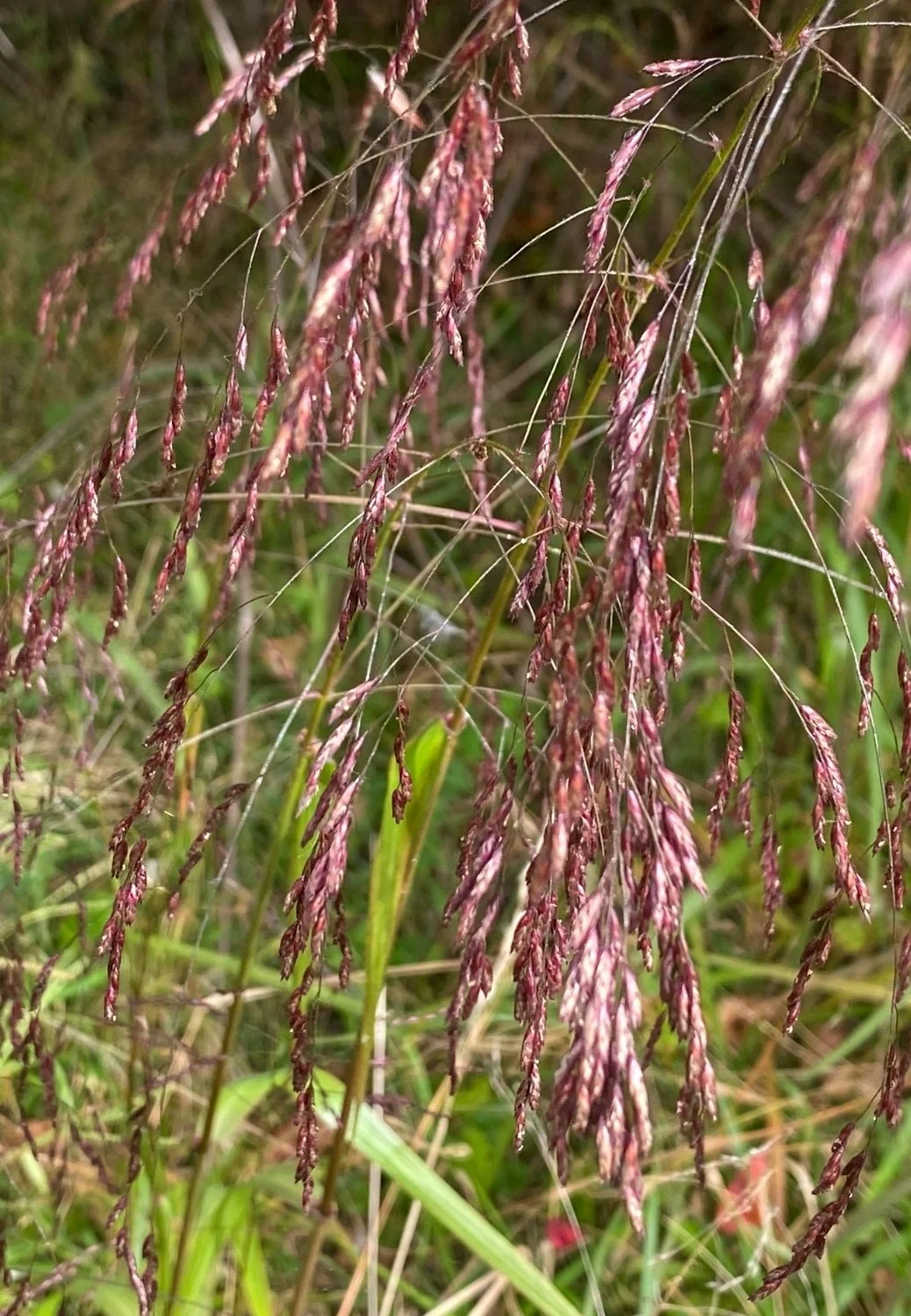
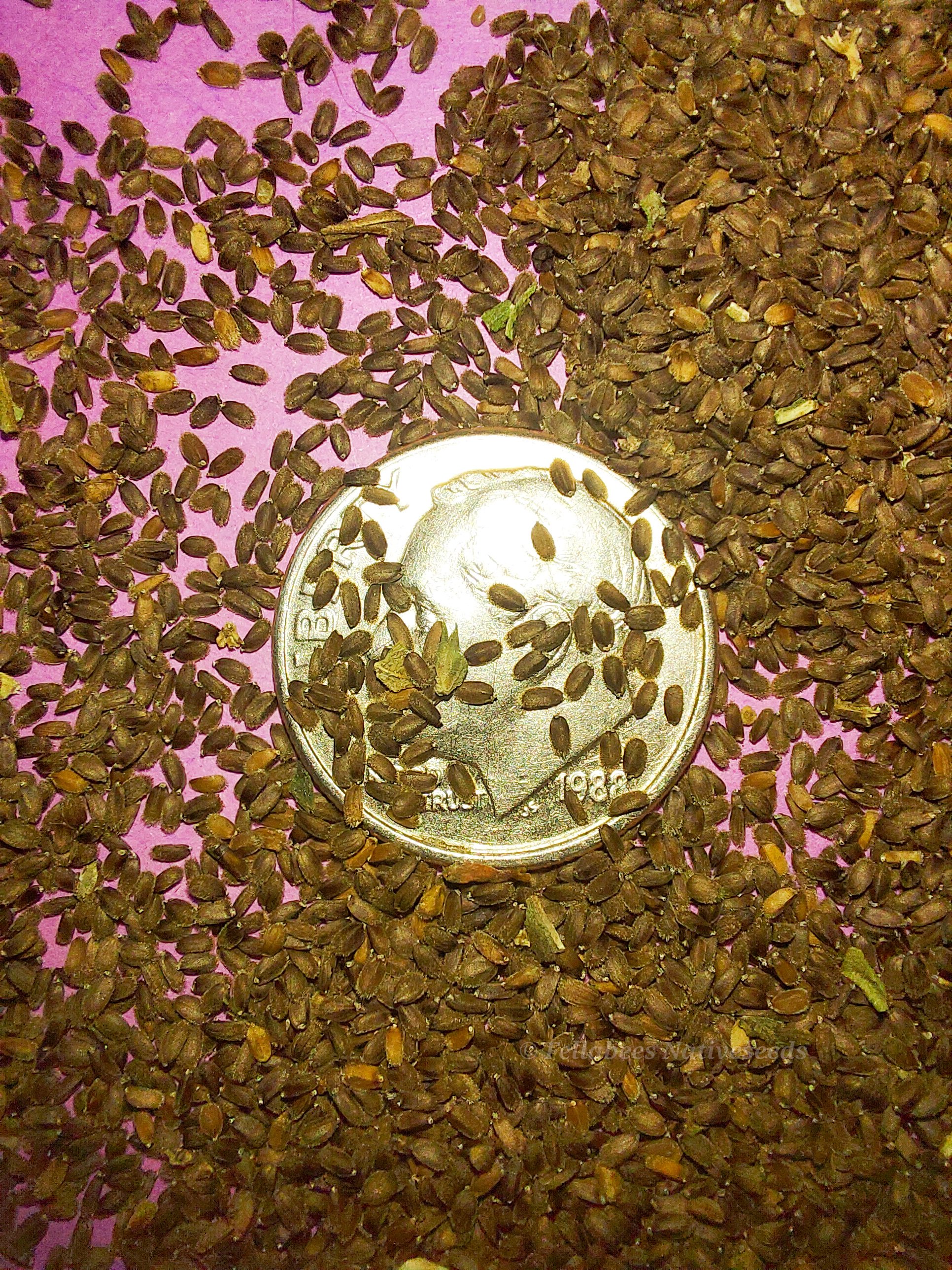
Queen of the Prairie (Filipendula rubra)
Filipendula rubra is the scientific name for the species more commonly known as Queen of the Prairie, a striking flowering plant in the Rose family (Rosaceae). Native to the northeastern and central United States as well as southeastern Canada, Queen of the Prairie thrives in moist conditions and prefers full sun or partial shade, though it can tolerate drier soil when grown in a shadier spot. This plant grows tall and upright with firm stems, producing delicate clusters of tiny pink blooms that sit above its ferny, sharply pointed leaves.
The typical habitat of Queen of the Prairie is in wetland plant communities, particularly calcareous fens, although it is occasionally found in spring seeps and wet prairies. Populations are generally small and widely separated from one another as a result of the rarity and smallness of calcareous fens.
Filipendula rubra is a perennial that can reach or exceed 5 feet tall and about 4 feet wide, growing at a moderate rate. It typically blooms from July through August, with seeds ripening from August into September. The species is hermaphroditic (bearing both male and female reproductive organs) and is self-fertile. Pollination is carried out primarily by bees, flies, and beetles, though the plant is also capable of some wind pollination. Its showy flower clusters and abundant pollen make it attractive to a wide array of wildlife, drawing pollinators and other beneficial insects to the garden.
Filipendula rubra is considered an endangered species by the USDA Natural Resources Conservation Service in Illinois, Maryland, New Jersey, and North Carolina, and it is listed as threatened in Iowa and Michigan.
Herbivores do not generally find its foliage especially appealing, so it is usually left untouched by grazing animals. Its flowers, however, do provide a useful food source for certain insects that consume pollen, attracting pollinators throughout the bloom period.
Plant Details:
USDA Zones: 4-7
Germination Needs: Needs 90 Days Cold-Moist Stratification
Life Cycle: Perennial
Sun Exposure: Full Sun
Soil Moisture: Wet, Medium-Wet
Plant Spacing: 1.5 - 2 feet
Height: 5 feet
Bloom time: June, July, August
Bloom Color: Pink
Advantages:
Pollinator Favorite: butterflies, moths, bees, wasps, beetles
Bird Favorite: seeds, insects, fruit, nectar, nesting, perches.
Deer Resistant: Yes
Native to: Iowa, Illinois, Indiana, Michigan, Ohio, Pennsylvania, New Jersey, Maryland, West Virginia, Virginia, North Carolina and Missouri.
This species is considered present but rare in several counties of the states of Iowa, Illinois, Indiana, Michigan, Ohio, Pennsylvania, Maryland, West Virginia, Virginia, North Carolina and Missouri.
This plant is considered to be extirpated (locally extinct) in several counties of the state of New Jersey.
This plant is considered present but introduced in several counties of the states of Wisconsin, Minnesota, New York, Vermont, New Hampshire, Maine and Massachusetts.
Seed Count: 15+
.
.
Packet quantities:
We pride ourselves on ethical, hands on, ecological management, using no mechanical or chemical methods whatsoever.
All of our native seed is hand reared, hand-picked, and hand packed from native prairies under our exclusive management, never breaking chain of custody from the field until it is sent to you. Each packet is hand prepared for shipment by us, directly.
Small seed species will contain greater than 20-25 seed
Large seed species will contain greater than 10-15 seed
All packets are individually marked at the bottom of the front label with expected count, however most if not all packets will have many more than the minimum count by default.
It is our mission to spread the wealth of native plant and pollinator ecological sustainability and educate back yard gardeners as well as corporate and government entities in how to germinate, grow, and benefit from native synergies.
Thank you for your support, it is because of you, that we can grow together to do, what we do. 🐛🦋🐝🐞🌾🌱🌼🧡
Queen of the Prairie (Filipendula rubra)
Filipendula rubra is the scientific name for the species more commonly known as Queen of the Prairie, a striking flowering plant in the Rose family (Rosaceae). Native to the northeastern and central United States as well as southeastern Canada, Queen of the Prairie thrives in moist conditions and prefers full sun or partial shade, though it can tolerate drier soil when grown in a shadier spot. This plant grows tall and upright with firm stems, producing delicate clusters of tiny pink blooms that sit above its ferny, sharply pointed leaves.
The typical habitat of Queen of the Prairie is in wetland plant communities, particularly calcareous fens, although it is occasionally found in spring seeps and wet prairies. Populations are generally small and widely separated from one another as a result of the rarity and smallness of calcareous fens.
Filipendula rubra is a perennial that can reach or exceed 5 feet tall and about 4 feet wide, growing at a moderate rate. It typically blooms from July through August, with seeds ripening from August into September. The species is hermaphroditic (bearing both male and female reproductive organs) and is self-fertile. Pollination is carried out primarily by bees, flies, and beetles, though the plant is also capable of some wind pollination. Its showy flower clusters and abundant pollen make it attractive to a wide array of wildlife, drawing pollinators and other beneficial insects to the garden.
Filipendula rubra is considered an endangered species by the USDA Natural Resources Conservation Service in Illinois, Maryland, New Jersey, and North Carolina, and it is listed as threatened in Iowa and Michigan.
Herbivores do not generally find its foliage especially appealing, so it is usually left untouched by grazing animals. Its flowers, however, do provide a useful food source for certain insects that consume pollen, attracting pollinators throughout the bloom period.
Plant Details:
USDA Zones: 4-7
Germination Needs: Needs 90 Days Cold-Moist Stratification
Life Cycle: Perennial
Sun Exposure: Full Sun
Soil Moisture: Wet, Medium-Wet
Plant Spacing: 1.5 - 2 feet
Height: 5 feet
Bloom time: June, July, August
Bloom Color: Pink
Advantages:
Pollinator Favorite: butterflies, moths, bees, wasps, beetles
Bird Favorite: seeds, insects, fruit, nectar, nesting, perches.
Deer Resistant: Yes
Native to: Iowa, Illinois, Indiana, Michigan, Ohio, Pennsylvania, New Jersey, Maryland, West Virginia, Virginia, North Carolina and Missouri.
This species is considered present but rare in several counties of the states of Iowa, Illinois, Indiana, Michigan, Ohio, Pennsylvania, Maryland, West Virginia, Virginia, North Carolina and Missouri.
This plant is considered to be extirpated (locally extinct) in several counties of the state of New Jersey.
This plant is considered present but introduced in several counties of the states of Wisconsin, Minnesota, New York, Vermont, New Hampshire, Maine and Massachusetts.
Seed Count: 15+
.
.
Packet quantities:
We pride ourselves on ethical, hands on, ecological management, using no mechanical or chemical methods whatsoever.
All of our native seed is hand reared, hand-picked, and hand packed from native prairies under our exclusive management, never breaking chain of custody from the field until it is sent to you. Each packet is hand prepared for shipment by us, directly.
Small seed species will contain greater than 20-25 seed
Large seed species will contain greater than 10-15 seed
All packets are individually marked at the bottom of the front label with expected count, however most if not all packets will have many more than the minimum count by default.
It is our mission to spread the wealth of native plant and pollinator ecological sustainability and educate back yard gardeners as well as corporate and government entities in how to germinate, grow, and benefit from native synergies.
Thank you for your support, it is because of you, that we can grow together to do, what we do. 🐛🦋🐝🐞🌾🌱🌼🧡
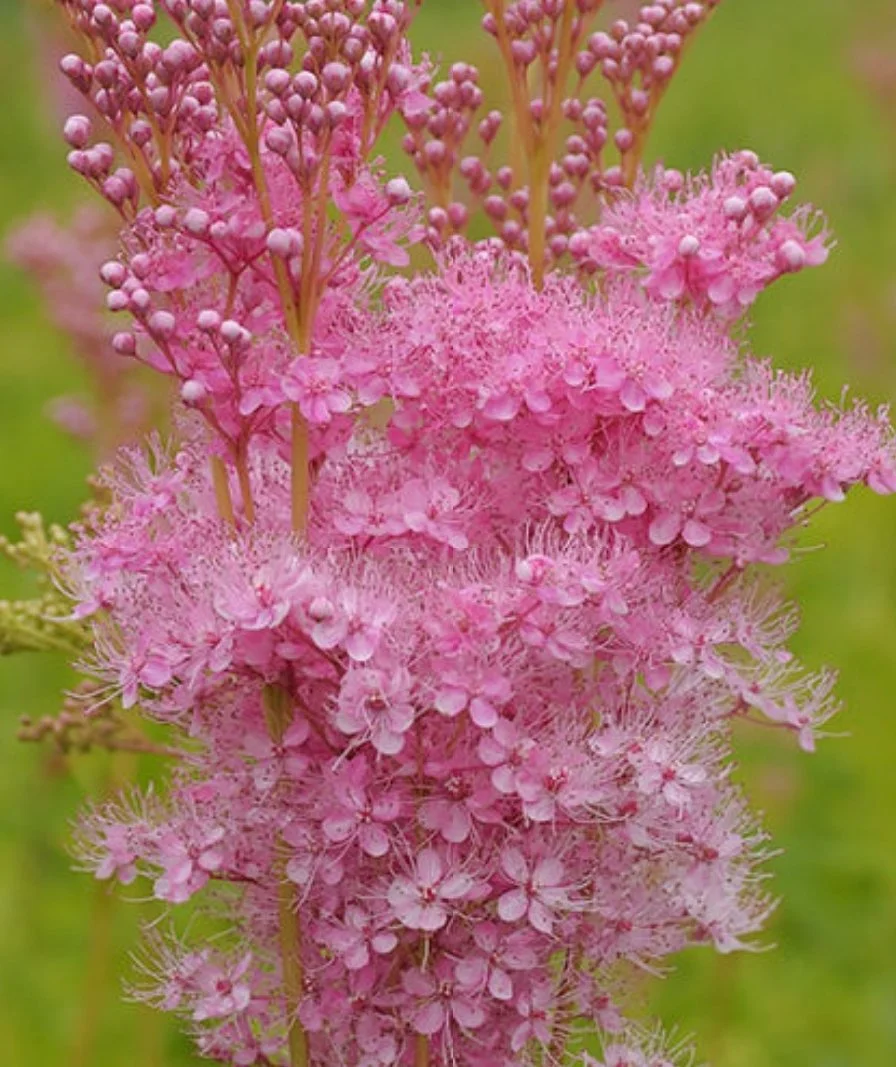 Image 1 of 6
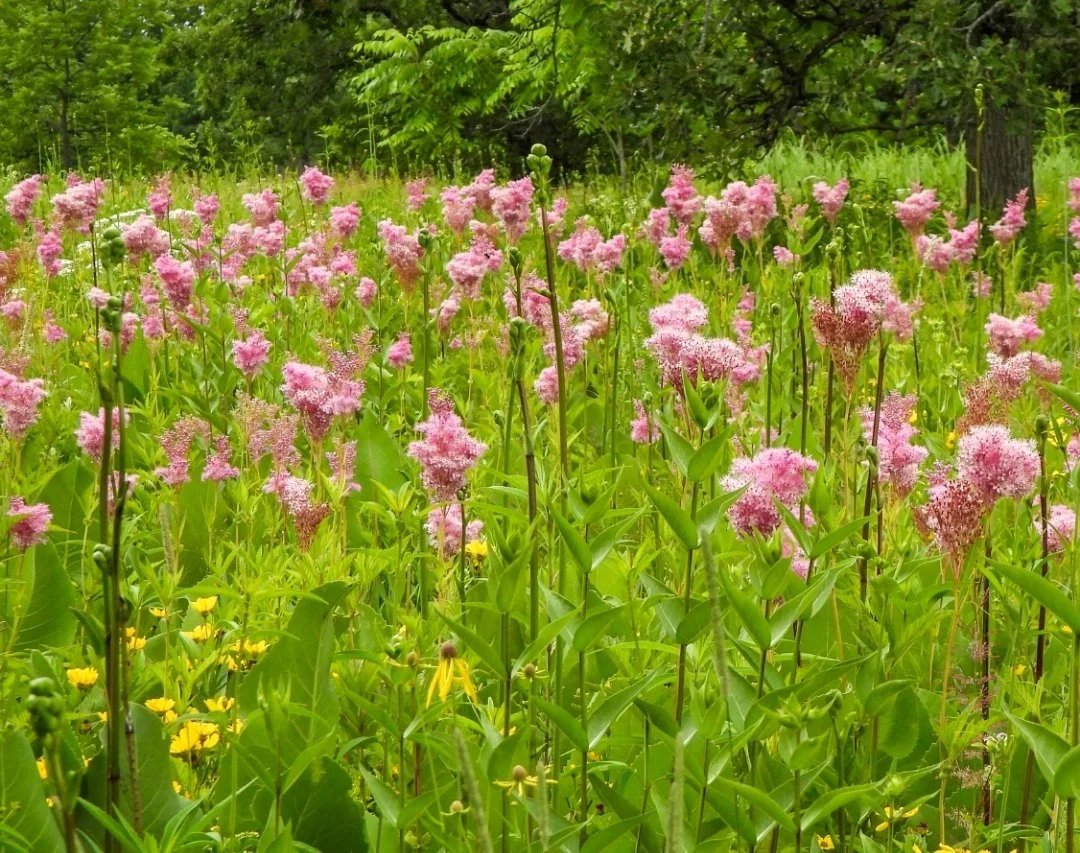 Image 2 of 6
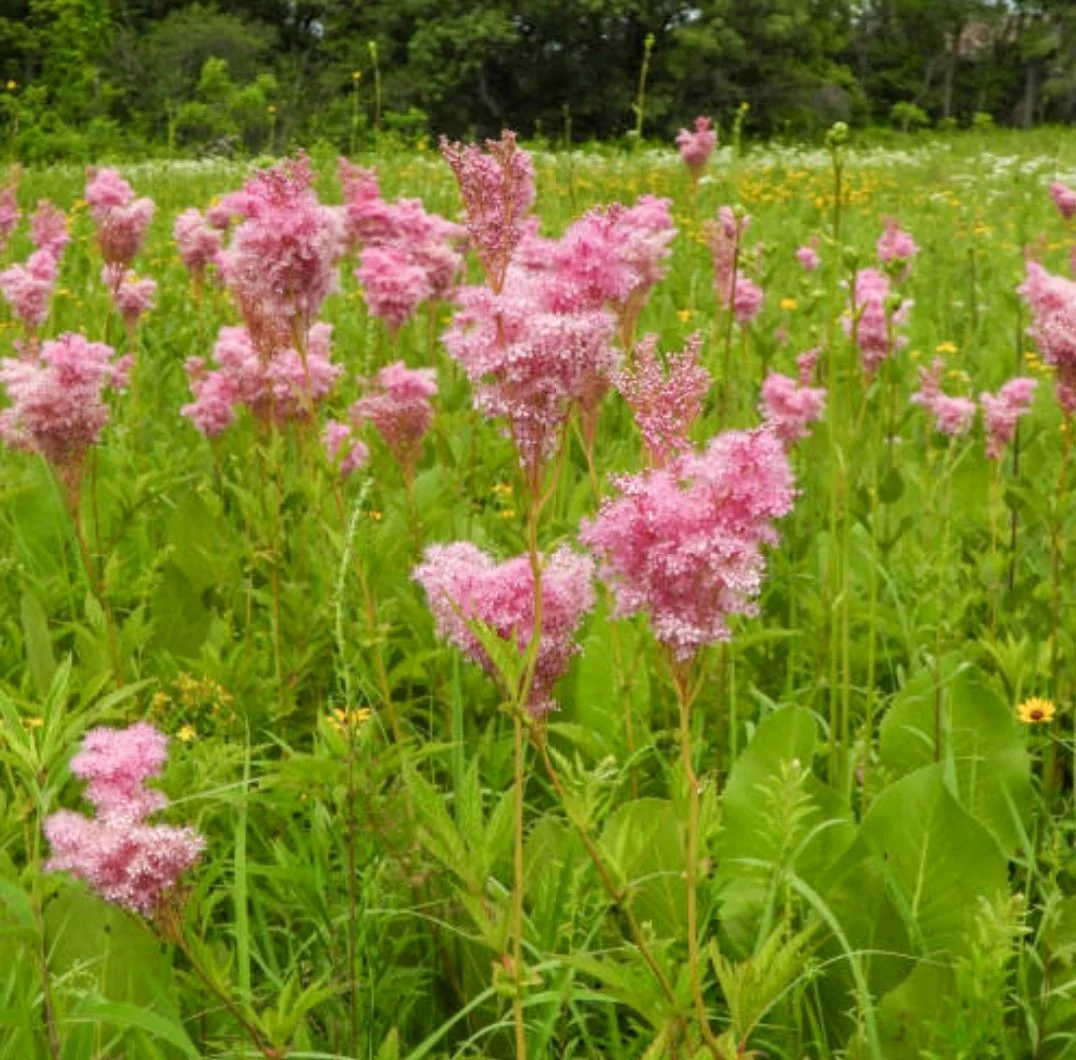 Image 3 of 6
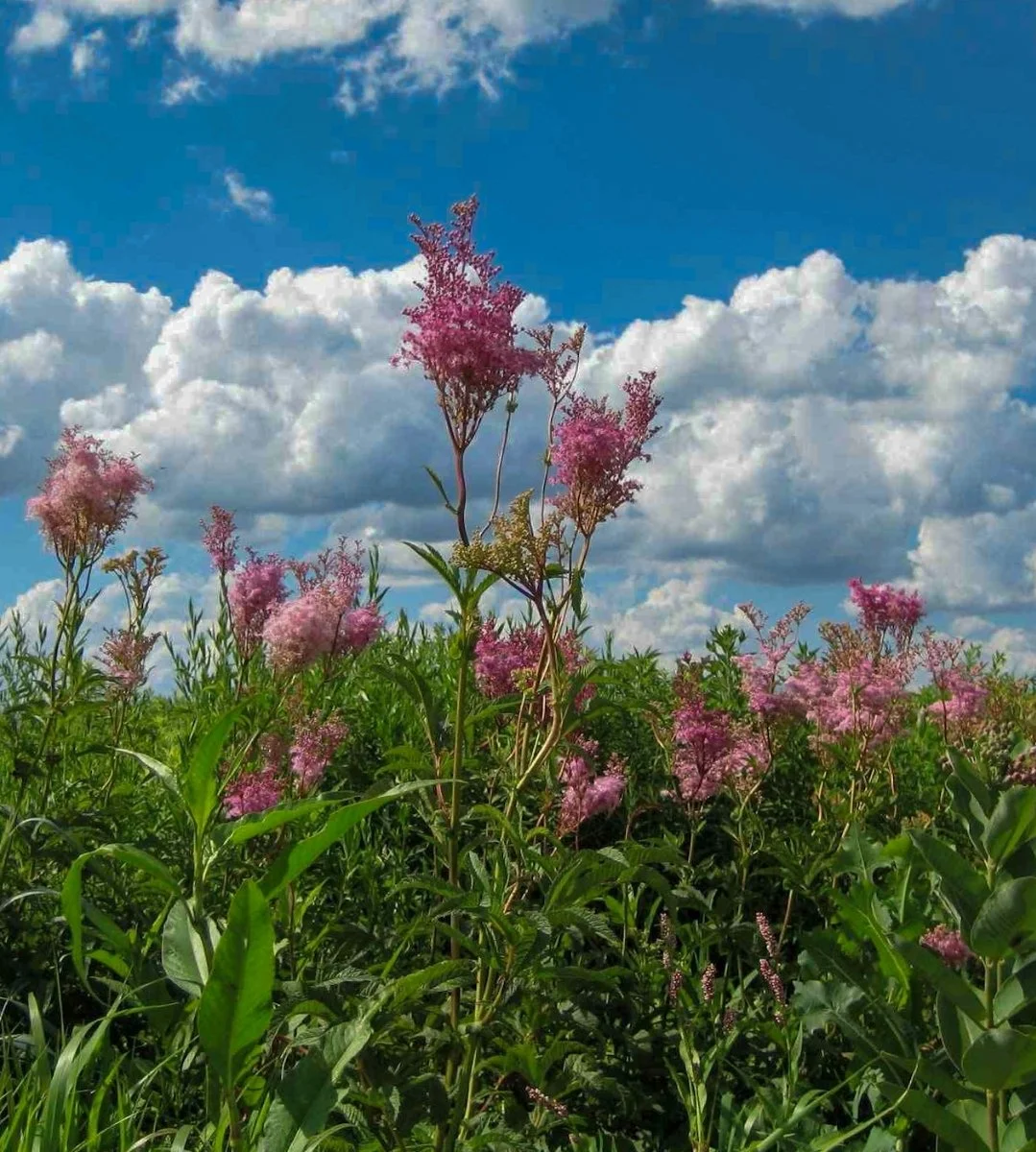 Image 4 of 6
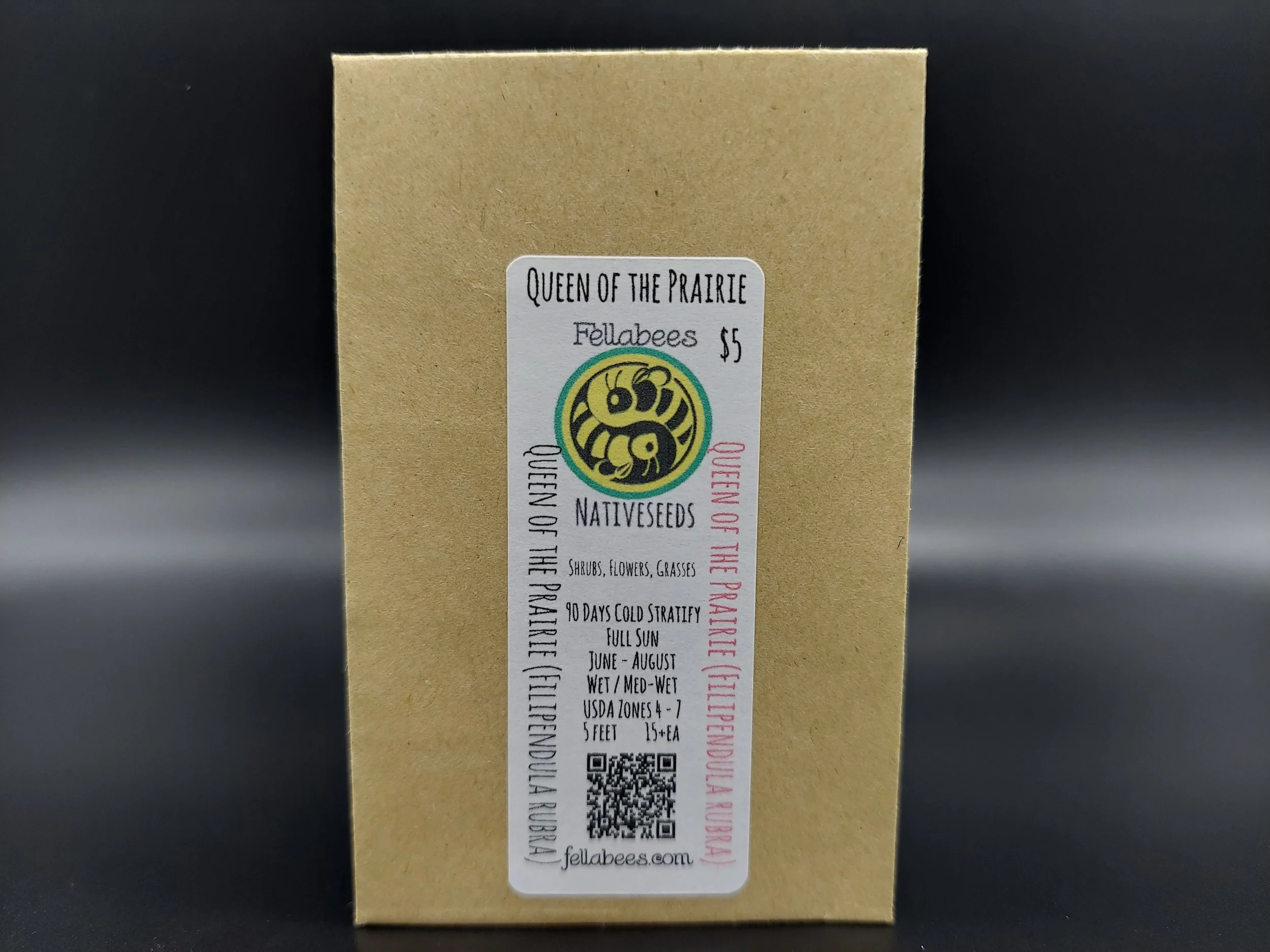 Image 5 of 6
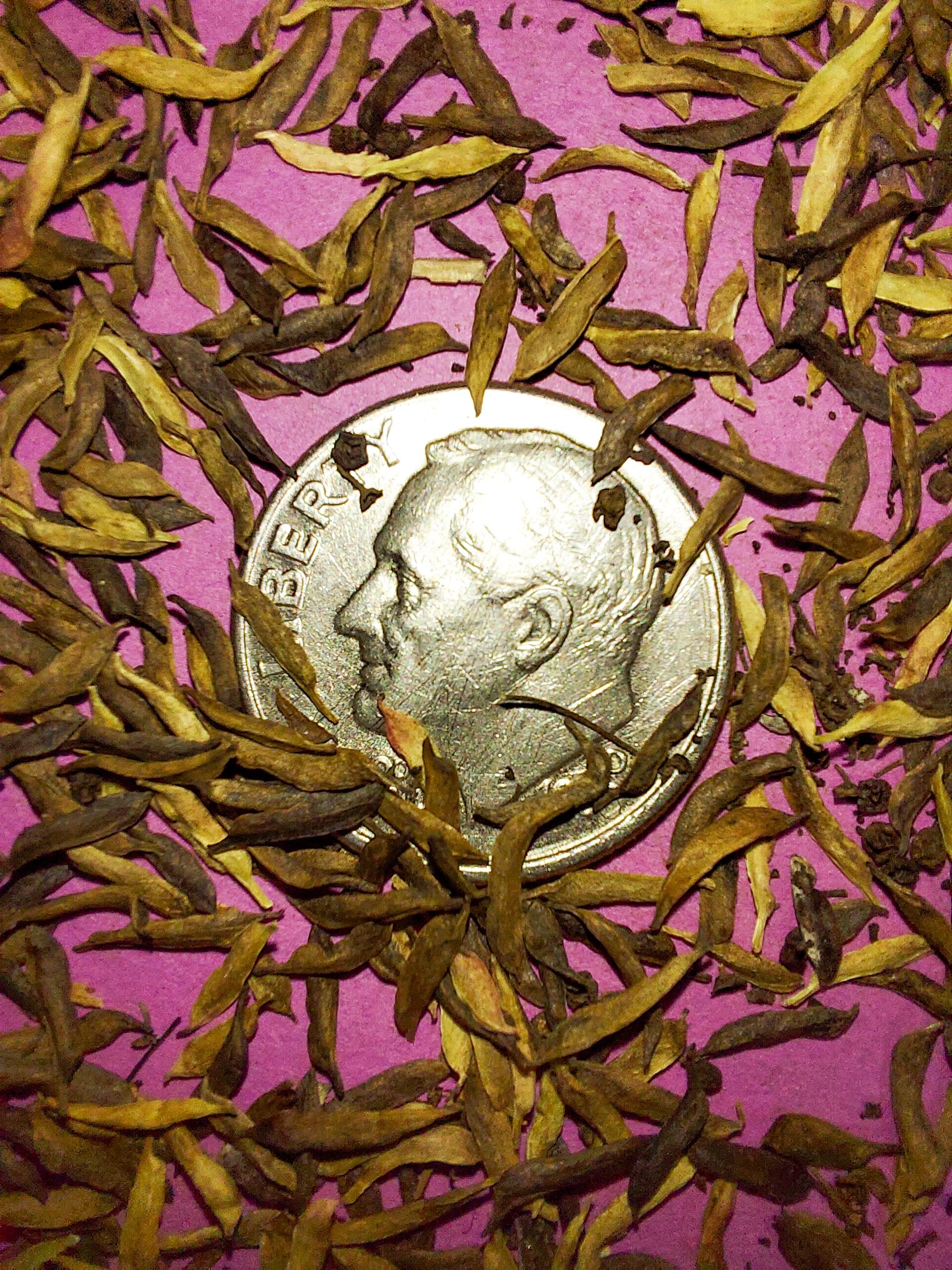 Image 6 of 6