Sale Price:
$1.50
Original Price:
$3.00
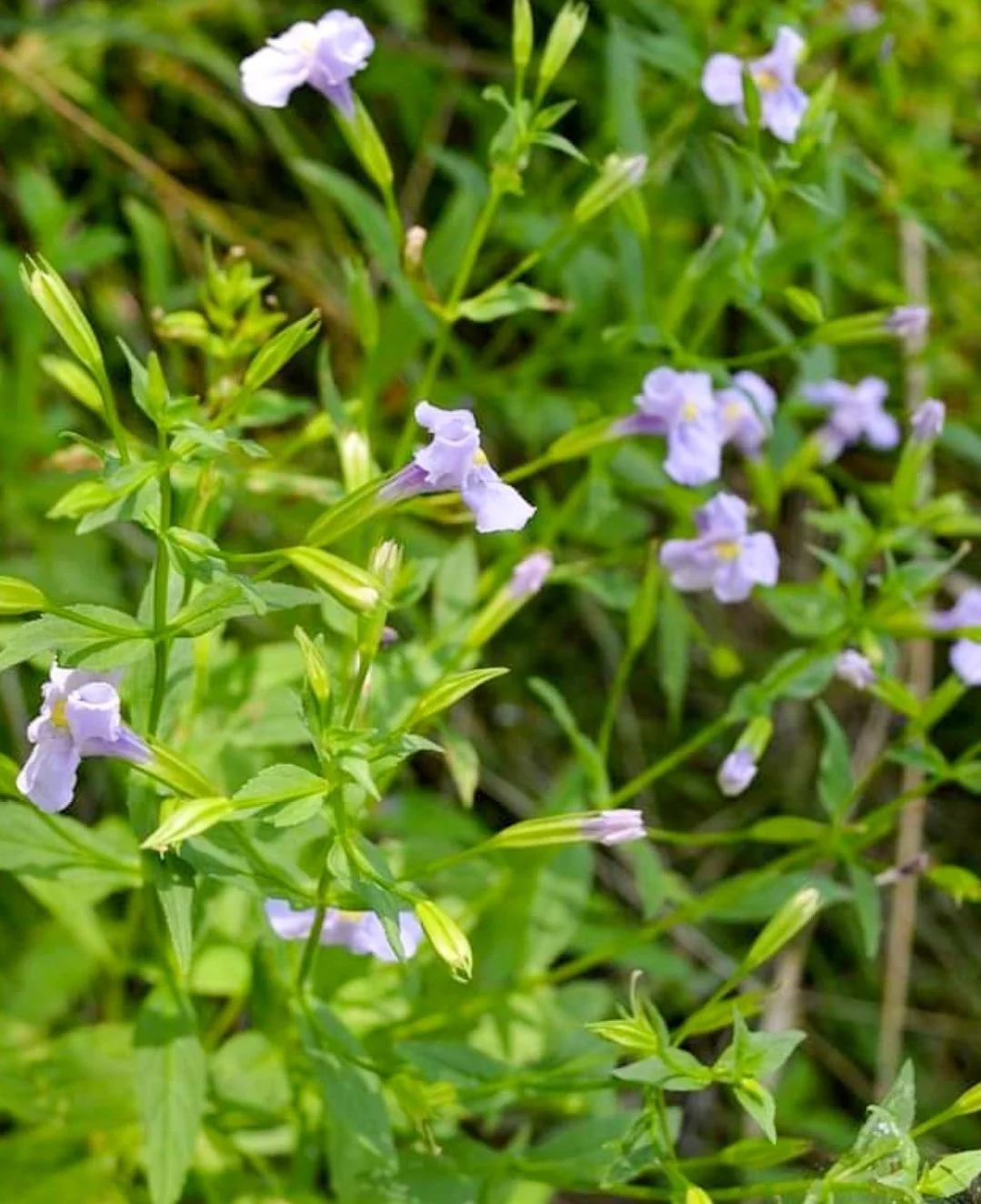
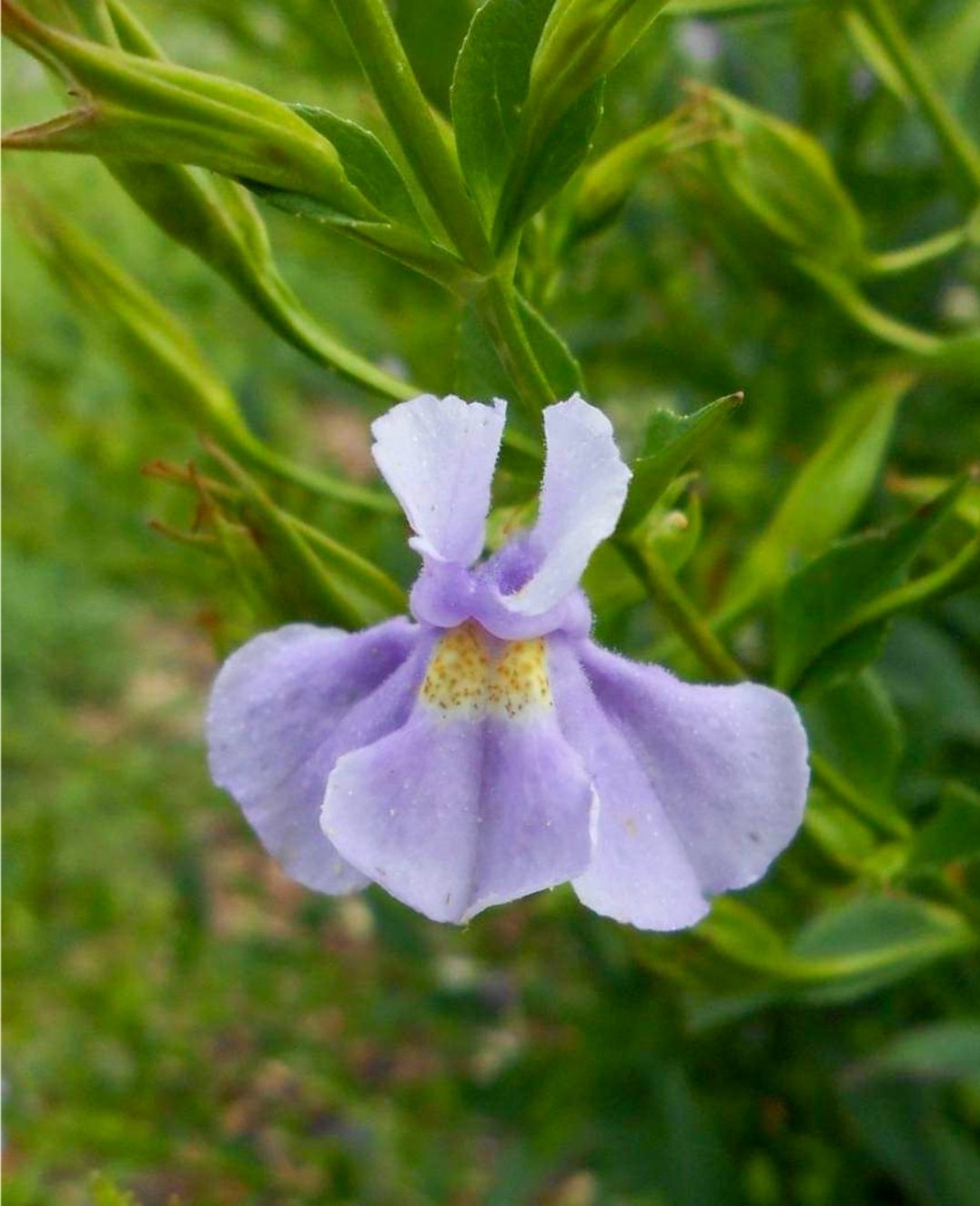
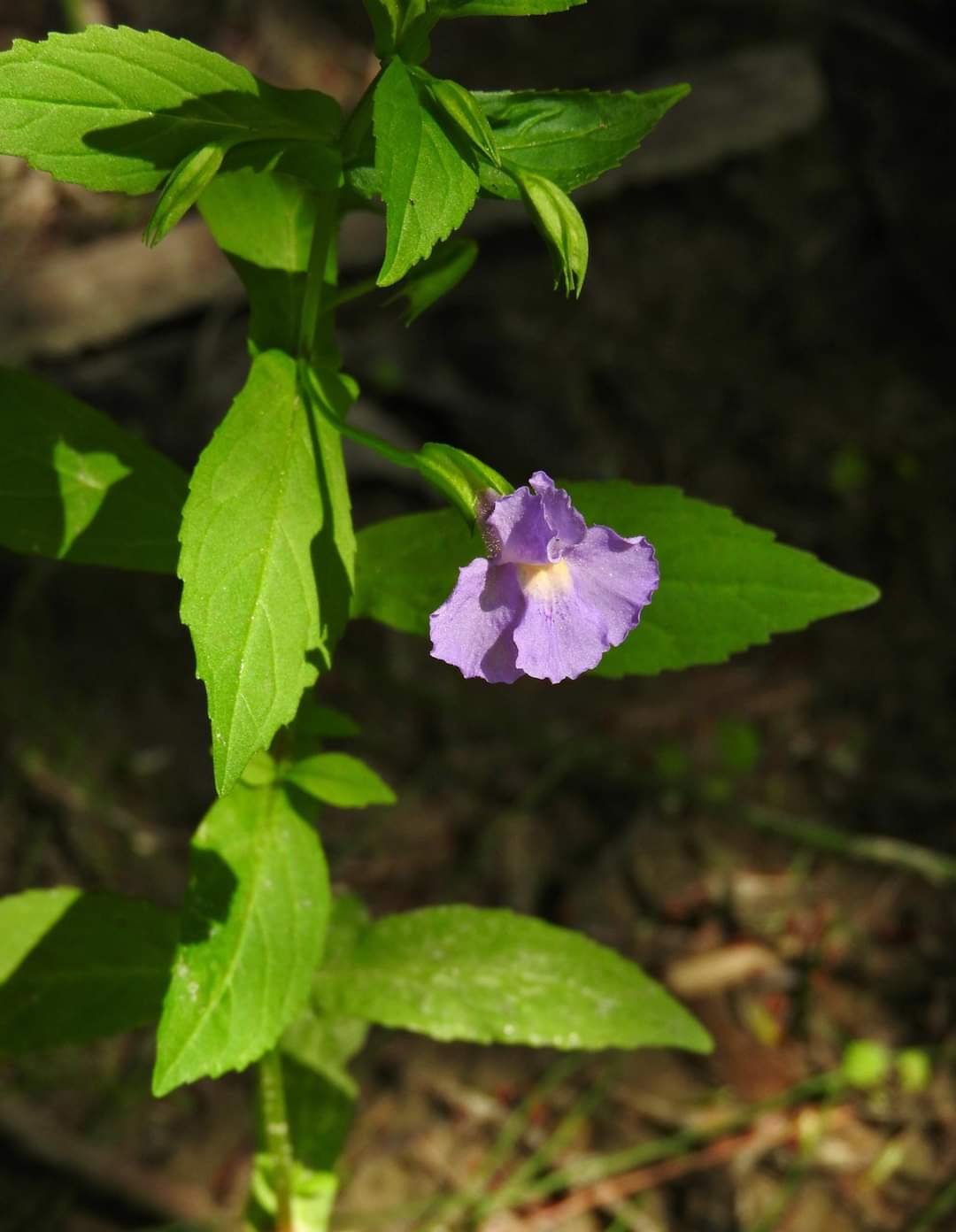
Round-Headed Bush Clover (Lespedeza capitata)
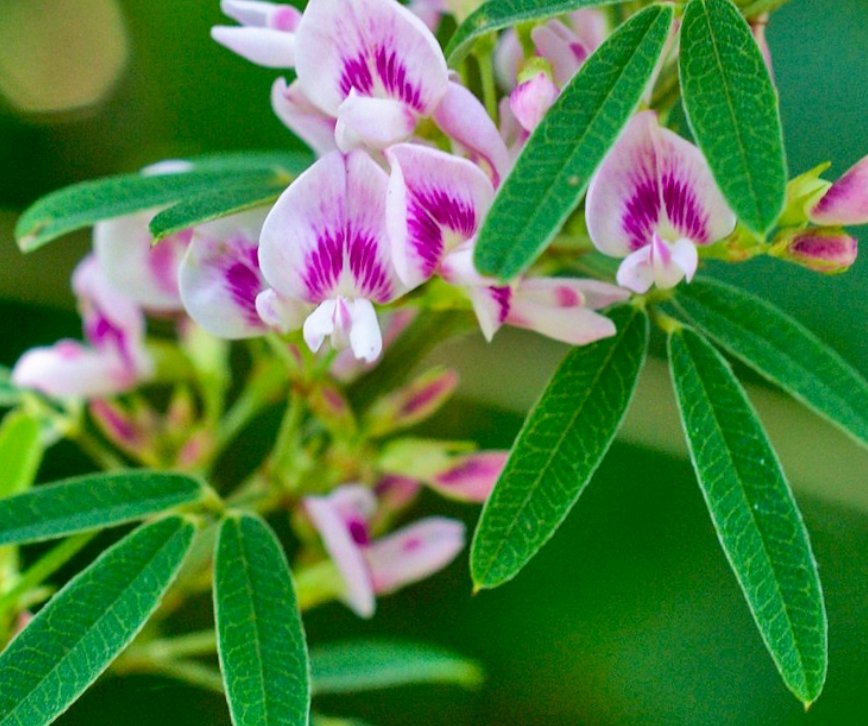
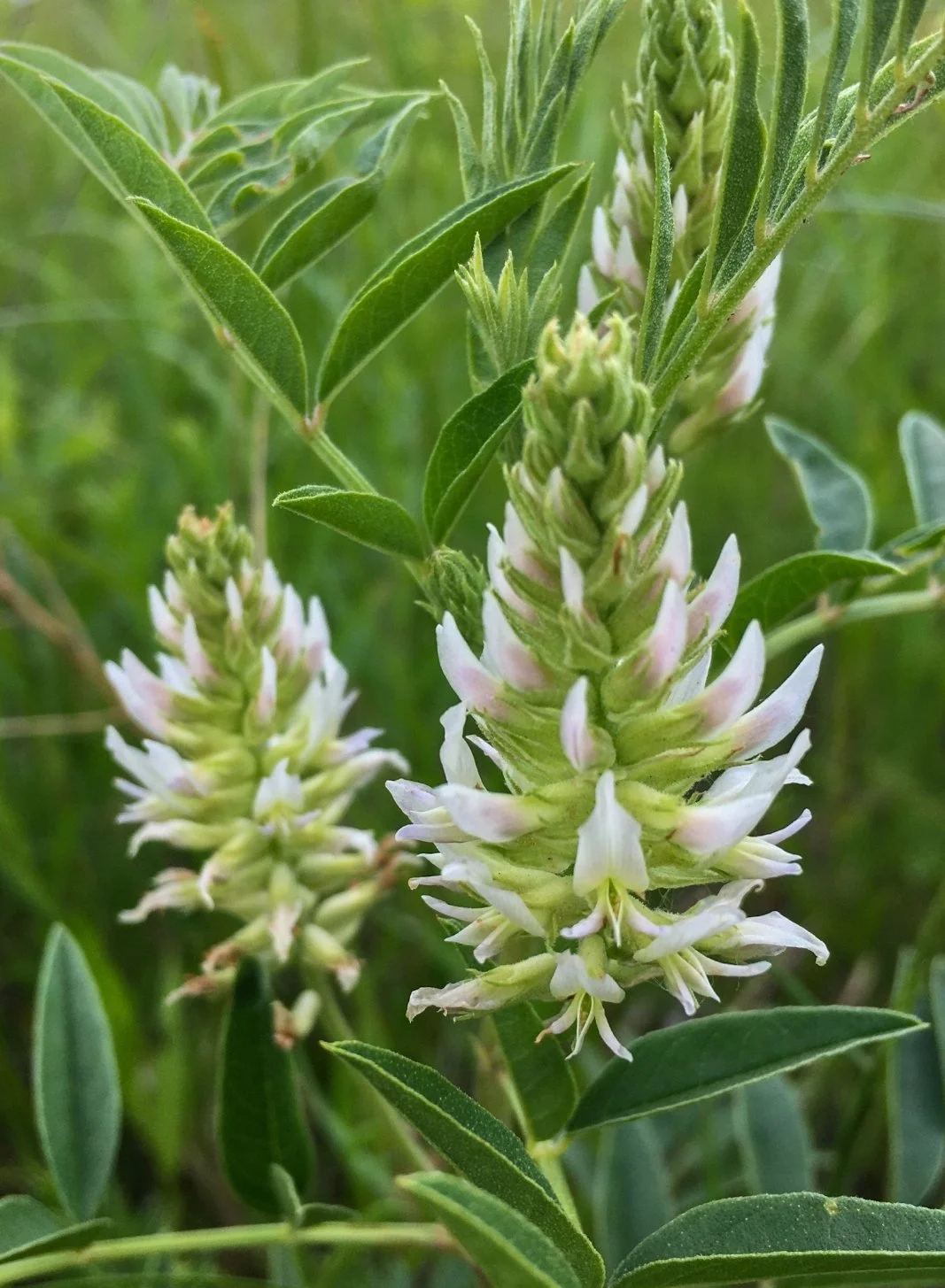
Lespedeza capitata is the scientific name for the native species more commonly known as Round-headed Bush Clover, and it typically grows to a height of 2–4 feet, with rigid, upright stems that often persist well into the following growing season. The small flowers lack a noticeable scent and are essentially sessile, exhibiting a creamy corolla with a pinkish throat and forming round, dense clusters that later mature to a deep brown in the fall. The pinnate leaves of L. capitata are clothed in soft, showy hairs that catch the light and give the plant a subtle silvery appearance across its foliage.
Round Headed Bush Clover serves as an important host plant for several butterflies and moths, including the Southern Cloudywing (Thorybes bathyllus), Northern Cloudywing (Thorybes pylades), Hoary Edge (Achalarus lyciades), Eastern Tailed-Blue (Cupido comyntas), and the Bella Moth (Utetheisa ornatrix), supporting their caterpillars and contributing to local pollinator diversity.
Round Headed Bush Clover is especially high in protein, making it a favorite choice of many kinds of mammalian wildlife, including deer, rabbits, and muskrats, which frequently browse its foliage. It can also be used in pastures as nutritious livestock forage, providing valuable seasonal grazing for cattle and sheep. The seeds are eaten by a variety of gamebirds and songbirds, including Mourning Dove, Bobwhite, Wild Turkey, and Dark-eyed Junco, offering an important food source through seed-bearing periods.
Plant Details
USDA Zones: 4-8
Germination Needs: Seed needs scarification before, (Rub seeds between medium grit sandpaper to aerate the seed surface without crushing or opening the seed) 10 Days Cold Stratification, desires inoculum which may be available in the soil, which aids in germination.
Life Cycle: Perennial
Sun Exposure: Full to Partial
Soil Moisture: Medium, Medium-Dry, Dry
Plant Spacing: 1-2 feet
Height: 4 feet
Bloom time: August, September
Bloom Color: Green / Cream
Advantages:
Pollinator Favorite: butterflies, moths, bees, wasps, beetles
Bird Favorite: seeds, insects, fruit, nectar, nesting, perches.
Deer Resistant: No
Native to: Wisconsin, Minnesota, Iowa, Illinois, Indiana, Michigan, Ohio, Pennsylvania, New York, Vermont, New Hampshire, Maine, Massachusetts, Rhode Island, Connecticut, Delaware, Maryland, New Jersey, West Virginia, Virginia, Kentucky, Tennessee, North Carolina, South Carolina, Georgia, Florida, Alabama, Mississippi, Louisiana, Arkansas, Missouri, Texas, Oklahoma, Kansas, Nebraska, and South Dakota.
This plant is considered present but rare in several counties of the states of Vermont, Kentucky, and South Dakota.
.
.
Packet quantities:
We pride ourselves on ethical, hands on, ecological management, using no mechanical or chemical methods whatsoever.
All of our native seed is hand reared, hand picked, and hand packed from native prairies under our exclusive management, never breaking chain of custody from the field until it is sent to you. Each packet is hand prepared for shipment by us, directly.
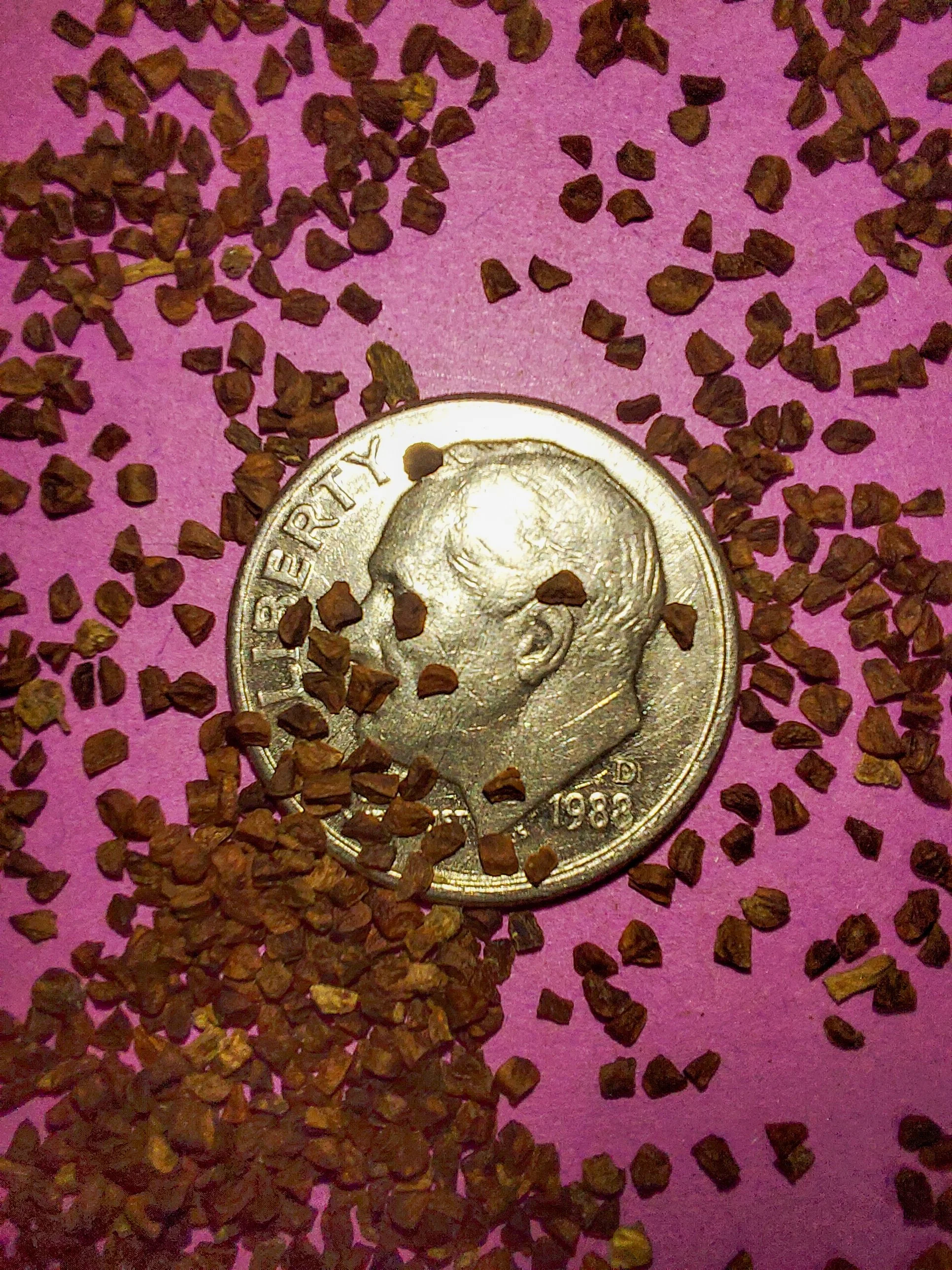
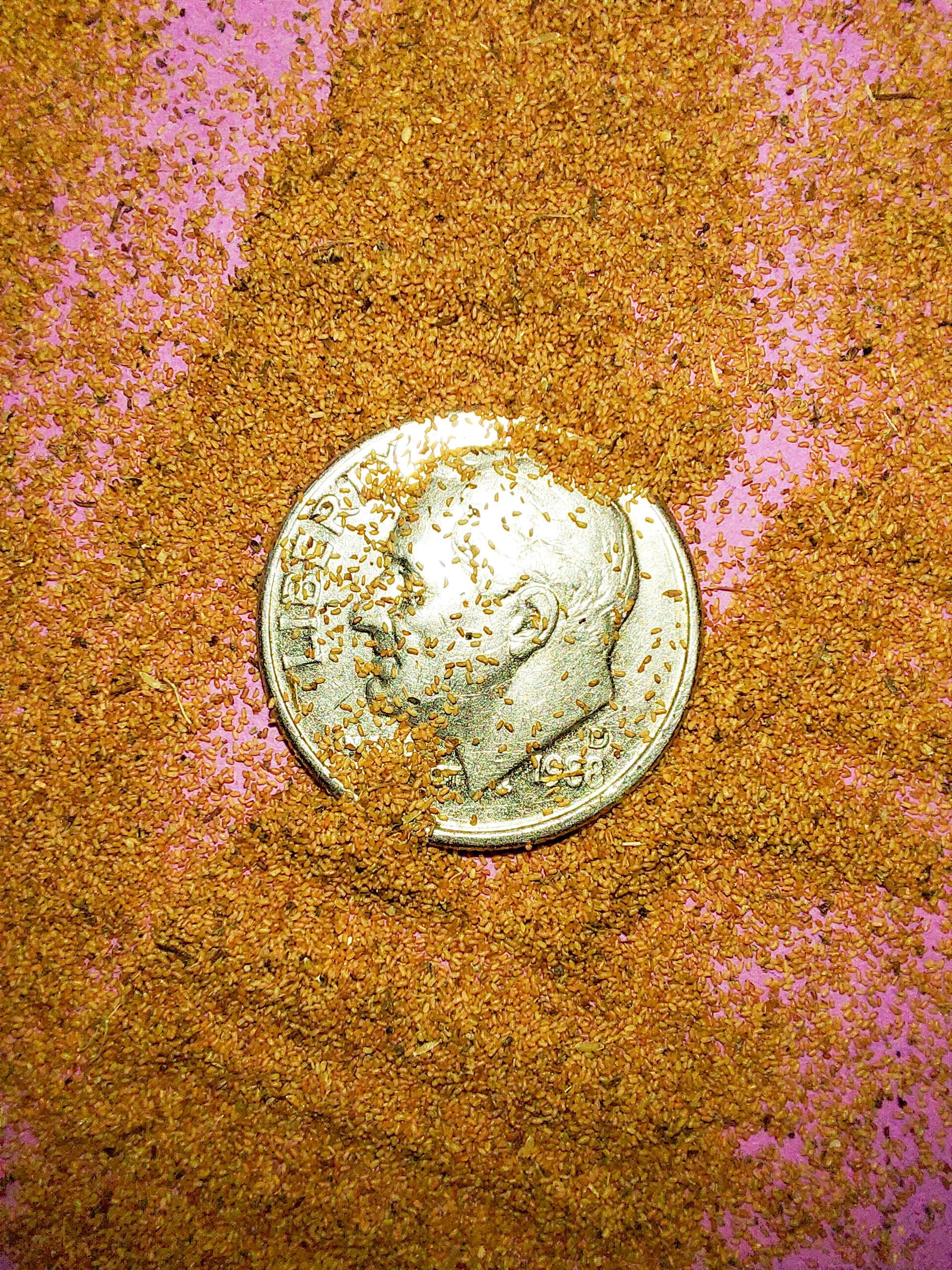
Small seed species will contain greater than 20-25 seed
Large seed species will contain greater than 10-15 seed
It is our mission to spread the wealth of native plant and pollinator ecological sustainability, and educate back yard gardeners as well as corporate and government entities in how to germinate, grow, and benefit from native synergies.
Thank you for your support, it is because of you, that we can grow together to do, what we do. 🐛🦋🐝🐞🌾🌱🌼🧡
Round-Headed Bush Clover (Lespedeza capitata)
Lespedeza capitata is the scientific name for the native species more commonly known as Round-headed Bush Clover, and it typically grows to a height of 2–4 feet, with rigid, upright stems that often persist well into the following growing season. The small flowers lack a noticeable scent and are essentially sessile, exhibiting a creamy corolla with a pinkish throat and forming round, dense clusters that later mature to a deep brown in the fall. The pinnate leaves of L. capitata are clothed in soft, showy hairs that catch the light and give the plant a subtle silvery appearance across its foliage.
Round Headed Bush Clover serves as an important host plant for several butterflies and moths, including the Southern Cloudywing (Thorybes bathyllus), Northern Cloudywing (Thorybes pylades), Hoary Edge (Achalarus lyciades), Eastern Tailed-Blue (Cupido comyntas), and the Bella Moth (Utetheisa ornatrix), supporting their caterpillars and contributing to local pollinator diversity.
Round Headed Bush Clover is especially high in protein, making it a favorite choice of many kinds of mammalian wildlife, including deer, rabbits, and muskrats, which frequently browse its foliage. It can also be used in pastures as nutritious livestock forage, providing valuable seasonal grazing for cattle and sheep. The seeds are eaten by a variety of gamebirds and songbirds, including Mourning Dove, Bobwhite, Wild Turkey, and Dark-eyed Junco, offering an important food source through seed-bearing periods.
Plant Details
USDA Zones: 4-8
Germination Needs: Seed needs scarification before, (Rub seeds between medium grit sandpaper to aerate the seed surface without crushing or opening the seed) 10 Days Cold Stratification, desires inoculum which may be available in the soil, which aids in germination.
Life Cycle: Perennial
Sun Exposure: Full to Partial
Soil Moisture: Medium, Medium-Dry, Dry
Plant Spacing: 1-2 feet
Height: 4 feet
Bloom time: August, September
Bloom Color: Green / Cream
Advantages:
Pollinator Favorite: butterflies, moths, bees, wasps, beetles
Bird Favorite: seeds, insects, fruit, nectar, nesting, perches.
Deer Resistant: No
Native to: Wisconsin, Minnesota, Iowa, Illinois, Indiana, Michigan, Ohio, Pennsylvania, New York, Vermont, New Hampshire, Maine, Massachusetts, Rhode Island, Connecticut, Delaware, Maryland, New Jersey, West Virginia, Virginia, Kentucky, Tennessee, North Carolina, South Carolina, Georgia, Florida, Alabama, Mississippi, Louisiana, Arkansas, Missouri, Texas, Oklahoma, Kansas, Nebraska, and South Dakota.
This plant is considered present but rare in several counties of the states of Vermont, Kentucky, and South Dakota.
.
.
Packet quantities:
We pride ourselves on ethical, hands on, ecological management, using no mechanical or chemical methods whatsoever.
All of our native seed is hand reared, hand picked, and hand packed from native prairies under our exclusive management, never breaking chain of custody from the field until it is sent to you. Each packet is hand prepared for shipment by us, directly.
Small seed species will contain greater than 20-25 seed
Large seed species will contain greater than 10-15 seed
It is our mission to spread the wealth of native plant and pollinator ecological sustainability, and educate back yard gardeners as well as corporate and government entities in how to germinate, grow, and benefit from native synergies.
Thank you for your support, it is because of you, that we can grow together to do, what we do. 🐛🦋🐝🐞🌾🌱🌼🧡
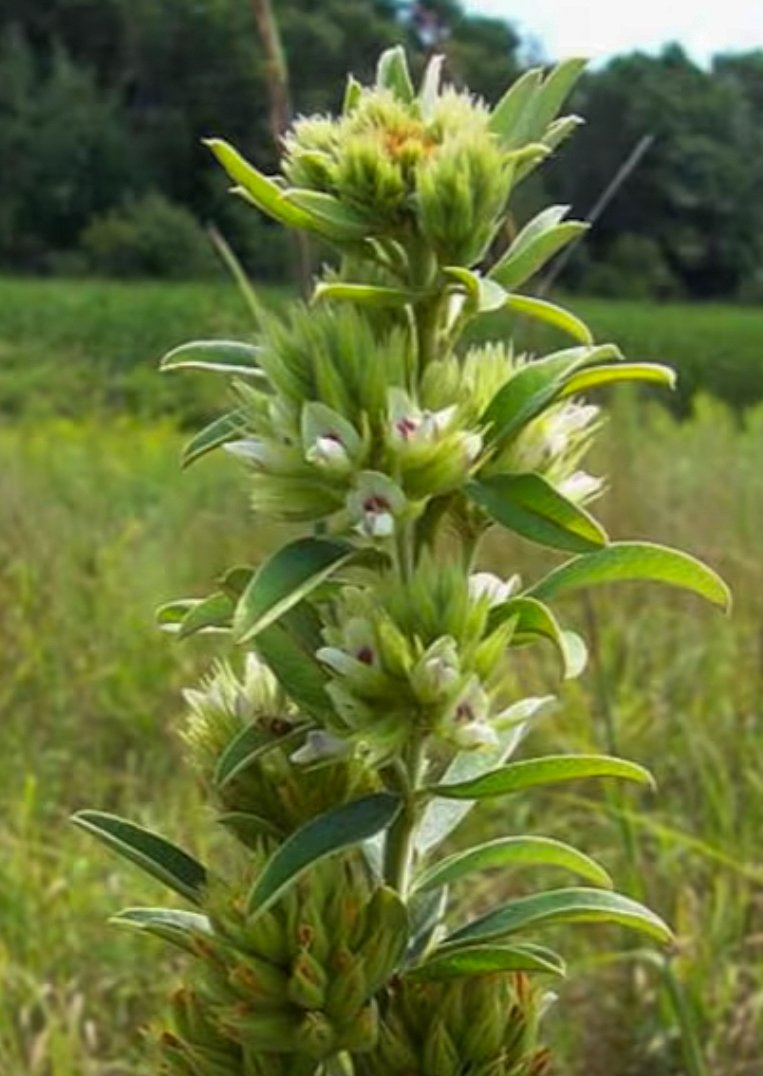 Image 1 of 3
 Image 2 of 3
 Image 3 of 3