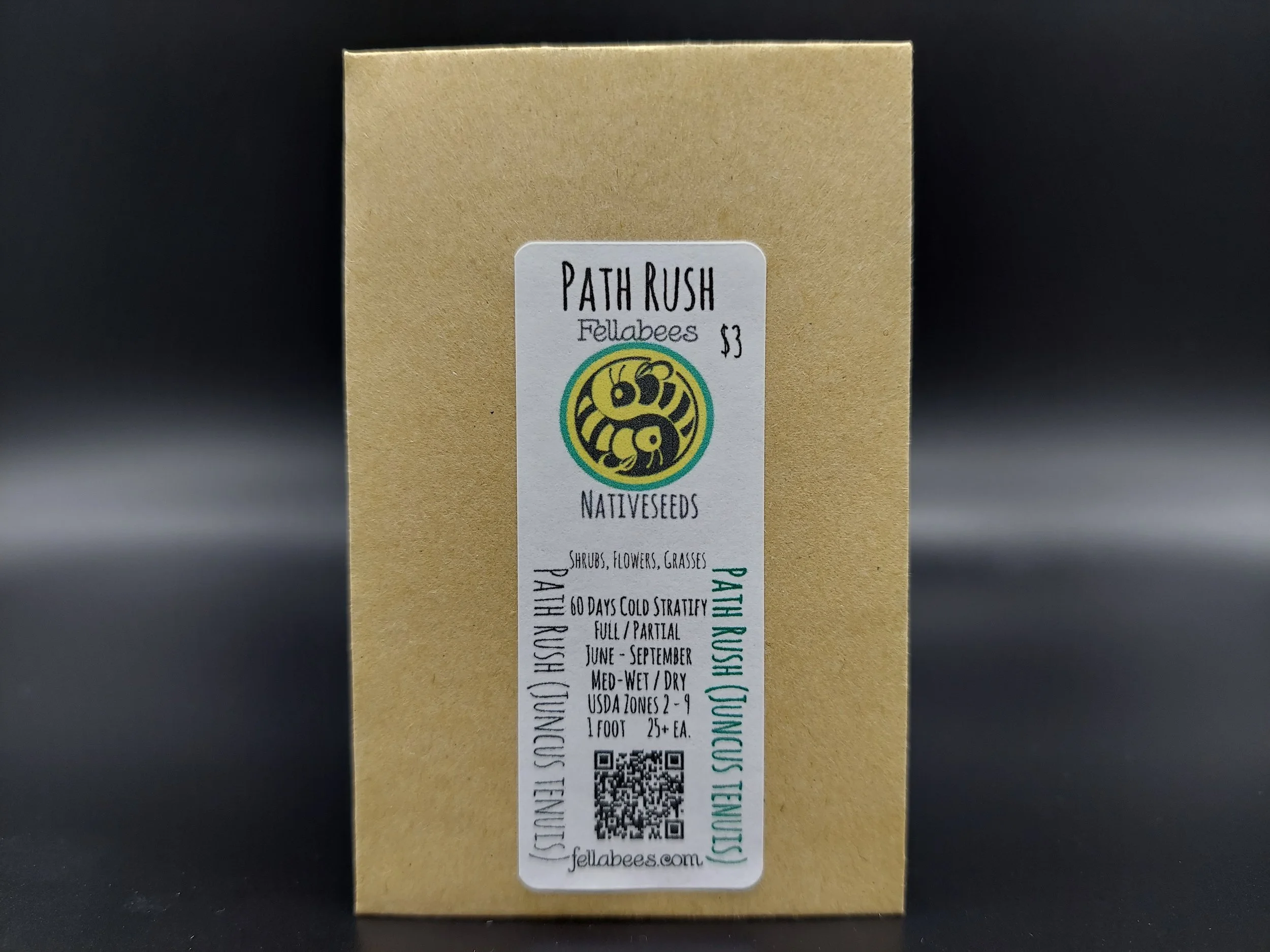
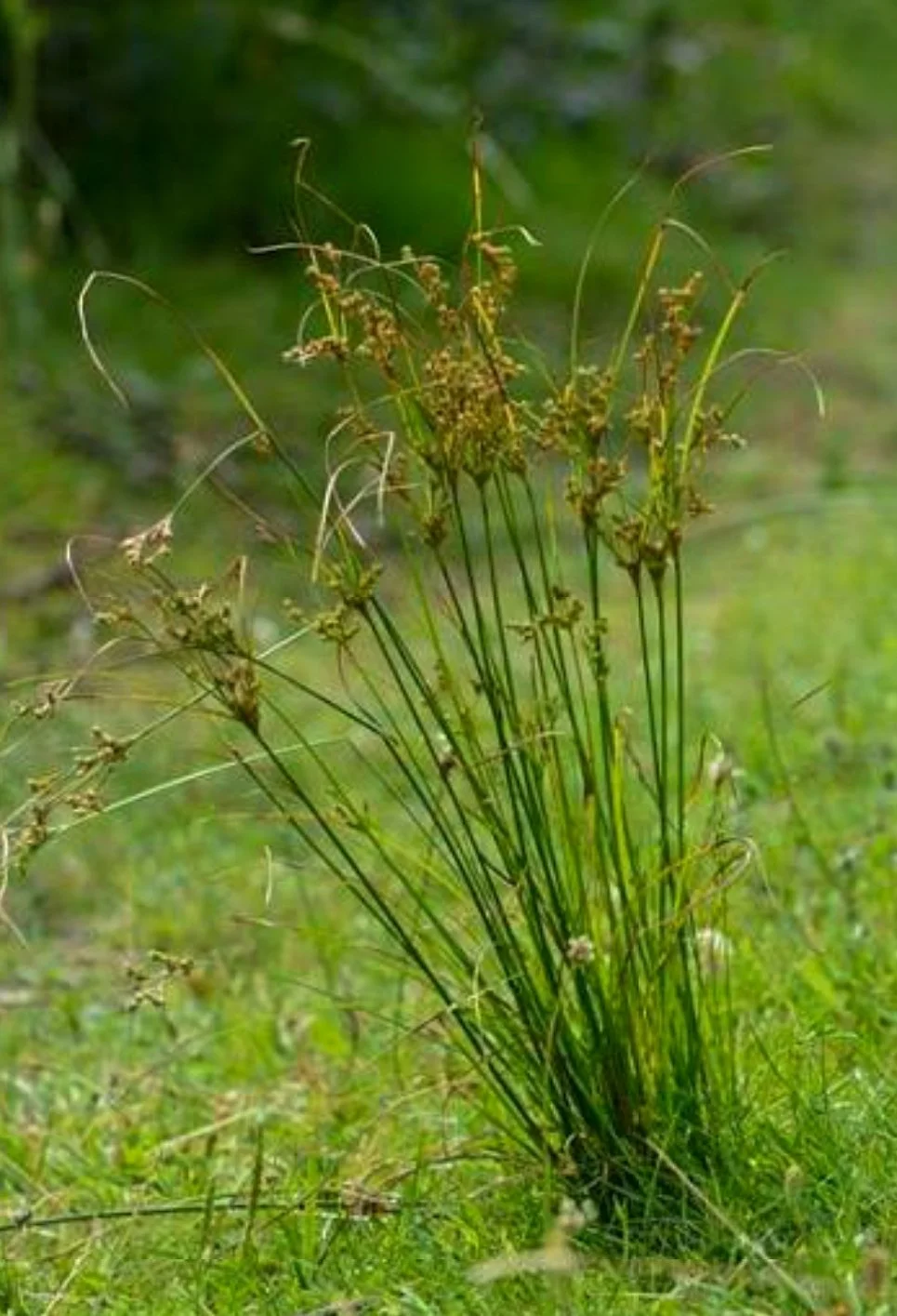
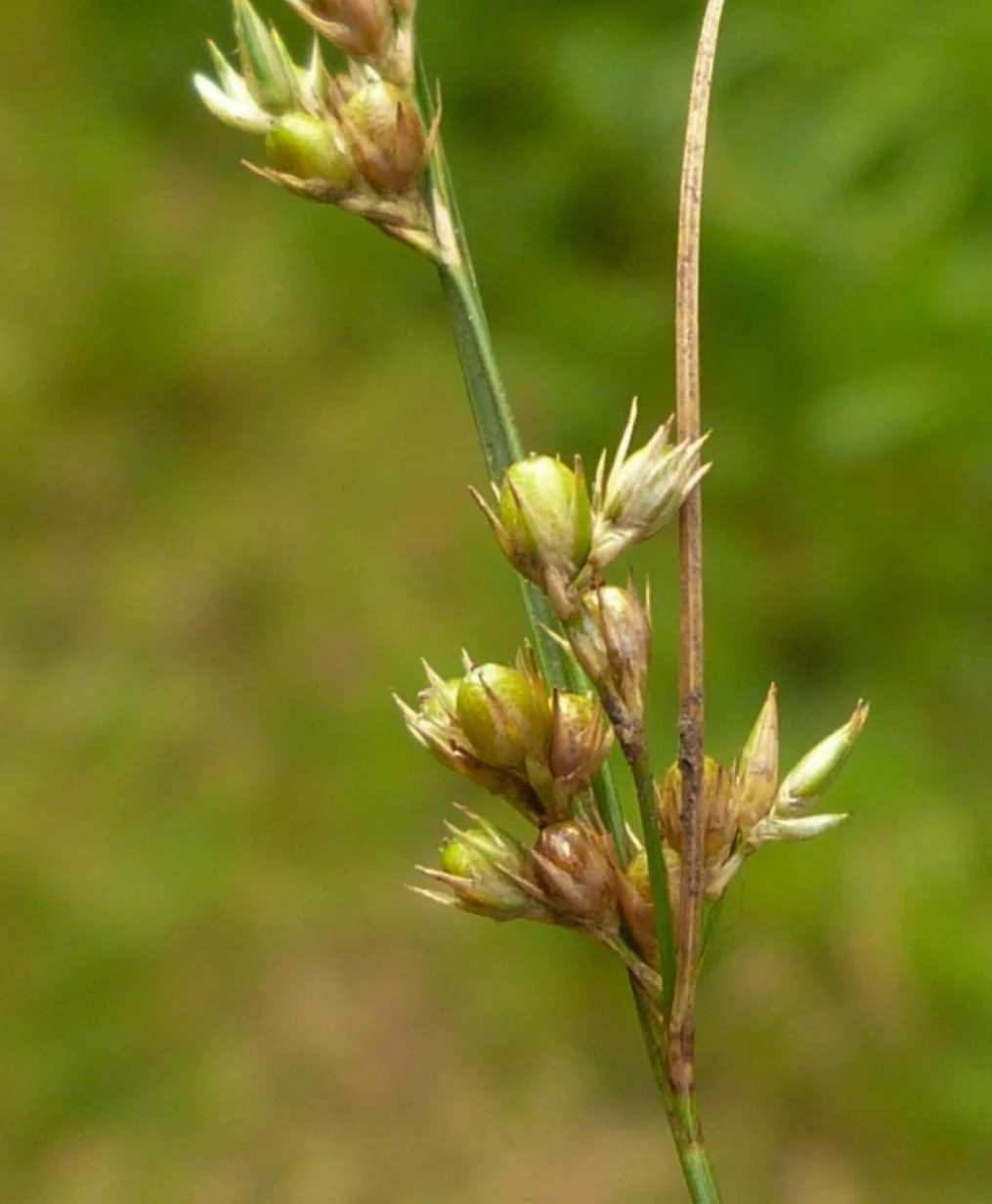
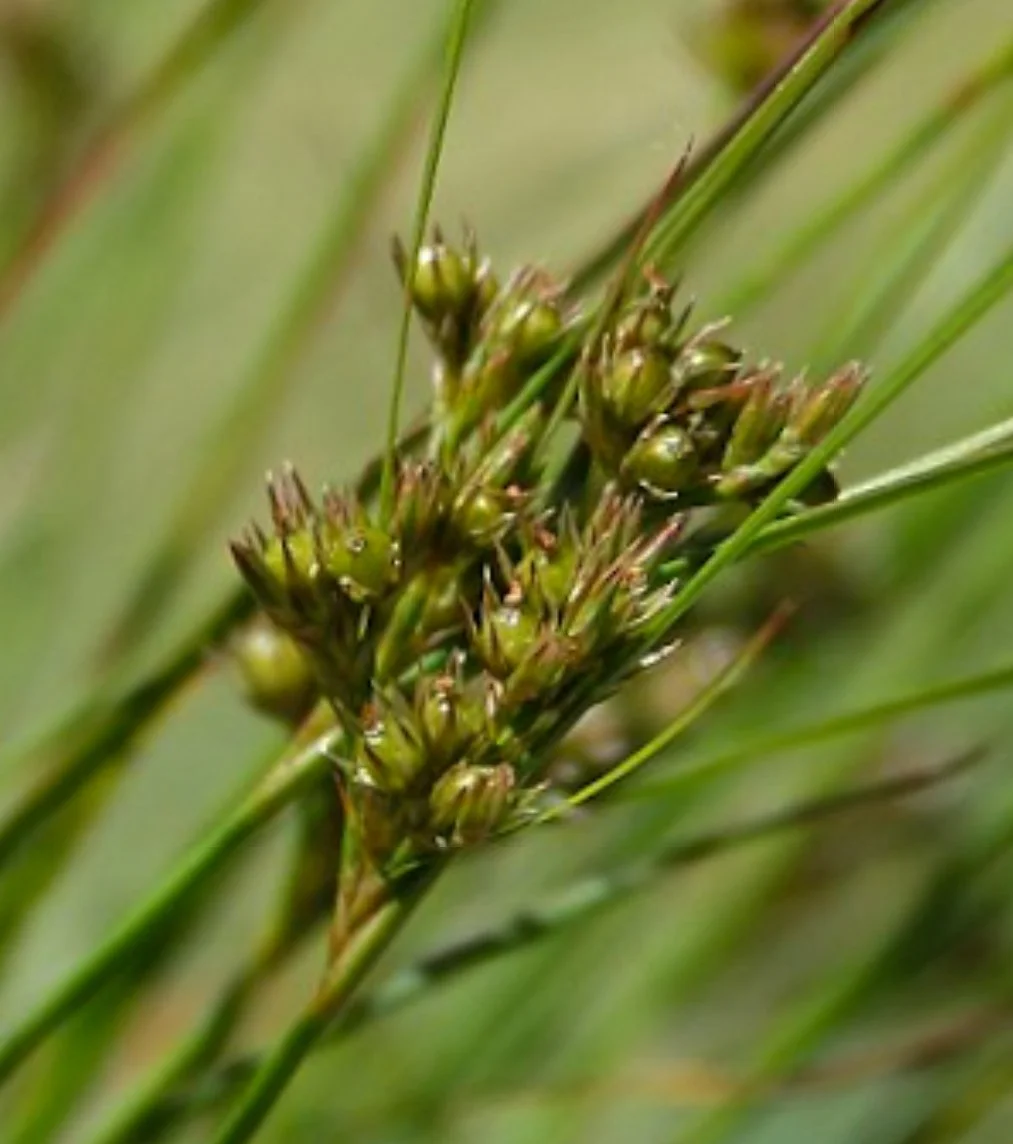
Wild Licorice (Glycyrrhiza lepidota)
Glycyrrhiza lepidota is a species of Glycyrrhiza which is a genus in the pea/bean family, Fabaceae which is a family known for its ability to fix atmospheric nitrogen in the soil making it naturally available to other species as a natural fertilizer.
In its native range this species is more commonly called Wild Licorice, and it is native to most of North America, from central Canada south through the United States to California, Texas and Virginia, but absent from the southeastern states. It is important to distinguish Wild Licorice (Glycyrrhiza lepidota) from the related European licorice (Glycyrrhiza glabra) which is occasionally cultivated but are not the same.
Wild Licorice grows in moist soils; although it will grow in heavier soil it prefers sandy soil. It grows to 2 feet tall and has long tough brown roots which are said to be sweet and were used as food and for medicinal purposes by Native Americans. Roasted Wild Licorice root tastes reminiscent of sweet potato.
Wild Licorice is not sweet because of sugar but because of the compound it is named after, glycyrrhizin. Glycyrrhizin can raise blood pressure by interfering with the body’s normal conversion of cortisol. Structurally, glycyrrhizin is a saponin that is used commercially as an emulsifier and gel‑forming agent in a variety of foodstuffs and cosmetic products. These commercial extracts typically come from Wild Licorice’s European cousin, while parts of the native Wild Licorice plant are also used as a concentrated sweetener substitute, being roughly 30–50 times sweeter than table sugar. Overconsumption of derivatives from either species can lead to health problems, so moderation, as with most things, is advisable.
The Zuni people chew the root to keep the mouth sweet and moist. Other Native American groups used the root extensively as an herbal remedy for common ailments such as fever, stomachache, toothache, ear infection, and sore throat, and they also relied on it as a simple, starchy food to consume during the lean winter months.
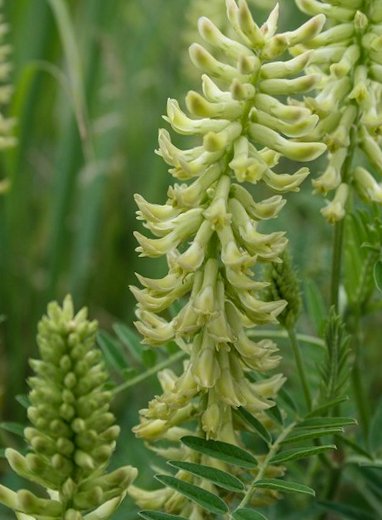
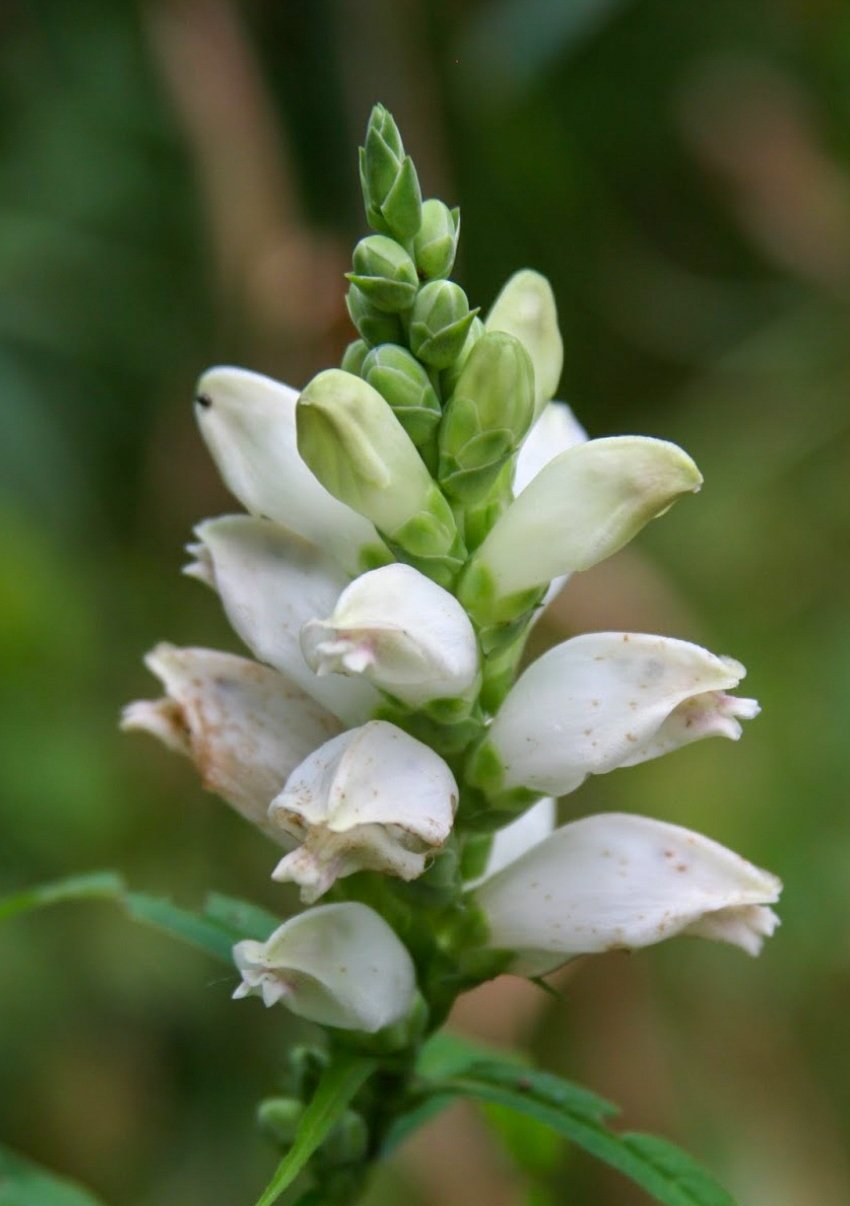
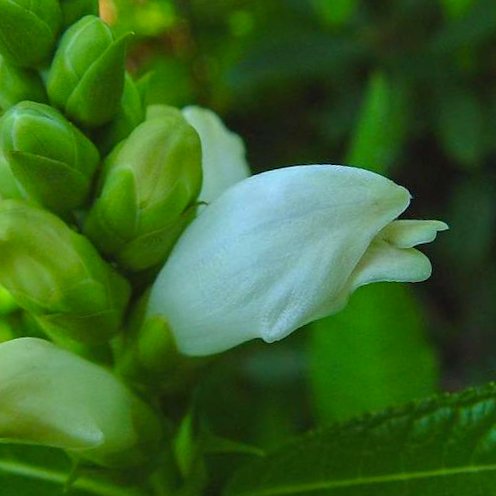
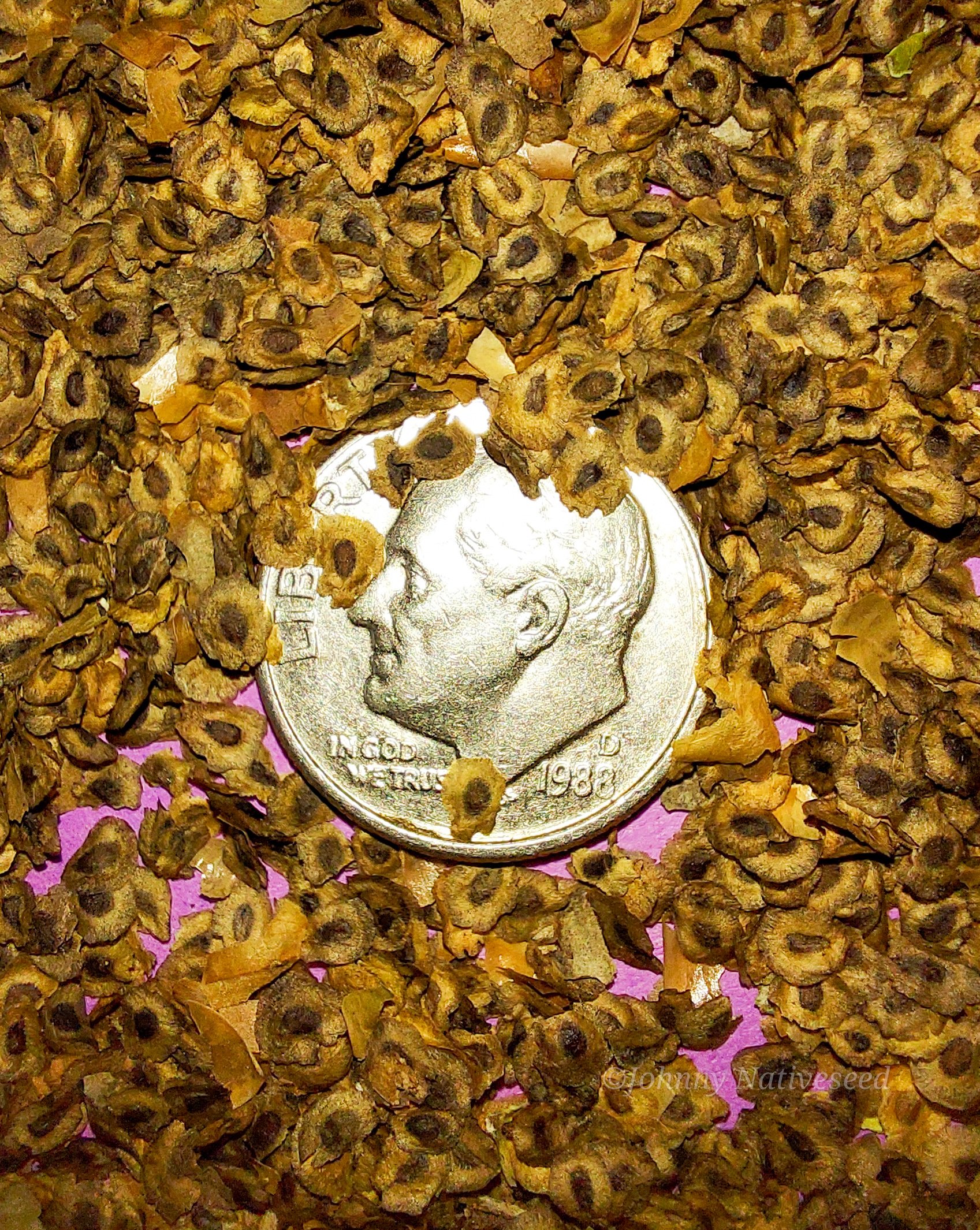
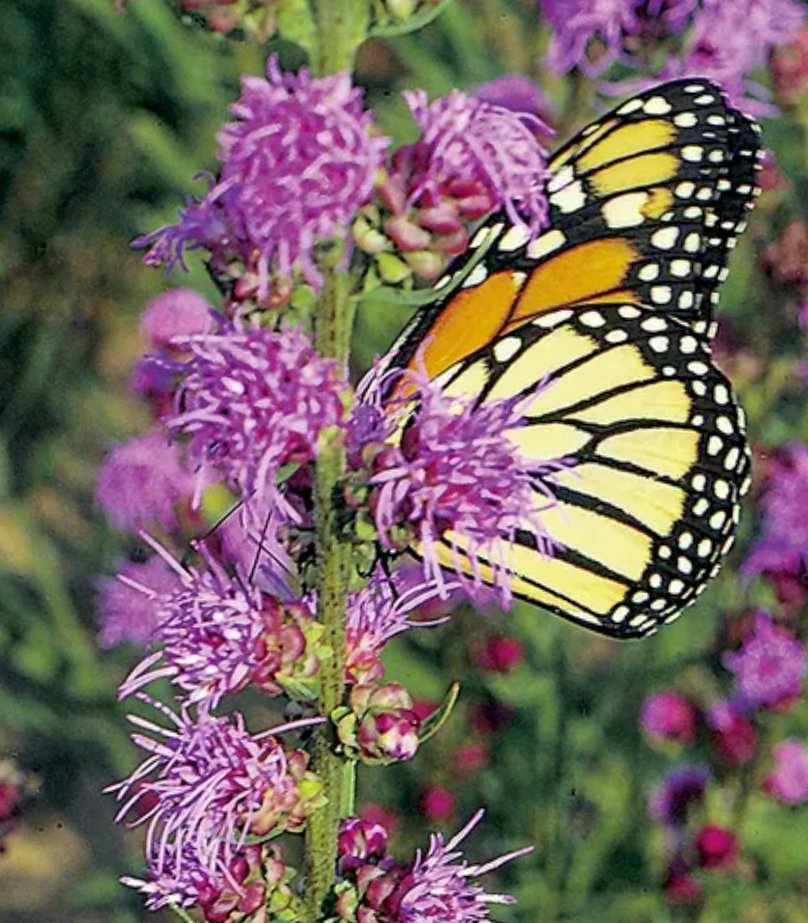
Wild Licorice is grazed only infrequently by deer, as it is not a preferred forage, and grazing can stimulate increased new growth. That fresh growth can be toxic as a defense mechanism, helping to deter further browsing over time. White Licorice produces light green to nearly white flowers in the spring that attract a wide variety of bees and butterflies, and they also draw occasional hummingbirds. Wild Licorice serves as a host plant for the Silver-spotted Skipper (Epargyreus clarus). After pollination, the flowers mature through the summer and ripen in the fall into clusters of burs that contain pods filled with small, bean-like seeds.
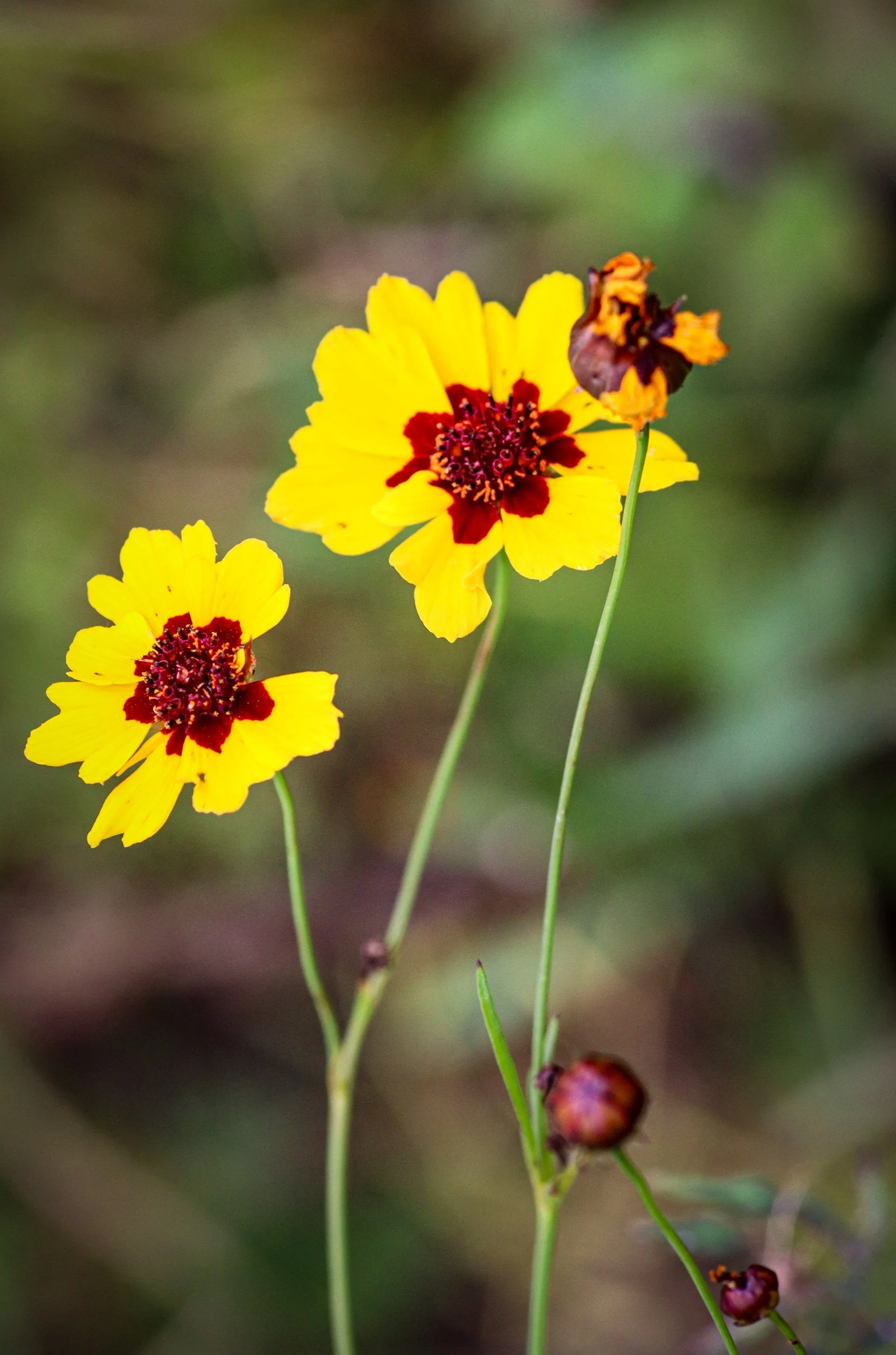
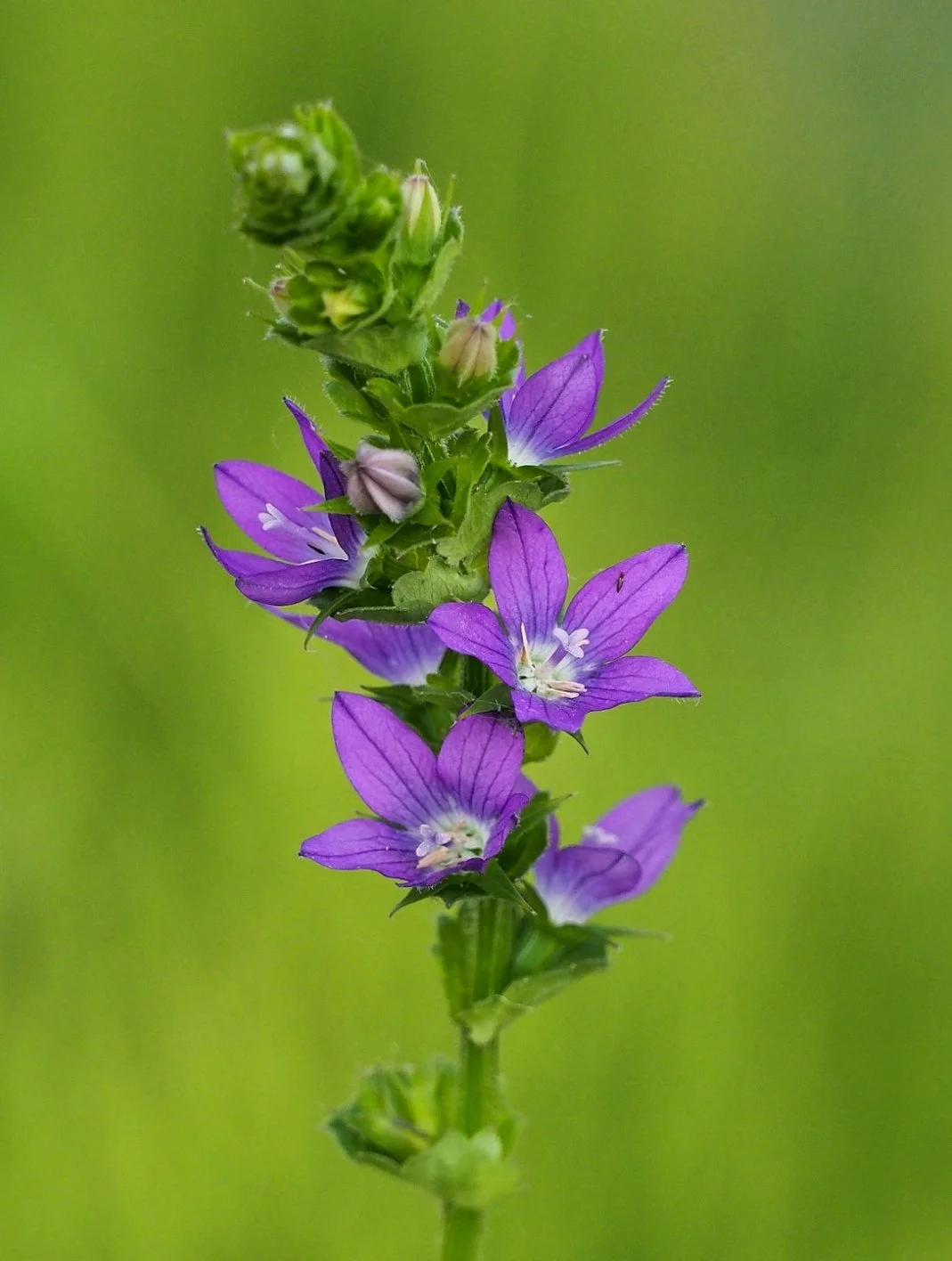
Wild Licorice can be used as an effective pioneer species to revegetate bare or otherwise disturbed soils, prior to more advanced native restoration efforts, and it is frequently the first plant to recolonize a receding alkali flat, helping stabilize the ground and encourage later successional species. Grown in conjunction with Black-Eyed Susan (Rudbeckia hirta), Little Bluestem (Schizachyrium scoparium), Venus' Looking Glass (Triodanis perfoliata) and Plains Coreopsis (Coreopsis tinctoria) is a great way to get new native spaces started, naturally.
Plant Details:
USDA Zones: 3 - 9
Germination Needs: Needs no special treatment. Benefits from scarification (knick or lightly sand seed coating), and inoculum (beneficial bacteria which aids in germination and symbiotic partner to legume species, found naturally in most outdoor soils) only if started indoors.
Life Cycle: Perennial
Sun Exposure: Full Sun
Soil Moisture: Medium-Wet, Medium, Medium-Dry, Dry
Plant Spacing: 1 - 3 feet
Height: 2 feet
Bloom time: June, July
Bloom Color: White
Advantages:
Pollinator Favorite: butterflies, moths, bees, wasps, beetles
Bird Favorite: seeds, insects, fruit, nectar, nesting, perches.
Deer Resistant: Yes
Native to: Wisconsin, Minnesota, Iowa, Missouri, Texas, Oklahoma, Kansas, Nebraska, South Dakota, North Dakota, Montana, Wyoming, Colorado, New Mexico, Arizona, Utah, Nevada, Idaho, Washington State, Oregon and California.
This species is considered present but introduced in several counties of the states of Illinois, Indiana, Pennsylvania, New York, Maine, Massachusetts, Rhode Island, Connecticut and Virginia.
This species is erroneously labeled as “noxious" by the current occupants of the land within its natural and historical native range in several counties of the state of Nevada.
*We will not make alternate plant suggestions if your location is within range of these noxious listing counties. We feel strongly that nature knows best, regardless of the opinions of humans who did not evolve alongside these integral species.
Seed Count: 20+
.
.
Packet quantities:
We pride ourselves on ethical, hands on, ecological management, using no mechanical or chemical methods whatsoever.
All of our native seed is hand reared, hand-picked, and hand packed from native prairies under our exclusive management, never breaking chain of custody from the field until it is sent to you. Each packet is hand prepared for shipment by us, directly.
Small seed species will contain greater than 20-25 seed
Large seed species will contain greater than 10-15 seed
All packets are individually marked at the bottom of the front label with expected count, however most if not all packets will have many more than the minimum count by default.
It is our mission to spread the wealth of native plant and pollinator ecological sustainability and educate back yard gardeners as well as corporate and government entities in how to germinate, grow, and benefit from native synergies.
Thank you for your support, it is because of you, that we can grow together to do, what we do. 🐛🦋🐝🐞🌾🌱🌼🧡
Wild Licorice (Glycyrrhiza lepidota)
Glycyrrhiza lepidota is a species of Glycyrrhiza which is a genus in the pea/bean family, Fabaceae which is a family known for its ability to fix atmospheric nitrogen in the soil making it naturally available to other species as a natural fertilizer.
In its native range this species is more commonly called Wild Licorice, and it is native to most of North America, from central Canada south through the United States to California, Texas and Virginia, but absent from the southeastern states. It is important to distinguish Wild Licorice (Glycyrrhiza lepidota) from the related European licorice (Glycyrrhiza glabra) which is occasionally cultivated but are not the same.
Wild Licorice grows in moist soils; although it will grow in heavier soil it prefers sandy soil. It grows to 2 feet tall and has long tough brown roots which are said to be sweet and were used as food and for medicinal purposes by Native Americans. Roasted Wild Licorice root tastes reminiscent of sweet potato.
Wild Licorice is not sweet because of sugar but because of the compound it is named after, glycyrrhizin. Glycyrrhizin can raise blood pressure by interfering with the body’s normal conversion of cortisol. Structurally, glycyrrhizin is a saponin that is used commercially as an emulsifier and gel‑forming agent in a variety of foodstuffs and cosmetic products. These commercial extracts typically come from Wild Licorice’s European cousin, while parts of the native Wild Licorice plant are also used as a concentrated sweetener substitute, being roughly 30–50 times sweeter than table sugar. Overconsumption of derivatives from either species can lead to health problems, so moderation, as with most things, is advisable.
The Zuni people chew the root to keep the mouth sweet and moist. Other Native American groups used the root extensively as an herbal remedy for common ailments such as fever, stomachache, toothache, ear infection, and sore throat, and they also relied on it as a simple, starchy food to consume during the lean winter months.
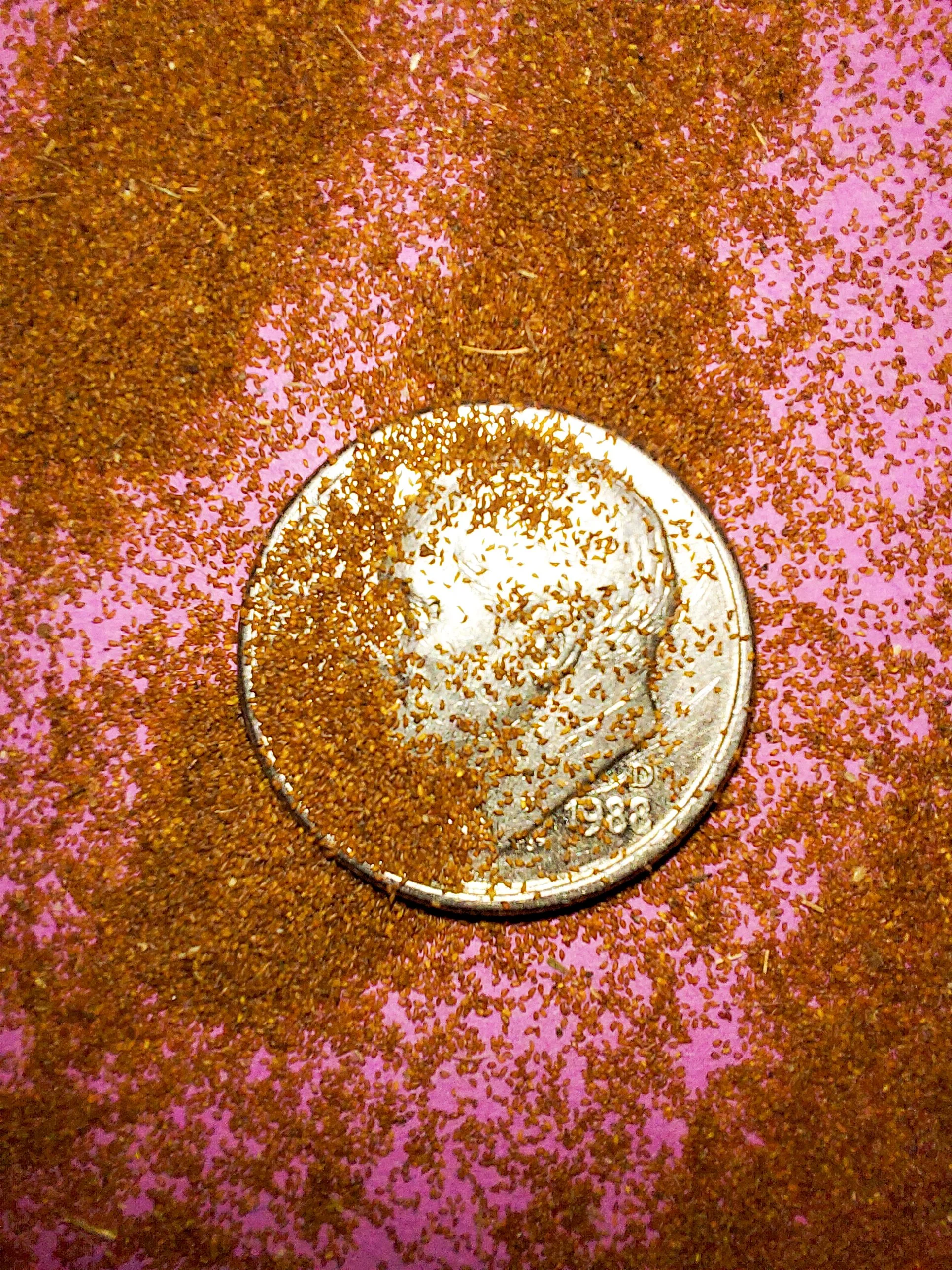
Wild Licorice is grazed only infrequently by deer, as it is not a preferred forage, and grazing can stimulate increased new growth. That fresh growth can be toxic as a defense mechanism, helping to deter further browsing over time. White Licorice produces light green to nearly white flowers in the spring that attract a wide variety of bees and butterflies, and they also draw occasional hummingbirds. Wild Licorice serves as a host plant for the Silver-spotted Skipper (Epargyreus clarus). After pollination, the flowers mature through the summer and ripen in the fall into clusters of burs that contain pods filled with small, bean-like seeds.
Wild Licorice can be used as an effective pioneer species to revegetate bare or otherwise disturbed soils, prior to more advanced native restoration efforts, and it is frequently the first plant to recolonize a receding alkali flat, helping stabilize the ground and encourage later successional species. Grown in conjunction with Black-Eyed Susan (Rudbeckia hirta), Little Bluestem (Schizachyrium scoparium), Venus' Looking Glass (Triodanis perfoliata) and Plains Coreopsis (Coreopsis tinctoria) is a great way to get new native spaces started, naturally.
Plant Details:
USDA Zones: 3 - 9
Germination Needs: Needs no special treatment. Benefits from scarification (knick or lightly sand seed coating), and inoculum (beneficial bacteria which aids in germination and symbiotic partner to legume species, found naturally in most outdoor soils) only if started indoors.
Life Cycle: Perennial
Sun Exposure: Full Sun
Soil Moisture: Medium-Wet, Medium, Medium-Dry, Dry
Plant Spacing: 1 - 3 feet
Height: 2 feet
Bloom time: June, July
Bloom Color: White
Advantages:
Pollinator Favorite: butterflies, moths, bees, wasps, beetles
Bird Favorite: seeds, insects, fruit, nectar, nesting, perches.
Deer Resistant: Yes
Native to: Wisconsin, Minnesota, Iowa, Missouri, Texas, Oklahoma, Kansas, Nebraska, South Dakota, North Dakota, Montana, Wyoming, Colorado, New Mexico, Arizona, Utah, Nevada, Idaho, Washington State, Oregon and California.
This species is considered present but introduced in several counties of the states of Illinois, Indiana, Pennsylvania, New York, Maine, Massachusetts, Rhode Island, Connecticut and Virginia.
This species is erroneously labeled as “noxious" by the current occupants of the land within its natural and historical native range in several counties of the state of Nevada.
*We will not make alternate plant suggestions if your location is within range of these noxious listing counties. We feel strongly that nature knows best, regardless of the opinions of humans who did not evolve alongside these integral species.
Seed Count: 20+
.
.
Packet quantities:
We pride ourselves on ethical, hands on, ecological management, using no mechanical or chemical methods whatsoever.
All of our native seed is hand reared, hand-picked, and hand packed from native prairies under our exclusive management, never breaking chain of custody from the field until it is sent to you. Each packet is hand prepared for shipment by us, directly.
Small seed species will contain greater than 20-25 seed
Large seed species will contain greater than 10-15 seed
All packets are individually marked at the bottom of the front label with expected count, however most if not all packets will have many more than the minimum count by default.
It is our mission to spread the wealth of native plant and pollinator ecological sustainability and educate back yard gardeners as well as corporate and government entities in how to germinate, grow, and benefit from native synergies.
Thank you for your support, it is because of you, that we can grow together to do, what we do. 🐛🦋🐝🐞🌾🌱🌼🧡
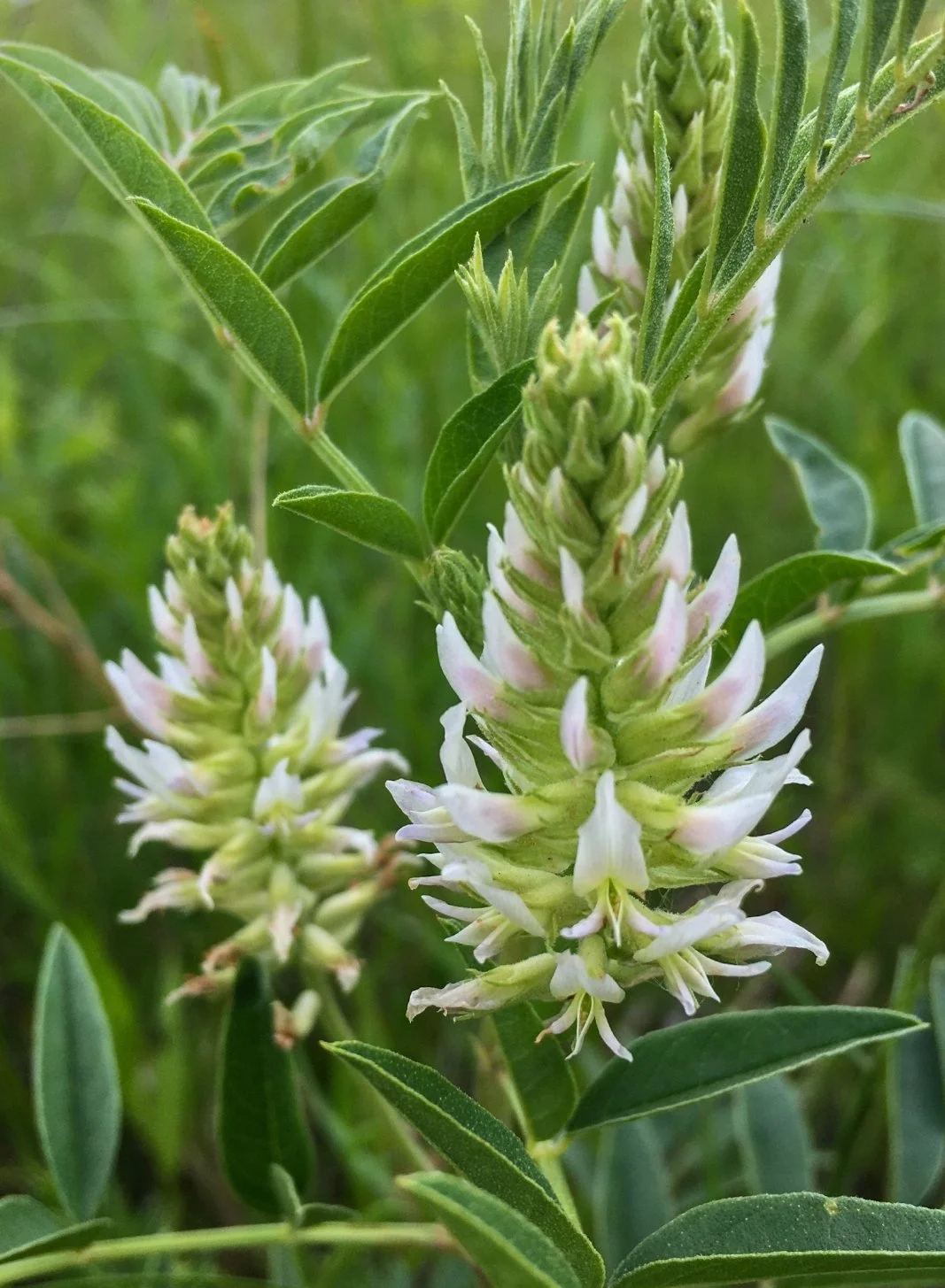 Image 1 of 7
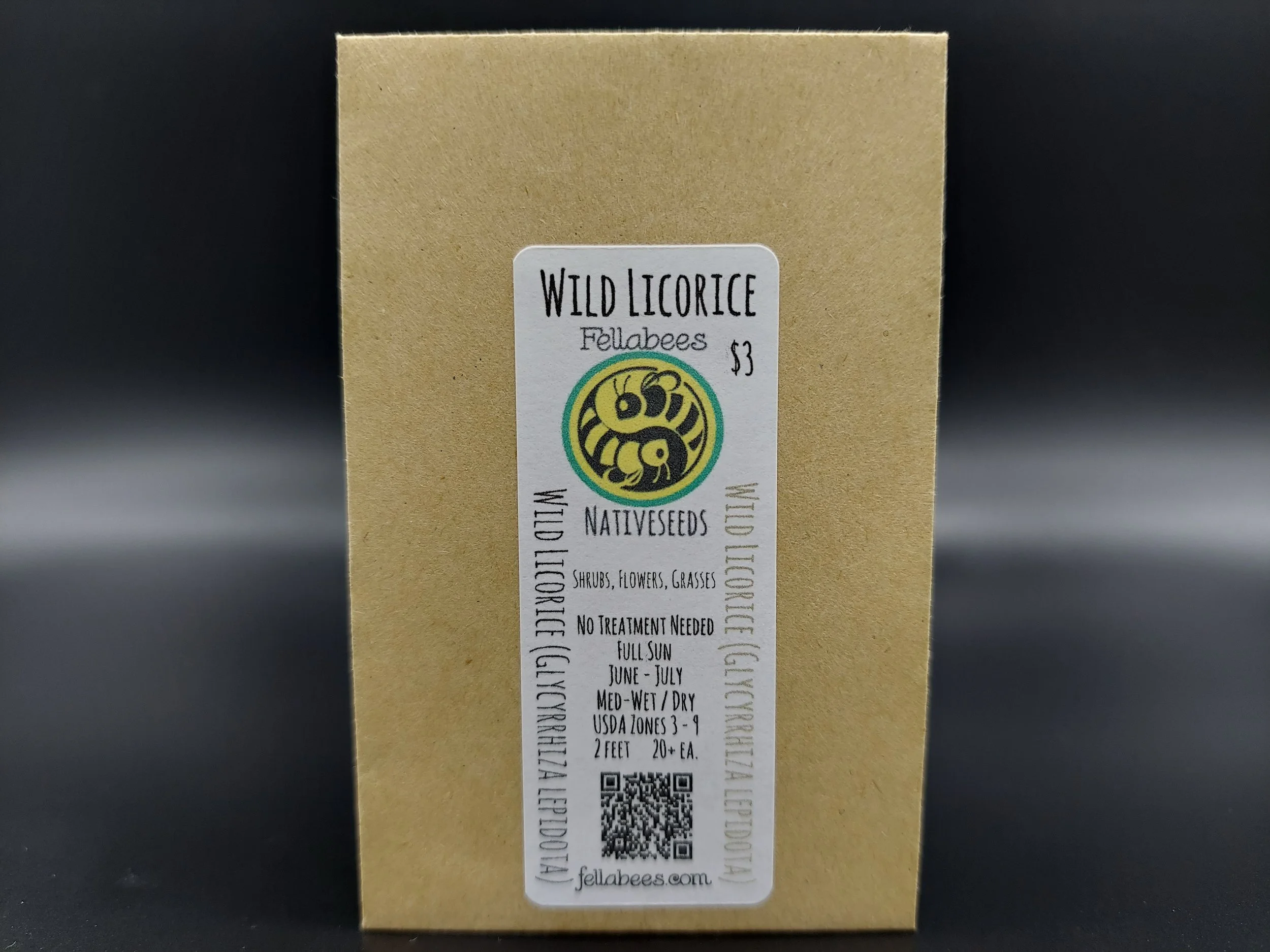 Image 2 of 7
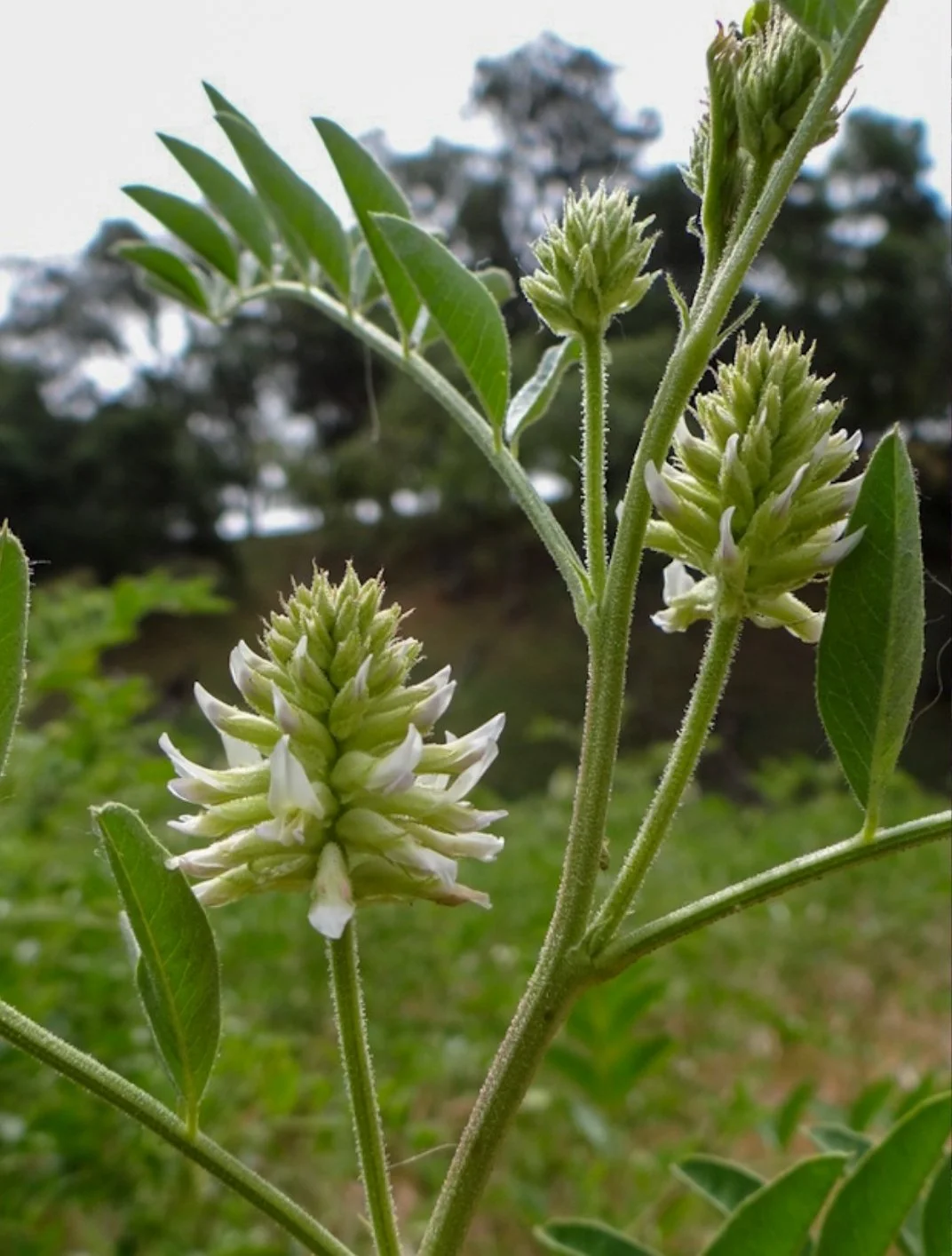 Image 3 of 7
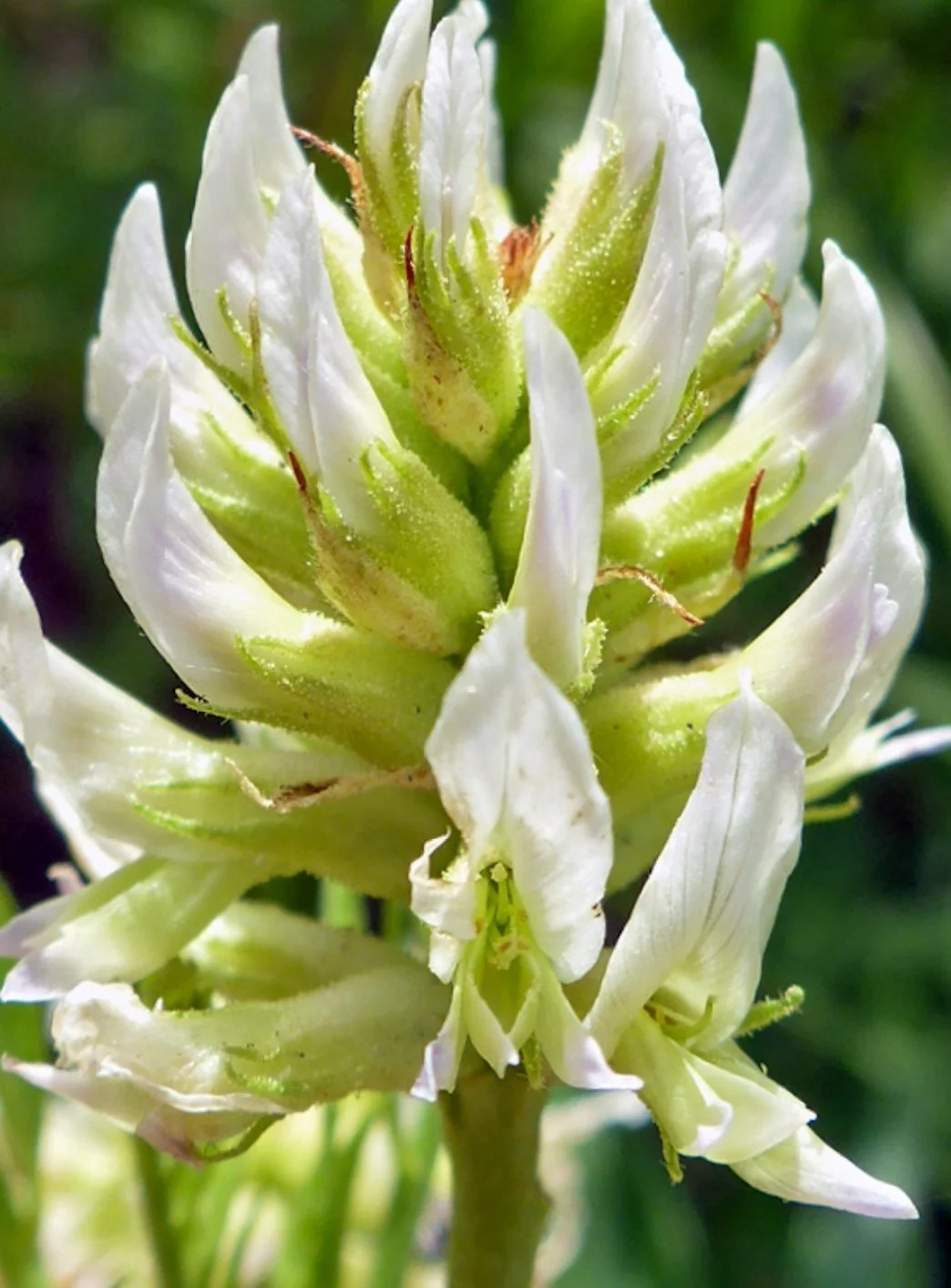 Image 4 of 7
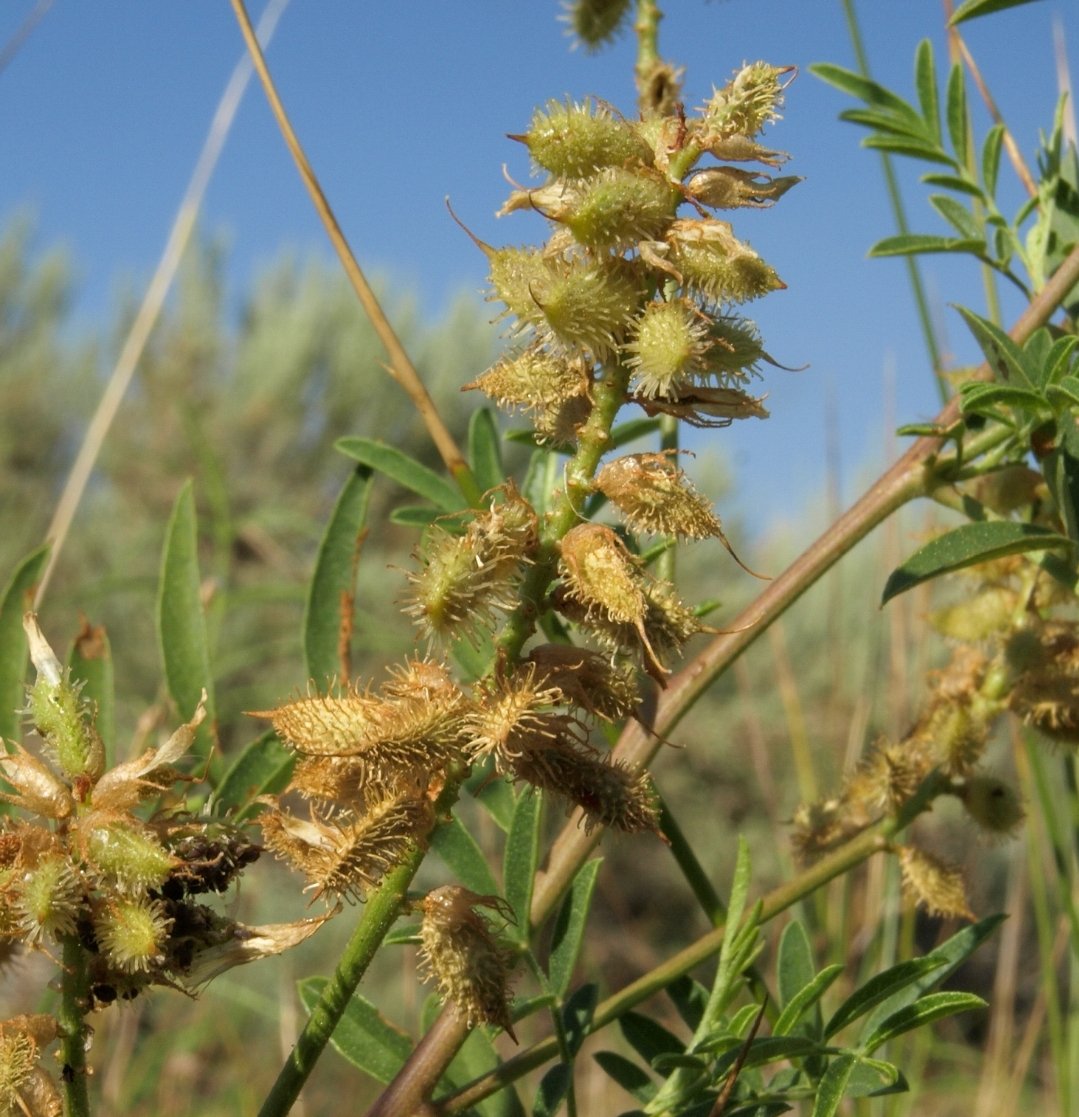 Image 5 of 7
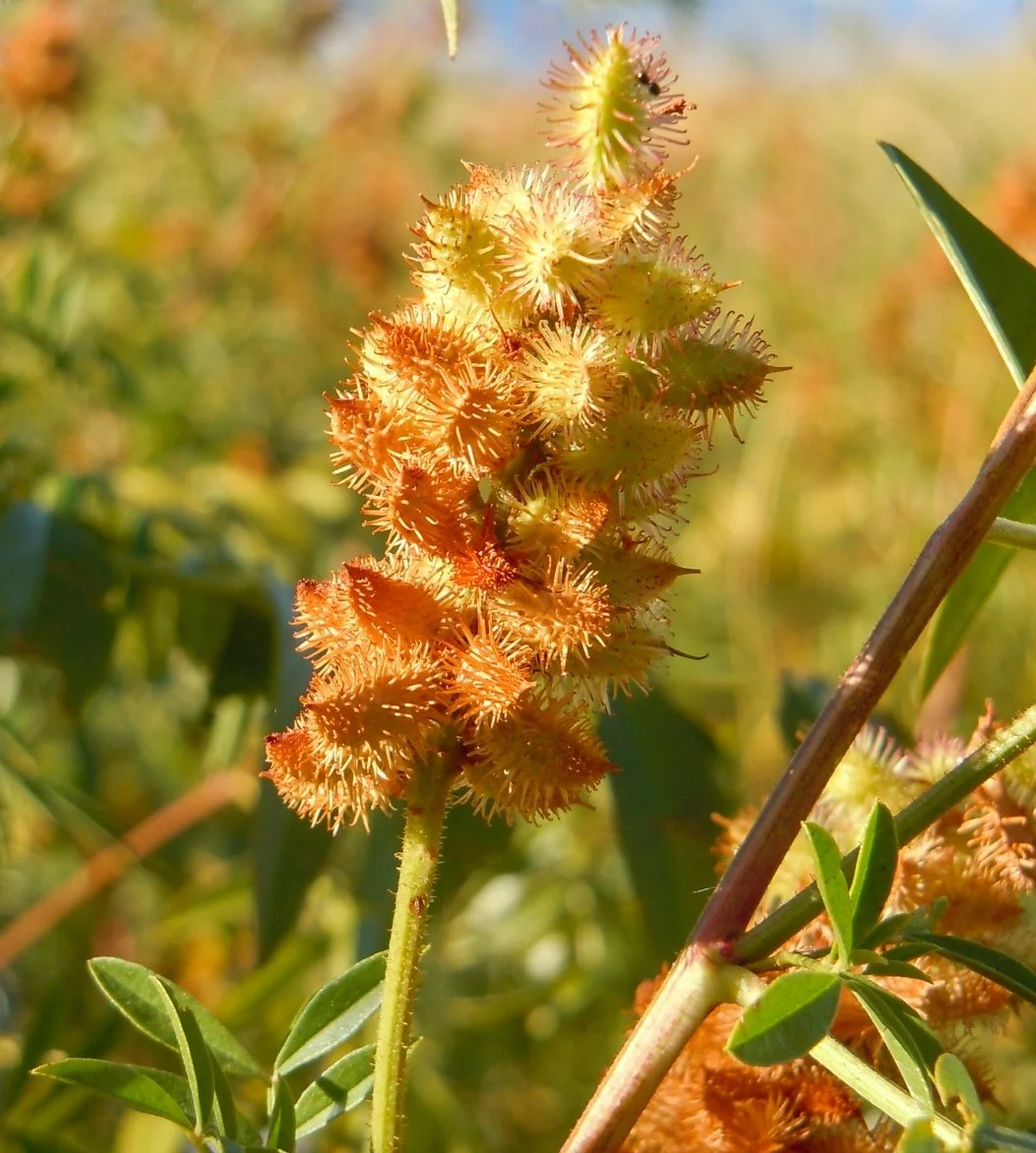 Image 6 of 7
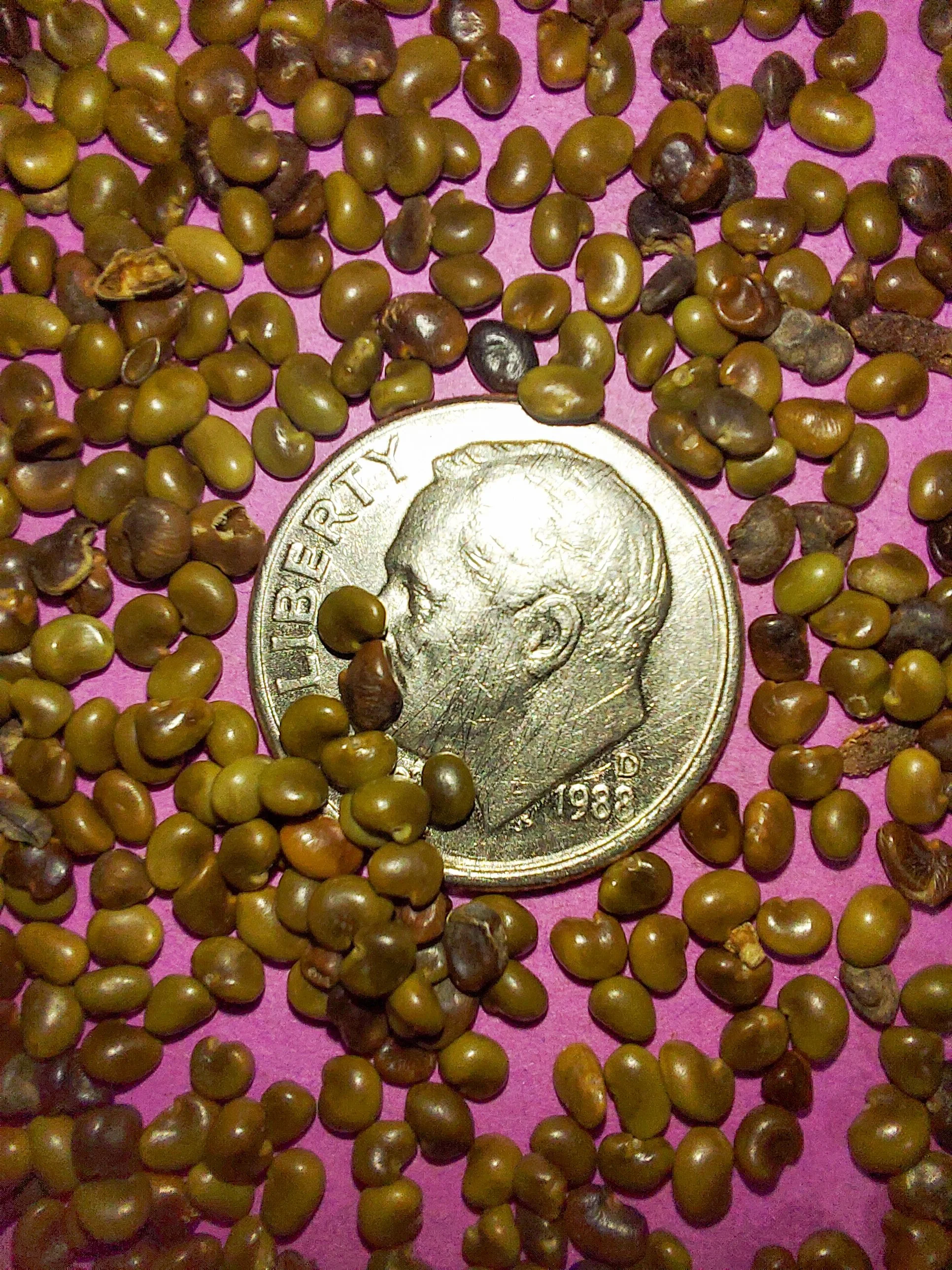 Image 7 of 7