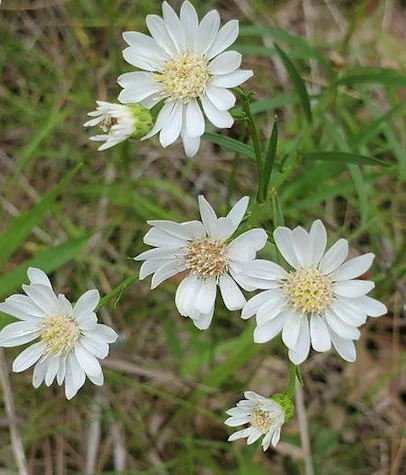
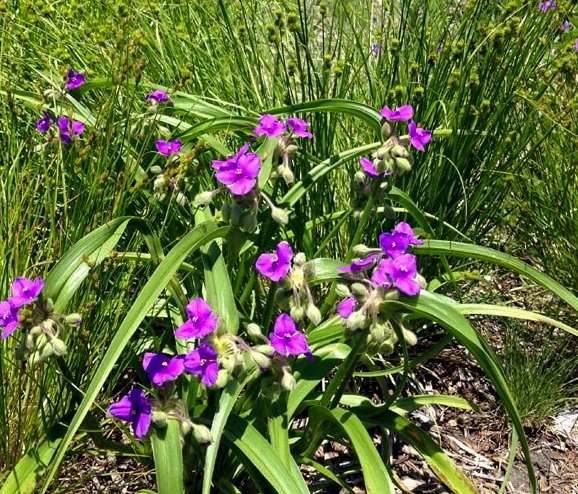
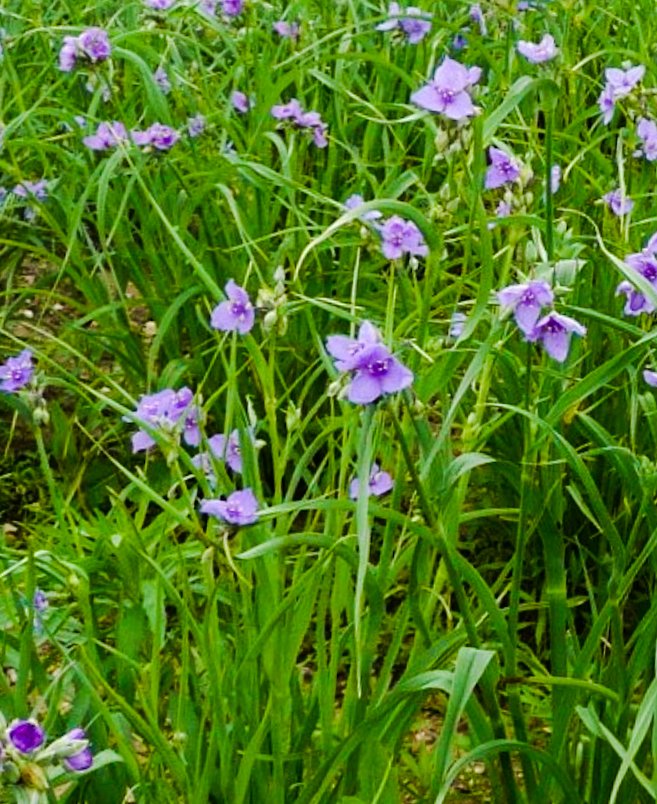
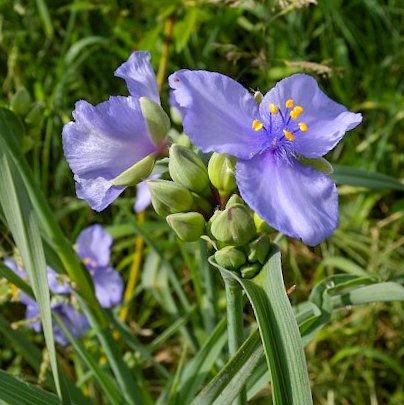
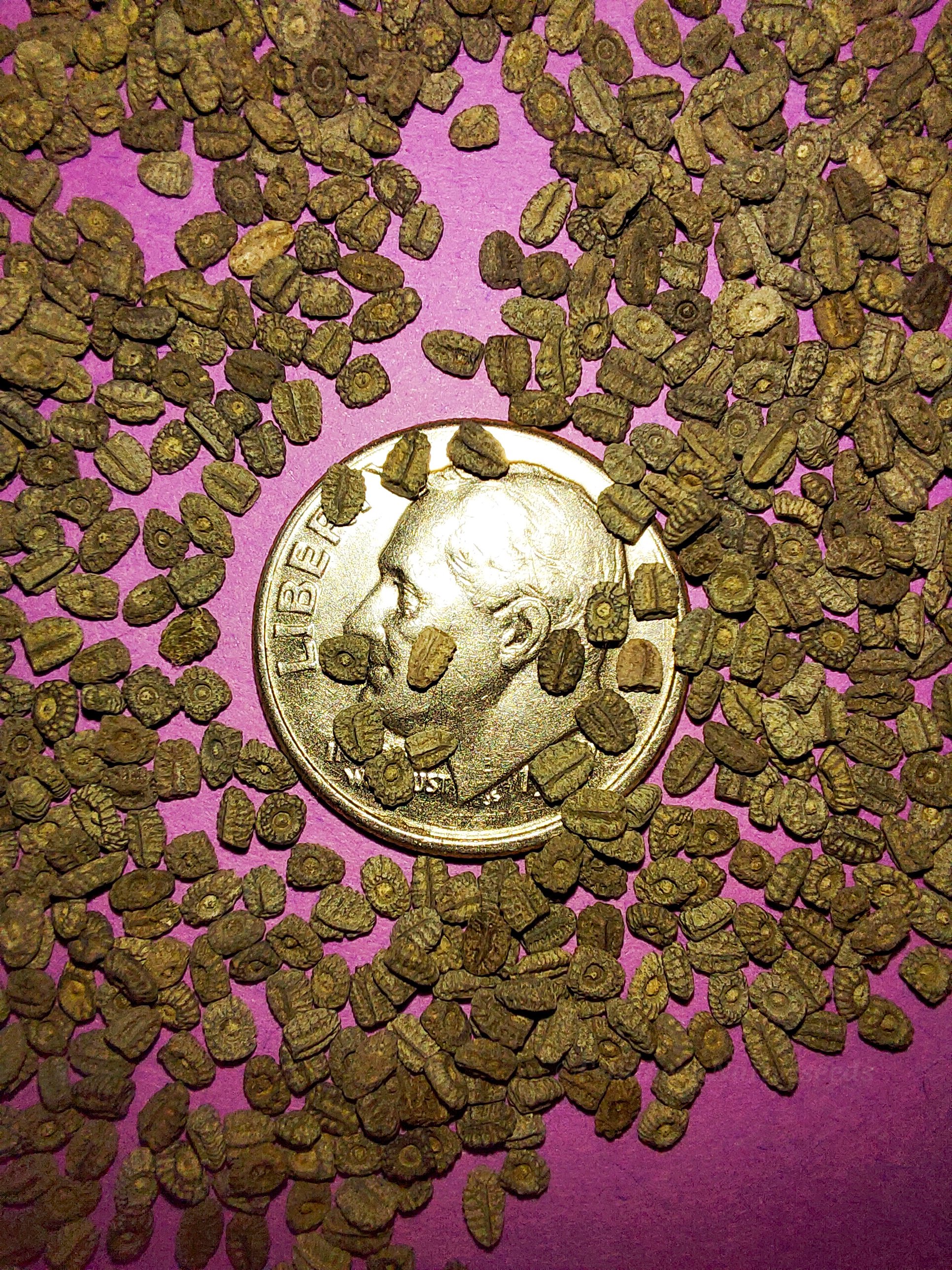
Sky Blue Aster (Symphyotrichum oolentangiense)
Symphyotrichum oolentangiense is the most recent scientific name for this beautiful native species, reflecting current botanical classification and modern taxonomic understanding. It has previously been listed under older names, most commonly Aster oolentangiensis and at times Aster azureus, in earlier scientific literature and herbarium records. More commonly it is known as Sky Blue Aster and Azure Aster in everyday usage. Sky Blue Aster is a native species of flowering plant in the family Asteraceae, endemic to eastern central North America, where it favors prairies, meadows, and open, sunny sites.
Sky Blue Aster typically reaches about 1 3⁄4 feet in average conditions and can grow as tall as 5 feet in especially favorable sites, producing one or several herbaceous stems. Its alternate, simple leaves have a distinctly rough texture to the touch. The composite flower heads, appearing from August through October, display rays that range from true blue to violet and occasionally a soft pinkish hue.
Sky Blue Aster is most commonly found in prairies, open woodlands, savannahs, and other sunny, open habitats. It occurs widely throughout the Midwestern United States and in eastern prairie regions, ranging from Texas northward to Minnesota. Its native range also extends south into Mexico, including Coahuila, and reaches north into Ontario, Canada.
Sky Blue Aster attracts a wide variety of insects, including more than 50 specialist native bee species. Frequent visitors include Green Sweat Bees (Agapostemon, Augochlorella, Augochloropsis), Long-Horned Bees (Melissodes), Sweat Bees (Halictus), Small Sweat Bees (Lasioglossum), Small Carpenter Bees (Ceratina), Mining Bees (Andrena), and several species of Bumble Bees (Bombus).
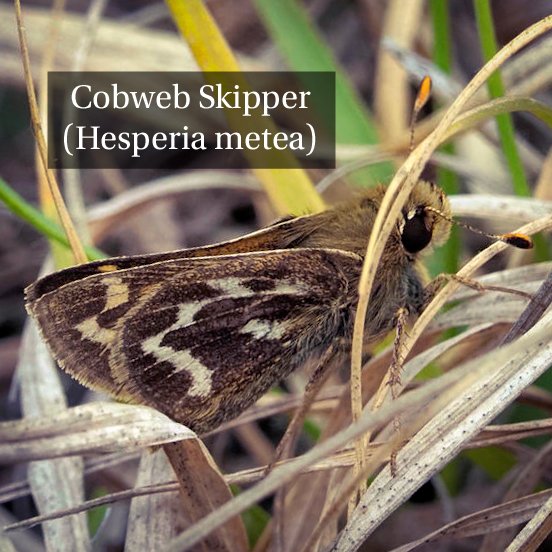
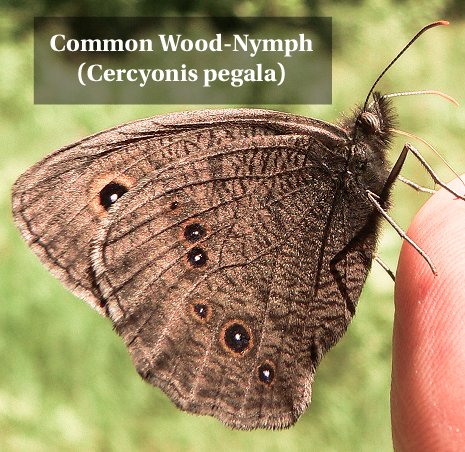
It's not just bees but bee flies, butterflies, beetles, and pollinating predators such as wasps too! A wide variety of herbivorous insects also feed on and consume the vegetation. Seeds are dispersed by wind and by hungry birds. This species is typical of higher-quality natural areas, especially those shaped by periodic disturbances such as wildfire.
This species is present, native but rare in several counties of the states of New York, Kentucky, Tennessee, Alabama, Georgia, Florida, Nebraska, and South Dakota
Plant Details
USDA Zones: 3-8
Germination Needs: No special treatment needed, prefers to germinate in cool soil
Life Cycle: Perennial
Sun Exposure: Full to Partial
Soil Moisture: Medium, Medium-Dry, Dry
Plant Spacing: 1-2 feet
Height: 3 feet
Bloom time: August, September, October
Bloom Color: Blue
Advantages:
Pollinator Favorite: butterflies, moths, bees, wasps, beetles
Bird Favorite: seeds, insects, fruit, nectar, nesting, perches.
Deer Resistant: Yes
Excellent in the home landscape!
Native to: Wisconsin, Minnesota, Iowa, Illinois, Indiana, Michigan, Ohio, New York, Kentucky, Tennessee, Georgia, Florida, Alabama, Mississippi, Louisiana, Arkansas, Texas, Oklahoma, Kansas, Nebraska, and South Dakota.
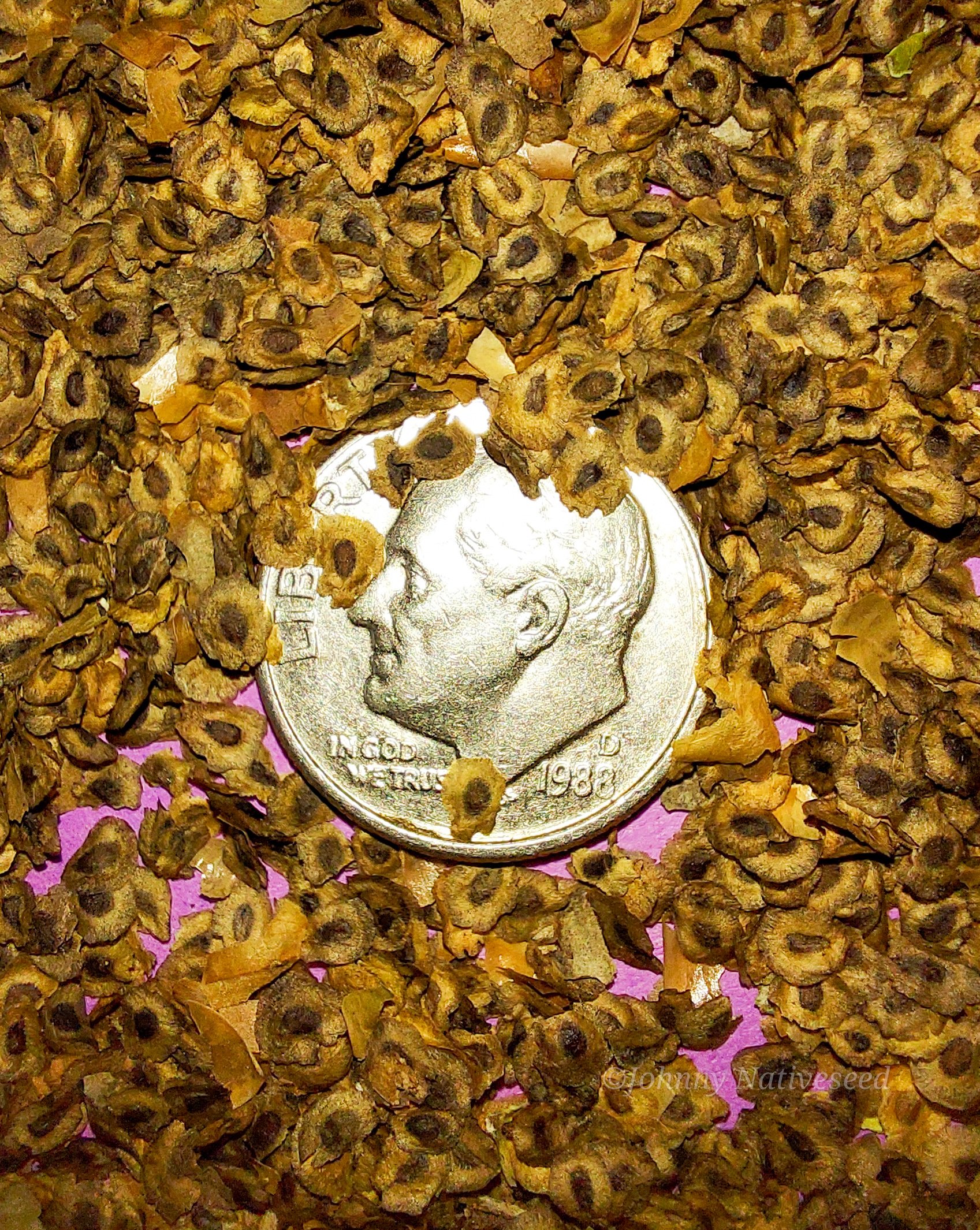
Seed Count: 25
.
.
Packet quantities:
We pride ourselves on ethical, hands on, ecological management, using no mechanical or chemical methods whatsoever.
All of our native seed is hand reared, hand picked, and hand packed from native prairies under our exclusive management, never breaking chain of custody from the field until it is sent to you. Each packet is hand prepared for shipment by us, directly.
Small seed species will contain greater than 20-25 seed
Large seed species will contain greater than 10-15 seed
It is our mission to spread the wealth of native plant and pollinator ecological sustainability and educate back yard gardeners as well as corporate and government entities in how to germinate, grow, and benefit from native synergies.
Thank you for your support, it is because of you, that we can grow together to do, what we do. 🐛🦋🐝🐞🌾🌱🌼🧡
Sky Blue Aster (Symphyotrichum oolentangiense)
Symphyotrichum oolentangiense is the most recent scientific name for this beautiful native species, reflecting current botanical classification and modern taxonomic understanding. It has previously been listed under older names, most commonly Aster oolentangiensis and at times Aster azureus, in earlier scientific literature and herbarium records. More commonly it is known as Sky Blue Aster and Azure Aster in everyday usage. Sky Blue Aster is a native species of flowering plant in the family Asteraceae, endemic to eastern central North America, where it favors prairies, meadows, and open, sunny sites.
Sky Blue Aster typically reaches about 1 3⁄4 feet in average conditions and can grow as tall as 5 feet in especially favorable sites, producing one or several herbaceous stems. Its alternate, simple leaves have a distinctly rough texture to the touch. The composite flower heads, appearing from August through October, display rays that range from true blue to violet and occasionally a soft pinkish hue.
Sky Blue Aster is most commonly found in prairies, open woodlands, savannahs, and other sunny, open habitats. It occurs widely throughout the Midwestern United States and in eastern prairie regions, ranging from Texas northward to Minnesota. Its native range also extends south into Mexico, including Coahuila, and reaches north into Ontario, Canada.
Sky Blue Aster attracts a wide variety of insects, including more than 50 specialist native bee species. Frequent visitors include Green Sweat Bees (Agapostemon, Augochlorella, Augochloropsis), Long-Horned Bees (Melissodes), Sweat Bees (Halictus), Small Sweat Bees (Lasioglossum), Small Carpenter Bees (Ceratina), Mining Bees (Andrena), and several species of Bumble Bees (Bombus).
It's not just bees but bee flies, butterflies, beetles, and pollinating predators such as wasps too! A wide variety of herbivorous insects also feed on and consume the vegetation. Seeds are dispersed by wind and by hungry birds. This species is typical of higher-quality natural areas, especially those shaped by periodic disturbances such as wildfire.
This species is present, native but rare in several counties of the states of New York, Kentucky, Tennessee, Alabama, Georgia, Florida, Nebraska, and South Dakota
Plant Details
USDA Zones: 3-8
Germination Needs: No special treatment needed, prefers to germinate in cool soil
Life Cycle: Perennial
Sun Exposure: Full to Partial
Soil Moisture: Medium, Medium-Dry, Dry
Plant Spacing: 1-2 feet
Height: 3 feet
Bloom time: August, September, October
Bloom Color: Blue
Advantages:
Pollinator Favorite: butterflies, moths, bees, wasps, beetles
Bird Favorite: seeds, insects, fruit, nectar, nesting, perches.
Deer Resistant: Yes
Excellent in the home landscape!
Native to: Wisconsin, Minnesota, Iowa, Illinois, Indiana, Michigan, Ohio, New York, Kentucky, Tennessee, Georgia, Florida, Alabama, Mississippi, Louisiana, Arkansas, Texas, Oklahoma, Kansas, Nebraska, and South Dakota.
Seed Count: 25
.
.
Packet quantities:
We pride ourselves on ethical, hands on, ecological management, using no mechanical or chemical methods whatsoever.
All of our native seed is hand reared, hand picked, and hand packed from native prairies under our exclusive management, never breaking chain of custody from the field until it is sent to you. Each packet is hand prepared for shipment by us, directly.
Small seed species will contain greater than 20-25 seed
Large seed species will contain greater than 10-15 seed
It is our mission to spread the wealth of native plant and pollinator ecological sustainability and educate back yard gardeners as well as corporate and government entities in how to germinate, grow, and benefit from native synergies.
Thank you for your support, it is because of you, that we can grow together to do, what we do. 🐛🦋🐝🐞🌾🌱🌼🧡
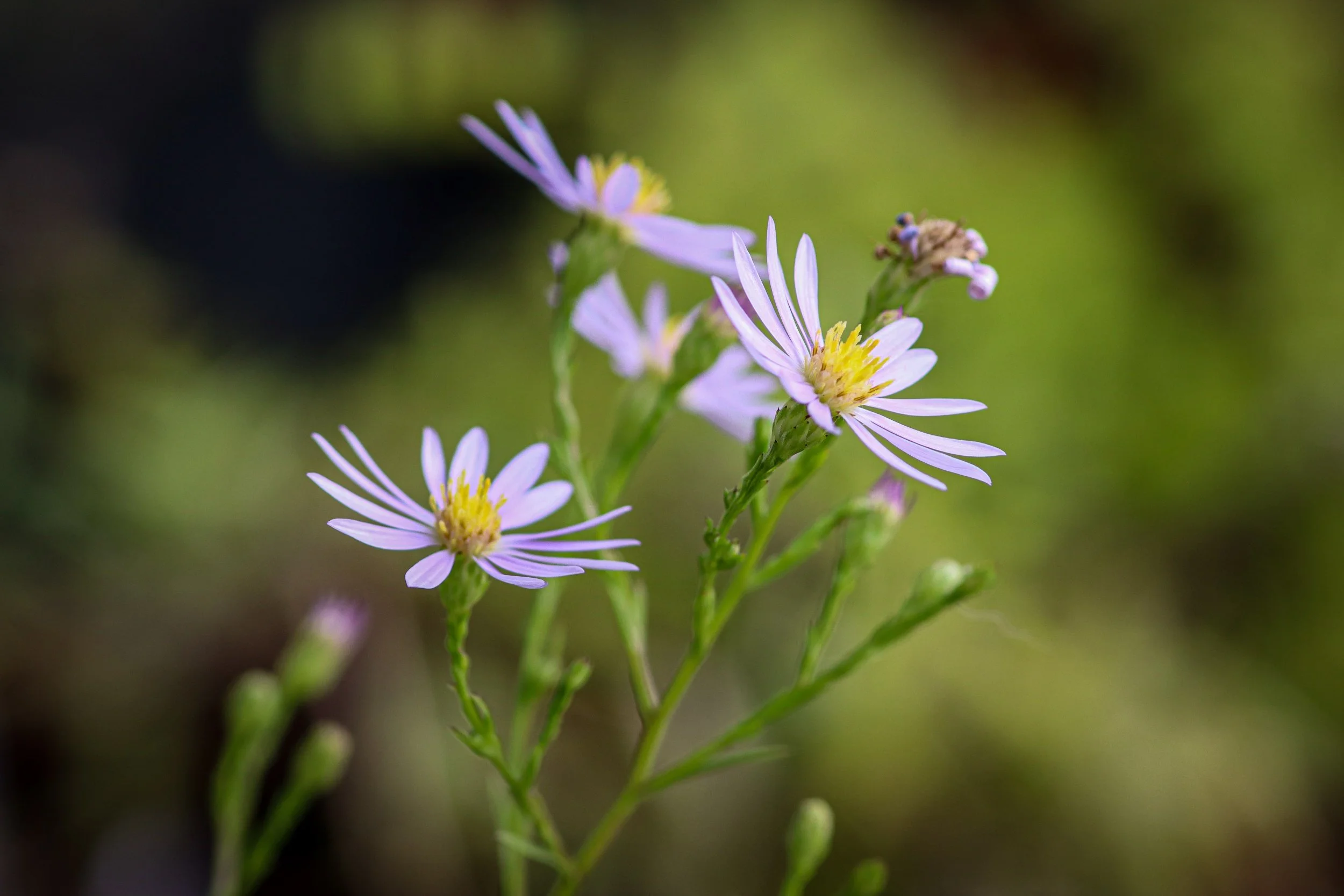 Image 1 of 6
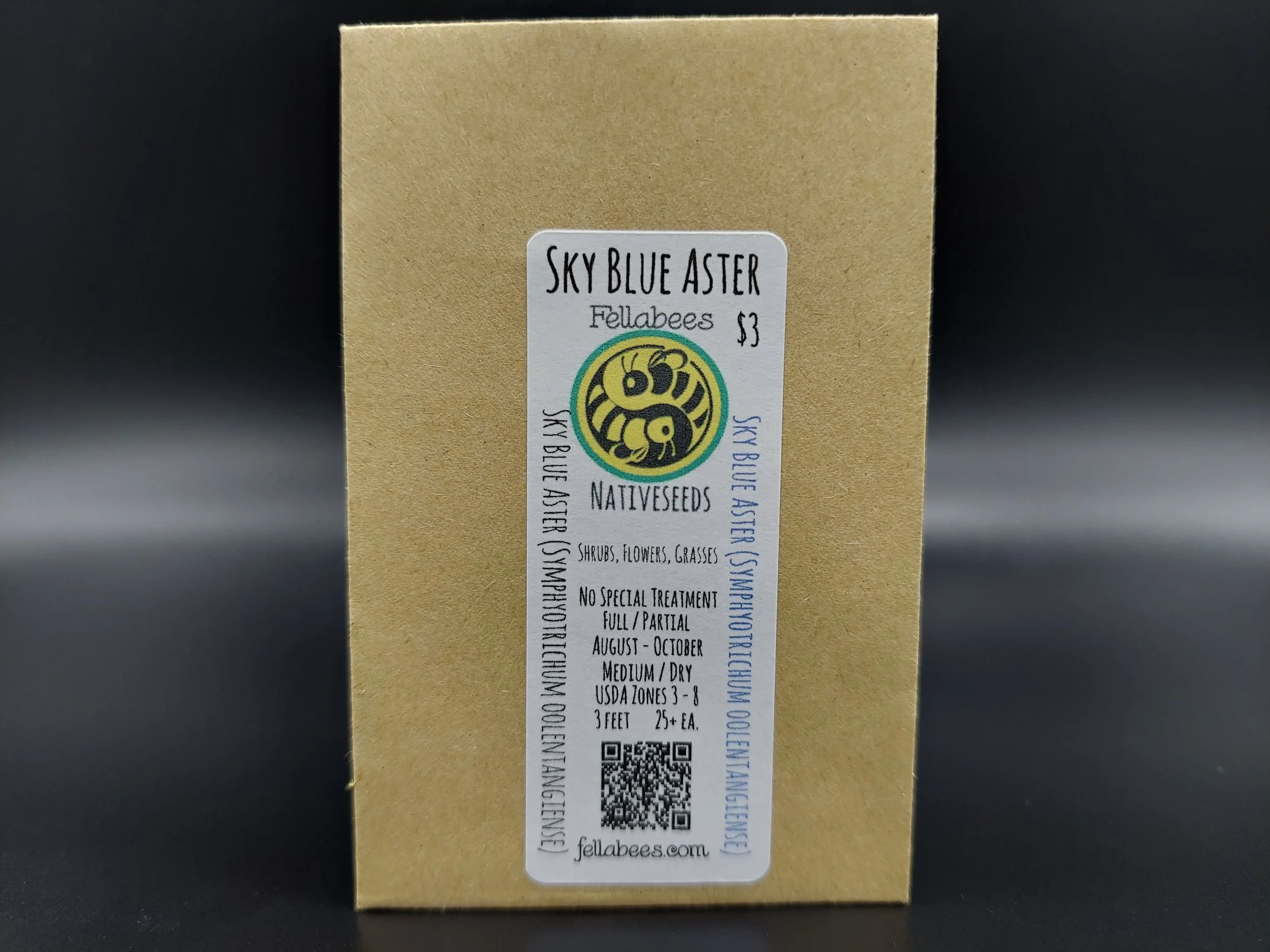 Image 2 of 6
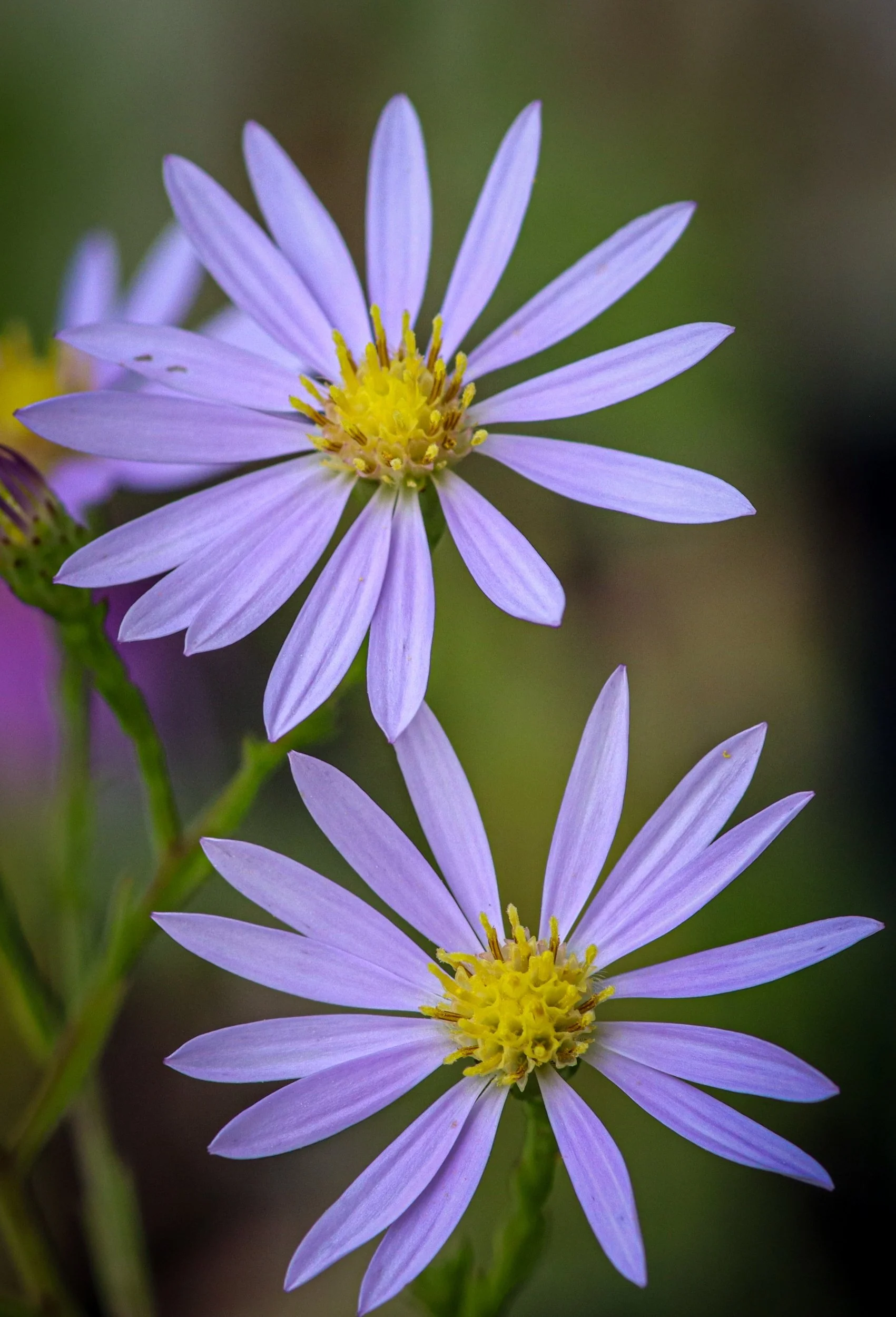 Image 3 of 6
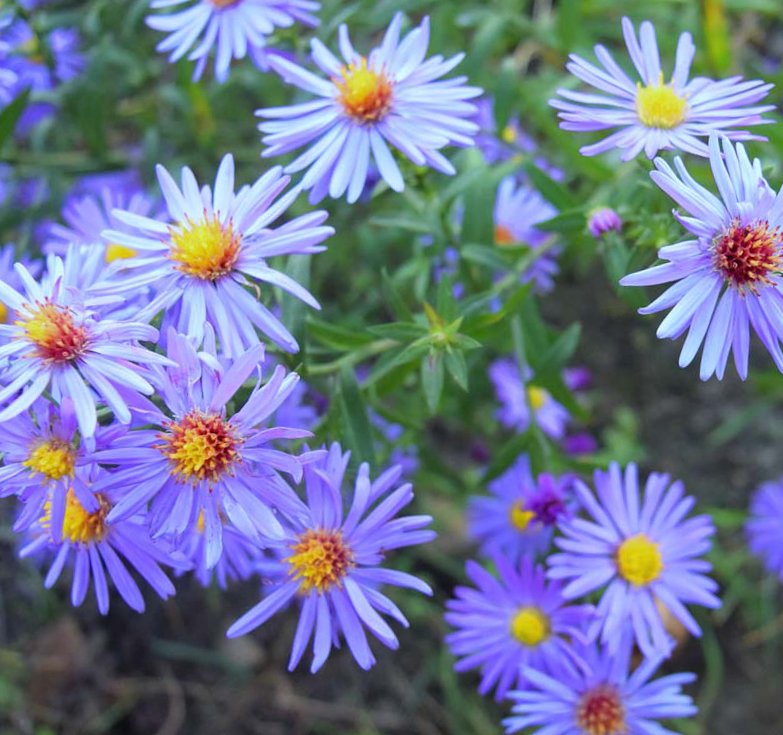 Image 4 of 6
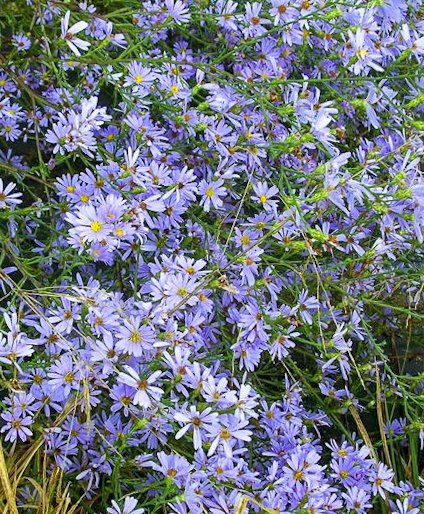 Image 5 of 6
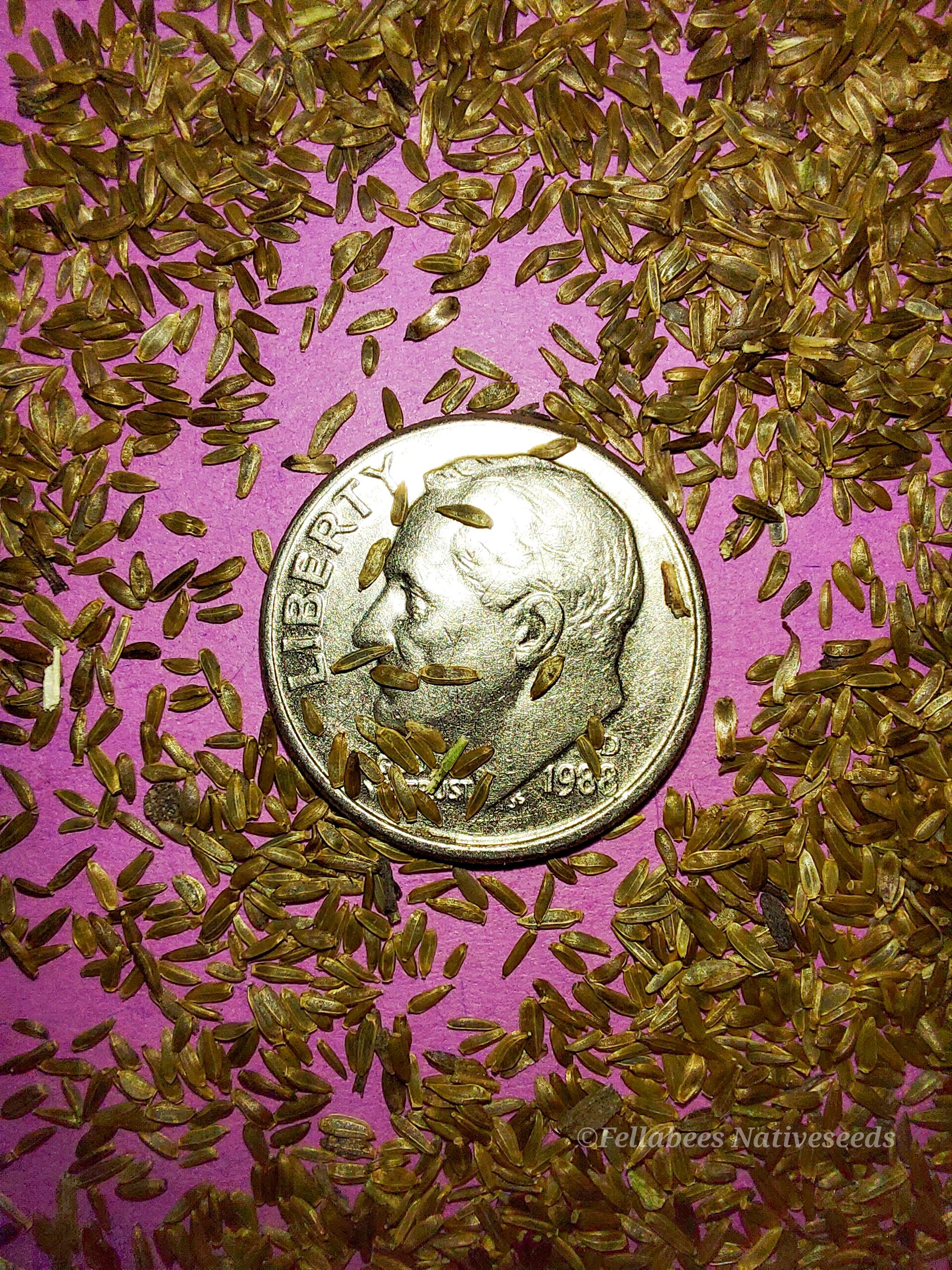 Image 6 of 6