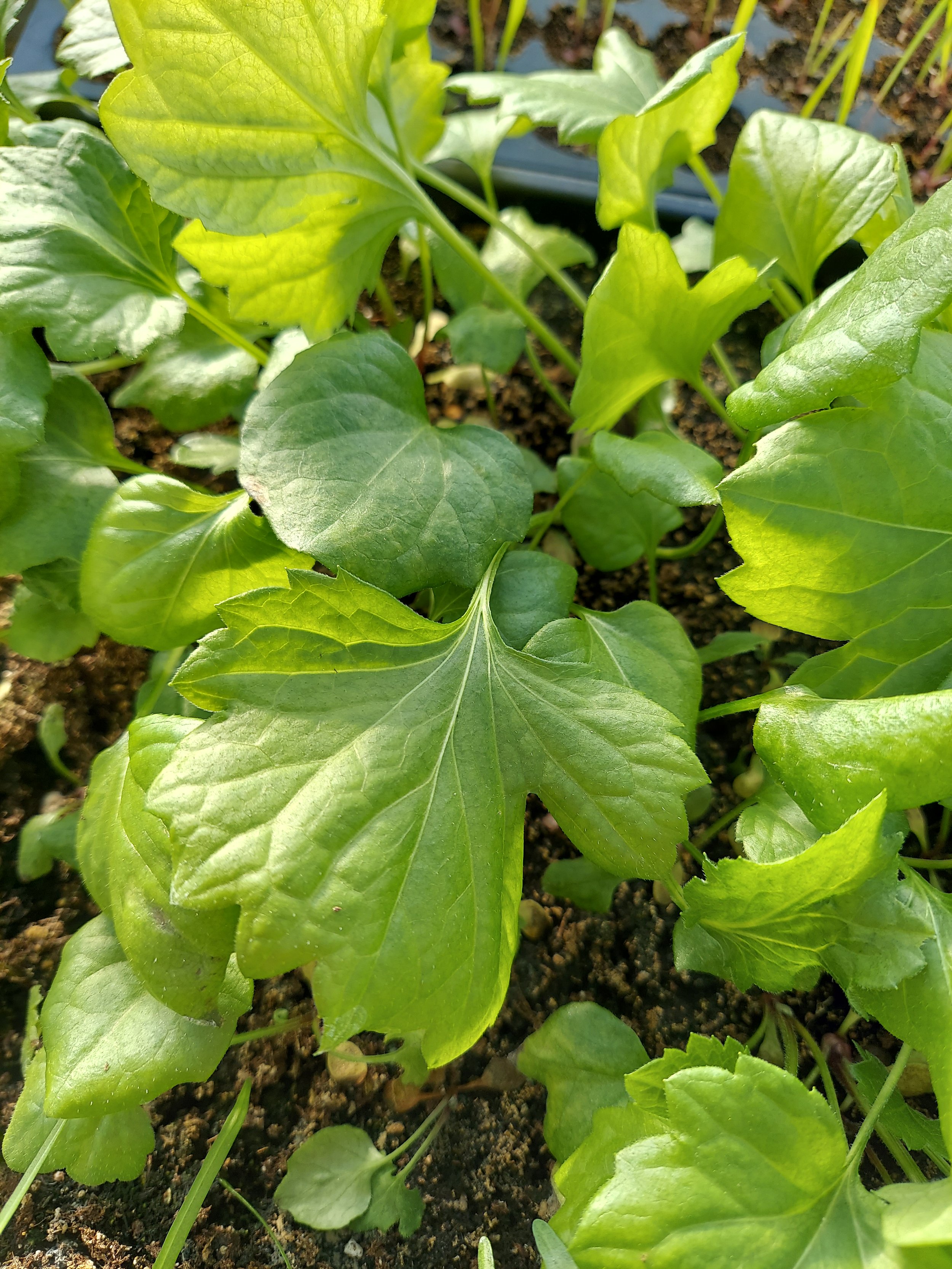
Solomon's Seal (Polygonatum biflorum)
Polygonatum biflorum is the scientific name for the native species more commonly known as Solomon's Seal, Great Solomon's-seal, or Smooth Solomon's Seal. This herbaceous flowering plant is native to eastern and central North America and is frequently found in shady woodland habitats. The plant is noted for scars on its rhizome that are said to resemble the ancient Hebrew seal of King Solomon, a characteristic that inspired its familiar name. It is often confused with Solomon's Plume, which can be distinguished because it bears upright flowers rather than the pendant, bell-shaped blooms of true Solomon's Seal.
Solomon's seal has gracefully arching, unbranched leaf stalks that are typically about 3.0 feet long, though individual stalks can occasionally reach up to 5 feet in length. The leaves are simple and alternate, with prominent, parallel veins that give the plant a distinctly textured appearance. From May into June, clusters of small, white-green, bell-like flowers droop gently from the stalks and later mature into small blue berries. Solomon's seal commonly occurs in rich or rocky woods and along streambanks. It prefers shade to partial shade but will also persist satisfactorily in full sun when provided with medium to wet soil rich in humus, and it is adaptable enough to do well across a wide variety of growing conditions.
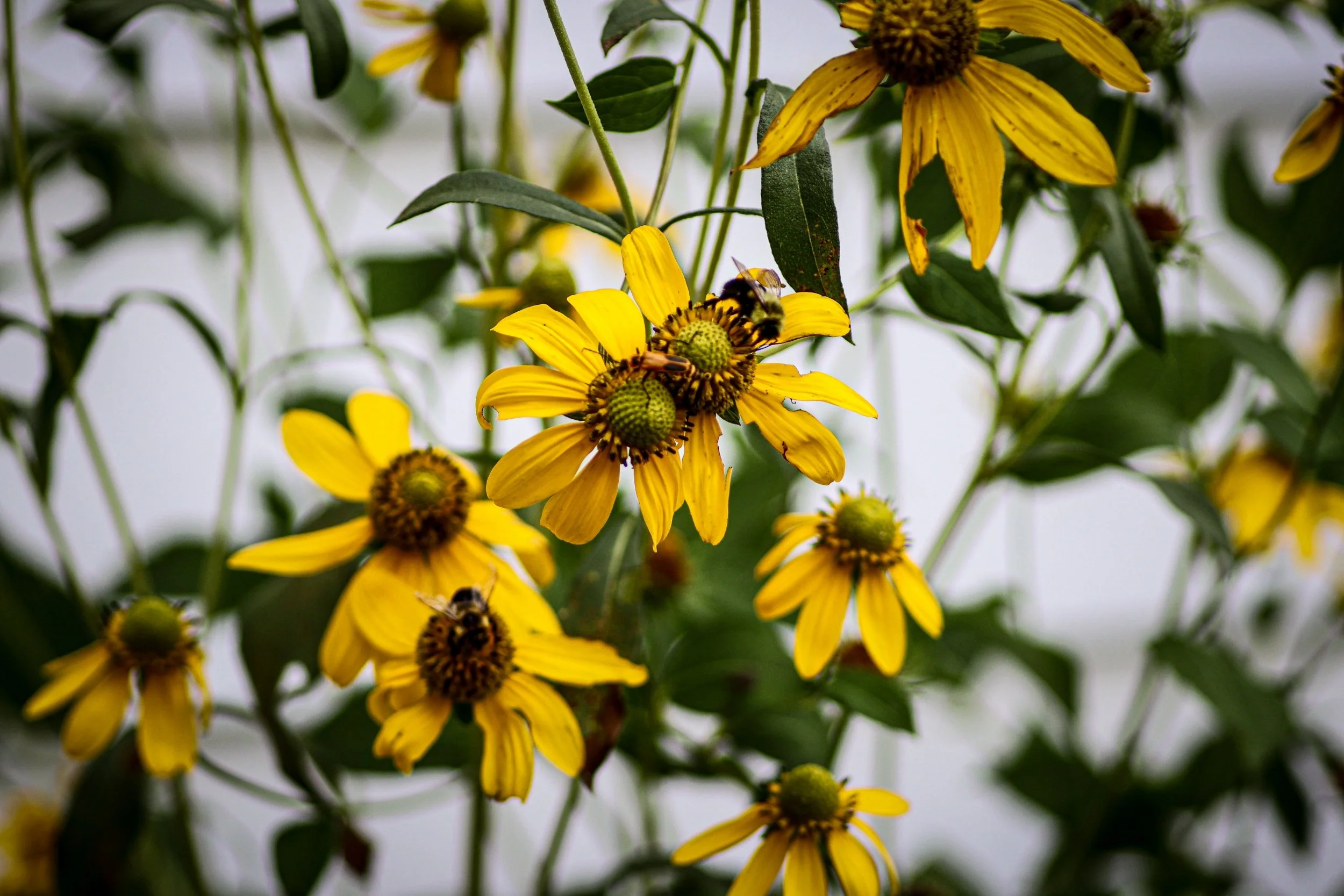
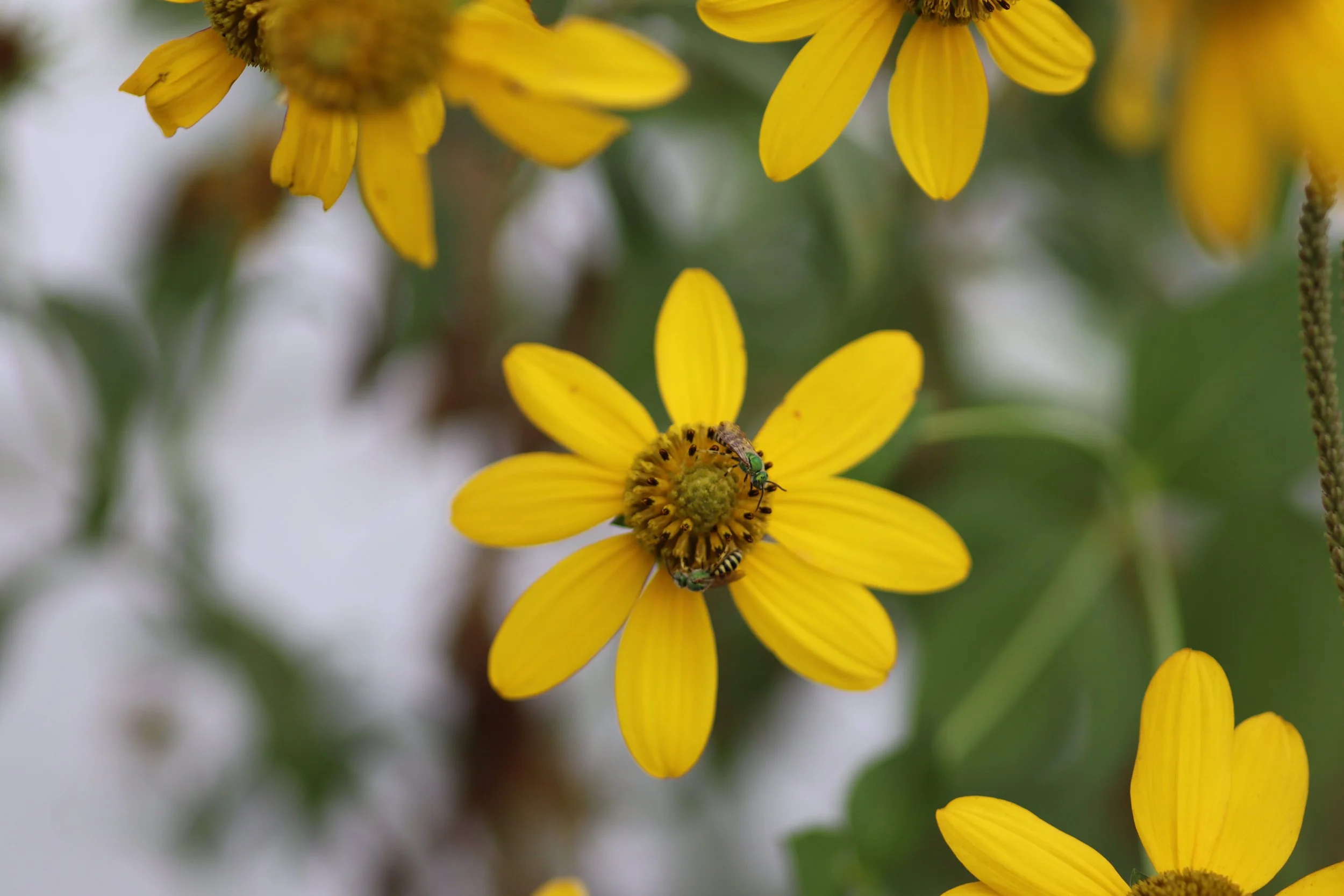
Solomon’s Seal is primarily pollinated by native bees such as Small Carpenter bees (Ceratina), Small Sweat Bees (Lasioglossum), Digger Bees (Anthophora), and Green Metallic Sweat Bees (Augochlorella). Bumble bees (Bombus) also play an important role through a process called buzz pollination, in which the bees vibrate their bodies against the flower to dislodge and collect nectar and thereby shake loose the pollen. Additionally, the ruby-throated hummingbird is known to visit the plant for nectar and later help disperse its seeds after consuming the fruit.
Historically, it is known that indigenous people consumed the starch-rich rhizomes of Solomon's Seal as a "potato-like food," using them to make breads, porridges, and soups. The young shoots are also edible, eaten raw or boiled as an asparagus-like vegetable. Solomon's Seal was likewise used in traditional herbal medicine; for example, the rhizome was prepared in a tonic for gout and rheumatism. Over time, Solomon's Seal has been credited with nearly a dozen medicinal uses, including applications as an anti-inflammatory, mild sedative, and general tonic.
This species seed needs to remain refrigerated until sowing. Seed will be fine in the time of transit, but please return it to the fridge upon receiving it, or sow it immediately if in late fall or winter.
Plant Details:
USDA Zones: 3 - 9
Germination Needs: Needs Double Dormancy Stratification. 60-90 Days in Cold-Moist Stratification followed by 60-90 Days Warm-Moist Stratification (Around 80F) then another round of 60-90 Days Cold-Moist Stratification to break dormancy artificially. Alternatively, this seed can be direct sown in fall but expect germination 2 seasons after sowing.
Life Cycle: Perennial
Sun Exposure: Full, Partial, Shade
Soil Moisture: Medium, Medium-Dry
Plant Spacing: 18 - 24 inches
Height: 4 feet
Bloom time: May, June
Bloom Color: Green/Cream
Advantages:
Pollinator Favorite: butterflies, moths, bees, wasps, beetles
Bird Favorite: seeds, insects, fruit, nectar, nesting, perches.
Deer Resistant: Yes, after spring shoots have matured. Deer will browse young shoots, protect them early if pressure is heavy.
Native to: Wisconsin, Minnesota, Iowa, Illinois, Indiana, Michigan, Ohio, Pennsylvania, New York, Vermont, New Hampshire, Maine, Massachusetts, Rhode Island, Connecticut, Delaware, Maryland, New Jersey, West Virginia, Virginia, Kentucky, Tennessee, North Carolina, South Carolina, Georgia, Florida, Alabama, Mississippi, Louisiana, Arkansas, Missouri, Texas, Oklahoma, Kansas, Nebraska, South Dakota, North Dakota, Wyoming, Colorado, New Mexico and Arizona.
This species is considered present but rare in several counties of the states of Vermont, New Hampshire, Florida, Wyoming, Colorado and Arizona.
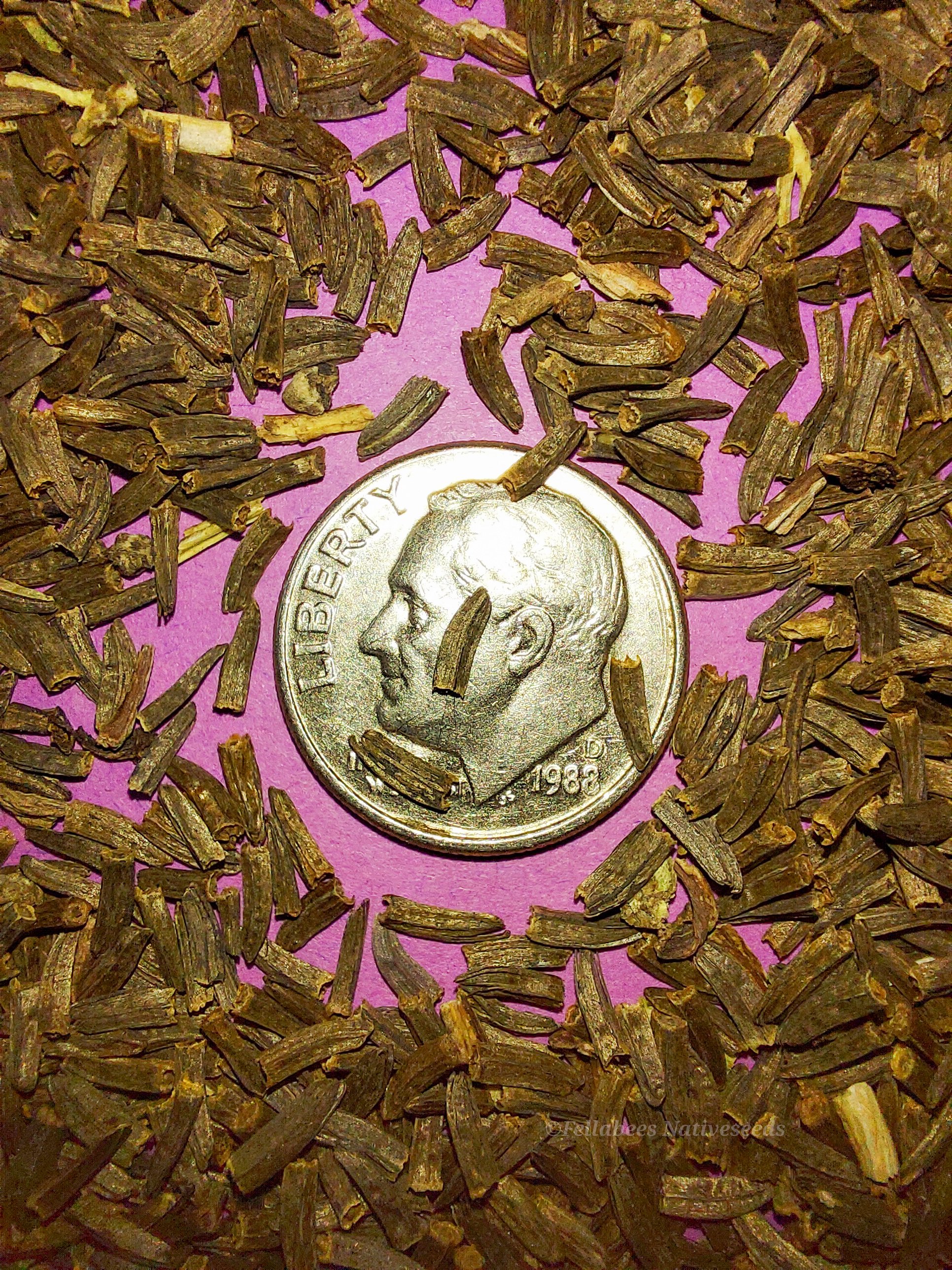
Seed Count: 12+
.
.
Packet quantities:
We pride ourselves on ethical, hands on, ecological management, using no mechanical or chemical methods whatsoever.
All of our native seed is hand reared, hand-picked, and hand packed from native prairies under our exclusive management, never breaking chain of custody from the field until it is sent to you. Each packet is hand prepared for shipment by us, directly.
Small seed species will contain greater than 20-25 seed
Large seed species will contain greater than 10-15 seed
All packets are individually marked at the bottom of the front label with expected count, however most if not all packets will have many more than the minimum count by default.
It is our mission to spread the wealth of native plant and pollinator ecological sustainability and educate back yard gardeners as well as corporate and government entities in how to germinate, grow, and benefit from native synergies.
Thank you for your support, it is because of you, that we can grow together to do, what we do. 🐛🦋🐝🐞🌾🌱🌼🧡
Solomon's Seal (Polygonatum biflorum)
Polygonatum biflorum is the scientific name for the native species more commonly known as Solomon's Seal, Great Solomon's-seal, or Smooth Solomon's Seal. This herbaceous flowering plant is native to eastern and central North America and is frequently found in shady woodland habitats. The plant is noted for scars on its rhizome that are said to resemble the ancient Hebrew seal of King Solomon, a characteristic that inspired its familiar name. It is often confused with Solomon's Plume, which can be distinguished because it bears upright flowers rather than the pendant, bell-shaped blooms of true Solomon's Seal.
Solomon's seal has gracefully arching, unbranched leaf stalks that are typically about 3.0 feet long, though individual stalks can occasionally reach up to 5 feet in length. The leaves are simple and alternate, with prominent, parallel veins that give the plant a distinctly textured appearance. From May into June, clusters of small, white-green, bell-like flowers droop gently from the stalks and later mature into small blue berries. Solomon's seal commonly occurs in rich or rocky woods and along streambanks. It prefers shade to partial shade but will also persist satisfactorily in full sun when provided with medium to wet soil rich in humus, and it is adaptable enough to do well across a wide variety of growing conditions.
Solomon’s Seal is primarily pollinated by native bees such as Small Carpenter bees (Ceratina), Small Sweat Bees (Lasioglossum), Digger Bees (Anthophora), and Green Metallic Sweat Bees (Augochlorella). Bumble bees (Bombus) also play an important role through a process called buzz pollination, in which the bees vibrate their bodies against the flower to dislodge and collect nectar and thereby shake loose the pollen. Additionally, the ruby-throated hummingbird is known to visit the plant for nectar and later help disperse its seeds after consuming the fruit.
Historically, it is known that indigenous people consumed the starch-rich rhizomes of Solomon's Seal as a "potato-like food," using them to make breads, porridges, and soups. The young shoots are also edible, eaten raw or boiled as an asparagus-like vegetable. Solomon's Seal was likewise used in traditional herbal medicine; for example, the rhizome was prepared in a tonic for gout and rheumatism. Over time, Solomon's Seal has been credited with nearly a dozen medicinal uses, including applications as an anti-inflammatory, mild sedative, and general tonic.
This species seed needs to remain refrigerated until sowing. Seed will be fine in the time of transit, but please return it to the fridge upon receiving it, or sow it immediately if in late fall or winter.
Plant Details:
USDA Zones: 3 - 9
Germination Needs: Needs Double Dormancy Stratification. 60-90 Days in Cold-Moist Stratification followed by 60-90 Days Warm-Moist Stratification (Around 80F) then another round of 60-90 Days Cold-Moist Stratification to break dormancy artificially. Alternatively, this seed can be direct sown in fall but expect germination 2 seasons after sowing.
Life Cycle: Perennial
Sun Exposure: Full, Partial, Shade
Soil Moisture: Medium, Medium-Dry
Plant Spacing: 18 - 24 inches
Height: 4 feet
Bloom time: May, June
Bloom Color: Green/Cream
Advantages:
Pollinator Favorite: butterflies, moths, bees, wasps, beetles
Bird Favorite: seeds, insects, fruit, nectar, nesting, perches.
Deer Resistant: Yes, after spring shoots have matured. Deer will browse young shoots, protect them early if pressure is heavy.
Native to: Wisconsin, Minnesota, Iowa, Illinois, Indiana, Michigan, Ohio, Pennsylvania, New York, Vermont, New Hampshire, Maine, Massachusetts, Rhode Island, Connecticut, Delaware, Maryland, New Jersey, West Virginia, Virginia, Kentucky, Tennessee, North Carolina, South Carolina, Georgia, Florida, Alabama, Mississippi, Louisiana, Arkansas, Missouri, Texas, Oklahoma, Kansas, Nebraska, South Dakota, North Dakota, Wyoming, Colorado, New Mexico and Arizona.
This species is considered present but rare in several counties of the states of Vermont, New Hampshire, Florida, Wyoming, Colorado and Arizona.
Seed Count: 12+
.
.
Packet quantities:
We pride ourselves on ethical, hands on, ecological management, using no mechanical or chemical methods whatsoever.
All of our native seed is hand reared, hand-picked, and hand packed from native prairies under our exclusive management, never breaking chain of custody from the field until it is sent to you. Each packet is hand prepared for shipment by us, directly.
Small seed species will contain greater than 20-25 seed
Large seed species will contain greater than 10-15 seed
All packets are individually marked at the bottom of the front label with expected count, however most if not all packets will have many more than the minimum count by default.
It is our mission to spread the wealth of native plant and pollinator ecological sustainability and educate back yard gardeners as well as corporate and government entities in how to germinate, grow, and benefit from native synergies.
Thank you for your support, it is because of you, that we can grow together to do, what we do. 🐛🦋🐝🐞🌾🌱🌼🧡
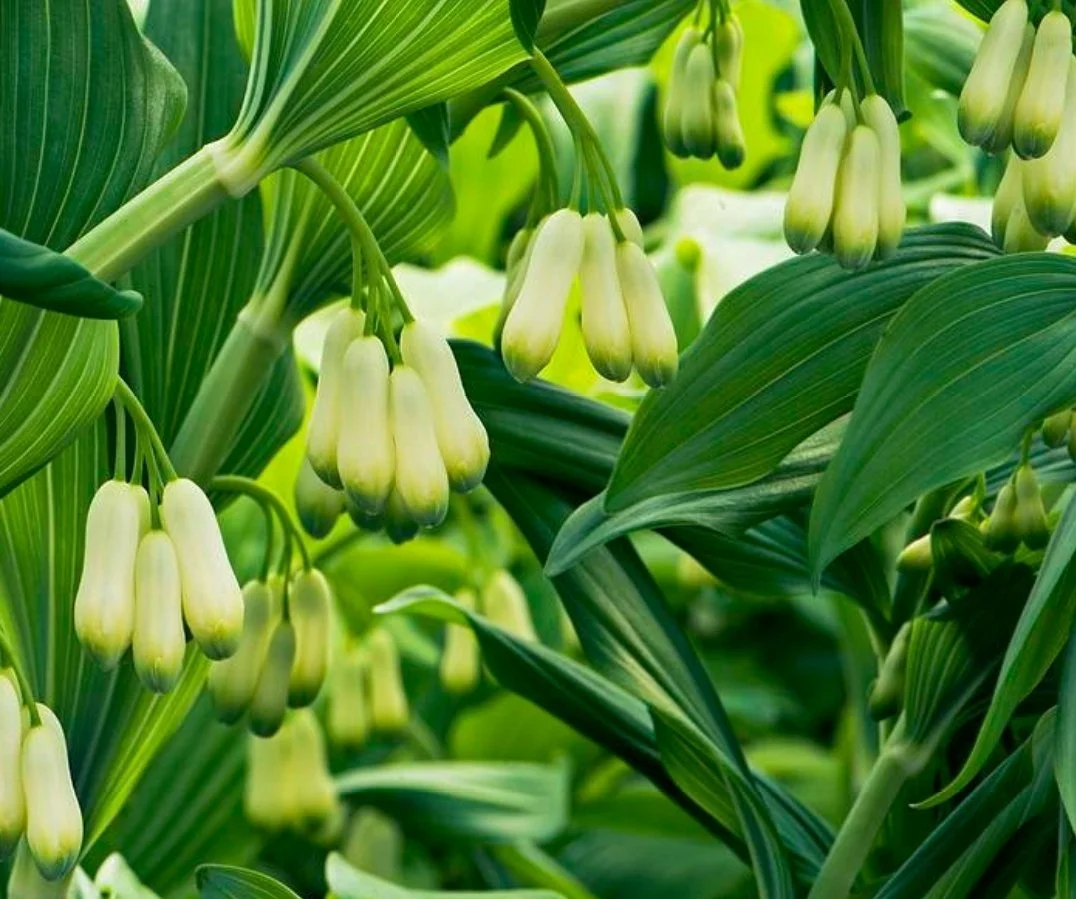 Image 1 of 6
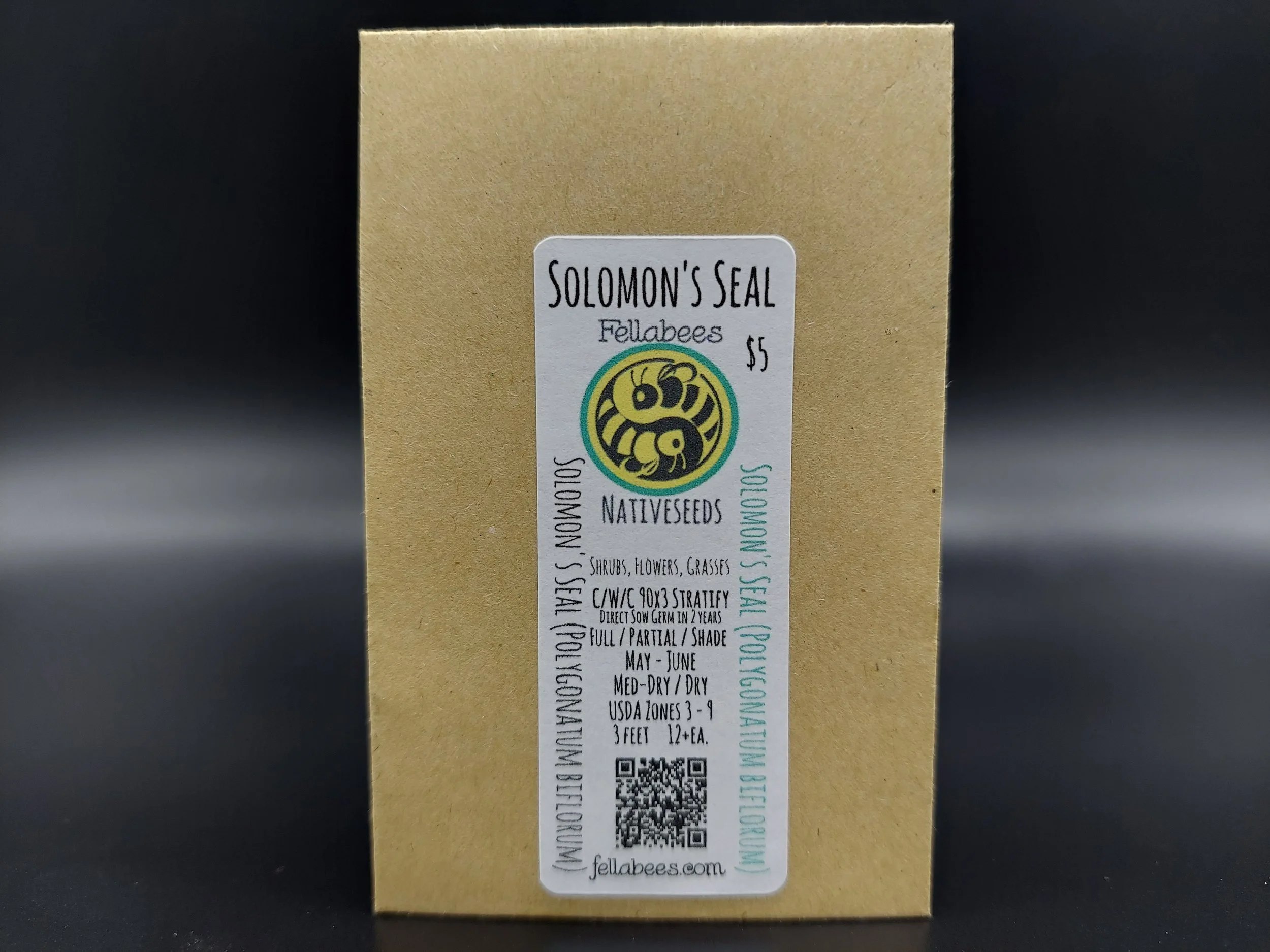 Image 2 of 6
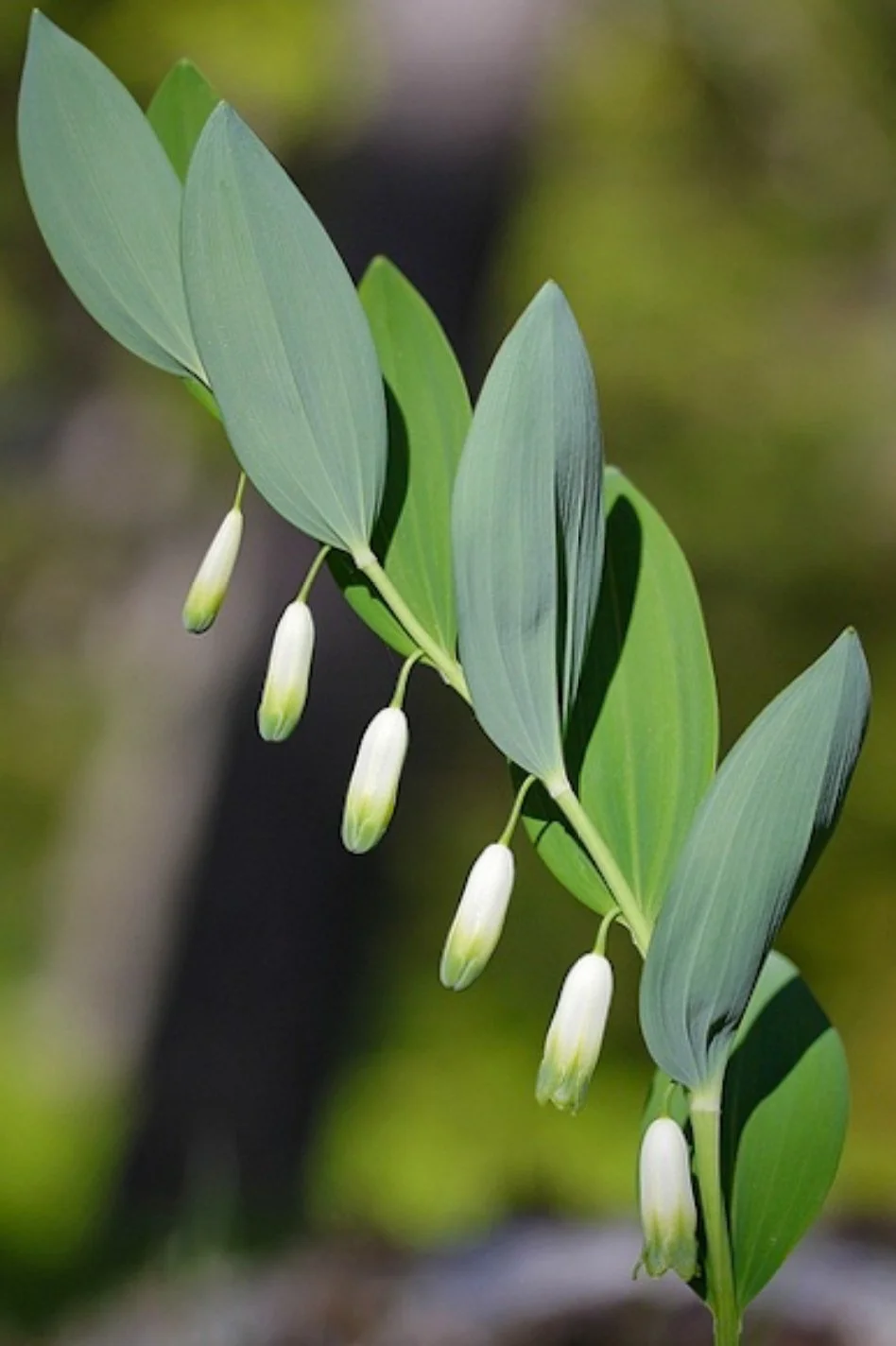 Image 3 of 6
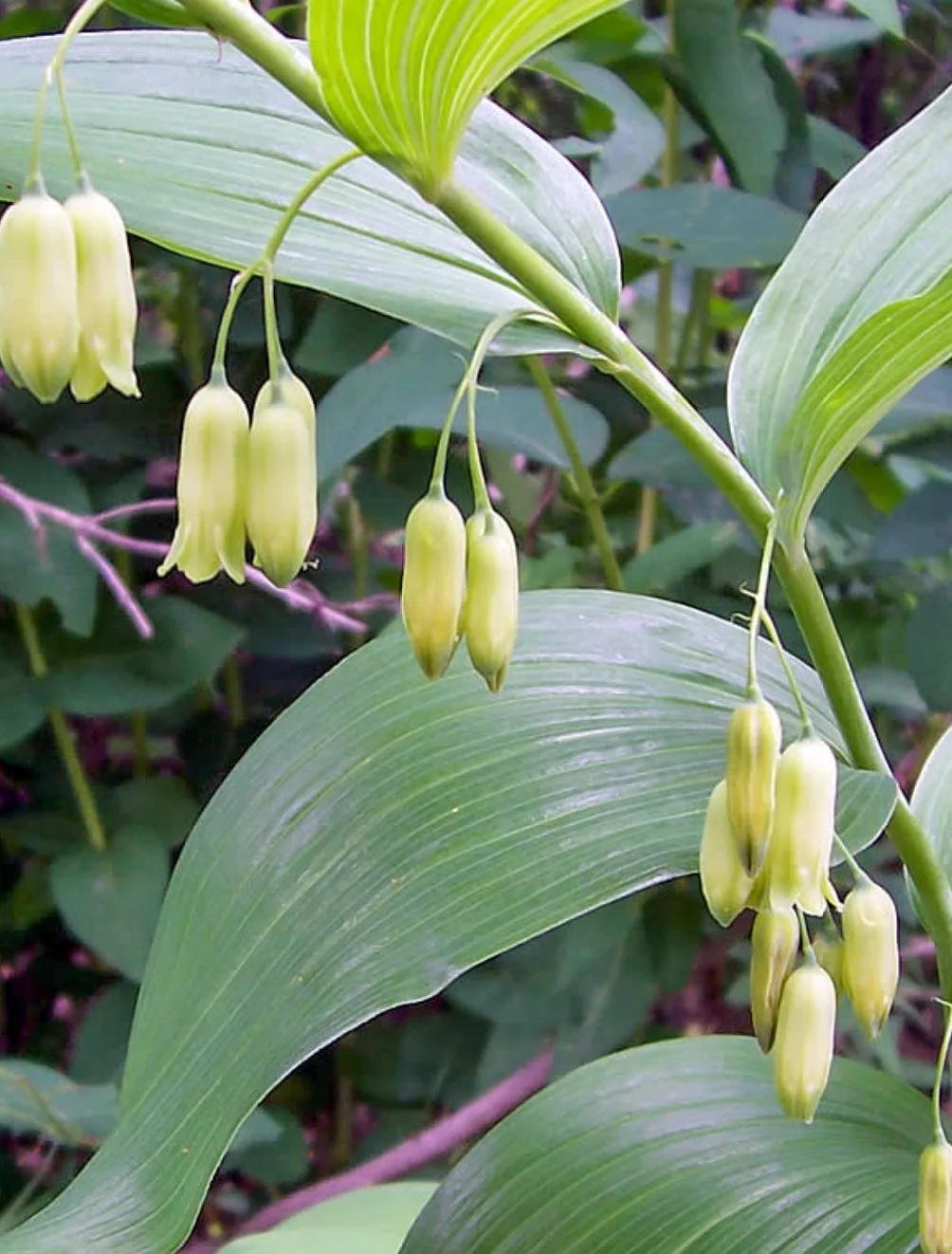 Image 4 of 6
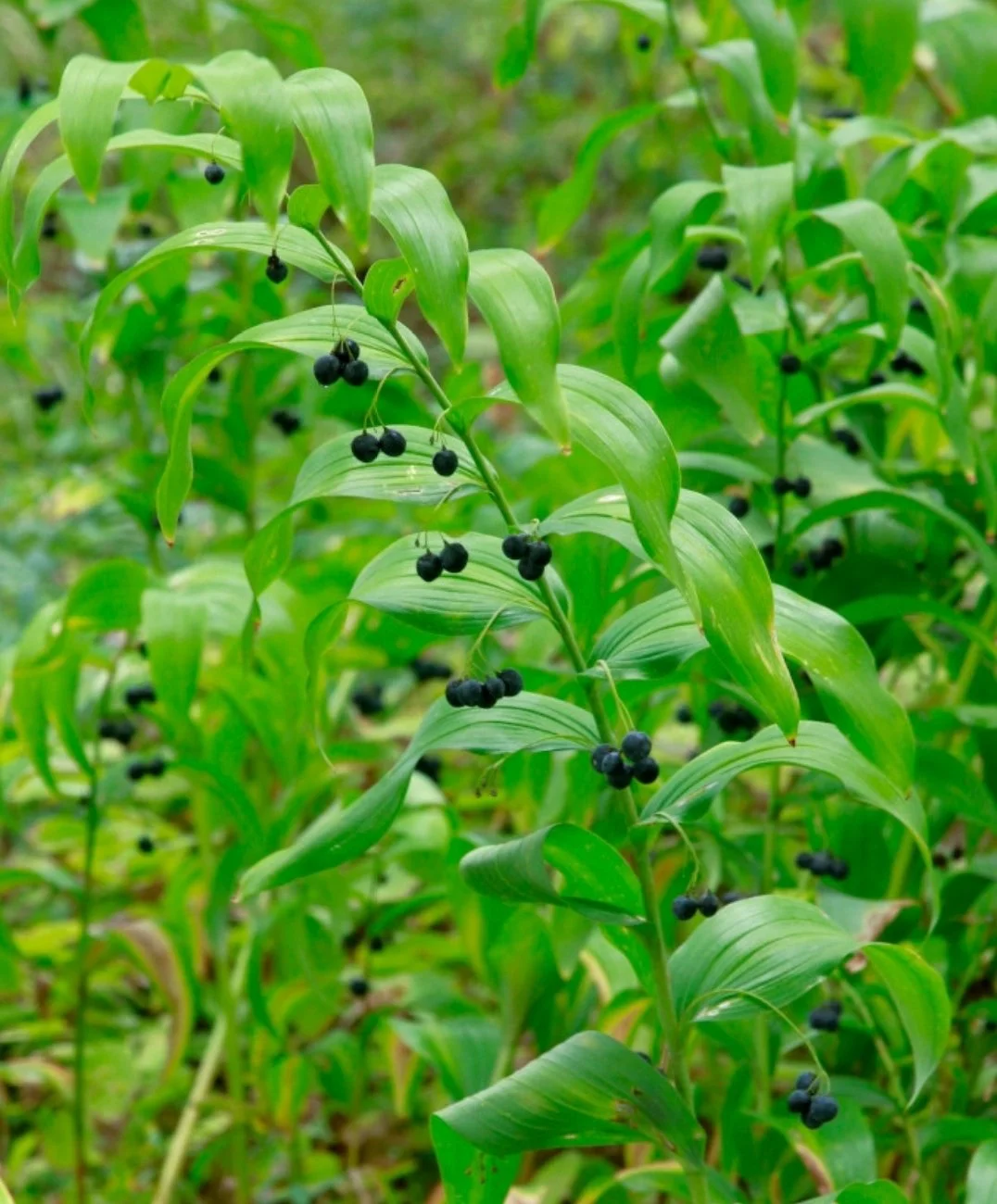 Image 5 of 6
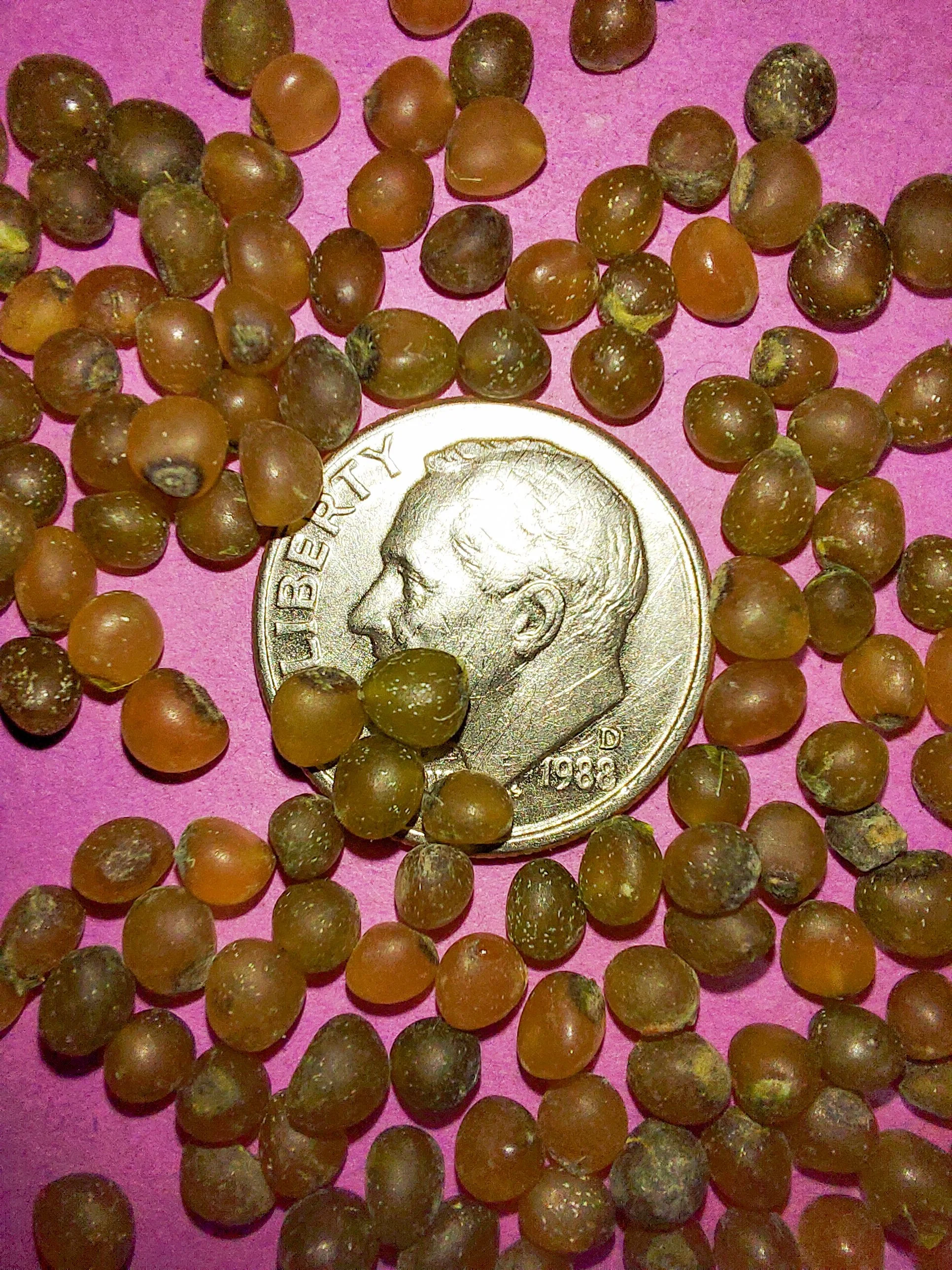 Image 6 of 6