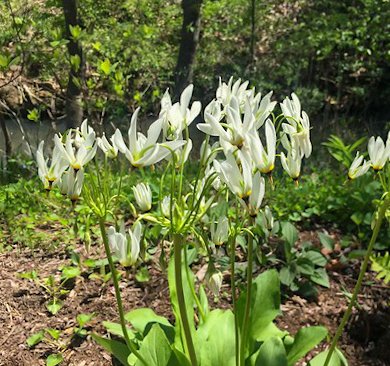
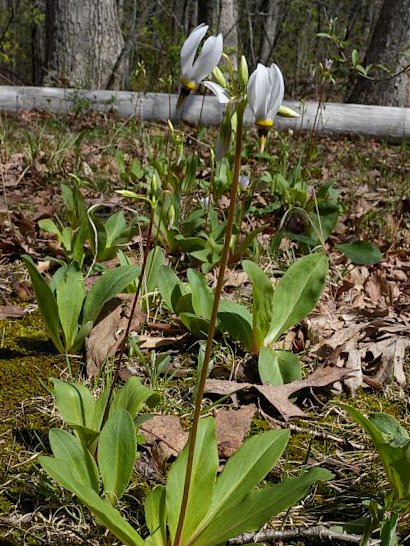
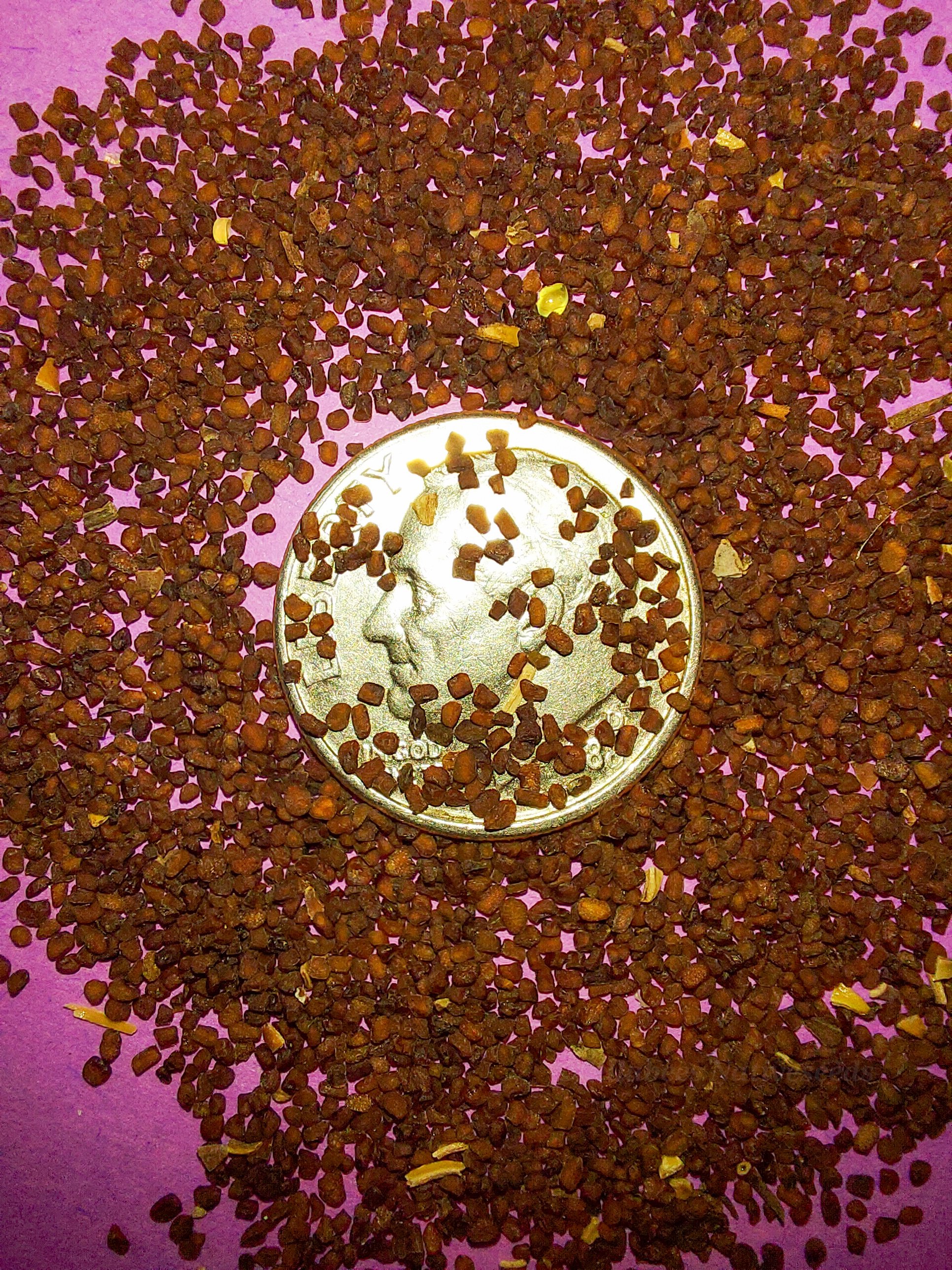
Starry Campion (Silene stellata)
Silene stellata is the scientific name for the species more commonly known as Starry Campion, Starry Catchfly, Widow's Frill, and Whorled Catchfly. It is a perennial, herbaceous summer forb with delicate white flowers, native to the central and eastern United States. This plant typically grows in habitats such as deciduous forests, river flats, and tallgrass prairies, where it favors partly shaded to full and sun conditions.
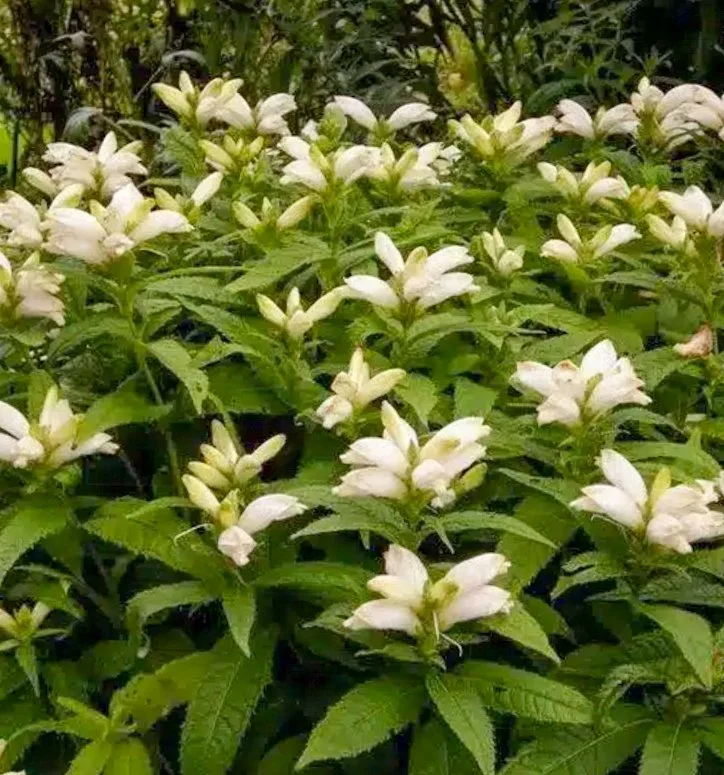
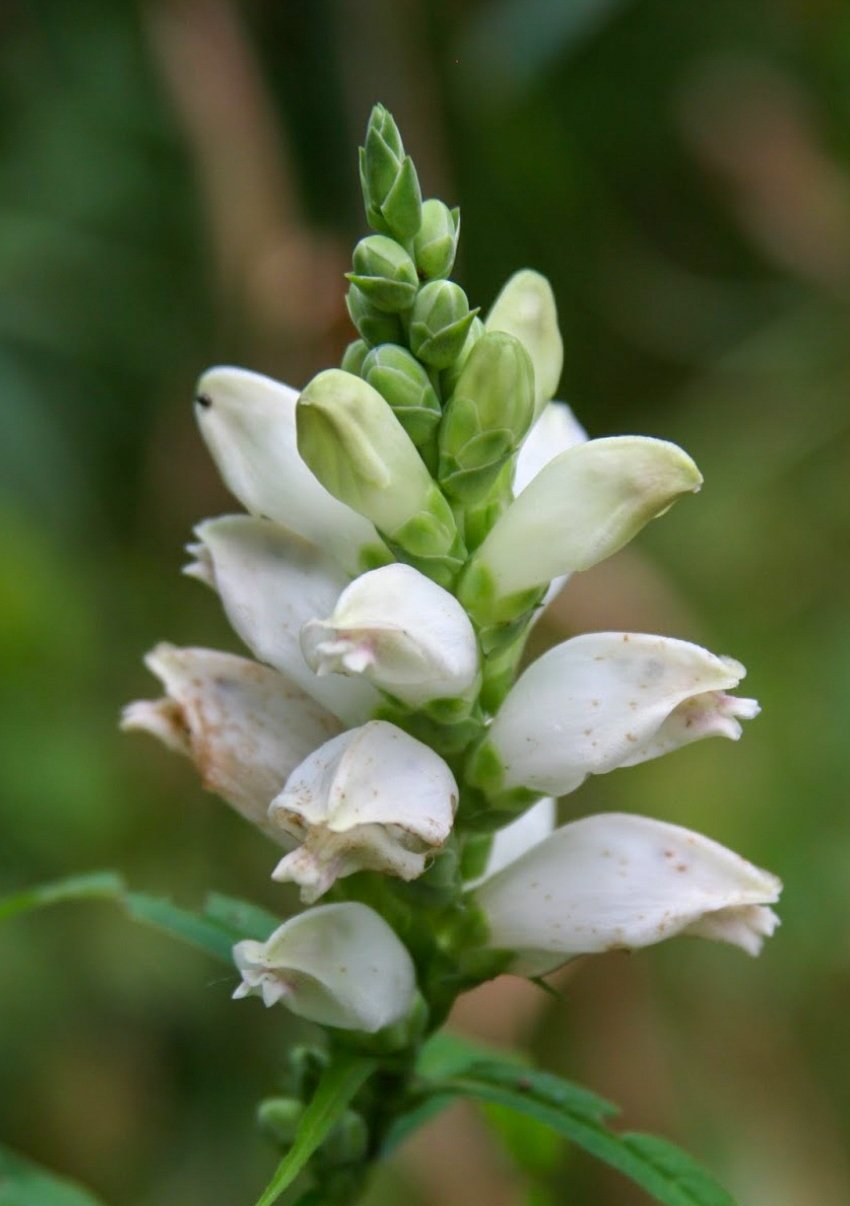
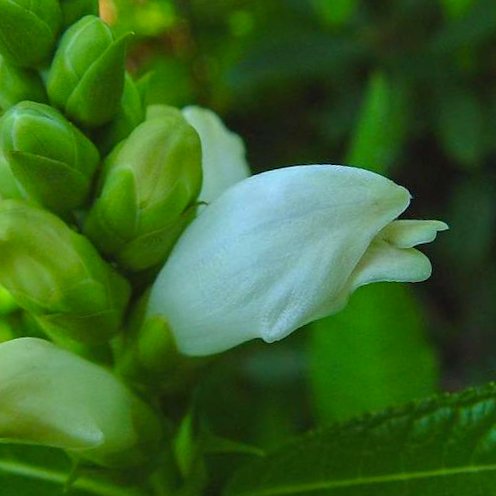
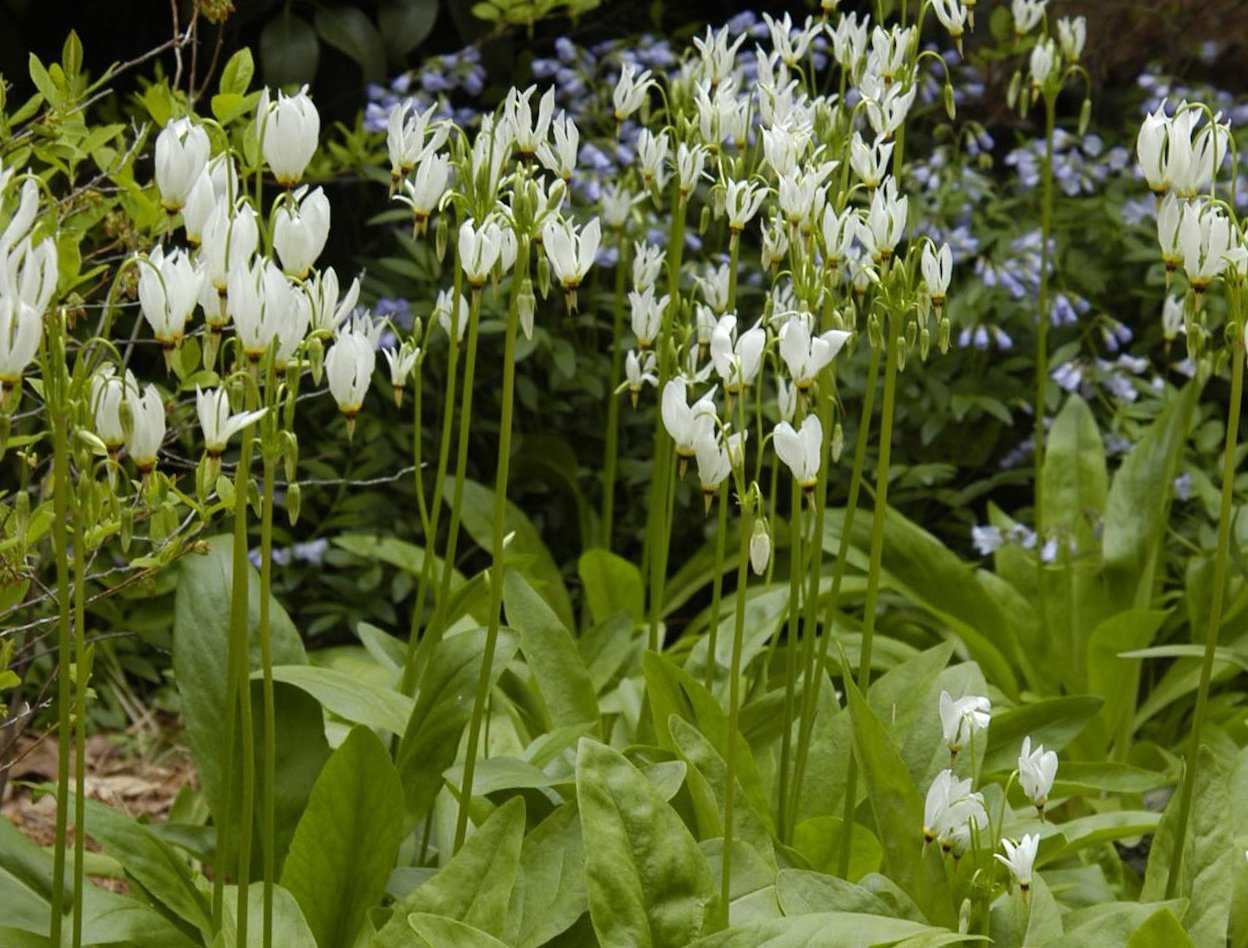
Starry Campion typically reaches a height of 1–3 feet, with one or several stems arising from the rootstock. The lower portions of the stems are often a purplish hue that gradually fades to a pale green toward the upper sections, while the leaf nodes retain that purplish tint. Leaves are lanceolate and sessile with smooth margins; they occur opposite one another near the base of the plant and form whorls of four farther up the stem. Individual leaves may grow up to about 4 inches long and 1.5 inches wide. The plant’s inflorescence is a loose panicle made up of several branching stems, each bearing one to six or more delicate white flowers with five petals. The blossoms reach about 0.75 inches across and generally lack any noticeable scent to human observers.
Closing when in bright sunlight, the white flowers of Starry Campion regularly bloom for about three to four weeks at a stretch between June and September, timing that can shift somewhat with the latitude of its native range. Moths are the plant’s primary pollinators and visit most frequently at night, although daytime visitors such as butterflies and native bees also visit and contribute to pollination. The plant also serves as a host for the caterpillars of the native Campion Coronet Moth (Hadena ectypa), a species of cutworm that feeds on the foliage, seed capsules, and seeds of Starry Campion.
The scientific name for the genus of plants that Starry Campion (Silene stellata) hails from is a derivative of the Latin word stellata, meaning "star-shaped," and it carries entwined associations with other species such as Royal Catchfly (Silene regia) and Fire Pink (Silene virginica). The genus name also evokes Silenus, the mythic companion of Dionysus, a figure tied to daimons and famed for musical creativity, prophetic ecstasy, drunken joy, revelatory dancing, and celebratory gestures; as a close tutor and companion to the god of wine, Silenus became, in a poetic sense, the star companion—hence the apt common name Starry Campion. When intoxicated, Silenus was said to possess special knowledge and the power of prophecy. King Midas, eager to glean that wisdom, trapped Silenus by drugging the fountain he frequented; the disoriented Silenus wandered through Phrygia until peasants found and brought him to Midas, who treated him with hospitality. In gratitude, Silenus regaled the king with many imaginative tales, and Midas entertained him lavishly for five days and nights. When Dionysus came to reclaim his companion, he offered Midas a great reward of which the king chose the infamous gift of turning everything he touched into gold, a choice that immortalized Midas in an eternal trap of his own.
Mythical names aside, this species is often found in woods, river flats, and tall grass prairies, and it prefers a dry to mesic habitat with light shade or partial sun. It is native to the central and eastern United States, from Texas to the west and Vermont to the east and north where it is rare and even extirpated (locally extinct). Great efforts should be taken to re-establish it in several counties of the states of Vermont, Connecticut, Rhode Island Louisiana, and Michigan where it is struggling or has lost to the extreme weight of human over-development.
Starry Campion (Silene stellata) should not be confused with the similar-looking nonnative weed, Bladder Campion (Silene vulgaris), which displays the more inflated calyx pouch of the two and is technically native to Europe, temperate Asia, and northern Africa. It has been introduced to other parts of the world—particularly North America—where it is unfortunately widespread and commonly encountered in meadows, open woods, roadsides, and fields. If you prefer fewer stands of the nonnative Bladder Campion, note that it is a known edible: the young shoots and tender leaves are used in Mediterranean dishes and can be eaten raw before the plant flowers, making a fresh addition to salads. Older leaves are typically boiled, fried, or sautéed with garlic, and they are also commonly incorporated into omelets and other cooked preparations.
In summary, the flowers of Silene stellata provide valuable nectar for a variety of pollinators, including native bees, butterflies, and nocturnal moths. This steady nectar supply helps sustain local pollinator populations, which in turn supports the reproduction and growth of many other plant species and enhances the overall biodiversity of the area. By stabilizing soil in woodlands and along edges, Silene stellata helps prevent erosion and maintains healthy soil structure, contributing to a resilient ecosystem. This stabilizing effect is particularly valuable in locations where soil is prone to washing away, such as river flats, riparian banks, and remnants of tallgrass prairie. In garden settings, Silene stellata works well as a wildflower that increases habitat complexity, attracts beneficial insects, and provides shelter and food for various small wildlife. Its combined abilities to draw pollinators and reduce soil loss make it a practical and attractive choice for wildflower plantings aimed at ecological restoration or pollinator-friendly landscaping. Overall, Silene stellata plays a meaningful role in local ecosystems, and its presence contributes to the long-term health, diversity, and sustainability of the environment.
Plant Details:
USDA Zones: 4 - 8
Germination Needs: Needs 60 Days Cold-Moist Stratification.
Life Cycle: Perennial
Sun Exposure: Full to Partial
Soil Moisture: Medium-Wet, Medium, Medium-Dry
Plant Spacing: 1 - 2 feet
Height: 3 feet
Bloom time: June, July, August, September
Bloom Color: White
Advantages:
Pollinator Favorite: butterflies, moths, bees, wasps, beetles
Bird Favorite: seeds, insects, fruit, nectar, nesting, perches.
Deer Resistant: Yes
Native to: Wisconsin, Minnesota, Iowa, Illinois, Indiana, Michigan, Ohio, Pennsylvania, New York, Vermont, Connecticut, Rhode Island, Delaware, New Jersey, Maryland, West Virginia, Virginia, Kentucky, Tennessee, North Carolina, South Carolina, Georgia, Alabama, Mississippi, Louisiana, Arkansas, Missouri, Texas, Oklahoma, Kansas, Nebraska, and South Dakota.
This species is considered present but rare in several counties of the states of Michigan, Vermont, Rhode Island, Connecticut and Louisiana.
This species is considered to be extirpated (locally extinct) in at least one county of Vermont.
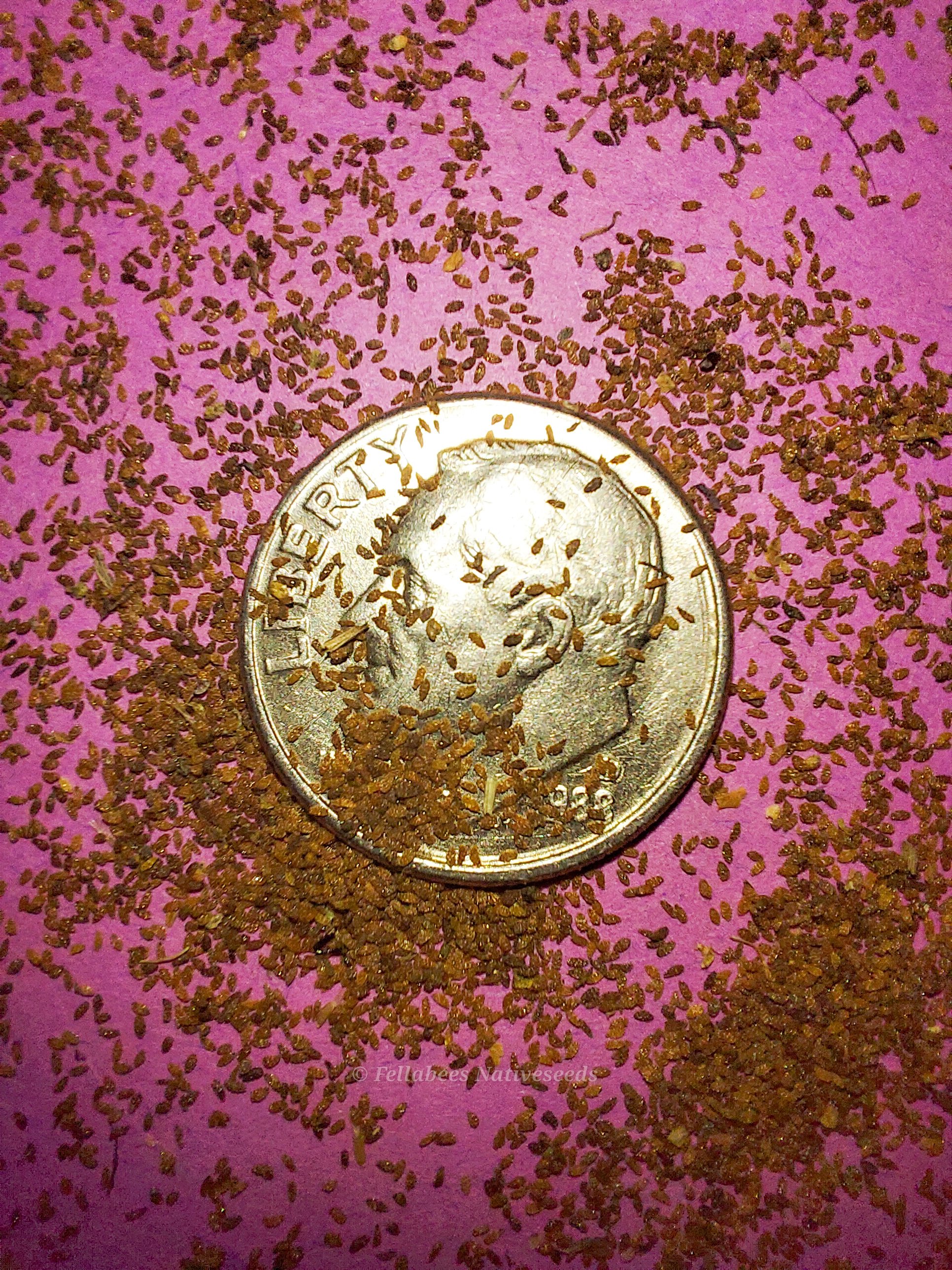
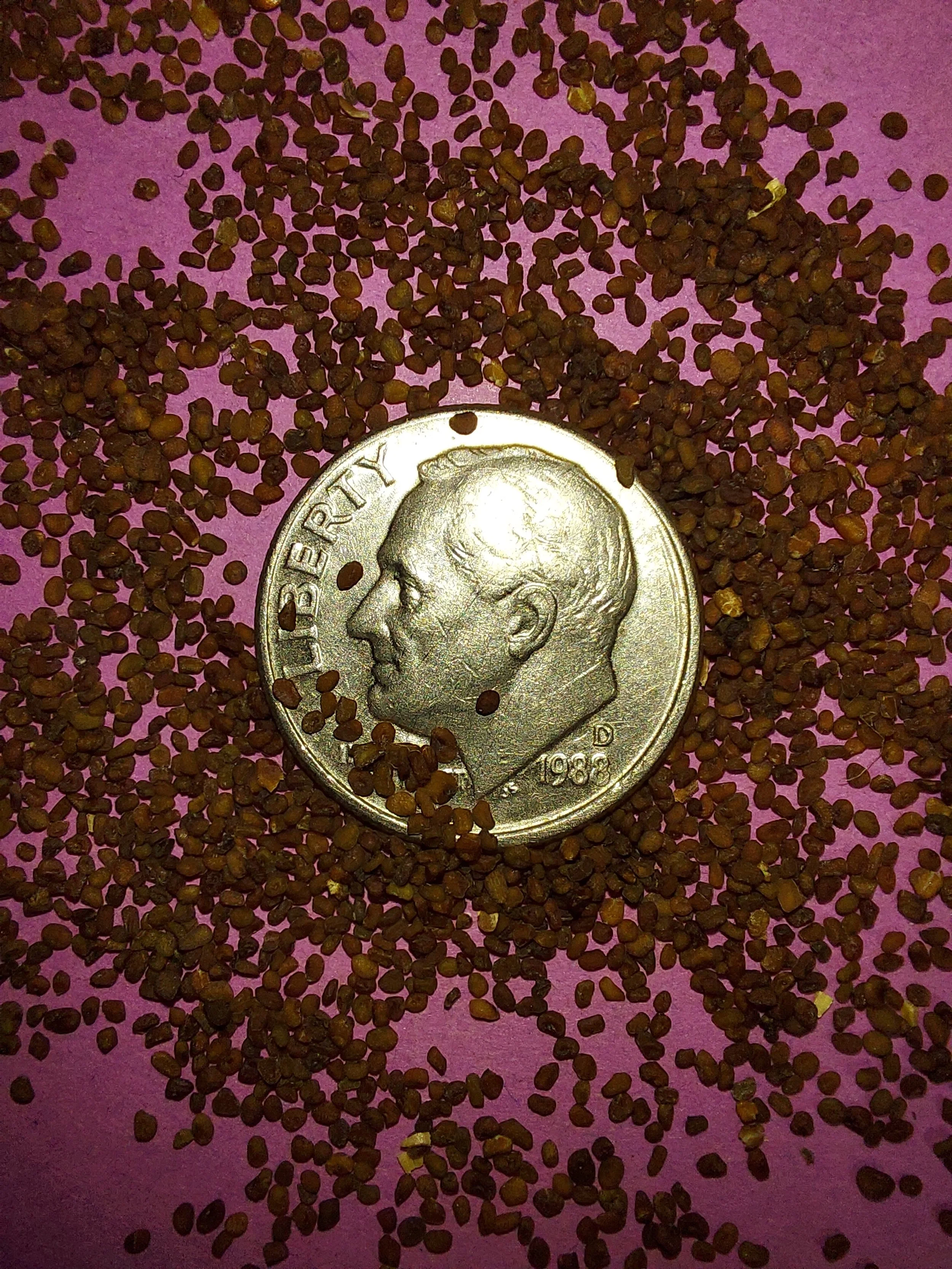
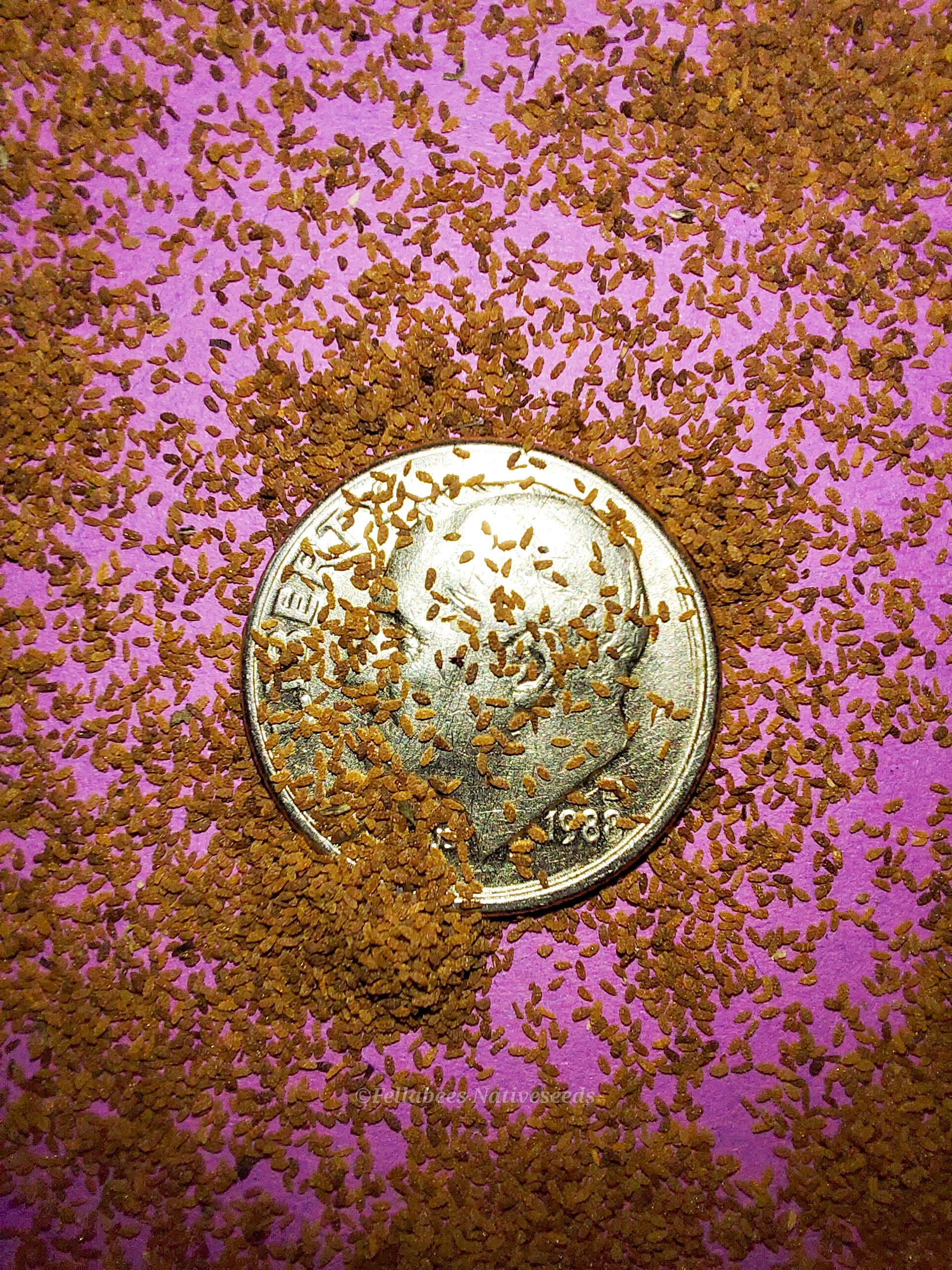
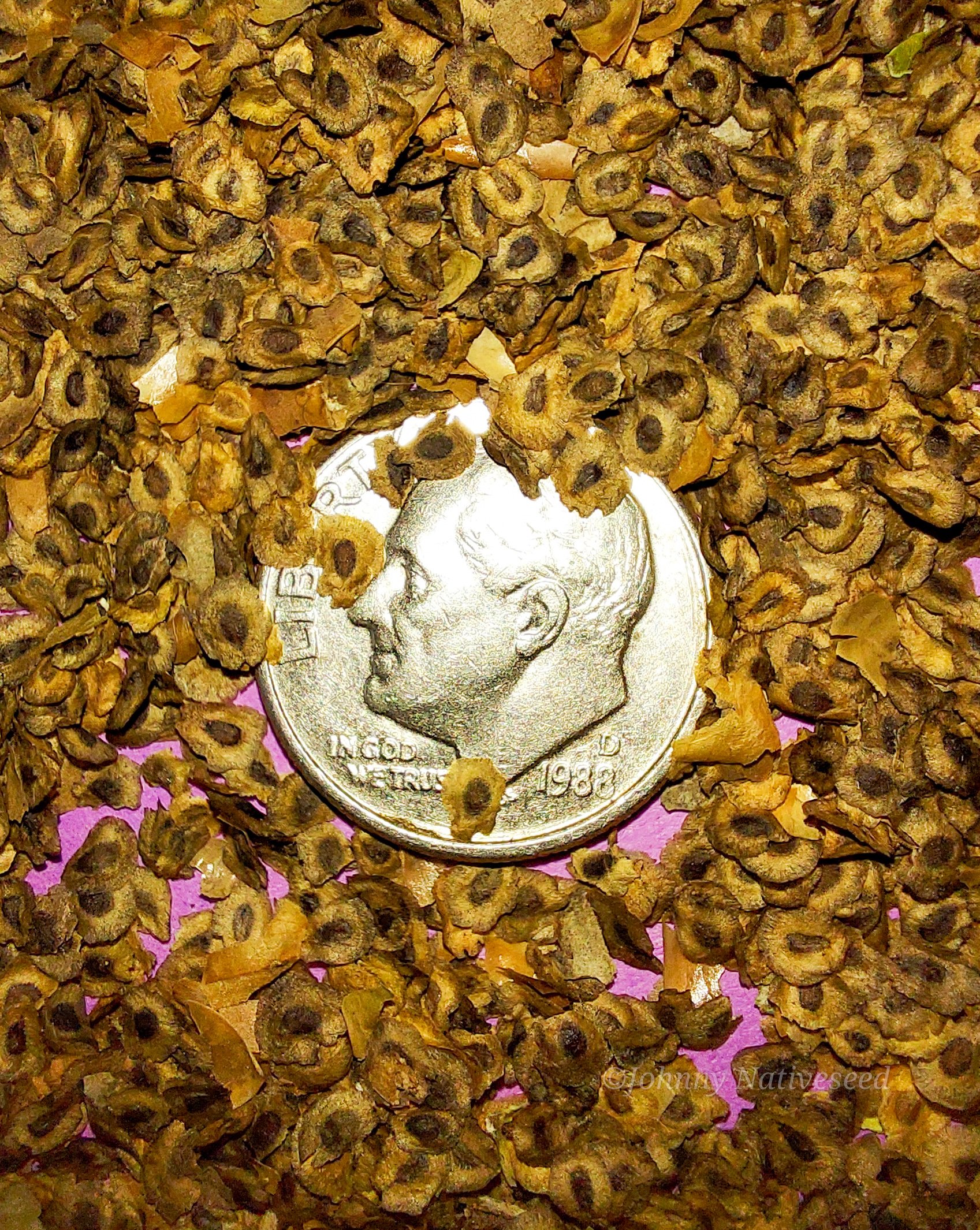
Seed Count: 15+
.
.
Packet quantities:
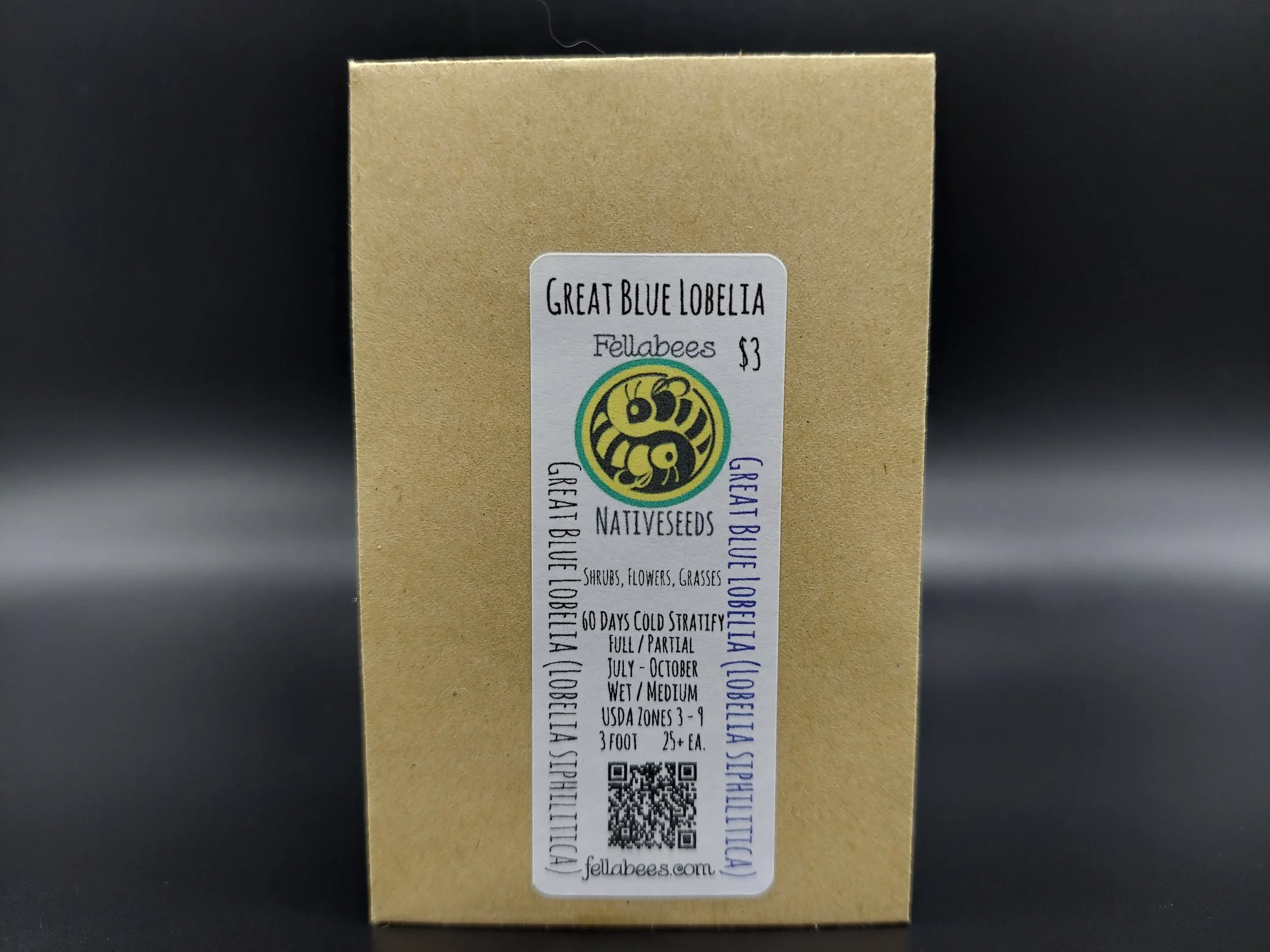
We pride ourselves on ethical, hands on, ecological management, using no mechanical or chemical methods whatsoever.
All of our native seed is hand reared, hand-picked, and hand packed from native prairies under our exclusive management, never breaking chain of custody from the field until it is sent to you. Each packet is hand prepared for shipment by us, directly.
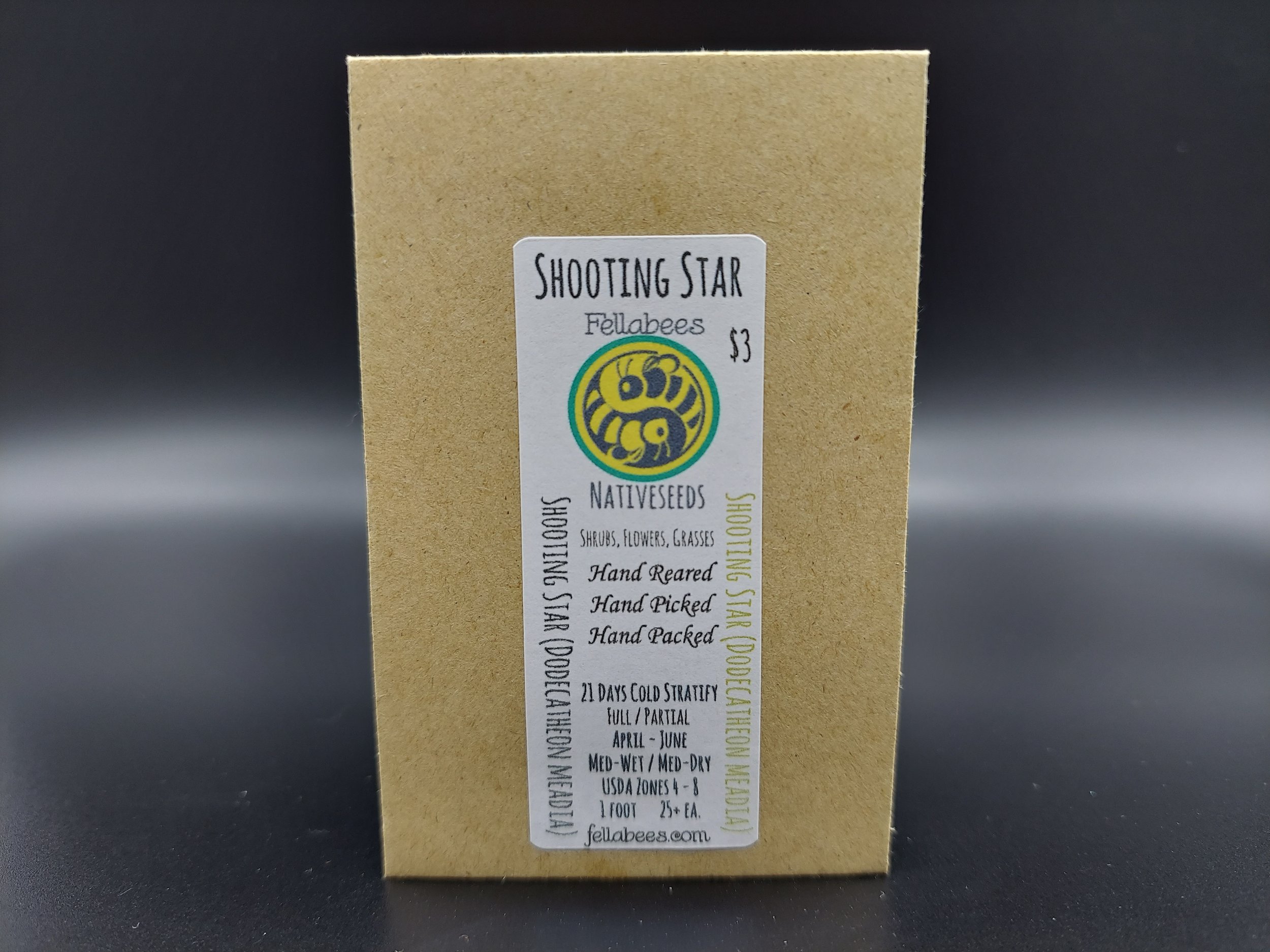
Small seed species will contain greater than 20-25 seed
Large seed species will contain greater than 10-15 seed
All packets are individually marked at the bottom of the front label with expected count, however most if not all packets will have many more than the minimum count by default.
It is our mission to spread the wealth of native plant and pollinator ecological sustainability and educate back yard gardeners as well as corporate and government entities in how to germinate, grow, and benefit from native synergies.
Thank you for your support, it is because of you, that we can grow together to do, what we do. 🐛🦋🐝🐞🌾🌱🌼🧡
Starry Campion (Silene stellata)
Silene stellata is the scientific name for the species more commonly known as Starry Campion, Starry Catchfly, Widow's Frill, and Whorled Catchfly. It is a perennial, herbaceous summer forb with delicate white flowers, native to the central and eastern United States. This plant typically grows in habitats such as deciduous forests, river flats, and tallgrass prairies, where it favors partly shaded to full and sun conditions.
Starry Campion typically reaches a height of 1–3 feet, with one or several stems arising from the rootstock. The lower portions of the stems are often a purplish hue that gradually fades to a pale green toward the upper sections, while the leaf nodes retain that purplish tint. Leaves are lanceolate and sessile with smooth margins; they occur opposite one another near the base of the plant and form whorls of four farther up the stem. Individual leaves may grow up to about 4 inches long and 1.5 inches wide. The plant’s inflorescence is a loose panicle made up of several branching stems, each bearing one to six or more delicate white flowers with five petals. The blossoms reach about 0.75 inches across and generally lack any noticeable scent to human observers.
Closing when in bright sunlight, the white flowers of Starry Campion regularly bloom for about three to four weeks at a stretch between June and September, timing that can shift somewhat with the latitude of its native range. Moths are the plant’s primary pollinators and visit most frequently at night, although daytime visitors such as butterflies and native bees also visit and contribute to pollination. The plant also serves as a host for the caterpillars of the native Campion Coronet Moth (Hadena ectypa), a species of cutworm that feeds on the foliage, seed capsules, and seeds of Starry Campion.
The scientific name for the genus of plants that Starry Campion (Silene stellata) hails from is a derivative of the Latin word stellata, meaning "star-shaped," and it carries entwined associations with other species such as Royal Catchfly (Silene regia) and Fire Pink (Silene virginica). The genus name also evokes Silenus, the mythic companion of Dionysus, a figure tied to daimons and famed for musical creativity, prophetic ecstasy, drunken joy, revelatory dancing, and celebratory gestures; as a close tutor and companion to the god of wine, Silenus became, in a poetic sense, the star companion—hence the apt common name Starry Campion. When intoxicated, Silenus was said to possess special knowledge and the power of prophecy. King Midas, eager to glean that wisdom, trapped Silenus by drugging the fountain he frequented; the disoriented Silenus wandered through Phrygia until peasants found and brought him to Midas, who treated him with hospitality. In gratitude, Silenus regaled the king with many imaginative tales, and Midas entertained him lavishly for five days and nights. When Dionysus came to reclaim his companion, he offered Midas a great reward of which the king chose the infamous gift of turning everything he touched into gold, a choice that immortalized Midas in an eternal trap of his own.
Mythical names aside, this species is often found in woods, river flats, and tall grass prairies, and it prefers a dry to mesic habitat with light shade or partial sun. It is native to the central and eastern United States, from Texas to the west and Vermont to the east and north where it is rare and even extirpated (locally extinct). Great efforts should be taken to re-establish it in several counties of the states of Vermont, Connecticut, Rhode Island Louisiana, and Michigan where it is struggling or has lost to the extreme weight of human over-development.
Starry Campion (Silene stellata) should not be confused with the similar-looking nonnative weed, Bladder Campion (Silene vulgaris), which displays the more inflated calyx pouch of the two and is technically native to Europe, temperate Asia, and northern Africa. It has been introduced to other parts of the world—particularly North America—where it is unfortunately widespread and commonly encountered in meadows, open woods, roadsides, and fields. If you prefer fewer stands of the nonnative Bladder Campion, note that it is a known edible: the young shoots and tender leaves are used in Mediterranean dishes and can be eaten raw before the plant flowers, making a fresh addition to salads. Older leaves are typically boiled, fried, or sautéed with garlic, and they are also commonly incorporated into omelets and other cooked preparations.
In summary, the flowers of Silene stellata provide valuable nectar for a variety of pollinators, including native bees, butterflies, and nocturnal moths. This steady nectar supply helps sustain local pollinator populations, which in turn supports the reproduction and growth of many other plant species and enhances the overall biodiversity of the area. By stabilizing soil in woodlands and along edges, Silene stellata helps prevent erosion and maintains healthy soil structure, contributing to a resilient ecosystem. This stabilizing effect is particularly valuable in locations where soil is prone to washing away, such as river flats, riparian banks, and remnants of tallgrass prairie. In garden settings, Silene stellata works well as a wildflower that increases habitat complexity, attracts beneficial insects, and provides shelter and food for various small wildlife. Its combined abilities to draw pollinators and reduce soil loss make it a practical and attractive choice for wildflower plantings aimed at ecological restoration or pollinator-friendly landscaping. Overall, Silene stellata plays a meaningful role in local ecosystems, and its presence contributes to the long-term health, diversity, and sustainability of the environment.
Plant Details:
USDA Zones: 4 - 8
Germination Needs: Needs 60 Days Cold-Moist Stratification.
Life Cycle: Perennial
Sun Exposure: Full to Partial
Soil Moisture: Medium-Wet, Medium, Medium-Dry
Plant Spacing: 1 - 2 feet
Height: 3 feet
Bloom time: June, July, August, September
Bloom Color: White
Advantages:
Pollinator Favorite: butterflies, moths, bees, wasps, beetles
Bird Favorite: seeds, insects, fruit, nectar, nesting, perches.
Deer Resistant: Yes
Native to: Wisconsin, Minnesota, Iowa, Illinois, Indiana, Michigan, Ohio, Pennsylvania, New York, Vermont, Connecticut, Rhode Island, Delaware, New Jersey, Maryland, West Virginia, Virginia, Kentucky, Tennessee, North Carolina, South Carolina, Georgia, Alabama, Mississippi, Louisiana, Arkansas, Missouri, Texas, Oklahoma, Kansas, Nebraska, and South Dakota.
This species is considered present but rare in several counties of the states of Michigan, Vermont, Rhode Island, Connecticut and Louisiana.
This species is considered to be extirpated (locally extinct) in at least one county of Vermont.
Seed Count: 15+
.
.
Packet quantities:
We pride ourselves on ethical, hands on, ecological management, using no mechanical or chemical methods whatsoever.
All of our native seed is hand reared, hand-picked, and hand packed from native prairies under our exclusive management, never breaking chain of custody from the field until it is sent to you. Each packet is hand prepared for shipment by us, directly.
Small seed species will contain greater than 20-25 seed
Large seed species will contain greater than 10-15 seed
All packets are individually marked at the bottom of the front label with expected count, however most if not all packets will have many more than the minimum count by default.
It is our mission to spread the wealth of native plant and pollinator ecological sustainability and educate back yard gardeners as well as corporate and government entities in how to germinate, grow, and benefit from native synergies.
Thank you for your support, it is because of you, that we can grow together to do, what we do. 🐛🦋🐝🐞🌾🌱🌼🧡

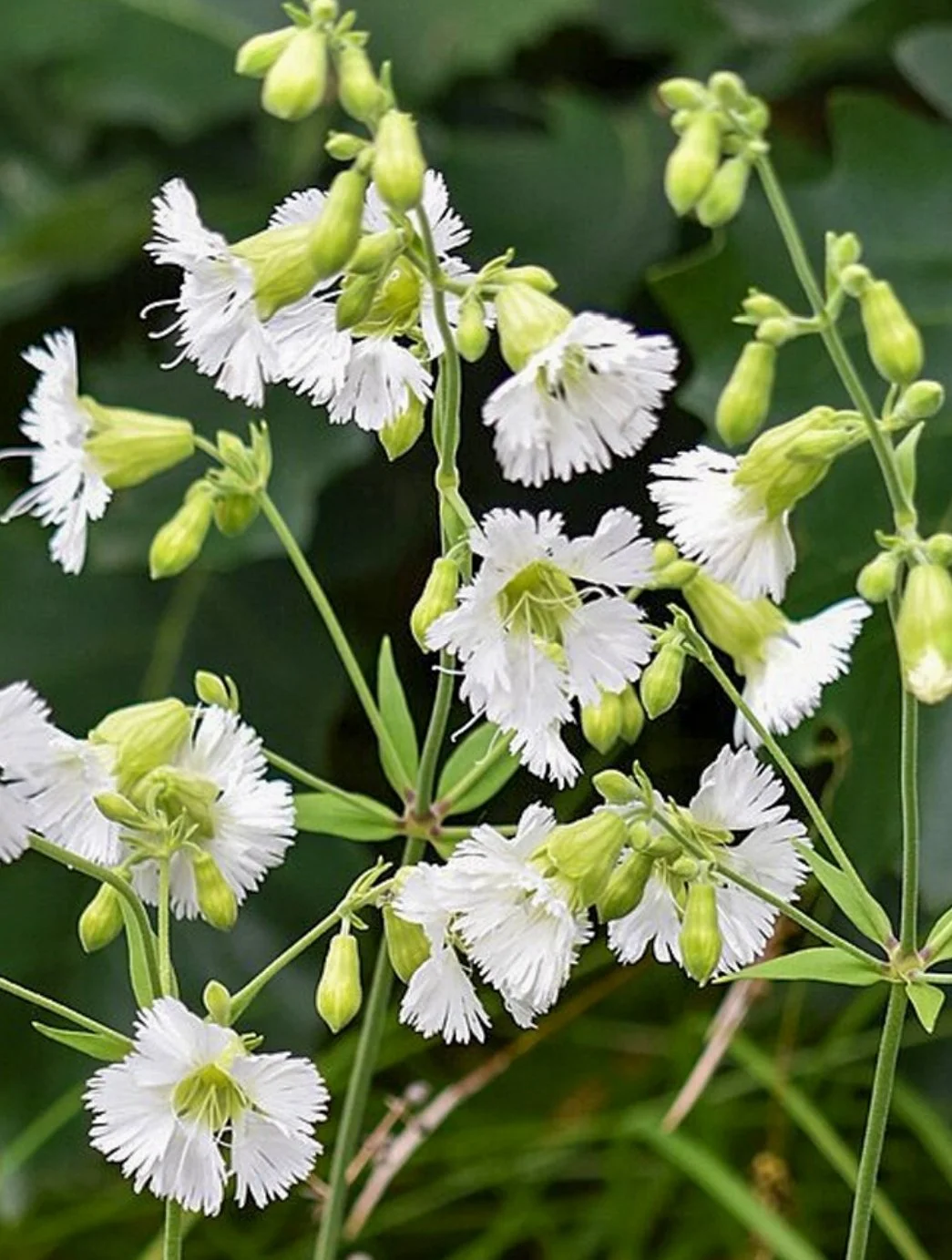 Image 1 of 8
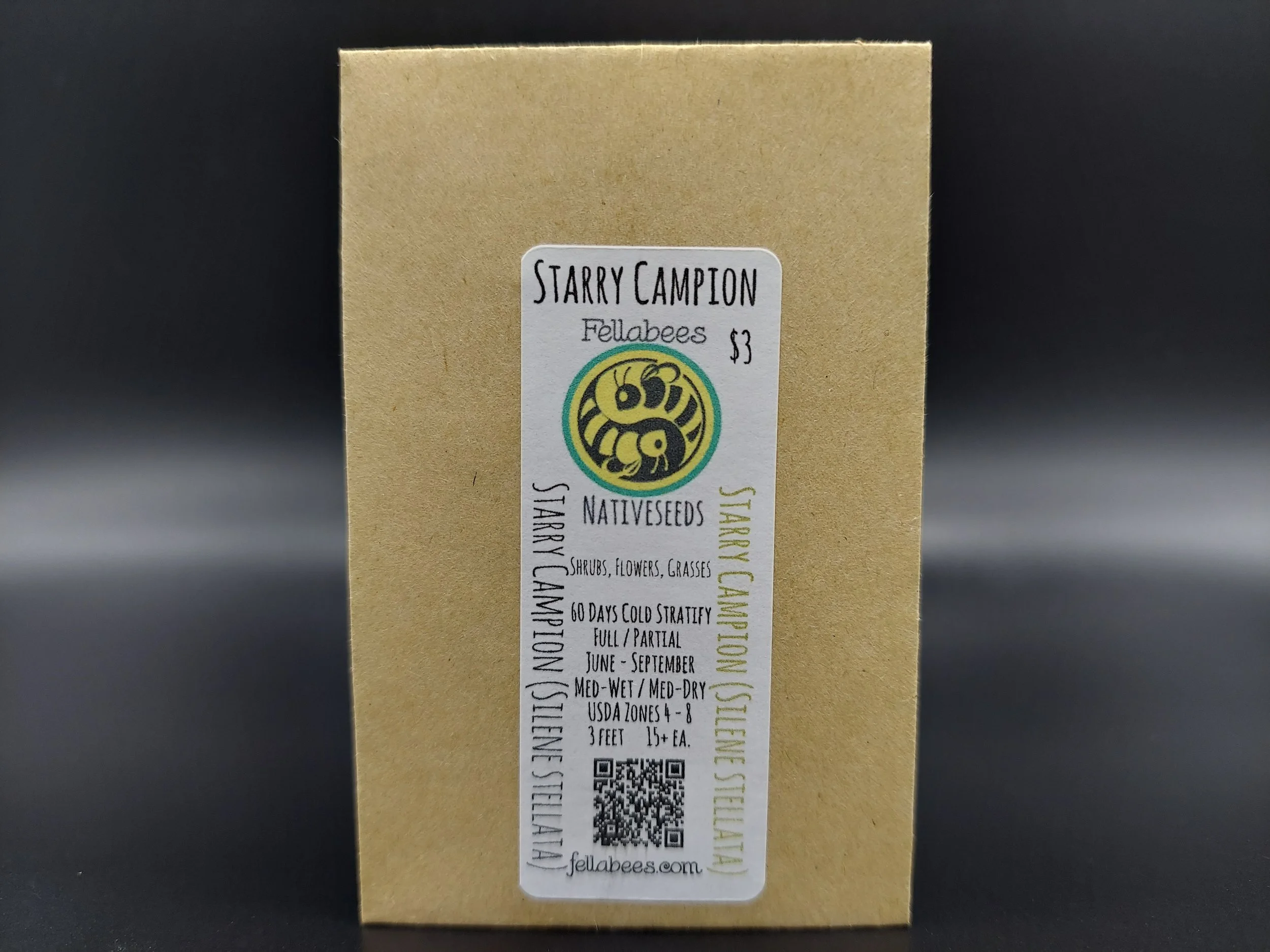 Image 2 of 8
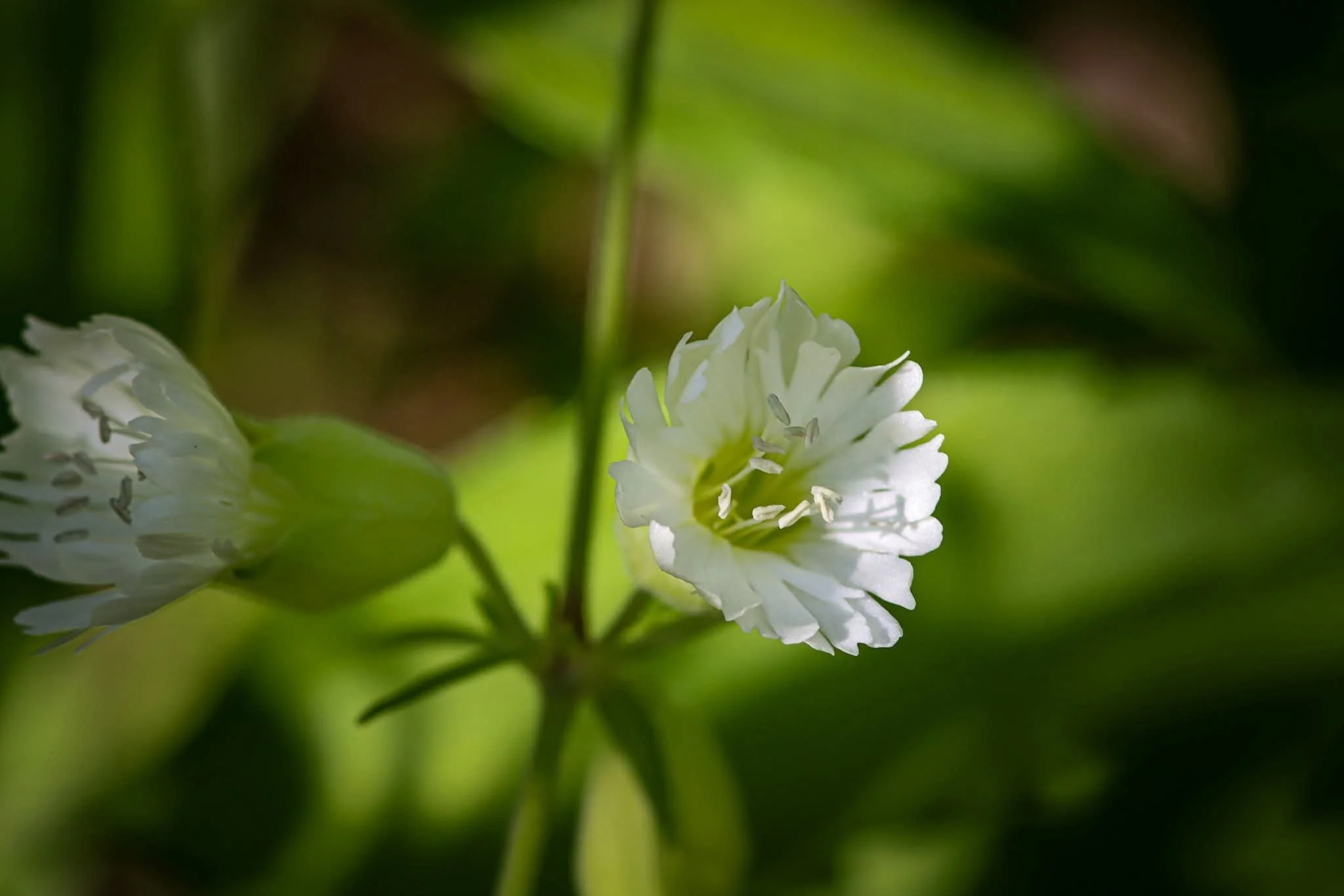 Image 3 of 8
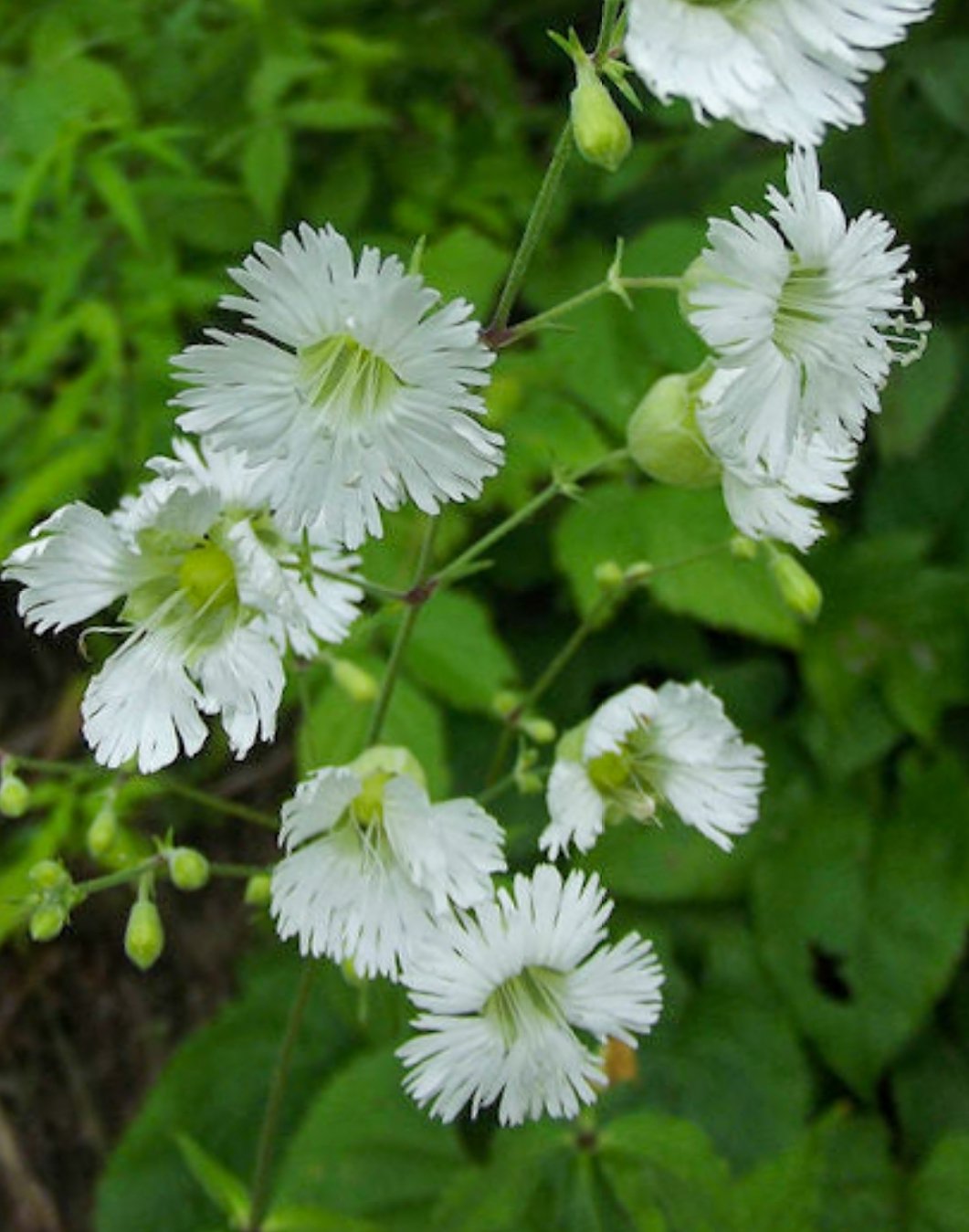 Image 4 of 8
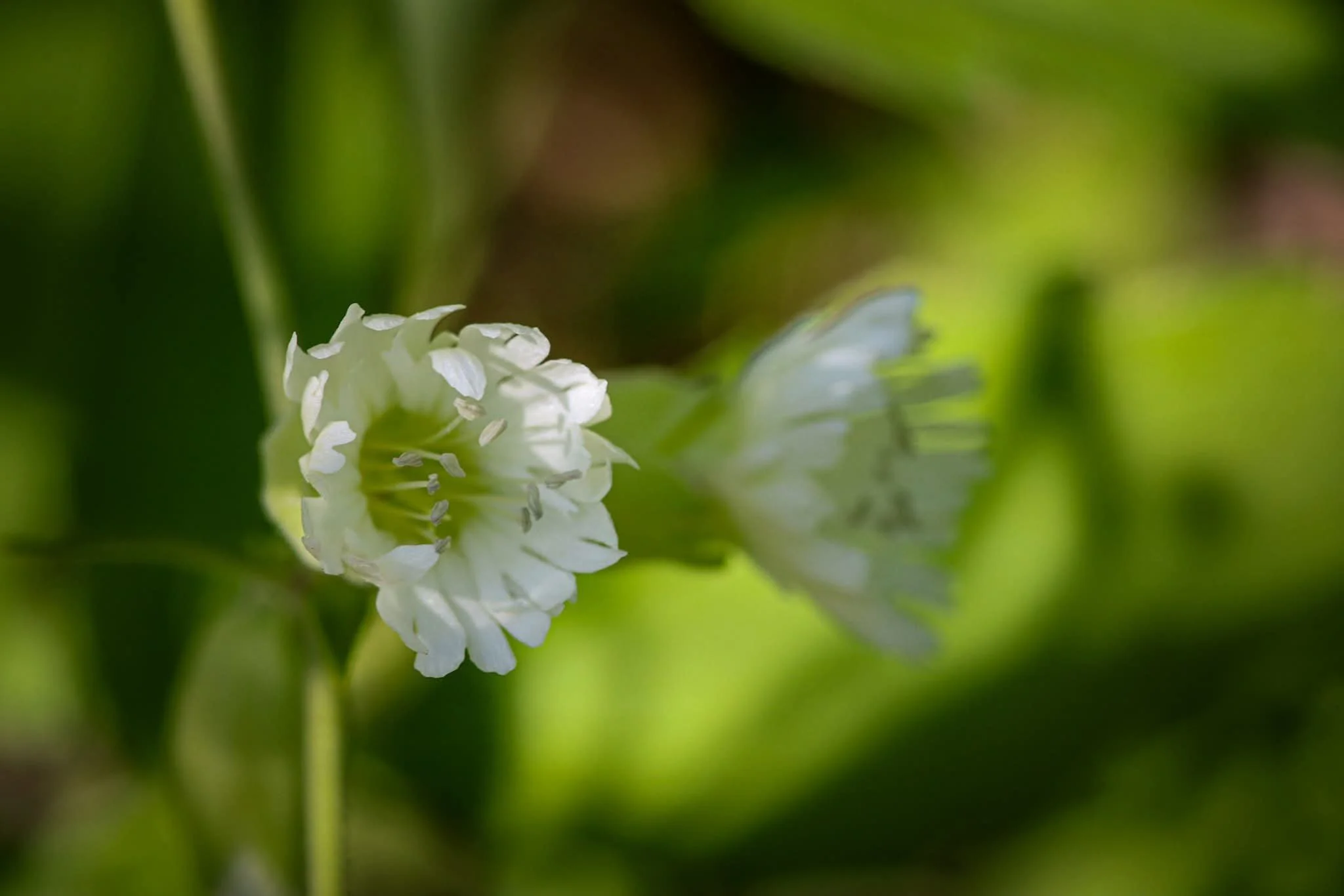 Image 5 of 8
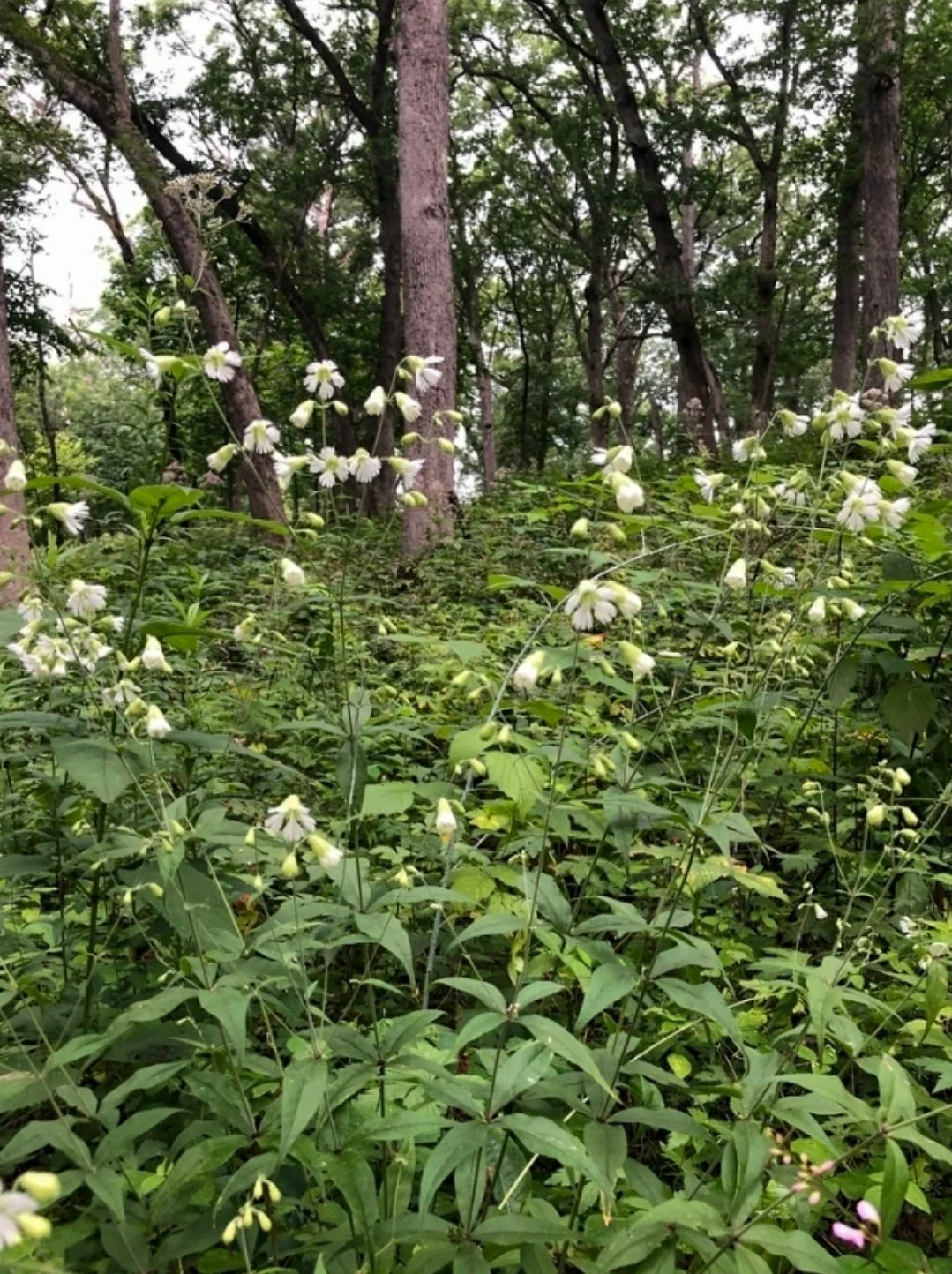 Image 6 of 8
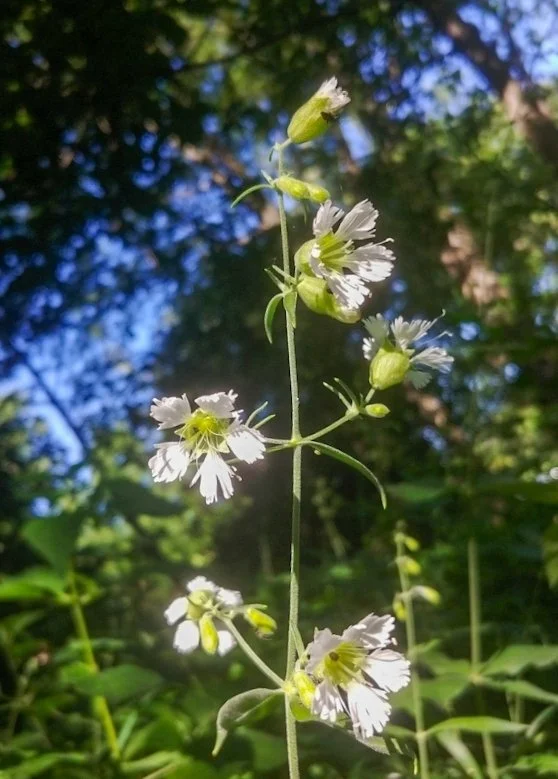 Image 7 of 8
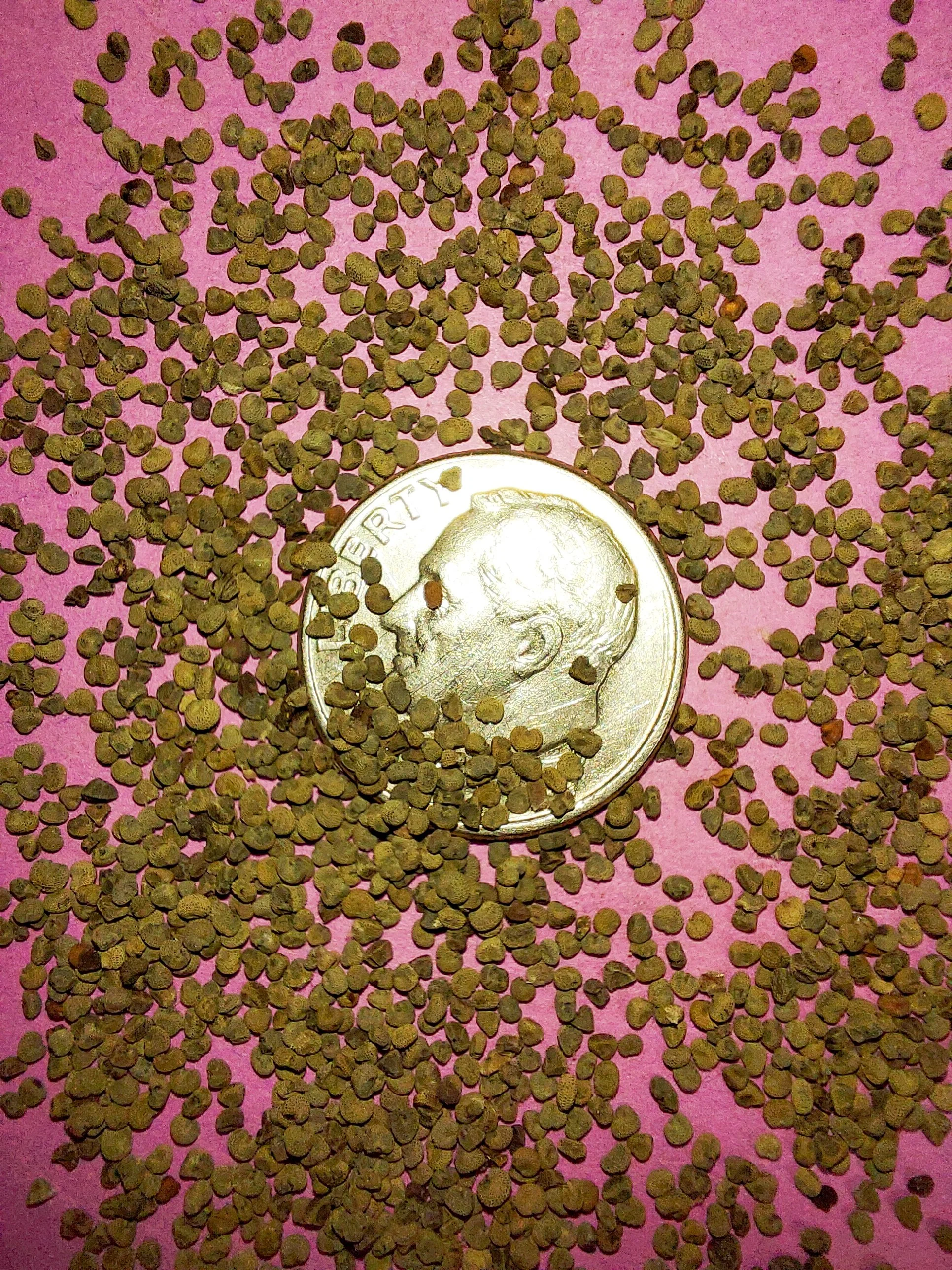 Image 8 of 8