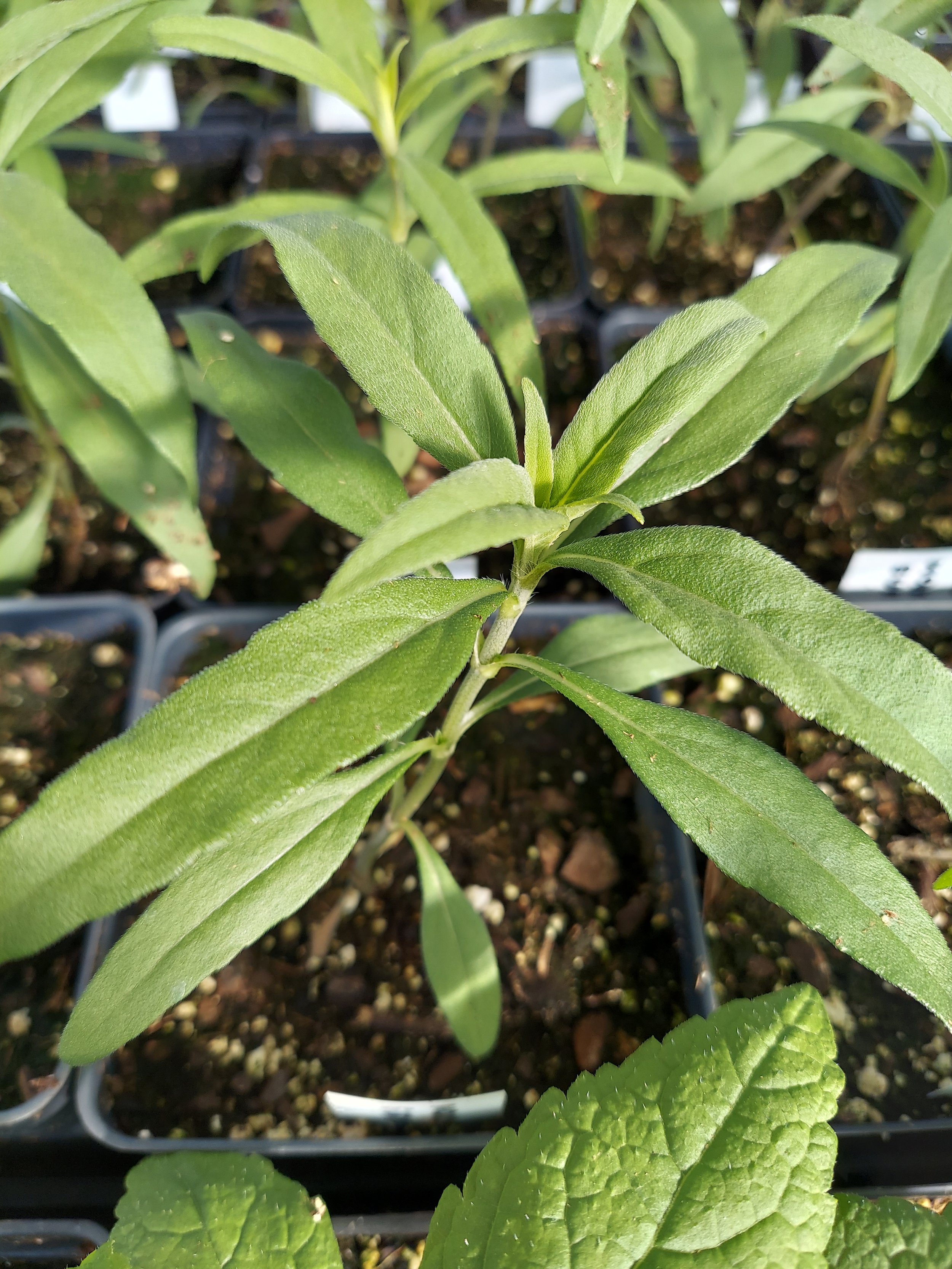
Fire Pink (Silene virginica)
Silene virginica, commonly called Fire Pink, is a native wildflower in the commonly named, Pink or Carnation family, Caryophyllaceae.
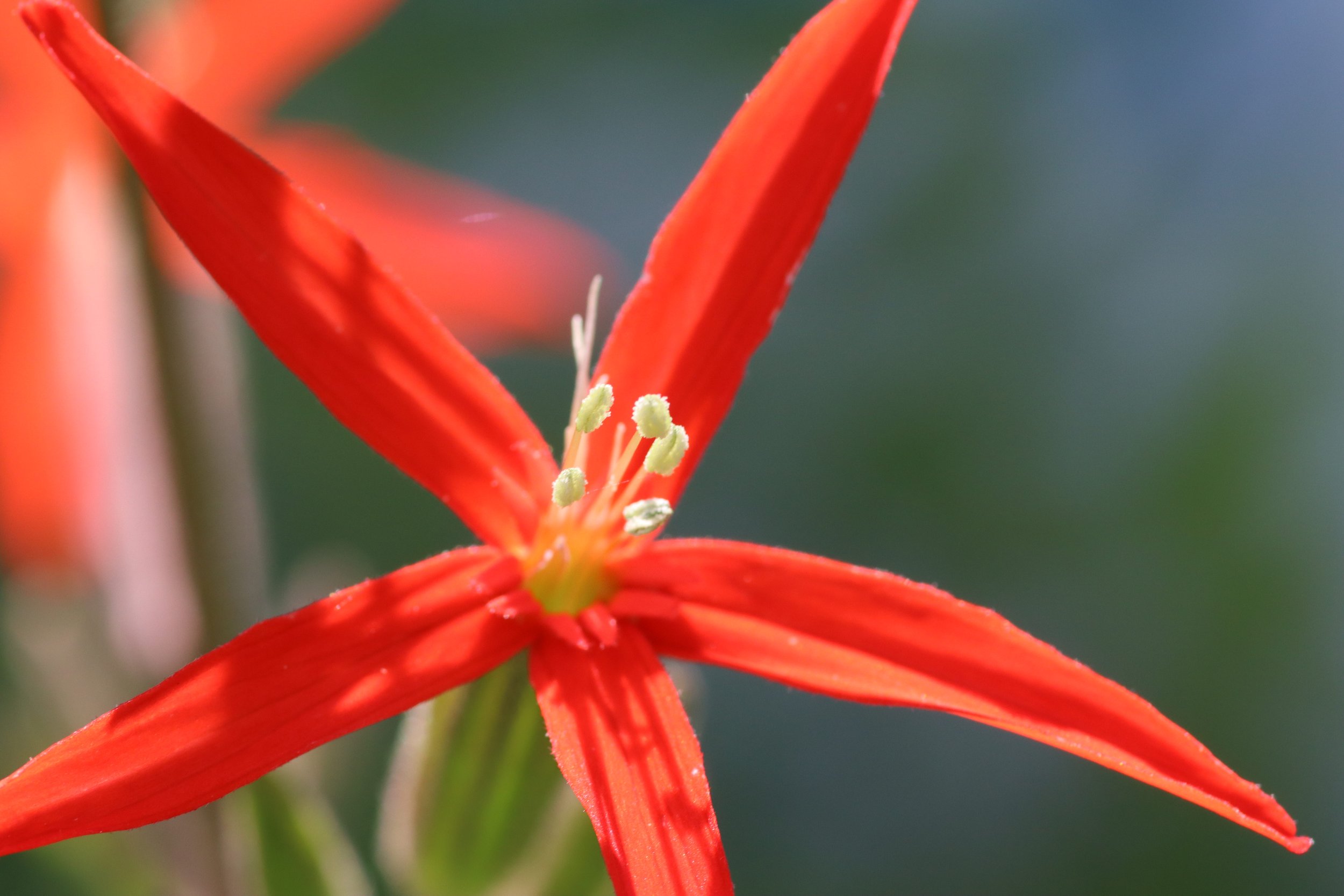
Fire Pink begins blooming in late spring and continuing throughout the summer. It is a dynamic native plant grown in wildflower, shade, and rock gardens. It is well known for its distinct brilliant red flowers.
Fire Pink is smaller than its cousin Royal Catchfly, at 8 to 31 inches tall, and is a fairly short-lived perennial 2–3 years, with lance shaped leaves. Its stems, and the bases of the flowers, are covered in short sticky hairs, which work to deter ants and insects like flies from gaining access to nectar without providing pollinating services.
Just like Royal Catchfly this plant is technically carnivorous, but it does not gain nutrients from what it catches, but it does dissolve the catch in order to avoid having rotting insect corpses on its body. Birds and lucky amphibians will benefit from the insects that become ensnared.
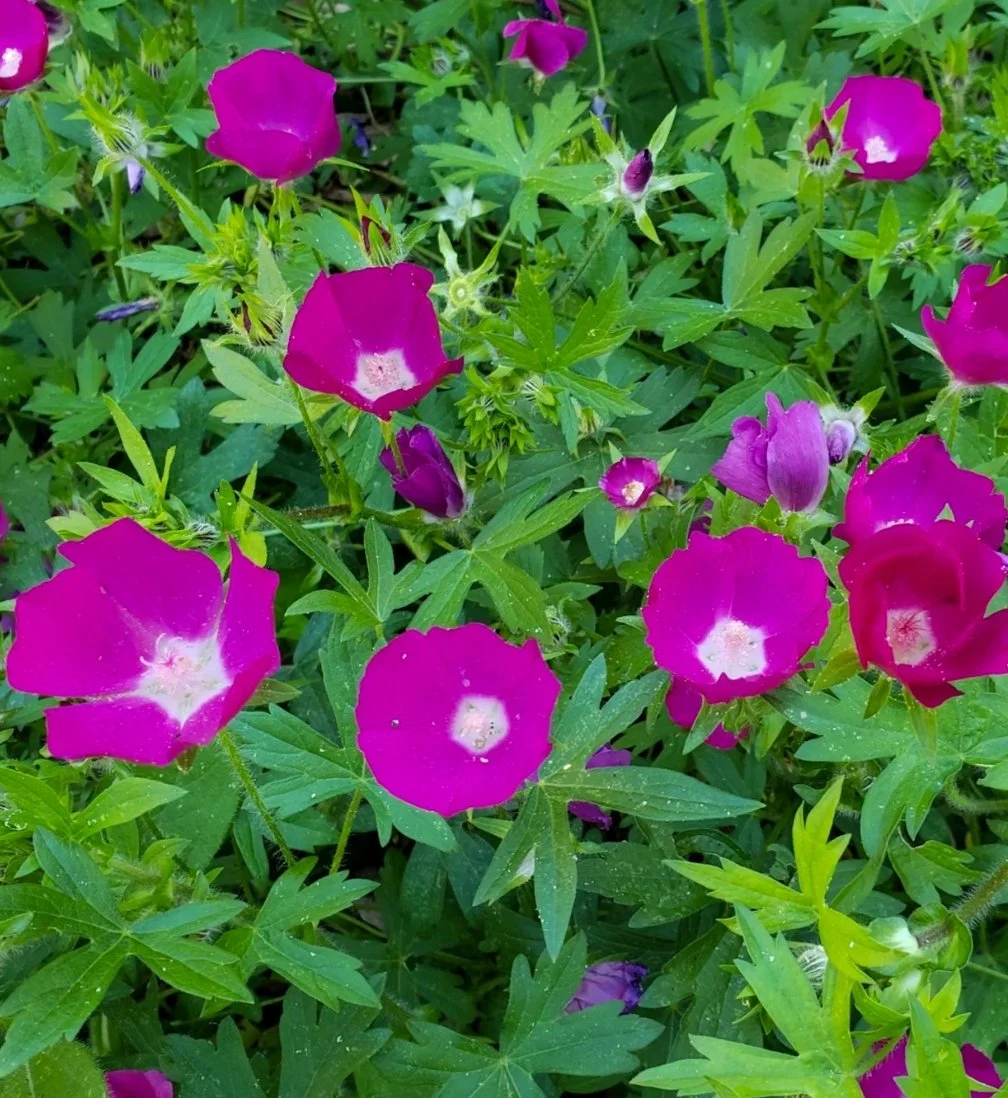
Each flower is nearly 2 inches in diameter and is composed of five notched, brilliant red petals which extend into a long tube, perfect for hummingbirds!
Fire pink loves to grow in dryer spaces such as open woods and rocky deciduous slopes in Central and Eastern North America, from It is protected as a state endangered species in Wisconsin, Florida, and Michigan. It is considered imperiled in Louisiana.
Fire Pink's principal pollinator is the Ruby-Throated Hummingbird (Archilochus colubris), which is attracted by the flowers' bright red petals and nutritious nectar.
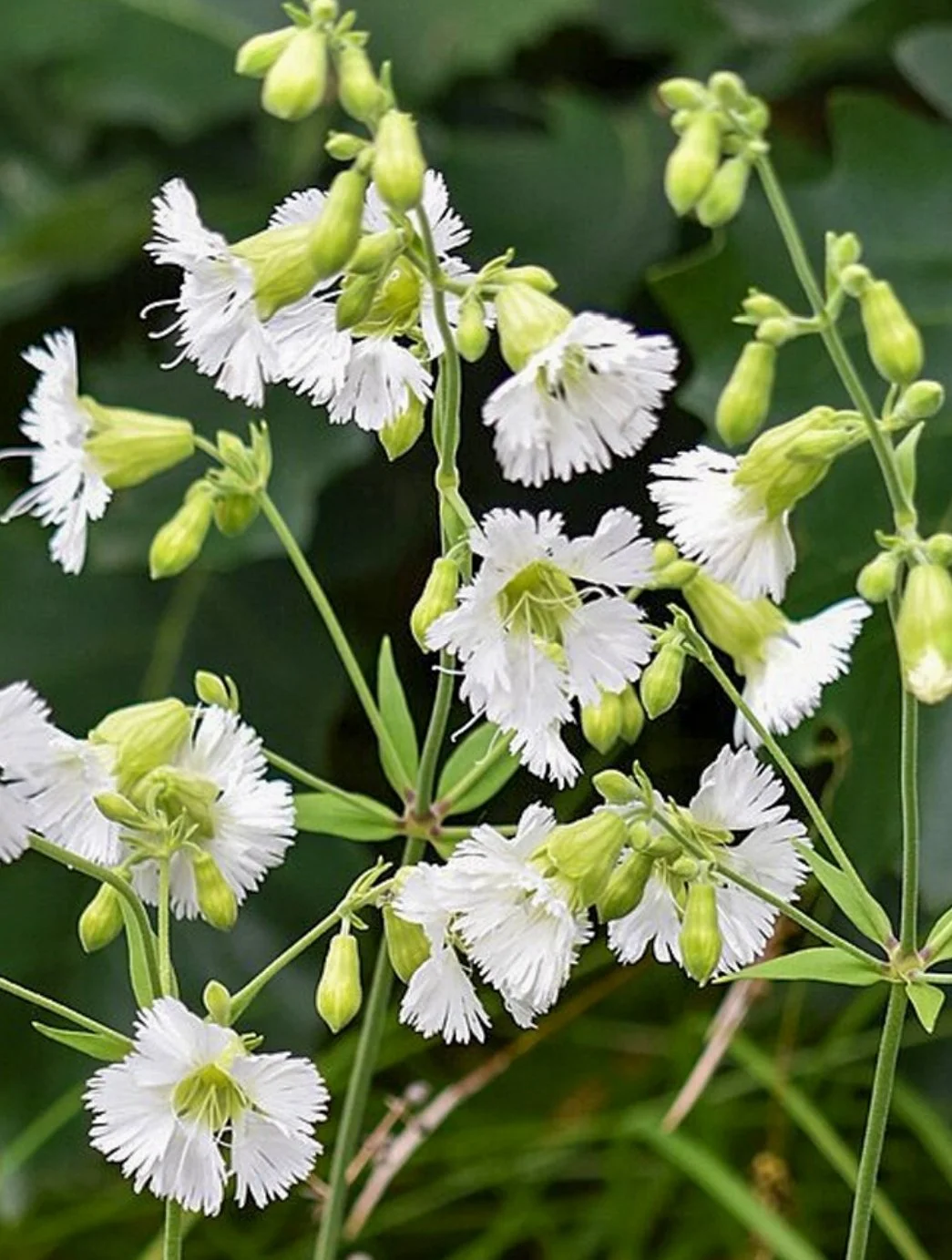
The scientific name for the family of plants that Fire Pink (Silene virginica), Starry Campion (Silene stellata) and Royal Catchfly (Silene regia) hail from, is a derivative of the name Silenus, the Greek god who presided over the other daimons and is associated with musical creativity, prophetic ecstasy, drunken joy, revelatory dancing and celebratory gestures; he was a close companion and tutor to the god of wine, thereby becoming the Star Companion (Starry Campion) of Dionysus. When intoxicated, Silenus was said to possess special knowledge and the power of prophecy. King Midas was eager to learn from Silenus and caught him by lacing the wine fountain from which Silenus often drank. Silenus then became lost, wandering the city of Phrygia, eventually passing out and was rescued by peasants and taken to Midas, who treated him kindly. In return for Midas's hospitality Silenus told him numerous imaginative tales and the king, deeply enchanted by Silenus's fictions, entertained him lavishly for five days and nights. Dionysus offered Midas a reward for the return of his companion, and Midas chose the famous power of turning everything he touched into gold, entrapping him permanently, for having tricked his friend.
Plant Details
USDA Zones: 4-9
Germination Needs: 60 Days Cold Stratification
Life Cycle: Short Lived Perennial (2-3 years)
Sun Exposure: Partial Shade
Soil Moisture: Med-Dry, Dry
Plant Spacing: 1-2 feet
Height: 2 feet
Bloom time: May, June, July
Bloom Color: Red
Advantages :
Pollinator Favorite: Hummingbirds and long tongued bees.
Bird Favorite: seeds, insects, fruit, nectar, nesting, perches.
Deer Resistant Yes
Excellent in the home landscape!
Native to : Wisconsin, Minnesota, Michigan, Iowa, Missouri, Kansas, New York, Pennsylvania, Ohio, Indiana, Oklahoma, Texas, Arkansas, New Jersey, Delaware, Maryland, West Virginia, Virginia, Tennessee, North Carolina, South Carolina, Mississippi, Louisiana, Alabama, Georgia, and Florida
.
.
Packet quantities:
We pride ourselves on ethical, hands on, ecological management, using no mechanical or chemical methods whatsoever.
All of our native seed is hand reared, hand-picked, and hand packed from native prairies under our exclusive management, never breaking chain of custody from the field until it is sent to you. Each packet is hand prepared for shipment by us, directly.
Small seed species will contain greater than 20-25 seed
Large seed species will contain greater than 10-15 seed
It is our mission to spread the wealth of native plant and pollinator ecological sustainability and educate back yard gardeners as well as corporate and government entities in how to germinate, grow, and benefit from native synergies.
Thank you for your support, it is because of you, that we can grow together to do, what we do. 🐛🦋🐝🐞🌾🌱🌼🧡
Fire Pink (Silene virginica)
Silene virginica, commonly called Fire Pink, is a native wildflower in the commonly named, Pink or Carnation family, Caryophyllaceae.
Fire Pink begins blooming in late spring and continuing throughout the summer. It is a dynamic native plant grown in wildflower, shade, and rock gardens. It is well known for its distinct brilliant red flowers.
Fire Pink is smaller than its cousin Royal Catchfly, at 8 to 31 inches tall, and is a fairly short-lived perennial 2–3 years, with lance shaped leaves. Its stems, and the bases of the flowers, are covered in short sticky hairs, which work to deter ants and insects like flies from gaining access to nectar without providing pollinating services.
Just like Royal Catchfly this plant is technically carnivorous, but it does not gain nutrients from what it catches, but it does dissolve the catch in order to avoid having rotting insect corpses on its body. Birds and lucky amphibians will benefit from the insects that become ensnared.
Each flower is nearly 2 inches in diameter and is composed of five notched, brilliant red petals which extend into a long tube, perfect for hummingbirds!
Fire pink loves to grow in dryer spaces such as open woods and rocky deciduous slopes in Central and Eastern North America, from It is protected as a state endangered species in Wisconsin, Florida, and Michigan. It is considered imperiled in Louisiana.
Fire Pink's principal pollinator is the Ruby-Throated Hummingbird (Archilochus colubris), which is attracted by the flowers' bright red petals and nutritious nectar.
The scientific name for the family of plants that Fire Pink (Silene virginica), Starry Campion (Silene stellata) and Royal Catchfly (Silene regia) hail from, is a derivative of the name Silenus, the Greek god who presided over the other daimons and is associated with musical creativity, prophetic ecstasy, drunken joy, revelatory dancing and celebratory gestures; he was a close companion and tutor to the god of wine, thereby becoming the Star Companion (Starry Campion) of Dionysus. When intoxicated, Silenus was said to possess special knowledge and the power of prophecy. King Midas was eager to learn from Silenus and caught him by lacing the wine fountain from which Silenus often drank. Silenus then became lost, wandering the city of Phrygia, eventually passing out and was rescued by peasants and taken to Midas, who treated him kindly. In return for Midas's hospitality Silenus told him numerous imaginative tales and the king, deeply enchanted by Silenus's fictions, entertained him lavishly for five days and nights. Dionysus offered Midas a reward for the return of his companion, and Midas chose the famous power of turning everything he touched into gold, entrapping him permanently, for having tricked his friend.
Plant Details
USDA Zones: 4-9
Germination Needs: 60 Days Cold Stratification
Life Cycle: Short Lived Perennial (2-3 years)
Sun Exposure: Partial Shade
Soil Moisture: Med-Dry, Dry
Plant Spacing: 1-2 feet
Height: 2 feet
Bloom time: May, June, July
Bloom Color: Red
Advantages :
Pollinator Favorite: Hummingbirds and long tongued bees.
Bird Favorite: seeds, insects, fruit, nectar, nesting, perches.
Deer Resistant Yes
Excellent in the home landscape!
Native to : Wisconsin, Minnesota, Michigan, Iowa, Missouri, Kansas, New York, Pennsylvania, Ohio, Indiana, Oklahoma, Texas, Arkansas, New Jersey, Delaware, Maryland, West Virginia, Virginia, Tennessee, North Carolina, South Carolina, Mississippi, Louisiana, Alabama, Georgia, and Florida
.
.
Packet quantities:
We pride ourselves on ethical, hands on, ecological management, using no mechanical or chemical methods whatsoever.
All of our native seed is hand reared, hand-picked, and hand packed from native prairies under our exclusive management, never breaking chain of custody from the field until it is sent to you. Each packet is hand prepared for shipment by us, directly.
Small seed species will contain greater than 20-25 seed
Large seed species will contain greater than 10-15 seed
It is our mission to spread the wealth of native plant and pollinator ecological sustainability and educate back yard gardeners as well as corporate and government entities in how to germinate, grow, and benefit from native synergies.
Thank you for your support, it is because of you, that we can grow together to do, what we do. 🐛🦋🐝🐞🌾🌱🌼🧡
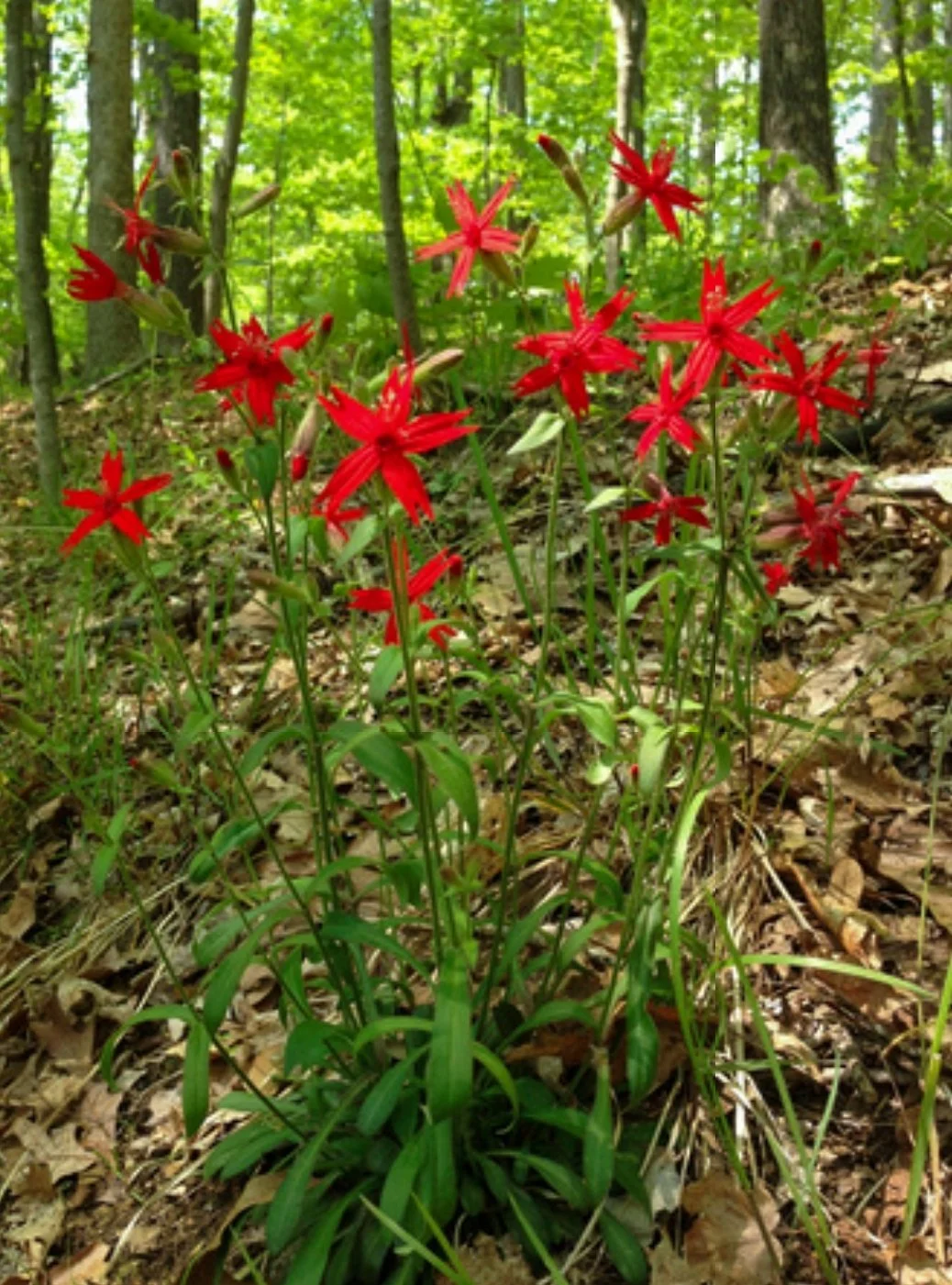 Image 1 of 7
 Image 2 of 7
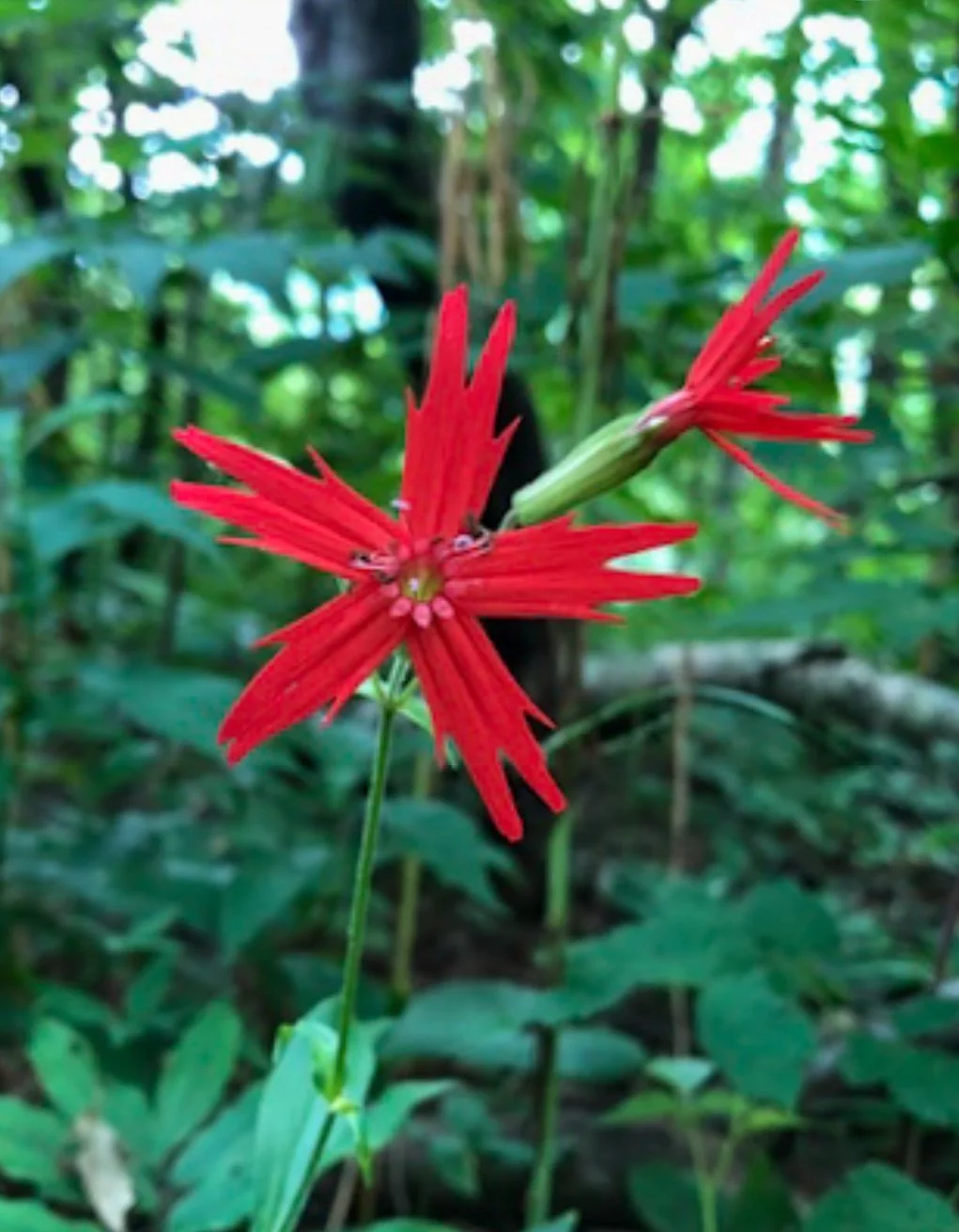 Image 3 of 7
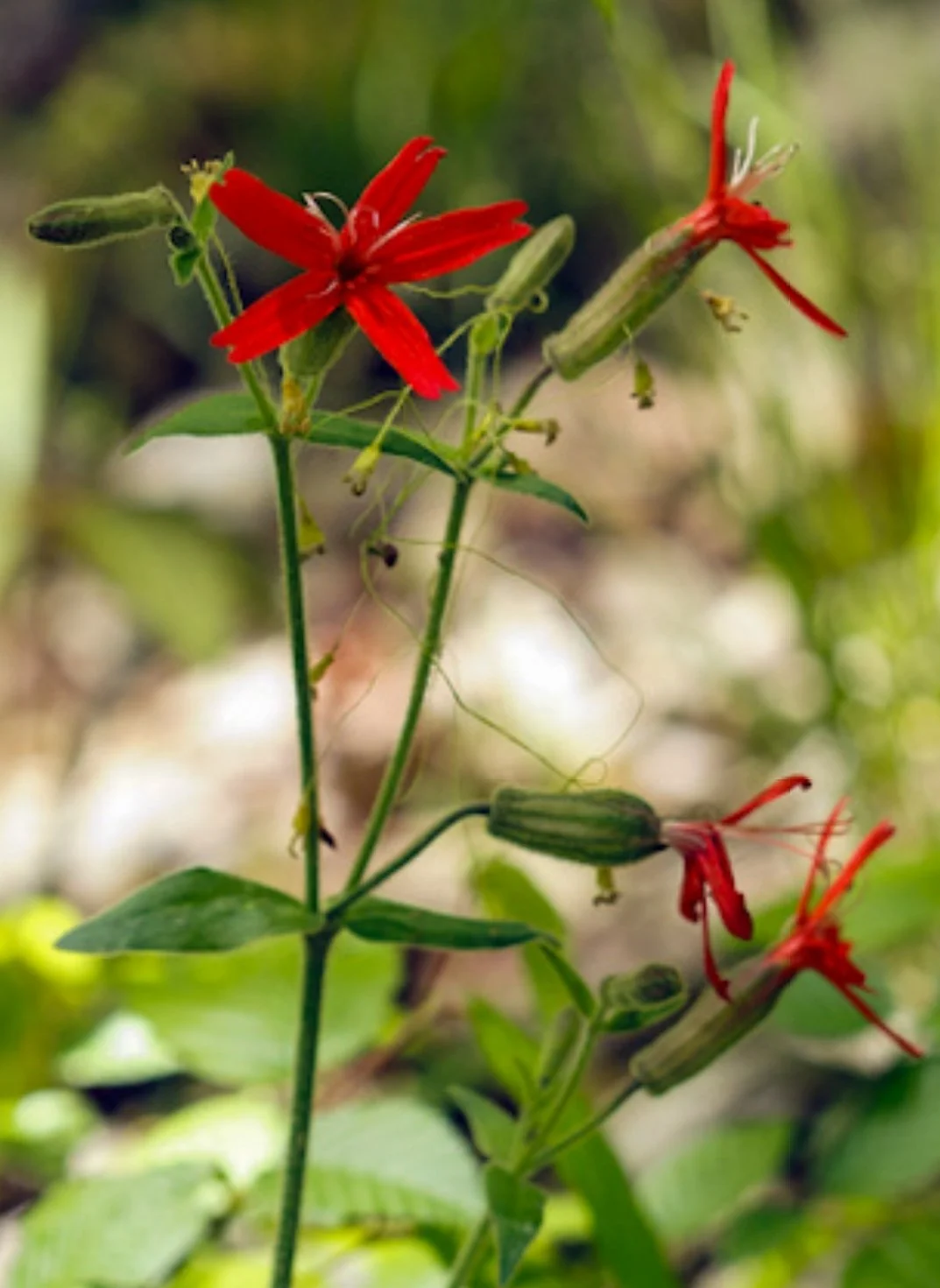 Image 4 of 7
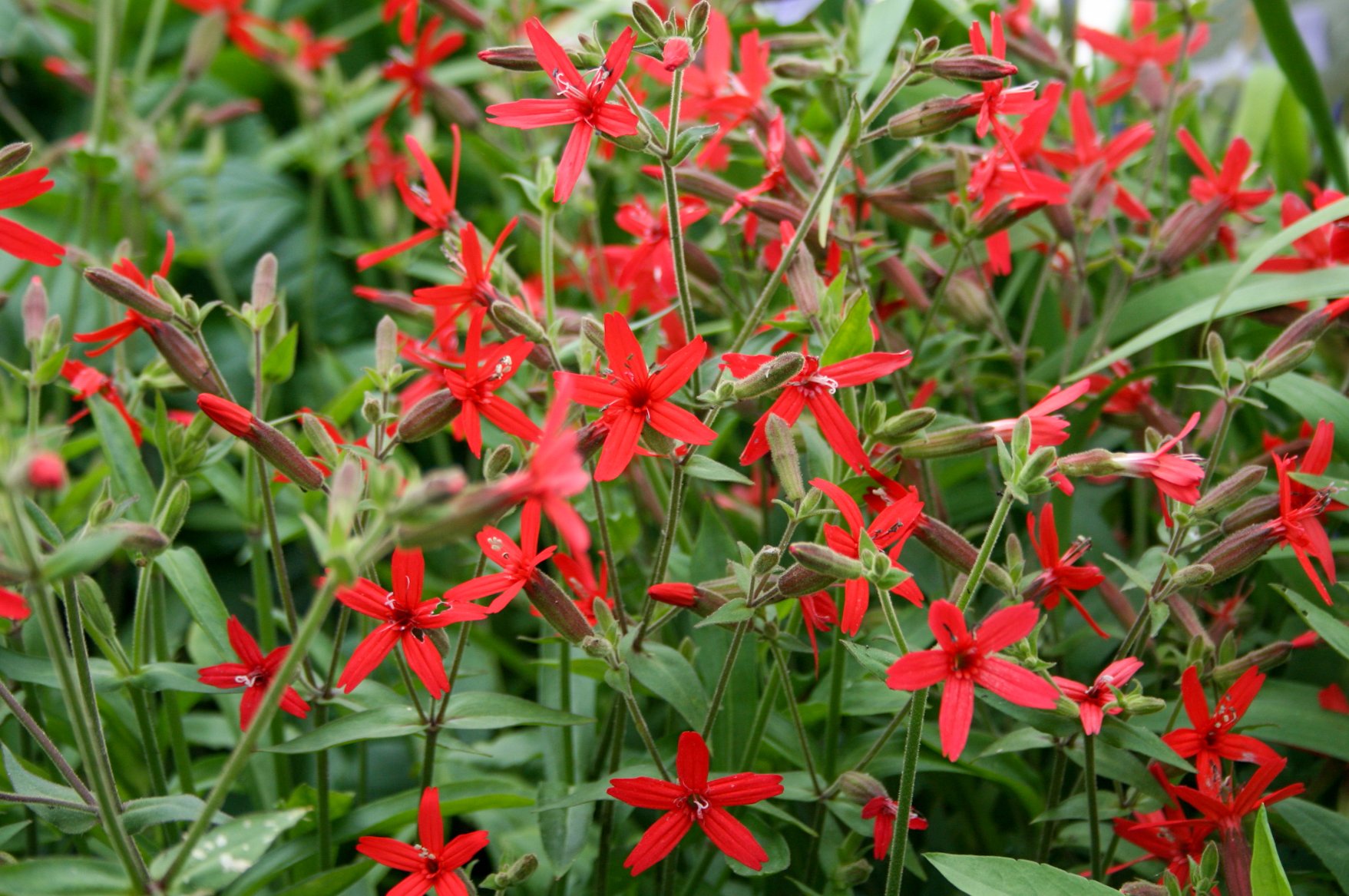 Image 5 of 7
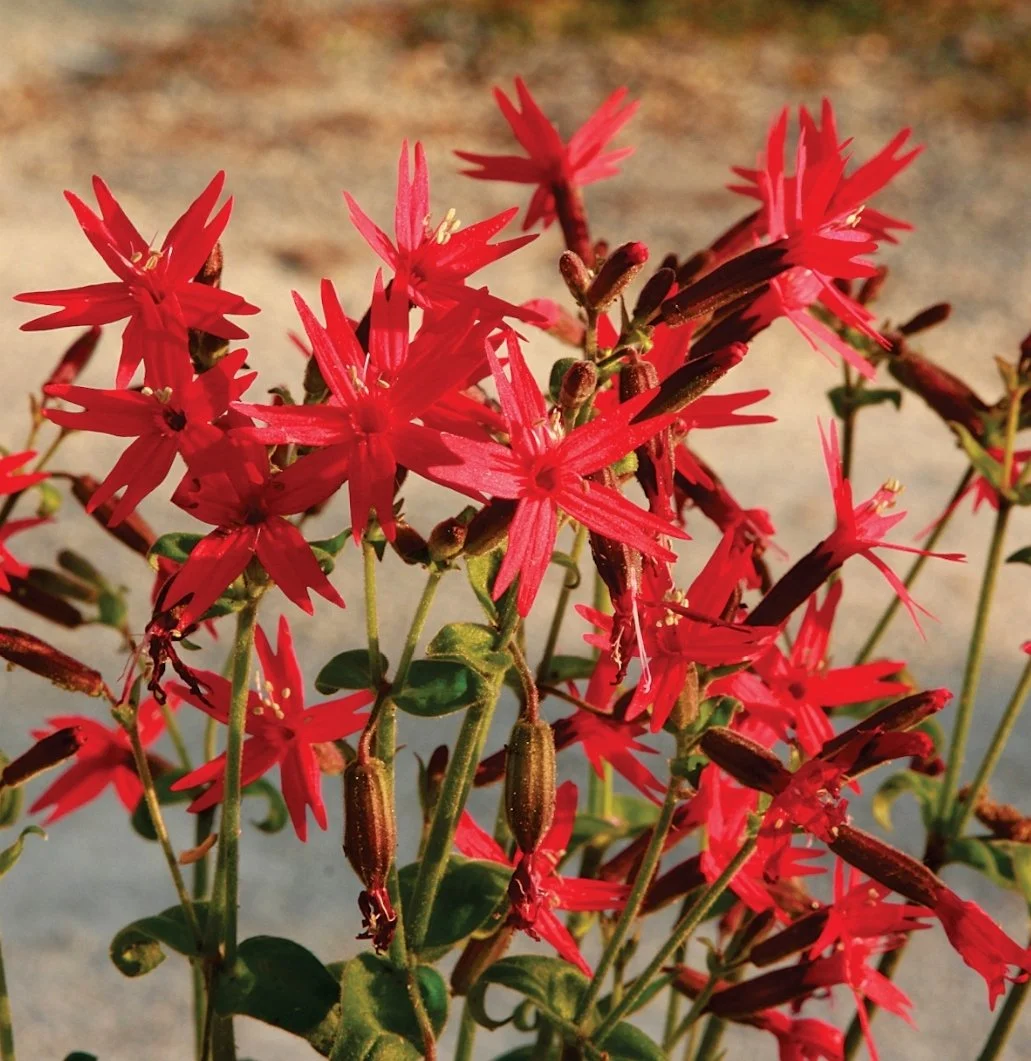 Image 6 of 7
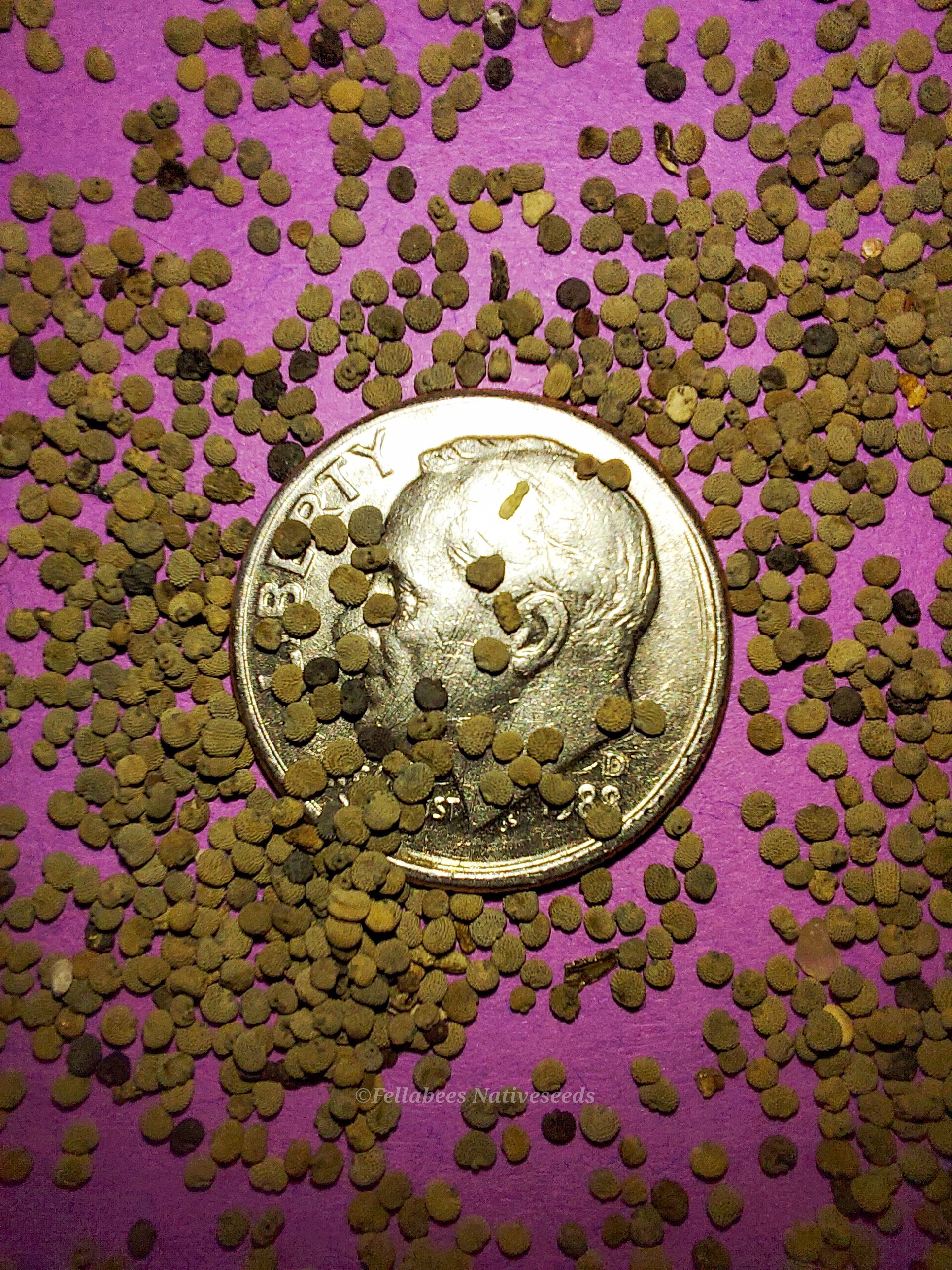 Image 7 of 7