Sale Price:
$2.00
Original Price:
$3.00
Torrey's Rush (Juncus torreyi)
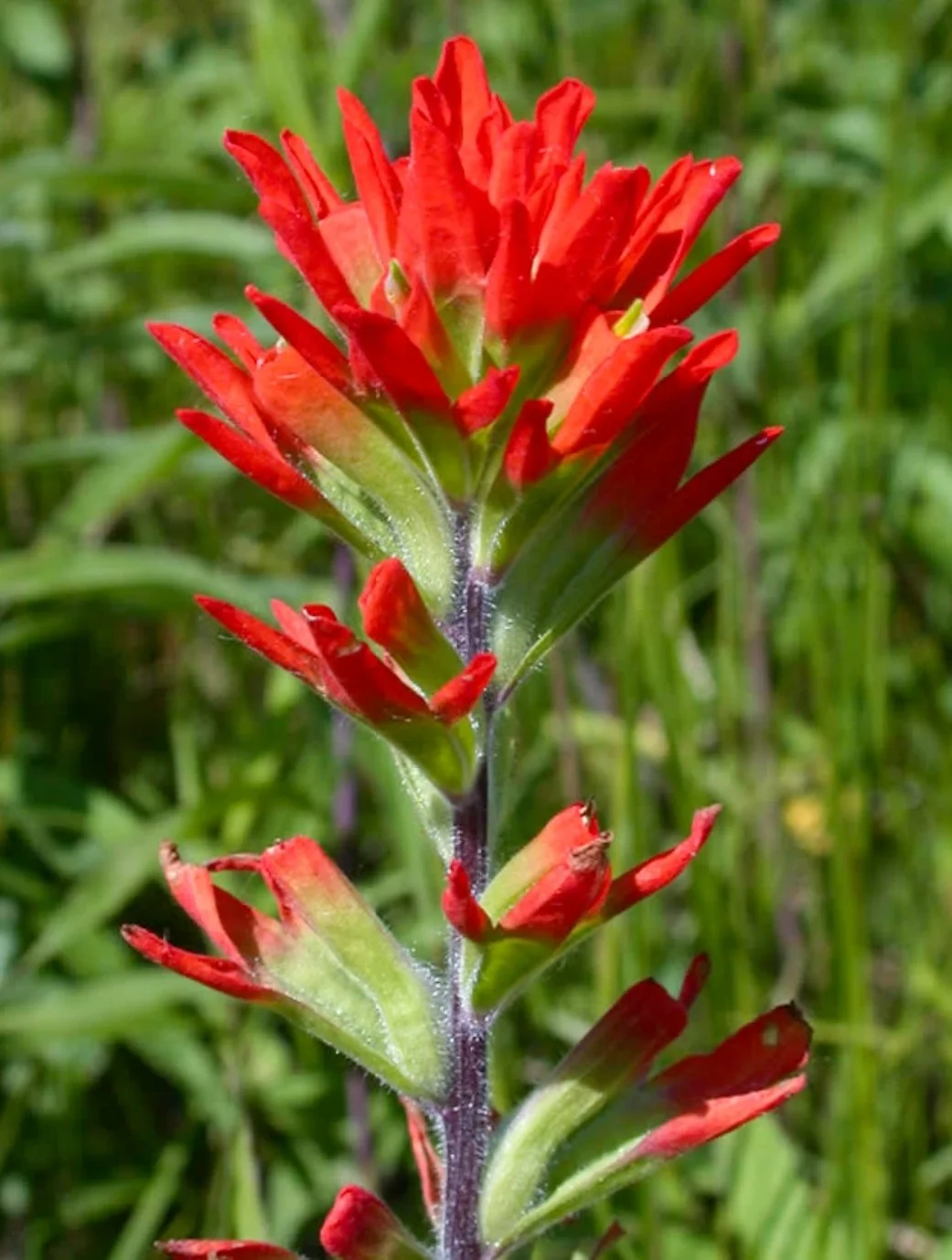
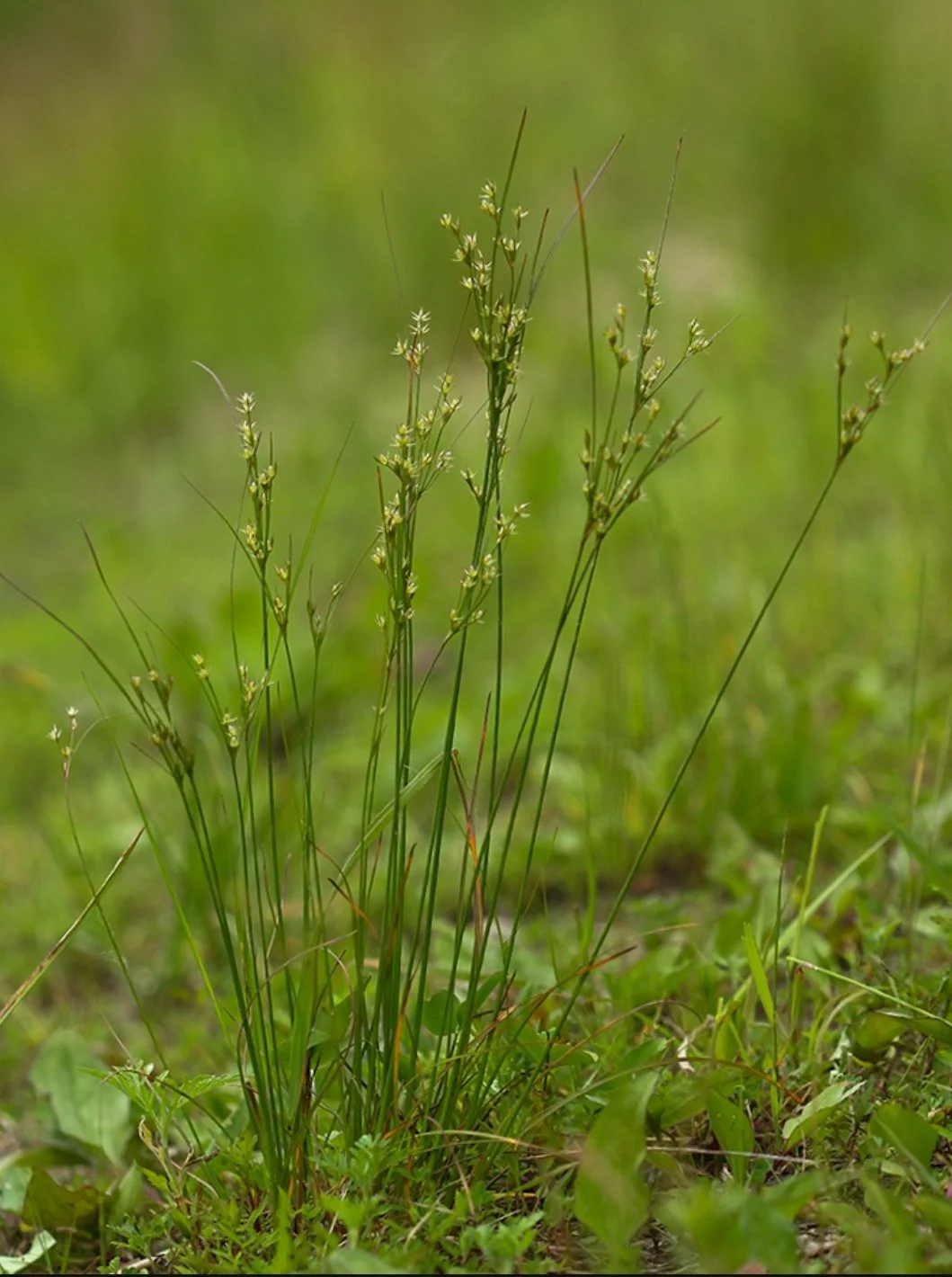
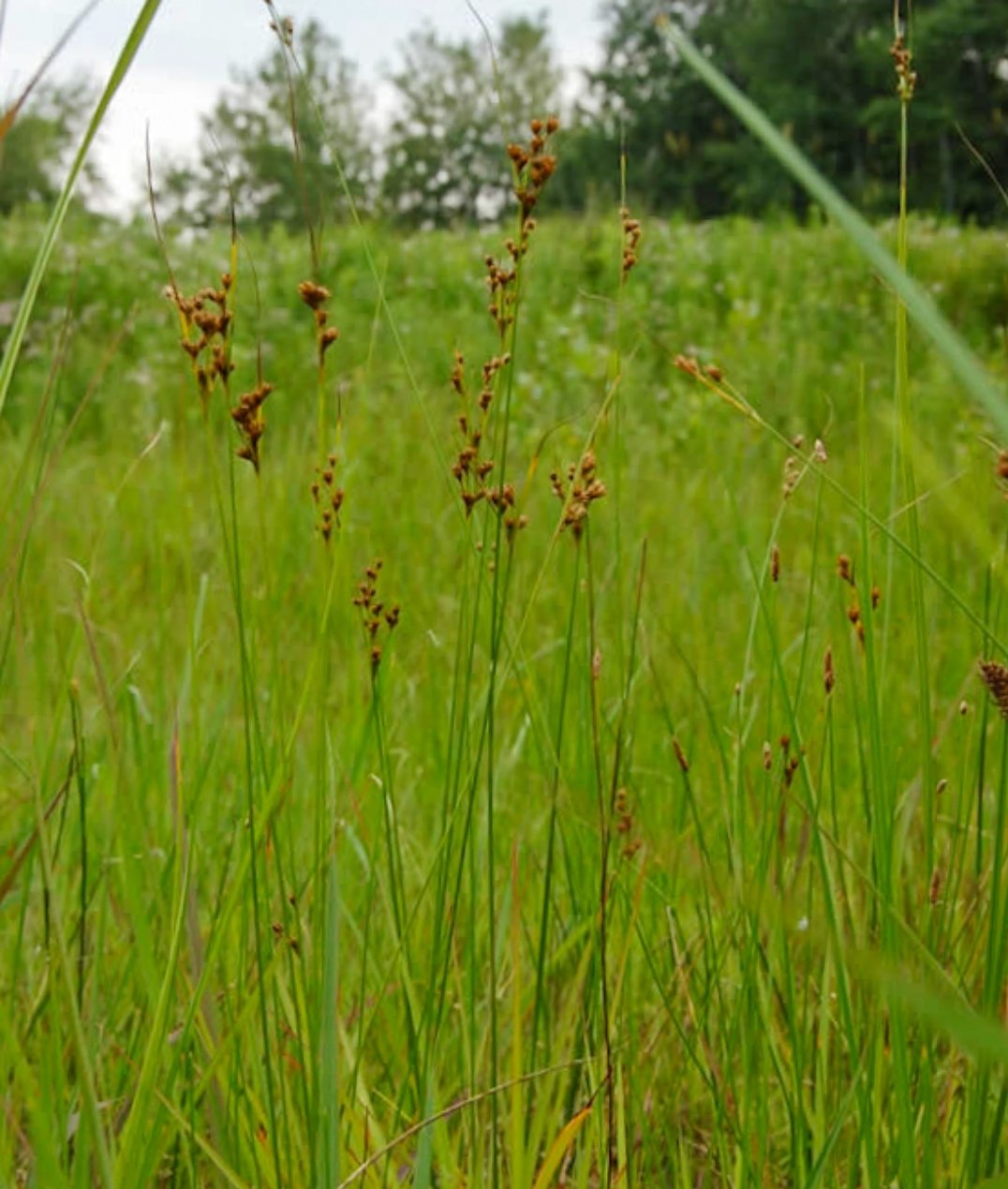
Juncus torreyi is the scientific name for the species of rush more commonly called Torrey's Rush. It is native to North America and is broadly distributed. You can find it in a wide range of habitats across the southern half of Canada, throughout the United States from coast to coast, and extending into northern Mexico. This perennial herb grows from creeping rhizomes that bear tiny tubers. The smooth, unbranched stems typically range from about 1 to 3 feet tall. Its leaves may be green or take on pinkish to reddish hues and can reach up to a foot in length. The inflorescences are notable for bearing many dense, rounded clusters, each cluster containing as many as 100 small flowers. Individual flowers have narrow, pointed tepals that may be greenish, tan, or tinged with red, and each flower presents six stamens. The plant produces a pointed brown capsule as its fruit. Additionally, Torrey’s Rush serves as one of the important host plants for Indian Paintbrush, a striking hemiparasitic native wildflower that relies on the nutrient uptake of surrounding plants to flourish.
Juncus torreyi helps in soil stabilization and erosion control, making it an excellent choice for wetland restoration projects where keeping banks intact is important. The plant's dense root system provides a durable, natural barrier against soil erosion, which is crucial for maintaining the long-term integrity of wetland ecosystems. As a natural filter, Juncus torreyi improves water quality by trapping and filtering sediments and pollutants, thereby contributing to the overall health of the aquatic environment.
The plant also supports local wildlife by providing both habitat and seasonal food resources, which is vital for sustaining biodiversity within wetland communities. By promoting the growth and reestablishment of Juncus torreyi, conservation efforts can more effectively help protect wetland habitats from development pressures, pollution, and the impacts of climate change. These combined benefits make Juncus torreyi a valuable and practical choice for ecological restoration and ongoing conservation work.
Juncus torreyi is generally considered deer resistant. It is often described as "pet safe" and appears on lists of plants rated for their relative resistance to deer and rabbit damage. While no plant is entirely deer-proof, Juncus torreyi is a reliable choice for gardens and landscapes that are frequently exposed to deer browsing.
Plant Details:
USDA Zones: 3-9
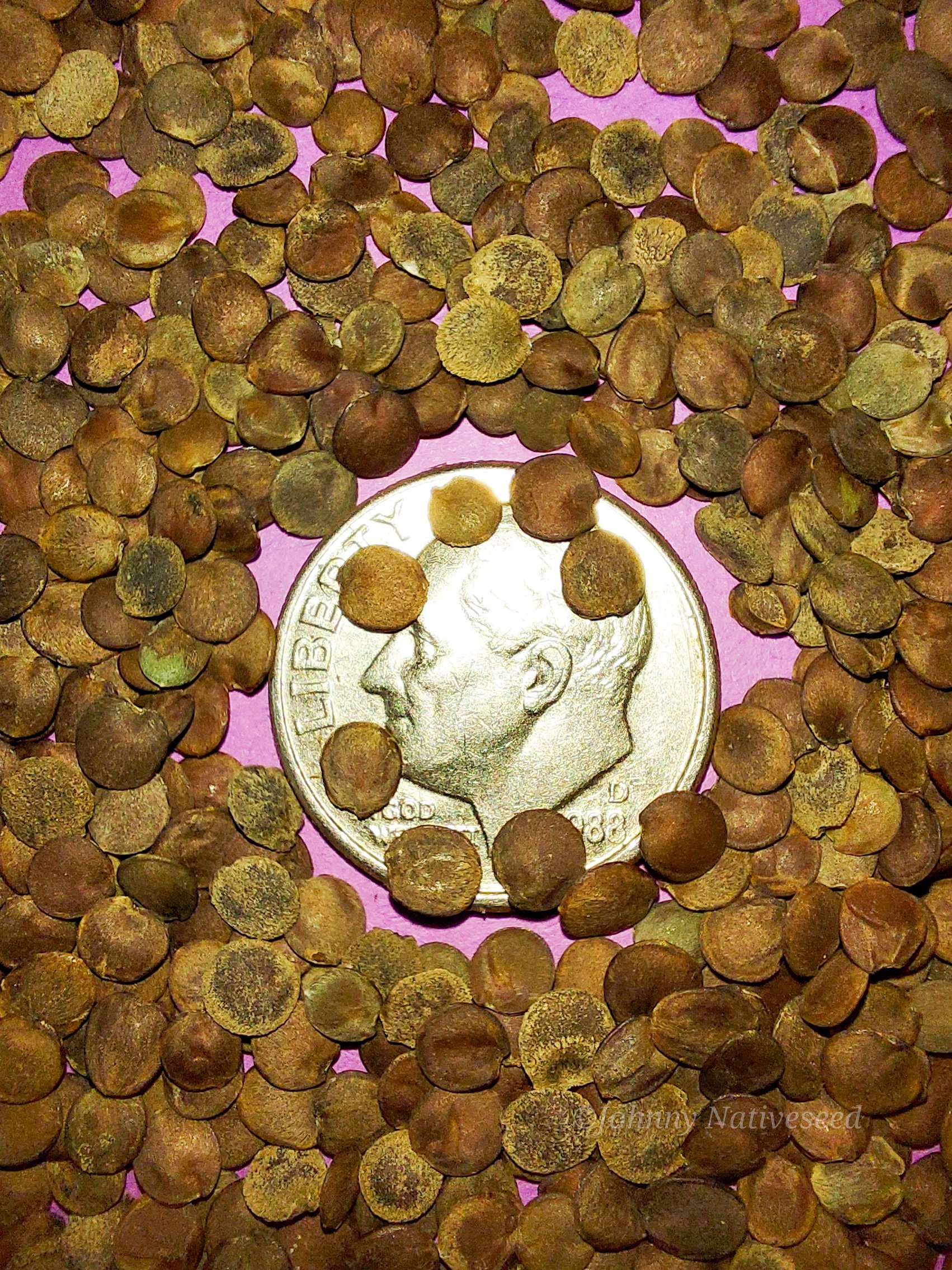
Germination Needs: Needs 60 Days Cold-Moist Stratification. Seeds are very small needing light to germinate, surface sow and bottom water for best results.
Life Cycle: Perennial
Sun Exposure: Full Sun
Soil Moisture: Medium-Wet, Medium
Plant Spacing: 8 - 16 inches
Height: 1 foot
Bloom time: July, August, September, October
Bloom Color: Green/Brown
Advantages:
Deer Resistant: Yes
Native to: Wisconsin, Minnesota, Iowa, Illinois, Indiana, Michigan, Ohio, Pennsylvania, New York, Vermont, Maine, Massachusetts, New Jersey, Maryland, Delaware, West Virginia, Virginia, Kentucky, Tennessee, North Carolina, Georgia, Alabama, Mississippi, Louisiana, Arkansas, Missouri, Texas, Oklahoma, Kansas, Nebraska, South Dakota, North Dakota, Montana, Wyoming, Colorado, New Mexico, Arizona, Utah, Nevada, Idaho, Washington State, Oregon and California.
This species is considered present but rare in several counties of the states of Vermont, Massachusetts
Seed Count: 25+
.
.
Packet quantities:
We pride ourselves on ethical, hands on, ecological management, using no mechanical or chemical methods whatsoever.
All of our native seed is hand reared, hand-picked, and hand packed from native prairies under our exclusive management, never breaking chain of custody from the field until it is sent to you. Each packet is hand prepared for shipment by us, directly.
Small seed species will contain greater than 20-25 seed
Large seed species will contain greater than 10-15 seed
All packets are individually marked at the bottom of the front label with expected count, however most if not all packets will have many more than the minimum count by default.
It is our mission to spread the wealth of native plant and pollinator ecological sustainability and educate back yard gardeners as well as corporate and government entities in how to germinate, grow, and benefit from native synergies.
Thank you for your support, it is because of you, that we can grow together to do, what we do. 🐛🦋🐝🐞🌾🌱🌼🧡
Torrey's Rush (Juncus torreyi)
Juncus torreyi is the scientific name for the species of rush more commonly called Torrey's Rush. It is native to North America and is broadly distributed. You can find it in a wide range of habitats across the southern half of Canada, throughout the United States from coast to coast, and extending into northern Mexico. This perennial herb grows from creeping rhizomes that bear tiny tubers. The smooth, unbranched stems typically range from about 1 to 3 feet tall. Its leaves may be green or take on pinkish to reddish hues and can reach up to a foot in length. The inflorescences are notable for bearing many dense, rounded clusters, each cluster containing as many as 100 small flowers. Individual flowers have narrow, pointed tepals that may be greenish, tan, or tinged with red, and each flower presents six stamens. The plant produces a pointed brown capsule as its fruit. Additionally, Torrey’s Rush serves as one of the important host plants for Indian Paintbrush, a striking hemiparasitic native wildflower that relies on the nutrient uptake of surrounding plants to flourish.
Juncus torreyi helps in soil stabilization and erosion control, making it an excellent choice for wetland restoration projects where keeping banks intact is important. The plant's dense root system provides a durable, natural barrier against soil erosion, which is crucial for maintaining the long-term integrity of wetland ecosystems. As a natural filter, Juncus torreyi improves water quality by trapping and filtering sediments and pollutants, thereby contributing to the overall health of the aquatic environment.
The plant also supports local wildlife by providing both habitat and seasonal food resources, which is vital for sustaining biodiversity within wetland communities. By promoting the growth and reestablishment of Juncus torreyi, conservation efforts can more effectively help protect wetland habitats from development pressures, pollution, and the impacts of climate change. These combined benefits make Juncus torreyi a valuable and practical choice for ecological restoration and ongoing conservation work.
Juncus torreyi is generally considered deer resistant. It is often described as "pet safe" and appears on lists of plants rated for their relative resistance to deer and rabbit damage. While no plant is entirely deer-proof, Juncus torreyi is a reliable choice for gardens and landscapes that are frequently exposed to deer browsing.
Plant Details:
USDA Zones: 3-9
Germination Needs: Needs 60 Days Cold-Moist Stratification. Seeds are very small needing light to germinate, surface sow and bottom water for best results.
Life Cycle: Perennial
Sun Exposure: Full Sun
Soil Moisture: Medium-Wet, Medium
Plant Spacing: 8 - 16 inches
Height: 1 foot
Bloom time: July, August, September, October
Bloom Color: Green/Brown
Advantages:
Deer Resistant: Yes
Native to: Wisconsin, Minnesota, Iowa, Illinois, Indiana, Michigan, Ohio, Pennsylvania, New York, Vermont, Maine, Massachusetts, New Jersey, Maryland, Delaware, West Virginia, Virginia, Kentucky, Tennessee, North Carolina, Georgia, Alabama, Mississippi, Louisiana, Arkansas, Missouri, Texas, Oklahoma, Kansas, Nebraska, South Dakota, North Dakota, Montana, Wyoming, Colorado, New Mexico, Arizona, Utah, Nevada, Idaho, Washington State, Oregon and California.
This species is considered present but rare in several counties of the states of Vermont, Massachusetts
Seed Count: 25+
.
.
Packet quantities:
We pride ourselves on ethical, hands on, ecological management, using no mechanical or chemical methods whatsoever.
All of our native seed is hand reared, hand-picked, and hand packed from native prairies under our exclusive management, never breaking chain of custody from the field until it is sent to you. Each packet is hand prepared for shipment by us, directly.
Small seed species will contain greater than 20-25 seed
Large seed species will contain greater than 10-15 seed
All packets are individually marked at the bottom of the front label with expected count, however most if not all packets will have many more than the minimum count by default.
It is our mission to spread the wealth of native plant and pollinator ecological sustainability and educate back yard gardeners as well as corporate and government entities in how to germinate, grow, and benefit from native synergies.
Thank you for your support, it is because of you, that we can grow together to do, what we do. 🐛🦋🐝🐞🌾🌱🌼🧡
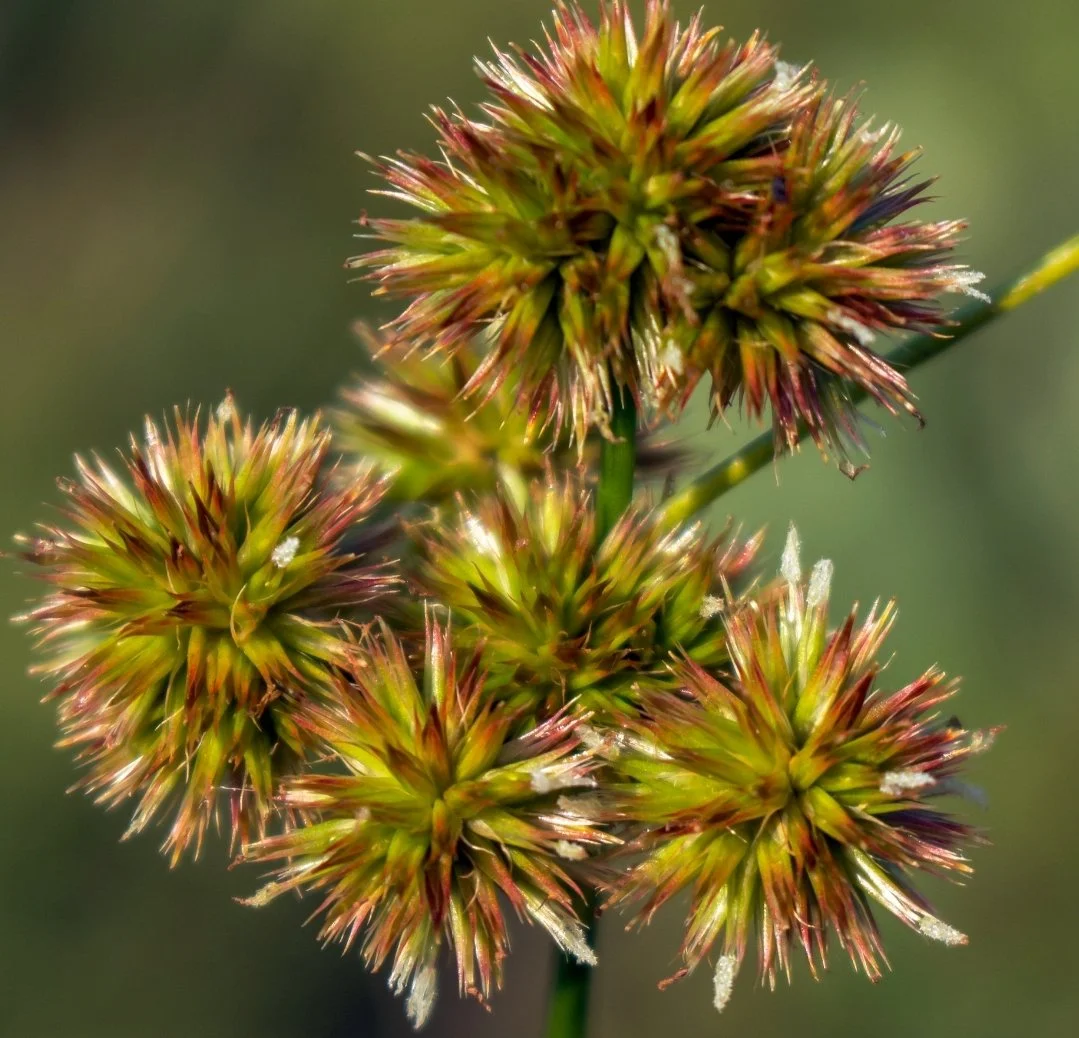 Image 1 of 6
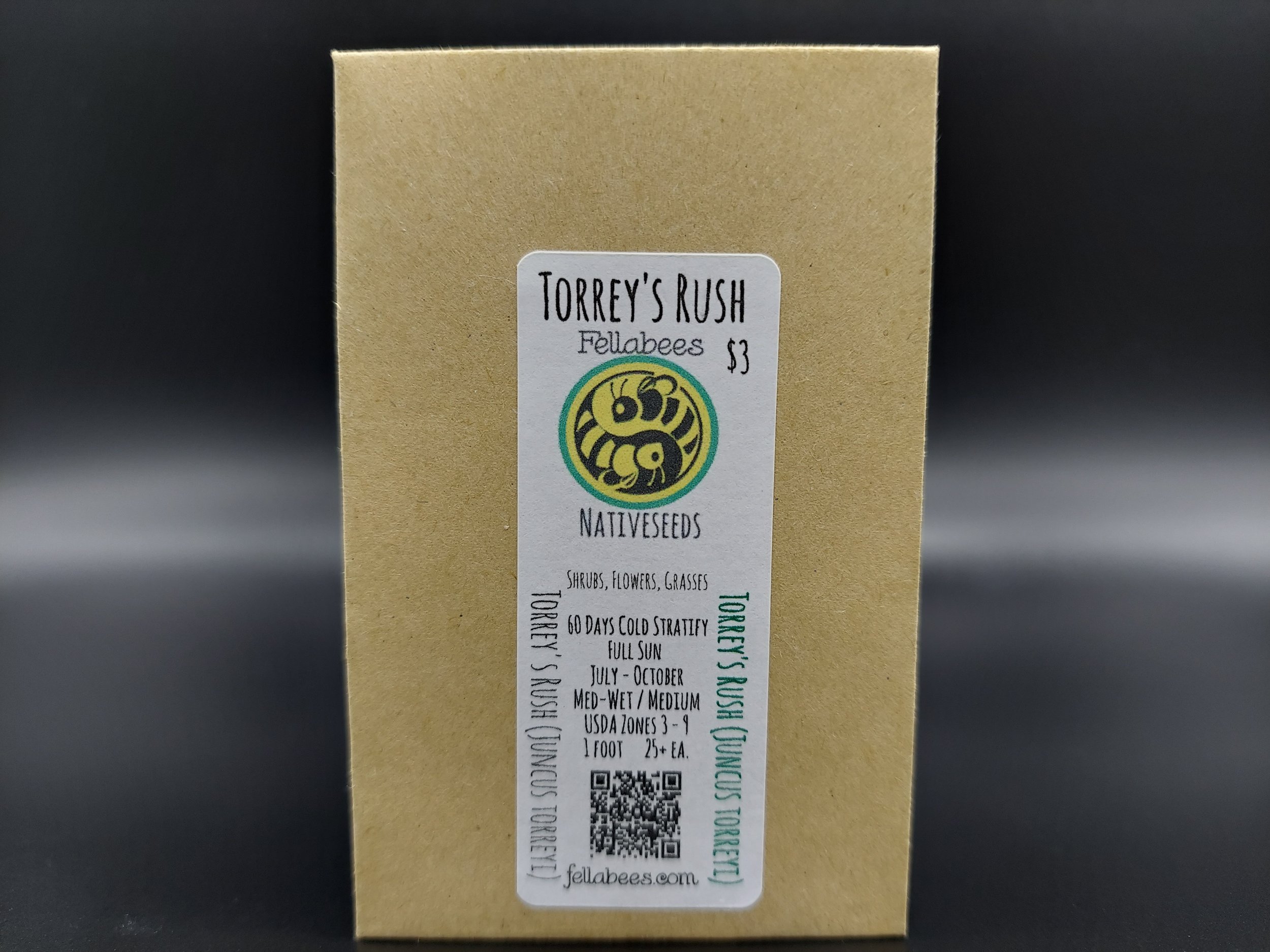 Image 2 of 6
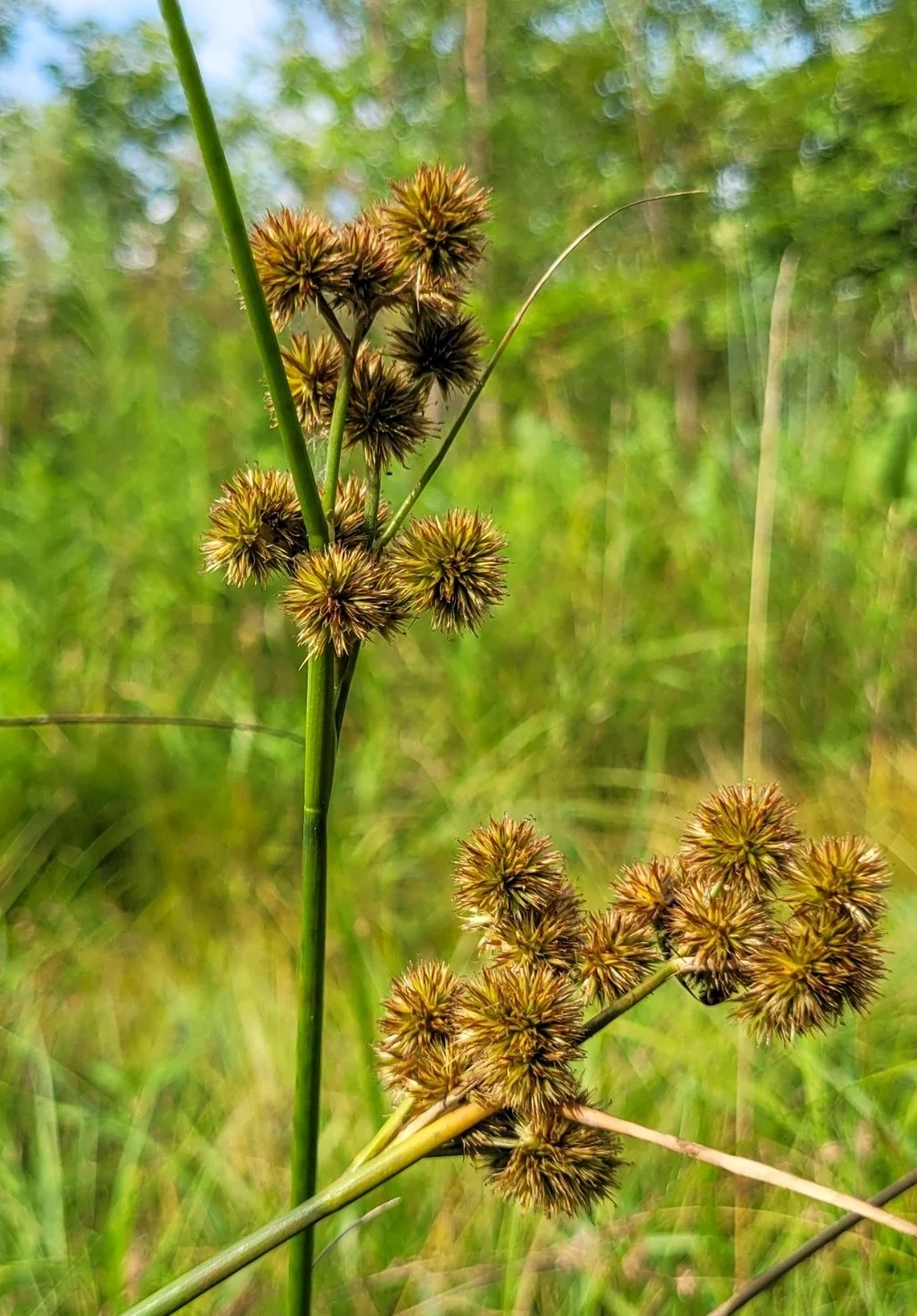 Image 3 of 6
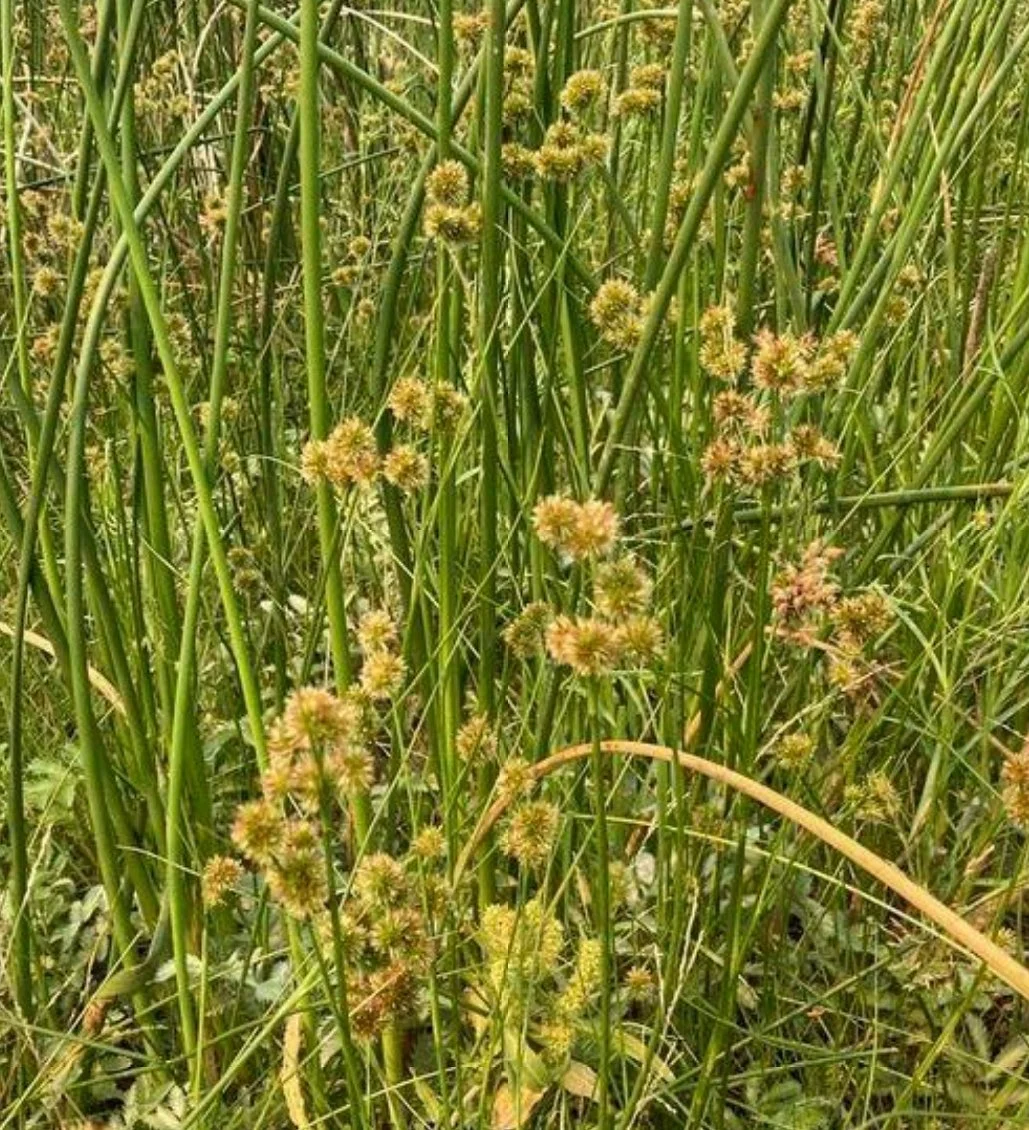 Image 4 of 6
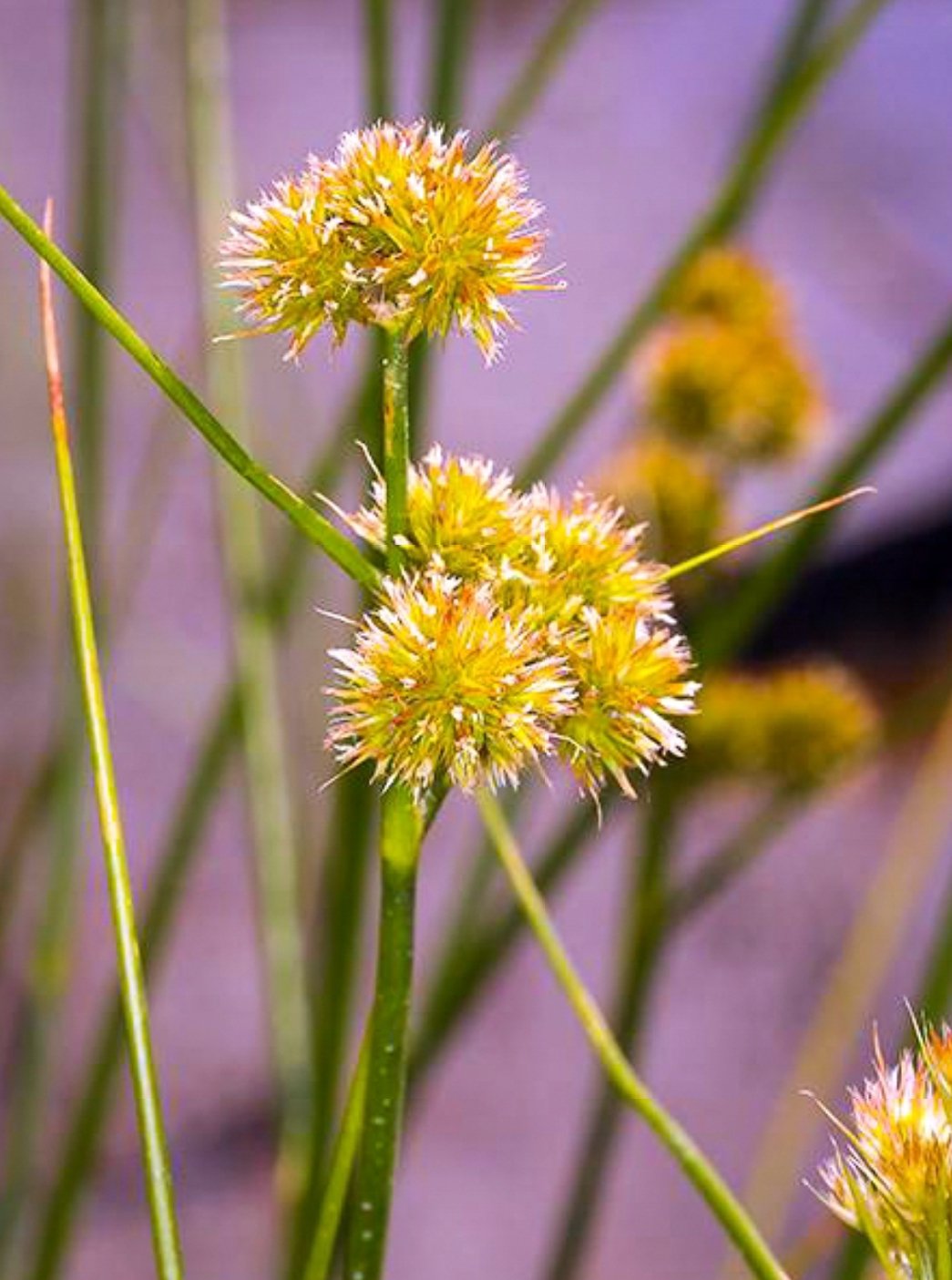 Image 5 of 6
 Image 6 of 6