Stout Blue-eyed Grass (Sisyrinchium angustifolium)
Sisyrinchium angustifolium is the scientific name for the native iris species more commonly known as Stout Blue-eyed Grass, or Narrow-leaf Blue-eyed Grass. It is a herbaceous perennial growing from seed and rhizomes, native to the eastern United States, stretching as far west as Texas and Kansas, where it is the most common blue-eyed grass.
Sisyrinchium angustifolium attracts a diverse array of pollinators because of its abundant nectar and pollen. The bright yellow center of the flowers is a particular feast for butterflies, which visit for both nectar and pollen. Native bees and other bee species are regularly drawn to the blooms for their nectar and pollen, actively contributing to the plant’s pollination. Various flies, including bee flies and syrphid flies, also visit the plant to feed on its nectar and pollen. These pollinators play a crucial role in the reproduction, genetic diversity, and long-term sustainability of Sisyrinchium angustifolium, making it an important and valuable component of the local ecosystem.
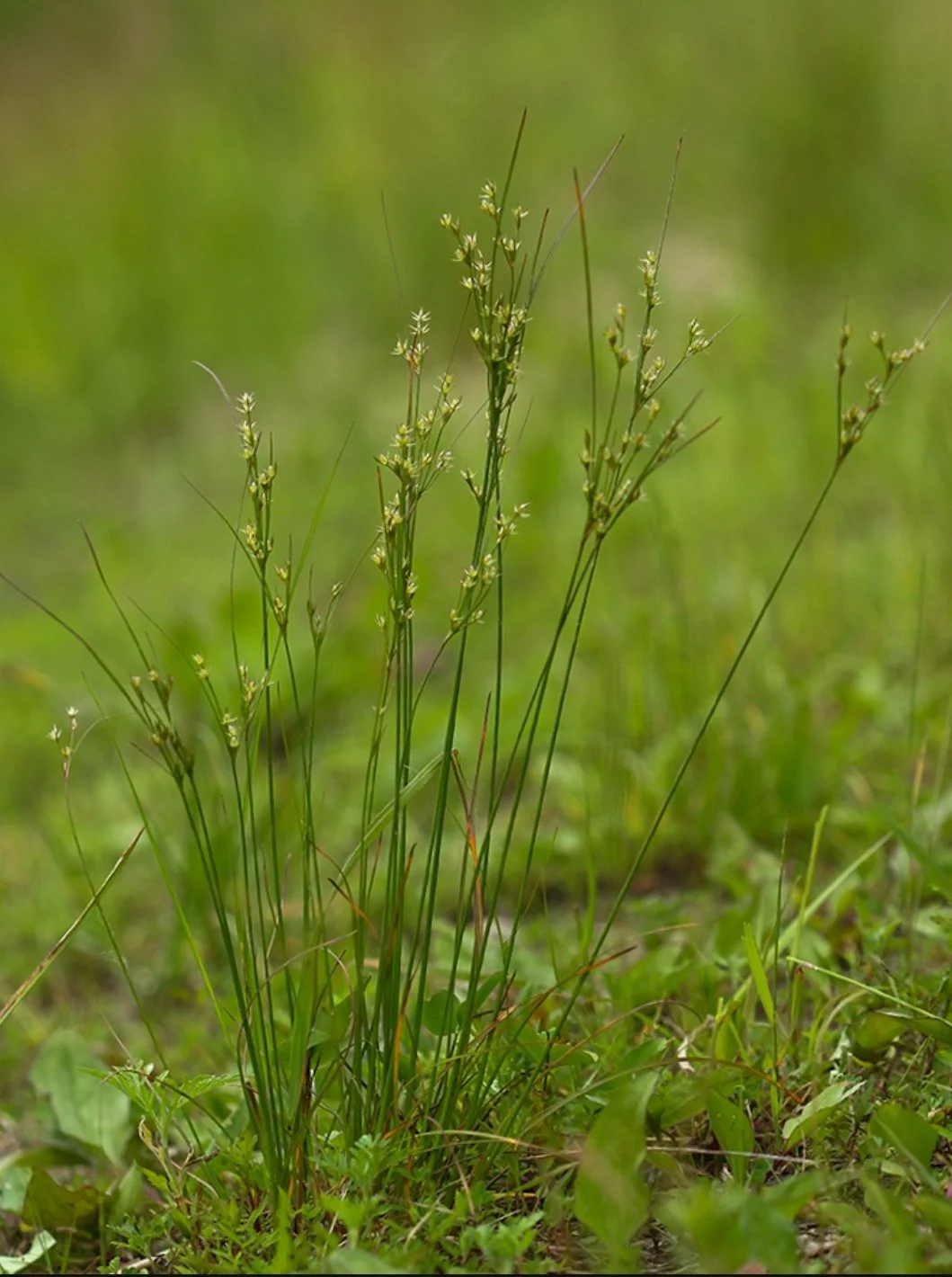
Traditionally, the leaves were cooked and eaten by Native Americans, who used them for possible digestive health benefits and as a modest food source during seasonal foraging. This plant is prized for its vivid blue-violet flowers and fine, grass-like foliage, making it a favored choice for both ornamental gardens and naturalized plantings in meadows or along borders. Despite the common name, members of the Blue-eyed Grass family are not true grasses at all but rather belong to the Iris family, sharing similar floral structures and growth habits. They handle competition quite well and readily spread via underground rhizomes, forming clumps and slowly expanding colonies. It is drought-tolerant and requires minimal care, which makes it especially well-suited for xeriscaping, pollinator-friendly plantings, and other low-maintenance landscapes. Additionally, it can function effectively as a ground cover, helping to control erosion while providing shelter and nutritious foraging habitat for small wildlife and beneficial insects. These combined qualities make Sisyrinchium angustifolium a valuable, resilient, and attractive addition to many garden and natural environments.
Stout Blue-eyed Grass has a strong scent and a distinctly bitter taste that help deter deer and rabbits from consuming it, making it a particularly suitable choice for gardens in areas where these animals are common. Additionally, it is known for its resilience against browsing, since deer tend to avoid plants with strong aromas and the tough texture of the leaves, which further reduces the likelihood of damage.
Plant Details:
USDA Zones: 4 - 10
Germination Needs: Needs 60 Days Cold-Moist Stratification.
Life Cycle: Perennial
Sun Exposure: Full to Partial
Soil Moisture: Medium-Wet, Medium, Medium-Dry
Plant Spacing: 6 - 8 inches
Height: 6 inches
Bloom time: May, June
Bloom Color: Blue
Advantages:
Pollinator Favorite: butterflies, moths, bees, wasps, beetles
Bird Favorite: seeds, insects, fruit, nectar, nesting, perches.
Deer Resistant: Yes
Native to: Wisconsin, Minnesota, Iowa, Illinois, Indiana, Michigan, Ohio, Pennsylvania, New York, Vermont, New Hampshire, Maine, Massachusetts, Rhode Island, Connecticut, Delaware, Maryland, New Jersey, West Virginia, Virginia, Kentucky, Tennessee, North Carolina, South Carolina, Georgia, Florida, Alabama, Mississippi, Louisiana, Arkansas, Missouri, Texas, Oklahoma, and Kansas.
This species is considered present but rare in several counties of Wisconsin, great efforts should be taken to strengthen its hold in this state.
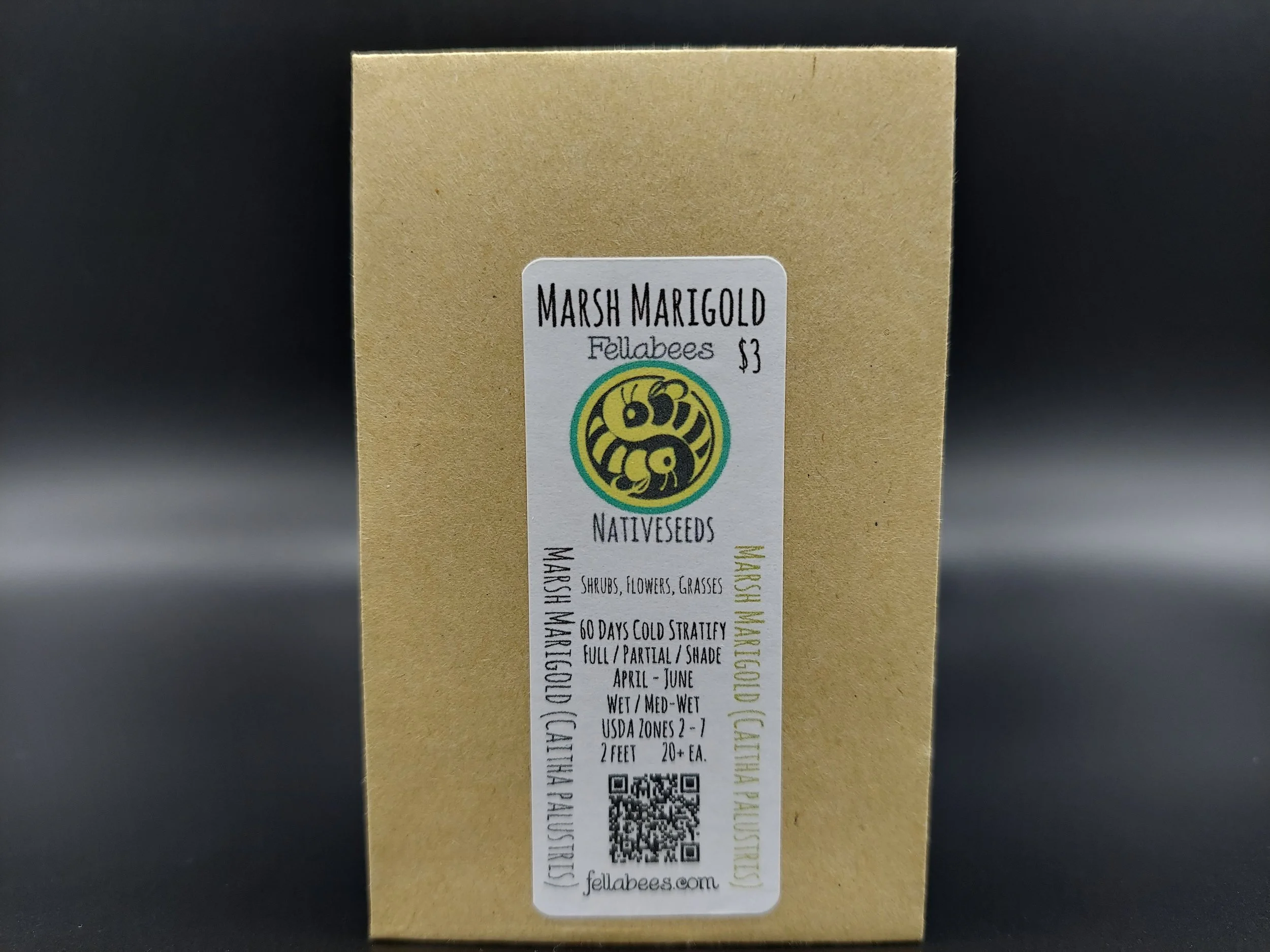
Seed Count: 20+
.
.
Packet quantities:
We pride ourselves on ethical, hands on, ecological management, using no mechanical or chemical methods whatsoever.
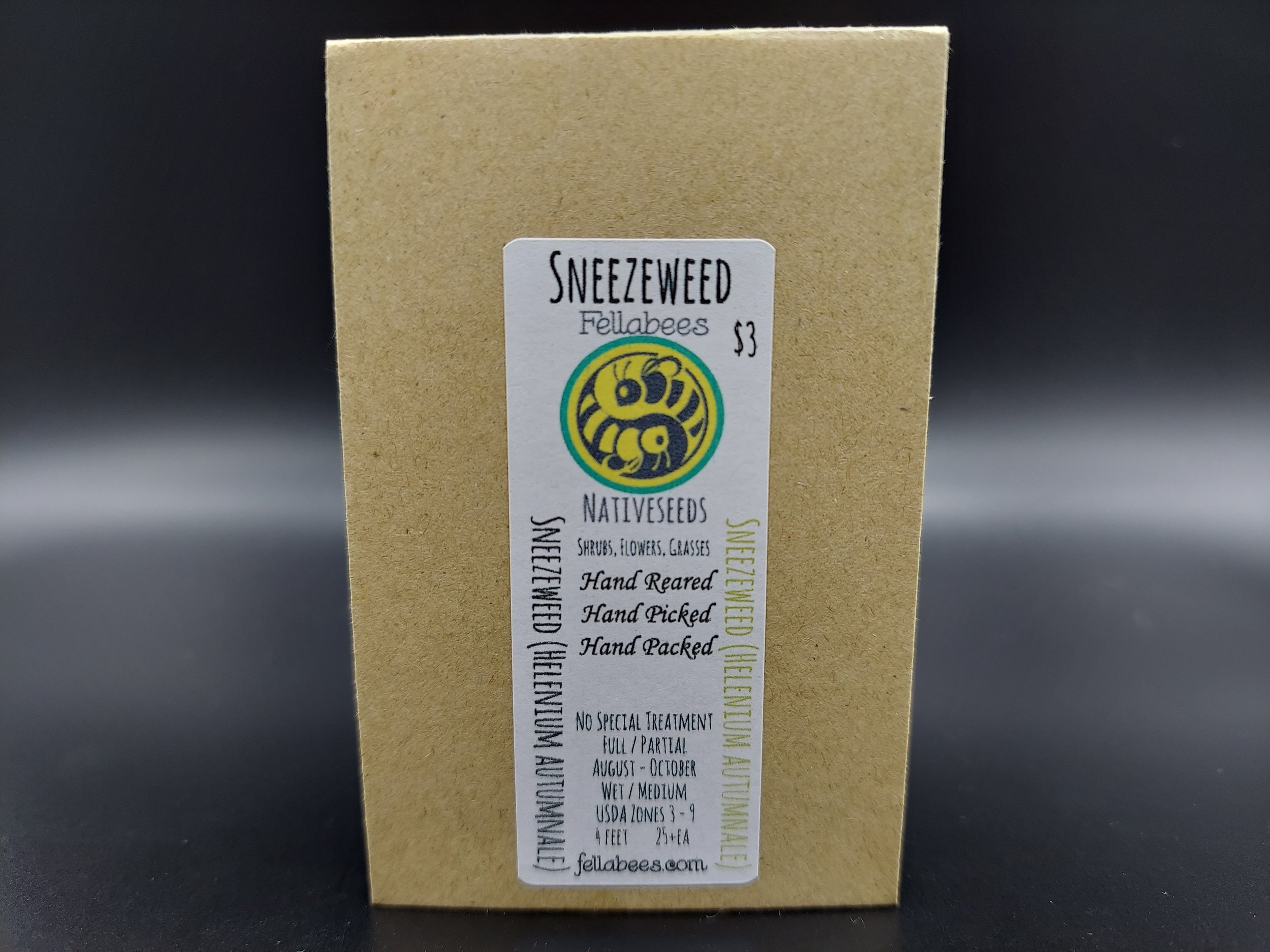
All of our native seed is hand reared, hand-picked, and hand packed from native prairies under our exclusive management, never breaking chain of custody from the field until it is sent to you. Each packet is hand prepared for shipment by us, directly.
Small seed species will contain greater than 20-25 seed
Large seed species will contain greater than 10-15 seed
All packets are individually marked at the bottom of the front label with expected count, however most if not all packets will have many more than the minimum count by default.
It is our mission to spread the wealth of native plant and pollinator ecological sustainability and educate back yard gardeners as well as corporate and government entities in how to germinate, grow, and benefit from native synergies.
Thank you for your support, it is because of you, that we can grow together to do, what we do. 🐛🦋🐝🐞🌾🌱🌼🧡
Stout Blue-eyed Grass (Sisyrinchium angustifolium)
Sisyrinchium angustifolium is the scientific name for the native iris species more commonly known as Stout Blue-eyed Grass, or Narrow-leaf Blue-eyed Grass. It is a herbaceous perennial growing from seed and rhizomes, native to the eastern United States, stretching as far west as Texas and Kansas, where it is the most common blue-eyed grass.
Sisyrinchium angustifolium attracts a diverse array of pollinators because of its abundant nectar and pollen. The bright yellow center of the flowers is a particular feast for butterflies, which visit for both nectar and pollen. Native bees and other bee species are regularly drawn to the blooms for their nectar and pollen, actively contributing to the plant’s pollination. Various flies, including bee flies and syrphid flies, also visit the plant to feed on its nectar and pollen. These pollinators play a crucial role in the reproduction, genetic diversity, and long-term sustainability of Sisyrinchium angustifolium, making it an important and valuable component of the local ecosystem.
Traditionally, the leaves were cooked and eaten by Native Americans, who used them for possible digestive health benefits and as a modest food source during seasonal foraging. This plant is prized for its vivid blue-violet flowers and fine, grass-like foliage, making it a favored choice for both ornamental gardens and naturalized plantings in meadows or along borders. Despite the common name, members of the Blue-eyed Grass family are not true grasses at all but rather belong to the Iris family, sharing similar floral structures and growth habits. They handle competition quite well and readily spread via underground rhizomes, forming clumps and slowly expanding colonies. It is drought-tolerant and requires minimal care, which makes it especially well-suited for xeriscaping, pollinator-friendly plantings, and other low-maintenance landscapes. Additionally, it can function effectively as a ground cover, helping to control erosion while providing shelter and nutritious foraging habitat for small wildlife and beneficial insects. These combined qualities make Sisyrinchium angustifolium a valuable, resilient, and attractive addition to many garden and natural environments.
Stout Blue-eyed Grass has a strong scent and a distinctly bitter taste that help deter deer and rabbits from consuming it, making it a particularly suitable choice for gardens in areas where these animals are common. Additionally, it is known for its resilience against browsing, since deer tend to avoid plants with strong aromas and the tough texture of the leaves, which further reduces the likelihood of damage.
Plant Details:
USDA Zones: 4 - 10
Germination Needs: Needs 60 Days Cold-Moist Stratification.
Life Cycle: Perennial
Sun Exposure: Full to Partial
Soil Moisture: Medium-Wet, Medium, Medium-Dry
Plant Spacing: 6 - 8 inches
Height: 6 inches
Bloom time: May, June
Bloom Color: Blue
Advantages:
Pollinator Favorite: butterflies, moths, bees, wasps, beetles
Bird Favorite: seeds, insects, fruit, nectar, nesting, perches.
Deer Resistant: Yes
Native to: Wisconsin, Minnesota, Iowa, Illinois, Indiana, Michigan, Ohio, Pennsylvania, New York, Vermont, New Hampshire, Maine, Massachusetts, Rhode Island, Connecticut, Delaware, Maryland, New Jersey, West Virginia, Virginia, Kentucky, Tennessee, North Carolina, South Carolina, Georgia, Florida, Alabama, Mississippi, Louisiana, Arkansas, Missouri, Texas, Oklahoma, and Kansas.
This species is considered present but rare in several counties of Wisconsin, great efforts should be taken to strengthen its hold in this state.
Seed Count: 20+
.
.
Packet quantities:
We pride ourselves on ethical, hands on, ecological management, using no mechanical or chemical methods whatsoever.
All of our native seed is hand reared, hand-picked, and hand packed from native prairies under our exclusive management, never breaking chain of custody from the field until it is sent to you. Each packet is hand prepared for shipment by us, directly.
Small seed species will contain greater than 20-25 seed
Large seed species will contain greater than 10-15 seed
All packets are individually marked at the bottom of the front label with expected count, however most if not all packets will have many more than the minimum count by default.
It is our mission to spread the wealth of native plant and pollinator ecological sustainability and educate back yard gardeners as well as corporate and government entities in how to germinate, grow, and benefit from native synergies.
Thank you for your support, it is because of you, that we can grow together to do, what we do. 🐛🦋🐝🐞🌾🌱🌼🧡
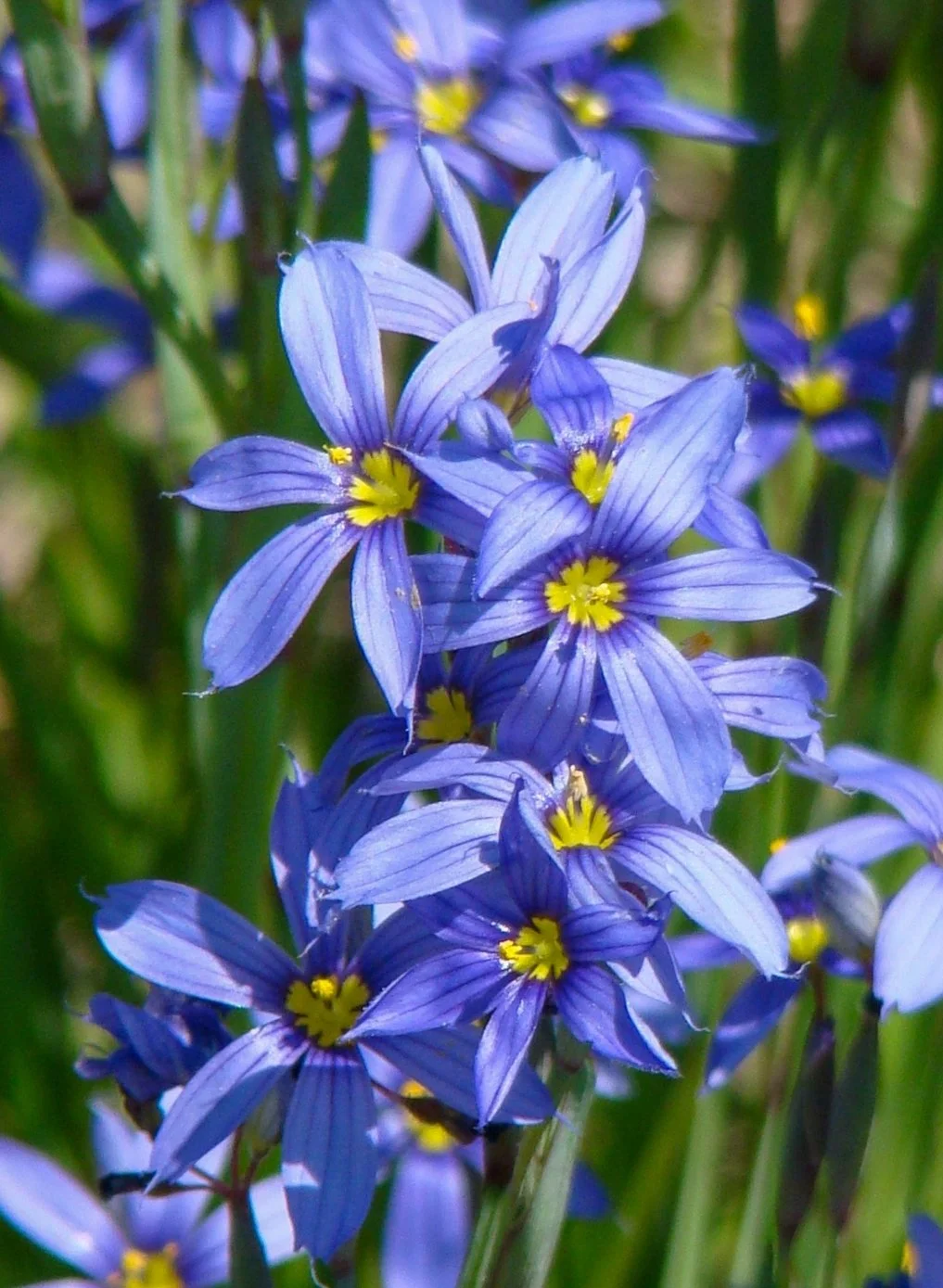 Image 1 of 7
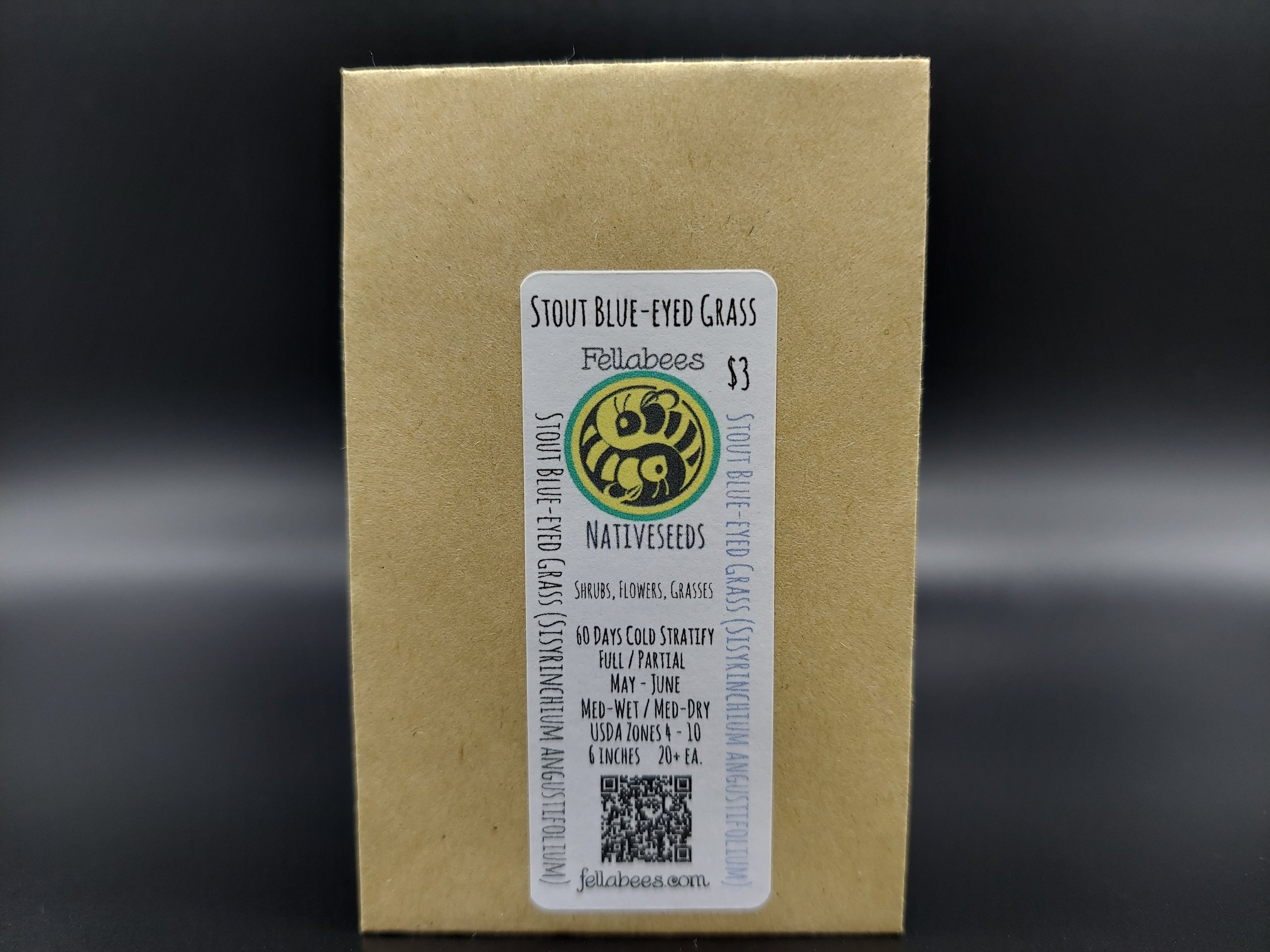 Image 2 of 7
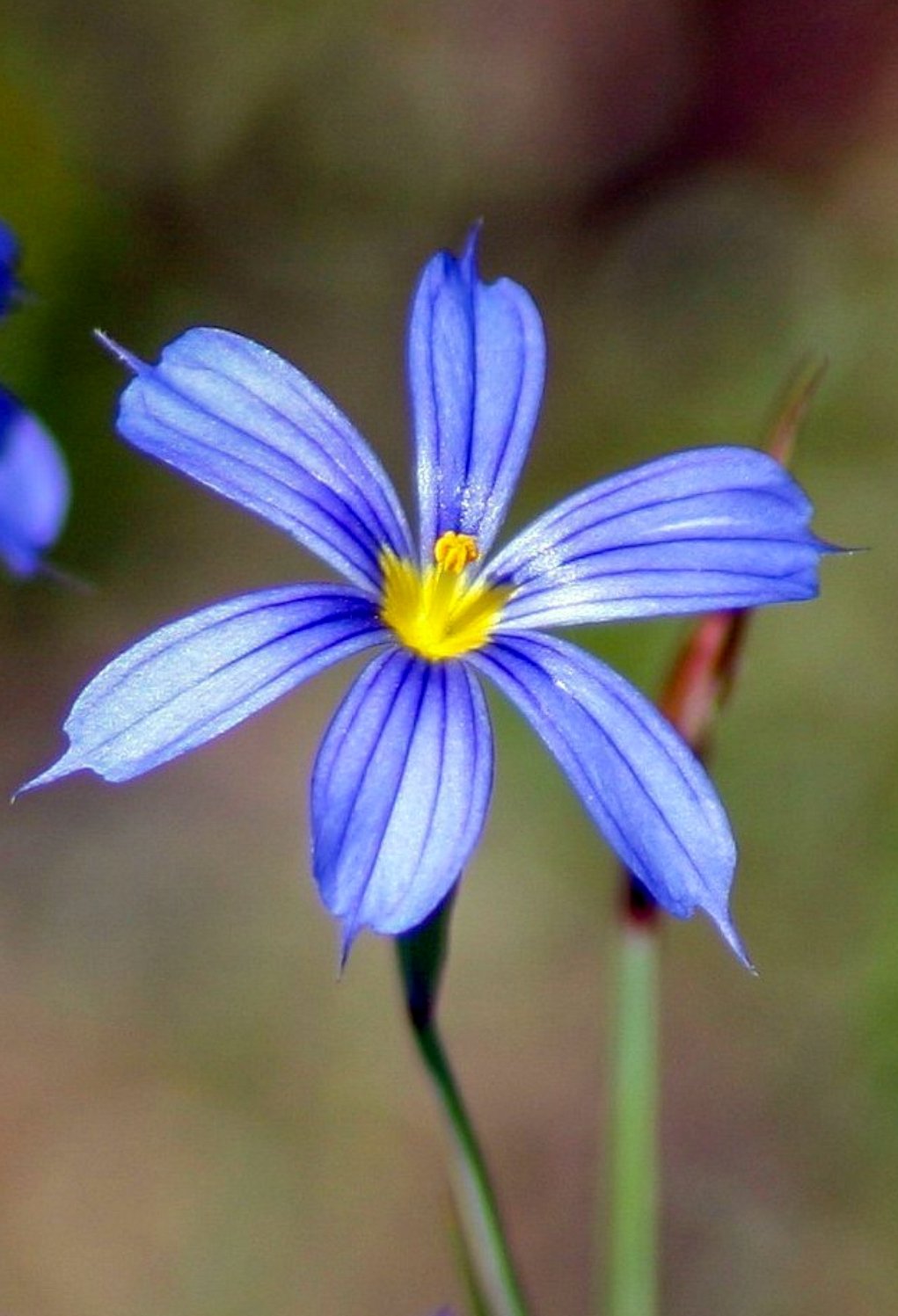 Image 3 of 7
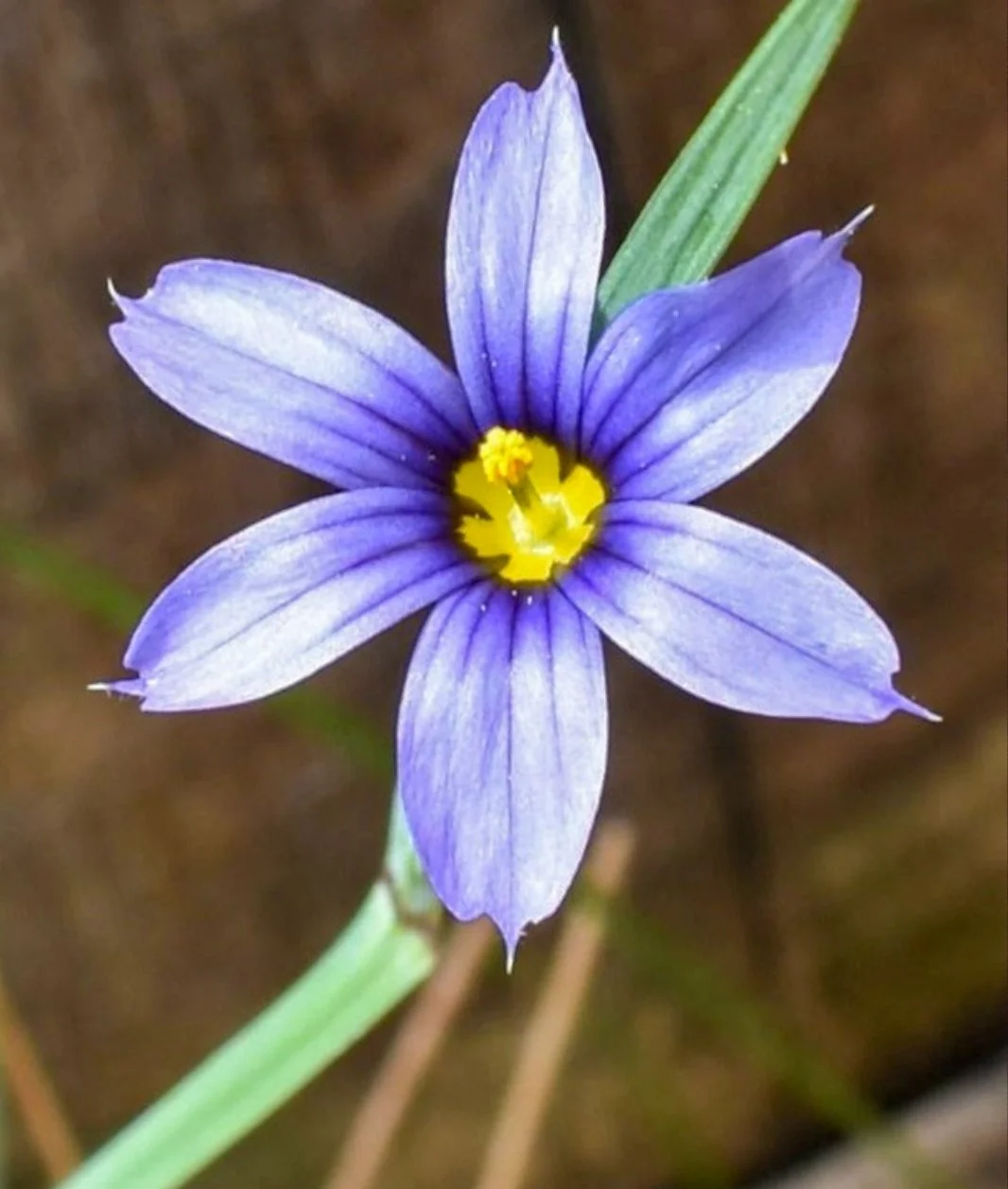 Image 4 of 7
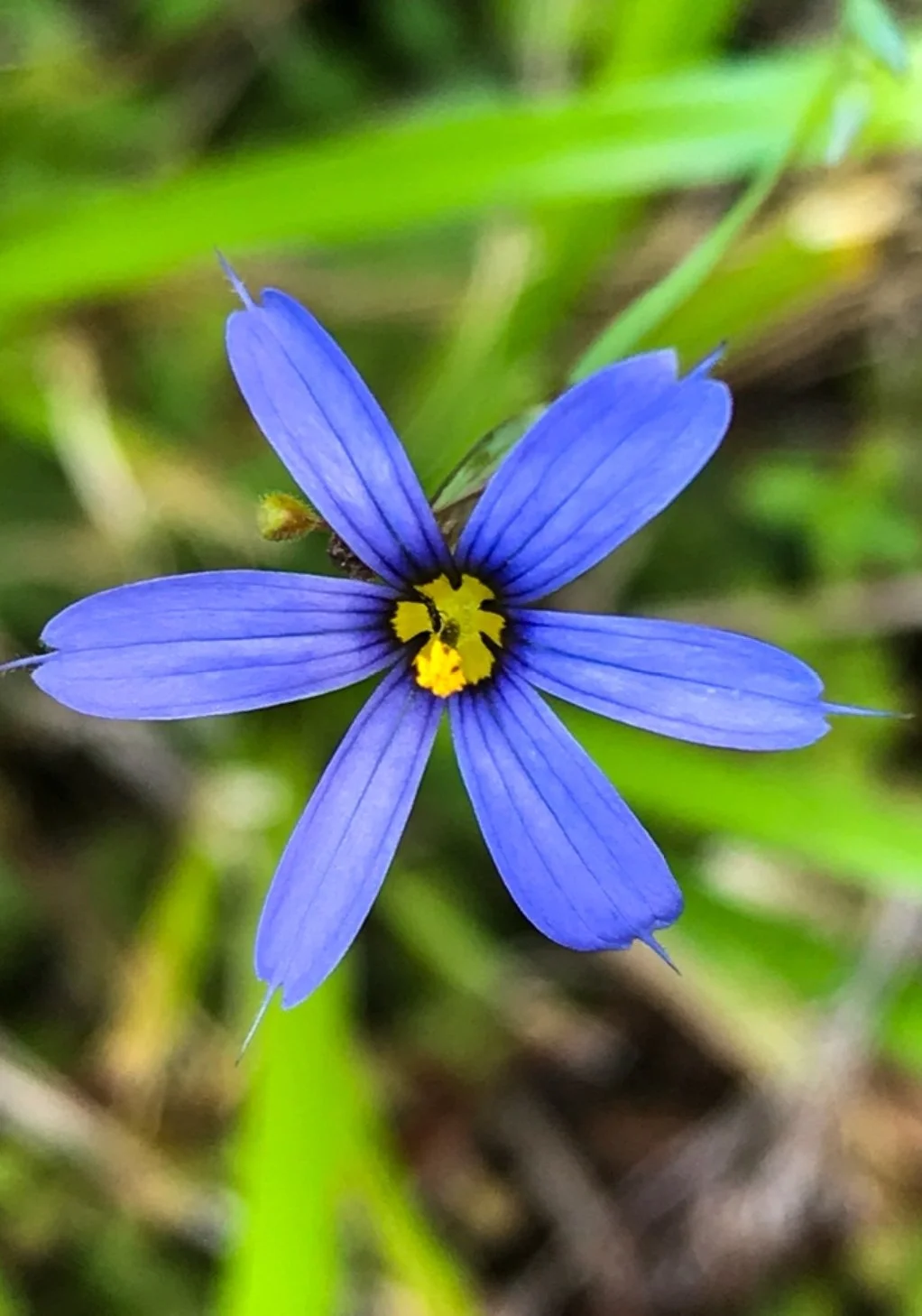 Image 5 of 7
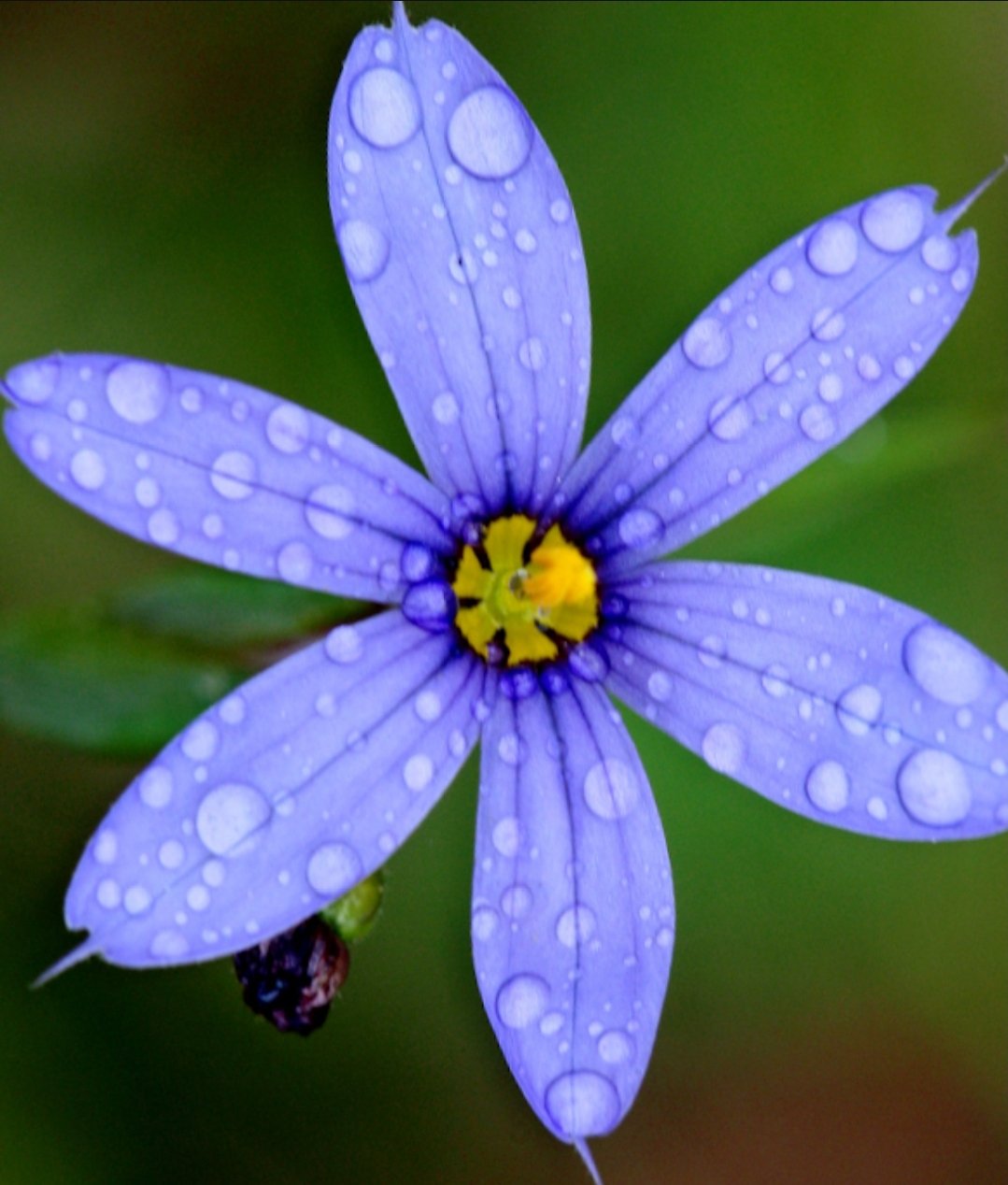 Image 6 of 7
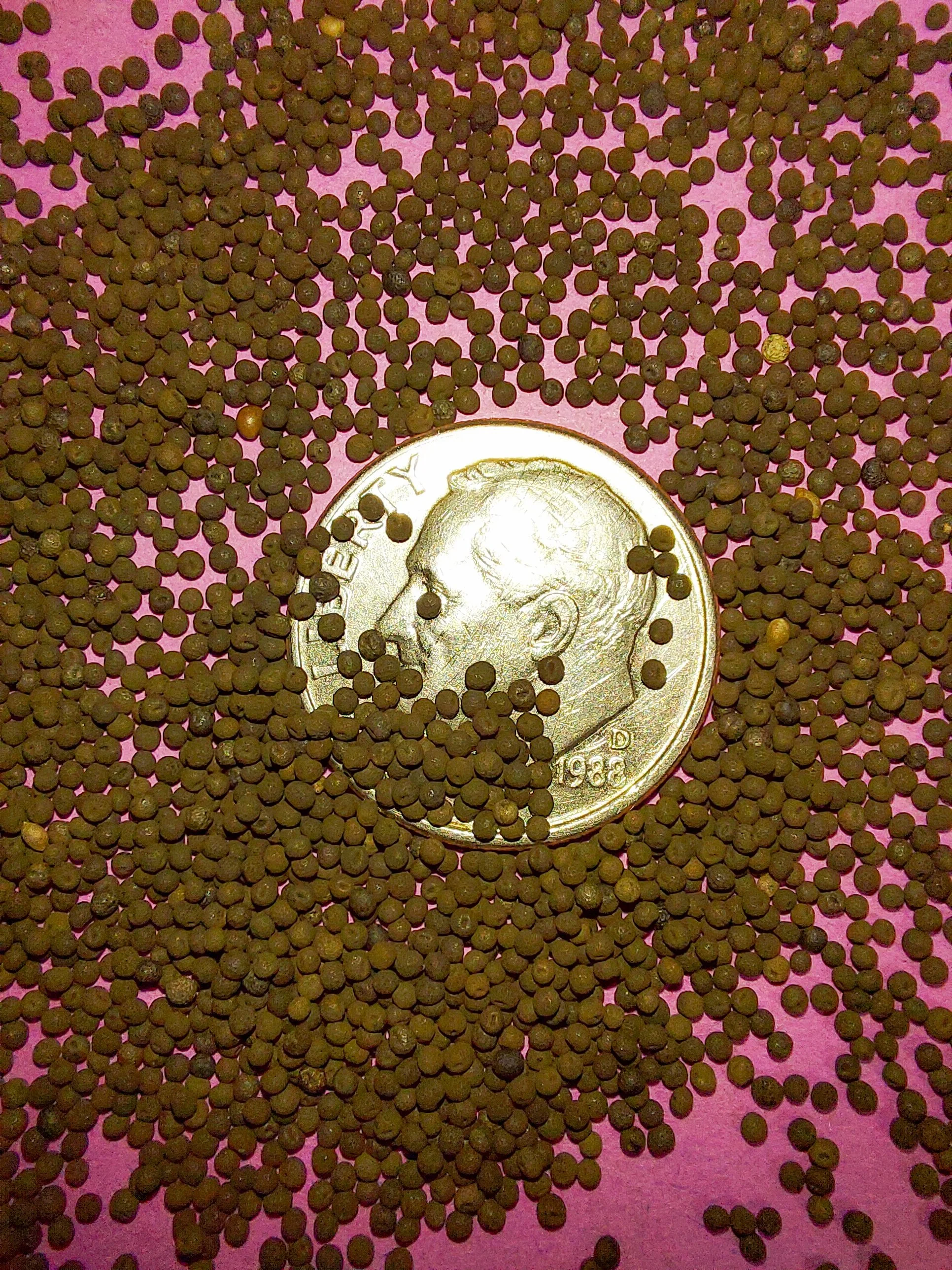 Image 7 of 7