Virginia Bluebells (Mertensia virginica)
This species seed needs to remain refrigerated until sowing. Seed will be fine in the time of transit, but please return it to the fridge upon receiving it, or sow it immediately if in late fall or winter.
Mertensia virginica is the scientific name for the species more commonly known as Virginia Bluebells, Virginia Cowslip, Lungwort Oysterleaf, and Roanoke Bells. Virginia Bluebells are a spring ephemeral plant in the Boraginaceae (Borage) family, adorned with bell-shaped sky-blue flowers, native to eastern North America.
Virginia Bluebells are native across a broad swath of the United States, ranging westward to Kansas, southward through Mississippi, Alabama, and Georgia, and reaching northeast to Maine. In Canada, they naturally occur in Ontario and Quebec. This delicate spring wildflower is typically found in rich, moist woodlands and on low, shaded hillsides with well-drained, humus-rich soils.
They can often form large colonies, on which female bumblebees that fly in early spring will be seen and often heard from a distance, visiting the flowers. Several butterfly species are also known to visit Virginia Bluebells for nectar, including swallowtails, fritillaries, and other common woodland butterflies. Skippers (Hesperiidae spp.) frequently feed on the blooms, as do hummingbird moths/sphinx moths (Sphingidae spp.), along with syrphid flies, bee flies, and even hummingbirds.
Virginia Bluebells plays a valuable role in supporting local ecosystems and contributes to a balanced, biodiverse landscape. The plant's easy acclimation to shaded areas makes it a great choice for woodland gardens or naturalized settings. Native Americans used Virginia Bluebells to treat tuberculosis and whooping cough, and the roots were used as an antidote for poisons.
By incorporating Virginia Bluebells into your garden, you can enhance the ecological value of your space and contribute to the health of local ecosystems.
This species should be planted in place of, and only after the careful eradication of, the invasive non-native Forget-me-not (Myosotis sylvatica).
This species seed needs to remain refrigerated until sowing. Seed will be fine in the time of transit, but please return it to the fridge upon receiving it, or sow it immediately if in late fall or winter.
Plant Details:
USDA Zones: 3 - 8
Germination Needs: Needs 60 Days Cold Moist Stratification. Does best sown directly outdoors.
Life Cycle: Perennial
Sun Exposure: Partial to Shade
Soil Moisture: Medium-Wet, Medium
Plant Spacing: 1 - 2 feet
Height: 2 feet
Bloom time: April, May
Bloom Color: Blue
Advantages:
Pollinator Favorite: butterflies, moths, bees, wasps, beetles
Bird Favorite: seeds, insects, fruit, nectar, nesting, perches.
Deer Resistant: Yes
Native to or present in: Wisconsin, Minnesota, Iowa, Illinois, Indiana, Michigan, Ohio, Pennsylvania, New York, Vermont, New Hampshire, Maine, Massachusetts, New Jersey, Maryland, Delaware, West Virginia, Virginia, Kentucky, Tennessee, North Carolina, Georgia, Alabama, Mississippi, Arkansas, Missouri, Kansas and Nebraska.
This species is considered present but rare in several counties of the states of Michigan, New Jersey, Delaware, North Carolina, Georgia, Mississippi and Kansas.
This species is considered present but introduced in several counties of the states of Vermont, New Hampshire, Maine, Massachusetts and Nebraska
Seed Count: 15
.
.
Packet quantities:
We pride ourselves on ethical, hands on, ecological management, using no mechanical or chemical methods whatsoever.
All of our native seed is hand reared, hand-picked, and hand packed from native prairies under our exclusive management, never breaking chain of custody from the field until it is sent to you. Each packet is hand prepared for shipment by us, directly.
Small seed species will contain greater than 20-25 seed
Large seed species will contain greater than 10-15 seed
All packets are individually marked at the bottom of the front label with expected count, however most if not all packets will have many more than the minimum count by default.
It is our mission to spread the wealth of native plant and pollinator ecological sustainability and educate back yard gardeners as well as corporate and government entities in how to germinate, grow, and benefit from native synergies.
Thank you for your support, it is because of you, that we can grow together to do, what we do. 🐛🦋🐝🐞🌾🌱🌼🧡
Virginia Bluebells (Mertensia virginica)
This species seed needs to remain refrigerated until sowing. Seed will be fine in the time of transit, but please return it to the fridge upon receiving it, or sow it immediately if in late fall or winter.
Mertensia virginica is the scientific name for the species more commonly known as Virginia Bluebells, Virginia Cowslip, Lungwort Oysterleaf, and Roanoke Bells. Virginia Bluebells are a spring ephemeral plant in the Boraginaceae (Borage) family, adorned with bell-shaped sky-blue flowers, native to eastern North America.
Virginia Bluebells are native across a broad swath of the United States, ranging westward to Kansas, southward through Mississippi, Alabama, and Georgia, and reaching northeast to Maine. In Canada, they naturally occur in Ontario and Quebec. This delicate spring wildflower is typically found in rich, moist woodlands and on low, shaded hillsides with well-drained, humus-rich soils.
They can often form large colonies, on which female bumblebees that fly in early spring will be seen and often heard from a distance, visiting the flowers. Several butterfly species are also known to visit Virginia Bluebells for nectar, including swallowtails, fritillaries, and other common woodland butterflies. Skippers (Hesperiidae spp.) frequently feed on the blooms, as do hummingbird moths/sphinx moths (Sphingidae spp.), along with syrphid flies, bee flies, and even hummingbirds.
Virginia Bluebells plays a valuable role in supporting local ecosystems and contributes to a balanced, biodiverse landscape. The plant's easy acclimation to shaded areas makes it a great choice for woodland gardens or naturalized settings. Native Americans used Virginia Bluebells to treat tuberculosis and whooping cough, and the roots were used as an antidote for poisons.
By incorporating Virginia Bluebells into your garden, you can enhance the ecological value of your space and contribute to the health of local ecosystems.
This species should be planted in place of, and only after the careful eradication of, the invasive non-native Forget-me-not (Myosotis sylvatica).
This species seed needs to remain refrigerated until sowing. Seed will be fine in the time of transit, but please return it to the fridge upon receiving it, or sow it immediately if in late fall or winter.
Plant Details:
USDA Zones: 3 - 8
Germination Needs: Needs 60 Days Cold Moist Stratification. Does best sown directly outdoors.
Life Cycle: Perennial
Sun Exposure: Partial to Shade
Soil Moisture: Medium-Wet, Medium
Plant Spacing: 1 - 2 feet
Height: 2 feet
Bloom time: April, May
Bloom Color: Blue
Advantages:
Pollinator Favorite: butterflies, moths, bees, wasps, beetles
Bird Favorite: seeds, insects, fruit, nectar, nesting, perches.
Deer Resistant: Yes
Native to or present in: Wisconsin, Minnesota, Iowa, Illinois, Indiana, Michigan, Ohio, Pennsylvania, New York, Vermont, New Hampshire, Maine, Massachusetts, New Jersey, Maryland, Delaware, West Virginia, Virginia, Kentucky, Tennessee, North Carolina, Georgia, Alabama, Mississippi, Arkansas, Missouri, Kansas and Nebraska.
This species is considered present but rare in several counties of the states of Michigan, New Jersey, Delaware, North Carolina, Georgia, Mississippi and Kansas.
This species is considered present but introduced in several counties of the states of Vermont, New Hampshire, Maine, Massachusetts and Nebraska
Seed Count: 15
.
.
Packet quantities:
We pride ourselves on ethical, hands on, ecological management, using no mechanical or chemical methods whatsoever.
All of our native seed is hand reared, hand-picked, and hand packed from native prairies under our exclusive management, never breaking chain of custody from the field until it is sent to you. Each packet is hand prepared for shipment by us, directly.
Small seed species will contain greater than 20-25 seed
Large seed species will contain greater than 10-15 seed
All packets are individually marked at the bottom of the front label with expected count, however most if not all packets will have many more than the minimum count by default.
It is our mission to spread the wealth of native plant and pollinator ecological sustainability and educate back yard gardeners as well as corporate and government entities in how to germinate, grow, and benefit from native synergies.
Thank you for your support, it is because of you, that we can grow together to do, what we do. 🐛🦋🐝🐞🌾🌱🌼🧡
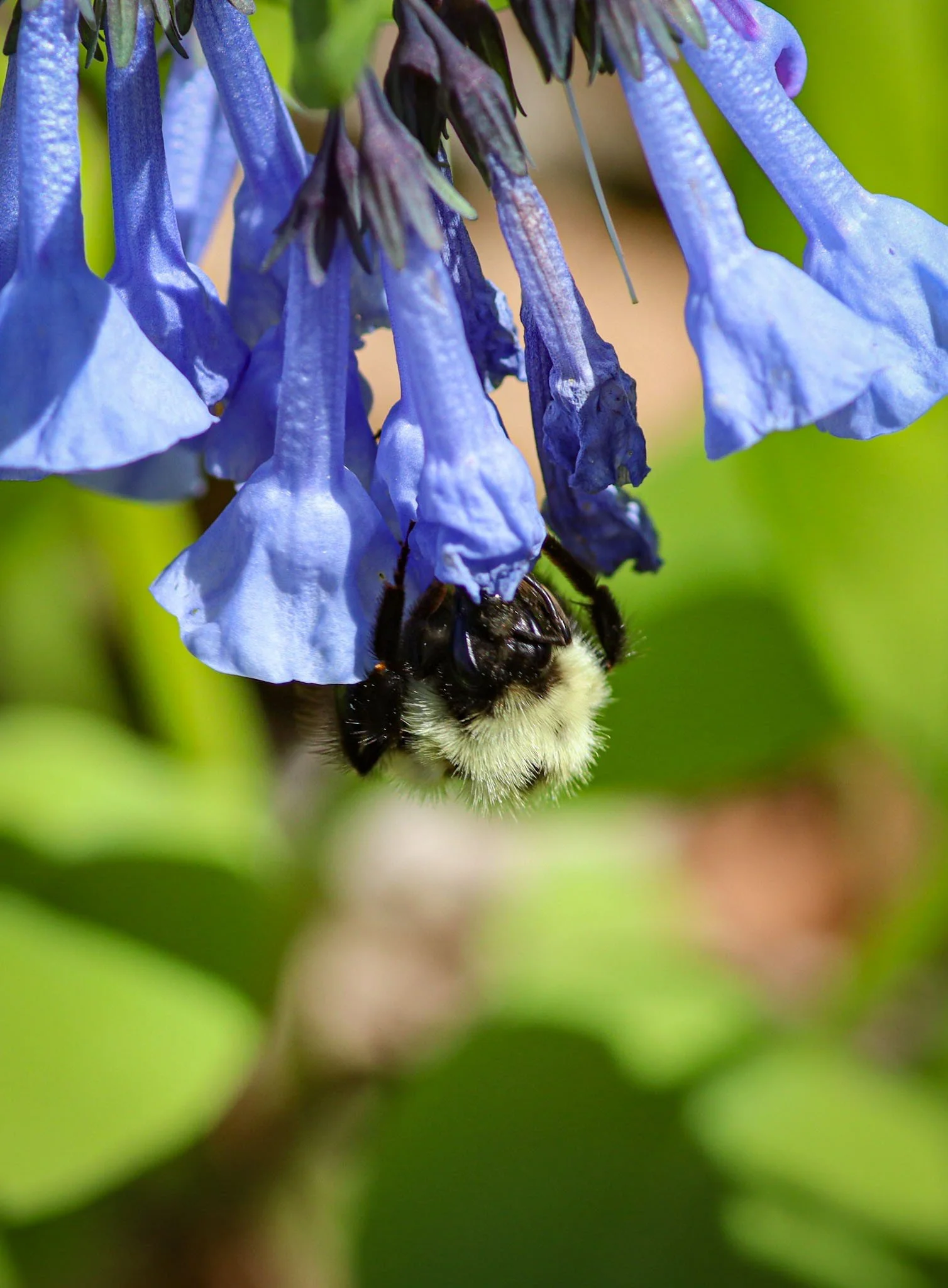 Image 1 of 9
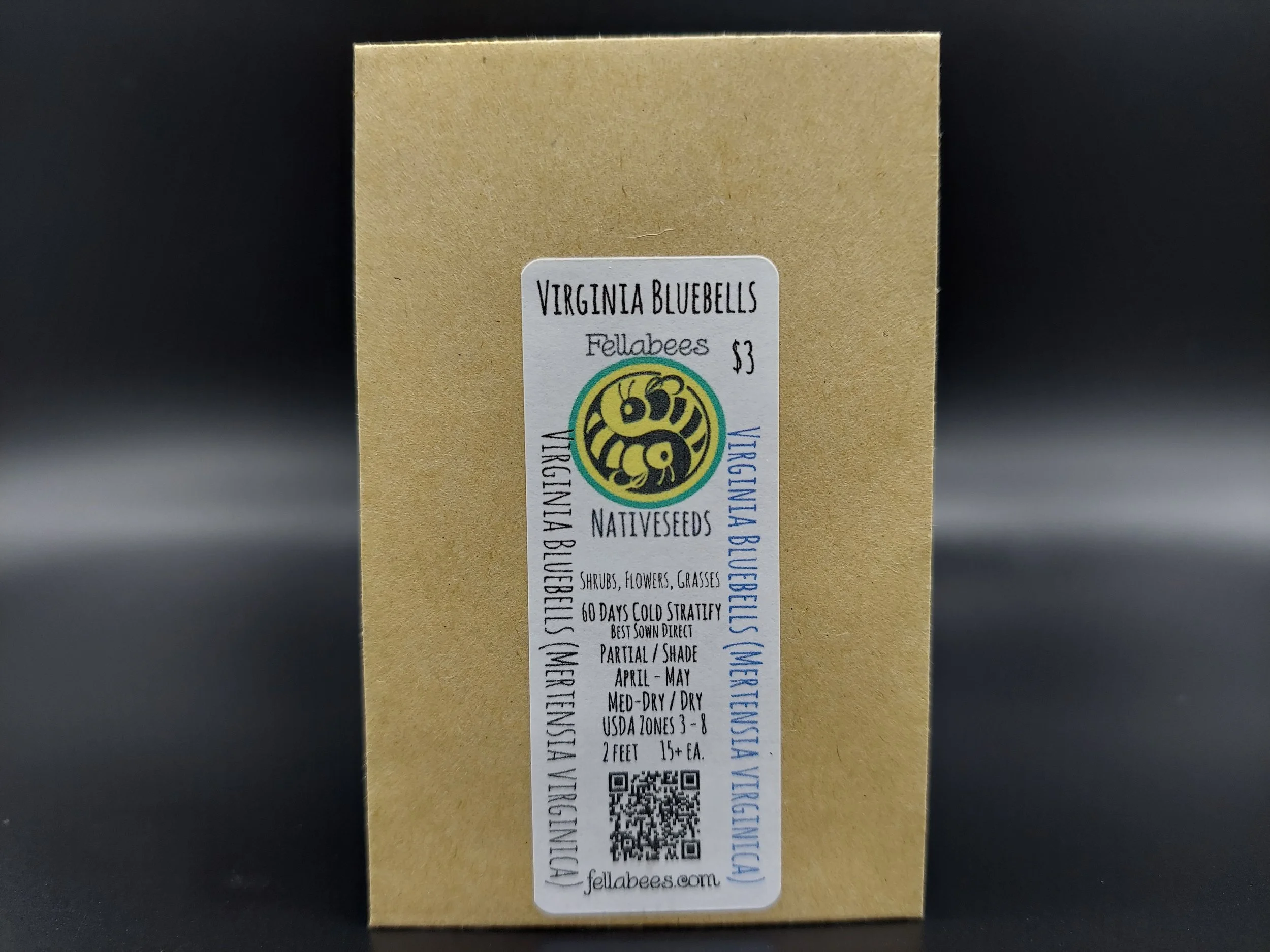 Image 2 of 9
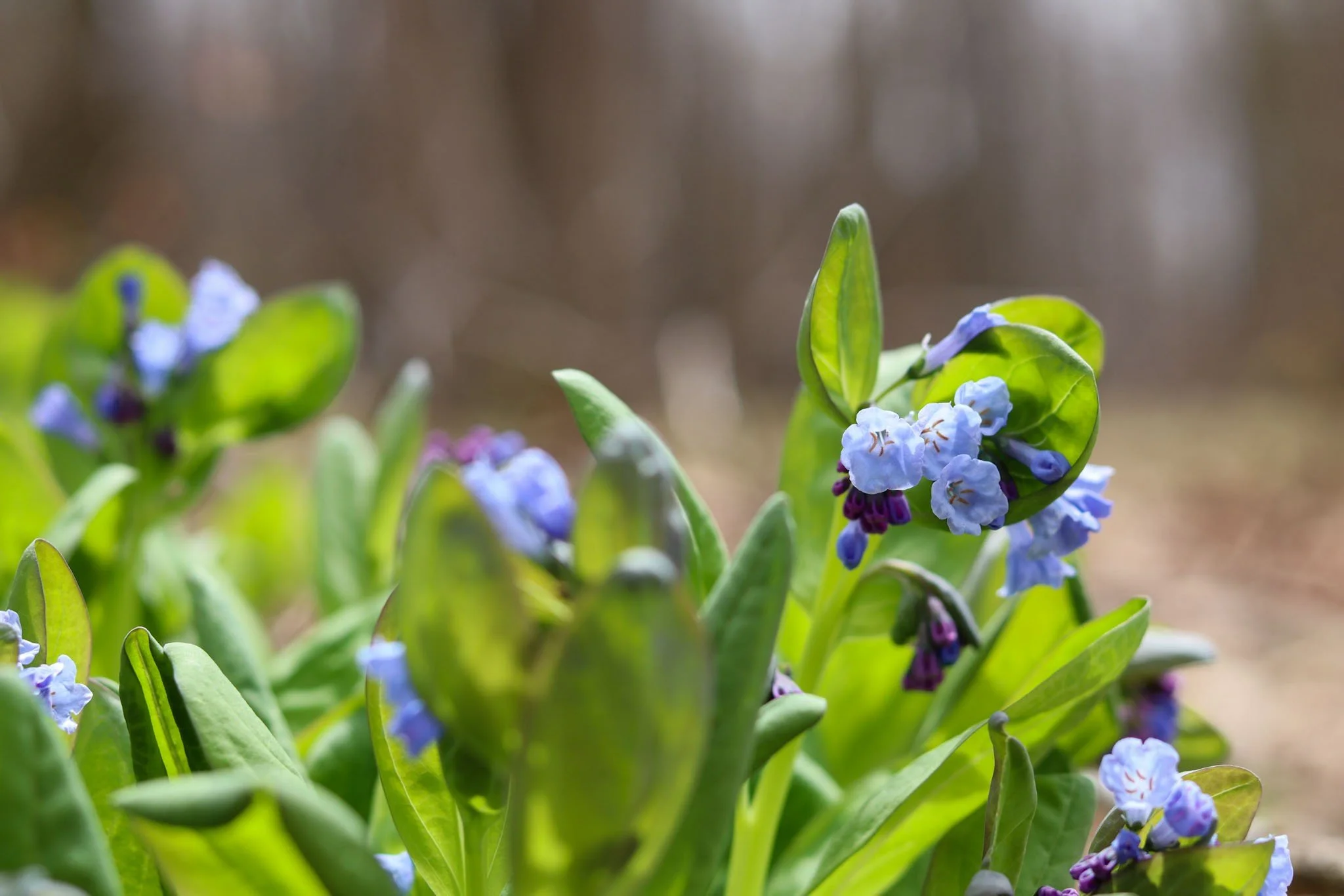 Image 3 of 9
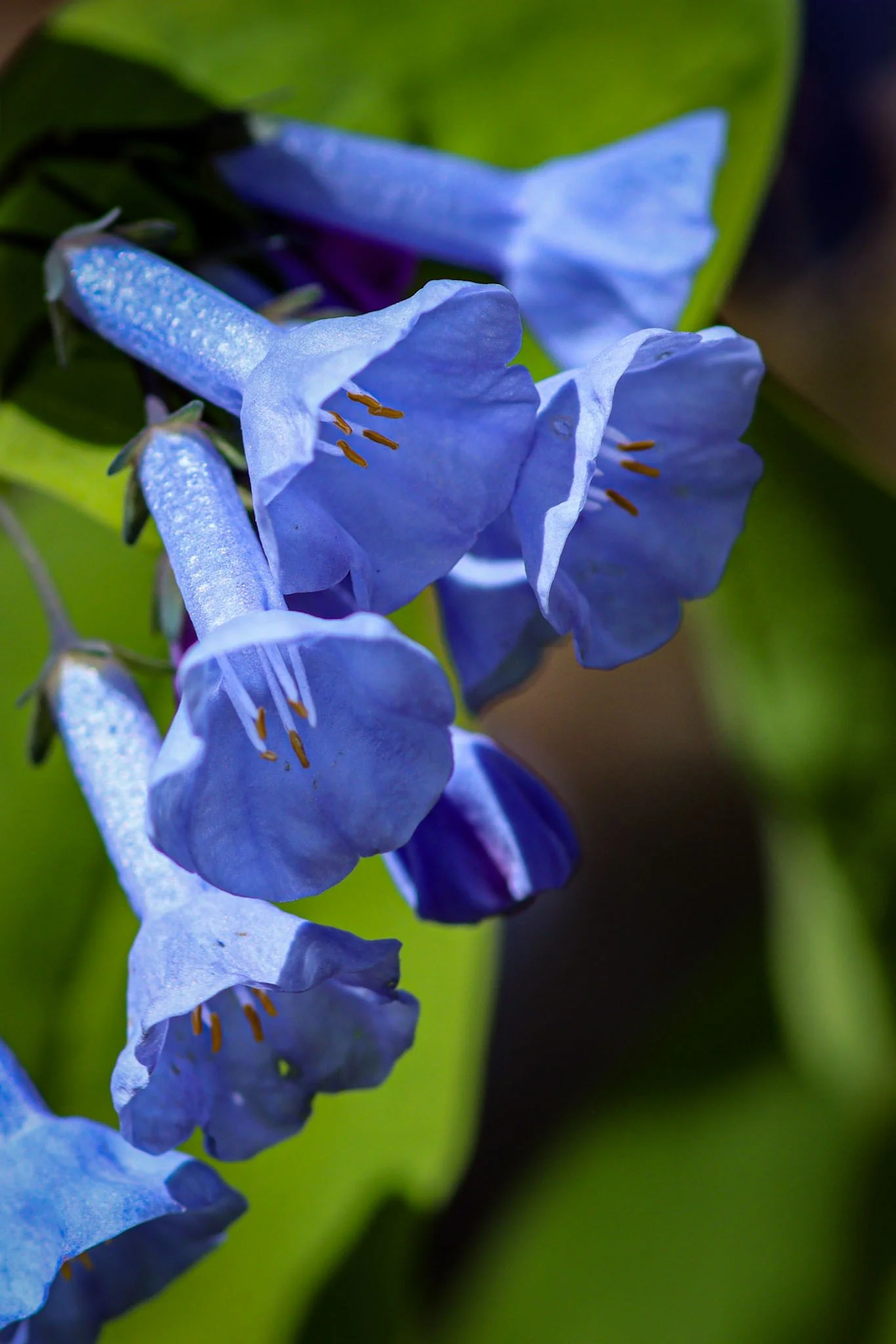 Image 4 of 9
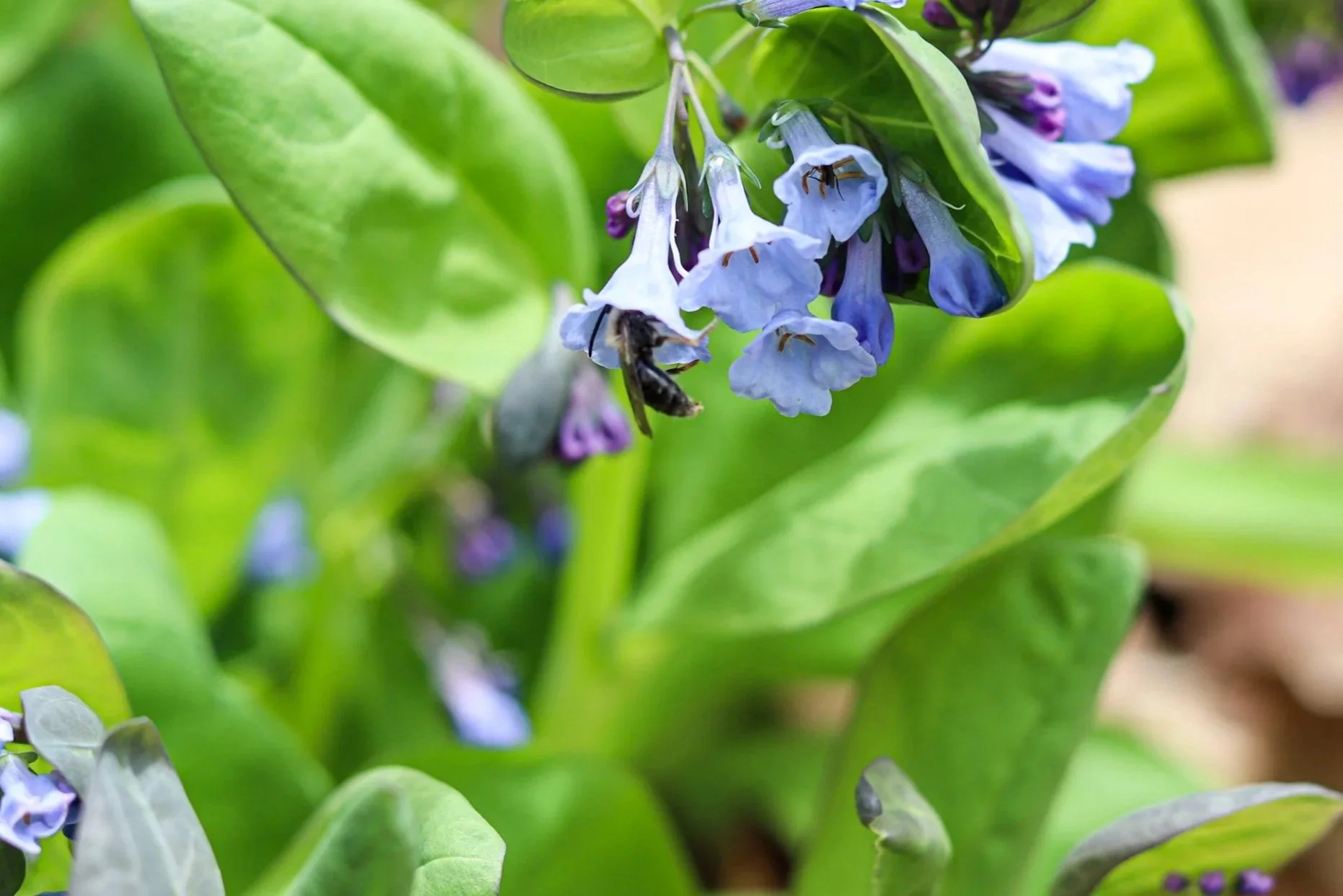 Image 5 of 9
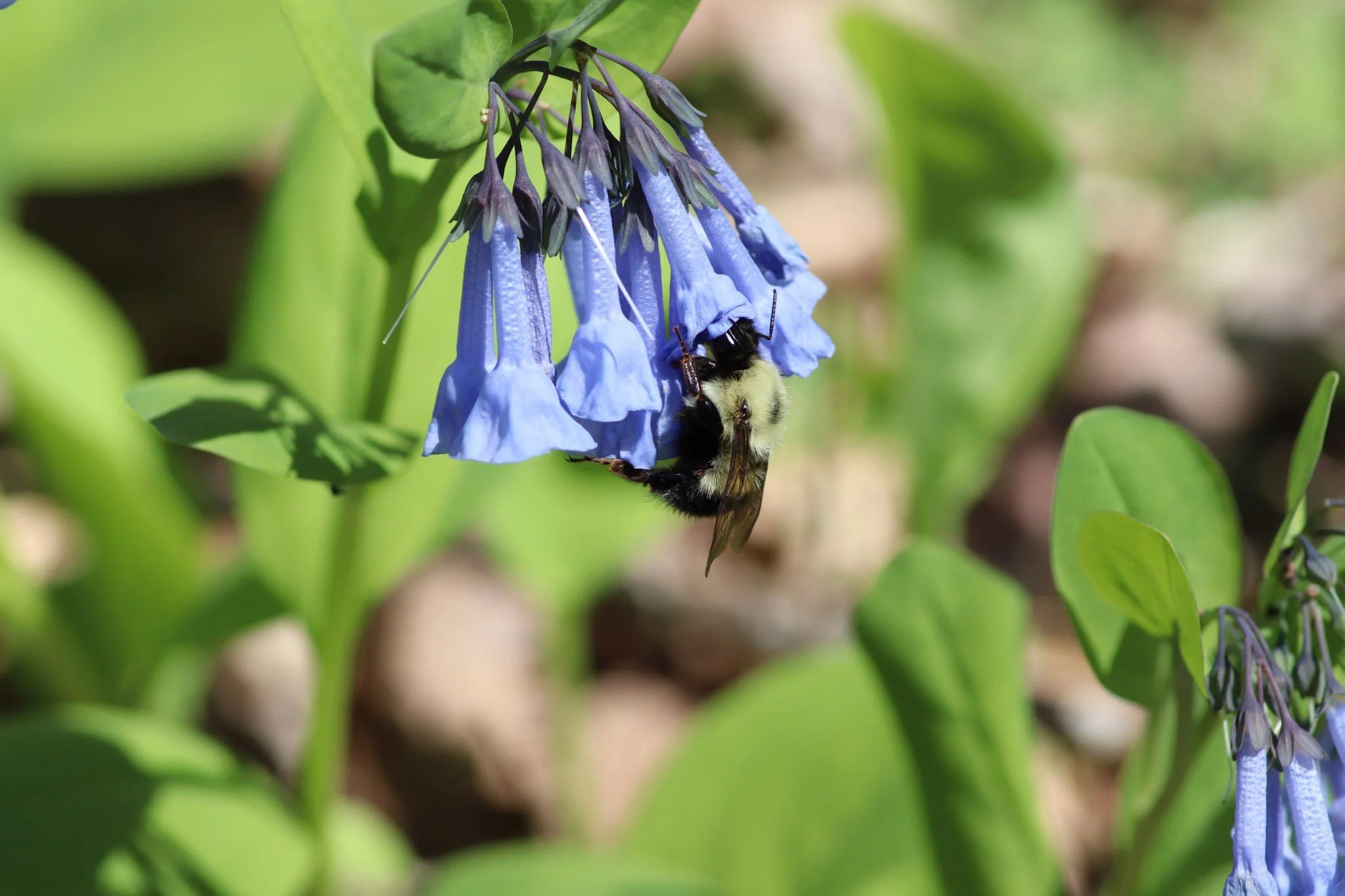 Image 6 of 9
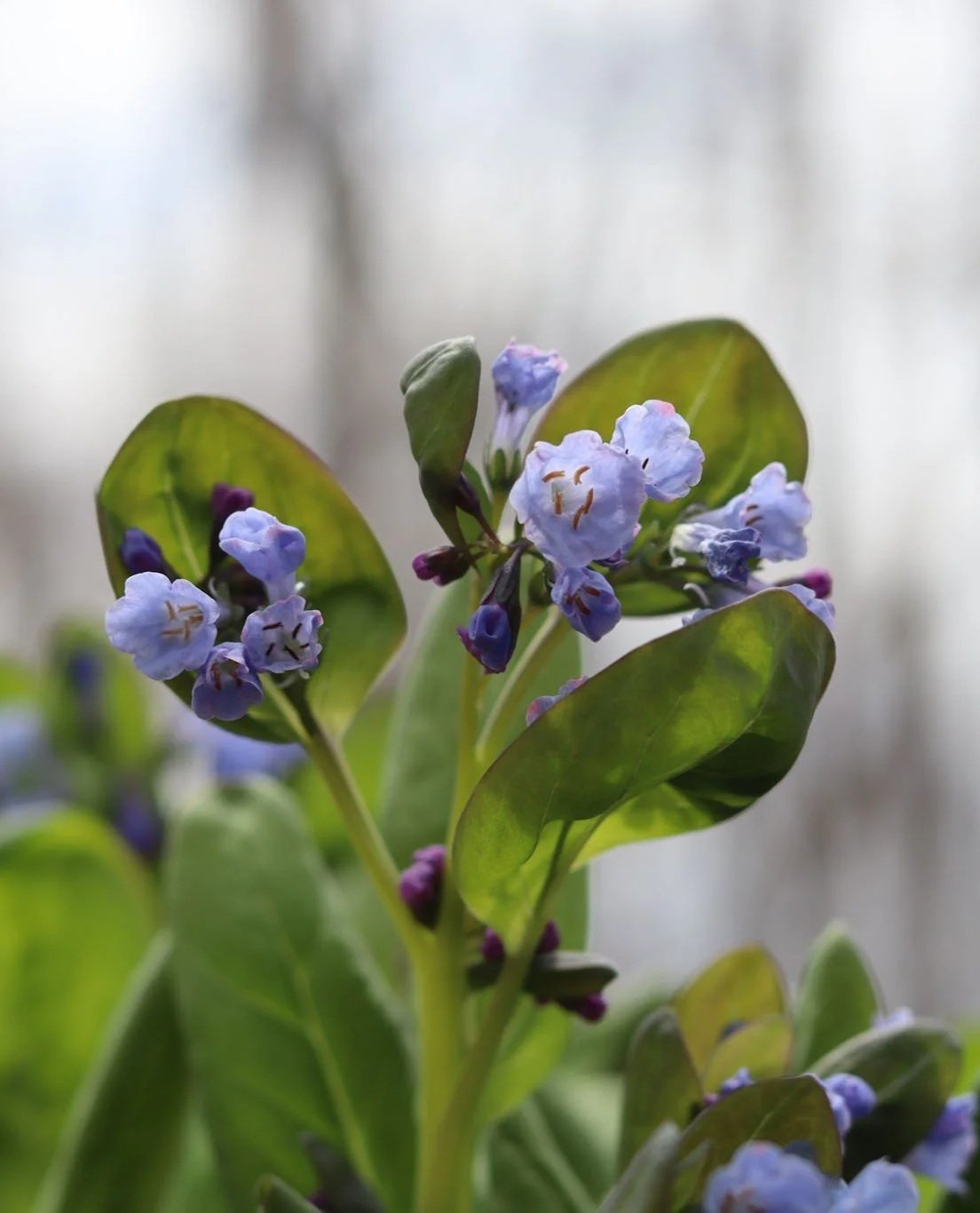 Image 7 of 9
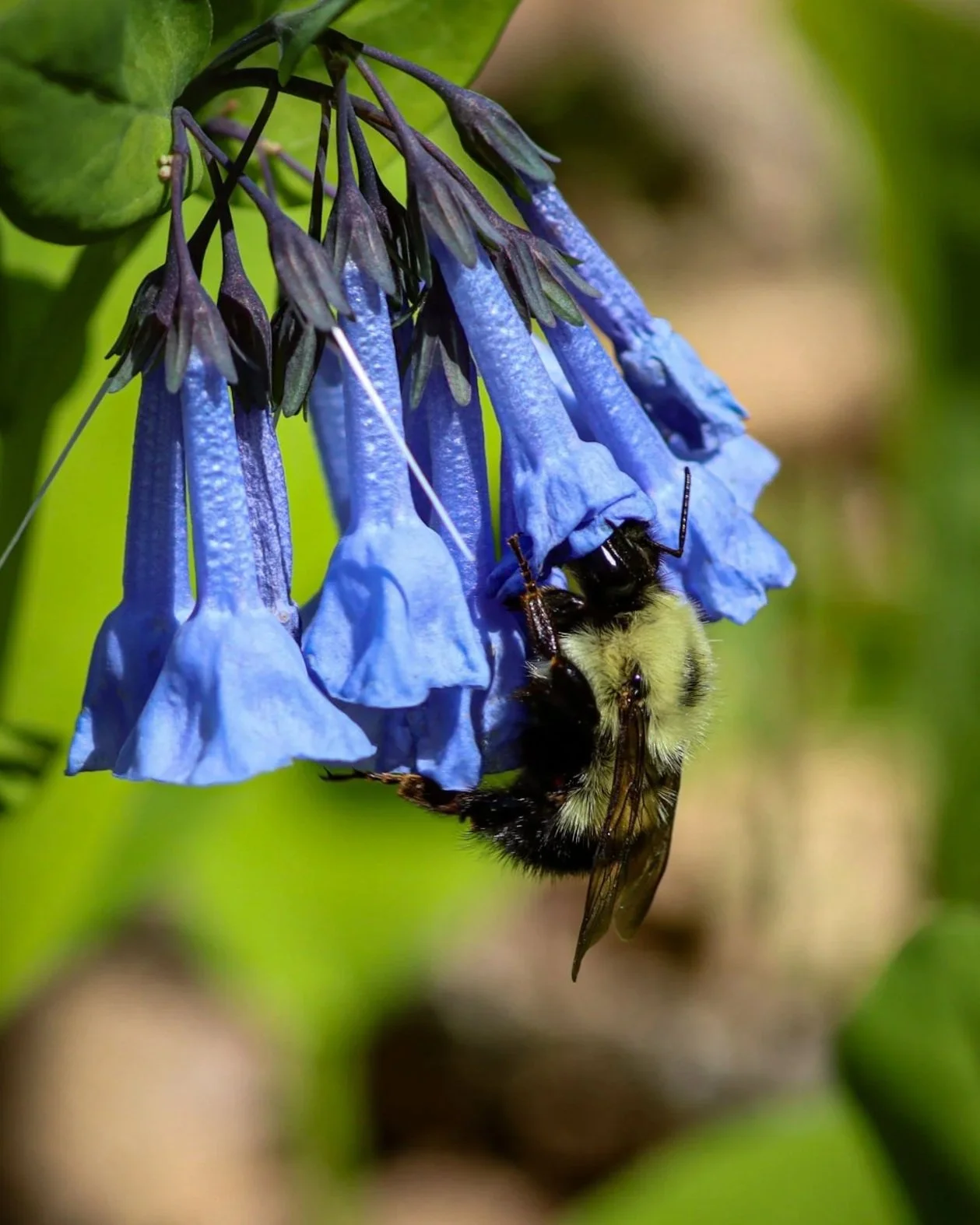 Image 8 of 9
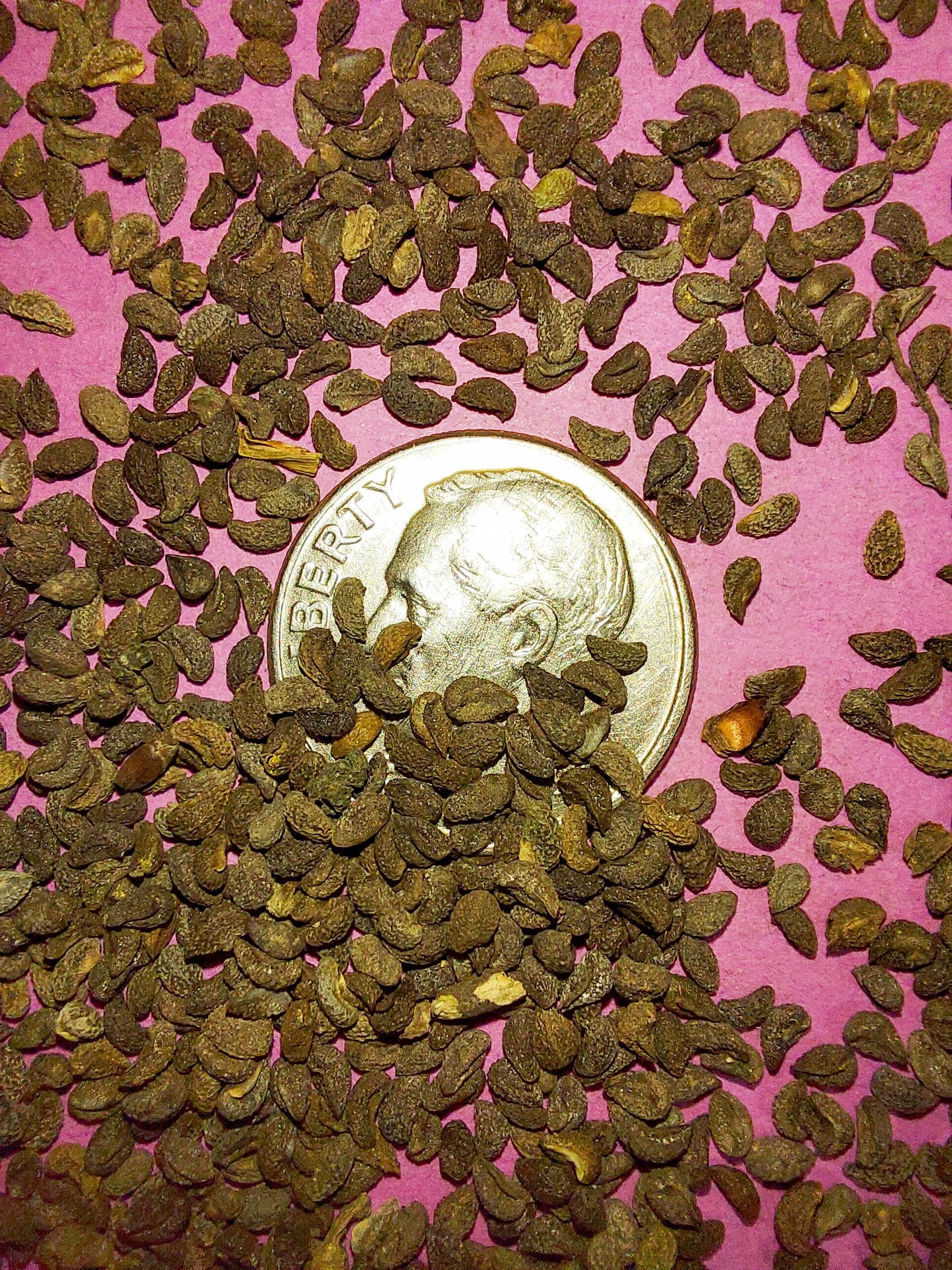 Image 9 of 9