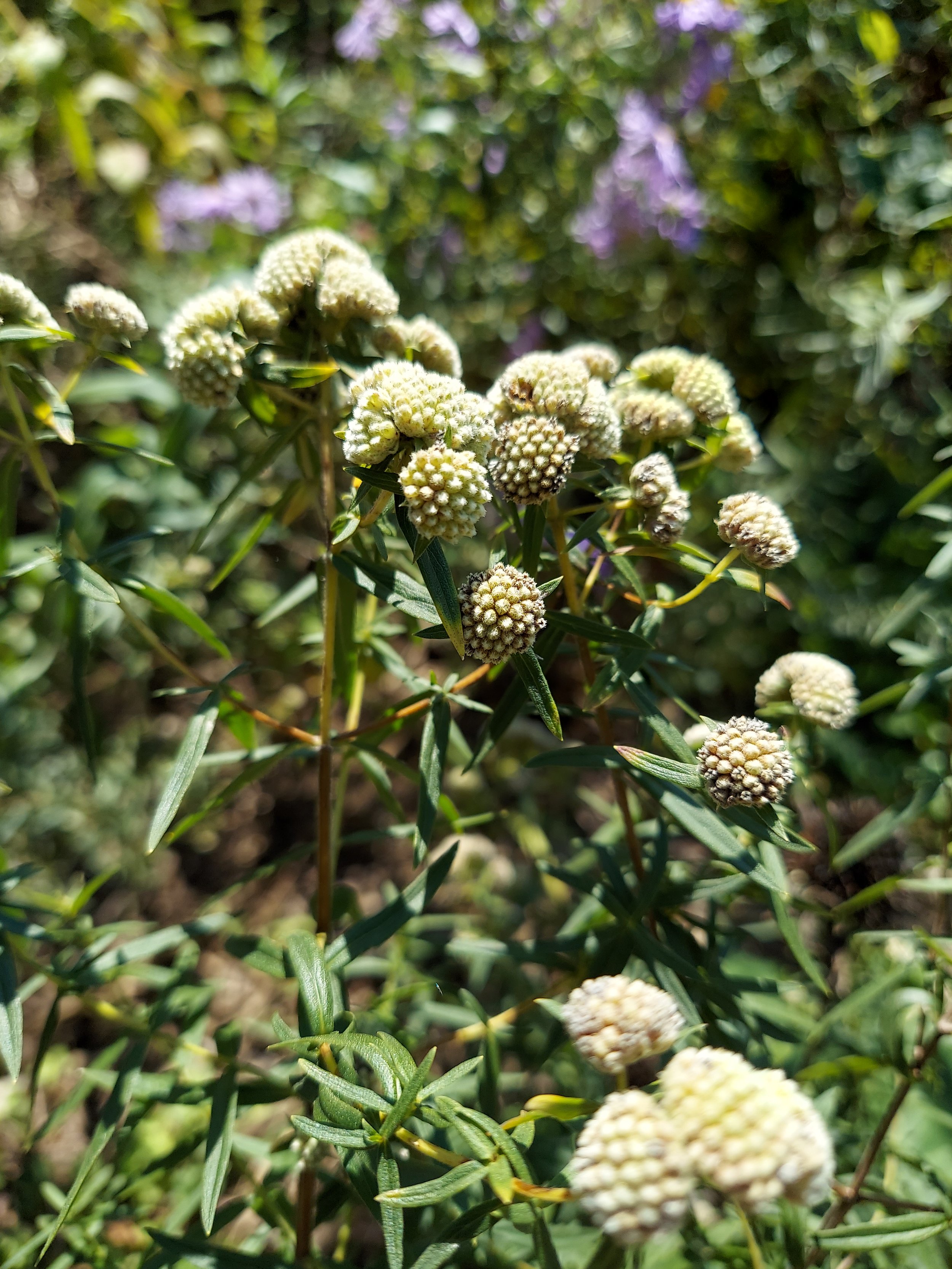
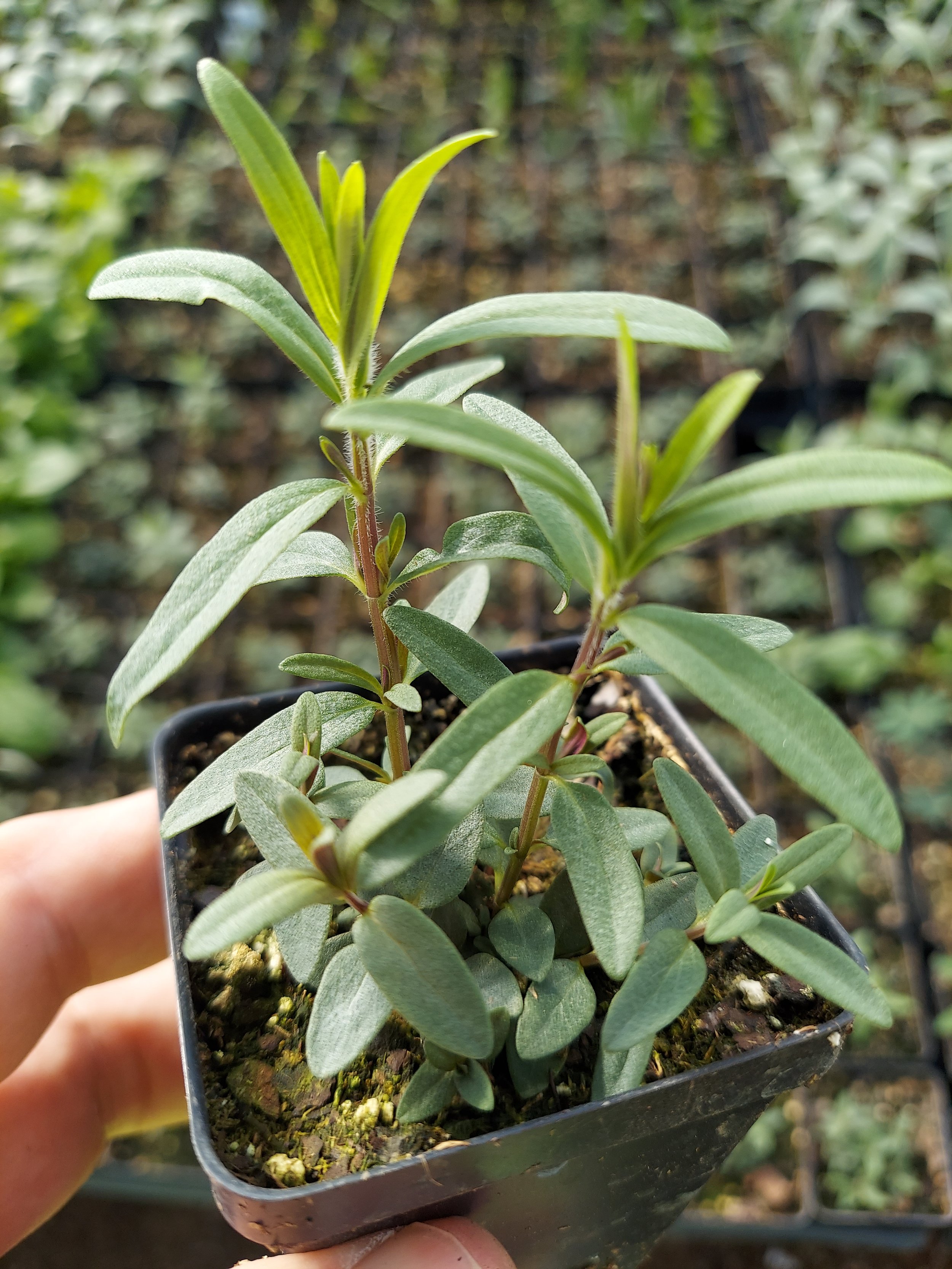
Wild Four O'Clock (Mirabilis nyctaginea)
Mirabilis nyctaginea is the scientific name for a species of flowering plant in the Nyctaginaceae family, known by several common names including Wild Four O'Clock, Heartleaf Four O'Clock, and Heartleaf Umbrella Wort; it is a native wildflower valued for its timely blooming habit and heart-shaped leaves.
Wild Four O'Clock is a perennial herb that typically reaches 3–4 feet in maximum height. The leaves are oppositely arranged and are concentrated mainly on the lower two-thirds of the plant, below the upper forkings of the stems. Each thin green leaf bears an oval to heart-shaped blade roughly 3–4 inches long, with a delicate texture. The flowers form in the leaf axils of the upper branches, where a small cluster of three to five blooms sits tucked into a bell-shaped involucre made of five partly fused bracts.
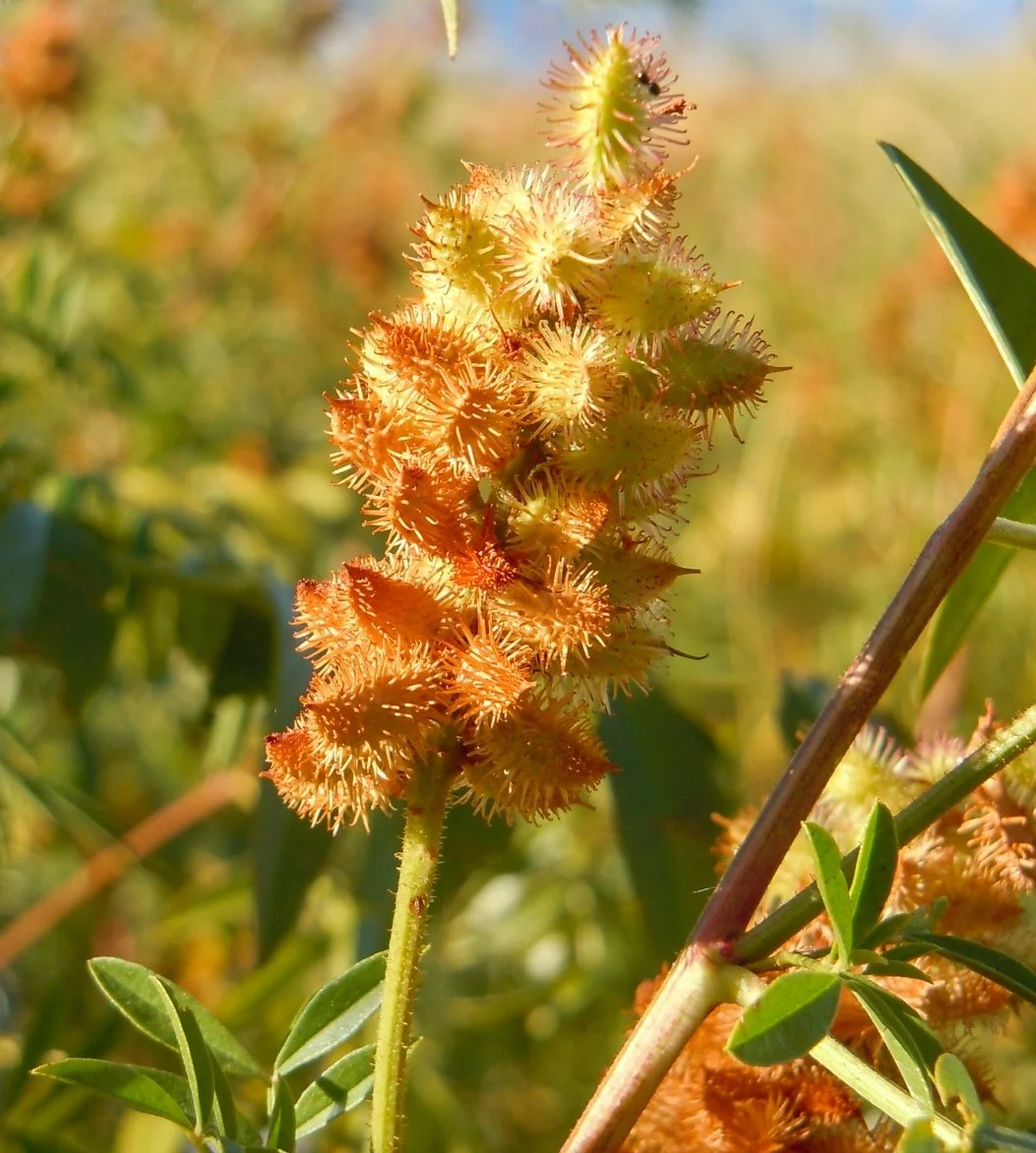
Each five-lobed, funnel-shaped blossom measures about a centimeter across and ranges in color from deep magenta or pink to nearly white. The individual flowers open for only a few hours before dropping, leaving behind shaggy-haired developing fruits cradled in the drying, papery cup of bracts. The plant is anchored by a thick, fleshy taproot that stores both nutrients and a suite of powerful compounds that help ward off herbivory, support resilience, and enable it to persist from season to season.
Wild Four O’Clock tend to thrive in often disturbed settings with high animal traffic and in recently or regularly disturbed human areas that are left unmowed; they establish quickly and then gradually fade in vigor as the soil becomes richer or as more diverse species become established, making them an ideal pioneer plant for newly planted native habitat and early successional restoration projects.
Wild Four O’Clock are visited primarily by long-tongued bees, short-tongued bees, and moths. These insects seek nectar as their main food source, although the short-tongued bees also likely collect pollen from the blooms. The Ruby-throated Hummingbird visits the flowers as well, drawn by their nectar and tubular magenta blooms. The species known as the Wild Four O'Clock Bug (Catorhintha mendica), a leaf-footed bug, is a specialist feeder on this plant, as are other Mirabilis species. Another specialist associated with these plants is the Four O'Clock Moth (Heliodines nyctaginella).
Wild Four O'Clock serves as a host plant for the larvae of the White-lined Sphinx Moth (Hyles lineata), which also use Evening Primrose (Oenothera biennis) and Ozark Sundrops (Oenothera macrocarpa) as larval hosts. In addition, Wild Four O'Clock supports several species of Microlepidoptera (micromoths); their caterpillars act as borers, leaf-miners, and leaf-skeletonizers. These larvae frequently become prey for birds and parasitic or predatory wasps, thereby adding complexity to local food webs and helping sustain a range of other native fauna.
Being exceptionally easy to grow and requiring no special treatment or cold stratification, Wild Four O’Clock makes a charming, deer resistant and low‑maintenance addition to any pollinator planting—equally well suited to beginners just starting out and to experienced gardeners looking for reliable, nectar‑rich blooms.
Plant Details:
USDA Zones: 3 - 10
Germination Needs: No Treatment Needed
Life Cycle: Perennial
Sun Exposure: Full Sun
Soil Moisture: Medium, Medium-Dry, Dry
Plant Spacing: 1 - 2 feet
Height: 4 feet
Bloom time: June, July, August, September
Bloom Color: Purple
Advantages:
Pollinator Favorite: butterflies, moths, bees, wasps, beetles
Bird Favorite: seeds, insects, fruit, nectar, nesting, perches.
Deer Resistant: Yes
Native to or present in: Wisconsin, Minnesota, Iowa, Illinois, Indiana, Michigan, Ohio, Pennsylvania, New York, Vermont, New Hampshire, Maine, Massachusetts, Rhode Island, Connecticut, Delaware, Maryland, New Jersey, West Virginia, Virginia, Kentucky, Tennessee, North Carolina, Alabama, Mississippi, Louisiana, Arkansas, Missouri, Texas, Oklahoma, Kansas, Nebraska, South Dakota, North Dakota, Montana, Wyoming, Colorado, New Mexico, Arizona, Utah, Nevada, Idaho, Oregon and California.
This species is introduced in several counties of the states of Michigan, Ohio, Pennsylvania, New York, Vermont, New Hampshire, Maine, Massachusetts, Rhode Island, Connecticut, Delaware, Maryland, New Jersey, West Virginia, Virginia, Kentucky, Tennessee, North Carolina, Alabama, Mississippi, New Mexico, Arizona, Utah, Nevada, Idaho and California.
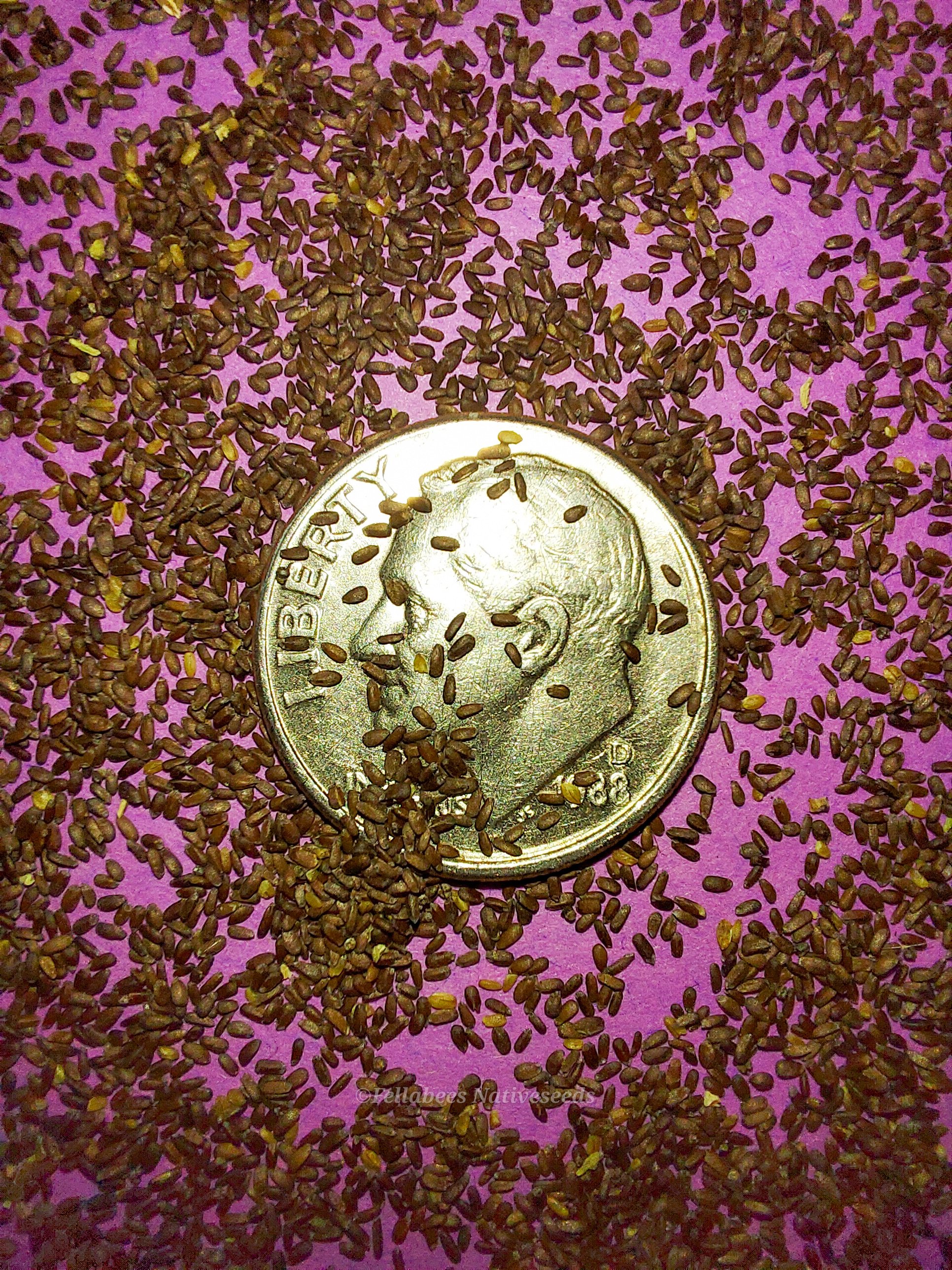
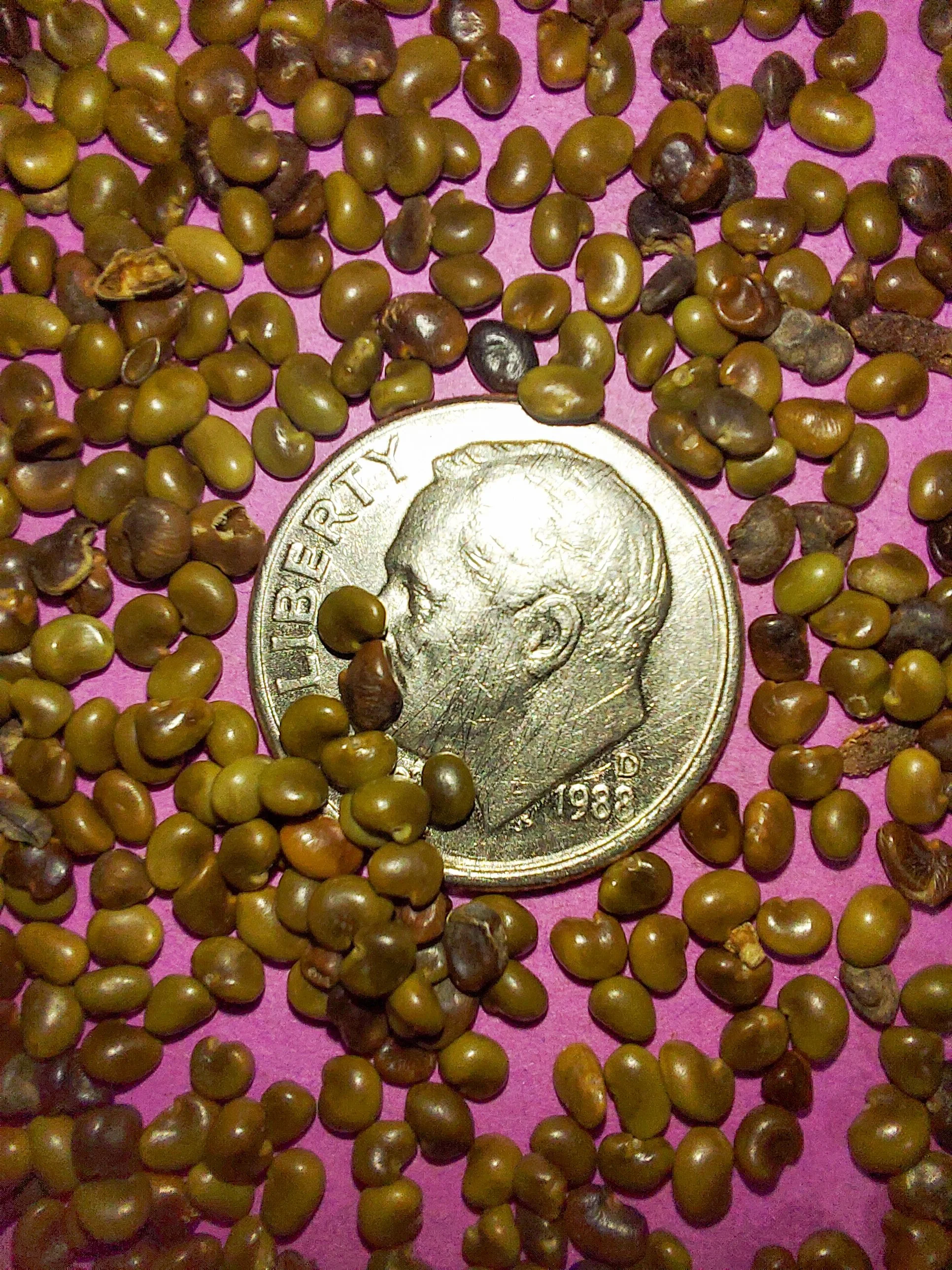
Seed Count: 20+
.
.
Packet quantities:
We pride ourselves on ethical, hands on, ecological management, using no mechanical or chemical methods whatsoever.
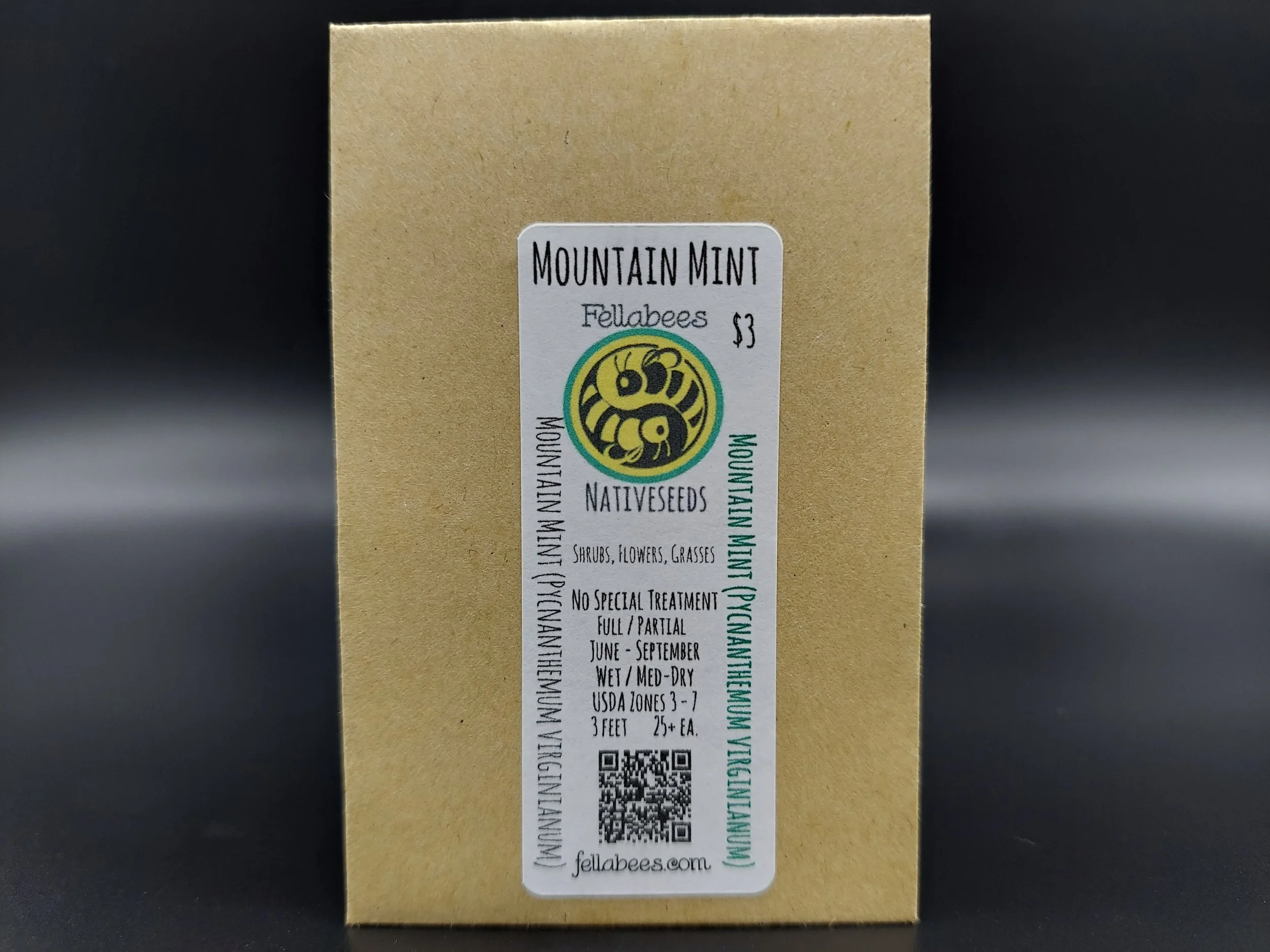
All of our native seed is hand reared, hand-picked, and hand packed from native prairies under our exclusive management, never breaking chain of custody from the field until it is sent to you. Each packet is hand prepared for shipment by us, directly.
Small seed species will contain greater than 20-25 seed
Large seed species will contain greater than 10-15 seed
All packets are individually marked at the bottom of the front label with expected count, however most if not all packets will have many more than the minimum count by default.
It is our mission to spread the wealth of native plant and pollinator ecological sustainability and educate back yard gardeners as well as corporate and government entities in how to germinate, grow, and benefit from native synergies.
Thank you for your support, it is because of you, that we can grow together to do, what we do. 🐛🦋🐝🐞🌾🌱🌼🧡
Wild Four O'Clock (Mirabilis nyctaginea)
Mirabilis nyctaginea is the scientific name for a species of flowering plant in the Nyctaginaceae family, known by several common names including Wild Four O'Clock, Heartleaf Four O'Clock, and Heartleaf Umbrella Wort; it is a native wildflower valued for its timely blooming habit and heart-shaped leaves.
Wild Four O'Clock is a perennial herb that typically reaches 3–4 feet in maximum height. The leaves are oppositely arranged and are concentrated mainly on the lower two-thirds of the plant, below the upper forkings of the stems. Each thin green leaf bears an oval to heart-shaped blade roughly 3–4 inches long, with a delicate texture. The flowers form in the leaf axils of the upper branches, where a small cluster of three to five blooms sits tucked into a bell-shaped involucre made of five partly fused bracts.
Each five-lobed, funnel-shaped blossom measures about a centimeter across and ranges in color from deep magenta or pink to nearly white. The individual flowers open for only a few hours before dropping, leaving behind shaggy-haired developing fruits cradled in the drying, papery cup of bracts. The plant is anchored by a thick, fleshy taproot that stores both nutrients and a suite of powerful compounds that help ward off herbivory, support resilience, and enable it to persist from season to season.
Wild Four O’Clock tend to thrive in often disturbed settings with high animal traffic and in recently or regularly disturbed human areas that are left unmowed; they establish quickly and then gradually fade in vigor as the soil becomes richer or as more diverse species become established, making them an ideal pioneer plant for newly planted native habitat and early successional restoration projects.
Wild Four O’Clock are visited primarily by long-tongued bees, short-tongued bees, and moths. These insects seek nectar as their main food source, although the short-tongued bees also likely collect pollen from the blooms. The Ruby-throated Hummingbird visits the flowers as well, drawn by their nectar and tubular magenta blooms. The species known as the Wild Four O'Clock Bug (Catorhintha mendica), a leaf-footed bug, is a specialist feeder on this plant, as are other Mirabilis species. Another specialist associated with these plants is the Four O'Clock Moth (Heliodines nyctaginella).
Wild Four O'Clock serves as a host plant for the larvae of the White-lined Sphinx Moth (Hyles lineata), which also use Evening Primrose (Oenothera biennis) and Ozark Sundrops (Oenothera macrocarpa) as larval hosts. In addition, Wild Four O'Clock supports several species of Microlepidoptera (micromoths); their caterpillars act as borers, leaf-miners, and leaf-skeletonizers. These larvae frequently become prey for birds and parasitic or predatory wasps, thereby adding complexity to local food webs and helping sustain a range of other native fauna.
Being exceptionally easy to grow and requiring no special treatment or cold stratification, Wild Four O’Clock makes a charming, deer resistant and low‑maintenance addition to any pollinator planting—equally well suited to beginners just starting out and to experienced gardeners looking for reliable, nectar‑rich blooms.
Plant Details:
USDA Zones: 3 - 10
Germination Needs: No Treatment Needed
Life Cycle: Perennial
Sun Exposure: Full Sun
Soil Moisture: Medium, Medium-Dry, Dry
Plant Spacing: 1 - 2 feet
Height: 4 feet
Bloom time: June, July, August, September
Bloom Color: Purple
Advantages:
Pollinator Favorite: butterflies, moths, bees, wasps, beetles
Bird Favorite: seeds, insects, fruit, nectar, nesting, perches.
Deer Resistant: Yes
Native to or present in: Wisconsin, Minnesota, Iowa, Illinois, Indiana, Michigan, Ohio, Pennsylvania, New York, Vermont, New Hampshire, Maine, Massachusetts, Rhode Island, Connecticut, Delaware, Maryland, New Jersey, West Virginia, Virginia, Kentucky, Tennessee, North Carolina, Alabama, Mississippi, Louisiana, Arkansas, Missouri, Texas, Oklahoma, Kansas, Nebraska, South Dakota, North Dakota, Montana, Wyoming, Colorado, New Mexico, Arizona, Utah, Nevada, Idaho, Oregon and California.
This species is introduced in several counties of the states of Michigan, Ohio, Pennsylvania, New York, Vermont, New Hampshire, Maine, Massachusetts, Rhode Island, Connecticut, Delaware, Maryland, New Jersey, West Virginia, Virginia, Kentucky, Tennessee, North Carolina, Alabama, Mississippi, New Mexico, Arizona, Utah, Nevada, Idaho and California.
Seed Count: 20+
.
.
Packet quantities:
We pride ourselves on ethical, hands on, ecological management, using no mechanical or chemical methods whatsoever.
All of our native seed is hand reared, hand-picked, and hand packed from native prairies under our exclusive management, never breaking chain of custody from the field until it is sent to you. Each packet is hand prepared for shipment by us, directly.
Small seed species will contain greater than 20-25 seed
Large seed species will contain greater than 10-15 seed
All packets are individually marked at the bottom of the front label with expected count, however most if not all packets will have many more than the minimum count by default.
It is our mission to spread the wealth of native plant and pollinator ecological sustainability and educate back yard gardeners as well as corporate and government entities in how to germinate, grow, and benefit from native synergies.
Thank you for your support, it is because of you, that we can grow together to do, what we do. 🐛🦋🐝🐞🌾🌱🌼🧡
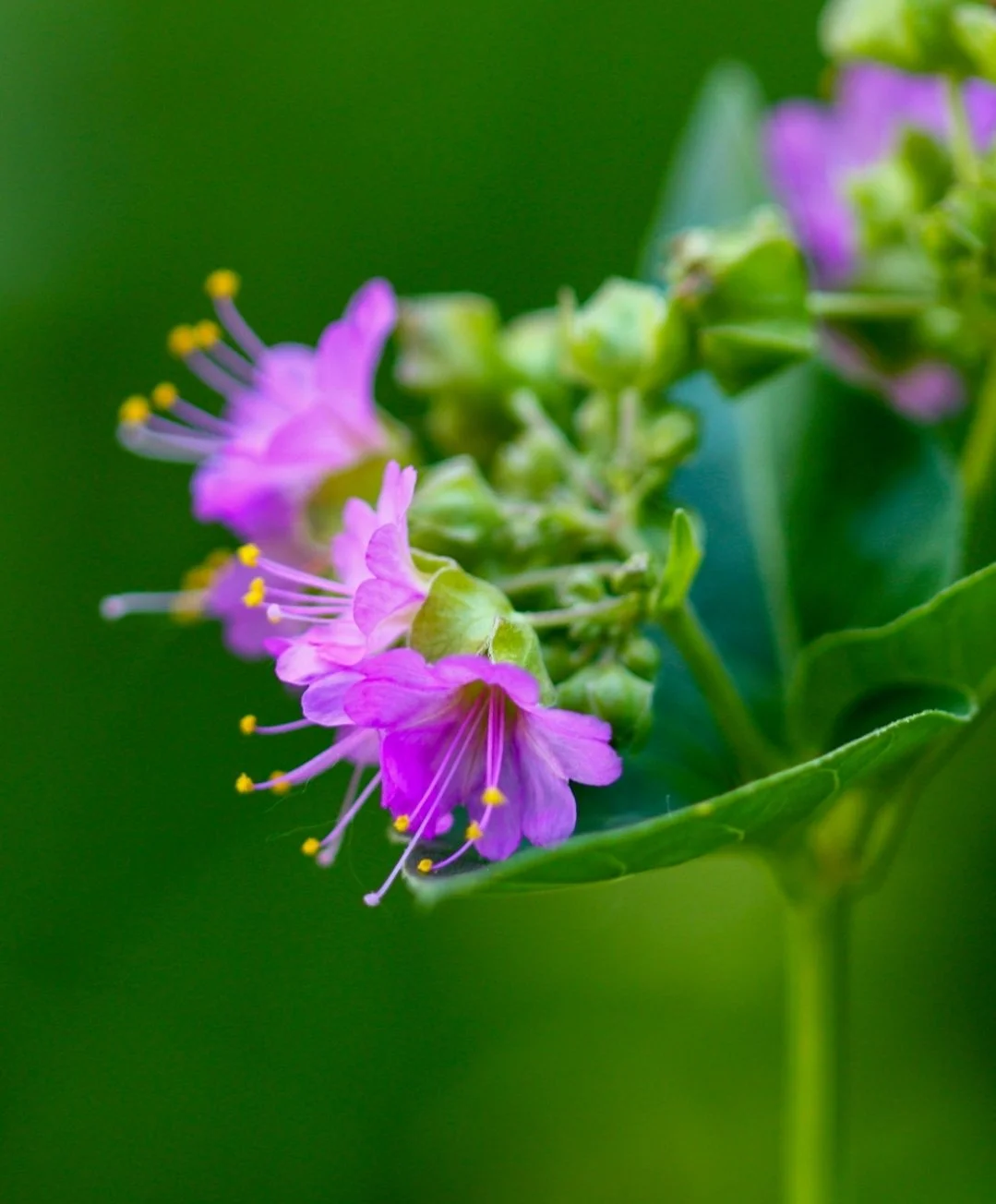 Image 1 of 5
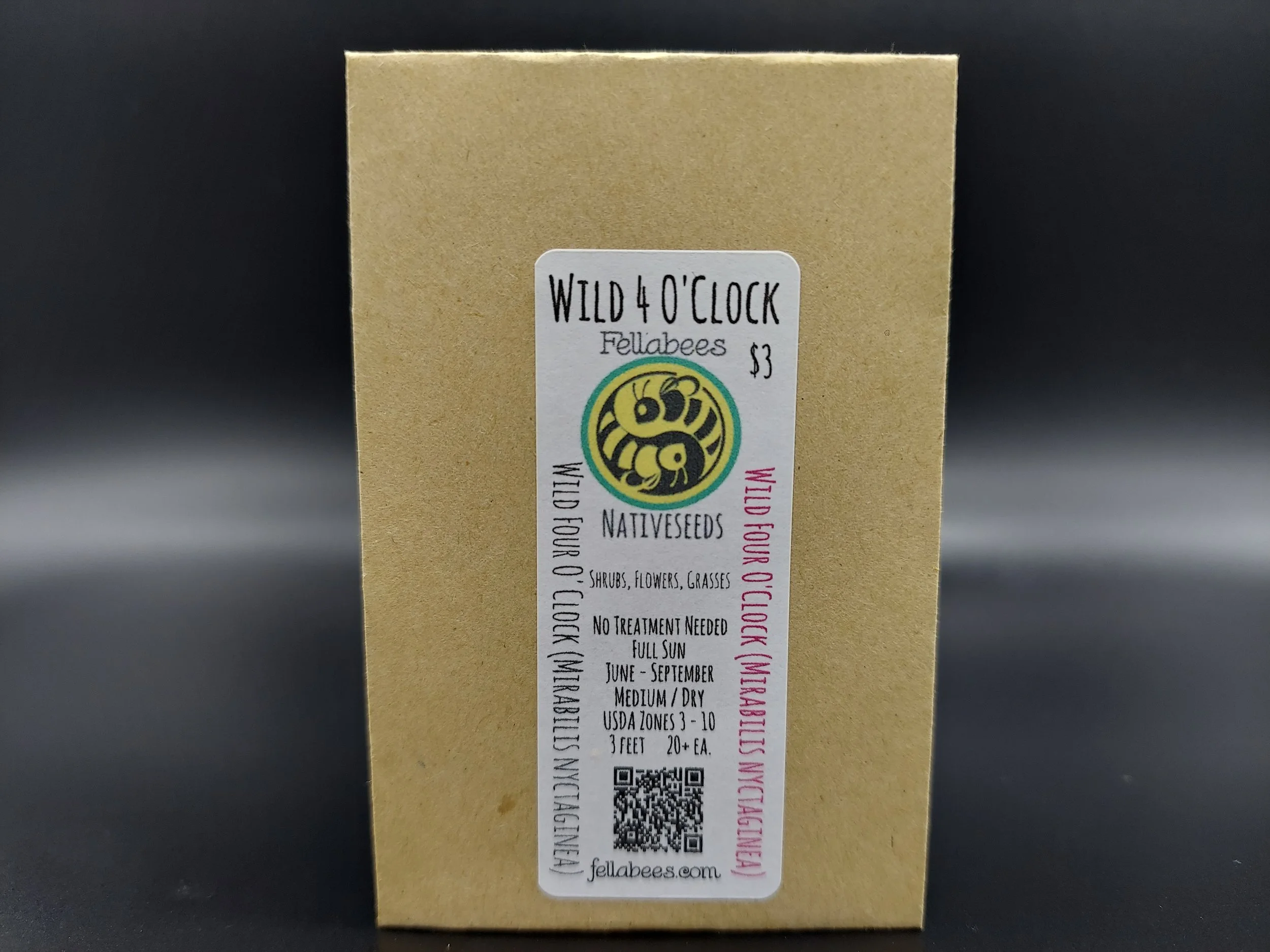 Image 2 of 5
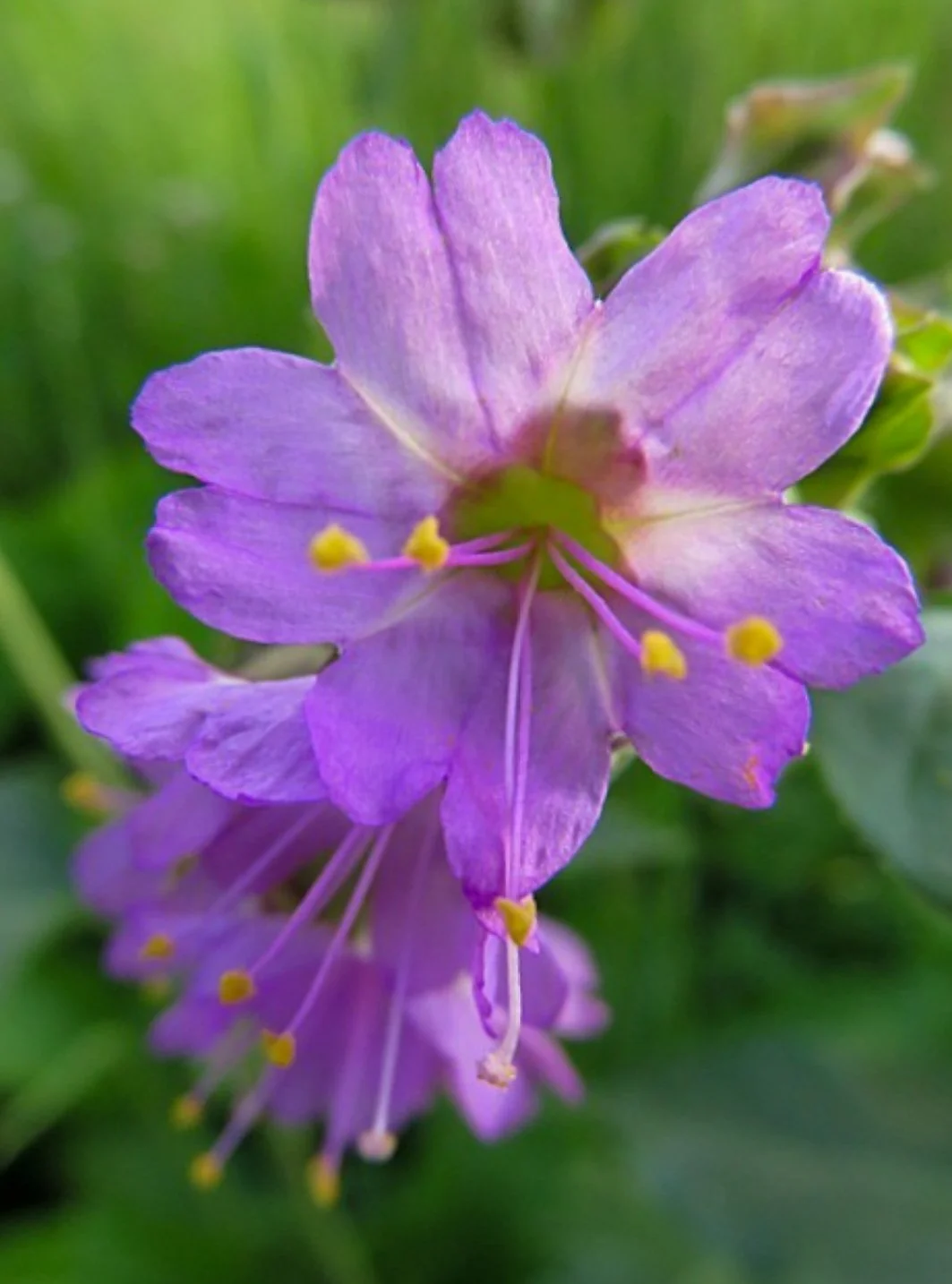 Image 3 of 5
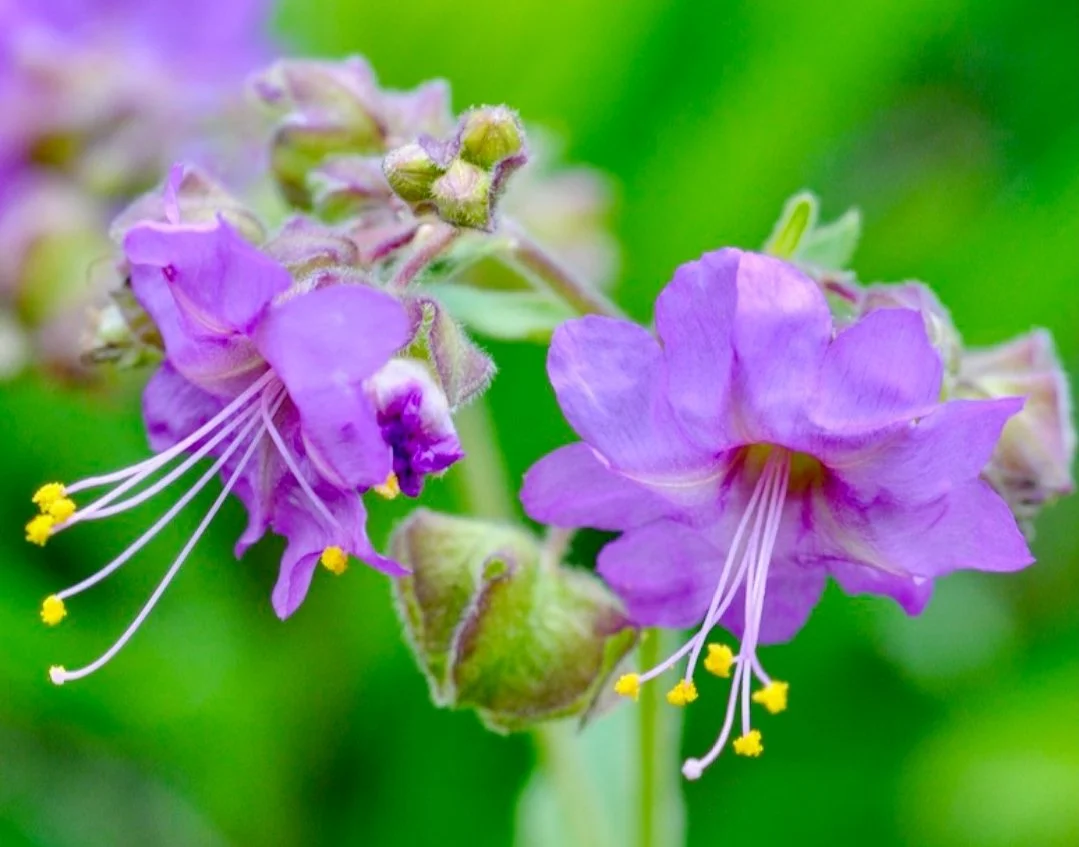 Image 4 of 5
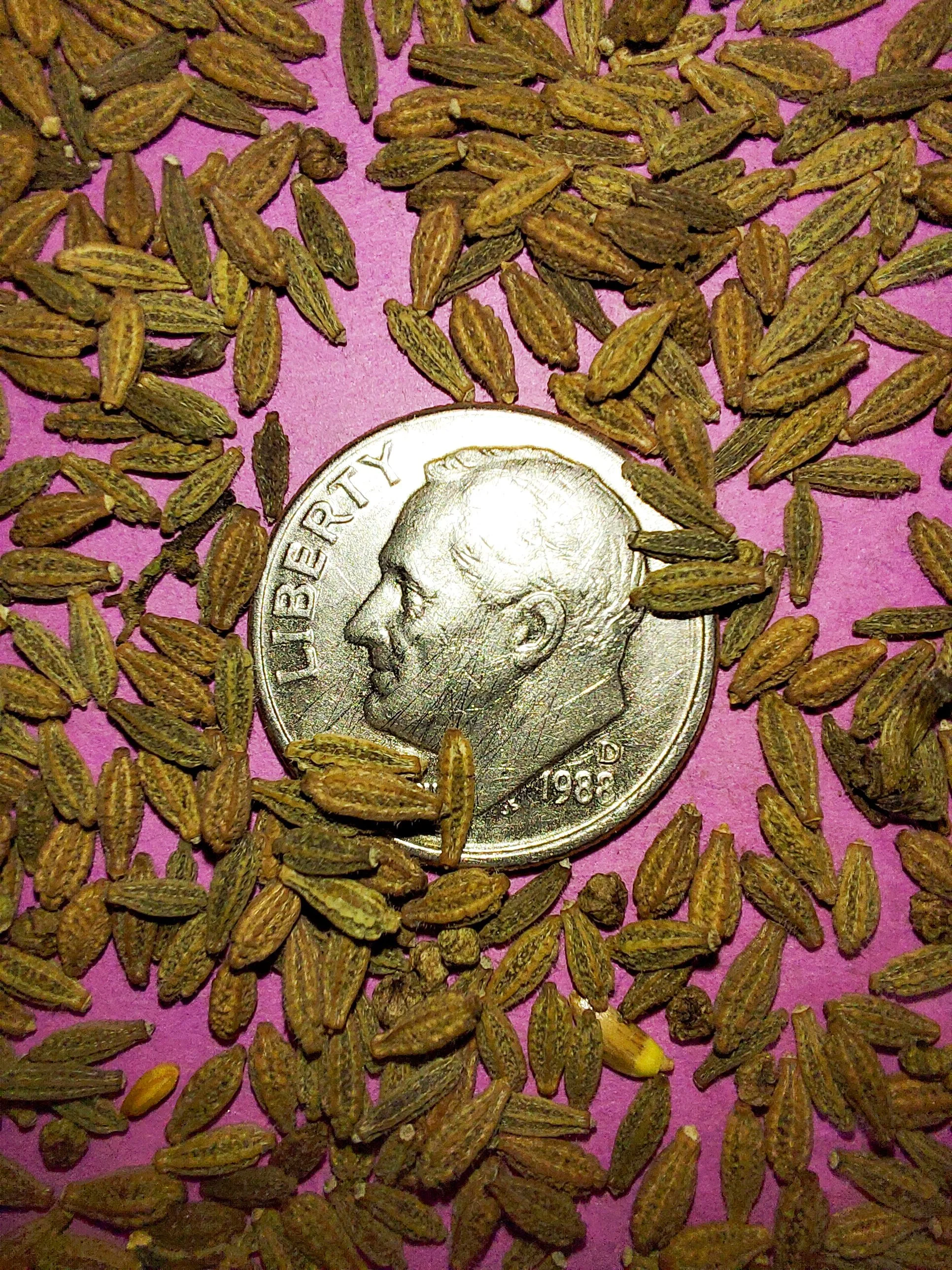 Image 5 of 5