Sale Price:
$2.50
Original Price:
$3.00
Blue Wild Indigo (Baptisia australis)
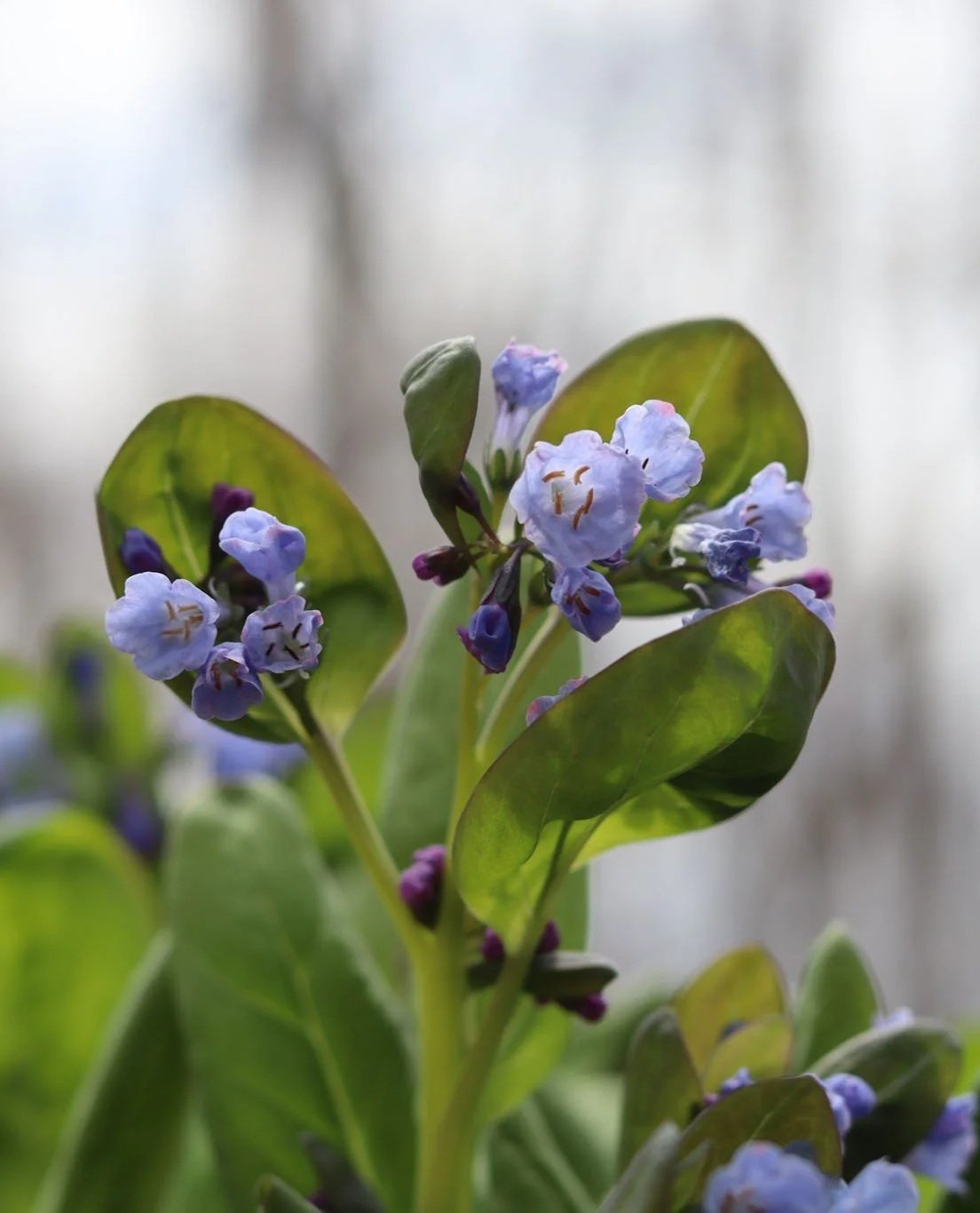
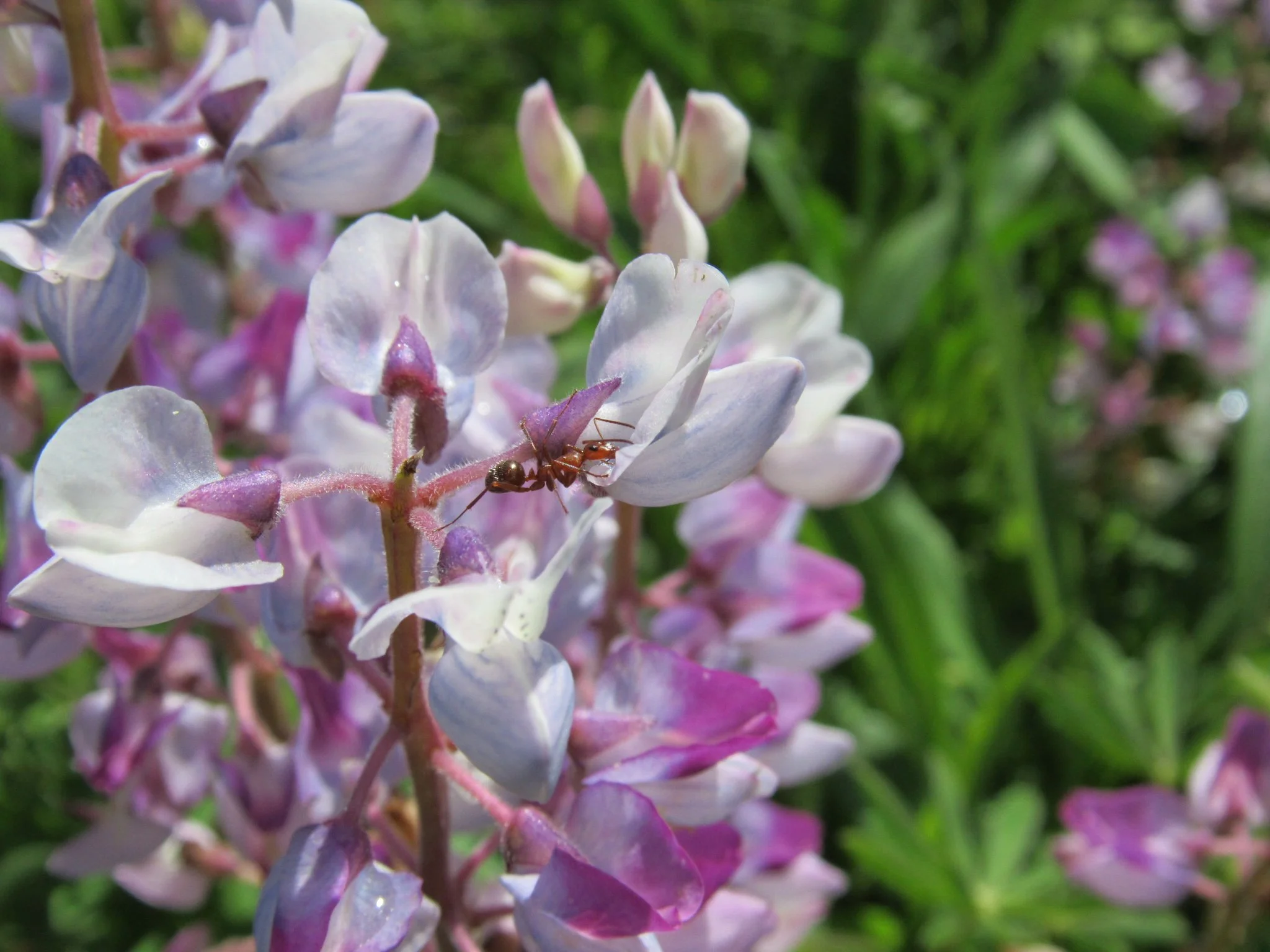
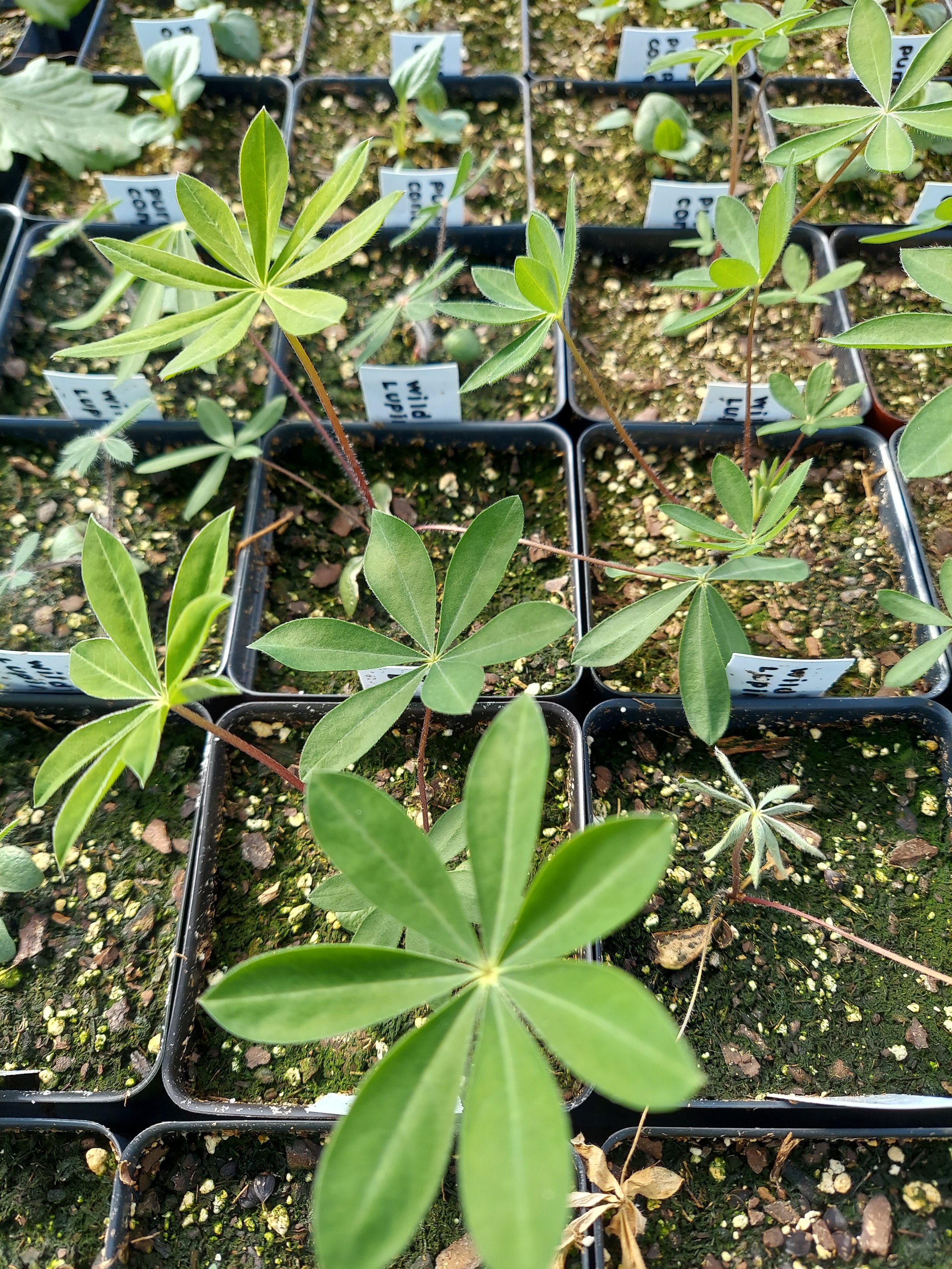
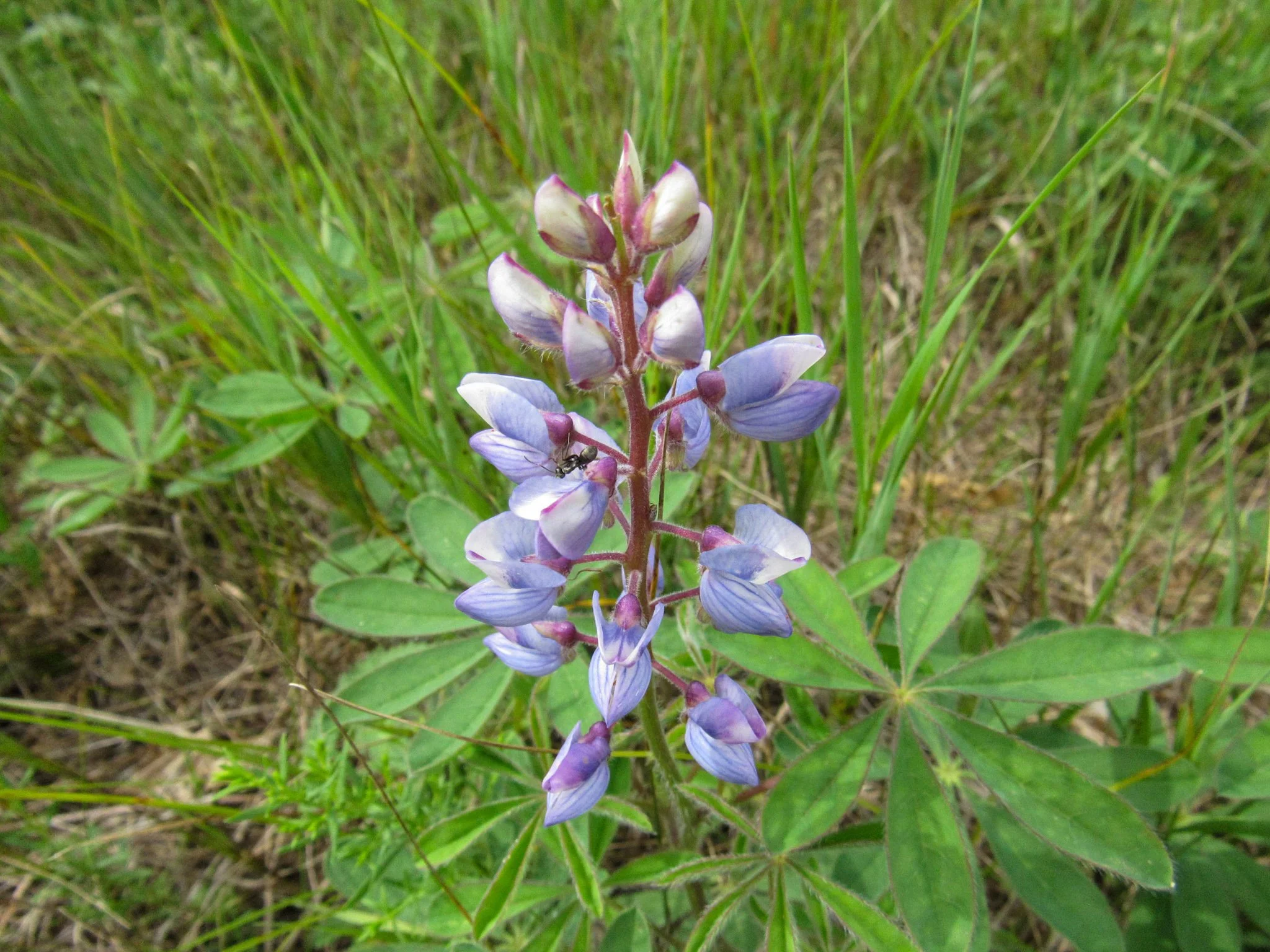
Baptisia australis is the scientific name for the species more commonly known as Blue Wild Indigo or Blue False Indigo. It is a showy flowering plant in the Fabaceae (legume) family. Blue Wild Indigo is a long-lived perennial herb native to much of central and eastern North America and is particularly common throughout the Midwest, though it has been introduced and cultivated well beyond its natural range. In the wild it is typically found growing at the edges of woodlands, along stream banks, or in open meadows and prairies where it benefits from well-drained soil and plenty of sunlight.
Baptisia australis is an herbaceous perennial that reproduces both sexually and asexually by means of its spreading rhizomes, allowing it to form expanding clumps over time. The plant grows erect, arising from the interconnected rhizomatic network just below the soil surface. Its roots are branched and extend deep into the ground, a structural trait that helps the plant endure extended periods of drought. When excavated, these roots appear woody and black in color and display tubercles, the small wart-like projections often found on their surfaces. The plant branches extensively beginning about halfway up the main stem, producing a fuller, more open habit. The stems themselves are stout and glabrous, meaning they are smooth and hairless. If a stem is broken, it exudes a sap that quickly oxidizes and turns a distinctive dark blue upon exposure to air. The roots also form a symbiotic relationship with nitrogen-fixing bacteria, converting atmospheric nitrogen into a usable form, which enriches the soil for neighboring plants.
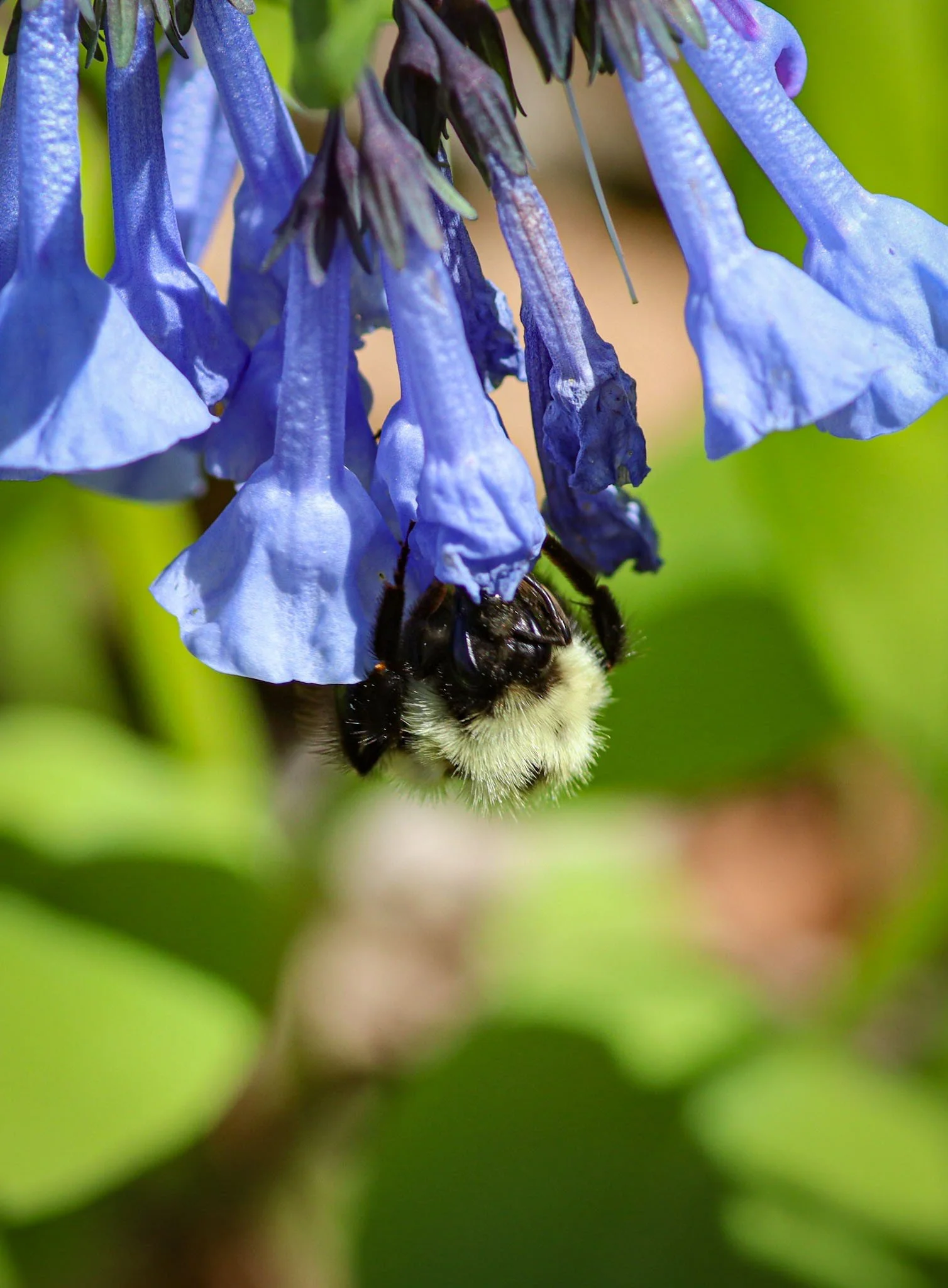
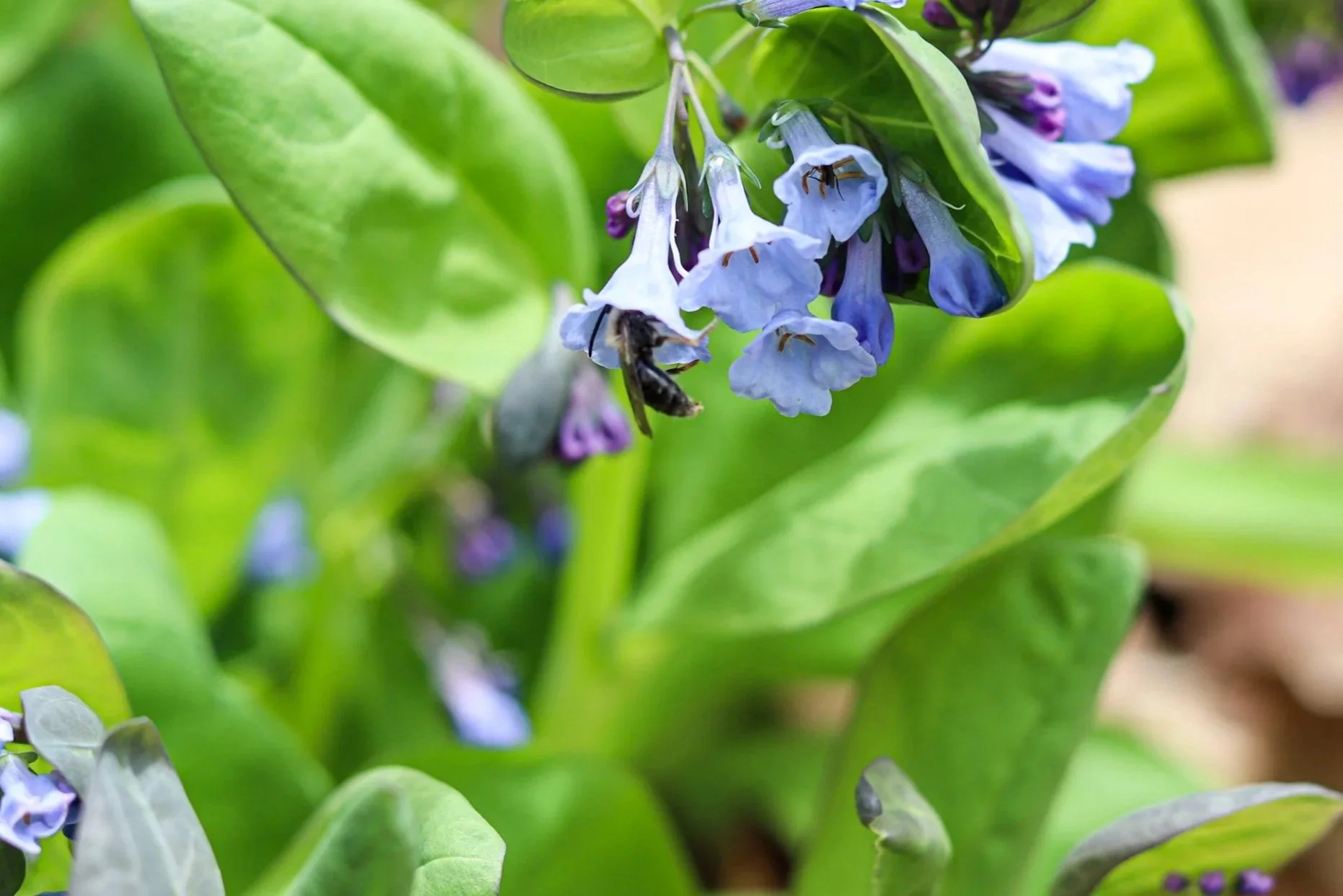
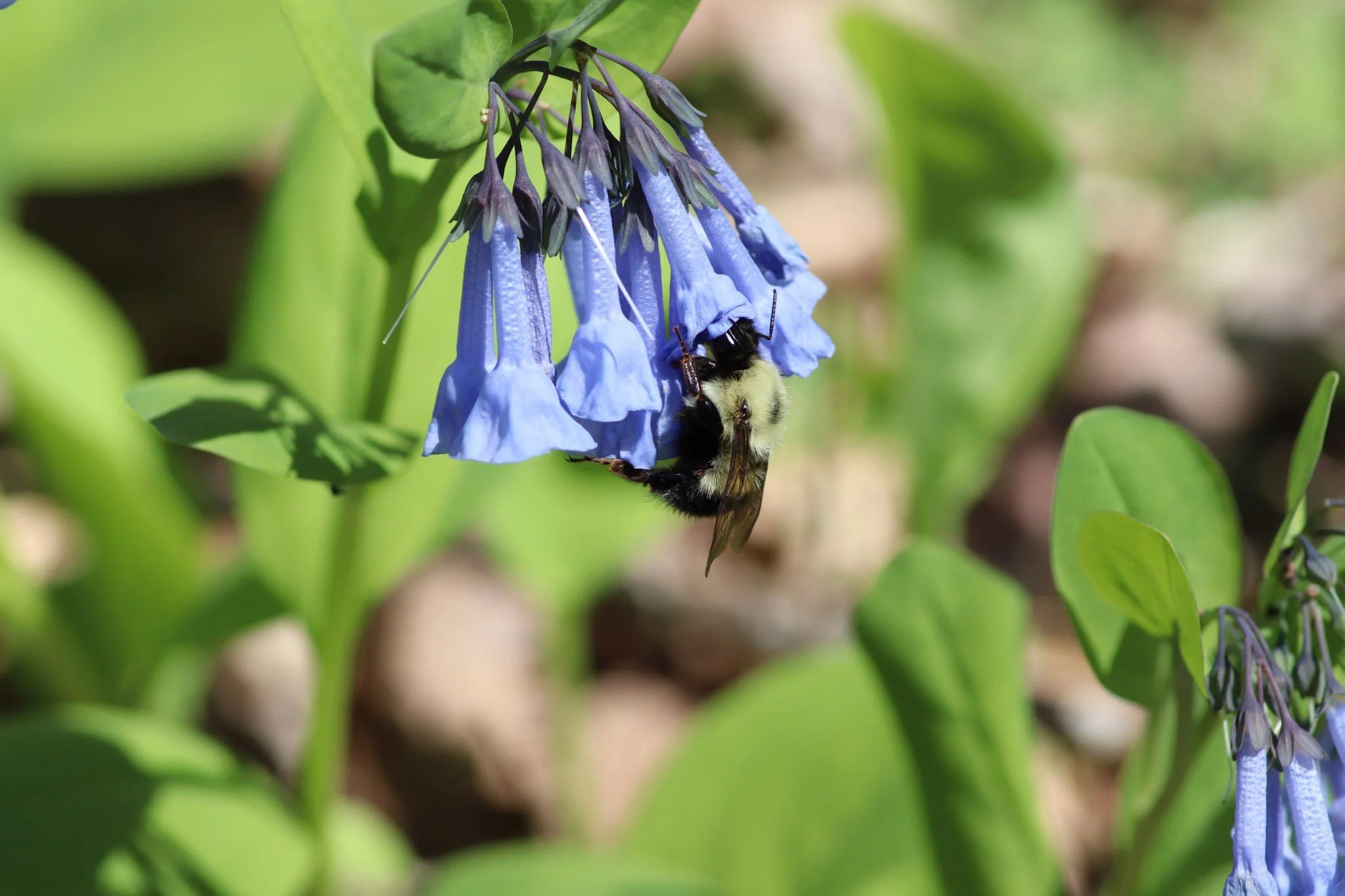
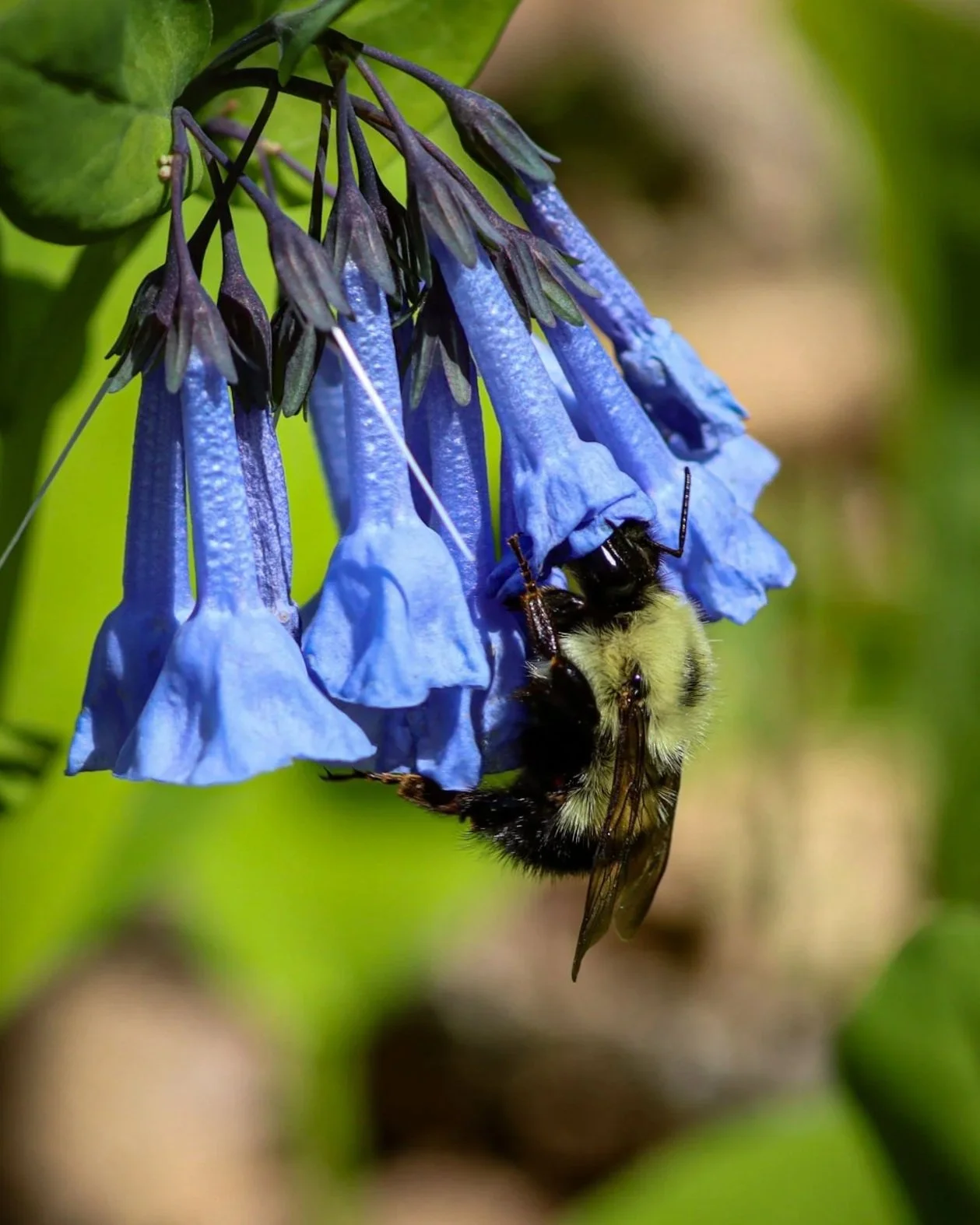
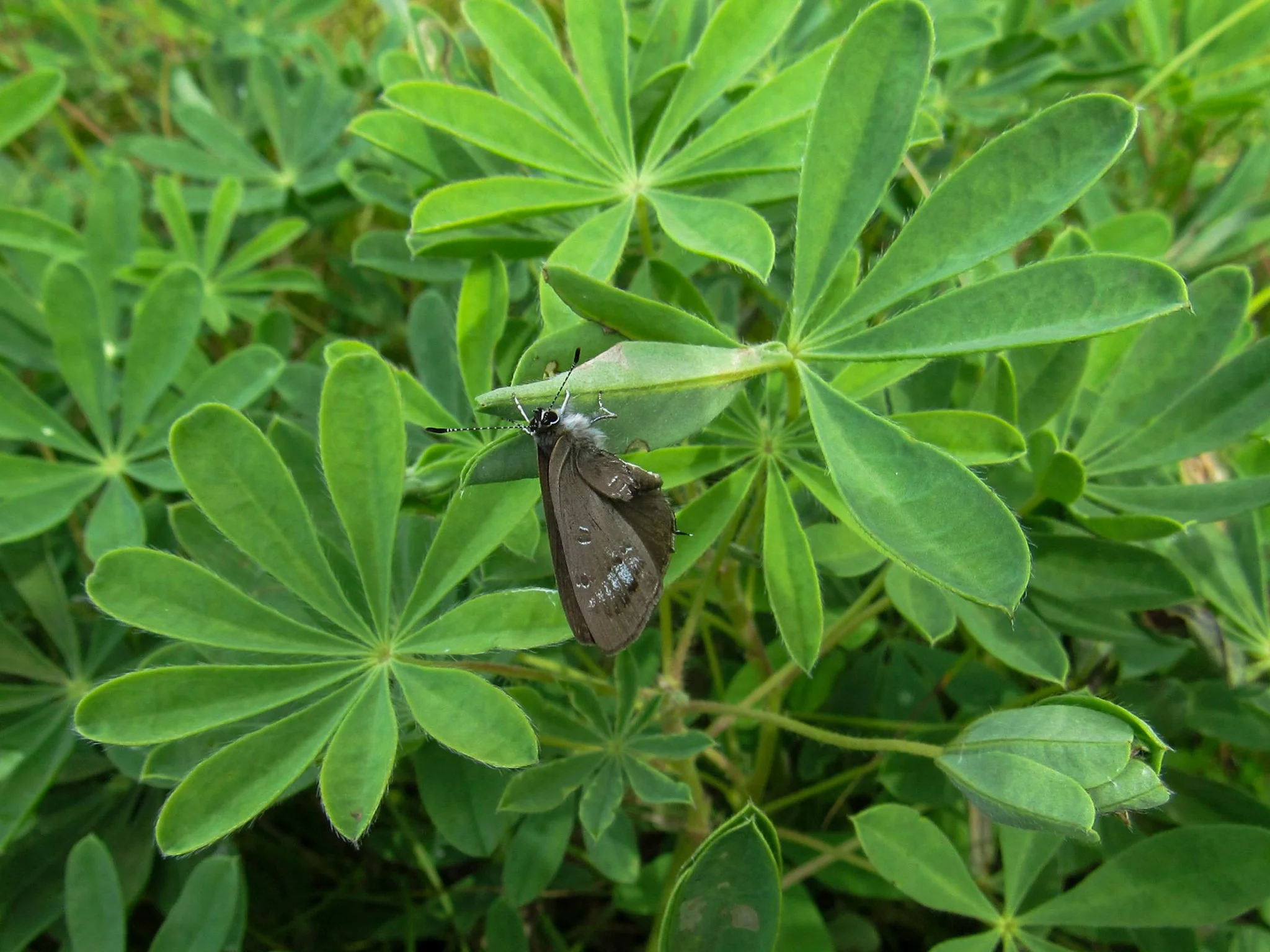
This dense growth habit and unique foliage offer shelter for ground-nesting bees and other beneficial insects, while offering limited protection from predators and inclement weather. The flowers of Blue Wild Indigo attract many bees such as Queen and Worker Bumble Bees (Bombus spp.), butterflies including common visitors like Sulphur Butterflies, Painted Lady’s, Monarchs and Swallowtails, while playing host to the Wild Indigo Duskywing butterfly (Erynnis baptisiae), playing a fundamental role in the biodiversity of the environment.
Blue Wild Indigo is clearly a resilient and adaptable plant, flourishing in a wide variety of soil textures and light exposures while making a noticeable contribution to local biodiversity. Baptisia australis is widely regarded as a keystone species across its native range, particularly within Bobwhite Quail territories, where it provides valuable support as these birds confront significant conservation pressures. It sustains a diverse array of wildlife, including many native pollinators and several butterfly larvae species, and its deep taproot system gives it notable drought tolerance and the capacity to live for many years once established.
Plant Details
USDA Zones: 4-8
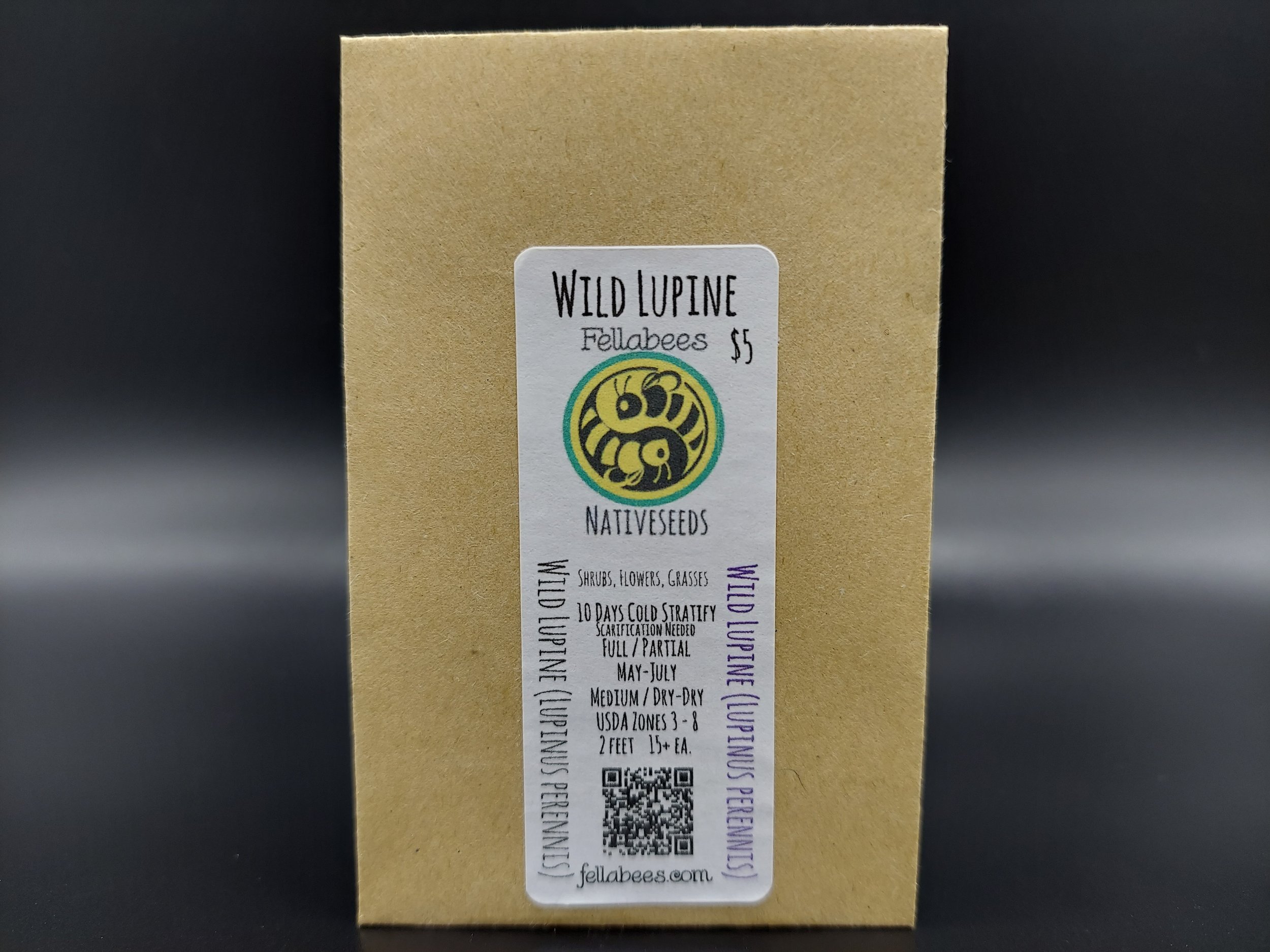
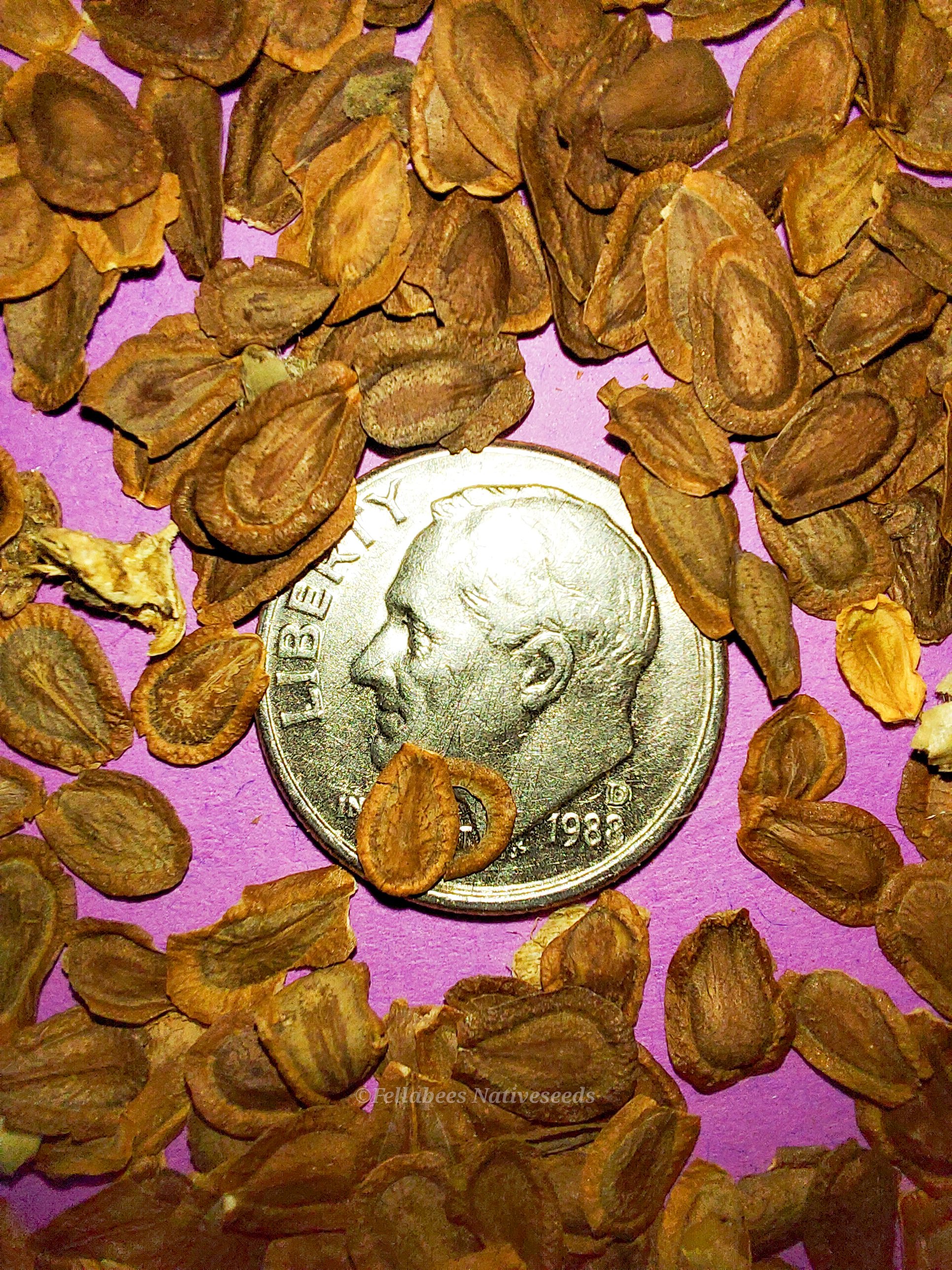
Germination Needs: Seed needs scarification before artificial stratification, (Rub seeds between medium grit sandpaper to aerate the seed surface without crushing or opening the seed) 10 Days Cold Stratification. No scarification needed if directly sown.
Life Cycle: Perennial
Sun Exposure: Full to Partial
Soil Moisture: Medium-Wet, Medium
Plant Spacing: 2-3 feet
Height: 4 feet
Bloom time: May, June, July
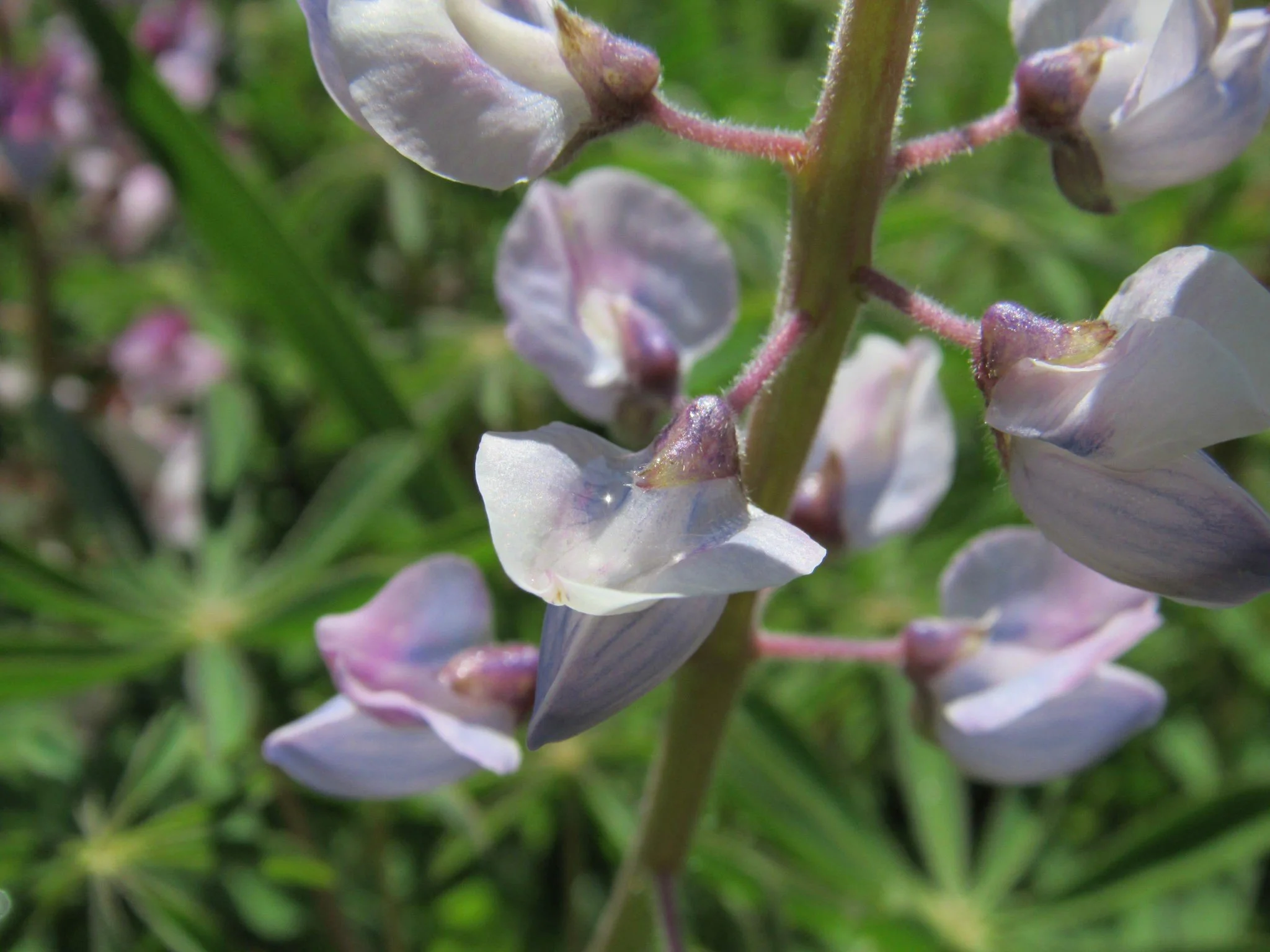
Bloom Color: Blue
Advantages :
Pollinator Favorite: butterflies, moths, bees, wasps, beetles
Bird Favorite: seeds, insects, fruit, nectar, nesting, perches.
Deer Resistant: Yes
.
.
Packet quantities:
We pride ourselves on ethical, hands on, ecological management, using no mechanical or chemical methods whatsoever.
All of our native seed is hand reared, hand picked, and hand packed from native prairies under our exclusive management, never breaking chain of custody from the field until it is sent to you. Each packet is hand prepared for shipment by us, directly.
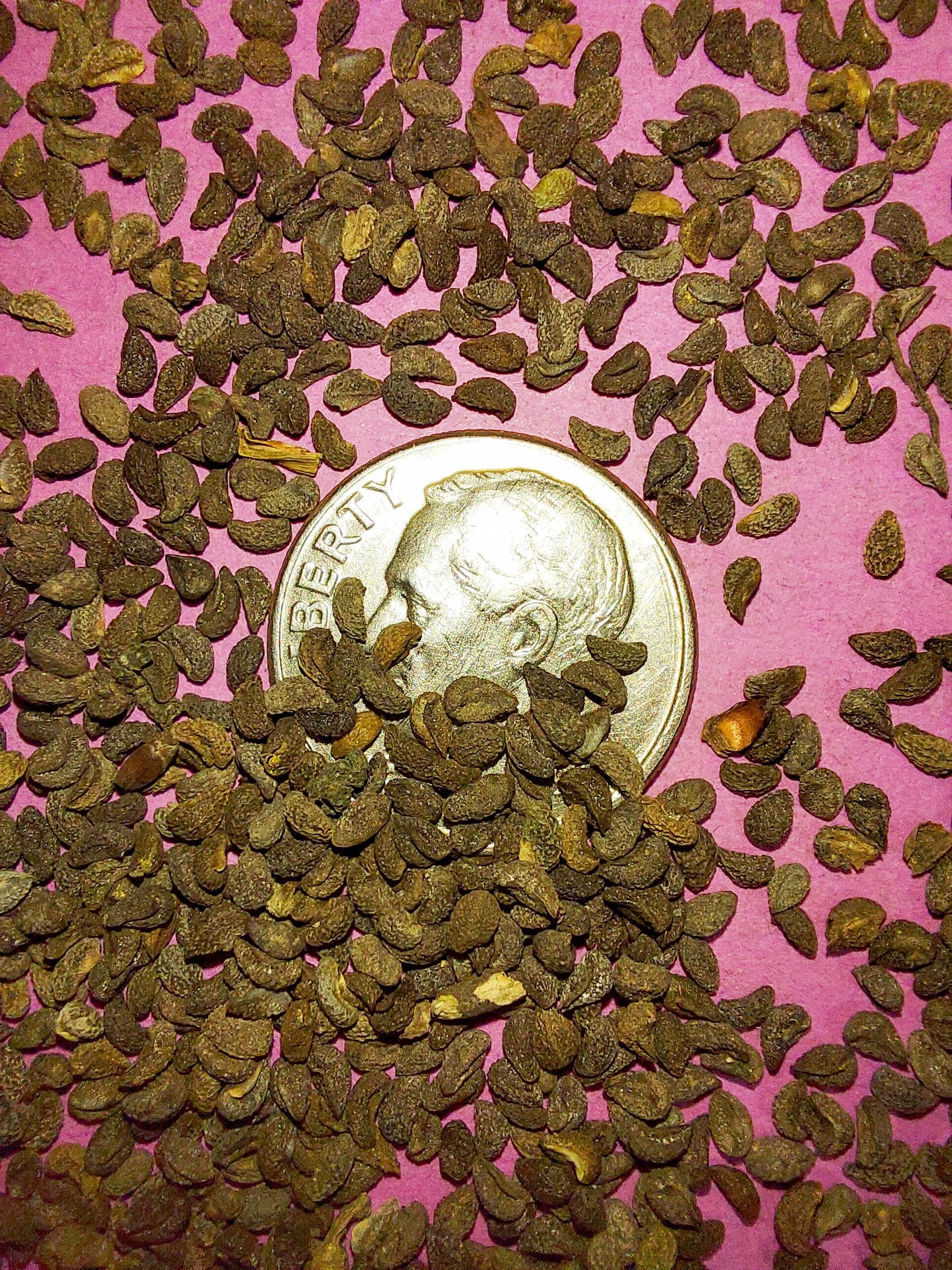
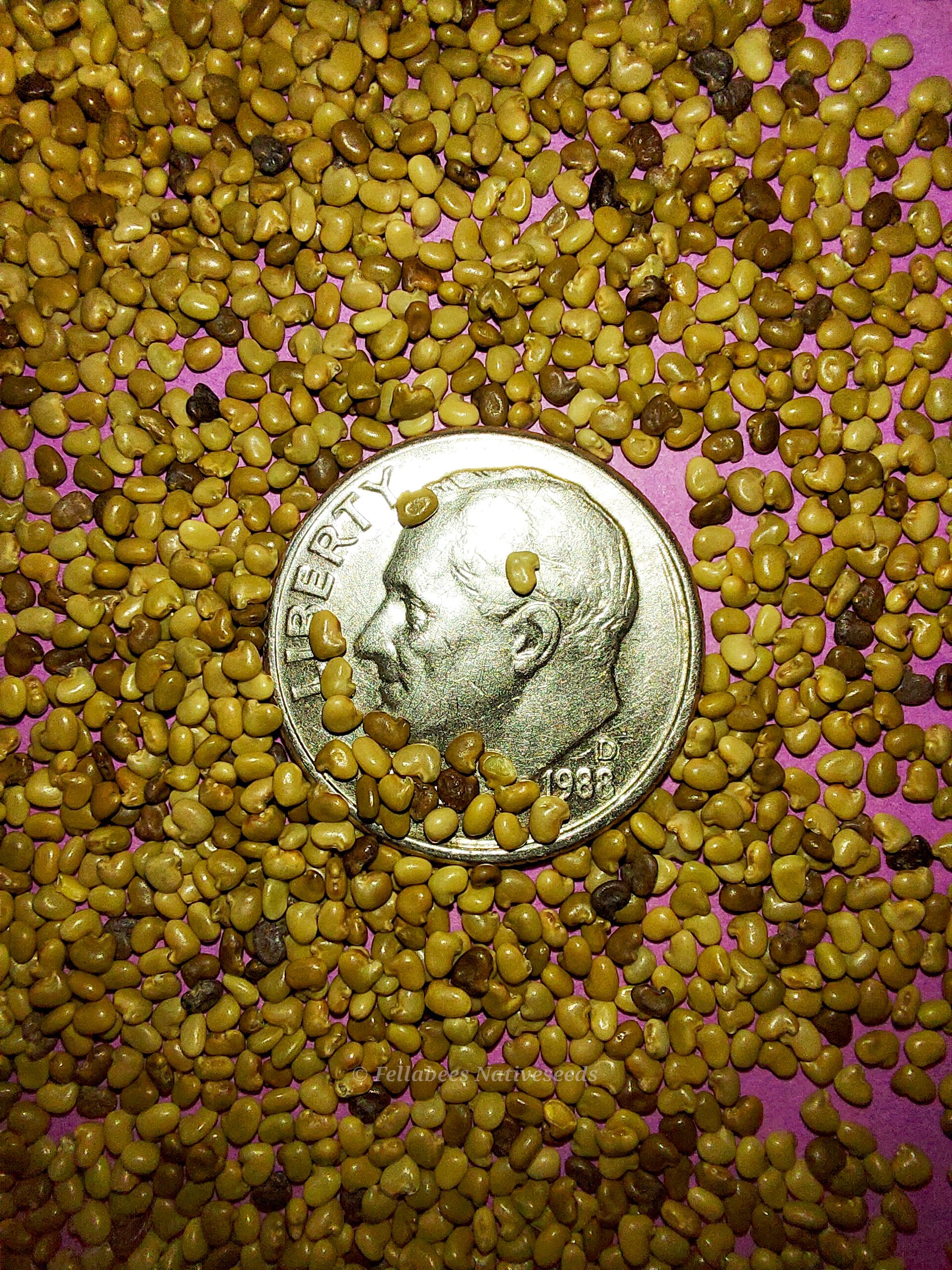
Small seed species will contain greater than 20-25 seed
Large seed species will contain greater than 10-15 seed
It is our mission to spread the wealth of native plant and pollinator ecological sustainability and educate back yard gardeners as well as corporate and government entities in how to germinate, grow, and benefit from native synergies.
Thank you for your support, it is because of you, that we can grow together to do, what we do. 🐛🦋🐝🐞🌾🌱🌼🧡
Blue Wild Indigo (Baptisia australis)
Baptisia australis is the scientific name for the species more commonly known as Blue Wild Indigo or Blue False Indigo. It is a showy flowering plant in the Fabaceae (legume) family. Blue Wild Indigo is a long-lived perennial herb native to much of central and eastern North America and is particularly common throughout the Midwest, though it has been introduced and cultivated well beyond its natural range. In the wild it is typically found growing at the edges of woodlands, along stream banks, or in open meadows and prairies where it benefits from well-drained soil and plenty of sunlight.
Baptisia australis is an herbaceous perennial that reproduces both sexually and asexually by means of its spreading rhizomes, allowing it to form expanding clumps over time. The plant grows erect, arising from the interconnected rhizomatic network just below the soil surface. Its roots are branched and extend deep into the ground, a structural trait that helps the plant endure extended periods of drought. When excavated, these roots appear woody and black in color and display tubercles, the small wart-like projections often found on their surfaces. The plant branches extensively beginning about halfway up the main stem, producing a fuller, more open habit. The stems themselves are stout and glabrous, meaning they are smooth and hairless. If a stem is broken, it exudes a sap that quickly oxidizes and turns a distinctive dark blue upon exposure to air. The roots also form a symbiotic relationship with nitrogen-fixing bacteria, converting atmospheric nitrogen into a usable form, which enriches the soil for neighboring plants.
This dense growth habit and unique foliage offer shelter for ground-nesting bees and other beneficial insects, while offering limited protection from predators and inclement weather. The flowers of Blue Wild Indigo attract many bees such as Queen and Worker Bumble Bees (Bombus spp.), butterflies including common visitors like Sulphur Butterflies, Painted Lady’s, Monarchs and Swallowtails, while playing host to the Wild Indigo Duskywing butterfly (Erynnis baptisiae), playing a fundamental role in the biodiversity of the environment.
Blue Wild Indigo is clearly a resilient and adaptable plant, flourishing in a wide variety of soil textures and light exposures while making a noticeable contribution to local biodiversity. Baptisia australis is widely regarded as a keystone species across its native range, particularly within Bobwhite Quail territories, where it provides valuable support as these birds confront significant conservation pressures. It sustains a diverse array of wildlife, including many native pollinators and several butterfly larvae species, and its deep taproot system gives it notable drought tolerance and the capacity to live for many years once established.
Plant Details
USDA Zones: 4-8
Germination Needs: Seed needs scarification before artificial stratification, (Rub seeds between medium grit sandpaper to aerate the seed surface without crushing or opening the seed) 10 Days Cold Stratification. No scarification needed if directly sown.
Life Cycle: Perennial
Sun Exposure: Full to Partial
Soil Moisture: Medium-Wet, Medium
Plant Spacing: 2-3 feet
Height: 4 feet
Bloom time: May, June, July
Bloom Color: Blue
Advantages :
Pollinator Favorite: butterflies, moths, bees, wasps, beetles
Bird Favorite: seeds, insects, fruit, nectar, nesting, perches.
Deer Resistant: Yes
.
.
Packet quantities:
We pride ourselves on ethical, hands on, ecological management, using no mechanical or chemical methods whatsoever.
All of our native seed is hand reared, hand picked, and hand packed from native prairies under our exclusive management, never breaking chain of custody from the field until it is sent to you. Each packet is hand prepared for shipment by us, directly.
Small seed species will contain greater than 20-25 seed
Large seed species will contain greater than 10-15 seed
It is our mission to spread the wealth of native plant and pollinator ecological sustainability and educate back yard gardeners as well as corporate and government entities in how to germinate, grow, and benefit from native synergies.
Thank you for your support, it is because of you, that we can grow together to do, what we do. 🐛🦋🐝🐞🌾🌱🌼🧡
 Image 1 of 4
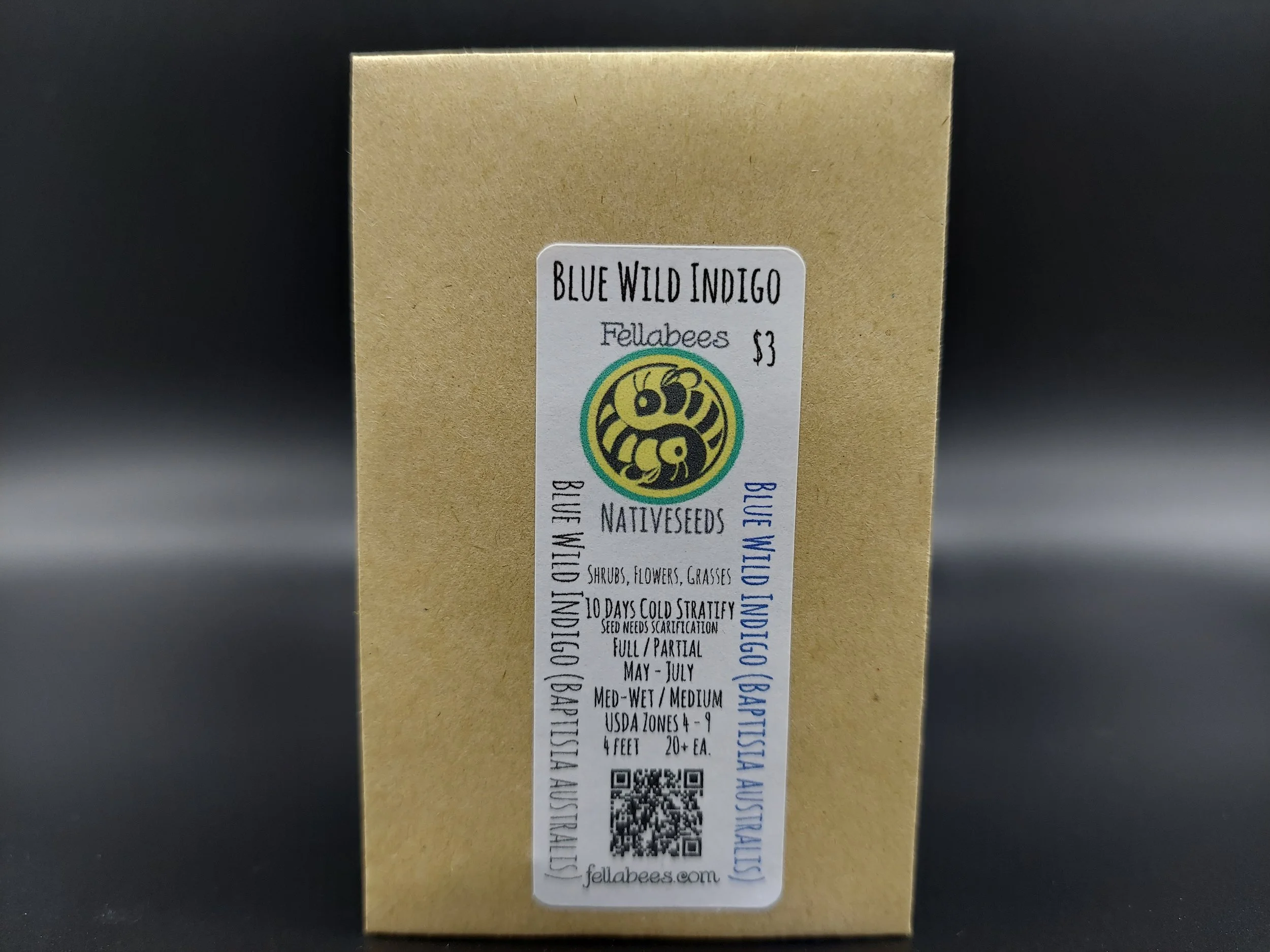 Image 2 of 4
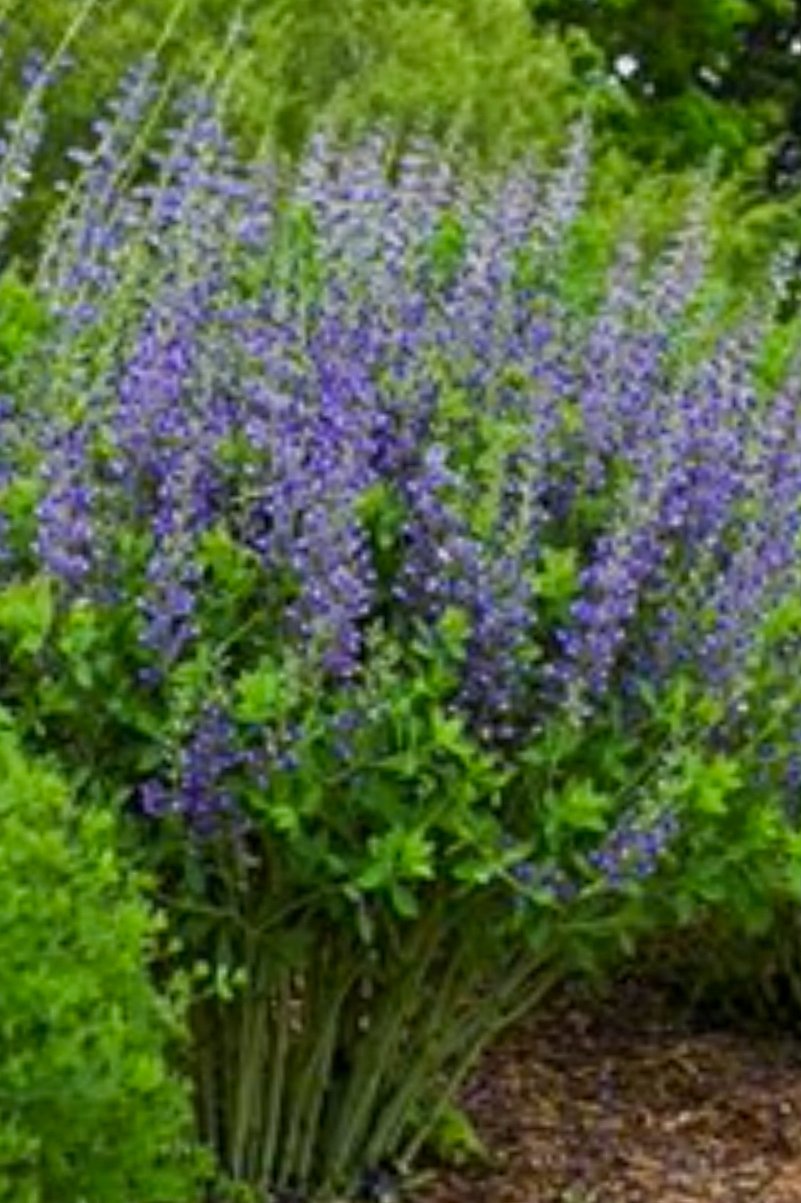 Image 3 of 4
 Image 4 of 4