Sale Price:
$2.00
Original Price:
$3.00
Slender Beardtongue (Penstemon gracilis)
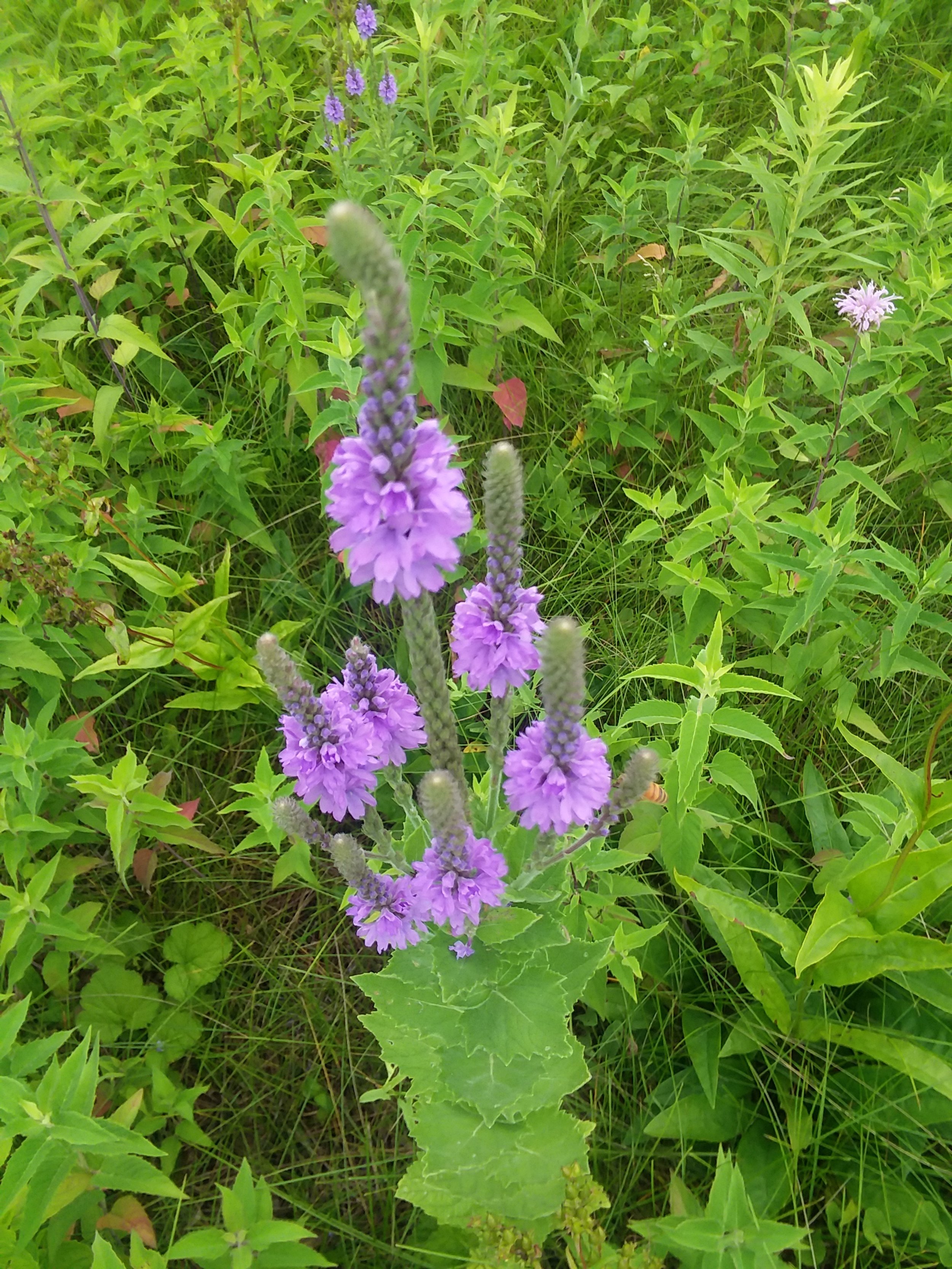
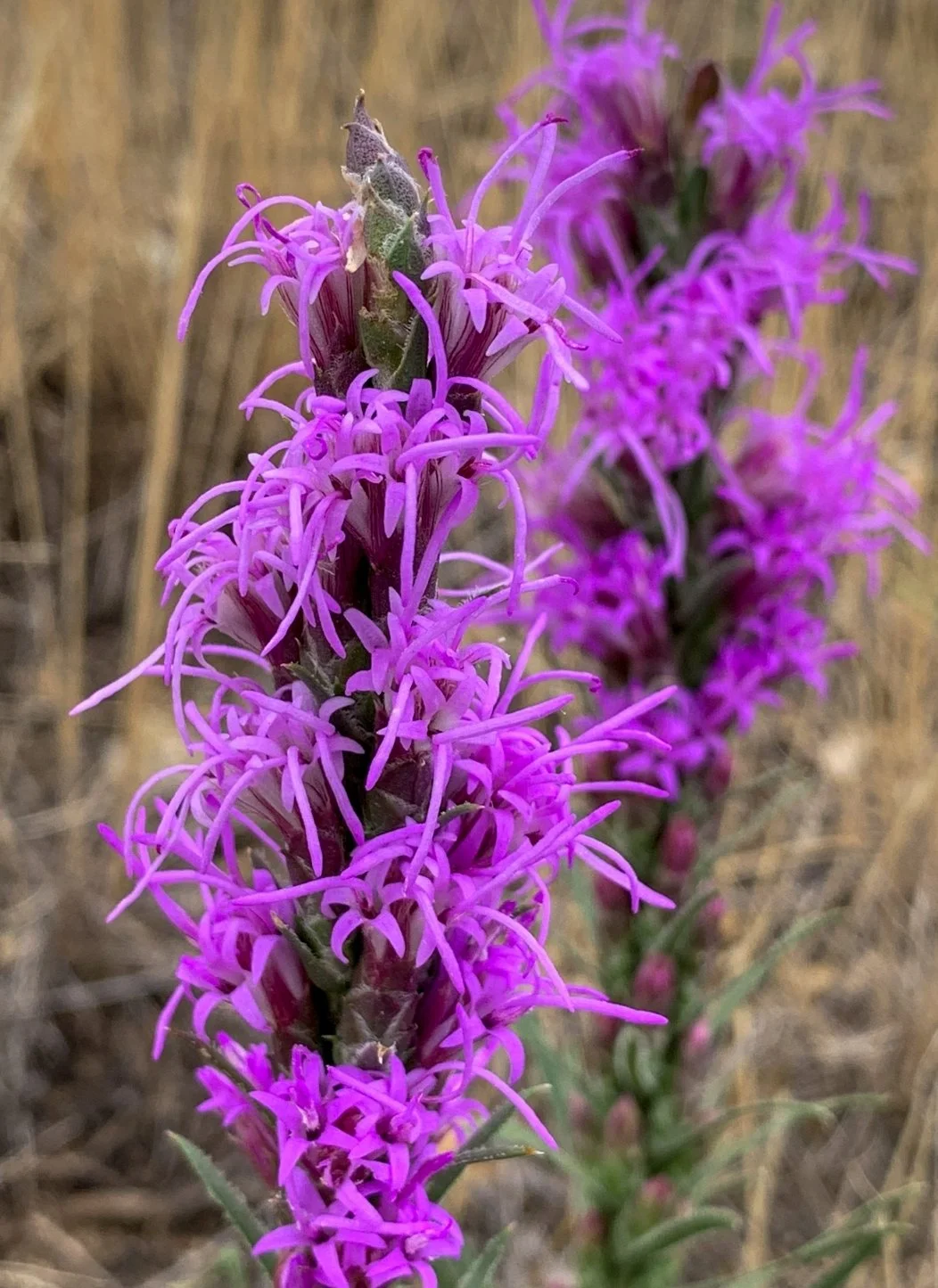
Penstemon gracilis is the scientific name for the native species more commonly known as Slender Beardtongue or Lilac Penstemon; in the Lakota language it is called zuze'ca tapejuta. Slender Beardtongue is a perennial flowering plant in the Plantaginaceae (veronica) family, valued for its delicate tubular blooms and appeal to pollinators. It is found primarily growing across the northern Great Plains of the United States and into southern Canada, often on dry prairies, open slopes, and well-drained soils.
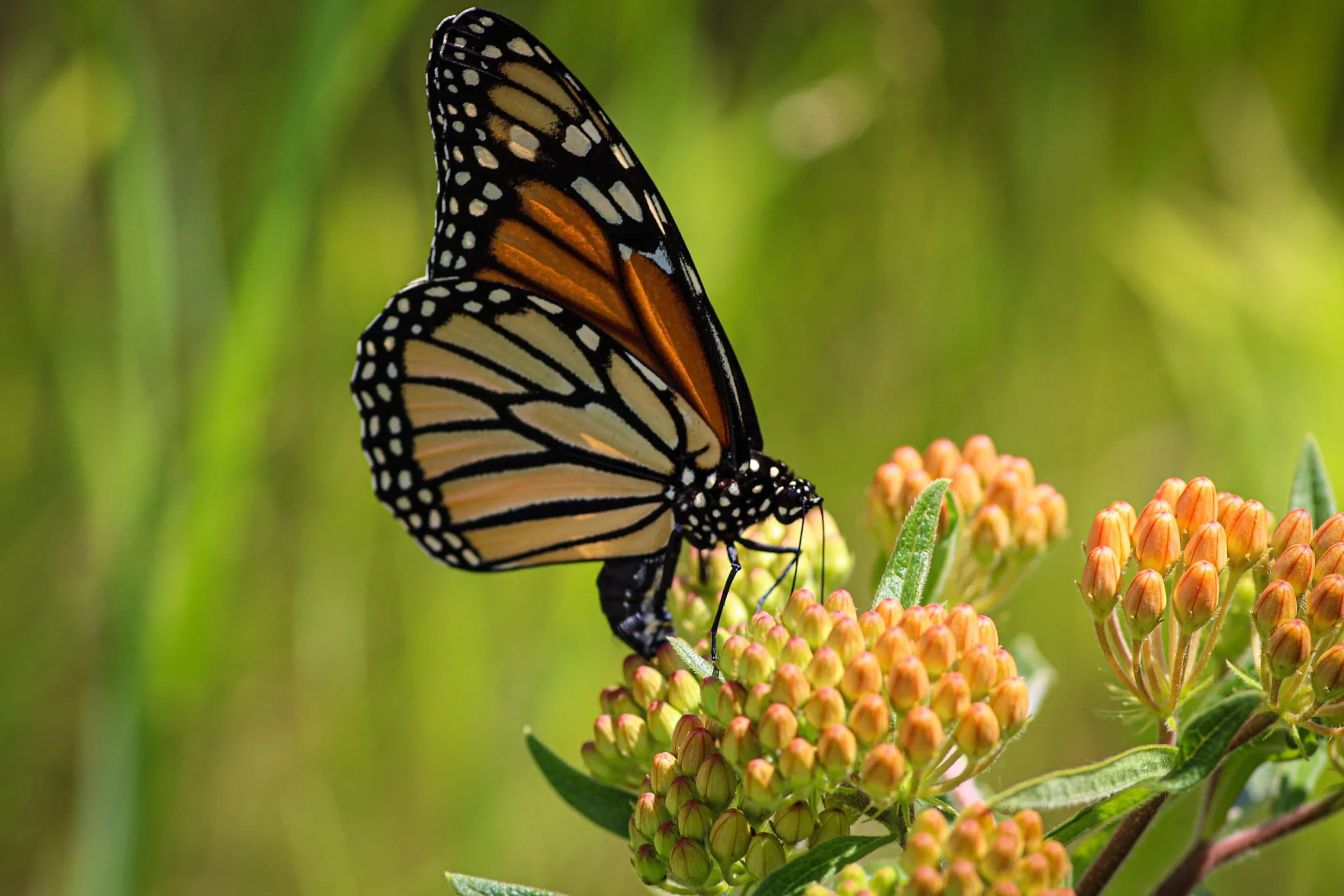
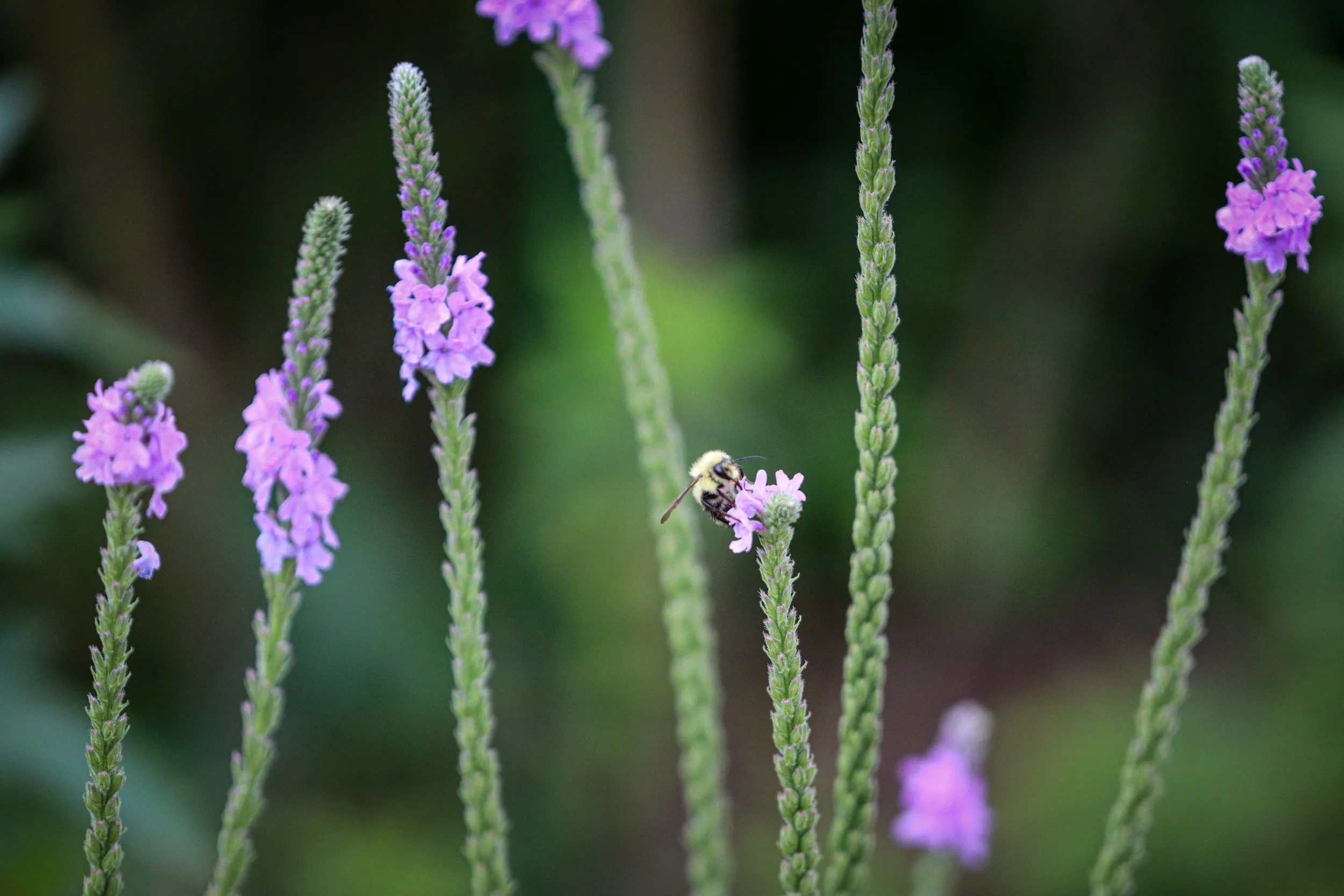
Slender Beardtongue is a powerfully attractive, low-growing, and drought-tolerant pollinator magnet that provides an early-season invitation to bumblebees and many other native bees and pollinators. In addition to its strong appeal for pollinators, Penstemon gracilis also serves as a host plant for the Chalcedon Checkerspot (Euphydryas chalcedona) and Edith’s Checkerspot (Euphydryas editha) in the far western portion of its range.
Slender Beardtongue is a perennial 6–20 inches tall (typically 8–20"). Plants usually produce 1–4 stems (rarely up to 6). Stems may grow upright or outward then curve up, often reddish and glandular-pubescent near the flowers and with backward-facing, non-glandular hairs lower down. Stems arise from a short herbaceous caudex atop a single taproot.
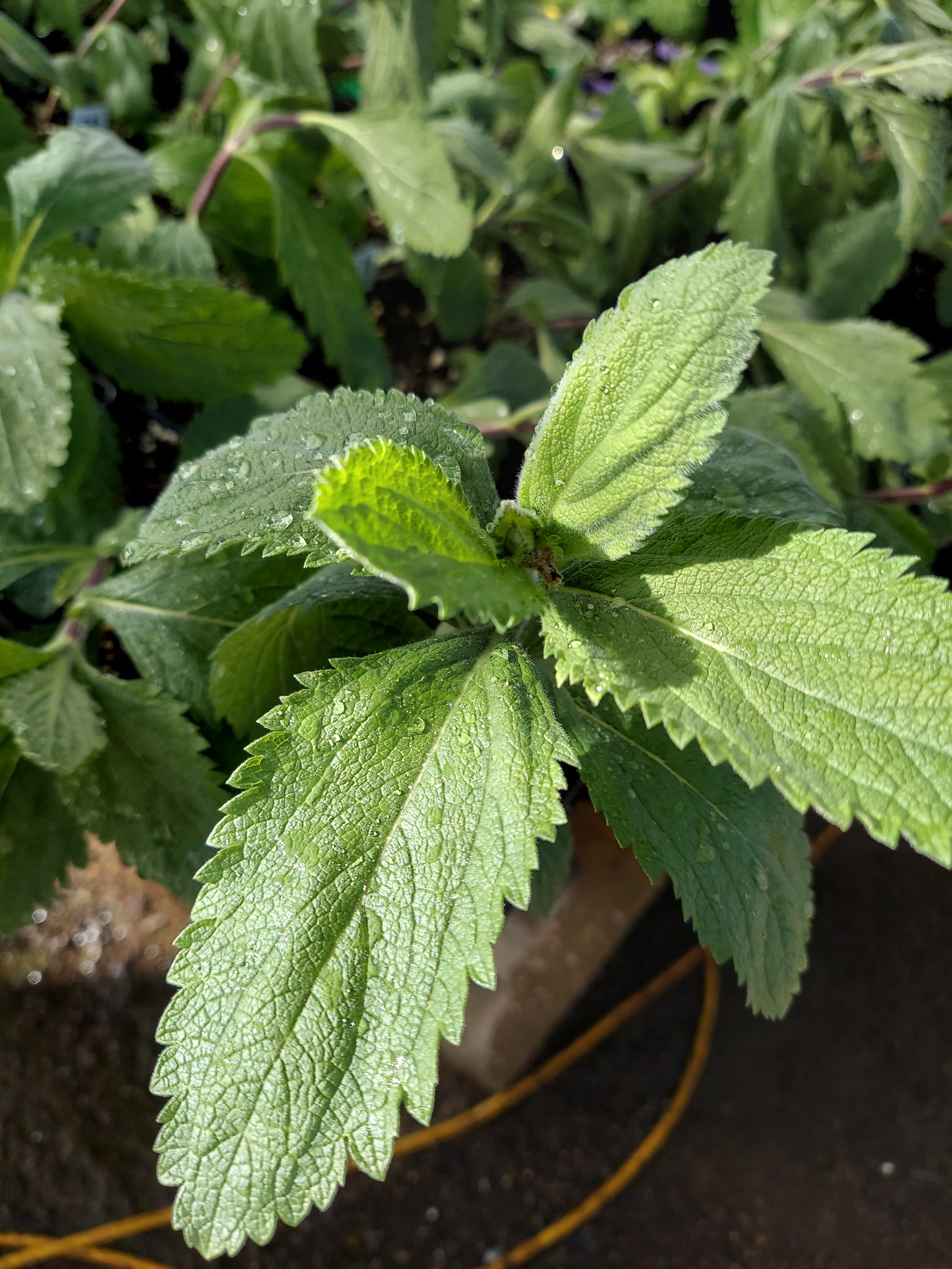
The leaves of Slender Beardtongue occur both cauline and basal, attaching either along the stems or directly at the plant’s base. They are never leathery and are most often hairless, though some populations or individual plants bear sparse to dense hairs. Leaves with puberulent, short, thin hairs are particularly common in the Driftless Region of Wisconsin, and they also appear intermingled with hairless plants in parts of North Dakota. The leaf margins range from nearly smooth to subtly serrate, bearing asymmetrical teeth that tend to point forward along the edge.
In a study of changing bloom dates due to climate change, Slender Beardtongue was one of just ten species out of more than 120 studied from the northern Great Plains that maintained a relatively consistent flowering date despite warmer temperatures. In fact, it bloomed an average of two days earlier in 2007–2010 than its long‑term average in 1910–1961.
Plant Details:
USDA Zones: 3 - 6
Germination Needs: Needs 30 Days of Cold-Moist Stratification. This species (like Large-Flowered Beardtongue) germinates best in cool soil, so either sow directly outdoors in late fall-early winter or ensure that you do not use warm spaces indoors when artificially stratifying/germinating
Life Cycle: Perennial
Sun Exposure: Full to Partial
Soil Moisture: Medium-Dry, Dry
Plant Spacing: 12 - 18 inches
Height: 2 feet
Bloom time: May, June, July
Bloom Color: Purple
Advantages:
Pollinator Favorite: butterflies, moths, bees, wasps, beetles
Bird Favorite: seeds, insects, fruit, nectar, nesting, perches.
Deer Resistant: Yes
Native to: Wisconsin, Minnesota, Iowa, Illinois, Indiana, Michigan, Oklahoma, Nebraska, South Dakota, North Dakota, Montana, Wyoming, Colorado and New Mexico.
This species is considered present but rare in several counties of the states of Michigan, Indiana, Illinois, Iowa, and Oklahoma.
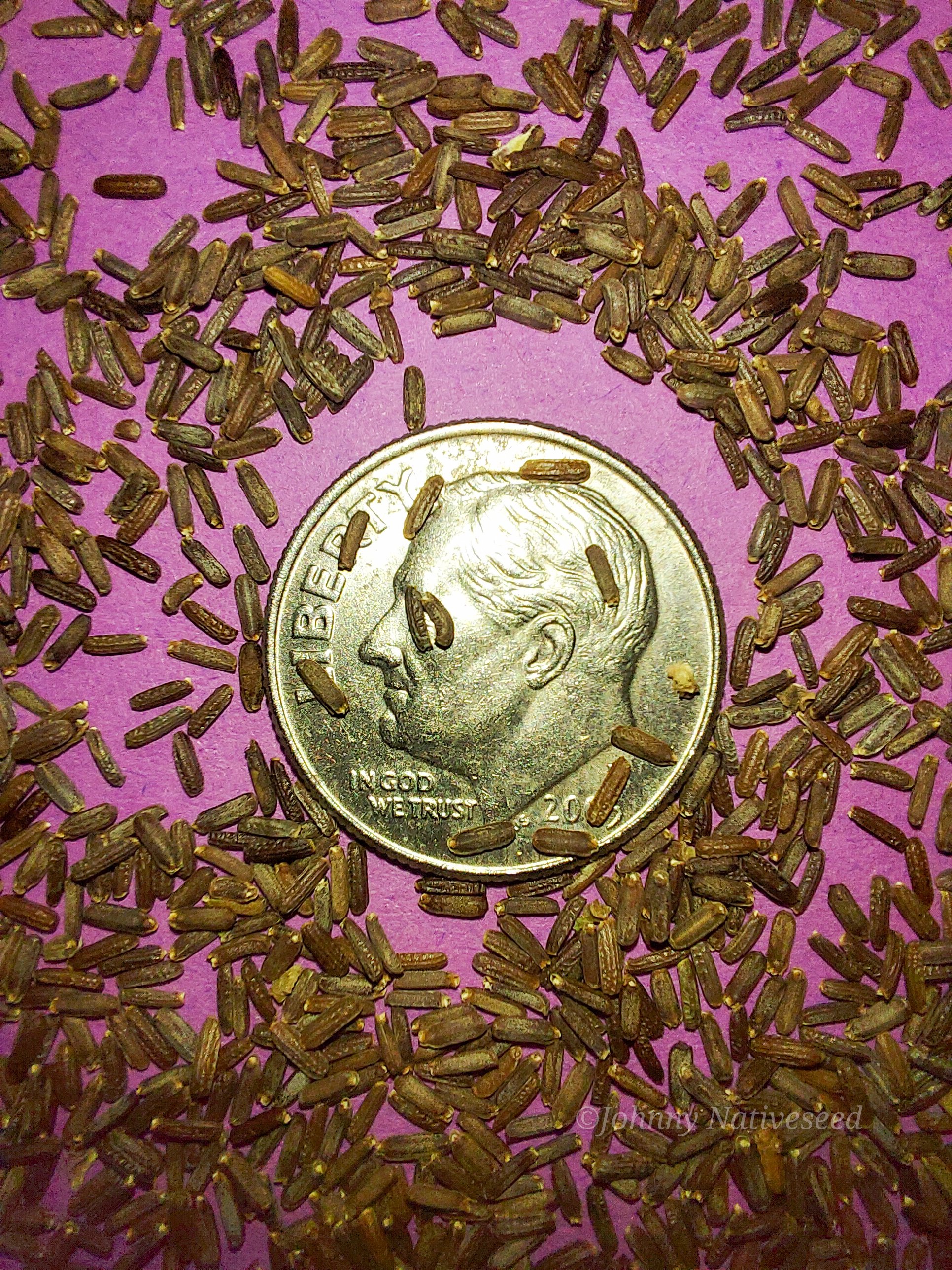
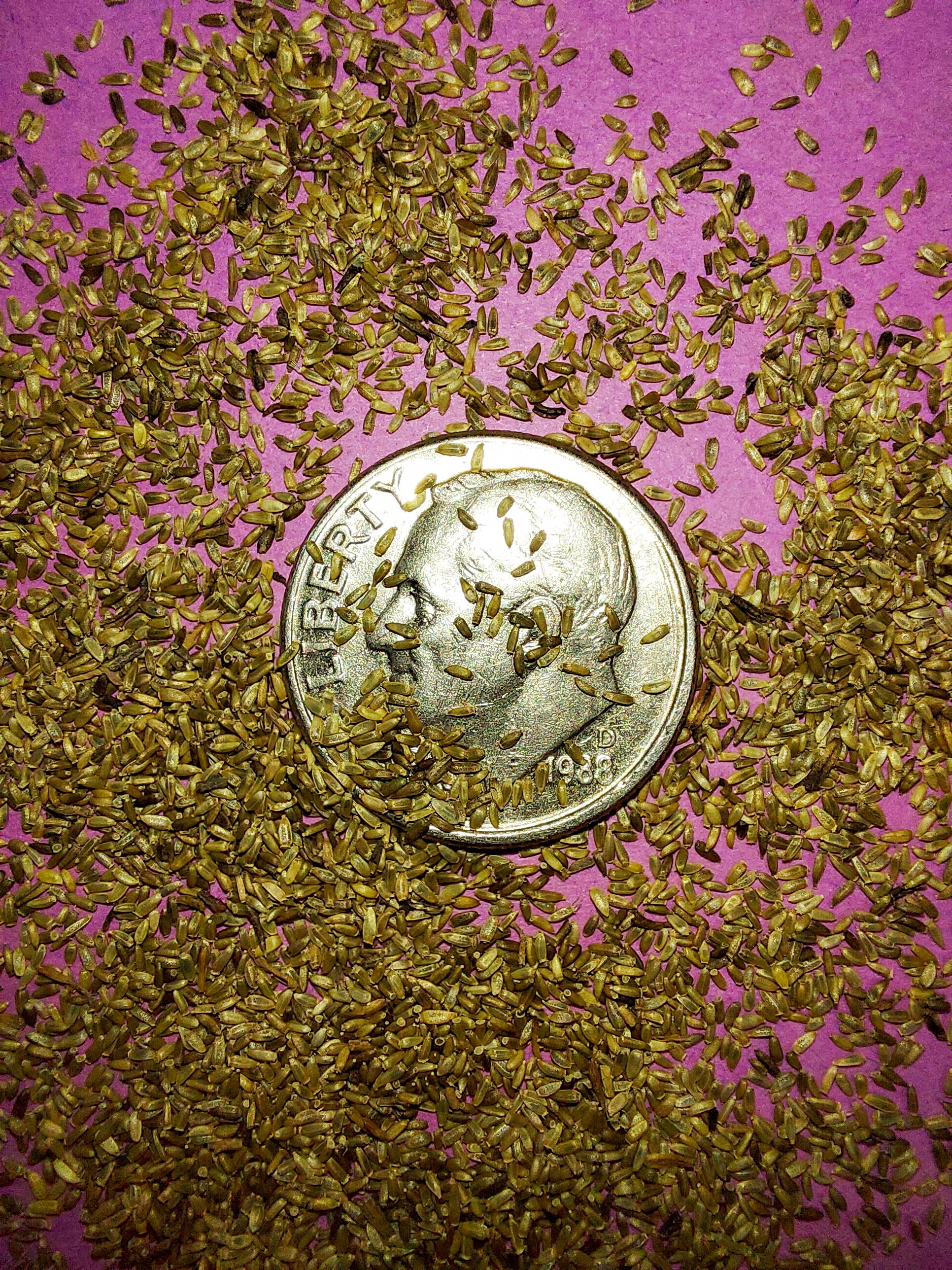
Seed Count: 25+
.
.
Packet quantities:
We pride ourselves on ethical, hands on, ecological management, using no mechanical or chemical methods whatsoever.
All of our native seed is hand reared, hand-picked, and hand packed from native prairies under our exclusive management, never breaking chain of custody from the field until it is sent to you. Each packet is hand prepared for shipment by us, directly.
Small seed species will contain greater than 20-25 seed
Large seed species will contain greater than 10-15 seed
All packets are individually marked at the bottom of the front label with expected count, however most if not all packets will have many more than the minimum count by default.
It is our mission to spread the wealth of native plant and pollinator ecological sustainability and educate back yard gardeners as well as corporate and government entities in how to germinate, grow, and benefit from native synergies.
Thank you for your support, it is because of you, that we can grow together to do, what we do. 🐛🦋🐝🐞🌾🌱🌼🧡
Slender Beardtongue (Penstemon gracilis)
Penstemon gracilis is the scientific name for the native species more commonly known as Slender Beardtongue or Lilac Penstemon; in the Lakota language it is called zuze'ca tapejuta. Slender Beardtongue is a perennial flowering plant in the Plantaginaceae (veronica) family, valued for its delicate tubular blooms and appeal to pollinators. It is found primarily growing across the northern Great Plains of the United States and into southern Canada, often on dry prairies, open slopes, and well-drained soils.
Slender Beardtongue is a powerfully attractive, low-growing, and drought-tolerant pollinator magnet that provides an early-season invitation to bumblebees and many other native bees and pollinators. In addition to its strong appeal for pollinators, Penstemon gracilis also serves as a host plant for the Chalcedon Checkerspot (Euphydryas chalcedona) and Edith’s Checkerspot (Euphydryas editha) in the far western portion of its range.
Slender Beardtongue is a perennial 6–20 inches tall (typically 8–20"). Plants usually produce 1–4 stems (rarely up to 6). Stems may grow upright or outward then curve up, often reddish and glandular-pubescent near the flowers and with backward-facing, non-glandular hairs lower down. Stems arise from a short herbaceous caudex atop a single taproot.
The leaves of Slender Beardtongue occur both cauline and basal, attaching either along the stems or directly at the plant’s base. They are never leathery and are most often hairless, though some populations or individual plants bear sparse to dense hairs. Leaves with puberulent, short, thin hairs are particularly common in the Driftless Region of Wisconsin, and they also appear intermingled with hairless plants in parts of North Dakota. The leaf margins range from nearly smooth to subtly serrate, bearing asymmetrical teeth that tend to point forward along the edge.
In a study of changing bloom dates due to climate change, Slender Beardtongue was one of just ten species out of more than 120 studied from the northern Great Plains that maintained a relatively consistent flowering date despite warmer temperatures. In fact, it bloomed an average of two days earlier in 2007–2010 than its long‑term average in 1910–1961.
Plant Details:
USDA Zones: 3 - 6
Germination Needs: Needs 30 Days of Cold-Moist Stratification. This species (like Large-Flowered Beardtongue) germinates best in cool soil, so either sow directly outdoors in late fall-early winter or ensure that you do not use warm spaces indoors when artificially stratifying/germinating
Life Cycle: Perennial
Sun Exposure: Full to Partial
Soil Moisture: Medium-Dry, Dry
Plant Spacing: 12 - 18 inches
Height: 2 feet
Bloom time: May, June, July
Bloom Color: Purple
Advantages:
Pollinator Favorite: butterflies, moths, bees, wasps, beetles
Bird Favorite: seeds, insects, fruit, nectar, nesting, perches.
Deer Resistant: Yes
Native to: Wisconsin, Minnesota, Iowa, Illinois, Indiana, Michigan, Oklahoma, Nebraska, South Dakota, North Dakota, Montana, Wyoming, Colorado and New Mexico.
This species is considered present but rare in several counties of the states of Michigan, Indiana, Illinois, Iowa, and Oklahoma.
Seed Count: 25+
.
.
Packet quantities:
We pride ourselves on ethical, hands on, ecological management, using no mechanical or chemical methods whatsoever.
All of our native seed is hand reared, hand-picked, and hand packed from native prairies under our exclusive management, never breaking chain of custody from the field until it is sent to you. Each packet is hand prepared for shipment by us, directly.
Small seed species will contain greater than 20-25 seed
Large seed species will contain greater than 10-15 seed
All packets are individually marked at the bottom of the front label with expected count, however most if not all packets will have many more than the minimum count by default.
It is our mission to spread the wealth of native plant and pollinator ecological sustainability and educate back yard gardeners as well as corporate and government entities in how to germinate, grow, and benefit from native synergies.
Thank you for your support, it is because of you, that we can grow together to do, what we do. 🐛🦋🐝🐞🌾🌱🌼🧡
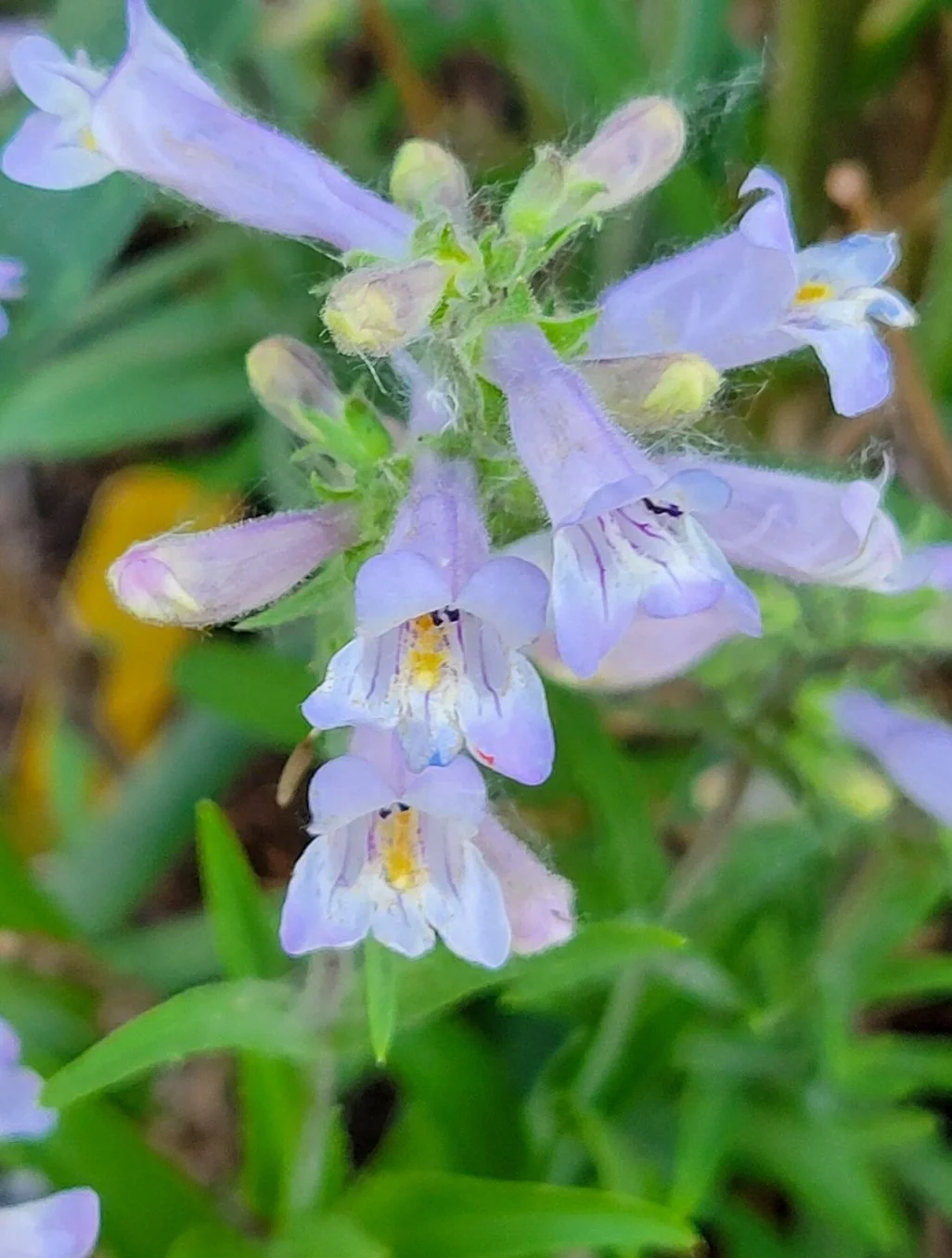 Image 1 of 6
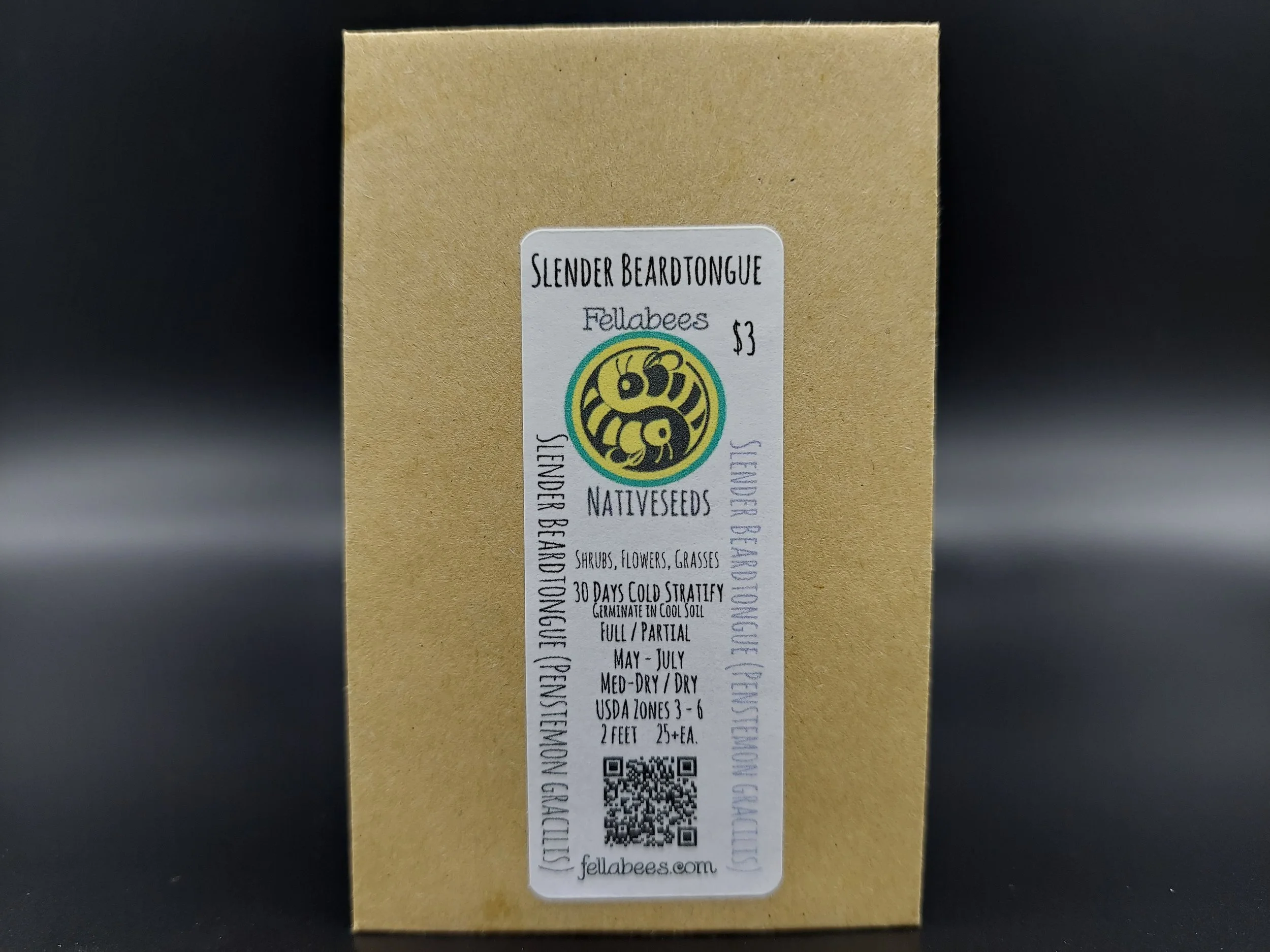 Image 2 of 6
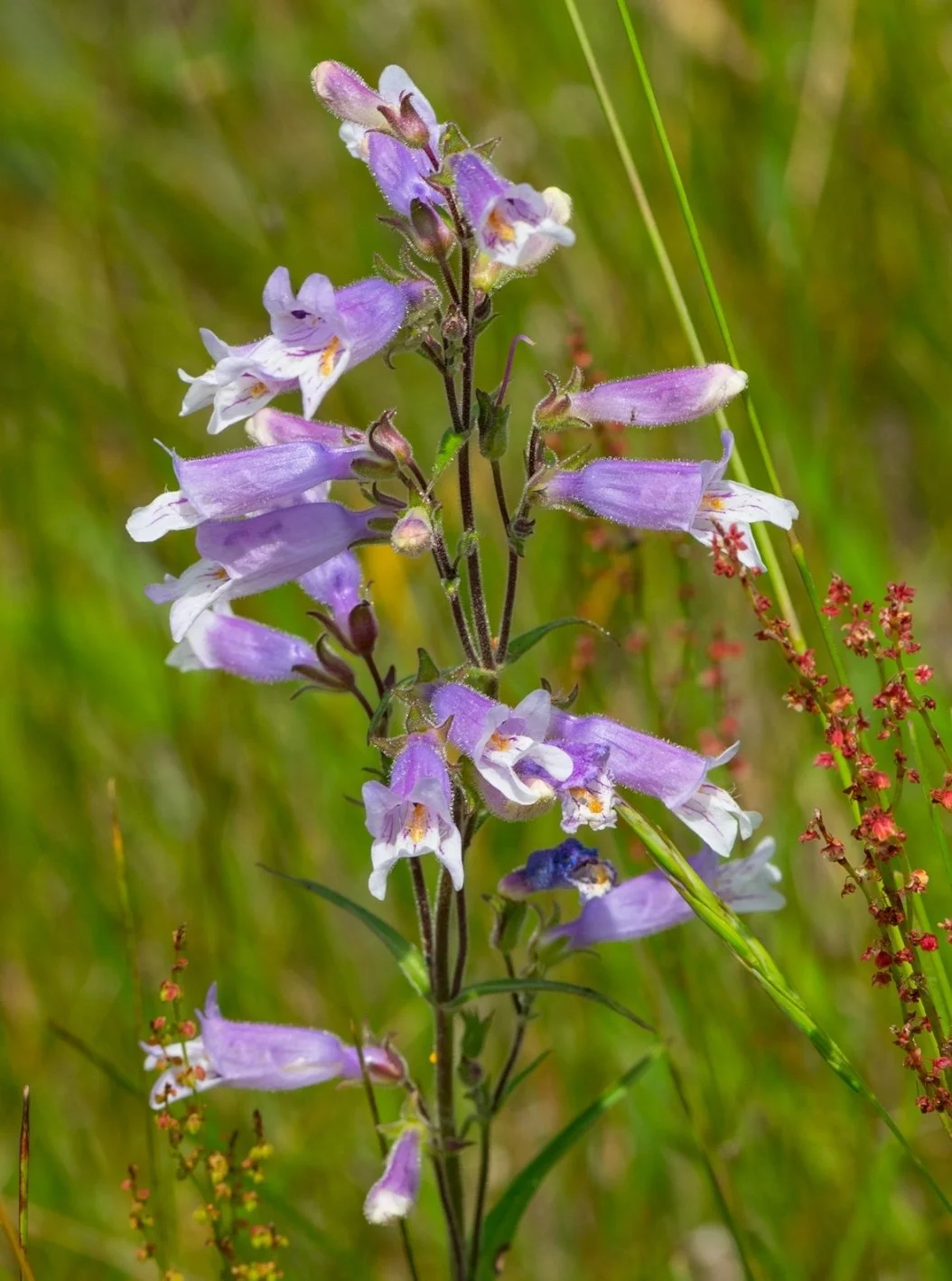 Image 3 of 6
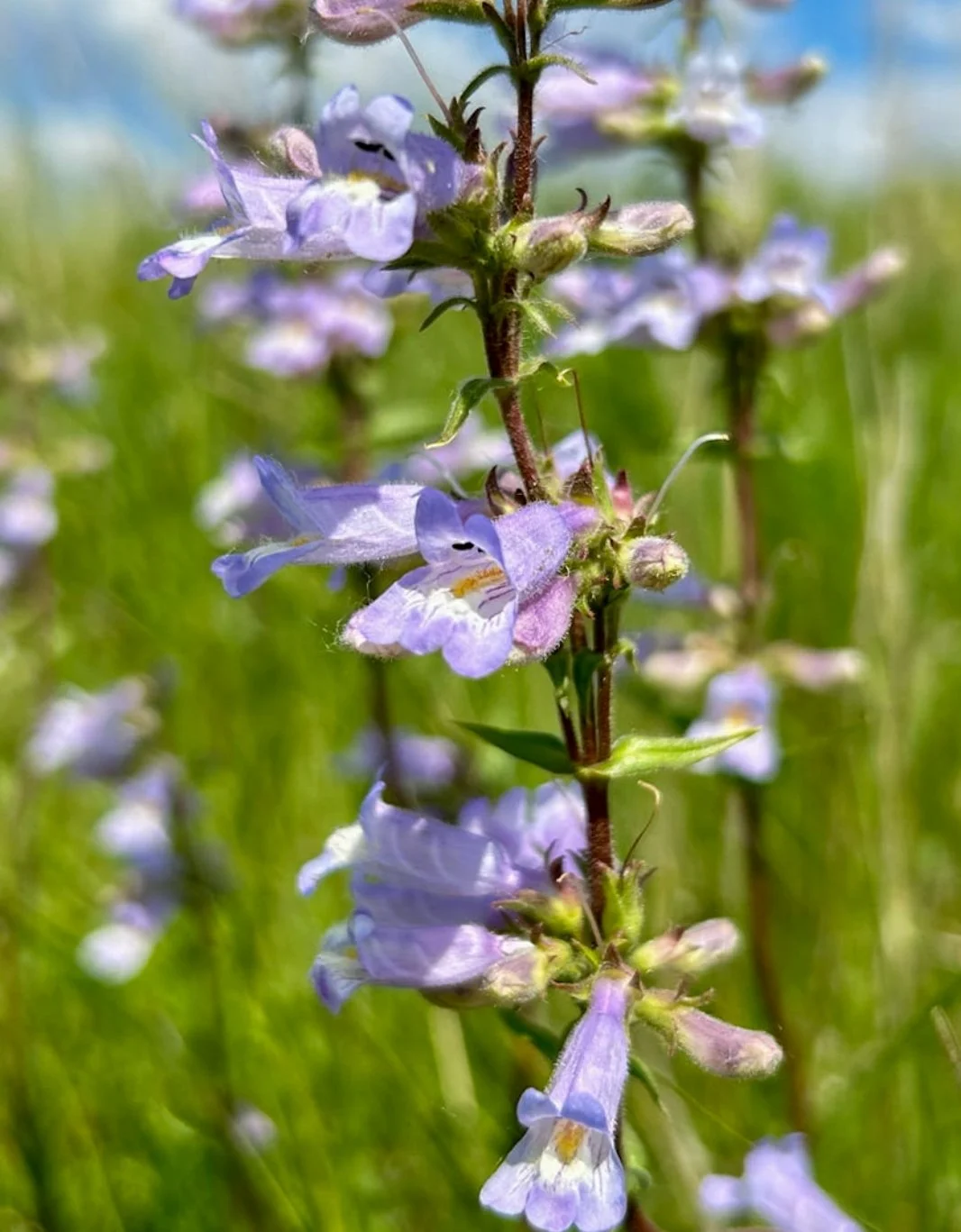 Image 4 of 6
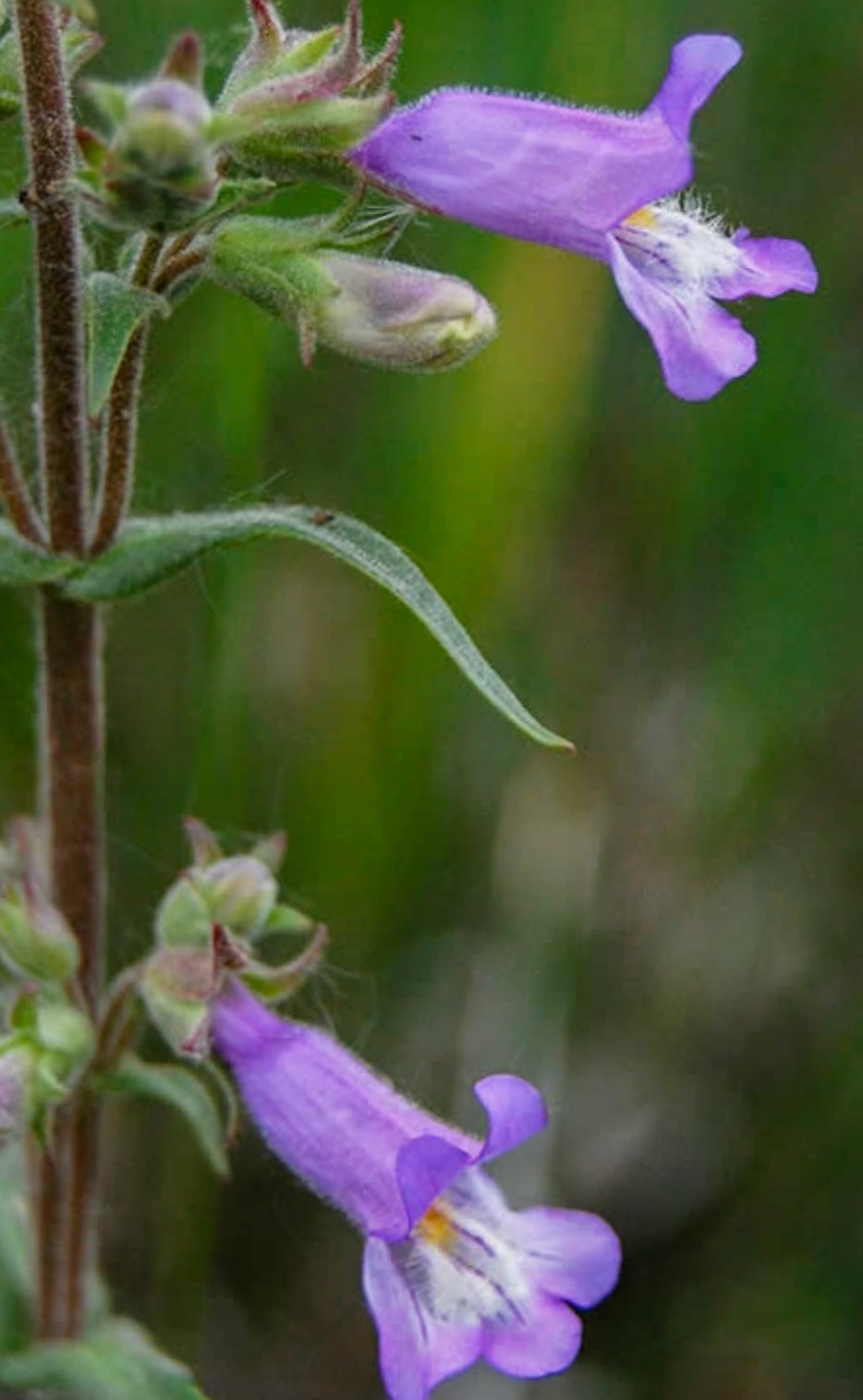 Image 5 of 6
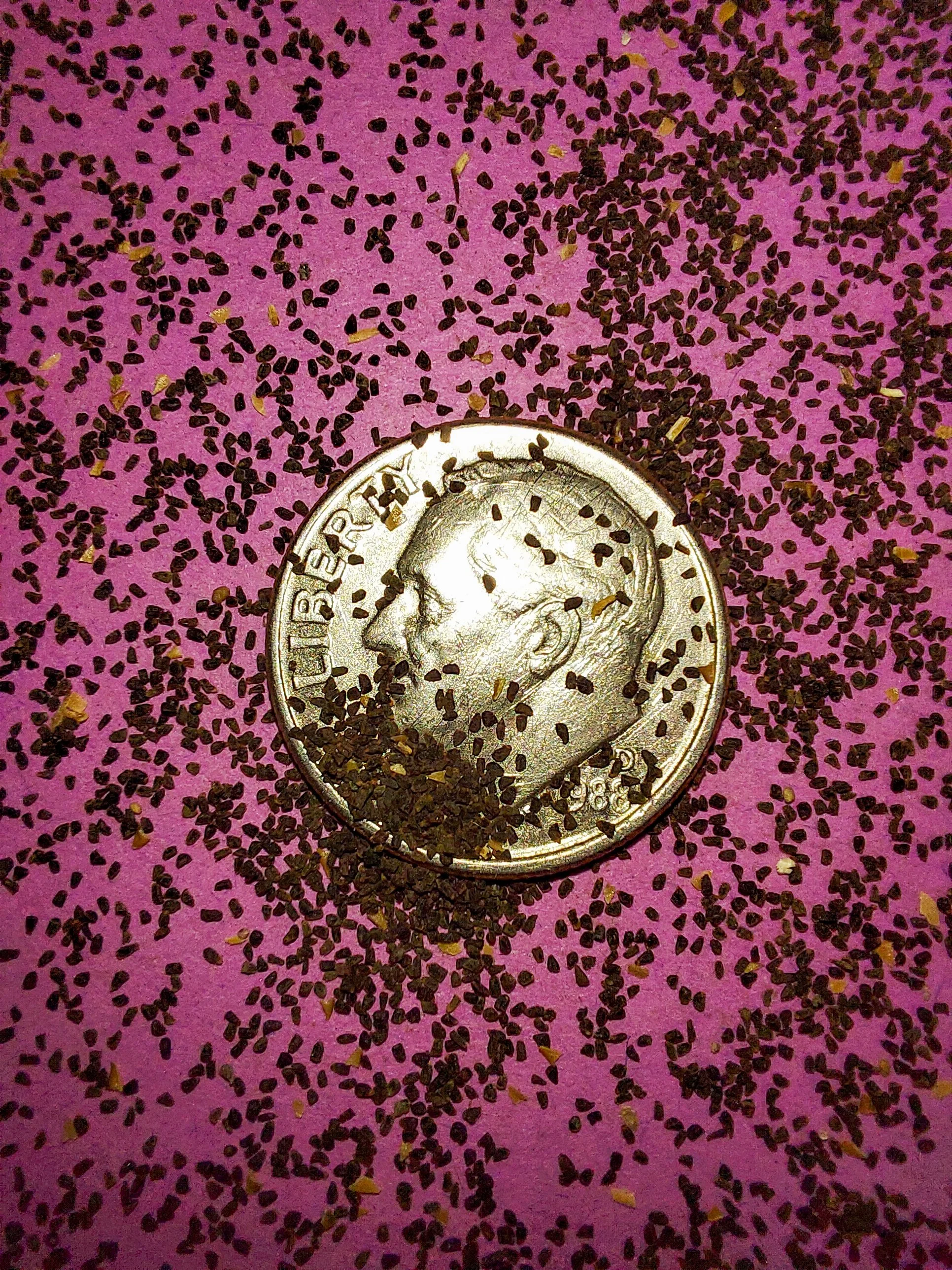 Image 6 of 6