Sale Price:
$1.00
Original Price:
$3.00
Prairie Spiderwort (Tradescantia bracteata)
Tradescantia bracteata, is the scientific name for the species of plant more commonly known as Prairie Spiderwort or Longbract Spiderwort and is as a species of Tradescantia in the Commelinaceae family. It is endemic (native) to the northern and central Great Plains and Mississippi Valley regions of the United States, from Arkansas and Oklahoma north to Minnesota and Montana, with a few isolated populations further east.
Prairie Spiderwort offers valuable benefits to pollinators and the surrounding ecosystem by producing nectar-rich, short-lived flowers that attract bees, butterflies, and hoverflies throughout the growing season; its clustered blossoms provide a reliable forage source during peak activity periods, while the plant’s extended blooming window supports successive generations of pollinators. As a native perennial, spiderwort helps stabilize soils with its fibrous root system, reduces erosion, and contributes to habitat complexity by providing shelter and microhabitats for beneficial insects. Its tolerance of varied light and moisture conditions makes it useful in restoration and pollinator-friendly plantings, promoting biodiversity and resilience in prairies, meadows, and garden-edge plantings.
Plant Details
USDA Zones: 3-8
Germination Needs: 120 Days Cold Stratification, Seed prefers to germinate in cool soil temperatures.
Life Cycle: Perennial
Sun Exposure: Full
Soil Moisture: Medium, Medium-Dry, Dry
Plant Spacing: ½-1 foot
Height: 1 foot
Bloom time: May, June, July
Bloom Color: Purple
Advantages :
Pollinator Favorite: butterflies, moths, bees, wasps, beetles
Bird Favorite: seeds, insects, fruit, nectar, nesting, perchs.
Deer Resistant: Yes
Excellent in the home landscape!
Native to: Wisconsin, Minnesota, Iowa, Illinois, Indiana, Michigan, Vermont, Massachusetts, Arkansas, Missouri, Oklahoma, Kansas, Nebraska, South Dakota, North Dakota, Montana, and Wyoming.
This plant is considered present but rare in several counties of the states of Wyoming, Arkansas, Illinois, and Indiana.
.
.
Packet quantities:
We pride ourselves on ethical, hands on, ecological management, using no mechanical or chemical methods whatsoever.
All of our native seed is hand reared, hand picked, and hand packed from native prairies under our exclusive management, never breaking chain of custody from the field until it is sent to you. Each packet is hand prepared for shipment by us, directly.
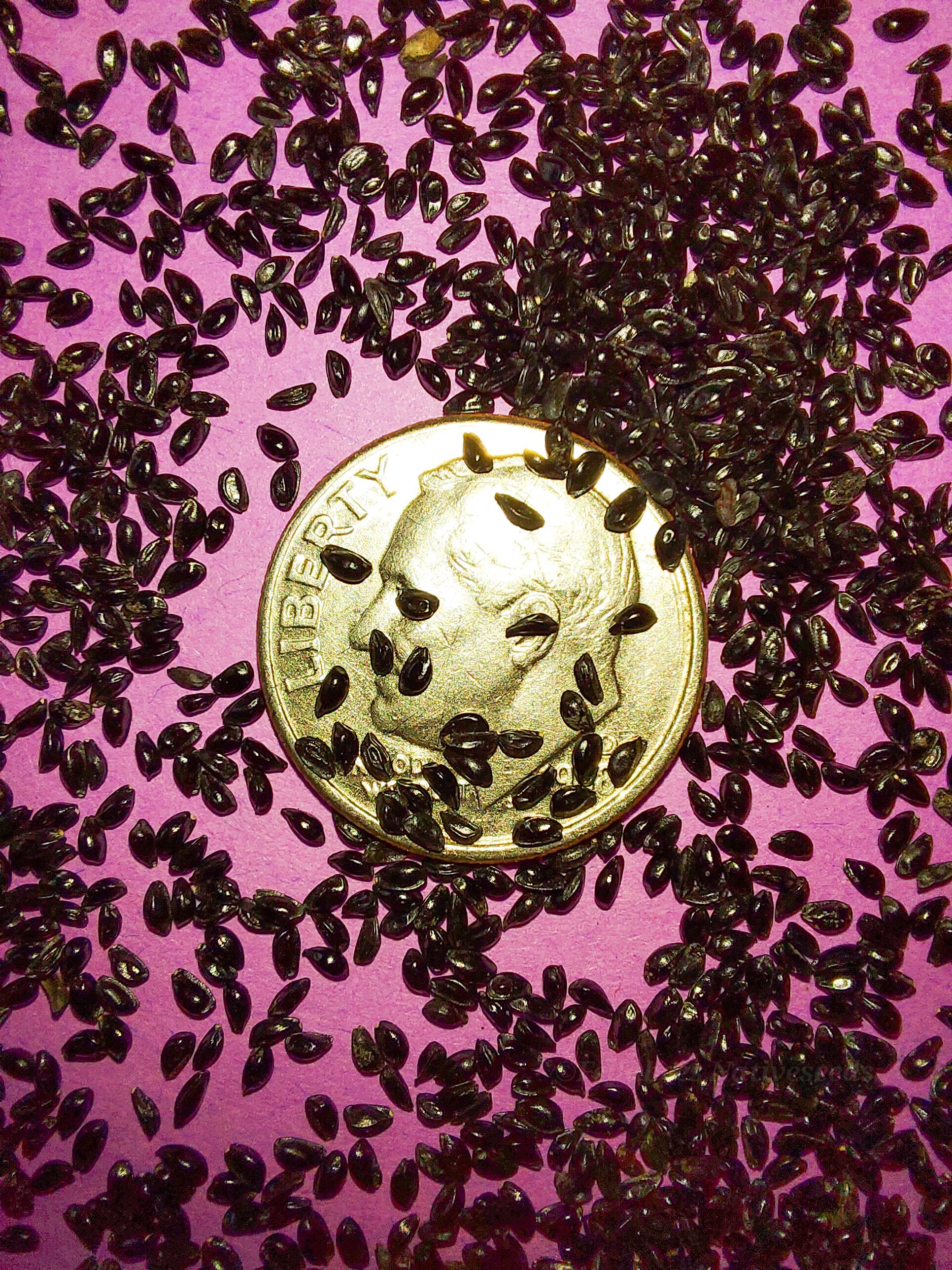
Small seed species will contain greater than 20-25 seed
Large seed species will contain greater than 10-15 seed
It is our mission to spread the wealth of native plant and pollinator ecological sustainability, and educate back yard gardeners as well as corporate and government entities in how to germinate, grow, and benefit from native synergies.
Thank you for your support, it is because of you, that we can grow together to do, what we do.🐛🦋🐝🐞🌾🌱🌼🧡
Prairie Spiderwort (Tradescantia bracteata)
Tradescantia bracteata, is the scientific name for the species of plant more commonly known as Prairie Spiderwort or Longbract Spiderwort and is as a species of Tradescantia in the Commelinaceae family. It is endemic (native) to the northern and central Great Plains and Mississippi Valley regions of the United States, from Arkansas and Oklahoma north to Minnesota and Montana, with a few isolated populations further east.
Prairie Spiderwort offers valuable benefits to pollinators and the surrounding ecosystem by producing nectar-rich, short-lived flowers that attract bees, butterflies, and hoverflies throughout the growing season; its clustered blossoms provide a reliable forage source during peak activity periods, while the plant’s extended blooming window supports successive generations of pollinators. As a native perennial, spiderwort helps stabilize soils with its fibrous root system, reduces erosion, and contributes to habitat complexity by providing shelter and microhabitats for beneficial insects. Its tolerance of varied light and moisture conditions makes it useful in restoration and pollinator-friendly plantings, promoting biodiversity and resilience in prairies, meadows, and garden-edge plantings.
Plant Details
USDA Zones: 3-8
Germination Needs: 120 Days Cold Stratification, Seed prefers to germinate in cool soil temperatures.
Life Cycle: Perennial
Sun Exposure: Full
Soil Moisture: Medium, Medium-Dry, Dry
Plant Spacing: ½-1 foot
Height: 1 foot
Bloom time: May, June, July
Bloom Color: Purple
Advantages :
Pollinator Favorite: butterflies, moths, bees, wasps, beetles
Bird Favorite: seeds, insects, fruit, nectar, nesting, perchs.
Deer Resistant: Yes
Excellent in the home landscape!
Native to: Wisconsin, Minnesota, Iowa, Illinois, Indiana, Michigan, Vermont, Massachusetts, Arkansas, Missouri, Oklahoma, Kansas, Nebraska, South Dakota, North Dakota, Montana, and Wyoming.
This plant is considered present but rare in several counties of the states of Wyoming, Arkansas, Illinois, and Indiana.
.
.
Packet quantities:
We pride ourselves on ethical, hands on, ecological management, using no mechanical or chemical methods whatsoever.
All of our native seed is hand reared, hand picked, and hand packed from native prairies under our exclusive management, never breaking chain of custody from the field until it is sent to you. Each packet is hand prepared for shipment by us, directly.
Small seed species will contain greater than 20-25 seed
Large seed species will contain greater than 10-15 seed
It is our mission to spread the wealth of native plant and pollinator ecological sustainability, and educate back yard gardeners as well as corporate and government entities in how to germinate, grow, and benefit from native synergies.
Thank you for your support, it is because of you, that we can grow together to do, what we do.🐛🦋🐝🐞🌾🌱🌼🧡
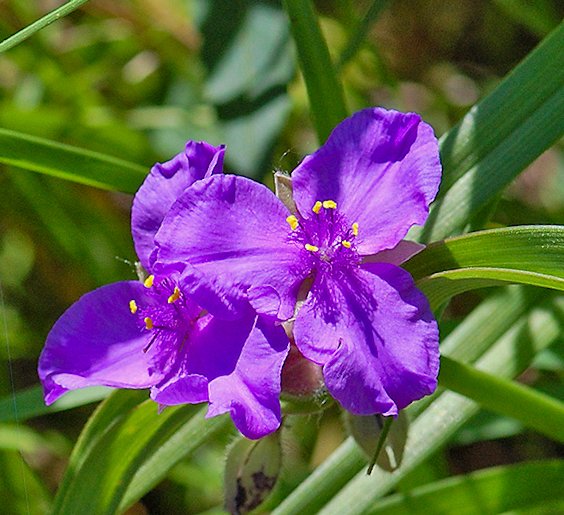 Image 1 of 7
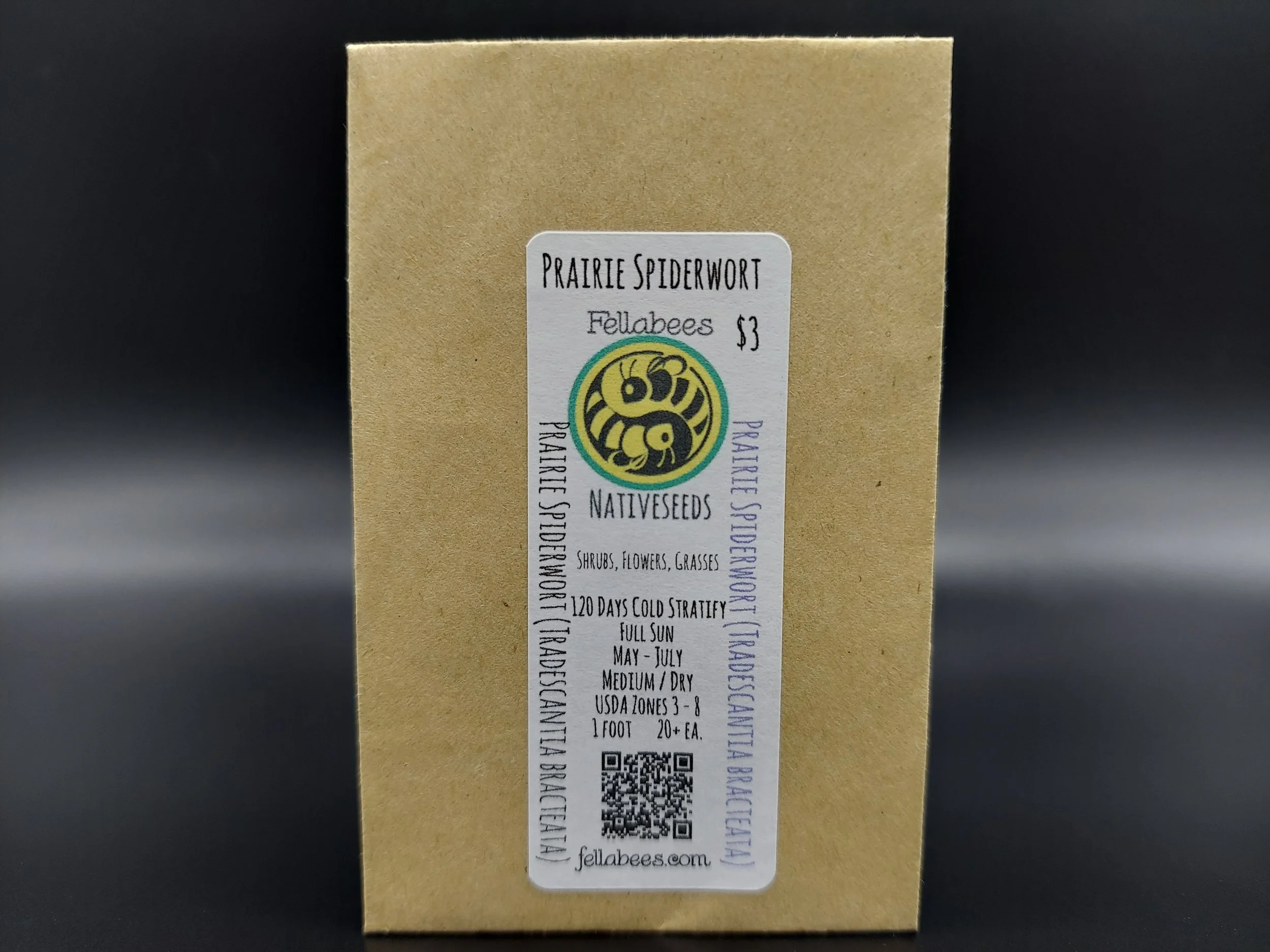 Image 2 of 7
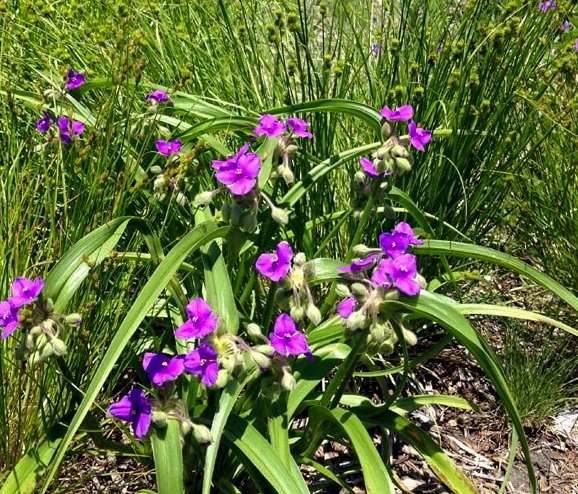 Image 3 of 7
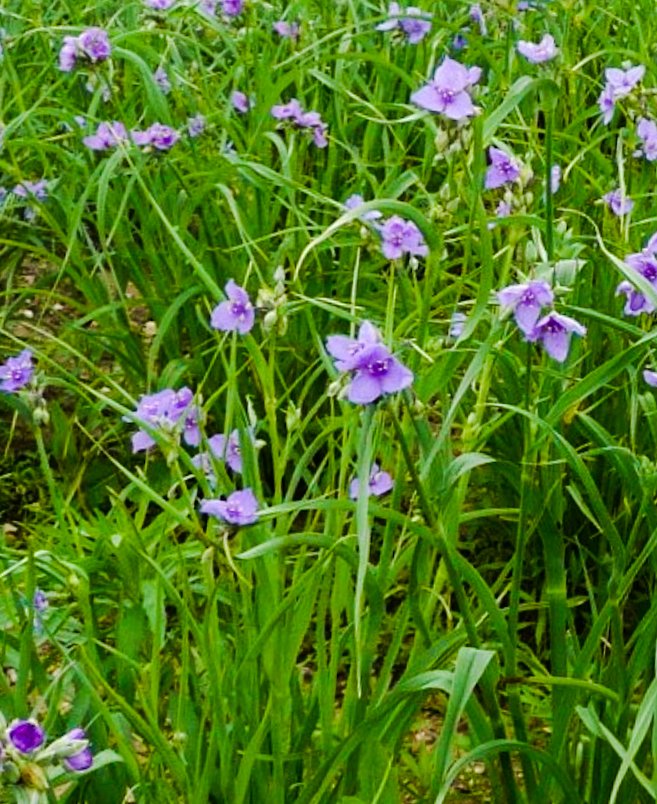 Image 4 of 7
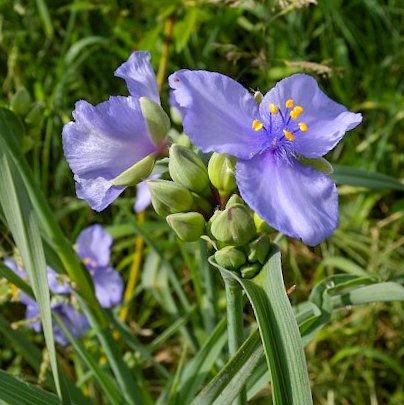 Image 5 of 7
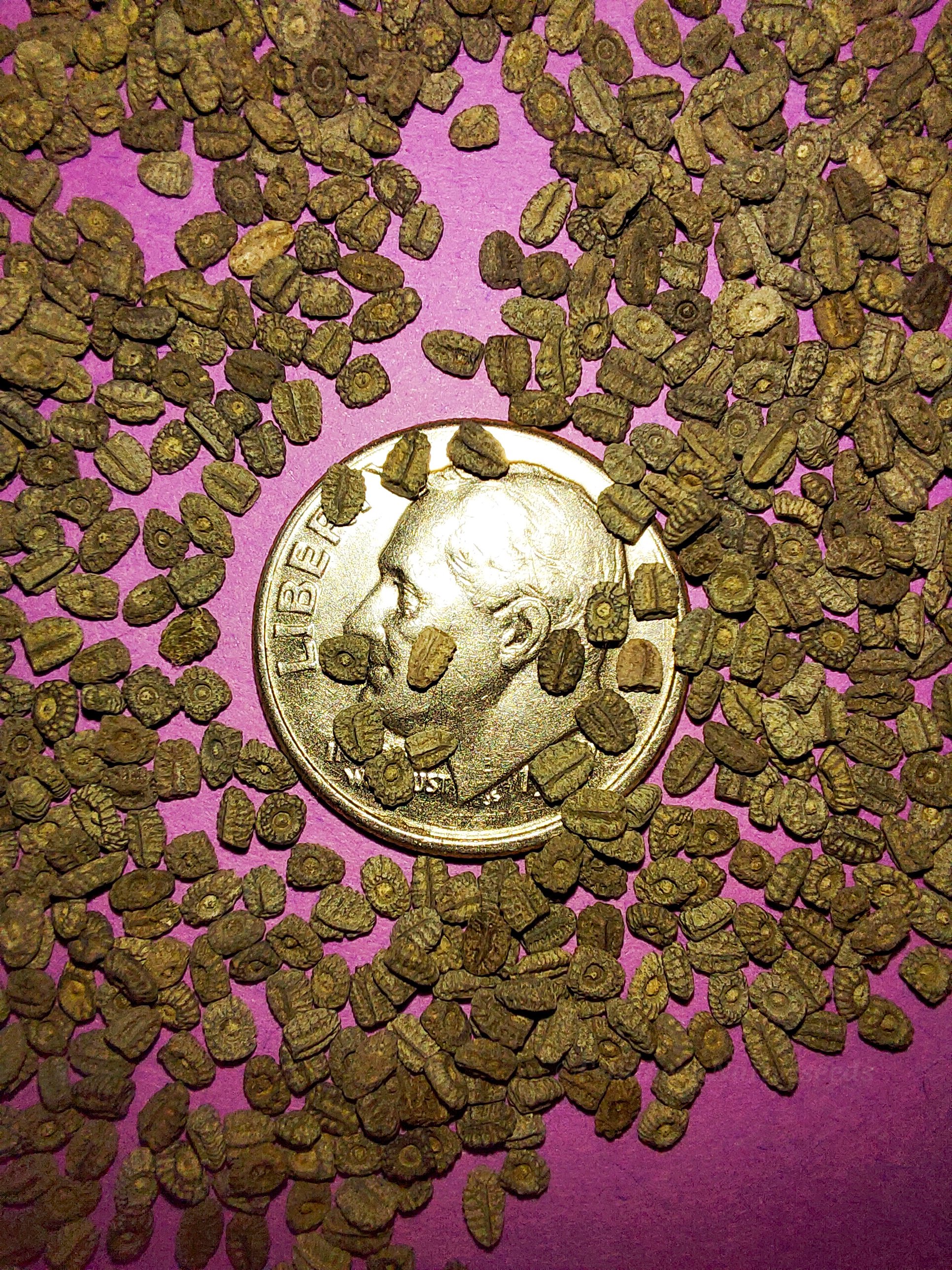 Image 6 of 7
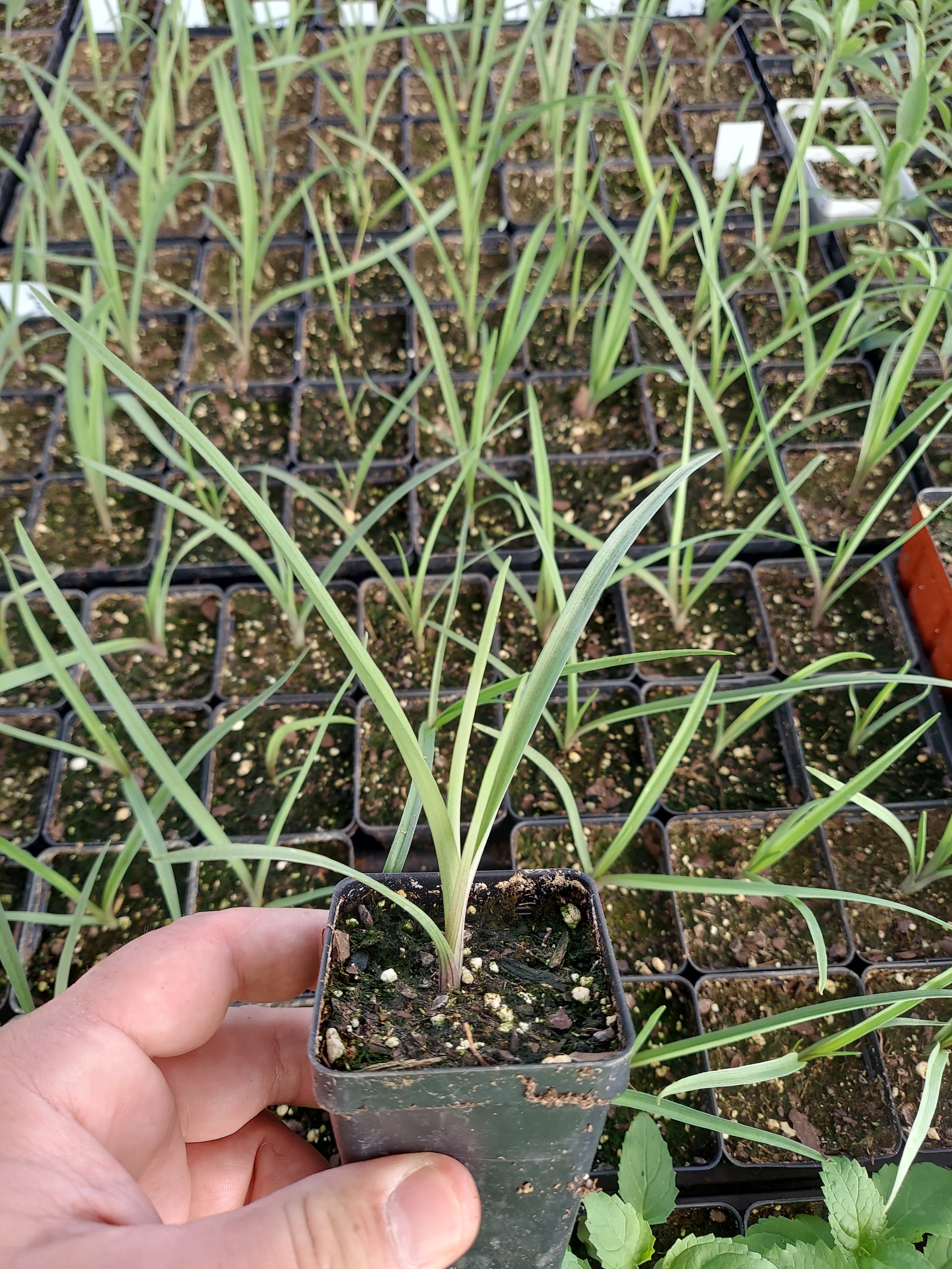 Image 7 of 7